

Gut microbiota, cognitive frailty and dementia in older individuals: a systematic review
Open accessThe DOI matches its Crossref record; 134 of the 135 references it cites were found in a registry or an index.
Abstract
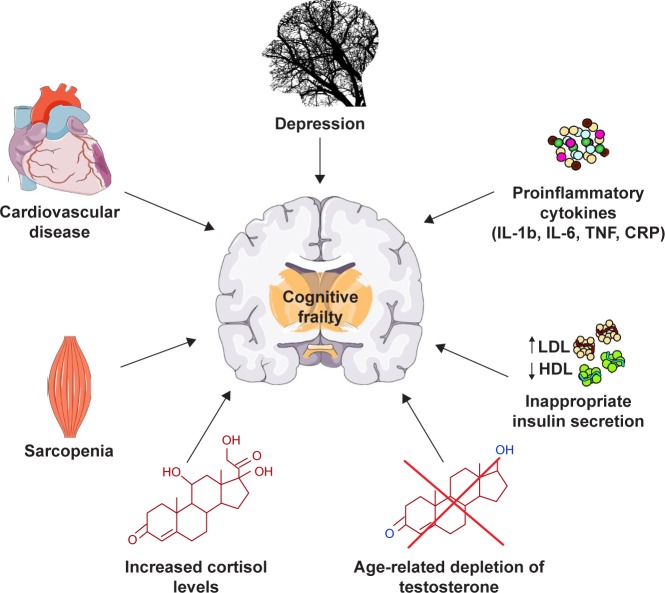
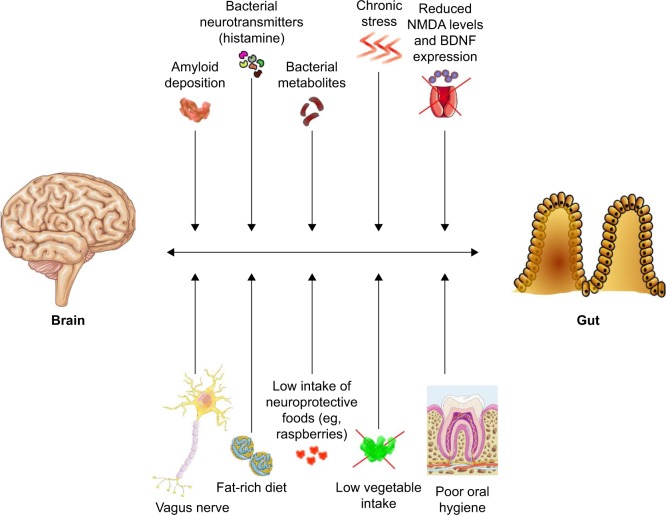
Cognitive frailty, defined as the coexistence of mild cognitive impairment symptoms and physical frailty phenotype in older persons, is increasingly considered the main geriatric condition predisposing to dementia. Recent studies have demonstrated that gut microbiota may be involved in frailty physiopathology by promoting chronic inflammation and anabolic resistance. The contribution of gut microbiota to the development of cognitive impairment and dementia is less defined, even though the concept of "gut-brain axis" has been well demonstrated for other neuropsychiatric disorders. The aim of this systematic review was to summarize the current state-of-the-art literature on the gut microbiota alterations associated with cognitive frailty, mild cognitive impairment and dementia and elucidate the effects of pre- or probiotic administration on cognitive symptom modulation in animal models of aging and human beings. We identified 47 papers with original data (31 from animal studies and 16 from human studies) suitable for inclusion according to our aims. We concluded that several observational and intervention studies performed in animal models of dementia (mainly Alzheimer's disease) support the concept of a gut-brain regulation of cognitive symptoms. Modulation of vagal activity and bacterial synthesis of substances active on host neural metabolism, inflammation and amyloid deposition are the main mechanisms involved in this physiopathologic link. Conversely, there is a substantial lack of human data, both from observational and intervention studies, preventing to formulate any clinical recommendation on this topic. Gut microbiota modulation of cognitive function represents, however, a promising area of research for identifying novel preventive and treatment strategies against dementia.
Overview
The claims and statistics of this paper haven’t been checked yet.
Free: it reads the open-access text and checks the first 5 claims that cite a source we can check. Create a free account to check every claim.
Integrity signals
Registry
Cites
Statistics
Figures
Verification
Claims the paper makes
The claims and statistics of this paper haven’t been checked yet.
Free: it reads the open-access text and checks the first 5 claims that cite a source we can check. Create a free account to check every claim.
Claims other papers make about this one
Each is checked against this paper’s own text: does it say what the citing paper says it does?
In the citing paper
“In aging, the microbiota is able to influence the brain physiology through multiple mechanisms, that have been recently reviewed by Ticinesi et al. [100] and Calvani et al. [101].”
From Gut Microbiota, Muscle Mass and Function in Aging: A Focus on Physical Frailty and Sarcopenia (2019) · cites this paper as [100]
Self-check
Percentages, sums and reported differences re-computed from the paper’s own numbers.
The self-check needs the paper’s full text.
Citations
Cites
1 retracted
Fougère, B., Daumas, M., Lilamand, M., Sourdet, S., Delrieu, J., Vellas, B. J., & van Kan, G. A. (2017) · Journal of the American Medical Directors Association · doi:10.1016/j.jamda.2017.06.024 · Cited by 56 · cited 1×
“10 Low gait speed is, in fact, the main motoric manifestation of cognitive frailty.”
BackgroundRetractedClegg, A., Young, J., Iliffe, S., Rikkert, M. O., & Rockwood, K. (2013) · The Lancet · doi:10.1016/s0140-6736(12)62167-9 · Cited by 9,503
Enterotypes of the human gut microbiome
MetaHIT Consortium (additional members), Arumugam, M., Raes, J., Pelletier, E., Le Paslier, D., Yamada, T., Mende, D. R., Fernandes, G. R., Tap, J., Bruls, T., et al. (2011) · Nature · doi:10.1038/nature09944 · Cited by 7,548 · cited 1×
“115 Similarly, in older individuals, the variety and pattern of food consumption were associated with a different trend toward gut microbiota dysbiosis.”
BackgroundGut microbiota composition correlates with diet and health in the elderly
Claesson, M. J., Jeffery, I. B., Conde, S., Power, S. E., O’Connor, E. M., Cusack, S., Harris, H. M. B., Coakley, M., Lakshminarayanan, B., O’Sullivan, O., et al. (2012) · Nature · doi:10.1038/nature11319 · Cited by 3,314 · cited 2×
“27 32 In fact, many microbial taxa, underrepresented in frail older persons, may produce”
BackgroundThe gut microbiota and host health: a new clinical frontier
Marchesi, J. R., Adams, D. H., Fava, F., Hermes, G. D. A., Hirschfield, G. M., Hold, G., Quraishi, M. N., Kinross, J., Smidt, H., Tuohy, K. M., et al. (2016) · Gut · doi:10.1136/gutjnl-2015-309990 · Cited by 2,302 · cited 2×
“12 However, in other studies, a Mini-Mental State Examination test score # 25 was used as a simplified method for assessing cognitive symptoms.”
BackgroundMethod(2018) · Neurology · doi:10.1212/wnl.0000000000004826 · Cited by 2,183 · cited 1×
“In this study, MCI was diagnosed using a battery of neuropsychological tests and not the clinical dementia rating scale,(7) in line with the most recent consensus recommendations.(12) However, in other studies, a Mini-Mental State Examination test score #25 was used as a simplified method for assessing cognitive sympt…”
MethodGut microbiome alterations in Alzheimer’s disease
Vogt, N. M., Kerby, R. L., Dill-McFarland, K. A., Harding, S. J., Merluzzi, A. P., Johnson, S. C., Carlsson, C. M., Asthana, S., Zetterberg, H., Blennow, K., et al. (2017) · Scientific Reports · doi:10.1038/s41598-017-13601-y · Cited by 2,137
Cattaneo, A., Cattane, N., Galluzzi, S., Provasi, S., Lopizzo, N., Festari, C., Ferrari, C., Guerra, U. P., Paghera, B., Muscio, C., et al. (2017) · Neurobiology of Aging · doi:10.1016/j.neurobiolaging.2016.08.019 · Cited by 1,382 · cited 2×
“Cattaneo et al 65 instead compared the fecal microbiota composition of 40 amyloid-positive patients with cognitive impairment, 33 amyloid-negative patients with cognitive impairment and 10 healthy controls using a quantitative-polymerase chain reaction approach.”
BackgroundMethodCognitive frailty: Rational and definition from an (I.A.N.A./I.A.G.G.) International Consensus Group
Kelaiditi, E., Cesari, M., Canevelli, M., Abellan van Kan, G., Ousset, P.-J., Gillette-Guyonnet, S., Ritz, P., Duveau, F., Soto, M. E., Provencher, V., et al. (2013) · The Journal of nutrition, health and aging · doi:10.1007/s12603-013-0367-2 · Cited by 1,084
Psychobiotics and the manipulation of bacteria–gut–brain signals
Sarkar, A., Lehto, S. M., Harty, S., Dinan, T. G., Cryan, J. F., & Burnet, P. W. J. (2016) · Trends in Neurosciences · doi:10.1016/j.tins.2016.09.002 · Cited by 1,068
Cited by
Chen, Y., Xu, J., & Chen, Y. (2021) · Nutrients · doi:10.3390/nu13062099 · Cited by 917
“This suggests that the neurotransmitter synthesis pathway in the intestine might directly or indirectly affect the neuronal activity and cognitive functions of the brain [12,26,27].”
BackgroundThe Gut Microbiome, Aging, and Longevity: A Systematic Review
Badal, V. D., Vaccariello, E. D., Murray, E. R., Yu, K. E., Knight, R., Jeste, D. V., & Nguyen, T. T. (2020) · Nutrients · doi:10.3390/nu12123759 · Cited by 551
Immunomodulatory potential of gut microbiome-derived short-chain fatty acids (SCFAs)
Ratajczak, W., Rył, A., Mizerski, A., Walczakiewicz, K., Sipak, O., & Laszczyńska, M. (2019) · Acta Biochimica Polonica · doi:10.18388/abp.2018_2648 · Cited by 514
Mild cognitive impairment has similar alterations as Alzheimer's disease in gut microbiota
Li, B., He, Y., Ma, J., Huang, P., Du, J., Cao, L., Wang, Y., Xiao, Q., Tang, H., & Chen, S. (2019) · Alzheimer's & Dementia · doi:10.1016/j.jalz.2019.07.002 · Cited by 478
“The changes of gut microbiota in MCI suggest the dysbiosis long before the onset of dementia, characterized by overrepresentation of gram-negative bacteria [38].”
BackgroundGut Microbiota, Muscle Mass and Function in Aging: A Focus on Physical Frailty and Sarcopenia
Ticinesi, A., Nouvenne, A., Cerundolo, N., Catania, P., Prati, B., Tana, C., & Meschi, T. (2019) · Nutrients · doi:10.3390/nu11071633 · Cited by 418
Self-citationSun, Y., Koyama, Y., & Shimada, S. (2022) · Frontiers in Aging Neuroscience · doi:10.3389/fnagi.2022.903455 · Cited by 304
Microbial-derived metabolites as a risk factor of age-related cognitive decline and dementia
Connell, E., Le Gall, G., Pontifex, M. G., Sami, S., Cryan, J. F., Clarke, G., Müller, M., & Vauzour, D. (2022) · Molecular Neurodegeneration · doi:10.1186/s13024-022-00548-6 · Cited by 208
“This process promotes neuroinflammation and macrophage dysfunction, leading to neural injury and ultimately a reduction in cognitive function [85, 86].”
BackgroundSugimoto, T., Arai, H., & Sakurai, T. (2022) · Geriatrics & Gerontology International · doi:10.1111/ggi.14322 · Cited by 187
Dysbiosis, gut barrier dysfunction and inflammation in dementia: a pilot study
Stadlbauer, V., Engertsberger, L., Komarova, I., Feldbacher, N., Leber, B., Pichler, G., Fink, N., Scarpatetti, M., Schippinger, W., Schmidt, R., et al. (2020) · BMC Geriatrics · doi:10.1186/s12877-020-01644-2 · Cited by 182
“[38] Recently, in patients with dementia a reduction in diversity of the microbiome has been described, however data on taxonomic microbiome composition are varying between different studies from different geographical locations [9, 10, 39].”
BackgroundAya, V., Flórez, A., Perez, L., & Ramírez, J. D. (2021) · PLOS ONE · doi:10.1371/journal.pone.0247039 · Cited by 158
“This hypothesis has been proposed in past reviews where authors aim to explore physical activity as a key factor between neurodegenerative diseases and gut microbiota [94], and exercise as a modulator of intestinal microbiome [95].”
BackgroundSkonieczna-Żydecka, K., Marlicz, W., Misera, A., Koulaouzidis, A., & Łoniewski, I. (2018) · Journal of Clinical Medicine · doi:10.3390/jcm7120521 · Cited by 147
Indoles as essential mediators in the gut-brain axis. Their role in Alzheimer's disease
Pappolla, M. A., Perry, G. L., Fang, X., Zagorski, M. G., Sambamurti, K., & Pöeggeler, B. (2021) · Neurobiology of Disease · doi:10.1016/j.nbd.2021.105403 · Cited by 129
Chen, L.-H., Huang, S.-Y., Huang, K.-C., Hsu, C.-C., Yang, K.-C., Li, L.-A., Chan, C.-H., & Huang, H.-Y. (2019) · Aging · doi:10.18632/aging.101782 · Cited by 117
A correlation between intestinal microbiota dysbiosis and osteoarthritis
Szychlinska, M. A., Rosa, M. D., Castorina, A., Mobasheri, A., & Musumeci, G. (2019) · Heliyon · doi:10.1016/j.heliyon.2019.e01134 · Cited by 134
Obesity-induced cognitive impairment in older adults: a microvascular perspective
Balasubramanian, P., Kiss, T., Tarantini, S., Nyúl-Tóth, Á., Ahire, C., Yabluchanskiy, A., Csipo, T., Lipecz, A., Tabak, A., Institoris, A., et al. (2021) · American Journal of Physiology-Heart and Circulatory Physiology · doi:10.1152/ajpheart.00736.2020 · Cited by 115
Probiotics for dementia: a systematic review and meta-analysis of randomized controlled trials
Krüger, J. F., Hillesheim, E., Pereira, A. C. S. N., Camargo, C. Q., & Rabito, E. I. (2021) · Nutrition Reviews · doi:10.1093/nutrit/nuaa037 · Cited by 109
Probiotics and prebiotics: focus on psychiatric disorders – a systematic review
Barbosa, R. S. D., & Vieira-Coelho, M. A. (2020) · Nutrition Reviews · doi:10.1093/nutrit/nuz080 · Cited by 93
Oxidative Stress and Gut-Derived Lipopolysaccharides in Neurodegenerative Disease: Role of NOX2
Loffredo, L., Ettorre, E., Zicari, A. M., Inghilleri, M., Nocella, C., Perri, L., Spalice, A., Fossati, C., De Lucia, M. C., Pigozzi, F., et al. (2020) · Oxidative Medicine and Cellular Longevity · doi:10.1155/2020/8630275 · Cited by 100
Mehrabadi, S., Department of Physiology, S. O. M., Sadr, S. S., & Department of Physiology, S. O. M. (2020) · Iranian Biomedical Journal · doi:10.29252/ibj.24.4.220 · Cited by 93
“Studies have shown that there is a bidirectional communication between gut and other organs [8,9] .”
BackgroundFostering healthy aging: The interdependency of infections, immunity and frailty
Vetrano, D. L., Triolo, F., Maggi, S., Malley, R., Jackson, T., Poscia, A., Bernabei, R., Ferrucci, L., & Fratiglioni, L. (2021) · Ageing Research Reviews · doi:10.1016/j.arr.2021.101351 · Cited by 104
“Indeed, alterations of the gut microbiome have been linked to immunosenescence and inflammaging, as well to neuroinflammation, sarcopenia and frailty per se, suggesting that the integrity of the gut microbiome is indeed pivotal for healthy aging (Amsterda et al., 2018; Di Sabatino et al., 2018; Picca et al., 2018; Tic…”
Interventions on Gut Microbiota for Healthy Aging
Zeppa, S. D., Agostini, D., Ferrini, F., Gervasi, M., Barbieri, E., Bartolacci, A., Piccoli, G., Saltarelli, R., Sestili, P., & Stocchi, V. (2022) · Cells · doi:10.3390/cells12010034 · Cited by 116
“Some centenarians do, however, still have sharp minds, probably correlated to a balanced gut microbiome [36].”
BackgroundLipocalin 2 as a link between ageing, risk factor conditions and age-related brain diseases
Dekens, D. W., Eisel, U. L. M., Gouweleeuw, L., Schoemaker, R. G., Deyn, P. P. D., & Naudé, P. J. W. (2021) · Ageing Research Reviews · doi:10.1016/j.arr.2021.101414 · Cited by 99
The emerging role of probiotics in neurodegenerative diseases: new hope for Parkinson’s disease?
d’Angelo, M., Cimini, A., Castelli, V., Quintiliani, M., Benedetti, E., & Cifone, M. G. (2020) · Neural Regeneration Research · doi:10.4103/1673-5374.295270 · Cited by 99
“In aging individuals, gut dysbiosis is concomitant with impaired cognitive and behavioral functions and decreased brain volume (Ticinesi et al., 2018), characteristics of agerelated brain disorders, such as PD, AD.”
BackgroundAssociation between premature ovarian insufficiency and gut microbiota
Wu, J., Zhuo, Y., Liu, Y.-L., Chen, Y., Ning, Y., & Yao, J. (2021) · BMC Pregnancy and Childbirth · doi:10.1186/s12884-021-03855-w · Cited by 104
Baldi, S., Mundula, T., Nannini, G., & Amedei, A. (2021) · World Journal of Gastroenterology · doi:10.3748/wjg.v27.i39.6715 · Cited by 98
Wu, M.-L., Yang, X.-Q., Xue, L., Duan, W., & Du, J.-R. (2021) · Behavioural Brain Research · doi:10.1016/j.bbr.2021.113125 · Cited by 79
Li, Y., Shao, L., Mou, Y., Zhang, Y., & Ping, Y. (2021) · Gut Microbes · doi:10.1080/19490976.2021.1957407 · Cited by 87
“Substances such as D-galactose, Aβ protein and lipopolysaccharide (LPS) were also used in several studies to induce AD pathology.(38) It has been suggested that α-diversity analysis and Firmicutes/Bacteroidetes (F/B) ratio, two frequently used criteria in microbiome analysis, are not reliable in investigating the asso…”
MethodZheng, L., Li, G., Gao, D., Wang, S., Meng, X., Wang, C., Yuan, H., & Chen, L. (2019) · Archives of Gerontology and Geriatrics · doi:10.1016/j.archger.2019.103997 · Cited by 86
Santabárbara, J., Lipnicki, D. M., Olaya, B., Villagrasa, B., Bueno‐Notivol, J., Nuez, L., López‐Antón, R., & Gracia‐García, P. (2020) · Journal of Clinical Medicine · doi:10.3390/jcm9061791 · Cited by 90
“Thus, these findings might suggest that anxiety is acting as a very early risk factor for dementia, which could be explained by several hypothetical mechanisms: an increased risk of cardio- and cerebro-vascular events [41,42], which are themselves risk factors for vascular dementia [43] and AD [44]; raised levels of g…”
BackgroundZhong, H., Xu, J., Yang, M., Hussain, M., Liu, X., Feng, F., & Guan, R. (2023) · Nutrients · doi:10.3390/nu15030496 · Cited by 88
“Neuronal activity and cognitive function in the brain may be directly or indirectly influenced by neurotransmitter synthesis pathways in the gut [32].”
BackgroundTicinesi, A., Guerra, A., Nouvenne, A., Meschi, T., & Maggi, S. (2023) · Nutrients · doi:10.3390/nu15051138 · Cited by 79
Self-citationChye, L. M. Y., Wei, K., Nyunt, M. S. Z., Gao, Q., Wee, S. L., & Ng, T. P. (2018) · The Journal of Prevention of Alzheimer s Disease · doi:10.14283/jpad.2017.46 · Cited by 78
The Gut Microbiome as a Therapeutic Target for Cognitive Impairment
Sun, Y., Baptista, L. C., Roberts, L. M., Jumbo-Lucioni, P., McMahon, L. L., Buford, T. W., & Carter, C. S. (2020) · The Journals of Gerontology: Series A · doi:10.1093/gerona/glz281 · Cited by 70
“Physical exercise, one of the most studied and effective interventions to prevent and manage several chronic inflammatory, metabolical and functional diseases (97), is also a potential strategy to manage cognitive impairment through the bidirectional modulation of gut–brain axis (94).”
BackgroundHealth equity, care access and quality in headache – part 1
Tana, C., Raffaelli, B., Souza, M. N. P., de la Torre, E. R., Massi, D. G., Kissani, N., García‐Azorín, D., & Waliszewska‐Prosół, M. (2024) · The Journal of Headache and Pain · doi:10.1186/s10194-024-01712-7 · Cited by 78
Self-citationGut microbiota and aging-A focus on centenarians
Cӑtoi, A. F., Corina, A., Katsiki, N., Vodnar, D. C., Andreicuț, A. D., Stoian, A. P., Rizzo, M., & Pérez-Martínez, P. (2020) · Biochimica et Biophysica Acta (BBA) - Molecular Basis of Disease · doi:10.1016/j.bbadis.2020.165765 · Cited by 70
Białecka-Dębek, A., Granda, D., Szmidt, M. K., & Zielińska, D. (2021) · Nutrients · doi:10.3390/nu13082514 · Cited by 75
Functional Foods: An Approach to Modulate Molecular Mechanisms of Alzheimer’s Disease
Atlante, A., Amadoro, G., Bobba, A., & Latina, V. (2020) · Cells · doi:10.3390/cells9112347 · Cited by 73
Influence of gut microbiota dysbiosis on brain function: a systematic review
Almeida, C., Oliveira, R., Soares, R. A., & Barata, P. (2020) · Porto Biomedical Journal · doi:10.1097/j.pbj.0000000000000059 · Cited by 71
The effect of probiotics on cognitive function across the human lifespan: A systematic review
Eastwood, J., Walton, G., van Hemert, S., Williams, C. M., & Lamport, D. J. (2021) · Neuroscience & Biobehavioral Reviews · doi:10.1016/j.neubiorev.2021.06.032 · Cited by 79
Escalante, J., Artaiz, O., Diwakarla, S., & McQuade, R. M. (2024) · GeroScience · doi:10.1007/s11357-024-01451-2 · Cited by 70
“The connection between intestinal disorders/intestinal barrier dysfunction and neurodegenerative diseases has been extensively reviewed elsewhere [54, 122, 157, 182].”
Doulberis, M., Kotronis, G., Gialamprinou, D., Pοlyzos, S. A., Papaefthymiou, A., Katsinelos, P., & Kountouras, J. (2020) · International Journal of Neuroscience · doi:10.1080/00207454.2020.1738432 · Cited by 64
The Roles of the Gut Microbiota and Chronic Low-Grade Inflammation in Older Adults With Frailty
Xu, Y., Liu, X., Liu, X., Chen, D., Wang, M., Jiang, X., & Xiong, Z. (2021) · Frontiers in Cellular and Infection Microbiology · doi:10.3389/fcimb.2021.675414 · Cited by 64
Sepp, E., Smidt, I., Rööp, T., Štšepetova, J., Kõljalg, S., Mikelsaar, M., Soidla, I., Ainsaar, M., Kolk, H., Vallas, M., et al. (2022) · Frontiers in Cellular and Infection Microbiology · doi:10.3389/fcimb.2022.851404 · Cited by 67
Zeibich, L., Koebele, S. V., Bernaud, V. E., Ilhan, Z. E., Dirks, B., Northup-Smith, S. N., Neeley, R., Maldonado, J., Nirmalkar, K., Files, J. A., et al. (2021) · Frontiers in Cellular and Infection Microbiology · doi:10.3389/fcimb.2021.702628 · Cited by 65
Chen, G., Zhou, X., Zhu, Y., Shi, W., & Kong, L. (2023) · European Journal of Neurology · doi:10.1111/ene.15961 · Cited by 57
Di Sabatino, A., Lenti, M. V., Cammalleri, L., Corazza, G. R., & Pilotto, A. (2018) · Digestive and Liver Disease · doi:10.1016/j.dld.2018.03.010 · Cited by 53
Zhuge, A., Li, B., Yin, Y., Lv, L., Li, Y., Wu, J., Yang, L., Bian, X., Wang, K., Wang, Q., et al. (2020) · Applied Microbiology and Biotechnology · doi:10.1007/s00253-020-10749-y · Cited by 54
Characterization of the Oral Microbiome of Medicated Type-2 Diabetes Patients
Almeida-Santos, A. C., Martins‐Mendes, D., Gayà‐Vidal, M., Pérez-Pardal, L., & Beja‐Pereira, A. (2021) · Frontiers in Microbiology · doi:10.3389/fmicb.2021.610370 · Cited by 59
Ticinesi, A., Nouvenne, A., Cerundolo, N., Parise, A., Mena, P. R., & Meschi, T. (2024) · Aging Clinical and Experimental Research · doi:10.1007/s40520-024-02707-9 · Cited by 55
“…have suggested that age-related gut-microbiota alterations can negatively influence the pathogenesis of many diseases and conditions with high prevalence in geriatric patients [11], including dementia [12], sarcopenia [13], type 2 diabetes [14], hypertension, and other cardiovascular diseases [15].”
BackgroundSelf-citationThe impact of aging-induced gut microbiome dysbiosis on dendritic cells and lung diseases
Malik, J. A., Zafar, M. A., Lamba, T., Nanda, S., Khan, M. A., & Agrewala, J. N. (2023) · Gut Microbes · doi:10.1080/19490976.2023.2290643 · Cited by 55
“Fiber-rich foods, for instance, have been found to enrich Bifidobacterium and Lactobacillus while reducing pathogenic colonies 35 .”
BackgroundYang, T., & Zhang, F. (2020) · Arteriosclerosis Thrombosis and Vascular Biology · doi:10.1161/atvbaha.120.314804 · Cited by 54
Impact of Nutritional Status on Caregiver Burden of Elderly Outpatients. A Cross-Sectional Study
Tana, C., Lauretani, F., Ticinesi, A., Gionti, L., Nouvenne, A., Prati, B., Meschi, T., & Maggio, M. G. (2019) · Nutrients · doi:10.3390/nu11020281 · Cited by 60
Self-citationSajdel, E. M. (2021) · BioMed Research International · doi:10.1155/2021/7880448 · Cited by 53
“The significance of the MGB axis in mental health and disease has been supported by the observations of gut microbiota dysbiosis in several neuropsychiatric disorders that include anxiety [14], depression [15–18], cognitive frailty, and dementia [19], and neurosensory abnormalities of taste [20] that are increasingly…”
BackgroundInfluentialAya, V., Jiménez, P., Muñoz, E., & Ramírez, J. D. (2023) · BMC Geriatrics · doi:10.1186/s12877-023-04066-y · Cited by 56
“Past reviews and animal studies have linked the possible physiological response to exercise with the community of microorganisms that inhabit the gut [53, 110, 111].”
BackgroundDiverticular Disease: a Gut Microbiota Perspective
Ticinesi, A., Nouvenne, A., Corrente, V., Tana, C., Mario, F. D., & Meschi, T. (2019) · Journal of Gastrointestinal and Liver Diseases · doi:10.15403/jgld-277 · Cited by 52
“The pathophysiological role of the intestinal microbiota has been extensively studied for other gastrointestinal diseases, such as inflammatory bowel disease (IBD) [6] and colon cancer [7, 8], and even for extraintestinal diseases, including metabolic syndrome [9], neurodegenerative diseases [10], kidney stones [11] a…”
BackgroundSelf-citationLiu, F., Duan, M., Fu, H., Zhao, G., Han, Y., Lan, F., Ahmed, Z., Cao, G., Li, Z., Ma, D., et al. (2022) · Annals of Surgery · doi:10.1097/sla.0000000000005489 · Cited by 50
“(interquartile range)] after surgery were slightly lower than before surgery [25 (24, 27) vs 24 (23, 26) in NC, P= 0.”
BackgroundStroke and Vascular Cognitive Impairment: The Role of Intestinal Microbiota Metabolite TMAO
Tu, R., & Xia, J. (2024) · CNS & Neurological Disorders - Drug Targets · doi:10.2174/1871527322666230203140805 · Cited by 47
Yadav, H., Jaldhi, Bhardwaj, R., Anamika, A., Bakshi, A., Gupta, S., & Maurya, S. K. (2023) · Life Sciences · doi:10.1016/j.lfs.2023.122022 · Cited by 53
Crosstalk Between the Gut Microbiome and Bioactive Lipids: Therapeutic Targets in Cognitive Frailty
Baptista, L. C. P., Sun, Y., Carter, C. S., & Buford, T. W. (2020) · Frontiers in Nutrition · doi:10.3389/fnut.2020.00017 · Cited by 51
Munir, M. U., Ali, S. A., Chung, K. H. K., Käkinen, A., Javed, I., & Davis, T. P. (2024) · Gut Microbes · doi:10.1080/19490976.2024.2422468 · Cited by 46
Molecular mechanisms in cognitive frailty: potential therapeutic targets for oxygen-ozone treatment
Scassellati, C., Ciani, M., Galoforo, A. C., Zanardini, R., Bonvicini, C., & Geroldi, C. (2020) · Mechanisms of Ageing and Development · doi:10.1016/j.mad.2020.111210 · Cited by 48
Li, Z., Lin, C., Cai, X., Lv, F., Yang, W., & Ji, L. (2024) · Alzheimer s Research & Therapy · doi:10.1186/s13195-024-01645-y · Cited by 55
Gut Microbiota and Microbiota-Related Metabolites as Possible Biomarkers of Cognitive Aging
Ticinesi, A., Nouvenne, A., Tana, C., Prati, B., & Meschi, T. (2019) · Advances in experimental medicine and biology · doi:10.1007/978-3-030-25650-0_8 · Cited by 52
Self-citationTam, A. C. Y., Chan, A. W. Y., Cheung, D. S. K., Ho, L. Y. W., Tang, A. S. K., Christensen, M., Tse, M. Y. M., & Kwan, R. Y. C. (2022) · European Review of Aging and Physical Activity · doi:10.1186/s11556-022-00299-9 · Cited by 50
“The existing systematic reviews on cognitive frailty in the literature have focused only on identifying associated factors and adverse outcomes [6, 9, 31], and their relationship with frailty and cognition [32–34].”
BackgroundThe metabolomics side of frailty: Toward personalized medicine for the aged
Picca, A., Coelho‐Júnior, H. J., Cesari, M., Marini, F., Miccheli, A., Gervasoni, J., Bossola, M., Landi, F., Bernabei, R., Marzetti, E., et al. (2019) · Experimental Gerontology · doi:10.1016/j.exger.2019.110692 · Cited by 48
Renson, A., Harris, K. M., Dowd, J. B., Gaydosh, L. M., McQueen, M. B., Krauter, K. S., Shanahan, M. J., & Aiello, A. E. (2020) · The Journals of Gerontology Series A · doi:10.1093/gerona/glaa122 · Cited by 45
“Relatedly, accumulating research has linked between-person variation in microbiota composition to conditions of aging, including cardiometabolic diseases (2), dementia (3), frailty (4), and cancers (5).”
BackgroundThe Bridge Between Ischemic Stroke and Gut Microbes: Short-Chain Fatty Acids
Fang, Z., Chen, M., Qian, J., Wang, C., & Zhang, J. (2022) · Cellular and Molecular Neurobiology · doi:10.1007/s10571-022-01209-4 · Cited by 45
Ticinesi, A., Mancabelli, L., Carnevali, L., Nouvenne, A., Meschi, T., Rio, D. D., Ventura, M., Sgoifo, A., & Angelino, D. (2022) · Journal of Alzheimer s Disease · doi:10.3233/jad-215493 · Cited by 44
“Themicrobiotacanalsoinfluencethe pathophysiologyofdementiathroughmultiplemech-anisms [30, 31], and for these reasons the relationship between diet and dementia should be absolutely unraveled by also considering the key role of the gut microbiota and its metabolic activity.”
Self-citationRelationship between Diet, Microbiota, and Healthy Aging
Sanchez-Morate, E., Gimeno-Mallench, L., Stromsnes, K., Sanz‐Ros, J., Román-Domínguez, A., Parejo-Pedrajas, S., Inglés, M., González, G. O., Gambini, J., & Mas‐Bargues, C. (2020) · Biomedicines · doi:10.3390/biomedicines8080287 · Cited by 43
“Fibers Diets rich in fibers such as, β-glucan, arabinoxylan, galactomannan, and pectines facilitate weight control, decrease systemic inflammation, and are fundamental in the maintenance of intestinal health by supplementing substrates for the health promoting bacteria (Bifidobacterium and Lactobacillus) [84].”
BackgroundWang, F., Gu, Y., Xu, C., Du, K., Zhao, C., Zhao, Y., & Liu, X. (2022) · Frontiers in Aging Neuroscience · doi:10.3389/fnagi.2022.858130 · Cited by 44
How gut microbiota may impact ocular surface homeostasis and related disorders
Labétoulle, M., Baudouin, C., del Castillo, J. M. B., Rolando, M., Rescigno, M., Messmer, E. M., & Aragona, P. (2024) · Progress in Retinal and Eye Research · doi:10.1016/j.preteyeres.2024.101250 · Cited by 44
“The diverse aspects of the gut-to-nerves and brain axis, as summarized above likely explains why gut microbiota disorders have been identified as components of neurologic diseases (Bastiaanssen et al., 2019; Marietta et al., 2018; Markoulli et al., 2023; Ticinesi et al., 2018)).”
Chen, L., Wang, M.-F., Chang, C., Huang, S., Pan, C., Yeh, Y., Huang, C., Chan, C.-H., & Huang, H.-Y. (2021) · Nutrients · doi:10.3390/nu13041116 · Cited by 40
“Our previous studies reported that LPPS23 attenuated the age-related cognitive impairment, muscle loss, and protein uptake decline in SAMP8 mice [14,15], and these agerelated problems were associated with the change in GM composition [26,27].”
MethodCan dipeptidyl peptidase-4 inhibitors treat cognitive disorders?
Cheng, Q., Cheng, J., Cordato, D. J., & Gao, J. (2020) · Pharmacology & Therapeutics · doi:10.1016/j.pharmthera.2020.107559 · Cited by 33
Short-chain fatty acids–microbiota crosstalk in the coronavirus disease (COVID-19)
Włodarczyk, J., Czerwiński, B., & Fichna, J. (2022) · Pharmacological Reports · doi:10.1007/s43440-022-00415-7 · Cited by 36
“Research on gut–brain axis have shown that gut microbiota dysbiosis is present in several neuropsychiatric disorders that include anxiety [53], depression [54], dementia [55], and neurosensory abnormalities of taste [56]—which according to some reports may be present in up to half of hospitalized COVID-19 patients [57…”
BackgroundCoutts, L., Ibrahim, K., Tan, Q. Y., Lim, S. E. R., Cox, N. J., & Roberts, H. C. (2020) · European Geriatric Medicine · doi:10.1007/s41999-020-00396-x · Cited by 33
“A 2018 systematic review summarizing the literature on the gut microbiota alterations associated with cognitive frailty, MCI and dementia and evaluating the effects of prebiotics or probiotics on cognitive symptoms in animal models of aging and on human beings found inadequate human data to make any recommendations [4…”
BackgroundHolland, C., Dravecz, N., Owens, L., Benedetto, A., Dias, I. H. K., Gow, A. J., & Broughton, S. J. (2024) · Ageing Research Reviews · doi:10.1016/j.arr.2024.102461 · Cited by 34
Plant polysaccharides utilized by gut microbiota: New players in ameliorating cognitive impairment
Sun, Y., Ho, C., Zhang, Y., Hong, M., & Zhang, X. (2022) · Journal of Traditional and Complementary Medicine · doi:10.1016/j.jtcme.2022.01.003 · Cited by 34
The Many Ages of Microbiome–Gut–Brain Axis
Ratto, D., Roda, E., Romeo, M., Venuti, M. T., Desiderio, A., Lupo, G., Capelli, E., Sandionigi, A., & Rossi, P. (2022) · Nutrients · doi:10.3390/nu14142937 · Cited by 34
“Hence, mounting evidence supports the hypothesis that gut microbiome dysbiosis is implicated in the onset of cognitive impairment and frailty [10,24,26].”
Backgroundde la Barquera, B. S. Y. S., Carrillo, B. E. M., Garrido, J. F. A., Martínez-Méndez, R., Arciniega, A. D. B., Valdés‐Ramos, R., & Piña, A. E. S. (2022) · The journal of nutrition health & aging · doi:10.1007/s12603-022-1842-4 · Cited by 38
“Advances in this field are limited because they are relatively new, and most studies have focused on the brain-intestine axis in animal models and not in humans (42).”
InfluentialThe role of the gut microbiome in mediating neurotoxic outcomes to PCB exposure
Rude, K. M., Keogh, C. E., & Gareau, M. G. (2019) · NeuroToxicology · doi:10.1016/j.neuro.2019.08.010 · Cited by 34
“, 2011), with modulation of the vagus nerve by bacterial metabolites, and bacterial synthesis of neuroactive peptides as common mechanisms for this regulation (Ticinesi et al., 2018).”
BackgroundSultana, O. F., Hia, R. A., & Reddy, P. H. (2024) · Antioxidants · doi:10.3390/antiox13020202 · Cited by 32
Baskin, B. M., Logsdon, A. F., Lee, S. J., Foresi, B. D., Peskind, E. R., Banks, W. A., Cook, D. G., & Schindler, A. G. (2022) · Brain Behavior and Immunity · doi:10.1016/j.bbi.2023.03.003 · Cited by 34
Cognitive frailty: A comprehensive clinical paradigm beyond cognitive decline
Cozza, M., & Boccardi, V. (2025) · Ageing Research Reviews · doi:10.1016/j.arr.2025.102738 · Cited by 34
Rhamnolipids, Microbial Virulence Factors, in Alzheimer’s Disease
Andreadou, E., Pantazaki, A. A., Daniilidou, M., & Tsolaki, M. (2017) · Journal of Alzheimer’s Disease · doi:10.3233/jad-161020 · Cited by 30
Bajaj, J. S., Shamsaddini, A., Fagan, A., McGeorge, S., Gavis, E. A., Sikaroodi, M., Brenner, L. A., Wade, J. B., & Gillevet, P. M. (2021) · Gut Microbes · doi:10.1080/19490976.2021.1953247 · Cited by 33
Li, X., Lv, C., Jin-xiao, S., & Li, J. (2021) · Frontiers in Nutrition · doi:10.3389/fnut.2021.757673 · Cited by 30
Chu, X., Hou, Y., Meng, Q., Croteau, D. L., Wei, Y. Q., De, S., Becker, K. G., & Bohr, V. A. (2022) · Frontiers in Aging Neuroscience · doi:10.3389/fnagi.2022.993615 · Cited by 30
“The alteration of gut microbiota is associated with aging, cognitive frailty and AD, demonstrating that the changes in the taxonomic composition of the intestinal flora might influence brain functions (Mariat et al., 2009; Ticinesi et al., 2018).”
BackgroundYin, S., & Zhu, F. (2022) · Frontiers in Cellular and Infection Microbiology · doi:10.3389/fcimb.2022.1038928 · Cited by 30
“, 2022), but the existing evidence is insufficient to support a clinical application (Ticinesi et al., 2018).”
BackgroundExercise, the Gut Microbiome, and Frailty
Shin, H. E., Kwak, S. E., Lee, J., Zhang, D., Bae, J. H., & Song, W. J. (2019) · Annals of Geriatric Medicine and Research · doi:10.4235/agmr.19.0014 · Cited by 30
Effects of Curcumin on Cognitive Function—A Systematic Review of Randomized Controlled Trials
Seddon, N., D'Cunha, N. M., Mellor, D. D., McKune, A. J., Georgousopoulou, E. N., Panagiotakos, D. B., Kellett, J., & Naumovski, N. (2019) · Exploratory Research and Hypothesis in Medicine · doi:10.14218/erhm.2018.00024 · Cited by 29
Fu, Q., DeJager, J., & Gardner, E. M. (2024) · Nutrients · doi:10.3390/nu16203567 · Cited by 28
“This finding is consistent with conclusions from two other literature reviews examining gut microbiota and dementia in older adults, which indicate that probiotic consumption positively impacts AD [90,91].”
ResultSugita, S., Tahir, P., & Kinjo, S. (2023) · PLoS ONE · doi:10.1371/journal.pone.0281049 · Cited by 27
Research progress of gut microbiota and frailty syndrome
Wang, X. Q., & Wu, M. (2021) · Open Medicine · doi:10.1515/med-2021-0364 · Cited by 25
“This affects cognitive function to trigger or deteriorate frailty-related symptoms, including difficulty in moving and incapacity [37,88,89].”
BackgroundApproach to COVID-19 in older adults and indications for improving the outcomes
Tana, C., Moffa, L., Falasca, K., Vecchiet, J., Tana, M., Mantini, C., Ricci, F., Ticinesi, A., Meschi, T., Cipollone, F., et al. (2023) · Annals of Medicine · doi:10.1080/07853890.2023.2265298 · Cited by 27
Self-citationTicinesi, A., Nouvenne, A., Tana, C., Prati, B., Cerundolo, N., Miraglia, C., Angelis, G. L. D., Mario, F. D., & Meschi, T. (2018) · PubMed Central · doi:10.23750/abm.v89i9-s.7906 · Cited by 26
“Moreover, specific alterations in the intestinal microbiota of older individuals seem to be associated with reduced cognitive performances, and even be involved in the pathophysiology of Alzheimer’s disease (51).”
BackgroundSelf-citationThe Gut Microbiome and Alzheimer’s Disease: A Growing Relationship
Zerdan, M. B., Hebbo, E., Hijazi, A., Gemayel, M. E., Nasr, J., Nasr, D., Yaghi, M., Bouferraa, Y., & Nagarajan, A. (2022) · Current Alzheimer Research · doi:10.2174/1567205020666221227090125 · Cited by 24
The Role of the Microbiome in the Pathogenesis and Treatment of Asthma
Logoń, K., Świrkosz, G., Nowak, M., Wrześniewska, M., Szczygieł, A., & Gomułka, K. (2023) · Biomedicines · doi:10.3390/biomedicines11061618 · Cited by 23
“By gut–organ axis communication and the microbiota’s impact on immunological processes, alterations in gut microbiota may have a significant impact on the development of diseases of the lung, skin, brain and other organs and systems, including neurodegenerative diseases [12], dementia, cognitive frailty [13], and card…”
BackgroundDoes gut brain axis has an impact on Parkinson’s disease (PD)?
Elangovan, A., Dahiya, B., Kirola, L., Iyer, M., Jeeth, P., Maharaj, S., Kumari, N., Lakhanpal, V., Michel, T. M., Rao, K. R. S. S., et al. (2023) · Ageing Research Reviews · doi:10.1016/j.arr.2023.102171 · Cited by 23
Loffredo, L., Spalice, A., Salvatori, F., Castro, G. D., Guido, C. A., Zicari, A. M., Ciacci, P., Battaglia, S., Brindisi, G., Ettorre, E., et al. (2020) · BMC Pediatrics · doi:10.1186/s12887-020-02026-8 · Cited by 23
Sârb, O. F., Sârb, A.-D., Iacobescu, M., Vlad, I. M., Milaciu, M. V., Ciumărnean, L., Văcăraș, V., & Tanțău, A. I. (2024) · International Journal of Molecular Sciences · doi:10.3390/ijms25115676 · Cited by 22
“…hypercholesterolemia), lifestyle risk factors (smoking, alcohol consumption, depression, and lack of social relationships), vascular risk factors (hyperlipidemia, hypercholesterolemia, and hyperhomocysteinemia), genetic factors, and chronic diseases associated with systemic inflammation [21,25–29].”
Background
Metadata
- Authors
- Ticinesi, A., Tana, C., Nouvenne, A., Prati, B., Lauretani, F., & Meschi, T.
- Affiliations
- University of Parma (IT)
- Ospedale di Parma (IT)
- Corresponding author
- Ticinesi, Andrea
- Venue
- Clinical Interventions in Aging
- Publisher
- Informa UK Limited
- Published
- 2018-08
- Volume
- Volume 13
- Pages
- 1497-1511
- ISSN
- 1176-9092 (ISSN-L)
- 1178-1998
- PMC
- PMC6120508
- OpenAlex
- W2888904023
- Cited by
- 215
- References
- 135
- Citations by year
- 2026: 20 · 2025: 21 · 2024: 25 · 2023: 34 · 2022: 28 · 2021: 32 · 2020: 26 · 2019: 22 · 2018: 6
- FWCI
- 2.11
- Type
- journal article
- Language
- en
- Open access
- gold
- doi.org
- Licence
- Locations
- Clinical Interventions in Aging (publishedVersion, cc-by-nc)
- Europe PMC (PubMed Central) (publishedVersion, cc-by-nc)
- PubMed Central (publishedVersion, cc-by-nc)
- PubMed (publishedVersion)
- Institutional Research Information System University of Ferrara (University of Ferrara) (acceptedVersion)
- DOAJ (DOAJ: Directory of Open Access Journals) (submittedVersion, cc-by-sa)
- Dove Medical Press (Taylor and Francis Group) (submittedVersion, cc-by-nc)
- Funders
- Servier
- Topics
- Life Sciences › Biochemistry, Genetics and Molecular Biology › Molecular Biology › Gut microbiota and health
- Health Sciences › Medicine › Psychiatry and Mental health › Dementia and Cognitive Impairment Research
- Life Sciences › Agricultural and Biological Sciences › Food Science › Probiotics and Fermented Foods
- Keywords
- gut microbiota, cognitive frailty, dementia, mild cognitive impairment, gut-brain axis, Alzheimer's disease, probiotics, prebiotics, vagus nerve, chronic inflammation, amyloid deposition, aging, older adults
- MeSH terms
- Gastrointestinal Microbiome, Frailty, Amyloid, Animals, Cognition, Dementia, Humans, Inflammation, Phenotype, Vagus Nerve, Probiotics, Cognitive Dysfunction
About these checks
Registry, retraction, Cites and statistics results are computed, not judged, with one exception: a printed reference that no index lists is read once by a model before it counts as a citation error. Claims are extracted by a model and kept only when their quote appears verbatim in the text; each cited source is then checked, with a model’s help, for whether it says what the claim relies on. Those verdicts can be wrong — read the claim’s quote and the cited source before relying on one.
Statistics and arithmetic are recomputed, not judged.
Confidence bands are shown only for fields calibrated on our annotated test set. None is calibrated yet, so no band is shown.
What counts as a claim ›How we measure confidence ›How we check this ›
Are you an author, or do you see a problem with this page? Request a review
Data sources
Bibliographic data: Semantic Scholar, OpenAlex, Crossref.
Contains information from the Semantic Scholar Academic Graph Datasets, made available under the ODC Attribution License (ODC-BY 1.0).
Semantic Scholar’s data is described in: Kinney, R., et al. (2023). The Semantic Scholar Open Data Platform. arXiv:2301.10140.
