

Brain-derived Neurotrophic Factor (BDNF)-TrkB Signaling in Inflammation-related Depression and Potential Therapeutic Targets
Open accessThe DOI matches its Crossref record; 129 of the 131 references it cites were found in a registry or an index.
Abstract
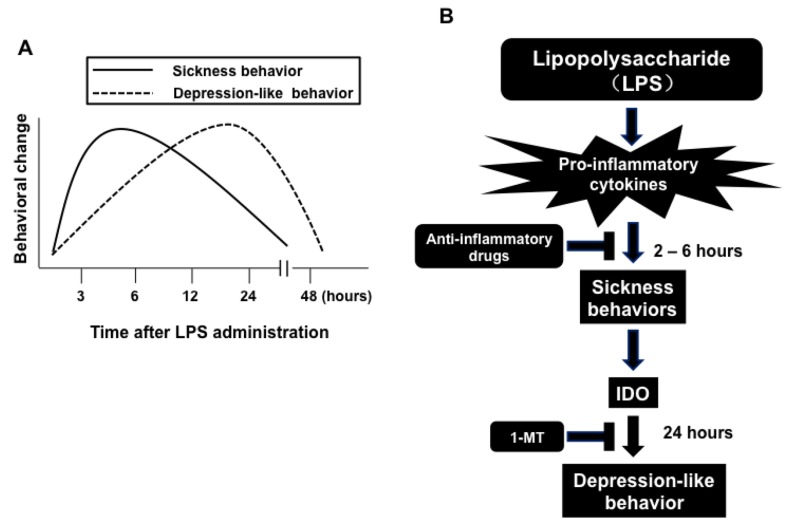
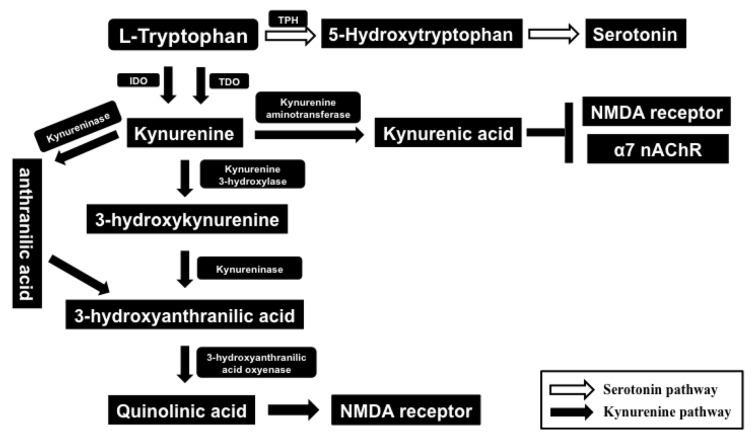
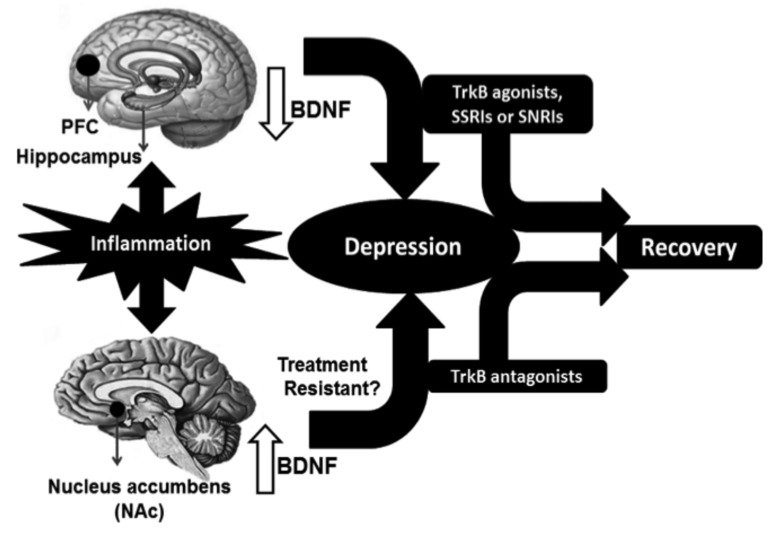
Depression is the most prevalent and among the most debilitating of psychiatric disorders. The precise neurobiology of this illness is unknown. Several lines of evidence suggest that peripheral and central inflammation plays a role in depressive symptoms, and that anti-inflammatory drugs can improve depressive symptoms in patients with inflammation-related depression. Signaling via brain-derived neurotrophic factor (BDNF) and its receptor, tropomycin receptor kinase B (TrkB) plays a key role in the pathophysiology of depression and in the therapeutic mechanisms of antidepressants. A recent paper showed that lipopolysaccharide (LPS)-induced inflammation gave rise to depression-like phenotype by altering BDNF-TrkB signaling in the prefrontal cortex, hippocampus, and nucleus accumbens, areas thought to be involved in the antidepressant effects of TrkB agonist, 7,8-dihydroxyflavone (7,8-DHF) and TrkB antagonist, ANA-12. Here we provide an overview of the tryptophan-kynurenine pathway and BDNF-TrkB signaling in the pathophysiology of inflammation-induced depression, and propose mechanistic actions for potential therapeutic agents. Additionally, the authors discuss the putative role of TrkB agonists and antagonists as novel therapeutic drugs for inflammation-related depression.
Overview
The claims and statistics of this paper haven’t been checked yet.
Free: it reads the open-access text and checks the first 5 claims that cite a source we can check. Create a free account to check every claim.
Integrity signals
Registry
Cites
Statistics
Figures
Verification
Claims the paper makes
The claims and statistics of this paper haven’t been checked yet.
Free: it reads the open-access text and checks the first 5 claims that cite a source we can check. Create a free account to check every claim.
Claims other papers make about this one
Each is checked against this paper’s own text: does it say what the citing paper says it does?
The source backs part of the claim, not all of it — or backs it for a different population, condition or comparison.
In the citing paper
“For the treatment of depression, targeting signaling transduction by BDNF and its receptor, tropomycin receptor kinase B (TrkB), is essential. 143 , 144”
From Major depressive disorder: hypothesis, mechanism, prevention and treatment (2024) · cites this paper as [144]
Experimental — accuracy not yet measured
Self-check
Percentages, sums and reported differences re-computed from the paper’s own numbers.
The self-check needs the paper’s full text.
Citations
Cites
1 retracted
Yang, C., Shirayama, Y., Zhang, J.-C., Ren, Q., & Hashimoto, K. (2015) · International Journal of Neuropsychopharmacology · doi:10.1093/ijnp/pyu121 · Cited by 103 · cited 2×
“In the rat learned helplessness model, we found that BDNF levels in the NAc were significantly higher in depressed rats compared with control and resilient rats, suggesting again that regional differences in BDNF levels may promote resilience to inescapable stress [113].”
Self-citationRetractedYaşlı Kadınlarda Üreme Sağlığı
Kokanalı, D., & Engin Üstün, Y. (n.d.) · DergiPark (Istanbul University) · Cited by 170,090
Yaşlı Kadınlarda Üreme Sağlığı
Kokanalı, D., & Üstün, Y. E. (2019) · Jinekoloji-Obstetrik ve Neonatoloji Tıp Dergisi · Cited by 169,629
Kessler, R. C. (1994) · Archives of General Psychiatry · doi:10.1001/archpsyc.1994.03950010008002 · Cited by 12,370
Molecular Mechanisms of Depression: Perspectives on New Treatment Strategies
Lang, U. E., & Borgwardt, S. (2013) · Cellular Physiology and Biochemistry · doi:10.1159/000350094 · Cited by 8,475
From inflammation to sickness and depression: when the immune system subjugates the brain
Dantzer, R., O'Connor, J. C., Freund, G. G., Johnson, R. W., & Kelley, K. W. (2008) · Nature Reviews Neuroscience · doi:10.1038/nrn2297 · Cited by 7,395 · cited 7×
“IDO activation results in decreased tryptophan levels and increased production of kynurenine and other tryptophanderived metabolites [36, 45].”
InfluentialA Meta-Analysis of Cytokines in Major Depression
Dowlati, Y., Herrmann, N., Swardfager, W., Liu, H., Sham, L., Reim, E. K., & Lanctôt, K. L. (2010) · Biological Psychiatry · doi:10.1016/j.biopsych.2009.09.033 · Cited by 4,729 · cited 1×
“Metaanalysis showed higher serum levels of TNF-α in drug-free depressed patients relative to healthy controls [26].”
Raetz, C. R. H., & Whitfield, C. (2002) · Annual Review of Biochemistry · doi:10.1146/annurev.biochem.71.110601.135414 · Cited by 4,404 · cited 1×
“Administration of LPS or pro-inflammatory cytokines results in a significant reduction of BDNF gene and protein expression [38, 92].”
Neurotrophins: Roles in Neuronal Development and Function
Huang, E. J., & Reichardt, L. F. (2001) · Annual Review of Neuroscience · doi:10.1146/annurev.neuro.24.1.677 · Cited by 4,394 · cited 2×
“It is well known that BDNF is integral to use-dependent plasticity mechanisms, such as long-term potentiation, learning and memory [80-85].”
Domingos da Silveira da Luz, A. C., Pereira Dias, G., do Nascimento Bevilaqua, M. C., Cocks, G., Gardino, P. F., Thuret, S., & Nardi, A. E. (2013) · Neuropsychobiology · doi:10.1159/000353269 · Cited by 3,995
Research works printed but not linked: 2
- [97]Duman R.S. Heninger G.R. Nestler E.J. A molecular and cellular theory of depression. Arch. Gen. Psychiatry 1997 54 7 597 606 [http://dx.doi.org/10.1001/archpsyc.1997.01830190015002]. [PMID: 9236543]. 9236543 · DOI · Paper page
- [102]Hashimoto K. Sigma-1 receptor chaperone and brain-derived neurotrophic factor: emerging links between cardiovascular disease and depression. Prog. Neurobiol. 2013 100 15 29 [pneurobio.].[http://dx.doi.org/10.1016/j.pneurobio.2012.09.001]. [PMID: 23044468]. 23044468 · DOI · Paper page
Cited by
Items 301–400 of 561
Drugs with glutamate-based mechanisms of action in psychiatry
Chrobak, A. A., & Siwek, M. (2024) · Pharmacological Reports · doi:10.1007/s43440-024-00656-8 · Cited by 15
Zhao, J., Zhang, Y., Liu, Y., Tang, W., Ji, C.-H., Gu, J., & Jiang, B. (2020) · Neuroscience Letters · doi:10.1016/j.neulet.2020.135535 · Cited by 14
Philpotts, R., Gillan, N., Barrow, M., & Seidler, K. (2023) · Journal of Affective Disorders Reports · doi:10.1016/j.jadr.2023.100630 · Cited by 22
Yuan, Q., Lei, Y., Yu, K., Wu, J., Xu, Z., Wen, C., Liu, Y., Wang, W., & He, J. (2023) · The World Journal of Biological Psychiatry · doi:10.1080/15622975.2023.2279958 · Cited by 16
“…which increased in the frontal cortex of CUMS mice in the present study may be related to neuroinflammation (Linnerbauer et al. 2020), and the neuroinflammation measured by inflammatory cytokines in the CUMS-and lipopolysaccharide-induced depression was also increased (Zhang et al. 2016; 2019).”
Min, X., Liu, H., Dou, X., Chen, F.-X., Zhao, Q., Xiao-hong, Z., Shi, Y., Zhao, Q.-Y., Sun, S.-J., Wang, Z., et al. (2023) · Neuroscience · doi:10.1016/j.neuroscience.2023.09.016 · Cited by 13
Chen, J., Wang, T., Zhou, Y., Hong, Y., Zhang, S., Zhou, Z., Jiang, A., & Liu, D. (2023) · Experimental Neurology · doi:10.1016/j.expneurol.2023.114565 · Cited by 13
Ning, B., Ge, T., Wu, Y., Wang, Y., & Zhao, M. (2023) · Molecular Neurobiology · doi:10.1007/s12035-023-03758-1 · Cited by 13
“For example, Mitogen-Activated Protein Kinase (MAPK) pathway and Phosphatidylinositol 3-Kinase (PI3K) /Akt pathway are involved in synaptic plasticity, cell survival and growth and other important physiological processes [44, 45].”
Yang, Y. H., Eguchi, A., Mori, C., & Hashimoto, K. (2024) · Journal of Affective Disorders · doi:10.1016/j.jad.2024.06.091 · Cited by 14
Self-citationAmodeo, G., Verduci, B., Sartori, P., Procacci, P., Conte, V., Balboni, G., Sacerdote, P., & Franchi, S. (2021) · International Journal of Molecular Sciences · doi:10.3390/ijms221910256 · Cited by 15
“BDNF has in fact an important role in the maintenance and survival of neurons and in synaptic plasticity [26,45] and an abnormal neural plasticity is often associated with depression [46].”
BackgroundHuang, L., He, L., Ma, R., Ding, W., Zhou, C., Lin, S., Zhang, J., Chen, J., & Yao, W. (2022) · Psychopharmacology · doi:10.1007/s00213-022-06176-8 · Cited by 13
“1 3 therapeutic mechanisms of antidepressants (Bjorkholm and Monteggia 2016; Castrén 2014; Hashimoto 2010; Hashimoto 2019; 2020; Hashimoto et al. 2004; Lindholm and Castrén 2014; Nestler et al. 2002; Zhang et al. 2016).”
BackgroundSelf-citationLiu, B.-P., Zhang, C., Zhang, Y., Li, K.-W., & Song, C. (2022) · PLoS ONE · doi:10.1371/journal.pone.0277945 · Cited by 14
“Fourth, the dysfunction of neurotrophins, including BDNF and its receptors TrkB/P75 play an essential role in both mental diseases and lung cancer [84,85].”
BackgroundGong, M., Wang, J., Song, L., Wu, X., Wang, Y., Li, B., Zhang, Y., Qin, L., Duan, Y., & Long, B. (2023) · CNS Neuroscience & Therapeutics · doi:10.1111/cns.14305 · Cited by 13
The Neurobiological Links between Stress and Traumatic Brain Injury: A Review of Research to Date
Zheng, L., Pang, Q., Xu, H., Guo, H., Liu, R., & Wang, T. (2022) · International Journal of Molecular Sciences · doi:10.3390/ijms23179519 · Cited by 15
Wu, Z., Yin, Y., Liu, R., Li, X., Sun, Y., Yau, S., Wu, L., Liu, Y., Adžić, M., Zhang, H., et al. (2024) · Journal of Ethnopharmacology · doi:10.1016/j.jep.2024.118647 · Cited by 14
Jia, K., Pan, S., Wu, W., Sun, Y., & Zhang, Q. (2024) · Journal of Ginseng Research · doi:10.1016/j.jgr.2024.12.002 · Cited by 12
Wang, W., An, Q., Zou, Y., Dai, Y., Meng, Q., & Zhang, Y. (2025) · Molecular Medicine · doi:10.1186/s10020-025-01094-9 · Cited by 12
Li, Y., Lu, Y., Lin, X., & Zhao, L. (2026) · Annals of Medicine · doi:10.1080/07853890.2025.2611191 · Cited by 12
Wesołowska, A., Rychtyk, J., Gdula‐Argasińska, J., Górecka, K., Wilczyńska-Zawal, N., Jastrzębska‐Więsek, M., & Partyka, A. (2021) · Neuropsychiatric Disease and Treatment · doi:10.2147/ndt.s309818 · Cited by 13
Liu, X., Zhao, C., Han, Y., Feng, R., Cui, X., Zhou, Y., Li, Z., & Bai, Q. (2022) · Frontiers in Cell and Developmental Biology · doi:10.3389/fcell.2022.945793 · Cited by 12
Brimson, J. M., Prasanth, M. I., Malar, D. S., Verma, K., Plaingam, W., & Tencomnao, T. (2022) · Nutrition and Healthy Aging · doi:10.3233/nha-220161 · Cited by 13
The Clinician Scientist Training Program in Iran: Catalyzing Clinical Science Advancements
Moghaddan, H. S., & Akhondzadeh, S. (2023) · Avicenna Journal of Medical Biotechnology · doi:10.18502/ajmb.v15i3.12921 · Cited by 13
“BDNF-TrkB signaling plays a key role in pathophysiology of depression and therapeutic action of antidepressants 19 .”
BackgroundClassification of high-risk depressed mood groups in cancer patients based on Health Ecology Model
Lu, Y., Qi, Y., Du, J., Liu, Y., Dong, S., Ge, H., Yuan, Y., Wang, J., Zhang, N., Wang, B., et al. (2023) · Journal of Affective Disorders · doi:10.1016/j.jad.2023.11.061 · Cited by 12
The Relationship Between Linoleic Acid Intake and Psychological Disorders in Adults
Mohammadi, S., Keshteli, A. H., Saneei, P., Afshar, H., Esmaillzadeh, A., & Adibi, P. (2022) · Frontiers in Nutrition · doi:10.3389/fnut.2022.841282 · Cited by 12
“The peptide BDNF is required for optimal neuronal function and seems to be lowered in depression (60, 61).”
BackgroundThe P2X7 receptor in depression: Novel insights and therapeutic implications
Zhong, Y.-T., Pi, C., Zuo, Y., Wei, Y., Li, W., Jiang, Y.-Q., Tao, L., Zheng, W.-W., Jiang, J., Yang, Y., et al. (2025) · Neurobiology of Disease · doi:10.1016/j.nbd.2025.107011 · Cited by 11
Li, J., Sun, L., Fang, F., & Morshedi, M. M. (2025) · Journal of Neuroimmune Pharmacology · doi:10.1007/s11481-025-10228-z · Cited by 12
“GSK-3β activity is inhibited when BDNF binds to the TrK β receptor (TrKβ) and stimulates the Akt and phospho-inositide 3-kinase pathway (Majidinia et al. 2019; Zhang et al. 2016).”
Yan, S., Liu, J., Zhang, T., Li, J., Zeng, J., Li, M., Aslam, M. S., Shen, J., Tong, T., You, Z., et al. (2025) · Molecular Brain · doi:10.1186/s13041-025-01247-1 · Cited by 11
“The transmission of signals through BDNF and its receptor TrkB represents a key mechanism underlying the pathophysiology of depression as well as the therapeutic effects of antidepressants [41].”
Lan, B., Lv, D., Sun, X., Yang, M. H., Zhang, L., & Ma, F. (2022) · Clinical Breast Cancer · doi:10.1016/j.clbc.2022.07.002 · Cited by 11
Haghipanah, M., Ghalami, F., Saadat, M., Abbasi-Maleki, S., Salmani, R. H. G., Budde, T., & Moradikor, N. (2023) · NeuroSci · doi:10.3390/neurosci4010006 · Cited by 11
“It was reported that an increase in antioxidants [26,27] and a decrease in inflammation [28,29] are closely related to BDNF.”
BackgroundPaolini, M., Fortaner-Uyà, L., Lorenzi, C., Spadini, S., Maccario, M., Zanardi, R., Colombo, C., Poletti, S., & Benedetti, F. (2023) · Genes · doi:10.3390/genes14112037 · Cited by 13
Mechanism of N6-Methyladenosine Modification in the Pathogenesis of Depression
Xian, Z., Tian, L., Yao, Z., Cao, L., Jia, Z., & Li, G. (2024) · Molecular Neurobiology · doi:10.1007/s12035-024-04614-6 · Cited by 11
“This BDNF-TrkB signaling pathway plays a key role in the anti-depres-sive effect of many antidepressants by mediating central inflammation [112].”
Huang, N., Wang, Y., Zhan, G., Fan, Y., Li, S., Hua, D., Jiang, R., Li, S., Wu, Y., Yang, L., et al. (2019) · Psychopharmacology · doi:10.1007/s00213-019-05319-8 · Cited by 12
Yang, S.-T., Hung, H.-Y., Ro, L., Liao, M., Amstislavskaya, T. G., Tikhonova, M. A., Yang, Y., & Lu, K. (2021) · Pharmaceutics · doi:10.3390/pharmaceutics13122169 · Cited by 11
“These results suggest that BDNF plays a crucial role in the pathophysiology of depression and the therapeutic mechanisms of antidepressants [88].”
BackgroundResearch progress on the mechanism of antidepressant effect of salidroside
Ao, W., Gao, W., & Li, T. (2025) · International Immunopharmacology · doi:10.1016/j.intimp.2025.115205 · Cited by 10
Mo, X., Guo, S., He, D., Cheng, Q., Yang, Y., Wang, H., Ren, Y., Liu, L., & Xie, P. (2025) · Gut Pathogens · doi:10.1186/s13099-025-00739-8 · Cited by 10
“Neuroinflammation plays a pivotal role in the pathogenesis of clinical depression [63–65].”
Ru, C., Song, A., Jiang, J., Qiaolongbatu, X., Wu, Z., Qian, F., Shen, S., Zhang, L., Wang, Z., Zhao, W., et al. (2025) · Biotechnology and Applied Biochemistry · doi:10.1002/bab.70043 · Cited by 13
“This regulation occurs through neuronal, neuroendocrine, and neuroimmune pathways and influences neurogenesis and neuroinflammation in the brain [11, 12].”
Li, R., Ma, C., Xiong, Y., Zhao, H., Yang, Y., Li, X., Wang, B., Xiao, T., Chen, J., Lei, X., et al. (2021) · Biomolecules · doi:10.3390/biom11060857 · Cited by 10
“Importantly, the distinct alteration of BDNF expression in brain regions of rodents is involved in LPS-induced depression [36,37].”
BackgroundSelf-citationAn, Q., Xia, J., Pu, F., & Shi, S. (2023) · Molecular Medicine Reports · doi:10.3892/mmr.2023.13129 · Cited by 11
Taha, M., Mahmoud, M. E., Al-Kushi, A. G., Sarhan, A. A., Abdelbagi, O., Baokbah, T. A. S., Babateen, O., El-Shenbaby, I., Qusty, N. F., & Elazab, S. T. (2023) · Frontiers in Neuroscience · doi:10.3389/fnins.2023.1265134 · Cited by 11
Esnafoğlu, E. (2024) · MIDDLE BLACK SEA JOURNAL OF HEALTH SCIENCE · doi:10.19127/mbsjohs.1417861 · Cited by 13
The Pathologic Roles and Therapeutic Implications of Ghrelin/GHSR System in Mental Disorders
Mao, Q., Wang, J., Yang, Z., Ding, R., Lv, S., & Ji, X. (2024) · Depression and Anxiety · doi:10.1155/2024/5537319 · Cited by 10
Ali, T., Luo, Y., Zheng, C., Rahman, S. U., Murtaza, I., Feng, J., & Li, S. (2025) · Journal of Neuroimmune Pharmacology · doi:10.1007/s11481-025-10193-7 · Cited by 10
“…(Li et al. 2021a, 2024a; Gong et al. 2024; Hu et al. 2025), leading to reduced synaptic protein expression, impaired synaptic plasticity, and decreased dendritic spine density in critical brain regions such as the hippocampus and pre-frontal cortex (Duman and Monteggia 2006; Zhang et al. 2016).”
Ma, L., Cao, Y., Wang, F., Li, Z., Wang, Z., Yang, Y., Pei, H., & Li, H. (2020) · Frontiers in Pharmacology · doi:10.3389/fphar.2020.00510 · Cited by 10
RetractedZhang, Y., Xie, B., Yuan, Y., Zhou, T., Xiao, P., Wu, Y., Shang, Y., Yuan, S., & Zhang, J. (2021) · Biological Psychiatry Global Open Science · doi:10.1016/j.bpsgos.2021.04.002 · Cited by 11
“Decreased BDNF levels have been shown to be critical for the pathogenesis of depression (68,69) and play important roles in poststroke neurogenesis and recovery after social isolation (38).”
BackgroundSelf-citationHu, Y., Niu, T.-T., Xu, J., Peng, L., Sun, Q., Huang, Y., Zhou, J., & Ding, Y. (2022) · Environmental Science and Pollution Research · doi:10.1007/s11356-022-20144-x · Cited by 10
Li, Y., Ma, J., Zhang, W., Cao, Y.-L., & Chen, L. (2025) · Actas Españolas de Psiquiatría · doi:10.62641/aep.v53i4.1967 · Cited by 10
“Increasing evidence suggests that peripheral BDNF levels are decreased in patients with depression and tend to rise substantially after antidepressant treatment [12– 14].”
Quagliato, L. A., & Nardi, A. E. (2023) · Molecular Psychiatry · doi:10.1038/s41380-023-02086-z · Cited by 9
Wu, Y., Hu, T., Zheng, H., Feng, J., Huang, C., Zhou, X.-N., Wang, W., & Jiang, C. (2024) · Biochemical and Biophysical Research Communications · doi:10.1016/j.bbrc.2024.150870 · Cited by 10
Wu, Z., Yin, Y., Liu, R., Li, X., Wang, Z., Wu, C., Tan, J., Fu, Z., Song, C., Wong, N. L., et al. (2024) · Journal of Ethnopharmacology · doi:10.1016/j.jep.2024.119031 · Cited by 10
Kim, H. J., Lee, M. Y., Kim, G. R., Lee, H. J., Sayson, L. V., Ortiz, D. M., Cheong, J. H., & Kim, M. (2023) · Journal of Ginseng Research · doi:10.1016/j.jgr.2023.02.003 · Cited by 9
“Chronic alcohol administration increased the levels of inflammatory cytokines, such as IL-6, IL-18, IL-10, IL-1b, and TNF-a, in the HPC, frontal cortex, and serum.”
BackgroundInfluentialCai, F., & Wang, C. (2024) · Phytochemistry · doi:10.1016/j.phytochem.2024.114006 · Cited by 9
Zhang, J., Hu, X., Liu, S., He, Y., Lyu, L., & Jiang, L. (2022) · Disease Markers · doi:10.1155/2022/1354005 · Cited by 9
Self-citationSavall, A. S. P., Fidélis, E. M., Zborowski, V. A., Bresolin, L., Gervini, V. C., Quines, C. B., Puntel, R. L., Roos, D. H., Ávila, D. S., & Pinton, S. (2020) · Life Sciences · doi:10.1016/j.lfs.2020.117892 · Cited by 10
Chehadi, A. C., Pereira de Lima, E., Detregiachi, C. R. P., Santos de Argollo Haber, R., Catharin, V. M. C. S., Fornari Laurindo, L., Engracia Valenti, V., Machado Galhardi, C., Tanaka, M., & Maria Barbalho, S. (2026) · International Journal of Molecular Sciences · doi:10.3390/ijms27010465 · Cited by 8
“Compounding these injuries, elevations in IL-6 and TNF-α draw down BDNF, a molecule essential for synaptic refinement and mood stability, thereby tightening the grip of inflammation on neuroplasticity [105–107].”
Xu, D., Zhou, J., Zhou, S., Wang, W., Wang, C., Jiang, B., & Zhao, W. (2025) · Frontiers in Pharmacology · doi:10.3389/fphar.2025.1595341 · Cited by 9
Choi, S.-H., Bae, H. J., Kim, S.-Y., Mony, T. J., Kim, H., Cho, Y. E., Choi, Y.-Y., An, J.-Y., Cho, S.-Y., Kim, D. H., et al. (2024) · Ecotoxicology and Environmental Safety · doi:10.1016/j.ecoenv.2024.116294 · Cited by 8
Mihaylova, A., Doncheva, N., Zlatanova, H., Delev, D. P., Ivanovska, M., Koeva, Y. A., Murdjeva, M., & Kostadinov, I. (2021) · PubMed Central · doi:10.22038/ijbms.2021.50439.11488 · Cited by 11
Akintunde, J. K., Abinu, O. S., F, T. K., Sodiq, R. A., Folayan, A. D., & Ate, A. D. (2022) · Neurotoxicity Research · doi:10.1007/s12640-022-00578-4 · Cited by 8
The Role of Vesicle Release and Synaptic Transmission in Depression
Zhang, C., Zhu, L., Shi, H., & Zhu, L. (2022) · Neuroscience · doi:10.1016/j.neuroscience.2022.10.001 · Cited by 9
Role of brain‐derived neurotrophic factor in endotoxaemia‐induced acute lung injury
Shi, J., Song, S., Wu, K., Liang, G., Ai-zhong, W., & Xu, X. (2023) · Experimental Physiology · doi:10.1113/ep091228 · Cited by 8
“Additionally, to some extent, BDNF has an anti-inflammatory effect (Dong et al., 2018; Zhang et al., 2016).”
BackgroundSynapse‐selective rapid potentiation of hippocampal synaptic transmission by 7,8‐dihydroxyflavone
Kobayashi, K., & Suzuki, H. (2018) · Neuropsychopharmacology Reports · doi:10.1002/npr2.12033 · Cited by 8
“Owing to its neurotrophic and neuromodulatory action, the BDNF‐TrkB signaling pathway has been attracting particular interest as a potential target for therapeutic treatments of neurological and psychiatric disorders.(2,3) However, poor delivery of BDNF into the central nervous system has hindered the develop-”
BackgroundWolff, B. S., Raheem, S. A., Alshawi, S. A., Regan, J. M., Feng, L., & Saligan, L. N. (2020) · PLoS ONE · doi:10.1371/journal.pone.0235566 · Cited by 8
Thuery, G., Sheridan, C., Iusan, P., Brar, G., Ledden, K., Freyne, A., Kelly, J. R., & Harkin, A. (2025) · Acta Neuropsychiatrica · doi:10.1017/neu.2025.10030 · Cited by 8
“TrkB mediates processes such as synaptogenesis, neuroplasticity, apoptosis, mammalian target of rapamycin (mTOR) signalling pathway activation, and phospho-lipase C gamma (PLC-γ 1) activity (Colle et al ., 2015; Zhang et al ., 2016).”
Zhao, L., Yin, R., Zhang, K., Huang, J., Zheng, R., Zhu, Y., Li, G., Lei, N., Xiong, L., & Xie, Y. (2025) · Molecular Neurobiology · doi:10.1007/s12035-025-05325-2 · Cited by 7
Li, Y., Han, S., Xie, T., Song, K., Zeng, W., Wang, H., Hu, C., Zhang, Z., Hashimoto, K., Ma, L., et al. (2025) · European Journal of Pharmacology · doi:10.1016/j.ejphar.2025.178468 · Cited by 7
Self-citationTao, L., Yao, C., Wang, S., Ye, Y.-M., Tu, Z., Jiang, X., Xu, L., Shan, L., Liu, Z., & Yu, P. (2024) · Bioorganic & Medicinal Chemistry · doi:10.1016/j.bmc.2024.117941 · Cited by 7
Winczewska, Z., Mechlińska, A., Radziwiłłowicz, P., Konieczna, L., Drzeżdżon, J., Jacewicz, D., Wiglusz, M. S., Bączek, T., Cubała, W. J., & Górska‐Ponikowska, M. (2025) · Redox Biology · doi:10.1016/j.redox.2025.103547 · Cited by 8
“Reduced volume of the hippocampus and prefrontal cortex as well as an alteration in the signaling of brain-derived neurotrophic factor (BDNF) and its receptor, tropomycin receptor kinase B (TrkB) are observed [3,5].”
Saghir, K. A., Rehman, Z., Malik, N., Ashraf, W., Anjum, S. M. M., Mushtaq, R. M. Z., Alqahtani, F., & Imran, I. (2025) · Neurochemical Research · doi:10.1007/s11064-025-04571-z · Cited by 8
Regulation of receptor tyrosine kinase gene expression
Kumar, D., & Hassan, M. I. (2023) · Elsevier eBooks · doi:10.1016/b978-0-443-18677-6.00004-x · Cited by 7
Zhang, L., Zheng, J., Liu, S., Hou, L., Zhang, B., & Tian, S.-W. (2024) · Neuroscience · doi:10.1016/j.neuroscience.2024.02.003 · Cited by 7
Pereira, G. C., Roversi, K., Trevisan, G., Bürger, M. E., & Bochi, G. V. (2020) · Behavioural Pharmacology · doi:10.1097/fbp.0000000000000547 · Cited by 10
“Reduced levels of this neurotrophin in prefrontal cortex and hippocampus are related to atrophy and cell loss and are commonly found in depressed patients (Duman and Monteggia, 2006; Martinowich et al., 2007; Zhang et al., 2016).”
BackgroundMeda, N., Miola, A., Cattarinussi, G., & Sambataro, F. (2024) · European Neuropsychopharmacology · doi:10.1016/j.euroneuro.2023.10.003 · Cited by 7
“In addition, a reduction in brain-derived neurotrophic factor (BDNF) and its tropomyosin receptor kinase B (TrkB) receptor could contribute to further impaired neurogenesis (Frodl et al., 2014; Hashimoto, 2016; Zhang et al., 2016).”
BackgroundLei, Y., Du, M., Zhang, G., Chen, L., Fu, Y., Zhong, Y., & Zhang, E. (2021) · Evidence-based Complementary and Alternative Medicine · doi:10.1155/2021/8614963 · Cited by 7
“Since the liver is responsible for the clearance of LPS in blood, the enhanced response of the liver to LPS may contribute to the attenuation of inflammation and MDD [42].”
BackgroundMaes, M., Plaimas, K., Suratanee, A., Noto, C. D. S., & Kanchanatawan, B. (2021) · Preprints.org · doi:10.20944/preprints202107.0596.v1 · Cited by 7
“LPS-associated inflammation alters BDNF/TrkB signaling in the hippocampus, nucleus accumbens and prefrontal cortex in association with the onset of depressive behaviors [32].”
BackgroundHan, B., Cui, Q.-D., Ma, Z., Shi, L.-L., Sun, Y., Dai, J., Deng, J., Cheng, H. L., Li, J., Ge, Y., et al. (2025) · Ultrasonics Sonochemistry · doi:10.1016/j.ultsonch.2025.107598 · Cited by 7
“The signaling of BDNF and its receptor TrkB is essential in the pathophysiology of depression and the mechanisms of antidepressant action [33].”
Decreased hippocampal neurogenesis and post-stroke depression
Tang, X., Ran, L., & Li, W. (2026) · Frontiers in Psychiatry · doi:10.3389/fpsyt.2026.1761408 · Cited by 6
nejad, S. A., Rajizadeh, M. A., Shojaeepour, S., Azizi, S., Moradnejad, O., Dehesh, T., Akhgarandouz, F., Sabzalizadeh, M., & Alifarsangi, A. (2025) · Biogerontology · doi:10.1007/s10522-025-10255-6 · Cited by 6
Ma, L., Zeng, W., Song, K., Xie, T., Han, S., Li, Y., Wang, H., Huang, Z., Zheng, X., He, W., et al. (2025) · Biochemical Pharmacology · doi:10.1016/j.bcp.2025.117094 · Cited by 6
Self-citationHuang, J., Tan, Y., Xue, L., Du, R., Chen, J., Chen, L., Li, T., Bai, X., Yang, S., Xiong, L., et al. (2021) · European Journal of Neuroscience · doi:10.1111/ejn.15428 · Cited by 6
“TrkB is a receptor tyrosine kinase encoded by the proto-oncogene TRK family (Skaper, 2018; Zhang et al., 2016).”
BackgroundXu, H., Xing, S., Lei, X., Yi, J., Liu, S., Du, Y., Bo, Y., & Zhang, N. (2022) · BioMed Research International · doi:10.1155/2022/3714857 · Cited by 6
Role of soluble epoxide hydrolase in pain and depression comorbidity
Bu, Y., Yang, S., Wang, D., Hu, S.-W., Zhang, Q., Wu, Z., & Yang, C. (2024) · Neurobiology of Disease · doi:10.1016/j.nbd.2024.106443 · Cited by 7
“In depression, various mechanisms leading to its onset involve sEH signaling (Wang et al., 2021b; Zhang et al., 2016).”
BackgroundEnayatifard, R., Âkbari, J., Saeedi, M., Seyedabadi, M., Morteza‐Semnani, K., Rahimnia, S. M., & Hashemi, S. M. H. (2025) · Journal of Dispersion Science and Technology · doi:10.1080/01932691.2025.2452594 · Cited by 6
“[77,78] The data of BDNF gene expression were transformed using a logarithmic function (Log 2) to follow normal distribution before comparison across the groups using two-way ANOVA (Figure 9).”
Yajima, Y., Okuno, A., Nakamura, I., Miyazaki, T., Honda, A., & Toyoda, A. (2022) · International Journal of Tryptophan Research · doi:10.1177/11786469211066285 · Cited by 6
Chen, G. (2023) · Medicine · doi:10.1097/md.0000000000035157 · Cited by 6
“[53] Our findings indicate that XYS exerts a substantial influence on the gene and protein expression levels of MMP9 in microglial cells, thereby suggesting its potential as an antidepressant agent by modulating the BDNF-tropomyosin receptor kinase B signaling pathway.”
Hu, J., Zhou, Z., Yang, Q., & Yang, K. (2020) · 南方医科大学学报 · doi:10.12122/j.issn.1673-4254.2020.07.02 · Cited by 7
CRISPR-edited DPSCs constitutively expressing BDNF enhance dentin regeneration in injured teethPreprint
Kim, J. H., Irfan, M., Sreekumar, S., Atsawasuwan, P., Kim, S., & Chung, S. (2025) · eLife · doi:10.7554/elife.105153 · Cited by 6
“The differential expression in dentinogenic media indicates enhanced receptor sensitivity and signaling in an inflammatory environment ( Zhang et al., 2016 ).”
Li, T., Zeng, G., Zhu, L., Wu, Y., Zhang, Q., Fu, F., Su, D., Li, G., Li, Q., & Shan, Y. (2024) · Food Science and Human Wellness · doi:10.26599/fshw.2023.9250025 · Cited by 5
A TrkB cleavage fragment in hippocampus promotes Depressive-Like behavior in mice
Wang, J., Yu, H., Li, X., Li, F., Chen, H., Zhang, X., Wang, Y., Xu, R., Gao, F., Wang, J., et al. (2024) · Brain Behavior and Immunity · doi:10.1016/j.bbi.2024.03.048 · Cited by 6
Wang, J.-J., Fan, Y., Cao, W.-T., Huang, R., Yao, X., & Li, M. (2025) · World Journal of Gastroenterology · doi:10.3748/wjg.v31.i8.100227 · Cited by 5
“As the precursor form of BDNF, proBDNF plays the opposite role to BDNF in regulating neuronal activity[12,20,45].”
Depression: epigenetics and epitranscriptomic modifications
Banerjee, S., Shrilaxmi, M. S., Banerjee, S., Prajwal, B. G., Smith, C., D’Mello, S. R., & Dastidar, S. G. (2025) · The World Journal of Biological Psychiatry · doi:10.1080/15622975.2025.2602171 · Cited by 5
“A considerable amount of evidence links the reduced function of BDNF to depression (Martinowich et al. 2003; Björkholm and Monteggia 2016; Zhang et al. 2016; Murawska-Ciałowicz et al. 2021; Meshkat et al. 2022; Sarriés-Serrano et al. 2025).”
Kim, J.-H., Kim, J. H., He, M. T., Kim, S. C., Hwa, K. P., Cho, K. M., & Cho, E. J. (2021) · Processes · doi:10.3390/pr9020342 · Cited by 5
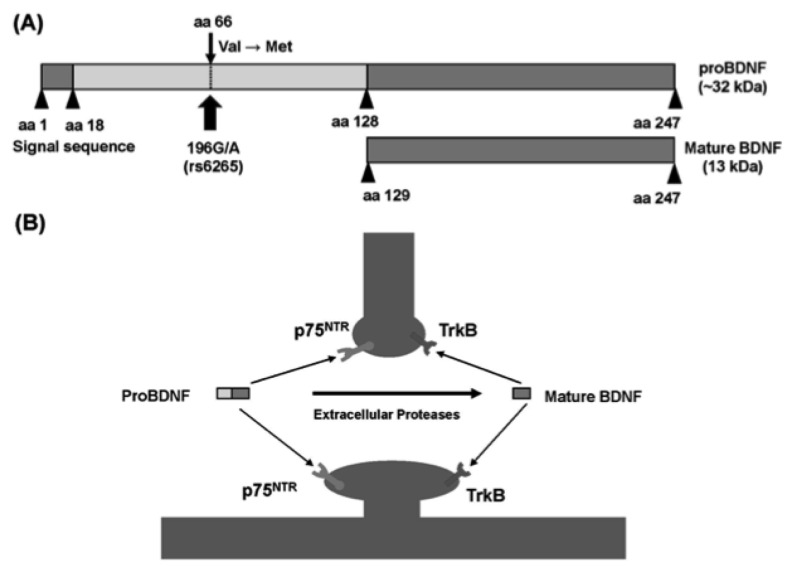
“The precursor BDNF preferentially binds to the p75 neurotrophin receptor (NTR), and then it converts to mature BDNF cleaved by extracellular proteases [50].”
BackgroundXia, L., Li, P., Bi, W., Yang, R., & Zhang, Y. (2023) · Neuroscience Letters · doi:10.1016/j.neulet.2023.137514 · Cited by 5
Prophylactic Effects of n-Acethylcysteine on Inflammation-induced Depression-like Behaviors in Mice
Wang, Z., Hu, Q., Tian, C., Wang, R., Jiao, Q., Chen, F., Wu, T., Wang, J., Zhu, Y., Liu, A., et al. (2024) · Neuroscience · doi:10.1016/j.neuroscience.2024.05.005 · Cited by 5
Chen, M., Li, M., Ma, L., Hou, H., Tang, M., & Li, Q. (2025) · Experimental Brain Research · doi:10.1007/s00221-025-07011-0 · Cited by 6
Essam, R. M., Mohamed, Y. S., El-Sayed, S. S., & Kamel, N. M. (2025) · Life Sciences · doi:10.1016/j.lfs.2025.123477 · Cited by 6
Ao, X., Li, K., Chen, Y., Lai, W., Lian, Z., Wei, Z., Wang, L., Zhang, Z., & Huang, M. (2025) · Brain Behavior and Immunity · doi:10.1016/j.bbi.2025.03.029 · Cited by 6
Potential Therapeutic Impacts of Curcumin for Improving Memory Impairment
Farooqui, T., & Farooqui, A. A. (2019) · Elsevier eBooks · doi:10.1016/b978-0-12-815461-8.00014-1 · Cited by 5
Thakuri, L. S., Kim, J. E., Choi, J. Y., & Rhyu, D. Y. (2023) · Fisheries and aquatic sciences · doi:10.47853/fas.2023.e2 · Cited by 5
Akintunde, J. K., Falomo, I. M., Akinbohun, O. M., Erinoso, S. O., Ugwor, E. I., Folayan, A. D., & Ateate, A. D. (2023) · Journal of Biochemical and Molecular Toxicology · doi:10.1002/jbt.23558 · Cited by 5
Chang, L., Wang, T., Qu, Y., Fan, X., Zhou, X., Wei, Y., & Hashimoto, K. (2024) · Journal of Affective Disorders · doi:10.1016/j.jad.2024.04.029 · Cited by 6
Self-citationJiang, C., Lin, B., Ye, X., Yu, Y., Xu, P., Peng, C., Mou, T., Yu, X., Zhao, H., Zhao, M., et al. (2024) · Journal of Affective Disorders · doi:10.1016/j.jad.2024.05.136 · Cited by 5
Metadata
- Authors
- Zhang, J.-C., Yao, W., & Hashimoto, K.
- Affiliations
- Chiba University (JP)
- Corresponding author
- Hashimoto, Kenji
- Venue
- Current Neuropharmacology
- Publisher
- Bentham Science Publishers Ltd.
- Published
- 2016-08-26
- Volume
- 14
- Issue
- 7
- Pages
- 721-731
- ISSN
- 1570-159X (ISSN-L)
- PMC
- PMC5050398
- OpenAlex
- W2309165118
- Semantic Scholar
- 8c9bc4382355e7e712e5e9cf698e36fc7516725f
- Cited by
- 538
- References
- 131
- Citations by year
- 2026: 46 · 2025: 71 · 2024: 70 · 2023: 71 · 2022: 65 · 2021: 60 · 2020: 64 · 2019: 37 · 2018: 22 · 2017: 18 · 2016: 14
- FWCI
- 1.81
- Type
- journal article
- Language
- en
- Open access
- bronze
- doi.org
- Locations
- Current Neuropharmacology (publishedVersion)
- PubMed Central (publishedVersion, cc-by-nc)
- PubMed (publishedVersion)
- Funders
- Ministry of Education, Culture, Sports, Science and Technology (24116006)
- Japan Society for the Promotion of Science (15K19711)
- Topics
- Life Sciences › Neuroscience › Biological Psychiatry › Tryptophan and brain disorders
- Health Sciences › Medicine › Pharmacology (medical) › Treatment of Major Depression
- Life Sciences › Neuroscience › Cellular and Molecular Neuroscience › Nerve injury and regeneration
- Keywords
- brain-derived neurotrophic factor, TrkB signaling, neuroinflammation, kynurenine pathway, lipopolysaccharide-induced inflammation, antidepressant mechanism, 7,8-dihydroxyflavone, ANA-12, TrkB agonist, prefrontal cortex, hippocampus, nucleus accumbens
- MeSH terms
- Animals, Anti-Inflammatory Agents, Antidepressive Agents, Brain, Depressive Disorder, Humans, Inflammation, Brain-Derived Neurotrophic Factor, Receptor, trkB
About these checks
Registry, retraction, Cites and statistics results are computed, not judged, with one exception: a printed reference that no index lists is read once by a model before it counts as a citation error. Claims are extracted by a model and kept only when their quote appears verbatim in the text; each cited source is then checked, with a model’s help, for whether it says what the claim relies on. Those verdicts can be wrong — read the claim’s quote and the cited source before relying on one.
Statistics and arithmetic are recomputed, not judged.
Confidence bands are shown only for fields calibrated on our annotated test set. None is calibrated yet, so no band is shown.
What counts as a claim ›How we measure confidence ›How we check this ›
Are you an author, or do you see a problem with this page? Request a review
Data sources
Bibliographic data: Semantic Scholar, OpenAlex, Crossref.
Contains information from the Semantic Scholar Academic Graph Datasets, made available under the ODC Attribution License (ODC-BY 1.0).
Semantic Scholar’s data is described in: Kinney, R., et al. (2023). The Semantic Scholar Open Data Platform. arXiv:2301.10140.
