

Brain-derived Neurotrophic Factor (BDNF)-TrkB Signaling in Inflammation-related Depression and Potential Therapeutic Targets
Open accessThe DOI matches its Crossref record; 129 of the 131 references it cites were found in a registry or an index.
Abstract
Depression is the most prevalent and among the most debilitating of psychiatric disorders. The precise neurobiology of this illness is unknown. Several lines of evidence suggest that peripheral and central inflammation plays a role in depressive symptoms, and that anti-inflammatory drugs can improve depressive symptoms in patients with inflammation-related depression. Signaling via brain-derived neurotrophic factor (BDNF) and its receptor, tropomycin receptor kinase B (TrkB) plays a key role in the pathophysiology of depression and in the therapeutic mechanisms of antidepressants. A recent paper showed that lipopolysaccharide (LPS)-induced inflammation gave rise to depression-like phenotype by altering BDNF-TrkB signaling in the prefrontal cortex, hippocampus, and nucleus accumbens, areas thought to be involved in the antidepressant effects of TrkB agonist, 7,8-dihydroxyflavone (7,8-DHF) and TrkB antagonist, ANA-12. Here we provide an overview of the tryptophan-kynurenine pathway and BDNF-TrkB signaling in the pathophysiology of inflammation-induced depression, and propose mechanistic actions for potential therapeutic agents. Additionally, the authors discuss the putative role of TrkB agonists and antagonists as novel therapeutic drugs for inflammation-related depression.
Overview
The claims and statistics of this paper haven’t been checked yet.
Free: it reads the open-access text and checks the first 5 claims that cite a source we can check. Create a free account to check every claim.
Integrity signals
Registry
Cites
Statistics
Figures
Verification
Claims the paper makes
The claims and statistics of this paper haven’t been checked yet.
Free: it reads the open-access text and checks the first 5 claims that cite a source we can check. Create a free account to check every claim.
Claims other papers make about this one
Each is checked against this paper’s own text: does it say what the citing paper says it does?
The source backs part of the claim, not all of it — or backs it for a different population, condition or comparison.
In the citing paper
“For the treatment of depression, targeting signaling transduction by BDNF and its receptor, tropomycin receptor kinase B (TrkB), is essential. 143 , 144”
From Major depressive disorder: hypothesis, mechanism, prevention and treatment (2024) · cites this paper as [144]
Experimental — accuracy not yet measured
Self-check
Percentages, sums and reported differences re-computed from the paper’s own numbers.
The self-check needs the paper’s full text.
Citations
Cites
1 retracted
Yang, C., Shirayama, Y., Zhang, J.-C., Ren, Q., & Hashimoto, K. (2015) · International Journal of Neuropsychopharmacology · doi:10.1093/ijnp/pyu121 · Cited by 103 · cited 2×
“In the rat learned helplessness model, we found that BDNF levels in the NAc were significantly higher in depressed rats compared with control and resilient rats, suggesting again that regional differences in BDNF levels may promote resilience to inescapable stress [113].”
Self-citationRetractedYaşlı Kadınlarda Üreme Sağlığı
Kokanalı, D., & Engin Üstün, Y. (n.d.) · DergiPark (Istanbul University) · Cited by 170,090
Yaşlı Kadınlarda Üreme Sağlığı
Kokanalı, D., & Üstün, Y. E. (2019) · Jinekoloji-Obstetrik ve Neonatoloji Tıp Dergisi · Cited by 169,629
Kessler, R. C. (1994) · Archives of General Psychiatry · doi:10.1001/archpsyc.1994.03950010008002 · Cited by 12,370
Molecular Mechanisms of Depression: Perspectives on New Treatment Strategies
Lang, U. E., & Borgwardt, S. (2013) · Cellular Physiology and Biochemistry · doi:10.1159/000350094 · Cited by 8,475
From inflammation to sickness and depression: when the immune system subjugates the brain
Dantzer, R., O'Connor, J. C., Freund, G. G., Johnson, R. W., & Kelley, K. W. (2008) · Nature Reviews Neuroscience · doi:10.1038/nrn2297 · Cited by 7,395 · cited 7×
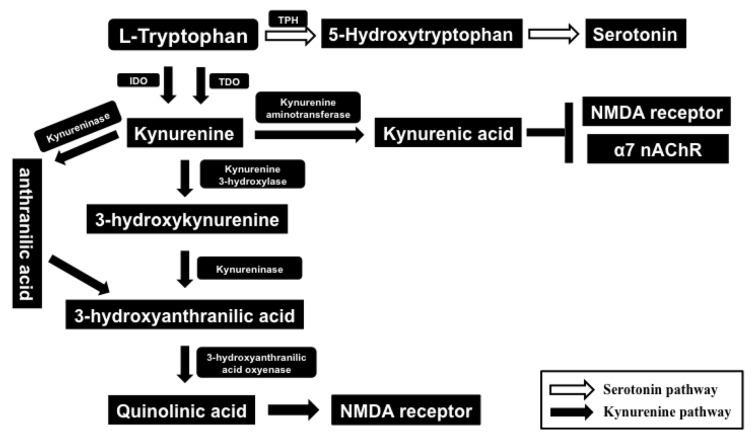
“IDO activation results in decreased tryptophan levels and increased production of kynurenine and other tryptophanderived metabolites [36, 45].”
InfluentialA Meta-Analysis of Cytokines in Major Depression
Dowlati, Y., Herrmann, N., Swardfager, W., Liu, H., Sham, L., Reim, E. K., & Lanctôt, K. L. (2010) · Biological Psychiatry · doi:10.1016/j.biopsych.2009.09.033 · Cited by 4,729 · cited 1×
“Metaanalysis showed higher serum levels of TNF-α in drug-free depressed patients relative to healthy controls [26].”
Raetz, C. R. H., & Whitfield, C. (2002) · Annual Review of Biochemistry · doi:10.1146/annurev.biochem.71.110601.135414 · Cited by 4,404 · cited 1×
“Administration of LPS or pro-inflammatory cytokines results in a significant reduction of BDNF gene and protein expression [38, 92].”
Neurotrophins: Roles in Neuronal Development and Function
Huang, E. J., & Reichardt, L. F. (2001) · Annual Review of Neuroscience · doi:10.1146/annurev.neuro.24.1.677 · Cited by 4,394 · cited 2×
“It is well known that BDNF is integral to use-dependent plasticity mechanisms, such as long-term potentiation, learning and memory [80-85].”
Domingos da Silveira da Luz, A. C., Pereira Dias, G., do Nascimento Bevilaqua, M. C., Cocks, G., Gardino, P. F., Thuret, S., & Nardi, A. E. (2013) · Neuropsychobiology · doi:10.1159/000353269 · Cited by 3,995
Trivedi, M. H., Rush, A. J., Wisniewski, S. R., Nierenberg, A. A., Warden, D., Ritz, L., Norquist, G., Howland, R. H., Lebowitz, B., McGrath, P. J., et al. (2006) · American Journal of Psychiatry · doi:10.1176/appi.ajp.163.1.28 · Cited by 3,879 · cited 1×
“Only one third of depressed patients show significant improvement in response to first-line treatment [2].”
Antidepressant effects of ketamine in depressed patients
Berman, R. M., Cappiello, A., Anand, A., Oren, D. A., Heninger, G. R., Charney, D. S., & Krystal, J. H. (2000) · Biological Psychiatry · doi:10.1016/s0006-3223(99)00230-9 · Cited by 3,856 · cited 1×
“5 mg/kg) of ketamine produces robust and rapid antidepressant effects in two-thirds of patients with treatment resistant depression, and this response can last for over one week [9, 10, 15, 16].”
Inflammation and Its Discontents: The Role of Cytokines in the Pathophysiology of Major Depression
Miller, A. H., Maletic, V., & Raison, C. L. (2009) · Biological Psychiatry · doi:10.1016/j.biopsych.2008.11.029 · Cited by 3,848 · cited 1×
“Current evidence points to the role of inflammatory processes in the pathophysiology of depression [6, 21-23].”
A randomized trial of an N-methyl-D-aspartate antagonist in treatment-resistant major depression.
Zarate, C. A., Singh, J. B., Carlson, P. J., Brutsche, N. E., Ameli, R., Luckenbaugh, D. A., Charney, D. S., & Manji, H. K. (2006) · Archives of General Psychiatry · doi:10.1001/archpsyc.63.8.856 · Cited by 3,766 · cited 1×
“5 mg/kg) of ketamine produces robust and rapid antidepressant effects in two-thirds of patients with treatment resistant depression, and this response can last for over one week [9, 10, 15, 16].”
The Neuroendocrinology of Stress: A Never Ending Story
Lightman, S. L. (2008) · Journal of Neuroendocrinology · doi:10.1111/j.1365-2826.2008.01711.x · Cited by 3,566
Nestler, E. J., Barrot, M., DiLeone, R. J., Eisch, A. J., Gold, S. J., & Monteggia, L. M. (2002) · Neuron · doi:10.1016/s0896-6273(02)00653-0 · Cited by 3,217
Associations of depression with C-reactive protein, IL-1, and IL-6: a meta-analysis.
Howren, M. B., Lamkin, D. M., & Suls, J. (2009) · Psychosomatic Medicine · doi:10.1097/psy.0b013e3181907c1b · Cited by 2,766 · cited 1×
“Patients with depression show increased blood concentrations of pro-inflammatory cytokines, including interleukin-1β (IL-1β), interleukin-6 (IL-6), tumor necrosis factor-α (TNF-α) and other acute phase proteins, C-reactive protein (CRP), haptoglobin and neopterin [24, 25].”
Krishnan, V., Han, M.-H., Graham, D. L., Berton, O., Renthal, W., Russo, S. J., LaPlant, Q., Graham, A., Lutter, M., Lagace, D. C., et al. (2007) · Cell · doi:10.1016/j.cell.2007.09.018 · Cited by 2,307 · cited 2×
“Post-mortem data from depressed patients identified an association between depression and decreased BDNF levels in the hippocampus and PFC, and increased in BDNF in the NAc [111, 112, 117, 118].”
Biological basis of the behavior of sick animals
Hart, B. L. (1988) · Neuroscience & Biobehavioral Reviews · doi:10.1016/s0149-7634(88)80004-6 · Cited by 2,223 · cited 1×
“Sickness behavior includes hypomotility, hyperthermia, hypophagia, hyperalgesia, decreased interest in exploration, decreased sexual activity and increased sleep [40-43].”
Neurotrophin-regulated signalling pathways
Reichardt, L. F. (2006) · Philosophical Transactions of the Royal Society B: Biological Sciences · doi:10.1098/rstb.2006.1894 · Cited by 2,195 · cited 1×
“It is well known that BDNF is integral to use-dependent plasticity mechanisms, such as long-term potentiation, learning and memory [80-85].”
A molecular and cellular theory of depression
Duman, R. S. (1997) · Archives of General Psychiatry · doi:10.1001/archpsyc.1997.01830190015002 · Cited by 2,129 · cited 1×
“First, infusion of BDNF into the midbrain and a single bilateral infusion of BDNF into the DG and CA3 pyramidal cell layers of the hippocampus produced antidepressant effects in the rat model of learned helplessness [105, 106].”
Essential role of BDNF in the mesolimbic dopamine pathway in social defeat stress
Berton, O., McClung, C. A., DiLeone, R. J., Krishnan, V., Renthal, W., Russo, S. J., Graham, D., Tsankova, N. M., Bolanos, C. A., Rios, M., et al. (2006) · Science · doi:10.1126/science.1120972 · Cited by 2,129 · cited 4×
“Intra-VTA infusions of BDNF resulted in a 57 percent shorter latency to immobility, relative to controls (a depression-like phenotype) [116].”
InfluentialThe mesolimbic dopamine reward circuit in depression
Nestler, E. J., & Carlezon, W. A. (2006) · Biological Psychiatry · doi:10.1016/j.biopsych.2005.09.018 · Cited by 2,059 · cited 2×
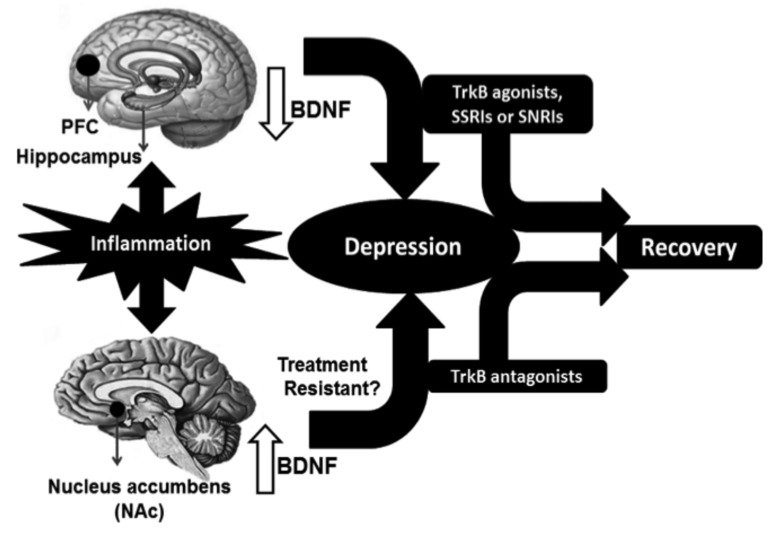
“Taken together, these findings suggest that BDNF acts within the VTA-NAc pathway to induce a depression-like phenotype, whereas in the hippocampus and PFC, it produces antidepressant-like effects [99, 100, 38, 115, 118] (Fig.”
Brain-derived neurotrophic factor produces antidepressant effects in behavioral models of depression
Shirayama, Y., Chen, A. C.-H., Nakagawa, S., Russell, D. S., & Duman, R. S. (2002) · The Journal of Neuroscience · doi:10.1523/jneurosci.22-08-03251.2002 · Cited by 1,654 · cited 3×
“was pivotal to the therapeutic action of antidepressants [106].”
The yin and yang of neurotrophin action
Lu, B., Pang, P. T., & Woo, N. H. (2005) · Nature Reviews Neuroscience · doi:10.1038/nrn1726 · Cited by 1,356 · cited 1×
“It is well known that BDNF is integral to use-dependent plasticity mechanisms, such as long-term potentiation, learning and memory [80-85].”
O'Connor, J. C., Lawson, M. A., André, C., Moreau, M., Lestage, J., Castanon, N., Kelley, K. W., & Dantzer, R. (2009) · Molecular Psychiatry · doi:10.1038/sj.mp.4002148 · Cited by 1,278
New insights into BDNF function in depression and anxiety
Martinowich, K., Manji, H., & Lu, B. (2007) · Nature Neuroscience · doi:10.1038/nn1971 · Cited by 1,221 · cited 1×
“Multiple lines of evidence suggest that BDNF is integral to both the pathophysiology of depression and the therapeutic mechanisms of antidepressants [97-104].”
The macrophage theory of depression
Smith, R. S. (1991) · Medical Hypotheses · doi:10.1016/0306-9877(91)90272-z · Cited by 931 · cited 1×
“Sickness behavior includes hypomotility, hyperthermia, hypophagia, hyperalgesia, decreased interest in exploration, decreased sexual activity and increased sleep [40-43].”
Maes, M., Yirmyia, R., Noraberg, J., Brene, S., Hibbeln, J., Perini, G., Kubera, M., Bob, P., Lerer, B., & Maj, M. (2009) · Metabolic Brain Disease · doi:10.1007/s11011-008-9118-1 · Cited by 894 · cited 1×
“Antidepressant treatment can attenuate the expression of inflammatory biomarkers in depression [29].”
Dwivedi, Y., Rizavi, H. S., Conley, R. R., Roberts, R. C., Tamminga, C. A., & Pandey, G. N. (2003) · Archives of General Psychiatry · doi:10.1001/archpsyc.60.8.804 · Cited by 875 · cited 2×
“Studies using postmortem brain samples showed reduced BDNF protein in the hippocampus and PFC of psychiatric disorder patients who had committed suicide, compared with non-psychiatric controls [111, 112].”
Sickness behavior as a new target for drug development
Kent, S., Bluthé, R.-M., Kelley, K. W., & Dantzer, R. (1992) · Trends in Pharmacological Sciences · doi:10.1016/0165-6147(92)90012-u · Cited by 863 · cited 1×
“Sickness behavior includes hypomotility, hyperthermia, hypophagia, hyperalgesia, decreased interest in exploration, decreased sexual activity and increased sleep [40-43].”
Cytokine-induced sickness behavior: where do we stand?
Dantzer, R. (2001) · Brain, Behavior, and Immunity · doi:10.1006/brbi.2000.0613 · Cited by 862 · cited 2×
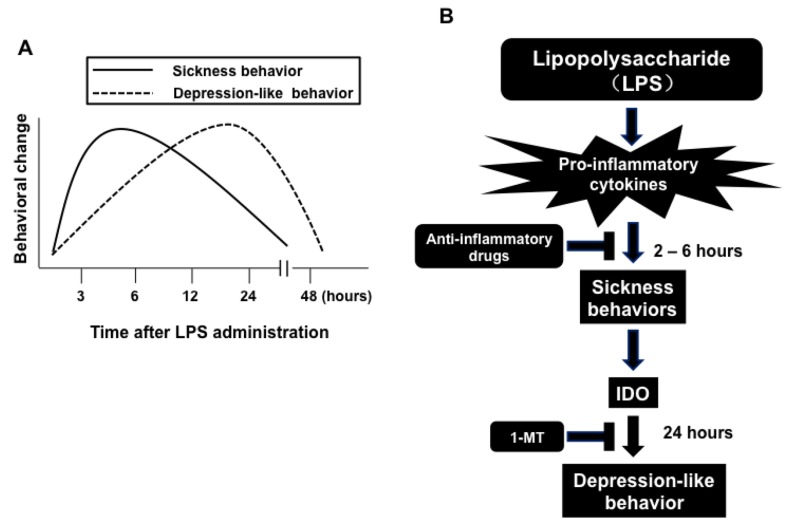
“The bacterial endotoxin, lipopolysaccharide (LPS) is widely used to create an inflammation-related model of depression [34-39].”
Antidepressant-like effect of brain-derived neurotrophic factor (BDNF)
Siuciak, J. A., Lewis, D. R., Wiegand, S. J., & Lindsay, R. M. (1997) · Pharmacology Biochemistry and Behavior · doi:10.1016/s0091-3057(96)00169-4 · Cited by 841 · cited 1×
“First, infusion of BDNF into the midbrain and a single bilateral infusion of BDNF into the DG and CA3 pyramidal cell layers of the hippocampus produced antidepressant effects in the rat model of learned helplessness [105, 106].”
Cytokine‐Induced Sickness Behavior: Mechanisms and Implications
Dantzer, R. (2001) · Annals of the New York Academy of Sciences · doi:10.1111/j.1749-6632.2001.tb05827.x · Cited by 801 · cited 1×
“Sickness behavior includes hypomotility, hyperthermia, hypophagia, hyperalgesia, decreased interest in exploration, decreased sexual activity and increased sleep [40-43].”
Saarelainen, T., Hendolin, P., Lucas, G., Koponen, E., Sairanen, M., MacDonald, E., Agerman, K., Haapasalo, A., Nawa, H., Aloyz, R., et al. (2003) · The Journal of Neuroscience · doi:10.1523/jneurosci.23-01-00349.2003 · Cited by 800 · cited 1×
“Loss of BDNF in the forebrain attenuated the actions of antidepressants [107], while responses typically elicited by antidepressants were lost in mice with either reduced brain BDNF levels, or inhibited TrkB signaling [108, 109].”
Endogenous kynurenines as targets for drug discovery and development
Stone, T. W., & Darlington, L. G. (2002) · Nature Reviews Drug Discovery · doi:10.1038/nrd870 · Cited by 768 · cited 1×
“By contrast, KA is an NMDA receptor antagonist with neuroprotective effects [45, 66, 71, 72].”
The neurotrophin hypothesis for synaptic plasticity
Schinder, A. (2000) · Trends in Neurosciences · doi:10.1016/s0166-2236(00)01672-6 · Cited by 728 · cited 2×
“It is well known that BDNF is integral to use-dependent plasticity mechanisms, such as long-term potentiation, learning and memory [80-85].”
Hodes, G. E., Pfau, M. L., Leboeuf, M., Golden, S. A., Christoffel, D. J., Bregman, D., Rebusi, N., Heshmati, M., Aleyasin, H., Warren, B. L., et al. (2014) · Proceedings of the National Academy of Sciences · doi:10.1073/pnas.1415191111 · Cited by 692 · cited 2×
“[62] reported that the highest levels of blood IL-6 were found only in mice that went on to develop a susceptible behavioral phenotype (depression-like behavior), following chronic stress, and that blood IL-6 levels remained elevated for a least one month.”
A selective TrkB agonist with potent neurotrophic activities by 7,8-dihydroxyflavone
Jang, S.-W., Liu, X., Yepes, M., Shepherd, K. R., Miller, G. W., Liu, Y., Wilson, W. D., Xiao, G., Blanchi, B., Sun, Y. E., et al. (2010) · Proceedings of the National Academy of Sciences · doi:10.1073/pnas.0913572107 · Cited by 686 · cited 1×
“Accumulating evidence suggest that decreased BDNF-TrkB signaling in PFC and CA3 and DG of the hippocampus, as well as increased BDNF-TrkB signaling in the VTA-NAc pathway plays a role in the pathophysiology of depression.”
Essential role of brain-derived neurotrophic factor in adult hippocampal function
Monteggia, L. M., Barrot, M., Powell, C. M., Berton, O., Galanis, V., Gemelli, T., Meuth, S., Nagy, A., Greene, R. W., & Nestler, E. J. (2004) · Proceedings of the National Academy of Sciences · doi:10.1073/pnas.0402141101 · Cited by 685 · cited 1×
“Loss of BDNF in the forebrain attenuated the actions of antidepressants [107], while responses typically elicited by antidepressants were lost in mice with either reduced brain BDNF levels, or inhibited TrkB signaling [108, 109].”
The immune-mediated alteration of serotonin and glutamate: towards an integrated view of depression
Müller, N., & Schwarz, M. J. (2007) · Molecular Psychiatry · doi:10.1038/sj.mp.4002006 · Cited by 670 · cited 6×
“However, IDO is highly inducible by pro-inflammatory cytokines, including interferon-γ (IFN-γ) and TNF-α, [36, 45, 66].”
InfluentialInflammation and clinical response to treatment in depression: A meta-analysis
Strawbridge, R., Arnone, D., Danese, A., Papadopoulos, A., Herane Vives, A., & Cleare, A. J. (2015) · European Neuropsychopharmacology · doi:10.1016/j.euroneuro.2015.06.007 · Cited by 666 · cited 1×
“Furthermore, a recent meta-analysis showed decreased blood IL-6 levels after antidepressant treatment, regardless of clinical outcome, whereas persistently elevated TNF-α was associated with prospectively determined treatment resistance [27].”
A brief history of the development of antidepressant drugs: From monoamines to glutamate.
Hillhouse, T. M., & Porter, J. H. (2015) · Experimental and Clinical Psychopharmacology · doi:10.1037/a0038550 · Cited by 605 · cited 1×
“The N-methyl-D-aspartate receptor antagonist, ketamine, is an effective antidepressant agent for treatment-resistant depression [6-14].”
Endotoxin produces a depressive-like episode in rats
Yirmiya, R. (1996) · Brain Research · doi:10.1016/0006-8993(95)01415-2 · Cited by 604 · cited 1×
“Pretreatment with imipramine attenuated LPS-induced sickness behavior [44].”
Karege, F., Vaudan, G., Schwald, M., Perroud, N., & La Harpe, R. (2005) · Molecular Brain Research · doi:10.1016/j.molbrainres.2004.12.020 · Cited by 600 · cited 2×
“Studies using postmortem brain samples showed reduced BDNF protein in the hippocampus and PFC of psychiatric disorder patients who had committed suicide, compared with non-psychiatric controls [111, 112].”
Antidepressants and the Risk of Suicidal Behaviors
Jick, H. (2004) · JAMA · doi:10.1001/jama.292.3.338 · Cited by 578
DiazGranados, N., Ibrahim, L. A., Brutsche, N. E., Ameli, R., Henter, I. D., Luckenbaugh, D. A., Machado-Vieira, R., & Zarate, C. A. (2010) · The Journal of Clinical Psychiatry · doi:10.4088/jcp.09m05327blu · Cited by 564
Signaling pathways underlying the rapid antidepressant actions of ketamine
Duman, R. S., Li, N., Liu, R.-J., Duric, V., & Aghajanian, G. (2012) · Neuropharmacology · doi:10.1016/j.neuropharm.2011.08.044 · Cited by 537 · cited 1×
“In addition, there is a time lag spanning several weeks to months before a therapeutic effect is observed, reflected in the high suicide rate amongst depressed patients [3-5].”
Altar, C. A. (1999) · Trends in Pharmacological Sciences · doi:10.1016/s0165-6147(99)01309-7 · Cited by 534 · cited 1×
“Multiple lines of evidence suggest that BDNF is integral to both the pathophysiology of depression and the therapeutic mechanisms of antidepressants [97-104].”
Critical Role of Brain-Derived Neurotrophic Factor in Mood Disorders
Hashimoto, K., Shimizu, E., & Iyo, M. (2004) · Brain Research Reviews · doi:10.1016/j.brainresrev.2004.02.003 · Cited by 522 · cited 2×
“Taken together, these findings suggest that BDNF acts within the VTA-NAc pathway to induce a depression-like phenotype, whereas in the hippocampus and PFC, it produces antidepressant-like effects [99, 100, 38, 115, 118] (Fig.”
Self-citationDomino, E. F., & Warner, D. S. (2010) · Anesthesiology · doi:10.1097/aln.0b013e3181ed09a2 · Cited by 520
Shelton, R. C., Claiborne, J., Sidoryk-Wegrzynowicz, M., Reddy, R., Aschner, M., Lewis, D. A., & Mirnics, K. (2011) · Molecular Psychiatry · doi:10.1038/mp.2010.52 · Cited by 511 · cited 1×
“subjects with a history of depression compared with healthy controls [28].”
Monteggia, L. M., Luikart, B., Barrot, M., Theobold, D., Malkovska, I., Nef, S., Parada, L. F., & Nestler, E. J. (2007) · Biological Psychiatry · doi:10.1016/j.biopsych.2006.03.021 · Cited by 502 · cited 1×
“Loss of BDNF in the forebrain attenuated the actions of antidepressants [107], while responses typically elicited by antidepressants were lost in mice with either reduced brain BDNF levels, or inhibited TrkB signaling [108, 109].”
The diversity in the vanilloid (TRPV) receptor family of ion channels
Gunthorpe, M. J., Benham, C. D., Randall, A., & Davis, J. B. (2002) · Trends in Pharmacological Sciences · doi:10.1016/s0165-6147(02)01999-5 · Cited by 491
Okuda, S., Nishiyama, N., Saito, H., & Katsuki, H. (1998) · Journal of Neurochemistry · doi:10.1046/j.1471-4159.1998.70010299.x · Cited by 462 · cited 1×
“In the brain it is metabolized further in perivascular macrophages, microglia and astrocytes, to generate neuroactive compounds [66, 68, 69].”
Wichers, M. C., Koek, G. H., Robaeys, G., Verkerk, R., Scharpé, S., & Maes, M. (2005) · Molecular Psychiatry · doi:10.1038/sj.mp.4001600 · Cited by 445
Walker, A. K., Budac, D. P., Bisulco, S., Lee, A. W., Smith, R. A., Beenders, B., Kelley, K. W., & Dantzer, R. (2013) · Neuropsychopharmacology · doi:10.1038/npp.2013.71 · Cited by 432 · cited 2×
“The compound 3-HK generates free-radical species able to induce oxidative stress and lipid peroxidation, whereas QA is an NMDA receptor agonist [45, 66, 70, 72].”
Suicide Risk During Antidepressant Treatment
Simon, G. E., Savarino, J., Operskalski, B., & Wang, P. S. (2006) · American Journal of Psychiatry · doi:10.1176/appi.ajp.163.1.41 · Cited by 424 · cited 1×
“In addition, there is a time lag spanning several weeks to months before a therapeutic effect is observed, reflected in the high suicide rate amongst depressed patients [3-5].”
A Review of the Relationship between Proinflammatory Cytokines and Major Depressive Disorder
Young, J. J., Bruno, D., & Pomara, N. (2014) · Journal of Affective Disorders · doi:10.1016/j.jad.2014.07.032 · Cited by 422 · cited 1×
“A recent paper showed elevated serum IL-6 levels in depressed patients, but obtained mixed results (no change or decreases) for IL-6 levels in cerebrospinal fluid (CSF) [59].”
Eisch, A. J., Bolaños, C. A., de Wit, J., Simonak, R. D., Pudiak, C. M., Barrot, M., Verhaagen, J., & Nestler, E. J. (2003) · Biological Psychiatry · doi:10.1016/j.biopsych.2003.08.003 · Cited by 420 · cited 2×
“These findings highlight BDNF activity in the VTA-NAc pathway as necessary for the development of a depressive-like phenotype [114, 116].”
Ketamine for Depression: Where Do We Go from Here?
aan het Rot, M., Zarate, C. A., Charney, D. S., & Mathew, S. J. (2012) · Biological Psychiatry · doi:10.1016/j.biopsych.2012.05.003 · Cited by 418 · cited 2×
“5 mg/kg) of ketamine produces robust and rapid antidepressant effects in two-thirds of patients with treatment resistant depression, and this response can last for over one week [9, 10, 15, 16].”
Epigenetics of the depressed brain: role of histone acetylation and methylation
Sun, H., Kennedy, P. J., & Nestler, E. J. (2013) · Neuropsychopharmacology · doi:10.1038/npp.2012.73 · Cited by 413 · cited 2×
“Taken together, these findings suggest that BDNF acts within the VTA-NAc pathway to induce a depression-like phenotype, whereas in the hippocampus and PFC, it produces antidepressant-like effects [99, 100, 38, 115, 118] (Fig.”
Cazorla, M., Prémont, J., Mann, A., Girard, N., Kellendonk, C., & Rognan, D. (2011) · Journal of Clinical Investigation · doi:10.1172/jci43992 · Cited by 392 · cited 11×
“We found that similar to ketamine, a single administration of TrkB ligands (7,8-DHF and ANA-12) conferred a rapid antidepressant effect in the social defeat stress model of depression [124].”
InfluentialHashimoto, K. (2010) · Psychiatry and Clinical Neurosciences · doi:10.1111/j.1440-1819.2010.02113.x · Cited by 388 · cited 1×
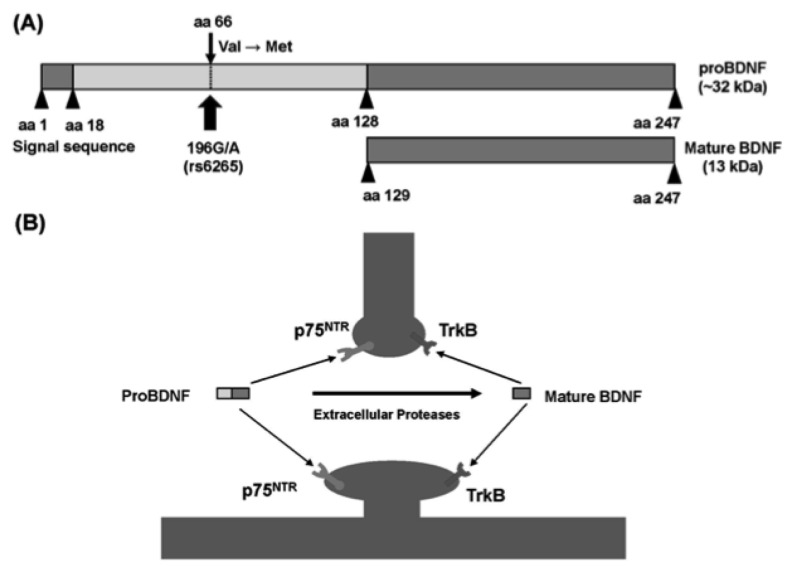
“Thus, both proBDNF and BDNF are instrumental in several key physiological functions [86-91] (Fig.”
Self-citationLevkovitz, Y., Mendlovich, S., Riwkes, S., Braw, Y., Levkovitch-Verbin, H., Gal, G., Fennig, S., Treves, I., & Kron, S. (2010) · The Journal of Clinical Psychiatry · doi:10.4088/jcp.08m04666yel · Cited by 387 · cited 1×
“several animal models of neuropsychiatric disorders, including schizophrenia [46-50], depression [51] and methamphetamine (or amphetamine)-related disorders [52-56].”
Emerging role of glutamate in the pathophysiology of major depressive disorder
Hashimoto, K. (2009) · Brain Research Reviews · doi:10.1016/j.brainresrev.2009.05.005 · Cited by 381 · cited 2×
“The N-methyl-D-aspartate receptor antagonist, ketamine, is an effective antidepressant agent for treatment-resistant depression [6-14].”
Self-citationAdachi, M., Barrot, M., Autry, A. E., Theobald, D., & Monteggia, L. M. (2008) · Biological Psychiatry · doi:10.1016/j.biopsych.2007.09.019 · Cited by 380 · cited 1×
“A viral-mediated gene transfer approach found that BDNF in the DG was most likely the prime candidate for mediating the therapeutic effect of antidepressants [110].”
Black, C., & Miller, B. J. (2015) · Biological Psychiatry · doi:10.1016/j.biopsych.2014.10.014 · Cited by 366 · cited 1×
“A meta-analysis showed that patients with suicidality showed high blood levels of IL-6 compared with control subjects, implying that peripheral IL-6 may be associated with suicidal ideation, a core symptom of depression [60].”
Maes, M. (1999) · Neuropsychopharmacology · doi:10.1016/s0893-133x(98)00088-8 · Cited by 357 · cited 1×
“Antidepressants such as imipramine, clomipramine, venlafaxine, fluoxetine, sertraline and trazodone, reduce the interferon-γ (INF-γ)/ IL-10 ratio of in vitro human blood samples (a ratio of proinflammatory/anti-inflammatory drive), consistent with an anti-inflammatory action [31-33].”
Kubera, M., Lin, A.-H., Kenis, G., Bosmans, E., van Bockstaele, D., & Maes, M. (2001) · Journal of Clinical Psychopharmacology · doi:10.1097/00004714-200104000-00012 · Cited by 343
Cytokine imbalance in the pathophysiology of major depressive disorder
Kim, Y.-K., Na, K.-S., Shin, K.-H., Jung, H.-Y., Choi, S.-H., & Kim, J.-B. (2007) · Progress in Neuro-Psychopharmacology and Biological Psychiatry · doi:10.1016/j.pnpbp.2007.03.004 · Cited by 314 · cited 1×
“Patients with depression show increased blood concentrations of pro-inflammatory cytokines, including interleukin-1β (IL-1β), interleukin-6 (IL-6), tumor necrosis factor-α (TNF-α) and other acute phase proteins, C-reactive protein (CRP), haptoglobin and neopterin [24, 25].”
Interleukin‐6 Serum Levels in Depressed Patients before and after Treatment with Fluoxetine
SŁUŻEWSKA, A., RYBAKOWSKI, J. K., LACIAK, M., MACKIEWICZ, A., SOBIESKA, M., & WIKTOROWICV, K. (1995) · Annals of the New York Academy of Sciences · doi:10.1111/j.1749-6632.1995.tb32372.x · Cited by 306
Zhang, J.-C., Wu, J., Fujita, Y., Yao, W., Ren, Q., Yang, C., Li, S.-X., Shirayama, Y., & Hashimoto, K. (2015) · International Journal of Neuropsychopharmacology · doi:10.1093/ijnp/pyu077 · Cited by 289 · cited 17×
“We found that similar to ketamine, a single administration of TrkB ligands (7,8-DHF and ANA-12) conferred a rapid antidepressant effect in the social defeat stress model of depression [124].”
InfluentialSelf-citationChaudhry, I. B., Hallak, J., Husain, N., Minhas, F., Stirling, J., Richardson, P., Dursun, S., Dunn, G., & Deakin, B. (2012) · Journal of Psychopharmacology · doi:10.1177/0269881112444941 · Cited by 279 · cited 1×
“several animal models of neuropsychiatric disorders, including schizophrenia [46-50], depression [51] and methamphetamine (or amphetamine)-related disorders [52-56].”
Lu, B. (2003) · Neuron · doi:10.1016/s0896-6273(03)00538-5 · Cited by 267 · cited 2×
“Thus, both proBDNF and BDNF are instrumental in several key physiological functions [86-91] (Fig.”
Guan, Z., & Fang, J. (2006) · Brain, Behavior, and Immunity · doi:10.1016/j.bbi.2005.04.005 · Cited by 247 · cited 1×
“Intraperitoneal injection of IL-1β or LPS significantly decreases BDNF mRNA levels in the rat hippocampus [93], with similar reductions in several cortical regions [94, 95].”
Glutamate modulators as potential therapeutic drugs in schizophrenia and affective disorders
Hashimoto, K., Malchow, B., Falkai, P., & Schmitt, A. (2013) · European Archives of Psychiatry and Clinical Neuroscience · doi:10.1007/s00406-013-0399-y · Cited by 219 · cited 1×
“The N-methyl-D-aspartate receptor antagonist, ketamine, is an effective antidepressant agent for treatment-resistant depression [6-14].”
Self-citationOhgi, Y., Futamura, T., Kikuchi, T., & Hashimoto, K. (2013) · Pharmacology Biochemistry and Behavior · doi:10.1016/j.pbb.2012.12.003 · Cited by 207
Self-citationHashimoto, K. (2013) · Progress in Neurobiology · doi:10.1016/j.pneurobio.2012.09.001 · Cited by 207 · cited 1×
“Multiple lines of evidence suggest that BDNF is integral to both the pathophysiology of depression and the therapeutic mechanisms of antidepressants [97-104].”
Self-citationYang, J.-J., Wang, N., Yang, C., Shi, J.-Y., Yu, H.-Y., & Hashimoto, K. (2015) · Biological Psychiatry · doi:10.1016/j.biopsych.2014.06.021 · Cited by 202 · cited 1×
“Very recently, we reported that serum IL-6 may represent a predictable biomarker for ketamine’s antidepressant action in patients with treatment-resistant depression [61].”
Self-citationZhang, J.-C., Yao, W., Dong, C., Yang, C., Ren, Q., Ma, M., Han, M., & Hashimoto, K. (2015) · Psychopharmacology · doi:10.1007/s00213-015-4062-3 · Cited by 183 · cited 2×
“However, unlike ketamine, the antidepressant effects of 7,8-DHF and ANA-12 in this model were not detectable seven days after a single dosing [124], implying that ketamine is a longerlasting antidepressant than TrkB ligands.”
Self-citationA common thread for pain and memory synapses? Brain-derived neurotrophic factor and trkB receptors
Malcangio, M., & Leßmann, V. (2003) · Trends in Pharmacological Sciences · doi:10.1016/s0165-6147(03)00025-7 · Cited by 175 · cited 1×
“It is well known that BDNF is integral to use-dependent plasticity mechanisms, such as long-term potentiation, learning and memory [80-85].”
Lapchak, P. A., Araujo, D. M., & Hefti, F. F. (1993) · Neuroscience · doi:10.1016/0306-4522(93)90196-m · Cited by 174
Raison, C. L., Lowry, C. A., & Rook, G. A. W. (2010) · Archives of General Psychiatry · doi:10.1001/archgenpsychiatry.2010.161 · Cited by 169
Pharmacological Manipulation of Kynurenic Acid: Potential in the Treatment of Psychiatric Disorders
Erhardt, S., Olsson, S. K., & Engberg, G. (2009) · CNS Drugs · doi:10.2165/00023210-200923020-00001 · Cited by 164
Endogenous neurotoxins from tryptophan
Stone, T. W. (2001) · Toxicon · doi:10.1016/s0041-0101(00)00156-2 · Cited by 164 · cited 1×
“In the brain it is metabolized further in perivascular macrophages, microglia and astrocytes, to generate neuroactive compounds [66, 68, 69].”
Zhang, L., Kitaichi, K., Fujimoto, Y., Nakayama, H., Shimizu, E., Iyo, M., & Hashimoto, K. (2006) · Progress in Neuro-Psychopharmacology and Biological Psychiatry · doi:10.1016/j.pnpbp.2006.05.015 · Cited by 159 · cited 1×
“several animal models of neuropsychiatric disorders, including schizophrenia [46-50], depression [51] and methamphetamine (or amphetamine)-related disorders [52-56].”
Self-citationQuinolinic acid induces oxidative stress in rat brain synaptosomes
Santamaría, A., Galván-Arzate, S., Lisý, V., Ali, S. F., Duhart, H. M., Osorio-Rico, L., Ríos, C., & Sut'astný, F. (2001) · Neuroreport · doi:10.1097/00001756-200103260-00049 · Cited by 152 · cited 1×
“The compound 3-HK generates free-radical species able to induce oxidative stress and lipid peroxidation, whereas QA is an NMDA receptor agonist [45, 66, 70, 72].”
Neurotrophins and Psychiatric Disorders
Castrén, E. (2014) · Handbook of Experimental Pharmacology · doi:10.1007/978-3-642-45106-5_17 · Cited by 150 · cited 1×
“Multiple lines of evidence suggest that BDNF is integral to both the pathophysiology of depression and the therapeutic mechanisms of antidepressants [97-104].”
Antidepressant actions of ketamine: from molecular mechanisms to clinical practice
Monteggia, L. M., & Zarate, C. (2015) · Current Opinion in Neurobiology · doi:10.1016/j.conb.2014.12.004 · Cited by 149
Nrf2 participates in depressive disorders through an anti-inflammatory mechanism
Martín-de-Saavedra, M. D., Budni, J., Cunha, M. P., Gómez-Rangel, V., Lorrio, S., del Barrio, L., Lastres-Becker, I., Parada, E., Tordera, R. M., Rodrigues, A. L. S., et al. (2013) · Psychoneuroendocrinology · doi:10.1016/j.psyneuen.2013.03.020 · Cited by 143 · cited 2×
“1 mg/kg/day for 7 days) showed depressionlike phenotype in rodents, and LPS-induced depression-like phenotype is attenuated by anti-inflammatory compounds [57].”
Shirayama, Y., Yang, C., Zhang, J.-C., Ren, Q., Yao, W., & Hashimoto, K. (2015) · European Neuropsychopharmacology · doi:10.1016/j.euroneuro.2015.09.002 · Cited by 137 · cited 2×
“Interestingly, 7,8-DHF significantly improved decreased phosphorylation of TrkB in the PFC, CA3, and DG whereas ANA-12 significantly improved increased phosphorylation of TrkB in the NAc [123].”
Self-citationInflammatory Biomarkers as Differential Predictors of Antidepressant Response
Hashimoto, K. (2015) · International Journal of Molecular Sciences · doi:10.3390/ijms16047796 · Cited by 137 · cited 1×
“Current evidence points to the role of inflammatory processes in the pathophysiology of depression [6, 21-23].”
Self-citationKetamine as a Potential Treatment for Suicidal Ideation: A Systematic Review of the Literature
Reinstatler, L., & Youssef, N. A. (2015) · Drugs in R&D · doi:10.1007/s40268-015-0081-0 · Cited by 120 · cited 1×
“Interestingly, a single infusion of ketamine greatly improved suicidal thinking in depressed patients [17-19].”
Deinhardt, K., & Chao, M. V. (2014) · Neuropharmacology · doi:10.1016/j.neuropharm.2013.04.054 · Cited by 116 · cited 1×
“Thus, both proBDNF and BDNF are instrumental in several key physiological functions [86-91] (Fig.”
Targeting of NMDA receptors in new treatments for schizophrenia
Hashimoto, K. (2014) · Expert Opinion on Therapeutic Targets · doi:10.1517/14728222.2014.934225 · Cited by 115 · cited 1×
“In addition, KA is a known endogenous antagonist at α7 nicotinic acetylcholine receptors (nAChR) which are implicated in the pathophysiology of neuropsychiatric disorders [73-79].”
Self-citationSchnydrig, S., Korner, L., Landweer, S., Ernst, B., Walker, G., Otten, U., & Kunz, D. (2007) · Neuroscience Letters · doi:10.1016/j.neulet.2007.09.067 · Cited by 113
Chapter 15 Brain derived neurotrophic factor
Barde, Y., Davies, A. M., Johnson, J. E., Lindsay, R. M., & Thoenen, H. (1987) · Progress in brain research · doi:10.1016/s0079-6123(08)61823-3 · Cited by 113
Zhang, L., Shirayama, Y., Iyo, M., & Hashimoto, K. (2007) · Neuropsychopharmacology · doi:10.1038/sj.npp.1301313 · Cited by 111 · cited 1×
“several animal models of neuropsychiatric disorders, including schizophrenia [46-50], depression [51] and methamphetamine (or amphetamine)-related disorders [52-56].”
Self-citationBarker, P. A. (2009) · Nature Neuroscience · doi:10.1038/nn0209-105 · Cited by 110 · cited 1×
“Further studies are needed to study the precise mechanisms underlying the modulation of BDNF by immune and inflammatory processes.”
Toyohara, J., & Hashimoto, K. (2010) · The Open Medicinal Chemistry Journal · doi:10.2174/1874104501004010037 · Cited by 108 · cited 1×
“In addition, KA is a known endogenous antagonist at α7 nicotinic acetylcholine receptors (nAChR) which are implicated in the pathophysiology of neuropsychiatric disorders [73-79].”
Self-citationFujita, Y., Ishima, T., Kunitachi, S., Hagiwara, H., Zhang, L., Iyo, M., & Hashimoto, K. (2007) · Progress in Neuro-Psychopharmacology and Biological Psychiatry · doi:10.1016/j.pnpbp.2007.08.031 · Cited by 100 · cited 1×
“several animal models of neuropsychiatric disorders, including schizophrenia [46-50], depression [51] and methamphetamine (or amphetamine)-related disorders [52-56].”
Self-citationArakawa, S., Shirayama, Y., Fujita, Y., Ishima, T., Horio, M., Muneoka, K. T., Iyo, M., & Hashimoto, K. (2011) · Pharmacology Biochemistry and Behavior · doi:10.1016/j.pbb.2011.09.008 · Cited by 99
Self-citationBDNF variant linked to anxiety‐related behaviors
Hashimoto, K. (2007) · BioEssays · doi:10.1002/bies.20534 · Cited by 89 · cited 1×
“Thus, both proBDNF and BDNF are instrumental in several key physiological functions [86-91] (Fig.”
Self-citationHuman Biomarkers of Rapid Antidepressant Effects
Zarate, C. A., Mathews, D. C., & Furey, M. L. (2013) · Biological Psychiatry · doi:10.1016/j.biopsych.2012.11.031 · Cited by 89 · cited 2×
“5 mg/kg) of ketamine produces robust and rapid antidepressant effects in two-thirds of patients with treatment resistant depression, and this response can last for over one week [9, 10, 15, 16].”
Chapman, T. R., Barrientos, R. M., Ahrendsen, J. T., Hoover, J. M., Maier, S. F., & Patterson, S. L. (2012) · Neurobiology of Aging · doi:10.1016/j.neurobiolaging.2011.07.015 · Cited by 84
Guo, J., Lin, P., Zhao, X., Zhang, J., Wei, X., Wang, Q., & Wang, C. (2014) · Neuroscience · doi:10.1016/j.neuroscience.2014.01.008 · Cited by 75 · cited 2×
“Chronic inflammation also can induce depression-like behavior in rodent [57, 58].”
Self-citationZhang, L., Shirayama, Y., Shimizu, E., Iyo, M., & Hashimoto, K. (2006) · European Journal of Pharmacology · doi:10.1016/j.ejphar.2006.05.047 · Cited by 75 · cited 1×
“Kynurenine is a major metabolite of tryptophan and is readily transported across the blood–brain-barrier (Fig.”
Self-citationHashimoto, K., Tsukada, H., Nishiyama, S., Fukumoto, D., Kakiuchi, T., & Iyo, M. (2006) · Biological Psychiatry · doi:10.1016/j.biopsych.2006.03.019 · Cited by 71 · cited 1×
“several animal models of neuropsychiatric disorders, including schizophrenia [46-50], depression [51] and methamphetamine (or amphetamine)-related disorders [52-56].”
Self-citationMinocycline attenuates subjective rewarding effects of dextroamphetamine in humans
Sofuoglu, M., Mooney, M., Kosten, T., Waters, A., & Hashimoto, K. (2011) · Psychopharmacology · doi:10.1007/s00213-010-2014-5 · Cited by 70 · cited 1×
“several animal models of neuropsychiatric disorders, including schizophrenia [46-50], depression [51] and methamphetamine (or amphetamine)-related disorders [52-56].”
Self-citationThe in vitro immunosuppressive effects of moclobemide in healthy volunteers
Lin, A., Song, C., Kenis, G., Bosmans, E., Jongh, R. F. D., Scharpé, S., & Maes, M. H. J. (2000) · Journal of Affective Disorders · doi:10.1016/s0165-0327(99)00076-2 · Cited by 63 · cited 1×
“Antidepressants such as imipramine, clomipramine, venlafaxine, fluoxetine, sertraline and trazodone, reduce the interferon-γ (INF-γ)/ IL-10 ratio of in vitro human blood samples (a ratio of proinflammatory/anti-inflammatory drive), consistent with an anti-inflammatory action [31-33].”
Hashimoto, K. (2015) · Current Pharmaceutical Design · doi:10.2174/1381612821666150605111345 · Cited by 61 · cited 1×
“In addition, KA is a known endogenous antagonist at α7 nicotinic acetylcholine receptors (nAChR) which are implicated in the pathophysiology of neuropsychiatric disorders [73-79].”
Self-citationα7 Nicotinic Acetylcholine Receptor as a Potential Therapeutic Target for Schizophrenia
Ishikawa, M., & Hashimoto, K. (2011) · Current Pharmaceutical Design · doi:10.2174/138161211795049561 · Cited by 58 · cited 1×
“In addition, KA is a known endogenous antagonist at α7 nicotinic acetylcholine receptors (nAChR) which are implicated in the pathophysiology of neuropsychiatric disorders [73-79].”
Self-citationYao, W., Zhang, J.-C., Dong, C., Zhuang, C., Hirota, S., Inanaga, K., & Hashimoto, K. (2015) · Pharmacology Biochemistry and Behavior · doi:10.1016/j.pbb.2015.06.012 · Cited by 57 · cited 1×
“The bacterial endotoxin, lipopolysaccharide (LPS) is widely used to create an inflammation-related model of depression [34-39].”
Self-citationThe antibiotic minocycline prevents methamphetamine-induced rewarding effects in mice
Fujita, Y., Kunitachi, S., Iyo, M., & Hashimoto, K. (2012) · Pharmacology Biochemistry and Behavior · doi:10.1016/j.pbb.2012.01.005 · Cited by 57 · cited 1×
“several animal models of neuropsychiatric disorders, including schizophrenia [46-50], depression [51] and methamphetamine (or amphetamine)-related disorders [52-56].”
Self-citationPeripheral interleukin-6 promotes resilience versus susceptibility to inescapable electric stress
Yang, C., Shirayama, Y., Zhang, J.-C., Ren, Q., & Hashimoto, K. (2015) · Acta Neuropsychiatrica · doi:10.1017/neu.2015.36 · Cited by 55 · cited 3×
“From our research, we found that alterations in peripheral but not brain IL-6, probably contributed to resilience versus susceptibility to inescapable stress in the rat learned helpless model [63].”
Self-citationTropisetron and its targets in Alzheimer’s disease
Hashimoto, K. (2014) · Expert Opinion on Therapeutic Targets · doi:10.1517/14728222.2014.983901 · Cited by 54 · cited 1×
“In addition, KA is a known endogenous antagonist at α7 nicotinic acetylcholine receptors (nAChR) which are implicated in the pathophysiology of neuropsychiatric disorders [73-79].”
Self-citationMa, M., Ren, Q., Zhang, J.-C., & Hashimoto, K. (2014) · Clinical Psychopharmacology and Neuroscience · doi:10.9758/cpn.2014.12.1.31 · Cited by 54 · cited 1×
“The bacterial endotoxin, lipopolysaccharide (LPS) is widely used to create an inflammation-related model of depression [34-39].”
Self-citationNovel investigational drugs targeting IL-6 signaling for the treatment of depression
Fonseka, T. M., McIntyre, R. S., Soczynska, J. K., & Kennedy, S. H. (2015) · Expert Opinion on Investigational Drugs · doi:10.1517/13543784.2014.998334 · Cited by 54 · cited 2×
“This makes it unlikely that brain-derived IL-6 might be involved in the pathogenesis of depression [63, 64].”
Ren, Q., Zhang, J., Ma, M., Fujita, Y., Wu, J., & Hashimoto, K. (2013) · Psychopharmacology · doi:10.1007/s00213-013-3221-7 · Cited by 48
Self-citationRole of the mTOR signaling pathway in the rapid antidepressant action of ketamine
Hashimoto, K. (2011) · Expert Review of Neurotherapeutics · doi:10.1586/ern.10.176 · Cited by 47 · cited 1×
“The N-methyl-D-aspartate receptor antagonist, ketamine, is an effective antidepressant agent for treatment-resistant depression [6-14].”
Self-citationKetamine and suicidal ideation in depression: Jumping the gun?
Rajkumar, R., Fam, J., Yeo, E. Y. M., & Dawe, G. S. (2015) · Pharmacological Research · doi:10.1016/j.phrs.2015.05.003 · Cited by 46
Rapid antidepressant effects and abuse liability of ketamine
Yang, C., & Hashimoto, K. (2014) · Psychopharmacology · doi:10.1007/s00213-014-3543-0 · Cited by 46 · cited 1×
“The N-methyl-D-aspartate receptor antagonist, ketamine, is an effective antidepressant agent for treatment-resistant depression [6-14].”
Self-citationα7 Nicotinic Receptor Agonists as Potential Therapeutic Drugs for Schizophrenia
Hashimoto, K., Koike, K., Shimizu, E., & Iyo, M. (2005) · Central Nervous System Agents in Medicinal Chemistry · doi:10.2174/1568015054863828 · Cited by 44 · cited 1×
“In addition, KA is a known endogenous antagonist at α7 nicotinic acetylcholine receptors (nAChR) which are implicated in the pathophysiology of neuropsychiatric disorders [73-79].”
Self-citationHashimoto, K. (2014) · Clinical Psychopharmacology and Neuroscience · doi:10.9758/cpn.2014.12.1.72 · Cited by 42 · cited 1×
“The N-methyl-D-aspartate receptor antagonist, ketamine, is an effective antidepressant agent for treatment-resistant depression [6-14].”
Self-citationChaves, C., Marque, C. R., Maia-de-Oliveira, J. P., Wichert-Ana, L., Ferrari, T. B., Santos, A. C., Araújo, D., Machado-de-Sousa, J. P., Bressan, R. A., Elkis, H., et al. (2015) · Schizophrenia Research · doi:10.1016/j.schres.2014.11.031 · Cited by 41 · cited 1×
“several animal models of neuropsychiatric disorders, including schizophrenia [46-50], depression [51] and methamphetamine (or amphetamine)-related disorders [52-56].”
Ren, Q., Zhang, J., Fujita, Y., Ma, M., Wu, J., & Hashimoto, K. (2013) · Pharmacology Biochemistry and Behavior · doi:10.1016/j.pbb.2013.03.016 · Cited by 39 · cited 11×
“We found that similar to ketamine, a single administration of TrkB ligands (7,8-DHF and ANA-12) conferred a rapid antidepressant effect in the social defeat stress model of depression [124].”
InfluentialSelf-citationThe diversity in the vanilloid receptor family of ion channels
Gunthorpe, M. J., Benham, C. D., Randall, A. D., et al. (2002) · University of Hertfordshire Research Archive (University of Hertfordshire) · doi:10.1016/s0165-6147 · Cited by 34
Hashimoto, K. (2013) · Expert Review of Neurotherapeutics · doi:10.1586/ern.12.140 · Cited by 16 · cited 1×
“Multiple lines of evidence suggest that BDNF is integral to both the pathophysiology of depression and the therapeutic mechanisms of antidepressants [97-104].”
Self-citationPeripheral IL-6 signaling: a promising therapeutic target for depression?
Yang, C., & Hashimoto, K. (2015) · Expert Opinion on Investigational Drugs · doi:10.1517/13543784.2015.1055669 · Cited by 12 · cited 1×
“A recent review concluded that novel investigational drugs targeting IL-6 signaling could be beneficial in the treatment of depression [65].”
Self-citationHashimoto, K. (2016) · Springer eBooks · doi:10.1007/978-81-322-2803-5_37 · Cited by 2 · cited 1×
“Finally, TrkB agonists and TrkB antagonists have the potential to act as therapeutic drugs for patients with lowered BDNF in the hippocampus and PFC, and those with raised BDNF in the NAc, respectively.”
Self-citation
Research works printed but not linked: 2
- [97]Duman R.S. Heninger G.R. Nestler E.J. A molecular and cellular theory of depression. Arch. Gen. Psychiatry 1997 54 7 597 606 [http://dx.doi.org/10.1001/archpsyc.1997.01830190015002]. [PMID: 9236543]. 9236543 · DOI · Paper page
- [102]Hashimoto K. Sigma-1 receptor chaperone and brain-derived neurotrophic factor: emerging links between cardiovascular disease and depression. Prog. Neurobiol. 2013 100 15 29 [pneurobio.].[http://dx.doi.org/10.1016/j.pneurobio.2012.09.001]. [PMID: 23044468]. 23044468 · DOI · Paper page
Cited by
Major depressive disorder: hypothesis, mechanism, prevention and treatment
Cui, L., Li, S., Wang, S., Wu, X., Liu, Y., Yu, W., Wang, Y., Tang, Y., Xia, M., & Li, B. (2024) · Signal Transduction and Targeted Therapy · doi:10.1038/s41392-024-01738-y · Cited by 1,244
Hashimoto, K. (2019) · Psychiatry and Clinical Neurosciences · doi:10.1111/pcn.12902 · Cited by 335
Self-citationDiet and Mental Health: Review of the Recent Updates on Molecular Mechanisms
Godos, J., Currenti, W., Angelino, D., Mena, P., Castellano, S., Caraci, F., Galvano, F., Del Rio, D., Ferri, R., & Grosso, G. (2020) · Antioxidants · doi:10.3390/antiox9040346 · Cited by 258
“Cytokines are soluble intercellular signaling molecules that are involved in the pathophysiology of several mental disorders through affecting neurotransmitter synthesis, release, and reuptake [79], as well as regulating BDNF expression [80].”
BackgroundMolecular mechanisms underlying the antidepressant actions of arketamine: beyond the NMDA receptor
Wei, Y., Chang, L., & Hashimoto, K. (2022) · Molecular Psychiatry · doi:10.1038/s41380-021-01121-1 · Cited by 248
Self-citationMolecular mechanisms of the rapid-acting and long-lasting antidepressant actions of (R)-ketamine
Hashimoto, K. (2020) · Biochemical Pharmacology · doi:10.1016/j.bcp.2020.113935 · Cited by 236
Self-citation
Metadata
- Authors
- Zhang, J.-C., Yao, W., & Hashimoto, K.
- Affiliations
- Chiba University (JP)
- Corresponding author
- Hashimoto, Kenji
- Venue
- Current Neuropharmacology
- Publisher
- Bentham Science Publishers Ltd.
- Published
- 2016-08-26
- Volume
- 14
- Issue
- 7
- Pages
- 721-731
- ISSN
- 1570-159X (ISSN-L)
- PMC
- PMC5050398
- OpenAlex
- W2309165118
- Semantic Scholar
- 8c9bc4382355e7e712e5e9cf698e36fc7516725f
- Cited by
- 538
- References
- 131
- Citations by year
- 2026: 46 · 2025: 71 · 2024: 70 · 2023: 71 · 2022: 65 · 2021: 60 · 2020: 64 · 2019: 37 · 2018: 22 · 2017: 18 · 2016: 14
- FWCI
- 1.81
- Type
- journal article
- Language
- en
- Open access
- bronze
- doi.org
- Locations
- Current Neuropharmacology (publishedVersion)
- PubMed Central (publishedVersion, cc-by-nc)
- PubMed (publishedVersion)
- Funders
- Ministry of Education, Culture, Sports, Science and Technology (24116006)
- Japan Society for the Promotion of Science (15K19711)
- Topics
- Life Sciences › Neuroscience › Biological Psychiatry › Tryptophan and brain disorders
- Health Sciences › Medicine › Pharmacology (medical) › Treatment of Major Depression
- Life Sciences › Neuroscience › Cellular and Molecular Neuroscience › Nerve injury and regeneration
- Keywords
- brain-derived neurotrophic factor, TrkB signaling, neuroinflammation, kynurenine pathway, lipopolysaccharide-induced inflammation, antidepressant mechanism, 7,8-dihydroxyflavone, ANA-12, TrkB agonist, prefrontal cortex, hippocampus, nucleus accumbens
- MeSH terms
- Animals, Anti-Inflammatory Agents, Antidepressive Agents, Brain, Depressive Disorder, Humans, Inflammation, Brain-Derived Neurotrophic Factor, Receptor, trkB
About these checks
Registry, retraction, Cites and statistics results are computed, not judged, with one exception: a printed reference that no index lists is read once by a model before it counts as a citation error. Claims are extracted by a model and kept only when their quote appears verbatim in the text; each cited source is then checked, with a model’s help, for whether it says what the claim relies on. Those verdicts can be wrong — read the claim’s quote and the cited source before relying on one.
Statistics and arithmetic are recomputed, not judged.
Confidence bands are shown only for fields calibrated on our annotated test set. None is calibrated yet, so no band is shown.
What counts as a claim ›How we measure confidence ›How we check this ›
Are you an author, or do you see a problem with this page? Request a review
Data sources
Bibliographic data: Semantic Scholar, OpenAlex, Crossref.
Contains information from the Semantic Scholar Academic Graph Datasets, made available under the ODC Attribution License (ODC-BY 1.0).
Semantic Scholar’s data is described in: Kinney, R., et al. (2023). The Semantic Scholar Open Data Platform. arXiv:2301.10140.
