

Brain-derived Neurotrophic Factor (BDNF)-TrkB Signaling in Inflammation-related Depression and Potential Therapeutic Targets
Open accessThe DOI matches its Crossref record; 129 of the 131 references it cites were found in a registry or an index.
Abstract
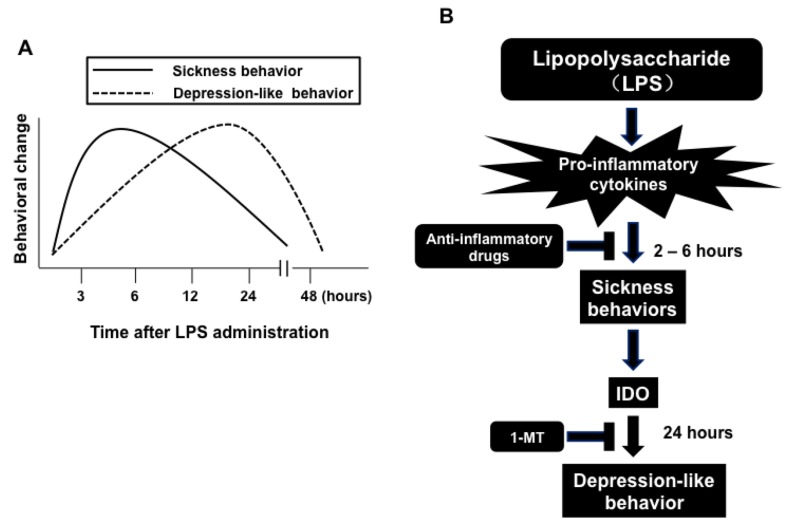
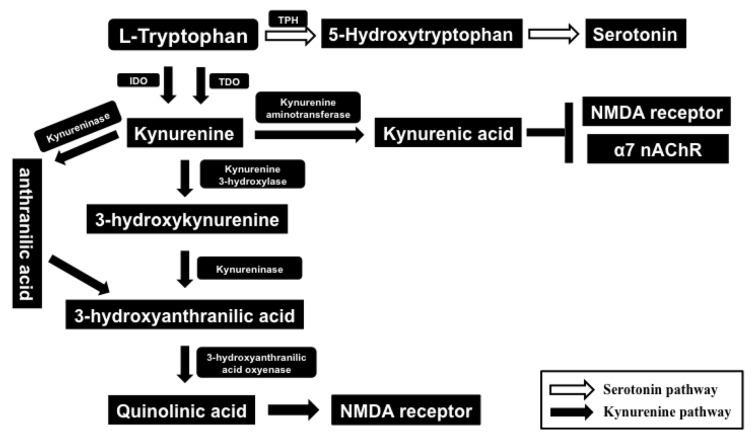
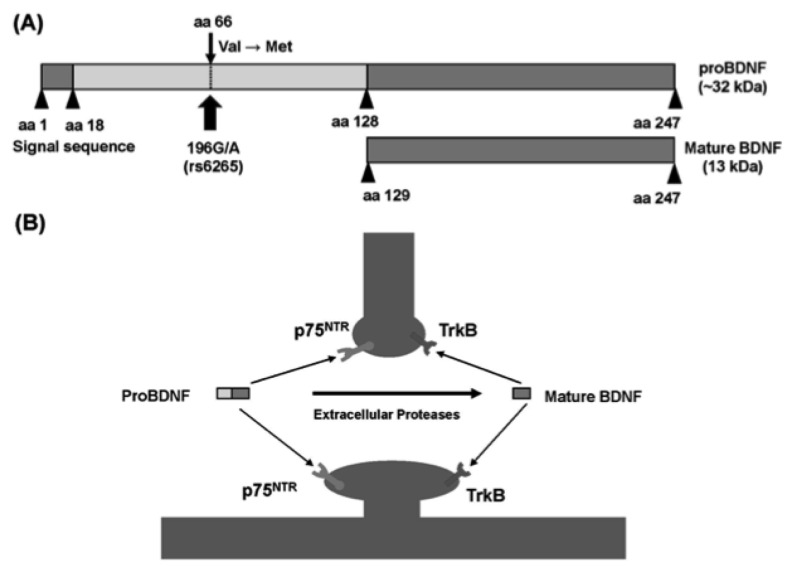
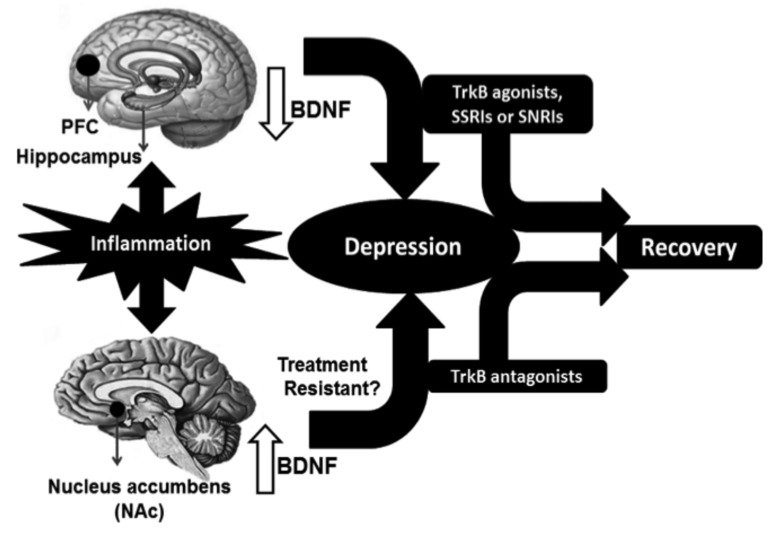
Depression is the most prevalent and among the most debilitating of psychiatric disorders. The precise neurobiology of this illness is unknown. Several lines of evidence suggest that peripheral and central inflammation plays a role in depressive symptoms, and that anti-inflammatory drugs can improve depressive symptoms in patients with inflammation-related depression. Signaling via brain-derived neurotrophic factor (BDNF) and its receptor, tropomycin receptor kinase B (TrkB) plays a key role in the pathophysiology of depression and in the therapeutic mechanisms of antidepressants. A recent paper showed that lipopolysaccharide (LPS)-induced inflammation gave rise to depression-like phenotype by altering BDNF-TrkB signaling in the prefrontal cortex, hippocampus, and nucleus accumbens, areas thought to be involved in the antidepressant effects of TrkB agonist, 7,8-dihydroxyflavone (7,8-DHF) and TrkB antagonist, ANA-12. Here we provide an overview of the tryptophan-kynurenine pathway and BDNF-TrkB signaling in the pathophysiology of inflammation-induced depression, and propose mechanistic actions for potential therapeutic agents. Additionally, the authors discuss the putative role of TrkB agonists and antagonists as novel therapeutic drugs for inflammation-related depression.
Overview
The claims and statistics of this paper haven’t been checked yet.
Free: it reads the open-access text and checks the first 5 claims that cite a source we can check. Create a free account to check every claim.
Integrity signals
Registry
Cites
Statistics
Figures
Verification
Claims the paper makes
The claims and statistics of this paper haven’t been checked yet.
Free: it reads the open-access text and checks the first 5 claims that cite a source we can check. Create a free account to check every claim.
Claims other papers make about this one
Each is checked against this paper’s own text: does it say what the citing paper says it does?
The source backs part of the claim, not all of it — or backs it for a different population, condition or comparison.
In the citing paper
“For the treatment of depression, targeting signaling transduction by BDNF and its receptor, tropomycin receptor kinase B (TrkB), is essential. 143 , 144”
From Major depressive disorder: hypothesis, mechanism, prevention and treatment (2024) · cites this paper as [144]
Experimental — accuracy not yet measured
Self-check
Percentages, sums and reported differences re-computed from the paper’s own numbers.
The self-check needs the paper’s full text.
Citations
Cites
1 retracted
Yang, C., Shirayama, Y., Zhang, J.-C., Ren, Q., & Hashimoto, K. (2015) · International Journal of Neuropsychopharmacology · doi:10.1093/ijnp/pyu121 · Cited by 103 · cited 2×
“In the rat learned helplessness model, we found that BDNF levels in the NAc were significantly higher in depressed rats compared with control and resilient rats, suggesting again that regional differences in BDNF levels may promote resilience to inescapable stress [113].”
Self-citationRetractedYaşlı Kadınlarda Üreme Sağlığı
Kokanalı, D., & Engin Üstün, Y. (n.d.) · DergiPark (Istanbul University) · Cited by 170,090
Yaşlı Kadınlarda Üreme Sağlığı
Kokanalı, D., & Üstün, Y. E. (2019) · Jinekoloji-Obstetrik ve Neonatoloji Tıp Dergisi · Cited by 169,629
Kessler, R. C. (1994) · Archives of General Psychiatry · doi:10.1001/archpsyc.1994.03950010008002 · Cited by 12,370
Molecular Mechanisms of Depression: Perspectives on New Treatment Strategies
Lang, U. E., & Borgwardt, S. (2013) · Cellular Physiology and Biochemistry · doi:10.1159/000350094 · Cited by 8,475
From inflammation to sickness and depression: when the immune system subjugates the brain
Dantzer, R., O'Connor, J. C., Freund, G. G., Johnson, R. W., & Kelley, K. W. (2008) · Nature Reviews Neuroscience · doi:10.1038/nrn2297 · Cited by 7,395 · cited 7×
“IDO activation results in decreased tryptophan levels and increased production of kynurenine and other tryptophanderived metabolites [36, 45].”
InfluentialA Meta-Analysis of Cytokines in Major Depression
Dowlati, Y., Herrmann, N., Swardfager, W., Liu, H., Sham, L., Reim, E. K., & Lanctôt, K. L. (2010) · Biological Psychiatry · doi:10.1016/j.biopsych.2009.09.033 · Cited by 4,729 · cited 1×
“Metaanalysis showed higher serum levels of TNF-α in drug-free depressed patients relative to healthy controls [26].”
Raetz, C. R. H., & Whitfield, C. (2002) · Annual Review of Biochemistry · doi:10.1146/annurev.biochem.71.110601.135414 · Cited by 4,404 · cited 1×
“Administration of LPS or pro-inflammatory cytokines results in a significant reduction of BDNF gene and protein expression [38, 92].”
Neurotrophins: Roles in Neuronal Development and Function
Huang, E. J., & Reichardt, L. F. (2001) · Annual Review of Neuroscience · doi:10.1146/annurev.neuro.24.1.677 · Cited by 4,394 · cited 2×
“It is well known that BDNF is integral to use-dependent plasticity mechanisms, such as long-term potentiation, learning and memory [80-85].”
Domingos da Silveira da Luz, A. C., Pereira Dias, G., do Nascimento Bevilaqua, M. C., Cocks, G., Gardino, P. F., Thuret, S., & Nardi, A. E. (2013) · Neuropsychobiology · doi:10.1159/000353269 · Cited by 3,995
Research works printed but not linked: 2
- [97]Duman R.S. Heninger G.R. Nestler E.J. A molecular and cellular theory of depression. Arch. Gen. Psychiatry 1997 54 7 597 606 [http://dx.doi.org/10.1001/archpsyc.1997.01830190015002]. [PMID: 9236543]. 9236543 · DOI · Paper page
- [102]Hashimoto K. Sigma-1 receptor chaperone and brain-derived neurotrophic factor: emerging links between cardiovascular disease and depression. Prog. Neurobiol. 2013 100 15 29 [pneurobio.].[http://dx.doi.org/10.1016/j.pneurobio.2012.09.001]. [PMID: 23044468]. 23044468 · DOI · Paper page
Cited by
Items 401–500 of 561
Martian Environmental Psychology: The Choice Architecture of a Mars Mission and Colony
Abood, S. (2019) · Space and society · doi:10.1007/978-3-030-02059-0_1 · Cited by 5
Corrêa, C. R., Schena, C., Lopes, S. C., Prediger, R. D., Silva, E. L., Rieger, D. K., Ribeiro, L. C., & Moreira, J. D. (2020) · Behavioural Brain Research · doi:10.1016/j.bbr.2020.112770 · Cited by 6
Huang, X., Huang, Y., & Hu, B. (2023) · Neuropediatrics · doi:10.1055/s-0042-1760368 · Cited by 5
Alcohol and Brain-Derived Neurotrophic Factor (BDNF)
Martín‐González, C., González‐Arnay, E., Fernández-Rodríguez, C. M., Rodríguez, A. G., & González‐Reimers, E. (2022) · Springer eBooks · doi:10.1007/978-3-030-92392-1_182 · Cited by 5
Davis, R. L. (2019) · Journal of Neurochemistry · doi:10.1111/jnc.14659 · Cited by 5
Wei, Y. A. O. (2017) · Institutional Repositories DataBase (IRDB) · doi:10.20776/103784 · Cited by 5
Self-citationFrom molecules to meaning: unpacking the antidepressant mechanisms of psychedelic drugs
Acero, V. P., Flatt, T. A., Gooch, P. M., Gaughan, S. J., Levin, A. W., & Davis, A. K. (2025) · Expert Review of Clinical Pharmacology · doi:10.1080/17512433.2025.2515866 · Cited by 4
Gastaldo-Jordán, I., Villalba-Pita, C., Martínez-Raga, J., Sanz, Y., & Medina-Rodriguez, E. M. (2025) · Neuroscience & Biobehavioral Reviews · doi:10.1016/j.neubiorev.2025.106421 · Cited by 4
Li, P., & Gao, Y. (2025) · Frontiers in Psychiatry · doi:10.3389/fpsyt.2025.1651207 · Cited by 4
Raswanthiya, S. P., Fernandes, O. P., Mathew, M. P., Balgote, P. J., & Sivaraman, J. (2026) · Molecular Biology Reports · doi:10.1007/s11033-026-11485-8 · Cited by 5
Wu, X., Wu, W., Teng, Y., Yang, D., & Yang, H. (2026) · British Journal of Pharmacology · doi:10.1111/bph.70341 · Cited by 4
RetractedBarlattani, T., D’Amelio, C., Baschieri, A., Trebbi, E., Trebbi, F., Rossi, A., Martiadis, V., Ricci, V., Tomasetti, C., Berardis, D. D., et al. (2026) · Journal of Integrative Neuroscience · doi:10.31083/jin51052 · Cited by 5
Role of Dietary Polyphenols in NAD+-Dependent Deacetylase SIRT 1 in Stress-Induced Depression
Less, N., Mendes, F. R., & Pasinetti, G. M. (2025) · Molecular Neurobiology · doi:10.1007/s12035-025-05578-x · Cited by 4
“Alterations to the BDNF/TrkB/CREB signal transduction pathway have been shown to play a pivotal role in the onset and progression of MDD [104].”
Fotache, P. A., Mititelu-Tarțău, L., Bogdán, M., Bucă, B. R., Pavel, L. L., Pelin, A.-M., Meca, A.-D., Tartau, C. G., & Popa, T. (2022) · Medicina · doi:10.3390/medicina58101363 · Cited by 4
“These typical antidepressants have been shown to increase the expression mRNA (messenger ribonucleic acid) of BDNF, with a delay of weeks [58].”
BackgroundIntensity of Depression Symptoms Is Negatively Associated with Catalase Activity in Master Athletes
Maciel, L. A., Leite, P. L. D. A., Santos, P. A., Barbosa, L. P., Gutierrez, S. D., Deus, L. A., Araújo, M. C., Aguiar, S. D. S., Rosa, T. D. S., Lewis, J. E., et al. (2023) · International Journal of Environmental Research and Public Health · doi:10.3390/ijerph20054397 · Cited by 5
“On the other hand, while depression is among the most prevalent age-related mental conditions, the literature places the master athlete as a model of healthy aging, as long as he has a balanced lifestyle with healthy eating, stress control, and regular exercise for many years [3,4,22,23].”
BackgroundCombined Exercise and Vitamin D on Brain-Derived Neurotrophic Factor
Hoseini, R., Hoseini, Z., & Bahmani, E. (2023) · Biochemistry · doi:10.5772/intechopen.112021 · Cited by 5
Exploring the pathogenesis and treatment of PSD from the perspective of gut microbiota
Shi, M., Li, Z., Tang, Z., Zhou, H., Huang, X., Wei, Y., Li, X., Li, X., Shi, H., & Qin, D. (2024) · Brain Research Bulletin · doi:10.1016/j.brainresbull.2024.111022 · Cited by 5
“In recent years, it has been discovered (Zhang et al., 2016) that BDNF is a key part of both the pathophysiological processes that cause depression and the mechanism of action of antidepressants.”
Liu, G., Ma, L., Sakamoto, A., Fujimura, L., Xu, D., Zhao, M., Wan, X., Murayama, R., Anzai, N., & Hashimoto, K. (2024) · Pharmacology Biochemistry and Behavior · doi:10.1016/j.pbb.2024.173906 · Cited by 4
“While the etiology of depression is multifaced, there is growing evidence to suggest that inflammation significantly contributes to its pathophysiology (Beurel et al., 2020; Hashimoto, 2015, 2023a; Liu et al., 2019; Miller and Raison, 2016; Majd et al., 2020; Zhang et al., 2016).”
Self-citationCRISPR-edited DPSCs constitutively expressing BDNF enhance dentin regeneration in injured teeth
Kim, J. H., Irfan, M. I., Sreekumar, S., Atsawasuwan, P., Kim, S., & Chung, S. (2025) · eLife · doi:10.1101/2024.12.11.627879 · Cited by 4
Chen, B., Tian, R., Wu, B., Chen, Z., Liu, D., & Zhu, Q. (2025) · International Immunopharmacology · doi:10.1016/j.intimp.2025.115379 · Cited by 4
Neuroprotective roles of neurotrophic growth factors in mood disorders
Jiang, C. S., & Salton, S. R. (2019) · Elsevier eBooks · doi:10.1016/b978-0-12-814037-6.00010-0 · Cited by 4
Fatahi, Z., Zeinaddini-Meymand, A., Karimi, S., Khodagholi, F., & Haghparast, A. (2020) · Pharmacology Biochemistry and Behavior · doi:10.1016/j.pbb.2020.172952 · Cited by 5
Alcohol and Brain-Derived Neurotrophic Factor (BDNF)
Martín‐González, C., González‐Arnay, E., Fernández-Rodríguez, C. M., Rodríguez, A. G., & González‐Reimers, E. (2021) · Springer eBooks · doi:10.1007/978-3-030-67928-6_182-1 · Cited by 4
Making Sense of Psychedelics in the CNS
Fordyce, B. A., & Roth, B. L. (2024) · The International Journal of Neuropsychopharmacology · doi:10.1093/ijnp/pyae007 · Cited by 4
Potential Use of Stem Cells in Mood Disorders
Colpo, G. D., Stertz, L., Diniz, B. S., & Teixeira, A. L. (2018) · Advances in experimental medicine and biology · doi:10.1007/5584_2018_250 · Cited by 4
Yang, Y. M. (2023) · Institutional Repositories DataBase (IRDB) · doi:10.20776/900122211 · Cited by 4
The role of RGS12 in tissue repair and human diseases
Jiang, M., Li, H., Zhang, Q., Xu, T., Huang, L., Zhang, J., Yu, H., & Zhang, J. (2024) · Genes & Diseases · doi:10.1016/j.gendis.2024.101480 · Cited by 3
Self-citationThe effects and mechanisms of far-infrared ray on depression-like behavior induced by CRS in mice
Ling, Y., Gao, Y., Liu, W., Li, J., Nie, L., Zhu, C., & Xia, Q. (2025) · Brain Research Bulletin · doi:10.1016/j.brainresbull.2025.111348 · Cited by 3
“Numerous studies have shown that chronic inflammation is tightly linked to the onset and progression of depression, particularly with the elevation of pro-inflammatory cytokines such as IL-1 β , IL-6, TNF-α , and IL-17 (Kiecolt-Glaser et al., 2015; Dantzer et al., 2008; Zhang et al., 2016).”
The Role of Periodontitis in Increasing Cognitive Decline in Alzheimer\'s Disease
Freitas, C. M. T., Patil, S., Klonaris, N., & Murcia, J. D. G. (2025) · The Journal of Contemporary Dental Practice · doi:10.5005/jp-journals-10024-3847 · Cited by 4
The significance of dysregulated serine metabolism in depression
Lu, Y., Lv, M., Zhao, C., Pei, J., & Zhou, M. (2025) · Biomedicine & Pharmacotherapy · doi:10.1016/j.biopha.2025.118458 · Cited by 3
Betancourt, J. T. S., Cortés, J. A. G., Reyes, R. A., Ávila-Costa, M. R., & Sandoval, G. A. M. (2025) · Revista de Psicología Aplicada al Deporte y el Ejercicio Físico · doi:10.5093/rpadef2025a12 · Cited by 3
Protein glycoxidation in neuropsychiatric disorders—from basic research to clinical practice
Orlof, W., & Maciejczyk, M. (2026) · Redox Biology · doi:10.1016/j.redox.2026.104190 · Cited by 3
“Within this multifactorial framework, glycation-and oxidative stress – related processes appear to be most relevant as mechanisms linking chronic oxidative stress with impaired neuroplasticity [7,285,286].”
Ларина, Н. В., Гордиенко, А. И., Vlasenko, S. V., Himich, N. V., Korsunskaya, L. L., & Pavlenko, V. B. (2020) · Medical news of the North Caucasus · doi:10.14300/mnnc.2020.15116 · Cited by 3
Yao, B., Long, Z., Lin, X., Chen, G., Li, X., Ye, Z., & Liu, J. (2025) · Frontiers in Pharmacology · doi:10.3389/fphar.2025.1664784 · Cited by 3
Zhu, Y., Liu, X. J., Liu, K. Y., Zhang, Q., Yang, L. S., Wei, R., Zhang, J. J., & Tao, F. B. (2019) · PubMed · doi:10.3967/bes2019.046 · Cited by 3
Self-citationAffektive Störungen am Beispiel der unipolaren Depression
Köhler, S., & Walter, H. (2020) · Springer eBooks · doi:10.1007/978-3-662-59038-6_12 · Cited by 4
Xiong, F., & Lv, X. (2024) · PubMed Central · doi:10.22038/ijbms.2024.75068.16277 · Cited by 13
Rapid ejaculator rats are more susceptible to anxiety compared with normal ejaculator rats
Xu, C., Wu, N., Song, T., & Dai, Y. (2024) · International Journal of Impotence Research · doi:10.1038/s41443-024-00888-5 · Cited by 2
Abbas, S., Parveen, A., Ashraf, W., Anjum, S. M. M., Mushtaq, R. M. Z., Alqahtani, F., & Imran, I. (2025) · Clinical and Experimental Pharmacology and Physiology · doi:10.1111/1440-1681.70075 · Cited by 2
Cao, J., Wang, Z., Lv, G.-G., Luo, X., Wang, M., Hui, J., Li, M., Yang, Y., Yang, Y., Hu, Y., et al. (2026) · Frontiers in Neurology · doi:10.3389/fneur.2026.1801549 · Cited by 2
Abbasi, A. A., Khan, H., Xu, S., Zhao, Y., Zhang, K., Shen, Y., Lv, J., Zhu, X., Fu, X., & Li, P. (2026) · International Journal of Biological Macromolecules · doi:10.1016/j.ijbiomac.2026.153248 · Cited by 2
Association study of selenium-related gene polymorphisms with geriatric depression in China
Liu, Y., Wang, L., Wang, Z., & He, S. (2023) · Medicine · doi:10.1097/md.0000000000033594 · Cited by 2
“BDNF has been found to play a key role in the pathophysiology of depression.[27,28] During an autopsy, BDNF protein levels were found to be reduced in the hippocampus of patients with major depressive disorder.”
BackgroundSepsis and Brain-Derived Neurotrophic Factor (BDNF): Exploring the Complex Connection
Bora, E. S. (2023) · Biochemistry · doi:10.5772/intechopen.112083 · Cited by 2
Hong, X., Miao, K., Cao, W., Lv, J., Yu, C., Huang, T., Sun, D., Liao, C., Pang, Y., Hu, R., et al. (2023) · Psychiatry and Clinical Neurosciences · doi:10.1111/pcn.13606 · Cited by 2
Pharmacological Mechanism of Herbal Interventions for Bipolar Disorder
Singh, A., Sarwat, M., & Gupta, S. (2024) · Current Pharmaceutical Design · doi:10.2174/0113816128312442240519184440 · Cited by 2
Ma, R., Li, W., Peng, Q., Ren, A., Zhao, L., Li, J., & Luo, S. (2024) · Psychology Research and Behavior Management · doi:10.2147/prbm.s477449 · Cited by 3
“The MRE-IVW method revealed no reverse causality between depressive symptoms and gallstone disease [OR=1.28 (95% CI, 0.90–1.83), P =0.17] (Table 4), and there were no indications of heterogeneity (Supplementary Table 5) or horizontal pleiotropy (Supplementary Table 6).”
MethodInfluentialGuo, M., Zhang, Y., Yang, H., & Liu, Q. (2025) · Neuropsychobiology · doi:10.1159/000547791 · Cited by 3
“This is achieved through the regulation of BDNF levels, supporting synaptic plasticity and providing protective effects against neurodegeneration [108, 109].”
Zheng, T., Chen, X., Ge, B., Chen, B., Qin, L., Tian, L., Gao, Y., Hu, X., Xiao, L., Pan, H., et al. (2020) · The World Journal of Biological Psychiatry · doi:10.1080/15622975.2020.1733078 · Cited by 2
“Brain-derived neurotrophic factor (BDNF) is a 27- kDa polypeptide that is considered to play an important role in neurogenesis, synaptogenesis and neurite arborisation (Zhang et al. 2016).”
BackgroundSu, J., Liu, P., Liu, B., & Zhang, Y. (2020) · Medicine · doi:10.1097/md.0000000000022875 · Cited by 2
Levy, M. J. F. (2017) · theses.fr (ABES) · doi:10.70675/be792343za725z4b2czb8c5z8a26a8113d23 · Cited by 3
Chen, M., Huang, H., Liu, Y., Li, Q., Fu, L., & Hou, C. (2025) · Brain and Behavior · doi:10.1002/brb3.70425 · Cited by 1
Tian, M., Yi, S., Zhao, L., Li, L., Fang, L., & Ru, Q. (2025) · Pharmacological Research - Reports · doi:10.1016/j.prerep.2025.100035 · Cited by 1
Li, D., Ma, L., & Feng, Y. (2025) · European Archives of Psychiatry and Clinical Neuroscience · doi:10.1007/s00406-025-01997-y · Cited by 3
Sharma, D., Mishra, S., Jha, G., Tomar, B., Kanchan, S., Kapoor, R., Sushma, S., Gupta, S., Shukla, S., & Rath, S. K. (2025) · NeuroMolecular Medicine · doi:10.1007/s12017-025-08859-9 · Cited by 1
Exercise improves pulmonary fibrosis and neurological symptoms via S100A12 inhibition
Sun, Y., Li, M., Yuan, J., Li, W., Quan, H., Li, Y., Kang, Z., Cheng, H., Ren, H., & Chen, M. (2025) · Frontiers in Immunology · doi:10.3389/fimmu.2025.1583827 · Cited by 3
Li, S., Chen, L., Ma, M., Hu, Y., Wang, F., Luο, X., Chen, Y.-H., Gao, H., Ren, Y., Hu, W., et al. (2025) · Acta Neuropsychiatrica · doi:10.1017/neu.2025.10028 · Cited by 1
“Numerous studies have indicated that BDNF has potential antidepressant effects (Zhang et al ., 2016; Phillips, 2017; Zhang & Liao, 2020).”
Mechanism of antidepressant action of ketamine and differences between its two enantiomers
Zhan, J., Zhang, Y., Tian, H., Zhu, X., Guo, M., Qiu, Z., & Xia, Z. (2025) · Journal of Anesthesia and Translational Medicine · doi:10.1016/j.jatmed.2025.06.001 · Cited by 1
“96 BDNF activates autopho-sphorylation and downstream intracellular signaling by binding to the high-affinity receptor TrkB. BDNF binding to TrkB regulates at least three intracellular signaling pathways: one involves phospholipase C-γ, which leads to activation of protein kinase C; the second…”
Wang, S., Han, J., Gao, N., Wang, Y., & Pang, L. (2025) · Brain Research Bulletin · doi:10.1016/j.brainresbull.2025.111624 · Cited by 1
Ogawa, H., Yasaka, E., Kondo, S., Ferdousi, F., Nakajima, M., & Isoda, H. (2025) · EXCLI journal · doi:10.17179/excli2025-8720 · Cited by 2
An explainable analysis of depression status and influencing factors among nursing students
Li, Y., Sun, B., Wu, X., & Li, Y. (2025) · Frontiers in Psychiatry · doi:10.3389/fpsyt.2025.1696139 · Cited by 1
Kabiri, S., Dangheralou, P. G., Khazaeifard, F., Mehr, S. R., Mansouri, S. M., Rad, N. R., & Abbasi-Maleki, S. (2026) · Brain Research · doi:10.1016/j.brainres.2026.150143 · Cited by 1
Novel targets for autism spectrum disorder: Recent developments, challenges, and future perspectives
Dwivedi, S., Tschang, M., Subburaman, A., Varghese, S., Reddy, S. V., Shukla, S., Pandey, S., Gupta, P., Sharma, P., Kewat, D. P., et al. (2026) · Research in Autism · doi:10.1016/j.reia.2026.202900 · Cited by 1
From synapse to strategy: a bibliometric map of ionotropic glutamate receptors in depression
Liu, Y., Zhong, R., Yao, F., Zhao, H., Wang, Y., Li, C., Zhang, J., & Kou, Z. (2026) · Naunyn-Schmiedeberg s Archives of Pharmacology · doi:10.1007/s00210-026-05353-2 · Cited by 1
“Current therapeutic strategies are diverse, including direct NMDAR antagonists (e.g., ketamine and its enantiomers) and agents targeting downstream signaling pathways common to iGluR activation, such as the BDNF-TrkB pathway (Zhang et al. 2016; Zarza-Rebollo et al. 2024).”
Self-citationDiscovery of LT-1339–553 as a Potent RIPK1 Inhibitor for Schistosomiasis-Induced Hepatic Fibrosis
Lu, J.-L., He, Q.-D., Yang, Y.-H., Li, J., Mo, S.-R., Li, L., Zhang, Y.-Q., Jia, S.-M., Cheng, Z.-T., Cheng, J., et al. (2026) · Journal of Medicinal Chemistry · doi:10.1021/acs.jmedchem.5c03775 · Cited by 1
Does LCN2 Play a Critical Role in the Pathogenesis of Depression?
Liu, Y., Liu, X., Su, Y., Li, J., & Si, T. (2026) · Neurobiology of Disease · doi:10.1016/j.nbd.2026.107369 · Cited by 1
Psilocybin restores behavioral and neuroplastic deficits induced by chronic stress in rats
Bysiek, A., Szpręgiel, I., Wojtas, A., Maćkowiak, M., Wawrzczak‐Bargieła, A., Leśkiewicz, M., Trojan, E., Kamińska, K., Kumorek, W., Bilecki, W., et al. (2026) · Progress in Neuro-Psychopharmacology and Biological Psychiatry · doi:10.1016/j.pnpbp.2026.111710 · Cited by 1
Zhao, J., Zhang, R., Pan, J., Liu, P., Chen, Y., Zhong, J., Hu, X., Ye, L., Pan, T., Sun, J., et al. (2026) · International Immunopharmacology · doi:10.1016/j.intimp.2026.116833 · Cited by 1
The Inflammatory Networks and Dynamical Patterns in Psychoneuroimmunology
Yan, Q. (2016) · Springer eBooks · doi:10.1007/978-3-319-45111-4_4 · Cited by 1
Immunological Aspects of Depressive Disorder - The Review
Vojvodic, J., Mihajlović, G., Andonov, A., Marković, M., Djordjevic, J., & Vojvodić, P. (2024) · EABR. Experimental and Applied Biomedical Research · doi:10.2478/sjecr-2018-0076 · Cited by 1
“Unbalanced level of tryptophan catabolites with their diverse role in neurotransmitter metabolism and in neurotoxicity, can affect the development of immunologically precipitated depressive disorder (33).”
BackgroundResilience as a Measure of Outcome and Recovery in Schizophrenia
Dikshit, R., Lodha, P., Shrivastava, A., & Sousa, A. D. (2020) · Springer eBooks · doi:10.1007/978-3-030-19847-3_12 · Cited by 1
Zeng, Y., & Zhang, W. K. (2020) · Experimental and Therapeutic Medicine · doi:10.3892/etm.2020.8769 · Cited by 1
“Previous studies have demonstrated that BDNF can regulate the expression of cortical neurons and hippocampal neurons through the MARK/ERK pathway (30,31).”
Predictable Biomarkers for Rapid-Acting Antidepressant Response to Ketamine
Tan, Y., & Hashimoto, K. (2021) · Contemporary clinical neuroscience · doi:10.1007/978-3-030-79790-4_3 · Cited by 1
Self-citationPeripheral prognostic biomarkers of response in treatment-resistant depression
Agorastos, A., Gkesoglou, T., Kleidonopoulos, A., & Bozikas, V. P. (2021) · Psychiatriki · doi:10.22365/jpsych.2021.049 · Cited by 1
Astroglial Pathology in Major Depressive Disorders: Metabolic and Molecular Aspects
Sarawagi, A., Bhat, U. A., Sinha, S., Iyer, H., Patel, A. B., & Kumar, A. (2022) · Springer eBooks · doi:10.1007/978-981-16-8313-8_11 · Cited by 1
Uludağ, K. (2024) · Sri Lanka Journal of Psychiatry · doi:10.4038/sljpsyc.v14i2.8487 · Cited by 1
The impact of BDNF and CD4 + T cell crosstalk on depression
Mickael, M., Kubick, N., Dragan, M., Atanasov, A. G., Ławiński, M., Paszkiewicz, J., Horbańczuk, J. O., Religa, P., Thorne, A., & Sacharczuk, M. (2024) · Immunologic Research · doi:10.1007/s12026-024-09514-4 · Cited by 2
“Additionally, a reduction in the mature BDNF receptor TrkB (tropomyosin receptor kinase B) activation leads to declining support of BDNF gene transcription by intracellular signaling pathways such as the mitogen-activated protein kinase (MAPK) pathway [44].”
Multiple Chronic Conditions, Metabolites, and Symptoms
Dunbar, S. B., McCauley, L., Yeager, K. A., Holstad, M. M., Corwin, E. J., & Hertzberg, V. (2024) · Nursing Research · doi:10.1097/nnr.0000000000000789 · Cited by 1
The Role of Immunotherapy in the Treatment of Major Depressive Disorder A Narrative Review
Soares, F. R., Buinho, A., de Oliveira, T. M., de Sá, Z. C., Rema, J., & Novais, F. (2025) · Current Treatment Options in Psychiatry · doi:10.1007/s40501-025-00355-y · Cited by 2
“Also, cytokines reduce brain-derived neurotrophic factor (BDNF), essential for neuroplasticity [7].”
Qiao, Y., Zhang, X., Chen, H., Liang, X., Guo, J., Wang, Q., Ding, Y., Wei, L., Bi, H., & Gao, T. (2025) · Drug Design Development and Therapy · doi:10.2147/dddt.s537918 · Cited by 1
“Focusing on proteins involved in the neurotrophin and PI3K-Akt signaling pathways 82,83 —which are critical to depression—WB and ELISA results demonstrated that these compounds restore stress-induced metabolic abnormalities by increasing BDNF and TrkB expression and decreasing GH and CDK2 levels.”
Depression: The Vagus Nerve and Gut-Brain Axis
Hashimoto, K. (2025) · Springer eBooks · doi:10.1007/978-3-031-73368-0_31 · Cited by 1
Self-citationうつ病治療における BDNF-TrkB-mTOR シグナルの役割
橋本, 謙. (2016) · 日本生物学的精神医学会誌 = Japanese journal of biological psychiatry · doi:10.11249/jsbpjjpp.27.1_22 · Cited by 1
Danka, M. N., Steptoe, A., & Iob, E. (2025) · Psychoneuroendocrinology · doi:10.1101/2024.04.14.24305797 · Cited by 1
“Conversely, inflammatory biomarkers can dysregulate these systems [66].”
CRISPR-Edited DPSCs, Constitutively Expressing BDNF Enhance Dentin Regeneration in Injured TeethPreprint
Kim, J. H., Irfan, M., Sreekumar, S., Atsawasuwan, P., & Chung, S. (2025) · eLife · doi:10.7554/elife.105153.2 · Cited by 1
Rothärmel, M. (2019) · theses.fr (ABES) · doi:10.70675/e8883013z1f99z4729z9f22z3ebbd6f1586a · Cited by 2
Yang, C. (2019) · University of Groningen research database (University of Groningen / Centre for Information Technology) · doi:10.33612/diss.98153713 · Cited by 1
Tan, Y., & Hashimoto, K. (2021) · Journal of Affective Disorders Reports · doi:10.1016/j.jadr.2020.100065
Self-citationPuberty and Affective Mental Illness in Males
Herbert, J. (2021) · Cambridge University Press eBooks · doi:10.1017/9781108646765.005
Nurhidayat, L., Devi, N. A., & Fadhillah, D. (2020) · AIP conference proceedings · doi:10.1063/5.0015764
Niittymäki, E. (2021) · Helda - University of Helsinki Institutional Repository
Association Between Depression and Breast Cancer: TNF/TNFRSF1β and LEP/LEPR AxisPreprint
Lin, J.-Y., Cui, G., Jiang, W., Lin, Z., Lan, X., Zhou, D., & Yao, G. (2022) · Research Square · doi:10.21203/rs.3.rs-1185995/v1
de Souza, I. M. (2021) · Digital Library of Theses and Dissertations (Universidade de São Paulo) · doi:10.11606/d.6.2021.tde-07012022-122626 · Cited by 1
Metaloproteinases de matriz e depressão: influência genética e impacto clínico
Pereira, S. C. (2021) · Digital Library of Theses and Dissertations (Universidade de São Paulo) · doi:10.11606/t.17.2021.tde-14042022-125011
Strońska-Pluta, A., Boroń, A., & Grzywacz, A. (2022) · Current Problems of Psychiatry · doi:10.2478/cpp-2022-0003 · Cited by 1
Biologische Grundlagen depressiver Erkrankungen
Köhler, S., & Walter, H. (2022) · Elsevier eBooks · doi:10.1016/b978-3-437-23031-8.00008-x · Cited by 1
Affective Disorders Using the Example of Unipolar Depression
Köhler, S., & Walter, H. (2023) · Springer eBooks · doi:10.1007/978-3-662-65774-4_12
Old Protein, New Medicine - Brain-Derived Neurotrophic Factor [Working Title]
Erbaş, O., & Altuntaş, İ. (2023) · Biochemistry · doi:10.5772/intechopen.111201
Mao, Y., & Yang, L. (2023) · Frontiers in Anesthesiology · doi:10.3389/fanes.2023.1335583
Nikpour, F., Salimi, A., Saghazadeh, A., & Rezaei, N. (2024) · Acta Neurologica Belgica · doi:10.1007/s13760-023-02442-4
“Studies have reported the role of BDNF in brain inflammation and brain injury [11].”
Lin, S., Wu, S., Liao, W., Chen, W., Cai, C., Zhang, Y., & Chen, M. (2024) · Pharmacognosy Magazine · doi:10.1177/09731296241236034
“…TrkB binds to it, further dimerizes and phosphorylates tyrosine residues, triggering intracellular cascade reactions and activating downstream signaling pathways (Tacke et al., 2022), causing up-regulation of synaptic-related protein expression and promoting synaptogenesis (Zhang et al., 2016).”
Potential Effects of Anthocyanin on Depression: A Review
Kurtbeyoğlu, E., Akduman, G., Yüksel, F., Heybet, S. U., & Dinçoğlu, A. H. (2024) · İzmir Katip Çelebi Üniversitesi Sağlık Bilimleri Fakültesi Dergisi · doi:10.61399/ikcusbfd.1257050
Metadata
- Authors
- Zhang, J.-C., Yao, W., & Hashimoto, K.
- Affiliations
- Chiba University (JP)
- Corresponding author
- Hashimoto, Kenji
- Venue
- Current Neuropharmacology
- Publisher
- Bentham Science Publishers Ltd.
- Published
- 2016-08-26
- Volume
- 14
- Issue
- 7
- Pages
- 721-731
- ISSN
- 1570-159X (ISSN-L)
- PMC
- PMC5050398
- OpenAlex
- W2309165118
- Semantic Scholar
- 8c9bc4382355e7e712e5e9cf698e36fc7516725f
- Cited by
- 538
- References
- 131
- Citations by year
- 2026: 46 · 2025: 71 · 2024: 70 · 2023: 71 · 2022: 65 · 2021: 60 · 2020: 64 · 2019: 37 · 2018: 22 · 2017: 18 · 2016: 14
- FWCI
- 1.81
- Type
- journal article
- Language
- en
- Open access
- bronze
- doi.org
- Locations
- Current Neuropharmacology (publishedVersion)
- PubMed Central (publishedVersion, cc-by-nc)
- PubMed (publishedVersion)
- Funders
- Ministry of Education, Culture, Sports, Science and Technology (24116006)
- Japan Society for the Promotion of Science (15K19711)
- Topics
- Life Sciences › Neuroscience › Biological Psychiatry › Tryptophan and brain disorders
- Health Sciences › Medicine › Pharmacology (medical) › Treatment of Major Depression
- Life Sciences › Neuroscience › Cellular and Molecular Neuroscience › Nerve injury and regeneration
- Keywords
- brain-derived neurotrophic factor, TrkB signaling, neuroinflammation, kynurenine pathway, lipopolysaccharide-induced inflammation, antidepressant mechanism, 7,8-dihydroxyflavone, ANA-12, TrkB agonist, prefrontal cortex, hippocampus, nucleus accumbens
- MeSH terms
- Animals, Anti-Inflammatory Agents, Antidepressive Agents, Brain, Depressive Disorder, Humans, Inflammation, Brain-Derived Neurotrophic Factor, Receptor, trkB
About these checks
Registry, retraction, Cites and statistics results are computed, not judged, with one exception: a printed reference that no index lists is read once by a model before it counts as a citation error. Claims are extracted by a model and kept only when their quote appears verbatim in the text; each cited source is then checked, with a model’s help, for whether it says what the claim relies on. Those verdicts can be wrong — read the claim’s quote and the cited source before relying on one.
Statistics and arithmetic are recomputed, not judged.
Confidence bands are shown only for fields calibrated on our annotated test set. None is calibrated yet, so no band is shown.
What counts as a claim ›How we measure confidence ›How we check this ›
Are you an author, or do you see a problem with this page? Request a review
Data sources
Bibliographic data: Semantic Scholar, OpenAlex, Crossref.
Contains information from the Semantic Scholar Academic Graph Datasets, made available under the ODC Attribution License (ODC-BY 1.0).
Semantic Scholar’s data is described in: Kinney, R., et al. (2023). The Semantic Scholar Open Data Platform. arXiv:2301.10140.
