

Brain-derived Neurotrophic Factor (BDNF)-TrkB Signaling in Inflammation-related Depression and Potential Therapeutic Targets
Open accessThe DOI matches its Crossref record; 129 of the 131 references it cites were found in a registry or an index.
Abstract
Depression is the most prevalent and among the most debilitating of psychiatric disorders. The precise neurobiology of this illness is unknown. Several lines of evidence suggest that peripheral and central inflammation plays a role in depressive symptoms, and that anti-inflammatory drugs can improve depressive symptoms in patients with inflammation-related depression. Signaling via brain-derived neurotrophic factor (BDNF) and its receptor, tropomycin receptor kinase B (TrkB) plays a key role in the pathophysiology of depression and in the therapeutic mechanisms of antidepressants. A recent paper showed that lipopolysaccharide (LPS)-induced inflammation gave rise to depression-like phenotype by altering BDNF-TrkB signaling in the prefrontal cortex, hippocampus, and nucleus accumbens, areas thought to be involved in the antidepressant effects of TrkB agonist, 7,8-dihydroxyflavone (7,8-DHF) and TrkB antagonist, ANA-12. Here we provide an overview of the tryptophan-kynurenine pathway and BDNF-TrkB signaling in the pathophysiology of inflammation-induced depression, and propose mechanistic actions for potential therapeutic agents. Additionally, the authors discuss the putative role of TrkB agonists and antagonists as novel therapeutic drugs for inflammation-related depression.
Overview
The claims and statistics of this paper haven’t been checked yet.
Free: it reads the open-access text and checks the first 5 claims that cite a source we can check. Create a free account to check every claim.
Integrity signals
Registry
Cites
Statistics
Figures
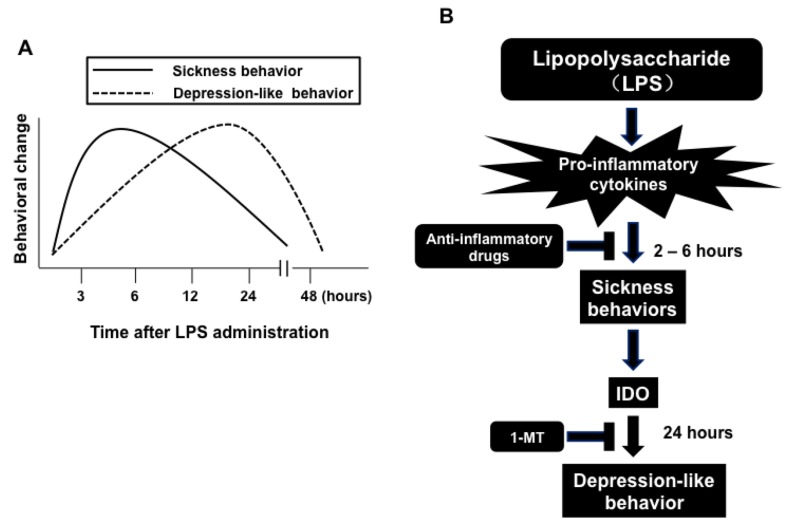
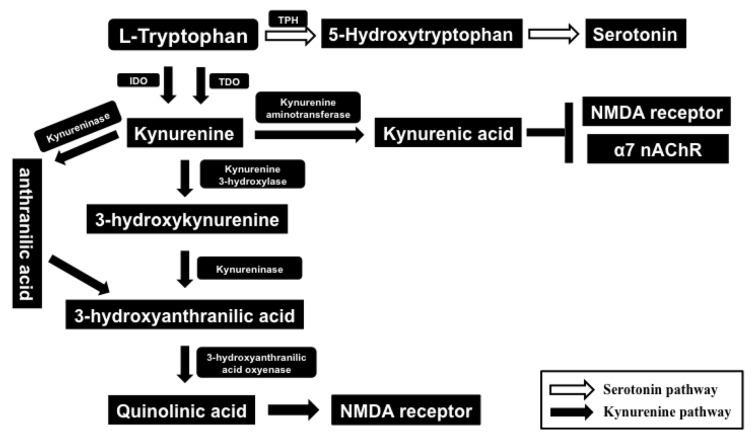
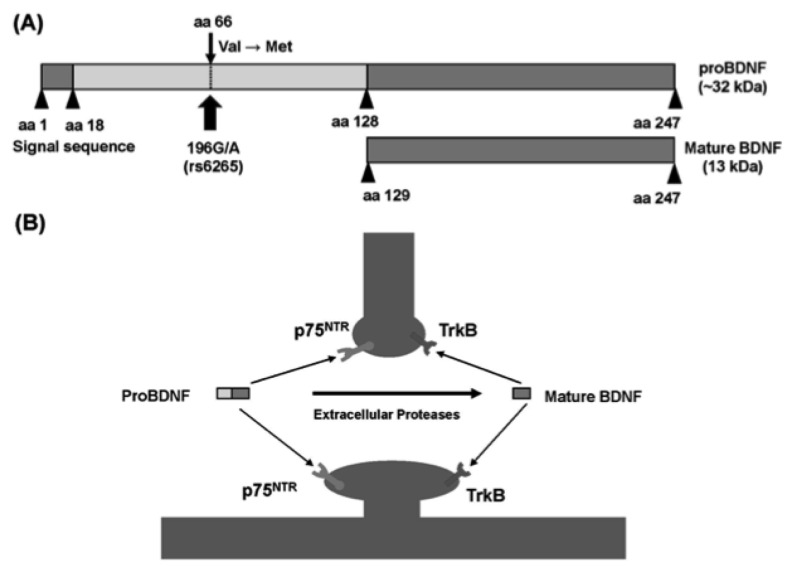
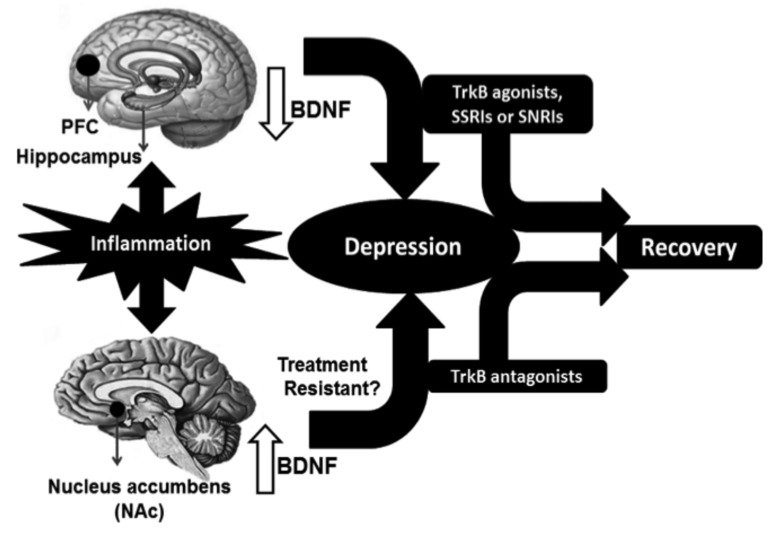
Verification
Claims the paper makes
The claims and statistics of this paper haven’t been checked yet.
Free: it reads the open-access text and checks the first 5 claims that cite a source we can check. Create a free account to check every claim.
Claims other papers make about this one
Each is checked against this paper’s own text: does it say what the citing paper says it does?
The source backs part of the claim, not all of it — or backs it for a different population, condition or comparison.
In the citing paper
“For the treatment of depression, targeting signaling transduction by BDNF and its receptor, tropomycin receptor kinase B (TrkB), is essential. 143 , 144”
From Major depressive disorder: hypothesis, mechanism, prevention and treatment (2024) · cites this paper as [144]
Experimental — accuracy not yet measured
Self-check
Percentages, sums and reported differences re-computed from the paper’s own numbers.
The self-check needs the paper’s full text.
Citations
Cites
1 retracted
Yang, C., Shirayama, Y., Zhang, J.-C., Ren, Q., & Hashimoto, K. (2015) · International Journal of Neuropsychopharmacology · doi:10.1093/ijnp/pyu121 · Cited by 103 · cited 2×
“In the rat learned helplessness model, we found that BDNF levels in the NAc were significantly higher in depressed rats compared with control and resilient rats, suggesting again that regional differences in BDNF levels may promote resilience to inescapable stress [113].”
Self-citationRetractedYaşlı Kadınlarda Üreme Sağlığı
Kokanalı, D., & Engin Üstün, Y. (n.d.) · DergiPark (Istanbul University) · Cited by 170,090
Yaşlı Kadınlarda Üreme Sağlığı
Kokanalı, D., & Üstün, Y. E. (2019) · Jinekoloji-Obstetrik ve Neonatoloji Tıp Dergisi · Cited by 169,629
Kessler, R. C. (1994) · Archives of General Psychiatry · doi:10.1001/archpsyc.1994.03950010008002 · Cited by 12,370
Molecular Mechanisms of Depression: Perspectives on New Treatment Strategies
Lang, U. E., & Borgwardt, S. (2013) · Cellular Physiology and Biochemistry · doi:10.1159/000350094 · Cited by 8,475
From inflammation to sickness and depression: when the immune system subjugates the brain
Dantzer, R., O'Connor, J. C., Freund, G. G., Johnson, R. W., & Kelley, K. W. (2008) · Nature Reviews Neuroscience · doi:10.1038/nrn2297 · Cited by 7,395 · cited 7×
“IDO activation results in decreased tryptophan levels and increased production of kynurenine and other tryptophanderived metabolites [36, 45].”
InfluentialA Meta-Analysis of Cytokines in Major Depression
Dowlati, Y., Herrmann, N., Swardfager, W., Liu, H., Sham, L., Reim, E. K., & Lanctôt, K. L. (2010) · Biological Psychiatry · doi:10.1016/j.biopsych.2009.09.033 · Cited by 4,729 · cited 1×
“Metaanalysis showed higher serum levels of TNF-α in drug-free depressed patients relative to healthy controls [26].”
Raetz, C. R. H., & Whitfield, C. (2002) · Annual Review of Biochemistry · doi:10.1146/annurev.biochem.71.110601.135414 · Cited by 4,404 · cited 1×
“Administration of LPS or pro-inflammatory cytokines results in a significant reduction of BDNF gene and protein expression [38, 92].”
Neurotrophins: Roles in Neuronal Development and Function
Huang, E. J., & Reichardt, L. F. (2001) · Annual Review of Neuroscience · doi:10.1146/annurev.neuro.24.1.677 · Cited by 4,394 · cited 2×
“It is well known that BDNF is integral to use-dependent plasticity mechanisms, such as long-term potentiation, learning and memory [80-85].”
Domingos da Silveira da Luz, A. C., Pereira Dias, G., do Nascimento Bevilaqua, M. C., Cocks, G., Gardino, P. F., Thuret, S., & Nardi, A. E. (2013) · Neuropsychobiology · doi:10.1159/000353269 · Cited by 3,995
Research works printed but not linked: 2
- [97]Duman R.S. Heninger G.R. Nestler E.J. A molecular and cellular theory of depression. Arch. Gen. Psychiatry 1997 54 7 597 606 [http://dx.doi.org/10.1001/archpsyc.1997.01830190015002]. [PMID: 9236543]. 9236543 · DOI · Paper page
- [102]Hashimoto K. Sigma-1 receptor chaperone and brain-derived neurotrophic factor: emerging links between cardiovascular disease and depression. Prog. Neurobiol. 2013 100 15 29 [pneurobio.].[http://dx.doi.org/10.1016/j.pneurobio.2012.09.001]. [PMID: 23044468]. 23044468 · DOI · Paper page
Cited by
Major depressive disorder: hypothesis, mechanism, prevention and treatment
Cui, L., Li, S., Wang, S., Wu, X., Liu, Y., Yu, W., Wang, Y., Tang, Y., Xia, M., & Li, B. (2024) · Signal Transduction and Targeted Therapy · doi:10.1038/s41392-024-01738-y · Cited by 1,244
Hashimoto, K. (2019) · Psychiatry and Clinical Neurosciences · doi:10.1111/pcn.12902 · Cited by 335
Self-citationDiet and Mental Health: Review of the Recent Updates on Molecular Mechanisms
Godos, J., Currenti, W., Angelino, D., Mena, P., Castellano, S., Caraci, F., Galvano, F., Del Rio, D., Ferri, R., & Grosso, G. (2020) · Antioxidants · doi:10.3390/antiox9040346 · Cited by 258
“Cytokines are soluble intercellular signaling molecules that are involved in the pathophysiology of several mental disorders through affecting neurotransmitter synthesis, release, and reuptake [79], as well as regulating BDNF expression [80].”
BackgroundMolecular mechanisms underlying the antidepressant actions of arketamine: beyond the NMDA receptor
Wei, Y., Chang, L., & Hashimoto, K. (2022) · Molecular Psychiatry · doi:10.1038/s41380-021-01121-1 · Cited by 248
Self-citationMolecular mechanisms of the rapid-acting and long-lasting antidepressant actions of (R)-ketamine
Hashimoto, K. (2020) · Biochemical Pharmacology · doi:10.1016/j.bcp.2020.113935 · Cited by 236
Self-citationZhang, J., Ma, L., Chang, L., Pu, Y., Qu, Y., & Hashimoto, K. (2020) · Translational Psychiatry · doi:10.1038/s41398-020-00878-3 · Cited by 208
Self-citationBifidobacterium in the gut microbiota confer resilience to chronic social defeat stress in mice
Yang, C., Fujita, Y., Ren, Q., Ma, M., Dong, C., & Hashimoto, K. (2017) · Scientific Reports · doi:10.1038/srep45942 · Cited by 202
Self-citationYang, C., Yang, J., Luo, A., & Hashimoto, K. (2019) · Translational Psychiatry · doi:10.1038/s41398-019-0624-1 · Cited by 190
Self-citationZhang, J.-C., Yao, W., Dong, C., Yang, C., Ren, Q., Ma, M., & Hashimoto, K. (2017) · Translational Psychiatry · doi:10.1038/tp.2017.112 · Cited by 182
Self-citationYang, B., Ren, Q., Zhang, J.-C., Chen, Q.-X., & Hashimoto, K. (2017) · Translational Psychiatry · doi:10.1038/tp.2017.95 · Cited by 181
Self-citationBrain-derived neurotrophic factor and inflammation in depression: Pathogenic partners in crime?
Porter, G. A., & O’Connor, J. C. (2022) · World Journal of Psychiatry · doi:10.5498/wjp.v12.i1.77 · Cited by 178
Key role of gut microbiota in anhedonia-like phenotype in rodents with neuropathic pain
Yang, C., Fang, X., Zhan, G., Huang, N., Li, S., Bi, J., Jiang, R., Yang, L., Miao, L., Zhu, B., et al. (2019) · Translational Psychiatry · doi:10.1038/s41398-019-0379-8 · Cited by 176
Self-citationCaraci, F., Spampinato, S. F., Morgese, M. G., Tascedda, F., Salluzzo, M. G., Giambirtone, M. C., Caruso, G., Munafò, A., Torrisi, S. A., Leggio, G. M., et al. (2018) · Pharmacological Research · doi:10.1016/j.phrs.2018.02.007 · Cited by 172
A historical review of antidepressant effects of ketamine and its enantiomers
Wei, Y., Chang, L., & Hashimoto, K. (2020) · Pharmacology Biochemistry and Behavior · doi:10.1016/j.pbb.2020.172870 · Cited by 157
Self-citationInflammatory mediators in major depression and bipolar disorder
Poletti, S., Mazza, M. G., & Benedetti, F. (2024) · Translational Psychiatry · doi:10.1038/s41398-024-02921-z · Cited by 163
Yao, W., Zhang, J.-C., Ishima, T., Dong, C., Yang, C., Ren, Q., Ma, M., Han, M., Wu, J., Suganuma, H., et al. (2016) · Scientific Reports · doi:10.1038/srep30659 · Cited by 154
Self-citationDionisie, V., Filip, G. A., Manea, M. C., Manea, M., & Riga, S. (2020) · Inflammopharmacology · doi:10.1007/s10787-020-00777-5 · Cited by 182
Fang, K., Li, H., Chen, X.-X., Gao, X., Huang, L.-L., Du, A.-Q., Jiang, C., Li, H., & Ge, J. (2020) · Frontiers in Pharmacology · doi:10.3389/fphar.2019.01544 · Cited by 142
Feng, X., Jia, M., Cai, M., Zhu, T., Hashimoto, K., & Yang, J. (2025) · Molecular Psychiatry · doi:10.1038/s41380-025-03085-y · Cited by 156
Self-citationBrain‐derived neurotrophic factor and post‐stroke depression
Zhang, E., & Liao, P. (2019) · Journal of Neuroscience Research · doi:10.1002/jnr.24510 · Cited by 140
The Role of BDNF as a Biomarker in Cognitive and Sensory Neurodegeneration
Pisani, A., Paciello, F., VECCHIO, V. D., Malesci, R., Corso, E. D., Cantone, E., & Fetoni, A. R. (2023) · Journal of Personalized Medicine · doi:10.3390/jpm13040652 · Cited by 139
Molecular Mechanisms of Psilocybin and Implications for the Treatment of Depression
Ling, S., Ceban, F., Lui, L. M. W., Lee, Y., Teopiz, K. M., Rodrigues, N. B., Lipsitz, O., Gill, H., Subramaniapillai, M., Mansur, R. B., et al. (2022) · CNS Drugs · doi:10.1007/s40263-021-00877-y · Cited by 127
Palmer, A. C. S., Zortea, M., Souza, A., Santos, V., Biazús, J. V., Torres, I. L. S., Fregni, F., & Caumo, W. (2020) · PLOS ONE · doi:10.1371/journal.pone.0231379 · Cited by 114
“This neurotrophic factor is essential to long-term potentiation, learning and memory[11], and serves as a critical regulator of synaptic plasticity, neuronal survival and neurogenesis[12].”
BackgroundXiong, H.-Y., Hendrix, J., Schabrun, S. M., Wyns, A., Campenhout, J. V., Nijs, J., & Polli, A. (2024) · Biomolecules · doi:10.3390/biom14010071 · Cited by 130
“The pro-BDNF can be subsequently cleaved by extracellular proteases at synapses and converted to mature BDNF [27].”
BackgroundNumakawa, T., & Kajihara, R. (2025) · Molecules · doi:10.3390/molecules30040848 · Cited by 126
“Moreover, inflammatory processes common in PD can interfere with BDNF expression and signaling, further hindering its neuroprotective functions [102].”
Huang, F., Pariante, C. M., & Borsini, A. (2022) · Brain, Behavior, and Immunity · doi:10.1016/j.bbi.2021.09.021 · Cited by 117
Gelle, T., Samey, R. A., Plansont, B., Bessette, B., Jauberteau-Marchan, M.-O., Lalloué, F., & Girard, M. (2021) · Progress in Neuro-Psychopharmacology and Biological Psychiatry · doi:10.1016/j.pnpbp.2020.110229 · Cited by 109
Roles of microglia in adult hippocampal neurogenesis in depression and their therapeutics
Fang, S., Wu, Z., Guo, Y., Zhu, W., Wan, C., Yuan, N., Chen, J., Hao, W., Mo, X., Guo, X., et al. (2023) · Frontiers in Immunology · doi:10.3389/fimmu.2023.1193053 · Cited by 96
Guan, Y., Huang, G., Xu, M.-D., Gao, F., Lin, S., Huang, J., Wang, J., Li, Y., Wu, C.-H., Yao, S., et al. (2020) · Brain Behavior and Immunity · doi:10.1016/j.bbi.2020.05.032 · Cited by 117
Zhang, J., Yao, W., Dong, C., Yang, C., Ren, Q., Ma, M., Han, M., Wu, J., Ushida, Y., Suganuma, H., et al. (2016) · The Journal of Nutritional Biochemistry · doi:10.1016/j.jnutbio.2016.10.004 · Cited by 116
Self-citationYao, W., Lin, S., Su, J. Y., Cao, Q., Chen, Y., Chen, J., Zhang, Z., Hashimoto, K., Qi, Q., & Zhang, J. (2021) · Translational Psychiatry · doi:10.1038/s41398-021-01261-6 · Cited by 114
Self-citationLeptin in depression: a potential therapeutic target
Ge, T., Fan, J., Yang, W., Cui, R., & Li, B. (2018) · Cell Death and Disease · doi:10.1038/s41419-018-1129-1 · Cited by 120
The Gut Microbiota Links Dietary Polyphenols With Management of Psychiatric Mood Disorders
Westfall, S., & Pasinetti, G. M. (2019) · Frontiers in Neuroscience · doi:10.3389/fnins.2019.01196 · Cited by 113
Sun, Y., Gao, L., Hou, W., & Wu, J. (2020) · BioMed Research International · doi:10.1155/2020/7532306 · Cited by 139
Role of Soluble Epoxide Hydrolase in Metabolism of PUFAs in Psychiatric and Neurological Disorders
Hashimoto, K. (2019) · Frontiers in Pharmacology · doi:10.3389/fphar.2019.00036 · Cited by 100
Self-citationTreatment-resistant depression: molecular mechanisms and management
Kajumba, M. M., Kakooza‐Mwesige, A., Nakasujja, N., Attix, D. K., & Canli, T. (2024) · Molecular Biomedicine · doi:10.1186/s43556-024-00205-y · Cited by 106
“…release of pro-inflammatory cytokines [200], including IL-6, IL-8 [201], IL-1β [193, 202], and TNF-α and IFN-γ [200], which are associated with BDNF reduction [179], HPA axis dysfunction [203], depletion of monoamine neurotransmitters [75, 104], and other pathological mechanisms of depression.”
BackgroundEssential Role of Keap1-Nrf2 Signaling in Mood Disorders: Overview and Future Perspective
Hashimoto, K. (2018) · Frontiers in Pharmacology · doi:10.3389/fphar.2018.01182 · Cited by 98
“Although the precise mechanisms underlying the pathophysiology of depression are currently unknown, accumulating evidence implicate inflammatory processes in the pathophysiology of depression (Dantzer et al., 2008; Hashimoto, 2009; Miller et al., 2009; Raison et al., 2010; Hashimoto, 2015; Mechawar and Savitz, 2016; M…”
BackgroundSelf-citationSnijders, C., Maihofer, A. X., Ratanatharathorn, A. D., Baker, D. G., Boks, M. P., Geuze, E., Jain, S., Kessler, R. C., Pishva, E., Risbrough, V. B., et al. (2020) · Clinical Epigenetics · doi:10.1186/s13148-019-0798-7 · Cited by 100
Arketamine, a new rapid-acting antidepressant: A historical review and future directions
Zhang, J.-C., Yao, W., & Hashimoto, K. (2022) · Neuropharmacology · doi:10.1016/j.neuropharm.2022.109219 · Cited by 99
Self-citationMechanism underlying treatment of ischemic stroke using acupuncture: transmission and regulation
Cao, B.-Q., Tan, F., Zhan, J., & Lai, P.-H. (2020) · Neural Regeneration Research · doi:10.4103/1673-5374.297061 · Cited by 92
Jiang, Y., Liu, Y., Gao, M., Xue, M., Wang, Z., & Liang, H. (2020) · Food & Function · doi:10.1039/c9fo01780a · Cited by 88
Mosiołek, A., Mosiołek, J., Jakima, S., Pięta, A., & Szulc, A. (2021) · Journal of Clinical Medicine · doi:10.3390/jcm10153377 · Cited by 87
“Signaling via BDNF and its receptor, tropomycin receptor kinase B (TrkB), plays a key role in the pathophysiology of depression and in the therapeutic mechanisms of antidepressants [24].”
BackgroundHow Oxidative Stress Induces Depression?
Ji, N., Lei, M., Chen, Y., Tian, S., Li, C., & Zhang, B. (2023) · ASN NEURO · doi:10.1177/17590914231181037 · Cited by 93
Shen, C., Tang, Y., Gao, Y., Nie, K., Wang, H., Su, H., Wang, Z., Lu, F., Huang, W., & Dong, H. (2022) · Frontiers in Pharmacology · doi:10.3389/fphar.2022.865376 · Cited by 95
“Moreover, BDNF has been validated as a key factor that promotes synaptic plasticity to exert antidepressant effects (Erickson et al., 2012; Zhang et al., 2016).”
Backgroundde Paiva, I. H. R., Maciel, L. M., da Silva, R. S., Mendonça, I. P., de Souza, J. R. B., & Peixoto, C. A. (2024) · Food Research International · doi:10.1016/j.foodres.2024.114153 · Cited by 86
Molecular signature of extracellular matrix pathology in schizophrenia
Pantazopoulos, H., Katsel, P., Haroutunian, V. H., Chelini, G., Klengel, T., & Berretta, S. (2020) · European Journal of Neuroscience · doi:10.1111/ejn.15009 · Cited by 84
Sharma, P., Kumar, A., & Singh, D. (2019) · Current Neuropharmacology · doi:10.2174/1570159x17666190809165549 · Cited by 86
Ağagündüz, D., Bingöl, F. G., Çelik, E., Cemali, Ö., Özenir, Ç., Özoğul, F., & Capasso, R. (2022) · Journal of Translational Medicine · doi:10.1186/s12967-022-03609-y · Cited by 82
Sharbafshaaer, M., Cirillo, G., Esposito, F., Tedeschi, G., & Trojsi, F. (2024) · Biomedicines · doi:10.3390/biomedicines12112506 · Cited by 88
“BDNF-TrkB signaling via rTMS/TBS was pivotal to the therapeutic effects by leading to LTP and LTD in the DLPFC, prefrontal cortex (PFC), and hippocampus [99,100].”
Acetate supplementation produces antidepressant-like effect via enhanced histone acetylation
Huang, W., Hu, W., Cai, L., Zeng, G., Fang, W., Dai, X., Ye, Q., Chen, X., & Zhang, J. (2020) · Journal of Affective Disorders · doi:10.1016/j.jad.2020.11.121 · Cited by 80
Self-citationCaraci, F., Calabrese, F., Molteni, R., Bartova, L., Dold, M., Leggio, G. M., Fabbri, C., Mendlewicz, J., Racagni, G., Kasper, S., et al. (2018) · Pharmacological Reviews · doi:10.1124/pr.117.014977 · Cited by 73
“One possible approachmight be to target the BDNF-TrkB signaling pathway (Zhang et al., 2016).”
BackgroundKosuge, A., Kunisawa, K., Arai, S., Sugawara, Y., Shinohara, K., Iida, T., Wulaer, B., Kawai, T., Fujigaki, H., Yamamoto, Y., et al. (2021) · Brain Behavior and Immunity · doi:10.1016/j.bbi.2021.05.028 · Cited by 78
Estrogen-immuno-neuromodulation disorders in menopausal depression
Zhang, Y., Tan, X., & Tang, C. (2024) · Journal of Neuroinflammation · doi:10.1186/s12974-024-03152-1 · Cited by 83
Yan, T., He, B., Wan, S., Xu, M., Yang, H., Xiao, F., Bi, K., & Jia, Y. (2017) · Scientific Reports · doi:10.1038/s41598-017-07407-1 · Cited by 80
Microglial-driven changes in synaptic plasticity: A possible role in major depressive disorder
Innes, S., Pariante, C. M., & Borsini, A. (2019) · Psychoneuroendocrinology · doi:10.1016/j.psyneuen.2018.12.233 · Cited by 75
Li, Y., Song, K., Zhang, H., Yuan, M., An, N., Wei, Y., Wang, L., Sun, Y., Xing, Y., & Gao, Y. (2020) · Brain Research Bulletin · doi:10.1016/j.brainresbull.2020.08.016 · Cited by 76
Yang, B., Yang, C., Ren, Q., Zhang, J.-C., Chen, Q., Shirayama, Y., & Hashimoto, K. (2016) · European Archives of Psychiatry and Clinical Neuroscience · doi:10.1007/s00406-016-0693-6 · Cited by 75
“BDNF (mature form) preferentially binds the TrkB receptor, and proBDNF and BDNF pro-peptide bind to p75 [2, 3, 7].”
BackgroundSelf-citationZhang, J.-C., Yao, W., Ren, Q., Yang, C., Dong, C., Ma, M., Wu, J., & Hashimoto, K. (2016) · Scientific Reports · doi:10.1038/srep36705 · Cited by 90
“Peripheral administration of the bacterial endotoxin lipopolysaccharide (LPS) can induce depression-like behavior and alteration in serum pro-inflammatory cytokines in mice 1,6,46 .”
Self-citationFang, K., Li, H., Chen, X.-X., Gao, X., Huang, L.-L., Du, A.-Q., Jiang, C., Li, H., & Ge, J. (2020) · Frontiers in Pharmacology · doi:10.3389/fphar.2020.00518 · Cited by 73
Ahmed, S., Kwatra, M., Gawali, B., Panda, S. R., & Naidu, V. G. M. (2020) · APOPTOSIS · doi:10.1007/s10495-020-01645-x · Cited by 73
Animal inflammation-based models of depression and their application to drug discovery
Ma, L., Demin, K. A., Kolesnikova, T. O., Kharsko, S. L., Zhu, X., Yuan, X., Song, C., Meshalkina, D. A., Leonard, B. E., Tian, L., et al. (2017) · Expert Opinion on Drug Discovery · doi:10.1080/17460441.2017.1362385 · Cited by 68
Zhang, H., Ding, L., Shen, T., & Peng, D. (2019) · General Psychiatry · doi:10.1136/gpsych-2019-100084 · Cited by 68
Zhang, J., Ma, L., Wan, X., Shan, J., Qu, Y., & Hashimoto, K. (2021) · Psychopharmacology · doi:10.1007/s00213-021-05889-6 · Cited by 71
Self-citationDepressive symptoms in schizophrenia patients: A possible relationship between SIRT1 and BDNF
Fang, X., Chen, Y., Wang, Y., Ren, J., & Zhang, C. (2019) · Progress in Neuro-Psychopharmacology and Biological Psychiatry · doi:10.1016/j.pnpbp.2019.109673 · Cited by 73
Ketamine and its metabolites: Potential as novel treatments for depression
Zhang, K., Yao, Y., & Hashimoto, K. (2022) · Neuropharmacology · doi:10.1016/j.neuropharm.2022.109305 · Cited by 72
Self-citationMa, M., Ren, Q., Yang, C., Zhang, J.-C., Yao, W., Dong, C., Ohgi, Y., Futamura, T., & Hashimoto, K. (2017) · Psychopharmacology · doi:10.1007/s00213-016-4483-7 · Cited by 69
Self-citationRegional differences in dendritic spine density confer resilience to chronic social defeat stress
Qu, Y., Yang, C., Ren, Q., Ma, M., Dong, C., & Hashimoto, K. (2018) · Acta Neuropsychiatrica · doi:10.1017/neu.2017.16 · Cited by 68
Self-citationCecerska-Heryć, E., Polikowska, A., Serwin, N., Roszak, M., Grygorcewicz, B., Heryć, R., Michalczyk, A., & Dołęgowska, B. (2022) · Neurochemistry International · doi:10.1016/j.neuint.2021.105269 · Cited by 68
Keap1-Nrf2 signaling pathway confers resilience versus susceptibility to inescapable electric stress
Zhang, J.-C., Yao, W., Dong, C., Han, M., Shirayama, Y., & Hashimoto, K. (2018) · European Archives of Psychiatry and Clinical Neuroscience · doi:10.1007/s00406-017-0848-0 · Cited by 66
Self-citationHan, S., Kim, J.-K., Park, H.-S., Shin, Y.-J., & Kim, D.-H. (2021) · Chinese Medicine · doi:10.1186/s13020-021-00492-5 · Cited by 69
“Gut microbiota and their byproducts such as butyric acid and lipopolysaccharide regulate the enteric nervous and immune systems in the gastrointestinal tract, which modulate neurogenesis and neuroinflammation in the brain through the neuronal, neuroendocrine and neuroimmune routes [9, 12].”
BackgroundLei, M., Liu, Q., Nie, J., Huang, R., Mei, Y., Pan, D., Chen, Y., & Liu, W. (2024) · CNS Neuroscience & Therapeutics · doi:10.1111/cns.70138 · Cited by 71
“Additionally, the signaling pathways mediated by BDNF and its receptor TrkB play key roles in the pathophysiology of depression and the therapeutic mechanisms of antidepressant drugs [79].”
Differential serum exosome microRNA profile in a stress-induced depression rat model
Fang, K., Xu, J., Chen, X.-X., Gao, X., Huang, L.-L., Du, A.-Q., Jiang, C., & Ge, J. (2020) · Journal of Affective Disorders · doi:10.1016/j.jad.2020.05.017 · Cited by 66
Ferulic acid: An extraordinarily neuroprotective phenolic acid with anti-depressive properties
Dong, X., & Huang, R. (2022) · Phytomedicine · doi:10.1016/j.phymed.2022.154355 · Cited by 68
Yu, X., Zhang, D., Xiao, C., Zhou, Y., Li, X., Wang, L., He, Z., Reilly, J., Xiao, Z.-Y., & Shu, X. (2022) · Cells · doi:10.3390/cells11101594 · Cited by 68
“Chronic inflammation also can induce depressive-like phenotypes in rodent models [47].”
BackgroundMa, M., Ren, Q., Yang, C., Zhang, J.-C., Yao, W., Dong, C., Ohgi, Y., Futamura, T., & Hashimoto, K. (2016) · Scientific Reports · doi:10.1038/srep39209 · Cited by 59
Self-citationHe, L., Zheng, Y., Huang, L., Ye, J., Ye, Y., Luo, H., Chen, X., Yao, W., Chen, J., & Zhang, J. (2022) · Translational Psychiatry · doi:10.1038/s41398-022-02227-y · Cited by 61
Self-citationThe activation of BDNF reduced inflammation in a spinal cord injury model by TrkB/p38 MAPK signaling
Liang, J., Deng, G., & Huang, H. (2018) · Experimental and Therapeutic Medicine · doi:10.3892/etm.2018.7109 · Cited by 63
“These data indicated that BDNF reduced inflammation in SCI via the TrkB/p38 mitogen‑activated protein kinase (MAPK) signaling pathway.”
BackgroundInfluentialMurawska‐Ciałowicz, E., de Assis, G. G., Clemente, F. M., Feito, Y., Šťastný, P., Zuwała−Jagiełło, J., Bibrowicz, B., & Wolański, P. M. (2021) · Scientific Reports · doi:10.1038/s41598-021-88069-y · Cited by 67
Choi, J., Kwon, H., Kim, Y., & Han, P. (2022) · Molecular Neurobiology · doi:10.1007/s12035-021-02655-9 · Cited by 60
“A close relationship between the tryptophan-kynurenine pathway and BDNF-TrkB signaling in the limbic system has been proposed [41].”
BackgroundGupta, A. K., Gupta, S., Mehan, S., Khan, Z., Das Gupta, G., & Narula, A. S. (2025) · Molecular Neurobiology · doi:10.1007/s12035-025-05001-5 · Cited by 59
“The intracellular and extracellular proteases change proBDNF in the Golgi apparatus to mature BDNF, and this mature form of BDNF binds with TrkB and produces intracellular signaling [83].”
Glymphatic system and psychiatric disorders: need for a new paradigm?
Barlattani, T., Cavatassi, A., Bologna, A., Socci, V., Trebbi, E., Malavolta, M., Rossi, A., Martiadis, V., Tomasetti, C., Berardis, D. D., et al. (2025) · Frontiers in Psychiatry · doi:10.3389/fpsyt.2025.1642605 · Cited by 69
Wang, G., Lei, C., Tian, Y., Wang, Y., Zhang, L., & Zhang, R. (2019) · Frontiers in Pharmacology · doi:10.3389/fphar.2019.01034 · Cited by 62
“These findings indicate that BDNF–TrkB–CREB signaling has potential as a therapeutic target in treating depression (Hashimoto et al., 2004; Hashimoto, 2010; Zhang et al., 2016).”
BackgroundJavaid, S., Alqahtani, F., Ashraf, W., Anjum, S. M. M., Rasool, M. F., Ahmad, T., Alasmari, F. F., Alasmari, A. F., Alqarni, S. A., & Imran, I. (2023) · Biomedicine & Pharmacotherapy · doi:10.1016/j.biopha.2023.114406 · Cited by 58
Zhang, M., & Yin, Y. (2023) · Frontiers in Immunology · doi:10.3389/fimmu.2023.1102312 · Cited by 65
“Activating the BDNF/TrkB pathway also triggers various intracellular signaling pathways (66), such as PI3K/Akt and MAPKs, and has anti-inflammatory properties (67).”
BackgroundHashimoto, K. (2023) · Progress in brain research · doi:10.1016/bs.pbr.2023.01.003 · Cited by 58
Self-citationWang, S., Huang, X.-F., Zhang, P., Newell, K. A., Wang, H., Zheng, K., & Yu, Y. (2017) · Scientific Reports · doi:10.1038/s41598-017-12156-2 · Cited by 52
Constable, P. A., Al-Dasooqi, D., Bruce, R., & Senthil, M. P. (2022) · Clinical Optometry · doi:10.2147/opto.s355091 · Cited by 59
“Epigenetic markers, transcription factors, and inflammatory pathways have all been implicated in depression.(13,19) The reader is directed to Ménard et al(21) and Malhi and Mann(3) for comprehensive reviews of these mechanisms based on human and animal models.”
BackgroundYang, Y. H., Eguchi, A., Wan, X., Chang, L., Wang, X., Qu, Y., Mori, C., & Hashimoto, K. (2022) · Progress in Neuro-Psychopharmacology and Biological Psychiatry · doi:10.1016/j.pnpbp.2022.110652 · Cited by 55
Self-citationFujita, A., Fujita, Y., Pu, Y., Chang, L., & Hashimoto, K. (2019) · Psychopharmacology · doi:10.1007/s00213-019-05346-5 · Cited by 56
Self-citationDhanda, S., Gupta, S. N., Halder, A., Sunkaria, A., & Sandhir, R. (2018) · Brain Behavior and Immunity · doi:10.1016/j.bbi.2018.03.002 · Cited by 55
Peng, G., Yang, L., Wu, C., Zhang, L. L., Wu, C. Y., Fan, L., Shi, H. W., Hou, J., Zhang, L. M., Ma, X., et al. (2020) · Neurochemistry International · doi:10.1016/j.neuint.2020.104926 · Cited by 54
Zhao, Y., Pan, Y., Tang, M., & Lin, W. (2018) · Frontiers in Pharmacology · doi:10.3389/fphar.2018.00511 · Cited by 55
“Multiple lines of evidence suggest that BDNF is integral to both the pathophysiology of depression and the therapeutic mechanisms of antidepressants (Zhang et al., 2016).”
BackgroundSingh, R., Kisku, A., Kungumaraj, H. J., Nagaraj, V., Pal, A., Kumar, S., & Sulakhiya, K. (2023) · Biomedicines · doi:10.3390/biomedicines11010115 · Cited by 52
Dong, C., Zhang, J.-C., Yao, W., Ren, Q., Yang, C., Ma, M., Han, M., Saito, R., & Hashimoto, K. (2016) · Pharmacology Biochemistry and Behavior · doi:10.1016/j.pbb.2016.02.005 · Cited by 53
Self-citationMa, L., Zhang, J., Fujita, Y., Shinno-Hashimoto, H., Shan, J., Wan, X., Qu, Y., Chang, L., Wang, X., & Hashimoto, K. (2022) · Journal of Affective Disorders · doi:10.1016/j.jad.2022.08.087 · Cited by 52
Self-citationRojas, M., Ariza, D., Ortega, Á., Riaño-Garzón, M., Chávez-Castillo, M., Pérez, J. L., Cudris–Torres, L., Bautista, M. J., Medina, Ó., Rojas, J., et al. (2022) · International Journal of Molecular Sciences · doi:10.3390/ijms23136918 · Cited by 54
Zhuang, X., Zhan, B., Jia, Y., Li, C., Wu, N., Zhao, M., Chen, N., Guo, Y., Du, Y., Zhang, Y., et al. (2022) · Brain Behavior and Immunity · doi:10.1016/j.bbi.2022.02.019 · Cited by 50
Yang, J., Liu, R., Lü, F., Fang, X., Zheng, J., Li, Z., Cui, W., Wang, C., Zhang, J., Xu, S., et al. (2019) · Frontiers in Pharmacology · doi:10.3389/fphar.2019.00501 · Cited by 48
“Various preclinical and clinical investigations suggest a correlation between downregulation of hippocampal BDNF and pathogenesis of depression (Bjorkholm and Monteggia, 2016; Zhang et al., 2016).”
BackgroundSelf-citationFu, Y., Peng, Y., Huang, X., Yang, Y., Huang, L., Xi, Y., Hu, Z., Lin, S., So, K., & Ren, C. (2020) · Neural Regeneration Research · doi:10.4103/1673-5374.293156 · Cited by 49
“Moreover, administration of inflammatory cytokines (for example, interferon-α) or bacterial endotoxin lipopolysaccharide to nondepressed individuals causes inflammatory responses and depression symptoms (Capuron et al., 2002; Zhang et al., 2016; Guan et al., 2020).”
Zhang, J.-C., Yao, W., Qu, Y., Nakamura, M., Dong, C., Yang, C., Ren, Q., Ma, M., Han, M., Shirayama, Y., et al. (2017) · Scientific Reports · doi:10.1038/s41598-017-07325-2 · Cited by 50
Self-citation
Metadata
- Authors
- Zhang, J.-C., Yao, W., & Hashimoto, K.
- Affiliations
- Chiba University (JP)
- Corresponding author
- Hashimoto, Kenji
- Venue
- Current Neuropharmacology
- Publisher
- Bentham Science Publishers Ltd.
- Published
- 2016-08-26
- Volume
- 14
- Issue
- 7
- Pages
- 721-731
- ISSN
- 1570-159X (ISSN-L)
- PMC
- PMC5050398
- OpenAlex
- W2309165118
- Semantic Scholar
- 8c9bc4382355e7e712e5e9cf698e36fc7516725f
- Cited by
- 538
- References
- 131
- Citations by year
- 2026: 46 · 2025: 71 · 2024: 70 · 2023: 71 · 2022: 65 · 2021: 60 · 2020: 64 · 2019: 37 · 2018: 22 · 2017: 18 · 2016: 14
- FWCI
- 1.81
- Type
- journal article
- Language
- en
- Open access
- bronze
- doi.org
- Locations
- Current Neuropharmacology (publishedVersion)
- PubMed Central (publishedVersion, cc-by-nc)
- PubMed (publishedVersion)
- Funders
- Ministry of Education, Culture, Sports, Science and Technology (24116006)
- Japan Society for the Promotion of Science (15K19711)
- Topics
- Life Sciences › Neuroscience › Biological Psychiatry › Tryptophan and brain disorders
- Health Sciences › Medicine › Pharmacology (medical) › Treatment of Major Depression
- Life Sciences › Neuroscience › Cellular and Molecular Neuroscience › Nerve injury and regeneration
- Keywords
- brain-derived neurotrophic factor, TrkB signaling, neuroinflammation, kynurenine pathway, lipopolysaccharide-induced inflammation, antidepressant mechanism, 7,8-dihydroxyflavone, ANA-12, TrkB agonist, prefrontal cortex, hippocampus, nucleus accumbens
- MeSH terms
- Animals, Anti-Inflammatory Agents, Antidepressive Agents, Brain, Depressive Disorder, Humans, Inflammation, Brain-Derived Neurotrophic Factor, Receptor, trkB
About these checks
Registry, retraction, Cites and statistics results are computed, not judged, with one exception: a printed reference that no index lists is read once by a model before it counts as a citation error. Claims are extracted by a model and kept only when their quote appears verbatim in the text; each cited source is then checked, with a model’s help, for whether it says what the claim relies on. Those verdicts can be wrong — read the claim’s quote and the cited source before relying on one.
Statistics and arithmetic are recomputed, not judged.
Confidence bands are shown only for fields calibrated on our annotated test set. None is calibrated yet, so no band is shown.
What counts as a claim ›How we measure confidence ›How we check this ›
Are you an author, or do you see a problem with this page? Request a review
Data sources
Bibliographic data: Semantic Scholar, OpenAlex, Crossref.
Contains information from the Semantic Scholar Academic Graph Datasets, made available under the ODC Attribution License (ODC-BY 1.0).
Semantic Scholar’s data is described in: Kinney, R., et al. (2023). The Semantic Scholar Open Data Platform. arXiv:2301.10140.
