

Brain-derived Neurotrophic Factor (BDNF)-TrkB Signaling in Inflammation-related Depression and Potential Therapeutic Targets
Open accessThe DOI matches its Crossref record; 129 of the 131 references it cites were found in a registry or an index.
Abstract
Depression is the most prevalent and among the most debilitating of psychiatric disorders. The precise neurobiology of this illness is unknown. Several lines of evidence suggest that peripheral and central inflammation plays a role in depressive symptoms, and that anti-inflammatory drugs can improve depressive symptoms in patients with inflammation-related depression. Signaling via brain-derived neurotrophic factor (BDNF) and its receptor, tropomycin receptor kinase B (TrkB) plays a key role in the pathophysiology of depression and in the therapeutic mechanisms of antidepressants. A recent paper showed that lipopolysaccharide (LPS)-induced inflammation gave rise to depression-like phenotype by altering BDNF-TrkB signaling in the prefrontal cortex, hippocampus, and nucleus accumbens, areas thought to be involved in the antidepressant effects of TrkB agonist, 7,8-dihydroxyflavone (7,8-DHF) and TrkB antagonist, ANA-12. Here we provide an overview of the tryptophan-kynurenine pathway and BDNF-TrkB signaling in the pathophysiology of inflammation-induced depression, and propose mechanistic actions for potential therapeutic agents. Additionally, the authors discuss the putative role of TrkB agonists and antagonists as novel therapeutic drugs for inflammation-related depression.
Overview
The claims and statistics of this paper haven’t been checked yet.
Free: it reads the open-access text and checks the first 5 claims that cite a source we can check. Create a free account to check every claim.
Integrity signals
Registry
Cites
Statistics
Figures
Verification
Claims the paper makes
The claims and statistics of this paper haven’t been checked yet.
Free: it reads the open-access text and checks the first 5 claims that cite a source we can check. Create a free account to check every claim.
Claims other papers make about this one
Each is checked against this paper’s own text: does it say what the citing paper says it does?
The source backs part of the claim, not all of it — or backs it for a different population, condition or comparison.
In the citing paper
“For the treatment of depression, targeting signaling transduction by BDNF and its receptor, tropomycin receptor kinase B (TrkB), is essential. 143 , 144”
From Major depressive disorder: hypothesis, mechanism, prevention and treatment (2024) · cites this paper as [144]
Experimental — accuracy not yet measured
Self-check
Percentages, sums and reported differences re-computed from the paper’s own numbers.
The self-check needs the paper’s full text.
Citations
Cites
1 retracted
Yang, C., Shirayama, Y., Zhang, J.-C., Ren, Q., & Hashimoto, K. (2015) · International Journal of Neuropsychopharmacology · doi:10.1093/ijnp/pyu121 · Cited by 103 · cited 2×
“In the rat learned helplessness model, we found that BDNF levels in the NAc were significantly higher in depressed rats compared with control and resilient rats, suggesting again that regional differences in BDNF levels may promote resilience to inescapable stress [113].”
Self-citationRetractedYaşlı Kadınlarda Üreme Sağlığı
Kokanalı, D., & Engin Üstün, Y. (n.d.) · DergiPark (Istanbul University) · Cited by 170,090
Yaşlı Kadınlarda Üreme Sağlığı
Kokanalı, D., & Üstün, Y. E. (2019) · Jinekoloji-Obstetrik ve Neonatoloji Tıp Dergisi · Cited by 169,629
Kessler, R. C. (1994) · Archives of General Psychiatry · doi:10.1001/archpsyc.1994.03950010008002 · Cited by 12,370
Molecular Mechanisms of Depression: Perspectives on New Treatment Strategies
Lang, U. E., & Borgwardt, S. (2013) · Cellular Physiology and Biochemistry · doi:10.1159/000350094 · Cited by 8,475
From inflammation to sickness and depression: when the immune system subjugates the brain
Dantzer, R., O'Connor, J. C., Freund, G. G., Johnson, R. W., & Kelley, K. W. (2008) · Nature Reviews Neuroscience · doi:10.1038/nrn2297 · Cited by 7,395 · cited 7×
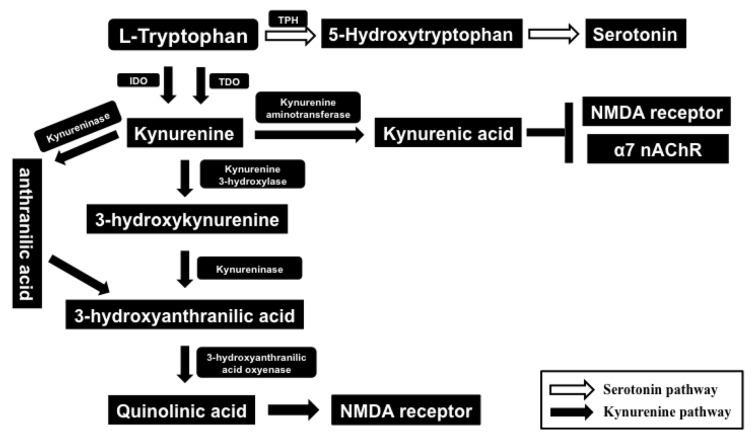
“IDO activation results in decreased tryptophan levels and increased production of kynurenine and other tryptophanderived metabolites [36, 45].”
InfluentialA Meta-Analysis of Cytokines in Major Depression
Dowlati, Y., Herrmann, N., Swardfager, W., Liu, H., Sham, L., Reim, E. K., & Lanctôt, K. L. (2010) · Biological Psychiatry · doi:10.1016/j.biopsych.2009.09.033 · Cited by 4,729 · cited 1×
“Metaanalysis showed higher serum levels of TNF-α in drug-free depressed patients relative to healthy controls [26].”
Raetz, C. R. H., & Whitfield, C. (2002) · Annual Review of Biochemistry · doi:10.1146/annurev.biochem.71.110601.135414 · Cited by 4,404 · cited 1×
“Administration of LPS or pro-inflammatory cytokines results in a significant reduction of BDNF gene and protein expression [38, 92].”
Neurotrophins: Roles in Neuronal Development and Function
Huang, E. J., & Reichardt, L. F. (2001) · Annual Review of Neuroscience · doi:10.1146/annurev.neuro.24.1.677 · Cited by 4,394 · cited 2×
“It is well known that BDNF is integral to use-dependent plasticity mechanisms, such as long-term potentiation, learning and memory [80-85].”
Domingos da Silveira da Luz, A. C., Pereira Dias, G., do Nascimento Bevilaqua, M. C., Cocks, G., Gardino, P. F., Thuret, S., & Nardi, A. E. (2013) · Neuropsychobiology · doi:10.1159/000353269 · Cited by 3,995
Research works printed but not linked: 2
- [97]Duman R.S. Heninger G.R. Nestler E.J. A molecular and cellular theory of depression. Arch. Gen. Psychiatry 1997 54 7 597 606 [http://dx.doi.org/10.1001/archpsyc.1997.01830190015002]. [PMID: 9236543]. 9236543 · DOI · Paper page
- [102]Hashimoto K. Sigma-1 receptor chaperone and brain-derived neurotrophic factor: emerging links between cardiovascular disease and depression. Prog. Neurobiol. 2013 100 15 29 [pneurobio.].[http://dx.doi.org/10.1016/j.pneurobio.2012.09.001]. [PMID: 23044468]. 23044468 · DOI · Paper page
Cited by
Items 201–300 of 561
Fujita, Y., Hashimoto, Y., Hashimoto, H., Chang, L., & Hashimoto, K. (2021) · European Journal of Pharmacology · doi:10.1016/j.ejphar.2021.173954 · Cited by 27
Self-citationTranscriptome Profiling of the Dorsomedial Prefrontal Cortex in Suicide Victims
Dóra, F., Renner, É., Keller, D. W., Palkovits, M., & Dobolyi, Á. (2022) · International Journal of Molecular Sciences · doi:10.3390/ijms23137067 · Cited by 28
“Initially, individual systems, such as GABAergic function (Ghosal, Hare, and Duman 2017), neurotrophic factors (Zhang, Yao, and Hashimoto 2016), glial cells (O’Leary et al. 2021) were examined.”
BackgroundZeb, S., Ye, H., Liu, Y., Du, H., Guo, Y., Zhu, Y., Ni, Y., Zhang, H.-L., & Xu, Y. (2023) · Frontiers in Pharmacology · doi:10.3389/fphar.2022.1060954 · Cited by 30
“Reduced BDNF protein were detected in the hippocampus both in postmortem brain samples from psychiatric disorder patients who had committed suicide, and in depressed rats (Zhang et al., 2016).”
BackgroundAhmed, H. H., Essam, R. M., El-Yamany, M. F., Ahmed, K. A., & El-Sahar, A. E. (2023) · Food & Function · doi:10.1039/d3fo02222f · Cited by 28
Deletion of serine racemase confers D-serine –dependent resilience to chronic social defeat stress
Dong, C., Zhang, J., Ren, Q., Ma, M., Qu, Y., Zhang, K., Yao, W., Ishima, T., Mori, H., & Hashimoto, K. (2018) · Neurochemistry International · doi:10.1016/j.neuint.2018.03.008 · Cited by 28
“Accumulating evidence suggests that BDNFeTrkB signaling contributes to the depression-like phenotype in stress-exposed rodents (Nestler et al., 2002; Hashimoto et al., 2004; Duman and Monteggia, 2006; Hashimoto, 2010, 2013; Castr en, 2014; Bj€ orkholm and Monteggia, 2016; Zhang et al., 2016).”
BackgroundSelf-citationKorzeniewski, S. J., Allred, E. N., O’Shea, T. M., Leviton, A., Kuban, K., for the ELGAN study investigators, Lee, K., McGovern, A., Gambardella, J., Ursprung, S., et al. (2018) · Translational Psychiatry · doi:10.1038/s41398-018-0156-0 · Cited by 26
Gao, J., Chen, Y., Su, D., Marshall, C., & Xiao, M. (2018) · Behavioural Brain Research · doi:10.1016/j.bbr.2018.07.007 · Cited by 26
“Apart from Aβ and tau load, neurotrophic factor deficiency, impaired neurogenesis, and neuroinflammation are present in AD [5,51], all of which are involved in major depressive disorder [52].”
Li, C., Wu, Z., Chen, F., Dai, C., Yang, X., Ye, S., Shi, M. Q., Chen, P., Liu, X., & Liu, F. (2025) · CNS Neuroscience & Therapeutics · doi:10.1111/cns.70421 · Cited by 30
“Their interaction activates downstream pathways that phosphorylate CREB, promoting transcription of genes essential for dendritic spine formation and long-term potentiation: critical processes for learning, memory, and neural circuit repair [46, 47].”
The Metabolomic Underpinnings of Symptom Burden in Patients With Multiple Chronic Conditions
Corwin, E. J., Brewster, G. S., Dunbar, S. B., Wells, J., Hertzberg, V., Holstad, M. M., Song, M., & Jones, D. P. (2020) · Biological Research For Nursing · doi:10.1177/1099800420958196 · Cited by 25
“Although influenced by diet, the gut microbiota is relatively stable from early childhood through young and middle adulthood (Jones et al., 2012; Zoetendal et al., 1998), with significant changes occurring primarily in older adults (Nagpal et al., 2018; O’Toole & Jeffery, 2018).”
BackgroundCheng, S., Wang, W. T., Zhu, Z., Zhao, M., Li, H., Liu, D., & Pan, F. (2022) · Journal of Neurochemistry · doi:10.1111/jnc.15735 · Cited by 26
Ilavská, L., Morvová, M., Paduchová, Z., Muchová, J., Garaiová, I., Ďuračková, Z., Šikurová, L., & Trebatická, J. (2024) · Frontiers in Psychiatry · doi:10.3389/fpsyt.2024.1347178 · Cited by 29
Jóźwiak-Bębenista, M., Sokołowska, P., Siatkowska, M., Panek, C. A., Komorowski, P., Kowalczyk, E., & Wiktorowska‐Owczarek, A. (2022) · Pharmaceutics · doi:10.3390/pharmaceutics14040846 · Cited by 25
A new perspective on hippocampal synaptic plasticity and post‐stroke depression
Sun, N., Cui, W., Min, X., Zhang, G., Liu, J., & Wu, H. (2023) · European Journal of Neuroscience · doi:10.1111/ejn.16093 · Cited by 25
Bouabdallah, S., Ibrahim, M. H., Brinza, I., Boiangiu, R. Ş., Honceriu, I., Amin, A., Ben‐Attia, M., & Hriţcu, L. (2024) · Pharmaceuticals · doi:10.3390/ph17091208 · Cited by 27
“It is widely recognised that oxidative stress plays a critical role in the development of various diseases, including psychopharmacological dysfunction [28].”
BackgroundXu, B., Lang, L., Lian, S., Guo, J., Wang, J., Liu, J., Yang, H.-M., & Li, S. (2019) · Brain Research · doi:10.1016/j.brainres.2019.146495 · Cited by 24
The antidepressant-like effects of Danzhi Xiaoyao San and its active ingredients
Xie, Z., Xie, H., Peng, X., Hu, J., Chen, L., Li, X., Hu, Q., Zeng, J., & Zeng, N. (2023) · Phytomedicine · doi:10.1016/j.phymed.2023.155015 · Cited by 27
Ceftriaxone averts neuroinflammation and relieves depressive-like behaviors via GLT-1/TrkB signaling
Gao, R., Ali, T., Liu, Z., Li, A., Hao, L., He, L., Yu, X., & Li, S. (2024) · Biochemical and Biophysical Research Communications · doi:10.1016/j.bbrc.2024.149550 · Cited by 25
The multifaceted effects of fluoxetine treatment on cognitive functions
Ampuero, E., Luarte, A., Flores, F. S., Soto, A. I., Pino, C. H., Silva, V., Erlandsen, M., Concha, T., & Wyneken, Ú. (2024) · Frontiers in Pharmacology · doi:10.3389/fphar.2024.1412420 · Cited by 27
Zhang, X., Qiao, Y., Li, G., Lin, R., Liang, X., Wang, Q., Liu, Y., Pi, L., Wei, L., & Bi, H. (2024) · International Journal of Biological Macromolecules · doi:10.1016/j.ijbiomac.2024.134281 · Cited by 30
Hudson, R., Green, M., Wright, D. J., Renard, J., Jobson, C. E. L., Jung, T., Rushlow, W., & Laviolette, S. R. (2021) · Addiction Biology · doi:10.1111/adb.12891 · Cited by 23
Exploring the Therapeutic Potential of Terpenoids for Depression and Anxiety
Noor, A. A. M. (2024) · Chemistry & Biodiversity · doi:10.1002/cbdv.202400788 · Cited by 24
Obesity and Depression: A Pathophysiotoxic Relationship
Monsalve, F. A., Fernández-Tapia, B., Arriagada, O., González, D. R., & Delgado‐López, F. (2025) · International Journal of Molecular Sciences · doi:10.3390/ijms262311590 · Cited by 26
“Likewise, proinflammatory cytokines or ex-ternal immune stimuli such as LPS affect plasma BDNF levels, as well as BDNF expression in the CNS, causing depressive symptoms in those with inflammatory states [121].”
Electroacupuncture Ameliorates Cerebral I/R‐Induced Inflammation through DOR‐BDNF/TrkB Pathway
Geng, Y., Chen, Y., Sun, W., Gu, Y., Zhang, Y., Li, M., Xie, J., & Tian, X. S. (2020) · Evidence-based Complementary and Alternative Medicine · doi:10.1155/2020/3495836 · Cited by 24
Khani‐Habibabadi, F., Zare, L., Sahraian, M. A., Javan, M., & Behmanesh, M. (2022) · Molecular Neurobiology · doi:10.1007/s12035-022-02844-0 · Cited by 24
Variations in COMT and NTRK2 Influence Symptom Burden in Women Undergoing Breast Cancer Treatment
Young, E. E., Kelly, D. L., Shim, I., Baumbauer, K. M., Starkweather, A. R., & Lyon, D. (2017) · Biological Research For Nursing · doi:10.1177/1099800417692877 · Cited by 28
Zhu, Y.-J., Fan, J.-J., Wu, F., Zhang, M., Song, A., Li, Y., Li, Y.-K., & Wu, W. (2022) · Inflammation · doi:10.1007/s10753-022-01683-4 · Cited by 22
“ies have shown that BDNF is a key regulator of inflammation stress and depression [3, 28, 49].”
BackgroundRed and White Meat Intake in Relation to Mental Disorders in Iranian Adults
Kazemi, S., Keshteli, A. H., Saneei, P., Afshar, H., Esmaillzadeh, A., & Adibi, P. (2021) · Frontiers in Nutrition · doi:10.3389/fnut.2021.710555 · Cited by 25
“BNFD is a peptide critical for optimal neuronal function, which has been indicated to be decreased in depression (54, 55).”
BackgroundWilhelm, C., Fuller, B. E., Huckans, M. S., & Loftis, J. M. (2017) · Drug and Alcohol Dependence · doi:10.1016/j.drugalcdep.2017.02.023 · Cited by 22
“…to mood and cognitive impairments including matrix metalloproteinase-3 (MMP-3), tissue inhibitor of metalloproteinases-1 (TIMP-1), and brain derived neurotrophic factor (BDNF) (Hoyo-Becerra et al., 2013; Hoyo-Becerra et al., 2015; Huckans et al., 2015b; Rybakowski et al., 2013; Zhang et al., 2016).”
BackgroundTargeting the Neuronal Activity of Prefrontal Cortex: New Directions for the Therapy of Depression
Zhou, X., Bao, W.-D., Liu, D., & Zhu, L. (2019) · Current Neuropharmacology · doi:10.2174/1570159x17666191101124017 · Cited by 24
Leśniak, A., Poznański, P., Religa, P., Nawrocka, A., Bujalska‐Zadrożny, M., & Sacharczuk, M. (2021) · Neuroscience · doi:10.1016/j.neuroscience.2021.01.013 · Cited by 22
Duarte-Silva, E. P., Oriá, A. C., Mendonça, I. P., de Melo, M. G., de Paiva, I. H. R., Maes, M. H. J., Joca, S. R. L., & Peixoto, C. A. (2022) · Neuroscience & Biobehavioral Reviews · doi:10.1016/j.neubiorev.2022.104582 · Cited by 22
Wu, S., Ning, K., Wang, Y., Zhang, L., & Liu, J. (2023) · European Journal of Pharmacology · doi:10.1016/j.ejphar.2023.175532 · Cited by 24
Arbutin ameliorated depression by inhibiting neuroinflammation and modulating intestinal flora
Cao, Y., Zhao, K., Zhao, Y., Ni, Y., Zhang, Z., Yuan, X., Ning, J., Song, Q., Zhao, F., He, L., et al. (2025) · Phytomedicine · doi:10.1016/j.phymed.2025.156944 · Cited by 21
Kamdi, S. P., Raval, A., & Nakhate, K. T. (2021) · Journal of Diabetes & Metabolic Disorders · doi:10.1007/s40200-021-00750-1 · Cited by 22
Zhang, C., Wang, X., Zhu, Q., Mei, Y., Zhang, Z., & Xu, H. (2022) · Frontiers in Psychiatry · doi:10.3389/fpsyt.2022.876557 · Cited by 22
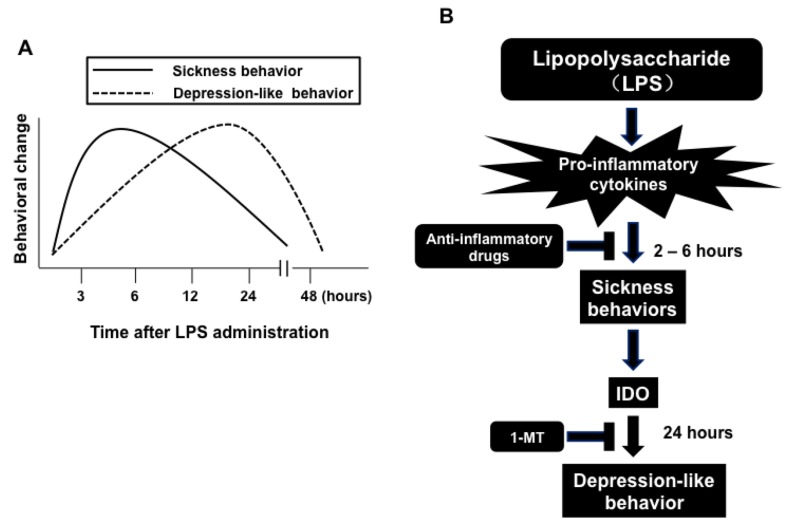
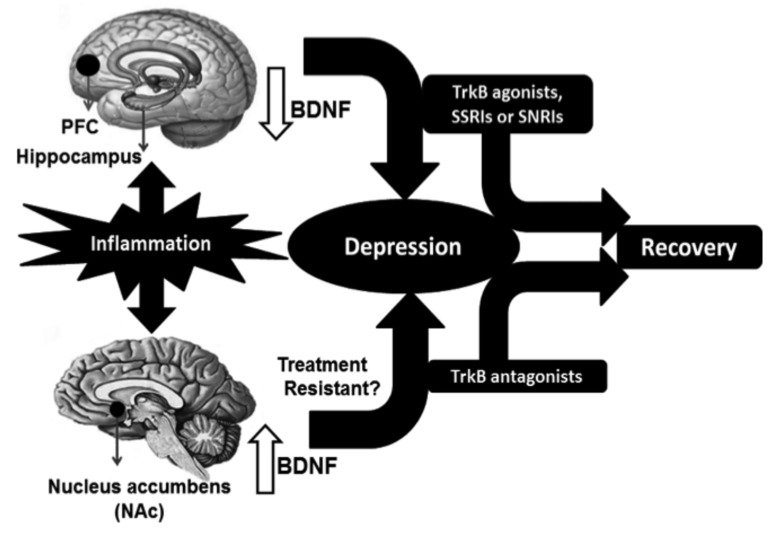
“There were evidences that lipopolysaccharide (LPS) can induce a depression-like phenotype by inflammation in the prefrontal cortex, hippocampus, and nucleus accumbens via BDNF-TrkB signaling, and antibiotic drug minocycline can block LPSinduced sickness and depression-like behaviors in mice models (36).”
BackgroundYılmaz, N. S., Şen, B., Karadag, R. F., Aslan, S., Ertek, İ. E., Bozkurt, A., Çiçek, S., Bolu, A., Ucar, H., Koçak, C., et al. (2022) · Journal of Neural Transmission · doi:10.1007/s00702-022-02553-x · Cited by 21
“Long-term exposure to inflammation also affects neurogenesis and neuroplasticity by reducing BDNF expression and function (Calabrese et al. 2014; Zhang et al. 2016; Lima Giacobbo et al. 2019).”
BackgroundHan, M., Zeng, D., Tan, W., Chen, X.-X., Bai, S.-Y., Wu, Q., Chen, Y., Wei, Z., Mei, Y., & Zeng, Y. (2024) · Neural Regeneration Research · doi:10.4103/nrr.nrr-d-23-01419 · Cited by 23
Lu, Q., Zhu, H., Liu, X., & Tang, C. (2020) · Neurological Research · doi:10.1080/01616412.2020.1792701 · Cited by 21
“naling pathway is closely related to nerve repair and regeneration [36].”
BackgroundHippocampal miRNA-144 Modulates Depressive-Like Behaviors in Rats by Targeting PTP1B
Li, Y., Wang, N., Pan, J., Wang, X., Zhao, Y., & Guo, Z. (2021) · Neuropsychiatric Disease and Treatment · doi:10.2147/ndt.s263079 · Cited by 21
“The TrkB/BDNF signaling pathway is involved in the occurrence and development of depression.(47) Our results showed that the expression of PTP1B protein in the hippocampus of CUMS rats was significantly up-regulated, while the expression of pTrkB and BDNF were significantly down-regulated, suggesting that the depressi…”
BackgroundChen, F., Chen, S., Liu, J., Amin, N., Jin, W., & Fang, M. (2021) · BioMed Research International · doi:10.1155/2021/6664591 · Cited by 21
RetractedAssociation of Dietary Inflammatory Index (DII) and Depressive Disorders
Li, R., Zhan, W., Huang, X., Liu, Z., Lv, S., Wang, J., Liang, L., & Ma, Y. (2021) · Journal of Inflammation Research · doi:10.2147/jir.s344002 · Cited by 21
Neuroprotection of exercise: P2X4R and P2X7R regulate BDNF actions
Sun, B.-X., Peng, A., Liu, P., Wang, M., Ding, H., Hu, Y., & Kang, L. (2022) · Purinergic Signalling · doi:10.1007/s11302-022-09879-x · Cited by 25
“In relation to inflammation, there is no definite mechanism for the effects of proinflammatory cytokines on the expression of BDNF, whereas proinflammatory cytokines result in a significant reduction in BDNF [60].”
BackgroundVarious BDNF administrations attenuate SPS-induced anxiety-like behaviors
Yin, J.-B., Liu, H.-X., Shi, W., Ding, T., Hu, H., Guo, H.-W., Jin, S., Wang, X.-L., Zhang, T., Lu, Y.-C., et al. (2022) · Neuroscience Letters · doi:10.1016/j.neulet.2022.136851 · Cited by 20
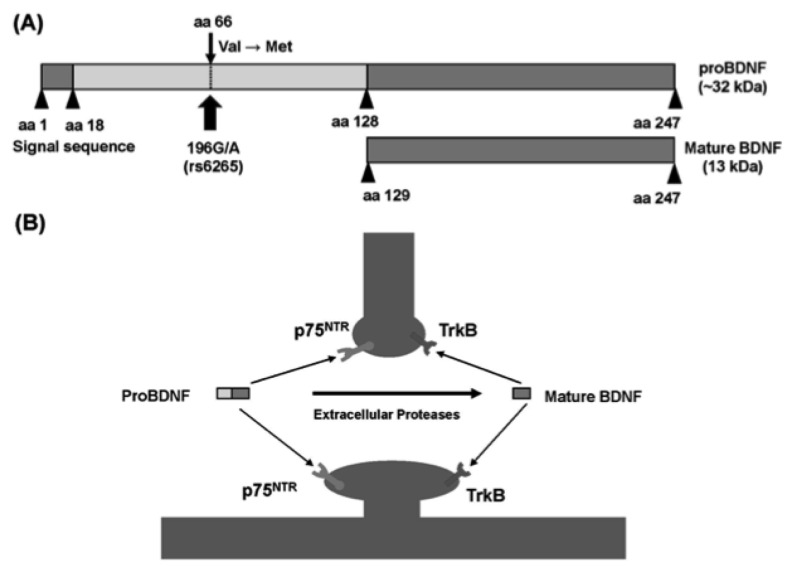
“BDNF and its receptor, tyrosine kinase receptor B (TrkB) play a key role in the pathophysiology of depression and in the therapeutic mechanisms of antidepressants [35].”
Cao, Y., Chen, H. L., Tan, Y., Yu, X., Xiao, C., Li, Y. Q., Reilly, J., He, Z., & Shu, X. (2023) · Physiology & Behavior · doi:10.1016/j.physbeh.2023.114415 · Cited by 20
“Previous studies have shown that inflammation can significantly downregulate expression of BDNF, which contributes to cognitive deficit and mental disorders [57,58].”
Research progress on antidepressant effects and mechanisms of berberine
Gao, Y., Nie, K., Wang, H., Dong, H., & Tang, Y. (2024) · Frontiers in Pharmacology · doi:10.3389/fphar.2024.1331440 · Cited by 25
Mansur, R. B., Brietzke, E. M., McIntyre, R. S., Cao, B., Lee, Y., Japiassú, L., Chen, K., Lu, R., Lu, W., Li, T., et al. (2017) · Acta Psychiatrica Scandinavica · doi:10.1111/acps.12822 · Cited by 20
Zhou, J., Zhang, C., Wu, X., Xie, Q., Li, L., Chen, Y., Yan, H., Ren, P., & Huang, X. (2019) · Annals of Translational Medicine · doi:10.21037/atm.2019.11.118 · Cited by 20
Locateli, G., Alves, B. D. O., Miorando, D., Ernetti, J., Alievi, K., Zilli, G. A. L., Serpa, P. Z., Vecchia, C. A. D., da Silva, L. M., Müller, L. G., et al. (2020) · Behavioural Brain Research · doi:10.1016/j.bbr.2020.112863 · Cited by 20
Guan, W., Gu, J., Ji, C.-H., Liu, Y., Tang, W., Wang, Y., & Jiang, B. (2021) · Neuroscience Letters · doi:10.1016/j.neulet.2021.135994 · Cited by 20
Buist, M., Fuss, D., & Rastegar, M. (2021) · Biomolecules · doi:10.3390/biom11081253 · Cited by 21
Hussien, Y. A., Mansour, D. F., Nada, S. A., El‐Rahman, S. S. A., Abdelsalam, R. M., Attia, A. S., & El-Tanbouly, D. M. (2022) · Life Sciences · doi:10.1016/j.lfs.2022.120378 · Cited by 23
“…enhance brain-derived neurotrophic factor (BDNF) [19 – 22], a neurotrophic factor that promotes central and peripheral neurons survival, differentiation, and outgrowth [23] and its deficiency is mainly implicated in behavioral dysfunction in various neuropsychiatric disorders including HE [24,25].”
BackgroundA focus on Rho/ROCK signaling pathway: An emerging therapeutic target in depression
Hanifa, M., Singh, M., Randhawa, P. K., Jaggi, A. S., & Bali, A. (2023) · European Journal of Pharmacology · doi:10.1016/j.ejphar.2023.175648 · Cited by 22
Role of GABAergic system in the comorbidity of pain and depression
Yang, S., Zhang, B., Wang, D., Hu, S.-W., Wang, W., Liu, C., Wu, Z., & Yang, C. (2023) · Brain Research Bulletin · doi:10.1016/j.brainresbull.2023.110691 · Cited by 20
Peng, X., Feng, S., Zhang, P., Sang, S., & Zhang, Y. (2023) · PeerJ · doi:10.7717/peerj.16068 · Cited by 19
Tao, Y., Shen, W., Zhou, H., Li, Z., Pi, T., Wu, H., Shi, H., Huang, F., & Wu, X. (2023) · Brain Research · doi:10.1016/j.brainres.2023.148678 · Cited by 20
Wakasugi, D., Kondo, S., Ferdousi, F., Mizuno, S., Yada, A., Tominaga, K., Takahashi, S., & Isoda, H. (2024) · Cell Communication and Signaling · doi:10.1186/s12964-024-01691-x · Cited by 19
“In this context, brain-derived neurotrophic factor (BDNF) emerges as a key molecule with the ability to regulate the molecular interactions between neuroinflammation and neurogenesis in the hippocampus, presenting a potential avenue for addressing both phenomena [8].”
BackgroundYin, Q., Du, T., Yang, C., Li, X., Zhao, Z., Liu, R., Yang, B., & Liu, B. (2021) · Biochemical and Biophysical Research Communications · doi:10.1016/j.bbrc.2021.03.104 · Cited by 20
Gkesoglou, T., Bargiota, S. I., Iordanidou, E., Vasiliadis, M., Bozikas, V., & Agorastos, A. (2022) · Brain Sciences · doi:10.3390/brainsci12070940 · Cited by 20
“In addition, BDNF is considered to play an important role in the neuroimmune and inflammatory pathophysiology of MDD [77,78].”
BackgroundDutheil, S., Watson, L. S., Davis, R. E., & Snyder, G. L. (2022) · Journal of Neuroscience · doi:10.1523/jneurosci.0984-22.2022 · Cited by 19
“Immunologic disturbances have been reported in subsets of patients suffering from generalized anxiety, MDD, and/or schizophrenia (Mechawar and Savitz, 2016; Zhang et al., 2016; Herman and Pasinetti, 2018; Beurel et al., 2020).”
BackgroundWen, M., Liu, M.-M., Zhang, Y., Qiao, B., Luo, T., Liu, G., Li, D., & Zhou, B. (2025) · International Journal of Biological Macromolecules · doi:10.1016/j.ijbiomac.2025.144630 · Cited by 24
Wang, H., Chen, Y., Zhao, A., Shen, Z., & Zhang, Y. (2026) · Frontiers in Pharmacology · doi:10.3389/fphar.2025.1709060 · Cited by 21
Deng, C., & Chen, H. (2023) · Neurobiology of Disease · doi:10.1016/j.nbd.2023.106377 · Cited by 18
“The role of TrkB-FL signaling in the context of humans has been extensively studied in ALS, Alzheimer's disease, Parkinson's disease, depression, and so on (Wang et al., 2020; Wang et al., 2019; Xiang et al., 2019; Zhang et al., 2016; Jin, 2020).”
He, L., Mo, X., He, L., Ma, Q., Cai, L., Zheng, Y., Huang, L., Lin, X., Wu, M.-S., Ding, W., et al. (2023) · Phytomedicine · doi:10.1016/j.phymed.2023.155332 · Cited by 21
Self-citationTonello, L., Silva, I. O., Medeiros, A. R., Donato, A. N. A., Schuch, F. B., Donath, L., & Boullosa, D. A. (2019) · Frontiers in Psychiatry · doi:10.3389/fpsyt.2019.00192 · Cited by 21
“For instance, previous reports have found a relationship between VO2max, inflammation, and brain-derived neurotrophic factor (BDNF) in different populations (62–64), factors also recognized to be related to depression (65).”
BackgroundGirard, M. F., Carrier, P., Loustaud-Ratti, V., & Nubukpo, P. (2020) · The American Journal of Drug and Alcohol Abuse · doi:10.1080/00952990.2020.1833211 · Cited by 19
“It is considered to be an anti-inflammatory agent in depression-associated inflammation (43) where it has been suggested to counteract the inflammatory effect of C reactive protein (44), as well as in other diseases such as Alzheimer’s disease (45,46), or diabetes mellitus (47), and during exercise (48).”
BackgroundThe neuroprotective effect of focused ultrasound: New perspectives on an old tool
Yuluğ, B., Hanoğlu, L., & Kılıç, E. (2017) · Brain Research Bulletin · doi:10.1016/j.brainresbull.2017.04.015 · Cited by 18
“BDNF is a well-known neurotrophic factor with its recently defined anti-inflammatory and antidepressant effect (103,97-100,115).”
Background7,8-DHF Treatment Induces Cyr61 Expression to Suppress Hypoxia Induced ER Stress in HK-2 Cells
Ma, R., Zhang, J., Liu, X., Yue, S., Zhao, Q., & Xu, Y. H. (2016) · BioMed Research International · doi:10.1155/2016/5029797 · Cited by 18
Self-citationTang, D., Liang, Q., Zhang, M., Li, M., Zhang, Q., Zhang, S., Ai, L., & Wu, C. (2022) · Frontiers in Pharmacology · doi:10.3389/fphar.2022.999962 · Cited by 17
“BDNF’s synaptic plasticity can influence the release and transmission of DA, 5-HT, and adrenergic neurons, thereby influencing depression (Zhang et al., 2016; Björkholm and Monteggia, 2016).”
BackgroundSun, Q., Liu, Z., Xie, C., Hu, L., Li, H., Ge, Y., Lin, L., & Tang, B. (2022) · Colloids and Surfaces B Biointerfaces · doi:10.1016/j.colsurfb.2022.113102 · Cited by 17
Receptor tyrosine kinases (RTKs)
Batool, Z., Azfal, A., Liaquat, L., Sadir, S., Nisar, R., Inamullah, A., Ghalib, A. U. F., & Haider, S. (2023) · Elsevier eBooks · doi:10.1016/b978-0-443-18677-6.00012-9 · Cited by 23
Fang, Y., Li, Y., Liao, X. D., Deng, J., Wang, Q., Liang, J., & Yan, B. (2023) · Journal of Medicinal Food · doi:10.1089/jmf.2023.k.0050 · Cited by 17
Turn off that night light! Light-at-night as a stressor for adolescents
Guindon, G. E., Murphy, C. A., Milano, M. E., & Seggio, J. A. (2024) · Frontiers in Neuroscience · doi:10.3389/fnins.2024.1451219 · Cited by 21
Hu, J., Zhou, W., Zhou, Z., Yang, Q., Xu, J., & Dong, W. (2020) · Brazilian Journal of Medical and Biological Research · doi:10.1590/1414-431x20209162 · Cited by 18
“In this study, we searched for miRNAs related to the TrkB gene (NTRK2, gene number: ENSG0000014 8053) in TargetScan; an online software for prediction of microRNA target genes (http://www.targetscan.org/) and miRBD (http://mirbd.org/miRBD/Index.html).”
BackgroundInfluentialGu, S., Mou, T., Chen, J., Wang, J., Zhang, Y., Cui, M., Hao, W., Sun, Y., Zhang, C., Zhao, T., et al. (2022) · Journal of Separation Science · doi:10.1002/jssc.202100841 · Cited by 17
Ji, X., & Zhao, Z.-W. (2023) · Brain Research Bulletin · doi:10.1016/j.brainresbull.2023.01.002 · Cited by 13
“Presently, it is generally believed that BDNF/TrkB pathway is related to the occurrence of depression (Gao et al., 2021; Ren et al., 2021; Zhang et al., 2016).”
Guo, J., Fang, M., Xiong, Z., Zhou, K., & Zeng, P. H. (2023) · Naunyn-Schmiedeberg s Archives of Pharmacology · doi:10.1007/s00210-023-02628-w · Cited by 17
“Depression-like behaviors induced by peripheral administration of LPS peak 2–6 h after dosing (Zhang et al. 2016).”
Pharmacogenetics and the Response to Antidepressants in Major Depressive Disorder
Bertollo, A. G., Mocelin, R., & Ignácio, Z. M. (2025) · Pharmaceuticals · doi:10.3390/ph18091360 · Cited by 17
“The BDNF receptor tropomyosin receptor kinase B (TrkB) is also essential in the pathophysiology of MDD and the therapeutic mechanisms of antidepressants [48].”
Chen, Y., & Cao, P. (2023) · Brain and Behavior · doi:10.1002/brb3.2935 · Cited by 17
“LPS has been used to induce a variety of inflammatory injury models, including neuroinflammationmodel in depression (Zhang et al., 2016).”
MethodJeon, G. (2023) · Nutrients · doi:10.3390/nu16010096 · Cited by 21
“Additionally, it has been demonstrated that vitamin D can regulate neurotrophins such as nerve growth factor (NGF), BDNF, and neurotrophin (NT)-3, which are essential for the survival and differentiation of neurons during development [59].”
BackgroundTekşen, Y., Gündüz, M. K., Berikten, D., Özatik, F. Y., & Aydın, H. E. (2024) · Metabolic Brain Disease · doi:10.1007/s11011-024-01416-6 · Cited by 17
Ma, X., Xue, S., Ma, H., Saeed, S., Zhang, Y., Meng, Y., Chen, H., Yu, H., Wang, H., Hu, S., et al. (2025) · Neuroscience · doi:10.1016/j.neuroscience.2024.12.062 · Cited by 16
Rapid Antidepressant Activity of Ketamine Beyond NMDA Receptor
Hashimoto, K. (2017) · Springer eBooks · doi:10.1007/978-3-319-49795-2_4 · Cited by 17
Self-citationThe role of soluble epoxide hydrolase and its inhibitors in depression
Borsini, A. (2021) · Brain Behavior & Immunity - Health · doi:10.1016/j.bbih.2021.100325 · Cited by 16
Costello, A., Linning-Duffy, K., Vandenbrook, C., Lonstein, J. S., & Yan, L. (2023) · Annals of Medicine · doi:10.1080/07853890.2023.2249015 · Cited by 15
Xie, J., Yuan, Y., Tan, H. W., Bai, Y., Zheng, Q., Mao, L., Wu, Y., Wang, L., Da, W., Ye, Q., et al. (2021) · Brain and Behavior · doi:10.1002/brb3.2453 · Cited by 16
“Augmentation of BDNF is involved in anti-inflammatory effects in the hippocampus (Zhang et al., 2016).”
BackgroundNacre extract from pearl oyster suppresses LPS-induced depression and anxiety
Omachi, T., Matsuyama, N., & Hasegawa, Y. (2022) · Journal of Functional Foods · doi:10.1016/j.jff.2022.105373 · Cited by 15
Xu, D., Hou, Z., Xu, Y., Liang, J., Gao, Y.-J., Zhang, C., Guo, F., Huang, D., Ge, J., & Xia, Q. (2024) · Journal of Neuroimmune Pharmacology · doi:10.1007/s11481-024-10103-3 · Cited by 16
“Decreased BDNF abundance and imbalanced synaptic plasticity associated proteins have been demonstrated in the brain animal models of depression, induced by stress (Muller et al. 2011), LPS (Zhang et al. 2016), and other stimulators (Czeh et al. 2016).”
Obesity and Depression: Common Link and Possible Targets
Jitte, S., Keluth, S., Bisht, P., Wal, P., Singh, S., Murti, K., & Kumar, N. (2024) · CNS & Neurological Disorders - Drug Targets · doi:10.2174/0118715273291985240430074053 · Cited by 15
Muscle quality index is associated with depression among non-elderly US adults
Wang, Z., Wu, M., Shao, X., & Yang, Q. (2024) · BMC Psychiatry · doi:10.1186/s12888-024-06136-w · Cited by 15
“Previous research has identified specific myokines, such as brain-derived neurotrophic factor and irisin, which can mediate the signaling pathways of depressive symptoms [38, 39].”
BackgroundZhao, F., Piao, J., Song, J., Geng, Z., Chen, H., Cheng, Z., Cui, R., & Li, B. (2024) · Journal of Ethnopharmacology · doi:10.1016/j.jep.2024.119011 · Cited by 15
Sun, S., Zhao, J.-N., Bi, P.-W., Zhang, H., Li, G.-X., Yan, J., Li, Y., Yin, Y., & Cheng, H. (2025) · Metabolic Brain Disease · doi:10.1007/s11011-025-01583-0 · Cited by 15
“Importantly, BDNF/TrkB signaling in the pathophysiology of inflamma - tion-induced depression causes great concern in the field of antidepressants (Zhang et al. 2016).”
Simon, K. U., Neto, E. W., Tramontin, N. D. S., Canteiro, P. B., Pereira, B. D. C., Zaccaron, R. P., Silveira, P. C. L., & Muller, A. P. (2019) · Peptides · doi:10.1016/j.peptides.2019.170175 · Cited by 15
Zhang, X., Kanter, K. N., Chen, J., Kim, S., Wang, Y., Adeyemi, C., O’Buckley, S. C., & Nackley, A. G. (2019) · Pain · doi:10.1097/j.pain.0000000000001734 · Cited by 15
“hippocampal BDNF as a marker of stress/depression is underscored by its correlation with disease severity and antidepressant treatment response.(4,88,107)”
Zheng, T., Ge, B., Qin, L., Chen, B., Tian, L., Gao, Y., Xiao, L., Hu, X., Pan, H., & Chen, Y. (2020) · Psychosomatic Medicine · doi:10.1097/psy.0000000000000796 · Cited by 15
“On the one hand, inflammation may induce BDNF production in immune cells and increased the circulating levels of BDNF, and it could also lead to the downregulation of BDNF expression in the brain (18,24).”
BackgroundLi, M., Xie, Y., Niu, K., & Li, K. (2020) · Cellular and Molecular Biology · doi:10.14715/cmb/2020.66.3.26 · Cited by 15
Межлумян, А. Г., Таллерова, А. В., Povarnina, P. Y., Тарасюк, А. В., Sazonova, N. M., Гудашева, Т. А., & Середенин, С. Б. (2022) · Pharmaceuticals · doi:10.3390/ph15030284 · Cited by 16
“BDNF mimetic 7,8-dihydroxyflavone was found to have antidepressant activity [21,22].”
BackgroundJee, H. J., Ryu, D., Kim, S., Yeon, S. H., Son, R. H., Hwang, S. H., & Jung, Y. (2022) · International Journal of Molecular Sciences · doi:10.3390/ijms24010622 · Cited by 17
Multivariate Brain-Blood Signatures in Early-Stage Depression and Psychosis
Popovic, D., Weyer, C., Dwyer, D., Griffiths, S. L., Lalousis, P. A., Barnes, N. M., Vetter, C. S., Neuner, L., Buciuman, M.-O., Sarisik, E., et al. (2025) · JAMA Psychiatry · doi:10.1001/jamapsychiatry.2025.3803 · Cited by 14
Zhang, S., Xu, Y., & Xia, Y. (2024) · Journal of Affective Disorders · doi:10.1016/j.jad.2024.02.002 · Cited by 15
Xu, S., Zhou, Y., Wang, S., Li, Q., Feng, Y., Chen, L., & Duan, K. (2024) · European Journal of Obstetrics & Gynecology and Reproductive Biology · doi:10.1016/j.ejogrb.2024.03.024 · Cited by 14
Metadata
- Authors
- Zhang, J.-C., Yao, W., & Hashimoto, K.
- Affiliations
- Chiba University (JP)
- Corresponding author
- Hashimoto, Kenji
- Venue
- Current Neuropharmacology
- Publisher
- Bentham Science Publishers Ltd.
- Published
- 2016-08-26
- Volume
- 14
- Issue
- 7
- Pages
- 721-731
- ISSN
- 1570-159X (ISSN-L)
- PMC
- PMC5050398
- OpenAlex
- W2309165118
- Semantic Scholar
- 8c9bc4382355e7e712e5e9cf698e36fc7516725f
- Cited by
- 538
- References
- 131
- Citations by year
- 2026: 46 · 2025: 71 · 2024: 70 · 2023: 71 · 2022: 65 · 2021: 60 · 2020: 64 · 2019: 37 · 2018: 22 · 2017: 18 · 2016: 14
- FWCI
- 1.81
- Type
- journal article
- Language
- en
- Open access
- bronze
- doi.org
- Locations
- Current Neuropharmacology (publishedVersion)
- PubMed Central (publishedVersion, cc-by-nc)
- PubMed (publishedVersion)
- Funders
- Ministry of Education, Culture, Sports, Science and Technology (24116006)
- Japan Society for the Promotion of Science (15K19711)
- Topics
- Life Sciences › Neuroscience › Biological Psychiatry › Tryptophan and brain disorders
- Health Sciences › Medicine › Pharmacology (medical) › Treatment of Major Depression
- Life Sciences › Neuroscience › Cellular and Molecular Neuroscience › Nerve injury and regeneration
- Keywords
- brain-derived neurotrophic factor, TrkB signaling, neuroinflammation, kynurenine pathway, lipopolysaccharide-induced inflammation, antidepressant mechanism, 7,8-dihydroxyflavone, ANA-12, TrkB agonist, prefrontal cortex, hippocampus, nucleus accumbens
- MeSH terms
- Animals, Anti-Inflammatory Agents, Antidepressive Agents, Brain, Depressive Disorder, Humans, Inflammation, Brain-Derived Neurotrophic Factor, Receptor, trkB
About these checks
Registry, retraction, Cites and statistics results are computed, not judged, with one exception: a printed reference that no index lists is read once by a model before it counts as a citation error. Claims are extracted by a model and kept only when their quote appears verbatim in the text; each cited source is then checked, with a model’s help, for whether it says what the claim relies on. Those verdicts can be wrong — read the claim’s quote and the cited source before relying on one.
Statistics and arithmetic are recomputed, not judged.
Confidence bands are shown only for fields calibrated on our annotated test set. None is calibrated yet, so no band is shown.
What counts as a claim ›How we measure confidence ›How we check this ›
Are you an author, or do you see a problem with this page? Request a review
Data sources
Bibliographic data: Semantic Scholar, OpenAlex, Crossref.
Contains information from the Semantic Scholar Academic Graph Datasets, made available under the ODC Attribution License (ODC-BY 1.0).
Semantic Scholar’s data is described in: Kinney, R., et al. (2023). The Semantic Scholar Open Data Platform. arXiv:2301.10140.
