

The DOI matches its Crossref record; 160 of the 161 references it cites were found in a registry or an index.
Optical Stimulation of Neurons
Open accessAbstract
Our capacity to interface with the nervous system remains overwhelmingly reliant on electrical stimulation devices, such as electrode arrays and cuff electrodes that can stimulate both central and peripheral nervous systems. However, electrical stimulation has to deal with multiple challenges, including selectivity, spatial resolution, mechanical stability, implant-induced injury and the subsequent inflammatory response. Optical stimulation techniques may avoid some of these challenges by providing more selective stimulation, higher spatial resolution and reduced invasiveness of the device, while also avoiding the electrical artefacts that complicate recordings of electrically stimulated neuronal activity. This review explores the current status of optical stimulation techniques, including optogenetic methods, photoactive molecule approaches and infrared neural stimulation, together with emerging techniques such as hybrid optical-electrical stimulation, nanoparticle enhanced stimulation and optoelectric methods. Infrared neural stimulation is particularly emphasised, due to the potential for direct activation of neural tissue by infrared light, as opposed to techniques that rely on the introduction of exogenous light responsive materials. However, infrared neural stimulation remains imperfectly understood, and techniques for accurately delivering light are still under development. While the various techniques reviewed here confirm the overall feasibility of optical stimulation, a number of challenges remain to be overcome before they can deliver their full potential.
Overview
The claims and statistics of this paper haven’t been checked yet.
Run the check — free, no account needed. It reads the open-access text and checks the sources it cites.
Integrity signals
Registry
Cites
Statistics
Figures
Verification
Claims the paper makes
The claims and statistics of this paper haven’t been checked yet.
Run the check — free, no account needed. It reads the open-access text and checks the sources it cites.
Claims other papers make about this one
Each is checked against this paper’s own text: does it say what the citing paper says it does?
The source backs part of the claim, not all of it — or backs it for a different population, condition or comparison.
In the citing paper
“ChR2 responds to blue (470 nm) lights to depolarise a neuron, and HR exhibits sensitivity toward green light (578 nm) that hyperpolarises the cell, thus inhibiting the propagation of action potentials [107].”
From Active Neural Interface Circuits and Systems for Selective Control of Peripheral Nerves: A Review (2024) · cites this paper as [107]
Experimental — accuracy not yet measured
Self-check
Percentages, sums and reported differences re-computed from the paper’s own numbers.
The self-check needs the paper’s full text.
Citations
Cites
(1982) · Trends in Neurosciences · doi:10.1016/0166-2236(82)90076-5 · Cited by 9,150
The capsaicin receptor: a heat-activated ion channel in the pain pathway
Caterina, M. J., Schumacher, M. A., Tominaga, M., Rosen, T. A., Levine, J. D., & Julius, D. J. (1997) · Nature · doi:10.1038/39807 · Cited by 9,132 · cited 11×
“Expression of TRPV channels varies in different tissue [104] and could potentially explain some variations between different neural targets.”
BackgroundInfluentialQuantum Dots for Live Cells, in Vivo Imaging, and Diagnostics
Michalet, X., Pinaud, F. F., Bentolila, L. A., Tsay, J. M., Doose, S., Li, J. J., Sundaresan, G., Wu, A. M., Gambhir, S. S., & Weiss, S. (2005) · Science · doi:10.1126/science.1104274 · Cited by 7,794 · cited 1×
“Quantum dots are semiconducting nanoparticles with fluorescent and other optoelectronic properties [132].”
BackgroundMillisecond-timescale, genetically targeted optical control of neural activity
Boyden, E. S., Zhang, F., Bamberg, E., Nagel, G., & Deisseroth, K. A. (2005) · Nature Neuroscience · doi:10.1038/nn1525 · Cited by 5,015 · cited 2×
“Genes to express opsins are typically delivered with viral transfection [12], but electroporation transfection [26] and optical transfection [27] have also been demonstrated as a feasible techniques.”
BackgroundMethodOptical Constants of Water in the 200-nm to 200-μm Wavelength Region
Hale, G. M., & Querry, M. R. (1973) · Applied Optics · doi:10.1364/ao.12.000555 · Cited by 4,479
Snyder, A. W., & Love, J. D. (1984) · doi:10.1007/978-1-4613-2813-1 · Cited by 3,780
Neurodegenerative Disorders: Parkinson's Disease and Huntington's Disease
Hague, S., Klaffke, S., & Bandmann, O. (2006) · IMPERIAL COLLEGE PRESS eBooks · doi:10.1142/9781860948961_0007 · Cited by 2,767
Channelrhodopsin-2, a directly light-gated cation-selective membrane channel
Nagel, G., Szellas, T., Huhn, W., Kateriya, S., Adeishvili, N., Berthold, P. R., Ollig, D., Hegemann, P., & Bamberg, E. (2003) · Proceedings of the National Academy of Sciences · doi:10.1073/pnas.1936192100 · Cited by 2,730 · cited 1×
“The expression of Channelrhodopsin-2 (ChR2), a rapidly-gated blue (470 nm) light-sensitive cation channel, in oocytes of Xenopus laevis and mammalian cells introduced a technique to depolarise cells in timescales on the order of milliseconds [20].”
BackgroundStructural basis of long-term potentiation in single dendritic spines
Matsuzaki, M., Honkura, N., Ellis-Davies, G. C. R., & Kasai, H. (2004) · Nature · doi:10.1038/nature02617 · Cited by 2,483 · cited 1×
“It has been used to map the functional synaptic connections in the visual cortex [51], the cerebral cortex [52], and many other areas [53].”
MethodAzobenzene photoswitches for biomolecules
Beharry, A. A., & Woolley, G. A. (2011) · Chemical Society Reviews · doi:10.1039/c1cs15023e · Cited by 1,884 · cited 1×
“These molecules have multiple configurations, which can change upon exposure to light of different wavelengths [17, 18, 48].”
BackgroundOptogenetics in neural systems
Yizhar, O., Fenno, L. E., Davidson, T. J., Mogri, M., & Deisseroth, K. (2011) · Neuron · doi:10.1016/j.neuron.2011.06.004 · Cited by 1,881
The development and application of optogenetics
Fenno, L., Yizhar, O., & Deisseroth, K. (2011) · Annual Review of Neuroscience · doi:10.1146/annurev-neuro-061010-113817 · Cited by 1,822 · cited 2×
“Similarly, neuroscience would benefit from the ability to turn individual neurons on or off [1].”
BackgroundMultimodal fast optical interrogation of neural circuitry
Zhang, F., Wang, L., Brauner, M., Liewald, J. F., Kay, K., Watzke, N., Wood, P. G., Bamberg, E., Nagel, G., GOTTSCHALK, A. R., et al. (2007) · Nature · doi:10.1038/nature05744 · Cited by 1,766 · cited 2×
“Since the development of ChR2 as a light-activated channel, a range of new opsins have been developed to allow inhibition of neurons, faster stimulation rates and response at longer wavelengths [22-24].”
BackgroundOptical Deconstruction of Parkinsonian Neural Circuitry
Gradinaru, V., Mogri, M., Thompson, K. R., Henderson, J. M., & Deisseroth, K. A. (2009) · Science · doi:10.1126/science.1167093 · Cited by 1,568 · cited 1×
“Optogenetics have been utilised to further our understanding of neural disorders [36], understand neural systems and encoding [37] and there is interest in using optogenetics to treat blindness and Parkinson’s disease [17, 38, 39].”
BackgroundMatsuzaki, M., Ellis-Davies, G. C. R., Nemoto, T., Miyashita, Y., Iino, M., & Kasai, H. (2001) · Nature Neuroscience · doi:10.1038/nn736 · Cited by 1,563 · cited 1×
“The development of twophoton responsive glutamate cages allowed both finer spatial resolution and deeper penetration into tissue [45], as uncaging can occur with exposure to 800 nm light.”
BackgroundThe principle of temperature-dependent gating in cold- and heat-sensitive TRP channels
Voets, T., Droogmans, G., Wissenbach, U., Janssens, A., Flockerzi, V., & Nilius, B. (2004) · Nature · doi:10.1038/nature02732 · Cited by 1,060
Friesen, L. M., Shannon, R. V., Başkent, D., & Wang, X. (2001) · The Journal of the Acoustical Society of America · doi:10.1121/1.1381538 · Cited by 1,050 · cited 2×
“One current limitation of the implant is the spread of electrical current through the tissue and the perilymph, reducing the spatial selectivity that can be achieved with this stimulation modality [3].”
BackgroundMolecular and Cellular Approaches for Diversifying and Extending Optogenetics
Gradinaru, V., Zhang, F., Ramakrishnan, C., Mattis, J., Prakash, R., Diester, I., Goshen, I., Thompson, K. R., & Deisseroth, K. A. (2010) · Cell · doi:10.1016/j.cell.2010.02.037 · Cited by 1,040 · cited 2×
“Since the development of ChR2 as a light-activated channel, a range of new opsins have been developed to allow inhibition of neurons, faster stimulation rates and response at longer wavelengths [22-24].”
BackgroundHeat-Evoked Activation of the Ion Channel, TRPV4
Güler, A. D., Lee, H., Iida, T., Shimizu, I., Tominaga, M., & Caterina, M. J. (2002) · Journal of Neuroscience · doi:10.1523/jneurosci.22-15-06408.2002 · Cited by 1,033 · cited 1×
“[109], >31°C for TRPV3, >43°C for TRPV1, >52°C for TRPV2 [110].”
The TRP Superfamily of Cation Channels
Montell, C. (2005) · Science s STKE · doi:10.1126/stke.2722005re3 · Cited by 1,020 · cited 11×
“Expression of TRPV channels varies in different tissue [104] and could potentially explain some variations between different neural targets.”
BackgroundInfluentialAravanis, A. M., Wang, L., Zhang, F., Meltzer, L. A., Mogri, M., Schneider, M. B., & Deisseroth, K. A. (2007) · Journal of Neural Engineering · doi:10.1088/1741-2560/4/3/s02 · Cited by 960
Caged compounds: photorelease technology for control of cellular chemistry and physiology
Ellis‐Davies, G. C. R. (2007) · Nature Methods · doi:10.1038/nmeth1072 · Cited by 959 · cited 1×
“Caged glutamate is one of the most commonly used molecules for stimulation [42], but a number of neurotransmitters have been used [43].”
BackgroundReaChR: a red-shifted variant of channelrhodopsin enables deep transcranial optogenetic excitation
Lin, J. Y., Knutsen, P. M., Muller, A., Kleinfeld, D., & Tsien, R. Y. (2013) · Nature Neuroscience · doi:10.1038/nn.3502 · Cited by 858 · cited 1×
“Advances include a cation channelrhodopsin (VChR1) responding at 589 nm [34] and ReaChR an opsin responding at 610 nm [35].”
BackgroundOptical properties of circulating human blood in the wavelength range 400-2500 nm
Roggan, A., Friebel, M. F., Dörschel, K., Hahn, A., & Müller, G. (1999) · Journal of Biomedical Optics · doi:10.1117/1.429919 · Cited by 823 · cited 1×
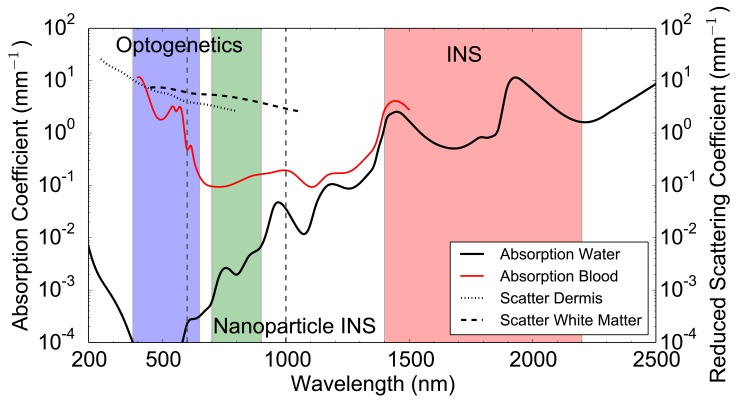
“Absorption coefficient in water [140] and oxygenated blood (5% haematocrit) [141].”
BackgroundRemote control of ion channels and neurons through magnetic-field heating of nanoparticles
Huang, H. S., Delikanli, S., Zeng, H., Ferkey, D. M., & Pralle, A. (2010) · Nature Nanotechnology · doi:10.1038/nnano.2010.125 · Cited by 781 · cited 1×
“The use of nanoparticles to stimulate of neurons under exposure to magnetic fields has previously been demonstrated [121] and now researchers are exploring the potential of using light to stimulate neurons via heating of nanoparticles [122, 123].”
BackgroundBook Review: Biomedical Photonics Handbook
Masters, B. R. (2004) · Journal of Biomedical Optics · doi:10.1117/1.1776177 · Cited by 762
Gunaydin, L. A., Yizhar, O., Berndt, A., Sohal, V. S., Deisseroth, K., & Hegemann, P. (2010) · Nature Neuroscience · doi:10.1038/nn.2495 · Cited by 757 · cited 3×
“Since the development of ChR2 as a light-activated channel, a range of new opsins have been developed to allow inhibition of neurons, faster stimulation rates and response at longer wavelengths [22-24].”
BackgroundResultOptogenetic investigation of neural circuits underlying brain disease in animal models
Tye, K. M., & Deisseroth, K. (2012) · Nature Reviews Neuroscience · doi:10.1038/nrn3171 · Cited by 745 · cited 1×
“Optogenetics have been utilised to further our understanding of neural disorders [36], understand neural systems and encoding [37] and there is interest in using optogenetics to treat blindness and Parkinson’s disease [17, 38, 39].”
BackgroundLight-activated ion channels for remote control of neuronal firing
Banghart, M. R., Borges, K., Isacoff, E. Y., Trauner, D. H., & Krämer, R. (2004) · Nature Neuroscience · doi:10.1038/nn1356 · Cited by 727
Conducting polymers for neural interfaces: Challenges in developing an effective long-term implant
Green, R. A., Lovell, N. H., Wallace, G. G., & Poole-Warren, L. A. (2008) · Biomaterials · doi:10.1016/j.biomaterials.2008.04.047 · Cited by 691 · cited 1×
“Conductive polymers may overcome many of these limitations as an optoelectronic material [129, 130, 136, 137, 138, 139], although challenges in ensuring biocompatibility and stability of these polymers also remain to be resolved [125, 129].”
BackgroundCircuit-breakers: optical technologies for probing neural signals and systems
Zhang, F., Aravanis, A. M., Adamantidis, A., de Lecea, L., & Deisseroth, K. A. (2007) · Nature reviews. Neuroscience · doi:10.1038/nrn2192 · Cited by 637 · cited 1×
“off optically with tight spatial and temporal confinement [16, 17].”
BackgroundInfrared light excites cells by changing their electrical capacitance
Shapiro, M. G., Homma, K., Villarreal, S., Richter, C., & Bezanilla, F. (2012) · Nature Communications · doi:10.1038/ncomms1742 · Cited by 613 · cited 7×
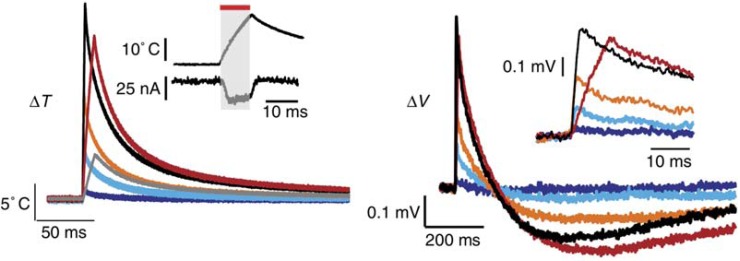
“As INS depends on a thermal gradient in time [54, 56], understanding the heat distribution in tissue may help to optimise the process and assist in emitter design.”
BackgroundMethodInfluentialRemote Control of Behavior through Genetically Targeted Photostimulation of Neurons
Lima, S. Q., & Miesenböck, G. (2005) · Cell · doi:10.1016/j.cell.2005.02.004 · Cited by 562 · cited 1×
“Despite the temporal limitation, these strategies were able to induce behavioural changes in a Drosophila model [19].”
BackgroundRed-shifted optogenetic excitation: a tool for fast neural control derived from Volvox carteri
Zhang, F., Prigge, M., Beyrière, F., Tsunoda, S. P., Mattis, J., Yizhar, O., Hegemann, P., & Deisseroth, K. A. (2008) · Nature Neuroscience · doi:10.1038/nn.2120 · Cited by 540 · cited 1×
“Advances include a cation channelrhodopsin (VChR1) responding at 589 nm [34] and ReaChR an opsin responding at 610 nm [35].”
BackgroundSelective Photostimulation of Genetically ChARGed Neurons
Zemelman, B. V., Lee, G. A., Ng, M., & Miesenböck, G. (2002) · Neuron · doi:10.1016/s0896-6273(01)00574-8 · Cited by 507 · cited 3×
“These techniques include genetically modifying the target neurons to introduce photosensitive receptors in the neurons [10, 12], or the introduction of photoswitchable molecules that bind to specific ion channels and modify their behaviour when exposed to light [11, 13, 14].”
BackgroundClark, G. M. (2003) · Springer eBooks · doi:10.1007/b97263 · Cited by 443
Photostimulation using caged glutamate reveals functional circuitry in living brain slices.
Callaway, E. M., & Katz, L. C. (1993) · Proceedings of the National Academy of Sciences · doi:10.1073/pnas.90.16.7661 · Cited by 401 · cited 1×
“These techniques include genetically modifying the target neurons to introduce photosensitive receptors in the neurons [10, 12], or the introduction of photoswitchable molecules that bind to specific ion channels and modify their behaviour when exposed to light [11, 13, 14].”
BackgroundVoets, T., Talavera, K., Owsianik, G., & Nilius, B. (2005) · Nature Chemical Biology · doi:10.1038/nchembio0705-85 · Cited by 388 · cited 1×
“The TRPV channels, along with the TRPM subfamily, have the potential to detect changes in temperature from 10 to 50°C [104, 108].”
BackgroundBiophysical Mechanisms of Transient Optical Stimulation of Peripheral Nerve
Wells, J. D., Kao, C., Konrad, P. E., Milner, T., Kim, J., Mahadevan-Jansen, A. M., & Jansen, D. (2007) · Biophysical Journal · doi:10.1529/biophysj.107.104786 · Cited by 386 · cited 5×
“As INS depends on a thermal gradient in time [54, 56], understanding the heat distribution in tissue may help to optimise the process and assist in emitter design.”
BackgroundInfluentialIshizuka, T., Kakuda, M., Araki, R., & Yawo, H. (2005) · Neuroscience Research · doi:10.1016/j.neures.2005.10.009 · Cited by 376 · cited 1×
“Introduction of photosensitivity to neurons in vivo was soon demonstrated [21], showing the potential of optogenetics for both in vitro and in vivo studies.”
BackgroundA polymer optoelectronic interface restores light sensitivity in blind rat retinas
Ghezzi, D., Antognazza, M. R., Maccarone, R., Bellani, S., Lanzarini, E., Martino, N., Mete, M., Pertile, G., Bisti, S., Lanzani, G., et al. (2013) · Nature Photonics · doi:10.1038/nphoton.2013.34 · Cited by 327
A hybrid bioorganic interface for neuronal photoactivation
Ghezzi, D., Antognazza, M. R., Maschio, M. D., Lanzarini, E., Benfenati, F., & Lanzani, G. (2011) · Nature Communications · doi:10.1038/ncomms1164 · Cited by 313 · cited 2×
“Conductive polymers may overcome many of these limitations as an optoelectronic material [129, 130, 136, 137, 138, 139], although challenges in ensuring biocompatibility and stability of these polymers also remain to be resolved [125, 129].”
BackgroundOptical stimulation of neural tissue in vivo
Wells, J. D., Kao, C., Mariappan, K., Albea, J., Jansen, D., Konrad, P. E., & Mahadevan-Jansen, A. M. (2005) · Optics Letters · doi:10.1364/ol.30.000504 · Cited by 311 · cited 4×
“[15], the technique has been extended and demonstrated in a number of other models.”
BackgroundMethodInfluentialApplication of infrared light for in vivo neural stimulation
Wells, J. D., Kao, C., Jansen, D., Konrad, P. E., & Mahadevan-Jansen, A. M. (2005) · Journal of Biomedical Optics · doi:10.1117/1.2121772 · Cited by 291 · cited 2×
“This work was expanded upon in [57], where the dependence of the damage and stimulation thresholds on wavelength, and therefore absorption coefficient, were further investigated.”
BackgroundTwo-photon photostimulation and imaging of neural circuits
Nikolenko, V., Poskanzer, K. E., & Yuste, R. (2007) · Nature Methods · doi:10.1038/nmeth1105 · Cited by 267 · cited 1×
“It has been used to map the functional synaptic connections in the visual cortex [51], the cerebral cortex [52], and many other areas [53].”
MethodZemelman, B. V., Nesnas, N., Lee, G. A., & Miesenböck, G. (2003) · Proceedings of the National Academy of Sciences · doi:10.1073/pnas.242738899 · Cited by 244 · cited 2×
“These techniques include genetically modifying the target neurons to introduce photosensitive receptors in the neurons [10, 12], or the introduction of photoswitchable molecules that bind to specific ion channels and modify their behaviour when exposed to light [11, 13, 14].”
BackgroundPhotochemical control of endogenous ion channels and cellular excitability
Fortin, D. L., Banghart, M. R., Dunn, T., Borges, K., Wagenaar, D. A., Gaudry, Q., Karakossian, M. H., Otis, T. S., Kristan, W. B., Trauner, D. H., et al. (2008) · Nature Methods · doi:10.1038/nmeth.1187 · Cited by 243 · cited 1×
“photoswitchable ligands, which can regulate + K channels and glutamate receptors [17, 49].”
BackgroundTRPV4 channels mediate the infrared laser-evoked response in sensory neurons
Albert, E. S., Bec, J., Desmadryl, G., Chekroud, K., Travo, C., Gaboyard-Niay, S., Bardin, F., Marc, I., Dumas, M., Lenaers, G., et al. (2012) · Journal of Neurophysiology · doi:10.1152/jn.00424.2011 · Cited by 241 · cited 1×
“[54] that heatsensitive ion channels may be a mechanism behind INS, the heat-sensitive vanilloid subfamily of TRP channels (TRPV) [103, 104] have been the subject of some research in the literature [105-107].”
BackgroundLaser Stimulation of Nerve Cells in Aplysia
Fork, R. L. (1971) · Science · doi:10.1126/science.171.3974.907 · Cited by 236 · cited 3×
“Building on the work of [5] and others, Balaban et al.”
BackgroundMethodLaser stimulation of the auditory nerve
Izzo, A. D., Richter, C., Jansen, D., & Walsh, J. T. (2006) · Lasers in Surgery and Medicine · doi:10.1002/lsm.20358 · Cited by 229 · cited 4×
“To date, a number of studies focusing on the safety in both acute and chronic usage of INS in the cochlea have been performed [66, 67, 97, 98, 90].”
BackgroundInfluentialRuBi-Glutamate: Two-photon and visible-light photoactivation of neurons and dendritic spines
Fino, É. (2009) · Frontiers in Neural Circuits · doi:10.3389/neuro.04.002.2009 · Cited by 195
Optogenetic stimulation of the auditory pathway
Hernandez, V. H., Gehrt, A., Reuter, K., Jing, Z., Jeschke, M., Schulz, A. M., Hoch, G., Bartels, M., Vogt, G., Garnham, C., et al. (2014) · Journal of Clinical Investigation · doi:10.1172/jci69050 · Cited by 190
Three-dimensional multiwaveguide probe array for light delivery to distributed brain circuits
Zorzos, A. N., Scholvin, J., Boyden, E. S., & Fonstad, C. G. (2012) · Optics Letters · doi:10.1364/ol.37.004841 · Cited by 185
GaN-based micro-LED arrays on flexible substrates for optical cochlear implants
Goßler, C., Bierbrauer, C., Moser, R., Kunzer, M., Holc, K., Pletschen, W., Köhler, K., Wagner, J., Schwaerzle, M., Ruther, P., et al. (2014) · Journal of Physics D Applied Physics · doi:10.1088/0022-3727/47/20/205401 · Cited by 181 · cited 2×
“This fabrication approach has been taken up by other researchers, including fabrication of 15 LED arrays suitable for implantation in a ChR2 sensitive cochlea [158] and vertical cavity surface emitting lasers to provide high intensity infrared light for INS [159].”
BackgroundMethodWieboldt, R., Gee, K. R., Niu, L., Ramesh, D., Carpenter, B. K., & Hess, G. P. (1994) · Proceedings of the National Academy of Sciences · doi:10.1073/pnas.91.19.8752 · Cited by 179 · cited 1×
“Caged glutamate is one of the most commonly used molecules for stimulation [42], but a number of neurotransmitters have been used [43].”
BackgroundNeuronal TRP channels: thermometers, pathfinders and life-savers
Talavera, K., Nilius, B., & Voets, T. (2008) · Trends in Neurosciences · doi:10.1016/j.tins.2008.03.002 · Cited by 176 · cited 1×
“Additionally, this temperature dependence is affected by the membrane voltage [111].”
BackgroundCarbon nanotube-based multi electrode arrays for neuronal interfacing: progress and prospects
Bareket, L., & Hanein, Y. (2013) · Frontiers in Neural Circuits · doi:10.3389/fncir.2012.00122 · Cited by 175 · cited 1×
“A range of photoactive materials are being developed with the aim of neural stimulation, including quantum dots [126, 127], photoconductive silicon [128], organic polymers [129, 130], and carbon nanotubes [125, 131].”
BackgroundMultiwaveguide implantable probe for light delivery to sets of distributed brain targets
Zorzos, A. N., Boyden, E. S., & Fonstad, C. G. (2010) · Optics Letters · doi:10.1364/ol.35.004133 · Cited by 175 · cited 1×
“[149, 150] reported custom fabricated waveguides, capable of delivering light in a 3D pattern in tissue.”
BackgroundOptical pacing of the embryonic heart
Jenkins, M. W., Duke, A. R., Gu, S., Doughman, Y. Q., Chiel, H. J., Fujioka, H., Watanabe, M., Jansen, D., & Rollins, A. M. (2010) · Nature Photonics · doi:10.1038/nphoton.2010.166 · Cited by 172 · cited 3×
“The heart is another target of INS that has seen interest [63, 64, 76].”
BackgroundMethodLaser Stimulation of Auditory Neurons: Effect of Shorter Pulse Duration and Penetration Depth
Izzo, A. D., Walsh, J. T., Ralph, H., Webb, J., Bendett, M., Wells, J. D., & Richter, C. (2008) · Biophysical Journal · doi:10.1529/biophysj.107.117150 · Cited by 171 · cited 3×
“Izzo [68] Gerbil cochlea 1923 – 1937 1.”
BackgroundMethodPinyon, J. L., Tadros, S. F., Froud, K. E., Wong, A. C. Y., Tompson, I. T., Crawford, E. N., Ko, M., Morris, R., Klugmann, M., & Housley, G. D. (2014) · Science Translational Medicine · doi:10.1126/scitranslmed.3008177 · Cited by 168 · cited 1×
“Genes to express opsins are typically delivered with viral transfection [12], but electroporation transfection [26] and optical transfection [27] have also been demonstrated as a feasible techniques.”
MethodNew photochemical tools for controlling neuronal activity
Krämer, R., Fortin, D. L., & Trauner, D. H. (2009) · Current Opinion in Neurobiology · doi:10.1016/j.conb.2009.09.004 · Cited by 165 · cited 6×
“photoswitchable ligands, which can regulate + K channels and glutamate receptors [17, 49].”
BackgroundInfluentialPappas, T. C., Wickramanyake, W. M. S., Jan, E., Motamedi, M., Brodwick, M. S., & Kotov, N. A. (2006) · Nano Letters · doi:10.1021/nl062513v · Cited by 161
Multiphoton stimulation of neurons
Hirase, H., Nikolenko, V., Goldberg, J. H., & Yuste, R. (2002) · Journal of Neurobiology · doi:10.1002/neu.10056 · Cited by 158 · cited 2×
“[6] demonstrated that neurons could be triggered through exposure to pulses of light from a femtosecond laser via a two-photon mechanism.”
BackgroundMethodOptogenetic Control of Targeted Peripheral Axons in Freely Moving Animals
Towne, C., Montgomery, K. L., Iyer, S. M., Deisseroth, K., & Delp, S. L. (2013) · PLoS ONE · doi:10.1371/journal.pone.0072691 · Cited by 156 · cited 2×
“[144] where an optical fibre and PDMS optical nerve cuff on the sciatic nerve was implanted in rats [144].”
BackgroundPulsed laser versus electrical energy for peripheral nerve stimulation
Wells, J. D., Konrad, P. E., Kao, C., Jansen, D., & Mahadevan-Jansen, A. M. (2007) · Journal of Neuroscience Methods · doi:10.1016/j.jneumeth.2007.03.016 · Cited by 156 · cited 3×
“[59] found a near linear relationship between the radiant exposure and the measured compound nerve action potential (CNAP) response, similar to that observed when using electrical stimulation.”
BackgroundResultSahel, J., & Roska, B. (2013) · Annual Review of Neuroscience · doi:10.1146/annurev-neuro-062012-170304 · Cited by 150 · cited 1×
“Optogenetic techniques require transfection of genes into neuronal cells, which, besides technical challenges, will face significant regulatory hurdles for human use [40, 41].”
BackgroundNeural stimulation with optical radiation
Richter, C., Matic, A. I., Wells, J. D., Jansen, D., & Walsh, J. T. (2010) · Laser & Photonics Review · doi:10.1002/lpor.200900044 · Cited by 148 · cited 6×
“for genetic manipulation or other interventions [2, 15].”
BackgroundInfluentialIzzo, A. D., Walsh, J. T., Jansen, D., Bendett, M., Webb, J., Ralph, H., & Richter, C. (2007) · IEEE Transactions on Biomedical Engineering · doi:10.1109/tbme.2007.892925 · Cited by 148 · cited 4×
“To date, a number of studies focusing on the safety in both acute and chronic usage of INS in the cochlea have been performed [66, 67, 97, 98, 90].”
BackgroundMethodInfluentialIntracellular calcium transients evoked by pulsed infrared radiation in neonatal cardiomyocytes
Dittami, G. M., Rajguru, S. M., Lasher, R. A., Hitchcock, R. W., & Rabbitt, R. D. (2011) · The Journal of Physiology · doi:10.1113/jphysiol.2010.198804 · Cited by 147 · cited 2×
“Initial work on cells cultured with gold nanorods demonstrated intracellular + 2 Ca transients in response to laser light at the plasmon resonance wavelength of the gold nanorods [124], similar to cells exposed to INS [114].”
BackgroundGold‐Nanorod‐Assisted Near‐Infrared Stimulation of Primary Auditory Neurons
Yong, J., Needham, K., Brown, W. G. A., Nayagam, B. A., McArthur, S. L., Yu, A., & Stoddart, P. R. (2014) · Advanced Healthcare Materials · doi:10.1002/adhm.201400027 · Cited by 146 · cited 3×
“The use of gold nanorods in cells as a selective absorber of near infrared light has also been investigated for in vitro neural stimulation [123, 124].”
BackgroundPulsed infrared light alters neural activity in rat somatosensory cortex in vivo
Cayce, J. M., Friedman, R. M., Jansen, D., Mahavaden-Jansen, A., & Roe, A. W. (2011) · NeuroImage · doi:10.1016/j.neuroimage.2011.03.084 · Cited by 143 · cited 3×
“Cayce [65] Rat somatosensory cortex 1875 140(2) 0.”
BackgroundMethodResultTransient and selective suppression of neural activity with infrared light
Duke, A. R., Jenkins, M. W., Lu, H., McManus, J. M., Chiel, H. J., & Jansen, D. (2013) · Scientific Reports · doi:10.1038/srep02600 · Cited by 142 · cited 2×
“Hybrid electrical-optical stimulation has been used to show inhibition of electrical responses in vivo [72, 119] and spontaneous neural activity in vitro [100].”
MethodInfrared neural stimulation of primary visual cortex in non-human primates
Cayce, J. M., Friedman, R. M., Chen, G., Jansen, D., Mahadevan-Jansen, A. M., & Roe, A. W. (2013) · NeuroImage · doi:10.1016/j.neuroimage.2013.08.040 · Cited by 142 · cited 2×
“Due to the improved spatial localisation of INS, it has attracted interest as a technique to stimulate the central nervous system [65, 79, 80, 81].”
ResultPhotovoltaic retinal prosthesis: implant fabrication and performance
Wang, L., Mathieson, K., Kamins, T. I., Loudin, J., Galambos, L., Goetz, G. A., Sher, A., Mandel, Y., Huie, P., Lavinsky, D., et al. (2012) · Journal of Neural Engineering · doi:10.1088/1741-2560/9/4/046014 · Cited by 142 · cited 1×
“Photoconductive silicon has been demonstrated as a substrate that can generate electric charge to stimulate neurons under exposure to light [128, 134].”
BackgroundRearrangements of Synaptic Connections in Visual Cortex Revealed by Laser Photostimulation
Dalva, M. B., & Katz, L. C. (1994) · Science · doi:10.1126/science.7912852 · Cited by 136 · cited 2×
“Caged molecules have emerged as a key technique for determining functional connectivity of neurons [44, 51].”
MethodMicro-LED arrays: a tool for two-dimensional neuron stimulation
Poher, V., Grossman, N., Kennedy, G., Nikolic, K., Zhang, H.-X., Gong, Z., Drakakis, E., Gu, E., Dawson, M. D., French, P., et al. (2008) · Journal of Physics D Applied Physics · doi:10.1088/0022-3727/41/9/094014 · Cited by 132 · cited 2×
“Another approach to deliver light to neurons is by developing microscale emitters and positioning or implanting them in close proximity to the target neurons [157-159].”
BackgroundMethodOPTICAL IMAGING AND CONTROL OF GENETICALLY DESIGNATED NEURONS IN FUNCTIONING CIRCUITS
Miesenböck, G., & Kevrekidis, I. G. (2005) · Annual Review of Neuroscience · doi:10.1146/annurev.neuro.28.051804.101610 · Cited by 131 · cited 2×
“In addition to control of neurons, techniques are emerging to read neural activity with light [50].”
MethodPerformance of conducting polymer electrodes for stimulating neuroprosthetics
Green, R. A., Matteucci, P. B., Hassarati, R. T., Giraud, B., Dodds, C. W. D., Chen, S., Byrnes-Preston, P., Suaning, G. J., Poole-Warren, L. A., & Lovell, N. H. (2013) · Journal of Neural Engineering · doi:10.1088/1741-2560/10/1/016009 · Cited by 127 · cited 1×
“Conductive polymers may overcome many of these limitations as an optoelectronic material [129, 130, 136, 137, 138, 139], although challenges in ensuring biocompatibility and stability of these polymers also remain to be resolved [125, 129].”
BackgroundA Polymer Optoelectronic Interface Provides Visual Cues to a Blind Retina
Gautam, V., Rand, D., Hanein, Y., & Narayan, K. S. (2013) · Advanced Materials · doi:10.1002/adma.201304368 · Cited by 127 · cited 1×
“Conductive polymers may overcome many of these limitations as an optoelectronic material [129, 130, 136, 137, 138, 139], although challenges in ensuring biocompatibility and stability of these polymers also remain to be resolved [125, 129].”
BackgroundOptical stimulation of auditory neurons: Effects of acute and chronic deafening
Richter, C., Bayon, R., Izzo, A. D., Otting, M., Suh, E., Goyal, S., Hotaling, J. M., & Walsh, J. T. (2008) · Hearing Research · doi:10.1016/j.heares.2008.01.011 · Cited by 125 · cited 9×
“Richter [69] Gerbil cochlea 1844 – 1873 3(3) 0.”
BackgroundMethodResultInfluentialHolographic optogenetic stimulation of patterned neuronal activity for vision restoration
Reutsky, I., Golan, L., Farah, N., Schejter, A., Tsur, L., Brosh, I., & Shoham, S. (2013) · Nature Communications · doi:10.1038/ncomms2500 · Cited by 119 · cited 1×
“Holographic patterning of light onto neural tissue was demonstrated by [122, 151].”
BackgroundOptical Stimulation of the Facial Nerve: A New Monitoring Technique?
Teudt, I. U., Nevel, A. E., Izzo, A. D., Walsh, J. T., & Richter, C. (2007) · The Laryngoscope · doi:10.1097/mlg.0b013e318074ec00 · Cited by 119 · cited 1×
“Teudt [60] Gerbil facial nerve 2120 710 0.”
BackgroundOptogenetic investigation of neural circuits in vivo
Carter, M. E., & de Lecea, L. (2011) · Trends in Molecular Medicine · doi:10.1016/j.molmed.2010.12.005 · Cited by 117 · cited 1×
“Optogenetics have been utilised to further our understanding of neural disorders [36], understand neural systems and encoding [37] and there is interest in using optogenetics to treat blindness and Parkinson’s disease [17, 38, 39].”
BackgroundPhotochemical tools for remote control of ion channels in excitable cells
Krämer, R., Chambers, J. J., & Trauner, D. H. (2005) · Nature Chemical Biology · doi:10.1038/nchembio750 · Cited by 117 · cited 1×
“These techniques include genetically modifying the target neurons to introduce photosensitive receptors in the neurons [10, 12], or the introduction of photoswitchable molecules that bind to specific ion channels and modify their behaviour when exposed to light [11, 13, 14].”
BackgroundPhotorelease of GABA with visible light using an inorganic caging group
Verde, E. R. (2008) · Frontiers in Neural Circuits · doi:10.3389/neuro.04.002.2008 · Cited by 115 · cited 2×
“Caged molecules are also able to inhibit neural activity, through the release of GABA [46, 44].”
BackgroundOptically mediated nerve stimulation: Identification of injury thresholds
Wells, J. D., Thomsen, S., Whitaker, P., Jansen, D., Kao, C., Konrad, P. E., & Mahadevan-Jansen, A. M. (2007) · Lasers in Surgery and Medicine · doi:10.1002/lsm.20522 · Cited by 109 · cited 3×
“Studies on the safety margins [58] found that that the threshold to stimulate tissue and corresponding 95% confidence ranges did not overlap with the radiant exposures found to cause damage, when stimulation was performed at rates between 2 – 8 Hz.”
BackgroundTwo-photon uncaging: New prospects in neuroscience and cellular biology
Warther, D., Gug, S., Specht, A., Bolze, F., Nicoud, J., Mourot, A., & Goeldner, M. P. (2010) · Bioorganic & Medicinal Chemistry · doi:10.1016/j.bmc.2010.04.084 · Cited by 107 · cited 5×
“Caged molecules are also able to inhibit neural activity, through the release of GABA [46, 44].”
BackgroundInfluentialSelectivity of neural stimulation in the auditory system: a comparison of optic and electric stimuli
Izzo, A. D., Suh, E., Pathria, J., Walsh, J. T., Whitlon, D. S., & Richter, C. (2007) · Journal of Biomedical Optics · doi:10.1117/1.2714296 · Cited by 105 · cited 1×
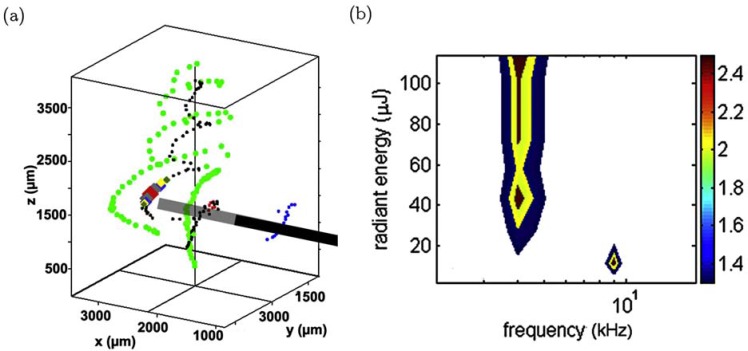
“Spatial selectivity has been investigated with a range of techniques, including: fluorescent staining with c-FOS to identify excited neurons [82]; inferior colliculus (ICC) recordings which identify the localisation of signals to different neural pathways [83]; micro-CT reconstructions of the cochlea [84] (as shown in…”
MethodOptical cochlear implants: Evaluation of surgical approach and laser parameters in cats
Rajguru, S. M., Matic, A. I., Robinson, A. M., Fishman, A. J., Moreno, L. E., Bradley, A., Vujanovic, I., Breen, J., Wells, J. D., Bendett, M., et al. (2010) · Hearing Research · doi:10.1016/j.heares.2010.06.021 · Cited by 103
Richter, C.-P., Rajguru, S. M., Matic, A. I., Moreno, E. L., Fishman, A. J., Robinson, A. M., Suh, E., & Walsh, J. T. (2011) · Journal of Neural Engineering · doi:10.1088/1741-2560/8/5/056006 · Cited by 99 · cited 3×
“Overall, these results showed similar localisation of neural activity for both INS and acoustic tone pips, although some results point to stimulation on the far side of the cochlea rather than neurons directly in front of the optical fibre [83].”
BackgroundMethodResultInfrared photostimulation of the crista ampullaris
Rajguru, S. M., Richter, C., Matic, A. I., Holstein, G. R., Highstein, S. M., Dittami, G. M., & Rabbitt, R. D. (2011) · The Journal of Physiology · doi:10.1113/jphysiol.2010.198333 · Cited by 96 · cited 1×
“[102], who investigated INS of adult oyster toadfish crista ampullaris.”
BackgroundA comprehensive concept of optogenetics
Dugué, G. P., Akemann, W., & Knöpfel, T. (2012) · Progress in brain research · doi:10.1016/b978-0-444-59426-6.00001-x · Cited by 94
Acoustic Events and “Optophonic” Cochlear Responses Induced by Pulsed Near-Infrared LASER
Teudt, I. U., Maier, H., Richter, C., & Kral, A. (2011) · IEEE Transactions on Biomedical Engineering · doi:10.1109/tbme.2011.2108297 · Cited by 88 · cited 1×
“As the rapid heating caused by INS laser pulses can generate an acoustic click [88], any results of INS in the cochlea require controls with deafened animals.”
BackgroundLugo, K., Miao, X., Rieke, F. M., & Lin, L. Y. (2012) · Biomedical Optics Express · doi:10.1364/boe.3.000447 · Cited by 83 · cited 1×
“A range of photoactive materials are being developed with the aim of neural stimulation, including quantum dots [126, 127], photoconductive silicon [128], organic polymers [129, 130], and carbon nanotubes [125, 131].”
BackgroundExciting Cell Membranes with a Blustering Heat Shock
Liu, Q., Frerck, M., Holman, H. A., Jørgensen, E. M., & Rabbitt, R. D. (2014) · Biophysical Journal · doi:10.1016/j.bpj.2014.03.008 · Cited by 81 · cited 2×
“However, the authors argue that the magnitude of the voltage change due to capacitance is unlikely to act as an excitatory stimulus, except for the most voltage sensitive cells [115].”
BackgroundLaser exposure of gold nanorods can induce intracellular calcium transients
Paviolo, C., Haycock, J. W., Cadusch, P. J., McArthur, S. L., & Stoddart, P. R. (2013) · Journal of Biophotonics · doi:10.1002/jbio.201300043 · Cited by 77 · cited 2×
“Initial work on cells cultured with gold nanorods demonstrated intracellular + 2 Ca transients in response to laser light at the plasmon resonance wavelength of the gold nanorods [124], similar to cells exposed to INS [114].”
BackgroundCombined optical and electrical stimulation of neural tissue in vivo
Duke, A. R., Cayce, J. M., Malphrus, J. D., Konrad, P., Mahadevan-Jansen, A., & Jansen, E. D. (2009) · Journal of Biomedical Optics · doi:10.1117/1.3257230 · Cited by 76 · cited 3×
“[70] proposed using sub-threshold electrical depolarisation to reduce the optical energy required for stimulation.”
BackgroundMethodInfluentialNovel interfaces for light directed neuronal stimulation: advances and challenges
Bareket, L., & Hanein, Y. (2014) · International Journal of Nanomedicine · doi:10.2147/ijn.s51193 · Cited by 74 · cited 4×
“Current limitations include the challenges with biocompatibility [133] of these molecules and improving efficiency to reduce the optical power required [125].”
BackgroundMethodInfluentialProsthetic systems for therapeutic optical activation and silencing of genetically targeted neurons
Bernstein, J. G., Han, X., Henninger, M. A., Ko, E. Y., Qian, X., Franzesi, G. T., McConnell, J. P., Stern, P., Desimone, R., & Boyden, E. S. (2008) · Proceedings of SPIE, the International Society for Optical Engineering/Proceedings of SPIE · doi:10.1117/12.768798 · Cited by 74 · cited 1×
“Monte Carlo models have also been applied to understand light distributions in tissue during optogenetic stimulation [9, 33, 161].”
BackgroundNanosecond laser pulse stimulation of the inner ear—a wavelength study
Schultz, M., Baumhoff, P., Maier, H., Teudt, I. U., Krüger, A., Lenarz, T., & Kral, A. (2012) · Biomedical Optics Express · doi:10.1364/boe.3.003332 · Cited by 71 · cited 1×
“[94] showed that a range of wavelengths, from 400 nm to 2000 nm, can stimulate the cochlea with a nanosecond laser.”
BackgroundSpatial and temporal variability in response to hybrid electro-optical stimulation
Duke, A. R., Lu, H., Jenkins, M. W., Chiel, H. J., & Jansen, D. (2012) · Journal of Neural Engineering · doi:10.1088/1741-2560/9/3/036003 · Cited by 71 · cited 2×
“Duke [71] Aplysia buccal nerve 1875 8930 2 – 3 100”
BackgroundFried, N. M., Lagoda, G. A., Scott, N. J., Su, L.-M., & Burnett, A. L. “. (2008) · Journal of Endourology · doi:10.1089/end.2008.9996 · Cited by 71 · cited 3×
“[61] to establish the potential of INS for nerve mapping during nerve-sparing radical prostatectomy.”
BackgroundResultInfluentialDevelopment of bioactive conducting polymers for neural interfaces
Poole-Warren, L. A., Lovell, N. H., Baek, S., & Green, R. A. (2009) · Expert Review of Medical Devices · doi:10.1586/erd.09.58 · Cited by 71 · cited 1×
“However, silicon is limited by its rigidity and biocompatibility, thus potentially limiting its use as a prosthetic platform [135].”
BackgroundModeling of light absorption in tissue during infrared neural stimulation
Thompson, A., Wade, S. A., & Stoddart, P. R. (2012) · Journal of Biomedical Optics · doi:10.1117/1.jbo.17.7.075002 · Cited by 69 · cited 5×
“Recently, both analytical and numerical models have been developed to assist in understanding the flow of heat during INS, in the cochlea and in vitro models [55, 74, 101, 86, 100].”
BackgroundMethodInfluentialGautam, V., Bag, M., & Narayan, K. S. (2011) · Journal of the American Chemical Society · doi:10.1021/ja207853e · Cited by 63 · cited 1×
“Conductive polymers may overcome many of these limitations as an optoelectronic material [129, 130, 136, 137, 138, 139], although challenges in ensuring biocompatibility and stability of these polymers also remain to be resolved [125, 129].”
BackgroundHistological Assessment of Thermal Damage in the Brain Following Infrared Neural Stimulation
Chernov, M. M., Chen, G., & Roe, A. W. (2014) · Brain stimulation · doi:10.1016/j.brs.2014.01.006 · Cited by 62 · cited 1×
“Damage from higher stimulation rates of 200 Hz have been studied in rodents and squirrel monkeys [96].”
BackgroundChallenges in quantum dot-neuron active interfacing
Gomez, N. V., Winter, J. O., Shieh, F., Saunders, A. E., Korgel, B. A., & Schmidt, C. E. (2005) · Talanta · doi:10.1016/j.talanta.2005.06.041 · Cited by 62 · cited 1×
“Current limitations include the challenges with biocompatibility [133] of these molecules and improving efficiency to reduce the optical power required [125].”
BackgroundCalcium imaging of infrared-stimulated activity in rodent brain
Cayce, J. M., Bouchard, M. B., Chernov, M. M., Chen, B. R., Grosberg, L. E., Jansen, D., Hillman, E. M. C., & Mahadevan-Jansen, A. M. (2014) · Cell Calcium · doi:10.1016/j.ceca.2014.01.004 · Cited by 59 · cited 1×
“Due to the improved spatial localisation of INS, it has attracted interest as a technique to stimulate the central nervous system [65, 79, 80, 81].”
MethodOptical pacing of the adult rabbit heart
Jenkins, M. W., Wang, Y. T., Doughman, Y. Q., Watanabe, M., Cheng, Y., & Rollins, A. M. (2013) · Biomedical Optics Express · doi:10.1364/boe.4.001626 · Cited by 59 · cited 3×
“Optical pacing of the heart was further explored in [64].”
BackgroundGoyal, V. K., Rajguru, S. M., Matic, A. I., Stock, S. R., & Richter, C. (2012) · The Anatomical Record · doi:10.1002/ar.22583 · Cited by 58 · cited 2×
“To date, a number of studies focusing on the safety in both acute and chronic usage of INS in the cochlea have been performed [66, 67, 97, 98, 90].”
BackgroundMatic, A. I., Robinson, A. M., Young, H. K., Badofsky, B., Rajguru, S. M., Stock, S. R., & Richter, C. (2013) · PLoS ONE · doi:10.1371/journal.pone.0058189 · Cited by 57 · cited 5×
“[90], where an optical fibre was implanted in the cochlea of cats with miniaturised laser system mounted in a backpack.”
BackgroundInfluentialNanosecond pulsed electric field thresholds for nanopore formation in neural cells
Roth, C. C., Tolstykh, G. P., Payne, J. A., Kuipers, M. A., Thompson, G. L., DeSilva, M., & Ibey, B. L. (2013) · Journal of Biomedical Optics · doi:10.1117/1.jbo.18.3.035005 · Cited by 57 · cited 1×
“[117] found that cells exposed to nanosecond pulsed electric fields created nanopores in the cellular membrane, leading to an influx of + 2 Ca .”
BackgroundAuditory responses to electric and infrared neural stimulation of the rat cochlear nucleus
Verma, R. U., Guex, A., Hancock, K. E., Durakovic, N., McKay, C. M., Slama, M. C. C., Brown, M. C., & Lee, D. J. (2014) · Hearing Research · doi:10.1016/j.heares.2014.01.008 · Cited by 56 · cited 1×
“A follow up study found that after cutting the auditory nerve to deafen the animal, no response could be found from INS [92].”
BackgroundHeating during infrared neural stimulation
Liljemalm, R., Nyberg, T., & von Holst, H. (2013) · Lasers in Surgery and Medicine · doi:10.1002/lsm.22158 · Cited by 54 · cited 5×
“Recently, both analytical and numerical models have been developed to assist in understanding the flow of heat during INS, in the cochlea and in vitro models [55, 74, 101, 86, 100].”
BackgroundMethodInfluentialModeling of the temporal effects of heating during infrared neural stimulation
Thompson, A., Wade, S. A., Cadusch, P. J., Brown, W. G. A., & Stoddart, P. R. (2013) · Journal of Biomedical Optics · doi:10.1117/1.jbo.18.3.035004 · Cited by 54 · cited 6×
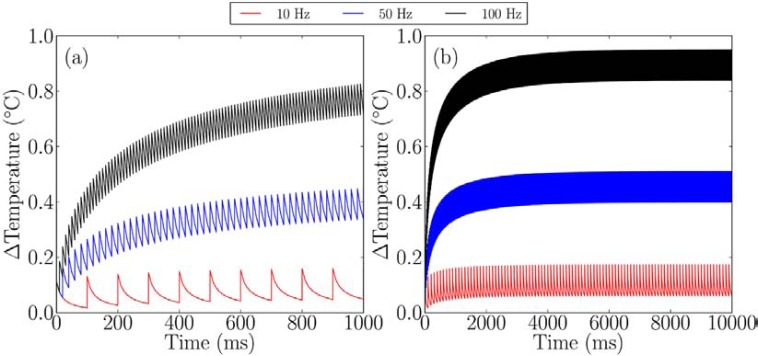
“Moreover, the long pulses (> 100 ms) used by the 1450 nm and 1540 nm sources are near the thermal diffusion time for the areas irradiated [74].”
BackgroundMethodInfluentialMotor neuron activation in peripheral nerves using infrared neural stimulation
Peterson, E. J., & Tyler, D. J. (2013) · Journal of Neural Engineering · doi:10.1088/1741-2560/11/1/016001 · Cited by 54 · cited 3×
“Hybrid electrical-optical stimulation has been used to show inhibition of electrical responses in vivo [72, 119] and spontaneous neural activity in vitro [100].”
BackgroundMethodHolographically patterned activation using photo-absorber induced neural–thermal stimulation
Farah, N., Zoubi, A., Matar, S., Golan, L., Marom, A., Butson, C. R., Brosh, I., & Shoham, S. (2013) · Journal of Neural Engineering · doi:10.1088/1741-2560/10/5/056004 · Cited by 54 · cited 3×
“Holographic patterning of light onto neural tissue was demonstrated by [122, 151].”
BackgroundInfrared neural stimulation: Beam path in the guinea pig cochlea
Moreno, L. E., Rajguru, S. M., Matic, A. I., Yerram, N. K., Robinson, A. M., Hwang, M., Stock, S. R., & Richter, C. (2011) · Hearing Research · doi:10.1016/j.heares.2011.06.006 · Cited by 53 · cited 2×
“reproduced from [84], with permission from Elsevier.”
MethodShimano, T., Fyk‐Kolodziej, B. E., Mirza, N., Asako, M., Tomoda, K., Bledsoe, S. C., Pan, Z., Molitor, S. C., & Holt, A. G. (2012) · Brain Research · doi:10.1016/j.brainres.2012.10.030 · Cited by 52 · cited 1×
“As there is interest in applying optogenetic techniques to neuroprothestic implants such as the cochlear implant [28-31], higher stimulation rates may be needed to match the electrical stimulation rates that are commonly used.”
BackgroundNovel wavelengths for laser nerve stimulation
McCaughey, R. G., Chlebicki, C. A., & Wong, B. J. F. (2009) · Lasers in Surgery and Medicine · doi:10.1002/lsm.20856 · Cited by 52 · cited 1×
“[73].”
Infrared Neural Stimulation: Influence of Stimulation Site Spacing and Repetition Rates on Heating
Thompson, A., Wade, S. A., Pawsey, N. C., & Stoddart, P. R. (2013) · IEEE Transactions on Biomedical Engineering · doi:10.1109/tbme.2013.2272796 · Cited by 51 · cited 4×
“with a finite element model of heating, such as [101, 74, 100], may allow for predictions of damage with different pulse durations and stimulation frequencies.”
BackgroundInfluentialInfrared Neural Stimulation of Thalamocortical Brain Slices
Cayce, J. M., Kao, C., Malphrus, J. D., Konrad, P. E., Mahadevan-Jansen, A. M., & Jansen, D. (2009) · IEEE Journal of Selected Topics in Quantum Electronics · doi:10.1109/jstqe.2009.2032424 · Cited by 51 · cited 2×
“Due to the improved spatial localisation of INS, it has attracted interest as a technique to stimulate the central nervous system [65, 79, 80, 81].”
BackgroundCharacterization of a 3D optrode array for infrared neural stimulation
Abaya, T. V. F., Diwekar, M., Blair, S., Tathireddy, P., Rieth, L. W., Clark, G. A., & Solzbacher, F. (2012) · Biomedical Optics Express · doi:10.1364/boe.3.002200 · Cited by 48 · cited 1×
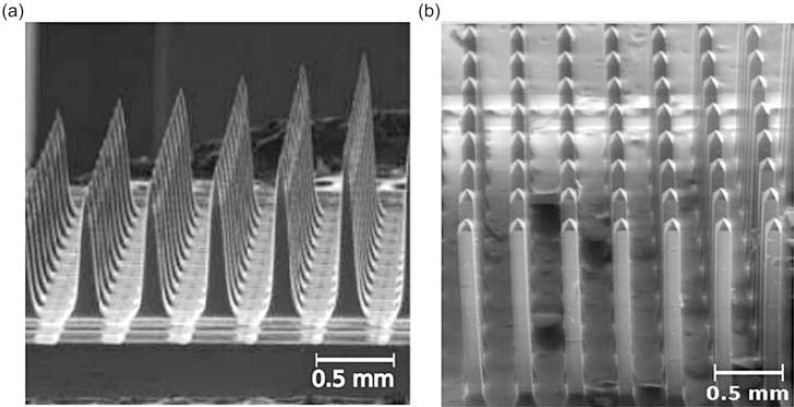
“[154] developed a Utah slanted optrode array (USOA), similar to the Utah slanted electrode array, which has allowed for more specific electrical stimulation of neurons in nerve trunks than was achievable with traditional electrodes [155].”
BackgroundDuke, A. R., Peterson, E., Mackanos, M. A., Atkinson, J., Tyler, D., & Jansen, E. D. (2012) · Journal of Neural Engineering · doi:10.1088/1741-2560/9/6/066006 · Cited by 45 · cited 2×
“A variety of standard silica core fibres have been used with a range of diameters, including for example, 600 μm [54, 57], 400 μm [56, 77], 200 μm [69] and”
BackgroundSpatial extent of cochlear infrared neural stimulation determined by tone-on-light masking
Matic, A. I., Richter, C., & Walsh, J. T. (2011) · Journal of Biomedical Optics · doi:10.1117/1.3655590 · Cited by 43 · cited 1×
“1) and acoustic tone masking [85].”
Green laser light activates the inner ear
Wenzel, G. I., Balster, S., Zhang, K., Lim, H. H., Reich, U., Massow, O., Lubatschowski, H., Ertmer, W. A., Lenarz, T., & Reuter, G. (2009) · Journal of Biomedical Optics · doi:10.1117/1.3174389 · Cited by 42 · cited 1×
“[93].”
Optical control of neuronal excitation and inhibition using a single opsin protein, ChR2
Liske, H., Qian, X., Anikeeva, P., Deisseroth, K., & Delp, S. (2013) · Scientific Reports · doi:10.1038/srep03110 · Cited by 42 · cited 1×
“Hirase et al. [6] demonstrated that neurons could be triggered through exposure to pulses of light from a femtosecond laser via a two-photon mechanism.”
BackgroundDavis, F. A., Schauf, C. L., Reed, B. J., & Kesler, R. L. (1976) · Journal of Neurology Neurosurgery & Psychiatry · doi:10.1136/jnnp.39.5.442 · Cited by 40
Normann, R. A., Dowden, B. R., Frankel, M. A., Wilder, A. M., Hiatt, S. D., Ledbetter, N. M., Warren, D. A., & Clark, G. A. (2012) · Journal of Neural Engineering · doi:10.1088/1741-2560/9/2/026019 · Cited by 37
Excitation of primary afferent neurons by near-infrared light in vitro
Katz, E. J., Ilev, I. K., Krauthamer, V., Kim, D. H., & Weinreich, D. M. (2010) · Neuroreport · doi:10.1097/wnr.0b013e32833add3a · Cited by 37 · cited 1×
“[54] that heatsensitive ion channels may be a mechanism behind INS, the heat-sensitive vanilloid subfamily of TRP channels (TRPV) [103, 104] have been the subject of some research in the literature [105-107].”
BackgroundOptogenetics: Tools for Controlling and Monitoring Neuronal Activity
(2012) · Progress in brain research · doi:10.1016/c2011-0-05056-1 · Cited by 35
Photostimulation of sensory neurons of the rat vagus nerve
Rhee, A. Y., Li, G., Wells, J. D., & Kao, J. P. Y. (2008) · Proceedings of SPIE, the International Society for Optical Engineering/Proceedings of SPIE · doi:10.1117/12.772037 · Cited by 35 · cited 1×
“[112] exposed dissociated neurons from the vagus nerve of rats to laser stimulation and measured the change in intracellular Ca concentrations.”
BackgroundAntkowiak, M. K., Torres‐Mapa, M. L., Witts, E. C., Miles, G. B., Dholakia, K., & Gunn‐Moore, F. J. (2013) · Scientific Reports · doi:10.1038/srep03281 · Cited by 34 · cited 1×
“Genes to express opsins are typically delivered with viral transfection [12], but electroporation transfection [26] and optical transfection [27] have also been demonstrated as a feasible techniques.”
MethodHe‐Ne laser irradiation of single identified neurons
Balaban, P. M., Esenaliev, R. O., Кару, Т. Й., Kutomkina, E., Letokhov, V. S., Oraevsky, A. A., & Ovcharenko, N. (1992) · Lasers in Surgery and Medicine · doi:10.1002/lsm.1900120315 · Cited by 34 · cited 1×
“[8] found that He-Ne laser irradiation ( 632.”
BackgroundPulsed 808-nm infrared laser stimulation of the auditory nerve in guinea pig cochlea
Xia, N., Wu, X. Y., Wang, X., Mou, Z. X., Wang, M. Q., Gu, X., Zheng, X. L., & Hou, W. (2013) · Lasers in Medical Science · doi:10.1007/s10103-013-1348-8 · Cited by 34 · cited 1×
“range of laser parameters have been used for INS in the cochlea and a number of studies have been performed on the effect of varying the pulse length [67-69, 74, 86] and wavelength [55, 67, 68, 74, 87] used to stimulate the neurons.”
MethodFried, N. M., Lagoda, G. A., Scott, N. J., Su, L., & Burnett, A. L. “. (2008) · Annual International Conference of the IEEE Engineering in Medicine and Biology Society (EMBC) · doi:10.1109/iembs.2008.4649778 · Cited by 31 · cited 2×
“Fried [62] Rat cavernous nerve 1850 – 1880 350 2.”
MethodOptical stimulation in mice lacking the TRPV1 channel
Suh, E., Matic, A. I., Otting, M., Walsh, J. T., & Richter, C. (2009) · Proceedings of SPIE, the International Society for Optical Engineering/Proceedings of SPIE · doi:10.1117/12.816891 · Cited by 30 · cited 1×
“[54] that heatsensitive ion channels may be a mechanism behind INS, the heat-sensitive vanilloid subfamily of TRP channels (TRPV) [103, 104] have been the subject of some research in the literature [105-107].”
BackgroundSuzurikawa, J., Takahashi, H., Kanzaki, R., Nakao, M., Takayama, Y., & Jimbo, Y. (2007) · Applied Physics Letters · doi:10.1063/1.2709627 · Cited by 29 · cited 2×
“Photoconductive silicon has been demonstrated as a substrate that can generate electric charge to stimulate neurons under exposure to light [128, 134].”
BackgroundBalster, S., Wenzel, G. I., Warnecke, A., Steffens, M., Rettenmaier, A., Zhang, K., Lenarz, T., & Reuter, G. (2013) · Biomedizinische Technik/Biomedical Engineering · doi:10.1515/bmt-2013-0038 · Cited by 28 · cited 1×
“To enable an optically based implant to stimulate the cochlea, work has been performed to develop a waveguidebased optical delivery system [147].”
MethodNanosecond laser pulse stimulation of spiral ganglion neurons and model cells
Rettenmaier, A., Lenarz, T., & Reuter, G. (2014) · Biomedical Optics Express · doi:10.1364/boe.5.001014 · Cited by 25 · cited 1×
“When the cochlea was deafened with neomycin no response to the laser was observed and no strong response has been observed in spiral ganglion neurons in vitro [95].”
Liljemalm, R., & Nyberg, T. (2013) · Annals of Biomedical Engineering · doi:10.1007/s10439-013-0940-1 · Cited by 23 · cited 1×
“An Arrhenius model for describing the kinetics of cellular damage from INS due to heat shocks to neurons and neuroglia was developed [99].”
MethodOptical stimulation enables paced electrophysiological studies in embryonic hearts
Wang, Y. T., Gu, S., Ma, P., Watanabe, M., Rollins, A. M., & Jenkins, M. W. (2014) · Biomedical Optics Express · doi:10.1364/boe.5.001000 · Cited by 22 · cited 1×
“The heart is another target of INS that has seen interest [63, 64, 76].”
BackgroundDeep-tissue light delivery via optrode arrays
Abaya, T. V. F., Diwekar, M., Blair, S., Tathireddy, P., Rieth, L. W., & Solzbacher, F. (2014) · Journal of Biomedical Optics · doi:10.1117/1.jbo.19.1.015006 · Cited by 22 · cited 2×
“SEM image of (a) silicon Utah slant optrode array and (b) glass optrode array reproduced from [153], with permission from SPIE.”
BackgroundMethodOptical Stimulation of Zebrafish Hair Cells Expressing Channelrhodopsin-2
Monesson-Olson, B. D., Sugai, J. A., Aziz‐Bose, R., Kreines, F. M., & Trapani, J. G. (2014) · PLoS ONE · doi:10.1371/journal.pone.0096641 · Cited by 19 · cited 1×
“Optogenetics have been utilised to further our understanding of neural disorders [36], understand neural systems and encoding [37] and there is interest in using optogenetics to treat blindness and Parkinson’s disease [17, 38, 39].”
BackgroundNorton, B. J., Bowler, M. A., Wells, J. D., & Keller, M. D. (2013) · Journal of Biomedical Optics · doi:10.1117/1.jbo.18.9.098001 · Cited by 18
Temperature-controlled optical stimulation of the rat prostate cavernous nerves
Tozburun, S., Hutchens, T. C., McClain, M. A., Lagoda, G. A., Burnett, A. L. “., & Fried, N. M. (2013) · Journal of Biomedical Optics · doi:10.1117/1.jbo.18.6.067001 · Cited by 18 · cited 2×
“This probe was adapted [146] to provide temperature monitoring and feedback with the continuous wave stimulation technique [75].”
MethodA Compact Laparoscopic Probe for Optical Stimulation of the Prostate Nerves
Tozburun, S., Mayeh, M., Lagoda, G. A., Farahi, F., Burnett, A. L. “., & Fried, N. M. (2010) · IEEE Journal of Selected Topics in Quantum Electronics · doi:10.1109/jstqe.2009.2035432 · Cited by 17 · cited 1×
“A laparoscopic probe designed to deliver a collimated top hat beam profile to allow uniform illumination of the cavernous nerves was developed in [145].”
MethodTozburun, S., Stahl, C. S. D., Hutchens, T. C., Lagoda, G. A., Burnett, A. L. “., & Fried, N. M. (2013) · Urology · doi:10.1016/j.urology.2013.06.031 · Cited by 16 · cited 2×
“This probe was adapted [146] to provide temperature monitoring and feedback with the continuous wave stimulation technique [75].”
BackgroundMethodOrigins of Spectral Changes in Fiber Bragg Gratings Due to Macrobending
Thompson, A., Cadusch, P. J., Robertson, D., Stoddart, P. R., & Wade, S. A. (2012) · Journal of Lightwave Technology · doi:10.1109/jlt.2012.2222016 · Cited by 15 · cited 1×
“Regardless of the application, there are fundamental limitations of using fibre optics in terms of mechanical stiffness and the ability to sustain sharp bends [148], in particular when compared to coiled wire electrodes.”
BackgroundActivation using infrared light in a mammalian axon model
Peterson, E. J., & Tyler, D. J. (2012) · Annual International Conference of the IEEE Engineering in Medicine and Biology Society (EMBC) · doi:10.1109/embc.2012.6346323 · Cited by 11 · cited 1×
“[116] applied the changes in membrane capacitance observed by Shapiro et al.”
MethodTemporal Modulation of Sodium Current Kinetics in Neuron Cells by Near-Infrared Laser
Li, X., Liu, J., Liang, S., Guan, K., An, L., Wu, X., Shao, L., & Sun, C. (2013) · Cell Biochemistry and Biophysics · doi:10.1007/s12013-013-9674-9 · Cited by 10 · cited 1×
“Recently, heating of hippocampal neurons with 808 nm light has been shown to accelerate Na current kinetics [113].”
BackgroundLaser stimulation of the auditory system at 1.94 μm and microsecond pulse durations
Izzo, A. D., Walsh, J. T., Ralph, H., Webb, J., Wells, J. D., Bendett, M., & Richter, C. (2008) · Proceedings of SPIE, the International Society for Optical Engineering/Proceedings of SPIE · doi:10.1117/12.761315 · Cited by 8
Masking of infrared neural stimulation (INS) in hearing and deaf guinea pigs
Kadakia, S., Young, H. K., & Richter, C. (2013) · Proceedings of SPIE, the International Society for Optical Engineering/Proceedings of SPIE · doi:10.1117/12.2013848 · Cited by 6 · cited 4×
“Results have shown that the laser interaction with the target neurons is not primarily acoustic [89].”
BackgroundInfluentialOptical stimulation of excised murine sciatic nerve using 1.8-μm wavelength laser
Cargill, R. S., Baumann, T., & Jacques, S. L. (2008) · Proceedings of SPIE, the International Society for Optical Engineering/Proceedings of SPIE · doi:10.1117/12.776992 · Cited by 6
Suzurikawa, J., Takahashi, H., Takayama, Y., Warisawa, S., Mitsuishi, M., Nakao, M., & Jimbo, Y. (2006) · Annual International Conference of the IEEE Engineering in Medicine and Biology Society · doi:10.1109/iembs.2006.259828 · Cited by 5
Material considerations for optical interfacing to the nervous system
Chernov, M. M., Duke, A. R., Cayce, J. M., Crowder, S. W., Sung, H., & Jansen, D. (2012) · MRS Bulletin · doi:10.1557/mrs.2012.121 · Cited by 5 · cited 1×
“While fibres have been able to deliver light to a localised area and are able to display a significant improvement over electrical stimulation for some applications [83], there is interest in alternative delivery techniques that are able to deliver light closer to the nerves or to multiple nerves from a single implant…”
BackgroundLaser source development for infrared neural stimulation
Keller, M. D., Stafford, J. W., Stafford, R. C., Norton, B. J., Wells, J. D., Bendett, M., Dummer, M. M., & Hibbs-Brenner, M. K. (2013) · Saudi International Electronics, Communications and Photonics Conference · doi:10.1109/siecpc.2013.6550979 · Cited by 4 · cited 2×
“This fabrication approach has been taken up by other researchers, including fabrication of 15 LED arrays suitable for implantation in a ChR2 sensitive cochlea [158] and vertical cavity surface emitting lasers to provide high intensity infrared light for INS [159].”
BackgroundMethodInvestigation of infrared neural stimulation in the cochlea
Thompson, A. C. (2014) · Swinburne figshare (Swinburne University of Technology) · doi:10.25916/sut.26269414 · Cited by 4
3D waveguide penetrating arrays for optical neural stimulation
Abaya, T. V. F., Diwekar, M., Blair, S., Tathireddy, P., Rieth, L. W., & Solzbacher, F. (2012) · International Conference on Optical MEMS and Nanophotonics · doi:10.1109/omems.2012.6318880 · Cited by 3 · cited 1×
“The Utah slanted optrode array was improved upon in [156], which reported a 3D silica optrode array with non-tapering tips.”
Method
Research works printed but not linked: 1
- [142]Vo-Dinh T Biomedical photonics 2003 handbook CRC Press
Cited by
Sorted by citations
Next-generation probes, particles, and proteins for neural interfacing
Rivnay, J., Wang, H., Fenno, L., Deisseroth, K., & Malliaras, G. G. (2017) · Science Advances · doi:10.1126/sciadv.1601649 · Cited by 514
“For example, short-pulse IR light has been demonstrated for photothermal stimulation as a result of thermally sensitive ion channels or due to a change in cell capacitance (159).”
BackgroundBiological effects and medical applications of infrared radiation
Tsai, S.-R., & Hamblin, M. R. (2017) · Journal of Photochemistry and Photobiology B Biology · doi:10.1016/j.jphotobiol.2017.04.014 · Cited by 497
Optically Stimulated Artificial Synapse Based on Layered Black Phosphorus
Ahmed, T., Kuriakose, S., Mayes, E. L. H., Ramanathan, R., Bansal, V., Bhaskaran, M. C., Sriram, S., & Walia, S. (2019) · Small · doi:10.1002/smll.201900966 · Cited by 335
Multifunctional Optoelectronics via Harnessing Defects in Layered Black Phosphorus
Ahmed, T., Kuriakose, S., Tawfik, S. A., Spencer, M. J. S., Rahman, M. A., Tahir, M., Lu, Y., Sonar, P. M., Bansal, V., Bhaskaran, M. C., et al. (2019) · Advanced Functional Materials · doi:10.1002/adfm.201901991 · Cited by 161
Gold nanoparticles for regulation of cell function and behavior
Bodelón, G., Costas, C., Pérez‐Juste, J., Pastoriza‐Santos, I., & Liz‐Marzán, L. M. (2017) · Nano Today · doi:10.1016/j.nantod.2016.12.014 · Cited by 107
Metadata
- Authors
- C. Thompson, A., R. Stoddart, P., & Jansen, E. D.
- Venue
- Current Molecular Imaging
- Publisher
- Bentham Science Publishers Ltd.
- Published
- 2015-02-04
- Volume
- 3
- Issue
- 2
- Pages
- 162-177
- ISSN
- 2211-5544 (ISSN-L)
- 2211-5552
- PMC
- PMC4541079
- OpenAlex
- W1967609781
- Cited by
- 105
- References
- 161
- Citations by year
- 2026: 3 · 2025: 8 · 2024: 7 · 2023: 12 · 2022: 4 · 2021: 12 · 2020: 11 · 2019: 18 · 2018: 10 · 2017: 12 · 2016: 7 · 2015: 1
- FWCI
- 3.05
- Type
- journal article
- Language
- en
- Open access
- green
- www.ncbi.nlm.nih.gov
- Licence
- cc-by-nc
- Locations
- Current molecular imaging (publishedVersion)
- Europe PMC (PubMed Central) (publishedVersion, cc-by-nc)
- PubMed Central (publishedVersion, cc-by-nc)
- PubMed (publishedVersion)
- Swinburne figshare (Swinburne University of Technology) (submittedVersion)
- Funders
- National Institute of Neurological Disorders and Stroke (R01NS052407)
- Topics
- Life Sciences › Neuroscience › Cellular and Molecular Neuroscience › Neuroscience and Neural Engineering
- Life Sciences › Neuroscience › Cellular and Molecular Neuroscience › Photoreceptor and optogenetics research
- Health Sciences › Medicine › Radiology, Nuclear Medicine and Imaging › Optical Imaging and Spectroscopy Techniques
- Keywords
- optical neural stimulation, optogenetics, photoactive molecules, infrared neural stimulation, neural interfaces, light delivery, implant-induced inflammation
About these checks
Registry, retraction, Cites and statistics results are computed, not judged, with one exception: a printed reference that no index lists is read once by a model before it counts as a citation error. Claims are extracted by a model and kept only when their quote appears verbatim in the text; each cited source is then checked, with a model’s help, for whether it says what the claim relies on. Those verdicts can be wrong — read the claim’s quote and the cited source before relying on one.
Statistics and arithmetic are recomputed, not judged.
Confidence bands are shown only for fields calibrated on our annotated test set. None is calibrated yet, so no band is shown.
What counts as a claim ›How we measure confidence ›How we check this ›
Are you an author, or do you see a problem with this page? Request a review
