

The DOI matches its Crossref record; 113 of the 114 references it cites were found in a registry or an index.
The Clinical Effectiveness of Web-Based Cognitive Behavioral Therapy With Face-to-Face Therapist Support for Depressed Primary Care Patients: Randomized Controlled Trial
Open accessAbstract
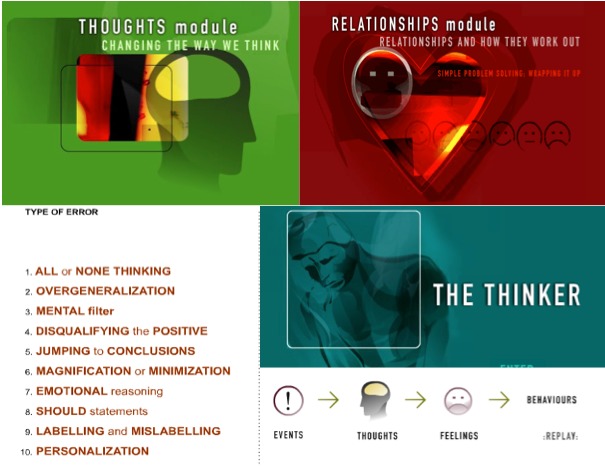
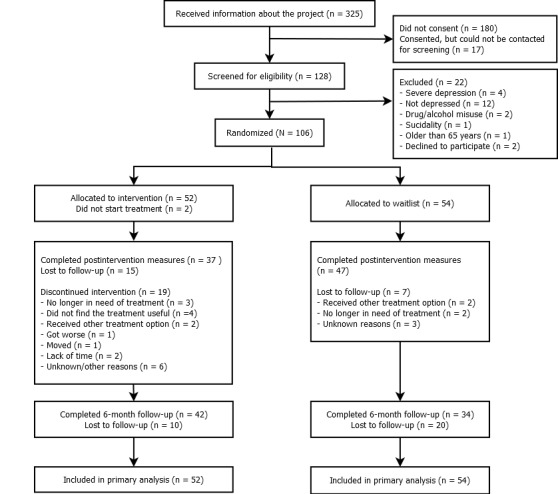
BACKGROUND: Most patients with mild to moderate depression receive treatment in primary care, but despite guideline recommendations, structured psychological interventions are infrequently delivered. Research supports the effectiveness of Internet-based treatment for depression; however, few trials have studied the effect of the MoodGYM program plus therapist support. The use of such interventions could improve the delivery of treatment in primary care. OBJECTIVE: To evaluate the effectiveness and acceptability of a guided Web-based intervention for mild to moderate depression, which could be suitable for implementation in general practice. METHODS: Participants (N=106) aged between 18 and 65 years were recruited from primary care and randomly allocated to a treatment condition comprising 6 weeks of therapist-assisted Web-based cognitive behavioral therapy (CBT), or to a 6-week delayed treatment condition. The intervention included the Norwegian version of the MoodGYM program, brief face-to-face support from a psychologist, and reminder emails. The primary outcome measure, depression symptoms, was measured by the Beck Depression Inventory-II (BDI-II). Secondary outcome measures included the Beck Anxiety Inventory (BAI), the Hospital Anxiety and Depression Scale (HADS), the Satisfaction with Life Scale (SWLS), and the EuroQol Group 5-Dimension Self-Report Questionnaire (EQ-5D). All outcomes were based on self-report and were assessed at baseline, postintervention, and at 6-month follow-up. RESULTS: Postintervention measures were completed by 37 (71%) and 47 (87%) of the 52 participants in the intervention and 54 participants in the delayed treatment group, respectively. Linear mixed-models analyses revealed a significant difference in time trends between the groups for the BDI-II, (P=.002), for HADS depression and anxiety subscales (P<.001 and P=.001, respectively), and for the SWLS (P<.001). No differential group effects were found for the BAI and the EQ-5D. In comparison to the control group, significantly more participants in the intervention group experienced recovery from depression as measured by the BDI-II. Of the 52 participants in the treatment program, 31 (60%) adhered to the program, and overall treatment satisfaction was high. The reduction of depression and anxiety symptoms was largely maintained at 6-month follow-up, and positive gains in life satisfaction were partly maintained. CONCLUSIONS: The intervention combining MoodGYM and brief therapist support can be an effective treatment of depression in a sample of primary care patients. The intervention alleviates depressive symptoms and has a significant positive effect on anxiety symptoms and satisfaction with life. Moderate rates of nonadherence and predominately positive evaluations of the treatment also indicate the acceptability of the intervention. The intervention could potentially be used in a stepped-care approach, but remains to be tested in regular primary health care. TRIAL REGISTRATION: Australian New Zealand Clinical Trials Registry: ACTRN12610000257066; http://apps.who.int/trialsearch/trial.aspx?trialid=ACTRN12610000257066 (Archived by WebCite at http://www.webcitation.org/6Ie3YhIZa).
Overview
The claims and statistics of this paper haven’t been checked yet.
Run the check — free, no account needed. It reads the open-access text and checks the sources it cites.
Integrity signals
Registry
Cites
Statistics
Figures
Verification
Claims the paper makes
The claims and statistics of this paper haven’t been checked yet.
Run the check — free, no account needed. It reads the open-access text and checks the sources it cites.
Claims other papers make about this one
Each is checked against this paper’s own text: does it say what the citing paper says it does?
In the citing paper
“A recent study by Høifødt et al. [35] investigated the effect of a guided web-based intervention with face-to-face support, with positive results on depression and anxiety symptoms.”
Self-check
Percentages, sums and reported differences re-computed from the paper’s own numbers.
The self-check needs the paper’s full text.
Citations
Cites
Statistical Power Analysis for the Behavioral Sciences
Muller, K. E., & Cohen, J. (1989) · Technometrics · doi:10.2307/1270020 · Cited by 99,603
Statistical power analysis for the behavioral sciences
Cohen, J. (1990) · Computers Environment and Urban Systems · doi:10.1016/0198-9715(90)90050-4 · Cited by 65,417
The Hospital Anxiety and Depression Scale
Zigmond, A. S., & Snaith, R. P. (1983) · Acta Psychiatrica Scandinavica · doi:10.1111/j.1600-0447.1983.tb09716.x · Cited by 47,139
The satisfaction with life scale
Diener, E., Emmons, R. A., Larsen, R. J., & Griffin, S. (1985) · Journal of Personality Assessment · doi:10.1207/s15327752jpa4901_13 · Cited by 31,768 · cited 1×
“The SWLS measures global life satisfaction as a cognitive-judgemental process, in which individuals assess their quality of life according to their own criteria [77].”
Background(1998) · The Journal of Clinical Psychiatry · Cited by 19,139
An inventory for measuring clinical anxiety: Psychometric properties.
Beck, A. T., Epstein, N., Brown, G., & Steer, R. A. (1988) · Journal of Consulting and Clinical Psychology · doi:10.1037/0022-006x.56.6.893 · Cited by 14,407 · cited 1×
“The inventory possesses high internal consistency and reliability, as well as robust convergent and discriminant validity [64-66].”
BackgroundSAUNDERS, J. B., AASLAND, O. G., BABOR, T. F., DE LA FUENTE, J. R., & GRANT, M. (1993) · Addiction · doi:10.1111/j.1360-0443.1993.tb02093.x · Cited by 13,597 · cited 2×
“The Alcohol Use Disorders Identification Test (AUDIT) is a screening instrument consisting of 10 questions about alcohol use in the past 12 months, alcohol dependence symptoms, and alcohol-related problems [83].”
BackgroundMethod(1998) · PubMed · Cited by 10,216
The validity of the Hospital Anxiety and Depression Scale
Bjelland, I., Dahl, A. A., Haug, T. T., & Neckelmann, D. (2002) · Journal of Psychosomatic Research · doi:10.1016/s0022-3999(01)00296-3 · Cited by 9,779 · cited 2×
“Most factor analyses confirm a 2-factor solution comprising a depression and an anxiety subscale [69].”
BackgroundJacobson, N. S., & Truax, P. (1991) · Journal of Consulting and Clinical Psychology · doi:10.1037/0022-006x.59.1.12 · Cited by 7,770 · cited 1×
“Clinically significant changes on the BDI-II were assessed using the criteria for reliable change and cutoff points developed for the BDI by Seggar et al [97], based on the definition by Jacobson and Truax [98].”
Method
Research works printed but not linked: 12
- Kessler, RC, 2007, World Psychiatry, 6, 168
- Kessler, RC, 2001, Health Serv Res, 36, 987
- Churchill, R, 2001, Health Technol Assess, 5, 1
- Groves, C, 2003, Working out MoodGYM: A User’s Guide
- Hickie, IB, 2010, Med J Aust, 192, S31
- Wiebe, E, 2005, Can Fam Physician, 51, 992
- Blashki, G, 2003, Aust Fam Physician, 32, 625
- Beck, AT, 1996, BDI-II, Beck Depression Inventory: Manual
- Beck, AT, 1993, Beck Anxiety Inventory: Manual
- Sheehan, DV, 1998, J Clin Psychiatry, 59 Suppl 20, 22
- Barrett, JE, 2001, J Fam Pract, 50, 405
- van Boeijen, CA, 2005, Br J Gen Pract, 55, 763
Cited by
Sorted by citations
Erbe, D., Eichert, H.-C., Riper, H., & Ebert, D. D. (2017) · Journal of Medical Internet Research · doi:10.2196/jmir.6588 · Cited by 532
“Using blended interventions to improve the delivery of evidence-based treatment in primary care has been successful in acceptability and in reducing symptomatology [31,48,50,65,72].”
A systematic review and meta-analysis of psychological interventions to improve mental wellbeing
van Agteren, J., Iasiello, M., Lo, L., Bartholomaeus, J., Kopsaftis, Z., Carey, M., & Kyrios, M. (2021) · Nature Human Behaviour · doi:10.1038/s41562-021-01093-w · Cited by 510
van der Vaart, R., Witting, M., Riper, H., Kooistra, L., Bohlmeijer, E. T., & van Gemert-Pijnen, L. J. (2014) · BMC Psychiatry · doi:10.1186/s12888-014-0355-z · Cited by 273
“[35] investigated the effect of a guided web-based intervention with face-to-face support, with positive results on depression and anxiety symptoms.”
BackgroundEbert, D. D., Berking, M., Cuijpers, P., Lehr, D., Pörtner, M., & Baumeister, H. (2015) · Journal of Affective Disorders · doi:10.1016/j.jad.2015.01.056 · Cited by 268
Finding a Depression App: A Review and Content Analysis of the Depression App Marketplace
Shen, N., Levitan, M.-J., Johnson, A., Bender, J. L., Hamilton-Page, M., Jadad, A. (. R., & Wiljer, D. (2015) · JMIR mHealth and uHealth · doi:10.2196/mhealth.3713 · Cited by 282
“…prevalent function of depression apps was offering behavior training or therapy, with most apps focusing on CBT. Internet-based CBT (ICBT) has shown to be an effective treatment for depression [85], with the magnitude of effects depending on level of support and content of the intervention [86].”
BackgroundGamification and Adherence to Web-Based Mental Health Interventions: A Systematic Review
Brown, M., O'Neill, N., van Woerden, H., Eslambolchilar, P., Jones, M., & John, A. (2016) · JMIR Mental Health · doi:10.2196/mental.5710 · Cited by 178
“However, seven provided clear, detailed descriptions of intervention features, including screenshots and illustrations [27,51,70,76-78].”
Dogan, E., Sander, C., Wagner, X., Hegerl, U., & Kohls, E. (2017) · Journal of Medical Internet Research · doi:10.2196/jmir.7006 · Cited by 177
“Using the Internet to deliver treatment for affective disorders has been shown to be an effective option for reaching patients who were not able to receive face-to-face treatment due to geographical or other situational barriers [21], or to augment face-to-face therapy [22].”
BackgroundEffect of psychotherapy for depression on quality of life: meta-analysis
Kolovos, S., Kleiboer, A., & Cuijpers, P. (2016) · British Journal of Psychiatry · doi:10.1192/bjp.bp.115.175059 · Cited by 153
Wilhelmsen, M., Lillevoll, K., Risør, M. B., Høifødt, R., Johansen, M.-L., Waterloo, K., Eisemann, M., & Kolstrup, N. (2013) · BMC Psychiatry · doi:10.1186/1471-244x-13-296 · Cited by 133
“Patients had to be between 18–65 with access to internet and those who were suicidal, psychotic, or drug abusers were excluded (for more details about the RCT see [11]).”
BackgroundSelf-citationKlein, J. P., Berger, T., Schröder, J., Späth, C., Meyer, B., Caspar, F., Lutz, W., Arndt, A., Greiner, W., Gräfe, V., et al. (2016) · Psychotherapy and Psychosomatics · doi:10.1159/000445355 · Cited by 145
Sztein, D. M., Koransky, C. E., Fegan, L., & Himelhoch, S. (2018) · Journal of Telemedicine and Telecare · doi:10.1177/1357633x17717402 · Cited by 135
Twomey, C., & O’Reilly, G. (2017) · Australian & New Zealand Journal of Psychiatry · doi:10.1177/0004867416656258 · Cited by 133
Improving the Efficiency of Psychotherapy for Depression: Computer-Assisted Versus Standard CBT
Thase, M. E., Wright, J. H., Eells, T. D., Barrett, M. S., Wisniewski, S. R., Balasubramani, G. K., McCrone, P., & Brown, G. K. (2018) · American Journal of Psychiatry · doi:10.1176/appi.ajp.2017.17010089 · Cited by 131
Web-Based Intervention Programs for Depression: A Scoping Review and Evaluation
Renton, T., Tang, H., Ennis, N., Cusimano, M. D., Bhalerao, S., Schweizer, T. A., & Topolovec-Vranic, J. (2014) · Journal of Medical Internet Research · doi:10.2196/jmir.3147 · Cited by 116
“A recent study using MoodGYM plus brief face-to-face therapist support indicated positive results in the reduction of symptoms of depression in a primary care setting [45].”
Twomey, C., O’Reilly, G., & Byrne, M. (2015) · Family Practice · doi:10.1093/fampra/cmu060 · Cited by 123
Zhang, A., Borhneimer, L. A., Weaver, A., Franklin, C., Hai, A. H., Guz, S., & Li, S. (2019) · Journal of Behavioral Medicine · doi:10.1007/s10865-019-00046-z · Cited by 135
“Each session lasting 90 min HAMD DSM-IV HAMD IDS PC, depression Høifødt et al. (2013) T = 52 C = 54 36.1 years old, 27.4% male, Race NR W/NT Online modules with therapists’ background not reported PCP no involvement Online CBT MoodGYM version with 5 modules.”
MethodInfluentialMassoudi, B., Holvast, F., Bockting, C. L. H., Burger, H., & Blanker, M. H. (2019) · Journal of Affective Disorders · doi:10.1016/j.jad.2018.11.050 · Cited by 101
Internet and mobile interventions for depression: Opportunities and challenges: Cuijpers et al .
Cuijpers, P., Kleiboer, A., Karyotaki, E., & Riper, H. (2017) · Depression and Anxiety · doi:10.1002/da.22641 · Cited by 112
“We conducted a meta-analysis of 21 studies directly comparing face-to-face treatments with guided self-help therapies for depressive and anxiety disorders (Høifødt et al., 2013).”
MethodCognitive behaviour therapy for depression in primary care: systematic review and meta-analysis
Santoft, F., Axelsson, E., Öst, L.-G., Hedman-Lagerlöf, M., Fust, J., & Hedman-Lagerlöf, E. (2019) · Psychological Medicine · doi:10.1017/s0033291718004208 · Cited by 105
“1) (Teasdale et al., 1984; Ross and Scott, 1985; Scott and Freeman, 1992; Scott et al., 1997; Ward et al., 2000; Watson et al., 2003; Willemse et al., 2004; Dalgard, 2006; Smit et al., 2006; González González et al., 2007; Spek et al., 2007; Laidlaw et al., 2008; Lovell et al., 2008; Wiles et al., 2008; Kessler et al.…”
Jones, S. L., Hadjistavropoulos, H. D., & Soucy, J. N. (2016) · Journal of Anxiety Disorders · doi:10.1016/j.janxdis.2015.10.006 · Cited by 110
Kenter, R. M. F., van de Ven, P. M., Cuijpers, P., Koole, G., Niamat, S., Gerrits, R. S., Willems, M., & van Straten, A. (2015) · Internet Interventions · doi:10.1016/j.invent.2015.01.001 · Cited by 105
Twomey, C., O'Reilly, G., Byrne, M., Bury, M., White, A., Kissane, S., McMahon, A., & Clancy, N. (2014) · British Journal of Clinical Psychology · doi:10.1111/bjc.12055 · Cited by 100
“…pertaining to MoodGYM’s effectiveness for anxiety symptom reduction (d = .01) replicate the findings of Schneider et al. (2012), (d = .19), and Hoifodt et al. (2013), (d = .08), but not the findings of Calear et al. (2009), (d = .15), Sethi et al. (2010), (d = .54), Ellis et al. (2011), (d =…”
BackgroundMethodResultInfluentialForbes, A., Keleher, M. R., Venditto, M., & DiBiasi, F. (2023) · Journal of Medical Internet Research · doi:10.2196/43727 · Cited by 102
“A few studies integrated the digital intervention with face-to-face meetings, either with a therapist [104,112] or in a group counseling session [85,125].”
Computer-Assisted Cognitive-Behavior Therapy and Mobile Apps for Depression and Anxiety
Wright, J. H., Mishkind, M., Eells, T. D., & Chan, S. R. (2019) · Current Psychiatry Reports · doi:10.1007/s11920-019-1031-2 · Cited by 93
User Acceptance of Computerized Cognitive Behavioral Therapy for Depression: Systematic Review
Rost, T., Stein, J., Löbner, M., Kersting, A., Luck-Sikorski, C., & Riedel-Heller, S. G. (2017) · Journal of Medical Internet Research · doi:10.2196/jmir.7662 · Cited by 91
“Moreover, four studies documented take-up rates as follows: 83.3% [39], 56.9% [44], 97% [40], and 39% [12].”
BackgroundInfluentialKooistra, L. C., Ruwaard, J., Wiersma, J. E., van Oppen, P., van der Vaart, R., van Gemert-Pijnen, J. E. W. C., & Riper, H. (2016) · Internet Interventions · doi:10.1016/j.invent.2016.01.003 · Cited by 92
Kooistra, L. C., Wiersma, J. E., Ruwaard, J., Neijenhuijs, K., Lokkerbol, J., van Oppen, P., Smit, F., & Riper, H. (2019) · Journal of Medical Internet Research · doi:10.2196/14261 · Cited by 84
Montero-Marín, J., Araya, R., Pérez-Yus, M. C., Mayoral, F., Gili, M., Botella, C., Baños, R., Castro, A., Romero-Sanchiz, P., López-Del-Hoyo, Y., et al. (2016) · Journal of Medical Internet Research · doi:10.2196/jmir.5695 · Cited by 75
“In fact, our procedure was as close as possible to the usual practice, and thus, it might increase the likelihood that the program might be used in the PC health services in Spain, where most depressed patients are treated [43].”
Kooistra, L. C., Wiersma, J. E., Ruwaard, J., van Oppen, P., Smit, F., Lokkerbol, J., Cuijpers, P., & Riper, H. (2014) · BMC Psychiatry · doi:10.1186/s12888-014-0290-z · Cited by 82
“Most studies focused on evaluating clinical outcomes where online CBT is provided in addition to care-as-usual, either by a GP in primary care [25-27] or by mental health care providers in primary and secondary care settings [28].”
BackgroundLöbner, M., Pabst, A., Stein, J., Dorow, M., Matschinger, H., Luppa, M., Maroß, A., Kersting, A., König, H.-H., & Riedel-Heller, S. G. (2018) · Journal of Affective Disorders · doi:10.1016/j.jad.2018.06.008 · Cited by 72
Lungu, A., Jun, J. J., Azarmanesh, O., Leykin, Y., & Chen, C. E.-J. (2020) · Journal of Medical Internet Research · doi:10.2196/18723 · Cited by 75
Zhang, A., Franklin, C., Jing, S., Bornheimer, L. A., Hai, A. H., Himle, J. A., Kong, D., & Ji, Q. (2018) · Journal of Affective Disorders · doi:10.1016/j.jad.2018.12.008 · Cited by 89
Dorow, M., Löbner, M., Pabst, A., Stein, J., & Riedel-Heller, S. G. (2018) · Frontiers in Psychiatry · doi:10.3389/fpsyt.2018.00181 · Cited by 80
“Additionally, compared to patients with a high educational level, those with lower education have been found to bemore likely to drop out from internet-based CBT interventions (75) or trials investigating the effectiveness and acceptability of iCBT (76).”
BackgroundBoggs, J. M., Beck, A., Felder, J. N., Dimidjian, S., Metcalf, C. A., & Segal, Z. V. (2014) · Journal of Medical Internet Research · doi:10.2196/jmir.3129 · Cited by 62
“60) [8,11] and high user acceptability and satisfaction [12-14], particularly when combined with the use of reminders or live support [15,16].”
BackgroundHagen, R., Hjemdal, O., Solem, S., Kennair, L. E. O., Nordahl, H. M., Fisher, P., & Adrian Wells, A. (2017) · Frontiers in Psychology · doi:10.3389/fpsyg.2017.00031 · Cited by 78
Ahern, E., Kinsella, S., & Semkovska, M. (2017) · Expert Review of Pharmacoeconomics & Outcomes Research · doi:10.1080/14737167.2018.1407245 · Cited by 75
“Less frequently, therapist support was maximized through face-to-face sessions, which were used to complement the online delivery of CBT content [45,48,49], or with sessions completed entirely with the therapist through synchronous, secure online messaging [50].”
MethodKenter, R., Cuijpers, P., Beekman, A., & van Straten, A. (2016) · Journal of Medical Internet Research · doi:10.2196/jmir.4861 · Cited by 66
“The results of our study also compare poorly with those of other studies of Internet-based cognitive behavioral therapy (iCBT) in routine care [12,15,34].”
Rosso, I. M., Killgore, W. D. S., Olson, E. A., Webb, C. A., Fukunaga, R., Auerbach, R. P., Gogel, H., Buchholz, J. L., & Rauch, S. L. (2016) · Depression and Anxiety · doi:10.1002/da.22590 · Cited by 65
Working alliance as a predictor of change in depression during blended cognitive behaviour therapy
Vernmark, K., Hesser, H., Topooco, N., Berger, T., Riper, H., Luuk, L., Backlund, L., Carlbring, P., & Andersson, G. (2019) · Cognitive Behaviour Therapy · doi:10.1080/16506073.2018.1533577 · Cited by 59
“To date, little is known about the effects of bCBT, but the results so far seem promising (Høifødt et al., 2013).”
BackgroundWilhelmsen, M., Høifødt, R. S., Kolstrup, N., Waterloo, K. K., Eisemann, M. R., Chenhall, R. D., & Risør, M. B. (2014) · Journal of Medical Internet Research · doi:10.2196/jmir.3556 · Cited by 58
“It has been proven in trials to be effective in alleviating depression as a self-administered self-help program [26] and as guided ICBT for patients from primary care [10].”
Self-citationInternet-based treatment of depression
Cuijpers, P. J., Riper, H. M., & Andersson, G. (2015) · Current Opinion in Psychology · doi:10.1016/j.copsyc.2014.12.026 · Cited by 55
Acceptability of Digital Mental Health Interventions for Depression and Anxiety: Systematic Review
Lau, C. K. Y., Saad, A., Camara, B., Rahman, D., & Bolea-Alamanac, B. (2024) · Journal of Medical Internet Research · doi:10.2196/52609 · Cited by 51
Kemmeren, L., van Schaik, A., Riper, H. M., Kleiboer, A. M., Bosmans, J. E., & Smit, J. H. (2016) · BMC Psychiatry · doi:10.1186/s12888-016-0818-5 · Cited by 49
Wahle, F., Bollhalder, L., Kowatsch, T., & Fleisch, E. (2017) · Journal of Medical Internet Research · doi:10.2196/jmir.7381 · Cited by 48
“Only a small number of included studies made use of self-monitoring components, such as symptom tracking and tracking reminders, yet they are seen as key features of psychotherapy in particular [40,96], and in behavior-change interventions in general [12,115-118].”
Background(2024) · doi:10.2196/49660 · Cited by 45
“%) studies [23,26,37-43, 45-48,”
BackgroundResultInfluentialInternet‐Based Psychotherapy for Adult Depression: What About the Mechanisms of Change?
Mogoaşe, C., Cobeanu, O., David, D., Giosan, C., & Szentágotai, A. (2016) · Journal of Clinical Psychology · doi:10.1002/jclp.22326 · Cited by 48
Schuster, R., Leitner, I., Carlbring, P., & Laireiter, A.-R. (2017) · Internet Interventions · doi:10.1016/j.invent.2017.04.001 · Cited by 42
“…was high and findings correspond to other studies employing face-to-face and computerised intervention components in individual therapy for depression (Hoifodt et al., 2013; Mansson et al., 2013) and group therapy for anxiety disorders (Gruber et al., 2001; Przeworski and Newman, 2004).”
ResultBlended CBT versus face-to-face CBT: a randomised non-inferiority trial
Mathiasen, K., Andersen, T. E., Riper, H. M., Kleiboer, A. M., & Roessler, K. K. (2016) · BMC Psychiatry · doi:10.1186/s12888-016-1140-y · Cited by 40
“In a randomised controlled trial conducted in primary care in Tromsø, Norway clinical psychologists delivered 30 min sessions following each online module [24].”
van der Zweerde, T., Lancee, J., Slottje, P., Bosmans, J. E., Someren, E. J. W. V., Reynolds, C. F., Cuijpers, P. J., & van Straten, A. (2016) · BMC Psychiatry · doi:10.1186/s12888-016-0783-z · Cited by 41
“depression [74].”
Yates, T. E., Gray, L. J., Henson, J. J., Edwardson, C. L., Khunti, K., & Davies, M. J. (2019) · Diabetes Care · doi:10.2337/dc19-0400 · Cited by 38
Wright, J. H., Owen, J. J., Eells, T. D., Antle, B. F., Bishop, L. B., Girdler, R. V., Harris, L. M., Wright, R. B., Wells, M. J., Gopalraj, R. K., et al. (2022) · JAMA Network Open · doi:10.1001/jamanetworkopen.2021.46716 · Cited by 41
Kemmeren, L. L., van Schaik, A., Smit, J. H., Ruwaard, J., Rocha, A., Henriques, M., Ebert, D. D., Titzler, I., Hazo, J.-B., Dorsey, M., et al. (2019) · JMIR Mental Health · doi:10.2196/12707 · Cited by 36
“The FTF and Web-based sessions in, for example, the study of Kooistra et al [29] were highly structured, whereas others provided more flexibility in order and dosage for a more adaptable approach [28,30].”
BackgroundMethodMathiasen, K., Andersen, T. E., Lichtenstein, M. B., Ehlers, L. H., Riper, H., Kleiboer, A., & Roessler, K. K. (2022) · Journal of Medical Internet Research · doi:10.2196/36577 · Cited by 34
“In a randomized controlled trial conducted in primary care in Tromsø, Norway, clinical psychologists delivered 30-minute sessions following each online module [29].”
Sundram, F., Hawken, S. J., Stasiak, K., Lucassen, M. F. G., Fleming, T. M., Shepherd, M., Greenwood, A., Osborne, R., & Merry, S. (2017) · JMIR Mental Health · doi:10.2196/mental.5878 · Cited by 32
Høifødt, R. S., Mittner, M., Lillevoll, K. R., Katla, S. K., Kolstrup, N., Eisemann, M. R., Friborg, O., & Waterloo, K. K. (2015) · Journal of Medical Internet Research · doi:10.2196/jmir.4351 · Cited by 35
“A more detailed account of the study methods is given in Høifødt et al [13].”
InfluentialSelf-citationKooistra, L., Ruwaard, J., Wiersma, J., van Oppen, P., & Riper, H. (2020) · Journal of Clinical Medicine · doi:10.3390/jcm9020347 · Cited by 30
Haaf, R., Vock, P., Wächtershäuser, N., Correll, C. U., Köhler, S., & Klein, J. P. (2024) · Der Nervenarzt · doi:10.1007/s00115-023-01587-0 · Cited by 30
A review of web-based support systems for students in higher education
Παπαδάτου-Παστού, Μ., Goozée, R., Payne, E., Barrable, A., & Tzotzoli, P. (2017) · International Journal of Mental Health Systems · doi:10.1186/s13033-017-0165-z · Cited by 35
“Another RCT of the same system in primary care patients with depression found improved measures of recovery [63].”
BackgroundArensman, E., Koburger, N., Larkin, C., Karwig, G., Coffey, C., Maxwell, M., Harris, F., Rummel‐Kluge, C., Audenhove, C. V., Sisask, M., et al. (2015) · JMIR Research Protocols · doi:10.2196/resprot.4358 · Cited by 29
Παπαδάτου-Παστού, Μ., Campbell-Thompson, L., Barley, E. A., Haddad, M., Lafarge, C., McKeown, E., Simeonov, L., & Tzotzoli, P. (2019) · International Journal of Mental Health Systems · doi:10.1186/s13033-019-0308-5 · Cited by 28
Computer-Assisted CBT and Mobile Apps for Depression: Assessment and Integration Into Clinical Care
Wright, J. H., & Mishkind, M. C. (2020) · FOCUS The Journal of Lifelong Learning in Psychiatry · doi:10.1176/appi.focus.20190044 · Cited by 27
Dorow, M., Stein, J., Förster, F., Löbner, M., Franz, M., Günther, R., Schröder, R., Sommer, D., Möller, D., Dekoj, M. C., et al. (2018) · Psychiatrische Praxis · doi:10.1055/s-0043-117049 · Cited by 18
Zhao, D., Lustria, M. L. A., & Hendrickse, J. (2017) · Patient Education and Counseling · doi:10.1016/j.pec.2017.01.004 · Cited by 27
Moradi, M., Akbari, M., & Alavi, M. (2022) · Perspectives In Psychiatric Care · doi:10.1111/ppc.13125 · Cited by 31
Kemmeren, L. L., van Schaik, A., Draisma, S., Kleiboer, A., Riper, H., & Smit, J. H. (2023) · Cognitive Therapy and Research · doi:10.1007/s10608-023-10363-y · Cited by 22
“Regarding treatment outcomes of efficacy trials on integrated blended treatments conducted so far, initial results indicate a decrease of depressive symptoms following treatment based on blending FTF therapy with digital technology-based support (Berger et al., 2018; Høifødt et al., 2013; Kooistra et al., 2019; Ly et…”
BackgroundPersonalization in Digital Psychological Interventions for Young Adults
Jahedi, F., Henman, P. W. F., & Ryan, J. C. (2022) · International Journal of Human-Computer Interaction · doi:10.1080/10447318.2022.2158261 · Cited by 24
“…al., 2011; Lucassen et al., 2015; Ruggiero et al., 2015; Shepherd et al., 2018; Stjerneklar et al., 2018), three studies personalized presentation (Høifødt et al., 2013; Lucassen et al., 2015; Shepherd et al., 2018), and two personalized intervention strategies (Neal-Barnett et al., 2019; Price…”
BackgroundMethodInfluentialChallenges and opportunities for e-mental health policy: an Estonian case study
Sogomonjan, M. (2020) · Contemporary Social Science · doi:10.1080/21582041.2020.1720795 · Cited by 19
“…of e-mental health therapies blended with traditional guided mental health interventions, already in use in the EU, Australia and the USA, has shown how they can facilitate and increase access to treatment (Berger et al., 2017; Hickie et al., 2010; Høifødt et al., 2013; Rollman et al., 2017).”
BackgroundPráticas em saúde mental na atenção primária à saúde
Frateschi, M. S., & Cardoso, C. L. (2016) · Psico · doi:10.15448/1980-8623.2016.2.22024 · Cited by 19
“…o contato social e o fortalecimento dos vínculos por meio de visitas domiciliares (Kerse et al., 2010) e de atendimentos individuais com terapeuta (Høifødt et al., 2013); o cuidado longitudinal e sistematizado (Gidding, Spigt, & Dinant, 2013; Kerse et al., 2010; Høifødt et al., 2013; Huijbregts,…”
Friedl, N., Krieger, T., Chevreul, K., Hazo, J., Holtzmann, J., Hoogendoorn, M., Kleiboer, A. M., Mathiasen, K., Urech, A., Riper, H. M., et al. (2020) · Journal of Clinical Medicine · doi:10.3390/jcm9020490 · Cited by 20
Murata, T., Hiramatsu, Y., Yamada, F., Seki, Y., Nagata, S., Shibuya, T., Yokoo, M., Noguchi, R., Tanaka, M., Oshiro, K., et al. (2019) · BMC Research Notes · doi:10.1186/s13104-019-4758-2 · Cited by 17
Simmonds‐Buckley, M., Bennion, M. R., Kellett, S., Millings, A., Hardy, G. E., & Moore, R. K. (2020) · Journal of Medical Internet Research · doi:10.2196/17049 · Cited by 16
“Details of the included studies can be found in Multimedia Appendix 2[32-55].”
Tong, A. C. Y., Ho, F. S., Chu, O. H., & Mak, W. W. S. (2023) · Journal of Medical Internet Research · doi:10.2196/39029 · Cited by 19
Kirkovits, T., Schinkoethe, T., Drewes, C., Gehring, C., Bauerfeind, I., Harbeck, N., & Wuerstlein, R. (2016) · JMIR Cancer · doi:10.2196/cancer.5132 · Cited by 17
“Many surveys have already demonstrated that it is possible to implement a patient support system using eHealth [7,10-13,24-31], but little is known about physicians’ acceptance of such technologies.”
BackgroundUsing virtual reality to reduce state anxiety and stress in University students: An experiment
Camara, D., & Hicks, R. E. (2019) · Bond University Research Portal (Bond University) · doi:10.5176/2345-7929_4.2.100 · Cited by 17
Kuroda, N., Burkey, M. D., & Wissow, L. S. (2021) · Journal of General Internal Medicine · doi:10.1007/s11606-020-06449-y · Cited by 16
Andersson, G., Wagner, B., & Cuijpers, P. J. (2016) · Springer eBooks · doi:10.1007/978-3-319-06083-5_2 · Cited by 15
Shafierizi, S., Faramarzi, M., Amiri, F. N., Chehrazi, M., Basirat, Z., Kheirkhah, F., & Pasha, H. (2023) · Psychotherapy Research · doi:10.1080/10503307.2022.2158763 · Cited by 15
“The sample size was measured according to a previous study (Høifødt et al., 2013).”
MethodInfluentialA stress management intervention for adults living with HIV in Nigerian community settings
Nwobi, A. U., Eseadi, C., Obetta, K. C., Ekwealor, N. E., Ogbonnaya, K. A., Oboegbulem, A. I., Chinweuba, N. H., Mbagwu, F., Vita-Agundu, U. C., Okpoko, C. C., et al. (2018) · Medicine · doi:10.1097/md.0000000000012801 · Cited by 18
Branquinho, M., Canavarro, M. C., & Fonseca, A. (2020) · International Journal of Environmental Research and Public Health · doi:10.3390/ijerph17228631 · Cited by 16
“There is growing evidence of the efficacy of blended treatments for several psychological disorders [24], including depression [21,28,29].”
BackgroundMassoudi, B., Blanker, M. H., van Valen, E., Wouters, H., Bockting, C., & Burger, H. (2017) · BMC Psychiatry · doi:10.1186/s12888-017-1376-1 · Cited by 15
E-mental health services in Australia 2014: current and future
Christensen, H. M., Proudfoot, J. G., Woodward, A., Hosie, A., Klein, B., Morgan, C., Kavanagh, D. J., Andrews, G., Harman, G., Burns, J. S., et al. (2014) · Swinburne figshare (Swinburne University of Technology) · Cited by 13
Self-citationStuart, R., Fischer, H. J., Leitzke, A., Becker, D., Saheba, N., & Coleman, K. J. (2022) · The Permanente Journal · doi:10.7812/tpp/21.183 · Cited by 12
Omylinska‐Thurston, J., Aithal, S., Liverpool, S., Clark, R. D., Moula, Z., Wood, J., Viliardos, L., Rodríguez-Dorans, E., Farish-Edwards, F., Parsons, A. S., et al. (2024) · JMIR Mental Health · doi:10.2196/55500 · Cited by 15
“Reference was also made to the “suitability” of the interventions, as it allowed clients to undertake therapy at their own pace, time, and place [41], and “acceptability,” when participants liked working in private due to discomfort related to working with personal issues [49].”
BackgroundHome-Based tDCS: Design, Feasibility and Safety Considerations
Alonzo, A., & Charvet, L. E. (2016) · Springer eBooks · doi:10.1007/978-3-319-33967-2_23 · Cited by 11
Silverstone, P. H., Rittenbach, K., Suen, V. Y. M., Moretzsohn, A. G., Cribben, I., Bercov, M., Allen, A., Pryce, C., Hamza, D. M., & Trew, M. (2017) · Frontiers in Psychiatry · doi:10.3389/fpsyt.2017.00032 · Cited by 12
“It should be noted, however, that while online psychotherapy programs are useful, they seem to be most effective when combined with face-to-face guided support (49).”
BackgroundLungu, A., Wickham, R. E., Chen, S.-Y., Jun, J. J., Leykin, Y., & Chen, C. E.-J. (2022) · Internet Interventions · doi:10.1016/j.invent.2022.100536 · Cited by 11
Rajeshkumar, L., Mishkind, M. C., Coleman, J. J., Pahwa, M., LaPreze, D., Solenske, S., & Wright, J. H. (2024) · Journal of Psychiatric Practice · doi:10.1097/pra.0000000000000815 · Cited by 12
“38 – 41 The Sadness Program , an Australian contribution to CCBT, has been investigated in clinician-supported versus technician-supported formats compared with a waitlist control.”
Social Cognitive Theories and Electronic Health Design: Scoping Review
Grace-Farfaglia, P. (2019) · JMIR Human Factors · doi:10.2196/11544 · Cited by 14
“Studies were coded by the author for theoretical framework, tools (informational aid, expressive aid, and gaming), and content that was tailored to each user (Multimedia Appendix 2 [27,36-196]).”
Cunningham, J. A., Godinho, A., Hendershot, C. S., KAY‐LAMBKIN, F. J., Neighbors, C., Griffiths, K. M., & Schell, C. (2021) · Internet Interventions · doi:10.1016/j.invent.2021.100477 · Cited by 10
“Participants in the M-only group were provided access to MoodGYM, a popular automated online intervention for depression with multiple trials demonstrating its efficacy (Bennett et al., 2010; Calear et al., 2009; Christensen et al., 2004; Griffiths et al., 2004; Hickie et al., 2010; Hoifodt et al., 2013; Mackinnon et…”
MethodSelf-citationGuided Internet-Delivered Treatment for Depression: Scoping Review
Børtveit, L., Dechsling, A., Sütterlin, S., Nordgreen, T., & Nordahl‐Hansen, A. (2022) · JMIR Mental Health · doi:10.2196/37342 · Cited by 11
“In Multimedia Appendix 5 [17,73-182], the data charted from and the characteristics of the different sources of evidence are presented.”
BackgroundRoepke, S. K., & Dong, X. (2015) · Journal of the American Geriatrics Society · doi:10.1111/jgs.13613 · Cited by 13
“Recent investigations have also focused on brief cognitive behavioral interventions that are more accessible to a wide range of individuals in that they are deliverable in the primary care setting and on-line.(48,49) Future work might focus on developing such brief, accessible cognitive behavioral interventions target…”
BackgroundCunningham, J. A., Hendershot, C. S., KAY‐LAMBKIN, F. J., Neighbors, C., Griffiths, K. M., Bennett, K., Bennett, A., Godinho, A., & Schell, C. (2018) · BMJ Open · doi:10.1136/bmjopen-2018-022412 · Cited by 11
Self-citationGrünzig, S.-D., Bengel, J., Göhner, W., & Krämer, L. V. (2018) · PPmP - Psychotherapie · Psychosomatik · Medizinische Psychologie · doi:10.1055/a-0630-2397 · Cited by 10
“Unter den begleiteten Selbsthilfeinterventionen wird bei Høifødt ([55]; Online-Training mit Face-to-Face Support) nicht berichtet, ob und wenn ja, in welchem Ausmaß die Teilnehmenden zwischen Baseline und T1 (7 Wochen) andere Gesundheitsleistungen in Anspruch nahmen.”
BackgroundMethodInfluentialDissemination of computer-assisted cognitive-behavior therapy for depression in primary care
Antle, B. F., Owen, J. J., Eells, T. D., Wells, M. J., Harris, L. M., Cappiccie, A., Wright, B., Williams, S. M., & Wright, J. H. (2018) · Contemporary Clinical Trials · doi:10.1016/j.cct.2018.11.001 · Cited by 10
Skaczkowski, G., van der Kruk, S., Loxton, S., Hughes-Barton, D., Howell, C., Turnbull, D., Jensen, N., Smout, M., & Gunn, K. (2022) · JMIR Mental Health · doi:10.2196/31018 · Cited by 9
“The quality of this evidence is high, with a number of randomized controlled trials (RCTs; eg, the studies by McDermott et al [10], Powell et al [12], and Kiropoulos et al [13]) and systematic reviews (eg, the studies by Renton et al [15] and Ashford et al [16]) illustrating their value.”
BackgroundInfluentialKatzman, M. A., Anand, L., Furtado, M., & Chokka, P. R. (2014) · Psychiatry Research · doi:10.1016/s0165-1781(14)70002-2 · Cited by 9
Davies, S. R., Caldwell, D. M., López-López, J. A., Dawson, S., Wiles, N., Kessler, D. S., Welton, N. J., & Churchill, R. C. (2018) · Cochrane Database of Systematic Reviews · doi:10.1002/14651858.cd013140 · Cited by 9
Andersson, G., Nordgren, L. B., Buhrman, M., & Carlbring, P. (2015) · Revista de Psicopatología y Psicología Clínica · doi:10.5944/rppc.vol.19.num.3.2014.13903 · Cited by 8
Gutiérrez, G., Gizzarelli, T., Moghimi, E., Vázquez, G. H., & Alavi, N. (2023) · Journal of Affective Disorders · doi:10.1016/j.jad.2023.09.005 · Cited by 8
Bae, E. S., & Yeum, D. M. (2015) · Korean Journal of Adult Nursing · doi:10.7475/kjan.2015.27.2.223 · Cited by 8
“이러한 심리적 증상은 비용효과, 효과적인 전달 체계 및 접근성이 높은 근거중심치료의 요구도가 크다[8].”
Metadata
- Authors
- Høifødt, R. S., Lillevoll, K. R., Griffiths, K. M., Wilsgaard, T., Eisemann, M., Waterloo, K., & Kolstrup, N.
- Affiliations
- UiT The Arctic University of Norway (NO)
- Australian National University (AU)
- Corresponding author
- Høifødt, Ragnhild Sørensen
- ORCID
- Venue
- Journal of Medical Internet Research
- Publisher
- JMIR Publications Inc.
- Published
- 2013-08-05
- Volume
- 15
- Issue
- 8
- Pages
- e153
- ISSN
- 1438-8871 (ISSN-L)
- PMC
- PMC3742404
- OpenAlex
- W2075700213
- Cited by
- 154
- References
- 114
- Citations by year
- 2026: 3 · 2025: 8 · 2024: 13 · 2023: 7 · 2022: 11 · 2021: 9 · 2020: 10 · 2019: 12 · 2018: 13 · 2017: 21 · 2016: 21 · 2015: 15 · 2014: 10 · 2013: 1
- FWCI
- 24.14
- Type
- journal article
- Language
- en
- Open access
- gold
- doi.org
- Licence
- cc-by
- Locations
- Journal of Medical Internet Research (publishedVersion, cc-by)
- Europe PMC (PubMed Central) (publishedVersion, cc-by)
- PubMed Central (publishedVersion, cc-by)
- PubMed (publishedVersion)
- DOAJ (DOAJ: Directory of Open Access Journals) (submittedVersion, cc-by-sa)
- NORA - Norwegian Open Research Archives (submittedVersion, other-oa)
- ANU Open Research (Australian National University) (submittedVersion)
- Funders
- Universitetet i Tromsø
- Australian National University
- Norges Forskningsråd
- Topics
- Social Sciences › Psychology › Applied Psychology › Digital Mental Health Interventions
- Social Sciences › Psychology › Experimental and Cognitive Psychology › Anxiety, Depression, Psychometrics, Treatment, Cognitive Processes
- Health Sciences › Medicine › Psychiatry and Mental health › Mental Health Treatment and Access
- Keywords
- depression, internet-based cognitive behavioral therapy, MoodGYM, primary care, mild to moderate depression, medication adherence, treatment satisfaction, anxiety symptoms, life satisfaction, treatment delay, acceptability, cost-effectiveness, quality of life
- MeSH terms
- Adult, Depression, Female, Humans, Male, Middle Aged, Patient Compliance, Primary Health Care, Cognitive Behavioral Therapy, Internet
About these checks
Registry, retraction, Cites and statistics results are computed, not judged, with one exception: a printed reference that no index lists is read once by a model before it counts as a citation error. Claims are extracted by a model and kept only when their quote appears verbatim in the text; each cited source is then checked, with a model’s help, for whether it says what the claim relies on. Those verdicts can be wrong — read the claim’s quote and the cited source before relying on one.
Statistics and arithmetic are recomputed, not judged.
Confidence bands are shown only for fields calibrated on our annotated test set. None is calibrated yet, so no band is shown.
What counts as a claim ›How we measure confidence ›How we check this ›
Are you an author, or do you see a problem with this page? Request a review
