

From the Triumvirate to the Ominous Octet: A New Paradigm for the Treatment of Type 2 Diabetes Mellitus.
Open accessThe DOI matches its Crossref record; 303 of the 307 references it cites were found in a registry or an index.
Abstract
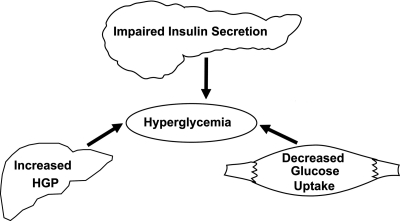
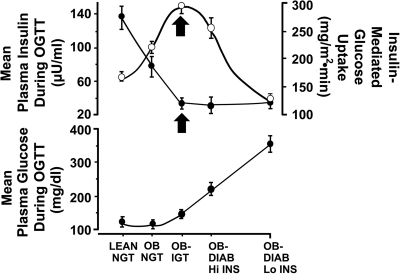
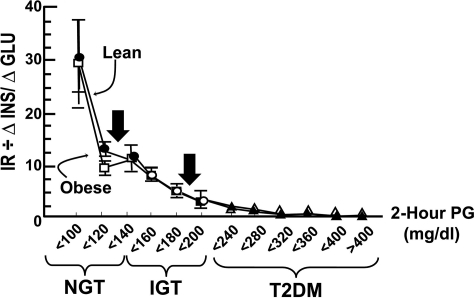
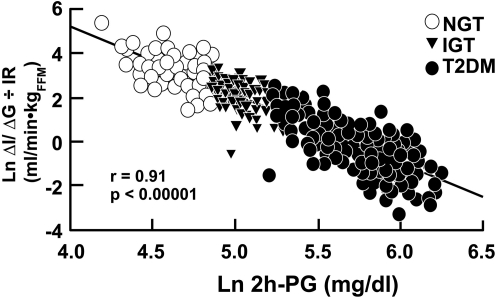
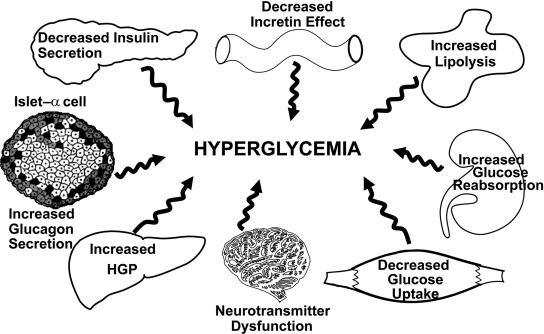
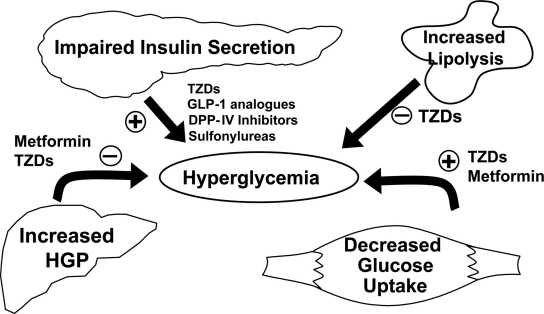
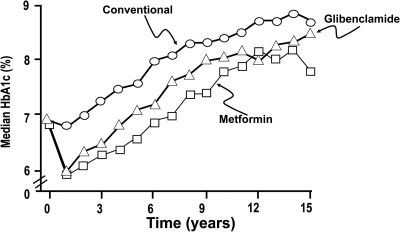
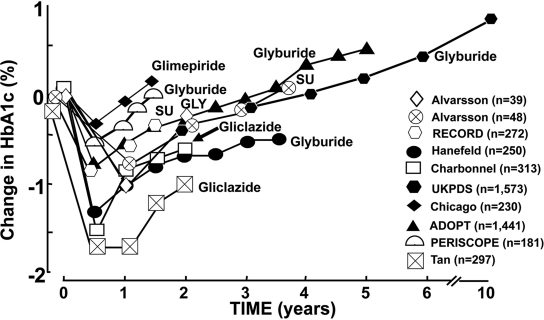
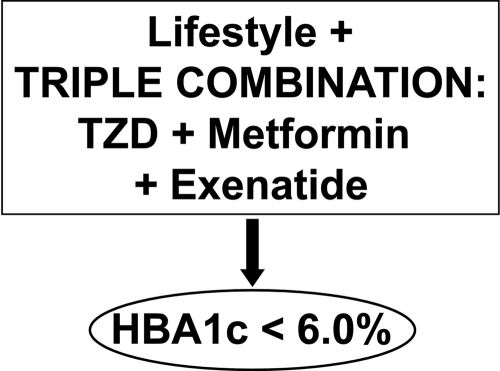
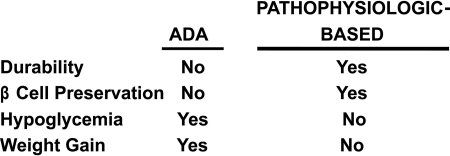
Insulin resistance in muscle and liver and β-cell failure represent the core pathophysiologic defects in type 2 diabetes. It now is recognized that the β-cell failure occurs much earlier and is more severe than previously thought. Subjects in the upper tertile of impaired glucose tolerance (IGT) are maximally/near-maximally insulin resistant and have lost over 80% of their β-cell function. In addition to the muscle, liver, and β-cell (triumvirate), the fat cell (accelerated lipolysis), gastrointestinal tract (incretin deficiency/resistance), α-cell (hyperglucagonemia), kidney (increased glucose reabsorption), and brain (insulin resistance) all play important roles in the development of glucose intolerance in type 2 diabetic individuals. Collectively, these eight players comprise the ominous octet and dictate that: 1 ) multiple drugs used in combination will be required to correct the multiple pathophysiological defects, 2 ) treatment should be based upon reversal of known pathogenic abnormalities and not simply on reducing the A1C, and 3 ) therapy must be started early to prevent/slow the progressive β-cell failure that already is well established in IGT subjects. A treatment paradigm shift is recommended in which combination therapy is initiated with diet/exercise, metformin (which improves insulin sensitivity and has antiatherogenic effects), a thiazolidinedione (TZD) (which improves insulin sensitivity, preserves β-cell function, and exerts antiatherogenic effects), and exenatide (which preserves β-cell function and promotes weight loss). Sulfonylureas are not recommended because, after an initial improvement in glycemic control, they are associated with a progressive rise in A1C and progressive loss of β-cell function. The natural history of type 2 diabetes has been well described in multiple populations (1–16) (rev. in (17,18). Individuals destined to develop type 2 diabetes inherit a set of genes from their parents that make their tissues resistant to insulin (1,16,19–24). In liver, the insulin resistance is manifested by …
Overview
The claims and statistics of this paper haven’t been checked yet.
Free: it reads the open-access text and checks the first 5 claims that cite a source we can check. Create a free account to check every claim.
Integrity signals
Registry
Cites
Statistics
Figures
Verification
Claims the paper makes
The claims and statistics of this paper haven’t been checked yet.
Free: it reads the open-access text and checks the first 5 claims that cite a source we can check. Create a free account to check every claim.
Claims other papers make about this one
Each is checked against this paper’s own text: does it say what the citing paper says it does?
The cited source doesn’t support the claim as written.
In the citing paper
“The first stage of diabetes development is a long compensatory period when insulin resistance is present and accompanied by increased rates of insulin secretion44 and an increased β-cell mass.39”
From Prediabetes: a high-risk state for diabetes development (2012) · cites this paper as [39]
Checked by a reasoning model — may be wrong.
Experimental — accuracy not yet measuredThe source backs part of the claim, not all of it — or backs it for a different population, condition or comparison.
In the citing paper
“The second stage is the stable adaptation period when β-cells are no longer fully compensating for increased insulin resistance; thus fasting and/or postload glucose values are not completely maintained.”
From Prediabetes: a high-risk state for diabetes development (2012) · cites this paper as [39]
Experimental — accuracy not yet measuredThe source backs part of the claim, not all of it — or backs it for a different population, condition or comparison.
In the citing paper
“This period is likely to start when fasting and postload glucose levels are within the normal range36,39,43 and is usually accompanied by a decrease in acute insulin secretion that is present at FPG levels around 5.6 mmol/L.39”
From Prediabetes: a high-risk state for diabetes development (2012) · cites this paper as [39]
Experimental — accuracy not yet measuredThe source backs part of the claim, not all of it — or backs it for a different population, condition or comparison.
In the citing paper
“EGP is markedly suppressed in people with NGT after glucose ingestion while this suppression is less pronounced in prediabetes and diabetes.38,39”
From Prediabetes: a high-risk state for diabetes development (2012) · cites this paper as [39]
Experimental — accuracy not yet measuredThe source backs part of the claim, not all of it — or backs it for a different population, condition or comparison.
In the citing paper
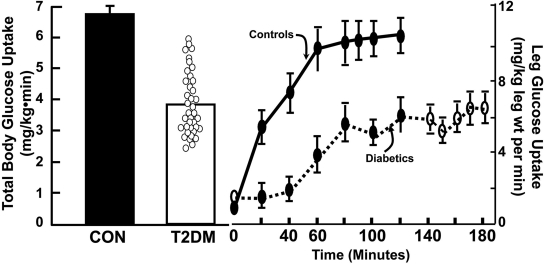
“Using the gold standard euglycemic hyperinsulinemic clamp technique to quantify insulin-stimulated glucose uptake, they demonstrated that both lean and obese T2DM subjects have marked decrease (>50%) in whole body glucose disposal during the insulin clamp.”
From Pathogenesis of insulin resistance in skeletal muscle (2010) · cites this paper as [4]
Experimental — accuracy not yet measured
20 more claims about this paper
Create a free account to see every claim other papers make about this one.
Self-check
Percentages, sums and reported differences re-computed from the paper’s own numbers.
The self-check needs the paper’s full text.
Citations
Cites
3 retracted
Items 201–303 of 303
Andrews, W. J., Vasquez, B., Nagulesparan, M., Klimes, I., Foley, J., Unger, R., & Reaven, G. M. (1984) · Diabetes · doi:10.2337/diab.33.7.634 · Cited by 194
Ritzel, R. A., Meier, J. J., Lin, C.-Y., Veldhuis, J. D., & Butler, P. C. (2007) · Diabetes · doi:10.2337/db06-0734 · Cited by 193 · cited 2×
“Studies by Butler and colleagues (93,94) have also provided additional evidence for a -cell toxic effect for the soluble IAPP fibrils.”
BackgroundRoles of Glucose Transport and Glucose Phosphorylation in Muscle Insulin Resistance of NIDDM
Bonadonna, R. C., Bonora, E., Prato, S. D., Saccomani, M. P., Cobelli, C., Natali, A., Frascerra, S., Pecori, N., Ferrannini, E., Bier, D., et al. (1996) · Diabetes · doi:10.2337/diab.45.7.915 · Cited by 191
Self-citationHartter, E., Svoboda, T., Ludvik, B., Schuller, M., Lell, B., Kuenburg, E., Brunnbauer, M., Woloszczuk, W., & Prager, R. (1991) · Diabetologia · doi:10.1007/bf00404025 · Cited by 191 · cited 1×
“Because amylin is secreted in a one-to-one ratio with insulin (95,96) and IAPP oligomers are toxic (89,93,94), interventions that improve insulin sensitivity, i.”
BackgroundOhsawa, H., Kanatsuka, A., Yamaguchi, T., Makino, H., & Yoshida, S. (1989) · Biochemical and Biophysical Research Communications · doi:10.1016/0006-291x(89)92529-1 · Cited by 186 · cited 1×
“Although convincing evidence for a pathogenic role of IAPP exists in rodents (87,88), the natural history of pancreatic amylin deposition in humans has yet to be defined (89).”
BackgroundLipotoxicity in Human Pancreatic Islets and the Protective Effect of Metformin
Lupi, R., Del Guerra, S., Fierabracci, V., Marselli, L., Novelli, M., Patanè, G., Boggi, U., Mosca, F., Piro, S., Del Prato, S., et al. (2002) · Diabetes · doi:10.2337/diabetes.51.2007.s134 · Cited by 186 · cited 1×
“Although there is some in vitro evidence that metformin may improve -cell function and prevent -cell apoptosis (285,286), the in vivo data from the UKPDS fail to support any role for metformin in the preservation of -cell function.”
BackgroundAbdul-Ghani, M. A., & DeFronzo, R. A. (2008) · Endocrine Practice · doi:10.4158/ep.14.6.782 · Cited by 184
Self-citationReaven, G. M., Hollenbeck, C. B., & Chen, Y.-D. I. (1989) · Diabetologia · doi:10.1007/bf00265404 · Cited by 182
Bajaj, M., Suraamornkul, S., Romanelli, A., Cline, G. W., Mandarino, L. J., Shulman, G. I., & DeFronzo, R. A. (2005) · Diabetes · doi:10.2337/diabetes.54.11.3148 · Cited by 181
Self-citationThe fundamental drivers of the obesity epidemic
James, W. P. T. (2008) · Obesity Reviews · doi:10.1111/j.1467-789x.2007.00432.x · Cited by 179 · cited 1×
“Although the origins of the insulin resistance can be traced to their genetic background (17,20), the epidemic of diabetes that has enveloped westernized countries is related to the epidemic of obesity and physical inactivity (30).”
BackgroundMatthews, D. R., Charbonnel, B. H., Hanefeld, M., Brunetti, P., & Schernthaner, G. (2005) · Diabetes/Metabolism Research and Reviews · doi:10.1002/dmrr.478 · Cited by 175
The insulin resistance syndrome: physiological considerations
Kashyap, S. R., & Defronzo, R. A. (2007) · Diabetes and Vascular Disease Research · doi:10.3132/dvdr.2007.001 · Cited by 172
Self-citationPatanè, G., Anello, M., Piro, S., Vigneri, R., Purrello, F., & Rabuazzo, A. M. (2002) · Diabetes · doi:10.2337/diabetes.51.9.2749 · Cited by 171
Charbonnel, B., Schernthaner, G., Brunetti, P., Matthews, D. R., Urquhart, R., Tan, M. H., & Hanefeld, M. (2005) · Diabetologia · doi:10.1007/s00125-005-1751-1 · Cited by 170
ROLES OF INSULIN AND GROWTH HORMONE, BASED ON STUDIES ON FOREARM METABOLISM IN MAN
ZIERLER, K. L., & RABINOWITZ, D. (1963) · Medicine · doi:10.1097/00005792-196311000-00002 · Cited by 168
Wnt signaling: relevance to β-cell biology and diabetes
Welters, H. J., & Kulkarni, R. N. (2008) · Trends in Endocrinology & Metabolism · doi:10.1016/j.tem.2008.08.004 · Cited by 167
Regulation of hepatic glucose metabolism in humans
DeFronzo, R. A., & Ferrannini, E. (1987) · Diabetes/Metabolism Reviews · doi:10.1002/dmr.5610030204 · Cited by 167
Self-citationBajaj, M., Suraamornkul, S., Hardies, L. J., Pratipanawatr, T., & DeFronzo, R. A. (2004) · International Journal of Obesity · doi:10.1038/sj.ijo.0802625 · Cited by 159
Self-citationVauhkonen, I., Niskanen, L., Vanninen, E., Kainulainen, S., Uusitupa, M., & Laakso, M. (1998) · Journal of Clinical Investigation · doi:10.1172/jci716 · Cited by 158
Mechanism of action of exenatide to reduce postprandial hyperglycemia in type 2 diabetes
Cervera, A., Wajcberg, E., Sriwijitkamol, A., Fernandez, M., Zuo, P., Triplitt, C., Musi, N., DeFronzo, R. A., & Cersosimo, E. (2008) · American Journal of Physiology-Endocrinology and Metabolism · doi:10.1152/ajpendo.00030.2008 · Cited by 157
Self-citationBajaj, M., Suraamornkul, S., Hardies, L. J., Glass, L. C., Musi, N., & DeFronzo, R. A. (2007) · Diabetologia · doi:10.1007/s00125-007-0698-9 · Cited by 157
Self-citationLupi, R., Del Guerra, S., Marselli, L., Bugliani, M., Boggi, U., Mosca, F., Marchetti, P., & Del Prato, S. (2004) · American Journal of Physiology-Endocrinology and Metabolism · doi:10.1152/ajpendo.00561.2002 · Cited by 152
Coletta, D. K., Sriwijitkamol, A., Wajcberg, E., Tantiwong, P., Li, M., Prentki, M., Madiraju, M., Jenkinson, C. P., Cersosimo, E., Musi, N., et al. (2009) · Diabetologia · doi:10.1007/s00125-008-1256-9 · Cited by 148
Self-citationMetabolic basis of obesity and noninsulin‐dependent diabetes mellitus
Golay, A., Jp, F., Jéquier, E., DeFronzo, R. A., & Ferrannini, E. (1988) · Diabetes/Metabolism Reviews · doi:10.1002/dmr.5610040803 · Cited by 146
Self-citationGlucose-6-phosphatase flux in vitro is increased in type 2 diabetes.
Clore, J. N., Stillman, J., & Sugerman, H. (2000) · Diabetes · doi:10.2337/diabetes.49.6.969 · Cited by 145 · cited 1×
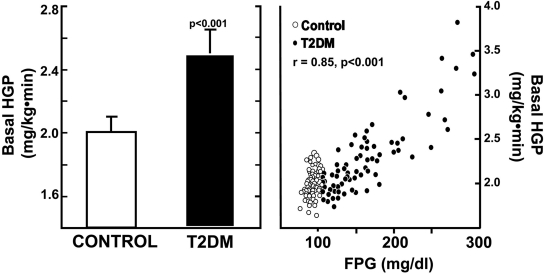
“resistance, multiple other factors contribute to accelerated rate of HGP including: 1) increased circulating glucagon levels and enhanced hepatic sensitivity to glucagon (120–122); 2) lipotoxicity leading to increased expression and activity of phosphoenolpyruvate carboxykinase and pyruvate carboxylase (123), the rate…”
BackgroundAbdul-Ghani, M. A., Muller, F. L., Liu, Y., Chavez, A. O., Balas, B., Zuo, P., Chang, Z., Tripathy, D., Jani, R., Molina-Carrion, M., et al. (2008) · American Journal of Physiology-Endocrinology and Metabolism · doi:10.1152/ajpendo.90287.2008 · Cited by 140
Self-citationKashyap, S. R., Roman, L. J., Lamont, J., Masters, B. S. S., Bajaj, M., Suraamornkul, S., Belfort, R., Berria, R., Kellogg, D. L., Liu, Y., et al. (2005) · The Journal of Clinical Endocrinology & Metabolism · doi:10.1210/jc.2004-0745 · Cited by 139
Self-citationRosiglitazone Improves Downstream Insulin Receptor Signaling in Type 2 Diabetic Patients
Miyazaki, Y., He, H., Mandarino, L. J., & DeFronzo, R. A. (2003) · Diabetes · doi:10.2337/diabetes.52.8.1943 · Cited by 135 · cited 3×
“Since the TZDs work through the classic insulin signaling pathway (150,254), whereas metformin works through the AMP kinase pathway (255,256), combination therapy with a TZD plus metformin gives a completely additive effect to reduce the A1C (257–265), and hypoglycemia is not encountered because these drugs are insuli…”
BackgroundSelf-citationLow Acute Insulin Secretory Responses in Adult Offspring of People With Early Onset Type 2 Diabetes
Gautier, J.-F., Wilson, C., Weyer, C., Mott, D., Knowler, W. C., Cavaghan, M., Polonsky, K. S., Bogardus, C., & Pratley, R. E. (2001) · Diabetes · doi:10.2337/diabetes.50.8.1828 · Cited by 135
Metabolic and molecular basis of insulin resistance
Bajaj, M., & DeFronzo, R. A. (2003) · Journal of Nuclear Cardiology · doi:10.1016/s1071-3581(03)00520-8 · Cited by 131 · cited 3×
“Studies from our laboratory were the first to demonstrate in humans that the ability of insulin to tyrosine phosphorylate IRS-1 was severely impaired in lean type 2 diabetic individuals (126,143,150), in obese normal glucose tolerant individuals (143), and in the insulin-resistant, normal glucose tolerant offspring of…”
BackgroundMethodSelf-citationKim, Y.-B., Ciaraldi, T. P., Kong, A., Kim, D., Chu, N., Mohideen, P., Mudaliar, S., Henry, R. R., & Kahn, B. B. (2002) · Diabetes · doi:10.2337/diabetes.51.2.443 · Cited by 129
Mechanism of liver glycogen repletion in vivo by nuclear magnetic resonance spectroscopy.
Shulman, G. I., Rothman, D. L., Smith, D., Johnson, C. M., Blair, J. B., Shulman, R. G., & DeFronzo, R. A. (1985) · Journal of Clinical Investigation · doi:10.1172/jci112078 · Cited by 128 · cited 2×
“in 17,18,126), including impaired glucose transport and phosphorylation (19,133– 137), reduced glycogen synthesis (111,138,139), and decreased glucose oxidation (26,140–142).”
BackgroundMethodSelf-citationRegulation of hexokinase II and glycogen synthase mRNA, protein, and activity in human muscle
Mandarino, L. J., Printz, R. L., Cusi, K. A., Kinchington, P., O'Doherty, R. M., Osawa, H., Sewell, C., Consoli, A., Granner, D. K., & DeFronzo, R. A. (1995) · American Journal of Physiology-Endocrinology and Metabolism · doi:10.1152/ajpendo.1995.269.4.e701 · Cited by 124
Self-citationPratipanawatr, W., Pratipanawatr, T., Cusi, K., Berria, R., Adams, J. M., Jenkinson, C. P., Maezono, K., DeFronzo, R. A., & Mandarino, L. J. (2001) · Diabetes · doi:10.2337/diabetes.50.11.2572 · Cited by 118
Self-citationJeng, C.-Y., Sheu, W. H.-H., Fuh, M. M.-T., Chen, Y.-D. I., & Reaven, G. M. (1994) · Diabetes · doi:10.2337/diab.43.12.1440 · Cited by 118
Watanabe, R. M., Valle, T., Hauser, E. R., Ghosh, S., Eriksson, J., Kohtamäki, K., Ehnholm, C., Tuomilehto, J., Collins, F. S., Bergman, R. N., et al. (1999) · Human Heredity · doi:10.1159/000022865 · Cited by 117
Mechanism of palmityl coenzyme A inhibition of liver glycogen synthase.
Wititsuwannakul, D., & Kim, K. H. (1977) · Journal of Biological Chemistry · doi:10.1016/s0021-9258(17)41039-8 · Cited by 115 · cited 1×
“Although there clearly is substrate competition between FFA and glucose with respect to oxidative metabolism (196,197), FFAs have been shown to have independent effects to inhibit glycogen synthase (198,199) and both glucose transport and glucose phosphorylation (192,200).”
BackgroundMolecular adaptations of GLUT1 and GLUT2 in renal proximal tubules of diabetic rats
Dominguez, J. H., Camp, K., Maianu, L., Feister, H., & Garvey, W. T. (1994) · American Journal of Physiology-Renal Physiology · doi:10.1152/ajprenal.1994.266.2.f283 · Cited by 114
Incretins and the development of type 2 diabetes
Meier, J. J., & Nauck, M. A. (2006) · Current Diabetes Reports · doi:10.1007/s11892-006-0034-7 · Cited by 110
Tan, M. H., Baksi, A., Krahulec, B., Kubalski, P., Stankiewicz, A., Urquhart, R., Edwards, G., Johns, D., & for the GLAL Study Group (2005) · Diabetes Care · doi:10.2337/diacare.28.3.544 · Cited by 110
Insulin Resistance and Improvements in Signal Transduction
Musi, N., & Goodyear, L. J. (2006) · Endocrine · doi:10.1385/endo:29:1:73 · Cited by 109
Firth, R. G., Bell, P. M., & Rizza, R. A. (1987) · Metabolism · doi:10.1016/0026-0495(87)90031-x · Cited by 108
Kashyap, S. R., Belfort, R., Berria, R., Suraamornkul, S., Pratipranawatr, T., Finlayson, J., Barrentine, A., Bajaj, M., Mandarino, L., DeFronzo, R., et al. (2004) · American Journal of Physiology-Endocrinology and Metabolism · doi:10.1152/ajpendo.00541.2003 · Cited by 103 · cited 1×
“Studies from our laboratory were the first to demonstrate in humans that the ability of insulin to tyrosine phosphorylate IRS-1 was severely impaired in lean type 2 diabetic individuals (126,143,150), in obese normal glucose tolerant individuals (143), and in the insulin-resistant, normal glucose tolerant offspring of…”
BackgroundSelf-citationJones, I. R., Owens, D. R., Luzio, S. D., Williams, S. E. I., & Hayes, T. M. (1989) · Diabetologia · doi:10.1007/bf00274255 · Cited by 101 · cited 1×
“In contrast to GLP-1, plasma levels of GIP are elevated in type 2 diabetes, yet circulating plasma insulin levels are reduced (108).”
Lin, C.-Y., Gurlo, T., Haataja, L., Hsueh, W. A., & Butler, P. C. (2005) · The Journal of Clinical Endocrinology & Metabolism · doi:10.1210/jc.2005-0079 · Cited by 101
Leahy, J. L., & Kennedy, L. (2007) · Yearbook of Endocrinology · doi:10.1016/s0084-3741(08)70034-9 · Cited by 100
Ability of Alternative Indices of Insulin Sensitivity to Predict Cardiovascular Risk
Howard, G., Bergman, R. N., Wagenknecht, L. E., Haffner, S. M., Savage, P. J., Saad, M. F., Laws, A., & D’Agostino, R. B. (1998) · Annals of Epidemiology · doi:10.1016/s1047-2797(98)00002-7 · Cited by 97
Paolisso, G., Tagliamonte, M. R., Rizzo, M. R., Gualdiero, P., Saccomanno, F., Gambardella, A., Giugliano, D., D'Onofrio, F., & Howard, B. V. (1998) · Diabetologia · doi:10.1007/s001250051041 · Cited by 94 · cited 1×
“In vivo studies in rodents (69–71) and in humans (72), as well as in vitro studies (73), also support an important role for lipotoxicity.”
BackgroundMatsui, J., Terauchi, Y., Kubota, N., Takamoto, I., Eto, K., Yamashita, T., Komeda, K., Yamauchi, T., Kamon, J., Kita, S., et al. (2004) · Diabetes · doi:10.2337/diabetes.53.11.2844 · Cited by 92
Actos Now for the prevention of diabetes (ACT NOW) study
DeFronzo, R. A., Banerji, M., Bray, G. A., Buchanan, T. A., Clement, S., Henry, R. R., Kitabchi, A. E., Mudaliar, S., Musi, N., Ratner, R., et al. (2009) · BMC Endocrine Disorders · doi:10.1186/1472-6823-9-17 · Cited by 89
Self-citationMiyazaki, Y., & DeFronzo, R. A. (2008) · Diabetes, Obesity and Metabolism · doi:10.1111/j.1463-1326.2008.00880.x · Cited by 89
Self-citationSalans, L. B., Bray, G. A., Cushman, S. W., Danforth, E., Glennon, J. A., Horton, E. S., & Sims, E. A. H. (1974) · Journal of Clinical Investigation · doi:10.1172/jci107625 · Cited by 88 · cited 1×
“4) Enlarged fat cells are insulin resistant and have diminished capacity to store fat (187,188).”
BackgroundPendergrass, M., Bertoldo, A., Bonadonna, R., Nucci, G., Mandarino, L., Cobelli, C., & DeFronzo, R. A. (2007) · American Journal of Physiology-Endocrinology and Metabolism · doi:10.1152/ajpendo.00617.2005 · Cited by 87
Self-citationPeroxisomal Proliferator-Activated Receptor-γ Upregulates Glucokinase Gene Expression in β-Cells
Kim, H.-I., Cha, J.-Y., Kim, S.-Y., Kim, J.-W., Roh, K. J., Seong, J.-K., Lee, N. T., Choi, K.-Y., Kim, K.-S., & Ahn, Y.-H. (2002) · Diabetes · doi:10.2337/diabetes.51.3.676 · Cited by 86
Overexpression of GLUT2 gene in renal proximal tubules of diabetic Zucker rats.
Kamran, M., Peterson, R. G., & Dominguez, J. H. (1997) · Journal of the American Society of Nephrology · doi:10.1681/asn.v86943 · Cited by 86
The Effect of Pioglitazone on the Liver
Gastaldelli, A., Miyazaki, Y., Mahankali, A., Berria, R., Pettiti, M., Buzzigoli, E., Ferrannini, E., & DeFronzo, R. A. (2006) · Diabetes Care · doi:10.2337/dc05-2445 · Cited by 86
Self-citationMatsuda, M., DeFronzo, R. A., Glass, L. C., Consoli, A., Giordano, M., Bressler, P., & DelPrato, S. (2002) · Metabolism · doi:10.1053/meta.2002.34700 · Cited by 85 · cited 1×
“There also is evidence that the liver may be hypersensitive to the stimulatory effect of glucagon in hepatic gluconeogenesis (120).”
BackgroundSelf-citationInteraction of carbohydrate and fat fuels in human skeletal muscle: impact of obesity and NIDDM
Mandarino, L. J., Consoli, A., Jain, A., & Kelley, D. E. (1996) · American Journal of Physiology-Endocrinology and Metabolism · doi:10.1152/ajpendo.1996.270.3.e463 · Cited by 83 · cited 1×
“Although there clearly is substrate competition between FFA and glucose with respect to oxidative metabolism (196,197), FFAs have been shown to have independent effects to inhibit glycogen synthase (198,199) and both glucose transport and glucose phosphorylation (192,200).”
BackgroundImpaired glucose tolerance and diabetes in obesity: a 6-year follow-up study of glucose metabolism
Jallut, D., Golay, A., Munger, R., Frascarolo, P., Schutz, Y., Jéquier, E., & Felber, J. P. (1990) · Metabolism · doi:10.1016/0026-0495(90)90168-c · Cited by 83 · cited 1×
“The natural history of type 2 diabetes described above (1) is depicted by a prospective study carried out by Felber and colleagues in Lausanne, Switzerland (35) (Fig.”
BackgroundMetabolic studies in unaffected co-twins of non-insulin-dependent diabetics.
Barnett, A. H., Spiliopoulos, A. J., Pyke, D. A., Stubbs, W. A., Burrin, J., & Alberti, K. G. (1981) · BMJ · doi:10.1136/bmj.282.6277.1656 · Cited by 83
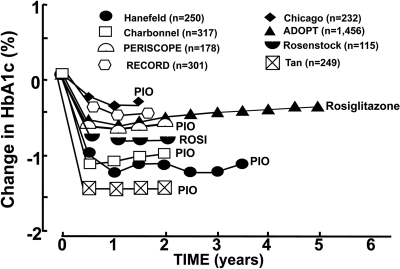
Rosiglitazone RECORD study: glucose control outcomes at 18 months
Home, P. D., Jones, N. P., Pocock, S. J., Beck‐Nielsen, H., Gomis, R., Hanefeld, M., Komajda, M., Curtis, P., & for the RECORD Study Group (2007) · Diabetic Medicine · doi:10.1111/j.1464-5491.2007.02160.x · Cited by 83
Effects of Fat Infusion on Glucose Tolerance and Insulin Plasma Levels
Felber, J. P., & Vannotti, A. (2008) · Medicina Experimentalis · doi:10.1159/000135410 · Cited by 82
Johnson, A. B., Argyraki, M., Thow, J. C., Cooper, B. G., Fulcher, G., & Taylor, R. (1992) · Clinical Science · doi:10.1042/cs0820219 · Cited by 80 · cited 1×
“Although there clearly is substrate competition between FFA and glucose with respect to oxidative metabolism (196,197), FFAs have been shown to have independent effects to inhibit glycogen synthase (198,199) and both glucose transport and glucose phosphorylation (192,200).”
BackgroundLeahy, J. L., Cooper, H. E., & Weir, G. C. (1987) · Diabetes · doi:10.2337/diab.36.4.459 · Cited by 78
Masuda, K., Okamoto, Y., Tsuura, Y., Kato, S., Miura, T., Tsuda, K., Horikoshi, H., Ishida, H., & Seino, Y. (1995) · Diabetologia · doi:10.1007/bf02369349 · Cited by 77
Physiological and Molecular Determinants of Insulin Action in the Baboon
Chavez, A. O., Lopez-Alvarenga, J. C., Tejero, M. E., Triplitt, C., Bastarrachea, R. A., Sriwijitkamol, A., Tantiwong, P., Voruganti, V. S., Musi, N., Comuzzie, A. G., et al. (2008) · Diabetes · doi:10.2337/db07-0790 · Cited by 75 · cited 1×
“To address this issue, Chavez and colleagues (90,91) examined the relationship between pancreatic amylin deposition and -cell function in 150 baboons spanning a wide range of glucose tolerance.”
BackgroundSelf-citationThe Effect of Rosiglitazone on the Liver: Decreased Gluconeogenesis in Patients with Type 2 Diabetes
Gastaldelli, A., Miyazaki, Y., Pettiti, M., Santini, E., Ciociaro, D., DeFronzo, R. A., & Ferrannini, E. (2006) · The Journal of Clinical Endocrinology & Metabolism · doi:10.1210/jc.2005-1159 · Cited by 75
Self-citationButterfield, W. J. H., & Whichelow, M. J. (1965) · Diabetologia · doi:10.1007/bf01338715 · Cited by 74
A second-generation genetic linkage map of the baboon (Papio hamadryas) genome
Cox, L. A., Mahaney, M. C., VandeBerg, J. L., & Rogers, J. (2006) · Genomics · doi:10.1016/j.ygeno.2006.03.020 · Cited by 73 · cited 1×
“Since the baboon genome shares more than 98% homology with the human genome, results in baboons are likely to be pertinent to those in humans (92).”
BackgroundAndreozzi, F., D’Alessandris, C., Federici, M., Laratta, E., Del Guerra, S., Del Prato, S., Marchetti, P., Lauro, R., Perticone, F., & Sesti, G. (2004) · Endocrinology · doi:10.1210/en.2003-0939 · Cited by 73
Altered islet amyloid polypeptide (amylin) gene expression in rat models of diabetes
Bretherton-Watt, D., Ghatei, M. A., Bloom, S. R., Jamal, H., Ferrier, G. J. M., Girgis, S. I., & Legon, S. (1989) · Diabetologia · doi:10.1007/bf00297454 · Cited by 71 · cited 1×
“Although convincing evidence for a pathogenic role of IAPP exists in rodents (87,88), the natural history of pancreatic amylin deposition in humans has yet to be defined (89).”
BackgroundGenes and type 2 diabetes mellitus
Groop, L., & Lyssenko, V. (2008) · Current Diabetes Reports · doi:10.1007/s11892-008-0033-y · Cited by 71 · cited 1×
“Although the origins of the insulin resistance can be traced to their genetic background (17,20), the epidemic of diabetes that has enveloped westernized countries is related to the epidemic of obesity and physical inactivity (30).”
BackgroundLupi, R., Guerra, S. D., Tellini, C., GIANNARELLI, R., Coppelli, A., Lorenzetti, M. H., Carmellini, M., Mosca, F., Navalesi, R., & Marchetti, P. (1999) · European Journal of Pharmacology · doi:10.1016/s0014-2999(98)00807-3 · Cited by 70
PGC-1α at the crossroads of type 2 diabetes
Attie, A., & Kendziorski, C. M. (2003) · Nature Genetics · doi:10.1038/ng0703-244 · Cited by 69
Diamond, M. P., Thornton, K. L., Connolly-Diamond, M., Sherwin, R. S., & DeFronzo, R. A. (1995) · Journal of the Society for Gynecologic Investigation · doi:10.1016/1071-5576(95)00023-8 · Cited by 68
Self-citationMuller, D. C., Elahi, D., Tobin, J. D., & Andres, R. (1996) · Aging Clinical and Experimental Research · doi:10.1007/bf03340110 · Cited by 63
Oxysterols induce interleukin‐1β production in human macrophages
Rosklint, T., Ohlsson, B. G., Wiklund, O., Norén, K., & Hultén, L. M. (2002) · European Journal of Clinical Investigation · doi:10.1046/j.1365-2362.2002.00931.x · Cited by 63
Effect of Age on Glucose Tolerance, Insulin Secretion, and in Vivo Insulin Action
Rosenthal, M. J., Doberne, L., Greenfield, M. S., Widström, A., & Reaven, G. M. (1982) · Journal of the American Geriatrics Society · doi:10.1111/j.1532-5415.1982.tb05662.x · Cited by 62
Rosenstock, J., Goldstein, B. J., Vinik, A. I., O'Neill, M. C., Porter, L. E., Heise, M. A., Kravitz, B., Dirani, R. G., Freed, M. I., & and the RESULT Study Group (2006) · Diabetes, Obesity and Metabolism · doi:10.1111/j.1463-1326.2005.00541.x · Cited by 60
Dipeptidyl peptidase 4 inhibition with sitagliptin: a new therapy for Type 2 diabetes
Deacon, C. F. (2007) · Expert Opinion on Investigational Drugs · doi:10.1517/13543784.16.4.533 · Cited by 59 · cited 1×
“However, in short-term studies, from several months to 1 year, both sitagliptin and vildagliptin (98,99,299,300) reduce the postprandial plasma glucose concentration while maintaining the plasma insulin response, indicating a positive effect on FIG.”
BackgroundThe relationship of insulin response to a glucose stimulus over a wide range of glucose tolerance
Zimmet, P., Whitehouse, S., ALFORD, F. P., & Chisholm, D. J. (1978) · Diabetologia · doi:10.1007/bf01219323 · Cited by 57 · cited 1×
“Although not commented upon, similar conclusions can be reached from data in previous publications (2,3,7,15).”
ResultEffects of Insulin on Subcellular Localization of Hexokinase II in Human Skeletal Muscle in Vivo
Vogt, C. (1998) · Journal of Clinical Endocrinology & Metabolism · doi:10.1210/jc.83.1.230 · Cited by 56
Self-citationGlucose metabolism in obesity and type 2 diabetes.
Bonadonna, R. C., & Fronzo, R. A. D. (1991) · PubMed · Cited by 55
Hanefeld, M., Pfützner, A., Forst, T. M., & Lübben, G. (2006) · Current Medical Research and Opinion · doi:10.1185/030079906x112598 · Cited by 52
Chen, Y. D., Jeng, C. Y., Hollenbeck, C. B., Wu, M. S., & Reaven, G. M. (1988) · Journal of Clinical Investigation · doi:10.1172/jci113572 · Cited by 51
Noonan, W. T., Shapiro, V. M., & Banks, R. O. (2001) · Life Sciences · doi:10.1016/s0024-3205(01)01090-6 · Cited by 45
Free Fatty Acids Reduce Splanchnic and Peripheral Glucose Uptake in Patients With Type 2 Diabetes
Bajaj, M., Pratipanawatr, T., Berria, R., Pratipanawatr, W., Kashyap, S., Cusi, K., Mandarino, L., & DeFronzo, R. A. (2002) · Diabetes · doi:10.2337/diabetes.51.10.3043 · Cited by 45 · cited 1×
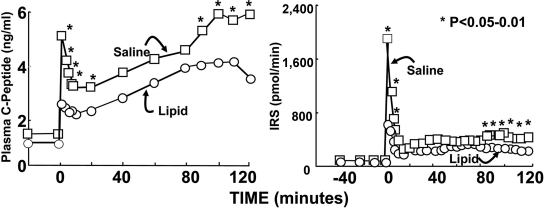
“Many investigators, including Boden, Shulman, and ourselves (181,182,185,189), have shown that a physiological elevation in the plasma FFA concentration stimulates HGP and impairs insulin-stimulated glucose uptake in liver (190) and muscle (151,182–185,189–194).”
BackgroundSelf-citationEriksson, J. G., Nakazato, M., Miyazato, M., Shiomi, K., Matsukura, S., & Groop, L. (1992) · Diabetologia · doi:10.1007/bf00400933 · Cited by 44 · cited 1×
“Hypersecretion of IAPP and amyloid deposition within the pancreas have also been implicated in the progressive -cell failure of type 2 diabetes (85,86).”
BackgroundBoden, G., Soriano, M., Hoeldtke, R. D., & Owen, O. E. (1983) · Diabetes · doi:10.2337/diab.32.11.1055 · Cited by 43
Boden, G., Soriano, M., Hoeldtke, R. D., & Owen, O. E. (1983) · Diabetes · doi:10.2337/diabetes.32.11.1055 · Cited by 43
Effect of PPAR-γ Activation and Inhibition on Glucose-Stimulated Insulin Release in INS-1e Cells
Santini, E., Fallahi, P., Ferrari, S. M., Masoni, A., Antonelli, A., & Ferrannini, E. (2004) · Diabetes · doi:10.2337/diabetes.53.suppl_3.s79 · Cited by 42
Abdul‐Ghani, M. A., Matsuda, M., Sabbah, M., Jenkinson, C. P., Richardson, D. K., Kaku, K., & DeFronzo, R. A. (2007) · Diabetes & Metabolic Syndrome Clinical Research & Reviews · doi:10.1016/j.dsx.2007.02.004 · Cited by 41
Self-citationExenatide can reduce glucose independent of islet hormones or gastric emptying
Ionut, V., Zheng, D., Stefanovski, D., & Bergman, R. N. (2008) · American Journal of Physiology-Endocrinology and Metabolism · doi:10.1152/ajpendo.90222.2008 · Cited by 35 · cited 2×
“At the level of the liver, we have shown that both metformin (241–243) and the TZDs (175,244–252) are potent insulin sensitizers and inhibit the increased rate of hepatic gluconeogenesis (220,221) that is characteristic of type 2 diabetic patients.”
BackgroundCentral Regulation of Energy Homeostasis
Porte, D. (2006) · Diabetes · doi:10.2337/db06-s019 · Cited by 35
LACK OF A GASTROINTESTINAL MEDIATOR OF INSULIN ACTION IN MATURITY-ONSET DIABETES
DeFronzo, R. A., Wahren, J., Ferrannini, E., & Felig, P. (1978) · The Lancet · doi:10.1016/s0140-6736(78)91807-x · Cited by 34
Self-citationHaffner, S. M. (1996) · Journal of Clinical Endocrinology & Metabolism · doi:10.1210/jc.81.5.1846 · Cited by 33
Bray, G. A., Glennon, J. A., Salans, L. B., Horton, E. S., Danforth, E., & Sims, E. A. H. (1977) · Metabolism · doi:10.1016/0026-0495(77)90061-0 · Cited by 33 · cited 1×
“4) Enlarged fat cells are insulin resistant and have diminished capacity to store fat (187,188).”
BackgroundEdgerton, D. S., Johnson, K. M. S., Neal, D. W., Scott, M., Hobbs, C. H., Zhang, X., Duttaroy, A., & Cherrington, A. D. (2009) · Diabetes · doi:10.2337/db08-0515 · Cited by 33 · cited 2×
“At the level of the liver, we have shown that both metformin (241–243) and the TZDs (175,244–252) are potent insulin sensitizers and inhibit the increased rate of hepatic gluconeogenesis (220,221) that is characteristic of type 2 diabetic patients.”
BackgroundInsulin Levels and the Natural History of Glucose Intolerance in Nauruans
Dowse, G. K., Zimmet, P. Z., & Collins, V. R. (1996) · Diabetes · doi:10.2337/diab.45.10.1367 · Cited by 26
Exenatide: first-in-class incretin mimetic for the treatment of Type 2 diabetes mellitus
Triplitt, C., & DeFronzo, R. A. (2006) · Expert Review of Endocrinology & Metabolism · doi:10.1586/17446651.1.3.329 · Cited by 25 · cited 1×
“One such example is exenatide (225), but glucagon receptor antagonists also have been shown to be effective (226).”
BackgroundSelf-citationCombination Therapy in Type 2 Diabetes
Bajaj, M., & DeFronzo, R. A. (2004) · Wiley eBooks · doi:10.1002/0470862092.d0613 · Cited by 11
Self-citationTreatment of prediabetic neuropathy
Boulton, A. J. M. (2006) · Current Diabetes Reports · doi:10.1007/s11892-006-0072-1 · Cited by 3
UKPDS 26: sulphonylurea failure in non-insulin-dependent diabetic patients over six years
UK Prospective Diabetes Study (UKPDS) Group, Matthews, D. R., Cull, C. A., Stratton, I. M., Holman, R. R., & Turner, R. C. (1998) · Diabetic Medicine · doi:10.1002/(sici)1096-9136(199804)15:4
Research works printed but not linked: 20
- Jallut D Golay A Munger R Frascarolo P Schutz Y Jequier E Felber JP Impaired glucose tolerance and diabetes in obesity: a 6-year follow-up study of glucose metabolism. Metabolism 1990; 39: 1068– 1075 2215253 · DOI · Paper page
- Ahren B Taborsky GJ Beta-cell function and insulin secretion. In Ellenberg Rifkin's Diabetes Mellitus Porte D Sherin RS Baron A Eds. New York, McGraw Hill, 2003, p. 43– 65
- Kashyap S Belfort R Gastaldelli A Pratipanawatr T Berria R Pratipanawatr W Bajaj M Mandarino L DeFronzo RA Cusi K A sustained increase in plasma free fatty acids impairs insulin secretion in non-diabetic subjects genetically predisposed to develop type 2 diabetes. Diabetes 2003; 52: 2461– 2474 14514628 · DOI · Paper page
- Mendoza RG Davalli A Chavez-Velazquez AO Comuzzie A Tejero E Alvarenga JC Bastarrachea R Zuo P Chang Z Dick E Hubbard G Cruz AM Perez CT Malff G DeFronzo RA Folli F Fasting plasma glucose (FPG) and HbA1c predict quantitatively baboon pancreatic islet amyloidosis (PIA): a novel non-human primate model of β-cell failure in type 2 diabetes mellitus (T2DM) (Abstract). Diabetes 2008; 57(Suppl. 1): A439
- DeFronzo RA Ferrannini E Regulation of intermediatory metabolism during fasting and refeeding. Chapter 52. In Endocrinology DeGroot LJ Jameson JL Eds. Elsevier, Philadelphia, PA, 2006, p. 1015– 1043
- Campbell PJ Mandarino LJ Gerich JE Quantification of the relative impairment in actions of insulin on hepatic glucose production and peripheral glucose uptake in non-insulin-dependent diabetes mellitus. Metabolism 1988; 37: 15– 21 3275857 · DOI · Paper page
- Pratipanawatr W Pratipanawatr T Cusi K Berria R Jenkinson CP Maezono K DeFronzo RA Mandarino L Skeletal muscle insulin resistance in normoglycemic subjects with a strong family history of type 2 diabetes is associated with decreased insulin-stimulated IRS-1 tyrosine phosphorylation. Diabetes 2001; 50: 2572– 2578 11679436 · DOI · Paper page
- Krook A Bjornholm M Galuska D Jiang XJ Fahlman R Myers MG Jr Wallberg-Henriksson H Zierath JR Characterization of signal transduction and glucose transport in skeletal muscle from type 2 diabetic patients. Diabetes 2000; 49: 284– 292 10868945 · DOI · Paper page
- DeFronzo RA Gunnarsson R Bjorkman O Olsson M Wahren J Effects of insulin on peripheral and splanchnic glucose metabolism in non-insulin-dependent (type II) diabetes mellitus. J Clin Invest 1985; 76: 149– 155 3894418 PMC423730 · DOI · Paper page
- Ferrannini E Simonson DC Katz LD Reichard G Bevilacqua S Barrett EJ Olsson M DeFronzo RA The disposal of an oral glucose load in patients with non-insulin dependent diabetes. Metabolism 1988; 37: 79– 85 3275860 · DOI · Paper page
- Pendergrass M Nucci G DeFronzo R In vivo glucose transport (GT) and phosphorylation (GP) in skeletal muscle are impaired by elevation of plasma FFA (Abstract). Diabetes 1998; 47:(Suppl. 1): A65
- Richardson DK Kashyap S Bajaj M Cusi K DeFronzo RA Jenkinson CP Mandarino LJ Lipid infusion induces an inflammatory/fibrotic response and decreases expression of nuclear encoded mitochondrial genes in human skeletal muscle. J Biol Chem 2005; 280: 10290– 10297 15598661 · DOI · Paper page
- Cervera A Wajcberg E Triplitt C Fernandez M Zuo P DeFronzo RA Cersosimo E Improved splanchnic glucose metabolism is responsible for glycemic control in T2DM subjects treated with exenatide (Abstract). Diabetes 2007; 56(Suppl. 1): A404
- Unger RH Aguilar-Parada E Muller WA Eisentraut AM Studies of pancreatic α-cell function in normal and diabetic subjects. J Clin Invest 1970; 49: 837– 848 4986215 PMC322540 · DOI · Paper page
- Bajaj M Suraamornkul S Hardies LJ Glass L Musi N DeFronzo RA Effects of peroxisome proliferator-activated receptor (PPAR)-alpha and PPAR-gamma agonists on glucose and lipid metabolism in patients with type 2 diabetes mellitus. Diabetologia 2007; 50: 1723– 1731 17520238 · DOI
- Kim YB Ciaraldi TP Kong A Kim D Chu N Mohideen P Mudaliar S Henry RR Kahn BB Troglitazone but not metformin restores insulin-stimulated phosphoinositide 3-kinase activity and increases p110-β protein levels in skeletal muscle of type 2 diabetic subjects. Diabetes 2002; 51: 443– 448 11812753 · DOI · Paper page
- Miyazaki Y Glass L Triplitt C Matsuda M Cusi K Mandarino L DeFronzo RA Effect of rosiglitazone on glucose and free fatty acid metabolism in type 2 diabetic patients. Diabetologia 2001; 44: 2210– 2219 11793023 · DOI · Paper page
- Miyazaki Y Mahankali A Matsuda M Mahankali S Hardies J Cusi K Mandarino LJ DeFronzo RA Effect of pioglitazone on abdominal fat distribution and insulin sensitivity in type 2 diabetic patients. J Clin Endocrinol Metab 2002; 87: 2784– 2791 12050251 · DOI · Paper page
- Matthews DR Cull CA Stratton IM Holman RR Turner RC UKPDS 26: Sulphonylurea failure in non-insulin-dependent diabetic patients over six years. UK Prospective Diabetes Study (UKPDS) Group. Diabet Med 1998; 15: 297– 303 9585394 · DOI
- Lupi R Del Guerra S Marselli L Bugliani M Boggi U Mosca F Marchetti P Del Prato S Rosiglitazone prevents the impairment of human islet function induced by fatty acids: evidence for a role of PPARgamma2 in the modulation of insulin secretion. Am J Physiol Endocrinol Metab 2004; 286: E560– E567 14625208 · DOI · Paper page
Cited by
Pathophysiology of type 2 diabetes mellitus
Galicia-Garcia, U., Benito-Vicente, A., Jebari, S., Larrea-Sebal, A., Siddiqi, H., Uribe, K. B., Ostolaza, H., & Martín, C. (2020) · International Journal of Molecular Sciences · doi:10.3390/ijms21176275 · Cited by 3,360
“The organs involved in T2DM development include the pancreas (β-cells and α-cells), liver, skeletal muscle, kidneys, brain, small intestine, and adipose tissue [6].”
BackgroundPrediabetes: a high-risk state for diabetes development
Tabák, A. G., Herder, C., Rathmann, W., Brunner, E. J., & Kivimäki, M. (2012) · The Lancet · doi:10.1016/s0140-6736(12)60283-9 · Cited by 2,958
Mechanisms of Diabetic Complications
Forbes, J. M., & Cooper, M. E. (2013) · Physiological Reviews · doi:10.1152/physrev.00045.2011 · Cited by 2,890
DeFronzo, R. A., Ferrannini, E., Groop, L., Henry, R. R., Herman, W. H., Holst, J. J., Hu, F. B., Kahn, C. R., Raz, I., Shulman, G. I., et al. (2015) · Nature Reviews Disease Primers · doi:10.1038/nrdp.2015.19 · Cited by 2,611
“Competing interests The authors declare the following potential COI: (1) R.”
BackgroundSelf-citationChatterjee, S., Khunti, K., & Davies, M. J. (2017) · The Lancet · doi:10.1016/s0140-6736(17)30058-2 · Cited by 2,577
Metadata
- Authors
- DeFronzo, R. A.
- Affiliations
- The University of Texas at San Antonio Health Science Center (US)
- Corresponding author
- DeFronzo, Ralph A.
- ORCID
- DeFronzo, Ralph A.
- Venue
- Diabetes
- Publisher
- American Diabetes Association
- Published
- 2009-04-01
- Volume
- 58
- Issue
- 4
- Pages
- 773-795
- ISSN
- 0012-1797 (ISSN-L)
- 1939-327X
- PMC
- PMC2661582
- OpenAlex
- W2109728760
- Cited by
- 3,016
- References
- 307
- Citations by year
- 2026: 167 · 2025: 181 · 2024: 167 · 2023: 201 · 2022: 189 · 2021: 184 · 2020: 206 · 2019: 193 · 2018: 205 · 2017: 198 · 2016: 194 · 2015: 197 · 2014: 163 · 2013: 152 · 2012: 145
- FWCI
- 102.13
- Type
- journal article
- Language
- en
- Open access
- hybrid
- doi.org
- Licence
- Locations
- Diabetes (publishedVersion, cc-by-nc-nd)
- PubMed Central (publishedVersion, cc-by-nc-nd)
- PubMed (publishedVersion)
- Topics
- Health Sciences › Medicine › Endocrinology, Diabetes and Metabolism › Diabetes Treatment and Management
- Health Sciences › Medicine › Endocrinology, Diabetes and Metabolism › Diabetes Management and Research
- Health Sciences › Medicine › Endocrinology, Diabetes and Metabolism › Diabetes, Cardiovascular Risks, and Lipoproteins
- Keywords
- type 2 diabetes, insulin resistance, beta-cell failure, impaired glucose tolerance, metformin, thiazolidinediones, exenatide, sulfonylureas, combination therapy, hyperglucagonemia, early treatment, natural history of diabetes, insulin sensitivity
- MeSH terms
- Insulin Secretion, Adipose Tissue, Amyloid, Diabetes Mellitus, Type 2, Glucose, Humans, Insulin, Insulin Resistance, Liver, Obesity, Prediabetic State, Muscle, Skeletal, Insulin-Secreting Cells, Islet Amyloid Polypeptide
About these checks
Registry, retraction, Cites and statistics results are computed, not judged, with one exception: a printed reference that no index lists is read once by a model before it counts as a citation error. Claims are extracted by a model and kept only when their quote appears verbatim in the text; each cited source is then checked, with a model’s help, for whether it says what the claim relies on. Those verdicts can be wrong — read the claim’s quote and the cited source before relying on one.
Statistics and arithmetic are recomputed, not judged.
Confidence bands are shown only for fields calibrated on our annotated test set. None is calibrated yet, so no band is shown.
What counts as a claim ›How we measure confidence ›How we check this ›
Are you an author, or do you see a problem with this page? Request a review
Data sources
Bibliographic data: Semantic Scholar, OpenAlex, Crossref.
Contains information from the Semantic Scholar Academic Graph Datasets, made available under the ODC Attribution License (ODC-BY 1.0).
Semantic Scholar’s data is described in: Kinney, R., et al. (2023). The Semantic Scholar Open Data Platform. arXiv:2301.10140.
