

The DOI matches its Crossref record; 234 of the 234 references it cites were found in a registry or an index.
Brain rhythms and neural syntax: implications for efficient coding of cognitive content and neuropsychiatric disease.
Open accessAbstract
The perpetual activity of the cerebral cortex is largely supported by the variety of oscillations the brain generates, spanning a number of frequencies and anatomical locations, as well as behavioral correlates. First, we review findings from animal studies showing that most forms of brain rhythms are inhibition-based, producing rhythmic volleys of inhibitory inputs to principal cell populations, thereby providing alternating temporal windows of relatively reduced and enhanced excitability in neuronal networks. These inhibition-based mechanisms offer natural temporal frames to group or "chunk" neuronal activity into cell assemblies and sequences of assemblies, with more complex multi-oscillation interactions creating syntactical rules for the effective exchange of information among cortical networks. We then review recent studies in human psychiatric patients demonstrating a variety alterations in neural oscillations across all major psychiatric diseases, and suggest possible future research directions and treatment approaches based on the fundamental properties of brain rhythms.
Overview
The claims and statistics of this paper haven’t been checked yet.
Run the check — free, no account needed. It reads the open-access text and checks the sources it cites.
Integrity signals
Registry
Cites
Statistics
Figures
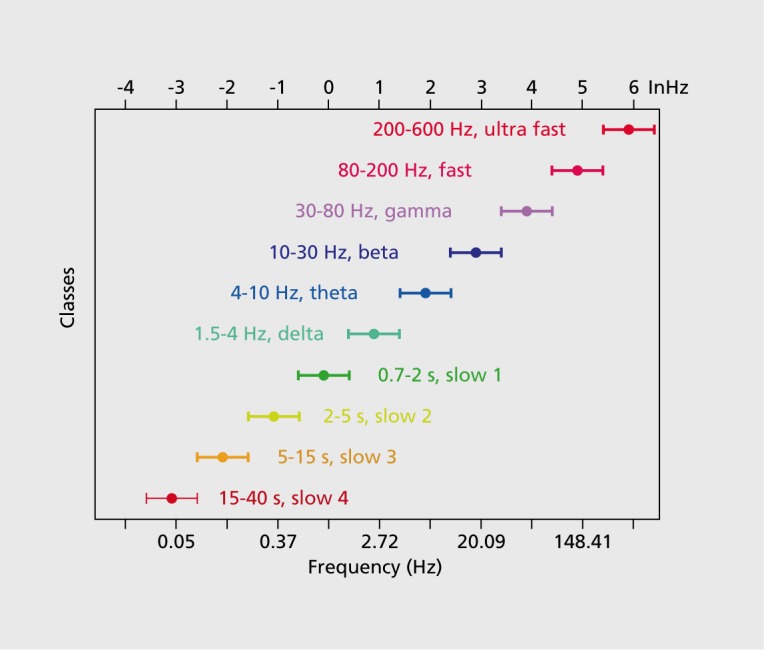
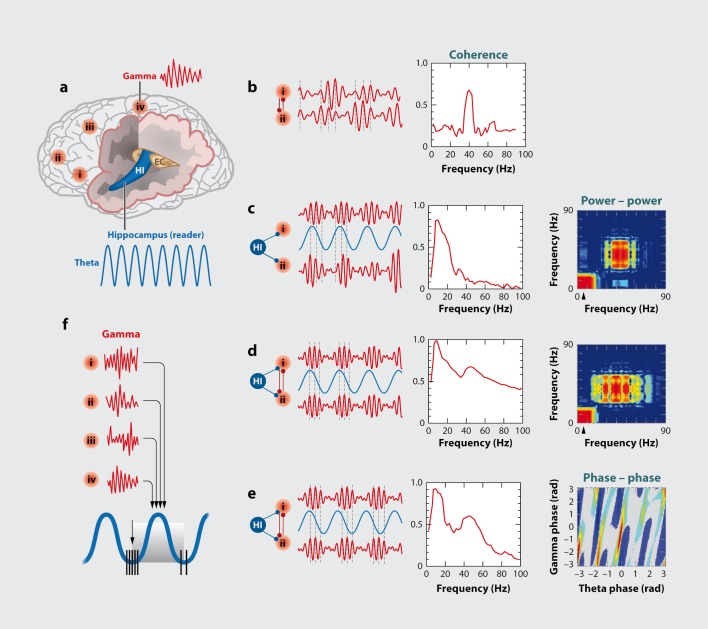
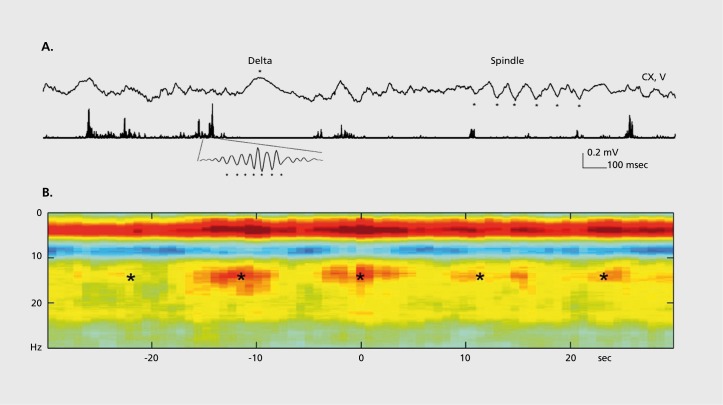
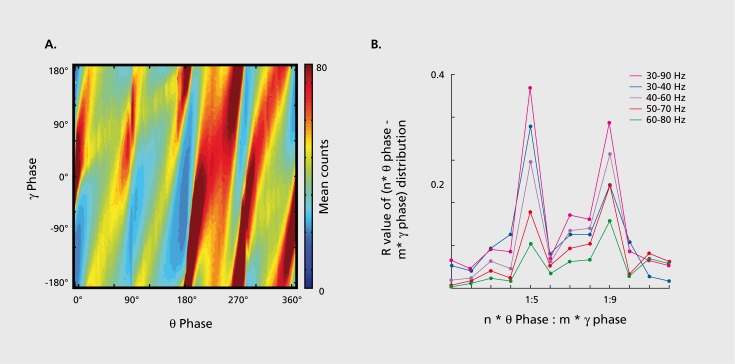
Verification
Claims the paper makes
The claims and statistics of this paper haven’t been checked yet.
Run the check — free, no account needed. It reads the open-access text and checks the sources it cites.
Claims other papers make about this one
Each is checked against this paper’s own text: does it say what the citing paper says it does?
The source backs part of the claim, not all of it — or backs it for a different population, condition or comparison.
In the citing paper
“SOHM dynamics may help to explain many kinds of rhythmic phenomena, such as the fact that oscillations tend to occur at faster rates in organisms with smaller brains (Buzsáki and Watson, 2012); all else being equal, smaller systems are likely to arrive at synchronous equilibria more quickly, with larger systems requiring relatively more time for synchronizing their micro-dynamics.”
From An Integrated World Modeling Theory (IWMT) of Consciousness (2020) · cites this paper as Buzsáki and Watson, 2012
Experimental — accuracy not yet measured
Self-check
Percentages, sums and reported differences re-computed from the paper’s own numbers.
The self-check needs the paper’s full text.
Citations
Cites
Complex brain networks: graph theoretical analysis of structural and functional systems
Bullmore, E., & Sporns, O. (2009) · Nature Reviews Neuroscience · doi:10.1038/nrn2575 · Cited by 11,820
Self-organized criticality: An explanation of the 1/ f noise
Bak, P., Tang, C., & Wiesenfeld, K. A. (1987) · Physical Review Letters · doi:10.1103/physrevlett.59.381 · Cited by 7,644
Neuronal Oscillations in Cortical Networks
Buzsáki, G., & Draguhn, A. (2004) · Science · doi:10.1126/science.1099745 · Cited by 6,576
Buzsáki, G. (2006) · doi:10.1093/acprof:oso/9780195301069.001.0001 · Cited by 4,873
Self-citationThe brainweb: phase synchronization and large-scale integration
Varela, F., Lachaux, J.-P., Rodriguez, E., & Martinerie, J. (2001) · Nature Reviews Neuroscience · doi:10.1038/35067550 · Cited by 4,761
A mechanism for cognitive dynamics: neuronal communication through neuronal coherence.
Fries, P. (2005) · Trends in Cognitive Sciences · doi:10.1016/j.tics.2005.08.011 · Cited by 4,284
Microstructure of a spatial map in the entorhinal cortex
Hafting, T., Fyhn, M., Molden, S., Moser, M.-B., & Moser, E. I. (2005) · Nature · doi:10.1038/nature03721 · Cited by 4,068
Regulation of Synaptic Efficacy by Coincidence of Postsynaptic APs and EPSPs
Markram, H., Lübke, J., Frotscher, M., & Sakmann, B. (1997) · Science · doi:10.1126/science.275.5297.213 · Cited by 3,832
Interneurons of the hippocampus
Freund, T. F., & Buzsáki, G. (1998) · Hippocampus · doi:10.1002/(sici)1098-1063(1996)6:4 · Cited by 3,478
Self-citationDynamic predictions: Oscillations and synchrony in top–down processing
Engel, A. K., Fries, P., & Singer, W. (2001) · Nature Reviews Neuroscience · doi:10.1038/35094565 · Cited by 3,454
Research works printed but not linked: 24
- Sherrington CS., 1941, Man On His Nature.New York, NY; Cambridge, UK: The Macmillan Company; The University Press.
- Nunez PL., 2005, Electric Fields of the Brain: the Neurophysics of EEG. 2nd ed. New York, NY: Oxford University Press.
- Jerison HJ., 1973, Evolution of the Brain and Intelligence. London, UK: Academic Press.
- Hebb DO., 1949, The Organization of Behavior: a Neuropsychological Theory New York, NY: Wiley
- Johnston D., 1994, Foundations of Cellular Neurophysiology Cambridge, MA: MIT Press, Bradford Books
- Lachaux J-P., 2012, Prog Neurobiol In press
- O'Keefe J., 1978, The Hippocampus as a Cognitive Map New York, NY: Clarendon Press
- Royer S., 2012, Neurosci., 15, 769
- O'Neill J., 2008, Neurosci., 11, 209
- Girardeau G., 2009, Neurosci., 12, 1222
- Buzsaki G., 2012, Prog Neurobiol In press
- Szatmáry B., PLoS Comput Biol In press
- Nestler E., 2008, Molecular Neuropharmacology: A Foundation for Clinical Neuroscience, Second Edition New York, NY: McGrawHill Professional
- Kandel E., 2005, Psychiatry, Psychoanalysis, And The New Biology Of Mind Arlington, VA: American Psychiatric Publishing
- Vogel F., 1970, Human Genetics., 10, 91
- Matousek M., Electroencephalogr Clin Neurophysiol., 3, 603
- van Beijsterveldt CE., 1996, Am J Hum Genet., 58, 562
- Marescaux C., 1992, J Neural Trans Suppl., 35, 37
- Noebels JL., 1999, Adv Neurol., 79, 227
- Sadock BJ., 2000, Kaplan & Sadock Comprehensive Textbook of Psychiatry Philadelphia, PA: Lippincott Williams & Wilkins, 48
- Mathers C., 2008, The Global Burden of Disease: 2004 Update Geneva, Switzerland: World Health Organization
- rivedi MH., 2006, Psychiatry., 163, 28
- Weinberg RA., 2006, The Biology of Cancer New York, NY; London, UK: Garland Science
- Casals JB., 2011, Compar Med., 61, 305
Cited by
Sorted by citations
Dynamic functional connectivity: Promise, issues, and interpretations
Hutchison, R. M., Womelsdorf, T., Allen, E. A., Bandettini, P. A., Calhoun, V. D., Corbetta, M., Della Penna, S., Duyn, J. H., Glover, G. H., Gonzalez-Castillo, J., et al. (2013) · NeuroImage · doi:10.1016/j.neuroimage.2013.05.079 · Cited by 2,962
The log-dynamic brain: how skewed distributions affect network operations
Buzsáki, G., & Mizuseki, K. (2014) · Nature reviews. Neuroscience · doi:10.1038/nrn3687 · Cited by 1,019
Self-citationScaling Brain Size, Keeping Timing: Evolutionary Preservation of Brain Rhythms
Buzsáki, G., Logothetis, N., & Singer, W. (2013) · Neuron · doi:10.1016/j.neuron.2013.10.002 · Cited by 886
Self-citationTognoli, E., & Kelso, J. A. S. (2014) · Neuron · doi:10.1016/j.neuron.2013.12.022 · Cited by 718
Dopamine and glutamate in schizophrenia: biology, symptoms and treatment
McCutcheon, R. A., Krystal, J. H., & Howes, O. D. (2020) · World Psychiatry · doi:10.1002/wps.20693 · Cited by 612
Thalamic functions in distributed cognitive control
Halassa, M. M., & Kästner, S. (2017) · Nature Neuroscience · doi:10.1038/s41593-017-0020-1 · Cited by 540
Prefrontal Parvalbumin Neurons in Control of Attention
Kim, H., Ährlund‐Richter, S., Wang, X., Deisseroth, K. A., & Carlén, M. (2016) · Cell · doi:10.1016/j.cell.2015.11.038 · Cited by 466
Neuromorphic device architectures with global connectivity through electrolyte gating.
Gkoupidenis, P., Koutsouras, D. A., & Malliaras, G. G. (2017) · Nature Communications · doi:10.1038/ncomms15448 · Cited by 353
A study of problems encountered in Granger causality analysis from a neuroscience perspective
Stokes, P. A., & Purdon, P. L. (2017) · Proceedings of the National Academy of Sciences · doi:10.1073/pnas.1704663114 · Cited by 355
Methodological considerations for studying neural oscillations
Donoghue, T., Schaworonkow, N., & Voytek, B. (2022) · European Journal of Neuroscience · doi:10.1111/ejn.15361 · Cited by 309
Entrainment of neural oscillations as a modifiable substrate of attention
Calderone, D., Lakatos, P., Butler, P. D., & Castellanos, F. X. (2014) · Trends in Cognitive Sciences · doi:10.1016/j.tics.2014.02.005 · Cited by 282
Bocchio, M., Nabavi, S., & Capogna, M. (2017) · Neuron · doi:10.1016/j.neuron.2017.03.022 · Cited by 265
Tau: Enabler of diverse brain disorders and target of rapidly evolving therapeutic strategies
Chang, C.-W., Shao, E., & Mucke, L. (2021) · Science · doi:10.1126/science.abb8255 · Cited by 263
Sowndhararajan, K., & Kim, S. (2016) · Scientia Pharmaceutica · doi:10.3390/scipharm84040724 · Cited by 273
Tuning pathological brain oscillations with neurofeedback: a systems neuroscience framework
Ros, T., Baars, B. J., Lanius, R. A., & Vuilleumier, P. O. (2014) · Frontiers in Human Neuroscience · doi:10.3389/fnhum.2014.01008 · Cited by 283
Reed, T. L., & Kadosh, R. C. (2018) · Journal of Inherited Metabolic Disease · doi:10.1007/s10545-018-0181-4 · Cited by 237
Synaptic Plasticity Shapes Brain Connectivity: Implications for Network Topology
Bassi, M. S., Iezzi, E., Gilio, L., Centonze, D., & Buttari, F. (2019) · International Journal of Molecular Sciences · doi:10.3390/ijms20246193 · Cited by 225
Veniero, D., Vossen, A. Y., Groß, J., & Thut, G. (2015) · Frontiers in Cellular Neuroscience · doi:10.3389/fncel.2015.00477 · Cited by 223
Models of psychedelic drug action: modulation of cortical-subcortical circuits
Doss, M. K., Madden, M. B., Gaddis, A., Nebel, M. B., Griffiths, R. R., Mathur, B. N., & Barrett, F. S. (2021) · Brain · doi:10.1093/brain/awab406 · Cited by 217
Krystal, J. H., Anticevic, A., Yang, G., Dragoi, G., Driesen, N. R., Wang, X., & Murray, J. D. (2017) · Biological Psychiatry · doi:10.1016/j.biopsych.2017.01.004 · Cited by 201
Novel Findings from CNVs Implicate Inhibitory and Excitatory Signaling Complexes in Schizophrenia
Pocklington, A. J., Rees, E., Walters, J. T. R., Han, J., Kavanagh, D. H., Chambert, K. D., Holmans, P., Moran, J. L., McCarroll, S. A., Kirov, G., et al. (2015) · Neuron · doi:10.1016/j.neuron.2015.04.022 · Cited by 193
Amygdala–prefrontal interactions in (mal)adaptive learning
Likhtik, E., & Paz, R. (2015) · Trends in Neurosciences · doi:10.1016/j.tins.2014.12.007 · Cited by 198
Brain Oscillations in Sport: Toward EEG Biomarkers of Performance
Cheron, G. A., Petit, G., Chéron, J., Leroy, A., Cebolla, A. M., Cevallos, C., Petieau, M., Hoellinger, T., Zarka, D., Clarinval, A.-M., et al. (2016) · Frontiers in Psychology · doi:10.3389/fpsyg.2016.00246 · Cited by 215
Dwelling quietly in the rich club: brain network determinants of slow cortical fluctuations
Gollo, L. L., Zalesky, A., Hutchison, R. M., van den Heuvel, M. P., & Breakspear, M. J. (2015) · Philosophical Transactions of the Royal Society B Biological Sciences · doi:10.1098/rstb.2014.0165 · Cited by 189
Glial Regulation of the Neuronal Connectome through Local and Long-Distant Communication
Fields, R. D., Woo, D. H., & Basser, P. J. (2015) · Neuron · doi:10.1016/j.neuron.2015.01.014 · Cited by 184
Yu, T., Wang, X., Li, Y., Zhang, G., Worrell, G. A., Chauvel, P., Ni, D., Qiao, L., Liu, C., Li, L., et al. (2018) · Brain · doi:10.1093/brain/awy187 · Cited by 176
Neural Oscillations and Synchrony in Brain Dysfunction and Neuropsychiatric Disorders
Mathalon, D. H., & Sohal, V. S. (2015) · JAMA Psychiatry · doi:10.1001/jamapsychiatry.2015.0483 · Cited by 172
Khazaie, H., Veronese, M., Noori, K., Emamian, F., Zarei, M., Ashkan, K., Leschziner, G. D., Eickhoff, C. R., Eickhoff, S. B., Morrell, M. J., et al. (2017) · Neuroscience & Biobehavioral Reviews · doi:10.1016/j.neubiorev.2017.03.013 · Cited by 172
Layer-Specific GABAergic Control of Distinct Gamma Oscillations in the CA1 Hippocampus
Lasztóczi, B., & Klausberger, T. (2014) · Neuron · doi:10.1016/j.neuron.2014.01.021 · Cited by 176
Rhythms of the body, rhythms of the brain: Respiration, neural oscillations, and embodied cognition
Varga, S., & Heck, D. H. (2017) · Consciousness and Cognition · doi:10.1016/j.concog.2017.09.008 · Cited by 151
Hippocampal-Prefrontal Theta Transmission Regulates Avoidance Behavior
Padilla-Coreano, N., Canetta, S., Mikofsky, R. M., Alway, E., Passecker, J., Myroshnychenko, M., Garcia‐García, Á. L., Warren, R., Teboul, E., Blackman, D. R., et al. (2019) · Neuron · doi:10.1016/j.neuron.2019.08.006 · Cited by 134
Safron, A. (2020) · Frontiers in Artificial Intelligence · doi:10.3389/frai.2020.00030 · Cited by 133
“] SOHM dynamics may help to explain many kinds of rhythmic phenomena, such as the fact that oscillations tend to occur at faster rates in organisms with smaller brains (Buzsáki and Watson, 2012); all else being equal, smaller systems are likely to arrive at synchronous equilibria more quickly, with larger systems requ…”
BackgroundBidirectional Control of Generalized Epilepsy Networks via Rapid Real-Time Switching of Firing Mode
Sorokin, J. M., Davidson, T. J., Frechette, E., Abramian, A. M., Deisseroth, K. A., Huguenard, J. R., & Paz, J. T. (2016) · Neuron · doi:10.1016/j.neuron.2016.11.026 · Cited by 135
Wang, J., Fang, Y., Wang, X., Yang, H., Yu, X., & Wang, H. (2017) · Frontiers in Aging Neuroscience · doi:10.3389/fnagi.2017.00243 · Cited by 130
Impact of Transcranial Direct Current Stimulation (tDCS) on Neuronal Functions
Das, S., Holland, P. J., Frens, M. A., & Donchin, O. (2016) · Frontiers in Neuroscience · doi:10.3389/fnins.2016.00550 · Cited by 135
Ferrarelli, F., & Phillips, M. L. (2021) · American Journal of Psychiatry · doi:10.1176/appi.ajp.2020.20071050 · Cited by 119
Impaired theta-gamma coupling in APP-deficient mice
Zhang, X., Zhong, W., Brankačk, J., Weyer, S. W., Müller, U., Tort, A. B. L., & Draguhn, A. (2016) · Scientific Reports · doi:10.1038/srep21948 · Cited by 112
Tendler, A., & Wagner, S. (2015) · eLife · doi:10.7554/elife.03614 · Cited by 109
Ranasinghe, K. G., Cha, J., Iaccarino, L., Hinkley, L. B. N., Beagle, A. J., Pham, J. Q., Jagust, W. J., Miller, B. L., Rankin, K. P., Rabinovici, G. D., et al. (2020) · Science Translational Medicine · doi:10.1126/scitranslmed.aaz4069 · Cited by 105
McLoughlin, G., Gyurkovics, M., Palmer, J. A., & Makeig, S. (2021) · Biological Psychiatry · doi:10.1016/j.biopsych.2021.08.020 · Cited by 112
Targeting the neurophysiology of cognitive systems with transcranial alternating current stimulation
Frӧhlich, F., Sellers, K. K., & Cordle, A. L. (2014) · Expert Review of Neurotherapeutics · doi:10.1586/14737175.2015.992782 · Cited by 107
SQUIDs in biomagnetism: a roadmap towards improved healthcare
Körber, R., Storm, J.-H., Seton, H. C., Mäkelä, J. P., Paetau, R., Parkkonen, L. T., Pfeiffer, C., Riaz, B., Schneiderman, J. F., Dong, H., et al. (2016) · Superconductor Science and Technology · doi:10.1088/0953-2048/29/11/113001 · Cited by 101
Time-resolved parameterization of aperiodic and periodic brain activity
Wilson, L. E., Castanheira, J. D. S., & Baillet, S. (2022) · eLife · doi:10.7554/elife.77348 · Cited by 101
Berryer, M. H., Chattopadhyaya, B., Xing, P., Riebe, I., Bosoi, C., Sanon, N., Antoine-Bertrand, J., Lévesque, M., Avoli, M., Hamdan, F. F., et al. (2016) · Nature Communications · doi:10.1038/ncomms13340 · Cited by 93
Booth, C. A., Witton, J., Nowacki, J., Tsaneva-Atanasova, K. T., Jones, M. W., Randall, A. D., & Brown, J. T. (2016) · Journal of Neuroscience · doi:10.1523/jneurosci.2151-15.2016 · Cited by 94
Schubring, D., & Schupp, H. T. (2019) · Psychophysiology · doi:10.1111/psyp.13386 · Cited by 95
Hyperactivity Induced by Soluble Amyloid-β Oligomers in the Early Stages of Alzheimer's Disease
Hector, A., & Brouillette, J. (2021) · Frontiers in Molecular Neuroscience · doi:10.3389/fnmol.2020.600084 · Cited by 97
Watson, B. O., & Buzsáki, G. (2015) · Daedalus · doi:10.1162/daed_a_00318 · Cited by 99
Self-citationDimitriadis, S. I., Salis, C. I., & Linden, D. E. J. (2018) · Clinical Neurophysiology · doi:10.1016/j.clinph.2017.12.039 · Cited by 93
The natural frequencies of the resting human brain: An MEG-based atlas
Capilla, A., Arana, L., García-Huéscar, M., Melcón, M., Groß, J., & Campo, P. (2022) · NeuroImage · doi:10.1016/j.neuroimage.2022.119373 · Cited by 97
Kitchigina, V. F. (2018) · Frontiers in Integrative Neuroscience · doi:10.3389/fnint.2018.00036 · Cited by 88
Dimitriadis, S. I., Laskaris, N., Bitzidou, M. P., Tarnanas, I., & Tsolaki, M. (2015) · Frontiers in Neuroscience · doi:10.3389/fnins.2015.00350 · Cited by 85
Vytal, K. E., Overstreet, C. M., Charney, D. R., Robinson, O. J., & Grillon, C. (2014) · Journal of Psychiatry and Neuroscience · doi:10.1503/jpn.130145 · Cited by 82
Disruption of Network Synchrony and Cognitive Dysfunction After Traumatic Brain Injury
Wolf, J. A., & Koch, P. F. (2016) · Frontiers in Systems Neuroscience · doi:10.3389/fnsys.2016.00043 · Cited by 89
Predictive regression modeling with MEG/EEG: from source power to signals and cognitive states
Sabbagh, D., Ablin, P., Varoquaux, G. P., Gramfort, A., & Engemann, D. A. (2020) · NeuroImage · doi:10.1016/j.neuroimage.2020.116893 · Cited by 85
Liu, L., Xu, H., Wang, J., Li, J., Tian, Y., Zheng, J., He, M., Xu, T., Wu, Z., Li, W., et al. (2020) · Science Advances · doi:10.1126/sciadv.aay4073 · Cited by 85
Brain Entropy Mapping in Healthy Aging and Alzheimer’s Disease
Wang, Z., & Initiative, A. D. N. (2020) · Frontiers in Aging Neuroscience · doi:10.3389/fnagi.2020.596122 · Cited by 78
Oligodendrogenesis and myelination regulate cortical development, plasticity and circuit function
Fletcher, J. L., Makowiecki, K., Cullen, C. L., & Young, K. M. (2021) · Seminars in Cell and Developmental Biology · doi:10.1016/j.semcdb.2021.03.017 · Cited by 82
The neurocognitive correlates of brain entropy estimated by resting state fMRI
Wang, Z. (2021) · NeuroImage · doi:10.1016/j.neuroimage.2021.117893 · Cited by 77
Reduced Theta Connectivity during Set-Shifting in Children with Autism
Doesburg, S. M., Vidal, J., & Taylor, M. J. (2013) · Frontiers in Human Neuroscience · doi:10.3389/fnhum.2013.00785 · Cited by 81
Tan, H. M., Groß, J., & Uhlhaas, P. J. (2015) · NeuroImage · doi:10.1016/j.neuroimage.2015.07.055 · Cited by 74
The chandelier cell, form and function
Inan, M., & Anderson, S. A. (2014) · Current Opinion in Neurobiology · doi:10.1016/j.conb.2014.01.009 · Cited by 83
The maturation of cortical sleep rhythms and networks over early development
Chu, C. J., Leahy, J. P., Pathmanathan, J. S., Kramer, M., & Cash, S. S. (2013) · Clinical Neurophysiology · doi:10.1016/j.clinph.2013.11.028 · Cited by 75
Canali, P., Sarasso, S., Rosanova, M., Casarotto, S., Papa, G. S., Gosseries, O., Fecchio, M., Massimini, M., Mariotti, M., Cavallaro, R., et al. (2015) · Journal of Affective Disorders · doi:10.1016/j.jad.2015.05.043 · Cited by 76
Dimitriadis, S. I., Antonakakis, M., Simos, P. G., Fletcher, J. M., & Papanicolaou, A. C. (2017) · Brain Connectivity · doi:10.1089/brain.2017.0512 · Cited by 70
Endozepines and their receptors: Structure, functions and pathophysiological significance
Tonon, M., Vaudry, H., Chuquet, J., Guillebaud, F., Fan, J., Masmoudi‐Kouki, O., Vaudry, D., Lanfray, D., Morin, F., Prévot, V., et al. (2019) · Pharmacology & Therapeutics · doi:10.1016/j.pharmthera.2019.06.008 · Cited by 80
Tanaka‐Koshiyama, K., Koshiyama, D., Miyakoshi, M., Joshi, Y. B., Molina, J. L., Sprock, J., BRAFF, D. L., & Light, G. A. (2020) · Frontiers in Psychiatry · doi:10.3389/fpsyt.2020.00832 · Cited by 67
A role for the claustrum in cognitive controlPreprint
Madden, M. B., Stewart, B. W., White, M. G., Krimmel, S. R., Qadir, H., Barrett, F. S., Seminowicz, D. A., & Mathur, B. N. (2022) · PsyArXiv (OSF Preprints) · doi:10.1016/j.tics.2022.09.006 · Cited by 76
Aitchison, L., & Lengyel, M. (2016) · PLOS Computational Biology · doi:10.1371/journal.pcbi.1005186 · Cited by 67
A topological approach unveils system invariances and broken symmetries in the brain
Tozzi, A., & Peters, J. F. (2016) · Journal of Neuroscience Research · doi:10.1002/jnr.23720 · Cited by 63
Intrinsic connectome organization across temporal scales: New insights from cross-modal approaches
Sadaghiani, S., & Wirsich, J. (2019) · Network Neuroscience · doi:10.1162/netn_a_00114 · Cited by 67
Post-error recruitment of frontal sensory cortical projections promotes attention in mice
Norman, K. J., Riceberg, J. S., Koike, H., Bateh, J., McCraney, S. E., Caro, K., Kato, D., Liang, A., Yamamuro, K., Flanigan, M. E., et al. (2021) · Neuron · doi:10.1016/j.neuron.2021.02.001 · Cited by 66
Synchronization-induced spike termination in networks of bistable neurons
Uzuntarla, M., Torres, J. J., Çalım, A., & Barreto, E. (2018) · Neural Networks · doi:10.1016/j.neunet.2018.11.007 · Cited by 64
Ebrahimzadeh, E., Saharkhiz, S., Rajabion, L., Oskouei, H. B., Seraji, M., Fayaz, F., Saliminia, S., Sadjadi, S. M., & Hamid Soltanian-zadeh, A. (2022) · Frontiers in Systems Neuroscience · doi:10.3389/fnsys.2022.934266 · Cited by 74
Language Impairments in ASD Resulting from a Failed Domestication of the Human Brain
Benítez‐Burraco, A., Lattanzi, W., & Murphy, E. (2016) · Frontiers in Neuroscience · doi:10.3389/fnins.2016.00373 · Cited by 64
Minimal Phrase Composition Revealed by Intracranial Recordings
Murphy, E., Woolnough, O., Rollo, P. S., Roccaforte, Z. J., Segaert, K., Peter Hagoort, A., & Tandon, N. (2022) · Journal of Neuroscience · doi:10.1523/jneurosci.1575-21.2022 · Cited by 67
Kumar, J. R., Rajkumar, R., Jayakody, T., Marwari, S., Hóng, J., Ma, S., Gundlach, A. L., Lai, M. K. P., & Dawe, G. S. (2016) · British Journal of Pharmacology · doi:10.1111/bph.13564 · Cited by 63
Weisz, N., & Obleser, J. (2013) · Hearing Research · doi:10.1016/j.heares.2013.07.009 · Cited by 66
Murphy, E., & Benítez‐Burraco, A. (2016) · Neuroscience & Biobehavioral Reviews · doi:10.1016/j.neubiorev.2016.07.029 · Cited by 66
Ahnaou, A., Huysmans, H., Jacobs, T., & Drinkenburg, W. H. I. M. (2014) · Neuropharmacology · doi:10.1016/j.neuropharm.2014.08.015 · Cited by 64
Why Brain Oscillations Are Improving Our Understanding of Language
Benítez‐Burraco, A., & Murphy, E. (2019) · Frontiers in Behavioral Neuroscience · doi:10.3389/fnbeh.2019.00190 · Cited by 69
Muehsam, D. J., & Ventura, C. (2014) · Global Advances in Health and Medicine · doi:10.7453/gahmj.2014.008 · Cited by 71
Li, A., Gire, D. H., & Restrepo, D. (2015) · Journal of Neuroscience · doi:10.1523/jneurosci.4003-14.2015 · Cited by 61
Nicole, O., Hadžibegović, S., Gajda, J., Bontempi, B., Bem, T., & Meyrand, P. (2016) · Scientific Reports · doi:10.1038/srep22728 · Cited by 61
Hauer, B. E., Pagliardini, S., & Dickson, C. T. (2019) · eNeuro · doi:10.1523/eneuro.0365-19.2019 · Cited by 64
Rethinking Stereotypies in Autism
McCarty, M. J., & Brumback, A. C. (2021) · Seminars in Pediatric Neurology · doi:10.1016/j.spen.2021.100897 · Cited by 77
Test-retest reliability of resting-state magnetoencephalography power in sensor and source space
Martín-Buro, M. C., Garcés, P., & Maestú, F. (2015) · Human Brain Mapping · doi:10.1002/hbm.23027 · Cited by 62
Reduced beta connectivity during emotional face processing in adolescents with autism
Leung, R. C., Ye, A. X., Wong, S. M., Taylor, M. J., & Doesburg, S. M. (2014) · Molecular Autism · doi:10.1186/2040-2392-5-51 · Cited by 63
Musaeus, C. S., Nielsen, M. S., Musaeus, J. S., & Høgh, P. (2020) · Frontiers in Neuroscience · doi:10.3389/fnins.2020.00790 · Cited by 57
What neural oscillations can and cannot do for syntactic structure building
Kazanina, N., & Tavano, A. (2022) · Nature reviews. Neuroscience · doi:10.1038/s41583-022-00659-5 · Cited by 59
The Potential Role of Gap Junctional Plasticity in the Regulation of State
Coulon, P., & Landisman, C. E. (2017) · Neuron · doi:10.1016/j.neuron.2017.02.041 · Cited by 57
Cortical interneuron function in autism spectrum condition
Lunden, J. W., Durens, M., Phillips, A. W., & Nestor, M. W. (2018) · Pediatric Research · doi:10.1038/s41390-018-0214-6 · Cited by 56
On the varieties of conscious experiences: Altered Beliefs Under Psychedelics (ALBUS)
Safron, A., Juliani, A., Reggente, N., Klimaj, V., & Johnson, M. W. (2025) · Neuroscience of Consciousness · doi:10.1093/nc/niae038 · Cited by 57
What is orgasm? A model of sexual trance and climax via rhythmic entrainment
Safron, A. (2016) · Socioaffective Neuroscience & Psychology · doi:10.3402/snp.v6.31763 · Cited by 60
Safron, A. (2021) · Entropy · doi:10.3390/e23060783 · Cited by 59
White matter plasticity and maturation in human cognition
Bells, S., Lefebvre, J., Longoni, G., Narayanan, S., Arnold, D. L., Yeh, E. A., & Mabbott, D. (2019) · Glia · doi:10.1002/glia.23661 · Cited by 55
Oscillotherapeutics – Time-targeted interventions in epilepsy and beyond
Takeuchi, Y., & Berényi, A. (2020) · Neuroscience Research · doi:10.1016/j.neures.2020.01.002 · Cited by 53
Simultaneous EEG and fMRI: towards the characterization of structure and dynamics of brain networks
Mulert, C. (2013) · Dialogues in Clinical Neuroscience · doi:10.31887/dcns.2013.15.3/cmulert · Cited by 54
Bridging the Gap between Genes and Language Deficits in Schizophrenia: An Oscillopathic Approach
Murphy, E., & Benítez‐Burraco, A. (2016) · Frontiers in Human Neuroscience · doi:10.3389/fnhum.2016.00422 · Cited by 53
Anterior Cingulate Cortex Modulation of the Ventral Tegmental Area in an Effort Task
Elston, T. W., & Bilkey, D. K. (2017) · Cell Reports · doi:10.1016/j.celrep.2017.05.062 · Cited by 53
Metadata
- Authors
- Buzsáki, G., & Watson, B. O.
- Affiliations
- New York University (US)
- Weill Cornell Medicine (US)
- Corresponding author
- Buzsáki, György
- Venue
- Dialogues in Clinical Neuroscience
- Publisher
- Informa UK Limited
- Published
- 2012-12-31
- Volume
- 14
- Issue
- 4
- Pages
- 345-367
- ISSN
- 1294-8322 (ISSN-L)
- 1958-5969
- PMC
- PMC3553572
- OpenAlex
- W4214953342
- Cited by
- 579
- References
- 233
- Citations by year
- 2026: 37 · 2025: 47 · 2024: 40 · 2023: 36 · 2022: 64 · 2021: 61 · 2020: 50 · 2019: 48 · 2018: 41 · 2017: 33 · 2016: 47 · 2015: 34 · 2014: 24 · 2013: 9
- FWCI
- 10.98
- Type
- journal article
- Language
- en
- Open access
- diamond
- doi.org
- Licence
- Locations
- Dialogues in Clinical Neuroscience (publishedVersion, cc-by-nc-nd)
- Europe PMC (PubMed Central) (publishedVersion, cc-by-nc-nd)
- PubMed Central (publishedVersion, cc-by-nc-nd)
- PubMed (publishedVersion)
- PubMed
- Funders
- National Institute of Mental Health (R01MH054671)
- Topics
- Life Sciences › Neuroscience › Cognitive Neuroscience › Neural dynamics and brain function
- Life Sciences › Neuroscience › Cellular and Molecular Neuroscience › Neuroscience and Neuropharmacology Research
- Health Sciences › Medicine › Clinical Neurology › Deep Brain Stimulation and Movement Disorders
- Keywords
- neural oscillations, efficient coding, neuronal excitability, cell assemblies, cortical networks, mental illness, neuropsychiatric disorders, neuromodulation
- MeSH terms
- Animals, Mental Disorders, Brain, Cognition, Cortical Synchronization, Humans, Periodicity
About these checks
Registry, retraction, Cites and statistics results are computed, not judged, with one exception: a printed reference that no index lists is read once by a model before it counts as a citation error. Claims are extracted by a model and kept only when their quote appears verbatim in the text; each cited source is then checked, with a model’s help, for whether it says what the claim relies on. Those verdicts can be wrong — read the claim’s quote and the cited source before relying on one.
Statistics and arithmetic are recomputed, not judged.
Confidence bands are shown only for fields calibrated on our annotated test set. None is calibrated yet, so no band is shown.
What counts as a claim ›How we measure confidence ›How we check this ›
Are you an author, or do you see a problem with this page? Request a review
