

Corticostriatal circuitry
Open accessThe DOI matches its Crossref record; 117 of the 117 references it cites were found in a registry or an index.
Abstract
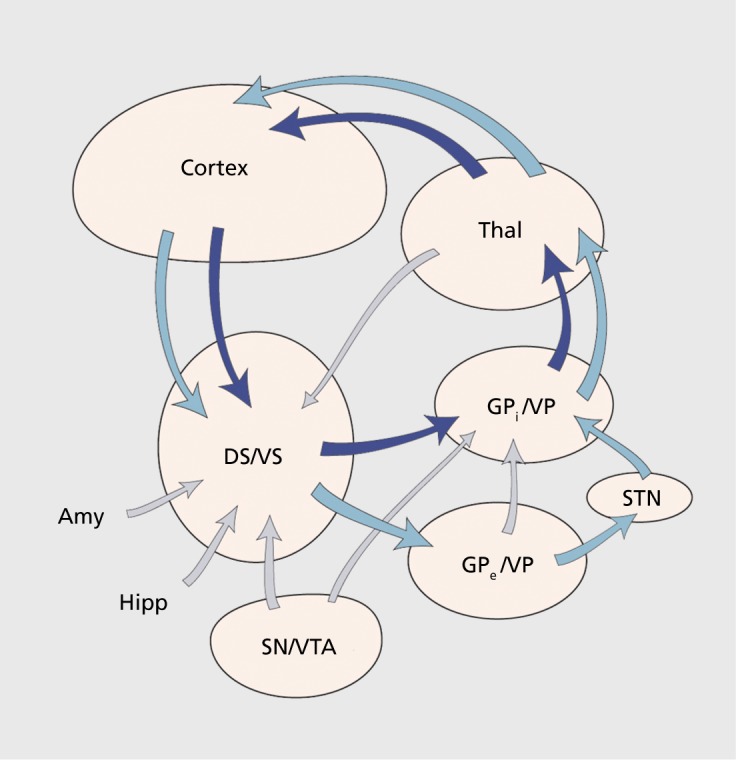
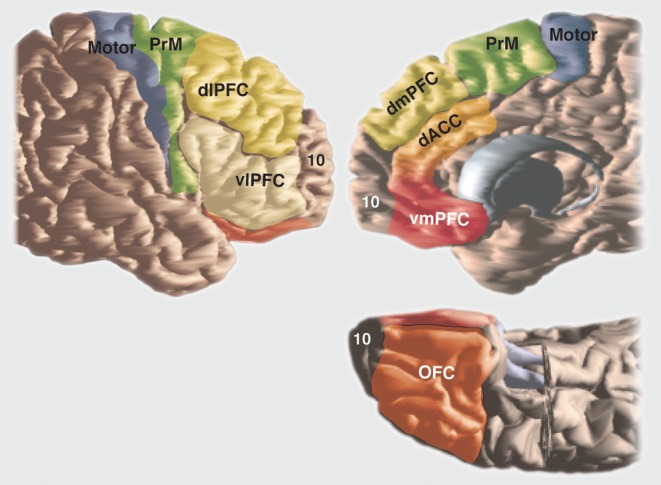
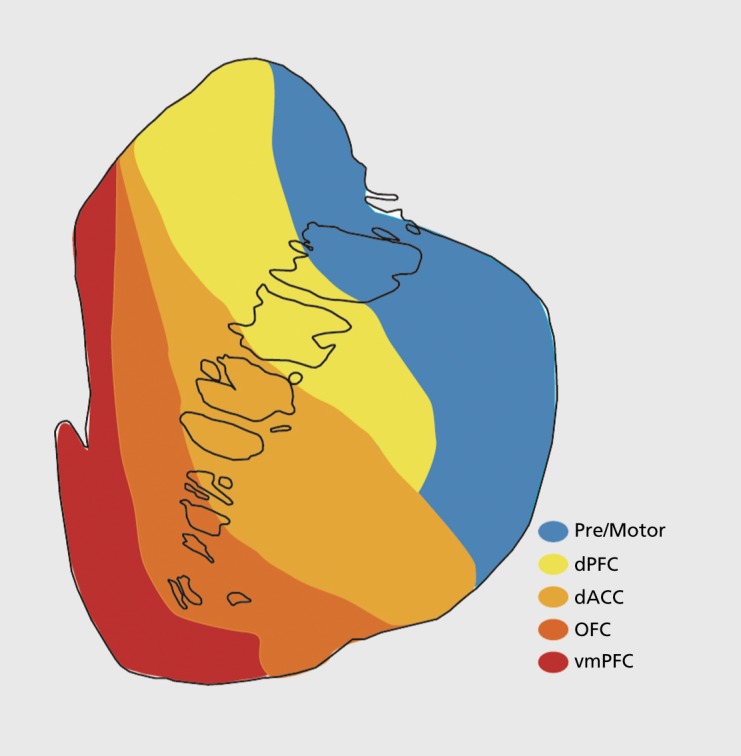
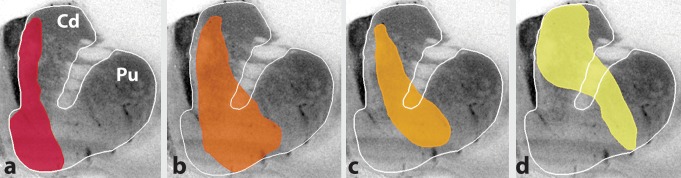
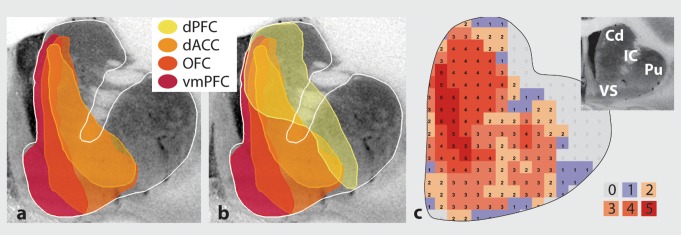
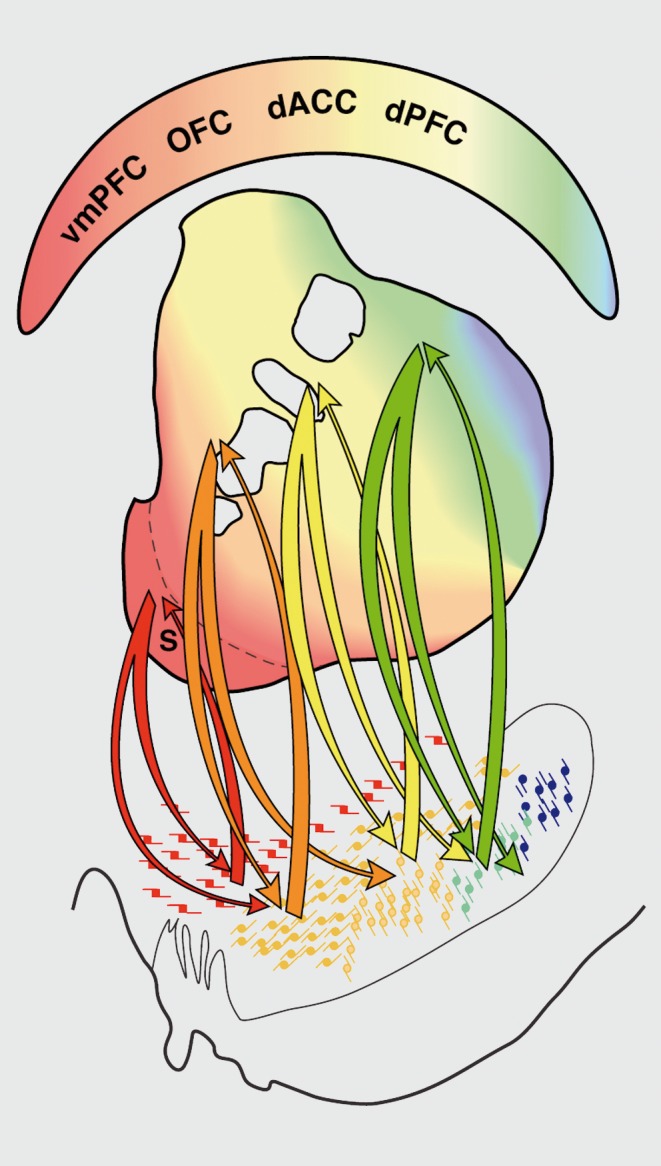
Corticostriatal connections play a central role in developing appropriate goal-directed behaviors, including the motivation and cognition to develop appropriate actions to obtain a specific outcome. The cortex projects to the striatum topographically. Thus, different regions of the striatum have been associated with these different functions: the ventral striatum with reward; the caudate nucleus with cognition; and the putamen with motor control. However, corticostriatal connections are more complex, and interactions between functional territories are extensive. These interactions occur in specific regions in which convergence of terminal fields from different functional cortical regions are found. This article provides an overview of the connections of the cortex to the striatum and their role in integrating information across reward, cognitive, and motor functions. Emphasis is placed on the interface between functional domains within the striatum.
Overview
The claims and statistics of this paper haven’t been checked yet.
Free: it reads the open-access text and checks the first 5 claims that cite a source we can check. Create a free account to check every claim.
Integrity signals
Registry
Cites
Statistics
Figures
Verification
Claims the paper makes
The claims and statistics of this paper haven’t been checked yet.
Free: it reads the open-access text and checks the first 5 claims that cite a source we can check. Create a free account to check every claim.
Claims other papers make about this one
Each is checked against this paper’s own text: does it say what the citing paper says it does?
The cited source says what the claim attributes to it.
In the citing paper
“For example, the substantia nigra makes extensive connections with the striatum, cortex, thalamus and neighboring brainstem regions, allowing dopaminergic outputs to exert far-reaching effects on the flow of CSTC information (Haber, 2016).”
From Cortico-striatal-thalamic loop circuits of the salience network: A central pathway in psychiatric disease and treatment (2016) · cites this paper as Haber, 2016
The cited source says what the claim attributes to it.
In the citing paper
“Importantly, the mesolimbic and nigrostriatal dopaminergic pathway have been implicated in the encoding of “saliency prediction errors”, underscoring their broader contributions to the attribution of salience to environmental stimuli (Kapur, 2003; Haber, 2016).”
From Cortico-striatal-thalamic loop circuits of the salience network: A central pathway in psychiatric disease and treatment (2016) · cites this paper as Haber, 2016
The cited source says what the claim attributes to it.
In the citing paper
“Corticostriatal circuitry is essential to processing reward, cognition, and movement (Haber, 2016)”
From Developmental origins of sex differences in the neural circuitry of play (2020) · cites this paper as Haber, 2016
In the citing paper
“Specifically, the dACC projects primarily to the dorsal caudate nucleus and ventral striatum, overlapping partially but not completely with frontostriatal projections from the dlPFC (Haber, 2016).”
From Cortico-striatal-thalamic loop circuits of the salience network: A central pathway in psychiatric disease and treatment (2016) · cites this paper as Haber, 2016
Self-check
Percentages, sums and reported differences re-computed from the paper’s own numbers.
The self-check needs the paper’s full text.
Citations
Cites
The Brain's Default Network: Anatomy, Function, and Relevance to Disease
Buckner, R. L., Andrews‐Hanna, J. R., & Schacter, D. L. (2008) · Annals of the New York Academy of Sciences · doi:10.1196/annals.1440.011 · Cited by 9,761
Koob, G. F., & Volkow, N. D. (2010) · Neuropsychopharmacology · doi:10.1038/npp.2009.110 · Cited by 5,340
Predictive reward signal of dopamine neurons
Schultz, W. (1998) · Journal of Neurophysiology · doi:10.1152/jn.1998.80.1.1 · Cited by 4,564
Functional architecture of basal ganglia circuits: neural substrates of parallel processing
Alexander, G. E., & Crutcher, M. D. (1990) · Trends in Neurosciences · doi:10.1016/0166-2236(90)90107-l · Cited by 4,131
Functional anatomy of the basal ganglia. I. The cortico-basal ganglia-thalamo-cortical loop
Parent, A., & Hazrati, L.-N. (1995) · Brain Research Reviews · doi:10.1016/0165-0173(94)00007-c · Cited by 2,161
Wise, R. A., & Rompre, P.-P. (1989) · Annual Review of Psychology · doi:10.1146/annurev.ps.40.020189.001203 · Cited by 1,968
Haber, S. N., Fudge, J. L., & McFarland, N. R. (2000) · The Journal of Neuroscience · doi:10.1523/jneurosci.20-06-02369.2000 · Cited by 1,610
Self-citationNeurons in the orbitofrontal cortex encode economic value
Padoa-Schioppa, C., & Assad, J. A. (2006) · Nature · doi:10.1038/nature04676 · Cited by 1,598
Neurotransmitters and neuromodulators in the basal ganglia
Graybiel, A. M. (1990) · Trends in Neurosciences · doi:10.1016/0166-2236(90)90104-i · Cited by 1,576
Specificity in the projection patterns of accumbal core and shell in the rat
Heimer, L., Zahm, D. S., Churchill, L., Kalivas, P. W., & Wohltmann, C. (1991) · Neuroscience · doi:10.1016/0306-4522(91)90202-y · Cited by 1,219
Research works printed but not linked: 7
- Robbins TW. Everitt BJ. Motivation and reward. In: Squire LR, Roberts JL, Spitzer NC, Zigmond MJ, McConnell SK, Bloom FE, eds. Fundamental Neuroscience. 2nd ed. San Diego, CA: Academic Press; 1999 1245 1259
- Koob GF. Drug reward and addiction. In: Fundamental Neuroscience. New York, NY: Academic Press; 1999 1261 1279
- Kalivas PW. Churchill L. Klitenick MA. The circuitry mediating the translation of motivational stimuli into adaptive motor responses. In: Kalivas PW, Barnes CD, eds. Limbic Motor Circuits and Neuropsychiatry. Boca Raton, FL: CRC Press, Inc; 1993 237 275
- Heimer L. Alheid GF. Zahm DS. Basal forebrain organization: an anatomical framework for motor aspects of drive and motivation. In: Kalivas PW, Barnes CD, eds. Limbic Motor Circuits and Neuropsychiatry. Boca Raton, FL: CRC Press, Inc; 1993 1 43
- Parent A. Comparative Neurobiology of the Basal Ganglia. New York, NY: John Wiley and Sons; 1986
- McFarland NR. Haber SN. The thalamostriataI projection and its relation to corticostriatal and cortiocthalamic inputs. Soc Neurosci Abst. 1996 22 412
- Fibiger HC. Phillips AG. Reward, motivation, cognition: psychobiology of mesotelencephalic dopamine systems. In: Mountcastle VB, Bloom F, Geiger SR, eds. Handbook of Physiology. Section I: the Nervous System. Vol 4. Bethesda,MD: American Physiological Society; 1986 647 674
Cited by
Items 101–200 of 1,000
Thalamocortical architectures for flexible cognition and efficient learning
Scott, D. N., Mukherjee, A., Nassar, M. R., & Halassa, M. M. (2024) · Trends in Cognitive Sciences · doi:10.1016/j.tics.2024.05.006 · Cited by 63
Cortico-striatal synchronization in human focal seizures
Aupy, J., Wendling, F., Taylor, K., Bulacio, J. C., Gonzalez-Martinez, J. A., & Chauvel, P. (2019) · Brain · doi:10.1093/brain/awz062 · Cited by 61
Baumann, O., & Mattingley, J. B. (2021) · Hippocampus · doi:10.1002/hipo.23313 · Cited by 102
“The dorsal striatum is widely recognized for its important contribution to motor control (Haber, 2016), but it is also clear that it has a wider variety of functions, specifically in stimulus–response learning (Featherstone & McDonald, 2004).”
BackgroundParr, A. C., Calabro, F., Larsen, B., Tervo-Clemmens, B., Elliot, S., Foran, W., Olafsson, V., & Luna, B. (2021) · Progress in Neurobiology · doi:10.1016/j.pneurobio.2021.101997 · Cited by 60
Manea, A. M., Zilverstand, A., Ugurbil, K., Heilbronner, S. R., & Zimmermann, J. (2022) · eLife · doi:10.7554/elife.75540 · Cited by 49
Jellinger, K. A. (2019) · Journal of Neural Transmission · doi:10.1007/s00702-019-02028-6 · Cited by 60
Striatal cholinergic transmission. Focus on nicotinic receptors’ influence in striatal circuits
Assous, M. (2021) · European Journal of Neuroscience · doi:10.1111/ejn.15135 · Cited by 62
“The striatum is the main input structure of the BG receiving massive excitatory innervation from almost the entire cortical mantle as well as several thalamic nuclei such as the parafascicular nucleus (PfN), (Berendse & Groenewegen, 1990; Flaherty & Graybiel, 1993; Francois et al., 1991; Haber, 2016; Haber et al., 200…”
BackgroundMapping microstructural gradients of the human striatum in normal aging and Parkinson’s disease
Drori, E., Berman, S., & Mezer, A. (2022) · Science Advances · doi:10.1126/sciadv.abm1971 · Cited by 59
The Brain and Movement: How Physical Activity Affects the Brain
Giorgio, A. D., Kuvačić, G., Milić, M., & Padulo, J. (2018) · Montenegrin Journal of Sports Science and Medicine · doi:10.26773/mjssm.180910 · Cited by 59
“Th e basal ganglia receive a large amount of input both from the cerebral cortex (Haber, 2016), and cerebellum (Bostan & Strick, 2010; De Bartolo et al., 2011), and their role in cognition is well established (Middleton & Strick, 2000).”
BackgroundZhao, Z., Ma, X., Geng, Y., Zhao, W., Zhou, F., Wang, J., Markett, S. A., Biswal, B. B., Ma, Y., Kendrick, K. M., et al. (2018) · NeuroImage · doi:10.1016/j.neuroimage.2018.09.067 · Cited by 58
“Based on findings from previous studies (e.g. Di Martino et al., 2008; see also animal models, e.g. Haber, 2016) on the distinct connectivity patterns of ventral versus dorsal striatal regions the former where thus ascribed to the ventral and the latter to the dorsal striatum (see also…”
InfluentialPDE10A Inhibitors—Clinical Failure or Window Into Antipsychotic Drug Action?
Menniti, F. S., Chappie, T. A., & Schmidt, C. J. (2021) · Frontiers in Neuroscience · doi:10.3389/fnins.2020.600178 · Cited by 59
“The striatum is a large nucleus comprised primarily of PDE10A-expressing medium spiny neurons (MSNs) that functions as the gateway for the input and processing of cortical information by the basal ganglia circuit (Albin et al., 1989; Haber, 2016).”
BackgroundThe Genetically Informed Neurobiology of Addiction (GINA) model
Bogdan, R., Hatoum, A. S., Johnson, E. C., & Agrawal, A. (2022) · Nature reviews. Neuroscience · doi:10.1038/s41583-022-00656-8 · Cited by 59
Kuo, H., & Liu, F. (2017) · The FASEB Journal · doi:10.1096/fj.201700054r · Cited by 58
Thalamic afferents to prefrontal cortices from ventral motor nuclei in decision‐making
Sieveritz, B., Garcia-Munoz, M., & Arbuthnott, G. W. (2018) · European Journal of Neuroscience · doi:10.1111/ejn.14215 · Cited by 58
“…cortical areas as demonstrated in species such as: rats (Webster, 1961; Wilson, 1986, 1987), mice (Hattox & Nelson, 2007; Sohur et al., 2014), rabbits (Carman et al., 1963), cats (Webster, 1965), and primates (Kemp & Powell, 1970; Goldman-Rakic, 1983; Cavada & Goldman-Rakic, 1991; Haber, 2016).”
Blumen, H. M., Brown, L. L., Habeck, C. G., Allali, G., Ayers, E. I., Beauchet, O., Callisaya, M. L., Lipton, R. B., Mathuranath, P. S., Phan, T. G., et al. (2018) · Brain Imaging and Behavior · doi:10.1007/s11682-018-9871-7 · Cited by 57
“Clearly, the connections, functions, and the interactions of these pathways are more complicated and extensive than outlined above (Haber 2016; Marinelli et al. 2017), and the distinction between the motor and cognitive pathways (or aspects of gait) not clear-cut – yet this distinction is helpful…”
BackgroundA neurogenetic analysis of female autism
Jack, A., Sullivan, C. A. W., Aylward, E., Bookheimer, S. Y., Dapretto, M., Gaab, N., Horn, J. D. V., Eilbott, J. A., Jacokes, Z., Torgerson, C. M., et al. (2021) · Brain · doi:10.1093/brain/awab064 · Cited by 57
“Among typically developing individuals, the putamen receives projections from motor/ premotor (primarily terminating in dorsolateral/central putamen), and prefrontal cortex (primarily terminating in anterior putamen), and appears to serve as an interface between information about motivational value and voluntary behav…”
BackgroundClosing the loop in psychiatric deep brain stimulation: physiology, psychometrics, and plasticity
Widge, A. S. (2023) · Neuropsychopharmacology · doi:10.1038/s41386-023-01643-y · Cited by 56
“In our study with epilepsy patients [49], we observed that the cognitive control enhancement had topographic speci fi city – it was stronger when stimulation occurred through electrodes placed more dorsally in the capsule, closer to white matter fi bers originating in lateral PFC [47, 94, 128].”
BackgroundSocial media ‘addiction’: The absence of an attentional bias to social media stimuli
Thomson, K., Hunter, S. C., Butler, S. H., & Robertson, D. J. (2021) · Journal of Behavioral Addictions · doi:10.1556/2006.2021.00011 · Cited by 40
“…and research suggests that this is underpinned by larger dopaminergic responses to addiction related stimuli in brain areas which mediate goal-directed behaviour (Franken, 2003; Haber, 2016), a key concept in the incentive-sensitization theory of addiction (Robinson & Berridge, 1993, 2008).”
BackgroundCatatonia: American Psychiatric Association Resource Document
Wilson, J. E., Oldham, C. M., Francis, A., Perkey, D., Kramer, E. N., Jiang, S., Yoon, J., Beach, S. R., Fricchione, G. L., Gunther, M. G., et al. (2025) · Journal of the Academy of Consultation-Liaison Psychiatry · doi:10.1016/j.jaclp.2025.05.001 · Cited by 54
de Haas, R., Das, D., Garanto, A., Renkema, G. H., Greupink, R., van den Broek, P., Pertijs, J. C. L. M., Collin, R. W. J., Willems, P. H. G. M., Beyrath, J., et al. (2017) · Scientific Reports · doi:10.1038/s41598-017-09417-5 · Cited by 56
Predictive Processing: A Circuit Approach to Psychosis
Keller, G. B., & Sterzer, P. (2024) · Annual Review of Neuroscience · doi:10.1146/annurev-neuro-100223-121214 · Cited by 55
Hierarchical control as a shared neurocognitive mechanism for language and music
Asano, R., Boeckx, C. A., & Seifert, U. (2021) · Cognition · doi:10.1016/j.cognition.2021.104847 · Cited by 53
Guo, X., Yamashita, M., Suzuki, M., Ohsawa, C., Asano, K., Abe, N., Soshi, T., & Sekiyama, K. (2020) · Human Brain Mapping · doi:10.1002/hbm.25298 · Cited by 54
“and well-learned movements that require little cognitive effort (Haber, 2016).”
BackgroundDeery, H. A., Paolo, R. D., Moran, C., Egan, G. F., & Jamadar, S. D. (2022) · Human Brain Mapping · doi:10.1002/hbm.26119 · Cited by 52
“, Shu, N., & Zhang, Z. (2021). Relationship between the disrupted topological efficiency of the structural brain connectome and glucose hypometabolism in normal aging.”
BackgroundMethodInfluentialKnowledge generalization and the costs of multitasking
Garner, K., & Dux, P. E. (2022) · Nature reviews. Neuroscience · doi:10.1038/s41583-022-00653-x · Cited by 53
Cingulate-basal ganglia-thalamo-cortical aspects of catatonia and implications for treatment
Fricchione, G. L., & Beach, S. R. (2019) · Handbook of clinical neurology · doi:10.1016/b978-0-444-64196-0.00012-1 · Cited by 51
Koch, S. B. J., van Zuiden, M., Nawijn, L., Frijling, J. L., Veltman, D. J., & Olff, M. (2019) · European Neuropsychopharmacology · doi:10.1016/j.euroneuro.2018.12.002 · Cited by 44
Hypofunctional Dopamine Uptake and Antipsychotic Treatment-Resistant Schizophrenia
Amato, D., Kruyer, A., Samaha, A., & Heinz, A. (2019) · Frontiers in Psychiatry · doi:10.3389/fpsyt.2019.00314 · Cited by 50
Burns, A. M., Farinelli-Scharly, M., Hugues-Ascery, S., Sanchez-Mut, J. V., Santoni, G., & Gräff, J. (2022) · Proceedings of the National Academy of Sciences · doi:10.1073/pnas.2116797119 · Cited by 49
Bore, M. C., Liu, X., Gan, X., Wang, L., Xu, T., Ferraro, S., Li, L., Zhou, B., Zhang, J., Vatansever, D., et al. (2023) · Psychological Medicine · doi:10.1017/s0033291723003410 · Cited by 49
Chye, Y., Solowij, N., Suo, C., Batalla, A., Cousijn, J., Goudriaan, A. E., Martín‐Santos, R., Whittle, S., Lorenzetti, V., & Yücel, M. (2017) · Psychopharmacology · doi:10.1007/s00213-017-4606-9 · Cited by 50
“…subserving unique functions ranging from emotion, motivation, higher cognition and motor planning, converge in overlapping zones on the striatum (Haber 2016), structural segmentation within the caudate based on anatomical division may not parse out the morphology corresponding to the different…”
BackgroundMethodInfluentialAlterations in White Matter Integrity in Young Adults with Smartphone Dependence
Hu, Y., Long, X., Lyu, H., Zhou, Y., & Chen, J. (2017) · Frontiers in Human Neuroscience · doi:10.3389/fnhum.2017.00532 · Cited by 53
“…study, compared with normal subjects, individuals with SPD showed significantly lower FA in the external capsule, which is consistent with accumulating evidence suggesting that damage to the corticostriatal circuits may underlie the pathophysiology of addiction (Aston-Jones, 2015; Haber, 2016).”
BackgroundResultHanakawa, T., Goldfine, A. M., & Hallett, M. (2017) · eNeuro · doi:10.1523/eneuro.0200-17.2017 · Cited by 49
“This topographical organization is maintained within the basal ganglia and the thalamus, projecting back to the frontal regions of origin and forming the parallel-basal ganglia-thalamo-cortical (BTC) circuits (Alexander et al., 1986; Middleton and Strick, 2000; Kim and Hikosaka, 2015; Haber, 2016).”
BackgroundGene therapy in the putamen for curing AADC deficiency and Parkinson's disease
Hwu, W., Kiening, K. L., Anselm, I. A., Compton, D. M., Nakajima, T., Opladen, T., Pearl, P. L., Roubertie, A., Roujeau, T., & Muramatsu, S. (2021) · EMBO Molecular Medicine · doi:10.15252/emmm.202114712 · Cited by 49
“Here, we highlight critical components of the striatal connections for motor control to support our rationale for choosing the putamen as a target site for gene therapy against neurological disorders that involve dopaminergic system dysfunction (Fig 1) (Haber, 2016).”
InfluentialCasado-Sainz, A., Gudmundsen, F., Bærentzen, S. L., Lange, D., Ringsted, A., Tejada, I. M., Medina, S., Lee, H., Svarer, C., Keller, S. H., et al. (2021) · Neuropsychopharmacology · doi:10.1038/s41386-021-01207-y · Cited by 51
“Molecular imaging studies by positron emission tomography (PET) in people with OCD have shown changes in striatal dopamine receptor availability [6], as well as metabolic hyperactivity especially in the orbitofrontal cortex (OFC) and increased metabolic connectivity from frontal cortex to the caudate nucleus [7–10], w…”
BackgroundGeffen, T., Smallwood, J., Finke, C., Olbrich, S., Sjoerds, Z., & Schlagenhauf, F. (2022) · NeuroImage: Clinical · doi:10.1016/j.nicl.2021.102915 · Cited by 48
“CSTC circuits are organized in a parallel and segregated manner and connect frontal cortical areas with the thalamus via the basal ganglia with an excitatory direct and an inhibitory indirect pathway (Calzà et al., 2019; Haber, 2016; Moody et al., 2017).”
Kimble, L. C., Twiddy, J. S., Berger, J. M., Forderhase, A. G., McCarty, G. S., Meitzen, J., & Sombers, L. A. (2023) · ACS Sensors · doi:10.1021/acssensors.3c01267 · Cited by 48
“32,33 Notably, a subpopulation of DA terminals in striatum can release both glutamate and DA from segregated release sites on a single neuron.”
Xu, L., Ding, H., Wu, S., Xiong, N., Hong, Y., Zhu, W., Chen, X., Han, X., Tao, M., Wang, Y., et al. (2024) · ACS Nano · doi:10.1021/acsnano.4c07844 · Cited by 48
The roles of motor activity and environmental enrichment in intellectual disability
Giorgio, A. D. (2017) · Somatosensory & Motor Research · doi:10.1080/08990220.2016.1278204 · Cited by 48
Effective Connectivity of Fronto-Striato-Thalamic Circuitry Across the Psychosis Continuum
Sabaroedin, K., Razi, A., Chopra, S., Tran, N., Pozaruk, A., Chen, Z., Finlay, A., Nelson, B., Allott, K., Álvarez‐Jiménez, M., et al. (2021) · Brain · doi:10.1016/j.biopsych.2021.02.887 · Cited by 48
Cortico-subcortical interactions in overlapping communities of edge functional connectivity
Chumin, E. J., Faskowitz, J., Esfahlani, F. Z., Jo, Y., Merritt, H., Tanner, J., Cutts, S. A., Pope, M., Betzel, R. F., & Sporns, O. (2022) · NeuroImage · doi:10.1016/j.neuroimage.2022.118971 · Cited by 49
“It is possible that the forked triads are manifesting as a result of anatomical feedback loops between cortex and subcortex (Haber, 2016), resulting in similar communication patters of subcortico-cortical edges that are distinct from cortico-cortical communication (forked triad), and supporting synchronous zero-lag co…”
BackgroundFunctional coherence of striatal resting-state networks is modulated by striatal iron content
Salami, A., Avelar‐Pereira, B., Garzón, B., Sitnikov, R., & Kalpouzos, G. (2018) · NeuroImage · doi:10.1016/j.neuroimage.2018.08.036 · Cited by 47
Diurnal rhythms across the human dorsal and ventral striatum
Ketchesin, K. D., Zong, W., Hildebrand, M. A., Seney, M. L., Cahill, K. M., Scott, M. R., Shankar, V. G., Glausier, J. R., Lewis, D. A., Tseng, G. C., et al. (2020) · Proceedings of the National Academy of Sciences · doi:10.1073/pnas.2016150118 · Cited by 47
Zhuang, Q., Xu, L., Zhou, F., Yao, S., Zheng, X., Zhou, X., Li, J., Xu, X., Fu, M., Li, K., et al. (2021) · NeuroImage · doi:10.1016/j.neuroimage.2021.118269 · Cited by 47
Dugre, J. R., & Potvin, S. (2023) · Journal of Affective Disorders · doi:10.1016/j.jad.2023.03.005 · Cited by 49
Hjorth, O. R., Frick, A., Gingnell, M., Hoppe, J. M., Faria, V., Hultberg, S., Alaie, I., Månsson, K. N. T., Rosén, J., Reis, M., et al. (2021) · Translational Psychiatry · doi:10.1038/s41398-021-01682-3 · Cited by 46
“Striatal regions are important for reward processing, receiving input from the thalamus while also relaying information to the thalamus through pallidum [45].”
BackgroundPrefrontal and Striatal Dopamine Release Are Inversely Correlated in Schizophrenia
Frankle, W. G., Himes, M. L., Mason, N. S., Mathis, C. A., & Narendran, R. (2022) · Biological Psychiatry · doi:10.1016/j.biopsych.2022.05.009 · Cited by 46
Cocaine Cue-Induced Dopamine Release in Recreational Cocaine Users
Cox, S. M. L., Yau, Y. H. C., Larcher, K. M.-H., Durand, F., Kolivakis, T., Delaney, J. S., Dagher, A., Benkelfat, C., & Leyton, M. (2017) · Scientific Reports · doi:10.1038/srep46665 · Cited by 45
Neurons in the monkey orbitofrontal cortex mediate reward value computation and decision-making
Setogawa, T., Mizuhiki, T., Matsumoto, N., Akizawa, F., Kuboki, R., Richmond, B. J., & Shidara, M. (2019) · Communications Biology · doi:10.1038/s42003-019-0363-0 · Cited by 48
Toward an information theoretical description of communication in brain networks
Amico, E., Abbas, K., Duong-Tran, D. A., Tipnis, U., Rajapandian, M., Chumin, E. J., Ventresca, M., Harezlak, J., & Goñi, J. (2021) · Network Neuroscience · doi:10.1162/netn_a_00185 · Cited by 46
“Striatal regions are known to receive direct inputs from brainstem and cortical regions, serving to integrate information related to motor function and reward (Haber, 2016).”
BackgroundNeural Mechanisms Underlying Time Perception and Reward Anticipation
Apaydın, N., Üstün, S., Kale, E. H., Çelikağ, İ., Özgüven, H. D., Başkak, B., & Çíçek, M. (2018) · Frontiers in Human Neuroscience · doi:10.3389/fnhum.2018.00115 · Cited by 44
“These prefrontal-striatal connections are suggested to be parallel and segregated but show significant convergence as well (Haber, 2016).”
BackgroundTopological gene expression networks recapitulate brain anatomy and function
Patania, A., Selvaggi, P., Veronese, M., Dipasquale, O., Expert, P., & Petri, G. (2019) · Network Neuroscience · doi:10.1162/netn_a_00094 · Cited by 44
Circuits generating secondarily generalized seizures
Brodovskaya, A., & Kapur, J. (2019) · Epilepsy & Behavior · doi:10.1016/j.yebeh.2019.106474 · Cited by 44
Maximizing lentiviral vector gene transfer in the CNS
Humbel, M., Ramosaj, M., Zimmer, V., Regio, S., Aeby, L., Moser, S., Boizot, A., Sipion, M., Rey, M. J., & Déglon, N. (2020) · Gene Therapy · doi:10.1038/s41434-020-0172-6 · Cited by 44
Bore, M. C., Liu, X., Huang, X., Kendrick, K. M., Zhou, B., Zhang, J., Klugah‐Brown, B., & Becker, B. (2024) · Neuroscience & Biobehavioral Reviews · doi:10.1016/j.neubiorev.2024.105835 · Cited by 44
White matter change with apathy and impulsivity in frontotemporal lobar degeneration syndromes
Lansdall, C. J., Coyle-Gilchrist, I. T. S., Jones, P. S., Vázquez Rodríguez, P., Wilcox, A., Wehmann, E., Dick, K. M., Robbins, T. W., & Rowe, J. B. (2018) · Neurology · doi:10.1212/wnl.0000000000005175 · Cited by 36
Arienzo, D., Happer, J. P., Molnar, S. M., Alderson‐Myers, A., & Marinković, K. (2019) · Brain Imaging and Behavior · doi:10.1007/s11682-019-00107-6 · Cited by 43
“Both the NAcc and dorsal striatum have reciprocal connections with the medial prefrontal cortex (Haber 2016; Jarbo and Verstynen 2015) which is implicated in reinforcement learning and integrating reward, salience valuation, and learning reward contingencies (Haber and Knutson 2010; Jarbo and…”
The resting-state brain activity signatures for addictive disorders
Zheng, H., Zhai, T., Lin, X., Dong, G., Yang, Y., & Yuan, T. (2024) · Med · doi:10.1016/j.medj.2024.01.008 · Cited by 43
A Neural Pathway for Nonreinforced Preference Change
Schönberg, T., & Katz, L. N. (2020) · Trends in Cognitive Sciences · doi:10.1016/j.tics.2020.04.002 · Cited by 45
Where Actions Meet Outcomes: Medial Prefrontal Cortex, Central Thalamus, and the Basal Ganglia
Mair, R. G., Francoeur, M. J., Krell, E. M., & Gibson, B. M. (2022) · Frontiers in Behavioral Neuroscience · doi:10.3389/fnbeh.2022.928610 · Cited by 40
“Interactions between corticostriatal projections from M2, AC, PL, IL, and MO are expanded by diffuse terminal fields that surround areas receiving dense projections from each of these areas (Mailly et al., 2013; Haber, 2016; Heilbronner et al., 2016; Hintiryan et al., 2016).”
BackgroundUsing rAAV2-retro in rhesus macaques: Promise and caveats for circuit manipulation
Cushnie, A. K., El-Nahal, H. G., Bohlen, M. O., May, P. J., Basso, M. A., Grimaldi, P., Wang, M. Z., de Velasco, E. M. F., Sommer, M. A., & Heilbronner, S. R. (2020) · Journal of Neuroscience Methods · doi:10.1016/j.jneumeth.2020.108859 · Cited by 42
“The retrograde labeling produced by rAAV2-retro was, in many areas, comparable in both pattern and density to that produced by conventional retrograde tract-tracers (Haber, 2016; Haber et al., 1995; Leichnetz and Goldberg, 1988; May, 2006).”
ResultAvram, M., Brandl, F., Knolle, F., Cabello, J., Leucht, C., Scherr, M., Mustafa, M., Koutsouleris, N., Leucht, S., Ziegler, S. I., et al. (2020) · Brain · doi:10.1093/brain/awaa296 · Cited by 42
Neural mapping of anhedonia across psychiatric diagnoses: A transdiagnostic neuroimaging analysis
Schaub, A.-C., Kirschner, M., Schweinfurth, N., Mählmann, L., Kettelhack, C., Engeli, E., Doll, J. P. K., Borgwardt, S., Lang, U. E., Kaiser, S., et al. (2021) · NeuroImage Clinical · doi:10.1016/j.nicl.2021.102825 · Cited by 42
“planning and habit formation in the dorsal striatum (Everitt and Robbins, 2013; Haber, 2016).”
BackgroundInfluentialThe learning of prospective and retrospective cognitive maps within neural circuits
Namboodiri, V. M. K., & Stuber, G. D. (2021) · Neuron · doi:10.1016/j.neuron.2021.09.034 · Cited by 42
“Several key circuit nodes for behavioral control reside in the dorsal striatum (Graybiel, 2008; Graybiel and Grafton, 2015; Haber, 2016; Klaus et al., 2019; Kreitzer and Malenka, 2008; Nelson and Kreitzer, 2014; Schultz, 2016a).”
BackgroundDevelopmental origins of sex differences in the neural circuitry of play
VanRyzin, J. W., Marquardt, A. E., & McCarthy, M. M. (2020) · International Journal of Play · doi:10.1080/21594937.2020.1723370 · Cited by 40
“Corticostriatal circuitry is essential to processing reward, cognition, and movement (Haber, 2016) and dopamine depletion in the striatum produces alterations in play behavior sequence (Pellis, Castañeda, McKenna, Tran-Nguyen, & Whishaw, 1993).”
BackgroundSelf‐motion perception in Parkinson's disease
Halperin, O., Israeli‐Korn, S., Yakubovich, S., Hassin‐Baer, S., & Zaidel, A. (2020) · European Journal of Neuroscience · doi:10.1111/ejn.14716 · Cited by 40
“…IN PD The basal ganglia are anatomically interconnected with widespread cortical areas, including somatosensory, multisensory and association cortices (Alexander & Crutcher, 1990; Chikama, McFarland, Amaral, & Haber, 1997; Gerfen & Wilson, 1996; Haber, 2003, 2016; Herrero, Barcia, & Navarro, 2002).”
Brandenburg, C., Soghomonian, J., Zhang, K., Sulkaj, I., Randolph, B., Kachadoorian, M., & Blatt, G. J. (2020) · Frontiers in Cellular Neuroscience · doi:10.3389/fncel.2020.577858 · Cited by 40
“As one example, the dorsal anterior cingulate cortex is an area that heavily innervates the striatum (for a review see: Haber, 2016) and a recent postmortem study from our laboratory revealed differences in serotonin receptor subtype densities that were age-dependent and not evident in the other…”
BackgroundNatural General Intelligence: How understanding the brain can help us build AI
Summerfield, C. (2022) · doi:10.1093/oso/9780192843883.001.0001 · Cited by 43
Haber, S. N., Lehman, J. F., Maffei, C., & Yendiki, A. (2022) · Biological Psychiatry · doi:10.1016/j.biopsych.2023.01.006 · Cited by 40
Self-citationAlcohol�s Negative Emotional Side: The Role of Stress Neurobiology in Alcohol Use Disorder
Sinha, R. (2022) · Alcohol Research: Current Reviews · doi:10.35946/arcr.v42.1.12 · Cited by 39
Parcellation of the striatal complex into dorsal and ventral districts
Chen, S., Lu, K.-M., Ko, H.-A., Huang, T.-H., Hao, J. H.-J., Yan, Y., Chang, S. L., Evans, S. Μ., & Liu, F. (2020) · Proceedings of the National Academy of Sciences · doi:10.1073/pnas.1921007117 · Cited by 39
Padula, C. B., Tenekedjieva, L., McCalley, D. M., Al-Dasouqi, H., Hanlon, C. A., Williams, L. M., Kozel, F. A., Knutson, B. D., Durazzo, T. C., Yesavage, J. A., et al. (2022) · Frontiers in Psychiatry · doi:10.3389/fpsyt.2022.893833 · Cited by 40
Денисовна, Ш. А., Zharikova, T. S., Ковалева, О. Н., Luchina, A. M., Aktemirov, A. S., Olsufieva, A. V., Sinelnikov, M. Y., Pontes‐Silva, A., & Zharikov, Y. O. (2023) · Behavioural Brain Research · doi:10.1016/j.bbr.2023.114606 · Cited by 39
Lin, P., Wang, X., Zhang, B., Kirkpatrick, B. W., Öngür, D., Levitt, J. J., Jovicich, J., Yao, S., & Wang, X. (2017) · Human Brain Mapping · doi:10.1002/hbm.23879 · Cited by 39
“The organization of frontal inputs to the striatum in humans and nonhuman primates is highly regular constituting the afferent input-based subdivision of the striatum (Ferry et al., 2000; Haber, 2016; Postuma & Dagher, 2006).”
BackgroundInfluentialDopamine release in human associative striatum during reversal learning
Grill, F., Guitart‐Masip, M., Johansson, J. J., Jonasson, L. S., Axelsson, J., Nyberg, L. H., & Rieckmann, A. (2024) · Nature Communications · doi:10.1038/s41467-023-44358-w · Cited by 38
Baclofen attenuates fMRI alcohol cue reactivity in treatment-seeking alcohol dependent individuals
Logge, W., Morris, R. W., Baillie, A., Haber, P., & Morley, K. C. (2019) · Psychopharmacology · doi:10.1007/s00213-019-05192-5 · Cited by 38
“…conditioning from drug cues, and along with the prefrontal cortex is key to goal-directed control and execution of complex behaviours, receiving direct inputs from the prefrontal cortex (including the ACC and mPFC), with reciprocal connections to cortical areas via the thalamus (Haber 2016).”
BackgroundThe Role of BTBD9 in Striatum and Restless Legs Syndrome
Lyu, S., Xing, H., DeAndrade, M. P., Liu, Y., Pérez, P. D., Yokoi, F., Febo, M., Walters, A. S., & Li, Y. (2019) · eNeuro · doi:10.1523/eneuro.0277-19.2019 · Cited by 38
Davidson, B., Hamani, C., Meng, Y., Baskaran, A., Sharma, S., Abrahão, A., Richter, M. A., LEVITT, A. J., Giacobbe, P., Lipsman, N., et al. (2020) · Translational Psychiatry · doi:10.1038/s41398-020-01072-1 · Cited by 38
Zhao, Z., Yao, S., Zweerings, J., Zhou, X., Zhou, F., Kendrick, K. M., Chen, H., Mathiak, K., & Becker, B. (2021) · Human Brain Mapping · doi:10.1002/hbm.25336 · Cited by 39
Mazère, J., Dilharreguy, B., Catheline, G., Vidailhet, M., Deffains, M., Vimont, D., Ribot, B., Barse, E., Cif, L., Mazoyer, B. M., et al. (2021) · Brain · doi:10.1093/brain/awaa465 · Cited by 38
Common and distinct fronto-striatal volumetric changes in heroin and cocaine use disorders
Ceceli, A. O., Huang, Y., Kronberg, G., Malaker, P., Miller, P., King, S. G., Gaudreault, P., McClain, N. E., Gabay, L., Vasa, D., et al. (2022) · Brain · doi:10.1093/brain/awac366 · Cited by 38
Neurocognitive predictors of addiction-related outcomes: A systematic review of longitudinal studies
Christensen, E., Brydevall, M., Albertella, L., Samarawickrama, S. K., Yücel, M., & Lee, R. S. C. (2023) · Neuroscience & Biobehavioral Reviews · doi:10.1016/j.neubiorev.2023.105295 · Cited by 39
“dopaminergic reward-related activity (Haber, 2016; Schultz, 2011; Shepherd, 2013).”
Diekfuss, J. A., Grooms, D. R., Hogg, J. A., Singh, H., Slutsky‐Ganesh, A. B., Bonnette, S., Riehm, C. D., Anand, M., Nissen, K. S., Wilkerson, G. B., et al. (2021) · Journal of Science in Sport and Exercise · doi:10.1007/s42978-020-00085-y · Cited by 37
Elevated soluble amyloid beta protofibrils in Down syndrome and Alzheimer's disease
Johannesson, M., Sahlin, C., Söderberg, L., Basun, H., Fälting, J. M., Möller, C., Zachrisson, O., Sunnemark, D., Svensson, A., Odergren, T., et al. (2021) · Molecular and Cellular Neuroscience · doi:10.1016/j.mcn.2021.103641 · Cited by 37
Biphasic patterns of age-related differences in dopamine D1 receptors across the adult lifespan
Johansson, J. J., Nordin, K., Pedersen, R., Karalija, N., Papenberg, G., Andersson, M., Korkki, S. M., Riklund, K., Guitart‐Masip, M., Rieckmann, A., et al. (2023) · Cell Reports · doi:10.1016/j.celrep.2023.113107 · Cited by 37
An international mega-analysis of psychedelic drug effects on brain circuit function
Girn, M., Doss, M. K., Roseman, L., Preller, K. H., Palhano-Fontes, F., Pasquini, L., Barrett, F. S., Mallaroni, P., Mason, N. L., Timmermann, C., et al. (2026) · Nature Medicine · doi:10.1038/s41591-026-04287-9 · Cited by 38
“Both the CAU and PUT receive dense convergent input from visual, motor and association cortices and play a central role in action selection, sensorimotor integration and the contextual modulation of perception and behavior 41,42 .”
Gene coexpression patterns predict opiate-induced brain-state transitions
Brynildsen, J. K., Mace, K. D., Cornblath, E. J., Weidler, C., Pasqualetti, F., Bassett, D. S., & Blendy, J. A. (2020) · Proceedings of the National Academy of Sciences · doi:10.1073/pnas.2003601117 · Cited by 36
Nair, A., Razi, A., Gregory, S., Rutledge, R. B., Rees, G. E., & Tabrizi, S. J. (2021) · Brain · doi:10.1093/brain/awab367 · Cited by 36
“10,11 These cortical projections synapse with MSN populations that fall broadly into two key groups—those forming the direct and the indirect pathways.”
Sabaroedin, K., Tiego, J., & Fornito, A. (2022) · Biological Psychiatry · doi:10.1016/j.biopsych.2022.07.017 · Cited by 36
Updating the striatal–pallidal wiring diagram
Fang, L. Z., & Creed, M. C. (2023) · Nature Neuroscience · doi:10.1038/s41593-023-01518-x · Cited by 77
“Likewise, both D1-SPN stimulation and D2-SPN inhibition increase spon-taneous motor activity and promote action initiation in reward-based tasks 72,73,105 .”
Rück, C., Mataix-Cols, D., Feusner, J. D., Shavitt, R. G., Veale, D., Krebs, G., & Fernández de la Cruz, L. (2024) · Nature Reviews Disease Primers · doi:10.1038/s41572-024-00577-z · Cited by 35
Closed-Loop Deep Brain Stimulation for Psychiatric Disorders
Widge, A. S. (2023) · Harvard Review of Psychiatry · doi:10.1097/hrp.0000000000000367 · Cited by 39
Xiong, Y., Chenghui, Y. E., Chen, Y., Xiaochun, Z., Chen, H., Sun, R., Zhang, J., Zhong, Z., & Huang, M. (2022) · Brain Sciences · doi:10.3390/brainsci12111555 · Cited by 35
“In this study, we delved into the functional connectivity of basal ganglia, focusing on the amygdala and striatum, the latter consisting of the dorsal medial striatum, dorsal lateral striatum, and ventral striatum [8,9].”
Backgrounddel Rey, N. L., & García‐Cabezas, M. Á. (2022) · Neurobiology of Disease · doi:10.1016/j.nbd.2022.105945 · Cited by 37
“while those of the indirect pathway express dopamine receptor 2 (D2) (Groenewegen, 2003; Haber and Calzavara, 2009; Lanciego et al., 2012; Haber, 2016).”
InfluentialHu, Y., Du, W., Qi, J., Luo, H., Zhang, Z., Luo, M., & Wang, Y. (2024) · eLife · doi:10.7554/elife.88420 · Cited by 35
A cell autonomous torsinA requirement for cholinergic neuron survival and motor control
Pappas, S. S., Li, J., LeWitt, T. M., Kim, J.-K., Monani, U. R., & Dauer, W. T. (2018) · eLife · doi:10.7554/elife.36691 · Cited by 34
“…neuron loss is highly relevant, as the dorsolateral striatum is a key motor circuit node functionally integrated according to topographic inputs, whereas ventromedial striatal neurons are connected in associative and limbic circuits (Alexander et al., 1986; Haber, 2016; Parent and Hazrati, 1995).”
BackgroundHabit learning in hierarchical cortex–basal ganglia loops
Baladron, J., & Hamker, F. H. (2020) · European Journal of Neuroscience · doi:10.1111/ejn.14730 · Cited by 34
“Such communication between loops is performed through overlapping cortico-striatal projections as supported by anatomical investigations by Haber (2016) and Groenewegen, Wouterlood, and Uylings (2017).”
MethodBasal Ganglia—A Motion Perspective
Grillner, S. E., Robertson, B., & Kotaleski, J. H. (2020) · Comprehensive physiology · doi:10.1002/cphy.c190045 · Cited by 35
Asano, R. (2021) · Primates · doi:10.1007/s10329-021-00905-x · Cited by 35
Hickman, R. A., Faust, P. L., Marder, K. S., Yamamoto, A., & Vonsattel, J. (2022) · Acta Neuropathologica Communications · doi:10.1186/s40478-022-01364-1 · Cited by 34
Metadata
- Authors
- Haber, S. N.
- Affiliations
- University of Rochester Medicine (US)
- Corresponding author
- Haber, Suzanne N.
- ORCID
- Haber, Suzanne N.
- Venue
- Dialogues in Clinical Neuroscience
- Publisher
- Informa UK Limited
- Published
- 2016-03-31
- Volume
- 18
- Issue
- 1
- Pages
- 7-21
- ISSN
- 1294-8322 (ISSN-L)
- 1958-5969
- PMC
- PMC4826773
- OpenAlex
- W4241221200
- Cited by
- 922
- References
- 116
- Citations by year
- 2026: 79 · 2025: 122 · 2024: 111 · 2023: 98 · 2022: 129 · 2021: 101 · 2020: 92 · 2019: 88 · 2018: 56 · 2017: 39 · 2016: 7
- FWCI
- 35.52
- Type
- journal article
- Language
- en
- Open access
- diamond
- doi.org
- Licence
- Locations
- Dialogues in Clinical Neuroscience (publishedVersion, cc-by-nc-nd)
- PubMed Central (publishedVersion, cc-by-nc-nd)
- PubMed (publishedVersion)
- Funders
- National Institute of Mental Health (R01MH045573, MH045573)
- Topics
- Life Sciences › Neuroscience › Cellular and Molecular Neuroscience › Neurotransmitter Receptor Influence on Behavior
- Life Sciences › Neuroscience › Cognitive Neuroscience › Neural and Behavioral Psychology Studies
- Health Sciences › Medicine › Clinical Neurology › Deep Brain Stimulation and Movement Disorders
- Keywords
- corticostriatal connections, striatum, ventral striatum, caudate nucleus, putamen, goal-directed behavior, reward, cognition, motor control, topographic projection, functional integration, terminal fields
- MeSH terms
- Animals, Cerebral Cortex, Cognition, Corpus Striatum, Humans, Nerve Net, Neural Pathways, Reward
About these checks
Registry, retraction, Cites and statistics results are computed, not judged, with one exception: a printed reference that no index lists is read once by a model before it counts as a citation error. Claims are extracted by a model and kept only when their quote appears verbatim in the text; each cited source is then checked, with a model’s help, for whether it says what the claim relies on. Those verdicts can be wrong — read the claim’s quote and the cited source before relying on one.
Statistics and arithmetic are recomputed, not judged.
Confidence bands are shown only for fields calibrated on our annotated test set. None is calibrated yet, so no band is shown.
What counts as a claim ›How we measure confidence ›How we check this ›
Are you an author, or do you see a problem with this page? Request a review
Data sources
Bibliographic data: Semantic Scholar, OpenAlex, Crossref.
Contains information from the Semantic Scholar Academic Graph Datasets, made available under the ODC Attribution License (ODC-BY 1.0).
Semantic Scholar’s data is described in: Kinney, R., et al. (2023). The Semantic Scholar Open Data Platform. arXiv:2301.10140.
