

Corticostriatal circuitry
Open accessThe DOI matches its Crossref record; 117 of the 117 references it cites were found in a registry or an index.
Abstract
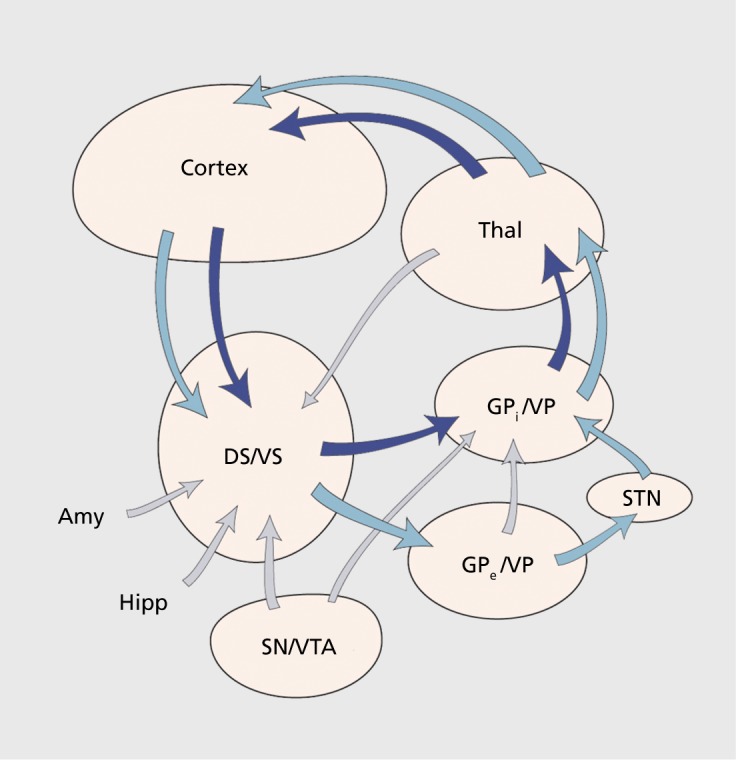
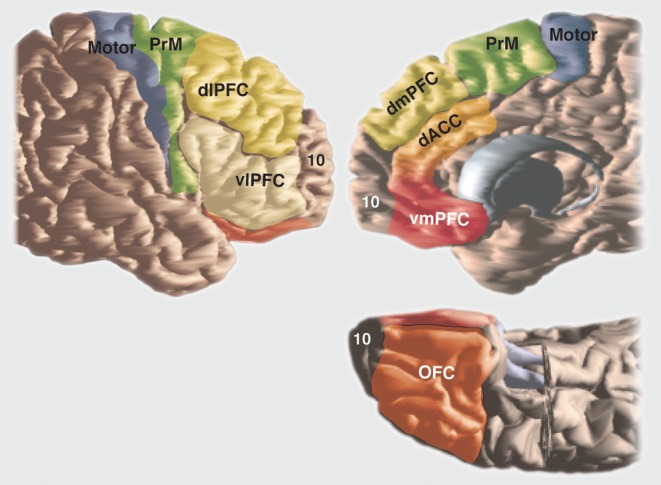
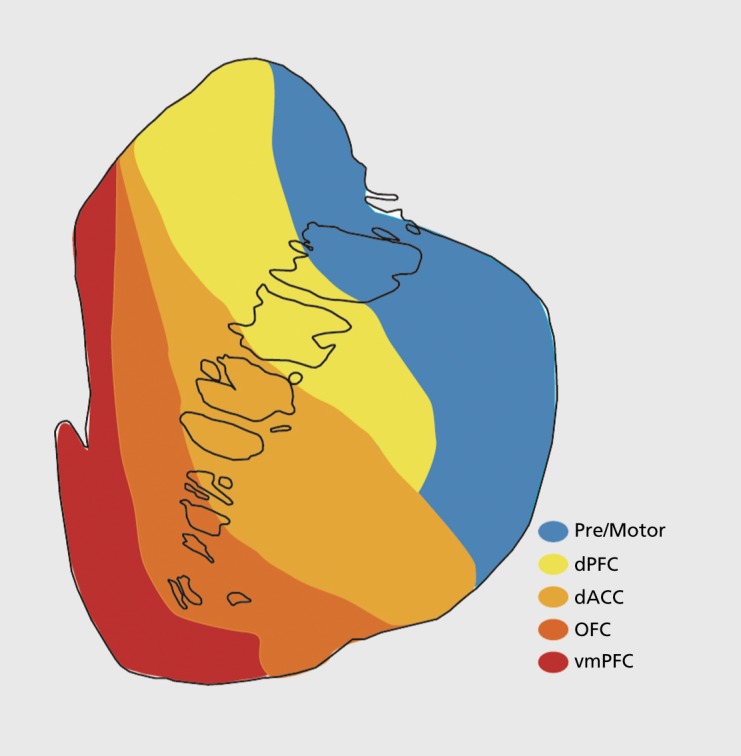
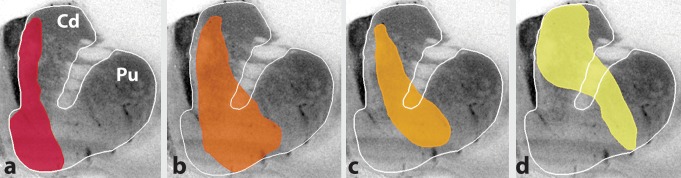
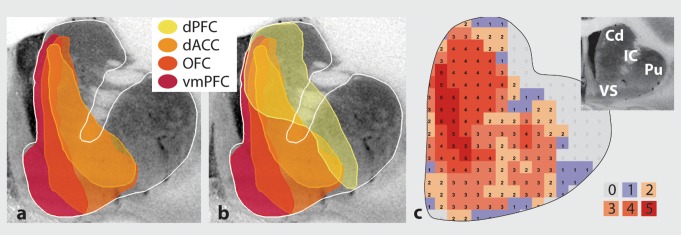
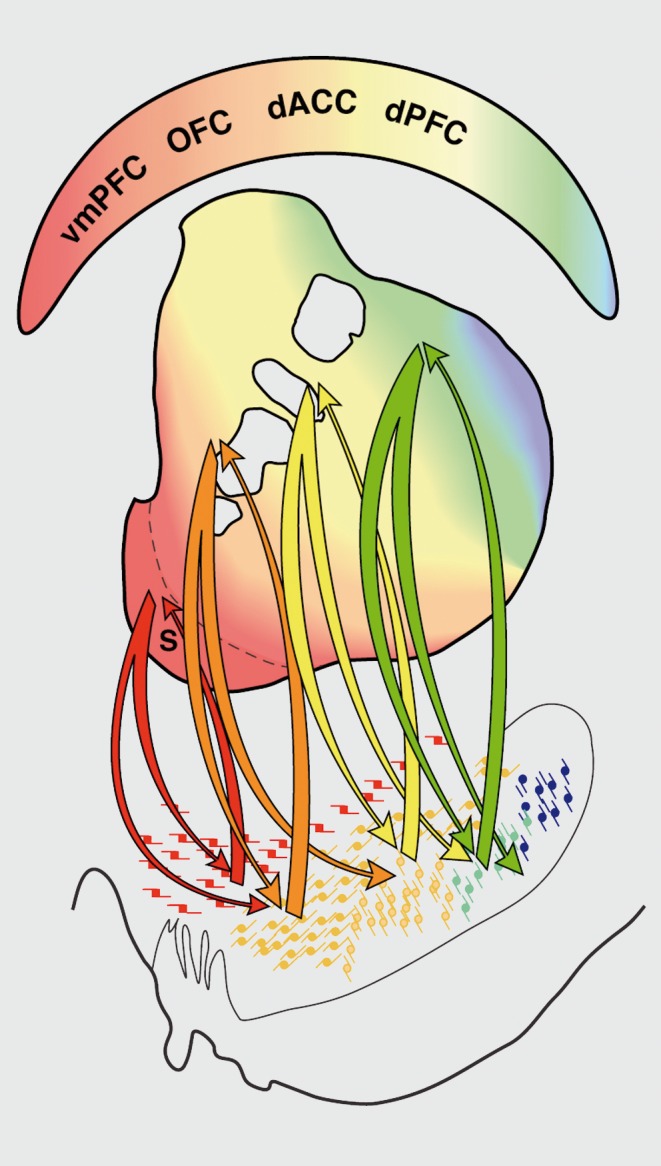
Corticostriatal connections play a central role in developing appropriate goal-directed behaviors, including the motivation and cognition to develop appropriate actions to obtain a specific outcome. The cortex projects to the striatum topographically. Thus, different regions of the striatum have been associated with these different functions: the ventral striatum with reward; the caudate nucleus with cognition; and the putamen with motor control. However, corticostriatal connections are more complex, and interactions between functional territories are extensive. These interactions occur in specific regions in which convergence of terminal fields from different functional cortical regions are found. This article provides an overview of the connections of the cortex to the striatum and their role in integrating information across reward, cognitive, and motor functions. Emphasis is placed on the interface between functional domains within the striatum.
Overview
The claims and statistics of this paper haven’t been checked yet.
Free: it reads the open-access text and checks the first 5 claims that cite a source we can check. Create a free account to check every claim.
Integrity signals
Registry
Cites
Statistics
Figures
Verification
Claims the paper makes
The claims and statistics of this paper haven’t been checked yet.
Free: it reads the open-access text and checks the first 5 claims that cite a source we can check. Create a free account to check every claim.
Claims other papers make about this one
Each is checked against this paper’s own text: does it say what the citing paper says it does?
The cited source says what the claim attributes to it.
In the citing paper
“For example, the substantia nigra makes extensive connections with the striatum, cortex, thalamus and neighboring brainstem regions, allowing dopaminergic outputs to exert far-reaching effects on the flow of CSTC information (Haber, 2016).”
From Cortico-striatal-thalamic loop circuits of the salience network: A central pathway in psychiatric disease and treatment (2016) · cites this paper as Haber, 2016
The cited source says what the claim attributes to it.
In the citing paper
“Importantly, the mesolimbic and nigrostriatal dopaminergic pathway have been implicated in the encoding of “saliency prediction errors”, underscoring their broader contributions to the attribution of salience to environmental stimuli (Kapur, 2003; Haber, 2016).”
From Cortico-striatal-thalamic loop circuits of the salience network: A central pathway in psychiatric disease and treatment (2016) · cites this paper as Haber, 2016
The cited source says what the claim attributes to it.
In the citing paper
“Corticostriatal circuitry is essential to processing reward, cognition, and movement (Haber, 2016)”
From Developmental origins of sex differences in the neural circuitry of play (2020) · cites this paper as Haber, 2016
In the citing paper
“Specifically, the dACC projects primarily to the dorsal caudate nucleus and ventral striatum, overlapping partially but not completely with frontostriatal projections from the dlPFC (Haber, 2016).”
From Cortico-striatal-thalamic loop circuits of the salience network: A central pathway in psychiatric disease and treatment (2016) · cites this paper as Haber, 2016
Self-check
Percentages, sums and reported differences re-computed from the paper’s own numbers.
The self-check needs the paper’s full text.
Citations
Cites
The Brain's Default Network: Anatomy, Function, and Relevance to Disease
Buckner, R. L., Andrews‐Hanna, J. R., & Schacter, D. L. (2008) · Annals of the New York Academy of Sciences · doi:10.1196/annals.1440.011 · Cited by 9,761
Koob, G. F., & Volkow, N. D. (2010) · Neuropsychopharmacology · doi:10.1038/npp.2009.110 · Cited by 5,340
Predictive reward signal of dopamine neurons
Schultz, W. (1998) · Journal of Neurophysiology · doi:10.1152/jn.1998.80.1.1 · Cited by 4,564
Functional architecture of basal ganglia circuits: neural substrates of parallel processing
Alexander, G. E., & Crutcher, M. D. (1990) · Trends in Neurosciences · doi:10.1016/0166-2236(90)90107-l · Cited by 4,131
Functional anatomy of the basal ganglia. I. The cortico-basal ganglia-thalamo-cortical loop
Parent, A., & Hazrati, L.-N. (1995) · Brain Research Reviews · doi:10.1016/0165-0173(94)00007-c · Cited by 2,161
Wise, R. A., & Rompre, P.-P. (1989) · Annual Review of Psychology · doi:10.1146/annurev.ps.40.020189.001203 · Cited by 1,968
Haber, S. N., Fudge, J. L., & McFarland, N. R. (2000) · The Journal of Neuroscience · doi:10.1523/jneurosci.20-06-02369.2000 · Cited by 1,610
Self-citationNeurons in the orbitofrontal cortex encode economic value
Padoa-Schioppa, C., & Assad, J. A. (2006) · Nature · doi:10.1038/nature04676 · Cited by 1,598
Neurotransmitters and neuromodulators in the basal ganglia
Graybiel, A. M. (1990) · Trends in Neurosciences · doi:10.1016/0166-2236(90)90104-i · Cited by 1,576
Specificity in the projection patterns of accumbal core and shell in the rat
Heimer, L., Zahm, D. S., Churchill, L., Kalivas, P. W., & Wohltmann, C. (1991) · Neuroscience · doi:10.1016/0306-4522(91)90202-y · Cited by 1,219
Research works printed but not linked: 7
- Robbins TW. Everitt BJ. Motivation and reward. In: Squire LR, Roberts JL, Spitzer NC, Zigmond MJ, McConnell SK, Bloom FE, eds. Fundamental Neuroscience. 2nd ed. San Diego, CA: Academic Press; 1999 1245 1259
- Koob GF. Drug reward and addiction. In: Fundamental Neuroscience. New York, NY: Academic Press; 1999 1261 1279
- Kalivas PW. Churchill L. Klitenick MA. The circuitry mediating the translation of motivational stimuli into adaptive motor responses. In: Kalivas PW, Barnes CD, eds. Limbic Motor Circuits and Neuropsychiatry. Boca Raton, FL: CRC Press, Inc; 1993 237 275
- Heimer L. Alheid GF. Zahm DS. Basal forebrain organization: an anatomical framework for motor aspects of drive and motivation. In: Kalivas PW, Barnes CD, eds. Limbic Motor Circuits and Neuropsychiatry. Boca Raton, FL: CRC Press, Inc; 1993 1 43
- Parent A. Comparative Neurobiology of the Basal Ganglia. New York, NY: John Wiley and Sons; 1986
- McFarland NR. Haber SN. The thalamostriataI projection and its relation to corticostriatal and cortiocthalamic inputs. Soc Neurosci Abst. 1996 22 412
- Fibiger HC. Phillips AG. Reward, motivation, cognition: psychobiology of mesotelencephalic dopamine systems. In: Mountcastle VB, Bloom F, Geiger SR, eds. Handbook of Physiology. Section I: the Nervous System. Vol 4. Bethesda,MD: American Physiological Society; 1986 647 674
Cited by
Items 301–400 of 1,000
Zampogna, A., Suppa, A., Bove, F., Cavallieri, F., Castrioto, A., Meoni, S., Pélissier, P., Schmitt, E., Chabardès, S., Fraix, V., et al. (2024) · Annals of Neurology · doi:10.1002/ana.26961 · Cited by 21
“52 Accordingly, a frontal impairment may signi fi cantly contribute to the progressive deterioration and decremental response of bradykinesia to STN-DBS but not rigidity, by impairing motor planning and, consequently, the ability to voluntarily initiate and execute repetitive movements in PD.”
Just do it: A neuropsychological theory of agency, cognition, mood, and dopamine.
Ashby, F. G., Zetzer, H. A., Conoley, C. W., & Pickering, A. D. (2024) · Journal of Experimental Psychology General · doi:10.1037/xge0001587 · Cited by 21
“Reward and feedback processing recruit diverse brain networks that include the limbic system and prefrontal and sensory cortices (Faget et al., 2016; Haber, 2016; Liu et al., 2011; Takahashi et al., 2016; Tian & Uchida, 2015; Watabe-AGENCY Uchida et al., 2012).”
BackgroundLi, Y., Li, M., Feng, Y., Ma, X., Tan, X. L., Chen, Y., Qin, C., Huang, H., Liang, Y., & Qiu, S. (2021) · Frontiers in Neuroscience · doi:10.3389/fnins.2021.749730 · Cited by 21
Bègue, I., Brakowski, J., Seifritz, E., Dagher, A., Tobler, P. N., Kirschner, M., & Kaiser, S. (2022) · Schizophrenia Research · doi:10.1016/j.schres.2022.06.010 · Cited by 21
Flerlage, W. J., Langlois, L. D., Rusnak, M., Simmons, S. C., Gouty, S., Armstrong, R. C., Cox, B. M., Symes, A. J., Tsuda, M. C., & Nugent, F. S. (2022) · Journal of Neurotrauma · doi:10.1089/neu.2022.0224 · Cited by 21
MacEachern, S. J., Santoro, J. D., Hahn, K. J., Medress, Z. A., Stecher, X., Li, M., Hahn, J. S., Yeom, K. W., & Forkert, N. D. (2019) · Neuroradiology · doi:10.1007/s00234-019-02332-8 · Cited by 21
Rössler, J., Unterassner, L., Wyss, T., Haker, H., Brugger, P., Rössler, W., & Wotruba, D. (2019) · Schizophrenia Bulletin · doi:10.1093/schbul/sby079 · Cited by 20
Trofimova, I. N., & Gaykalova, A. A. (2021) · Frontiers in Psychology · doi:10.3389/fpsyg.2021.781631 · Cited by 20
“…of other authors (Seamans and Yang, 2004; Yin and Knowlton, 2006; Tepper et al., 2007; Seamans and Robbins, 2010; Graybiel and Grafton, 2015; Haber, 2016) and specialists in DA research pointing to the flaws of the “dopamine theory of extraversion and positive affect” (Robbins and Everitt,…”
BackgroundStress-induced failure of embodied cognition: A general model
Wallace, R., & Fricchione, G. L. (2024) · Biosystems · doi:10.1016/j.biosystems.2024.105193 · Cited by 20
“This general state is reflected in the key roles the ACC and the midcingulate (MCC) play in the cortico-striato-thalamo-cortical (CSTC) brain reward and motivation circuitry (Haber 2016).”
BackgroundNeurostimulation to improve cognitive flexibility
Sachse, E. M., & Widge, A. S. (2025) · Current Opinion in Behavioral Sciences · doi:10.1016/j.cobeha.2025.101484 · Cited by 22
Neuroimaging Correlates of Suicidality in Decision-Making Circuits in Posttraumatic Stress Disorder
Barredo, J., Aiken, E., Wout‐Frank, M. V. ‘., Greenberg, B. D., Carpenter, L. L., & Philip, N. S. (2019) · Frontiers in Psychiatry · doi:10.3389/fpsyt.2019.00044 · Cited by 20
Cortical endogenous opioids and their role in facilitating repetitive behaviors in deer mice
Augustine, F., Rajendran, S., & Singer, H. S. (2019) · Behavioural Brain Research · doi:10.1016/j.bbr.2019.112317 · Cited by 20
Dynamic frontostriatal functional peak connectivity (in alcohol use disorder)
Gerchen, M. F., Weiß, F., Kirsch, M., Rentsch, A., Halli, P., Kiefer, F., & Kirsch, P. (2020) · Human Brain Mapping · doi:10.1002/hbm.25201 · Cited by 21
“…ventral and rostral frontal areas project to more ventral and rostral striatal regions, while more dorsal and caudal frontal areas project to more dorsal and caudal striatal regions (Haber, 2003, 2016), which has been described as a frontostriatal connectivity gradient in a model by Haber (2003).”
BackgroundWang, M., Zheng, H., Zhou, W., Jiang, Q. Y., & Dong, G. (2021) · Addiction Biology · doi:10.1111/adb.13046 · Cited by 22
Future Developments in Brain/Neural–Computer Interface Technology
Soekadar, S. R., Vermehren, M., Colucci, A., Haslacher, D., Bublitz, C., Ienca, M., Chandler, J. A., & Blankertz, B. (2023) · Advances in neuroethics · doi:10.1007/978-3-031-26801-4_5 · Cited by 21
Parmeggiani, A., Boiani, F., Capponi, S., Duca, M., Angotti, M., Pignataro, V., Sacrato, L., Spinardi, L., Vara, G., Maltoni, L., et al. (2018) · European Journal of Paediatric Neurology · doi:10.1016/j.ejpn.2018.04.016 · Cited by 20
Shifts in the functional topography of frontal cortex‐striatum connectivity in alcohol use disorder
Gerchen, M. F., Rentsch, A., Kirsch, M., Kiefer, F., & Kirsch, P. (2018) · Addiction Biology · doi:10.1111/adb.12692 · Cited by 20
“Importantly, the concept of separate frontostriatal circuits does not imply that cortical regions are strictly connected to a single striatal locus.(2,3) Instead, cortical connections to the striatum have distributed patterns in which connections of a given cortical region to the striatum are spread out and overlap wi…”
BackgroundBouwen, B. L. J., Pieterman, K. J., Smits, M., Dirven, C. M. F., Gao, Z., & Vincent, A. J. P. E. (2018) · Frontiers in Neurology · doi:10.3389/fneur.2018.01004 · Cited by 20
Mogadam, A., Keller, A. E., Arnold, P. D., Schachar, R. J., Lerch, J. P., Anagnostou, E. A., & Pang, E. W. (2019) · Journal of Neurodevelopmental Disorders · doi:10.1186/s11689-019-9280-2 · Cited by 20
Altered Functional Connectivity of Striatal Subregions in Patients with Multiple Sclerosis
Cui, F., Zhou, L., Wang, Z., Lang, C., Park, J., Tan, Z., Yu, Y., Sun, C., Gao, Y., & Kong, J. (2017) · Frontiers in Neurology · doi:10.3389/fneur.2017.00129 · Cited by 20
Fouché, J., Groenewold, N. A., Sevenoaks, T., Heany, S. J., Löchner, C., Alonso, P., Batistuzzo, M. C., Cardoner, N., Ching, C. R. K., de Wit, S. J., et al. (2022) · Brain and Behavior · doi:10.1002/brb3.2755 · Cited by 19
“The ventral putamen and nucleus accumbens have amore prominent role in emotion processing in amotivational context, whereas the dorsal putamen, along with other nuclei in the basal ganglia, is more strongly implicated in motor learning (Haber, 2016; Haber & Knutson, 2010).”
BackgroundLee, S. W., Cha, H., Chung, Y., Kim, E., Song, H., Chang, Y., & Lee, S. J. (2019) · Depression and Anxiety · doi:10.1002/da.22933 · Cited by 19
“The central and dorsal striatum, including the caudate nucleus and the putamen, play a more integral role in cognition and executive function, whereas the ventral striatum is involved in reward and motivation (Haber, 2016).”
BackgroundTowards a computational psychiatry of juvenile obsessive-compulsive disorder
Loosen, A. M., & Hauser, T. U. (2020) · Neuroscience & Biobehavioral Reviews · doi:10.1016/j.neubiorev.2020.07.021 · Cited by 19
Brain anatomical covariation patterns linked to binge drinking and age at first full drink
Zhao, Y., Constable, R. T., Hien, D. A., Chung, T. A., & Potenza, M. N. (2020) · NeuroImage Clinical · doi:10.1016/j.nicl.2020.102529 · Cited by 19
“The dorsal striatum, including putamen and caudate, has been implicated in addiction processes, particularly with respect to habitual versus goal-directed behaviors (Chen et al., 2011; Cox and Witten, 2019; Haber, 2016).”
Associations Between Smoking Abstinence, Inhibitory Control, and Smoking Behavior: An fMRI Study
Bell, S., & Froeliger, B. (2021) · Frontiers in Psychiatry · doi:10.3389/fpsyt.2021.592443 · Cited by 19
Verduzco-Mendoza, A., Carrillo‐Mora, P., Ávila-Luna, A., Gálvez-Rosas, A., Olmos-Hernández, A. S., Mota‐Rojas, D., & Bueno-Nava, A. (2021) · Frontiers in Neuroscience · doi:10.3389/fnins.2021.693404 · Cited by 20
“Giacino et al., 2012; Hadgu et al., 2020 Stimulates of neuroplasticity processes in the acute stage.”
BackgroundBecker, H. C., Norman, L. J., Yang, H., Monk, C. S., Phan, K. L., Taylor, S. F., Liu, Y., Mannella, K. A., & Fitzgerald, K. D. (2021) · Psychological Medicine · doi:10.1017/s0033291721003044 · Cited by 19
“These circuits are anatomically segregated loops involved in goal-directed behavior, that pass through the cortex, the striatum, the thalamus, and then back to cortex (Alexander, DeLong, & Strick, 1986; Haber, 2016).”
BackgroundScholl, C., Baladron, J., Vitay, J., & Hamker, F. H. (2022) · Brain Structure and Function · doi:10.1007/s00429-021-02446-x · Cited by 20
“Recent data shows a strong overlap of corticostriatal connections (Haber 2016; Groenewegen et al.”
BackgroundRigg, N., Abu-Hijleh, F. A., Patel, V., & Mishra, R. K. (2022) · NeuroToxicology · doi:10.1016/j.neuro.2022.06.004 · Cited by 19
Striatal connectopic maps link to functional domains across psychiatric disorders
Mulders, P. C. R., van Eijndhoven, P., van Oort, J., Oldehinkel, M., Duyser, F. A., Kist, J. D., Collard, R. M., Vrijsen, J. N., Haak, K. V., Beckmann, C. F., et al. (2022) · Translational Psychiatry · doi:10.1038/s41398-022-02273-6 · Cited by 19
“dopaminergic input from the brain stem [12], while the striatum itself projects mainly to other basal ganglia.”
BackgroundMarshall, C. A., King, K. M., & Kortagere, S. (2018) · Brain Research · doi:10.1016/j.brainres.2018.03.035 · Cited by 19
Circuit-Based Approaches to Understanding the Anterior Cingulate Cortex (ACC)
Myers, D. C., Simon, J., Jungmin, O. H., Kabotyanski, K. E., Fujimoto, S., Oathes, D. J., Rudebeck, P. H., Amemori, K., Sheth, S. A., & Fudge, J. L. (2025) · Journal of Neuroscience · doi:10.1523/jneurosci.1311-25.2025 · Cited by 59
Farmer, A. L., & Lewis, M. H. (2023) · Neuroscience & Biobehavioral Reviews · doi:10.1016/j.neubiorev.2023.105291 · Cited by 18
Smucny, J., Tully, L. M., Howell, A. M., Lesh, T. A., Johnson, S. L., O’Reilly, R. C., Minzenberg, M., Ursu, S., Yoon, J. H., Niendam, T. A., et al. (2021) · Neuropsychopharmacology · doi:10.1038/s41386-020-00940-0 · Cited by 18
“We focused our analysis on dorsal anterior cingulate (ACC), anterior insula, VS, and ventromedial prefrontal cortex (vmPFC) regions of interest (ROIs) as they are core components of the corticostriatal reward network [8, 14, 15] and have been previously identified in an fMRI metaanalysis of reward [16].”
BackgroundMethodDisrupted Pallido-Thalamo-Cortical Functional Connectivity in Chronic Disorders of Consciousness
Sontheimer, A., Pontier, B., Claise, B., Chassain, C., Coste, J., & Lemaire, J. (2021) · Brain Sciences · doi:10.3390/brainsci11030356 · Cited by 18
Zhao, Y., Gao, Y., Zu, Z., Li, M., Schilling, K. G., Anderson, A. W., Ding, Z., & Gore, J. C. (2022) · NeuroImage · doi:10.1016/j.neuroimage.2022.119399 · Cited by 18
Wu, Y., Besson, P., Azcona, E. A., Bandt, S. K., Parrish, T. B., Breiter, H. C., & Katsaggelos, A. K. (2022) · Scientific Reports · doi:10.1038/s41598-022-22313-x · Cited by 18
“Lastly, it warrants noting that medial temporal structures including the amygdala and hippocampus together with the striatum have strong connections to frontal and cingulate cortices 58 , as well as corticostriatal circuits 59 .”
BackgroundTeil, M., Doveró, S., Bourdenx, M., Arotçarena, M.-L., Darricau, M., Porras, G., Thiolat, M.-L., Trigo‐Damas, I., Perier, C., Estrada, C. M., et al. (2023) · npj Parkinson's Disease · doi:10.1038/s41531-023-00579-w · Cited by 18
“…leads primarily to caudate TH fi ber loss over the putamen TH fi ber loss, which is compatible with the preferential PFC-caudate connections over the PFC-putamen connections 43,44 , and an over-representation of caudate versus putamen from the speci fi cally targeted dPFC injection location.”
BackgroundWang, W., Li, Y., Zheng, M., Hua, X., Wu, J., Yang, F., Yang, N., He, X., Ao, L., & Xu, J. (2021) · Neural Plasticity · doi:10.1155/2021/8815144 · Cited by 18
“Putamen is one of the important components of the striatum, which is known for motor coordination [56].”
BackgroundSpatial transcriptomics reveals molecular organization of human and nonhuman primate basal ganglia
Hewitt, M. N., Turner, M. A., Johansen, N., McMillen, D., Dan, S., DeBerardine, M., Ruiz, A., Huang, M., Quon, J. S., Fu, Y., et al. (2026) · Cell · doi:10.1101/2025.11.22.688128 · Cited by 17
“Superimposed on the striatum’s discrete substructure is a graded functional organization composed of overlapping motor, associative, and limbic areas in a dorsolateral-to-ventromedial (DL-VM) fashion 12,15,19,20,46,47 .”
Venkataraman, S. S., Claussen, C. M., Kharas, N., & Dafny, N. (2020) · Brain Research Bulletin · doi:10.1016/j.brainresbull.2019.10.009 · Cited by 17
Xue, X., Wu, J., Xing, X., Ma, J., Zhang, J., Xiang, Y., Zheng, M., Hua, X., & Xu, J. (2024) · MedComm · doi:10.1002/mco2.764 · Cited by 17
“7 Noninvasive imaging techniques, have provided valuable tools for mapping motor-related circuits in the living human brain.”
Apathy and effort‐based decision‐making in Alzheimer's disease and subjective cognitive impairment
Attaallah, B., Toniolo, S., Maio, M. R., & Husain, M. (2024) · Alzheimer s & Dementia Diagnosis Assessment & Disease Monitoring · doi:10.1002/dad2.70013 · Cited by 17
Lin, E. R.-H., Veenker, F., Manza, P., Yonga, M.-V., Abey, S. K., Wang, G., & Volkow, N. D. (2024) · Brain Sciences · doi:10.3390/brainsci14121285 · Cited by 17
“Reciprocal glutamatergic connections between the PFC and the dorsal striatum are heavily involved in the flexible control of these behaviors [130].”
Peng, Z., Xu, C., Ma, N., Yang, Q., Ren, P., Wen, R., Jin, L., Chen, J., Wei, Z., Verguts, T., et al. (2020) · Biological Psychiatry Cognitive Neuroscience and Neuroimaging · doi:10.1016/j.bpsc.2020.12.004 · Cited by 17
Attachment security and striatal functional connectivity in typically developing children
Choi, E. J., Taylor, M. J., Vandewouw, M. M., Hong, S., Kim, C.-D., & Yi, S.-H. (2021) · Developmental Cognitive Neuroscience · doi:10.1016/j.dcn.2021.100914 · Cited by 17
“Corticostriatal connections are complex and interactions between functional territories are extensive (Haber, 2016).”
Lemaire, J., Pontier, B., Chaix, R., Ouadih, Y. E., Khalil, T. A., Sinardet, D., Achim, V., Postelnicu, A., Coste, J., de Germain, V., et al. (2021) · Neurochirurgie · doi:10.1016/j.neuchi.2021.05.003 · Cited by 17
Printemps, N., Magueresse‐Battistoni, B. L., Mhaouty‐Kodja, S., Viguié, C., & Michel, C. (2022) · International Journal of Molecular Sciences · doi:10.3390/ijms23063153 · Cited by 17
“The striatum, a structure of the basal ganglia, receives afferent inputs from the cerebral cortex, thalamus and dopaminergic nuclei (substantia nigra and ventral tegmental area) and plays key roles in motor function, reward and also emotion and cognition [45].”
BackgroundFicco, L., Müller, V. I., Kaufmann, J. M., & Schweinberger, S. R. (2022) · British Journal of Psychology · doi:10.1111/bjop.12595 · Cited by 17
van der Merwe, R. K., Nadel, J. A., Copes‐Finke, D., Pawelko, S. S., Scott, J. S., Ghanem, M. M., Fox, M., Morehouse, C., McLaughlin, R., Maddox, C., et al. (2023) · European Journal of Neuroscience · doi:10.1111/ejn.15910 · Cited by 17
Nakajima, A., Shimo, Y., Uka, T., & Hattori, N. (2017) · European Journal of Neuroscience · doi:10.1111/ejn.13726 · Cited by 18
“The responsive TANs were mainly located in the dorsolateral region of the putamen and in the region that is posterior to the anterior commissure; these areas correspond to known sensorimotor areas of the putamen (Parent & Hazrati, 1995; Haber, 2016; Marche et al., 2017).”
Hoffman, K. L., & Cano-Ramírez, H. (2017) · Expert Opinion on Drug Discovery · doi:10.1080/17460441.2018.1417379 · Cited by 18
Catharine, V. L., Verhelst, H., Deschepper, E., Vingerhoets, G., Deblaere, K., & Caeyenberghs, K. (2019) · NeuroImage Clinical · doi:10.1016/j.nicl.2019.101827 · Cited by 17
“The putamen, a subregion in the striatum, primarily assists motor control needed in executive functioning (Arsalidou et al. 2013; Grahn et al. 2008; Haber 2016).”
BackgroundRamirez‐Garcia, G., Gálvez, V., Díaz, R., Bayliss, L., Fernández-Ruíz, J., & Campos‐Romo, A. (2019) · European Journal of Neuroscience · doi:10.1111/ejn.14617 · Cited by 17
“The left thalamus showed extensive shape deformation, whereas the right thalamus’ most prominent deformation was in the anterior and dorsal side related to the frontal, motor and temporal cortices (Alexander et al., 1986; Haber, 2016; Kim & Hikosaka, 2015; Nambu, 2011; Tang et al., 2018).”
BackgroundSuñol, M., Saiz-Masvidal, C., Contreras‐Rodríguez, O., Macià, D., Martínez‐Vilavella, G., Martínez‐Zalacaín, I., Menchón, J. M., Pujol, J., Sunyer, J., & Soriano‐Mas, C. (2020) · Journal of the American Academy of Child & Adolescent Psychiatry · doi:10.1016/j.jaac.2020.08.435 · Cited by 17
Swartz, J. R., Carranza, A. F., Knodt, A. R., Irwin, M. R., & Hostinar, C. E. (2022) · Brain Behavior and Immunity · doi:10.1016/j.bbi.2022.06.014 · Cited by 16
Treatments and regulatory mechanisms of acoustic stimuli on mood disorders and neurological diseases
Chen, Y., Sun, J., Tao, J., & Sun, T. (2024) · Frontiers in Neuroscience · doi:10.3389/fnins.2023.1322486 · Cited by 16
“…the frontal striatum circuit, which encompasses dopamine pathways interlinking the striatum with various areas of the prefrontal cortex, is underscored by its ability to modulate both psychological and physiological markers of pleasure and emotional arousal (Haber, 2016; Mas-Herrero et al., 2018).”
BackgroundAcute Effects of Hallucinogens on Functional Connectivity: Psilocybin and Salvinorin-A
Bagdasarian, F. A., Hansen, H. D., Chen, J. E., Yoo, C., Placzek, M. S., Hooker, J. M., & Wey, H. (2024) · ACS Chemical Neuroscience · doi:10.1021/acschemneuro.4c00245 · Cited by 16
The striatal matrix compartment is expanded in autism spectrum disorder
Waugh, J. L., Hassan, A. O. A., Funk, A. T., & Maldjian, J. A. (2025) · Journal of Neurodevelopmental Disorders · doi:10.1186/s11689-025-09596-7 · Cited by 16
Kosakowski, H. L., Du, J., Tripathi, V., Eldaief, M. C., & Buckner, R. L. (2025) · Journal of Neurophysiology · doi:10.1152/jn.00477.2024 · Cited by 16
Frigerio, I., Morella, M. L., Winkelaar, A. B., Vorgia, D. T., Brevé, J. J. P., Boiten, W. A., van der Gaag, B., Calandri, I. L., Jonker, A. J., Berendse, H. W., et al. (2025) · Nature Communications · doi:10.1038/s41467-025-61052-1 · Cited by 16
“Similarly, CTT122 α -synuclein was signi fi cantly enriched in VGLUT1 pre-synaptic terminals at Braak α -synuclein stage 3 (ACC: p = 0.003; PFC: p = 0.004, Fig.”
InfluentialHypermanganesemia Induced Chorea and Cognitive Decline in a Tea Seller
Ghosh, R., Dubey, S., Chatterjee, S., Ghosh, M., Ray, B. K., & Benito‐León, J. (2020) · Tremor and Other Hyperkinetic Movements · doi:10.5334/tohm.537 · Cited by 16
“However, we feel that the multi-domain (complex attention, execution, learning and memory, and social cognition) cognitive impairment in this case may be attributed to damage to cortico-striato-thalamo-cortical loop due to manganese toxicity itself [40, 41].”
BackgroundWianny, F., Dzahini, K., Fifel, K., Wilson, C. R. E., Bernat, A., Dolmazon, V., Misery, P., Lamy, C., Giroud, P., Cooper, H. M., et al. (2022) · Advanced Science · doi:10.1002/advs.202103827 · Cited by 16
Amygdala in Action: Functional Connectivity during Approach and Avoidance Behaviors
Leitão, J., Burckhardt, M., & Vuilleumier, P. O. (2022) · Journal of Cognitive Neuroscience · doi:10.1162/jocn_a_01800 · Cited by 16
Xu, H., Tao, Y., Zhu, P., Li, Y., Zhang, M., Bai, G., & Yin, B. (2022) · Journal of Neurotrauma · doi:10.1089/neu.2021.0426 · Cited by 16
“14,15 Therefore, it is necessary to consider more subtle surface morphological differences in the subcortical nucleus when exploring the relationship between cognitive dysfunction and subcortical structure abnormalities in patients with mTBI.”
Qiu, T., Xie, F., Zeng, Q., Shen, Z., Du, G., Xu, X., Wang, C., Li, X., Luo, X., Li, K., et al. (2022) · CNS Neuroscience & Therapeutics · doi:10.1111/cns.13852 · Cited by 16
Boosted dopamine and blunted serotonin in Tourette syndrome – evidence from in vivo imaging studies
Nikolaus, S., Mamlins, E., Antke, C., Dabir, M., Müller, H., & Giesel, F. L. (2022) · Reviews in the Neurosciences · doi:10.1515/revneuro-2022-0035 · Cited by 16
King, D. R., de Chastelaine, M., Elward, R. L., Wang, T. H., & Rugg, M. D. (2017) · Behavioural Brain Research · doi:10.1016/j.bbr.2017.07.031 · Cited by 16
“That being said, one possibility that seems unlikely on the basis of the present findings is that the ventral striatal/subgenual responses identified here merely parallel analogous responses in the hippocampus (a region with which both subgenual cortex and ventral striatum are strongly inter-connected; [30,37,26]).”
InfluentialAuditory conflict and congruence in frontotemporal dementia
Clark, C. N., Nicholas, J. M., Agustus, J. L., Hardy, C. J. D., Russell, L. L., Brotherhood, E., Dick, K. M., Marshall, C. R., Mummery, C. J., Rohrer, J. D., et al. (2017) · Neuropsychologia · doi:10.1016/j.neuropsychologia.2017.08.009 · Cited by 16
“Although emotion and reward processing have classically been associated with ventral striatum rather than the dorsal striatal structures identified here, it is increasingly recognised that these striatal subregions participate in intimately integrated functional networks; moreover, dorsal striatum is particularly enga…”
BackgroundSampedro‐Piquero, P., Santín, L. J., & Castilla‐Ortega, E. (2019) · IntechOpen eBooks · doi:10.5772/intechopen.85280 · Cited by 16
Johnen, A., Schiffler, P., Landmeyer, N. C., Tenberge, J., Riepl, E., Wiendl, H., Krämer, J., & Meuth, S. G. (2019) · Cortex · doi:10.1016/j.cortex.2019.08.022 · Cited by 16
Dopaminergic Activity and Exercise Behavior in Anorexia Nervosa
Gorrell, S., Collins, A. G. E., Grange, D. L., & Yang, T. T. (2020) · OBM Neurobiology · doi:10.21926/obm.neurobiol.2001053 · Cited by 17
Longhurst, J. K., Wise, M. A., Krist, D. J., Moreland, C. A., Basterrechea, J. A., & Landers, M. R. (2020) · Journal of Neural Transmission · doi:10.1007/s00702-020-02199-7 · Cited by 16
“2008), putamen (Haber 2016; Rosano et al.”
BackgroundInfluentialLopresti, B. J., Royse, S. K., Mathis, C. A., Tollefson, S., & Narendran, R. (2022) · Journal of Neurochemistry · doi:10.1111/jnc.15615 · Cited by 16
Ruigrok, T. J. H., Wang, X., Sabel-Goedknegt, E., Coulon, P., & Gao, Z. (2023) · Frontiers in Systems Neuroscience · doi:10.3389/fnsys.2023.1176126 · Cited by 15
Choir singing is associated with enhanced structural connectivity across the adult lifespan
Moisseinen, N., Ahveninen, L. M., Martínez‐Molina, N., Sairanen, V., Melkas, S., Kleber, B., Sihvonen, A. J., & Särkämö, T. (2024) · Human Brain Mapping · doi:10.1002/hbm.26705 · Cited by 15
“These pathways convey motor signals to the musculature of the body and seem to be primed by emotional stimuli, such as facial expressions and music (Baumgartner et al., 2007; Borgomaneri et al., 2021; Haber, 2016; see also Pisner et al., 2017).”
BackgroundDistributed Intracranial Activity Underlying Human Decision-making Behavior
Overton, J. A., Moxon, K. A., Stickle, M. P., Peters, L. M., Lin, J. J., Chang, E. F., Knight, R. T., Hsu, M., & Sáez, I. (2025) · Journal of Neuroscience · doi:10.1523/jneurosci.0572-24.2024 · Cited by 15
Altered corticostriatal connectivity in long-COVID patients is associated with cognitive impairment
Troll, M., Li, M., Chand, T., Machnik, M., Rocktäschel, T., Toepffer, A., Ballez, J., Finke, K., Güllmar, D., Reichenbach, J. R., et al. (2025) · Psychological Medicine · doi:10.1017/s0033291725000054 · Cited by 15
“The caudate is responsible for working memory and executive functioning (Haber, 2016).”
Selective regulation of corticostriatal synapses by astrocytic phagocytosis
Kim, J. S., Kim, H., Chung, W., & Park, H. (2025) · Nature Communications · doi:10.1038/s41467-025-57577-0 · Cited by 15
Multiparametric quantitative MRI uncovers putamen microstructural changes in Parkinson’s disease
Drori, E., Cohen, L., Arkadir, D., Yahalom, G., & Mezer, A. (2025) · npj Parkinson s Disease · doi:10.1038/s41531-025-01020-0 · Cited by 15
Transdiagnostic prevention in youth mental health, Part I: rationale, shared risk factors
Holt, D. J., Choi, K. W., DeTore, N. R., & Balogun‐Mwangi, O. (2025) · Neuropsychopharmacology · doi:10.1038/s41386-025-02233-w · Cited by 15
“These correlated effects could be represented as a shared latent factor (explaining 42.3-88.7% of the variance), which was expressed most prominently as diminished volumes of the hippocampus and fusiform gyrus.”
InfluentialFos‐CreER‐based genetic mapping of forebrain regions activated by acupuncture
Guo, Z., Lin, X., Samaniego, T., Isreb, A., Cao, S., Malik, S., Holmes, T. C., & Xu, X. (2019) · The Journal of Comparative Neurology · doi:10.1002/cne.24789 · Cited by 15
“Besides involvement in motor functions, these two nuclei also play a role in the regulation of emotional behavior, cognition, and autonomic functions (Haber, 2016; Schlindwein et al., 2008).”
BackgroundThe striatal medium spiny neurons: what they are and how they link with Parkinson's disease
Zhou, F.-M. (2020) · Elsevier eBooks · doi:10.1016/b978-0-12-815950-7.00025-4 · Cited by 15
Han, M., Park, C.-U., Kang, S., Kim, B., Nikolaidis, A., Milham, M. P., Hong, S., Kim, S., & Baeg, E. (2021) · NeuroImage · doi:10.1016/j.neuroimage.2021.118077 · Cited by 15
“In contrast, G4 and 5 showed onsistently more signal increase in the medial area of the striatum than he lateral side, which recapitulates the anatomical organization of the entral striatum ( Haber, 2016 ; Voorn et al., 2004 ).”
Bauer, M. R., McVey, M. M., Germano, D. M., Zhang, Y., & Boehm, S. L. (2021) · Behavioural Brain Research · doi:10.1016/j.bbr.2021.113631 · Cited by 15
Zhang, Y., Peng, Y., Song, Y., Zhou, Y., Zhang, S., Yang, G., Yang, Y., Li, W., Yue, W., Lv, L., et al. (2022) · Brain and Behavior · doi:10.1002/brb3.2535 · Cited by 16
“The striatum integrates information associatedwith reward (Haber, 2016),while the DMN is involved in sensory information processing (Hahn et al.”
BackgroundHassett, J. D., Carlson, H. L., Babwani, A., & Kirton, A. (2022) · NeuroImage Clinical · doi:10.1016/j.nicl.2022.103143 · Cited by 15
Frontostriatal circuitry as a target for fMRI-based neurofeedback interventions: A systematic review
Orth, L., Meeh, J., Gur, R. C., Neuner, I., & Sarkheil, P. (2022) · Frontiers in Human Neuroscience · doi:10.3389/fnhum.2022.933718 · Cited by 15
“It is also likely to be topographically organized along medio-lateral and ventral-dorsal axes (Jarbo and Verstynen, 2015; Haber, 2016).”
BackgroundGomes, F. V., Edelson, J. R., Volk, D. W., & Grace, A. A. (2018) · Schizophrenia Research · doi:10.1016/j.schres.2018.04.030 · Cited by 15
“…motor and pattern formation and receives input primarily from substantia nigra, and a decrease to a lower expression in the dorsomedial striatum which represents the associative striatum with connections with prelimbic PFC and input from lateral ventral tegmental area (Ikemoto, 2007; Harber, 2016).”
Albayay, J., Castiello, U., & Parma, V. (2019) · Scientific Reports · doi:10.1038/s41598-019-55977-z · Cited by 15
Büetiger, J. R., Hubl, D., Kupferschmid, S., Schultze‐Lutter, F., SCHIMMELMANN, B. G., Federspiel, A., Hauf, M., Walther, S., Kaess, M., Michel, C., et al. (2020) · Frontiers in Psychiatry · doi:10.3389/fpsyt.2020.535652 · Cited by 15
Corticostriatal Circuit Models of Cognitive Impairments Induced by Fetal Exposure to Alcohol
Bariselli, S., & Lovinger, D. M. (2021) · Biological Psychiatry · doi:10.1016/j.biopsych.2021.05.014 · Cited by 16
Levitt, J. J., Zhang, F., Vangel, M. G., Nestor, P. G., Rathi, Y., Kubicki, M. R., Shenton, M. E., & O’Donnell, L. J. (2021) · Cerebral Cortex · doi:10.1093/cercor/bhab159 · Cited by 15
Keeley, R. J., Prillaman, M. E., Scarlata, M., Vrana, A., Tsai, P.-J., Gomez, J. L., Bonaventura, J., Lu, H., Michaelides, M., & Stein, E. A. (2022) · Brain Communications · doi:10.1093/braincomms/fcac291 · Cited by 15
Sun, Q., Zheng, J., Zhang, Y., Wu, X., Jiao, Z., Xu, L., Shi, H., & Liu, T. (2023) · Renal Failure · doi:10.1080/0886022x.2023.2217276 · Cited by 14
“The visual area of the inferior temporal gyrus has been found to terminate primarily in the caudate nucleus [29].”
Mareček, S., Krajča, T., Krupička, R., Sojka, P., Nepožitek, J., Varga, Z., Malá, C., Keller, J., Waugh, J. L., Zogala, D., et al. (2024) · npj Parkinson s Disease · doi:10.1038/s41531-024-00736-9 · Cited by 14
“…to matrix-favoring regions (which include primary and supplementary motor cortex) in early-stage PD could be explained by preferential nigrostriatal denervation of the putamen which is considered the “ motor ” part of the striatum 45 , thus initiating a compensatory increase in connectivity.”
BackgroundMechanisms of nucleus accumbens deep brain stimulation in treating mental disorders
Ruan, H., Tong, G., Jin, M., Koch, K., & Wang, Z. (2024) · Fundamental Research · doi:10.1016/j.fmre.2024.06.009 · Cited by 14
Interoceptive brain network mechanisms of mindfulness-based training in healthy adolescents
Tymofiyeva, O., Sipes, B. S., Luks, T. L., Hamlat, E. J., Samson, T. E., Hoffmann, T. J., Glidden, D. V., Jakary, A., Li, Y., Ngan, T., et al. (2024) · Frontiers in Psychology · doi:10.3389/fpsyg.2024.1410319 · Cited by 15
“It has also been shown that early adolescents with short sleep durations, defined as less than 7 h per night, exhibited reduced structural connectivity in the corticostriatal tract, which connects the caudate and putamen to the frontal cortex (Haber, 2016; Yang et al., 2023).”
BackgroundNeural Circuit Mapping and Neurotherapy-Based Strategies
Marei, H. E. S. (2025) · Cellular and Molecular Neurobiology · doi:10.1007/s10571-025-01595-5 · Cited by 15
“Motor planning, habit formation, reward processing, and decision-making—processes greatly affected in PD—are all acknowledged to involve the CSTC circuit (Alexander et al. 1986; Haber 2016).”
Subcortical Hubs of Brain Networks Sustaining Human Consciousness
Cambareri, M. K., Horn, A., Lewis, L. D., Li, J., & Edlow, B. L. (2025) · Human Brain Mapping · doi:10.1002/hbm.70352 · Cited by 14
Metadata
- Authors
- Haber, S. N.
- Affiliations
- University of Rochester Medicine (US)
- Corresponding author
- Haber, Suzanne N.
- ORCID
- Haber, Suzanne N.
- Venue
- Dialogues in Clinical Neuroscience
- Publisher
- Informa UK Limited
- Published
- 2016-03-31
- Volume
- 18
- Issue
- 1
- Pages
- 7-21
- ISSN
- 1294-8322 (ISSN-L)
- 1958-5969
- PMC
- PMC4826773
- OpenAlex
- W4241221200
- Cited by
- 922
- References
- 116
- Citations by year
- 2026: 79 · 2025: 122 · 2024: 111 · 2023: 98 · 2022: 129 · 2021: 101 · 2020: 92 · 2019: 88 · 2018: 56 · 2017: 39 · 2016: 7
- FWCI
- 35.52
- Type
- journal article
- Language
- en
- Open access
- diamond
- doi.org
- Licence
- Locations
- Dialogues in Clinical Neuroscience (publishedVersion, cc-by-nc-nd)
- PubMed Central (publishedVersion, cc-by-nc-nd)
- PubMed (publishedVersion)
- Funders
- National Institute of Mental Health (R01MH045573, MH045573)
- Topics
- Life Sciences › Neuroscience › Cellular and Molecular Neuroscience › Neurotransmitter Receptor Influence on Behavior
- Life Sciences › Neuroscience › Cognitive Neuroscience › Neural and Behavioral Psychology Studies
- Health Sciences › Medicine › Clinical Neurology › Deep Brain Stimulation and Movement Disorders
- Keywords
- corticostriatal connections, striatum, ventral striatum, caudate nucleus, putamen, goal-directed behavior, reward, cognition, motor control, topographic projection, functional integration, terminal fields
- MeSH terms
- Animals, Cerebral Cortex, Cognition, Corpus Striatum, Humans, Nerve Net, Neural Pathways, Reward
About these checks
Registry, retraction, Cites and statistics results are computed, not judged, with one exception: a printed reference that no index lists is read once by a model before it counts as a citation error. Claims are extracted by a model and kept only when their quote appears verbatim in the text; each cited source is then checked, with a model’s help, for whether it says what the claim relies on. Those verdicts can be wrong — read the claim’s quote and the cited source before relying on one.
Statistics and arithmetic are recomputed, not judged.
Confidence bands are shown only for fields calibrated on our annotated test set. None is calibrated yet, so no band is shown.
What counts as a claim ›How we measure confidence ›How we check this ›
Are you an author, or do you see a problem with this page? Request a review
Data sources
Bibliographic data: Semantic Scholar, OpenAlex, Crossref.
Contains information from the Semantic Scholar Academic Graph Datasets, made available under the ODC Attribution License (ODC-BY 1.0).
Semantic Scholar’s data is described in: Kinney, R., et al. (2023). The Semantic Scholar Open Data Platform. arXiv:2301.10140.
