

Corticostriatal circuitry
Open accessThe DOI matches its Crossref record; 117 of the 117 references it cites were found in a registry or an index.
Abstract
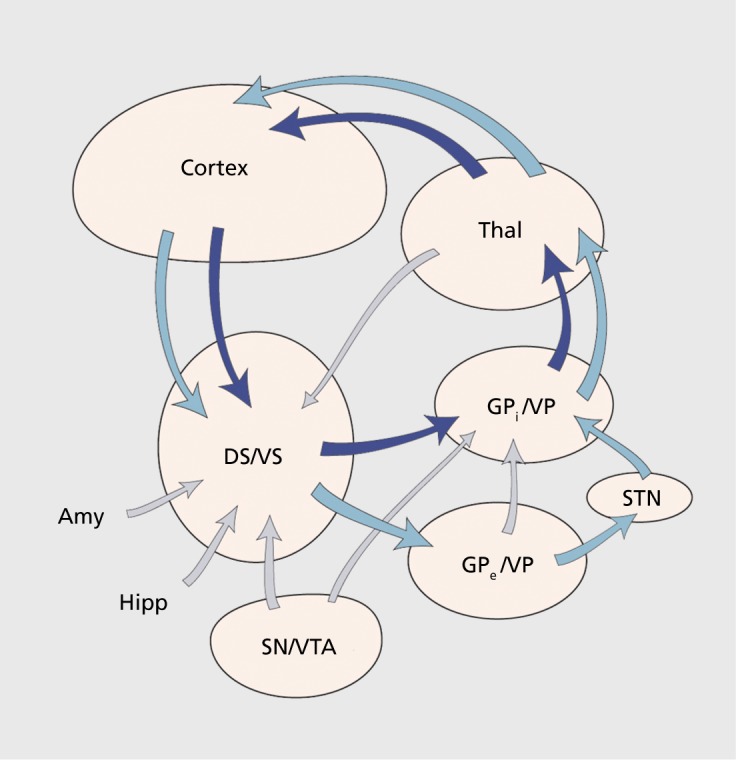
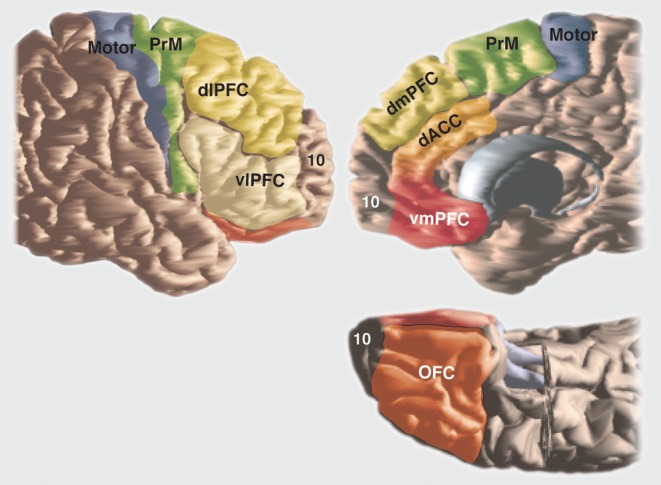
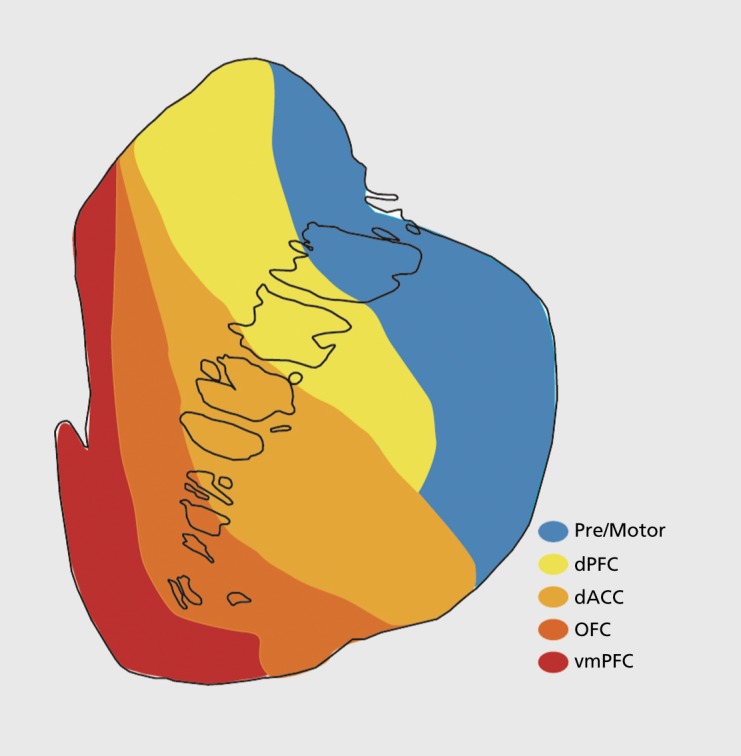
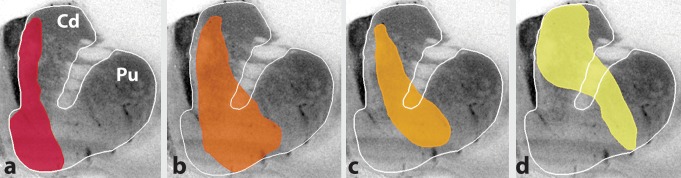
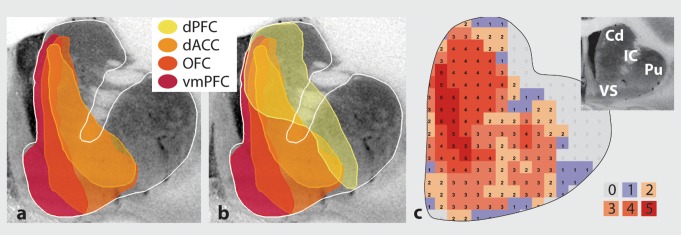
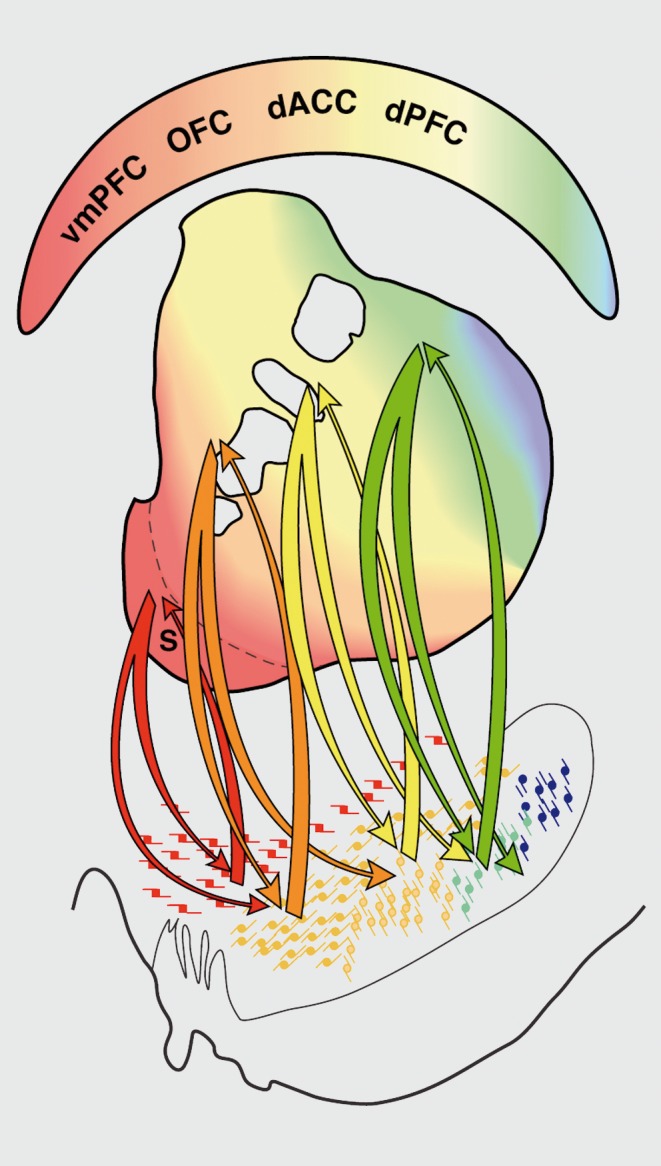
Corticostriatal connections play a central role in developing appropriate goal-directed behaviors, including the motivation and cognition to develop appropriate actions to obtain a specific outcome. The cortex projects to the striatum topographically. Thus, different regions of the striatum have been associated with these different functions: the ventral striatum with reward; the caudate nucleus with cognition; and the putamen with motor control. However, corticostriatal connections are more complex, and interactions between functional territories are extensive. These interactions occur in specific regions in which convergence of terminal fields from different functional cortical regions are found. This article provides an overview of the connections of the cortex to the striatum and their role in integrating information across reward, cognitive, and motor functions. Emphasis is placed on the interface between functional domains within the striatum.
Overview
The claims and statistics of this paper haven’t been checked yet.
Free: it reads the open-access text and checks the first 5 claims that cite a source we can check. Create a free account to check every claim.
Integrity signals
Registry
Cites
Statistics
Figures
Verification
Claims the paper makes
The claims and statistics of this paper haven’t been checked yet.
Free: it reads the open-access text and checks the first 5 claims that cite a source we can check. Create a free account to check every claim.
Claims other papers make about this one
Each is checked against this paper’s own text: does it say what the citing paper says it does?
The cited source says what the claim attributes to it.
In the citing paper
“For example, the substantia nigra makes extensive connections with the striatum, cortex, thalamus and neighboring brainstem regions, allowing dopaminergic outputs to exert far-reaching effects on the flow of CSTC information (Haber, 2016).”
From Cortico-striatal-thalamic loop circuits of the salience network: A central pathway in psychiatric disease and treatment (2016) · cites this paper as Haber, 2016
The cited source says what the claim attributes to it.
In the citing paper
“Importantly, the mesolimbic and nigrostriatal dopaminergic pathway have been implicated in the encoding of “saliency prediction errors”, underscoring their broader contributions to the attribution of salience to environmental stimuli (Kapur, 2003; Haber, 2016).”
From Cortico-striatal-thalamic loop circuits of the salience network: A central pathway in psychiatric disease and treatment (2016) · cites this paper as Haber, 2016
The cited source says what the claim attributes to it.
In the citing paper
“Corticostriatal circuitry is essential to processing reward, cognition, and movement (Haber, 2016)”
From Developmental origins of sex differences in the neural circuitry of play (2020) · cites this paper as Haber, 2016
In the citing paper
“Specifically, the dACC projects primarily to the dorsal caudate nucleus and ventral striatum, overlapping partially but not completely with frontostriatal projections from the dlPFC (Haber, 2016).”
From Cortico-striatal-thalamic loop circuits of the salience network: A central pathway in psychiatric disease and treatment (2016) · cites this paper as Haber, 2016
Self-check
Percentages, sums and reported differences re-computed from the paper’s own numbers.
The self-check needs the paper’s full text.
Citations
Cites
The Brain's Default Network: Anatomy, Function, and Relevance to Disease
Buckner, R. L., Andrews‐Hanna, J. R., & Schacter, D. L. (2008) · Annals of the New York Academy of Sciences · doi:10.1196/annals.1440.011 · Cited by 9,761
Koob, G. F., & Volkow, N. D. (2010) · Neuropsychopharmacology · doi:10.1038/npp.2009.110 · Cited by 5,340
Predictive reward signal of dopamine neurons
Schultz, W. (1998) · Journal of Neurophysiology · doi:10.1152/jn.1998.80.1.1 · Cited by 4,564
Functional architecture of basal ganglia circuits: neural substrates of parallel processing
Alexander, G. E., & Crutcher, M. D. (1990) · Trends in Neurosciences · doi:10.1016/0166-2236(90)90107-l · Cited by 4,131
Functional anatomy of the basal ganglia. I. The cortico-basal ganglia-thalamo-cortical loop
Parent, A., & Hazrati, L.-N. (1995) · Brain Research Reviews · doi:10.1016/0165-0173(94)00007-c · Cited by 2,161
Wise, R. A., & Rompre, P.-P. (1989) · Annual Review of Psychology · doi:10.1146/annurev.ps.40.020189.001203 · Cited by 1,968
Haber, S. N., Fudge, J. L., & McFarland, N. R. (2000) · The Journal of Neuroscience · doi:10.1523/jneurosci.20-06-02369.2000 · Cited by 1,610
Self-citationNeurons in the orbitofrontal cortex encode economic value
Padoa-Schioppa, C., & Assad, J. A. (2006) · Nature · doi:10.1038/nature04676 · Cited by 1,598
Neurotransmitters and neuromodulators in the basal ganglia
Graybiel, A. M. (1990) · Trends in Neurosciences · doi:10.1016/0166-2236(90)90104-i · Cited by 1,576
Specificity in the projection patterns of accumbal core and shell in the rat
Heimer, L., Zahm, D. S., Churchill, L., Kalivas, P. W., & Wohltmann, C. (1991) · Neuroscience · doi:10.1016/0306-4522(91)90202-y · Cited by 1,219
Research works printed but not linked: 7
- Robbins TW. Everitt BJ. Motivation and reward. In: Squire LR, Roberts JL, Spitzer NC, Zigmond MJ, McConnell SK, Bloom FE, eds. Fundamental Neuroscience. 2nd ed. San Diego, CA: Academic Press; 1999 1245 1259
- Koob GF. Drug reward and addiction. In: Fundamental Neuroscience. New York, NY: Academic Press; 1999 1261 1279
- Kalivas PW. Churchill L. Klitenick MA. The circuitry mediating the translation of motivational stimuli into adaptive motor responses. In: Kalivas PW, Barnes CD, eds. Limbic Motor Circuits and Neuropsychiatry. Boca Raton, FL: CRC Press, Inc; 1993 237 275
- Heimer L. Alheid GF. Zahm DS. Basal forebrain organization: an anatomical framework for motor aspects of drive and motivation. In: Kalivas PW, Barnes CD, eds. Limbic Motor Circuits and Neuropsychiatry. Boca Raton, FL: CRC Press, Inc; 1993 1 43
- Parent A. Comparative Neurobiology of the Basal Ganglia. New York, NY: John Wiley and Sons; 1986
- McFarland NR. Haber SN. The thalamostriataI projection and its relation to corticostriatal and cortiocthalamic inputs. Soc Neurosci Abst. 1996 22 412
- Fibiger HC. Phillips AG. Reward, motivation, cognition: psychobiology of mesotelencephalic dopamine systems. In: Mountcastle VB, Bloom F, Geiger SR, eds. Handbook of Physiology. Section I: the Nervous System. Vol 4. Bethesda,MD: American Physiological Society; 1986 647 674
Cited by
Items 601–700 of 1,000
Marx, H., Krahe, T. E., & Wolmarans, D. W. (2024) · Journal of Neuroscience Research · doi:10.1002/jnr.25320 · Cited by 5
“Since only 20%–30% of laboratory housed deer mice express LNB (Wolmarans et al., 2013, 2016 ), an initial pool of 100 mice ( Peromyscus maniculatus bairdii ) of both sexes were included for initial nesting assessment (ethical approval number: NWU- 00769- 22-A5; AnimCare Research Ethics Committee,…”
BackgroundAbnormal functional connectivity of the putamen in obsessive-compulsive disorder
He, J., Li, X., Li, K., Yang, H., & Wang, X. (2024) · Journal of Psychiatric Research · doi:10.1016/j.jpsychires.2024.07.031 · Cited by 5
Giacco, A. C. D., Morales, A. M., Jones, S. A., Barnes, S. J., & Nagel, B. J. (2024) · Journal of Affective Disorders · doi:10.1016/j.jad.2024.08.028 · Cited by 5
Cerebellar activity in hemi-parkinsonian rats during volitional gait and freezing
DeAngelo, V., Gehan, A., Paliwal, S., Ho, K., Hilliard, J. D., Chiang, C., Viventi, J., & McConnell, G. C. (2024) · Brain Communications · doi:10.1093/braincomms/fcae246 · Cited by 5
“23,24 Further, sensory information is modulated by cholinergic projections from the pedunculo-pontine nucleus (PPN) to the cerebellum to provide feedback important for posture and gait.”
Whole Brain MRI Assessment of Age and Sex‐Related R2 * Changes in the Human Fetal Brain
Ji, L., Duffy, M., Chen, B., Majbri, A., Trentacosta, C. J., & Thomason, M. E. (2025) · Human Brain Mapping · doi:10.1002/hbm.70073 · Cited by 5
“Our study also identified an increase of iron in the putamen, a crucial basal ganglia structure associated with motor behavior (Groman et al. 2013; Haber 2016).”
Nenadić, I., Mosebach, J., Schmitt, S., Meller, T., Stein, F., Brosch, K., Ringwald, K. G., Pfarr, J., Meinert, S., Lemke, H., et al. (2025) · Schizophrenia Bulletin · doi:10.1093/schbul/sbad143 · Cited by 5
“57 Surprisingly, these findings are not matched by respective gray matter variations in the areas connected by these tracts, but only a singular cerebellar region.”
A potential case of remission of Parkinson’s disease
Smart, K., Durso, R., Morgan, J., & McNamara, P. (2016) · Journal of Complementary and Integrative Medicine · doi:10.1515/jcim-2016-0019 · Cited by 5
Suzuki, M., Suzuki, T., Wang, Y.-J., & Hamaguchi, T. (2019) · Frontiers in Behavioral Neuroscience · doi:10.3389/fnbeh.2019.00147 · Cited by 5
“Dopamine neurons connect to the striatum and prefrontal cortex (Haber and Knutson, 2010; Averbeck et al., 2014; Haber, 2016).”
BackgroundThe role of differential outcomes-based feedback on procedural memory
Martínez‐Pérez, V., Fuentes, L. J., & Campoy, G. (2019) · Psychological Research · doi:10.1007/s00426-019-01231-0 · Cited by 5
Kotikova, K., Zogala, D., Ptáčník, V., Trnka, J., Kupka, K., Vaněčková, M., Seidl, Z., Diblík, P., Heissigerová, J., Navrátil, T., et al. (2020) · Clinical Toxicology · doi:10.1080/15563650.2020.1802033 · Cited by 5
MRI Compatible, Customizable, and 3D-Printable Microdrive for Neuroscience Research
Baeg, E., Doudlah, R. C., Swader, R. A., Lee, H., Han, M., Kim, S., Rosenberg, A., & Kim, B. (2021) · eNeuro · doi:10.1523/eneuro.0495-20.2021 · Cited by 5
Williams, B., & Christakou, A. (2021) · bioRxiv (Cold Spring Harbor Laboratory) · doi:10.1101/2021.12.20.472804 · Cited by 5
“…with its afferent projections from the cerebral cortex, thalamus, amygdala, and hippocampus (among other regions) is well positioned to act as an integrative information hub (Haber, 2016) and supports reversal learning (Bradfield, Hart, et al., 2013; Cools et al., 2002; Ruge & Wolfensteller, 2016).”
BackgroundThe temporal organization of corticostriatal communicationsPreprint
Korponay, C. H., Stein, E. A., & Ross, T. J. (2022) · bioRxiv (Cold Spring Harbor Laboratory) · doi:10.1101/2022.07.06.499069 · Cited by 5
Bakhtiari, H. (2025) · Preprints.org · doi:10.20944/preprints202505.0235.v1 · Cited by 5
A Community Standard Multispecies Cell Atlas of the Basal GangliaPreprint
Ecker, J. R., Hawrylycz, M., Lein, E. S., Ren, B., Thompson, C. L., Zeng, H., White, O. R., & Zhang, G. (2026) · bioRxiv (Cold Spring Harbor Laboratory) · doi:10.64898/2026.04.14.717814 · Cited by 5
Parallel processing chains span cytoarchitectures to organize association cortexPreprint
Gordon, E. M., Rajesh, A., Chauvin, R. J., Labonte, A. K., Adeyemo, B., Dworetsky, A., Lynch, C. J., Krimmel, S. R., Cho, P. N., Wang, A., et al. (2026) · bioRxiv (Cold Spring Harbor Laboratory) · doi:10.64898/2026.04.21.717753 · Cited by 6
Zhang, R., Xiao, X., Dong, D., Xu, T., Hu, Y., Zhou, F., Zhai, T., Qi, Y., Yang, Y., & He, Q. (2025) · Neuropsychopharmacology · doi:10.1038/s41386-025-02098-z · Cited by 4
Kamesh, A., Kadgien, C., Kuhlmann, N., Coady, S., Pietrantonio, A., Cousineau, Y., Khayachi, A., Santos, A., Hurley, E. P., Barron, J. C., et al. (2025) · npj Parkinson s Disease · doi:10.1038/s41531-025-00948-7 · Cited by 4
GWM-HFN, a Gray-White Matter heterogeneous fusion network for functional connectomes
Hu, K., Cai, Z., Xu, Y.-E., Chen, Y., Zheng, C., & Linli, Z. (2025) · Communications Biology · doi:10.1038/s42003-025-09231-0 · Cited by 4
Xu, B., Liu, X., Barret, O., Tamagnan, G. D., Qiao, H., Lu, J., Zhang, C., Chan, P., & Liu, S. (2025) · CNS Neuroscience & Therapeutics · doi:10.1002/cns.70705 · Cited by 4
Hagiwara, K., Tanaka, H. L., Miyoshi, A., Kamada, T., Shigeto, H., Ohara, S., & Akamatsu, N. (2022) · Journal of Neurosurgery Case Lessons · doi:10.3171/case21644 · Cited by 4
Role of the substantia nigra pars reticulata in sleep-wakefulness: A review of research progress
Liang, E., Chen, Y., Yan, Y., Wang, S., Yuan, J., & Yu, T. (2023) · Sleep Medicine · doi:10.1016/j.sleep.2023.11.035 · Cited by 4
Anghelescu, A., Rotarescu, V., Munteanu, C., Anghelescu, L. A.-M., & Onose, G. (2023) · Balneo and PRM Research Journal · doi:10.12680/balneo.2023.612 · Cited by 4
“[1-10 1-10] The CN is involved in several non-motor functions: motivation, learning, and reward processing.”
BackgroundZhang, M., Wu, C., Lu, S., Wang, Y., Ma, R., Du, Y., Wang, S., & Fang, J. (2024) · Scientific Reports · doi:10.1038/s41598-024-69122-y · Cited by 4
“Regarding brain networks, the cortico-striato-thalamo-cortical (CSTC) circuit has been associated with OCD 12,13,23,24 .”
BackgroundAmbrasė, A., Müller, V. I., Camilleri, J. A., Wong, H. Y., & Derntl, B. (2024) · Imaging Neuroscience · doi:10.1162/imag_a_00277 · Cited by 4
“…this area has temporal properties, allowing the subject to compare past and recent rewards and switch choice response if necessary ( Wittmann et al., 2016), and that it is functionally connected to other reward-related brain areas, such as dorsal and ventral striata (for a review, see Haber, 2016).”
BackgroundRycerz, K., Krawczyk, A. E., Jaworska-Adamu, J., & Arciszewski, M. B. (2024) · Biomedicines · doi:10.3390/biomedicines12122763 · Cited by 4
“The source of dopamine in this area is the nigrostriatal pathway in which long-range axons originating from the substantia nigra of the midbrain and the ventral tegmental area release DA [34,35].”
Hill, J., Korponay, C. H., Salmeron, B. J., Ross, T. J., & Janes, A. C. (2024) · Human Brain Mapping · doi:10.1002/hbm.70086 · Cited by 4
“Finally, striatal activity is known to impact cortical function via the direct and indirect pathways through the basal ganglia (Haber 2016), providing a potential mechanism by which striatal dopamine-driven effects of MPH and HAL might impact large-scale cortical network dynamics.”
Striato-cortical connectivity patterns predict clinical profiles in Huntington’s disease
Paepe, A. E. D., Bikou, V., Turan, E., Pérez-Bellido, A., Garcia‐Gorro, C., Rodríguez‐Dechicha, N., Vaquer, I., Calopa, M., de Diego‐Balaguer, R., & Càmara, E. (2025) · NeuroImage Clinical · doi:10.1016/j.nicl.2025.103788 · Cited by 4
“…of sensory-motor (putamen to motor, premotor, and sensorimotor areas), associative (caudate to dorsolateral and ventrolateral prefrontal cortices), and limbic networks (ventral striatum/nucleus accumbens to orbitofrontal, ventromedial prefrontal, and anterior cingulate cortices) (Haber, 2016).”
Livingston, N. R., Kiemes, A., O’Daly, O., Knight, S., Lukow, P. B., Jelen, L. A., Reilly, T. J., Dima, A., Nettis, M. A., Casetta, C., et al. (2025) · Psychological Medicine · doi:10.1017/s0033291725101268 · Cited by 4
“…across the psychosis spectrum (Alexander et al., 1986; Floresco et al., 2001; Gangadin et al., 2021; Ghoshal & Conn, 2015; Grace, 2010; Haber, 2003; Haber, 2016; Haber & Fudge, 1997; Harrison et al., 2021; Kahn & Shohamy, 2013; Knöchel et al., 2014; Nelson et al., 2022; Power et al., 2014; Qiu et…”
Owens, F., Carbajal, C., Rodriguez, M., & El‐Hage, N. (2025) · Molecular Therapy · doi:10.1016/j.ymthe.2025.09.028 · Cited by 4
“197 198–200 Specifically, dysregulation of dopamine and opioid peptides in the basal ganglia are observed: the dysphoric and undesirable emotional states of the withdrawal-negative affect show declines in the function of the dopamine and recruitment of stress neurotransmitters (i.e.,…”
Schmaal, L., Ching, C. R. K., McMahon, A. B., Jahanshad, N., & Thompson, P. M. (2019) · Elsevier eBooks · doi:10.1016/b978-0-12-813176-3.00041-9 · Cited by 4
Use of the Rat as a Model in Regenerative Medicine
Scholz, J. A. C., Cuellar, C. A., VanLith, C. J., la Vega, R. E. D., Boschen, S. L., Evans, C. H., & Hickey, R. (2019) · Elsevier eBooks · doi:10.1016/b978-0-12-814338-4.00030-1 · Cited by 4
de Boer, L., Garzón, B., Axelsson, J., Riklund, K., Nyberg, L. H., Bäckman, L., & Guitart‐Masip, M. (2020) · Cerebral Cortex · doi:10.1093/cercor/bhaa104 · Cited by 4
“The fact that DA D1-R availability and vmPFC-accumbens white matter integrity predict the strength of the value anticipation signal in vmPFC is in line with the well-established theory that decision-making and reward learning are dependent on corticostriatal loops (Seger 2009; Haber 2016).”
Genaro, K., Yoshimura, R. F., Doan, B. P., Johnstone, T. B. C., Hogenkamp, D. J., & Gee, K. W. (2022) · Neuropharmacology · doi:10.1016/j.neuropharm.2022.109221 · Cited by 4
Keifman, E., Coll, C., Tubert, C., Paz, R. M., Belforte, J. E., Murer, M. G., & Braz, B. Y. (2022) · Journal of Neuroscience · doi:10.1523/jneurosci.1992-21.2022 · Cited by 4
Transcriptional Profile of the Developing Subthalamic Nucleus
Bokulić, E., Medenica, T., & Sedmak, G. (2022) · eNeuro · doi:10.1523/eneuro.0193-22.2022 · Cited by 4
“In addition to locomotor control, the basal ganglia have important roles in nonmotor functions like executive functions, procedural learning, habit formation, and goal-directed behavior (Graybiel, 2008; Leisman and Melillo, 2013; Haber, 2016).”
BackgroundZippi, E. L., Shvartsman, G. F., Vendrell-Llopis, N., Wallis, J. D., & Carmena, J. M. (2023) · Scientific Reports · doi:10.1038/s41598-023-44405-y · Cited by 4
“Much of the previous literature on cortico-striatal connections has focused on motor execution directed from M1 to the striatum due to the existence of direct structural connections between them 20 .”
Zhou, X., Liu, Q., Wang, L., Gan, X., Zhang, R., Liu, X., Jiao, G., Montag, C., Zhao, W., & Becker, B. (2024) · Computers in Human Behavior · doi:10.1016/j.chb.2024.108310 · Cited by 4
Chumin, E. J., Džemidžić, M., & Yoder, K. K. (2024) · Addiction Biology · doi:10.1111/adb.70008 · Cited by 4
“Interestingly, region pairs whose weights showed an opposite relationship were predominantly interhe-mispheric (Figure 5C).”
Cholecystokinin Modulates Corticostriatal Transmission and Plasticity in Rodents
Guillaume, C., Sáez, M., Parnet, P., Reig, R., & Paillé, V. (2025) · eNeuro · doi:10.1523/eneuro.0251-24.2025 · Cited by 4
“Given the complex connectivity and multiple actors involved in this network (Cui et al., 2015; Haber, 2016), CCK appears to be a key modulator.”
Induced zero-phase synchronization as a potential neural code for optimized visuomotor integration
Heise, K.-F., Albouy, G., Dolfen, N., Peeters, R. R., Mantini, D., & Swinnen, S. P. (2025) · Brain stimulation · doi:10.1016/j.brs.2025.03.019 · Cited by 4
“Given the projections from the anterior cingulate and prefrontal cortex [32], the putamen has been suggested as the mediating hub for signals of ‘surprise ’ arising from the mismatch between top-down prediction and bottom-up ascending (perceptual) representations [34].”
Straathof, M., Blezer, E. L. A., Smeele, C. E., Heijningen, C. L. V., van der Toorn, A., Buitelaar, J. K., Glennon, J. C., Otte, W. M., Dijkhuizen, R. M., Buitelaar, J. K., et al. (2022) · Psychopharmacology · doi:10.1007/s00213-022-06139-z · Cited by 5
“In addition, the dopaminergic system has a regulatory role in the activity within the cortico-striatal-thalamo-cortical circuits (Haber 2016).”
BackgroundCingulate transcranial direct current stimulation in adults with HIV
Jiang, X., Dahmani, S., Bronshteyn, M., Yang, F. N., Ryan, J. P., Gallagher, R. C., Damera, S. R., Kumar, P. N., Moore, D. J., Ellis, R. J., et al. (2022) · PLoS ONE · doi:10.1371/journal.pone.0269491 · Cited by 4
Comparison of electrophysiological and radiological subthalamic nucleus length and volume
Tuğcu, B., Haşimoğlu, O., Altınkaya, A., Barut, O., & Hanoğlu, T. (2022) · Turkish Neurosurgery · doi:10.5137/1019-5149.jtn.42157-22.1 · Cited by 4
Sex-Dependent Attentional Impairments in a Subchronic Ketamine Mouse Model for Schizophrenia
Spark, D. L., Ma, S., Nowell, C. J., Langmead, C. J., Stewart, G. D., & Nithianantharajah, J. (2023) · Biological Psychiatry Global Open Science · doi:10.1016/j.bpsgos.2023.05.003 · Cited by 4
“Attentional and motivational processes have been linked to corticostriatal circuitry involving infralimbic, prelimbic, and anterior cingulate areas of the prefrontal cortex, and dorso-lateral, dorsomedial, and ventral functional subdivisions of the striatum (31,32).”
BackgroundMapping the neuroanatomical abnormalities in a phenotype of male compulsive rats
Martín-González, E., Prados-Pardo, Á., Sawiak, S. J., Dalley, J. W., Padró, D., Ramos‐Cabrer, P., Mora, S., & Moreno, M. (2023) · Behavioral and Brain Functions · doi:10.1186/s12993-023-00221-y · Cited by 4
“Behavioral and cognitive variability may be caused by distinct aberrant brain circuits centered on the ‘‘cortico-striatal loop’’ sys-tem [8, 9].”
BackgroundNeuroimaging as a tool to study the sources of phenotypic heterogeneity in Huntington's disease
Garcia‐Gorro, C., Càmara, E., & de Diego‐Balaguer, R. (2017) · Current Opinion in Neurology · doi:10.1097/wco.0000000000000461 · Cited by 4
Task-specific subnetworks extend from prefrontal cortex to striatum
Stiers, P. L. J., & Goulas, A. (2022) · Cortex · doi:10.1016/j.cortex.2022.06.015 · Cited by 4
“Our result agrees with the view that caudate nucleus, together with the lateral prefrontal cortex, constitutes the “cognitive” basal ganglia loop (Alexander et al., 1990; Haber, 2016).”
BackgroundResultInfluentialChen, J., Wu, J.-D., Huang, X., Sun, R., Xiang, Z., Xu, Y., Chen, S., Xu, W., Yang, J., & Chen, Y. (2022) · Frontiers in Endocrinology · doi:10.3389/fendo.2022.892563 · Cited by 4
Differential diagnosis of delusional symptoms in schizophrenia: Brain tractography data
Zakharova, N. V., Mamedova, G., Bravve, L. V., Kaydan, M. A., Kartashov, S., Orlov, V. A., & Ushakov, V. (2022) · Cognitive Systems Research · doi:10.1016/j.cogsys.2022.10.008 · Cited by 4
Skagenholt, M., Lyons, I. M., Skagerlund, K., & Träff, U. (2023) · Neuropsychologia · doi:10.1016/j.neuropsychologia.2023.108563 · Cited by 4
“Notably, the caudate nucleus and thalamus make up key regions in the corticostriatal circuit, with functional projection to the hippocampus as well as higher cortical regions, such as the pre-SMA and the premotor cortex (Grahn et al., 2008; Haber, 2016).”
Shih, C.-W., & Chang, C. (2023) · Neurobiology of Learning and Memory · doi:10.1016/j.nlm.2023.107800 · Cited by 4
Investigating Neuron Degeneration in Huntington’s Disease Using RNA-Seq Based Transcriptome Study
Sneha, N. P., Dharshini, S. A. P., Taguchi, Y., & Gromiha, M. M. (2023) · Genes · doi:10.3390/genes14091801 · Cited by 4
Lench, D. H., Turner, T. H., Wetmore, E. L., Rodriguez‐Porcel, F. E., & Revuelta, G. J. (2023) · Brain Imaging and Behavior · doi:10.1007/s11682-023-00817-y · Cited by 4
“Like the cholinergic NBM, the dopaminer - gic striatum has extensive cortical innervation of prefrontal cortical regions important for cognition(Cools, 2011; Haber, 2016).”
Eckernäs, D., Hieronymus, F., Carlsson, T., & Bergquist, F. (2018) · IBRO Reports · doi:10.1016/j.ibror.2018.11.007 · Cited by 4
“The DL-PFC is more strongly connected to the DLS than to the nAc (Averbeck et al., 2014; Haber, 2016).”
BackgroundRodríguez-López, M. L., Pol, H. E. H., Franke, B., & Klein, M. (2019) · bioRxiv (Cold Spring Harbor Laboratory) · doi:10.1101/750091 · Cited by 4
“The putamen, as part of the dorsal striatum, is involved in stimulus–response habit formation and motor control (Haber, 2016) and a meta-analysis of voxel-based morphometry structural MRI studies of youths with conduct problems showed consistent reductions in grey matter volume of the putamen (Rogers & De Brito, 2016).”
ResultLe striatum, substrat dopaminergique de l'impulsivité décisionnelle
Martinez, E. (2019) · theses.fr (ABES) · doi:10.70675/148c200eze3d6z4d06z8068z8e92748017f4 · Cited by 4
Neurocomputational modeling of the basal ganglia in motor learning at mesoscopic scale: an overviewPreprint
Gigi, I., Senatore, R., & Marcelli, A. (2021) · Engineering Archive (engrXiv) · doi:10.31224/osf.io/9ftwd · Cited by 4
Cross-species standardised cortico-subcortical tractographyPreprint
Assimopoulos, S., Warrington, S., Folloni, D., Bryant, K., Mohammadi-Nejad, A.-R., Tang, W., Jbabdi, S., Heilbronner, S. R., Mars, R. B., & Sotiropoulos, S. N. (2025) · eLife · doi:10.7554/elife.107012 · Cited by 4
“We demonstrated that our reconstructed tracts preserve topographical organisation principles, as suggested by tracers ( Haber et al., 2006 ; Haber, 2016 ; Oldham and Ball, 2023 ).”
InfluentialMesoscopic mapping of the human structural connectome using high-performance global tractography
Legeay, S. (2025) · theses.fr (ABES) · doi:10.70675/f036d118z8937z4350zb52cz2c55acdaa577 · Cited by 4
Thng, G., Shen, X., Stolicyn, A., Adams, M. J., Yeung, H. W., Batziou, V., Conole, E. L. S., Buchanan, C. R., Lawrie, S. M., Bastin, M. E., et al. (2024) · Psychological Medicine · doi:10.1017/s0033291724000643 · Cited by 3
“The pallidum, putamen, and thalamus are part of the cortico-basal ganglia loop, which plays a central role in developing goal-directed behaviors (Haber, 2016).”
Miranda, G. G., Gonen, C., Kraft, J. N., Rodrigue, K. M., & Kennedy, K. M. (2024) · Neurobiology of Aging · doi:10.1016/j.neurobiolaging.2024.11.005 · Cited by 3
“…an association between cortical thickness change and category switching level, the lack of a change-change association between the two suggests that thinning over the span of 4 years may not be sufficient time to uncover reliable simultaneous change in brain and cognitive measures in healthy aging.”
Arumuham, A., Shatalina, E., Nour, M. M., Veronese, M., Onwordi, E. C., Kaar, S. J., Jauhar, S., Rabiner, E. A., & Howes, O. D. (2024) · Psychopharmacology · doi:10.1007/s00213-024-06730-6 · Cited by 3
“The glutamatergic corticostriatal pathway has an essential role in working memory function (Haber 2016).”
Human regulatory systems in the age of abundance: A predictive processing perspective
Muzik, O., & Diwadkar, V. A. (2025) · Annals of the New York Academy of Sciences · doi:10.1111/nyas.15302 · Cited by 3
“79 This system drives novelty-seeking, 80 which (1) overcomes the cost of effort, 81 but (2) drives a transient increase in uncertainty.”
Striatal functional connectivity associated with Sahaja Yoga meditation
Perez-Diaz, O., Hernández, S. E., Brown, L. L., Xiao, Y., González–Mora, J. L., Rubia, K., & Barrós‐Loscertales, A. (2025) · Scientific Reports · doi:10.1038/s41598-025-98256-w · Cited by 3
Conn, K., Das, J., Alexander, S., Burne, T. H. J., & Kesby, J. P. (2025) · Neuropharmacology · doi:10.1016/j.neuropharm.2025.110568 · Cited by 3
Liu, J.-P., Han, B., Liu, Y., Nie, B., Bian, T., Liu, C., Xia, T.-Q., Gong, Y., Tu, L.-T., Zhang, J., et al. (2025) · Frontiers in Neuroscience · doi:10.3389/fnins.2025.1637037 · Cited by 3
“…and the biological clock, with the striatum having an essential role in decision-making, reward processing, inhibitory control, and task switching (Haber, 2016), and its iron deposition partially mediating the relationship between hypertension and cognitive function (Gao et al., 2025); while the…”
Basal ganglia as an fMRI motor neurofeedback target in Parkinson’s disease
Baqapuri, H. I., Terneusen, A., Lührs, M., Peters, J. C., Kuijf, M. L., Goebel, R., Linden, D. E. J., Neuripides Study Group, Lozano, A. M., Mana, J., et al. (2025) · Applied Psychophysiology and Biofeedback · doi:10.1007/s10484-025-09747-5 · Cited by 3
“This is in line with our finding from the healthy cohort as well as the region’s functional roles in the motor (imagery) network (Haber, 2016).”
Functional vs anatomical cortico-striatal connectivity in the macaque brain
Tang, W., Monko, M. E., Liu, Z. S.-J., Manea, A. M. G., Aguilar-Ortega, F., Hart, D. W., Zhou, J., Zimmermann, J., & Heilbronner, S. R. (2025) · Translational Psychiatry · doi:10.1038/s41398-025-03757-x · Cited by 3
“The gateway to the basal ganglia, the striatum is involved in a diverse array of functions, ranging from motivation and emotion to cognition and motor control [1 – 4].”
Neural Correlates of Ibogaine: Evidence From Functional Neuroimaging of Military Veterans
Sridhar, M., Azeez, A., Geoly, A. D., Lissemore, J. I., Faerman, A., Cherian, K. N., Buchanan, D. M., Hunegnaw, S. A., Keynan, J. N., Kratter, I. H., et al. (2026) · Biological Psychiatry Cognitive Neuroscience and Neuroimaging · doi:10.1016/j.bpsc.2026.02.001 · Cited by 3
Yasuno, F., Kimura, Y., Nihashi, T., Minami, H., Minami, H., Takeda, A., Sakurai, T., & Kato, T. (2026) · International Psychogeriatrics · doi:10.1016/j.inpsyc.2026.100199 · Cited by 3
Dopaminergic Pathway Imaging: A Visual and Educational Guide
Pudís, M., Rodriguez‐Bel, L., Cortés‐Romera, M., & Suárez‐Piñera, M. (2026) · Neurology Clinical Practice · doi:10.1212/cpj.0000000000200599 · Cited by 3
Uncertainty-aware type-II fuzzy graph modeling of resting-state fMRI uncovers robust sex differences
Pakravan, M. (2026) · Journal of Neuroscience Methods · doi:10.1016/j.jneumeth.2026.110745 · Cited by 3
Yoo, H. S., Kim, H., Park, M., Ahn, S. J., Lee, J., Ryu, Y. H., & Lyoo, C. H. (2026) · Neurology · doi:10.1212/wnl.0000000000214812 · Cited by 3
Cho, Y. E., Park, H.-B., Chelliah, R., Kim, S.-Y., Cho, S.-Y., Lee, S. J., Lee, Y.-W., Lee, S.-W., Lee, N.-H., Liu, X.-Q., et al. (2026) · Phytomedicine · doi:10.1016/j.phymed.2026.158394 · Cited by 3
Toward an integrated framework for a human and mammalian brain cell atlas
Garcia, A., Uematsu, A., Watanabe, A., Watson, A. M., Monell, A., Ropelewski, A. J., Nolan, A., Klein, A., Rivera, A. D., Tolias, A. S., et al. (2026) · Cell · doi:10.1016/j.cell.2026.10.031 · Cited by 3
Asymmetric cortical projections to striatal direct and indirect pathways distinctly control actions
Klug, J. R., Yan, X., Hoffman, H. A., Engelhardt, M. D., Osakada, F., Callaway, E. M., & Jin, X. (2025) · eLife · doi:10.1101/2023.10.02.560589 · Cited by 3
“…corticostriatal circuits are critically involved in sensory, cognition, and the learning and control of actions (Aoki et al. , 2019; Graybiel, 1998; Haber, 2016; Hikosaka et al. , 1998; Jin and Costa, 2010; 2015; Kupferschmidt et al. , 2017; Stephenson-Jones et al. , 2011; Tanji, 2001; Yin and…”
Romaniuk, L., MacSweeney, N., Atkinson, K., Chan, S. W. Y., Barbu, M. C., Lawrie, S. M., & Whalley, H. C. (2023) · Cerebral Cortex Communications · doi:10.1093/texcom/tgad020 · Cited by 3
“…may be due to it being well-placed to mediate the updating of beliefs across broader cortical networks (Broyd et al. 2017; Nour et al. 2018; Gershman and Uchida 2019) via the partially-overlapping hierarchically spiraling loops that reconnect it to the cortex via the thalamus (Haber 2016).”
BackgroundMiao, A., & Wang, K. (2024) · Frontiers in Immunology · doi:10.3389/fimmu.2024.1299898 · Cited by 3
“The putamen plays a crucial role in the processes of learning and motor control (27).”
BackgroundAceves-Serrano, L., Neva, J. L., Munro, J., Vavasour, I. M., Parent, M., Boyd, L. A., & Doudet, D. J. (2024) · PLoS ONE · doi:10.1371/journal.pone.0301118 · Cited by 3
“We carried MRS assessments before and after sham delivery (n = 6), cTBS (n = 9) and iTBS (n = 7) to evaluate concentrations of NAA and mI in the putamen (Fig 1), a region with dense anatomic connections o M1 [55] (Table 3).”
MethodHédouin, R., Roy, J.-C., Desmidt, T., Robert, G. H., & Coloigner, J. (2024) · Scientific Reports · doi:10.1038/s41598-024-67535-3 · Cited by 3
“Prefrontal corticostriatal loops are known to be involved in goal-oriented behavior, mediating motor behavior such as planning, learning and motor execution 59 .”
BackgroundWang, D., Jin, H., Xie, F., Wang, Z., & Xing, W. (2024) · Heliyon · doi:10.1016/j.heliyon.2024.e36739 · Cited by 3
The time lag in local field potential signals for the development of its Bayesian belief network
Tsukahara, V. H. B., Jordão, N. O., Prizon, T., Ruggiero, R. N., & Maciel, C. D. (2024) · EURASIP Journal on Advances in Signal Processing · doi:10.1186/s13634-024-01165-9 · Cited by 3
“There is biologically a substantial difference in the probabilistic relationship between rat brain areas pallidus and substantia nigra pars reticulata (SNr) [62].”
BackgroundChen, M., Wu, Y., Wang, Y., & Li, Z. (2025) · Brain Imaging and Behavior · doi:10.1007/s11682-025-00982-2 · Cited by 3
“The caudate nucleus is a crucial input nucleus to the basal ganglia and is involved in cognitive function and reward processing, learning, sensory processing, and memory (Haber, 2016).”
Reddy, A., Bertocci, M. A., Gupta, T., Eckstrand, K., Rengasamy, M. L., & Forbes, E. E. (2025) · Journal of Mood and Anxiety Disorders · doi:10.1016/j.xjmad.2025.100116 · Cited by 3
“Corticostriatal pathways, whose regions include SMA and caudate, are involved in coordinating reward, cognitive, and motor processes in the service of goal-directed behavior [100].”
Omlor, W., Cecere, G., Huang, G.-Y., Spiller, T. R., Misra, A. R., Rabe, F., Kallen, N., Kirschner, M., Surbeck, W., Burrer, A., et al. (2025) · BMC Medicine · doi:10.1186/s12916-025-04004-2 · Cited by 3
Franco‐García, A., Gómez‐Murcia, V., Milanés, M. V., & Núñez, C. (2025) · British Journal of Pharmacology · doi:10.1111/bph.70081 · Cited by 3
Whole-Brain Confocal Imaging Provides an Accurate Global View of the Nigral Dopamine System
Zhou, F. (2025) · Diagnostics · doi:10.3390/diagnostics15111436 · Cited by 3
“The corticobrainstem projection and corticospinal projection are clearly essential for motor function while the cortico-basal ganglia–thalamo–cortical loop is required for motor function and cognition [1–4].”
Interaction Between Oxytocin and Dopamine Signaling: Focus on the Striatum
Guidolin, D., Tortorella, C., Cervetto, C., Marcoli, M., Maura, G., & Agnati, L. F. (2025) · International Journal of Molecular Sciences · doi:10.3390/ijms26178711 · Cited by 3
“…in the striatum, a region that receives significant dopaminergic and oxytocinergic innervation, and that contributes not only to motor control but also to a broad range of behavioral domains in humans, ranging from basic salience/reward and novelty processing to complex decision making [33,34].”
Moving on with (social) cognition in idiopathic cervical dystonia
Coenen, M. A., Spikman, J. M., Smit, M., Klooster, J., Tijssen, M. A. J., & Gerritsen, M. J. J. (2024) · Journal of the International Neuropsychological Society · doi:10.1017/s1355617723011426 · Cited by 3
Subcortical neural mechanisms of childhood trauma impacts on personality traits
Chu, Z., Wang, X., Cheng, Y., Yuan, L., Jin, M., Lü, Y., Shen, Z., & Xu, X. (2024) · Asian Journal of Psychiatry · doi:10.1016/j.ajp.2024.103966 · Cited by 3
Structural Brain Connectivity and Treatment Improvement in Mood Disorder
Dam, S., Batail, J.-M. V., Robert, G. H., Drapier, D., Maurel, P., & Coloigner, J. (2024) · Brain Connectivity · doi:10.1089/brain.2023.0063 · Cited by 3
“Besides, another work highlighted the role of the basal ganglia in cognitive and emotional behaviors, showing that alterations in these networks could lead to depressive disorder (Haber, 2022).”
Lee, S. M. K., Law, N. S. H., & Tong, S. X. (2024) · Cognitive Science · doi:10.1111/cogs.13437 · Cited by 3
Neural adaptation of the reward system in primary dysmenorrhea
Hsu, P.-S., Liu, C., Yang, C., Lee, L., Li, W., Chao, H., Chen, L., & Hsieh, J. (2024) · Molecular Pain · doi:10.1177/17448069241286466 · Cited by 3
“The putamen, part of the basal ganglia, is crucial for motor coordination, 56 learning, 57 and pain management.”
Fatigue brain network functional connectivity in Parkinson’s disease
Zabala-Gómez, O., Ibarretxe‐Bilbao, N., Tijero, B., Gabilondo, I., Peña, J., Ojeda, N., Zubiaurre‐Elorza, L., Acera, M., Pino, R. D., Gómez‐Esteban, J. C., et al. (2025) · Neuroscience · doi:10.1016/j.neuroscience.2025.06.001 · Cited by 3
“In fact, the corticostriatal projection from the prefrontal areas to the basal ganglia (including the ventral striatum), facilitates behavior execution (Haber, 2016).”
Vázquez‐Borsetti, P., Acuña, A., Soliño, M., López‐Costa, J. J., Kargieman, L., & Loidl, C. F. (2020) · The Journal of Comparative Neurology · doi:10.1002/cne.24925 · Cited by 3
“The indirect pathway seems to be involved in the inhibition/filtering of behavior, either at the motor level related to the dorsal striatum and at the emotional-cognitive level, related to the ventral striatum (see (Haber, 2016).”
BackgroundMorphological profiles of fatigue in Sarcoidosis patients
Schnellbächer, G. J., Kettenbach, S., Loeffler, L. A. K., Dreher, M., Habel, U., & Votinov, M. (2021) · Psychiatry Research Neuroimaging · doi:10.1016/j.pscychresns.2021.111325 · Cited by 3
Price, R. B., Ferrarelli, F., Hanlon, C. A., Gillan, C. M., Kim, T., Siegle, G. J., Wallace, M. L., Renard, M., Kaskie, R. E., Degutis, M., et al. (2022) · Clinical Psychological Science · doi:10.1177/21677026221103136 · Cited by 3
“The OFC is an integral component of multiple cortico-striato-thalamo-cortical (CTSC) circuits (Haber, 2016) that together underpin the balance between habitual and goal-directed behavior and are widely implicated as circuit-level substrates of CBs (Ahmari, 2016; Pauls et al.”
BackgroundRedes sociais e liberdade: Uma análise comportamental dos impactos das plataformas digitais
Almeida, A. C. F. D. O. (2022) · doi:10.22533/at.ed.686220610 · Cited by 3
Wang, Z., Yang, J., Zheng, Z., Cao, W., Dong, L., Li, H., Wen, X., Luo, C., Cai, Q., Jian, W., et al. (2023) · Journal of Magnetic Resonance Imaging · doi:10.1002/jmri.28599 · Cited by 3
Metadata
- Authors
- Haber, S. N.
- Affiliations
- University of Rochester Medicine (US)
- Corresponding author
- Haber, Suzanne N.
- ORCID
- Haber, Suzanne N.
- Venue
- Dialogues in Clinical Neuroscience
- Publisher
- Informa UK Limited
- Published
- 2016-03-31
- Volume
- 18
- Issue
- 1
- Pages
- 7-21
- ISSN
- 1294-8322 (ISSN-L)
- 1958-5969
- PMC
- PMC4826773
- OpenAlex
- W4241221200
- Cited by
- 922
- References
- 116
- Citations by year
- 2026: 79 · 2025: 122 · 2024: 111 · 2023: 98 · 2022: 129 · 2021: 101 · 2020: 92 · 2019: 88 · 2018: 56 · 2017: 39 · 2016: 7
- FWCI
- 35.52
- Type
- journal article
- Language
- en
- Open access
- diamond
- doi.org
- Licence
- Locations
- Dialogues in Clinical Neuroscience (publishedVersion, cc-by-nc-nd)
- PubMed Central (publishedVersion, cc-by-nc-nd)
- PubMed (publishedVersion)
- Funders
- National Institute of Mental Health (R01MH045573, MH045573)
- Topics
- Life Sciences › Neuroscience › Cellular and Molecular Neuroscience › Neurotransmitter Receptor Influence on Behavior
- Life Sciences › Neuroscience › Cognitive Neuroscience › Neural and Behavioral Psychology Studies
- Health Sciences › Medicine › Clinical Neurology › Deep Brain Stimulation and Movement Disorders
- Keywords
- corticostriatal connections, striatum, ventral striatum, caudate nucleus, putamen, goal-directed behavior, reward, cognition, motor control, topographic projection, functional integration, terminal fields
- MeSH terms
- Animals, Cerebral Cortex, Cognition, Corpus Striatum, Humans, Nerve Net, Neural Pathways, Reward
About these checks
Registry, retraction, Cites and statistics results are computed, not judged, with one exception: a printed reference that no index lists is read once by a model before it counts as a citation error. Claims are extracted by a model and kept only when their quote appears verbatim in the text; each cited source is then checked, with a model’s help, for whether it says what the claim relies on. Those verdicts can be wrong — read the claim’s quote and the cited source before relying on one.
Statistics and arithmetic are recomputed, not judged.
Confidence bands are shown only for fields calibrated on our annotated test set. None is calibrated yet, so no band is shown.
What counts as a claim ›How we measure confidence ›How we check this ›
Are you an author, or do you see a problem with this page? Request a review
Data sources
Bibliographic data: Semantic Scholar, OpenAlex, Crossref.
Contains information from the Semantic Scholar Academic Graph Datasets, made available under the ODC Attribution License (ODC-BY 1.0).
Semantic Scholar’s data is described in: Kinney, R., et al. (2023). The Semantic Scholar Open Data Platform. arXiv:2301.10140.
