

Corticostriatal circuitry
Open accessThe DOI matches its Crossref record; 117 of the 117 references it cites were found in a registry or an index.
Abstract
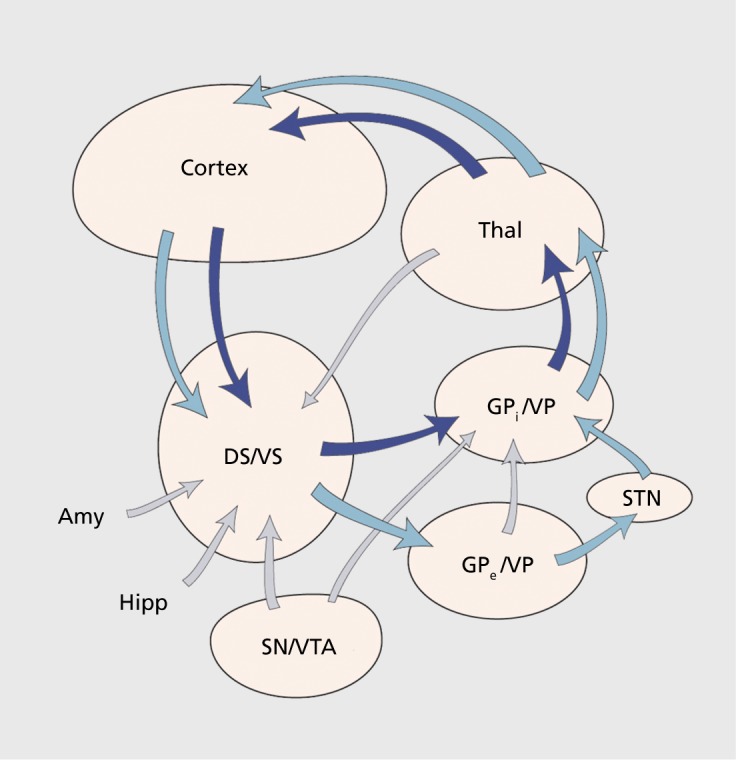
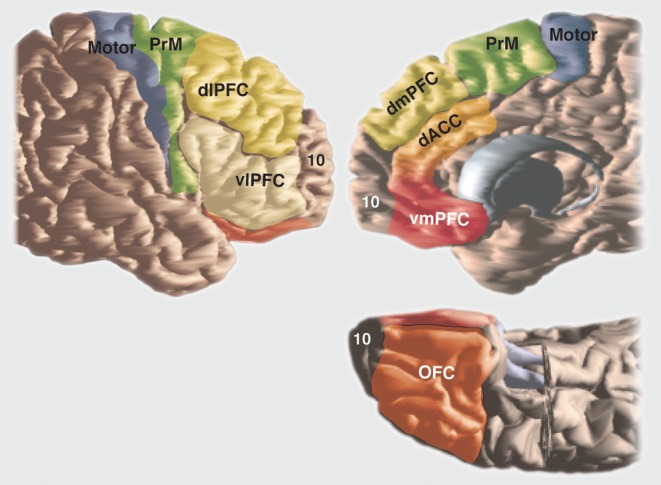
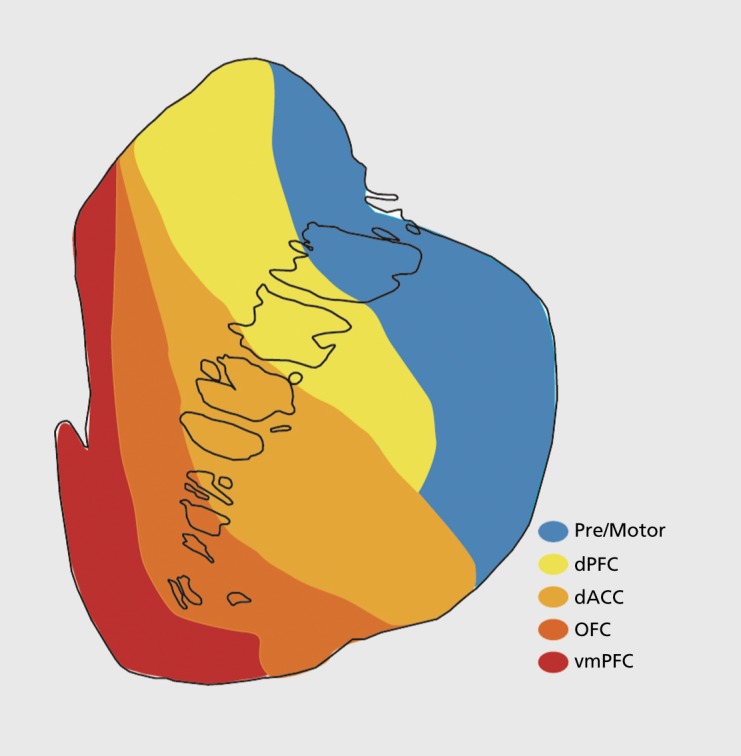
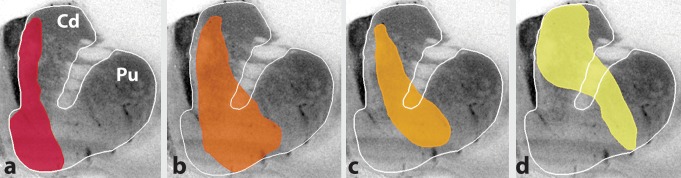
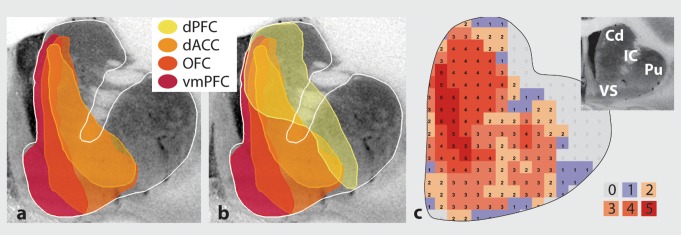
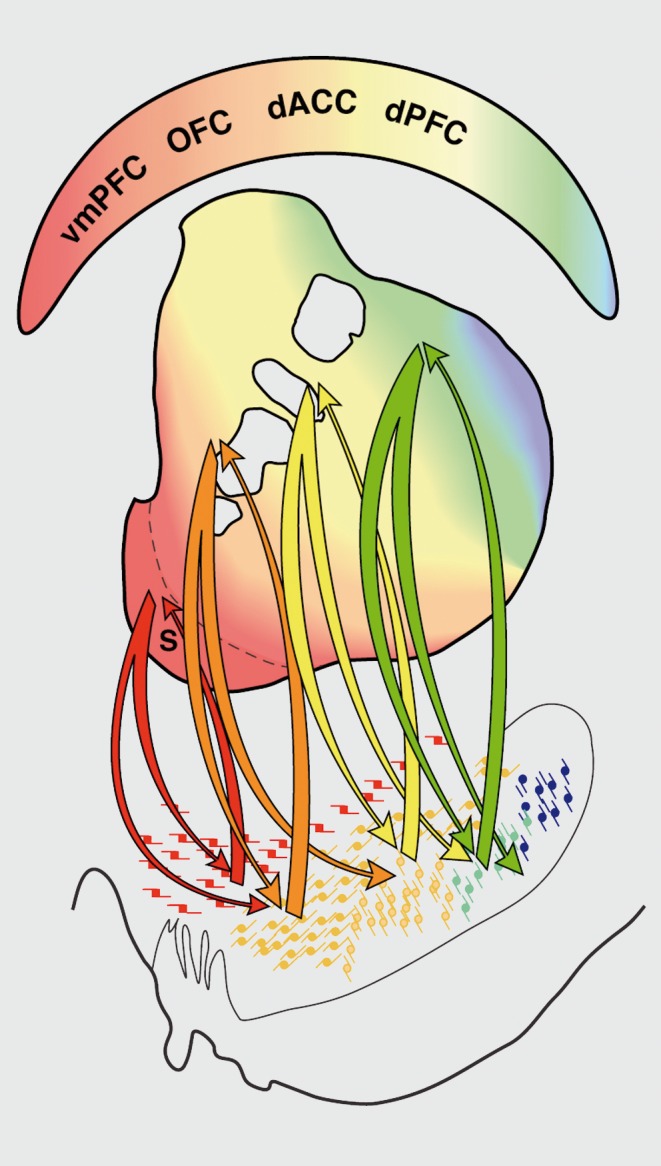
Corticostriatal connections play a central role in developing appropriate goal-directed behaviors, including the motivation and cognition to develop appropriate actions to obtain a specific outcome. The cortex projects to the striatum topographically. Thus, different regions of the striatum have been associated with these different functions: the ventral striatum with reward; the caudate nucleus with cognition; and the putamen with motor control. However, corticostriatal connections are more complex, and interactions between functional territories are extensive. These interactions occur in specific regions in which convergence of terminal fields from different functional cortical regions are found. This article provides an overview of the connections of the cortex to the striatum and their role in integrating information across reward, cognitive, and motor functions. Emphasis is placed on the interface between functional domains within the striatum.
Overview
The claims and statistics of this paper haven’t been checked yet.
Free: it reads the open-access text and checks the first 5 claims that cite a source we can check. Create a free account to check every claim.
Integrity signals
Registry
Cites
Statistics
Figures
Verification
Claims the paper makes
The claims and statistics of this paper haven’t been checked yet.
Free: it reads the open-access text and checks the first 5 claims that cite a source we can check. Create a free account to check every claim.
Claims other papers make about this one
Each is checked against this paper’s own text: does it say what the citing paper says it does?
The cited source says what the claim attributes to it.
In the citing paper
“For example, the substantia nigra makes extensive connections with the striatum, cortex, thalamus and neighboring brainstem regions, allowing dopaminergic outputs to exert far-reaching effects on the flow of CSTC information (Haber, 2016).”
From Cortico-striatal-thalamic loop circuits of the salience network: A central pathway in psychiatric disease and treatment (2016) · cites this paper as Haber, 2016
The cited source says what the claim attributes to it.
In the citing paper
“Importantly, the mesolimbic and nigrostriatal dopaminergic pathway have been implicated in the encoding of “saliency prediction errors”, underscoring their broader contributions to the attribution of salience to environmental stimuli (Kapur, 2003; Haber, 2016).”
From Cortico-striatal-thalamic loop circuits of the salience network: A central pathway in psychiatric disease and treatment (2016) · cites this paper as Haber, 2016
The cited source says what the claim attributes to it.
In the citing paper
“Corticostriatal circuitry is essential to processing reward, cognition, and movement (Haber, 2016)”
From Developmental origins of sex differences in the neural circuitry of play (2020) · cites this paper as Haber, 2016
In the citing paper
“Specifically, the dACC projects primarily to the dorsal caudate nucleus and ventral striatum, overlapping partially but not completely with frontostriatal projections from the dlPFC (Haber, 2016).”
From Cortico-striatal-thalamic loop circuits of the salience network: A central pathway in psychiatric disease and treatment (2016) · cites this paper as Haber, 2016
Self-check
Percentages, sums and reported differences re-computed from the paper’s own numbers.
The self-check needs the paper’s full text.
Citations
Cites
The Brain's Default Network: Anatomy, Function, and Relevance to Disease
Buckner, R. L., Andrews‐Hanna, J. R., & Schacter, D. L. (2008) · Annals of the New York Academy of Sciences · doi:10.1196/annals.1440.011 · Cited by 9,761
Koob, G. F., & Volkow, N. D. (2010) · Neuropsychopharmacology · doi:10.1038/npp.2009.110 · Cited by 5,340
Predictive reward signal of dopamine neurons
Schultz, W. (1998) · Journal of Neurophysiology · doi:10.1152/jn.1998.80.1.1 · Cited by 4,564
Functional architecture of basal ganglia circuits: neural substrates of parallel processing
Alexander, G. E., & Crutcher, M. D. (1990) · Trends in Neurosciences · doi:10.1016/0166-2236(90)90107-l · Cited by 4,131
Functional anatomy of the basal ganglia. I. The cortico-basal ganglia-thalamo-cortical loop
Parent, A., & Hazrati, L.-N. (1995) · Brain Research Reviews · doi:10.1016/0165-0173(94)00007-c · Cited by 2,161
Wise, R. A., & Rompre, P.-P. (1989) · Annual Review of Psychology · doi:10.1146/annurev.ps.40.020189.001203 · Cited by 1,968
Haber, S. N., Fudge, J. L., & McFarland, N. R. (2000) · The Journal of Neuroscience · doi:10.1523/jneurosci.20-06-02369.2000 · Cited by 1,610
Self-citationNeurons in the orbitofrontal cortex encode economic value
Padoa-Schioppa, C., & Assad, J. A. (2006) · Nature · doi:10.1038/nature04676 · Cited by 1,598
Neurotransmitters and neuromodulators in the basal ganglia
Graybiel, A. M. (1990) · Trends in Neurosciences · doi:10.1016/0166-2236(90)90104-i · Cited by 1,576
Specificity in the projection patterns of accumbal core and shell in the rat
Heimer, L., Zahm, D. S., Churchill, L., Kalivas, P. W., & Wohltmann, C. (1991) · Neuroscience · doi:10.1016/0306-4522(91)90202-y · Cited by 1,219
Research works printed but not linked: 7
- Robbins TW. Everitt BJ. Motivation and reward. In: Squire LR, Roberts JL, Spitzer NC, Zigmond MJ, McConnell SK, Bloom FE, eds. Fundamental Neuroscience. 2nd ed. San Diego, CA: Academic Press; 1999 1245 1259
- Koob GF. Drug reward and addiction. In: Fundamental Neuroscience. New York, NY: Academic Press; 1999 1261 1279
- Kalivas PW. Churchill L. Klitenick MA. The circuitry mediating the translation of motivational stimuli into adaptive motor responses. In: Kalivas PW, Barnes CD, eds. Limbic Motor Circuits and Neuropsychiatry. Boca Raton, FL: CRC Press, Inc; 1993 237 275
- Heimer L. Alheid GF. Zahm DS. Basal forebrain organization: an anatomical framework for motor aspects of drive and motivation. In: Kalivas PW, Barnes CD, eds. Limbic Motor Circuits and Neuropsychiatry. Boca Raton, FL: CRC Press, Inc; 1993 1 43
- Parent A. Comparative Neurobiology of the Basal Ganglia. New York, NY: John Wiley and Sons; 1986
- McFarland NR. Haber SN. The thalamostriataI projection and its relation to corticostriatal and cortiocthalamic inputs. Soc Neurosci Abst. 1996 22 412
- Fibiger HC. Phillips AG. Reward, motivation, cognition: psychobiology of mesotelencephalic dopamine systems. In: Mountcastle VB, Bloom F, Geiger SR, eds. Handbook of Physiology. Section I: the Nervous System. Vol 4. Bethesda,MD: American Physiological Society; 1986 647 674
Cited by
Items 401–500 of 1,000
Gao, L., Wang, H., Chen, Y., Chen, Z., Deng, L., Liu, D., Ding, X., Le, Z., Liu, Y., Du, Y., et al. (2025) · Neuron · doi:10.1016/j.neuron.2025.10.019 · Cited by 14
Bouabid, S., & Zhou, F. (2018) · Journal of Neurochemistry · doi:10.1111/jnc.14331 · Cited by 14
From affective to cognitive processing: Functional organization of the medial frontal cortex
Simon, J., Rudebeck, P. H., & Rich, E. L. (2021) · International review of neurobiology · doi:10.1016/bs.irn.2020.11.011 · Cited by 14
Chen, L., Rao, B., Li, S., Gao, L., Xie, Y., Dai, X., Fu, K., Peng, X. Z., & Xu, H. (2022) · Frontiers in Neuroscience · doi:10.3389/fnins.2021.766633 · Cited by 14
“In support of the complex and extensive corticostriatal circuitry theory (Haber, 2016), we found reduced MFG-striatum, MCC-striatum and preCUN/PCC-striatum connectivity in DoC patients compared with controls.”
ResultImpaired white matter integrity between premotor cortex and basal ganglia in writer’s cramp
Berndt, M. T., Li, Y., Gora‐Stahlberg, G., Jochim, A., & Haslinger, B. A. (2018) · Brain and Behavior · doi:10.1002/brb3.1111 · Cited by 14
How Cognition and Motivation “Freeze” the Motor Behavior in Parkinson’s Disease
Ortelli, P., Ferrazzoli, D., Cian, V., Zarucchi, M., Palamara, G., Giobbia, A., Frazzitta, G., Maestri, R., & Canesi, M. (2019) · Frontiers in Neuroscience · doi:10.3389/fnins.2019.01302 · Cited by 14
“Ventral striatum receives prominent inputs from the orbitofrontal cortex (Harsay et al., 2011): both of these structures, together with the anterior cingulate cortex, have been shown to be involved in motivational aspects of behavior (Haber, 2016).”
BackgroundThomson, D. M., Openshaw, R. L., Mitchell, E. J., Kouskou, M., Millan, M. J., la Cour, C. M., Morris, B., & Pratt, J. A. (2020) · Genes Brain & Behavior · doi:10.1111/gbb.12710 · Cited by 14
Tang, W., Choi, E. Y., Heilbronner, S. R., & Haber, S. N. (2020) · Brain Structure and Function · doi:10.1007/s00429-020-02133-3 · Cited by 14
“The shell (NAccS) is a well-conserved and well-defined region in both rodents and primates (Haber 2016).”
BackgroundSelf-citationSchizotypy, childhood trauma and brain morphometry
Quidé, Y., Tonini, E., Watkeys, O. J., Carr, V. J., & Green, M. J. (2021) · Schizophrenia Research · doi:10.1016/j.schres.2021.09.021 · Cited by 14
Votinov, M., Myznikov, A., Zheltyakova, M., Masharipov, R. S., Korotkov, A. D., Cherednichenko, D. V., Habel, U., & Kireev, M. V. (2021) · Frontiers in Neural Circuits · doi:10.3389/fncir.2021.727960 · Cited by 14
“The caudate obtains projections from the prefrontal cortex, ACC, and orbitofrontal cortex (Haber, 2016).”
BackgroundD’Ambrosio, E., Pergola, G., Pardiñas, A. F., Dahoun, T., Veronese, M., Sportelli, L., Taurisano, P., Griffiths, K., Jauhar, S., Rogdaki, M., et al. (2022) · Scientific Reports · doi:10.1038/s41598-022-16442-6 · Cited by 14
Contribution of Glial Cells to Polyglutamine Diseases: Observations from Patients and Mouse Models
Cvetanović, M., & Gray, M. (2023) · Neurotherapeutics · doi:10.1007/s13311-023-01357-5 · Cited by 13
“The function of these cells is modulated by input from the cortex, thalamus, and substantia nigra [42, 43].”
BackgroundCortical timescales and the modular organization of structural and functional brain networks
Lurie, D. J., Pappas, I., & D’Esposito, M. (2024) · Human Brain Mapping · doi:10.1002/hbm.26587 · Cited by 13
“…areas have extensive connectivity to subcortical regions, and the patterning of these connections is thought to play a critical role in shaping the functional properties of the cerebral cortex (Alexander et al., 1986; Haber 2016; Müller et al., 2020; Oldham & Ball, 2023; Shepherd & Yamawaki, 2021”
Godet, A., Serrand, Y., Léger, B., Moirand, R., Bannier, É., Val‐Laillet, D., & Coquery, N. (2024) · Scientific Reports · doi:10.1038/s41598-024-69863-w · Cited by 13
“Indeed, beyond the dlPFC, we also found that different cortical and subcortical areas were recruited, of which many display structural and/or functional connectivity with the dlPFC 6,7,23 .”
Hall, M. D., Gipson, K. S., Gipson, S. Y.-M. T., Colvin, M. K., Nguyen, S. T. T., & Greenberg, E. (2025) · Harvard Review of Psychiatry · doi:10.1097/hrp.0000000000000429 · Cited by 13
Li, X., Bu, S., Pang, H., Hong-mei, Y., Zhao, M., Wang, J., Liu, Y., & Fan, G. (2025) · npj Parkinson s Disease · doi:10.1038/s41531-025-01002-2 · Cited by 13
“Thestriatum,withitsextensivecorticalconnections,isincreasingly recognizedasacentralhubforfunctionalintegration,particularlyinPD 31,39 .”
Borrego-Ruiz, A., & Borrego, J. J. (2025) · Children · doi:10.3390/children12081063 · Cited by 14
“Direct and indirect pathways within CSTC loops in the prefrontal cortex are known to exert excitatory or inhibitory influences on higher-order cognitive and behavioral processes, thereby supporting adaptive regulatory control [67].”
Zhou, Z. C., Zhu, Y., Liu, Y., & Yin, Y. (2019) · Aging · doi:10.18632/aging.102196 · Cited by 13
Porcu, M., Sanfilippo, R., Montisci, R., Balestrieri, A., Suri, J. S., Wintermark, M., & Saba, L. (2020) · The Neuroradiology Journal · doi:10.1177/1971400920959323 · Cited by 13
Lu, L., Yang, W., Zhang, X., Tang, F., Du, Y., Li, F., Luo, J., Yan, C., Zhang, J., Li, J., et al. (2022) · Journal of Psychiatric Research · doi:10.1016/j.jpsychires.2022.06.036 · Cited by 13
Cotter, D. L., Morrel, J., Sukumaran, K., Cardenas‐Iniguez, C., Schwartz, J. D., & Herting, M. M. (2024) · Brain Behavior & Immunity - Health · doi:10.1016/j.bbih.2024.100799 · Cited by 13
“These findings align with previous literature suggesting a role for these association and projection white matter tracts in goal-directed behaviors (Haber 2016), integration of information from several functional domains (i.e., visuospatial processing, executive function) (Benedictis et al., 2021),…”
ResultDistinct Neural Circuits Underlie Prospective and Concurrent Memory-Guided Behavior
Hamm, A. G., & Mattfeld, A. T. (2019) · Cell Reports · doi:10.1016/j.celrep.2019.08.002 · Cited by 13
Adolescent Dopamine Neurons Represent Reward Differently during Action and State Guided Learning
McCane, A. M., Wegener, M. A., Faraji, M., Garcia, M. T. R., Wallin-Miller, K., Costa, V. D., & Moghaddam, B. (2021) · Journal of Neuroscience · doi:10.1523/jneurosci.1321-21.2021 · Cited by 13
Effects of age and gender on neural correlates of emotion imagery
Tomasino, B., Maggioni, E., Bonivento, C., Nobile, M., D’Agostini, S., Arrigoni, F., Fabbro, F., & Brambilla, P. (2022) · Human Brain Mapping · doi:10.1002/hbm.25906 · Cited by 14
“The striatum is connected with the entire cortex via subregion-specific fronto-striatal loops (Haber, 2016).”
BackgroundSpiros, Ä., Roberts, P., & Geerts, H. (2017) · European Neuropsychopharmacology · doi:10.1016/j.euroneuro.2016.12.006 · Cited by 13
Klein, S. D., Collins, P. F., Wun, V. L., Grund, P. M., & Luciana, M. M. (2025) · Journal of Neuroscience · doi:10.1523/jneurosci.1233-23.2025 · Cited by 12
Heller, C., Steinmann, S., Levitt, J. J., Makris, N., Antshel, K. M., Fremont, W. P., Coman, I. L., Schweinberger, S. R., Weiß, T., Bouix, S., et al. (2020) · Schizophrenia Research · doi:10.1016/j.schres.2020.09.008 · Cited by 12
“They are involved in a wide range of mental functions, including, motor, limbic, and cognitive projections (Haber, 2016, 2003; Haber and Calzavara, 2009).”
BackgroundKim, H. E., Kwon, J. H., & Kim, J. (2021) · Frontiers in Neuroscience · doi:10.3389/fnins.2021.609004 · Cited by 13
“…as the dorsal striatum is known to play a significant role in evaluating information of outcomes and action selection (Balleine et al., 2007; Haber, 2016), the coactivation of these structures perhaps suggests an intricate seesaw of processes that assess risk and potential loss to…”
BackgroundToxicity of internalized polyalanine to cells depends on aggregation
Iizuka, Y., Owada, R., Kawasaki, T., Hayashi, F., Sonoyama, M., & Nakamura, K. (2021) · Scientific Reports · doi:10.1038/s41598-021-02889-6 · Cited by 12
Hierarchical Reinforcement Learning, Sequential Behavior, and the Dorsal Frontostriatal System
Janssen, M., LeWarne, C., Burk, D. C., & Averbeck, B. B. (2022) · Journal of Cognitive Neuroscience · doi:10.1162/jocn_a_01869 · Cited by 12
“Regardless, these regions participate in the dorsal circuitry through their connections with the dlPFC, DS, and downstream projections to the GP and thalamus (Haber, 2016; Figure 3).”
BackgroundThe role of sleep quality on white matter integrity and concussion symptom severity in adolescents
Santos, J. P. L., Kontos, A. P., Holland, C. L., Stiffler, R. S., Bitzer, H. B., Caviston, K., Shaffer, M. A., Suss, S. J., Martinez, L., Manelis, A., et al. (2022) · NeuroImage Clinical · doi:10.1016/j.nicl.2022.103130 · Cited by 12
“The striato-fronto-orbital tract is part of the corticostriatal circuitry and is involved with motor behaviors (Haber, 2016) Finally, the superior longitudinal fasciculus I connects the superior parietal lobe to frontal regions and is associated with language functions(Bernal and Altman, 2010; Wang…”
BackgroundFunctional differentiation of the dorsal striatum: a coordinate-based neuroimaging meta-analysis
Zheng, Q., Ba, X., Wang, Q., Cheng, J., Nan, J., & He, T. (2023) · Quantitative Imaging in Medicine and Surgery · doi:10.21037/qims-22-133 · Cited by 12
Khandelwal, N., Kulkarni, A., Ahmed, N. I., Harper, M. J., Konopka, G., & Gibson, J. R. (2024) · Science Advances · doi:10.1126/sciadv.adm7039 · Cited by 12
Klugah‐Brown, B., Bore, M. C., Liu, X., Gan, X., Biswal, B. B., Kendrick, K. M., Chang, D. H. F., Zhou, B., & Becker, B. (2024) · Journal of Affective Disorders · doi:10.1016/j.jad.2024.05.016 · Cited by 12
Doucette, W. T., Dwiel, L. L., Boyce, J. E., Simon, A. A., Khokhar, J. Y., & Green, A. I. (2018) · Frontiers in Psychiatry · doi:10.3389/fpsyt.2018.00336 · Cited by 12
Apathy is not associated with reduced ventral striatal volume in patients with schizophrenia
Burrer, A., Caravaggio, F., Manoliu, A., Plitman, E., Guetter, K., Habermeyer, B., Stämpfli, P., Abivardi, A., Schmidt, A., Borgwardt, S., et al. (2020) · Schizophrenia Research · doi:10.1016/j.schres.2020.08.018 · Cited by 12
Corticostriatal Projections of Macaque Area 44
Korponay, C. H., Choi, E. Y., & Haber, S. N. (2020) · Cerebral Cortex Communications · doi:10.1093/texcom/tgaa079 · Cited by 12
Self-citationNoninvasive Capsulotomy for Refractory Depression by Frameless Stereotactic Radiosurgery
Khattab, M. H., Sherry, A. D., Devan, S. P., Luo, G., Chaballout, B. H., Jean-Baptiste, S., Xu, J., Bick, S. K. B., Petrie, W. M., & Cmelak, A. J. (2022) · International Journal of Radiation Oncology*Biology*Physics · doi:10.1016/j.ijrobp.2022.04.042 · Cited by 12
Corbit, V. L., Piantadosi, S. C., Wood, J. T., Madireddy, S. S., Choi, C. J. Y., Witten, I. B., Gittis, A. H., & Ahmari, S. E. (2025) · Cell Reports · doi:10.1016/j.celrep.2024.115181 · Cited by 12
“13,14 Interestingly, this positions the central striatum (CS) at a crucial nexus of corticostriatal inputs along this topography, 15,16 making it well suited to link motivational factors and sensorimotor responses.”
Subcortical SISCOM hyperperfusion: Should we pay more attention to it?
Aupy, J., Wongwiangjunt, S., Wang, Z. I., Wu, G., & Alexopoulos, A. V. (2018) · Seizure · doi:10.1016/j.seizure.2018.09.017 · Cited by 12
Iron distribution in the lentiform nucleus: A post-mortem MRI and histology study
Barros, A. D., Arribarat, G., Lotterie, J. A., Dominguez, G., Chaynes, P., & Péran, P. (2021) · Brain Structure and Function · doi:10.1007/s00429-020-02175-7 · Cited by 12
“1992) and quantification (Hallgren and Sourander 1958).”
Functional Constructivism Approach to Multilevel Nature of Bio-Behavioral Diversity
Trofimova, I. N. (2021) · Frontiers in Psychiatry · doi:10.3389/fpsyt.2021.641286 · Cited by 12
Standke, I., Trempler, I., Dannlowski, U., Schubotz, R. I., & Lencer, R. (2021) · NeuroImage: Clinical · doi:10.1016/j.nicl.2021.102855 · Cited by 11
“Both frontal regions are informed by striatal gating of prediction errors (Chatham and Badre, 2015; Haber, 2016; Trempler et al., 2017).”
BackgroundAn, S.-Y., Hwang, S.-H., Lee, K., & Kim, H. F. (2024) · Progress in Neurobiology · doi:10.1016/j.pneurobio.2024.102651 · Cited by 11
Estradiol Modulates Resting-State Connectivity in Perimenopausal Depression
Hynd, M., Gibson, K., Walsh, M. J. M., Phillips, R., Prim, J., Eisenlohr-Moul, T. A., Walsh, E. C., Dichter, G. S., & Schiller, C. E. (2024) · Journal of Affective Disorders · doi:10.1016/j.jad.2024.11.068 · Cited by 11
Sader, M., Harris, H. A., Waiter, G. D., Jansen, P. W., Williams, J. H. G., & White, T. J. H. (2024) · Journal of Child Psychology and Psychiatry · doi:10.1111/jcpp.14086 · Cited by 11
“In tandem with existing fMRI studies implicating the OFC and insula, previous theoretical papers examining the aetiological and potential neurobiological origins of ARFID shed light on potential regions of interest associated with the FED.”
InfluentialStimulating neuroplasticity: Therapeutic applications of an extended digital musical instrument
Partesotti, E., Feitosa, J. A., Manzolli, J., & Castellano, G. (2025) · Nordic Journal of Music Therapy · doi:10.1080/08098131.2024.2445824 · Cited by 11
“…decision-making (Kringelbach, 2005; Padoa-Schioppa et al., 2011), works with the basal ganglia (including the nucleus accumbens and dorsal striatum) through corticostriatal pathways to translate motivation into goal-directed behavior (Balleine et al., 2007; Haber, 2016; Kringelbach & Rolls, 2004).”
Topography of cognition: Evolution of parallel distributed association networks in primates
Buckner, R. L. (2025) · Elsevier eBooks · doi:10.1016/b978-0-443-27380-3.00009-9 · Cited by 11
Quevedo, K. M., Teoh, J. Y., Liu, G., Santana‐Gonzalez, C., Forbes, E. E., & Engstrom, M. (2022) · Journal of Psychiatric Research · doi:10.1016/j.jpsychires.2022.01.037 · Cited by 10
Wang, S., Rao, B., Miao, G., Zhang, X., Zheng, J., Lin, J., Yu, M., Zhou, X., Xu, H., & Liao, W. (2022) · Brain Imaging and Behavior · doi:10.1007/s11682-022-00716-8 · Cited by 11
“Several studies have confirmed that abnormal functional connectivity may be related to PSCI pathophysiological mechanisms, notable alterations in the default mode network (DMN), and language-related network (Ding et al., 2014; Hartwigsen & Saur, 2019; Thiel & Zumbansen, 2016; Tuladhar et al., 2013).”
BackgroundTan, S.-S., Mo, X.-P., Qin, H., Dong, B., Zhou, J., Long, C., & Yang, L. (2023) · Molecules · doi:10.3390/molecules28104092 · Cited by 11
Creative thinking in Tourette’s syndrome: A comparative study of patients and healthy controls
Colautti, L., Magenes, S., Rago, S., Camerin, S., Dina, C. Z., Antonietti, A., & Cancer, A. (2023) · Journal of Clinical and Experimental Neuropsychology · doi:10.1080/13803395.2023.2251644 · Cited by 11
“In detail, CSTC circuits are composed of five distinct components (i.e., motor, oculomotor, dorsolateral prefrontal, orbitofrontal, and anterior cingulate circuits) that receive partially overlapping cortico-striatal inputs and project to different striatal areas (Haber, 2016).”
BackgroundBöhmer, J., Reinhardt, P., Garbusow, M., Marxen, M., Smolka, M. N., Zimmermann, U. S., Heinz, A., Bzdok, D., Friedel, E., Kruschwitz, J., et al. (2023) · Addiction Biology · doi:10.1111/adb.13339 · Cited by 11
“69 The putamen functionally connects to motor cortices and prefrontal control regions, including the dmPFC and vlPFC. 70,71 Decreased putamen connectivity in REL might reflect the dysregulation of prefrontal control over the dorsal striatum that may propel motor systems towards habitual…”
BackgroundNeurobiological Causal Models of Language Processing
Fitz, H., Hagoort, P., & Petersson, K. M. (2024) · Neurobiology of Language · doi:10.1162/nol_a_00133 · Cited by 52
“This approach applies equally to networks of any spatial scale, including larger-scale neocortical or cortico-striatal networks (Haber, 2016; Mountcastle, 1997; Shepherd, 2004).”
MethodWesterman, H. B., Suarez, G. L., Richmond‐Rakerd, L. S., Nusslock, R., Klump, K. L., Burt, S. A., & Hyde, L. W. (2024) · Social Cognitive and Affective Neuroscience · doi:10.1093/scan/nsae029 · Cited by 11
“The ventral striatum (VS), a set of structures in the basal ganglia, including the nucleus accumbens, is the hub of the corticostriatal reward system (Haber, 2016).”
BackgroundIn vivo structural connectivity of the reward system along the hippocampal long axis
Elliott, B. L., Mohyee, R. A., Ballard, I. C., Olson, I. R., Ellman, L. M., & Murty, V. P. (2024) · Hippocampus · doi:10.1002/hipo.23608 · Cited by 11
“For instance, when examining VTA projections to the anterior hippocampus, researchers have identified direct HPC-VTA connectivity, indirect HPC-nucleus accumbens-VTA connectivity, and indirect HPC-nucleus accumbens-ventral pallidum-VTA connectivity (Haber, 2016; Lisman & Grace, 2005).”
Larger putamen in individuals at risk and with manifest bipolar disorder
Thomas‐Odenthal, F., Stein, F., Vogelbacher, C., Alexander, N., Bechdolf, A., Bermpohl, F., Bröckel, K. L., Brosch, K., Correll, C. U., Evermann, U., et al. (2024) · Psychological Medicine · doi:10.1017/s0033291724001193 · Cited by 11
“In contrast to our study, the ENIGMA studies, which focused on subcortical volume and cortical thickness changes in BD compared to HCs, did not find alterations of the precuneus (Hibar et al., 2018, 2016).”
BackgroundResultKaminski, A., Xie, H., Hawkins, B., & Vaidya, C. J. (2024) · Translational Psychiatry · doi:10.1038/s41398-024-03165-7 · Cited by 11
Liu, D., Zhang, Y., Zhao, J., Liu, B., Lin, C., Yang, M., Gu, J., & Jin, O. (2024) · Scientific Reports · doi:10.1038/s41598-024-79246-w · Cited by 11
“Results showed that FM patients exhibited significantly decreased rsFC between DDMN and the body of the right caudate nucleus, suggesting a disturbance of the cortico-striato-thalamo-cortical circuit (CSTC).”
InfluentialNeural dynamics in co-morbid schizophrenia and OCD: A computational approach
Szalisznyó, K., Silverstein, D. N., & Tóth, J. (2019) · Journal of Theoretical Biology · doi:10.1016/j.jtbi.2019.01.038 · Cited by 11
Projections to the putamen from neurons located in the white matter and the claustrum in the macaque
Borra, E., Luppino, G., Gerbella, M., Rozzi, S., & Rockland, K. S. (2019) · The Journal of Comparative Neurology · doi:10.1002/cne.24768 · Cited by 11
“These originate from pyramidal neurons mainly in Layer 5 but also in Layers 3 or 6 (Haber, 2016; Reiner, Hart, Lei, & Deng, 2010).”
BackgroundGrinsvall, C., Oudenhove, L. V., Dupont, P. J., Ryu, H. J., Ljungberg, M., Labus, J. S., Törnblom, H., Mayer, E. A., & Simrén, M. (2021) · Brain Sciences · doi:10.3390/brainsci11121580 · Cited by 11
The relationship between glutamate, dopamine, and cortical gray matter: A simultaneous PET-MR study
Rogeau, A., Nordio, G., Veronese, M., Brown, K., Nour, M. M., Osugo, M., Jauhar, S., Howes, O. D., & McCutcheon, R. A. (2022) · Molecular Psychiatry · doi:10.1038/s41380-022-01596-6 · Cited by 11
“This region was a priori selected based on our earlier finding of an interaction between its gray matter volume, striatal dopamine synthesis and treatment response in schizophrenia [8], and the consistent anatomical and functional links between prefrontal cortex and striatum in health and disease [44, 45].”
BackgroundHan, S., Bang, S., Kim, H. N., Choi, N., & Kim, S. H. (2023) · Molecular Brain · doi:10.1186/s13041-023-01007-z · Cited by 11
Functional connectivity of sub-cortical brain regions: disparities and similarities
Alahmadi, A. A. S. (2023) · Neuroreport · doi:10.1097/wnr.0000000000001881 · Cited by 11
Alcohol potentiates multiple GABAergic inputs to dorsal striatum fast-spiking interneurons
Patton, M. S., Sheats, S. H., Siclair, A. N., & Mathur, B. N. (2023) · Neuropharmacology · doi:10.1016/j.neuropharm.2023.109527 · Cited by 11
Ding, H., Wang, Z., Tang, Y., Wang, T., Qi, M., Dou, W., Qian, L., Gao, Y., Zhong, Q., Yang, X., et al. (2023) · Quantitative Imaging in Medicine and Surgery · doi:10.21037/qims-22-1373 · Cited by 11
“The putamen has been found to be highly correlated with motor control (54).”
Nozaki, T., Sugiyama, K., Asakawa, T., Namba, H., Yokokura, M., Terada, T., Bunai, T., & Ouchi, Y. (2022) · Journal of neurosurgery · doi:10.3171/2021.10.jns211364 · Cited by 11
Modulation of Dopamine for Adaptive Learning: a Neurocomputational Model
Inglis, J. B., Valentin, V. V., & Ashby, F. G. (2020) · Computational Brain & Behavior · doi:10.1007/s42113-020-00083-x · Cited by 10
“Reward and feedback processing recruit diverse brain networks that include the limbic system and prefrontal and sensory cortices (Liu et al. 2011; Watabe-Uchida et al. 2012; Tian and Uchida 2015; Haber 2016; Faget et al. 2016; Takahashi et al. 2016).”
BackgroundReduced striatal dopamine transmission as a transdiagnostic substrate of psychomotor retardation
Leong, I. L., Ng, T. H., Sen, K., Burchill, E., Costello, H., Badenoch, J., Coebergh, J. W. W., McCutcheon, R. A., Nair, A., Browning, M. D., et al. (2025) · Brain · doi:10.1093/brain/awaf335 · Cited by 10
The cholinergic basal forebrain and its role in neurodegeneration
Cykowski, M. D., & Masdeu, J. C. (2025) · Journal of Neuropathology & Experimental Neurology · doi:10.1093/jnen/nlaf112 · Cited by 10
Joshi, A., Faivre, F., la Fleur, S. E., & Barrot, M. (2021) · Neuroscience · doi:10.1016/j.neuroscience.2021.05.022 · Cited by 10
Wu, C. J., Bendriem, R. M., Freed, W. J., & Lee, C. (2021) · Restorative Neurology and Neuroscience · doi:10.3233/rnn-211161 · Cited by 10
“…striatum is involved in controlling motor movement and action-contingent learning (Delgado, Miller, Inati, & Phelps, 2005; Delgado, Nystrom, Fissell, Noll, & Fiez, 2000; Haber, 2016; Haruno et al., 2004; Kreitzer & Malenka, 2008; Tricomi, Delgado, & Fiez, 2004; C.Wu,Garamszegi,Xie,&Mash,2017).”
Elevated representational similarity of voluntary action and inhibition in Tourette syndrome
Rae, C. L., Raykov, P., Ambridge, E. M., Colling, L. J., van Praag, C. G., Bouyagoub, S., Polanski, L., Larsson, D. E. O., & Critchley, H. (2023) · Brain Communications · doi:10.1093/braincomms/fcad224 · Cited by 10
Griffiths, K. R., Breukelaar, I. A., Harvie, G., Yang, J., Foster, S., Harris, A. W. F., Clarke, S., Hay, P., Touyz, S. W., Korgaonkar, M. S., et al. (2023) · Biological Psychiatry Global Open Science · doi:10.1016/j.bpsgos.2023.08.016 · Cited by 10
“Corticostriatal connections play a critical role in goal-directed behavior, with the posterior caudate involved speci fi cally in cognitive aspects of determining appropriate actions to obtain a desired outcome (35).”
BackgroundPrenger, M. T. M., Gilchrist, M., Hedger, K. V., Seergobin, K. N., Owen, A. M., & MacDonald, P. A. (2023) · Journal of Neuroscience · doi:10.1523/jneurosci.1361-23.2023 · Cited by 12
“Furthermore, the DS is functionally and structurally connected to frontotemporal cortical regions that have been implicated in humor comprehension and related processes, such as the inferior frontal gyrus (Kireev et al., 2015; Haber, 2016; Graff-Radford et al., 2017).”
BackgroundIs Handgrip Strength Associated With Parkinson’s Disease? Longitudinal Study of 71 702 Older Adults
Mey, R., Calatayud, J., Casaña, J., Núñez‐Cortés, R., Suso‐Martí, L., Andersen, L. L., López‐Gil, J. F., & López‐Bueno, R. (2023) · Neurorehabilitation and neural repair · doi:10.1177/15459683231207359 · Cited by 10
“19 The putamen projects cortically to specific areas in the brain, forming a complex network involved in regulating motor functions.”
BackgroundPrefrontal network engagement by deep brain stimulation in limbic hubs
Allawala, A. B., Bijanki, K. R., Oswalt, D. N., Mathura, R. K., Adkinson, J. A., Pirtle, V., Shofty, B., Robinson, M. E., Harrison, M. T., Mathew, S. J., et al. (2024) · Frontiers in Human Neuroscience · doi:10.3389/fnhum.2023.1291315 · Cited by 10
“…in gamma power modulation following SCC and VC/VS stimulation, given recent work implicating dACC gamma power in positive affective behaviors (Bijanzadeh et al., 2022) and differential connectivity of the dACC to the VC/VS (Haber, 2016; Baldermann et al., 2021) and SCC (Johansen-Berg et al., 2008).”
MethodResultAmygdalostriatal transition zone neurons encode sustained cue responses to guide defensive behaviors
Mills, F., Lee, C. R., Howe, J. R., Li, H., Keisler, M. N., Shao, S., Taschbach, F., Lemieux, M., Aloboudi, F., White, J., et al. (2026) · Neuron · doi:10.1016/j.neuron.2026.08.012 · Cited by 10
Zonneveld, H. I., Roshchupkin, G. V., Adams, H. H. H., Gutman, B. A., van der Lugt, A., Niessen, W. J., Vernooij, M. W., & Ikram, M. A. (2019) · Journal of Alzheimer s Disease · doi:10.3233/jad-181297 · Cited by 10
Ramasubbu, R., McAusland, L. B., Chopra, S., Clark, D., Bewernick, B. H., & Kiss, Z. H. T. (2021) · Journal of Psychiatry and Neuroscience · doi:10.1503/jpn.210028 · Cited by 10
“27 The SCC also has strong anatomic connections to the nucleus accumbens and the MFB, 28–30 and it plays a critical role in selective aspects of reward-processing.”
Altered resting-state functional connectivity of the frontal-striatal circuit in elderly with apathy
Hamada, C., Kawagoe, T., Takamura, M., Nagai, A., Yamaguchi, S., & Onoda, K. (2021) · PLoS ONE · doi:10.1371/journal.pone.0261334 · Cited by 10
Matrisciano, F., Locci, V., Dong, E., Nicoletti, F., Guidotti, A., & Grayson, D. R. (2022) · Current Neuropharmacology · doi:10.2174/1567202619999220209112609 · Cited by 10
“…mGlu5 receptors (both splice variants a and b ) in the striatum, a brain region involved in programming social behaviors and motor programming [21,22]; (ii) the mGlu5 receptor-mediated intracellular canonical signaling pathway by measuring in vivo poly phosphoinositide hydrolysis; (iii) the…”
Mechanistic insight into the pathophysiological basis of Tourette syndrome
Rae, C. L., & Critchley, H. (2022) · International review of movement disorders · doi:10.1016/bs.irmvd.2021.11.001 · Cited by 10
Gradients of striatal function in antipsychotic-free first-episode psychosis and schizotypy
Oldehinkel, M., Tiego, J., Sabaroedin, K., Chopra, S., Francey, S. M., O'Donoghue, B. N., Cropley, V., Nelson, B., Graham, J. R., Baldwin, L., et al. (2023) · Translational Psychiatry · doi:10.1038/s41398-023-02417-2 · Cited by 10
“Some studies have also reported alterations in the ventral (or limbic) cortico-striatal system that connects the orbitofrontal cortex (OFC), medial prefrontal cortex, and limbic structures with the ventral striatum [8, 13] in patients with psychosis [10, 12, 14], but the findings are more heterogeneous.”
BackgroundJiang, M., Zhang, H., Liu, Y., Wu, S., Qu, J., Tang, Y. M., Song, Y., Li, Y., Sun, J. P., Zhu, L., et al. (2023) · Frontiers in Neurology · doi:10.3389/fneur.2023.1199251 · Cited by 10
“It also supports strategic planning and the execution of behaviors necessary for achieving complex goals (25, 26).”
BackgroundHlušička, J., Mana, J., Vaněčková, M., Kotikova, K., Diblík, P., Urban, P., Navrátil, T., Maréchal, B., Kober, T., & Zakharov, S. (2020) · NeuroToxicology · doi:10.1016/j.neuro.2020.06.006 · Cited by 10
Pani, S. M., Sabaroedin, K., Tiego, J., Bellgrove, M. A., & Fornito, A. (2020) · Psychiatry Research Neuroimaging · doi:10.1016/j.pscychresns.2020.111202 · Cited by 10
Piggott, V. M., Lloyd, S. C., Matchynski, J. I., Perrine, S. A., & Conti, A. C. (2021) · Molecules · doi:10.3390/molecules26072086 · Cited by 10
Delayed circadian rhythms and substance abuse: dopamine transmission’s time has come
Hasler, B. P., & McClung, C. A. (2021) · Journal of Clinical Investigation · doi:10.1172/jci152832 · Cited by 10
Dipasquale, O., Cohen, A. D., Martins, D., Zelaya, F. O., Turkheimer, F., Veronese, M., Mehta, M. A., Williams, S., Yang, B., Banerjee, S., et al. (2023) · Scientific Reports · doi:10.1038/s41598-023-38573-0 · Cited by 11
Mount, K. A., Kuhn, H. M., Hwang, E.-K., Beutler, M. M., & Wolf, M. E. (2025) · Neuropharmacology · doi:10.1016/j.neuropharm.2025.110816 · Cited by 9
Maggi, G., Vitale, C., Curti, A. D., Amboni, M., & Santangelo, G. (2023) · Brain Sciences · doi:10.3390/brainsci13060964 · Cited by 9
“Indeed, the spread of PD neurodegenerative processes towards the cortico-striatal and meso-cortical dopaminergic circuits involves the medial PFC [43,44], which plays a pivotal role in metacognition, especially in the judgment of performance and error detection [33–35].”
BackgroundInfluentialZhu, J.-S., Jiao, Y., Chen, R., Wang, X., & Han, Y. (2023) · Psychiatry Research Neuroimaging · doi:10.1016/j.pscychresns.2023.111749 · Cited by 9
Motor System-Dependent Effects of Amygdala and Ventral Striatum Lesions on Explore–Exploit Behaviors
Giarrocco, F., Costa, V. D., Basile, B. M., Pujara, M. S., Murray, E. A., & Averbeck, B. B. (2023) · Journal of Neuroscience · doi:10.1523/jneurosci.1206-23.2023 · Cited by 9
A novel combination treatment for fragile X syndrome predicted using computational methods
Chadwick, W., Angulo-Herrera, I., Cogram, P., Deacon, R. J. M., Mason, D. J., Brown, D., Roberts, I., O’Donovan, D. J., Tranfaglia, M. R., Guilliams, T., et al. (2023) · Brain Communications · doi:10.1093/braincomms/fcad353 · Cited by 9
“46,47 The basal ganglia is responsible for motor control, motor learning, executive functions, behaviours and emotions 48 and is dysregulated in FXS 49-51 leading to impaired executive function skills such as working memory, attention and inhibitory control.”
BackgroundThe subcortical brain regions influence the cortical areas during resting-state: an fMRI study
Moazeni, O., Northoff, G., & Batouli, S. A. H. (2024) · Frontiers in Human Neuroscience · doi:10.3389/fnhum.2024.1363125 · Cited by 9
“These structures form loops with the cortex, facilitating the modulation of motor and cognitive functions (Haber, 2016).”
BackgroundCorbo, I., Favieri, F., Forte, G., & Casagrande, M. (2024) · Archives of Gerontology and Geriatrics · doi:10.1016/j.archger.2024.105643 · Cited by 9
Zhu, J.-S., Gong, Q., Zhao, M.-T., & Jiao, Y. (2024) · Neuroscience · doi:10.1016/j.neuroscience.2024.11.034 · Cited by 9
Lee, K. F. A., Fox, A. M., & Notebaert, L. (2020) · International Journal of Psychophysiology · doi:10.1016/j.ijpsycho.2020.09.009 · Cited by 9
Metadata
- Authors
- Haber, S. N.
- Affiliations
- University of Rochester Medicine (US)
- Corresponding author
- Haber, Suzanne N.
- ORCID
- Haber, Suzanne N.
- Venue
- Dialogues in Clinical Neuroscience
- Publisher
- Informa UK Limited
- Published
- 2016-03-31
- Volume
- 18
- Issue
- 1
- Pages
- 7-21
- ISSN
- 1294-8322 (ISSN-L)
- 1958-5969
- PMC
- PMC4826773
- OpenAlex
- W4241221200
- Cited by
- 922
- References
- 116
- Citations by year
- 2026: 79 · 2025: 122 · 2024: 111 · 2023: 98 · 2022: 129 · 2021: 101 · 2020: 92 · 2019: 88 · 2018: 56 · 2017: 39 · 2016: 7
- FWCI
- 35.52
- Type
- journal article
- Language
- en
- Open access
- diamond
- doi.org
- Licence
- Locations
- Dialogues in Clinical Neuroscience (publishedVersion, cc-by-nc-nd)
- PubMed Central (publishedVersion, cc-by-nc-nd)
- PubMed (publishedVersion)
- Funders
- National Institute of Mental Health (R01MH045573, MH045573)
- Topics
- Life Sciences › Neuroscience › Cellular and Molecular Neuroscience › Neurotransmitter Receptor Influence on Behavior
- Life Sciences › Neuroscience › Cognitive Neuroscience › Neural and Behavioral Psychology Studies
- Health Sciences › Medicine › Clinical Neurology › Deep Brain Stimulation and Movement Disorders
- Keywords
- corticostriatal connections, striatum, ventral striatum, caudate nucleus, putamen, goal-directed behavior, reward, cognition, motor control, topographic projection, functional integration, terminal fields
- MeSH terms
- Animals, Cerebral Cortex, Cognition, Corpus Striatum, Humans, Nerve Net, Neural Pathways, Reward
About these checks
Registry, retraction, Cites and statistics results are computed, not judged, with one exception: a printed reference that no index lists is read once by a model before it counts as a citation error. Claims are extracted by a model and kept only when their quote appears verbatim in the text; each cited source is then checked, with a model’s help, for whether it says what the claim relies on. Those verdicts can be wrong — read the claim’s quote and the cited source before relying on one.
Statistics and arithmetic are recomputed, not judged.
Confidence bands are shown only for fields calibrated on our annotated test set. None is calibrated yet, so no band is shown.
What counts as a claim ›How we measure confidence ›How we check this ›
Are you an author, or do you see a problem with this page? Request a review
Data sources
Bibliographic data: Semantic Scholar, OpenAlex, Crossref.
Contains information from the Semantic Scholar Academic Graph Datasets, made available under the ODC Attribution License (ODC-BY 1.0).
Semantic Scholar’s data is described in: Kinney, R., et al. (2023). The Semantic Scholar Open Data Platform. arXiv:2301.10140.
