

Corticostriatal circuitry
Open accessThe DOI matches its Crossref record; 117 of the 117 references it cites were found in a registry or an index.
Abstract
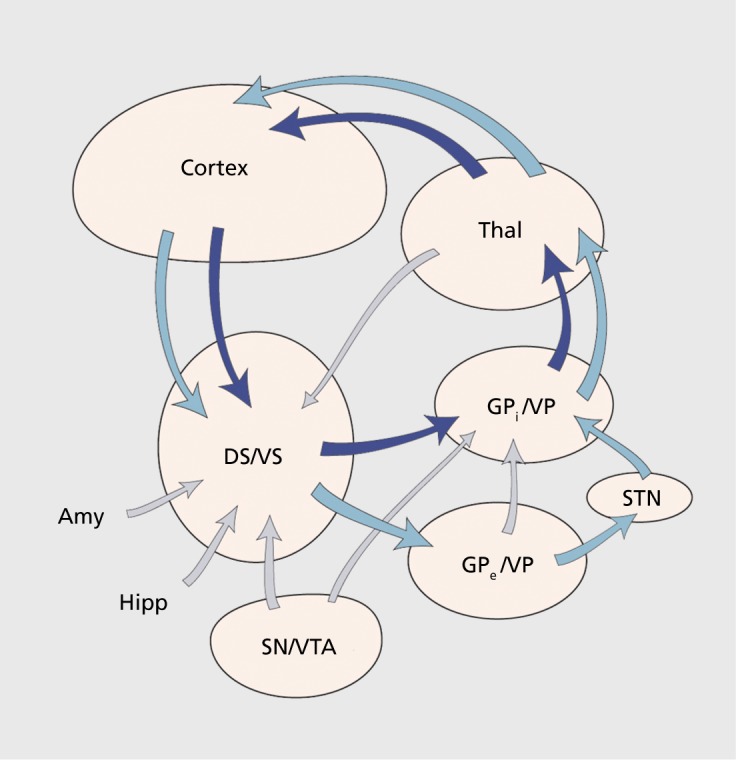
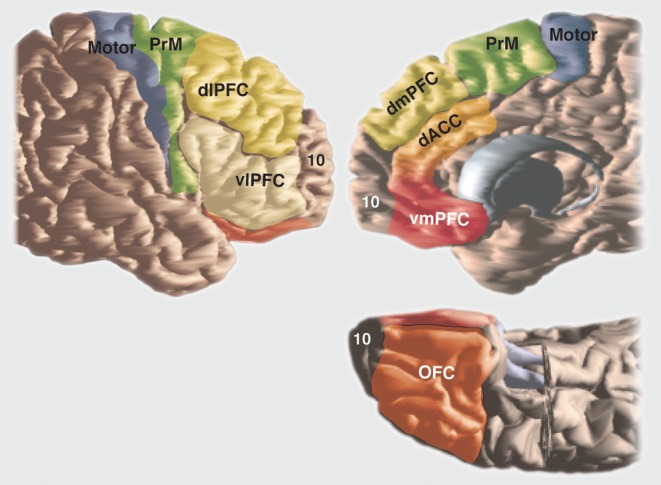
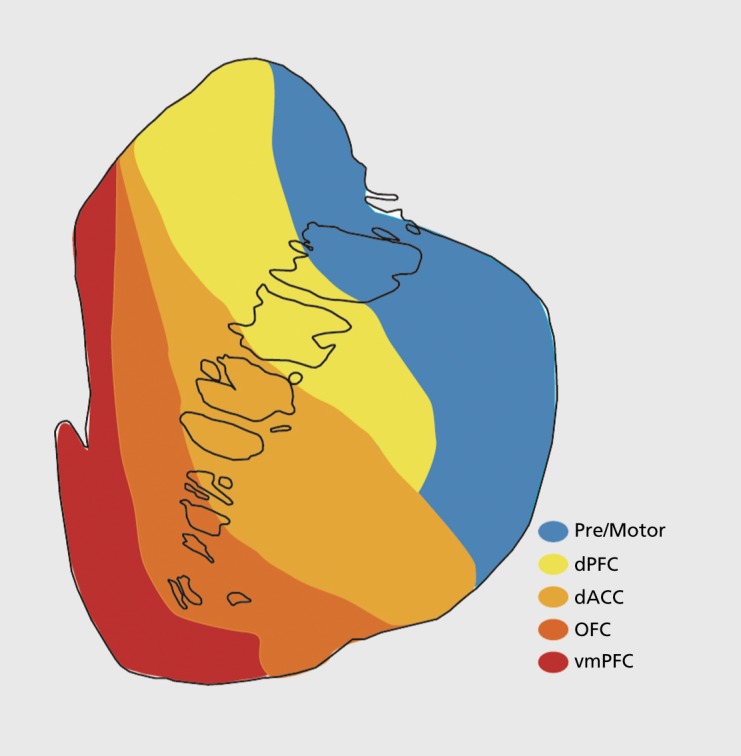
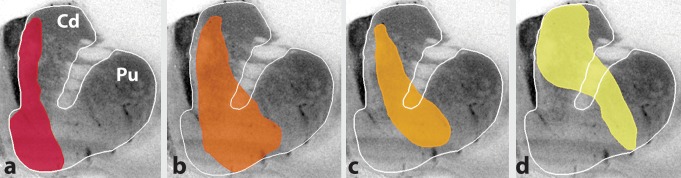
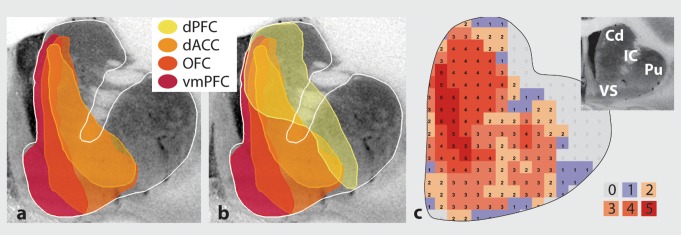
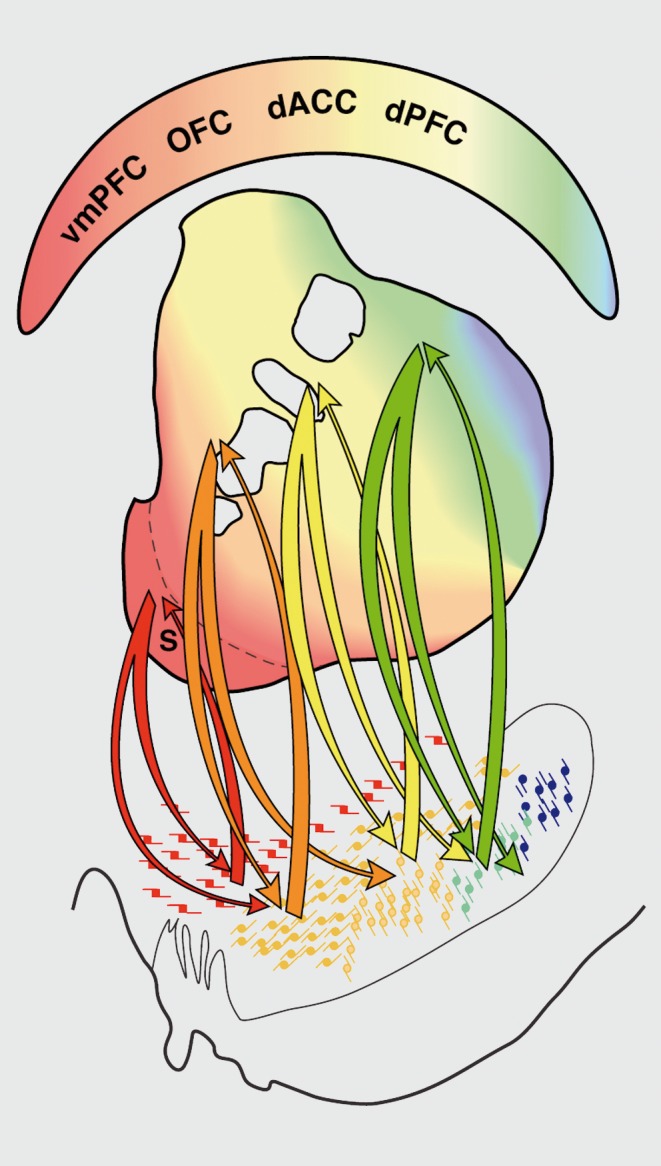
Corticostriatal connections play a central role in developing appropriate goal-directed behaviors, including the motivation and cognition to develop appropriate actions to obtain a specific outcome. The cortex projects to the striatum topographically. Thus, different regions of the striatum have been associated with these different functions: the ventral striatum with reward; the caudate nucleus with cognition; and the putamen with motor control. However, corticostriatal connections are more complex, and interactions between functional territories are extensive. These interactions occur in specific regions in which convergence of terminal fields from different functional cortical regions are found. This article provides an overview of the connections of the cortex to the striatum and their role in integrating information across reward, cognitive, and motor functions. Emphasis is placed on the interface between functional domains within the striatum.
Overview
The claims and statistics of this paper haven’t been checked yet.
Free: it reads the open-access text and checks the first 5 claims that cite a source we can check. Create a free account to check every claim.
Integrity signals
Registry
Cites
Statistics
Figures
Verification
Claims the paper makes
The claims and statistics of this paper haven’t been checked yet.
Free: it reads the open-access text and checks the first 5 claims that cite a source we can check. Create a free account to check every claim.
Claims other papers make about this one
Each is checked against this paper’s own text: does it say what the citing paper says it does?
The cited source says what the claim attributes to it.
In the citing paper
“For example, the substantia nigra makes extensive connections with the striatum, cortex, thalamus and neighboring brainstem regions, allowing dopaminergic outputs to exert far-reaching effects on the flow of CSTC information (Haber, 2016).”
From Cortico-striatal-thalamic loop circuits of the salience network: A central pathway in psychiatric disease and treatment (2016) · cites this paper as Haber, 2016
The cited source says what the claim attributes to it.
In the citing paper
“Importantly, the mesolimbic and nigrostriatal dopaminergic pathway have been implicated in the encoding of “saliency prediction errors”, underscoring their broader contributions to the attribution of salience to environmental stimuli (Kapur, 2003; Haber, 2016).”
From Cortico-striatal-thalamic loop circuits of the salience network: A central pathway in psychiatric disease and treatment (2016) · cites this paper as Haber, 2016
The cited source says what the claim attributes to it.
In the citing paper
“Corticostriatal circuitry is essential to processing reward, cognition, and movement (Haber, 2016)”
From Developmental origins of sex differences in the neural circuitry of play (2020) · cites this paper as Haber, 2016
In the citing paper
“Specifically, the dACC projects primarily to the dorsal caudate nucleus and ventral striatum, overlapping partially but not completely with frontostriatal projections from the dlPFC (Haber, 2016).”
From Cortico-striatal-thalamic loop circuits of the salience network: A central pathway in psychiatric disease and treatment (2016) · cites this paper as Haber, 2016
Self-check
Percentages, sums and reported differences re-computed from the paper’s own numbers.
The self-check needs the paper’s full text.
Citations
Cites
The Brain's Default Network: Anatomy, Function, and Relevance to Disease
Buckner, R. L., Andrews‐Hanna, J. R., & Schacter, D. L. (2008) · Annals of the New York Academy of Sciences · doi:10.1196/annals.1440.011 · Cited by 9,761
Koob, G. F., & Volkow, N. D. (2010) · Neuropsychopharmacology · doi:10.1038/npp.2009.110 · Cited by 5,340
Predictive reward signal of dopamine neurons
Schultz, W. (1998) · Journal of Neurophysiology · doi:10.1152/jn.1998.80.1.1 · Cited by 4,564
Functional architecture of basal ganglia circuits: neural substrates of parallel processing
Alexander, G. E., & Crutcher, M. D. (1990) · Trends in Neurosciences · doi:10.1016/0166-2236(90)90107-l · Cited by 4,131
Functional anatomy of the basal ganglia. I. The cortico-basal ganglia-thalamo-cortical loop
Parent, A., & Hazrati, L.-N. (1995) · Brain Research Reviews · doi:10.1016/0165-0173(94)00007-c · Cited by 2,161
Wise, R. A., & Rompre, P.-P. (1989) · Annual Review of Psychology · doi:10.1146/annurev.ps.40.020189.001203 · Cited by 1,968
Haber, S. N., Fudge, J. L., & McFarland, N. R. (2000) · The Journal of Neuroscience · doi:10.1523/jneurosci.20-06-02369.2000 · Cited by 1,610
Self-citationNeurons in the orbitofrontal cortex encode economic value
Padoa-Schioppa, C., & Assad, J. A. (2006) · Nature · doi:10.1038/nature04676 · Cited by 1,598
Neurotransmitters and neuromodulators in the basal ganglia
Graybiel, A. M. (1990) · Trends in Neurosciences · doi:10.1016/0166-2236(90)90104-i · Cited by 1,576
Specificity in the projection patterns of accumbal core and shell in the rat
Heimer, L., Zahm, D. S., Churchill, L., Kalivas, P. W., & Wohltmann, C. (1991) · Neuroscience · doi:10.1016/0306-4522(91)90202-y · Cited by 1,219
Research works printed but not linked: 7
- Robbins TW. Everitt BJ. Motivation and reward. In: Squire LR, Roberts JL, Spitzer NC, Zigmond MJ, McConnell SK, Bloom FE, eds. Fundamental Neuroscience. 2nd ed. San Diego, CA: Academic Press; 1999 1245 1259
- Koob GF. Drug reward and addiction. In: Fundamental Neuroscience. New York, NY: Academic Press; 1999 1261 1279
- Kalivas PW. Churchill L. Klitenick MA. The circuitry mediating the translation of motivational stimuli into adaptive motor responses. In: Kalivas PW, Barnes CD, eds. Limbic Motor Circuits and Neuropsychiatry. Boca Raton, FL: CRC Press, Inc; 1993 237 275
- Heimer L. Alheid GF. Zahm DS. Basal forebrain organization: an anatomical framework for motor aspects of drive and motivation. In: Kalivas PW, Barnes CD, eds. Limbic Motor Circuits and Neuropsychiatry. Boca Raton, FL: CRC Press, Inc; 1993 1 43
- Parent A. Comparative Neurobiology of the Basal Ganglia. New York, NY: John Wiley and Sons; 1986
- McFarland NR. Haber SN. The thalamostriataI projection and its relation to corticostriatal and cortiocthalamic inputs. Soc Neurosci Abst. 1996 22 412
- Fibiger HC. Phillips AG. Reward, motivation, cognition: psychobiology of mesotelencephalic dopamine systems. In: Mountcastle VB, Bloom F, Geiger SR, eds. Handbook of Physiology. Section I: the Nervous System. Vol 4. Bethesda,MD: American Physiological Society; 1986 647 674
Cited by
Items 201–300 of 1,000
Yang, C., Zhang, W., Liu, J., Li, Y., Bishop, J. R., Lencer, R., Gong, Q., Yang, Z., & Lui, S. (2022) · Neuropsychopharmacology · doi:10.1038/s41386-022-01512-0 · Cited by 34
“With respect to striatal system, the ventral “limbic” system is thought to be involved in emotional and reward processing, while a dorsal “associative” system has been defined as a potential link to the dorsal striatum related to associative learning and executive functions [62, 63].”
BackgroundGifuni, A. J., Chakravarty, M. M., Lepage, M., Ho, T. C., Geoffroy, M.-C., Lacourse, E., Gotlib, I. H., Turecki, G., Renaud, J., & Jollant, F. (2021) · Journal of Psychiatry and Neuroscience · doi:10.1503/jpn.200198 · Cited by 33
Koevoet, D., Deschamps, P. K. H., & Kenemans, J. L. (2023) · Frontiers in Neuroscience · doi:10.3389/fnins.2022.1078586 · Cited by 33
“These data indicate dysfunction of the MCL- and NS-pathways in ASD and ADHD.”
BackgroundMulti-echo fMRI, resting-state connectivity, and high psychometric schizotypy
Waltmann, M., O’Daly, O., Egerton, A., McMullen, K., Kumari, V., Barker, G. J., Williams, S., & Modinos, G. (2018) · NeuroImage Clinical · doi:10.1016/j.nicl.2018.11.013 · Cited by 33
“…with schizophrenia and in their relatives have reported altered functional integration of this region with a number of cortical areas, including mainly the prefrontal and temporal cortices (Horga et al., 2016; Lin et al., 2018; Peters et al., 2017; Sole-Padulles et al., 2016; Tu et al., 2012).”
BackgroundBerg, H. E., Ma, Y., Rueter, A., Kaczkurkin, A. N., Burton, P. C., DeYoung, C. G., MacDonald, A. W., Sponheim, S. R., & Lissek, S. M. (2020) · Psychological Medicine · doi:10.1017/s0033291720001166 · Cited by 33
“Henderson, Pine, & Fox, 2015) that have extensive projections to the dorsal striatum (Haber, 2016).”
BackgroundNespoli, E., Rizzo, F. R., Boeckers, T. M., Schulze, U., & Hengerer, B. (2018) · PLoS ONE · doi:10.1371/journal.pone.0196515 · Cited by 32
Hua, J. P. Y., Karcher, N. R., Merrill, A. M., O’Brien, K. J., Straub, K. T., Trull, T. J., & Kerns, J. G. (2019) · Cognitive Affective & Behavioral Neuroscience · doi:10.3758/s13415-019-00698-z · Cited by 32
“Given that the striatum is the main input layer of the basal ganglia (Haber, 2016), an important aspect of striatal functioning is its connectivity with cortical regions, with most areas of the cortex projecting to the striatum and with striatal projections eventually returning to the cortex (i.e.,…”
BackgroundCarpenter, J. M., Gordon, H. E., Ludwig, H. D., Wagner, J. J., Harn, D. A., Norberg, T., & Filipov, N. M. (2019) · NeuroToxicology · doi:10.1016/j.neuro.2019.12.012 · Cited by 32
“The STR is a crucial area for regulation of movement and interestingly, stress (a major component of Model 2) has been implicated in disrupting striatal DA metabolism, resulting in motor deficits (Haber, 2016; Sudha and Pradhan, 1995).”
BackgroundWang, Y., Ettinger, U., Meindl, T., & Chan, R. C. K. (2017) · Human Brain Mapping · doi:10.1002/hbm.23842 · Cited by 32
Regional subcortical shape analysis in premanifest Huntington's disease
Tang, X., Ross, C. A., Johnson, H. J., Paulsen, J. S., Younes, L., Albin, R. L., Ratnanather, J. T., & Miller, M. I. (2018) · Human Brain Mapping · doi:10.1002/hbm.24456 · Cited by 32
“A basic feature of basal ganglia circuitry organization is the topographic organization of corticostriate projections (Haber & Knutson, 2010; Haber, 2016; Kemp & Powell, 1970; Ratnanather et al., 2013).”
BackgroundVien, C., Boré, A., Boutin, A., Pinsard, B., Carrier, J., Doyon, J., & Fogel, S. M. (2019) · Neuroscience · doi:10.1016/j.neuroscience.2018.12.049 · Cited by 32
Schechter, M., Grigoletto, J., Elhadi, S. A., Glickstein, H., Friedman, A., Serrano, G. E., Beach, T. G., & Sharon, R. (2020) · Molecular Neurodegeneration · doi:10.1186/s13024-020-00370-y · Cited by 32
Substructure of the brain’s Cingulo-Opercular networkPreprint
D’Andrea, C. B., Laumann, T. O., Newbold, D. J., Nelson, S. M., Nielsen, A. N., Chauvin, R. J., Marek, S. A., Greene, D. J., Dosenbach, N. U. F., & Gordon, E. M. (2023) · bioRxiv (Cold Spring Harbor Laboratory) · doi:10.1101/2023.10.10.561772 · Cited by 33
Fouyssac, M., & Belin, D. (2019) · European Journal of Neuroscience · doi:10.1111/ejn.14416 · Cited by 31
“, 2012), these data suggest that astrocyte‐dependent alterations in the homeostasis of corticostriatal glutamatergic synapses span the different corticostriatal functional loops (Haber, 2016), far beyond the PL → AcbC synapse.”
BackgroundInfluentialDong, H., Wang, M., Zheng, H., Zhang, J., & Dong, G. (2020) · Progress in Neuro-Psychopharmacology and Biological Psychiatry · doi:10.1016/j.pnpbp.2020.110154 · Cited by 31
Estimated gray matter volume rapidly changes after a short motor task
Olivo, G., Lövdén, M., Manzouri, A., Terlau, L., Jenner, B., Jafari, A., Petersson, S., Li, T., Fischer, H., & Månsson, K. N. T. (2021) · Cerebral Cortex · doi:10.1093/cercor/bhab488 · Cited by 31
Computational models of behavioral addictions: State of the art and future directions
Kato, A., Shimomura, K., Ognibene, D., Parvaz, M. A., Berner, L. A., Morita, K., & Fiore, V. G. (2022) · Addictive Behaviors · doi:10.1016/j.addbeh.2022.107595 · Cited by 33
Severe white matter damage in SHANK3 deficiency: a human and translational study
Jesse, S., Müller, H., Schoen, M., Asoglu, H., Bockmann, J., Huppertz, H., Rasche, V., Ludolph, A. C., Boeckers, T. M., & Kassubek, J. (2019) · Annals of Clinical and Translational Neurology · doi:10.1002/acn3.50959 · Cited by 31
Diurnal Alterations in Gene Expression Across Striatal Subregions in Psychosis
Ketchesin, K. D., Zong, W., Hildebrand, M. A., Scott, M. R., Seney, M. L., Cahill, K. M., Shankar, V. G., Glausier, J. R., Lewis, D. A., Tseng, G. C., et al. (2022) · Biological Psychiatry · doi:10.1016/j.biopsych.2022.08.013 · Cited by 30
Rudroff, T. (2024) · Experimental Brain Research · doi:10.1007/s00221-024-06882-z · Cited by 29
“The MS disease processes like demyelination and neurodegeneration directly disrupt these pathways more substantially (Finke et al. 2015; Haber 2016; Lass-mann 2018).”
Gao, Y., Liang, C., Zhang, Q., Zhuang, H., Sui, C., Zhang, N., Feng, M., Xin, H., Guo, L., & Wang, Y. (2025) · Alzheimer s Research & Therapy · doi:10.1186/s13195-024-01638-x · Cited by 30
“…a crucial role in cognitive and executive functions, especially in learning, decision-making, reward processing, inhibitory control, task switching, working memory, and error monitoring [31] Our study further supports this connection by finding significant positive correlations between the Fig.”
Primate Thalamic Nuclei Select Abstract Rules and Shape Prefrontal Dynamics
Phillips, J. M., Afrasiabi, M., Kambi, N. A., Redinbaugh, M. J., Steely, S., Johnson, E. R., Cheng, X., Fayyad, M., Mohanta, S., Carís, A., et al. (2024) · Neuron · doi:10.1016/j.neuron.2025.03.021 · Cited by 30
Action-mode subnetworks for decision-making, action control, and feedback
D’Andrea, C. B., Laumann, T. O., Newbold, D. J., Lynch, C. J., Hadji, M., Nelson, S. M., Nielsen, A. N., Chauvin, R. J., Krimmel, S. R., Snyder, A. Z., et al. (2025) · Proceedings of the National Academy of Sciences · doi:10.1073/pnas.2502021122 · Cited by 30
D’Ambrosio, E., Jauhar, S., Kim, S., Veronese, M., Rogdaki, M., Pepper, F., Bonoldi, I., Kotoula, V., Kempton, M. J., Turkheimer, F., et al. (2019) · Molecular Psychiatry · doi:10.1038/s41380-019-0570-6 · Cited by 29
“The correlation between associative striatum Ki cer and DLPFC (the corresponding cortical region) [63] was not repeated, as it was already included in the above analyses.”
Role of the striatal dopamine, GABA and opioid systems in mediating feeding and fat intake
Joshi, A., Schott, M., la Fleur, S. E., & Barrot, M. (2022) · Neuroscience & Biobehavioral Reviews · doi:10.1016/j.neubiorev.2022.104726 · Cited by 29
Kolla, N. J., Dunlop, K., Meyer, J. H., & Downar, J. H. (2018) · The International Journal of Neuropsychopharmacology · doi:10.1093/ijnp/pyy035 · Cited by 29
“Furthermore, the neural circuitry of impulsive behaviors has been associated with the VS (Basar et al, 2010), and VS circuitry is associated with emotional processing, reward pathways, and cognitive control (Haber, 2016).”
Liu, A., Lin, S., Mi, T., Chen, X., Chan, P., Wang, Z. J., & McKeown, M. J. (2018) · NeuroImage Clinical · doi:10.1016/j.nicl.2018.10.022 · Cited by 29
“T and motor processing being directly attributed to the ventral striatum, caudate and putamen respectively is an oversimplification, as there is considerable overlap in function between these basal ganglia structures (Cardinal et al., 2002; Haber, 2016; Postuma and Dagher, 2006; Robbins, 2007).”
BackgroundSubcortical Shape Abnormalities in Bulimia Nervosa
Berner, L. A., Wang, Z., Stefan, M., Lee, S., Huo, Z., Cyr, M., & Marsh, R. (2019) · Biological Psychiatry Cognitive Neuroscience and Neuroimaging · doi:10.1016/j.bpsc.2018.12.011 · Cited by 29
Amphetamine Use in the Elderly: A Systematic Review of the Literature
Sassi, K. L. M., Rocha, N. P., Colpo, G. D., John, V. P., & Teixeira, A. L. (2019) · Current Neuropharmacology · doi:10.2174/1570159x17666191010093021 · Cited by 30
“Both increase DA and NE availability in corticostriatal systems [7], which are responsible for emotion regulation, risky decision making, and reward/reinforcement processes [7, 9].”
BackgroundMcCutcheon, R. A., Jauhar, S., Pepper, F., Nour, M. M., Rogdaki, M., Veronese, M., Turkheimer, F., Egerton, A., McGuire, P. K., Mehta, M. A., et al. (2020) · Biological Psychiatry Cognitive Neuroscience and Neuroimaging · doi:10.1016/j.bpsc.2020.04.004 · Cited by 29
Chen, H., Nebe, S., Mojtahedzadeh, N., Kuitunen‐Paul, S., Garbusow, M., Schad, D. J., Rapp, M. A., Huys, Q. J. M., Heinz, A., & Smolka, M. N. (2020) · Addiction Biology · doi:10.1111/adb.12983 · Cited by 28
Wong, B., Zimbelman, A. R., Milovanovic, M., Wolf, M. E., & Stefanik, M. T. (2022) · Addiction Biology · doi:10.1111/adb.13237 · Cited by 28
Löfgren, M., Sandström, A., Bilevičiūtė-Ljungar, I., Mannerkorpi, K., Gerdle, B. U. C., Ernberg, M. M., Fransson, P., & Kosek, E. (2023) · Neurobiology of Pain · doi:10.1016/j.ynpai.2023.100114 · Cited by 28
“Thus, both structures are essential for the regulation of complex, goal-directed behaviors (Haber, 2016).”
BackgroundMR imaging central thalamic deep brain stimulation restored autistic-like social deficits in the rat
Lin, T.-C., Lo, Y., Lin, H., Li, S., Lin, S.-H., Wu, H.-F., Chu, M.-C., Lee, C. J., Lin, I., Chang, C.-W., et al. (2019) · Brain stimulation · doi:10.1016/j.brs.2019.07.004 · Cited by 28
Barredo, J., Bellone, J. A., Edwards, M., Carpenter, L. L., Correia, S., & Philip, N. S. (2019) · Depression and Anxiety · doi:10.1002/da.22952 · Cited by 28
O’Brien, K. J., Barch, D. M., Kandala, S., & Karcher, N. R. (2020) · Biological Psychiatry Cognitive Neuroscience and Neuroimaging · doi:10.1016/j.bpsc.2020.02.012 · Cited by 28
Dysregulation of oxytocin and dopamine in the corticostriatal circuitry in bipolar II disorder
Wei, S., Tseng, H., Chang, H. H., Lu, T., Chang, W. H., Chiu, N.-T., Yang, Y. K., & Chen, P. S. (2020) · Translational Psychiatry · doi:10.1038/s41398-020-00972-6 · Cited by 28
Thirst perception exacerbates objective mental fatigue
Goodman, S. P. J., & Marino, F. E. (2020) · Neuropsychologia · doi:10.1016/j.neuropsychologia.2020.107686 · Cited by 28
Human habit neural circuitry may be perturbed in eating disorders
Wang, A. R., Kuijper, F. M., Barbosa, D. A. N., Hagan, K. E., Lee, E., Tong, E., Choi, E. Y., McNab, J. A., Bohon, C., & Halpern, C. H. (2023) · Science Translational Medicine · doi:10.1126/scitranslmed.abo4919 · Cited by 27
Klemann, C. J. H. M., Xicoy, H., Poelmans, G., Bloem, B. R., Martens, G. J. M., & Visser, J. E. (2017) · Molecular Neurobiology · doi:10.1007/s12035-017-0775-0 · Cited by 29
Neuronal circuits sustaining neocortical-injury-induced status epilepticus
Singh, T., Batabyal, T., & Kapur, J. (2022) · Neurobiology of Disease · doi:10.1016/j.nbd.2022.105633 · Cited by 27
Anatomical organization of forebrain circuits in the primate
Giarrocco, F., & Averbeck, B. B. (2022) · Brain Structure and Function · doi:10.1007/s00429-022-02586-8 · Cited by 27
“1986; Haber 2016; Middleton and Strick 2000), a nested organization of connectivity among neocortical areas (Averbeck et al.”
BackgroundPsychological and neuroscientific advances to understand Internet Use Disorder
Becker, B., & Montag, C. (2019) · e-Neuroforum · doi:10.1515/nf-2018-0026 · Cited by 27
“Overall, ventral regions of the striatum play a key role in reward and reinforcement processing, whereas dorsal parts of the striatum strongly contribute to cognitive functions and habit formation (Haber, 2016).”
BackgroundResting-state connectivity alterations during transient global amnesia
Zidda, F., Griebe, M., Ebert, A., Ruttorf, M., Roßmanith, C., Gass, A., Andoh, J., Nees, F., & Szabo, K. (2019) · NeuroImage Clinical · doi:10.1016/j.nicl.2019.101869 · Cited by 27
“…changes were also observed in the subdivisions of the striatum in the present study, specifically, in the central and dorsal striatum – including the caudate nucleus and the putamen – which have already been described as playing integral roles in cognition and executive function (Haber, 2016).”
BackgroundAssous, M., & Tepper, J. M. (2019) · Journal of Neuroscience Research · doi:10.1002/jnr.24444 · Cited by 27
Chiang, F. L., Wang, Q., Yu, F. F., Romero, R. S., Huang, S. Y., Fox, P. M., Tantiwongkosi, B., & Fox, P. T. (2019) · Clinical Radiology · doi:10.1016/j.crad.2019.07.005 · Cited by 27
The Influence of Murine Genetic Background in Adeno-Associated Virus Transduction of the Mouse Brain
He, T., Itano, M. S., Earley, L. F., Hall, N. E., Riddick, N., Samulski, R. J., & Li, C. (2019) · Human Gene Therapy Clinical Development · doi:10.1089/humc.2019.030 · Cited by 25
Cerebrospinal fluid proteome evaluation in major depressive disorder by mass spectrometry
Franzen, A. D., Lam, T. T., Williams, K. R., Nairn, A. C., Duman, R. S., Sathyanesan, M., Kumar, V., Carpenter, L. L., & Newton, S. S. (2020) · BMC Psychiatry · doi:10.1186/s12888-020-02874-9 · Cited by 27
Margolis, A. E., Pagliaccio, D., Ramphal, B., Banker, S. M., Thomas, L. V., Robinson, M., Honda, M., Sussman, T. J., Posner, J. E., Kannan, K., et al. (2021) · Environment International · doi:10.1016/j.envint.2021.106516 · Cited by 27
Adaptive Cost-Benefit Control Fueled by Striatal Dopamine
Frank, M. J. (2025) · Annual Review of Neuroscience · doi:10.1146/annurev-neuro-112723-025228 · Cited by 27
Brain tract structure predicts relapse to stimulant drug use
Tisdall, L., MacNiven, K. H., Padula, C. B., Leong, J. K., & Knutson, B. D. (2022) · Proceedings of the National Academy of Sciences · doi:10.1073/pnas.2116703119 · Cited by 26
Midbrain–Hippocampus Structural Connectivity Selectively Predicts Motivated Memory Encoding
Elliott, B. L., D’Ardenne, K., Murty, V. P., Brewer, G. A., & McClure, S. M. (2022) · Journal of Neuroscience · doi:10.1523/jneurosci.0945-22.2022 · Cited by 26
Association between reward-related functional connectivity and tri-level mood and anxiety symptoms
Anderson, Z. G., Damme, K. S. F., Carroll, A., Chat, I. K.-Y., Young, K. S., Craske, M. G., Bookheimer, S. Y., Zinbarg, R. E., & Nusslock, R. (2023) · NeuroImage Clinical · doi:10.1016/j.nicl.2023.103335 · Cited by 26
“In this circuit, the ventral striatum (VS) represents a point of convergence of the nucleus accumbens, the rostroventral putamen, and the caudate head (Haber, 2016).”
Vu, M.-A. T., Brown, E., Wen, M. J., Noggle, C. A., Zhang, Z., Monk, K. J., Bouabid, S., Mroz, L., Graham, B. M., Zhuo, Y., et al. (2024) · Neuron · doi:10.1016/j.neuron.2023.12.011 · Cited by 26
Fu, T. L., Ong, K. C., Tan, S. H., & Wong, K. T. (2019) · Journal of Neuropathology & Experimental Neurology · doi:10.1093/jnen/nlz103 · Cited by 26
Zhang, W., Li, G., Manza, P., Hu, Y., Wang, J., Lv, G., He, Y., von Deneen, K. M., Yu, J., Han, Y., et al. (2021) · Cerebral Cortex · doi:10.1093/cercor/bhab333 · Cited by 26
Precision functional mapping of the subcortex and cerebellum
Marek, S., & Greene, D. J. (2021) · Current Opinion in Behavioral Sciences · doi:10.1016/j.cobeha.2020.12.011 · Cited by 25
Restless Legs Syndrome and Cognitive Function Among Adults: A Systematic Review and Meta-Analysis
Wang, S., Zheng, X., Huang, J., Lin, J., Yang, T., Xiao, Y., Jiang, Q., Li, C., & Shang, H. (2022) · Journal of Neurology · doi:10.1007/s00415-022-11484-2 · Cited by 25
Martens, K. A. E., Matar, E., Shine, J. M., Phillips, J. R., Georgiades, M., Grunstein, R. R., Halliday, G. M., & Lewis, S. J. G. (2020) · Movement Disorders · doi:10.1002/mds.28114 · Cited by 25
Distinct Opsin 3 (Opn3) Expression in the Developing Nervous System during Mammalian Embryogenesis
Davies, W. I. L., Sghari, S., Upton, B. A., Nord, C., Hahn, M., Ahlgren, U., Lang, R. A., & Gunhaga, L. (2021) · eNeuro · doi:10.1523/eneuro.0141-21.2021 · Cited by 25
“These latter structures are required for appropriate goal-directed behaviors, including motivation and cognitive processes that mediate appropriate actions to obtain a specific outcome (Gerfen et al., 2013; Haber, 2016).”
Internalizing–externalizing comorbidity and regional brain volumes in the ABCD study
Schettini, E. M., Wilson, S., & Beauchaine, T. P. (2021) · Development and Psychopathology · doi:10.1017/s0954579421000560 · Cited by 25
“Both also project to common frontal structures, most notably the anterior cingulate cortex (ACC; see Haber, 2016; Toyoda, Li, Wu, Zhao, & Descalzi, 2011), which is implicated in error monitoring and associative learning of both reward and punishment contingencies.”
BackgroundGregory, M. D., Eisenberg, D. P., Hamborg, M., Kippenhan, J. S., Kohn, P., Kolachana, B., Dickinson, D., & Berman, K. F. (2021) · American Journal of Medical Genetics Part B: Neuropsychiatric Genetics · doi:10.1002/ajmg.b.32872 · Cited by 24
“Not only is the highly dopaminergic striatal region identified here important in the pathophysiology of schizophrenia, it has also been implicated in reward pathways (Haber, 2016) that are known to be aberrant in schizophrenia.”
Backgrounddos Santos, T. M., Júnior, O. V. R., Alves, V. S., Coutinho‐Silva, R., Savio, L. E. B., & Wyse, Â. T. D. S. (2021) · Life Sciences · doi:10.1016/j.lfs.2021.119386 · Cited by 24
Cortisol effects on brain functional connectivity during emotion processing in women with depression
Rivera-Bonet, C. N., Birn, R. M., Ladd, C. O., Meyerand, M. E., & Abercrombie, H. C. (2021) · Journal of Affective Disorders · doi:10.1016/j.jad.2021.03.034 · Cited by 24
“The putamen is involved in learning and cognitive functioning, reward processing, and sensorimotor function (Haber, 2016).”
BackgroundThalamo-cortical and cerebello-cortical functional connectivity in development
D’Andrea, C. B., Marek, S. A., Van, A. N., Miller, R. L., Earl, E., Stewart, S. B., Dosenbach, N. U. F., Schlaggar, B. L., Laumann, T. O., Fair, D. A., et al. (2023) · Cerebral Cortex · doi:10.1093/cercor/bhad198 · Cited by 24
“Adjacent loops are sometimes described as separable, yet there is evidence for integration between them through various mechanisms in the thalamus and striatum (Haber et al. 2006; Haber and Calzavara 2009; Cho et al. 2015; Haber 2016; Greene et al. 2020).”
BackgroundRaghanti, M. A., Miller, E. N., Jones, D. N., Smith, H. N., Munger, E. L., Edler, M. K., Phillips, K. A., Hopkins, W. D., Hof, P. R., Sherwood, C. C., et al. (2023) · Proceedings of the National Academy of Sciences · doi:10.1073/pnas.2311118120 · Cited by 24
Sero, A. D., Jørgensen, K. N., Nerland, S., Melle, I. S., Andreassen, O. A., Jovicich, J., & Agartz, I. (2019) · Schizophrenia Research · doi:10.1016/j.schres.2019.04.002 · Cited by 24
Rubin, L. H., Saylor, D. R., Nakigozi, G. F., Nakasujja, N., Robertson, K., Kisakye, A., Batte, J., Mayanja, R., Anok, A., Lofgren, S. M., et al. (2019) · Journal of NeuroVirology · doi:10.1007/s13365-019-00768-5 · Cited by 24
“…al. 2015) provides some evidence to suggest that the brain networks subserved by these cognitive systems may be able to circumvent the initially damaged brain structures (e.g., basal ganglia circuitry (Haber 2016)) by HIV (Valcour et al. 2012; Valcour et al. 2015) and develop compensatory networks.”
Striatal functional connectivity in chronic ketamine users: a pilot study
Hung, C., Zhang, S., Chen, C., Duann, J., Lin, C., Lee, T. S., & Li, C. R. (2019) · The American Journal of Drug and Alcohol Abuse · doi:10.1080/00952990.2019.1624764 · Cited by 24
“The striatum comprised a number of nuclei with distinct anatomical connections and functions (31,32).”
BackgroundSargin, D., Chottekalapanda, R. U., Perit, K. E., Yao, V., Chu, D. T., Sparks, D. W., Kalik, S., Power, S. K., Troyanskaya, O. G., Schmidt, E. F., et al. (2019) · Molecular Psychiatry · doi:10.1038/s41380-019-0473-6 · Cited by 24
Sousa, S. S., Sampaio, A., López‐Caneda, E., Bec, C., Gonçalves, Ó. F., & Crego, A. (2020) · Frontiers in Psychiatry · doi:10.3389/fpsyt.2019.01005 · Cited by 25
Jolles, D., Mennigen, E., Gupta, M. W., Hegarty, C. E., Bearden, C. E., & Karlsgodt, K. H. (2020) · NeuroImage · doi:10.1016/j.neuroimage.2020.117202 · Cited by 25
“It is important to note that most models of basal ganglia function focus on fronto-striatal interactions, as the frontal cortex is — via the thalamus — the main locus of output from the basal ganglia (e.g., Haber, 2016 ).”
Kawamura, A., Abe, Y., Seki, F., Katayama, Y., Nishiyama, M., Takata, N., Tanaka, K. F., Okano, H., & Nakayama, K. I. (2020) · Molecular Brain · doi:10.1186/s13041-020-00699-x · Cited by 24
“It is of note that regions showing microstructural changes in Olig1-Cre/Chd8L mice include the corticostriatal pathway, which plays a role in cognition, motivation, and reward processing [50] and is implicated in ASD pathogenesis [51].”
BackgroundAmbrosia, M., Eckstrand, K., Morgan, J. K., Allen, N. B., Jones, N. P., Sheeber, L., Silk, J. S., & Forbes, E. E. (2018) · Social Cognitive and Affective Neuroscience · doi:10.1093/scan/nsy028 · Cited by 24
“The reward network includes the ventral striatum, the primary target of ventral tegmental dopamine neurons that is considered the hub of reward circuitry; the amygdala, which responds to reward receipt; and the medial prefrontal cortex (PFC), which contributes to affective experience and regulation in response to rewa…”
BackgroundInfluentialPrates‐Rodrigues, M., Schweizer, B. L. A., Gomes, C., Ribeiro, Â. M., Padovan‐Neto, F. E., Masini, D., & Lopes‐Aguiar, C. (2025) · Journal of Neurochemistry · doi:10.1111/jnc.70008 · Cited by 23
Brain activation and heart rate variability as markers of autonomic function under stress
Huber, A., Koenig, J., Bruns, B., Bendszus, M., Friederich, H., & Simon, J. J. (2025) · Scientific Reports · doi:10.1038/s41598-025-12430-8 · Cited by 25
González‐Mariscal, G., Caba, M., Hoffman, K. L., & Melo, Á. I. (2016) · Elsevier eBooks · doi:10.1016/b978-0-12-803592-4.00003-1 · Cited by 23
Park, H., Kim, M., Kwak, Y. B., Cho, K. I. K., Lee, J., Moon, S., Lho, S. K., & Kwon, J. S. (2022) · Molecular Psychiatry · doi:10.1038/s41380-022-01588-6 · Cited by 23
“However, the striatum is subdivided based on different cortical projections [5, 14], and thus, their topographical organization must be considered.”
BackgroundZhang, R., Brandt, M., Schrempf, W., Beste, C., & Stock, A. (2017) · NeuroImage Clinical · doi:10.1016/j.nicl.2017.06.018 · Cited by 23
“As striatal dopamine modulate the fontal activity through distinct cortico-basal ganglia circuits (Chudasama and Robbins, 2006; Haber, 2016), dopamine may indirectly affect the early attentional modulation.”
Just, A. L., Meng, C., Smith, D. G., Bullmore, E. T., Robbins, T. W., & Ersche, K. D. (2019) · Translational Psychiatry · doi:10.1038/s41398-019-0399-4 · Cited by 23
Sign and goal tracker rats process differently the incentive salience of a conditioned stimulus
Serrano-Barroso, A., Vargas, J. P., Díaz, E., O’Donnell, P., & López, J. C. (2019) · PLoS ONE · doi:10.1371/journal.pone.0223109 · Cited by 23
Roldán, A., Portella, M. J., Sampedro, F., Alonso-Solís, A., Sarró, S., Rabella, M., Grasa, E., Álvarez, E., Rodríguez, R. R., Camacho, V., et al. (2020) · Journal of Psychiatric Research · doi:10.1016/j.jpsychires.2020.05.016 · Cited by 23
Chronic Pain in Relation to Depressive Disorders and Alcohol Abuse
Maleki, N., & Oscar‐Berman, M. (2020) · Brain Sciences · doi:10.3390/brainsci10110826 · Cited by 23
“The ventral striatum receives its primary input from those same cortical regions [40,41].”
BackgroundSydnor, V. J., Larsen, B., Kohler, C. G., Crow, A. J. D., Rush, S., Calkins, M. E., Gur, R. C., Gur, R. E., Ruparel, K., Kable, J. W., et al. (2021) · Molecular Psychiatry · doi:10.1038/s41380-020-00986-y · Cited by 23
Translating Interventional Neuroscience to Suicide: It’s About Time
Barredo, J., Bozzay, M. L., Primack, J. M., Schatten, H. T., Armey, M. F., Carpenter, L. L., & Philip, N. S. (2021) · Biological Psychiatry · doi:10.1016/j.biopsych.2021.01.013 · Cited by 23
Accumbofrontal tract integrity is related to early life adversity and feedback learning
Kennedy, B. V., Hanson, J. L., Buser, N. J., van den Bos, W., Rudolph, K. D., Davidson, R. J., & Pollak, S. D. (2021) · Neuropsychopharmacology · doi:10.1038/s41386-021-01129-9 · Cited by 24
Infralimbic cortex–medial striatum projections modulate the itch processing
Chen, M., He, T., Yi, X.-H., Tang, M., Long, J.-H., Wang, P.-J., Liu, J., Yao, J., Li, H., Sui, J.-F., et al. (2022) · Experimental Neurology · doi:10.1016/j.expneurol.2022.114101 · Cited by 23
Brain Mapping the Effects of Chronic Aerobic Exercise in the Rat Brain Using FDG PET
Hanna, C., Hamilton, J., Arnavut, E., Blum, K., & Thanos, P. K. (2022) · Journal of Personalized Medicine · doi:10.3390/jpm12060860 · Cited by 23
Shvarzman, R., Crocetti, D., Rosch, K. S., Li, X., & Mostofsky, S. H. (2022) · Experimental Brain Research · doi:10.1007/s00221-022-06484-7 · Cited by 22
“2013), while the dorsal striatum receives cortical input from sensory-motor and executive areas (Haber 2016).”
BackgroundReward network dysfunction is associated with cognitive impairment after stroke
Wagner, F., Rogenz, J., Opitz, L., Maas, J., Schmidt, A., Brodoehl, S., Ullsperger, M., & Klingner, C. M. (2023) · NeuroImage Clinical · doi:10.1016/j.nicl.2023.103446 · Cited by 22
“From a functional viewpoint, the brain regions involved in the reward system are highly interconnected and include cortico-striatal loops that form a complex reward circuitry (Haber, 2016; Haber and Knutson, 2010).”
A Bayesian Account of Psychopathy: A Model of Lacks Remorse and Self-Aggrandizing
Prosser, A., Friston, K. J., Bakker, N., & Parr, T. (2018) · Computational Psychiatry · doi:10.1162/cpsy_a_00016 · Cited by 23
“…provide clues concerning their different functions (Bandler, Keay, Floyd, & Price, 2000; Barbas & Pandya, 1989; Carmichael & Price, 1995a, 1995b; Haber, 2016; Noonan, Kolling, Walton, & Rushworth, 2012; Öngür & Price, 2000; Price, 2007; Rudebeck & Murray, 2011; Saleem, Kondo, & Price, 2008;…”
BackgroundApostolova, I. I., Lange, C., Frings, L., Klutmann, S., Meyer, P. T., & Buchert, R. (2019) · Clinical Nuclear Medicine · doi:10.1097/rlu.0000000000002869 · Cited by 22
“The best studied subloop is the motor loop involved in the pathogenesis of bradykinesia and rigidity in PD via increased firing in the output nuclei of the striatum in the globus pallidus pars interna causing excessive thalamic inhibition of the primary motor cortex and the supplementary motor area.(20,21) Nonmotor lo…”
BackgroundThe Ups and Downs of Relating Nondrug Reward Activation to Substance Use Risk in Adolescents
Bjork, J. M. (2020) · Current Addiction Reports · doi:10.1007/s40429-020-00327-7 · Cited by 23
Yang, X., Liu, X., Zeng, Y., Wu, R., Zhao, W., Xin, F., Yao, S., Kendrick, K. M., Ebstein, R. P., & Becker, B. (2021) · Brain Structure and Function · doi:10.1007/s00429-021-02333-5 · Cited by 22
Biobehavioral correlates of an fMRI index of striatal tissue iron in depressed patients
Price, R. B., Tervo‐Clemmens, B., Panny, B., Degutis, M., Griffo, A., & Woody, M. L. (2021) · Translational Psychiatry · doi:10.1038/s41398-021-01553-x · Cited by 22
Stephens, J. A., Salorio, C. F., Gomes, J. P., Nebel, M. B., Mostofsky, S. H., & Suskauer, S. J. (2017) · Journal of Neurotrauma · doi:10.1089/neu.2017.5081 · Cited by 22
“tional coupling of the motor network and subcortical caudate is typically expected, as these regions comprise much of the corticostriatal circuit.(36) However, we observed decreased functional”
Multimodal Elements of Suicidality Reduction After Transcranial Magnetic Stimulation
Barredo, J., Berlow, Y. A., Swearingen, H. R., Greenberg, B. D., Carpenter, L. L., & Philip, N. S. (2021) · Neuromodulation Technology at the Neural Interface · doi:10.1111/ner.13376 · Cited by 21
Neef, N. E., Angstadt, M., Koenraads, S. P. C., & Chang, S. (2022) · Cerebral Cortex · doi:10.1093/cercor/bhac328 · Cited by 21
Structural and functional alterations in cerebral small vessel disease: an ALE-based meta-analysis
Li, Y., Liu, X., Jia, X., Li, H., Jia, X., & Yang, Q. (2022) · Cerebral Cortex · doi:10.1093/cercor/bhac435 · Cited by 22
Xie, Y., Guan, M., Hé, Y., Wang, Z., Ma, Z., Fang, P., & Wang, H. (2023) · Frontiers in Psychiatry · doi:10.3389/fpsyt.2023.1071769 · Cited by 21
Metadata
- Authors
- Haber, S. N.
- Affiliations
- University of Rochester Medicine (US)
- Corresponding author
- Haber, Suzanne N.
- ORCID
- Haber, Suzanne N.
- Venue
- Dialogues in Clinical Neuroscience
- Publisher
- Informa UK Limited
- Published
- 2016-03-31
- Volume
- 18
- Issue
- 1
- Pages
- 7-21
- ISSN
- 1294-8322 (ISSN-L)
- 1958-5969
- PMC
- PMC4826773
- OpenAlex
- W4241221200
- Cited by
- 922
- References
- 116
- Citations by year
- 2026: 79 · 2025: 122 · 2024: 111 · 2023: 98 · 2022: 129 · 2021: 101 · 2020: 92 · 2019: 88 · 2018: 56 · 2017: 39 · 2016: 7
- FWCI
- 35.52
- Type
- journal article
- Language
- en
- Open access
- diamond
- doi.org
- Licence
- Locations
- Dialogues in Clinical Neuroscience (publishedVersion, cc-by-nc-nd)
- PubMed Central (publishedVersion, cc-by-nc-nd)
- PubMed (publishedVersion)
- Funders
- National Institute of Mental Health (R01MH045573, MH045573)
- Topics
- Life Sciences › Neuroscience › Cellular and Molecular Neuroscience › Neurotransmitter Receptor Influence on Behavior
- Life Sciences › Neuroscience › Cognitive Neuroscience › Neural and Behavioral Psychology Studies
- Health Sciences › Medicine › Clinical Neurology › Deep Brain Stimulation and Movement Disorders
- Keywords
- corticostriatal connections, striatum, ventral striatum, caudate nucleus, putamen, goal-directed behavior, reward, cognition, motor control, topographic projection, functional integration, terminal fields
- MeSH terms
- Animals, Cerebral Cortex, Cognition, Corpus Striatum, Humans, Nerve Net, Neural Pathways, Reward
About these checks
Registry, retraction, Cites and statistics results are computed, not judged, with one exception: a printed reference that no index lists is read once by a model before it counts as a citation error. Claims are extracted by a model and kept only when their quote appears verbatim in the text; each cited source is then checked, with a model’s help, for whether it says what the claim relies on. Those verdicts can be wrong — read the claim’s quote and the cited source before relying on one.
Statistics and arithmetic are recomputed, not judged.
Confidence bands are shown only for fields calibrated on our annotated test set. None is calibrated yet, so no band is shown.
What counts as a claim ›How we measure confidence ›How we check this ›
Are you an author, or do you see a problem with this page? Request a review
Data sources
Bibliographic data: Semantic Scholar, OpenAlex, Crossref.
Contains information from the Semantic Scholar Academic Graph Datasets, made available under the ODC Attribution License (ODC-BY 1.0).
Semantic Scholar’s data is described in: Kinney, R., et al. (2023). The Semantic Scholar Open Data Platform. arXiv:2301.10140.
