

Corticostriatal circuitry
Open accessThe DOI matches its Crossref record; 117 of the 117 references it cites were found in a registry or an index.
Abstract
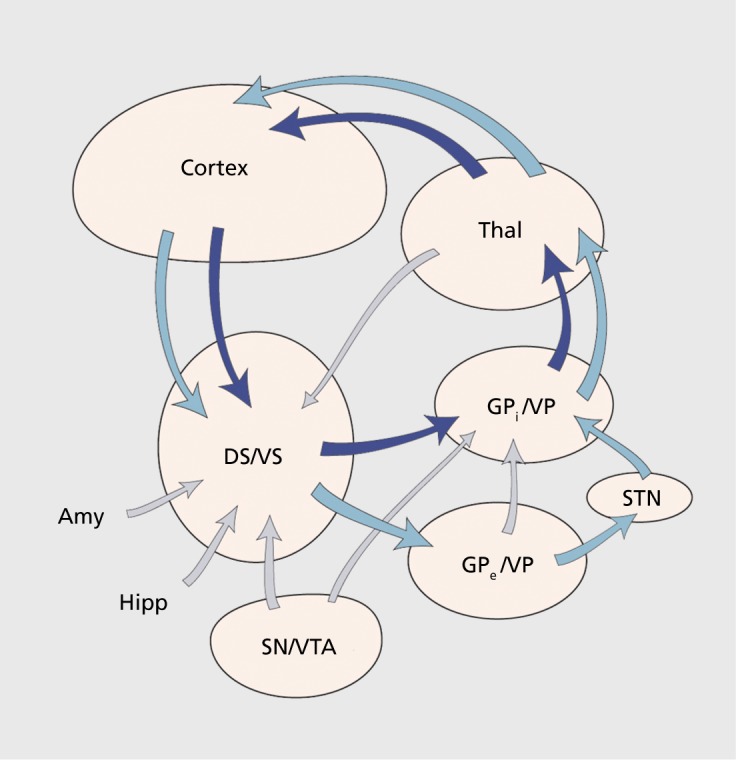
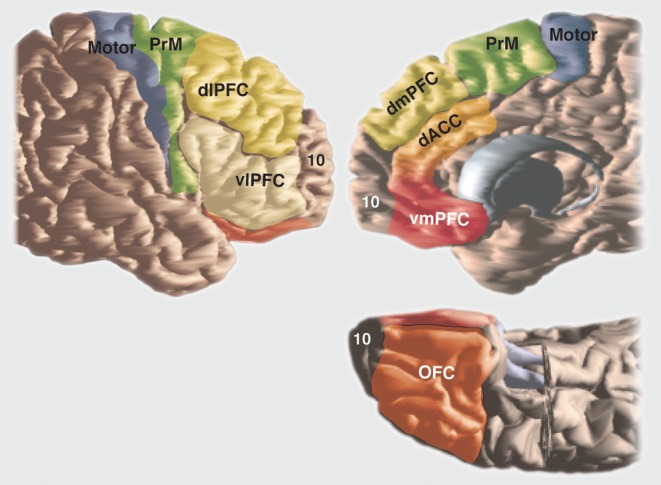
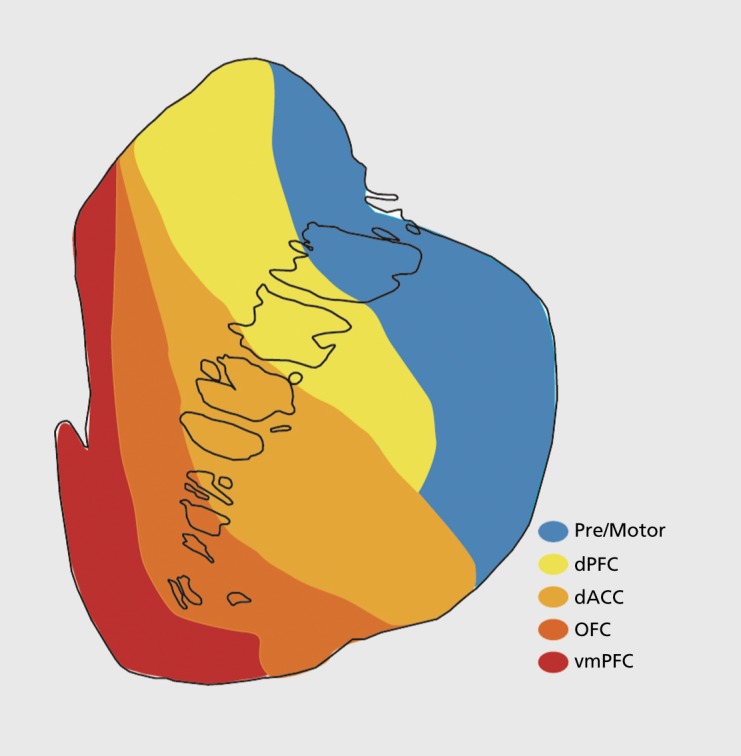
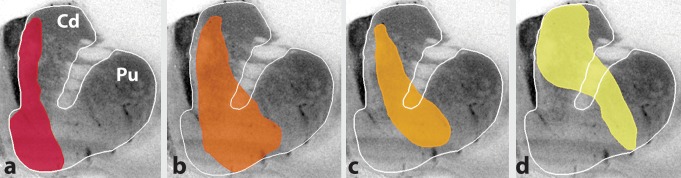
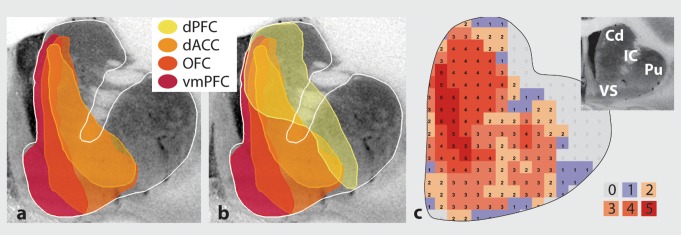
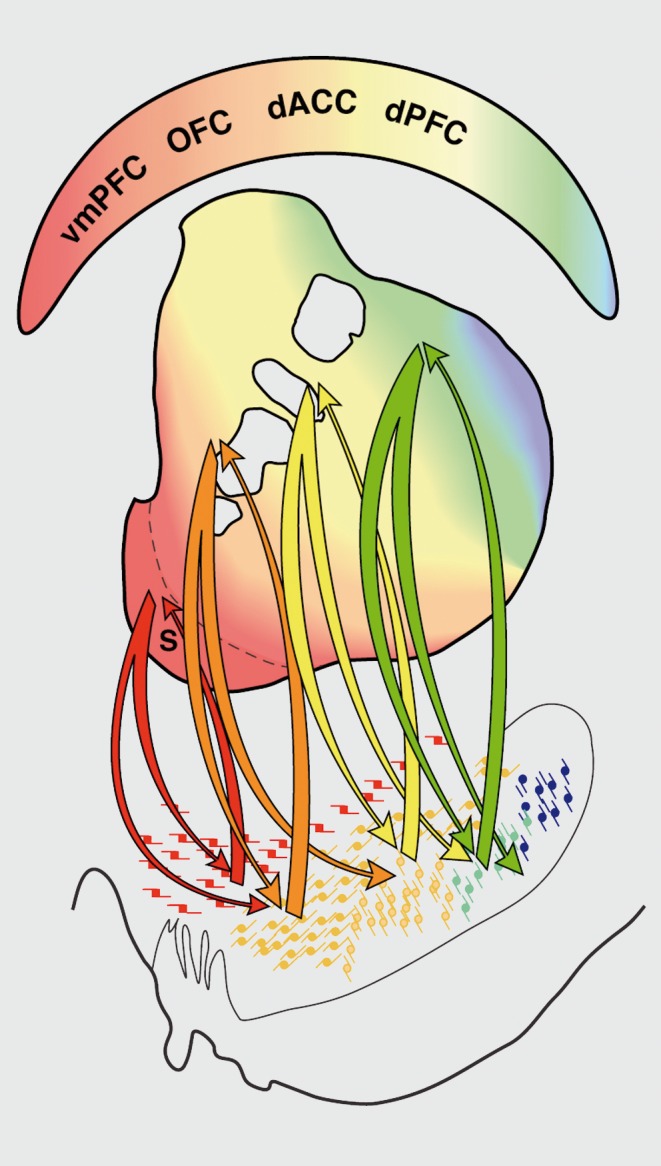
Corticostriatal connections play a central role in developing appropriate goal-directed behaviors, including the motivation and cognition to develop appropriate actions to obtain a specific outcome. The cortex projects to the striatum topographically. Thus, different regions of the striatum have been associated with these different functions: the ventral striatum with reward; the caudate nucleus with cognition; and the putamen with motor control. However, corticostriatal connections are more complex, and interactions between functional territories are extensive. These interactions occur in specific regions in which convergence of terminal fields from different functional cortical regions are found. This article provides an overview of the connections of the cortex to the striatum and their role in integrating information across reward, cognitive, and motor functions. Emphasis is placed on the interface between functional domains within the striatum.
Overview
The claims and statistics of this paper haven’t been checked yet.
Free: it reads the open-access text and checks the first 5 claims that cite a source we can check. Create a free account to check every claim.
Integrity signals
Registry
Cites
Statistics
Figures
Verification
Claims the paper makes
The claims and statistics of this paper haven’t been checked yet.
Free: it reads the open-access text and checks the first 5 claims that cite a source we can check. Create a free account to check every claim.
Claims other papers make about this one
Each is checked against this paper’s own text: does it say what the citing paper says it does?
The cited source says what the claim attributes to it.
In the citing paper
“For example, the substantia nigra makes extensive connections with the striatum, cortex, thalamus and neighboring brainstem regions, allowing dopaminergic outputs to exert far-reaching effects on the flow of CSTC information (Haber, 2016).”
From Cortico-striatal-thalamic loop circuits of the salience network: A central pathway in psychiatric disease and treatment (2016) · cites this paper as Haber, 2016
The cited source says what the claim attributes to it.
In the citing paper
“Importantly, the mesolimbic and nigrostriatal dopaminergic pathway have been implicated in the encoding of “saliency prediction errors”, underscoring their broader contributions to the attribution of salience to environmental stimuli (Kapur, 2003; Haber, 2016).”
From Cortico-striatal-thalamic loop circuits of the salience network: A central pathway in psychiatric disease and treatment (2016) · cites this paper as Haber, 2016
The cited source says what the claim attributes to it.
In the citing paper
“Corticostriatal circuitry is essential to processing reward, cognition, and movement (Haber, 2016)”
From Developmental origins of sex differences in the neural circuitry of play (2020) · cites this paper as Haber, 2016
In the citing paper
“Specifically, the dACC projects primarily to the dorsal caudate nucleus and ventral striatum, overlapping partially but not completely with frontostriatal projections from the dlPFC (Haber, 2016).”
From Cortico-striatal-thalamic loop circuits of the salience network: A central pathway in psychiatric disease and treatment (2016) · cites this paper as Haber, 2016
Self-check
Percentages, sums and reported differences re-computed from the paper’s own numbers.
The self-check needs the paper’s full text.
Citations
Cites
The Brain's Default Network: Anatomy, Function, and Relevance to Disease
Buckner, R. L., Andrews‐Hanna, J. R., & Schacter, D. L. (2008) · Annals of the New York Academy of Sciences · doi:10.1196/annals.1440.011 · Cited by 9,761
Koob, G. F., & Volkow, N. D. (2010) · Neuropsychopharmacology · doi:10.1038/npp.2009.110 · Cited by 5,340
Predictive reward signal of dopamine neurons
Schultz, W. (1998) · Journal of Neurophysiology · doi:10.1152/jn.1998.80.1.1 · Cited by 4,564
Functional architecture of basal ganglia circuits: neural substrates of parallel processing
Alexander, G. E., & Crutcher, M. D. (1990) · Trends in Neurosciences · doi:10.1016/0166-2236(90)90107-l · Cited by 4,131
Functional anatomy of the basal ganglia. I. The cortico-basal ganglia-thalamo-cortical loop
Parent, A., & Hazrati, L.-N. (1995) · Brain Research Reviews · doi:10.1016/0165-0173(94)00007-c · Cited by 2,161
Wise, R. A., & Rompre, P.-P. (1989) · Annual Review of Psychology · doi:10.1146/annurev.ps.40.020189.001203 · Cited by 1,968
Haber, S. N., Fudge, J. L., & McFarland, N. R. (2000) · The Journal of Neuroscience · doi:10.1523/jneurosci.20-06-02369.2000 · Cited by 1,610
Self-citationNeurons in the orbitofrontal cortex encode economic value
Padoa-Schioppa, C., & Assad, J. A. (2006) · Nature · doi:10.1038/nature04676 · Cited by 1,598
Neurotransmitters and neuromodulators in the basal ganglia
Graybiel, A. M. (1990) · Trends in Neurosciences · doi:10.1016/0166-2236(90)90104-i · Cited by 1,576
Specificity in the projection patterns of accumbal core and shell in the rat
Heimer, L., Zahm, D. S., Churchill, L., Kalivas, P. W., & Wohltmann, C. (1991) · Neuroscience · doi:10.1016/0306-4522(91)90202-y · Cited by 1,219
Research works printed but not linked: 7
- Robbins TW. Everitt BJ. Motivation and reward. In: Squire LR, Roberts JL, Spitzer NC, Zigmond MJ, McConnell SK, Bloom FE, eds. Fundamental Neuroscience. 2nd ed. San Diego, CA: Academic Press; 1999 1245 1259
- Koob GF. Drug reward and addiction. In: Fundamental Neuroscience. New York, NY: Academic Press; 1999 1261 1279
- Kalivas PW. Churchill L. Klitenick MA. The circuitry mediating the translation of motivational stimuli into adaptive motor responses. In: Kalivas PW, Barnes CD, eds. Limbic Motor Circuits and Neuropsychiatry. Boca Raton, FL: CRC Press, Inc; 1993 237 275
- Heimer L. Alheid GF. Zahm DS. Basal forebrain organization: an anatomical framework for motor aspects of drive and motivation. In: Kalivas PW, Barnes CD, eds. Limbic Motor Circuits and Neuropsychiatry. Boca Raton, FL: CRC Press, Inc; 1993 1 43
- Parent A. Comparative Neurobiology of the Basal Ganglia. New York, NY: John Wiley and Sons; 1986
- McFarland NR. Haber SN. The thalamostriataI projection and its relation to corticostriatal and cortiocthalamic inputs. Soc Neurosci Abst. 1996 22 412
- Fibiger HC. Phillips AG. Reward, motivation, cognition: psychobiology of mesotelencephalic dopamine systems. In: Mountcastle VB, Bloom F, Geiger SR, eds. Handbook of Physiology. Section I: the Nervous System. Vol 4. Bethesda,MD: American Physiological Society; 1986 647 674
Cited by
Schizophrenia, dopamine and the striatum: From biology to symptoms
McCutcheon, R. A., Abi-Dargham, A., & Howes, O. D. (2019) · Trends in Neurosciences · doi:10.1016/j.tins.2018.12.004 · Cited by 763
Faraone, S. V. (2018) · Neuroscience & Biobehavioral Reviews · doi:10.1016/j.neubiorev.2018.02.001 · Cited by 631
Peters, S. K., Dunlop, K., & Downar, J. (2016) · Frontiers in Systems Neuroscience · doi:10.3389/fnsys.2016.00104 · Cited by 611
“Extensive connections from these regions to the dorsal striatum may link reactional cognitive control to behavioral guidance, allowing for on-line behavior regulation in response to salient environmental stimuli (Botvinick et al., 2004; Haber, 2016).”
BackgroundInfluentialObsessive-compulsive disorder: Puzzles and prospects
Robbins, T. W., Vaghi, M. M., & Banca, P. (2019) · Neuron · doi:10.1016/j.neuron.2019.01.046 · Cited by 510
The graphical brain: Belief propagation and active inference
Friston, K. J., Parr, T., & de Vries, B. (2017) · Network Neuroscience · doi:10.1162/netn_a_00018 · Cited by 415
“This message passing could be mediated by corticostriatal projections, from layer 5 (and deep layer 3) pyramidal neurons, which are distributed in a patchy manner (Haber, 2016).”
BackgroundDopamine, psychosis and schizophrenia: the widening gap between basic and clinical neuroscience
Kesby, J., Eyles, D., McGrath, J., & Scott, J. (2018) · Translational Psychiatry · doi:10.1038/s41398-017-0071-9 · Cited by 352
Motivation and cognitive control in depression
Grahek, I., Shenhav, A., Musslick, S., Krebs, R. M., & Koster, E. H. W. (2019) · Neuroscience & Biobehavioral Reviews · doi:10.1016/j.neubiorev.2019.04.011 · Cited by 348
McCutcheon, R., Beck, K., Jauhar, S., & Howes, O. D. (2018) · Schizophrenia Bulletin · doi:10.1093/schbul/sbx180 · Cited by 305
Neural correlates of cognitive processing in monolinguals and bilinguals
Grundy, J. G., Anderson, J. A. E., & Bialystok, E. (2017) · Annals of the New York Academy of Sciences · doi:10.1111/nyas.13333 · Cited by 248
Ng, T. H., Alloy, L. B., & Smith, D. V. (2019) · Translational Psychiatry · doi:10.1038/s41398-019-0644-x · Cited by 244
“It receives afferent projections from the midbrain, amygdala, and prefrontal cortex (PFC), such as the orbitofrontal cortex (OFC), dorsolateral prefrontal cortex (dlPFC), ventromedial prefrontal cortex (vmPFC), and anterior cingulate cortex (ACC; Haber, 2016; Haber and Knutson, 2010).”
BackgroundGreene, D. J., Marek, S., Gordon, E. M., Siegel, J. S., Gratton, C., Laumann, T. O., Gilmore, A. W., Berg, J. J., Nguyen, A. L., Dierker, D., et al. (2020) · Neuron · doi:10.1016/j.neuron.2019.11.012 · Cited by 234
“Thus, subcortical structures have been posited to contain sites/zones of integration of multiple functions, including executive control, reward processing, and spatial attention (Haber, 2016; Jarbo and Verstynen, 2015).”
BackgroundMethodResultInfluentialModels of psychedelic drug action: modulation of cortical-subcortical circuits
Doss, M. K., Madden, M. B., Gaddis, A., Nebel, M. B., Griffiths, R. R., Mathur, B. N., & Barrett, F. S. (2022) · Brain · doi:10.1093/brain/awab406 · Cited by 199
The sensation of groove engages motor and reward networks
Matthews, T. E., Witek, M. A. G., Lund, T., Vuust, P., & Penhune, V. B. (2020) · NeuroImage · doi:10.1016/j.neuroimage.2020.116768 · Cited by 196
“The caudate is strongly connected to prefrontal and parietal regions (Haber, 2016), and both whole-brain and ROI analyses showed greater caudate activation for medium complexity rhythms.”
The basal ganglia control the detailed kinematics of learned motor skills
Dhawale, A. K., Wolff, S. B. E., Ko, R., & Ölveczky, B. P. (2021) · Nature Neuroscience · doi:10.1038/s41593-021-00889-3 · Cited by 194
Pando-Naude, V., Toxto, S., Fernandez-Lozano, S., Parsons, C. E., Alcauter, S., & Garza-Villarreal, E. A. (2021) · Translational Psychiatry · doi:10.1038/s41398-020-01128-2 · Cited by 186
Kamali, A., Milosavljevic, S., Gandhi, A., Lano, K. R., Shobeiri, P., Sherbaf, F. G., Sair, H. I., Riascos, R., & Hasan, K. M. (2023) · Brain Topography · doi:10.1007/s10548-023-00955-y · Cited by 166
“The cortico-basal ganglia-thalamo-cortical loops are thought to have consisted of parallel circuits that individually process limbic, associative, and sensorimotor information (Haber 2016; Fazl and Fleisher 2018; Aoki et al.”
BackgroundInfluentialFunctional corticostriatal connection topographies predict goal-directed behaviour in humans
Marquand, A. F., Haak, K. V., & Beckmann, C. F. (2017) · Nature Human Behaviour · doi:10.1038/s41562-017-0146 · Cited by 158
Diversity of meso-scale architecture in human and non-human connectomes
Betzel, R. F., Medaglia, J. D., & Bassett, D. S. (2018) · Nature Communications · doi:10.1038/s41467-017-02681-z · Cited by 157
Early microglial activation and peripheral inflammation in dementia with Lewy bodies
Surendranathan, A., Su, L., Mak, E., Passamonti, L., Hong, Y. T., Arnold, R., Vázquez Rodríguez, P., Bevan-Jones, W. R., Brain, S. A. E., Fryer, T. D., et al. (2018) · Brain · doi:10.1093/brain/awy265 · Cited by 154
“…in prodromal and early Alzheimer’s disease where PET studies have shown microglial activation in mild cognitive impairment, before the onset of dementia (Okello et al., 2009) and early in dementia with a similar correlation with cognitive performance by means of MMSE score (Hamelin et al., 2016).”
Walther, S., Stegmayer, K., Federspiel, A., Bohlhalter, S., Wiest, R., & Viher, P. V. (2017) · Schizophrenia Bulletin · doi:10.1093/schbul/sbx091 · Cited by 143
Children and adults with Attention-Deficit/Hyperactivity Disorder cannot move to the beat
Puyjarinet, F., Bégel, V., Lopez, R., Dellacherie, D., & Bella, S. D. (2017) · Scientific Reports · doi:10.1038/s41598-017-11295-w · Cited by 149
Four Deep Brain Stimulation Targets for Obsessive-Compulsive Disorder: Are They Different?
Haber, S. N., Yendiki, A., & Jbabdi, S. (2021) · Biological Psychiatry · doi:10.1016/j.biopsych.2020.06.031 · Cited by 133
Self-citationTwo different mirror neuron networks: The sensorimotor (hand) and limbic (face) pathways
Ferrari, P. F., Gerbella, M., Coudé, G., & Rozzi, S. (2017) · Neuroscience · doi:10.1016/j.neuroscience.2017.06.052 · Cited by 146
“…prefrontal cortex area 45 and the region located inside the fundus of the inferior arcuate sulcus, referred as area 44, could be the monkey regions homologous to Broca’s area (Petrides et al., 2005; Hage and Nieder, 2016), experimental evidence are not conclusive to support this hypothesis.”
Sub-second Dopamine and Serotonin Signaling in Human Striatum during Perceptual Decision-Making
Bang, D., Kishida, K. T., Lohrenz, T., White, J. P., Laxton, A. W., Tatter, S. B., Fleming, S. M., & Montague, P. R. (2020) · Neuron · doi:10.1016/j.neuron.2020.09.015 · Cited by 123
“The functional significance of this division is debated (Haber, 2016), but one prominent hypothesis, supported by circuit tracing in non-human primates (Alexander et al., 1986; Middleton and Strick, 2000) and MRI-based resting-state connectivity and diffusion tractography in humans (Leh et al.,…”
Alcohol Use Disorder Treatment: Problems and Solutions
Koob, G. F. (2024) · The Annual Review of Pharmacology and Toxicology · doi:10.1146/annurev-pharmtox-031323-115847 · Cited by 147
Connectome imaging for mapping human brain pathways
Shi, Y., & Toga, A. W. (2017) · Molecular Psychiatry · doi:10.1038/mp.2017.92 · Cited by 136
“5 Tracer injection studies have been historically utilized for this mapping and continue to be the most reliable way of inferring axonal connection in mammalian brains, 3, 6 but their usability is limited to animal studies.”
Genome-wide analyses identify 30 loci associated with obsessive–compulsive disorder
Strom, N. I., Gerring, Z. F., Galimberti, M., Yu, D., Halvorsen, M., Abdellaoui, A., Rodriguez‐Fontenla, C., Sealock, J., Bigdeli, T. B., Coleman, J. R. I., et al. (2025) · Nature Genetics · doi:10.1038/s41588-025-02189-z · Cited by 140
“Strong enrichment of OCD GWAS signal was especially observed in excitatory neurons of the hippocampus and the cerebral cortex as well as in D 1 and D 2 medium spiny neurons (MSNs).”
Caudate nucleus as a component of networks controlling behavior
Graff‐Radford, J., Williams, L. N., Jones, D. T., & Benarroch, E. E. (2017) · Neurology · doi:10.1212/wnl.0000000000004680 · Cited by 135
Top‐down and bottom‐up control of stress‐coping
de Kloet, E. R., de Kloet, S. F., de Kloet, C. S., & de Kloet, A. D. (2019) · Journal of Neuroendocrinology · doi:10.1111/jne.12675 · Cited by 136
From Stress to Anhedonia: Molecular Processes through Functional Circuits
Stanton, C. H., Holmes, A. J., Chang, S. W. C., & Joormann, J. (2018) · Trends in Neurosciences · doi:10.1016/j.tins.2018.09.008 · Cited by 134
Dougherty, D. D., Brennan, B. P., Stewart, S. E., Wilhelm, S., Widge, A. S., & Rauch, S. L. (2018) · JAMA Psychiatry · doi:10.1001/jamapsychiatry.2018.0930 · Cited by 131
Bègue, I., Kaiser, S., & Kirschner, M. (2020) · Neuroscience & Biobehavioral Reviews · doi:10.1016/j.neubiorev.2020.06.004 · Cited by 131
Ho, T. C., Gutman, B. A., Pozzi, E., Grabe, H. J., Hosten, N., Wittfeld, K., Völzke, H., Baune, B. T., Dannlowski, U., Förster, K., et al. (2020) · Human Brain Mapping · doi:10.1002/hbm.24988 · Cited by 129
Ziegler, G., Hauser, T. U., Moutoussis, M., Bullmore, E. T., Goodyer, I. M., Fonagy, P., Jones, P. B., Lindenberger, U., & Dolan, R. J. (2019) · Nature Neuroscience · doi:10.1038/s41593-019-0394-3 · Cited by 128
Closed-loop enhancement and neural decoding of cognitive control in humans
Basu, I., Yousefi, A., Crocker, B., Zelmann, R., Paulk, A. C., Peled, N., Ellard, K. K., Weisholtz, D. S., Cosgrove, G. R., Deckersbach, T., et al. (2021) · Nature Biomedical Engineering · doi:10.1038/s41551-021-00804-y · Cited by 103
Exercise-Induced Neuroprotection of the Nigrostriatal Dopamine System in Parkinson's Disease
Hou, L., Chen, W., Liu, X., Qiao, D., & Zhou, F.-M. (2017) · Frontiers in Aging Neuroscience · doi:10.3389/fnagi.2017.00358 · Cited by 127
“…and the segregated D1-MSN and D2-MSN pathways together with the intense DA regulating system process and integrate sensory, motor, cognitive, and motivational information, and then produce output signals to feedback to cortical, subcortical, and brainstem areas (Tremblay et al., 2015; Haber, 2016).”
BackgroundFerrazzoli, D., Ortelli, P., Madeo, G., Giladi, N., Petzinger, G. M., & Frazzitta, G. (2018) · Neuroscience & Biobehavioral Reviews · doi:10.1016/j.neubiorev.2018.05.007 · Cited by 123
Dysfunction of the corticostriatal pathway in autism spectrum disorders
Li, W., & Pozzo‐Miller, L. D. (2019) · Journal of Neuroscience Research · doi:10.1002/jnr.24560 · Cited by 124
“The majority of cortical areas, including sensory, motor, and limbic cortices, send monosynaptic excitatory projections to the striatum (Hintiryan et al., 2016), which contribute to diverse sensorimotor and cognitive processing tasks (Graybiel, 2005, 2008; Haber, 2016; Yin & Knowlton, 2006).”
BackgroundPeer victimization and its impact on adolescent brain development and psychopathology
Quinlan, E. B., Barker, E. D., Luo, Q., Banaschewski, T., Bokde, A. L. W., Bromberg, U., Büchel, C., Desrivières, S., Flor, H., Frouin, V., et al. (2018) · Molecular Psychiatry · doi:10.1038/s41380-018-0297-9 · Cited by 123
Thalamic interactions of cerebellum and basal ganglia
Hintzen, A., Pelzer, E. A., & Tittgemeyer, M. (2017) · Brain Structure and Function · doi:10.1007/s00429-017-1584-y · Cited by 120
From compulsivity to compulsion: the neural basis of compulsive disorders
Robbins, T. W., Banca, P., & Belin, D. (2024) · Nature reviews. Neuroscience · doi:10.1038/s41583-024-00807-z · Cited by 160
Non-invasive stimulation of the human striatum disrupts reinforcement learning of motor skills
Vassiliadis, P., Beanato, E., Popa, T., Windel, F., Morishita, T., Neufeld, E., Duqué, J., Derosière, G., Wessel, M. J., & Hummel, F. C. (2024) · Nature Human Behaviour · doi:10.1038/s41562-024-01901-z · Cited by 121
“In particular, reinforcement motor learning requires the use of information about task success to guide future motor commands 5 , a process in which the striatum may play an integrative role at the interface between fronto-striatal loops involved in reward processing and motor control 13,65 .”
BackgroundCortico-thalamic hypo- and hyperconnectivity extend consistently to basal ganglia in schizophrenia
Avram, M., Brandl, F., Bäuml, J., & Sorg, C. (2018) · Neuropsychopharmacology · doi:10.1038/s41386-018-0059-z · Cited by 117
Jaeger, S., Paul, F., Scheel, M., Brandt, A. U., Heine, J., Pach, D., Witt, C. M., Bellmann–Strobl, J., & Finke, C. (2018) · Multiple Sclerosis Journal · doi:10.1177/1352458518758911 · Cited by 115
Wang, Y., Chiola, S., Yang, G., Russell, C., Armstrong, C. J., Wu, Y., Spampanato, J. G., Tarboton, P., Ullah, H. M. A., Edgar, N. U., et al. (2022) · Nature Communications · doi:10.1038/s41467-022-33364-z · Cited by 115
“3h and Supplementary Data 3), which is consistent with the idea that Wnt signaling plays an important role in regulating the properties of NPs in human tele-ncephalic development 51,52 .”
InfluentialKetamine modulates fronto-striatal circuitry in depressed and healthy individuals
Mkrtchian, A., Evans, J. W., Kraus, C., Yuan, P., Kadriu, B., Nugent, A. C., Roiser, J. P., & Zarate, C. A. (2021) · Molecular Psychiatry · doi:10.1038/s41380-020-00878-1 · Cited by 110
Primate homologs of mouse cortico-striatal circuits
Balsters, J. H., Zerbi, V., Sallet, J., Wenderoth, N., & Mars, R. B. (2020) · eLife · doi:10.7554/elife.53680 · Cited by 97
“Similarly, non-invasive imaging studies in humans have linked individual variability in NAcc activity to individual variability in delayed discounting preferences, mirroring what has been shown in rodents (Hariri et al., 2006).”
BackgroundAssous, M., & Tepper, J. M. (2018) · European Journal of Neuroscience · doi:10.1111/ejn.13881 · Cited by 103
“Essentially, all regions of the cortex project to the striatum in a highly organized manner (Yeterian & Van Hoesen, 1978; Flaherty & Graybiel, 1993; Haber et al., 2006; Haber, 2016; Hintiryan et al., 2016).”
Putamen gray matter volumes in neuropsychiatric and neurodegenerative disorders.
Luο, X., Mao, Q., Shi, J., Wang, X., & Li, C. R. (2019) · PubMed · Cited by 99
Joyce, M. K. P., Uchendu, S., & Arnsten, A. F. T. (2024) · Biological Psychiatry · doi:10.1016/j.biopsych.2024.06.016 · Cited by 100
Behavioral and neural mechanisms underlying habitual and compulsive drug seeking
Smith, R. J., & Laiks, L. (2017) · Progress in Neuro-Psychopharmacology and Biological Psychiatry · doi:10.1016/j.pnpbp.2017.09.003 · Cited by 104
“…in motor actions is well established, a role for basal ganglia in goal-directed actions, decision making, and reward-related learning has been recognized only recently over the last few decades (Balleine et al., 2009; Balleine and O'Doherty, 2010; Haber, 2003, 2010, 2016; Jahanshahi et al., 2015).”
BackgroundOn the pathophysiology and treatment of akinetic mutism
Arnts, H., van Erp, W. S., Lavrijsen, J. C. M., van Gaal, S., Groenewegen, H. J., & van den Munckhof, P. (2020) · Neuroscience & Biobehavioral Reviews · doi:10.1016/j.neubiorev.2020.02.006 · Cited by 97
“(Haber, 2016) The frontal cortex can be divided into several general functional regions: the orbital and medial prefrontal cortex (PFC), involved in emotions and motivation; the dorsolateral PFC, involved in higher cognitive processes or executive functions; the premotor areas, involved in different aspects of motor p…”
BackgroundInfluentialHaynos, A. F., Lavender, J. M., Nelson, J. D., Crow, S. J., & Peterson, C. B. (2020) · Clinical Psychology Review · doi:10.1016/j.cpr.2020.101872 · Cited by 97
“However, the structures most commonly cited as involved in the processing of reward salience and learning include the basal ganglia (e.g., ventral and dorsal striatum) and areas of the frontal cortex, such as the orbitofrontal cortex (OFC) (Haber, 2016).”
BackgroundInfluentialThe prefrontal cortex: from monkey to man
Lévy, R. (2023) · Brain · doi:10.1093/brain/awad389 · Cited by 139
“130,131 135-145 Therefore, lesions to the dorsal head of the caudate nucleus (connected to the dorsolateral prefrontal cortex) produce impairments in working memory, cognitive dysexecutive syndrome and apathy, whereas lesions of the ventral striatum (connected to the ventromedial prefrontal cortex)…”
BackgroundAlemany, S., Vilor‐Tejedor, N., García‐Esteban, R., Bustamante, M., Dadvand, P., Esnaola, M., Mortamais, M., Forns, J., van Drooge, B. L., Álvarez‐Pedrerol, M., et al. (2018) · Environmental Health Perspectives · doi:10.1289/ehp2246 · Cited by 94
“Connectivity between cortex and striatum (caudate and putamen nuclei) is extremely relevant for the development of appropriate goal-directed behaviors, which involve motivation and cognitive functions (Haber 2016).”
BackgroundMisiak, B., Beszłej, J. A., Kotowicz, K., Szewczuk-Bogusławska, M., Samochowiec, J., Kucharska–Mazur, J., & Frydecka, D. (2017) · Progress in Neuro-Psychopharmacology and Biological Psychiatry · doi:10.1016/j.pnpbp.2017.04.021 · Cited by 94
The anterior cingulate cortex as a key locus of ketamine’s antidepressant action
Alexander, L., Jelen, L. A., Mehta, M. A., & Young, A. H. (2021) · Neuroscience & Biobehavioral Reviews · doi:10.1016/j.neubiorev.2021.05.003 · Cited by 78
“In line with the feedforward organization of cortico-striato-nigral proposed by Haber and colleagues (Haber, 2016), ketamine’s modulation of ACC connectivity to the striatum (predominantly dorsal caudate and putamen with patches of ventral striatum) could have feedforward effects on cognitive…”
InfluentialNeurobiology of placebo effect in Parkinson's disease: What we have learned and where we are going
Quattrone, A., Barbagallo, G., Cerasa, A., & Stoessl, A. J. (2018) · Movement Disorders · doi:10.1002/mds.27438 · Cited by 92
Subcortical surface morphometry in substance dependence: An ENIGMA addiction working group study
Chye, Y., Mackey, S., Gutman, B. A., Ching, C. R. K., Batalla, A., Blaine, S., Brooks, S., Caparelli, E. C., Cousijn, J., Dagher, A., et al. (2020) · Addiction Biology · doi:10.1111/adb.12830 · Cited by 74
What do we know about laminar connectivity?
Rockland, K. S. (2019) · NeuroImage · doi:10.1016/j.neuroimage.2017.07.032 · Cited by 83
“The supragranular corticostriatal component is more abundant in rodents (Haber, 2016).”
BackgroundSampedro‐Piquero, P., de Guevara‐Miranda, D. L., Pavón, F. J., Serrano, A., Suárez, J., de Fonseca, F. R., Santín, L. J., & Castilla‐Ortega, E. (2018) · Neuroscience & Biobehavioral Reviews · doi:10.1016/j.neubiorev.2018.11.015 · Cited by 88
Cognitive Neuroscience of Eating Disorders
Steinglass, J. E., Berner, L. A., & Attia, E. (2019) · Psychiatric Clinics of North America · doi:10.1016/j.psc.2018.10.008 · Cited by 69
Cortical-subcortical interactions in goal-directed behavior
Cruz, K. G., Leow, Y. N., Le, N. M., Adam, E., Huda, R., & Sur, M. (2023) · Physiological Reviews · doi:10.1152/physrev.00048.2021 · Cited by 67
Koirala, S., Grimsrud, G. J., Mooney, M. A., Larsen, B., Feczko, E., Elison, J. T., Nelson, S. M., Nigg, J. T., Tervo‐Clemmens, B., & Fair, D. A. (2024) · Nature reviews. Neuroscience · doi:10.1038/s41583-024-00869-z · Cited by 86
The characteristics of anhedonia in depression: a review from a clinically oriented perspective
Wu, C., Mu, Q., Gao, W., & Lu, S. (2025) · Translational Psychiatry · doi:10.1038/s41398-025-03310-w · Cited by 86
“It receives dopaminergic projections from VTA constitute the classical dopaminergic mesolimbic pathways [82 – 84].”
Apathy is associated with large-scale white matter network disruption in small vessel disease
Tay, J., Tuladhar, A. M., Hollocks, M. J., Brookes, R. L., Tozer, D. J., Barrick, T. R., Husain, M., de Leeuw, F., & Markus, H. S. (2019) · Neurology · doi:10.1212/wnl.0000000000007095 · Cited by 85
Language and cognitive control networks in bilinguals and monolinguals
Anderson, J. A. E., Chung-Fat-Yim, A., Bellana, B., Luk, G., & Bialystok, E. (2018) · Neuropsychologia · doi:10.1016/j.neuropsychologia.2018.06.023 · Cited by 86
“Subcortical regions including the caudate nucleus are often referenced for withholding motor responses and gating information to the frontal lobes, an interpretation which fits well with bilinguals "staying" on task in the non-switch-mixed trials (Haber, 2016).”
Aberrant Frontostriatal Connectivity in Negative Symptoms of Schizophrenia
Shukla, D. K., Chiappelli, J., Sampath, H., Kochunov, P., Hare, S., Wisner, K., Rowland, L. M., & Hong, L. E. (2018) · Schizophrenia Bulletin · doi:10.1093/schbul/sby165 · Cited by 83
A Bayesian Account of the Sensory-Motor Interactions Underlying Symptoms of Tourette Syndrome
Rae, C. L., Critchley, H. D., & Seth, A. K. (2019) · Frontiers in Psychiatry · doi:10.3389/fpsyt.2019.00029 · Cited by 71
Are metaphors embodied? The neural evidence
Desai, R. H. (2021) · Psychological Research · doi:10.1007/s00426-021-01604-4 · Cited by 84
“In addition to the wellknown direct, indirect, and hyperdirect pathways, additional pathways between BG and cortex have been identified (for reviews, see Milardi et al., 2019; Haber, 2016).”
BackgroundInfluentialDisentangling the influences of multiple thalamic nuclei on prefrontal cortex and cognitive control
Phillips, J. M., Kambi, N. A., Redinbaugh, M. J., Mohanta, S., & Saalmann, Y. B. (2021) · Neuroscience & Biobehavioral Reviews · doi:10.1016/j.neubiorev.2021.06.042 · Cited by 82
Distributed cell assemblies spanning prefrontal cortex and striatum
Oberto, V. J., Boucly, C. J., Gao, H., Todorova, R., Zugaro, M., & Wiener, S. I. (2021) · Current Biology · doi:10.1016/j.cub.2021.10.007 · Cited by 81
“Distinct pairs of zones of the cortex and striatum are linked in recurrent loops.(15) Classically, each loop is considered to”
BackgroundChang, M. L. Y., & Lee, I. (2024) · PLOS mental health. · doi:10.1371/journal.pmen.0000022 · Cited by 80
“…cortex Decreased Attention switching, working memory, planning [26, 29] Caudate Decreased Movement, learning, motivation, reward valuation [28, 34] Bilateral anterior cingulate cortex Decreased Decision-making, attention, impulse-control, emotional processing [28, 34] Insula Decreased…”
BackgroundBarbagallo, G., Caligiuri, M. E., Arabia, G., Cherubini, A., Lupo, A., Nisticò, R., Salsone, M., Novellino, F., Morelli, M., Cascini, G. L., et al. (2017) · Human Brain Mapping · doi:10.1002/hbm.23697 · Cited by 80
Seleznov, I., Zyma, I. G., Kiyono, K., Тукаєв, С., Popov, A. O., Chernykh, M., & Shpenkov, O. (2019) · Frontiers in Human Neuroscience · doi:10.3389/fnhum.2019.00270 · Cited by 80
“EEG bands and cortical regions mentioned above are seen as those carrying cognitive functions and reflecting initiation of memory networks, attention and verbalization mechanisms (Klimesch, 1999; Razoumnikova, 2000; Fuster, 2015; Haber, 2016; Näätänen, 2018).”
BackgroundZhao, K., Liu, H., Yan, R., Hua, L., Chen, Y., Shi, J., Lu, Q., & Yao, Z. (2017) · Brain and Behavior · doi:10.1002/brb3.754 · Cited by 78
“The caudate nucleus also closely link with cognitive control, which working together with the dorsal prefrontal cortex involved in working memory and strategic planning processes (Haber, 2016).”
BackgroundChanges in Brain Glutamate on Switching to Clozapine in Treatment-Resistant Schizophrenia
McQueen, G., Sendt, K.-V., Gillespie, A. L., Avila, A., Lally, J., Vallianatou, K., Chang, N., Ferreira, D., Borgan, F., Howes, O. D., et al. (2021) · Schizophrenia Bulletin · doi:10.1093/schbul/sbaa156 · Cited by 79
Altered caudate connectivity is associated with executive dysfunction after traumatic brain injury
Simoni, S. D., Jenkins, P. O., Bourke, N., Fleminger, J., Hellyer, P. J., Jolly, A., Patel, M. C., Cole, J. H., Leech, R., & Sharp, D. J. (2017) · Brain · doi:10.1093/brain/awx309 · Cited by 78
“These circuits integrate both cognitive and motivational cortical information to facilitate motor control involved in goal-directed behaviours (Haber, 2016).”
BackgroundZhou, X., Zimmermann, K., Xin, F., Zhao, W., Derckx, R. T., Sassmannshausen, A., Scheele, D., Hurlemann, R., Weber, B., Kendrick, K. M., et al. (2019) · Biological Psychiatry: Cognitive Neuroscience and Neuroimaging · doi:10.1016/j.bpsc.2019.04.006 · Cited by 77
Sabaroedin, K., Tiego, J., Parkes, L., Sforazzini, F., Finlay, A., Johnson, B. P., Pinar, A., Cropley, V., Harrison, B. J., Zalesky, A., et al. (2019) · Biological Psychiatry · doi:10.1016/j.biopsych.2019.02.013 · Cited by 77
Arnsten, A. F. T. (2020) · Neurobiology of Learning and Memory · doi:10.1016/j.nlm.2020.107327 · Cited by 75
“…amygdala for control of emotion (Ghashghaei, Hilgetag, & Barbas, 2007), and with the basal ganglia, such as the projections to the caudate and subthalamic nucleus, e.g. for the inhibition of inappropriate responses (Graybiel, 1991; Haber, 2016; Haynes & Haber, 2013; Selemon & Goldman-Rakic, 1985).”
Passamonti, L., Lansdall, C., & Rowe, J. (2018) · Current Opinion in Behavioral Sciences · doi:10.1016/j.cobeha.2017.12.015 · Cited by 67
Hanson, J. L., Knodt, A. R., Brigidi, B. D., & Hariri, A. R. (2018) · Psychological Medicine · doi:10.1017/s0033291717003348 · Cited by 63
A Focus on the Functions of Area 25
Alexander, L., Clarke, H., & Roberts, A. (2019) · Brain Sciences · doi:10.3390/brainsci9060129 · Cited by 65
“CSPT loops connect regions of the PFC with the basal ganglia and thalamus in a parallel but overlapping manner to support a multitude of behavioral and cognitive functions [117].”
BackgroundReutskaja, E., Lindner, A., Nagel, R., Andersen, R. A., & Camerer, C. F. (2018) · Nature Human Behaviour · doi:10.1038/s41562-018-0440-2 · Cited by 74
Brain mitochondrial diversity and network organization predict anxiety-like behavior in male mice
Rosenberg, A. M., Saggar, M., Monzel, A. S., Devine, J., Rogu, P., Limoges, A., Junker, A., Sandi, C., Mosharov, E. V., Dumitriu, D., et al. (2023) · Nature Communications · doi:10.1038/s41467-023-39941-0 · Cited by 70
“For example, the identi fi ed cortico-striatal network 1 includes the CPu, NAc, mOFC, mPFC, and motor and visual cortex, which are implicated in decision making and executing actions 87 .”
Neuroanatomy of post-stroke depression: the association between symptom clusters and lesion location
Krick, S., Koob, J. L., Latarnik, S., Volz, L. J., Fink, G. R., Grefkes, C., & Rehme, A. K. (2023) · Brain Communications · doi:10.1093/braincomms/fcad275 · Cited by 69
“6,67”
BackgroundKuo, H., & Liu, F. (2019) · eNeuro · doi:10.1523/eneuro.0076-19.2019 · Cited by 69
“…studies have found abnormalities of corticostriatal pathways, including the orbitofrontal cortex, prefrontal cortex, anterior cingulate cortex and striatum in the brains of patients with OCD (Harrison et al., 2009; Rotge et al., 2009; Anticevic et al., 2014; Hou et al., 2014; Jung et al., 2017).”
BackgroundSubcortical Dopamine and Cognition in Schizophrenia: Looking Beyond Psychosis in Preclinical Models
Conn, K., Burne, T. H. J., & Kesby, J. P. (2020) · Frontiers in Neuroscience · doi:10.3389/fnins.2020.00542 · Cited by 69
“The associative striatum also receives rich connections from cortical areas including the dorsolateral PFC, anterior cingulate cortex (ACC), and orbitofrontal cortex (OFC), and has reciprocal thalamic connectivity (Haber, 2016).”
BackgroundConnections of the human orbitofrontal cortex and inferior frontal gyrus
Heather Hsu, C.-C., Rolls, E. T., Huang, C.-C., Chong, S. T., Zac Lo, C.-Y., Feng, J., & Lin, C.-P. (2020) · Cerebral Cortex · doi:10.1093/cercor/bhaa160 · Cited by 67
“In macaques, the OFC also projects to the ventral striatum (Selemon and Goldman-Rakic 1985; Yeterian and Pandya 1991; Haber et al. 1995; Haber 2016) (which helps to validate the current findings), but what is shown in Figure 4 provides quantitative evidence for humans how this is especially the…”
BackgroundChen, Y., Yim, H., & Lee, T. (2023) · Developmental Cognitive Neuroscience · doi:10.1016/j.dcn.2023.101218 · Cited by 69
“…viewed from a brain-systems level, as they are structurally and functionally interconnected, being part of the fronto-striatal circuit, serving inhibitory control through the DLPFC node (Alexander et al., 1986; Haber, 2016; Leh et al., 2007; Rubia et al., 2006; Sigman, 2017; Zhang and Iwaki, 2020).”
Gündüz, D. H., Emek‐Savaş, D. D., Çavuşoğlu, B., Çolakoğlu, B. D., Ada, E., & Yener, G. (2019) · Clinical Neurophysiology · doi:10.1016/j.clinph.2019.04.314 · Cited by 67
Individualized Functional Subnetworks Connect Human Striatum and Frontal Cortex
Gordon, E. M., Laumann, T. O., Marek, S. A., Newbold, D. J., Hampton, J. M., Seider, N. A., Montez, D. F., Nielsen, A. M., Van, A. N., Zheng, A., et al. (2021) · Cerebral Cortex · doi:10.1093/cercor/bhab387 · Cited by 69
“The frontostriatal organization observed in nonhuman primates is largely assumed to have been conserved in the human brain (Haber 2016).”
BackgroundMethodResultInfluentialFunctional Connectivity of the Striatum in Schizophrenia and Psychotic Bipolar Disorder
Karcher, N. R., Rogers, B. P., & Woodward, N. D. (2019) · Biological Psychiatry: Cognitive Neuroscience and Neuroimaging · doi:10.1016/j.bpsc.2019.05.017 · Cited by 65
Structural and functional cerebral bases of diminished inhibitory control during healthy aging
Hu, S., Ide, J. S., Chao, H. H., Castagna, B., Fischer, K. A., Zhang, S., & Li, C. R. (2018) · Human Brain Mapping · doi:10.1002/hbm.24347 · Cited by 65
“Interconnected with prefrontal cortical structures, the caudate nucleus has been implicated in a wide range of cognitive functions (Haber, 2016; Zhang, Ide, & Li, 2012).”
Pain-related nucleus accumbens function: modulation by reward and sleep disruption
Seminowicz, D. A., Remeniuk, B., Krimmel, S. R., Smith, M. T., Barrett, F. S., Wulff, A. B., Furman, A. J., Geuter, S., Lindquist, M. A., Irwin, M. R., et al. (2019) · Pain · doi:10.1097/j.pain.0000000000001498 · Cited by 65
Local and long-distance organization of prefrontal cortex circuits in the marmoset brain
Watakabe, A., Skibbe, H., Nakae, K., Abe, H., Ichinohe, N., Rachmadi, M. F., Wang, J., Takaji, M., Mizukami, H., Woodward, A., et al. (2023) · Neuron · doi:10.1016/j.neuron.2023.04.028 · Cited by 64
“39 Typical termination patterns for three exemplar pairs of injections in these structures are shown using linear scaling (Figure 6A) to emphasize the strong patchy projections, and in log-scale view (Figure 6B) to emphasize the diffuse spread of weaker projections.”
Kowalczyk, O. S., Cubillo, A. I., Smith, A., Barrett, N., Giampietro, V., Brammer, M., Simmons, A., & Rubia, K. (2019) · European Neuropsychopharmacology · doi:10.1016/j.euroneuro.2019.07.139 · Cited by 63
Seeking motivation and reward: Roles of dopamine, hippocampus, and supramammillo-septal pathway
Kesner, A. J., Calva, C. B., & Ikemoto, S. (2022) · Progress in Neurobiology · doi:10.1016/j.pneurobio.2022.102252 · Cited by 63
“Midbrain DA neurons play a critical role during voluntary behavior, i.e., cortex-driven approach and avoidance, by modulating thalamocortico-basal ganglia processes (Alexander et al., 1986; Haber, 2016; Ikemoto et al., 2015).”
Zhou, F., Zimmermann, K., Xin, F., Scheele, D., Dau, W., Banger, M., Weber, B., Hurlemann, R., Kendrick, K. M., & Becker, B. (2018) · Human Brain Mapping · doi:10.1002/hbm.24345 · Cited by 70
“The functional heterogeneity of the striatum and its multifaceted contributions to addiction are mirrored in its complex organization into distinct subregions that communicate with the entire cortex via subregion-specific fronto-striatal loops (Haber, 2016).”
BackgroundResultInfluential
Metadata
- Authors
- Haber, S. N.
- Affiliations
- University of Rochester Medicine (US)
- Corresponding author
- Haber, Suzanne N.
- ORCID
- Haber, Suzanne N.
- Venue
- Dialogues in Clinical Neuroscience
- Publisher
- Informa UK Limited
- Published
- 2016-03-31
- Volume
- 18
- Issue
- 1
- Pages
- 7-21
- ISSN
- 1294-8322 (ISSN-L)
- 1958-5969
- PMC
- PMC4826773
- OpenAlex
- W4241221200
- Cited by
- 922
- References
- 116
- Citations by year
- 2026: 79 · 2025: 122 · 2024: 111 · 2023: 98 · 2022: 129 · 2021: 101 · 2020: 92 · 2019: 88 · 2018: 56 · 2017: 39 · 2016: 7
- FWCI
- 35.52
- Type
- journal article
- Language
- en
- Open access
- diamond
- doi.org
- Licence
- Locations
- Dialogues in Clinical Neuroscience (publishedVersion, cc-by-nc-nd)
- PubMed Central (publishedVersion, cc-by-nc-nd)
- PubMed (publishedVersion)
- Funders
- National Institute of Mental Health (R01MH045573, MH045573)
- Topics
- Life Sciences › Neuroscience › Cellular and Molecular Neuroscience › Neurotransmitter Receptor Influence on Behavior
- Life Sciences › Neuroscience › Cognitive Neuroscience › Neural and Behavioral Psychology Studies
- Health Sciences › Medicine › Clinical Neurology › Deep Brain Stimulation and Movement Disorders
- Keywords
- corticostriatal connections, striatum, ventral striatum, caudate nucleus, putamen, goal-directed behavior, reward, cognition, motor control, topographic projection, functional integration, terminal fields
- MeSH terms
- Animals, Cerebral Cortex, Cognition, Corpus Striatum, Humans, Nerve Net, Neural Pathways, Reward
About these checks
Registry, retraction, Cites and statistics results are computed, not judged, with one exception: a printed reference that no index lists is read once by a model before it counts as a citation error. Claims are extracted by a model and kept only when their quote appears verbatim in the text; each cited source is then checked, with a model’s help, for whether it says what the claim relies on. Those verdicts can be wrong — read the claim’s quote and the cited source before relying on one.
Statistics and arithmetic are recomputed, not judged.
Confidence bands are shown only for fields calibrated on our annotated test set. None is calibrated yet, so no band is shown.
What counts as a claim ›How we measure confidence ›How we check this ›
Are you an author, or do you see a problem with this page? Request a review
Data sources
Bibliographic data: Semantic Scholar, OpenAlex, Crossref.
Contains information from the Semantic Scholar Academic Graph Datasets, made available under the ODC Attribution License (ODC-BY 1.0).
Semantic Scholar’s data is described in: Kinney, R., et al. (2023). The Semantic Scholar Open Data Platform. arXiv:2301.10140.
