

Corticostriatal circuitry
Open accessThe DOI matches its Crossref record; 117 of the 117 references it cites were found in a registry or an index.
Abstract
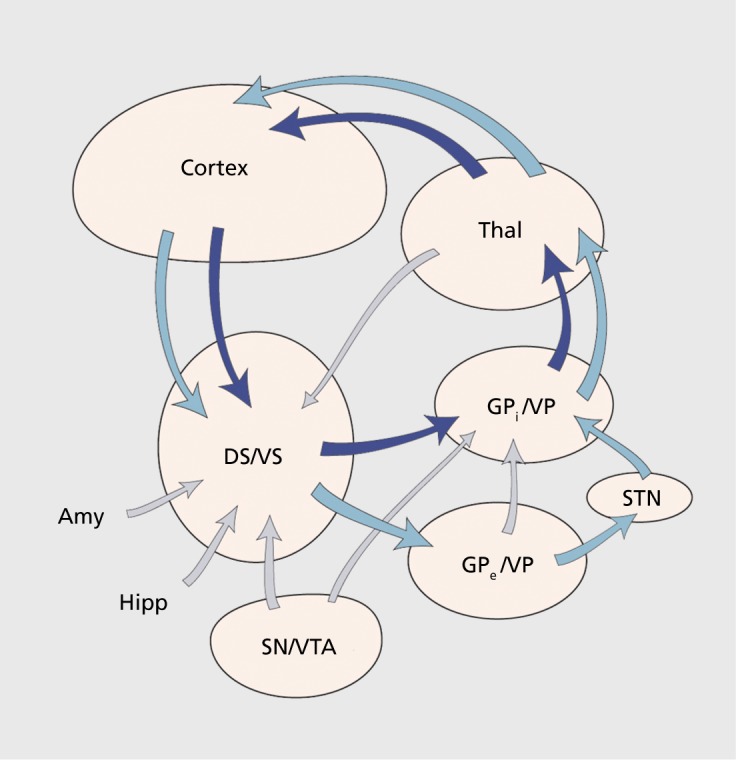
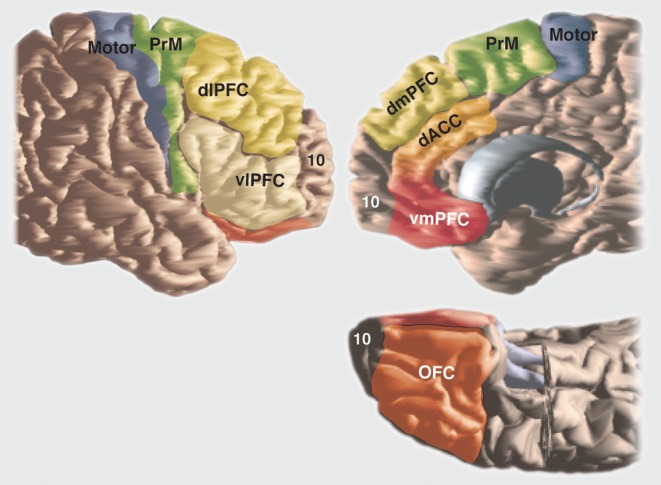
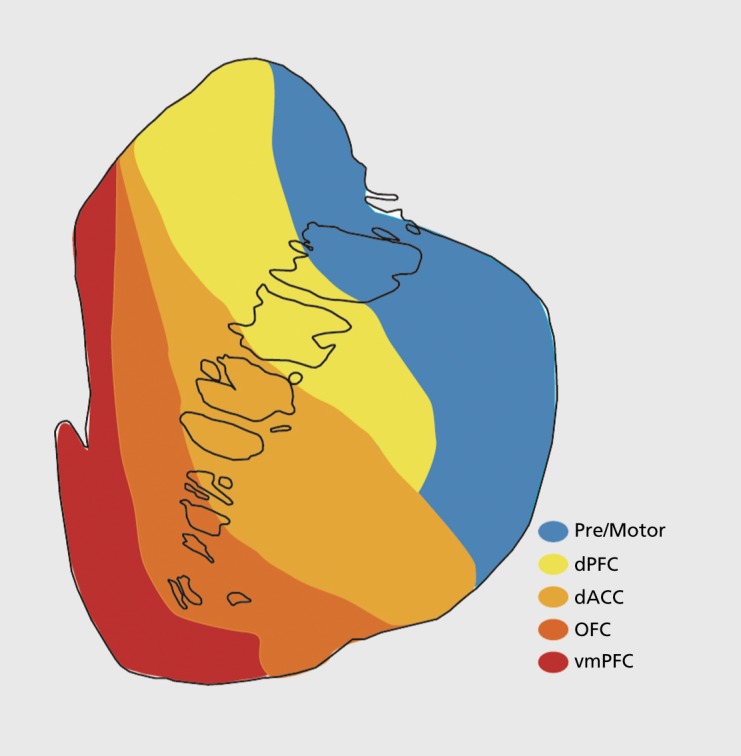
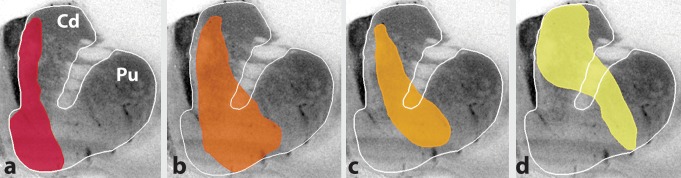
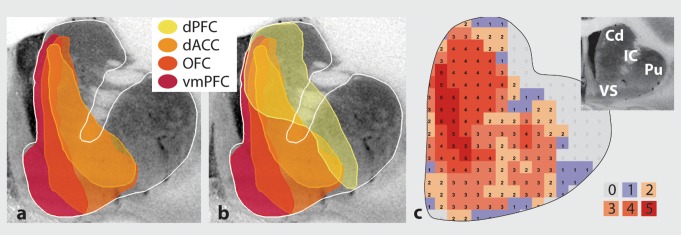
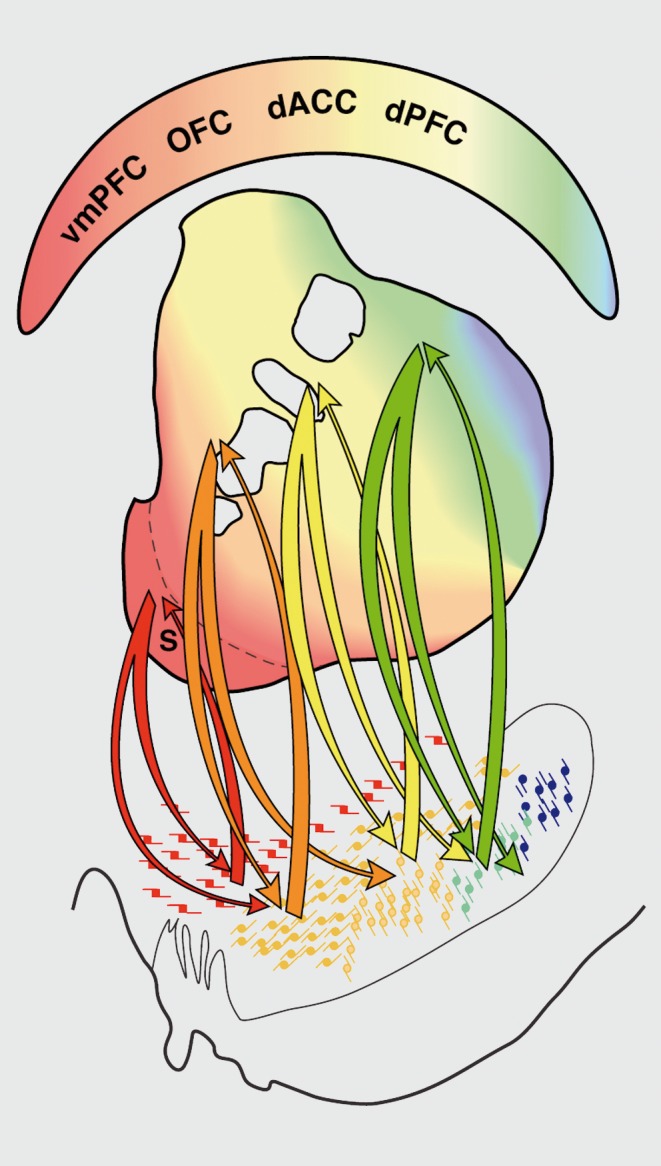
Corticostriatal connections play a central role in developing appropriate goal-directed behaviors, including the motivation and cognition to develop appropriate actions to obtain a specific outcome. The cortex projects to the striatum topographically. Thus, different regions of the striatum have been associated with these different functions: the ventral striatum with reward; the caudate nucleus with cognition; and the putamen with motor control. However, corticostriatal connections are more complex, and interactions between functional territories are extensive. These interactions occur in specific regions in which convergence of terminal fields from different functional cortical regions are found. This article provides an overview of the connections of the cortex to the striatum and their role in integrating information across reward, cognitive, and motor functions. Emphasis is placed on the interface between functional domains within the striatum.
Overview
The claims and statistics of this paper haven’t been checked yet.
Free: it reads the open-access text and checks the first 5 claims that cite a source we can check. Create a free account to check every claim.
Integrity signals
Registry
Cites
Statistics
Figures
Verification
Claims the paper makes
The claims and statistics of this paper haven’t been checked yet.
Free: it reads the open-access text and checks the first 5 claims that cite a source we can check. Create a free account to check every claim.
Claims other papers make about this one
Each is checked against this paper’s own text: does it say what the citing paper says it does?
The cited source says what the claim attributes to it.
In the citing paper
“For example, the substantia nigra makes extensive connections with the striatum, cortex, thalamus and neighboring brainstem regions, allowing dopaminergic outputs to exert far-reaching effects on the flow of CSTC information (Haber, 2016).”
From Cortico-striatal-thalamic loop circuits of the salience network: A central pathway in psychiatric disease and treatment (2016) · cites this paper as Haber, 2016
The cited source says what the claim attributes to it.
In the citing paper
“Importantly, the mesolimbic and nigrostriatal dopaminergic pathway have been implicated in the encoding of “saliency prediction errors”, underscoring their broader contributions to the attribution of salience to environmental stimuli (Kapur, 2003; Haber, 2016).”
From Cortico-striatal-thalamic loop circuits of the salience network: A central pathway in psychiatric disease and treatment (2016) · cites this paper as Haber, 2016
The cited source says what the claim attributes to it.
In the citing paper
“Corticostriatal circuitry is essential to processing reward, cognition, and movement (Haber, 2016)”
From Developmental origins of sex differences in the neural circuitry of play (2020) · cites this paper as Haber, 2016
In the citing paper
“Specifically, the dACC projects primarily to the dorsal caudate nucleus and ventral striatum, overlapping partially but not completely with frontostriatal projections from the dlPFC (Haber, 2016).”
From Cortico-striatal-thalamic loop circuits of the salience network: A central pathway in psychiatric disease and treatment (2016) · cites this paper as Haber, 2016
Self-check
Percentages, sums and reported differences re-computed from the paper’s own numbers.
The self-check needs the paper’s full text.
Citations
Cites
The Brain's Default Network: Anatomy, Function, and Relevance to Disease
Buckner, R. L., Andrews‐Hanna, J. R., & Schacter, D. L. (2008) · Annals of the New York Academy of Sciences · doi:10.1196/annals.1440.011 · Cited by 9,761
Koob, G. F., & Volkow, N. D. (2010) · Neuropsychopharmacology · doi:10.1038/npp.2009.110 · Cited by 5,340
Predictive reward signal of dopamine neurons
Schultz, W. (1998) · Journal of Neurophysiology · doi:10.1152/jn.1998.80.1.1 · Cited by 4,564
Functional architecture of basal ganglia circuits: neural substrates of parallel processing
Alexander, G. E., & Crutcher, M. D. (1990) · Trends in Neurosciences · doi:10.1016/0166-2236(90)90107-l · Cited by 4,131
Functional anatomy of the basal ganglia. I. The cortico-basal ganglia-thalamo-cortical loop
Parent, A., & Hazrati, L.-N. (1995) · Brain Research Reviews · doi:10.1016/0165-0173(94)00007-c · Cited by 2,161
Wise, R. A., & Rompre, P.-P. (1989) · Annual Review of Psychology · doi:10.1146/annurev.ps.40.020189.001203 · Cited by 1,968
Haber, S. N., Fudge, J. L., & McFarland, N. R. (2000) · The Journal of Neuroscience · doi:10.1523/jneurosci.20-06-02369.2000 · Cited by 1,610
Self-citationNeurons in the orbitofrontal cortex encode economic value
Padoa-Schioppa, C., & Assad, J. A. (2006) · Nature · doi:10.1038/nature04676 · Cited by 1,598
Neurotransmitters and neuromodulators in the basal ganglia
Graybiel, A. M. (1990) · Trends in Neurosciences · doi:10.1016/0166-2236(90)90104-i · Cited by 1,576
Specificity in the projection patterns of accumbal core and shell in the rat
Heimer, L., Zahm, D. S., Churchill, L., Kalivas, P. W., & Wohltmann, C. (1991) · Neuroscience · doi:10.1016/0306-4522(91)90202-y · Cited by 1,219
Research works printed but not linked: 7
- Robbins TW. Everitt BJ. Motivation and reward. In: Squire LR, Roberts JL, Spitzer NC, Zigmond MJ, McConnell SK, Bloom FE, eds. Fundamental Neuroscience. 2nd ed. San Diego, CA: Academic Press; 1999 1245 1259
- Koob GF. Drug reward and addiction. In: Fundamental Neuroscience. New York, NY: Academic Press; 1999 1261 1279
- Kalivas PW. Churchill L. Klitenick MA. The circuitry mediating the translation of motivational stimuli into adaptive motor responses. In: Kalivas PW, Barnes CD, eds. Limbic Motor Circuits and Neuropsychiatry. Boca Raton, FL: CRC Press, Inc; 1993 237 275
- Heimer L. Alheid GF. Zahm DS. Basal forebrain organization: an anatomical framework for motor aspects of drive and motivation. In: Kalivas PW, Barnes CD, eds. Limbic Motor Circuits and Neuropsychiatry. Boca Raton, FL: CRC Press, Inc; 1993 1 43
- Parent A. Comparative Neurobiology of the Basal Ganglia. New York, NY: John Wiley and Sons; 1986
- McFarland NR. Haber SN. The thalamostriataI projection and its relation to corticostriatal and cortiocthalamic inputs. Soc Neurosci Abst. 1996 22 412
- Fibiger HC. Phillips AG. Reward, motivation, cognition: psychobiology of mesotelencephalic dopamine systems. In: Mountcastle VB, Bloom F, Geiger SR, eds. Handbook of Physiology. Section I: the Nervous System. Vol 4. Bethesda,MD: American Physiological Society; 1986 647 674
Cited by
Items 701–800 of 1,000
Mapping cross-species connectome atlas of human and macaque striatum
Xia, X., Zeng, X., Gao, F., & Yuan, Z. (2023) · Cerebral Cortex · doi:10.1093/cercor/bhad057 · Cited by 3
Multivariate and regional age-related change in basal ganglia iron in neonates
Cabral, L. M., Calabro, F. J., Foran, W., Parr, A. C., Ojha, A., Rasmussen, J. M., Ceschin, R. C., Panigrahy, A., & Luna, B. (2023) · Cerebral Cortex · doi:10.1093/cercor/bhad456 · Cited by 3
Designing and manipulating interconnectivity between cortical and striatal 3D cultures
Hasan, M. F., & Berdichevsky, Y. (2019) · International IEEE/EMBS Conference on Neural Engineering · doi:10.1109/ner.2019.8716904 · Cited by 3
Garner, K., Garrido, M. I., & Dux, P. E. (2019) · bioRxiv (Cold Spring Harbor Laboratory) · doi:10.1101/564450 · Cited by 3
Maturation of striatal dopamine supports the development of habitual behavior through adolescencePreprint
Petrie, D. J., Parr, A. C., Sydnor, V. J., Ojha, A., Foran, W., Tervo‐Clemmens, B., Calabro, F. J., & Luna, B. (2025) · bioRxiv (Cold Spring Harbor Laboratory) · doi:10.1101/2025.01.06.631527 · Cited by 3
A cognitive model of economicsPreprint
Friesen, L. (2021) · PsyArXiv (OSF Preprints) · doi:10.31234/osf.io/qtcrp · Cited by 3
Bezerra, T. O., Roque, A. C., & Salum, C. (2024) · Brain Sciences · doi:10.3390/brainsci14050502 · Cited by 2
“Both dorsal and ventral striatum show an intricate interconnection and regulation of the dopaminergic system, involving the VTA and substantia nigra, and an interaction with cortical regions [33,34].”
BackgroundAhn, J., Cooper, N., Kang, Y., O’Donnell, M. B., Green, M. A., Notthoff, N., Carstensen, L. L., Samanez-Larkin, G. R., & Falk, E. B. (2025) · Social Cognitive and Affective Neuroscience · doi:10.1093/scan/nsaf046 · Cited by 2
“…regions may function collectively as part of an excitatory corticostriatal circuit, encoding motivational salience that subsequently influences behaviour change after message exposure (Bartra et al. 2013, Balleine and O’Doherty 2010, Haber 2016, Hunnicutt et al. 2016, Rangel and Clithero 2014).”
Specializations in Amygdalar and Hippocampal Innervation of the Primate Nucleus Accumbens Shell
Marshall, L. G., & Barbas, H. (2025) · Journal of Neuroscience · doi:10.1523/jneurosci.2425-24.2025 · Cited by 2
Yang, X., Liu, R., Li, K., Zhao, X., Wang, J., Hou, L., & Mao, L. (2025) · Analytical Chemistry · doi:10.1021/acs.analchem.5c02543 · Cited by 2
Bertran‐Gonzalez, J., & Balleine, B. W. (2025) · Handbook of behavioral neuroscience · doi:10.1016/b978-0-443-29867-7.00043-8 · Cited by 2
Choe, E., Park, H., Jang, J., Kim, M., & Kwon, J. S. (2025) · Translational Psychiatry · doi:10.1038/s41398-025-03567-1 · Cited by 2
Cao, Y., Ban, M., Wang, D., Kong, L., He, J., Chen, S., Zhu, X., & Yuan, F. (2025) · Journal of Affective Disorders · doi:10.1016/j.jad.2025.120214 · Cited by 2
Targeting disrupted networks in schizophrenia: Can muscarinic drugs make a fundamental difference?
Pratt, J. A., & Morris, B. (2025) · Journal of Psychopharmacology · doi:10.1177/02698811251375104 · Cited by 2
An, Z., Tang, K., Ren, B., Tao, Q., Tong, C., Zhang, X., Zhao, L., Liu, J., & Feng, Y. (2025) · Progress in Neuro-Psychopharmacology and Biological Psychiatry · doi:10.1016/j.pnpbp.2025.111562 · Cited by 2
Striatal Neural Processing of Sexual Cues in Problematic Pornography Use: A Systematic Review
Lichte, A., Kyuchukova, D., Stark, R. M., Brand, M., & Antons, S. (2025) · Current Addiction Reports · doi:10.1007/s40429-025-00702-2 · Cited by 2
“The ventral striatum (including the nucleus accumbens) is involved in a limbic network encompassing the amygdala, hippocampus, ventromedial prefrontal cortex (vmPFC), orbitofrontal pre-frontal cortex and anterior cingulate cortex (ACC; [40–42]).”
InfluentialWang, L., Liu, R., Liao, J., Fan, L., Zhuo, L., & Li, H. (2026) · Frontiers in Psychiatry · doi:10.3389/fpsyt.2025.1695904 · Cited by 2
Davidson, B. P., Clappison, A., Mithani, K., Bocca, L. F., Giacobbe, P., Nestor, S. M., Meng, Y., Ottoy, J., Rabin, J. S., Burke, M., et al. (2026) · Biological Psychiatry Cognitive Neuroscience and Neuroimaging · doi:10.1016/j.bpsc.2026.01.011 · Cited by 2
The Tap‐to‐Safety Task: A Novel fMRI Paradigm Assessing Repetitive Threat‐Neutralization
Berg, H. E., Rozniarek, R., Robinson, A., Kuplicki, R., Rostel, A., Mungunkhet, N., Smith, R. C., Simpson, H. B., Paulus, M. P., & Aupperle, R. L. (2026) · Human Brain Mapping · doi:10.1002/hbm.70473 · Cited by 2
Benchmarking functional brain network organization in childhood and its similarity to adults
Ali, S. A., Demeter, D. V., Baim, A. R., Koithan, E. M., Feigelis, M., Zreik, S., Ahern, J., Chang, S. E., Park, S., Gordon, E. M., et al. (2026) · Frontiers in Neuroimaging · doi:10.3389/fnimg.2026.1818662 · Cited by 2
“…assignments within the posterior putamen and central thalamus were evident in both discovery and replication cohorts, consistent with known cortico-striatal and thalamo-cortical motor circuits supporting sensorimotor integration and action execution (Alexander et al., 1986; Haber, 2016).”
Geloso, M. C., Sante, G. D., & Granato, A. (2026) · Cells · doi:10.3390/cells15100869 · Cited by 2
“In particular, the DLPFC projects to the rostral caudate nucleus [51] and related pallidal efferents are mediated by motor thalamic nuclei [44,51].”
Gpr88 Deletion Impacts Motivational Control Without Overt Disruptions to Striatal Dopamine
Spark, D. L., Vermeulen, M. H., Gonzalez, R. D. L. F., Hatzipantelis, C. J., Rueda, P., Sepehrizadeh, T., de Veer, M., la Cour, C. M., Fornito, A., Langiu, M., et al. (2022) · Biological Psychiatry Global Open Science · doi:10.1016/j.bpsgos.2022.10.008 · Cited by 2
“MSNs form reciprocal connections with midbrain dopaminergic neurons and project via the direct D1-expressing striatonigral pathway or the indirect D2-expressing striatopallidal pathway (4,23).”
BackgroundLinking the Neural Correlates of Reward and Pleasure to Aesthetic Evaluations of Beauty
Ishizu, T., Srirangarajan, T., & Daikoku, T. (2023) · Current clinical neurology · doi:10.1007/978-3-031-14724-1_9 · Cited by 2
Cerqueira-Nunes, M., Monteiro, C., Galhardo, V., & Cardoso-Cruz, H. (2024) · Applied Biosciences · doi:10.3390/applbiosci3020019 · Cited by 2
“The NAc is involved in reward-based learning, spatial memory processes, and nociceptive information processing [13–15 , 29 The NAc receives significant projections from both the medial prefrontal cortex and the hippocampus, contributing to the processing of spatial temporary information [10,32].”
BackgroundModulation of Cognitive and Psychiatric Functions by Psychostimulant-responsive Molecules
Izuo, N. (2025) · YAKUGAKU ZASSHI · doi:10.1248/yakushi.24-00179 · Cited by 2
Akkaya, H., Sümer, E., Kutlu, S., Solak, H., & Yılmaz, B. (2022) · TURKISH JOURNAL OF MEDICAL SCIENCES · doi:10.55730/1300-0144.5493 · Cited by 2
Neglect symptoms are related to a prediction-hypersensitivity in ipsilesional space
Vossel, S., Käsbauer, A.-S., Mengotti, P., Schmidt, C. C., Saliger, J., Karbe, H., & Fink, G. R. (2024) · Cortex · doi:10.1016/j.cortex.2024.12.007 · Cited by 2
Fisher-Fox, L., Džemidžić, M., Cox, M. R., Haines, D. E., Hays, J., Mlungwana, M. K., Whitt, Z. T., Avena‐Koenigsberger, A., Kosobud, A., Kareken, D. A., et al. (2025) · European Journal of Neuroscience · doi:10.1111/ejn.70150 · Cited by 2
“The differences in the connectivity patterns of these seed regions follow seminal work by Haber (2016), Haber et al. (2006) and a recent study by Peng et al. (2024) who used tract-tracing data from non-human primates to assess their representation in resting state fMRI data from non-human primates…”
Jordon, M., Silfies, S. P., Beattie, P., Vendemia, J. M. C., & Stewart, J. C. (2025) · European Journal of Neuroscience · doi:10.1111/ejn.70154 · Cited by 2
Han, Y., Yan, H., Shan, X., Li, H., Liu, F., Li, P., Yuan, Y., Lv, D., & Guo, W. (2025) · Progress in Neuro-Psychopharmacology and Biological Psychiatry · doi:10.1016/j.pnpbp.2025.111441 · Cited by 2
Context-dependent interaction between goal-directed and habitual control under time pressure
Wagner, B., Frölich, S., Schwöbel, S., Smolka, M. N., & Kiebel, S. J. (2026) · Communications Psychology · doi:10.1038/s44271-026-00455-2 · Cited by 2
“…work suggests that habitual and goal-directed processing are neurally intertwined rather than cleanly separable 16 , supporting models that emphasize overlapping and interacting corticostriatal circuits 17 as well as arbitration and control mechanisms 16,18,19 , rather than a clear separation.”
Cromwell, H. C. (2019) · Journal of Neuroscience Research · doi:10.1002/jnr.24480 · Cited by 2
“One critical feature of the BG network is the size and scope of the cortical input (Haber, 2016; Kemp & Powell, 1970; Webster, 1965).”
BackgroundVranes, V., Krstonošić, B., & Milošević, N. T. (2019) · European Journal of Biophysics · doi:10.11648/j.ejb.20190701.13 · Cited by 2
“The limbic loop is involved in motivational aspects of behavioral control, response to reward and obsessive-compulsive behavior [28].”
BackgroundNeuronal Representation of Object Choice in the Striatum of the Monkey
Nonomura, S., & Samejima, K. (2019) · Frontiers in Neuroscience · doi:10.3389/fnins.2019.01283 · Cited by 2
“The anterior caudate receives input mainly from the prefrontal cortex, including the dorsolateral prefrontal cortex, the OFC, the anterior cingulate cortex, and the SEF (Yeterian and Van Hoesen, 1978; Selemon and GoldmanRakic, 1985; Alexander et al., 1986; Haber, 2016).”
BackgroundReverse Engineering the Brain Based on Machine Learning
Shumsky, S. A. (2020) · Studies in computational intelligence · doi:10.1007/978-3-030-60577-3_1 · Cited by 2
Preliminary study of ovariectomy and chronic losartan-induced alterations in brain AT1 receptors
Mehranfard, D., Linares, A., Chabbra, A., Campos, G. V., de Souza, A. M. A., Ji, H., West, C. A., Sandberg, K. L., & Speth, R. C. (2021) · Brain Research · doi:10.1016/j.brainres.2021.147520 · Cited by 2
Geva, S., Schneider, L. M., Khan, S., Lorca‐Puls, D. L., Gajardo‐Vidal, A., PLORAS team, Anderson, S., Bruce, R. M., Docksey, M., Ledingham, K., et al. (2022) · Cerebral Cortex · doi:10.1093/cercor/bhac282 · Cited by 2
“The putamen is involved in several interacting corticostriatal circuits, each subserving different functions (Haber 2016).”
BackgroundDavid, F. J., Rivera, Y. M., Entezar, T., Arora, R., Drane, Q. H., Munoz, M. J., Rosenow, J. M., Sani, S., Pal, G. D., Verhagen-Metman, L., et al. (2022) · Frontiers in Neurology · doi:10.3389/fneur.2022.980935 · Cited by 2
Bergeat, D., Coquery, N., Gautier, Y., Clotaire, S., Vincent, É., Rome, V., Guérin, S., Huërou‐Luron, I. L., Blat, S., Thibault, R., et al. (2023) · Clinical Nutrition · doi:10.1016/j.clnu.2023.01.015 · Cited by 2
Zhou, H., Gong, L., Su, C., Teng, B., Xi, W., Li, X., Geng, F., & Hu, Y. (2024) · Addiction Biology · doi:10.1111/adb.13399 · Cited by 2
Bilateral Anterior Capsulotomy for Treatment-Resistant Obsessive-Compulsive Disorder
Hurwitz, T. A., Ching, G., Bogod, N. M., & Honey, C. R. (2024) · Stereotactic and Functional Neurosurgery · doi:10.1159/000540503 · Cited by 2
Abramov, D. M., Júnior, C. A. M., Cunha, C. Q., Pontes, M. C., Galhanone, P. R., deAzevedo, L. C., & Lazarev, V. V. (2017) · bioRxiv (Cold Spring Harbor Laboratory) · doi:10.1101/118380 · Cited by 2
Albert, N. (2019) · Spectrum Research Repository (Concordia University) · Cited by 2
López, A. N. (2019) · Buleria (Universidad de León) · doi:10.18002/10612/11440 · Cited by 4
Cortico-striatal beta-oscillations as a marker of learned reward valuePreprint
Koloski, M. F., Hulyalkar, S., Tang, T., Wu, X., Fakhraei, L., Barnes, S. A., Mishra, J., & Ramanathan, D. (2022) · bioRxiv (Cold Spring Harbor Laboratory) · doi:10.1101/2022.10.24.513264 · Cited by 2
Nociception and Acute Pain: Ascending Functional Structure and Descending ModulationPreprint
Windhorst, U., & Dibaj, P. (2025) · Preprints.org · doi:10.20944/preprints202505.0743.v1 · Cited by 2
Gergin, S. (2021) · Dspace Repository (Marmara Üniversitesi) · Cited by 2
Evaluation and training of rhythmic skills via new technologies
Bégel, V. (2017) · theses.fr (ABES) · doi:10.70675/9e8cd6d0z7d2ez4d3bz8a31zc00eb764b796 · Cited by 2
“001) and 2 down / 1 up thresholds (t(23) = 2.”
BackgroundMethodInfluentialA human subcortical connectome at 400 μm resolutionPreprint
Maffei, C., Gong, T., Neudorfer, C., Sung, D., Mihir, D., Gunalan, K., Ghosh, S., Augustinack, J. C., Huang, S. Y., Richardson, R. M., et al. (2026) · bioRxiv (Cold Spring Harbor Laboratory) · doi:10.64898/2026.03.31.715699 · Cited by 2
“In the putamen, we observe a ventromedial to dorsolateral gradient: prefrontal projections are concentrated anterior to the AC primarily within the ventral and rostral putamen, while motor and premotor regions project to dorsolateral and central sections caudal to the AC 27,28 .”
Self-citationGonzález, E. M. (2022) · Repositorio de Patentes de la Universidad de Almería (Universidad de Almería) · Cited by 2
Summerfield, C. (2022) · Oxford University Press eBooks · doi:10.1093/oso/9780192843883.003.0006 · Cited by 1
Neurogenetics of Autism Spectrum Conditions in Individuals Assigned Female at Birth
Jack, A., McQuaid, G. A., & Gupta, A. R. (2024) · Springer eBooks · doi:10.1007/978-3-031-62072-0_5 · Cited by 1
Synaptic Plasticity Linked to Ionotropic Glutamate Receptors After Nicotine Exposure
Kazmi, A., & Choe, E. S. (2025) · Current Neuropharmacology · doi:10.2174/011570159x365159250311142852 · Cited by 1
Robison, C. L., Kazan, T., Miller, R. L. A., Allen, T., Hensley, J., & Charntikov, S. (2025) · Brain Sciences · doi:10.3390/brainsci15040398 · Cited by 1
“Recent findings further support corticostriatal gradients as critical for motor and sensory processing, re-inforcing the posterior dmCPu’s role in action selection and behavioral regulation [23,34].”
InfluentialHewitt, K. A., Nicholson, S. E., Peterson, M. J., Dwiel, L. L., & Henricks, A. M. (2025) · Alcoholism Clinical and Experimental Research · doi:10.1111/acer.70111 · Cited by 1
Iachizzi, M., Couch, A. C. M., Kim, E., MacNicol, E., Herrero, F., Schaer, R., Schweri, R., Abdullahi, D., Opitz, L., Cash, D., et al. (2026) · Molecular Psychiatry · doi:10.21203/rs.3.rs-7535749/v1 · Cited by 1
González-Redondo, Á., Garrido, J. A., Kotaleski, J. H., Grillner, S. E., & Ros, E. (2025) · Scientific Reports · doi:10.1038/s41598-025-18776-3 · Cited by 1
“Each stimulus activates a distinct temporal pattern of synthetic but biologically inspired neural activity, mimicking structured dynamics observed in cortical and hippocampal regions 29,30 , which project to the striatum 31 .”
EEG power modulation in the sensorimotor regions is critical to motor tic suppression
Miyakoshi, M., Jurgiel, J., Dillon, A., Piacentini, J. C., Makeig, S., & Loo, S. K. (2025) · Frontiers in Psychiatry · doi:10.3389/fpsyt.2025.1580636 · Cited by 1
“According to the hyper-glutamatergic CSTC model, excessive pyramidal drive from the motor cortex reaches the putamen (94 – 97), where more than 90% of neurons are GABAergic medium spiny neurons that project to the globus pallidus and substantia nigra (98).”
Zhu, Y., Bush, A., Vissani, M., Bullock, L., & Richardson, R. M. (2026) · Nature Communications · doi:10.1038/s41467-026-78957-0 · Cited by 1
Li, Y., Zhang, F., Liu, B., Wang, X., Meng, H., Niu, Q. L., Zhang, H., & Tan, Y. Q. (2025) · Scientific Reports · doi:10.1038/s41598-025-29829-y · Cited by 1
“The CAU, a crucial component of the striatum, regulates cognitive, motor, and emotional regulation through its extensive connections within the corticostriatal circuit 27,28 .”
Dzhashiashvili, Y., McBride, J. L., Fabyanic, E. B., Huang, X., Kelly, B. M., Walton-Gibbs, G. D., Vemireddi, V., Wicks, J. R., Nayal, M., Hippen, A. A., et al. (2025) · Molecular Therapy · doi:10.1016/j.ymthe.2025.12.009 · Cited by 1
Functional fractionation of large-scale brain networks in the human subcortex
Li, J., Atalay, A. S., Olchanyi, M., Cambareri, M. K., Ghosh, S., Horn, A., Lewis, L. D., Brown, E. N., Fischl, B. R., Kinney, H. C., et al. (2026) · Proceedings of the National Academy of Sciences · doi:10.1073/pnas.2608875123 · Cited by 1
侍永伟, Yu, C., Li, Z., ma, Y., sun, Y., & 苗爱良 (2026) · Brain Imaging and Behavior · doi:10.1007/s11682-026-01125-x · Cited by 1
“The SMA projects more in a caudally direction, mainly toward the putamen (Haber, 2016).”
InfluentialThalamostriatal circuit as a therapeutic target of alcohol use disorder
Song, H., Lee, J., Lee, J., Kim, J., Kim, J., Kang, S., & Kim, J. (2026) · Neurobiology of Disease · doi:10.1016/j.nbd.2026.107367 · Cited by 1
Zhang, K., Germann, J., Matin, R., Mithani, K., Ellegood, J., Suresh, H., Wong, S., Lerch, J. P., Nieman, B. J., Taylor, M. J., et al. (2026) · Science Advances · doi:10.1126/sciadv.aeb5842 · Cited by 1
Sevenoaks, T., Lancelotte, F., Souter, N., Stafford, L. D., Rae, C. L., & Yeomans, M. R. (2026) · European Journal of Neuroscience · doi:10.1111/ejn.70511 · Cited by 2
“…between-group connectivity differences for (pre-registered) networks of interest to whole brain, we found connectivity differences between the anterior salience network and regions associated with motor or reward relay systems, primarily the putamen and thalamus (Haber 2016; Marcuse et al. 2025).”
Sun, Y.-Y., Lin, H.-M., Ma, J., Xu, Z.-J., Xue, X., Lu, J., Jia-jia, W., Hua, X., Zuo, C., & Xu, J. (2026) · npj Parkinson s Disease · doi:10.1038/s41531-026-01409-5 · Cited by 1
“…the CBGTC system using group-level atlases, which average across individuals and obscure the continuous functional topographies of the striatum, pallidum, and thalamus — structures in which subregions project to partially overlapping cortical networks and support distinct computations 11,23,24 .”
InfluentialSamson, T. E., DeIngeniis, D., Koyama, M., Bailey, R., Brabander, C. J., Cilleros‐Portet, A., Lesseur, C., Shereen, A. D., & Nomura, Y. (2026) · Genes · doi:10.3390/genes17080958 · Cited by 1
“In the brain, the striatum serves as the principal interface between dopaminergic signaling and cortico-subcortical circuitry [29].”
Eklund, M. R. E., Hassanain, E., Vahlberg, T., Joutsa, J., & Kaasinen, V. (2026) · Molecular Psychiatry · doi:10.1038/s41380-026-03826-7 · Cited by 1
Value and spatial preferences guide habitual reaching and manual object selection in primates
Kim, Y.-H., Park, J., Kim, Y. G., Lee, Y., & Kim, H. F. (2026) · Scientific Reports · doi:10.1038/s41598-026-74377-8 · Cited by 1
Shi, R., Xiang, S., Alnæs, D., Chen, D., Zheng, C., Banaschewski, T., Barker, G. J., Bokde, A. L. W., Desrivières, S., Flor, H., et al. (2026) · Nature Health · doi:10.1038/s44360-026-00204-z · Cited by 1
Biçeroğlu, H. (2020) · SDÜ Tıp Fakültesi Dergisi · doi:10.17343/sdutfd.604323 · Cited by 1
“The modular understanding of the striatum is consistent with planned, (sensorimotor coordination; putamen) effective and hierarchical models of corticostriatal function in which adaptive behavior towards key goals (motivation; ventral striatum) can be defined (16-19).”
BackgroundEmerging Translational Treatments to Target the Neural Networks of Binge Eating
Doucette, W. T., & Smedley, E. B. (2020) · Springer eBooks · doi:10.1007/978-3-030-43562-2_8 · Cited by 1
Aberrant striatal value representation in Huntington’s disease gene carriers 25 years before onset
Nair, A., Johnson, E. B., Gregory, S., Osborne‐Crowley, K., Zeun, P., Scahill, R. I., Lowe, J., Papoutsi, M., Palminteri, S., Rutledge, R. B., et al. (2020) · Journal of Neurology Neurosurgery & Psychiatry · doi:10.1136/jnnp-2020-bnpa.9 · Cited by 2
Neuropsychiatric Symptoms in Neuro-Behçet’s Disease
Gündüz, T., & Ertekin, E. (2021) · Springer eBooks · doi:10.1007/978-3-030-55273-2_11 · Cited by 1
Comparative anatomical analysis of dopamine systems in Mus musculus and Peromyscus californicus
Buck, J., Manion, M. T. C., Zhang, W., Glasper, E. R., & Wang, K. H. (2022) · Brain Structure and Function · doi:10.1007/s00429-022-02497-8 · Cited by 1
“However, the general topography of corticostriatal terminations does not follow a caudate/putamen division, as corticostriatal axons from the internal capsule project to both compartments (Haber 2016).”
BackgroundEdemann-Callesen, H., Glienke, M., Akinola, E. O., Lieser, M. K., Habelt, B., Hadar, R., Bernhardt, N. R., & Winter, C. (2022) · Molecular Neurobiology · doi:10.1007/s12035-022-03029-5 · Cited by 1
Patton, M. S., & Mathur, B. N. (2023) · Elsevier eBooks · doi:10.1016/b978-0-12-823453-2.00010-2 · Cited by 1
Saemann, A., Busch, S., Taub, E., Westermann, B., Granziera, C., Guzman, R. G., Mariani, L., Soleman, J., & Rychen, J. (2023) · Journal of Neurosurgery Case Lessons · doi:10.3171/case22398 · Cited by 1
Naumova, A. A., Oleynik, E. A., Khramtsova, A., Nikolaeva, S. D., Chernigovskaya, E. V., & Glazova, M. V. (2023) · Developmental Neurobiology · doi:10.1002/dneu.22924 · Cited by 1
Kolomeets, N. S., & Uranova, N. A. (2023) · Neuroscience and Behavioral Physiology · doi:10.1007/s11055-023-01509-2 · Cited by 1
“The caudate nucleus (CN) is anatomically and functionally connected with numerous areas of the cortex (including associative, sensorimotor, and limbic regions) by multiple parallel anatomical circuits and as a result is closely involved in processing both sensorimotor and cognitive tasks [9].”
BackgroundThalamic Dysconnectivity Across the Schizophrenia Illness Course and Psychosis Spectrum
Abram, S. V., Spiro, C. M., & Ford, J. M. (2023) · Oxford University Press eBooks · doi:10.1093/med/9780197676158.003.0066 · Cited by 1
Catatonia, Neuroleptic Malignant Syndrome, and Serotonin Syndrome
Praschan, N. C., Beach, S. R., Fricchione, G. L., Huffman, J. C., & Stern, T. A. (2024) · Elsevier eBooks · doi:10.1016/b978-0-443-11844-9.00038-2 · Cited by 1
Cory‐Slechta, D. A., Conrad, K., Marvin, E., Chalupa, D., Oberdörster, G., & Sobolewski, M. (2024) · Atmosphere · doi:10.3390/atmos15070853 · Cited by 1
“Frontal cortical systems develop an organization of parallel networks with subcortical regions, including both dorsal and ventral striatum [30], within which interactive actions of glutamatergic, dopaminergic, and serotonergic neurotransmitters serve to mediate behavioral functions [31].”
BackgroundThe Physiologic Basis of Neuromodulation
Wilson, T. J., & Butala, A. (2024) · Advances in Psychiatry and Behavioral Health · doi:10.1016/j.ypsc.2024.05.001 · Cited by 1
Daiwile, A. P., Ladenheim, B., Jayanthi, S., & Cadet, J. L. (2025) · International Journal of Molecular Sciences · doi:10.3390/ijms26062734 · Cited by 1
Fonteneau, C. (2018) · theses.fr (ABES) · doi:10.70675/b06abc42zba9az4c0bz8cbfzef0dd775e14e · Cited by 1
Wherry, J. D. (2018) · The Open Repository - Binghamton (Binghamton University) · Cited by 1
Janes, A. C. (2020) · Science · doi:10.1126/science.abb0265 · Cited by 1
Modulation of neuronal excitability in the cognitive control network by electrical stimulation
Lehr, A. (2020) · eDiss (Georg-August-Universität Göttingen) · doi:10.53846/goediss-7978 · Cited by 1
An Investigation of the Effect of Chewing on Rhythmic Motor Tasks
Samulski, B. (2020) · ODU Digital Commons (Old Dominion University) · doi:10.25777/mgk7-7s45 · Cited by 1
“There is a decline in white matter along connections between the supplementary motor area and the basal ganglia, as well as between the prefrontal areas to the caudate and putamen which is associated with disinhibition of the cortex (Forstmann et al., 2011; Haber 2016).”
BackgroundSader, N. (2021) · doi:10.11575/prism/39023 · Cited by 1
“Frontal neural networks such as dorsolateral prefrontal cortex-striatal-thalamic pathway could be impaired, leading to cognitive deficits.(90) Advanced neuroimaging has attempted to associate cognition and anatomic locational within the brain.”
BackgroundSurprise-based model estimation in reinforcement learning: algorithms and brain signatures
Liakoni, V. (2021) · Infoscience (Ecole Polytechnique Fédérale de Lausanne) · doi:10.5075/epfl-thesis-10399 · Cited by 1
Mazère, J., Dilharreguy, B., Catheline, G., Vidailhet, M., Deffains, M., Vimont, D., Ribot, B., Barse, E., Cif, L., Mazoyer, B. M., et al. (2021) · Brain · doi:10.1093/brain/awab172 · Cited by 1
Kotikova, K., Zogala, D., Ptáčník, V., Trnka, J., Kupka, K., Vaněčková, M., Seidl, Z., Diblík, P., Heissigerová, J., Žák, I., et al. (2020) · doi:10.21203/rs.3.rs-20376/v1 · Cited by 1
Dinh, T., Nerland, S., Maximov, I. I., Barth, C., Vernon, A. C., Agartz, I., & Jørgensen, K. N. (2022) · bioRxiv (Cold Spring Harbor Laboratory) · doi:10.1101/2022.06.20.496804 · Cited by 1
Patterns of Early Myelination Identify Functionally Relevant Brain NetworksPreprint
Deoni, S., Bruchhage, M. M. K., Dean, D., D’Sa, V. A., & Schnieder, N. (2022) · Research Square · doi:10.21203/rs.3.rs-2002561/v1 · Cited by 1
Neural correlates of externalizing disorders
Westerman, H. B., Tomlinson, R. C., & Hyde, L. W. (2022) · Elsevier eBooks · doi:10.1016/b978-0-323-91497-0.00148-x · Cited by 1
Asymmetric cortical projections to striatal direct and indirect pathways distinctly control actionsPreprint
Klug, J. R., Yan, X., Hoffman, H. A., Engelhardt, M. D., Osakada, F., Callaway, E. M., & Jin, X. (2023) · eLife · doi:10.7554/elife.92992.1 · Cited by 1
Metadata
- Authors
- Haber, S. N.
- Affiliations
- University of Rochester Medicine (US)
- Corresponding author
- Haber, Suzanne N.
- ORCID
- Haber, Suzanne N.
- Venue
- Dialogues in Clinical Neuroscience
- Publisher
- Informa UK Limited
- Published
- 2016-03-31
- Volume
- 18
- Issue
- 1
- Pages
- 7-21
- ISSN
- 1294-8322 (ISSN-L)
- 1958-5969
- PMC
- PMC4826773
- OpenAlex
- W4241221200
- Cited by
- 922
- References
- 116
- Citations by year
- 2026: 79 · 2025: 122 · 2024: 111 · 2023: 98 · 2022: 129 · 2021: 101 · 2020: 92 · 2019: 88 · 2018: 56 · 2017: 39 · 2016: 7
- FWCI
- 35.52
- Type
- journal article
- Language
- en
- Open access
- diamond
- doi.org
- Licence
- Locations
- Dialogues in Clinical Neuroscience (publishedVersion, cc-by-nc-nd)
- PubMed Central (publishedVersion, cc-by-nc-nd)
- PubMed (publishedVersion)
- Funders
- National Institute of Mental Health (R01MH045573, MH045573)
- Topics
- Life Sciences › Neuroscience › Cellular and Molecular Neuroscience › Neurotransmitter Receptor Influence on Behavior
- Life Sciences › Neuroscience › Cognitive Neuroscience › Neural and Behavioral Psychology Studies
- Health Sciences › Medicine › Clinical Neurology › Deep Brain Stimulation and Movement Disorders
- Keywords
- corticostriatal connections, striatum, ventral striatum, caudate nucleus, putamen, goal-directed behavior, reward, cognition, motor control, topographic projection, functional integration, terminal fields
- MeSH terms
- Animals, Cerebral Cortex, Cognition, Corpus Striatum, Humans, Nerve Net, Neural Pathways, Reward
About these checks
Registry, retraction, Cites and statistics results are computed, not judged, with one exception: a printed reference that no index lists is read once by a model before it counts as a citation error. Claims are extracted by a model and kept only when their quote appears verbatim in the text; each cited source is then checked, with a model’s help, for whether it says what the claim relies on. Those verdicts can be wrong — read the claim’s quote and the cited source before relying on one.
Statistics and arithmetic are recomputed, not judged.
Confidence bands are shown only for fields calibrated on our annotated test set. None is calibrated yet, so no band is shown.
What counts as a claim ›How we measure confidence ›How we check this ›
Are you an author, or do you see a problem with this page? Request a review
Data sources
Bibliographic data: Semantic Scholar, OpenAlex, Crossref.
Contains information from the Semantic Scholar Academic Graph Datasets, made available under the ODC Attribution License (ODC-BY 1.0).
Semantic Scholar’s data is described in: Kinney, R., et al. (2023). The Semantic Scholar Open Data Platform. arXiv:2301.10140.
