

The DOI matches its Crossref record; 73 of the 73 references it cites were found in a registry or an index.
Involvement of the precuneus/posterior cingulate cortex is significant for the development of Alzheimer’s disease: a pet (THK5351, PiB) and resting fMRI study.
Open accessAbstract
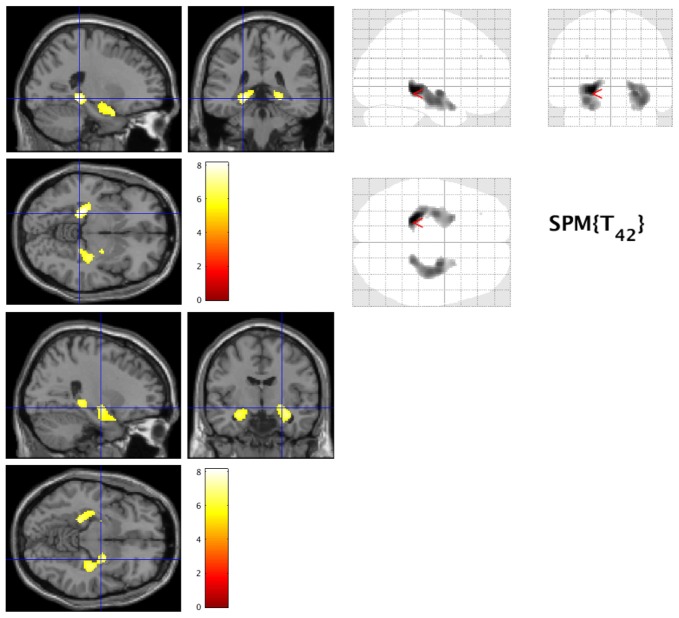
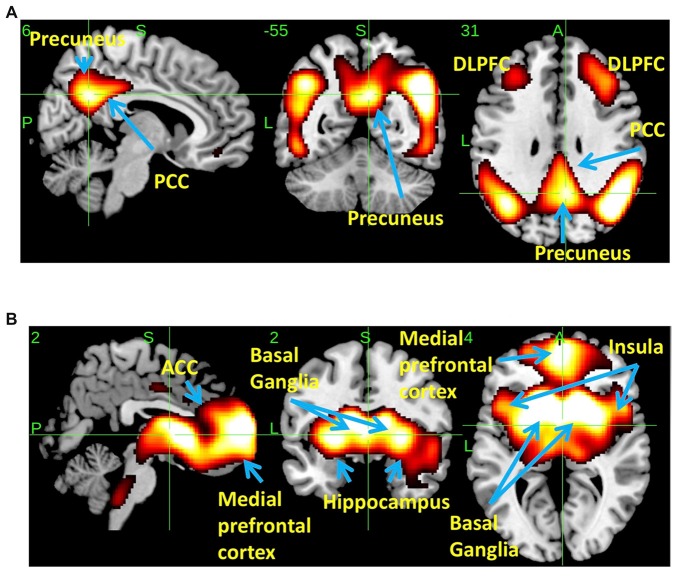
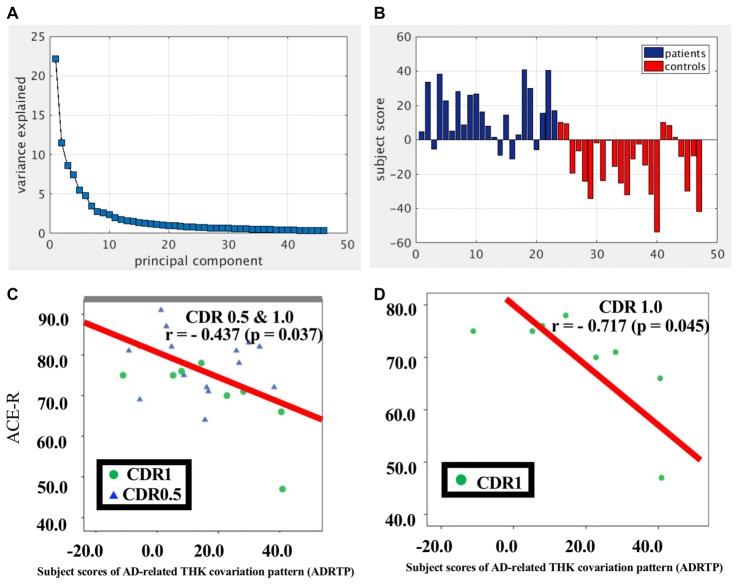
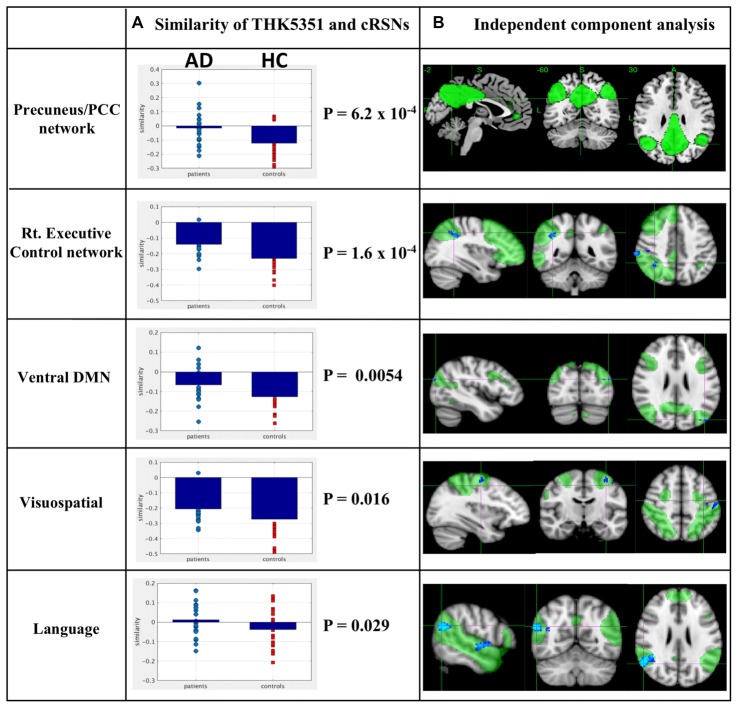
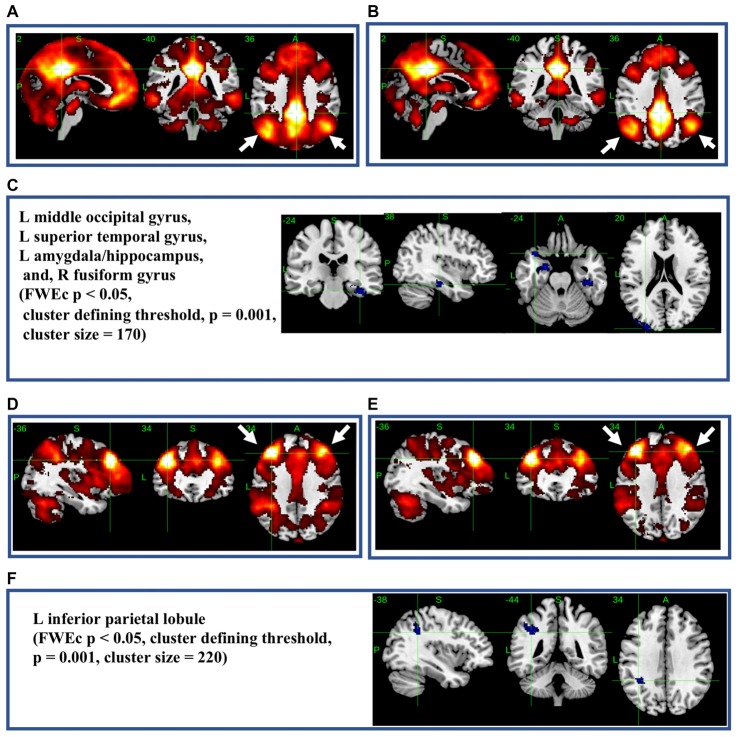
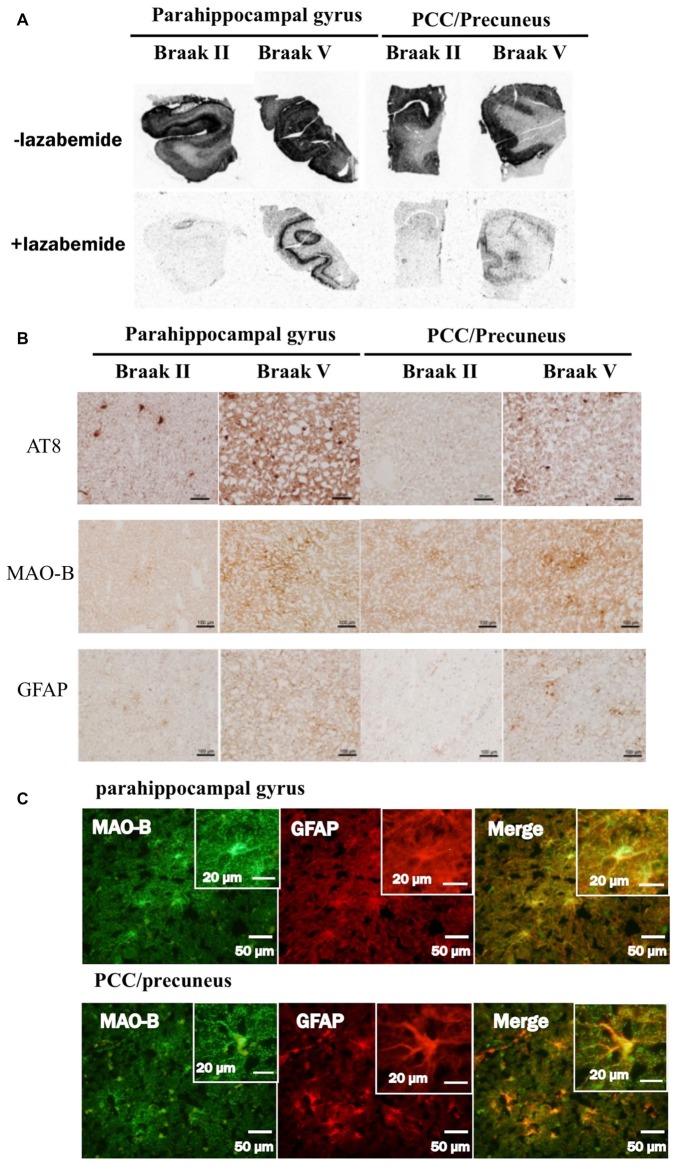
Background: Imaging studies in Alzheimer’s disease have yet to answer the underlying questions concerning the relationship among tau retention, neuroinflammation, network disruption, and cognitive decline. We compared the spatial retention patterns of 18F-THK5351 and resting state network disruption in patients with early Alzheimer’s disease and healthy controls. Methods: We enrolled 23 11C-Pittsburgh compound B (PiB)-positive patients with early Alzheimer’s disease and 24 11C-PiB-negative participants as healthy controls. All participants underwent resting state functional MRI and 18F-THK5351 PET scans. We used scaled subprofile modeling/principal component analysis (SSM/PCA) to reduce the complexity of multivariate data and to identify patterns that exhibited the largest statistical effects (variances) in THK5351 concentration in Alzheimer’s disease and healthy controls. Findings: SSM/PCA identified a significant spatial THK5351 pattern composed by mainly three clusters including precuneus/posterior cingulate cortex, right and left dorsolateral prefrontal cortex which accounted for 23.6% of the total subject voxel variance of the data and had 82.6% sensitivity and 79.1% specificity in discriminating Alzheimer’s disease from healthy controls. There was a significant relationship between the intensity of the 18F-THK5351 covariation pattern and cognitive scores in Alzheimer’s disease. The spatial patterns of 18F-THK5351 uptake showed significant similarity with intrinsic functional connectivity, especially in the precuneus/posterior cingulate cortex network. Seed-based connectivity analysis from the precuneus/posterior cingulate cortex showed significant decrease in connectivity over widespread brain regions in Alzheimer’s disease patients. An evaluation of an autopsied Alzheimer’s disease patient with Braak V showed that 18F-THK5351 retention corresponded to tau deposition, monoamine oxidase-B and astrogliosis in the precuneus/posterior cingulate cortex. Interpretation: We identified an Alzheimer’s disease-specific spatial pattern of 18F-THK5351 retention in the precuneus/posterior cingulate cortex, an important connectivity hub region in the brain. Disruption of the functional connections of this important network hub may play an important role in developing dementia in Alzheimer’s disease.
Overview
The claims and statistics of this paper haven’t been checked yet.
Run the check — free, no account needed. It reads the open-access text and checks the sources it cites.
Integrity signals
Registry
Cites
Statistics
Figures
Verification
Claims the paper makes
The claims and statistics of this paper haven’t been checked yet.
Run the check — free, no account needed. It reads the open-access text and checks the sources it cites.
Claims other papers make about this one
Each is checked against this paper’s own text: does it say what the citing paper says it does?
The cited source says what the claim attributes to it.
In the citing paper
“In a previous THK study with early AD patients, the precuneus was the most prominent AD-specific THK retention area, and the spatial pattern of THK uptake showed significant similarity with functional connectivity (Yokoi et al., 2018).”
From Effects of Alzheimer’s and Vascular Pathologies on Structural Connectivity in Early- and Late-Onset Alzheimer’s Disease (2021) · cites this paper as Yokoi et al., 2018
Self-check
Percentages, sums and reported differences re-computed from the paper’s own numbers.
The self-check needs the paper’s full text.
Citations
Cites
Hirono, N., Mori, E., Ikejiri, Y., Imamura, T., Shimomura, T., Hashimoto, M., Yamashita, H., & Ikeda, M. (1997) · PubMed · Cited by 21,012
McKhann, G. M., Knopman, D. S., Chertkow, H., Hyman, B. T., Jack, C. R., Kawas, C. H., Klunk, W. E., Koroshetz, W. J., Manly, J. J., Mayeux, R., et al. (2011) · Alzheimer's & Dementia · doi:10.1016/j.jalz.2011.03.005 · Cited by 18,657
Jenkinson, M., Bannister, P., Brady, M., & Smith, S. (2002) · NeuroImage · doi:10.1006/nimg.2002.1132 · Cited by 11,888
Jenkinson, M., Beckmann, C. F., Behrens, T. E. J., Woolrich, M. W., & Smith, S. M. (2012) · NeuroImage · doi:10.1016/j.neuroimage.2011.09.015 · Cited by 11,314
Fast robust automated brain extraction
Smith, S. M. (2002) · Human Brain Mapping · doi:10.1002/hbm.10062 · Cited by 10,496
The Brain's Default Network: Anatomy, Function, and Relevance to Disease
Buckner, R. L., Andrews‐Hanna, J. R., & Schacter, D. L. (2008) · Annals of the New York Academy of Sciences · doi:10.1196/annals.1440.011 · Cited by 9,761 · cited 10×
“However, in the patient group, a shift towards a more positive association, i.e., higher connectivity, higher THK5351 concentration, was observed and was significant in some canonical RSNs. Two-sample t-test comparisons of the similarity between the spatial distribution patterns of THK5351 retention and withinnetwork…”
BackgroundInfluentialA fast diffeomorphic image registration algorithm
Ashburner, J. (2007) · NeuroImage · doi:10.1016/j.neuroimage.2007.07.007 · Cited by 8,122
Mild cognitive impairment as a diagnostic entity
Petersen, R. C. (2004) · Journal of Internal Medicine · doi:10.1111/j.1365-2796.2004.01388.x · Cited by 7,864
Nonparametric permutation tests for functional neuroimaging: A primer with examples
Nichols, T. E., & Holmes, A. P. (2002) · Human Brain Mapping · doi:10.1002/hbm.1058 · Cited by 6,256
SMITH, S., & NICHOLS, T. (2009) · NeuroImage · doi:10.1016/j.neuroimage.2008.03.061 · Cited by 5,250
The precuneus: a review of its functional anatomy and behavioural correlates
Cavanna, A. E., & Trimble, M. R. (2006) · Brain · doi:10.1093/brain/awl004 · Cited by 5,128
Greicius, M. D., Srivastava, G., Reiss, A. L., & Menon, V. (2004) · Proceedings of the National Academy of Sciences · doi:10.1073/pnas.0308627101 · Cited by 3,684
The economy of brain network organization
Bullmore, E., & Sporns, O. (2012) · Nature Reviews Neuroscience · doi:10.1038/nrn3214 · Cited by 3,284
Montine, T. J., Phelps, C. H., Beach, T. G., Bigio, E. H., Cairns, N. J., Dickson, D. W., Duyckaerts, C., Frosch, M. P., Masliah, E., Mirra, S. S., et al. (2012) · Acta Neuropathologica · doi:10.1007/s00401-011-0910-3 · Cited by 2,894
Efficiency and Cost of Economical Brain Functional Networks
Achard, S., & Bullmore, E. (2007) · PLoS Computational Biology · doi:10.1371/journal.pcbi.0030017 · Cited by 2,553
Villemagne, V. L., Burnham, S., Bourgeat, P., Brown, B., Ellis, K. A., Salvado, O., Szoeke, C., Macaulay, S. L., Martins, R., Maruff, P., et al. (2013) · The Lancet Neurology · doi:10.1016/s1474-4422(13)70044-9 · Cited by 2,279
The role of the posterior cingulate cortex in cognition and disease
Leech, R., & Sharp, D. J. (2014) · Brain · doi:10.1093/brain/awt162 · Cited by 2,247
Mioshi, E., Dawson, K., Mitchell, J., Arnold, R., & Hodges, J. R. (2006) · International Journal of Geriatric Psychiatry · doi:10.1002/gps.1610 · Cited by 2,016
Decoding subject-driven cognitive states with whole-brain connectivity patterns
Shirer, W. R., Ryali, S., Rykhlevskaia, E., Menon, V., & Greicius, M. D. (2012) · Cerebral Cortex · doi:10.1093/cercor/bhr099 · Cited by 1,843
Distinct patterns of brain activity in young carriers of the APOE -ε4 allele
Filippini, N., MacIntosh, B. J., Hough, M. G., Goodwin, G. M., Frisoni, G. B., Smith, S. M., Matthews, P. M., Beckmann, C. F., & Mackay, C. E. (2009) · Proceedings of the National Academy of Sciences · doi:10.1073/pnas.0811879106 · Cited by 1,613
Modern network science of neurological disorders
Stam, C. J. (2014) · Nature reviews. Neuroscience · doi:10.1038/nrn3801 · Cited by 1,327
Hammers, A., Allom, R. J., Koepp, M. J., Free, S. L., Myers, R., Lemieux, L., Mitchell, T. N., Brooks, D. J., & Duncan, J. S. (2003) · Human Brain Mapping · doi:10.1002/hbm.10123 · Cited by 1,270
Imaging β-amyloid burden in aging and dementia
Rowe, C. C., Ng, S., Ackermann, U., Gong, S. J., Pike, K., Savage, G., Cowie, T. F., Dickinson, K. L., Maruff, P., Darby, D., et al. (2007) · Neurology · doi:10.1212/01.wnl.0000261919.22630.ea · Cited by 1,104
Jack, C. R., Lowe, V. J., Weigand, S. D., Wiste, H. J., Senjem, M. L., Knopman, D. S., Shiung, M. M., Gunter, J. L., Boeve, B. F., Kemp, B. J., et al. (2009) · Brain · doi:10.1093/brain/awp062 · Cited by 1,099
Sperling, R. A., LaViolette, P. S., O'Keefe, K., O'Brien, J., Rentz, D. M., Pihlajamaki, M., Marshall, G., Hyman, B. T., Selkoe, D. J., Hedden, T., et al. (2009) · Neuron · doi:10.1016/j.neuron.2009.07.003 · Cited by 1,027
Precuneus Is a Functional Core of the Default-Mode Network
Utevsky, A. V., Smith, D. V., & Huettel, S. A. (2014) · Journal of Neuroscience · doi:10.1523/jneurosci.4227-13.2014 · Cited by 925
Longitudinal assessment of Aβ and cognition in aging and Alzheimer disease
Villemagne, V. L., Pike, K. E., Chételat, G., Ellis, K. A., Mulligan, R. S., Bourgeat, P., Ackermann, U., Jones, G., Szoeke, C., Salvado, O., et al. (2011) · Annals of Neurology · doi:10.1002/ana.22248 · Cited by 833
Neuronal activity enhances tau propagation and tau pathology in vivo
Wu, J. W., Hussaini, S. A., Bastille, I. M., Rodriguez, G. A., Mrejeru, A., Rilett, K., Sanders, D. W., Cook, C., Fu, H., Boonen, R. A. C. M., et al. (2016) · Nature Neuroscience · doi:10.1038/nn.4328 · Cited by 820
Functional deactivations: Change with age and dementia of the Alzheimer type
Lustig, C., Snyder, A. Z., Bhakta, M., O'Brien, K. C., McAvoy, M., Raichle, M. E., Morris, J. C., & Buckner, R. L. (2003) · Proceedings of the National Academy of Sciences · doi:10.1073/pnas.2235925100 · Cited by 720
Uncovering Intrinsic Modular Organization of Spontaneous Brain Activity in Humans
Yong He, A., Wang, J., Wang, L. Y., Chen, Z. J., Yan, C., Yang, H., Tang, H., Zhu, C., Gong, Q., Zang, Y., et al. (2009) · PLoS ONE · doi:10.1371/journal.pone.0005226 · Cited by 635
Resting state fMRI in Alzheimer's disease: beyond the default mode network
Agosta, F., Pievani, M., Geroldi, C., Copetti, M., Frisoni, G. B., & Filippi, M. (2011) · Neurobiology of Aging · doi:10.1016/j.neurobiolaging.2011.06.007 · Cited by 599
Sheline, Y. I., Raichle, M. E., Snyder, A. Z., Morris, J. C., Head, D., Wang, S., & Mintun, M. A. (2010) · Biological Psychiatry · doi:10.1016/j.biopsych.2009.08.024 · Cited by 597
Brier, M. R., Thomas, J. B., Snyder, A. Z., Benzinger, T. L., Zhang, D., Raichle, M. E., Holtzman, D. M., Morris, J. C., & Ances, B. M. (2012) · Journal of Neuroscience · doi:10.1523/jneurosci.5698-11.2012 · Cited by 595
Saxena, S., & Caroni, P. (2011) · Neuron · doi:10.1016/j.neuron.2011.06.031 · Cited by 578
Functional connectivity mapping of the human precuneus by resting state fMRI
Zhang, S., & Li, C. R. (2011) · NeuroImage · doi:10.1016/j.neuroimage.2011.11.023 · Cited by 574
The road to restoring neural circuits for the treatment of Alzheimer's disease
Canter, R. G., Penney, J., & Tsai, L.-H. (2016) · Nature · doi:10.1038/nature20412 · Cited by 565
Levitt, P., Pintar, J. E., & Breakefield, X. O. (1982) · Proceedings of the National Academy of Sciences · doi:10.1073/pnas.79.20.6385 · Cited by 527
Functional connectivity tracks clinical deterioration in Alzheimer's disease
Damoiseaux, J. S., Prater, K. E., Miller, B. L., & Greicius, M. D. (2011) · Neurobiology of Aging · doi:10.1016/j.neurobiolaging.2011.06.024 · Cited by 520
Astrocytes in physiological aging and Alzheimer’s disease
Rodríguez-Arellano, J. J., Parpura, V., Zorec, R., & Verkhratsky, A. (2016) · Neuroscience · doi:10.1016/j.neuroscience.2015.01.007 · Cited by 439
Glial contributions to neurodegeneration in tauopathies
Leyns, C. E. G., & Holtzman, D. M. (2017) · Molecular Neurodegeneration · doi:10.1186/s13024-017-0192-x · Cited by 409
Resting-state fMRI changes in Alzheimer's disease and mild cognitive impairment
Binnewijzend, M. A. A., Schoonheim, M. M., Sanz‐Arigita, E., Wink, A. M., van der Flier, W. M., Tolboom, N., Adriaanse, S. M., Damoiseaux, J. S., Scheltens, P., van Berckel, B. N. M., et al. (2011) · Neurobiology of Aging · doi:10.1016/j.neurobiolaging.2011.07.003 · Cited by 407
Aging and Alzheimer's Disease: Lessons From the Nun Study
Snowdon, D. A. (1997) · The Gerontologist · doi:10.1093/geront/37.2.150 · Cited by 367
Monoamine oxidase B inhibitor, selegiline, reduces 18F-THK5351 uptake in the human brain
Ng, K. P., Pascoal, T. A., Mathotaarachchi, S. S., Therriault, J., Kang, M. S., Shin, M., Guiot, M.-C., Guo, Q., Harada, R., Comley, R. A., et al. (2017) · Alzheimer s Research & Therapy · doi:10.1186/s13195-017-0253-y · Cited by 351
Self-citationMormino, E. C., Smiljic, A., Hayenga, A. O., Onami, S. H., Greicius, M. D., Rabinovici, G. D., Janabi, M., Baker, S. L., Yen, I. V., Madison, C. M., et al. (2011) · Cerebral Cortex · doi:10.1093/cercor/bhr025 · Cited by 344
18F-THK5351: A Novel PET Radiotracer for Imaging Neurofibrillary Pathology in Alzheimer Disease
Harada, R., Okamura, N., Furumoto, S., Furukawa, K., Ishiki, A., Tomita, N., Tago, T., Hiraoka, K., Watanuki, S., Shidahara, M., et al. (2016) · Journal of Nuclear Medicine · doi:10.2967/jnumed.115.164848 · Cited by 330
Self-citationThe morphologic correlate of incidental punctate white matter hyperintensities on MR images.
Fazekas, F., Kleinert, R., Offenbacher, H., Payer, F., Schmidt, R., Kleinert, G., Radner, H., & Lechner, H. (1991) · PubMed Central · Cited by 300
Rescue of long-range circuit dysfunction in Alzheimer's disease models
Busche, M. A., Kekuš, M., Adelsberger, H., Noda, T., Förstl, H., Nelken, I., & Konnerth, A. (2015) · Nature Neuroscience · doi:10.1038/nn.4137 · Cited by 221
Bourgeat, P., Chételat, G., Villemagne, V. L., Fripp, J., Raniga, P., Pike, K., Acosta, O., Szoeke, C., Ourselin, S., Ames, D., et al. (2010) · Neurology · doi:10.1212/wnl.0b013e3181c918b5 · Cited by 220
The development and validation of tau PET tracers: current status and future directions
Okamura, N., Harada, R., Ishiki, A., Kikuchi, A., Nakamura, T., & Kudo, Y. (2018) · Clinical and Translational Imaging · doi:10.1007/s40336-018-0290-y · Cited by 193
Self-citationMoeller, J. R., & Strother, S. C. (1991) · Journal of Cerebral Blood Flow & Metabolism · doi:10.1038/jcbfm.1991.47 · Cited by 184
Networks of tau distribution in Alzheimer’s disease
Hoenig, M. C., Bischof, G. N., Seemiller, J., Hammes, J., Kukolja, J., Onur, O. A., Jessen, F., Fließbach, K., Neumaier, B., Fink, G. R., et al. (2017) · Brain · doi:10.1093/brain/awx353 · Cited by 174
Correlations of 18F-THK5351 PET with Postmortem Burden of Tau and Astrogliosis in Alzheimer Disease
Harada, R., Ishiki, A., Kai, H., Sato, N., Furukawa, K., Furumoto, S., Tago, T., Tomita, N., Watanuki, S., Hiraoka, K., et al. (2018) · Journal of Nuclear Medicine · doi:10.2967/jnumed.117.197426 · Cited by 168
Self-citationAlexander, G. E., & Moeller, J. R. (1994) · Human Brain Mapping · doi:10.1002/hbm.460020108 · Cited by 159
Regional amyloid burden and intrinsic connectivity networks in cognitively normal elderly subjects
Lim, H. K., Nebes, R. D., Snitz, B. E., Cohen, A. D., Mathis, C. A., Price, J. C., Weissfeld, L. A., Klunk, W. E., & Aizenstein, H. J. (2014) · Brain · doi:10.1093/brain/awu271 · Cited by 152
Wang, P., Zhou, B., Yao, H., Zhan, Y., Zhang, Z., Cui, Y. J., Xu, K., Ma, J., Wang, L., An, N., et al. (2015) · Scientific Reports · doi:10.1038/srep14824 · Cited by 148
Monoamine oxidase‐B in astrocytes
Ekblom, J., Jossan, S. S., Bergstrüm, M., Oreland, L., Walum, E., & Aquilonius, S. (1993) · Glia · doi:10.1002/glia.440080208 · Cited by 139
Within-patient correspondence of amyloid-β and intrinsic network connectivity in Alzheimer’s disease
Myers, N., Pasquini, L., Göttler, J., Grimmer, T., Koch, K., Ortner, M., Neitzel, J., Mühlau, M., Förster, S., Kurz, A., et al. (2014) · Brain · doi:10.1093/brain/awu103 · Cited by 132
A disease-specific metabolic brain network associated with corticobasal degeneration
Niethammer, M., Tang, C. C., Feigin, A., Allen, P. J., Heinen, L., Hellwig, S., Amtage, F., Hanspal, E. K., Vonsattel, J. P., Poston, K. L., et al. (2014) · Brain · doi:10.1093/brain/awu256 · Cited by 130
Elman, J. A., Madison, C. M., Baker, S. L., Vogel, J. W., Marks, S. M., Crowley, S., O’Neil, J. P., & Jagust, W. J. (2014) · Cerebral Cortex · doi:10.1093/cercor/bhu259 · Cited by 122
The Impact of Cognitive Reserve on Brain Functional Connectivity in Alzheimer's Disease
Bozzali, M., Dowling, C., Serra, L., Spanò, B., Torso, M., Marra, C., Castelli, D., Dowell, N. G., Koch, G., Caltagirone, C., et al. (2015) · Journal of Alzheimer s Disease · doi:10.3233/jad-141824 · Cited by 119
Lemoine, L., Gillberg, P.-G., Svedberg, M. M., Stepanov, V. A., Jia, Z., Huang, J., Nag, S., Tian, H., Ghetti, B. F., Okamura, N., et al. (2017) · Alzheimer s Research & Therapy · doi:10.1186/s13195-017-0325-z · Cited by 113
Self-citationLongitudinal Changes in Functional Brain Connectivity Predicts Conversion to Alzheimer’s Disease
Serra, L., Cercignani, M., Mastropasqua, C., Torso, M., Spanò, B., Makovac, E., Viola, V., Giulietti, G., Marra, C., Caltagirone, C., et al. (2016) · Journal of Alzheimer s Disease · doi:10.3233/jad-150961 · Cited by 80
Fripp, J., Bourgeat, P., Acosta, O., Raniga, P., Modat, M., Pike, K. E., Jones, G., O'Keefe, G., Masters, C. L., Ames, D., et al. (2008) · NeuroImage · doi:10.1016/j.neuroimage.2008.07.053 · Cited by 80
Lehmann, M., Madison, C. M., Ghosh, P. M., Miller, Z., Greicius, M. D., Kramer, J. H., Coppola, G., Miller, B. L., Jagust, W. J., Gorno‐Tempini, M. L., et al. (2015) · Neurobiology of Aging · doi:10.1016/j.neurobiolaging.2015.06.029 · Cited by 79
Identification of Disease-related Spatial Covariance Patterns using Neuroimaging Data
Spetsieris, P. G., Ma, Y., Peng, S., Ko, J. H., DHAWAN, V. M., Tang, C. C., & Eidelberg, D. (2013) · Journal of Visualized Experiments · doi:10.3791/50319 · Cited by 78
Widespread Disruption of Functional Brain Organization in Early-Onset Alzheimer’s Disease
Adriaanse, S. M., Binnewijzend, M. A. A., Ossenkoppele, R., Tijms, B. M., van der Flier, W. M., Koene, T., Smits, L. L., Wink, A. M., Scheltens, P., van Berckel, B. N. M., et al. (2014) · PLoS ONE · doi:10.1371/journal.pone.0102995 · Cited by 66
Ranasinghe, K. G., Hinkley, L. B. N., Beagle, A. J., Mizuiri, D., Dowling, A. F., Honma, S. M., Finucane, M. M., Scherling, C., Miller, B. L., Nagarajan, S. S., et al. (2014) · NeuroImage Clinical · doi:10.1016/j.nicl.2014.07.006 · Cited by 64
Jang, Y. K., Lyoo, C. H., Park, S., Oh, S. J., Cho, H., Oh, M., Ryu, Y. H., Choi, J. Y., Rabinovici, G. D., Kim, H. J., et al. (2017) · European Journal of Nuclear Medicine and Molecular Imaging · doi:10.1007/s00259-017-3876-0 · Cited by 58
The Failure of Solanezumab — How the FDA Saved Taxpayers Billions
Sacks, C. A., Avorn, J., & Kesselheim, A. S. (2017) · New England Journal of Medicine · doi:10.1056/nejmp1701047 · Cited by 55
Song, Z., Insel, P. S., Buckley, S. T., Yohannes, S., Mezher, A. F., Simonson, A., Wilkins, S., Tosun, D., Mueller, S. G., Kramer, J. H., et al. (2015) · Journal of Neuroscience · doi:10.1523/jneurosci.2092-14.2015 · Cited by 55
Kang, J. M., Lee, S., Seo, S., Jeong, H. J., Woo, S., Lee, H., Lee, Y., Yeon, B. K., Shin, D. H., Park, K. H., et al. (2017) · Neurobiology of Aging · doi:10.1016/j.neurobiolaging.2017.08.008 · Cited by 50
Self-citationLessons from Anti-Amyloid-β Immunotherapies in Alzheimer Disease: Aiming at a Moving Target
Wang, Y., Yan, T., Lu, H., Yin, W., Lin, B., Fan, W., Zhang, X., & Fernández-Fúnez, P. (2017) · Neurodegenerative Diseases · doi:10.1159/000478741 · Cited by 39
Automated radiosynthesis of the Pittsburg compound-B using a commercial synthesizer
Verdurand, M., Bort, G., Tadino, V., Bonnefoi, F., Bars, D. L., & Zimmer, L. (2008) · Nuclear Medicine Communications · doi:10.1097/mnm.0b013e328304e0e1 · Cited by 31
Cited by
Sorted by citations
Neuroinflammation and microglial activation in Alzheimer disease: where do we go from here?
Leng, F., & Edison, P. (2021) · Nature Reviews Neurology · doi:10.1038/s41582-020-00435-y · Cited by 3,179
Ibrahim, B., Suppiah, S., Ibrahim, N., Mohamad, M., Hassan, H. A., Nasser, N. S., & Saripan, M. I. (2021) · Human Brain Mapping · doi:10.1002/hbm.25369 · Cited by 272
Precuneus magnetic stimulation for Alzheimer’s disease: a randomized, sham-controlled trial
Koch, G., Casula, E. P., Bonnı̀, S., Borghi, I., Assogna, M., Minei, M., Pellicciari, M. C., Motta, C., D’Acunto, A., Porrazzini, F., et al. (2022) · Brain · doi:10.1093/brain/awac285 · Cited by 277
McCluskey, S. P., Plisson, C., Rabiner, E. A., & Howes, O. D. (2019) · European Journal of Nuclear Medicine and Molecular Imaging · doi:10.1007/s00259-019-04488-0 · Cited by 127
Anatomy and white-matter connections of the precuneus
Tanglay, O., Young, I. M., Dadario, N. B., Briggs, R. G., Fonseka, R. D., Dhanaraj, V., Hormovas, J., Lin, Y., & Sughrue, M. E. (2021) · Brain Imaging and Behavior · doi:10.1007/s11682-021-00529-1 · Cited by 101
Metadata
- Authors
- Yokoi, T., Watanabe, H., Yamaguchi, H., Bagarinao, E., Masuda, M., Imai, K., Ogura, A., Ohdake, R., Kawabata, K., Hara, K., Riku, Y., Ishigaki, S., Katsuno, M., Miyao, S., Kato, K., Naganawa, S., Harada, R., Okamura, N., Yanai, K., Yoshida, M., & Sobue, G.
- Affiliations
- Nagoya University (JP)
- Brain & Mind Research Center, Nagoya University (JP)
- Meitetsu Hospital (JP)
- Tohoku University (JP)
- Tohoku Medical and Pharmaceutical University (JP)
- Aichi Medical University (JP)
- Corresponding author
- Sobue, Gen
- ORCID
- Venue
- Frontiers in Aging Neuroscience
- Publisher
- Frontiers Media SA
- Published
- 2018-10-05
- Volume
- 10
- Pages
- 304-304
- ISSN
- 1663-4365 (ISSN-L)
- PMC
- PMC6182068
- OpenAlex
- W2895455599
- Cited by
- 116
- References
- 73
- Citations by year
- 2026: 5 · 2025: 20 · 2024: 18 · 2023: 14 · 2022: 24 · 2021: 15 · 2020: 8 · 2019: 10 · 2018: 1
- FWCI
- 6.69
- Type
- journal article
- Language
- en
- Open access
- gold
- doi.org
- Locations
- Frontiers in Aging Neuroscience (publishedVersion, cc-by)
- Europe PMC (PubMed Central) (publishedVersion, cc-by)
- PubMed Central (publishedVersion, cc-by)
- PubMed (publishedVersion)
- Institutional Repositories DataBase (IRDB) (submittedVersion, cc-by-nc-nd)
- Nagoya University Repository (NAGOYA Repository) (submittedVersion, other-oa)
- DOAJ (DOAJ: Directory of Open Access Journals) (submittedVersion, cc-by-sa)
- Funders
- Ministry of Education, Culture, Sports, Science and Technology (26117002, 80569781)
- Ministry of Health, Labour and Welfare
- Japan Society for the Promotion of Science (18K07367, 18H02771, 26117002, 26117001, 26117004)
- Topics
- Health Sciences › Medicine › Psychiatry and Mental health › Dementia and Cognitive Impairment Research
- Life Sciences › Neuroscience › Cellular and Molecular Neuroscience › Alzheimer's disease research and treatments
- Life Sciences › Neuroscience › Cognitive Neuroscience › Functional Brain Connectivity Studies
- Keywords
- Alzheimer's disease, precuneus, posterior cingulate cortex, 18F-THK5351, tau PET, [11C]PIB, resting-state functional connectivity, intrinsic functional connectivity, seed-based functional connectivity, early Alzheimer's disease, tau deposition, dorsolateral prefrontal cortex, Braak staging, astrocyte activation
About these checks
Registry, retraction, Cites and statistics results are computed, not judged, with one exception: a printed reference that no index lists is read once by a model before it counts as a citation error. Claims are extracted by a model and kept only when their quote appears verbatim in the text; each cited source is then checked, with a model’s help, for whether it says what the claim relies on. Those verdicts can be wrong — read the claim’s quote and the cited source before relying on one.
Statistics and arithmetic are recomputed, not judged.
Confidence bands are shown only for fields calibrated on our annotated test set. None is calibrated yet, so no band is shown.
What counts as a claim ›How we measure confidence ›How we check this ›
Are you an author, or do you see a problem with this page? Request a review
