

The DOI matches its Crossref record; 156 of the 158 references it cites were found in a registry or an index.
Prefrontal Control and Internet Addiction: A Theoretical Model and Review of Neuropsychological and Neuroimaging Findings
Open accessAbstract
Most people use the Internet as a functional tool to perform their personal goals in everyday-life such as making airline or hotel reservations. However, some individuals suffer from a loss of control over their Internet use resulting in personal distress, symptoms of psychological dependence, and diverse negative consequences. This phenomenon is often referred to as Internet addiction. Only Internet Gaming Disorder has been included in the appendix of the DSM-5, but it has already been argued that Internet addiction could also comprise problematic use of other applications with cybersex, online relations, shopping, and information search being Internet facets at risk for developing an addictive behavior. Neuropsychological investigations have pointed out that certain prefrontal functions in particular executive control functions are related to symptoms of Internet addiction, which is in line with recent theoretical models on the development and maintenance of the addictive use of the Internet. Control processes are particularly reduced when individuals with Internet addiction are confronted with Internet-related cues representing their first choice use. For example, processing Internet-related cues interferes with working memory performance and decision making. Consistent with this, results from functional neuroimaging and other neuropsychological studies demonstrate that cue-reactivity, craving, and decision making are important concepts for understanding Internet addiction. The findings on reductions in executive control are consistent with other behavioral addictions, such as pathological gambling. They also emphasize the classification of the phenomenon as an addiction, because there are also several similarities with findings in substance dependency. The neuropsychological and neuroimaging results have important clinical impact, as one therapy goal should enhance control over the Internet use by modifying specific cognitions and Internet use expectancies.
Overview
The claims and statistics of this paper haven’t been checked yet.
Run the check — free, no account needed. It reads the open-access text and checks the sources it cites.
Integrity signals
Registry
Cites
Statistics
Figures
Verification
Claims the paper makes
The claims and statistics of this paper haven’t been checked yet.
Run the check — free, no account needed. It reads the open-access text and checks the sources it cites.
Claims other papers make about this one
Each is checked against this paper’s own text: does it say what the citing paper says it does?
The source backs part of the claim, not all of it — or backs it for a different population, condition or comparison.
In the citing paper
“Second, functional neuroimaging studies have shown that the same areas of the brain that are active in other substance and behavioral addictions are active in the brains of those who meet the diagnostic criteria for internet addiction (Brand, Young, & Laier, 2014; Han, Bolo, Daniels, Arenella, Lyoo, & Renshaw, 2011; Holden, 2001; Ko et al., 2009; Ko, Liu, Yen, Yen, Chen, & Lin, 2013; Kuss & Grif”
From Ethics of the Attention Economy: The Problem of Social Media Addiction (2021) · cites this paper as Brand, Young, & Laier, 2014
Experimental — accuracy not yet measuredThe source backs part of the claim, not all of it — or backs it for a different population, condition or comparison.
In the citing paper
“The neurobiological similarities between substance addiction and compulsive social media usage are striking, particularly in terms of prefrontal cortex (PFC) dysfunction, which is critical for impulse control and decision-making [32, 33].”
From The Impact of Social Media & Technology on Child and Adolescent Mental Health (2025) · cites this paper as [32]
Experimental — accuracy not yet measured
Self-check
Percentages, sums and reported differences re-computed from the paper’s own numbers.
The self-check needs the paper’s full text.
Citations
Cites
Diagnostic and Statistical Manual of Mental Disorders
Williams, J. B. W., & First, M. B. (2013) · Oxford University Press eBooks · doi:10.1093/acrefore/9780199975839.013.104 · Cited by 109,845
Internet Addiction: The Emergence of a New Clinical Disorder
YOUNG, K. S. (1998) · CyberPsychology & Behavior · doi:10.1089/cpb.1998.1.237 · Cited by 5,513 · cited 4×
“…see patients suffering from severe negative consequences due to an overuse of the Internet in general or certain Internet applications, the terminology used for this phenomenon and its classification are still under debate (Young, 1998b, 1999; Charlton and Danforth, 2007; Starcevic, 2013).”
BackgroundMethodInfluentialSelf-citationDiagnostic and Statistical Manual of Mental Disorders, 5th Edition
(2013) · American Psychiatric Association Publishing eBooks · doi:10.1176/appi.books.9780890425596.893619 · Cited by 4,407
Functional architecture of basal ganglia circuits: neural substrates of parallel processing
Alexander, G. E., & Crutcher, M. D. (1990) · Trends in Neurosciences · doi:10.1016/0166-2236(90)90107-l · Cited by 4,131 · cited 4×
“…(via the thalamus) and the limbic loop connecting limbic structures, such as the amygdala, and structures that are linked to motivational aspects of behavior, such as the nucleus accumbens, with the orbitofrontal and ventromedial part of the prefrontal brain area (Alexander and Crutcher, 1990).”
BackgroundInfluentialNeural systems of reinforcement for drug addiction: from actions to habits to compulsion
Everitt, B. J., & Robbins, T. W. (2005) · Nature Neuroscience · doi:10.1038/nn1579 · Cited by 3,785 · cited 6×
“They are consistent with neurobiological and psychological models of addition (Robinson and Berridge,2003; Everitt and Robbins,2006) and with neuropsychological and neuroimaging findings in substance dependency and other forms of behavioral additions (Grant et al., 2006; van Holst et al., 2010).”
BackgroundInfluentialConflict monitoring and anterior cingulate cortex: an update
Botvinick, M. M., Cohen, J. D., & Carter, C. S. (2004) · Trends in Cognitive Sciences · doi:10.1016/j.tics.2004.10.003 · Cited by 3,623 · cited 2×
“All authors are accountable for all aspects of the work.”
BackgroundBardo, M. T., & Hammer, R. P. (1991) · Neuroscience · doi:10.1016/0306-4522(91)90226-e · Cited by 3,229
A “components” model of addiction within a biopsychosocial framework
Griffiths, M. (2005) · Journal of Substance Use · doi:10.1080/14659890500114359 · Cited by 3,088 · cited 2×
“…parallels between Internet addiction and other so-called behavioral addictions (e.g., Grant et al., 2013) and substance dependency (see also Griffiths, 2005; Meerkerk et al., 2009), which we will summarize in Sections “Neuropsychological Correlates of Internet Addiction” and “Neuroimaging…”
BackgroundResultA cognitive-behavioral model of pathological Internet use
Davis, R. A. (2001) · Computers in Human Behavior · doi:10.1016/s0747-5632(00)00041-8 · Cited by 3,010 · cited 5×
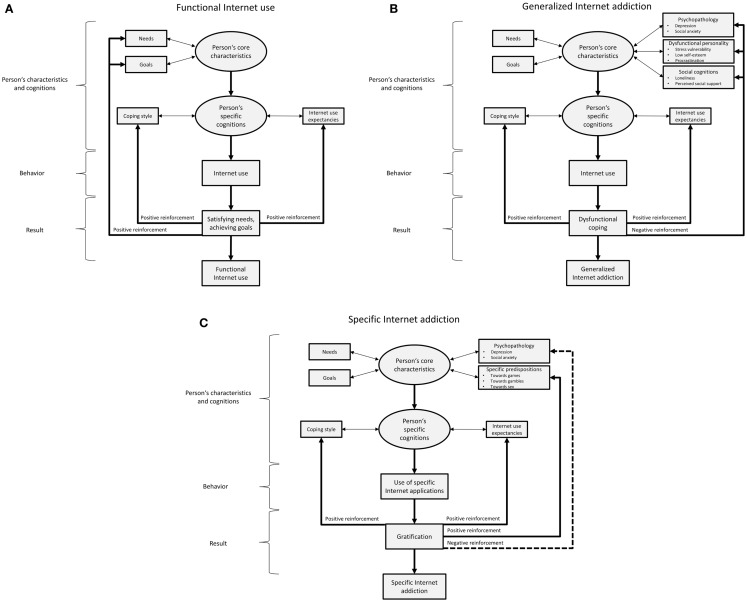
“Davis (2001) introduced a theoretical cognitive–behavioral model on pathological or problematic Internet use and differentiates between a generalized pathological Internet use, which we call generalized Internet addiction (GIA), and a specific pathological Internet use, for which we use the term…”
BackgroundResultInfluentialMotivations for Play in Online Games
Yee, N. (2006) · CyberPsychology & Behavior · doi:10.1089/cpb.2006.9.772 · Cited by 2,939 · cited 1×
“This has already been shown, for example for cybersex addiction (Brand et al., 2011; Laier et al., 2013a) and is most likely also a mechanism for online gaming (e.g., Tychsen et al., 2006; Yee, 2006).”
Background
Research works printed but not linked: 2
- 2008, Executive Function and the Frontal Lobes: A Life Span Perspective
- Young, 1999, Internet addiction: symptoms, evaluation, and treatment, Innov. Clin. Pract., 17, 19
Cited by
Sorted by citations
Brand, M., Young, K. S., Laier, C., Wölfling, K., & Potenza, M. N. (2016) · Neuroscience & Biobehavioral Reviews · doi:10.1016/j.neubiorev.2016.08.033 · Cited by 2,416
“Features of Internet addiction may co-vary positively with both positive expectancies (e.g., to experience pleasure) and avoidance expectancies (e.g., to escape from reality) on a bivariate level (Brand et al., 2014a; Lee et al., 2014; Turel et al., 2011; Xu et al., 2012).”
InfluentialSelf-citationLissak, G. (2018) · Environmental Research · doi:10.1016/j.envres.2018.01.015 · Cited by 1,024
“Studies have utilized brain imaging techniques to determine the involvement of neural circuits in executive functions and craving behavior in individuals who experience a lack of control over their Internet and games time (Brand et al., 2014).”
BackgroundCheng, C., & Li, A. Y.-L. (2014) · Cyberpsychology, Behavior, and Social Networking · doi:10.1089/cyber.2014.0317 · Cited by 727
Wegmann, E., Oberst, U., Stodt, B., & Brand, M. (2017) · Addictive Behaviors Reports · doi:10.1016/j.abrep.2017.04.001 · Cited by 458
Self-citationInternet addiction in adolescence: neurobiological, psychosocial and clinical issues
Cerniglia, L., Zoratto, F., Cimino, S., Laviola, G., Ammaniti, M., & Adriani, W. (2017) · Neuroscience & Biobehavioral Reviews · doi:10.1016/j.neubiorev.2016.12.024 · Cited by 371
Ethics of the Attention Economy: The Problem of Social Media Addiction
Bhargava, V. R., & Velasquez, M. (2021) · Business Ethics Quarterly · doi:10.1017/beq.2020.32 · Cited by 292
Internet addiction: coping styles, expectancies, and treatment implications
Brand, M., Laier, C., & YOUNG, K. S. (2014) · Frontiers in Psychology · doi:10.3389/fpsyg.2014.01256 · Cited by 305
Self-citationHow Has the Internet Reshaped Human Cognition?
Loh, K. K., & Kanai, R. (2016) · The Neuroscientist · doi:10.1177/1073858415595005 · Cited by 272
McDaniel, B. T., & Radesky, J. S. (2018) · Pediatric Research · doi:10.1038/s41390-018-0052-6 · Cited by 268
“(3, 36) Mobile communication researchers posit that aspects of interactive design act upon brain reward circuits in such a way that they induce pleasure(37) and habit-formation.”
BackgroundNeuroscience of Internet Pornography Addiction: A Review and Update
Love, T., Laier, C., Brand, M., Hatch, L., & Hajela, R. (2015) · Behavioral Sciences · doi:10.3390/bs5030388 · Cited by 262
“Laier, C.; Pawlikowski, M.; Brand, M. Sexual picture processing interferes with decision making under ambiguity.”
BackgroundMethodResultInfluentialSelf-citationMcDaniel, B. T. (2019) · Human Behavior and Emerging Technologies · doi:10.1002/hbe2.139 · Cited by 255
Online Porn Addiction: What We Know and What We Don’t—A Systematic Review
de Alarcón, R., de la Iglesia, J., Casado‐Espada, N. M., & Montejo, A. L. (2019) · Journal of Clinical Medicine · doi:10.3390/jcm8010091 · Cited by 306
“These findings are reminiscent of other behavioral addictions (such as pathological gambling) and the behavior in substance dependencies [137].”
BackgroundFineberg, N. A., Menchón, J. M., Hall, N., Dell’Osso, B. M., Brand, M., Potenza, M. N., Chamberlain, S. R., Cirnigliaro, G., Löchner, C., Billieux, J., et al. (2022) · Comprehensive Psychiatry · doi:10.1016/j.comppsych.2022.152346 · Cited by 276
“Specifically, the N.A. Fineberg et al. DLPFC contributes to executive functioning, cognitive control and decision-making under explicit conditions and has previously been hypothesized to be involved in the development and maintenance of internet addiction [243].”
BackgroundSelf-citationProblematic Use of the Internet and Smartphones in University Students: 2006–2017
Carbonell, X., Chamarro, A., Oberst, U., Rodrigo, B., & Prades, M. (2018) · International Journal of Environmental Research and Public Health · doi:10.3390/ijerph15030475 · Cited by 240
“Even the same authors use different expressions in different papers [27,28].”
BackgroundProblematic cybersex: Conceptualization, assessment, and treatment
Wéry, A., & Billieux, J. (2015) · Addictive Behaviors · doi:10.1016/j.addbeh.2015.11.007 · Cited by 263
Chen, I.-H., Strong, C., Lin, Y.-C., Tsai, M.-C., Leung, H., Lin, C.-Y., Pakpour, A. H., & Griffiths, M. D. (2020) · Addictive Behaviors · doi:10.1016/j.addbeh.2019.04.018 · Cited by 229
Griffiths, M. D., Pontes, H. M., & Kuss, D. J. (2015) · Neuroscience and Neuroeconomics · doi:10.2147/nan.s60982 · Cited by 249
“…modified criteria for pathological gambling to investigate IA. 24 Although IA may share some commonalities with other substance-based addictions, 25–27 it is unclear to what extent such criteria are useful and suitable to evaluate IA. Notwithstanding the existing difficulties in understanding…”
InfluentialWegmann, E., Stodt, B., & Brand, M. (2015) · Journal of Behavioral Addictions · doi:10.1556/2006.4.2015.021 · Cited by 223
Self-citationChen, I.-H., Pakpour, A. H., Leung, H., Potenza, M. N., Su, J.-A., Lin, C.-Y., & Griffiths, M. D. (2020) · Journal of Behavioral Addictions · doi:10.1556/2006.2020.00023 · Cited by 213
“Specific problematic smartphone/internet use (Brand et al., 2014; Davis, 2001; Griffiths, 1998, 2000; Montag et al., 2015) indicates problematic engagement in a particular type of smartphone/internet activity (e.g., social-media use, gaming, gambling) and shares similar features to generalized…”
BackgroundResultPontes, H. M., Szabo, A., & Griffiths, M. D. (2015) · Addictive Behaviors Reports · doi:10.1016/j.abrep.2015.03.002 · Cited by 208
Brand, M., Snagowski, J., Laier, C., & Maderwald, S. (2016) · NeuroImage · doi:10.1016/j.neuroimage.2016.01.033 · Cited by 198
Self-citationSugaya, N., Shirasaka, T., Takahashi, K., & Kanda, H. (2019) · BioPsychoSocial Medicine · doi:10.1186/s13030-019-0144-5 · Cited by 202
“The caudate nucleus has biological connections with the PFC, particularly the DLPFC, as a prefrontal-striatal circuit [87], and both the DLPFC and the prefrontal-striatal circuits play a crucial role in cognitive control [93].”
BackgroundDong, G., Lin, X., & Potenza, M. N. (2014) · Progress in Neuro-Psychopharmacology and Biological Psychiatry · doi:10.1016/j.pnpbp.2014.10.012 · Cited by 201
“Nonetheless, the current findings represent an important step forward in understanding the neurobiological processes underlying IGD and are consistent with recently proposed neurocognitive models of IGD (Brand et al., 2014; Dong and Potenza, 2014; King and Delfabbro, 2014).”
ResultInternet Addiction and Other Behavioral Addictions.
Jorgenson, A., Hsiao, R. C., & Yen, C.-F. (2016) · Child and Adolescent Psychiatric Clinics of North America · doi:10.1016/j.chc.2016.03.004 · Cited by 175
Dresp, B., & Hutt, A. (2022) · International Journal of Environmental Research and Public Health · doi:10.3390/ijerph19116910 · Cited by 230
A critical consideration of social networking sites’ addiction potential
Carbonell, X., & Panova, T. (2017) · Addiction Research & Theory · doi:10.1080/16066359.2016.1197915 · Cited by 174
“From this point of view, problematic SNS use could be a specific type of pathological Internet use, or specific Internet addiction (SIA) that fits under the label of generalized Internet addiction (GIA) (Davis 2001; Brand et al. 2014).”
BackgroundResultZhang, J.-T., Yao, Y.-W., Potenza, M. N., Xia, C.-C., Lan, J., Liu, L., Wang, L.-J., Liu, B., Ma, S.-S., & Fang, X.-Y. (2016) · NeuroImage: Clinical · doi:10.1016/j.nicl.2016.09.004 · Cited by 177
“, insula, ACC) interacting with each other as well as the sensory cortex contributing to craving for gaming in IGD (Brand et al., 2014; Dong and Potenza, 2014; Meng et al., 2014), parallelingwith findings in other types of addiction or hypothetically related conditions (e.”
BackgroundInfluentialLoucks, E. B., Schuman-Olivier, Z., Britton, W. B., Fresco, D. M., Desbordes, G., Brewer, J. A., & Fulwiler, C. (2015) · Current Cardiology Reports · doi:10.1007/s11886-015-0668-7 · Cited by 158
Social media addiction: Applying the DEMATEL approach
Dalvi‐Esfahani, M., Niknafs, A., Kuss, D. J., Nilashi, M., & Afrough, S. (2019) · Telematics and Informatics · doi:10.1016/j.tele.2019.101250 · Cited by 177
“(2016) revised the specific Internet addiction model (Brand et al., 2014) called Interaction of Person-Affect-Cognition-Execution (I-PACE) model to elicit more determinant of specific Internet addiction.”
BackgroundThe evolution of Internet addiction
YOUNG, K. S. (2015) · Addictive Behaviors · doi:10.1016/j.addbeh.2015.05.016 · Cited by 179
Self-citationWang, Y., Wu, L., Wang, L., Zhang, Y., Du, X., & Dong, G. (2016) · Addiction Biology · doi:10.1111/adb.12458 · Cited by 157
“As the theoretical models of IGD and specific Internet addiction (Internet gaming) proposed (Brand et al. 2014; Dong & Potenza 2014), the IGD is highly associated with deficit in decision-making, behavioral control and craving related to reward-seeking.”
BackgroundChen, J., Liang, Y., Mai, C., Zhong, X., & Qu, C. (2016) · Frontiers in Psychology · doi:10.3389/fpsyg.2016.00511 · Cited by 164
“…linked to the options the Internet itself provides, while SIA can also be developed outside the Internet, but is aggravated Frontiers in Psychology | www.frontiersin.org 7 April 2016 | Volume 7 | Article 511 by the enormous functions offered by the Internet applications (Brand et al., 2014).”
BackgroundInfluentialProblematic smartphone use: an empirically validated model
Pivetta, E., Harkin, L., Billieux, J., Kanjo, E., & Kuss, D. J. (2019) · Computers in Human Behavior · doi:10.1016/j.chb.2019.06.013 · Cited by 149
Internet addiction: a new addiction?
Siste, K., Assandi, P., Ismail, R. I., Nasrun, M. W. S., & Wiguna, T. (2019) · Medical Journal of Indonesia · doi:10.13181/mji.v28i1.2752 · Cited by 147
Dreier, M., Wölfling, K., Duven, E., Giralt, S., Beutel, M. E., & Müller, K. W. (2016) · Addictive Behaviors · doi:10.1016/j.addbeh.2016.03.008 · Cited by 143
Neurobiological correlates of internet gaming disorder: Similarities to pathological gambling
Fauth‐Bühler, M., & Mann, K. F. (2015) · Addictive Behaviors · doi:10.1016/j.addbeh.2015.11.004 · Cited by 157
Internet Addiction, Hikikomori Syndrome, and the Prodromal Phase of Psychosis
Stip, E., Thibault, A., Beauchamp-Chatel, A., & Kisely, S. (2016) · Frontiers in Psychiatry · doi:10.3389/fpsyt.2016.00006 · Cited by 140
Li, L., Griffiths, M. D., Mei, S., & Niu, Z. (2020) · Frontiers in Psychiatry · doi:10.3389/fpsyt.2020.00877 · Cited by 172
“, smartphone addiction and internet-communication addiction) (100, 101).”
Zhang, Y., Mei, S., Li, L., Chai, J., Li, J., & Du, H. (2015) · PLoS ONE · doi:10.1371/journal.pone.0131597 · Cited by 136
Laier, C., Wegmann, E., & Brand, M. (2018) · Frontiers in Psychiatry · doi:10.3389/fpsyt.2018.00304 · Cited by 129
“Since gaming can be considered as behavior with potentially positive and negative reinforcing effects (2, 48), particularly gamers who are prone for the experience of psychological stress or discomfort in everyday life because of maladaptive personality traits should develop gaming-related positive or avoidance expect…”
BackgroundSelf-citationProblematic Internet Use and Loneliness: How Complex Is the Relationship? A Short Literature Review
Moretta, T., & Buodo, G. (2020) · Current Addiction Reports · doi:10.1007/s40429-020-00305-z · Cited by 151
Montag, C., & Diefenbach, S. (2018) · Sustainability · doi:10.3390/su10020415 · Cited by 171
“To answer this question, a large body of studies is noteworthy investigating associations between individual differences in tendencies towards Internet addiction and brain structure/function (for an overview see [75] or the compendium by Montag and Reuter [76]).”
BackgroundAugner, C., Vlasak, T., Aichhorn, W., & Barth, A. (2021) · Journal of Public Health · doi:10.1093/pubmed/fdab350 · Cited by 144
Moretta, T., Buodo, G., Demetrovics, Z., & Potenza, M. N. (2022) · Comprehensive Psychiatry · doi:10.1016/j.comppsych.2021.152286 · Cited by 125
Wang, H.-Y., Sigerson, L., & Cheng, C. (2019) · Computers in Human Behavior · doi:10.1016/j.chb.2018.08.031 · Cited by 128
Trotzke, P., Starcke, K., Müller, A., & Brand, M. (2015) · PLoS ONE · doi:10.1371/journal.pone.0140296 · Cited by 129
“GIA is related to a multidimensional overuse of the Internet with a non-specific usage of one application in particular, whereas SIA is characterized by excessive preoccupations and overuse of one specific Internet application [25,26].”
BackgroundMethodInfluentialSelf-citationRozgonjuk, D., & Elhai, J. D. (2019) · Current Psychology · doi:10.1007/s12144-019-00271-4 · Cited by 143
A Tripartite Neurocognitive Model of Internet Gaming Disorder
Lei, W. I., Zhang, S., Turel, O., Bechara, A., & He, Q. (2017) · Frontiers in Psychiatry · doi:10.3389/fpsyt.2017.00285 · Cited by 127
“On the basis of this research, neurocognitive models have been developed and emphasized the importance of executive function in SIU (18).”
MethodDong, G., & Potenza, M. N. (2016) · Journal of Psychiatric Research · doi:10.1016/j.jpsychires.2015.11.011 · Cited by 163
Risk and protective factors of Internet gaming disorder among Chinese people: A meta-analysis
Ji, Y., Yin, M. X. C., Zhang, A. Y., & Wong, D. F. K. (2021) · Australian & New Zealand Journal of Psychiatry · doi:10.1177/00048674211025703 · Cited by 120
“…dopamine system by cues, the deficiency in the overall neuronal reward system and the more inferior decision-making capabilities weighing the pros and cons of addictive behaviour (Brand et al., 2014; Dong and Potenza, 2014; Hellman et al., 2013; Kuss et al., 2018; Kuss and Griffiths, 2012).”
BackgroundJia, J., Li, D., Li, X., Zhou, Y., Wang, Y., & Sun, W. (2017) · Computers in Human Behavior · doi:10.1016/j.chb.2017.03.063 · Cited by 114
Jia, J., Li, D., Li, X., Zhou, Y., Wang, Y., Sun, W., & Zhao, L. (2018) · Computers in Human Behavior · doi:10.1016/j.chb.2018.03.042 · Cited by 117
Marciano, L., Camerini, A.-L., & Morese, R. (2021) · Frontiers in Psychology · doi:10.3389/fpsyg.2021.671817 · Cited by 139
Stavropoulos, V., Kuss, D. J., Griffiths, M. D., Wilson, P. H., & Motti‐Stefanidi, F. (2015) · Addictive Behaviors · doi:10.1016/j.addbeh.2015.09.001 · Cited by 115
Yao, Y.-W., Wang, L.-J., Yip, S. W., Chen, P.-R., Li, S., Xu, J., Zhang, J.-T., Deng, L.-Y., Liu, Q.-X., & Fang, X.-Y. (2015) · Psychiatry Research · doi:10.1016/j.psychres.2015.07.004 · Cited by 108
He, Q., Turel, O., Brevers, D., & Bechara, A. (2017) · Psychiatry Research: Neuroimaging · doi:10.1016/j.pscychresns.2017.09.003 · Cited by 109
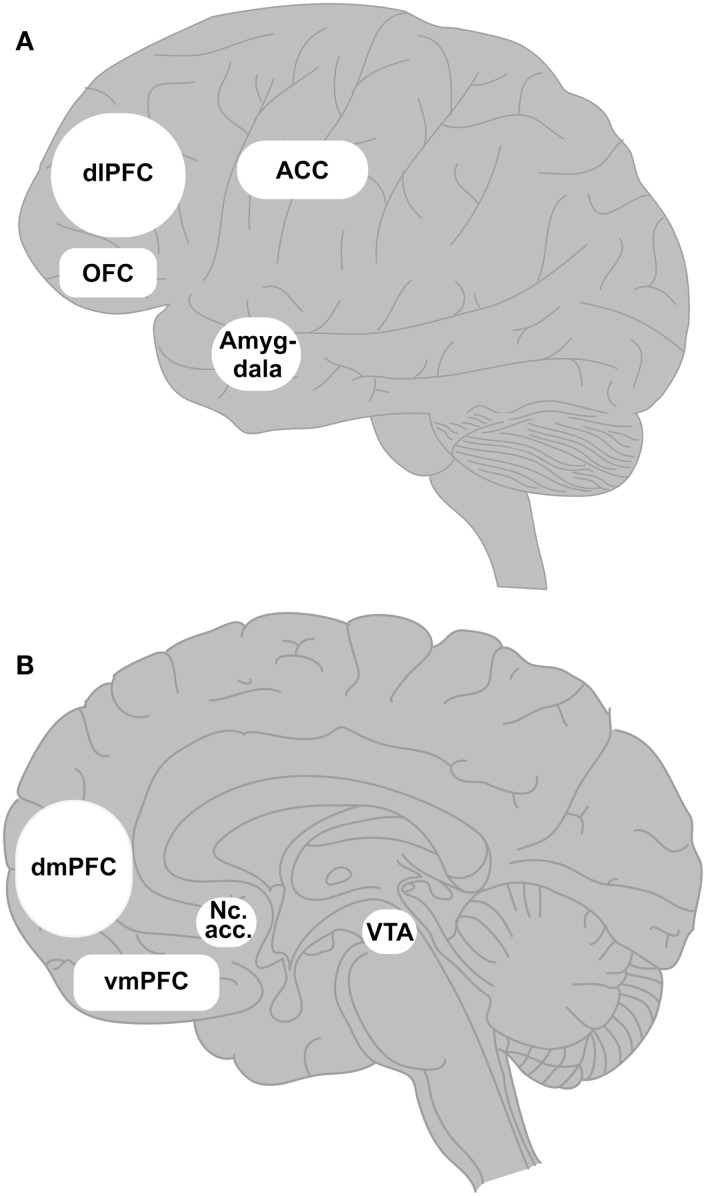
“…(mesolimbic dopamine amygdalastriatal) and hypo-activity of the inhibition system which includes prefrontal regions such as the orbitofrontal cortex (OFC), ventromedial prefrontal cortex (vmPFC), dorsolateral prefrontal cortex (dlPFC) and the Anterior Cingulate Cortex (ACC) (Brand et al., 2014).”
InfluentialYOUNG, K. S., & Brand, M. (2017) · Frontiers in Psychology · doi:10.3389/fpsyg.2017.01853 · Cited by 117
“Another model of IGD and Internet addiction in general has been introduced by Brand et al. (2014b).”
BackgroundMethodResultInfluentialSelf-citationMontag, C., Zhao, Z., Sindermann, C., Xu, L., Fu, M., Li, J., Zheng, X., Li, K., Kendrick, K. M., Dai, J., et al. (2018) · Scientific Reports · doi:10.1038/s41598-018-19904-y · Cited by 118
Trait and state impulsivity in males with tendency towards Internet-pornography-use disorder
Antons, S., & Brand, M. (2017) · Addictive Behaviors · doi:10.1016/j.addbeh.2017.12.029 · Cited by 108
“A shared vulnerability factor is impulsivity (Brand et al., 2014; Verdejo-Garcia, Lawrence, & Clark, 2008).”
BackgroundSelf-citationWang, H., Jin, C., Yuan, K., Shakir, T. M., Mao, C., Niu, X., Niu, C., Guo, L., & Zhang, M. (2015) · Frontiers in Behavioral Neuroscience · doi:10.3389/fnbeh.2015.00064 · Cited by 105
“Twenty-eight college students with IGD were recruited in our study based on the criteria of the modified Young Diagnostic Questionnaire for Internet addiction (YDQ) by Beard and Wolf (Young, 1998; Beard and Wolf, 2001).”
BackgroundMethodInfluentialWegmann, E., & Brand, M. (2016) · Frontiers in Psychology · doi:10.3389/fpsyg.2016.01747 · Cited by 102
“For example, users may expect that using the Internet helps to relief from real-life problems, to avoid loneliness, or to experience pleasure and to gain positive emotions when being online (Brand et al., 2014a).”
InfluentialSelf-citationLearning to lose control: A process-based account of behavioral addiction
Perales, J. C., King, D. L., Navas, J. F., Schimmenti, A., Sescousse, G., Starcevic, V., van Holst, R. J., & Billieux, J. (2020) · Neuroscience & Biobehavioral Reviews · doi:10.1016/j.neubiorev.2019.12.025 · Cited by 101
Hadar, A., Hadas, I., Lazarovits, A., Alyagon, U., Eliraz, D., & Zangen, A. (2017) · PLOS ONE · doi:10.1371/journal.pone.0180094 · Cited by 100
Exercise-Based Interventions for Internet Addiction: Neurobiological and Neuropsychological Evidence
Li, S., Wu, Q., Tang, C., Chen, Z., & Liu, L. (2020) · Frontiers in Psychology · doi:10.3389/fpsyg.2020.01296 · Cited by 108
“These mutually reinforcing processes contribute to the development and maintenance of addiction and relapse (Brand et al., 2014).”
BackgroundWegmann, E., Ostendorf, S., & Brand, M. (2018) · PLoS ONE · doi:10.1371/journal.pone.0195742 · Cited by 112
Self-citationPrzepiórka, A., Błachnio, A., & Cudo, A. (2018) · Psychiatry Research · doi:10.1016/j.psychres.2018.12.086 · Cited by 105
Liu, L., Xue, G., Potenza, M. N., Zhang, J., Yao, Y., Xia, C., Lan, J., Ma, S., & Fang, X. (2017) · NeuroImage Clinical · doi:10.1016/j.nicl.2017.03.010 · Cited by 98
Cai, H. X., Bai, W., Sha, S., Zhang, L., Chow, I. H. I., Lei, S., Lok, K.-I., Cheung, T. C. C., Su, Z., Hall, B. J., et al. (2022) · Journal of Affective Disorders · doi:10.1016/j.jad.2022.01.068 · Cited by 101
Zhuang, X., Zhang, Y., Tang, X., Ng, T. K., Lin, J., & Yang, X. (2023) · Journal of Behavioral Addictions · doi:10.1556/2006.2023.00017 · Cited by 98
Cai, C., Yuan, K., Yin, J., Feng, D., Bi, Y., Li, Y., Yu, D., Jin, C., Qin, W., & Tian, J. (2015) · Brain Imaging and Behavior · doi:10.1007/s11682-015-9358-8 · Cited by 100
Compulsive Health-Related Internet Use and Cyberchondria
Khazaal, Y., Chatton, A., Rochat, L., Hede, V., Viswasam, K., Penzenstadler, L. E., Berle, D., & Starčević, V. (2020) · European Addiction Research · doi:10.1159/000510922 · Cited by 104
Tóth-Király, I., Morin, A. J. S., Hietajärvi, L., & Salmela-Aro, K. (2021) · Child Development · doi:10.1111/cdev.13525 · Cited by 95
Weinstein, A. M., Zolek, R., Babkin, A., Cohen, K., & Lejoyeux, M. (2015) · Frontiers in Psychiatry · doi:10.3389/fpsyt.2015.00054 · Cited by 96
Assessment of internet gaming disorder in clinical research: Past and present perspectives
Pontes, H. M., & Griffiths, M. D. (2014) · Clinical Research and Regulatory Affairs · doi:10.3109/10601333.2014.962748 · Cited by 96
“(64), despite being promising, still remains to be tested empirically.”
BackgroundResultInfluentialZhou, Z., Zhu, H., Li, C., & Wang, J. (2014) · Frontiers in Behavioral Neuroscience · doi:10.3389/fnbeh.2014.00288 · Cited by 96
“…that Internet-related cues interfere with control processes mediated by the prefrontal cortex and prefrontal brain areas, and Internet-related stimuli interfere with decision-making and other prefrontal functions, such as working memory and further executive functions (Brand et al., 2014).”
BackgroundDwulit, A. D., & Rzymski, P. (2019) · International Journal of Environmental Research and Public Health · doi:10.3390/ijerph16101861 · Cited by 95
A network analysis of problematic smartphone use symptoms in a student sample
Huang, S., Lai, X., Xue, Y., Zhang, C., & Wang, Y. (2021) · Journal of Behavioral Addictions · doi:10.1556/2006.2020.00098 · Cited by 97
“This result is consistent with the criteria of gaming disorder in ICD-11 that stress the key role of loss of control and is consistent with the behavioral addiction model proposed by Brand et al. (2014) (also see Brand et al., 2019).”
ResultLoucks, E. B., Britton, W. B., Howe, C. J., Eaton, C. B., & Buka, S. L. (2015) · International Journal of Behavioral Medicine · doi:10.1007/s12529-014-9448-9 · Cited by 91
An Affective Neuroscience Framework for the Molecular Study of Internet Addiction
Montag, C., Sindermann, C., Becker, B., & Panksepp, J. (2016) · Frontiers in Psychology · doi:10.3389/fpsyg.2016.01906 · Cited by 99
“…and its inclusion in the upcoming ICD-11 much research has been conducted in classic psychology and the neurosciences providing support for the view that overusage of the Internet may indeed be well characterized as a behavioral addiction (see overviews Brand et al., 2014; Montag et al., 2015a).”
BackgroundLife satisfaction and problematic Internet use: Evidence for gender specific effects
Lachmann, B., Sariyska, R., Kannen, C., Cooper, A., & Montag, C. (2016) · Psychiatry Research · doi:10.1016/j.psychres.2016.02.017 · Cited by 85
“Brand et al. (2014) proposed a model on the development and maintenance of generalized and specific Internet addiction where coping plays a role as a mediator of the link between personality and Internet addiction.”
Children’s Health in the Digital Age
Dresp, B. (2020) · International Journal of Environmental Research and Public Health · doi:10.3390/ijerph17093240 · Cited by 85
“Results from a set of independent studies [82–86], mostly conducted in East Asia on young male subjects with internet gaming disorder, were analyzed in a comprehensive metareview [87].”
Problematic Smartphone Use Leads to Behavioral and Cognitive Self-Control Deficits
Fabio, R. A., Stracuzzi, A., & Faro, R. L. (2022) · International Journal of Environmental Research and Public Health · doi:10.3390/ijerph19127445 · Cited by 97
“[30] proposed that impaired functioning of prefrontal control mechanisms would be associated”
BackgroundDong, G., Wang, M., Zheng, H., Wang, Z., Du, X., & Potenza, M. N. (2020) · Psychological Medicine · doi:10.1017/s003329172000032x · Cited by 84
Balcerowska, J. M., Bereznowski, P., Biernatowska, A., Atroszko, P. A., Pallesen, S., & Andreassen, C. S. (2022) · Current Psychology · doi:10.1007/s12144-020-00625-3 · Cited by 79
“Theoretical models of problematic Internet use and SNS addiction have emphasized the prominence of predisposing factors (Andreassen 2015; Atroszko et al. 2018; Brand et al. 2014; Caplan 2010; Davis 2001; Pelling and White 2009).”
BackgroundNie, J., Zhang, W., Chen, J., & Li, W. (2016) · Psychiatry Research · doi:10.1016/j.psychres.2016.01.004 · Cited by 79
Wang, Y., Yin, Y., Sun, Y., Zhou, Y., Xue, C., Ding, W., Wang, W., Li, W., Xu, J., & Du, Y. (2015) · PLoS ONE · doi:10.1371/journal.pone.0118733 · Cited by 79
“The functional changes in prefrontal and striatal areas are primarily observable when individuals with Internet addiction perform certain tasks, in particular those measuring executive functions and cue-reactivity[11].”
BackgroundÖzaslan, A., Yıldırım, M., Güney, E., Güzel, H. Ş., & İşeri, E. (2021) · International Journal of Mental Health and Addiction · doi:10.1007/s11469-021-00529-8 · Cited by 80
The role of emotional inhibitory control in specific internet addiction – an fMRI study
Dieter, J., Hoffmann, S., Mier, D., Reinhard, I., Beutel, M., Vollstädt-Klein, S., Kiefer, F., Mann, K., & Leménager, T. (2017) · Behavioural Brain Research · doi:10.1016/j.bbr.2017.01.046 · Cited by 75
“The dorsolateral prefrontal cortex (DLPFC) is suggested to be involved in the cognitive selection of sensory information [26] and the orbitofrontal cortex is related to reward anticipation as well as decision making under ambiguity [28,29].”
BackgroundAltered default mode, fronto-parietal and salience networks in adolescents with Internet addiction
Wang, L., Shen, H., Lei, Y., Zeng, L., Cao, F., Su, L., Zheng, Y., Yao, S., & Hu, D. (2017) · Addictive Behaviors · doi:10.1016/j.addbeh.2017.01.021 · Cited by 77
Loid, K., Täht, K., & Rozgonjuk, D. (2019) · Computers in Human Behavior · doi:10.1016/j.chb.2019.08.007 · Cited by 85
Nie, J., Zhang, W., & Liu, Y. (2017) · Comprehensive Psychiatry · doi:10.1016/j.comppsych.2016.10.006 · Cited by 87
Lin, S., Yu, C., Chen, J., Sheng, J., Hu, Y., & Zhong, L. (2020) · International Journal of Environmental Research and Public Health · doi:10.3390/ijerph17218197 · Cited by 77
“Adolescents are vulnerable to various types of addictive behaviors because their brains have not fully matured [6] and they face multiple pressures in social, psychological, and academic areas [7].”
BackgroundInternet and Pornography Use During the COVID-19 Pandemic: Presumed Impact and What Can Be Done
Awan, H. A., Aamir, A., Diwan, M. N., Ullah, I., Pereira-Sánchez, V., Ramalho, R., Orsolini, L., de Filippis, R., Ojeahere, M. I., Ransing, R. S., et al. (2021) · Frontiers in Psychiatry · doi:10.3389/fpsyt.2021.623508 · Cited by 81
“Some important studies investigating the neurobiological aspect of internet addiction have found similarities between it and pathological gambling and substance use disorders, especially in the loss of executive control (13).”
BackgroundSnagowski, J., & Brand, M. (2015) · Frontiers in Psychology · doi:10.3389/fpsyg.2015.00653 · Cited by 69
Self-citationYu, Y., Mo, P. K. H., Zhang, J., Li, J., & Lau, J. T. F. (2021) · Journal of Medical Internet Research · doi:10.2196/26810 · Cited by 74
“Brand’s model [32] proposes that dysfunctional personality traits increase addictiveness to specific internet applications (including internet gaming), through mediation of changes in related cognitions (eg, expectations).”
An fMRI study of cognitive control in problem gamers
Luijten, M., Meerkerk, G.-J., Franken, I. H. A., van de Wetering, B. J. M., & Schoenmakers, T. M. (2015) · Psychiatry Research: Neuroimaging · doi:10.1016/j.pscychresns.2015.01.004 · Cited by 68
“With regard to brain activation related to inhibitory and attentional control in problem gamers, most neuroimaging studies suggest less efficient recruitment of prefrontal and parietal brain regions as compared with findings in controls (Mathews et al., 2005; Bailey et al., 2010; Dong et al., 2012; Littel et al., 2012…”
InfluentialZhou, F., Montag, C., Sariyska, R., Lachmann, B., Reuter, M., Weber, B., Trautner, P., Kendrick, K. M., Markett, S. A., & Becker, B. (2017) · Addiction Biology · doi:10.1111/adb.12570 · Cited by 77
“Accumulating evidence from initial studies using neuroimaging approaches and recent reviews suggests that brain functional and structural alterations in IGD partly resemble alterations observed in other addictive disorders, including substance use disorders and pathological gambling (Zhou et al. 2011; Brand et al. 201…”
BackgroundResultMehmood, A., Bu, T., Zhao, E., Zelenina, V., Alexander, N., Wang, W., Siddiqi, S. M., Qiu, X., Yang, X., Qiao, Z., et al. (2021) · Frontiers in Psychology · doi:10.3389/fpsyg.2021.758610 · Cited by 75
Werling, A. M., Kuzhippallil, S., Emery, S., Walitza, S., & Drechsler, R. (2022) · Journal of Behavioral Addictions · doi:10.1556/2006.2022.00007 · Cited by 68
Zhang, J., Yao, Y., Potenza, M. N., Xia, C., Lan, J., Liu, L., Wang, L.-J., Liu, B., Ma, S., & Fang, X. (2016) · Scientific Reports · doi:10.1038/srep28109 · Cited by 66
Metadata
- Authors
- Brand, M., Young, K. S., & Laier, C.
- Affiliations
- Erwin L. Hahn Institute for Magnetic Resonance Imaging (DE)
- St. Bonaventure University (US)
- University of Duisburg-Essen (DE)
- Corresponding author
- Brand, Matthias
- Venue
- Frontiers in Human Neuroscience
- Publisher
- Frontiers Media SA
- Published
- 2014-05-27
- Volume
- 8
- Pages
- 375-375
- ISSN
- 1662-5161 (ISSN-L)
- PMC
- PMC4034340
- OpenAlex
- W2111982163
- Cited by
- 565
- References
- 158
- Citations by year
- 2026: 42 · 2025: 50 · 2024: 42 · 2023: 50 · 2022: 62 · 2021: 58 · 2020: 33 · 2019: 49 · 2018: 43 · 2017: 44 · 2016: 38 · 2015: 43 · 2014: 9
- FWCI
- 14.74
- Type
- journal article
- Language
- en
- Open access
- gold
- doi.org
- Licence
- cc-by
- Locations
- Frontiers in Human Neuroscience (publishedVersion, cc-by)
- Europe PMC (PubMed Central) (publishedVersion, cc-by)
- PubMed Central (publishedVersion, cc-by)
- PubMed (publishedVersion)
- DuEPublico (University of Duisburg-Essen) (submittedVersion, cc-by)
- DOAJ (DOAJ: Directory of Open Access Journals) (submittedVersion, cc-by-sa)
- Topics
- Social Sciences › Sociology and Political Science › Impact of Technology on Adolescents
- Social Sciences › Psychology › Clinical Psychology › Gambling Behavior and Treatments
- Social Sciences › Psychology › Clinical Psychology › Sexuality, Behavior, and Technology
- Keywords
- internet addiction, prefrontal control, executive function, cue reactivity, craving, decision-making, working memory, behavioral addiction, gambling addiction, internet gaming disorder, DSM-5, online shopping addiction, cybersex addiction
About these checks
Registry, retraction, Cites and statistics results are computed, not judged, with one exception: a printed reference that no index lists is read once by a model before it counts as a citation error. Claims are extracted by a model and kept only when their quote appears verbatim in the text; each cited source is then checked, with a model’s help, for whether it says what the claim relies on. Those verdicts can be wrong — read the claim’s quote and the cited source before relying on one.
Statistics and arithmetic are recomputed, not judged.
Confidence bands are shown only for fields calibrated on our annotated test set. None is calibrated yet, so no band is shown.
What counts as a claim ›How we measure confidence ›How we check this ›
Are you an author, or do you see a problem with this page? Request a review
