

The DOI matches its Crossref record; 99 of the 99 references it cites were found in a registry or an index.
Cognitive, behavioral, and autonomic correlates of mind wandering and perseverative cognition in major depression
Open accessAbstract
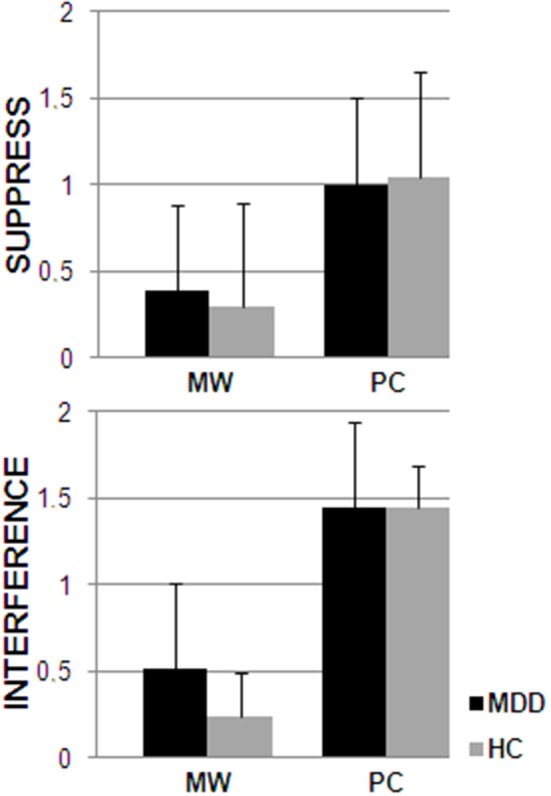
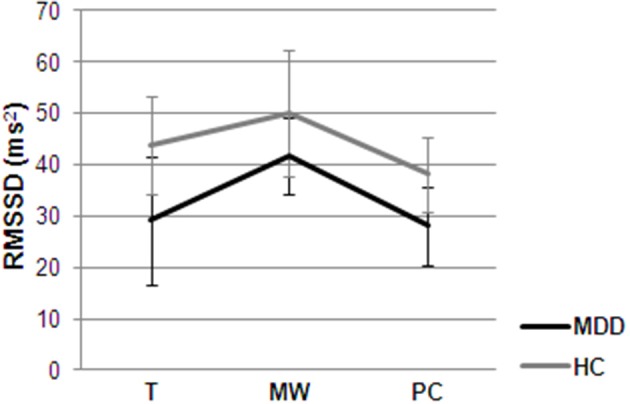
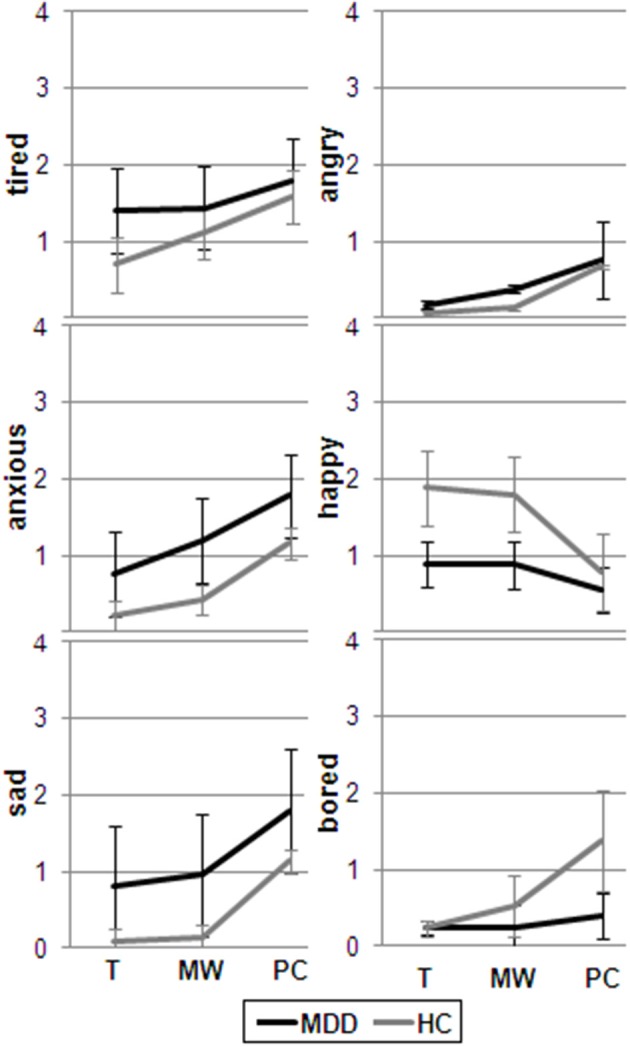
Autonomic dysregulation has been hypothesized to play a role in the relationships between psychopathology and cardiovascular risk. An important transdiagnostic factor that has been associated with autonomic dysfunction is perseverative cognition (PC), mainly present in Major Depressive Disorder (MDD) in the form of rumination. As the ability to adaptively let our mind wander without ruminating is critical to mental health, this study aimed to examine the autonomic concomitants of functional vs. dysfunctional intrusive thoughts in MDD. Ambulatory heart rate (HR) and variability (HRV) of 18 MDD subjects and 18 healthy controls were recorded for 24 h. Approximately every 30 min during waking hours subjects reported their ongoing thoughts and moods using electronic diaries. Random regression models were performed. Compared to controls, MDD subjects were more often caught during episodes of PC. In both groups, PC required more effort to be inhibited and interfered more with ongoing activities compared to mind wandering (MW) (ps < 0.0001). This cognitive rigidity was mirrored by autonomic inflexibility, as PC was characterized by lower HRV (p < 0.0001) compared to MW. A worse mood was reported by MDD patients compared to controls, independently of their ongoing cognitive process. Controls, however, showed the highest mood worsening during PC compared to being on task and MW. HRV during rumination correlated with self-reported somatic symptoms on the same day and several dispositional traits. MDD subjects showed lower HRV during sleep, which correlated with hopelessness rumination. Results show that PC is associated with autonomic dysfunctions in both healthy and MDD subjects. Understanding when spontaneous thought is adaptive and when it is not may clarify its role in the etiology of mood disorders, shedding light on the still unexplained association between psychopathology, chronic stress, and risk for health.
Overview
The claims and statistics of this paper haven’t been checked yet.
Run the check — free, no account needed. It reads the open-access text and checks the sources it cites.
Integrity signals
Registry
Cites
Statistics
Figures
Verification
Claims the paper makes
The claims and statistics of this paper haven’t been checked yet.
Run the check — free, no account needed. It reads the open-access text and checks the sources it cites.
Claims other papers make about this one
Each is checked against this paper’s own text: does it say what the citing paper says it does?
In the citing paper
“A few studies did not report this information [35,40,41,42,51,57,60].”
From Current state and future directions of technology-based ecological momentary assessment and intervention for major depressive disorder: a systematic review (2019) · cites this paper as [35]
In the citing paper
“Confirming the hypothesis that mind wandering is not a maladaptive behaviour per se”
From Current state and future directions of technology-based ecological momentary assessment and intervention for major depressive disorder: a systematic review (2019) · cites this paper as [35]
In the citing paper
“only perseverative cognition was associated with health risk factors, such as lower HRV, worse mood, and higher”
From Current state and future directions of technology-based ecological momentary assessment and intervention for major depressive disorder: a systematic review (2019) · cites this paper as [35]
Self-check
Percentages, sums and reported differences re-computed from the paper’s own numbers.
The self-check needs the paper’s full text.
Citations
Cites
The PHQ-9: Validity of a brief depression severity measure
Kroenke, K., Spitzer, R. L., & Williams, J. B. W. (2001) · Journal of General Internal Medicine · doi:10.1046/j.1525-1497.2001.016009606.x · Cited by 44,910
Heart Rate Variability: Standards of Measurement, Physiological Interpretation, and Clinical Use
Electrophysiology, T. F. O. T. E. S. O. C. T. N. A. (1996) · Circulation · doi:10.1161/01.cir.93.5.1043 · Cited by 17,159
Heart rate variability: Standards of measurement, physiological interpretation, and clinical use
Malik, M., Bigger, J. T., Camm, A. J., Kleiger, R. E., Malliani, A., Moss, A. J., & Schwartz, P. J. (1996) · European Heart Journal · doi:10.1093/oxfordjournals.eurheartj.a014868 · Cited by 15,289
Nolen-Hoeksema, S., Wisco, B. E., & Lyubomirsky, S. (2008) · Perspectives on Psychological Science · doi:10.1111/j.1745-6924.2008.00088.x · Cited by 5,172
Development and validation of the Penn State Worry Questionnaire
Meyer, T. J., Miller, M. L., Metzger, R. L., & Borkovec, T. D. (1990) · Behaviour Research and Therapy · doi:10.1016/0005-7967(90)90135-6 · Cited by 5,099 · cited 1×
“…on the possible consequences and causes of one’s mood (e.g., I think “I won’t be able to do my job if I don’t snap out of this”); (2) worry (PSWQ; Meyer et al., 1990), that is mainly focused on future outcomes (e.g., “As soon as I finish one task, I start to worry about everything else I…”
BackgroundA Short Scale for Measuring Loneliness in Large Surveys: Results From Two Population-Based Studies
Hughes, M. E., Waite, L. J., Hawkley, L. C., & Cacioppo, J. T. (2004) · Research on Aging · doi:10.1177/0164027504268574 · Cited by 4,781
The PHQ-15: Validity of a New Measure for Evaluating the Severity of Somatic Symptoms
Kroenke, K., Spitzer, R. L., & Williams, J. B. W. (2002) · Psychosomatic Medicine · doi:10.1097/00006842-200203000-00008 · Cited by 3,415
Nolen-Hoeksema, S., & Morrow, J. (1991) · Journal of Personality and Social Psychology · doi:10.1037/0022-3514.61.1.115 · Cited by 3,276
Thayer, J. F., Åhs, F., Fredrikson, M., Sollers, J. J., & Wager, T. D. (2012) · Neuroscience & Biobehavioral Reviews · doi:10.1016/j.neubiorev.2011.11.009 · Cited by 3,224
The role of rumination in depressive disorders and mixed anxiety/depressive symptoms.
Nolen-Hoeksema, S. (2000) · Journal of Abnormal Psychology · doi:10.1037//0021-843x.109.3.504 · Cited by 2,998
Kubios HRV–heart rate variability analysis software.
Tarvainen, M. P., Niskanen, J.-P., Lipponen, J. A., Ranta-aho, P. O., & Karjalainen, P. A. (2014) · Computer Methods and Programs in Biomedicine · doi:10.1016/j.cmpb.2013.07.024 · Cited by 2,720 · cited 2×
“After approximately 24 h, participants were asked to return the ambulatory device and the phone.”
BackgroundMethodSelf-citationA wandering mind is an unhappy mind
Killingsworth, M. A., & Gilbert, D. T. (2010) · Science · doi:10.1126/science.1192439 · Cited by 2,575
Thayer, J. F., Yamamoto, S. S., & Brosschot, J. F. (2010) · International Journal of Cardiology · doi:10.1016/j.ijcard.2009.09.543 · Cited by 2,276
Thayer, J. F., & Lane, R. D. (2009) · Neuroscience & Biobehavioral Reviews · doi:10.1016/j.neubiorev.2008.08.004 · Cited by 2,040
The Science of Mind Wandering: Empirically Navigating the Stream of Consciousness
Smallwood, J., & Schooler, J. W. (2015) · Annual Review of Psychology · doi:10.1146/annurev-psych-010814-015331 · Cited by 1,685
Brosschot, J. F., Gerin, W., & Thayer, J. F. (2006) · Journal of Psychosomatic Research · doi:10.1016/j.jpsychores.2005.06.074 · Cited by 1,643
Proposed hostility and Pharisaic-virtue scales for the MMPI.
Cook, W. W., & Medley, D. M. (1954) · Journal of Applied Psychology · doi:10.1037/h0060667 · Cited by 1,483
Yu, L., Buysse, D. J., Germain, A., Moul, D. E., Stover, A., Dodds, N. E., Johnston, K. L., & Pilkonis, P. A. (2012) · Behavioral Sleep Medicine · doi:10.1080/15402002.2012.636266 · Cited by 1,241 · cited 2×
“Before bedtime, subjects were asked to fill out the Patient Health Questionnaire (PHQ-15 for somatization; Kroenke et al., 2002) and, upon awakening, the PROMIS Sleep Disturbance-Short Form (Yu et al., 2011), both implemented on the same Android phone.”
MethodThe experience and expression of anger : Construction and validation of an anger expression scale
Spielberger, C. D. (1985) · Medical Entomology and Zoology · Cited by 813
Depressive rumination : nature, theory and treatment
Papageorgiou, C., & Adrian Wells, A. (2004) · Wiley eBooks · Cited by 610
Rumination as a common mechanism relating depressive risk factors to depression.
Spasojevic, J., & Alloy, L. B. (2001) · Emotion · doi:10.1037/1528-3542.1.1.25 · Cited by 599
Worry and rumination: Repetitive thought as a concomitant and predictor of negative mood
Segerstrom, S. C., Tsao, J. C. I., Alden, L. E., & Craske, M. G. (2000) · Cognitive Therapy and Research · doi:10.1023/a:1005587311498 · Cited by 599 · cited 2×
“…and more severe depression, delayed recovery from depression, increases in suicidal ideation (e.g., Eshun, 2000; Lyubomirsky and Tkach, 2004; Smith et al., 2006), and has also prospectively predicted major depression over a 2.5-year follow up (Nolen-Hoeksema, 2000; Spasojevic and Alloy, 2001).”
BackgroundResultInfluentialRobinson, M. S., & Alloy, L. (2003) · Cognitive Therapy and Research · doi:10.1023/a:1023914416469 · Cited by 532
Shifting moods, wandering minds: Negative moods lead the mind to wander.
Smallwood, J., Fitzgerald, A., Miles, L. K., & Phillips, L. H. (2009) · Emotion · doi:10.1037/a0014855 · Cited by 524
Brosschot, J. F., Van Dijk, E., & Thayer, J. F. (2007) · International Journal of Psychophysiology · doi:10.1016/j.ijpsycho.2006.07.016 · Cited by 474
Karavidas, M. K., Lehrer, P. M., Vaschillo, E., Vaschillo, B., Marin, H., Buyske, S., Malinovsky, I., Radvanski, D., & Hassett, A. (2007) · Applied Psychophysiology and Biofeedback · doi:10.1007/s10484-006-9029-z · Cited by 440
Carriere, J. S. A., Seli, P., & Smilek, D. (2013) · Canadian Journal of Experimental Psychology/Revue canadienne de psychologie expérimentale · doi:10.1037/a0031438 · Cited by 421
Wei, M., Shaffer, P. A., Young, S. K., & Zakalik, R. A. (2005) · Journal of Counseling Psychology · doi:10.1037/0022-0167.52.4.591 · Cited by 390 · cited 2×
“Aside from depression, MDD participants felt more lonely, had higher levels of anxiety, anger, hostility, and trait rumination, the latter specifically focused on depressive symptoms and characterized by a negative inferential style and hopelessness.”
BackgroundEmotional reactivity to daily events in major and minor depression.
Bylsma, L. M., Taylor-Clift, A., & Rottenberg, J. (2011) · Journal of Abnormal Psychology · doi:10.1037/a0021662 · Cited by 388
Comparisons between rumination and worry in a non-clinical population
Watkins, E. R., Moulds, M. L., & Mackintosh, B. (2005) · Behaviour Research and Therapy · doi:10.1016/j.brat.2004.11.008 · Cited by 367
Haug, T. T., Mykletun, A., & Dahl, A. A. (2004) · Psychosomatic Medicine · doi:10.1097/01.psy.0000145823.85658.0c · Cited by 360
McVay, J. C., Kane, M. J., & Kwapil, T. R. (2009) · Psychonomic Bulletin & Review · doi:10.3758/pbr.16.5.857 · Cited by 360
Hong, R. Y. (2007) · Behaviour Research and Therapy · doi:10.1016/j.brat.2006.03.006 · Cited by 357
aan het Rot, M., Hogenelst, K., & Schoevers, R. A. (2012) · Clinical Psychology Review · doi:10.1016/j.cpr.2012.05.007 · Cited by 325
Effects of daily events on mood states in major depressive disorder.
Peeters, F. P. M. L., Nicolson, N. A., Berkhof, J. H., Delespaul, P., & deVries, M. W. (2003) · Journal of Abnormal Psychology · doi:10.1037/0021-843x.112.2.203 · Cited by 314
Smallwood, J., O'Connor, R. C., Sudbery, M. V., & Obonsawin, M. (2007) · Cognition & Emotion · doi:10.1080/02699930600911531 · Cited by 289
Mind-wandering and negative mood: Does one thing really lead to another?
Poerio, G. L., Totterdell, P., & Miles, E. (2013) · Consciousness and Cognition · doi:10.1016/j.concog.2013.09.012 · Cited by 259
Smith, J. M., Alloy, L. B., & Abramson, L. Y. (2006) · Suicide and Life-Threatening Behavior · doi:10.1521/suli.2006.36.4.443 · Cited by 258
Mindfulness-based cognitive therapy
Teasdale, J. D. (2004) · Cambridge University Press eBooks · doi:10.1017/cbo9780511521263.015 · Cited by 257
Nolen–Hoeksema, S. (2003) · doi:10.1002/9780470713853.ch6 · Cited by 251
The Consequences of Dysphoric Rumination
Lyubomirsky, S., & Tkach, C. (2003) · Wiley eBooks · doi:10.1002/9780470713853.ch2 · Cited by 235
Mind Wandering in Chinese Daily Lives – An Experience Sampling Study
Song, X., & Wang, X. (2012) · PLoS ONE · doi:10.1371/journal.pone.0044423 · Cited by 232
Udupa, K., Sathyaprabha, T. N., Thirthalli, J., Kishore, K., Lavekar, G. S., Raju, T. R., & Gangadhar, B. N. (2006) · Journal of Affective Disorders · doi:10.1016/j.jad.2006.10.007 · Cited by 231
Kopper, B. A., & Epperson, D. L. (1996) · Journal of Counseling Psychology · doi:10.1037/0022-0167.43.2.158 · Cited by 202
Autonomy of Autonomic Dysfunction in Major Depression
Koschke, M., Boettger, M. K., Schulz, S., Berger, S., Terhaar, J., Voss, A., Yeragani, V. K., & Bär, K.-J. (2009) · Psychosomatic Medicine · doi:10.1097/psy.0b013e3181b8bb7a · Cited by 199
Cortisol Responses to Daily Events in Major Depressive Disorder
Peeters, F. P. M. L., Nicolson, N. A., & Berkhof, J. H. (2003) · Psychosomatic Medicine · doi:10.1097/01.psy.0000088594.17747.2e · Cited by 184
Cardiac effects of momentary assessed worry episodes and stressful events.
Pieper, S., Brosschot, J. F., van der Leeden, R., & Thayer, J. F. (2007) · Psychosomatic Medicine · doi:10.1097/psy.0b013e31815a9230 · Cited by 182
Brosschot, J. F., Verkuil, B., & Thayer, J. F. (2010) · Journal of Psychosomatic Research · doi:10.1016/j.jpsychores.2010.02.002 · Cited by 176 · cited 5×
“As ruminative and worrisome thoughts show different content but no differences in appraisals and strategies (Watkins et al., 2005), we collapsed them into one category under the umbrella term of perseverative cognition (PC) (see Brosschot et al., 2010).”
BackgroundResultInfluentialThe worried mind: Autonomic and prefrontal activation during worrying
Hofmann, S. G., Moscovitch, D. A., Litz, B. T., Kim, H.-J., Davis, L. L., & Pizzagalli, D. A. (2005) · Emotion · doi:10.1037/1528-3542.5.4.464 · Cited by 167
Flexibility as the key for somatic health: From mind wandering to perseverative cognition
Ottaviani, C., Shapiro, D., & Couyoumdjian, A. (2013) · Biological Psychology · doi:10.1016/j.biopsycho.2013.05.003 · Cited by 166
Self-citationEveryday attention failures: An individual differences investigation.
Unsworth, N., McMillan, B. D., Brewer, G. A., & Spillers, G. J. (2012) · Journal of Experimental Psychology: Learning, Memory, and Cognition · doi:10.1037/a0028075 · Cited by 161
Verkuil, B., Brosschot, J. F., Gebhardt, W. A., & Thayer, J. F. (2010) · Journal of Experimental Psychopathology · doi:10.5127/jep.009110 · Cited by 155
Siegle, G. J., Price, R. B., Jones, N. P., Ghinassi, F., Painter, T., & Thase, M. E. (2014) · Clinical Psychological Science · doi:10.1177/2167702614536160 · Cited by 154
Key, B. L., Campbell, T. S., Bacon, S. L., & Gerin, W. (2008) · Journal of Behavioral Medicine · doi:10.1007/s10865-008-9152-9 · Cited by 149
Brunoni, A. R., Kemp, A. H., Dantas, E. M., Goulart, A. C., Nunes, M. A., Boggio, P. S., Mill, J. G., Lotufo, P. A., Fregni, F., & Benseñor, I. M. (2013) · The International Journal of Neuropsychopharmacology · doi:10.1017/s1461145713000497 · Cited by 149
Levels and variability of daily life cortisol secretion in major depression
Peeters, F. P. M. L., Nicolson, N. A., & Berkhof, J. H. (2004) · Psychiatry Research · doi:10.1016/j.psychres.2003.12.010 · Cited by 142
Prolonged cardiac effects of momentary assessed stressful events and worry episodes
Pieper, S., Brosschot, J. F., van der Leeden, R., & Thayer, J. F. (2010) · Psychosomatic Medicine · doi:10.1097/psy.0b013e3181dbc0e9 · Cited by 136
Vagal tone as an indicator of treatment response in major depression
Chambers, A. S., & Allen, J. J. B. (2002) · Psychophysiology · doi:10.1111/1469-8986.3960861 · Cited by 134
Porto, L. G. G., & Junqueira, L. F. (2008) · Pacing and Clinical Electrophysiology · doi:10.1111/j.1540-8159.2009.02175.x · Cited by 130
Altered cardiac autonomic nervous function in depression
Wang, Y., Zhao, X., O'Neil, A. E., Turner, A., Liu, X., & Berk, M. (2013) · BMC Psychiatry · doi:10.1186/1471-244x-13-187 · Cited by 127
Mindfulness-based cognitive therapy: a promising new approach to preventing depressive relapse
Williams, J. M. G., & Kuyken, W. (2012) · British Journal of Psychiatry · doi:10.1192/bjp.bp.111.104745 · Cited by 126
BROSSCHOT, J. F., & van der Doef, M. (2005) · Psychology and Health · doi:10.1080/14768320500105346 · Cited by 122
Pros and cons of a wandering mind: a prospective study
Ottaviani, C., & Couyoumdjian, A. (2013) · Frontiers in Psychology · doi:10.3389/fpsyg.2013.00524 · Cited by 121
Self-citationApprehension of the subsequent working day is associated with a low amount of slow wave sleep
Kecklund, G., & Åkerstedt, T. (2004) · Biological Psychology · doi:10.1016/j.biopsycho.2003.10.004 · Cited by 116
Verstraeten, K., Bijttebier, P., Vasey, M. W., & Raes, F. (2010) · British Journal of Clinical Psychology · doi:10.1348/014466510x532715 · Cited by 115
Concern-induced negative affect is associated with the occurrence and content of mind-wandering
Stawarczyk, D., Majerus, S., & D’Argembeau, A. (2013) · Consciousness and Cognition · doi:10.1016/j.concog.2013.01.012 · Cited by 115
Anger and Hostility in Cardiovascular and Behavioral Disorders
Schorer, C. E. (1986) · American Journal of Psychotherapy · doi:10.1176/appi.psychotherapy.1986.40.2.316 · Cited by 104
Baroreflex mechanisms in major depression
Davydov, D. M., Shapiro, D., Cook, I. A., & Goldstein, I. B. (2006) · Progress in Neuro-Psychopharmacology and Biological Psychiatry · doi:10.1016/j.pnpbp.2006.08.015 · Cited by 97
Self-citationStriking a chord: Moods, blood pressure, and heart rate in everyday life
Shapiro, D., Jamner, L. D., Goldstein, I. B., & Delfino, R. J. (2001) · Psychophysiology · doi:10.1111/1469-8986.3820197 · Cited by 96
Self-citationTops, M., Boksem, M. A. S., Quirin, M., IJzerman, H., & Koole, S. L. (2014) · Frontiers in Psychology · doi:10.3389/fpsyg.2014.00429 · Cited by 93
Conrad, R., Wegener, I., Imbierowicz, K., Liedtke, R., & Geiser, F. (2008) · Psychiatry Research · doi:10.1016/j.psychres.2007.10.013 · Cited by 87
The autonomic phenotype of rumination
Ottaviani, C., Shapiro, D., Davydov, D. M., Goldstein, I. B., & Mills, P. J. (2009) · International Journal of Psychophysiology · doi:10.1016/j.ijpsycho.2008.12.014 · Cited by 84
Self-citationTraining Working Memory to Reduce Rumination
Onraedt, T., & Koster, E. H. W. (2014) · PLoS ONE · doi:10.1371/journal.pone.0090632 · Cited by 84
Rumination in the laboratory: What happens when you go back to everyday life?
Ottaviani, C., Shapiro, D., & FitzGerald, L. (2010) · Psychophysiology · doi:10.1111/j.1469-8986.2010.01122.x · Cited by 84
Self-citationEffects of momentary assessed stressful events and worry episodes on somatic health complaints
Verkuil, B., BROSSCHOT, J. F., Meerman, E. E., & Thayer, J. F. (2010) · Psychology and Health · doi:10.1080/08870441003653470 · Cited by 82
Brockmann, H., Müller, R., & Helmert, U. (2009) · Social Science & Medicine · doi:10.1016/j.socscimed.2009.04.009 · Cited by 79
Huffziger, S., Ebner-Priemer, U., Zamoscik, V., Reinhard, I., Kirsch, P., & Kuehner, C. (2013) · Psychoneuroendocrinology · doi:10.1016/j.psyneuen.2013.04.014 · Cited by 79
Momentary Work Worries, Marital Disclosure, and Salivary Cortisol Among Parents of Young Children
Slatcher, R. B., Robles, T. F., Repetti, R. L., & Fellows, M. D. (2010) · Psychosomatic Medicine · doi:10.1097/psy.0b013e3181f60fcc · Cited by 78
Rumination as a Mediator of Chronic Stress Effects on Hypertension: A Causal Model
Gerin, W., Zawadzki, M. J., BROSSCHOT, J. F., Thayer, J. F., Christenfeld, N. J. S., Campbell, T. S., & Smyth, J. M. (2012) · International Journal of Hypertension · doi:10.1155/2012/453465 · Cited by 77
Putnam, K. M., & McSweeney, L. B. (2008) · Biological Psychology · doi:10.1016/j.biopsycho.2007.10.010 · Cited by 74
Anger and major depressive disorder: The mediating role of emotion regulation and anger rumination
Beshārat, M. A., Nia, M. E., & Farahani, H. (2012) · Asian Journal of Psychiatry · doi:10.1016/j.ajp.2012.07.013 · Cited by 70
Worried sleep: 24-h monitoring in high and low worriers
Weise, S., Ong, J., Tesler, N. A., Kim, S., & Roth, W. T. (2013) · Biological Psychology · doi:10.1016/j.biopsycho.2013.04.009 · Cited by 62
Cardiovascular Disease and Psychiatric Comorbidity: The Potential Role of Perseverative Cognition
Larsen, B. A., & Christenfeld, N. J. S. (2009) · Cardiovascular Psychiatry and Neurology · doi:10.1155/2009/791017 · Cited by 61
Self-generated thoughts and depression: from daydreaming to depressive symptoms
Marchetti, I., de Putte, E. V., & Koster, E. H. W. (2014) · Frontiers in Human Neuroscience · doi:10.3389/fnhum.2014.00131 · Cited by 60
Eshun, S. (2000) · Cross-Cultural Research · doi:10.1177/106939710003400303 · Cited by 59
Heart rate variability and treatment outcome in major depression: A pilot study
Jain, F. A., Cook, I. A., Leuchter, A. F., Hunter, A. M., Davydov, D. M., Ottaviani, C., Tartter, M. A., Crump, C., & Shapiro, D. (2014) · International Journal of Psychophysiology · doi:10.1016/j.ijpsycho.2014.04.006 · Cited by 48
Self-citationPsychophysiological correlates of chronic worry: Cued versus non-cued fear reaction
Delgado, L. C., Guerra, P. M., Perakakis, P., Mata, J. L., Pérez‐Marfil, M. N., & Vila, J. (2009) · International Journal of Psychophysiology · doi:10.1016/j.ijpsycho.2009.10.007 · Cited by 46
Increased sensitivity to heat pain after sad mood induction in female patients with major depression
Terhaar, J., Boettger, M. K., Schwier, C., Wagner, G., Israel, A., & Bär, K. (2009) · European Journal of Pain · doi:10.1016/j.ejpain.2009.09.004 · Cited by 46
Worry as an adaptive avoidance strategy in healthy controls but not in pathological worriers.
Ottaviani, C., Borlimi, R., Brighetti, G., Caselli, G., Favaretto, E., Giardini, I., Marzocchi, C., Nucifora, V., Rebecchi, D., Ruggiero, G. M., et al. (2014) · International Journal of Psychophysiology · doi:10.1016/j.ijpsycho.2014.05.010 · Cited by 41
Self-citationJellesma, F., Verkuil, B., & Brosschot, J. (2009) · Social Science & Medicine (1967) · doi:10.1016/j.socscimed.2009.04.031 · Cited by 35
Autonomic Stress Response Modes and Ambulatory Heart Rate Level and Variability
Ottaviani, C., Shapiro, D., Davydov, D. M., & Goldstein, I. B. (2008) · Journal of Psychophysiology · doi:10.1027/0269-8803.22.1.28 · Cited by 32
Self-citationBump, G. M., Reynolds, C. F., Smith, G. S., Pollock, B. G., Dew, M. A., Mazumdar, S., Geary, M., Houck, P. R., & Kupfer, D. J. (1997) · Depression and Anxiety · doi:10.1002/(sici)1520-6394(1997)6:3 · Cited by 28
Modulating mind-wandering in dysphoria
Murphy, F. C., Macpherson, K., Jeyabalasingham, T., Manly, T., & Dunn, B. D. (2013) · Frontiers in Psychology · doi:10.3389/fpsyg.2013.00888 · Cited by 26
Effect of mood during daily life on autonomic nervous activity balance during subsequent sleep
Yoshino, K., & Matsuoka, K. (2009) · Autonomic Neuroscience · doi:10.1016/j.autneu.2009.03.013 · Cited by 22
Effect of stimulus type and worry on physiological response to fear
Castaneda, J. O., & Segerstrom, S. C. (2003) · Journal of Anxiety Disorders · doi:10.1016/j.janxdis.2003.10.003 · Cited by 22
Do we need a stressor to be stressed? Insights from cardiac regulation1
Ottaviani, C., & SHAPIRO, D. (2011) · Japanese Psychological Research · doi:10.1111/j.1468-5884.2011.00462.x · Cited by 20
Self-citationJaeggi, S. M., & Buschkuehl, M. (2013) · Psychology Press eBooks · doi:10.4324/9780203094600-25 · Cited by 7
A metacognitive model and therapy for generalized anxiety disorder
Wells, A. (1999) · Clinical Psychology & Psychotherapy · doi:10.1002/(sici)1099-0879(199905)6:2
Research works printed but not linked: 3
- Beck, 1996, Manual for the Beck Depression Inventory-II
- Hall, 1997, Intrusive thoughts and avoidance behaviors are associated with sleep disturbances in bereavement-related depression, Depress. Anxiety, 6, 106, 10.1002/(SICI)1520-6394(1997)6:3106::AID-DA33.0.CO;2-B · DOI
- Spielberger, 1970, STAI Manual
Cited by
Sorted by citations
Reflecting on rumination: Consequences, causes, mechanisms and treatment of rumination
Watkins, E. R., & Roberts, H. (2020) · Behaviour Research and Therapy · doi:10.1016/j.brat.2020.103573 · Cited by 862
Mind-wandering, how do I measure thee with probes? Let me count the ways
Weinstein, Y. (2018) · Behavior Research Methods · doi:10.3758/s13428-017-0891-9 · Cited by 250
Brosschot, J., Verkuil, B., & Thayer, J. (2018) · International Journal of Environmental Research and Public Health · doi:10.3390/ijerph15030464 · Cited by 244
Colombo, D., Fernández-Álvarez, J., Patané, A., Semonella, M., Kwiatkowska, M., García-Palacios, A., Cipresso, P., Riva, G., & Botella, C. (2019) · Journal of Clinical Medicine · doi:10.3390/jcm8040465 · Cited by 194
Frontal EEG theta/beta ratio during mind wandering episodes
Son, D. V., Blasio, F. M. D., Fogarty, J. S., Angelidis, A., Barry, R. J., & Putman, P. (2018) · Biological Psychology · doi:10.1016/j.biopsycho.2018.11.003 · Cited by 172
Metadata
- Authors
- Ottaviani, C., Shahabi, L., Tarvainen, M., Cook, I., Abrams, M., & Shapiro, D.
- Affiliations
- Fondazione Santa Lucia (IT)
- University of California, Los Angeles (US)
- University of Eastern Finland (FI)
- Corresponding author
- Ottaviani, Cristina
- Venue
- Frontiers in Neuroscience
- Publisher
- Frontiers Media SA
- Published
- 2015-01-05
- Volume
- 8
- Pages
- 433-433
- ISSN
- 1662-453X (ISSN-L)
- PMC
- PMC4283544
- OpenAlex
- W1993785993
- Cited by
- 140
- References
- 99
- Citations by year
- 2026: 9 · 2025: 13 · 2024: 9 · 2023: 14 · 2022: 15 · 2021: 14 · 2020: 16 · 2019: 12 · 2018: 12 · 2017: 16 · 2016: 8 · 2015: 2
- FWCI
- 9.21
- Type
- journal article
- Language
- en
- Open access
- gold
- doi.org
- Licence
- cc-by
- Locations
- Frontiers in Neuroscience (publishedVersion, cc-by)
- Europe PMC (PubMed Central) (publishedVersion, cc-by)
- PubMed Central (publishedVersion, cc-by)
- PubMed (publishedVersion)
- IRIS Research product catalog (Sapienza University of Rome) (submittedVersion, cc-by-nc-nd)
- DOAJ (DOAJ: Directory of Open Access Journals) (submittedVersion, cc-by-sa)
- eScholarship (California Digital Library) (submittedVersion)
- eScholarship (California Digital Library) (submittedVersion, cc-by)
- Funders
- Ministero della Salute (GR2010-2312442, GR-2010)
- Topics
- Health Sciences › Medicine › Cardiology and Cardiovascular Medicine › Heart Rate Variability and Autonomic Control
- Social Sciences › Psychology › Experimental and Cognitive Psychology › Anxiety, Depression, Psychometrics, Treatment, Cognitive Processes
- Life Sciences › Neuroscience › Cognitive Neuroscience › Mind wandering and attention
- Keywords
- major depressive disorder, mind wandering, perseverative cognition, rumination, autonomic dysfunction, heart rate variability, heart rate, intrusive thoughts, cognitive effort, mood, somatic symptoms, hopelessness, sleep, chronic stress, cardiovascular risk
About these checks
Registry, retraction, Cites and statistics results are computed, not judged, with one exception: a printed reference that no index lists is read once by a model before it counts as a citation error. Claims are extracted by a model and kept only when their quote appears verbatim in the text; each cited source is then checked, with a model’s help, for whether it says what the claim relies on. Those verdicts can be wrong — read the claim’s quote and the cited source before relying on one.
Statistics and arithmetic are recomputed, not judged.
Confidence bands are shown only for fields calibrated on our annotated test set. None is calibrated yet, so no band is shown.
What counts as a claim ›How we measure confidence ›How we check this ›
Are you an author, or do you see a problem with this page? Request a review
