

The DOI matches its Crossref record; 30 of the 30 references it cites were found in a registry or an index.
Cholesterol as a key player in amyloid β-mediated toxicity in Alzheimer’s disease
Abstract
Alzheimer’s disease (AD) is a neurodegenerative disorder that is one of the most devastating and widespread diseases worldwide, mainly affecting the aging population. One of the key factors contributing to AD-related neurotoxicity is the production and aggregation of amyloid β (Aβ). Many studies have shown the ability of Aβ to bind to the cell membrane and disrupt its structure, leading to cell death. Because amyloid damage affects different parts of the brain differently, it seems likely that not only Aβ but also the nature of the membrane interface with which the amyloid interacts, helps determine the final neurotoxic effect. Because cholesterol is the dominant component of the plasma membrane, it plays an important role in Aβ-induced toxicity. Elevated cholesterol levels and their regulation by statins have been shown to be important factors influencing the progression of neurodegeneration. However, data from many studies have shown that cholesterol has both neuroprotective and aggravating effects in relation to the development of AD. In this review, we attempt to summarize recent findings on the role of cholesterol in Aβ toxicity mediated by membrane binding in the pathogenesis of AD and to consider it in the broader context of the lipid composition of cell membranes.
Overview
The claims and statistics of this paper haven’t been checked yet.
Run the check — free, no account needed. It reads the open-access text and checks the sources it cites.
Integrity signals
Registry
Cites
Statistics
Figures
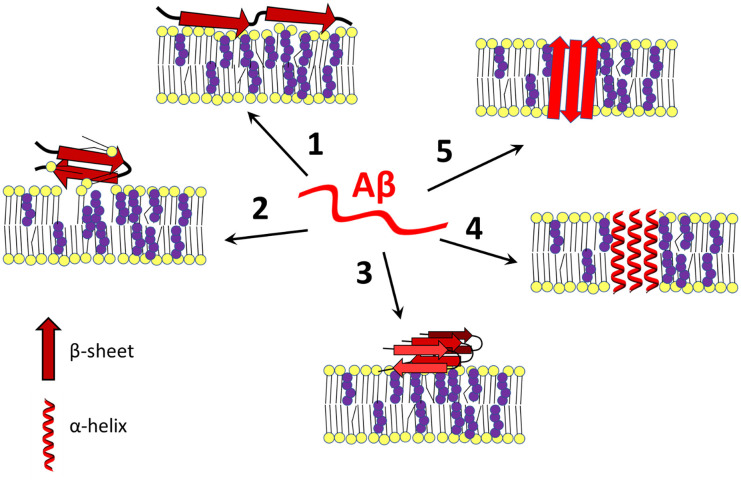
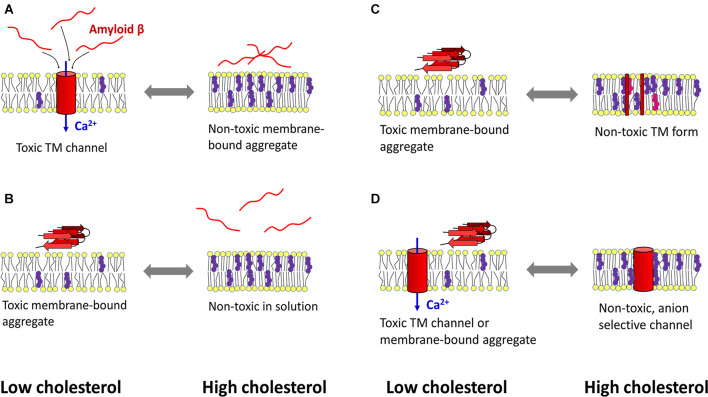
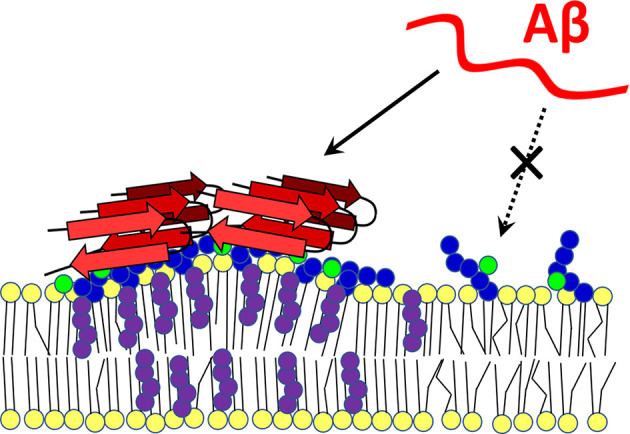
Verification
Claims the paper makes
The claims and statistics of this paper haven’t been checked yet.
Run the check — free, no account needed. It reads the open-access text and checks the sources it cites.
Claims other papers make about this one
Each is checked against this paper’s own text: does it say what the citing paper says it does?
In the citing paper
“Moreover, abnormal cholesterol metabolism is associated with the initiation of inflammation, amyloid-beta production and accumulation, tau protein phosphorylation and synaptic damage26,27.”
Self-check
Percentages, sums and reported differences re-computed from the paper’s own numbers.
The self-check needs the paper’s full text.
Citations
Cites
Hypothetical model of dynamic biomarkers of the Alzheimer's pathological cascade
Jack, C. R., Knopman, D. S., Jagust, W. J., Shaw, L. M., Aisen, P. S., Weiner, M. W., Petersen, R. C., & Trojanowski, J. Q. (2010) · The Lancet Neurology · doi:10.1016/s1474-4422(09)70299-6 · Cited by 4,806
Molecular anatomy of a trafficking organelle
Takamori, S., Holt, M., Stenius, K., Lemke, E. A., Grønborg, M., Riedel, D., Urlaub, H., Schenck, S., Brügger, B., Ringler, P., et al. (2006) · Cell · doi:10.1016/j.cell.2006.10.030 · Cited by 2,373
Stages of the Pathologic Process in Alzheimer Disease: Age Categories From 1 to 100 Years
Braak, H., Thal, D. R., Ghebremedhin, E., & Del Tredici, K. (2011) · Journal of Neuropathology & Experimental Neurology · doi:10.1097/nen.0b013e318232a379 · Cited by 2,194
Oxidative Stress, Synaptic Dysfunction, and Alzheimer’s Disease
Tönnies, E., & Trushina, E. (2017) · Journal of Alzheimer s Disease · doi:10.3233/jad-161088 · Cited by 1,750
Fang, E. F., Hou, Y., Palikaras, K., Adriaanse, B. A., Kerr, J. S., Yang, B., Lautrup, S., Hasan-Olive, M. M., Caponio, D., Dan, X., et al. (2019) · Nature Neuroscience · doi:10.1038/s41593-018-0332-9 · Cited by 1,740
Lin, Y.-T., Seo, J., Gao, F., Feldman, H. M., Wen, H.-L., Penney, J., Cam, H. P., Gjoneska, E., Raja, W. K., Cheng, J., et al. (2018) · Neuron · doi:10.1016/j.neuron.2018.05.008 · Cited by 1,125
Linking lipids to Alzheimer's disease: cholesterol and beyond
Di Paolo, G., & Kim, T.-W. (2011) · Nature Reviews Neuroscience · doi:10.1038/nrn3012 · Cited by 972
Comparative Lipidomic Analysis of Mouse and Human Brain with Alzheimer Disease
Chan, R. B., Oliveira, T. G., Cortes, E. P., Honig, L. S., Duff, K. E., Small, S. A., Wenk, M. R., Shui, G., & Di Paolo, G. (2012) · Journal of Biological Chemistry · doi:10.1074/jbc.m111.274142 · Cited by 630
Amyloid-β-independent regulators of tau pathology in Alzheimer disease
van der Kant, R., Goldstein, L. S. B., & Ossenkoppele, R. (2020) · Nature reviews. Neuroscience · doi:10.1038/s41583-019-0240-3 · Cited by 580
Solomon, A., Kivipelto, M., Wolozin, B., Zhou, J., & Whitmer, R. A. (2009) · Dementia and Geriatric Cognitive Disorders · doi:10.1159/000231980 · Cited by 557
Research works printed but not linked: 293
- Abe-Dohmae, 2021, ABCA7 links sterol metabolism to the host defense system: molecular background for potential management measure of Alzheimer’s disease, Gene, 768, 145316, 10.1016/j.gene.2020.145316 · DOI
- Abramov, 2011, Membrane cholesterol content plays a key role in the neurotoxicity of β-amyloid: implications for Alzheimer’s disease, Aging Cell, 10, 595, 10.1111/j.1474-9726.2011.00685.x · DOI
- Agarwal, 2020, Plasma lipids as biomarxers for Alzheimer’s disease: a systematic review, Cureus, 12, e12008, 10.7759/cureus.12008 · DOI
- Agrawal, 2020, The silence of the fats: a MAM’s story about Alzheimer, Neurobiol. Dis., 145, 105062, 10.1016/j.nbd.2020.105062 · DOI
- Ahyayauch, 2020, The binding of Aβ42 peptide monomers to sphingomyelin/cholesterol/ganglioside bilayers assayed by density gradient ultracentrifugation, Int. J. Mol. Sci., 21, 1674, 10.3390/ijms21051674 · DOI
- Ahyayauch, 2021, The interaction of Aβ42 peptide in monomer, oligomer or fibril forms with sphingomyelin/cholesterol/ganglioside bilayers, Int. J. Biol. Macromol., 168, 611, 10.1016/j.ijbiomac.2020.11.112 · DOI
- Amaro, 2016, GM1 ganglioside inhibits β-amyloid oligomerization induced by sphingomyelin, Angew. Chem. Int. Ed. Engl., 55, 9411, 10.1002/anie.201603178 · DOI
- Anderson, 2002, Cell biology - a role for lipid shells in targeting proteins to caveolae, rafts and other lipid domains, Science, 296, 1821, 10.1126/science.1068886 · DOI
- Angelova, 2017, α-synuclein and β-amyloid - different targets, same players: calcium, free radicals and mitochondria in the mechanism of neurodegeneration, Biochem. Biophys. Res. Commun., 483, 1110, 10.1016/j.bbrc.2016.07.103 · DOI
- Arbor, 2016, Amyloid-β Alzheimer targets - protein processing, lipid rafts and amyloid-β pores, Yale J. Biol. Med., 89, 5
- Area-Gomez, 2009, Presenilins are enriched in endoplasmic reticulum membranes associated with mitochondria, Am. J. Pathol., 175, 1810, 10.2353/ajpath.2009.090219 · DOI · Paper page
- Arispe, 2002, Plasma membrane cholesterol controls the cytotoxicity of Alzheimer’s disease AbetaP (1–40) and (1–42) peptides, FASEB J., 16, 1526, 10.1096/fj.02-0829com · DOI
- Ashley, 2006, Autoinsertion of soluble oligomers of Alzheimer’s Aβ(1–42) peptide into cholesterol-containing membranes is accompanied by relocation of the sterol towards the bilayer surface, BMC Struct. Biol., 6, 21, 10.1186/1472-6807-6-21 · DOI
- Audagnotto, 2018, Recruitment of the amyloid precursor protein by γ-secretase at the synaptic plasma membrane, Biochem. Biophys. Res. Commun., 498, 334, 10.1016/j.bbrc.2017.10.164 · DOI
- Avdulov, 1997, Lipid binding to amyloid β-peptide aggregates: preferential binding of cholesterol as compared with phosphatidylcholine and fatty acids, J. Neurochem., 69, 1746, 10.1046/j.1471-4159.1997.69041746.x · DOI
- Azouz, 2019, Membrane domain modulation of Aβ1-42 oligomer interactions with supported lipid bilayers: an atomic force microscopy investigation, Nanoscale, 11, 20857, 10.1039/c9nr06361g · DOI
- Baldwin, 2011, Metastability of native proteins and the phenomenon of amyloid formation, J. Am. Chem. Soc., 133, 14160, 10.1021/ja2017703 · DOI
- Banerjee, 2021, Cholesterol in membranes facilitates aggregation of amyloid β protein at physiologically relevant concentrations, ACS Chem. Neurosci., 12, 506, 10.1021/acschemneuro.0c00688 · DOI
- Barbero-Camps, 2013, APP/PS1 mice overexpressing SREBP-2 exhibit combined Aβ accumulation and tau pathology underlying Alzheimer’s disease, Hum. Mol. Gen., 22, 3460, 10.1093/hmg/ddt201 · DOI · Paper page
- Barrett, 2015, The position of Aβ22-40 and Aβ1-42 in anionic lipid membranes containing cholesterol, Membranes (Basel), 5, 824, 10.3390/membranes5040824 · DOI
- Barrett, 2012, The amyloid precursor protein has a flexible transmembrane domain and binds cholesterol, Science, 336, 1168, 10.1126/science.1219988 · DOI · Paper page
- Beel, 2010, Direct binding of cholesterol to the amyloid precursor protein: an important interaction in lipid-Alzheimer’s disease relationships?, Biochim. Biophys. Acta, 1801, 975, 10.1016/j.bbalip.2010.03.008 · DOI
- Belkouch, 2016, The pleiotropic effects of omega-3 docosahexaenoic acid on the hallmarks of Alzheimer’s disease, J. Nutr. Biochem, 38, 1, 10.1016/j.jnutbio.2016.03.002 · DOI
- Bennett, 2020, The association between midlife lipid levels and late-life brain amyloid deposition, Neurobiol. Aging, 92, 73, 10.1016/j.neurobiolaging.2020.03.015 · DOI
- Bera, 2019, Unravelling the role of amino acid sequence order in the assembly and function of the amyloid-β core, Chem. Commun. (Camb), 55, 8595, 10.1039/c9cc03654g · DOI
- Bode, 2017, Ion channel formation by amyloid-β42 oligomers but not amyloid-β40 in cellular membranes, J. Biol. Chem., 292, 1404, 10.1074/jbc.M116.762526 · DOI
- Bodovitz, 1996, Cholesterol modulates α-secretase cleavage of amyloid precursor protein, J. Biol. Chem., 271, 4436, 10.1074/jbc.271.8.4436 · DOI · Paper page
- Boisvert, 2018, The aging astrocyte transcriptome from multiple regions of the mouse brain, Cell Rep., 22, 269, 10.1016/j.celrep.2017.12.039 · DOI · Paper page
- Braak, 1997, Frequency of stages of Alzheimer-related lesions in different age categories, Neurobiol. Aging, 18, 351, 10.1016/s0197-4580(97)00056-0 · DOI · Paper page
- Brown, 1998, Sphingolipid organization in biomembranes: what physical studies of model membranes reveal, J. Cell Sci., 111, 1, 10.1242/jcs.111.1.1 · DOI
- Brown, 2016, Molecular dynamics simulations of amyloid β-peptide (1–42): tetramer formation and membrane interactions, Biophys. J., 111, 937, 10.1016/j.bpj.2016.08.001 · DOI
- Brown, 2017, Influence of sequence and lipid type on membrane perturbation by human and rat amyloid β-peptide (1–42), Arch. Biochem. Biophys., 614, 1, 10.1016/j.abb.2016.11.006 · DOI
- Bucciantini, 2014, Amyloid aggregation: role of biological membranes and the aggregate-membrane system, J. Phys. Chem. Lett., 5, 517, 10.1021/jz4024354 · DOI
- Burns, 2006, Cholesterol distribution, not total levels, correlate with altered amyloid precursor, protein processing in statin-treated mice, Neuromol. Med., 8, 319, 10.1385/nmm:8:3:319 · DOI
- Burns, 2003, Co-localization of cholesterol, apolipoprotein E and fibrillar Aβ in amyloid plaques, Brain Res. Mol. Brain Res., 110, 119, 10.1016/s0169-328x(02)00647-2 · DOI
- Carlsson, 2008, Effects of simvastatin on cerebrospinal fluid biomarkers and cognition in middle-aged adults at risk for Alzheimer’s disease, J. Alzheimers Dis., 13, 187, 10.3233/jad-2008-13209 · DOI
- Carrotta, 2021, Small angle X-ray scattering sensing membrane composition: the role of sphingolipids in membrane-amyloid β-peptide interaction, Biology (Basel), 11, 26, 10.3390/biology11010026 · DOI
- Cecchi, 2009, A protective role for lipid raft cholesterol against amyloid-induced membrane damage in human neuroblastoma cells, Biochim. Biophys. Acta, 1788, 2204, 10.1016/j.bbamem.2009.07.019 · DOI
- Cecchi, 2013, The amyloid-cell membrane system. The interplay between the biophysical features of oligomers/fibrils and cell membrane defines amyloid toxicity, Biophys. Chem., 182, 30, 10.1016/j.bpc.2013.06.003 · DOI
- Chang, 2017, Cellular cholesterol homeostasis and Alzheimer’s disease, J. Lipid Res., 58, 2239, 10.1194/jlr.R075630 · DOI · Paper page
- Chen, 2017, Amyloid β: structure, biology and structure-based therapeutic development, Acta Pharmacol. Sin., 38, 1205, 10.1038/aps.2017.28 · DOI · Paper page
- Cheng, 2013, Farnesyltransferase haplodeficiency reduces neuropathology and rescues cognitive function in a mouse model of Alzheimer disease, J. Biol. Chem., 288, 35952, 10.1074/jbc.M113.503904 · DOI
- Cheng, 2013, Specific changes of sulfatide levels in individuals with preclinical Alzheimer’s disease: an early event in disease pathogenesis, J. Neurochem., 127, 733, 10.1111/jnc.12368 · DOI
- Chew, 2020, Involvement of lipids in Alzheimer’s disease pathology and potential therapies, Front. Physiol., 11, 598, 10.3389/fphys.2020.00598 · DOI · Paper page
- Chochina, 2001, Amyloid β-peptide1-40 increases neuronal membrane fluidity: role of cholesterol and brain region, J. Lipid Res., 42, 1292, 10.1016/S0022-2275(20)31580-7 · DOI
- Choucair, 2007, Preferential accumulation of Aβ(1–42) on gel phase domains of lipid bilayers: an AFM and fluorescence study, Biochim. Biophys. Acta, 1768, 146, 10.1016/j.bbamem.2006.09.005 · DOI
- Chow, 2010, An overview of app processing enzymes and products, Neuromol. Med., 12, 1, 10.1007/s12017-009-8104-z · DOI · Paper page
- Chung, 2019, Variability in total cholesterol concentration is associated with the risk of dementia: a nationwide population-based cohort study, Front. Neurol., 10, 441, 10.3389/fneur.2019.00441 · DOI
- Chung, 2018, Endosomal-lysosomal cholesterol sequestration by U18666A differentially regulates amyloid precursor protein (APP) metabolism in normal and APP-overexpressing cells, Mol. Cell. Biol., 38, e00529, 10.1128/MCB.00529-17 · DOI
- Ciudad, 2020, Aβ1–42 tetramer and octamer structures reveal edge conductivity pores as a mechanism for membrane damage, Nat. Commun., 11, 3014, 10.1038/s41467-020-16566-1 · DOI
- Cossec, 2010, Clathrin-dependent APP endocytosis and Aβ secretion are highly sensitive to the level of plasma membrane cholesterol, Biochim. Biophys. Acta, 1801, 846, 10.1016/j.bbalip.2010.05.010 · DOI
- Cuco, 2016, Interaction of the Alzheimer Aβ(25–35) peptide segment with model membranes, Colloids Surf. B Biointerfaces, 141, 10, 10.1016/j.colsurfb.2016.01.015 · DOI
- Curtain, 2003, Metal ions, pH and cholesterol regulate the interactions of Alzheimer’s disease amyloid-β peptide with membrane lipid, J. Biol. Chem., 278, 2977, 10.1074/jbc.M205455200 · DOI
- Czuba, 2017, Cholesterol as a modifying agent of the neurovascular unit structure and function under physiological and pathological conditions, Metabol. Brain Dis., 32, 935, 10.1007/s11011-017-0015-3 · DOI
- Dai, 2020, Kinetic study of Aβ(1–42) amyloidosis in the presence of ganglioside-containing vesicles, Colloids Surf. B Biointerfaces, 185, 110615, 10.1016/j.colsurfb.2019.110615 · DOI
- Dai, 2021, Cholesterol metabolism in neurodegenerative diseases: molecular mechanisms and therapeutic targets, Mol. Neurobiol., 58, 2183, 10.1007/s12035-020-02232-6 · DOI
- Dante, 2006, Cholesterol inhibits the insertion of the Alzheimer’s peptide Aβ(25–35) in lipid bilayers, Eur. Biophys. J., 35, 523, 10.1007/s00249-006-0062-x · DOI
- Das, 2014, Three pools of plasma membrane cholesterol and their relation to cholesterol homeostasis, eLife, 3, e02882, 10.7554/eLife.02882 · DOI · Paper page
- de Oliveira, 2017, Longitudinal lipid profile variations and clinical change in Alzheimer’s disease dementia, Neurosci. Lett., 646, 36, 10.1016/j.neulet.2017.03.003 · DOI
- Decock, 2015, Analysis by a highly sensitive split luciferase assay of the regions involved in APP dimerization and its impact on processing, FEBS Open. Bio., 5, 763, 10.1016/j.fob.2015.09.002 · DOI
- DelBove, 2019, Reciprocal modulation between amyloid precursor protein and synaptic membrane cholesterol revealed by live cell imaging, Neurobiol. Dis., 127, 449, 10.1016/j.nbd.2019.03.009 · DOI
- D’Errico, 2008, Interaction between Alzheimer’s Aβ(25–35) peptide and phospholipid bilayers: the role of cholesterol, Biochim. Biophys. Acta, 1778, 2710, 10.1016/j.bbamem.2008.07.014 · DOI
- Devanathan, 2006, Effects of sphingomyelin, cholesterol and zinc ions on the binding, insertion and aggregation of the amyloid Aβ1-40 peptide in solid-supported lipid bilayers, FEBS J., 273, 1389, 10.1111/j.1742-4658.2006.05162.x · DOI
- Di Scala, 2014, Mechanism of cholesterol-assisted oligomeric channel formation by a short Alzheimer β-amyloid peptide, J. Neurochem., 128, 186, 10.1111/jnc.12390 · DOI
- Di Scala, 2016, Common molecular mechanism of amyloid pore formation by Alzheimer’s β-amyloid peptide and α-synuclein, Sci. Rep., 6, 28781, 10.1038/srep28781 · DOI
- Di Scala, 2013, Biochemical identification of a linear cholesterol-binding domain within Alzheimer’s β amyloid peptide, ACS Chem. Neurosci., 4, 509, 10.1021/cn300203a · DOI
- Diaz, 2018, “Lipid raft aging” in the human frontal cortex during nonpathological aging: gender influences and potential implications in Alzheimer’s disease, Neurobiol. Aging, 67, 42, 10.1016/j.neurobiolaging.2018.02.022 · DOI
- Diaz, 2015, Biophysical alterations in lipid rafts from human cerebral cortex associate with increased BACE1/AβPP interaction in early stages of Alzheimer’s disease, J. Alzheimers Dis., 43, 1185, 10.3233/JAD-141146 · DOI
- Dies, 2014, The interaction between amyloid-β peptides and anionic lipid membranes containing cholesterol and melatonin, PLoS One, 9, e99124, 10.1371/journal.pone.0099124 · DOI
- Dietschy, 2004, Thematic review series: brain lipids. Cholesterol metabolism in the central nervous system during early development and in the mature animal, J. Lipid Res., 45, 1375, 10.1194/jlr.R400004-JLR200 · DOI · Paper page
- Ding, 2012, β-amyloid (1–40) peptide interactions with supported phospholipid membranes: a single-molecule study, Biophys. J., 103, 1500, 10.1016/j.bpj.2012.08.051 · DOI
- Distl, 2001, Tangle-bearing neurons contain more free cholesterol than adjacent tangle-free neurons, Acta Neuropathol., 101, 547, 10.1007/s004010000314 · DOI
- Dong, 2017, Binding of protofibrillar Aβ trimers to lipid bilayer surface enhances Aβ structural stability and causes membrane thinning, Phys. Chem. Chem. Phys., 19, 27556, 10.1039/c7cp05959k · DOI
- Drolle, 2012, Nanoscale electrostatic domains in cholesterol-laden lipid membranes create a target for amyloid binding, Biophys. J., 103, L27, 10.1016/j.bpj.2012.06.053 · DOI
- Eckert, 2000, Cholesterol modulates the membrane-disordering effects of β-amyloid peptides in the hippocampus: specific changes in Alzheimer’s disease, Dement. Geriatr. Cogn. Disord., 11, 181, 10.1159/000017234 · DOI
- Eckert, 2001, Effects of aging and β-amyloid on the properties of brain synaptic and mitochondrial membranes, J. Neural Transm. (Vienna), 108, 1051, 10.1007/s007020170024 · DOI
- Egawa, 2016, Membrane lipid rafts and neurobiology: age-related changes in membrane lipids and loss of neuronal function, J. Physiol., 594, 4565, 10.1113/JP270590 · DOI
- Ehehalt, 2003, Amyloidogenic processing of the Alzheimer β-amyloid precursor protein depends on lipid rafts, J. Cell Biol., 160, 113, 10.1083/jcb.200207113 · DOI · Paper page
- Elias, 2005, Serum cholesterol and cognitive performance in the Framingham heart study, Psychosom. Med., 67, 24, 10.1097/01.psy.0000151745.67285.c2 · DOI
- Emre, 2021, Age-related changes in brain phospholipids and bioactive lipids in the APP knock-in mouse model of Alzheimer’s disease, Acta Neuropathol. Commun., 9, 116, 10.1186/s40478-021-01216-4 · DOI
- Evangelisti, 2016, Binding affinity of amyloid oligomers to cellular membranes is a generic indicator of cellular dysfunction in protein misfolding diseases, Sci. Rep., 6, 32721, 10.1038/srep32721 · DOI
- Evangelisti, 2014, Plasma membrane injury depends on bilayer lipid composition in Alzheimer’s disease, J. Alzheimers Dis., 41, 289, 10.3233/JAD-131406 · DOI
- Ewald, 2019, High speed atomic force microscopy to investigate the interactions between toxic Aβ1–42 peptides and model membranes in real time: impact of the membrane composition, Nanoscale, 11, 7229, 10.1039/c8nr08714h · DOI
- Fabelo, 2014, Altered lipid composition in cortical lipid rafts occurs at early stages of sporadic Alzheimer’s disease and facilitates APP/BACE1 interactions, Neurobiol. Aging, 35, 1801, 10.1016/j.neurobiolaging.2014.02.005 · DOI
- Fabelo, 2012, Evidence for premature lipid raft aging in APP/PS1 double-transgenic mice, a model of familial Alzheimer disease, J. Neuropathol. Exp. Neurol., 71, 868, 10.1097/NEN.0b013e31826be03c · DOI
- Fabiani, 2019, Alzheimer’s disease as a membrane disorder: spatial cross-talk among β-amyloid peptides, nicotinic acetylcholine receptors and lipid rafts, Front. Cell. Neurosci., 13, 309, 10.3389/fncel.2019.00309 · DOI
- Fantini, 2020, Progress toward Alzheimer’s disease treatment: leveraging the Achilles’ heel of Aβ oligomers?, Protein Sci., 29, 1748, 10.1002/pro.3906 · DOI
- Fantini, 2016, Molecular mechanisms of protein-cholesterol interactions in plasma membranes: functional distinction between topological (tilted) and consensus (CARC/CRAC) domains, Chem. Phys. Lipids, 199, 52, 10.1016/j.chemphyslip.2016.02.009 · DOI
- Fantini, 2014, Bexarotene blocks calcium-permeable ion channels formed by neurotoxic Alzheimer’s β-amyloid peptides, ACS Chem. Neurosci., 5, 216, 10.1021/cn400183w · DOI
- Fantini, 2010, Molecular insights into amyloid regulation by membrane cholesterol and sphingolipids: common mechanisms in neurodegenerative diseases, Exp. Rev. Mol. Med., 12, e27, 10.1017/S1462399410001602 · DOI
- Farooqui, 1997, Membrane phospholipid alterations in Alzheimer’s disease: deficiency of ethanolamine plasmalogens, Neurochem. Res., 22, 523, 10.1023/a:1027380331807 · DOI
- Fassbender, 2001, Simvastatin strongly reduces levels of Alzheimer’s disease β-amyloid peptides Aβ 42 and Aβ 40 in vitro and in vivo, Proc. Natl. Acad. Sci. U S A, 98, 5856, 10.1073/pnas.081620098 · DOI · Paper page
- Fernandez, 2009, Mitochondrial cholesterol loading exacerbates amyloid β peptide-induced inflammation and neurotoxicity, J. Neurosci., 29, 6394, 10.1523/JNEUROSCI.4909-08.2009 · DOI
- Fernandez-Perez, 2018, Effect of cholesterol on membrane fluidity and association of Aβ oligomers and subsequent neuronal damage: a double-edged sword, Front. Aging Neurosci., 10, 226, 10.3389/fnagi.2018.00226 · DOI
- Fitz, 2010, Liver X receptor agonist treatment ameliorates amyloid pathology and memory deficits caused by high-fat diet in APP23 mice, J. Neurosci., 30, 6862, 10.1523/JNEUROSCI.1051-10.2010 · DOI · Paper page
- Fraering, 2004, Purification and characterization of the human γ-secretase complex, Biochemistry, 43, 9774, 10.1021/bi0494976 · DOI
- Frank, 2008, Cholesterol depletion inhibits synaptic transmission and synaptic plasticity in rat hippocampus, Exp. Neurol., 212, 407, 10.1016/j.expneurol.2008.04.019 · DOI
- Frankel, 2020, Cholesterol-rich naked mole-rat brain lipid membranes are susceptible to amyloid β-induced damage in vitro, Aging (Albany NY), 12, 22266, 10.18632/aging.202138 · DOI
- Fukui, 2015, Effect of cholesterol reduction on receptor signaling in neurons, J. Biol. Chem., 290, 26383, 10.1074/jbc.M115.664367 · DOI
- Gao, 2020, Cholesterol modulates the formation of the Aβ ion channel in lipid bilayers, Biochemistry, 59, 992, 10.1021/acs.biochem.9b00968 · DOI
- Ghribi, 2006, High cholesterol content in neurons increases BACE, β-amyloid and phosphorylated tau levels in rabbit hippocampus, Exp. Neurol., 200, 460, 10.1016/j.expneurol.2006.03.019 · DOI · Paper page
- Grassi, 2020, Lipid rafts and neurodegeneration: structural and functional roles in physiologic aging and neurodegenerative diseases, J. Lipid Res., 61, 636, 10.1194/jlr.TR119000427 · DOI
- Green, 2006, Statin use and the risk of Alzheimer’s disease: the MIRAGE study, Alzheimers Dement., 2, 96, 10.1016/j.jalz.2006.02.003 · DOI
- Grouleff, 2015, The influence of cholesterol on membrane protein structure, function and dynamics studied by molecular dynamics simulations, Biochim. Biophys. Acta, 1848, 1783, 10.1016/j.bbamem.2015.03.029 · DOI
- Gylys, 2007, Increased cholesterol in Aβ-positive nerve terminals from Alzheimer’s disease cortex, Neurobiol. Aging, 28, 8, 10.1016/j.neurobiolaging.2005.10.018 · DOI
- Haag, 2009, Statins are associated with a reduced risk of Alzheimer disease regardless of lipophilicity. The Rotterdam study, J. Neurol. Neurosurg. Psych., 80, 13, 10.1136/jnnp.2008.150433 · DOI · Paper page
- Habchi, 2018, Cholesterol catalyses Aβ42 aggregation through a heterogeneous nucleation pathway in the presence of lipid membranes, Nat. Chem., 10, 673, 10.1038/s41557-018-0031-x · DOI
- Harris, 2008, Cholesterol binding to amyloid-β fibrils: a TEM study, Micron, 39, 1192, 10.1016/j.micron.2008.05.001 · DOI
- Hashimoto, 2011, Docosahexaenoic acid withstands the Aβ25–35-induced neurotoxicity in SH-SY5Y cells, J. Nutr. Biochem., 22, 22, 10.1016/j.jnutbio.2009.11.005 · DOI
- Hayashi, 2002, Cholesterol is increased in the exofacial leaflet of synaptic plasma membranes of human apolipoprotein E4 knock-in mice, Neuroreport, 13, 383, 10.1097/00001756-200203250-00004 · DOI
- Henry, 2018, Interaction of Aβ1–42 peptide or their variant with model membrane of different composition probed by infrared nanospectroscopy, Nanoscale, 10, 936, 10.1039/c7nr07489a · DOI
- Hernandez, 2009, Tau phosphorylation by cdk5 and Fyn in response to amyloid peptide Aβ25–35: involvement of lipid rafts, J. Alzheimers Dis., 16, 149, 10.3233/JAD-2009-0933 · DOI · Paper page
- Heverin, 2004, Changes in the levels of cerebral and extracerebral sterols in the brain of patients with Alzheimer’s disease, J. Lipid Res., 45, 186, 10.1194/jlr.M300320-JLR200 · DOI
- Hicks, 2012, Lipid rafts and Alzheimer’s disease: protein-lipid interactions and perturbation of signaling, Front. Physiol., 3, 189, 10.3389/fphys.2012.00189 · DOI
- Hirai, 2018, Preferential intercalation of human amyloid-β peptide into interbilayer region of lipid-raft membrane in macromolecular crowding environment, J. Phys. Chem. B, 122, 9482, 10.1021/acs.jpcb.8b08006 · DOI
- Hirai, 2013, Change of dynamics of raft-model membrane induced by amyloid-β protein binding, Eur. Phys. J. E Soft Matter, 36, 74, 10.1140/epje/i2013-13074-3 · DOI
- Honeycutt, 1990, Metastability of the folded states of globular-proteins, Proc. Natl. Acad. Sci. U S A, 87, 3526, 10.1073/pnas.87.9.3526 · DOI
- Hooijmans, 2007, Changes in cerebral blood volume and amyloid pathology in aged Alzheimer APP/PS1 mice on a docosahexaenoic acid (DHA) diet or cholesterol enriched Typical Western Diet (TWD), Neurobiol. Dis., 28, 16, 10.1016/j.nbd.2007.06.007 · DOI
- Hu, 2015, Raman spectroscopy for detecting supported planar lipid bilayers composed of ganglioside-GM1/sphingomyelin/cholesterol in the presence of amyloid-β, Phys. Chem. Chem. Phys., 17, 22711, 10.1039/c5cp02366a · DOI
- Huang, 2019, DHA and vitamin E antagonized the Aβ25–35-mediated neuron oxidative damage through activation of Nrf2 signaling pathways and regulation of CD36, SRB1 and FABP5 expression in PC12 cells, Food Funct., 10, 1049, 10.1039/C8FO01713A · DOI
- Hussain, 2019, Role of cholesterol and sphingolipids in brain development and neurological diseases, Lipids Health Dis., 18, 26, 10.1186/s12944-019-0965-z · DOI
- Igbavboa, 1996, Increasing age alters transbilayer fluidity and cholesterol asymmetry in synaptic plasma membranes of mice, J. Neurochem., 66, 1717, 10.1046/j.1471-4159.1996.66041717.x · DOI
- Jamasbi, 2017, Phosphorylation of a full length amyloid-β peptide modulates its amyloid aggregation, cell binding and neurotoxic properties, Mol. Biosyst., 13, 1545, 10.1039/c7mb00249a · DOI
- Janickova, 2015, Lipid-based diets improve muscarinic neurotransmission in the hippocampus of transgenic APPswe/PS1dE9 Mice, Curr. Alzheimer Res., 12, 923, 10.2174/1567205012666151027130350 · DOI
- Jaya Prasanthi, 2008, Regulation of β-amyloid levels in the brain of cholesterol-fed rabbit, a model system for sporadic Alzheimer’s disease, Mech. Ageing Dev., 129, 649, 10.1016/j.mad.2008.09.002 · DOI
- Jeong, 2021, Protein farnesylation is upregulated in Alzheimer’s human brains and neuron-specific suppression of farnesyltransferase mitigates pathogenic processes in Alzheimer’s model mice, Acta Neuropathol. Commun., 9, 129, 10.1186/s40478-021-01231-5 · DOI
- Ji, 2002, Cholesterol is an important factor affecting the membrane insertion of β-amyloid peptide (Aβ1-40), which may potentially inhibit the fibril formation, J. Biol. Chem., 277, 6273, 10.1074/jbc.M104146200 · DOI
- Jick, 2000, Statins and the risk of dementia, Lancet, 356, 1627, 10.1016/s0140-6736(00)03155-x · DOI
- Jin, 2018, Alzheimer-like brain metabolic and structural features in cholesterol-fed rabbit detected by magnetic resonance imaging, Lipids Health Dis., 17, 61, 10.1186/s12944-018-0705-9 · DOI
- Julien, 2018, In vivo induction of membrane damage by β-amyloid peptide oligomers, Acta Neuropathol. Commun., 6, 131, 10.1186/s40478-018-0634-x · DOI
- Jurevics, 1995, Cholesterol for synthesis of myelin is made locally, not imported into brain, J. Neurochem., 64, 895, 10.1046/j.1471-4159.1995.64020895.x · DOI · Paper page
- Kakio, 2001, Cholesterol-dependent formation of GM1 ganglioside-bound amyloid β-protein, an endogenous seed for Alzheimer amyloid, J. Biol. Chem., 276, 24985, 10.1074/jbc.M100252200 · DOI
- Kakio, 2002, Interactions of amyloid β-protein with various gangliosides in raft-like membranes: importance of GM1 ganglioside-bound form as an endogenous seed for Alzheimer amyloid, Biochemistry, 41, 7385, 10.1021/bi0255874 · DOI
- Kalvodova, 2005, Lipids as modulators of proteolytic activity of BACE - involvement of cholesterol, glycosphingolipids and anionic phospholipids in vitro, J. Biol. Chem., 280, 36815, 10.1074/jbc.M504484200 · DOI
- Kandel, 2019, Structure of amyloid β25-35 in lipid environment and cholesterol-dependent membrane pore formation, Sci. Rep., 9, 2689, 10.1038/s41598-019-38749-7 · DOI
- Karimi, 2019, The interactions of an Aβ protofibril with a cholesterol-enriched membrane and involvement of neuroprotective carbazolium-based substances, Phys. Chem. Chem. Phys., 21, 11066, 10.1039/c9cp00859d · DOI
- Kawarabayashi, 2004, Dimeric amyloid β protein rapidly accumulates in lipid rafts followed by apolipoprotein E and phosphorylated tau accumulation in the Tg2576 mouse model of Alzheimer’s disease, J. Neurosci., 24, 3801, 10.1523/JNEUROSCI.5543-03.2004 · DOI · Paper page
- Kerr, 2017, Mitophagy and Alzheimer’s disease: cellular and molecular mechanisms, Trends Neurosci., 40, 151, 10.1016/j.tins.2017.01.002 · DOI · Paper page
- Kim, 2017, Integrated late onset alzheimer’s disease (LOAD) susceptibility genes: cholesterol metabolism and trafficking perspectives, Gene, 597, 10, 10.1016/j.gene.2016.10.022 · DOI
- Kim, 2016, Inhibition of cholesterol biosynthesis reduces γ-secretase activity and amyloid-β generation, J. Alzheimers Dis., 51, 1057, 10.3233/JAD-150982 · DOI
- Kim, 2006, Amyloid β oligomerization is induced by brain lipid rafts, J. Cell. Biochem., 99, 878, 10.1002/jcb.20978 · DOI
- Kirsch, 2002, Cholesterol attenuates the membrane perturbing properties of β-amyloid peptides, Amyloid, 9, 149, 10.3109/13506120209114816 · DOI
- Kirsch, 2003, Statin effects on cholesterol micro-domains in brain plasma membranes, Biochem. Pharmacol., 65, 843, 10.1016/s0006-2952(02)01654-4 · DOI
- Kivipelto, 2001, Midlife vascular risk factors and late-life mild cognitive impairment: a longitudinal, population-based study, Neurology, 56, 1683, 10.1212/wnl.56.12.1683 · DOI · Paper page
- Kojro, 2001, Low cholesterol stimulates the nonamyloidogenic pathway by its effect on the α-secretase ADAM 10, Proc. Natl. Acad. Sci. U S A, 98, 5815, 10.1073/pnas.081612998 · DOI · Paper page
- Kunkle, 2019, Genetic meta-analysis of diagnosed Alzheimer’s disease identifies new risk loci and implicates Aβ, tau, immunity and lipid processing, Nat. Genet., 51, 414, 10.1038/s41588-019-0358-2 · DOI · Paper page
- Kurinami, 2008, Prevention of amyloid ss-induced memory impairment by fluvastatin, associated with the decrease in amyloid ss accumulation and oxidative stress in amyloid ss injection mouse model, Int. J. Mol. Med., 21, 531
- Lazar, 2013, Time-of-flight secondary ion mass spectrometry (TOF-SIMS) imaging reveals cholesterol overload in the cerebral cortex of Alzheimer disease patients, Acta Neuropathol., 125, 133, 10.1007/s00401-012-1041-1 · DOI
- Ledesma, 2003, Raft disorganization leads to reduced plasmin activity in Alzheimer’s disease brains, EMBO Rep., 4, 1190, 10.1038/sj.embor.7400021 · DOI
- Ledesma, 2012, Lipid changes in the aged brain: effect on synaptic function and neuronal survival, Prog. Lipid Res., 51, 23, 10.1016/j.plipres.2011.11.004 · DOI
- Ledreux, 2016, Detrimental effects of a high fat/high cholesterol diet on memory and hippocampal markers in aged rats, Behav. Brain Res., 312, 294, 10.1016/j.bbr.2016.06.012 · DOI
- Lee, 2021, APOE4-carrying human astrocytes oversupply cholesterol to promote neuronal lipid raft expansion and Aβ generation, Stem Cell Rep., 16, 2128, 10.1016/j.stemcr.2021.07.017 · DOI · Paper page
- Lee, 2017, Amyloid β ion channels in a membrane comprising brain total lipid extracts, ACS Chem. Neurosci., 8, 1348, 10.1021/acschemneuro.7b00006 · DOI
- Lee, 1998, A detergent-insoluble membrane compartment contains Aβ in vivo, Nat. Med., 4, 730, 10.1038/nm0698-730 · DOI
- Leoni, 2006, Are the CSF levels of 24S-hydroxychole sterol a sensitive biomarker for mild cognitive impairment?, Neurosci. Lett., 397, 83, 10.1016/j.neulet.2005.11.046 · DOI
- Leoni, 2010, Links between ApoE, brain cholesterol metabolism, tau and amyloid β-peptide in patients with cognitive impairment, Biochem. Soc. Trans., 38, 1021, 10.1042/BST0381021 · DOI
- Liguori, 2013, Embedding Aβ42 in heterogeneous membranes depends on cholesterol asymmetries, Biophys. J., 105, 899, 10.1016/j.bpj.2013.06.046 · DOI
- Lin, 2008, Examining the levels of ganglioside and cholesterol in cell membrane on attenuation the cytotoxicity of β-amyloid peptide, Colloids Surf. B Biointerfaces, 65, 172, 10.1016/j.colsurfb.2008.03.012 · DOI
- Lin, 2015, Early statin use and the progression of Alzheimer disease a total population-based case-control study, Medicine (Baltimore), 94, e2143, 10.1097/MD.0000000000002143 · DOI
- Lin, 2002, Electrophysiologic properties of channels induced by Aβ25–35 in planar lipid bilayers, Peptides, 23, 1215, 10.1016/s0196-9781(02)00057-8 · DOI
- Lingwood, 2010, Lipid rafts as a membrane-organizing principle, Science, 327, 46, 10.1126/science.1174621 · DOI · Paper page
- Litvinov, 2018, Intracellular and plasma membrane events in cholesterol transport and homeostasis, J. Lipids, 2018, 3965054, 10.1155/2018/3965054 · DOI
- Liu, 2015, Quaternary structure defines a large class of amyloid-β oligomers neutralized by sequestration, Cell Rep., 11, 1760, 10.1016/j.celrep.2015.05.021 · DOI
- Liu, 2015, Characterization of the interactions between β-amyloid peptide and the membranes of human SK-N-SH cells, FEBS Lett., 589, 1929, 10.1016/j.febslet.2015.05.035 · DOI
- Loera-Valencia, 2019, Alterations in cholesterol metabolism as a risk factor for developing Alzheimer’s disease: potential novel targets for treatment, J. Steroid Biochem. Mol. Biol., 190, 104, 10.1016/j.jsbmb.2019.03.003 · DOI · Paper page
- Malchiodi-Albedi, 2010, Lipid raft disruption protects mature neurons against amyloid oligomer toxicity, Biochim. Biophys. Acta, 1802, 406, 10.1016/j.bbadis.2010.01.007 · DOI
- Mao, 2010, Surface-induced phase separation of a sphingomyelin/cholesterol/ganglioside GM1-planar bilayer on mica surfaces and microdomain molecular conformation that accelerates Aβ oligomerization, Biochim. Biophy. Acta, 1798, 1090, 10.1016/j.bbamem.2010.03.003 · DOI
- Marin, 2017, Anomalies occurring in lipid profiles and protein distribution in frontal cortex lipid rafts in dementia with Lewy bodies disclose neurochemical traits partially shared by Alzheimer’s and Parkinson’s diseases, Neurobiol. Aging, 49, 52, 10.1016/j.neurobiolaging.2016.08.027 · DOI
- Marquer, 2011, Local cholesterol increase triggers amyloid precursor protein-Bace1 clustering in lipid rafts and rapid endocytosis, FASEB J., 25, 1295, 10.1096/fj.10-168633 · DOI
- Marquer, 2014, Increasing membrane cholesterol of neurons in culture recapitulates Alzheimer’s disease early phenotypes, Mol. Neurodegener., 9, 60, 10.1186/1750-1326-9-60 · DOI
- Martin, 2010, Brain cholesterol in normal and pathological aging, Biochim. Biophys. Acta, 1801, 934, 10.1016/j.bbalip.2010.03.011 · DOI · Paper page
- Martín, 2010, Lipid alterations in lipid rafts from Alzheimer’s disease human brain cortex, J. Alzheimers Dis., 19, 489, 10.3233/JAD-2010-1242 · DOI
- Martin, 2011, Cyp46-mediated cholesterol loss promotes survival in stressed hippocampal neurons, Neurobiol. Aging, 32, 933, 10.1016/j.neurobiolaging.2009.04.022 · DOI
- Matsubara, 2017, Size and shape of amyloid fibrils induced by ganglioside nanoclusters: role of sialyl oligosaccharide in fibril formation, Langmuir, 33, 13874, 10.1021/acs.langmuir.7b02091 · DOI
- Matsubara, 2018, Amyloid- fibrils assembled on ganglioside-enriched membranes contain both parallel -sheets and turns, J. Biol. Chem., 293, 14146, 10.1074/jbc.RA118.002787 · DOI
- Matsuzaki, 2011, Formation of toxic amyloid fibrils by amyloid beta-protein on ganglioside clusters, Int. J. Alzheimers Dis., 2011, 956104, 10.4061/2011/956104 · DOI
- Matsuzaki, 2014, How do membranes initiate Alzheimer’s disease? Formation of toxic arnyloid fibrils by the amyloid β-protein on ganglioside clusters, Acc. Chem. Res., 47, 2397, 10.1021/ar500127z · DOI
- Matsuzaki, 1999, Interactions of amyloid β-peptide (1–40) with ganglioside-containing membranes, Biochemistry, 38, 4137, 10.1021/bi982345o · DOI
- Maxfield, 2002, Intracellular cholesterol transport, J. Clin. Invest., 110, 891, 10.1172/JCI16500 · DOI
- McFarlane, 2020, Cholesterol and dementia: a long and complicated relationship, Curr. Aging Sci., 13, 42, 10.2174/1874609812666190917155400 · DOI
- Meleleo, 2013, AβP1–42 incorporation and channel formation in planar lipid membranes: the role of cholesterol and its oxidation products, J. Bioenerg. Biomembr., 45, 369, 10.1007/s10863-013-9513-0 · DOI
- Meleleo, 2019, Concentration-dependent effects of mercury and lead on A42: possible implications for Alzheimer’s disease, Eur. Biophys. J., 48, 173, 10.1007/s00249-018-1344-9 · DOI
- Micelli, 2004, Effect of sterols on β-amyloid peptide (AβP 1-40) channel formation and their properties in planar lipid membranes, Biophys. J., 86, 2231, 10.1016/S0006-3495(04)74281-2 · DOI
- Mizuno, 1999, Cholesterol-dependent generation of a seeding amyloid β-protein in cell culture, J. Biol. Chem., 274, 15110, 10.1074/jbc.274.21.15110 · DOI
- Mohamed, 2018, Aβ inhibits SREBP-2 activation through Akt inhibition, J. Lipid Res., 59, 1, 10.1194/jlr.M076703 · DOI
- Molander-Melin, 2005, Structural membrane alterations in Alzheimer brains found to be associated with regional disease development; increased density of gangliosides GM1 and GM2 and loss of cholesterol in detergent-resistant membrane domains, J. Neurochem., 92, 171, 10.1111/j.1471-4159.2004.02849.x · DOI
- Montesinos, 2020, The Alzheimer’s disease-associated C99 fragment of APP regulates cellular cholesterol trafficking, EMBO J., 39, e103791, 10.15252/embj.2019103791 · DOI
- Mori, 2012, Formation of GM1 ganglioside clusters on the lipid membrane containing sphingomyeline and cholesterol, J. Phys. Chem. B, 116, 5111, 10.1021/jp207881k · DOI
- Narayan, 2014, Rare individual amyloid-β oligomers act on astrocytes to initiate neuronal damage, Biochemistry, 53, 2442, 10.1021/bi401606f · DOI
- Naudi, 2015, Lipidomics of human brain aging and Alzheimer’s disease pathology, Int. Rev. Neurobiol., 122, 133, 10.1016/bs.irn.2015.05.008 · DOI
- Nicastro, 2016, Amyloid β-peptide insertion in liposomes containing GM1-cholesterol domains, Biophys. Chem., 208, 9, 10.1016/j.bpc.2015.07.010 · DOI
- Nicholson, 2009, Increased membrane cholesterol might render mature hippocampal neurons more susceptible to β-amyloid-induced calpain activation and tau toxicity, J. Neurosci., 29, 4640, 10.1523/JNEUROSCI.0862-09.2009 · DOI
- Nierzwicki, 2021, Role of cholesterol in substrate recognition by γ-secretase, Sci. Rep., 11, 15213, 10.1038/s41598-021-94618-2 · DOI
- Nilsson, 2021, Association of a total cholesterol polygenic score with cholesterol levels and pathological biomarkers across the Alzheimer’s disease spectrum, Genes (Basel), 12, 1805, 10.3390/genes12111805 · DOI
- Oikawa, 2014, Influence of APOE genotype and the presence of Alzheimer’s pathology on synaptic membrane lipids of human brains, J. Neurosci. Res., 92, 641, 10.1002/jnr.23341 · DOI
- Okada, 2008, Formation of toxic Aβ(1-40) fibrils on GM1 ganglioside-containing membranes mimicking lipid rafts: polymorphisms in Aβ(1–40) fibrils, J. Mol. Biol., 382, 1066, 10.1016/j.jmb.2008.07.072 · DOI
- Oksman, 2006, Impact of different saturated fatty acid, polyunsaturated fatty acid and cholesterol containing diets on β-amyloid accumulation in APP/PS1 transgenic mice, Neurobiol. Dis., 23, 563, 10.1016/j.nbd.2006.04.013 · DOI
- Oku, 2017, Synthesized Aβ42 caused intracellular oxidative damage, leading to cell death, via lysosome rupture, Cell Struct. Funct., 42, 71, 10.1247/csf.17006 · DOI
- Ong, 2010, Changes in brain cholesterol metabolome after excitotoxicity, Mol. Neurobiol., 41, 299, 10.1007/s12035-010-8099-3 · DOI
- Osenkowski, 2008, Direct and potent regulation of γ-secretase by its lipid microenvironment, J. Biol. Chem., 283, 22529, 10.1074/jbc.M801925200 · DOI
200 of 293 shown
Cited by
Sorted by citations
Abd El-Aziz, N. M. A., Shehata, M. G., Alsulami, T., Badr, A. N., Elbakatoshy, M. R., Ali, H. S., & El-Sohaimy, S. A. (2022) · Pharmaceuticals · doi:10.3390/ph16010012 · Cited by 31
Niu, T., Wang, S., Zhang, H., Zhu, W., Liu, K., Zhou, X., Sun, R., Niu, D., & Yuan, Y. (2025) · Experimental & Molecular Medicine · doi:10.1038/s12276-025-01534-w · Cited by 7
Metadata
- Authors
- Rudajev, V., & Novotny, J.
- Venue
- Frontiers in Molecular Neuroscience
- Publisher
- Frontiers Media SA
- Published
- 2022-08-25
- Volume
- 15
- ISSN
- 1662-5099
- PMC
- PMC9453481
- Cited by
- 94
- References
- 30
- Funders
- Přírodovědecká Fakulta, Univerzita Karlova
About these checks
Registry, retraction, Cites and statistics results are computed, not judged, with one exception: a printed reference that no index lists is read once by a model before it counts as a citation error. Claims are extracted by a model and kept only when their quote appears verbatim in the text; each cited source is then checked, with a model’s help, for whether it says what the claim relies on. Those verdicts can be wrong — read the claim’s quote and the cited source before relying on one.
Statistics and arithmetic are recomputed, not judged.
Confidence bands are shown only for fields calibrated on our annotated test set. None is calibrated yet, so no band is shown.
What counts as a claim ›How we measure confidence ›How we check this ›
Are you an author, or do you see a problem with this page? Request a review
