

Assessing the Future of Solid Tumor Immunotherapy
Open accessThe DOI matches its Crossref record; 130 of the 130 references it cites were found in a registry or an index.
Abstract
With the advent of cancer immunotherapy, there has been a major improvement in patient's quality of life and survival. The growth of cancer immunotherapy has dramatically changed our understanding of the basics of cancer biology and has altered the standards of care (surgery, radiotherapy, and chemotherapy) for patients. Cancer immunotherapy has generated significant excitement with the success of chimeric antigen receptor (CAR) T cell therapy in particular. Clinical results using CAR-T for hematological malignancies have led to the approval of four CD19-targeted and one B-cell maturation antigen (BCMA)-targeted cell therapy products by the US Food and Drug Administration (FDA). Also, immune checkpoint inhibitors such as antibodies against Programmed Cell Death-1 (PD-1), Programmed Cell Death Ligand-1 (PD-L1), and Cytotoxic T-Lymphocyte-Associated Antigen 4 (CTLA-4) have shown promising therapeutic outcomes and long-lasting clinical effect in several tumor types and patients who are refractory to other treatments. Despite these promising results, the success of cancer immunotherapy in solid tumors has been limited due to several barriers, which include immunosuppressive tumor microenvironment (TME), inefficient trafficking, and heterogeneity of tumor antigens. This is further compounded by the high intra-tumoral pressure of solid tumors, which presents an additional challenge to successfully delivering treatments to solid tumors. In this review, we will outline and propose specific approaches that may overcome these immunological and physical barriers to improve the outcomes in solid tumor patients receiving immunotherapies.
Overview
The claims and statistics of this paper haven’t been checked yet.
Free: it reads the open-access text and checks the first 5 claims that cite a source we can check. Create a free account to check every claim.
Integrity signals
Registry
Cites
Statistics
Figures
Verification
Claims the paper makes
The claims and statistics of this paper haven’t been checked yet.
Free: it reads the open-access text and checks the first 5 claims that cite a source we can check. Create a free account to check every claim.
Claims other papers make about this one
Each is checked against this paper’s own text: does it say what the citing paper says it does?
The source backs part of the claim, not all of it — or backs it for a different population, condition or comparison.
In the citing paper
“Additionally, immunologically ‘cold’ tumors are characterized by the presence of immunosuppressive cell populations such as tumor-associated macrophages (TAMs), myeloid-derived suppressor cells (MDSCs) and regulatory T cells (Tregs) (Hegde et al., 2016; Liu et al., 2021; Guha et al., 2022).”
From Microphysiological systems as models for immunologically ‘cold’ tumors (2024) · cites this paper as Guha et al., 2022
Experimental — accuracy not yet measured
Self-check
Percentages, sums and reported differences re-computed from the paper’s own numbers.
The self-check needs the paper’s full text.
Citations
Cites
Siegel, R. L., Miller, K. D., & Jemal, A. (2020) · CA: A Cancer Journal for Clinicians · doi:10.3322/caac.21590 · Cited by 20,444
Adverse Renal Effects of Immune Checkpoint Inhibitors: A Narrative Review
Wanchoo, R., Karam, S., Uppal, N. N., Barta, V. S., Deray, G., Devoe, C., Launay-Vacher, V., Jhaveri, K. D., & on behalf of Cancer and Kidney International Network Workgroup on Immune Checkpoint Inhibitors (2017) · American Journal of Nephrology · doi:10.1159/000455014 · Cited by 15,256
Immunity, Inflammation, and Cancer
Grivennikov, S. I., Greten, F. R., & Karin, M. (2010) · Cell · doi:10.1016/j.cell.2010.01.025 · Cited by 10,755 · cited 1×
“Other contributing factors to a suppressive solid tumor TME include chemokines and cytokines produced by immune cells that activate transcription factors such as AP-1, NFκB, and STAT3, which support malignant cell proliferation and survival [27].”
BackgroundCombined Nivolumab and Ipilimumab or Monotherapy in Untreated Melanoma
Larkin, J., Chiarion-Sileni, V., Gonzalez, R., Grob, J. J., Cowey, C. L., Lao, C. D., Schadendorf, D., Dummer, R., Smylie, M., Rutkowski, P., et al. (2015) · New England Journal of Medicine · doi:10.1056/nejmoa1504030 · Cited by 8,157
Overall Survival with Combined Nivolumab and Ipilimumab in Advanced Melanoma
Wolchok, J. D., Chiarion-Sileni, V., Gonzalez, R., Rutkowski, P., Grob, J.-J., Cowey, C. L., Lao, C. D., Wagstaff, J., Schadendorf, D., Ferrucci, P. F., et al. (2017) · New England Journal of Medicine · doi:10.1056/nejmoa1709684 · Cited by 5,357 · cited 1×
“Results of the outcomes after 3-year and 4-year follow-up of patients pointed towards the superior clinical benefits of combination therapy over monotherapy [62,63].”
BackgroundColorectal cancer statistics, 2020
Siegel, R. L., Miller, K. D., Goding Sauer, A., Fedewa, S. A., Butterly, L. F., Anderson, J. C., Cercek, A., Smith, R. A., & Jemal, A. (2020) · CA: A Cancer Journal for Clinicians · doi:10.3322/caac.21601 · Cited by 4,880 · cited 1×
“9% of new cancer cases diagnosed in the US in 2020, while solid tumors made up the rest of the 90% of cancer cases [14].”
BackgroundSTATs in cancer inflammation and immunity: a leading role for STAT3
Yu, H., Pardoll, D., & Jove, R. (2009) · Nature reviews. Cancer · doi:10.1038/nrc2734 · Cited by 4,383 · cited 3×
“Cytokines regulated by NF-κB and STAT3 can either be tumor-inducing (TNF, IL-23, IL-6) or tumor-inhibiting (IFNα, IFNγ, TRAIL) [28].”
BackgroundInfluentialMassagué, J. (2008) · Cell · doi:10.1016/j.cell.2008.07.001 · Cited by 3,907 · cited 1×
“In the initial stages, TGF-β inhibits tumor growth due to cell-cycle blockade in cells undergoing transformation and during the later stages become pro-tumorigenic due to resistance developed to the anti-proliferative activity of TGF-β by tumor cells [38].”
BackgroundCancer immunotherapy comes of age
Mellman, I., Coukos, G., & Dranoff, G. (2011) · Nature · doi:10.1038/nature10673 · Cited by 3,893 · cited 1×
“Current types of immunotherapy that have been explored include monoclonal antibodies (mAb), immune checkpoint inhibitors (ICI), oncolytic viral platforms (OV), cancer vaccines, adoptive cell therapy (ACT), and various combinatorial approaches [3].”
BackgroundChimeric antigen receptor–modified T cells in chronic lymphoid leukemia
Porter, D. L., Levine, B. L., Kalos, M., Bagg, A., & June, C. H. (2011) · New England Journal of Medicine · doi:10.1056/nejmoa1103849 · Cited by 3,565 · cited 2×
“CAR-T are T cells that have been genetically engineered to express specialized receptors that offer the immune cell enhanced performance [96].”
BackgroundCancer and Radiation Therapy: Current Advances and Future Directions
Baskar, R., Lee, K. A., Yeo, R., & Yeoh, K.-W. (2012) · International Journal of Medical Sciences · doi:10.7150/ijms.3635 · Cited by 2,880 · cited 1×
“Radiation therapy is often used in combination with chemotherapy or surgery because the use of radiation alone cannot cure most forms of cancer [8].”
BackgroundNivolumab and ipilimumab versus ipilimumab in untreated melanoma
Postow, M. A., Chesney, J., Pavlick, A. C., Robert, C., Grossmann, K., McDermott, D., Linette, G. P., Meyer, N., Giguere, J. K., Agarwala, S. S., et al. (2015) · New England Journal of Medicine · doi:10.1056/nejmoa1414428 · Cited by 2,781 · cited 1×
“In a phase 1 study, an ipilimumab and nivolumab combination was reported to increase the objective response rate to 61% (n = 44/72), with complete responses seen in 22% (n = 16/72) of patients [59].”
BackgroundRosenberg, S. A., Packard, B. S., Aebersold, P. M., Solomon, D., Topalian, S. L., Toy, S. T., Simon, P., Lotze, M. T., Yang, J. C., Seipp, C. A., et al. (1988) · New England Journal of Medicine · doi:10.1056/nejm198812223192527 · Cited by 2,389 · cited 1×
“In addition to impressive response rates, longer response durability has also been reported in clinical trials [94,95].”
BackgroundThe tumor microenvironment and its role in promoting tumor growth
Whiteside, T. L. (2008) · Oncogene · doi:10.1038/onc.2008.271 · Cited by 2,376 · cited 1×
“The solid tumor TME also presents immunologic challenges due to immunosuppressive cytokines and suppressor cells, the nature of which may vary by anatomic site and disease histology [23,24].”
BackgroundCTLA-4 and PD-1 Pathways: Similarities, Differences, and Implications of Their Inhibition
Buchbinder, E. I., & Desai, A. (2016) · American Journal of Clinical Oncology · doi:10.1097/coc.0000000000000239 · Cited by 2,360 · cited 1×
“CTLA-4 is expressed on activated T cells and is known to regulate T cell proliferation as an early immune response as opposed to PD-1, which suppresses T cells as a late immune response—primarily in peripheral tissues [57].”
BackgroundDeng, L., Liang, H., Xu, M., Yang, X., Burnette, B., Arina, A., Li, X.-D., Mauceri, H., Beckett, M., Darga, T., et al. (2014) · Immunity · doi:10.1016/j.immuni.2014.10.019 · Cited by 2,182 · cited 1×
“Not only does radiotherapy eradicate the tumor, but it can also sensitize tumor cells to cytotoxic lymphocytes in the murine colon adenocarcinoma model [114], modulate the TME to make it conducive to CAR-T infiltration, traffic in the highly angiogenic insulinoma mouse models [115], and improve tumor antigen presentat…”
BackgroundGrivennikov, S., Karin, E., Terzic, J., Mucida, D., Yu, G.-Y., Vallabhapurapu, S., Scheller, J., Rose-John, S., Cheroutre, H., Eckmann, L., et al. (2009) · Cancer Cell · doi:10.1016/j.ccr.2009.01.001 · Cited by 2,155 · cited 1×
“In colitis associated colorectal cancer and hepatocellular carcinoma, tumor promotion is supported by IL-6 in a STAT3-dependent signaling mechanism [29].”
BackgroundDrug Resistance and the Solid Tumor Microenvironment
Tredan, O., Galmarini, C. M., Patel, K., & Tannock, I. F. (2007) · JNCI Journal of the National Cancer Institute · doi:10.1093/jnci/djm135 · Cited by 2,116 · cited 1×
“The typical solid tumor TME also limits the penetration of cell therapy products due to high intra-tumoral pressure, leaving much of the tumor mass inaccessible and hence it remains untreated [21,22].”
BackgroundA History of Cancer Chemotherapy
DeVita, V. T., & Chu, E. (2008) · Cancer Research · doi:10.1158/0008-5472.can-07-6611 · Cited by 1,970 · cited 1×
“Most patients with advanced solid tumors require multidisciplinary care including chemotherapy or radiation [6].”
BackgroundMiller, J. S., Soignier, Y., Panoskaltsis-Mortari, A., McNearney, S. A., Yun, G. H., Fautsch, S. K., McKenna, D., Le, C., Defor, T. E., Burns, L. J., et al. (2005) · Blood · doi:10.1182/blood-2004-07-2974 · Cited by 1,903
The unique physiology of solid tumors: opportunities (and problems) for cancer therapy.
Brown, J. M., & Giaccia, A. J. (1998) · PubMed · Cited by 1,745
Reits, E. A., Hodge, J. W., Herberts, C. A., Groothuis, T. A., Chakraborty, M., K.Wansley, E., Camphausen, K., Luiten, R. M., de Ru, A. H., Neijssen, J., et al. (2006) · The Journal of Experimental Medicine · doi:10.1084/jem.20052494 · Cited by 1,737 · cited 1×
“Not only does radiotherapy eradicate the tumor, but it can also sensitize tumor cells to cytotoxic lymphocytes in the murine colon adenocarcinoma model [114], modulate the TME to make it conducive to CAR-T infiltration, traffic in the highly angiogenic insulinoma mouse models [115], and improve tumor antigen presentat…”
BackgroundAdoptive cell transfer: a clinical path to effective cancer immunotherapy
Rosenberg, S. A., Restifo, N. P., Yang, J. C., Morgan, R. A., & Dudley, M. E. (2008) · Nature Reviews Cancer · doi:10.1038/nrc2355 · Cited by 1,659 · cited 1×
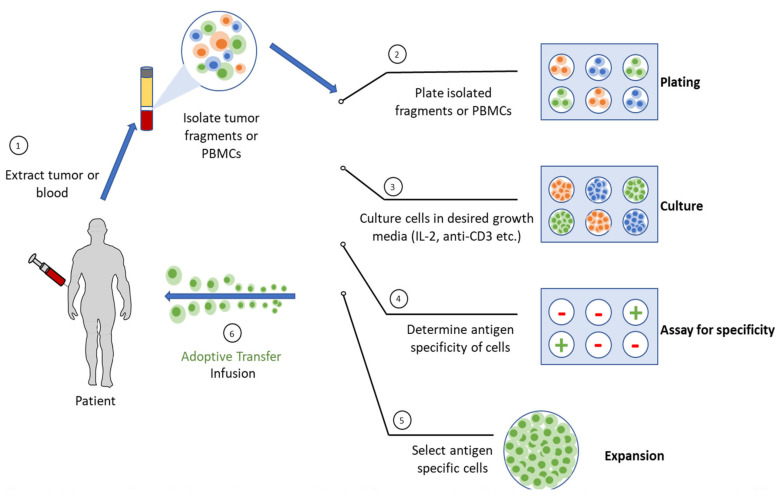
“The ability to isolate and expand immune cells ex vivo offers the advantages of being able to select immune cells with high-avidity recognition and effector function, expand them to large numbers in the absence of inhibitory factors that exist in vivo, and the ability to manipulate the host’s TME before the infusion t…”
BackgroundA decade of immune-checkpoint inhibitors in cancer therapy
Robert, C. (2020) · Nature Communications · doi:10.1038/s41467-020-17670-y · Cited by 1,608
Hodi, F. S., Chiarion-Sileni, V., Gonzalez, R., Grob, J.-J., Rutkowski, P., Cowey, C. L., Lao, C. D., Schadendorf, D., Wagstaff, J., Dummer, R., et al. (2018) · The Lancet Oncology · doi:10.1016/s1470-2045(18)30700-9 · Cited by 1,399 · cited 1×
“Results of the outcomes after 3-year and 4-year follow-up of patients pointed towards the superior clinical benefits of combination therapy over monotherapy [62,63].”
BackgroundBispecific antibodies: a mechanistic review of the pipeline
Labrijn, A. F., Janmaat, M. L., Reichert, J. M., & Parren, P. W. H. I. (2019) · Nature Reviews Drug Discovery · doi:10.1038/s41573-019-0028-1 · Cited by 1,303 · cited 2×
“Two-thirds of the BsAbs focus on the treatment of cancer by bringing effector T cells closer to cancer cells that express specific surface antigens (BiTE) [68].”
BackgroundA Phase I Study on Adoptive Immunotherapy Using Gene-Modified T Cells for Ovarian Cancer
Kershaw, M. H., Westwood, J. A., Parker, L. L., Wang, G., Eshhar, Z., Mavroukakis, S. A., White, D. E., Wunderlich, J. R., Canevari, S., Rogers-Freezer, L., et al. (2006) · Clinical Cancer Research · doi:10.1158/1078-0432.ccr-06-1183 · Cited by 1,254 · cited 1×
“These domains can be recognized as a foreign protein and elicit an immune response [125].”
BackgroundCytokines in clinical cancer immunotherapy
Berraondo, P., Sanmamed, M. F., Ochoa, M. C., Etxeberria, I., Aznar, M. A., Pérez-Gracia, J. L., Rodríguez-Ruiz, M. E., Ponz-Sarvise, M., Castañón, E., & Melero, I. (2019) · British Journal of Cancer · doi:10.1038/s41416-018-0328-y · Cited by 1,205 · cited 1×
“TGF-β is known to recruit Tregs and myeloid cells with a pro-tumorigenic polarization such as neutrophils, MDSCs, macrophages, and tolerogenic DCs and reduces NK cell and CD8+ T cell function [39].”
BackgroundT-cell exhaustion in the tumor microenvironment
Jiang, Y., Li, Y., & Zhu, B. (2015) · Cell Death & Disease · doi:10.1038/cddis.2015.162 · Cited by 1,157 · cited 3×
“Constant exposure to a tumor antigen leads to the enhanced expression of inhibitory receptors such as PD-1, cytotoxic T lymphocyte antigen-4 (CTLA-4), T-cell immunoglobulin domain and mucin domain protein-3 (TIM-3), lymphocyte activation gene-3 (LAG-3), T-cell immunoglobulin and immunoreceptor tyrosine-based inhibitor…”
BackgroundMultistage nanoparticle delivery system for deep penetration into tumor tissue
Wong, C., Stylianopoulos, T., Cui, J., Martin, J., Chauhan, V. P., Jiang, W., Popović, Z., Jain, R. K., Bawendi, M. G., & Fukumura, D. (2011) · Proceedings of the National Academy of Sciences · doi:10.1073/pnas.1018382108 · Cited by 1,062 · cited 3×
“Also, nanomedicines can be designed to improve drug penetration at tumor sites [44].”
BackgroundInfluentialParkhurst, M. R., Yang, J. C., Langan, R. C., Dudley, M. E., Nathan, D.-A. N., Feldman, S. A., Davis, J. L., Morgan, R. A., Merino, M. J., Sherry, R. M., et al. (2011) · Molecular Therapy · doi:10.1038/mt.2010.272 · Cited by 1,020 · cited 1×
“Targeting colon cancer with CAR therapy using the carcinoembryonic antigen (CEA) has caused severe colitis due to recognition of the normal colon tissue [124].”
BackgroundLi, Y., Hermanson, D. L., Moriarity, B. S., & Kaufman, D. S. (2018) · Cell Stem Cell · doi:10.1016/j.stem.2018.06.002 · Cited by 981
Combination of CTLA-4 and PD-1 blockers for treatment of cancer
Rotte, A. (2019) · Journal of Experimental & Clinical Cancer Research · doi:10.1186/s13046-019-1259-z · Cited by 970 · cited 1×
“An anti-CTLA-4 (ipilimumab) and anti-PD-1 (nivolumab and pembrolizumab) combination has been studied extensively in metastatic melanoma patients and the efficacy of the combination was demonstrated in multiple clinical trials [58].”
BackgroundHodi, F. S., Chesney, J., Pavlick, A. C., Robert, C., Grossmann, K. F., McDermott, D. F., Linette, G. P., Meyer, N., Giguere, J. K., Agarwala, S. S., et al. (2016) · The Lancet Oncology · doi:10.1016/s1470-2045(16)30366-7 · Cited by 968
Bollrath, J., Phesse, T. J., von Burstin, V. A., Putoczki, T., Bennecke, M., Bateman, T., Nebelsiek, T., Lundgren-May, T., Canli, Ö., Schwitalla, S., et al. (2009) · Cancer Cell · doi:10.1016/j.ccr.2009.01.002 · Cited by 946
Lamers, C. H. J., Sleijfer, S., Vulto, A. G., Kruit, W. H. J., Kliffen, M., Debets, R., Gratama, J. W., Stoter, G., & Oosterwijk, E. (2006) · Journal of Clinical Oncology · doi:10.1200/jco.2006.05.9964 · Cited by 915 · cited 1×
“On-target/off-tumor recognition is often observed in the gastrointestinal, hematologic, and pulmonary organ systems [123].”
BackgroundToxicity and management in CAR T-cell therapy
Bonifant, C. L., Jackson, H. J., Brentjens, R. J., & Curran, K. J. (2016) · Molecular Therapy - Oncolytics · doi:10.1038/mto.2016.11 · Cited by 885 · cited 1×
“Symptoms can include high fever, malaise, fatigue, myalgia, nausea, anorexia, tachycardia/hypotension, capillary leak, cardiac dysfunction, renal impairment, and hepatic failure disseminated intravascular coagulation [121].”
BackgroundBlocking TNF-α in mice reduces colorectal carcinogenesis associated with chronic colitis
Popivanova, B. K., Kitamura, K., Wu, Y., Kondo, T., Kagaya, T., Kaneko, S., Oshima, M., Fujii, C., & Mukaida, N. (2008) · Journal of Clinical Investigation · doi:10.1172/jci32453 · Cited by 832
Lindau, D., Gielen, P., Kroesen, M., Wesseling, P., & Adema, G. J. (2013) · Immunology · doi:10.1111/imm.12036 · Cited by 815 · cited 1×
“MDSCs and Tregs are known to expand in several murine tumor models and promote T cell dysfunction [25].”
BackgroundOncolytic virus therapy: A new era of cancer treatment at dawn
Fukuhara, H., Ino, Y., & Todo, T. (2016) · Cancer Science · doi:10.1111/cas.13027 · Cited by 774 · cited 1×
“Although there is a push to use genetically engineered OVs, some naturally occurring viruses, such as Reolysin, a proprietary variant of the non-pathogenic reovirus that naturally resides in the digestive or respiratory tract, could be used to combat cancer as well [78].”
BackgroundHistory of Oncolytic Viruses: Genesis to Genetic Engineering
Kelly, E., & Russell, S. J. (2007) · Molecular Therapy · doi:10.1038/sj.mt.6300108 · Cited by 763 · cited 1×
“notably leukemia patients who contracted influenza [75,76].”
The Tumor Microenvironment: A Milieu Hindering and Obstructing Antitumor Immune Responses
Labani-Motlagh, A., Ashja-Mahdavi, M., & Loskog, A. (2020) · Frontiers in Immunology · doi:10.3389/fimmu.2020.00940 · Cited by 751 · cited 3×
“, activating downstream transcription factors such as STAT, SMAD, AP-1, and NFκB and caspases, and cytokines control the pro- (TNFα, IL-6, IL-7, IL-23) or anti-tumorigenic (IL-12, IFNγ, TRAIL) activities [48].”
BackgroundInfluentialTRUCKs: the fourth generation of CARs
Chmielewski, M., & Abken, H. (2015) · Expert Opinion on Biological Therapy · doi:10.1517/14712598.2015.1046430 · Cited by 738 · cited 2×
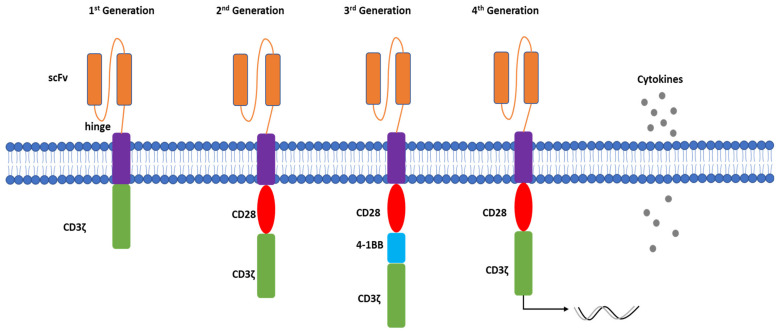
“Fourth-generation CAR-T, also referred to as armored CARs or T cells redirected for universal cytokine-mediated killing (TRUCKs), are enhanced with factors that improve the antitumor function, such as cytokines or enzymes [98].”
BackgroundTGF-β Suppresses Tumor Progression in Colon Cancer by Inhibition of IL-6 trans-Signaling
Becker, C., Fantini, M. C., Schramm, C., Lehr, H. A., Wirtz, S., Nikolaev, A., Burg, J., Strand, S., Kiesslich, R., Huber, S., et al. (2004) · Immunity · doi:10.1016/j.immuni.2004.07.020 · Cited by 726
Oncogenic Kras-induced GM-CSF production promotes the development of pancreatic neoplasia
Pylayeva-Gupta, Y., Lee, K. E., Hajdu, C. H., Miller, G., & Bar-Sagi, D. (2012) · Cancer Cell · doi:10.1016/j.ccr.2012.04.024 · Cited by 721 · cited 1×
“However, tumor-derived GM-CSF, such as in pancreatic cancer and in liver metastases, cause the activation and expansion of immunosuppressive MDSC, which can suppress effector T cell functions [26,56,80].”
BackgroundLamers, C. H., Sleijfer, S., van Steenbergen, S., van Elzakker, P., van Krimpen, B., Groot, C., Vulto, A., den Bakker, M., Oosterwijk, E., Debets, R., et al. (2013) · Molecular Therapy · doi:10.1038/mt.2013.17 · Cited by 704 · cited 1×
“Multiple clinical studies have shown that CAR-T therapy or chemotherapy alone achieved limited efficacy to treat solid tumors [111,112].”
BackgroundTNF-α in Cancer Treatment: Molecular Insights, Antitumor Effects, and Clinical Utility
van Horssen, R., ten Hagen, T. L. M., & Eggermont, A. M. M. (2006) · The Oncologist · doi:10.1634/theoncologist.11-4-397 · Cited by 701
Adoptive-cell-transfer therapy for the treatment of patients with cancer
Dudley, M. E., & Rosenberg, S. A. (2003) · Nature Reviews Cancer · doi:10.1038/nrc1167 · Cited by 660 · cited 1×
“When tumor antigens are presented to T cells, their TCRs become primed to target these tumors specifically, allowing for enhanced immune responses [91].”
BackgroundLamm, D. L., Blumenstein, B. A., Crawford, E. D., Montie, J. E., Scardino, P., Grossman, H. B., Stanisic, T. H., Smith, J. A., Sullivan, J., Sarosdy, M. F., et al. (1991) · New England Journal of Medicine · doi:10.1056/nejm199110243251703 · Cited by 605 · cited 1×
“A phase 3 trial treating patients with intravesical BCG vaccine demonstrated a 5-year disease-free survival of 45% [85].”
BackgroundIpilimumab: An Anti-CTLA-4 Antibody for Metastatic Melanoma
Lipson, E. J., & Drake, C. G. (2011) · Clinical Cancer Research · doi:10.1158/1078-0432.ccr-11-1595 · Cited by 570 · cited 12×
“Although there are currently no precise biomarkers to predict the response of ICI, its efficacy, in general, is associated with the expression of (PD-1, PD-L1, and CTLA-4) and tumor mutation burden [55,65].”
BackgroundInfluentialTreatment Resistance of Solid Tumors
Vaupel, P., Thews, O., & Hoeckel, M. (2001) · Medical Oncology · doi:10.1385/mo:18:4:243 · Cited by 558
Inhibitory receptors and ligands beyond PD-1, PD-L1 and CTLA-4: breakthroughs or backups
Andrews, L. P., Yano, H., & Vignali, D. A. A. (2019) · Nature Immunology · doi:10.1038/s41590-019-0512-0 · Cited by 543 · cited 1×
“Checkpoints, like CTLA-4, PD-1, and PD-L1, are immune system regulators that are supposed to activate the immune response [53,54].”
BackgroundImproving drug delivery to solid tumors: Priming the tumor microenvironment
Khawar, I. A., Kim, J. H., & Kuh, H.-J. (2015) · Journal of Controlled Release · doi:10.1016/j.jconrel.2014.12.018 · Cited by 533 · cited 1×
“The vasculature in solid tumors is highly abnormal, consisting of capillaries that are often leaky with markedly impaired perfusion [18,19].”
BackgroundHartmann, J., Schüßler‐Lenz, M., Bondanza, A., & Buchholz, C. J. (2017) · EMBO Molecular Medicine · doi:10.15252/emmm.201607485 · Cited by 532 · cited 2×
“These receptors have several components, such as an extracellular binding domain, a hinge region, a transmembrane domain, and intracellular signaling domains [97].”
BackgroundMaeda, H., & Khatami, M. (2018) · Clinical and Translational Medicine · doi:10.1186/s40169-018-0185-6 · Cited by 491 · cited 1×
“Thus far, immunotherapies combating hematological cancers and a select group of solid tumors have demonstrated success [13].”
BackgroundKlinger, M., Brandl, C., Zugmaier, G., Hijazi, Y., Bargou, R. C., Topp, M. S., Gökbuget, N., Neumann, S., Goebeler, M., Viardot, A., et al. (2012) · Blood · doi:10.1182/blood-2012-01-400515 · Cited by 471 · cited 1×
“BiTEs are small in size and rapidly penetrate tumors and tissues, however they also get quickly cleared by kidneys and continuous dosing is required [73,74].”
BackgroundReversing T-cell Dysfunction and Exhaustion in Cancer
Zarour, H. M. (2016) · Clinical Cancer Research · doi:10.1158/1078-0432.ccr-15-1849 · Cited by 462 · cited 2×
“Constant exposure to a tumor antigen leads to the enhanced expression of inhibitory receptors such as PD-1, cytotoxic T lymphocyte antigen-4 (CTLA-4), T-cell immunoglobulin domain and mucin domain protein-3 (TIM-3), lymphocyte activation gene-3 (LAG-3), T-cell immunoglobulin and immunoreceptor tyrosine-based inhibitor…”
BackgroundThe Intriguing History of Cancer Immunotherapy
Dobosz, P., & Dzieciątkowski, T. (2019) · Frontiers in Immunology · doi:10.3389/fimmu.2019.02965 · Cited by 458 · cited 1×
“Although his work with ”Coley’s Toxins” was not widely accepted in his time, he continued to treat over 1000 patients during his 40 years as a physician and is now regarded as the “Father of Cancer Immunotherapy” [2].”
BackgroundGeller, M. A., Cooley, S., Judson, P. L., Ghebre, R., Carson, L. F., Argenta, P. A., Jonson, A. L., Panoskaltsis-Mortari, A., Curtsinger, J., McKenna, D., et al. (2011) · Cytotherapy · doi:10.3109/14653249.2010.515582 · Cited by 436 · cited 1×
“Also, CAR expression on NK cells allows for more effective cytotoxicity in solid tumors compared to normal NK-mediated cytotoxicity, as they inherently possess tumor cytotoxicity and can be activated independent of CAR mechanisms via natural cytotoxicity receptors (NCRs)—such as NKp30, NKp44, and NKp46, and DNAM-1 cos…”
BackgroundGoebeler, M.-E., Knop, S., Viardot, A., Kufer, P., Topp, M. S., Einsele, H., Noppeney, R., Hess, G., Kallert, S., Mackensen, A., et al. (2016) · Journal of Clinical Oncology · doi:10.1200/jco.2014.59.1586 · Cited by 428 · cited 3×
“BiTEs are small in size and rapidly penetrate tumors and tissues, however they also get quickly cleared by kidneys and continuous dosing is required [73,74].”
BackgroundGargett, T., & Brown, M. P. (2014) · Frontiers in Pharmacology · doi:10.3389/fphar.2014.00235 · Cited by 395 · cited 1×
“To enhance the safety of CAR-T therapy, CAR-T with a “safety switch” of inducible Caspase 9 (iCasp9) has been designed [99].”
BackgroundBesser, M. J., Shapira-Frommer, R., Itzhaki, O., Treves, A. J., Zippel, D. B., Levy, D., Kubi, A., Shoshani, N., Zikich, D., Ohayon, Y., et al. (2013) · Clinical Cancer Research · doi:10.1158/1078-0432.ccr-13-0380 · Cited by 388 · cited 1×
“In addition to impressive response rates, longer response durability has also been reported in clinical trials [94,95].”
BackgroundTNFα blockade overcomes resistance to anti-PD-1 in experimental melanoma
Bertrand, F., Montfort, A., Marcheteau, E., Imbert, C., Gilhodes, J., Filleron, T., Rochaix, P., Andrieu-Abadie, N., Levade, T., Meyer, N., et al. (2017) · Nature Communications · doi:10.1038/s41467-017-02358-7 · Cited by 384 · cited 1×
“TNF-α is also known, however, to upregulate exhaustion markers TIM-3 in CD8+ T cells induced by programmed cell death-1 (PD-1) antibody therapy [37].”
BackgroundSong, W., Shen, L., Wang, Y., Liu, Q., Goodwin, T. J., Li, J., Dorosheva, O., Liu, T., Liu, R., & Huang, L. (2018) · Nature Communications · doi:10.1038/s41467-018-04605-x · Cited by 375 · cited 2×
“When mice bearing orthotopic colorectal tumors were injected intravenously with oxaliplatin and tumor targeted LPD, there was synergistic inhibition of tumor with reduced toxicity compared to mice treated with PD-L1 antibodies and oxaliplatin [43].”
MethodResultIncreased intensity lymphodepletion and adoptive immunotherapy—how far can we go?
Muranski, P., Boni, A., Wrzesinski, C., Citrin, D. E., Rosenberg, S. A., Childs, R., & Restifo, N. P. (2006) · Nature Clinical Practice Oncology · doi:10.1038/ncponc0666 · Cited by 358 · cited 1×
“Prior to infusion, patients may be lymphodepleted, which has demonstrated an improvement of ACT treatment efficacy [93].”
BackgroundLaheru, D., Lutz, E., Burke, J., Biedrzycki, B., Solt, S., Onners, B., Tartakovsky, I., Nemunaitis, J., Le, D., Sugar, E., et al. (2008) · Clinical Cancer Research · doi:10.1158/1078-0432.ccr-07-0371 · Cited by 346
Vaccines for tumour prevention
Lollini, P.-L., Cavallo, F., Nanni, P., & Forni, G. (2006) · Nature Reviews Cancer · doi:10.1038/nrc1815 · Cited by 340 · cited 1×
“In contrast, therapeutic cancer vaccines are utilized to treat an existing disease or prevent relapse or metastases [82].”
BackgroundThe role of STAT3 in leading the crosstalk between human cancers and the immune system
Wang, Y., Shen, Y., Wang, S., Shen, Q., & Zhou, X. (2018) · Cancer Letters · doi:10.1016/j.canlet.2017.12.003 · Cited by 340 · cited 1×
“Not only do NFκB and STAT3 directly drive tumor cell biology, but they have also been implicated in the programming of suppressive immune cells, which may in turn drive failure of both endogenous immunity and immunotherapeutics [4,33,34].”
BackgroundRibas, A., Medina, T., Kummar, S., Amin, A., Kalbasi, A., Drabick, J. J., Barve, M., Daniels, G. A., Wong, D. J., Schmidt, E. V., et al. (2018) · Cancer Discovery · doi:10.1158/2159-8290.cd-18-0280 · Cited by 337 · cited 1×
“In such situations, combinatorial approaches including agents such as toll-like receptor agonists may enable enhanced checkpoint responsiveness [42].”
BackgroundNishio, N., Diaconu, I., Liu, H., Cerullo, V., Caruana, I., Hoyos, V., Bouchier-Hayes, L., Savoldo, B., & Dotti, G. (2014) · Cancer Research · doi:10.1158/0008-5472.can-14-0697 · Cited by 331 · cited 8×
“Most of these trials have involved the use of mAbs, checkpoint inhibitors, OVs, cancer vaccines, and ACT [11,12].”
BackgroundInfluentialTalimogene Laherparepvec (T-VEC) and Other Oncolytic Viruses for the Treatment of Melanoma
Bommareddy, P. K., Patel, A., Hossain, S., & Kaufman, H. L. (2017) · American Journal of Clinical Dermatology · doi:10.1007/s40257-016-0238-9 · Cited by 322 · cited 1×
“T-Vec (Imlygic), an attenuated herpesvirus encoding granulocyte-macrophage colony stimulating factor (GM-CSF), is the only FDA-approved OV for treating melanoma patients [79].”
BackgroundWorkshop R: Tumor Immunology, Abstract R1 bis R30
(2001) · Immunobiology · doi:10.1016/s0171-2985(04)70018-2 · Cited by 312 · cited 1×
“Not only does radiotherapy eradicate the tumor, but it can also sensitize tumor cells to cytotoxic lymphocytes in the murine colon adenocarcinoma model [114], modulate the TME to make it conducive to CAR-T infiltration, traffic in the highly angiogenic insulinoma mouse models [115], and improve tumor antigen presentat…”
BackgroundSalgia, R., Lynch, T., Skarin, A., Lucca, J., Lynch, C., Jung, K., Hodi, F. S., Jaklitsch, M., Mentzer, S., Swanson, S., et al. (2003) · Journal of Clinical Oncology · doi:10.1200/jco.2003.03.091 · Cited by 296
Capsomidis, A., Benthall, G., Van Acker, H. H., Fisher, J., Kramer, A. M., Abeln, Z., Majani, Y., Gileadi, T., Wallace, R., Gustafsson, K., et al. (2018) · Molecular Therapy · doi:10.1016/j.ymthe.2017.12.001 · Cited by 274 · cited 1×
“Polyclonal γδ T cells transduced with CD19 CAR and GD2 CAR have demonstrated anti-tumor effects in vitro and in in vivo murine models [109,110].”
BackgroundDuffy, M. J., & Crown, J. (2019) · Clinical Chemistry · doi:10.1373/clinchem.2019.303644 · Cited by 273 · cited 1×
“Although there are currently no precise biomarkers to predict the response of ICI, its efficacy, in general, is associated with the expression of (PD-1, PD-L1, and CTLA-4) and tumor mutation burden [55,65].”
BackgroundMacrophage Polarization in the Development and Progression of Ovarian Cancers: An Overview
Cheng, H., Wang, Z., Fu, L., & Xu, T. (2019) · Frontiers in Oncology · doi:10.3389/fonc.2019.00421 · Cited by 265 · cited 1×
“Typical adverse effects include dry, itchy, and swelling skin, and overall stiffness and fatigue [9].”
BackgroundBrischwein, K., Schlereth, B., Guller, B., Steiger, C., Wolf, A., Lutterbuese, R., Offner, S., Locher, M., Urbig, T., Raum, T., et al. (2006) · Molecular Immunology · doi:10.1016/j.molimm.2005.07.034 · Cited by 256
Chimeric antigen receptors for T cell immunotherapy: current understanding and future directions
Curran, K. J., Pegram, H. J., & Brentjens, R. J. (2012) · The Journal of Gene Medicine · doi:10.1002/jgm.2604 · Cited by 251 · cited 5×
“Another potential side effect is OTOTT in CAR cellular therapy, which can be avoided only in cases where the target antigen is exclusively restricted to the tumor.”
BackgroundInfluentialCichocki, F., Bjordahl, R., Gaidarova, S., Mahmood, S., Abujarour, R., Wang, H., Tuininga, K., Felices, M., Davis, Z. B., Bendzick, L., et al. (2020) · Science Translational Medicine · doi:10.1126/scitranslmed.aaz5618 · Cited by 244 · cited 1×
“iPSCs present an alternative source for generating NK cells without the feeder cells [105].”
BackgroundImmune Checkpoint Inhibitor Toxicity in 2018
Johnson, D. B., Chandra, S., & Sosman, J. A. (2018) · JAMA · doi:10.1001/jama.2018.13995 · Cited by 239 · cited 1×
“They have helped improve clinical patients with different types of cancers, including breast, bladder, cervical, colon, liver, and lung [64].”
BackgroundSmall, E. J., Sacks, N., Nemunaitis, J., Urba, W. J., Dula, E., Centeno, A. S., Nelson, W. G., Ando, D., Howard, C., Borellini, F., et al. (2007) · Clinical Cancer Research · doi:10.1158/1078-0432.ccr-06-2937 · Cited by 235
Burga, R. A., Thorn, M., Point, G. R., Guha, P., Nguyen, C. T., Licata, L. A., DeMatteo, R. P., Ayala, A., Joseph Espat, N., Junghans, R. P., et al. (2015) · Cancer Immunology, Immunotherapy · doi:10.1007/s00262-015-1692-6 · Cited by 230 · cited 13×
“In this review article, we will focus on the current standards of care in Biomedicines 2022, 10, 655. https://doi.org/10.3390/biomedicines10030655 https://www.mdpi.com/journal/biomedicines cancer immunotherapy, with a strong focus on the promise and limitations of ACT [4], which includes tumor-infiltrating lymphocytes…”
BackgroundInfluentialSelf-citationVaccine Therapies for Cancer: Then and Now
Morse, M. A., Gwin, W. R., & Mitchell, D. A. (2021) · Targeted Oncology · doi:10.1007/s11523-020-00788-w · Cited by 215 · cited 2×
“Only a handful of vaccines have been approved in the US or EU, while several phase 3 clinical trials have failed to deliver results leading to discontinuation [83].”
BackgroundThe Changing Landscape of Therapeutic Cancer Vaccines—Novel Platforms and Neoantigen Identification
Jou, J., Harrington, K. J., Zocca, M.-B., Ehrnrooth, E., & Cohen, E. E. W. (2021) · Clinical Cancer Research · doi:10.1158/1078-0432.ccr-20-0245 · Cited by 203 · cited 1×
“Viral vector vaccines promote tumor-directed immune responses by delivering antigens via T-cell priming [81].”
BackgroundGanss, R., Ryschich, E., Klar, E., Arnold, B., & Hämmerling, G. J. (2002) · UWA Profiles and Research Repository (UWA) · Cited by 200
Veluchamy, J. P., Kok, N., van der Vliet, H. J., Verheul, H. M. W., de Gruijl, T. D., & Spanholtz, J. (2017) · Frontiers in Immunology · doi:10.3389/fimmu.2017.00631 · Cited by 197
Food groups and risk of squamous cell esophageal cancer in Northern Italy
Bosetti, C., Vecchia, C. L., Talamini, R., Simonato, L., Zambon, P., Negri, E., Trichopoulos, D., Λάγιου, Π., Bardini, R., & Franceschi, S. (2000) · International Journal of Cancer · doi:10.1002/1097-0215(20000715)87:2<253::aid-ijc17>3.0.co;2-a · Cited by 191 · cited 1×
“However, studies have found that many chemotherapeutic agents, such as cyclophosphamide, doxorubicin, oxaliplatin, fluorouracil, and gemcitabine, reduce tumor burden and have immunomodulatory effects that enhance immunotherapy [113].”
BackgroundExploiting CTLA-4, PD-1 and PD-L1 to reactivate the host immune response against cancer
Quezada, S. A., & Peggs, K. S. (2013) · British Journal of Cancer · doi:10.1038/bjc.2013.117 · Cited by 190 · cited 1×
“Checkpoints, like CTLA-4, PD-1, and PD-L1, are immune system regulators that are supposed to activate the immune response [53,54].”
BackgroundBrischwein, K., Parr, L., Pflanz, S., Volkland, J., Lumsden, J., Klinger, M., Locher, M., Hammond, S. A., Kiener, P., Kufer, P., et al. (2007) · Journal of Immunotherapy · doi:10.1097/cji.0b013e318156750c · Cited by 187
Deniger, D. C., Switzer, K., Mi, T., Maiti, S., Hurton, L., Singh, H., Huls, H., Olivares, S., Lee, D. A., Champlin, R. E., et al. (2013) · Molecular Therapy · doi:10.1038/mt.2012.267 · Cited by 184 · cited 1×
“Polyclonal γδ T cells transduced with CD19 CAR and GD2 CAR have demonstrated anti-tumor effects in vitro and in in vivo murine models [109,110].”
BackgroundUtilizing Chimeric Antigen Receptors to Direct Natural Killer Cell Activity
Hermanson, D. L., & Kaufman, D. S. (2015) · Frontiers in Immunology · doi:10.3389/fimmu.2015.00195 · Cited by 172
Itzhaki, O., Hovav, E., Ziporen, Y., Levy, D., Kubi, A., Zikich, D., Hershkovitz, L., Treves, A. J., Shalmon, B., Zippel, D., et al. (2011) · Journal of Immunotherapy · doi:10.1097/cji.0b013e318209c94c · Cited by 169 · cited 1×
“These TILs can be isolated from the excised tumor, then be activated ex vivo and expanded up to 100 billion cells [92].”
BackgroundLamers, C. H. J., Klaver, Y., Gratama, J. W., Sleijfer, S., & Debets, R. (2016) · Biochemical Society Transactions · doi:10.1042/bst20160037 · Cited by 168 · cited 1×
“Multiple clinical studies have shown that CAR-T therapy or chemotherapy alone achieved limited efficacy to treat solid tumors [111,112].”
BackgroundDeMaria, P. J., & Bilušić, M. (2019) · Hematology/Oncology Clinics of North America · doi:10.1016/j.hoc.2018.12.001 · Cited by 168
Lutterbuese, R., Raum, T., Kischel, R., Hoffmann, P., Mangold, S., Rattel, B., Friedrich, M., Thomas, O., Lorenczewski, G., Rau, D., et al. (2010) · Proceedings of the National Academy of Sciences · doi:10.1073/pnas.1000976107 · Cited by 166
Ipilimumab: A novel immunostimulatory monoclonal antibody for the treatment of cancer
Graziani, G., Tentori, L., & Navarra, P. (2012) · Pharmacological Research · doi:10.1016/j.phrs.2011.09.002 · Cited by 164 · cited 12×
“Although there are currently no precise biomarkers to predict the response of ICI, its efficacy, in general, is associated with the expression of (PD-1, PD-L1, and CTLA-4) and tumor mutation burden [55,65].”
BackgroundInfluentialKucerova, P., & Cervinkova, M. (2016) · Anti-Cancer Drugs · doi:10.1097/cad.0000000000000337 · Cited by 157 · cited 1×
“Coley in 1891 when he began treating cancer patients with different combinations of bacteria and their derivatives to provoke an immune response [1].”
BackgroundSuccessful adoptive transfer and in vivo expansion of haploidentical γδ T cells
Wilhelm, M., Smetak, M., Schaefer‐Eckart, K., Kimmel, B., Birkmann, J., Einsele, H., & Kunzmann, V. (2014) · Journal of Translational Medicine · doi:10.1186/1479-5876-12-45 · Cited by 155
Efficiency of CAR-T Therapy for Treatment of Solid Tumor in Clinical Trials: A Meta-Analysis
Hou, B., Tang, Y., Li, W., Zeng, Q., & Chang, D. (2019) · Disease Markers · doi:10.1155/2019/3425291 · Cited by 153 · cited 1×
“Although there has been success in hematological cancers, especially targeting CD19, most of the clinical trials focused on solid tumors have yielded less encouraging results [15].”
ResultTissue Adaptations of Memory and Tissue-Resident Gamma Delta T Cells
Khairallah, C. F., Chu, T. H., & Sheridan, B. S. (2018) · Frontiers in Immunology · doi:10.3389/fimmu.2018.02636 · Cited by 151 · cited 1×
“γδ T cells are abundant in tissues and may have an edge over αβ T cells for developing therapeutic strategies for treating solid tumors [108].”
BackgroundMechanisms of tumor escape from immune system: Role of mesenchymal stromal cells
Poggi, A. D., Musso, A., Dapino, I., & Zocchi, M. R. (2014) · Immunology Letters · doi:10.1016/j.imlet.2014.03.001 · Cited by 140
Monoclonal Antibodies for the Treatment of Cancer
Pento, J. T. (2017) · Anticancer Research · doi:10.21873/anticanres.12040 · Cited by 129 · cited 12×
“The PD-1/PD-L1 axis causes immunosuppression by inducing apoptosis in activated T cells, facilitating T cell exhaustion and anergy, enhancing Treg immunosuppressive function, limiting T cell proliferation, and restraining T cell activation and IL-2 production [55].”
BackgroundInfluentialCancer Immunotherapy, Part 1: Current Strategies and Agents.
Ventola, C. L. (2017) · PubMed · Cited by 120
NK Cell-Based Immunotherapy in Cancer Metastasis
Lorenzo‐Herrero, S., López‐Soto, A., Sordo‐Bahamonde, C., González, A. P., Vitale, M., & Gonzalez, S. R. (2018) · Cancers · doi:10.3390/cancers11010029 · Cited by 119 · cited 1×
“Unlike T cells, NK cells are not bound by HLA restrictions [100].”
BackgroundThorn, M., Guha, P., Cunetta, M., Espat, N. J., Miller, G., Junghans, R. P., & Katz, S. C. (2016) · Cancer Gene Therapy · doi:10.1038/cgt.2016.19 · Cited by 116 · cited 2×
“PD-1 is expressed on activated T cells, B cells, and myeloid cells, and its two ligands, PD-L1 and PD-L2, are expressed on tumor cells and MDSCs in liver metastasis murine tumor models [55,56].”
BackgroundSelf-citationProspects for combined use of oncolytic viruses and CAR T-cells
Ajina, A., & Maher, J. (2017) · Journal for ImmunoTherapy of Cancer · doi:10.1186/s40425-017-0294-6 · Cited by 116 · cited 1×
“OVs can assist in the entry of CAR-T into tumors [119].”
BackgroundKatz, S. C., Hardaway, J. C., Prince, E. A., Guha, P., Cunetta, M., Moody, A. E., Wang, L., Armenio, V. A., Espat, N. J., & Junghans, R. P. (2019) · Cancer Gene Therapy · doi:10.1038/s41417-019-0104-z · Cited by 114 · cited 1×
“High-pressure delivery of CAR-T cellular therapy has shown increased penetration and persistence of cells in tumors [45,46].”
BackgroundSelf-citationSignificance of Margins of Excision on Breast Cancer Recurrence
Swanson, G. P., Rynearson, K., & Symmonds, R. E. (2002) · American Journal of Clinical Oncology · doi:10.1097/00000421-200210000-00002 · Cited by 102 · cited 1×
“Surgical resection is potentially curative in selected cases, but most advanced solid tumor patients are not candidates for this approach [5].”
BackgroundWang, J., Ratnam, N. M., Byrd, J. C., & Guttridge, D. C. (2014) · Cell Reports · doi:10.1016/j.celrep.2014.08.049 · Cited by 94 · cited 1×
“Not only do NFκB and STAT3 directly drive tumor cell biology, but they have also been implicated in the programming of suppressive immune cells, which may in turn drive failure of both endogenous immunity and immunotherapeutics [4,33,34].”
BackgroundLipson, E. J., Sharfman, W. H., Chen, S., McMiller, T. L., Pritchard, T. S., Salas, J. T., Sartorius-Mergenthaler, S., Freed, I., Ravi, S., Wang, H., et al. (2015) · Journal of Translational Medicine · doi:10.1186/s12967-015-0572-3 · Cited by 93
Katz, S. C., Moody, A. E., Guha, P., Hardaway, J. C., Prince, E. A., LaPorte, J. P., Stancu, M., Slansky, J. E., Jordan, K. R., Schulick, R. D., et al. (2020) · Journal for ImmunoTherapy of Cancer · doi:10.1136/jitc-2020-001097 · Cited by 83
Self-citationTargeting the PD-1/PD-L1 Axis for the Treatment of Non-Small-Cell Lung Cancer
Meyers, D. E., Bryan, P., Banerji, S. O., & Morris, D. G. (2018) · Current Oncology · doi:10.3747/co.25.3976 · Cited by 76
Zhao, L., Ching, L.-M., Kestell, P., & Baguley, B. C. (2002) · British Journal of Cancer · doi:10.1038/sj.bjc.6600479 · Cited by 74 · cited 1×
“In cancer immunotherapy, TNF-α acts as a mediator of antitumor immune responses and several immunotherapies have shown reduced anti-tumor activity in the presence of TNF-α antagonists [35,36].”
BackgroundImmunological off-target effects of standard treatments in gastrointestinal cancers
Duffy, A. G., & Greten, T. F. (2013) · Annals of Oncology · doi:10.1093/annonc/mdt349 · Cited by 68 · cited 1×
“Systemic infusion of immunotherapies can cause ontarget-off-tumor toxicities (OTOTT) and poor trafficking of the CAR-T cells to the tumor site further compromises the therapeutic index [16,17].”
BackgroundTGF-beta suppresses tumor progression in colon cancer by inhibition of IL–6 trans-signaling
Becker, C., Fantini, M., Schramm, C., Lehr, H., Wirtz, S., Becker, A., Burg, J., Strand, S., Kiesslich, R., Huber, S., et al. (2004) · Zeitschrift für Gastroenterologie · doi:10.1055/s-2004-831593 · Cited by 67
Uboha, N. V., Milhem, M. M., Kovacs, C., Amin, A., Magley, A., Purkayastha, D., & Piha-Paul, S. A. (2019) · Journal of Clinical Oncology · doi:10.1200/jco.2019.37.15_suppl.2553 · Cited by 58 · cited 1×
“The anti-LAG-3/PD-1 combination demonstrated a clinical benefit rate at 24 weeks of 86%, 27%, and 81%, respectively, in the indications mentioned above (NCT03365791) [66].”
BackgroundChallenges in assessing solid tumor responses to immunotherapy
Chai, L. F., Prince, E. A., Pillarisetty, V. G., & Katz, S. C. (2019) · Cancer Gene Therapy · doi:10.1038/s41417-019-0155-1 · Cited by 58 · cited 1×
“The typical solid tumor TME also limits the penetration of cell therapy products due to high intra-tumoral pressure, leaving much of the tumor mass inaccessible and hence it remains untreated [21,22].”
BackgroundSelf-citationThe past, present and future of immunotherapy against tumor.
Jiang, T., & Zhou, C. (2015) · Europe PMC (PubMed Central) · doi:10.3978/j.issn.2218-6751.2015.01.06 · Cited by 56 · cited 2×
“In the 1990s, the first tumor associated antigen was cloned (melanoma associated antigen 1) and immunogenic tumor antigens were discovered, implying that the immune system can recognize and clear them [10].”
BackgroundMethodAn Update on the Role of Immunotherapy and Vaccine Strategies for Primary Brain Tumors
Neagu, M. R., & Reardon, D. A. (2015) · Current Treatment Options in Oncology · doi:10.1007/s11864-015-0371-3 · Cited by 55 · cited 2×
“Combinations of CAR-T with chemokines such as CXCR2 or CCR4 have been found to help CAR-T trafficking and persistence in solid tumors [118].”
BackgroundCurrent Trends in Cancer Immunotherapy
Filin, I. Y., Solovyeva, V. V., Kitaeva, K. V., Rutland, C. S., & Rizvanov, A. A. (2020) · Biomedicines · doi:10.3390/biomedicines8120621 · Cited by 51 · cited 11×
“In this review article, we will focus on the current standards of care in Biomedicines 2022, 10, 655. https://doi.org/10.3390/biomedicines10030655 https://www.mdpi.com/journal/biomedicines cancer immunotherapy, with a strong focus on the promise and limitations of ACT [4], which includes tumor-infiltrating lymphocytes…”
BackgroundInfluentialBibliometric analysis of oncolytic virus research, 2000 to 2018
Zou, Y., Luo, Y., Zhang, J., Xia, N., Tan, G., & Huang, C. (2019) · Medicine · doi:10.1097/md.0000000000016817 · Cited by 48
Torisu‐Itakura, H., Schoellhammer, H. F., Sim, M., Irie, R. F., Hausmann, S., Raum, T., Baeuerle, P. A., & Morton, D. L. (2011) · Journal of Immunotherapy · doi:10.1097/cji.0b013e3182307fd8 · Cited by 46
Domschke, C., Schneeweiß, A., Stefanović, S., Wallwiener, M., Heil, J., Rom, J., Sohn, C., Beckhove, P., & Schütz, F. (2016) · Breast Care · doi:10.1159/000446061 · Cited by 36 · cited 1×
“Tumors often employ their immunosuppressive microenvironments to escape the therapeutic effects of CAR-T therapy [117].”
BackgroundGuha, P., Gardell, J., Rabinowitz, B. A., Lopes, M. C., DaSilva, N. A., Rowley, D. C., & Katz, S. C. (2020) · Oncogene · doi:10.1038/s41388-020-01559-7 · Cited by 33 · cited 2×
“For example, the liver, an inherently immunosuppressive organ, was found to promote a unique suppressive program among MDSC compared with the lung in models of metastatic disease [26].”
BackgroundSelf-citationDeAngelis, C. (2008) · Current Oncology · doi:10.3747/co.v15i4.362 · Cited by 32 · cited 1×
“A major limitation of cytotoxic chemotherapy drugs is that the drugs generally lack specificity and attack both normal and tumor cells, causing potentially severe side effects [7].”
BackgroundLakhani, N. J., Spreafico, A., Tolcher, A. W., Rodon, J. A., Janku, F., Chandana, S. R., Oliva, M., Sharma, M., Abdul-Karim, R. M., Hansen, U. H., et al. (2020) · Annals of Oncology · doi:10.1016/j.annonc.2020.08.1139 · Cited by 31 · cited 1×
“Sym021 (anti-PD-1), sym022 (anti-LAG-3), and sym023 (anti-TIM-3) were evaluated as single or combination treatments in phase 1 trials for solid tumors or lymphomas (NCT03311412, NCT03489369, and NCT03489343) [67].”
BackgroundDonnelly, O., Harrington, K. J., Melcher, A. A., & Pandha, H. (2013) · Journal of the Royal Society of Medicine · doi:10.1177/0141076813494196 · Cited by 29 · cited 1×
“notably leukemia patients who contracted influenza [75,76].”
Giampieri, R., Prete, M. D., Prochilo, T., Puzzoni, M., Pusceddu, V., Pani, F., Maccaroni, E., Mascia, R., Baleani, M. G., Meletani, T., et al. (2017) · Scientific Reports · doi:10.1038/srep45703 · Cited by 22 · cited 1×
“Systemic infusion of immunotherapies can cause ontarget-off-tumor toxicities (OTOTT) and poor trafficking of the CAR-T cells to the tumor site further compromises the therapeutic index [16,17].”
BackgroundSignificance of Margins of Excision on Breast Cancer Recurrence
Swanson, G. P., Rynearson, K., & Symmonds, R. E. (2002) · American Journal of Clinical Oncology · doi:10.1097/01.coc.0000023419.23779.c7 · Cited by 20
Pressure-enabled delivery of gemcitabine in an orthotopic pancreatic cancer mouse model
Narayanan, J. S. S., Vicente, D. A., Ray, P., Chai, L. F., Erdem, S., Carr, M. J., Capacio, B. A., Cox, B. F., Jaroch, D., Katz, S. C., et al. (2020) · Surgery · doi:10.1016/j.surg.2020.04.059 · Cited by 7
Self-citation
Cited by
Circadian Regulation of Drug Responses: Toward Sex-Specific and Personalized Chronotherapy
Lévi, F., Okyar, A., Hadadi, É., Innominato, P. F., & Ballesta, A. (2023) · The Annual Review of Pharmacology and Toxicology · doi:10.1146/annurev-pharmtox-051920-095416 · Cited by 115
Venkatesulu, B., Giridhar, P., Pujari, L., Chou, B., Lee, J. H., Block, A. M., Upadhyay, R., Welsh, J. S., Harkenrider, M. M., Krishnan, S., et al. (2022) · Radiotherapy and Oncology · doi:10.1016/j.radonc.2022.10.019 · Cited by 91
Lin, F., Yin, S., Zhang, Z., Yu, Y., Fang, H., Liang, Z., Zhu, R., Zhou, H., Li, J., Cao, K., et al. (2024) · Cell · doi:10.1016/j.cell.2024.10.016 · Cited by 74
STING Agonists and How to Reach Their Full Potential in Cancer Immunotherapy
Gehrcken, L., Deben, C., Smits, E., & Audenaerde, J. R. M. V. (2025) · Advanced Science · doi:10.1002/advs.202500296 · Cited by 78
Zhong, L., Li, Y., Muluh, T. A., & Wang, Y. (2023) · Oncology Letters · doi:10.3892/ol.2023.13867 · Cited by 50
“Several clinical trials to investigate the feasibility and efficacy of combining radiotherapy and CAR‐T cell therapy to treat various types of cancer are understood to be currently underway (60,91,92).”
Background
Metadata
- Authors
- Guha, P., Heatherton, K. R., O’Connell, K. P., Alexander, I. S., & Katz, S. C.
- Affiliations
- Boston University (US)
- Roger Williams Medical Center (US)
- Northwestern University (US)
- Corresponding author
- Guha, Prajna
- Venue
- Biomedicines
- Publisher
- MDPI AG
- Published
- 2022-03-11
- Volume
- 10
- Issue
- 3
- Pages
- 655
- ISSN
- 2227-9059 (ISSN-L)
- PMC
- PMC8945484
- OpenAlex
- W4220953090
- Semantic Scholar
- 22493801a6f666bada497af6edcff538b345900c
- Cited by
- 105
- References
- 130
- Citations by year
- 2026: 15 · 2025: 28 · 2024: 30 · 2023: 26 · 2022: 6
- FWCI
- 2.75
- Type
- journal article
- Language
- en
- Open access
- gold
- doi.org
- Licence
- Locations
- Biomedicines (publishedVersion, cc-by)
- PubMed Central (publishedVersion, cc-by)
- PubMed (publishedVersion)
- DOAJ (DOAJ: Directory of Open Access Journals) (submittedVersion)
- Topics
- Health Sciences › Medicine › Oncology › Cancer Immunotherapy and Biomarkers
- Life Sciences › Immunology and Microbiology › Immunology › Immunotherapy and Immune Responses
- Health Sciences › Medicine › Oncology › CAR-T cell therapy research
- Keywords
- solid tumor immunotherapy, CAR T-cell therapy, immune checkpoint inhibitors, PD-1, PD-L1, CTLA-4, immunosuppressive tumor microenvironment, tumor antigen heterogeneity, drug delivery barriers, BCMA
About these checks
Registry, retraction, Cites and statistics results are computed, not judged, with one exception: a printed reference that no index lists is read once by a model before it counts as a citation error. Claims are extracted by a model and kept only when their quote appears verbatim in the text; each cited source is then checked, with a model’s help, for whether it says what the claim relies on. Those verdicts can be wrong — read the claim’s quote and the cited source before relying on one.
Statistics and arithmetic are recomputed, not judged.
Confidence bands are shown only for fields calibrated on our annotated test set. None is calibrated yet, so no band is shown.
What counts as a claim ›How we measure confidence ›How we check this ›
Are you an author, or do you see a problem with this page? Request a review
Data sources
Bibliographic data: Semantic Scholar, OpenAlex, Crossref.
Contains information from the Semantic Scholar Academic Graph Datasets, made available under the ODC Attribution License (ODC-BY 1.0).
Semantic Scholar’s data is described in: Kinney, R., et al. (2023). The Semantic Scholar Open Data Platform. arXiv:2301.10140.
