

Menopause-Associated Depression: Impact of Oxidative Stress and Neuroinflammation on the Central Nervous System—A Review
Open accessThe DOI matches its Crossref record; 157 of the 159 references it cites were found in a registry or an index.
Abstract
Perimenopausal depression, occurring shortly before or after menopause, is characterized by symptoms such as emotional depression, anxiety, and stress, often accompanied by endocrine dysfunction, particularly hypogonadism and senescence. Current treatments for perimenopausal depression primarily provide symptomatic relief but often come with undesirable side effects. The development of agents targeting the specific pathologies of perimenopausal depression has been relatively slow. The erratic fluctuations in estrogen and progesterone levels during the perimenopausal stage expose women to the risk of developing perimenopausal-associated depression. These hormonal changes trigger the production of proinflammatory mediators and induce oxidative stress, leading to progressive neuronal damage. This review serves as a comprehensive overview of the underlying mechanisms contributing to perimenopausal depression. It aims to shed light on the complex relationship between perimenopausal hormones, neurotransmitters, brain-derived neurotrophic factors, chronic inflammation, oxidative stress, and perimenopausal depression. By summarizing the intricate interplay between hormonal fluctuations, neurotransmitter activity, brain-derived neurotrophic factors, chronic inflammation, oxidative stress, and perimenopausal depression, this review aims to stimulate further research in this field. The hope is that an increased understanding of these mechanisms will pave the way for the development of more effective therapeutic targets, ultimately reducing the risk of depression during the menopausal stage for the betterment of psychological wellbeing.
Overview
The claims and statistics of this paper haven’t been checked yet.
Free: it reads the open-access text and checks the first 5 claims that cite a source we can check. Create a free account to check every claim.
Integrity signals
Registry
Cites
Statistics
Figures
Verification
Claims the paper makes
The claims and statistics of this paper haven’t been checked yet.
Free: it reads the open-access text and checks the first 5 claims that cite a source we can check. Create a free account to check every claim.
Claims other papers make about this one
Each is checked against this paper’s own text: does it say what the citing paper says it does?
The source backs part of the claim, not all of it — or backs it for a different population, condition or comparison.
In the citing paper
“Increased levels of pro-inflammatory cytokines in the central nervous system, especially the hippocampus and striatum, are associated with depression [54].”
From Chronic Stress-Associated Depressive Disorders: The Impact of HPA Axis Dysregulation and Neuroinflammation on the Hippocampus—A Mini Review (2025) · cites this paper as [54]
Experimental — accuracy not yet measured
Self-check
Percentages, sums and reported differences re-computed from the paper’s own numbers.
The self-check needs the paper’s full text.
Citations
Cites
How mitochondria produce reactive oxygen species
Murphy, M. P. (2009) · Biochemical Journal · doi:10.1042/bj20081386 · Cited by 8,207 · cited 1×
“Mitochondria are the primary intracellular organelles producing ROS, and the electron transport chain (ETC) complex I and ETC complex III generate O 2 − during the electron transfer process [132,133].”
BackgroundMitochondrial Reactive Oxygen Species (ROS) and ROS-Induced ROS Release
Zorov, D. B., Juhaszova, M., & Sollott, S. J. (2014) · Physiological Reviews · doi:10.1152/physrev.00026.2013 · Cited by 5,383 · cited 1×
“Mitochondria are the primary intracellular organelles producing ROS, and the electron transport chain (ETC) complex I and ETC complex III generate O 2 − during the electron transfer process [132,133].”
BackgroundMassagué, J. (2008) · Cell · doi:10.1016/j.cell.2008.07.001 · Cited by 3,907
Inflammation and Its Discontents: The Role of Cytokines in the Pathophysiology of Major Depression
Miller, A. H., Maletic, V., & Raison, C. L. (2009) · Biological Psychiatry · doi:10.1016/j.biopsych.2008.11.029 · Cited by 3,848 · cited 1×
“Nerve Fiber Signaling: Cytokines can bind to cytokine receptors associated with peripheral afferent nerve fibers, such as the vagus nerve, which can then relay cytokine signals to the relevant brain regions [95].”
BackgroundChronic antidepressant treatment increases neurogenesis in adult rat hippocampus
Malberg, J. E., Eisch, A. J., Nestler, E. J., & Duman, R. S. (2000) · The Journal of Neuroscience · doi:10.1523/jneurosci.20-24-09104.2000 · Cited by 3,111 · cited 1×
“On the contrary, chronic antidepressant treatment significantly promotes neurogenesis the hippocampus [118].”
BackgroundCognition and Depression: Current Status and Future Directions
Gotlib, I. H., & Joormann, J. (2010) · Annual Review of Clinical Psychology · doi:10.1146/annurev.clinpsy.121208.131305 · Cited by 2,420 · cited 1×
“These symptoms include persistent feelings of sadness and hopelessness, decreased interest or pleasure, changes in appetite, sleep disturbances, fatigue, feelings of worthlessness or excessive guilt, difficulty concentrating, psychomotor agitation or slowing, and recurrent thoughts of death [1].”
BackgroundCytokines and chemokines: At the crossroads of cell signalling and inflammatory disease
Turner, M. D., Nedjai, B., Hurst, T., & Pennington, D. J. (2014) · Biochimica et Biophysica Acta (BBA) - Molecular Cell Research · doi:10.1016/j.bbamcr.2014.05.014 · Cited by 2,162 · cited 1×
“There are 11 members in the IL-1 family expressed by several immune cells, including microglial cells, dendritic cells, mononuclear cells, neutrophils, T cells, and B cells [97].”
BackgroundThe interleukin-1 family: back to the future
Garlanda, C., Dinarello, C. A., & Mantovani, A. (2013) · Immunity · doi:10.1016/j.immuni.2013.11.010 · Cited by 1,945 · cited 2×
“The biological functions of these in-terleukins have been linked to many disease processes, including MDD [98,99].”
BackgroundInitial and cyclic recruitment of ovarian follicles
McGee, E. A., & Hsueh, A. J. W. (2000) · Endocrine Reviews · doi:10.1210/edrv.21.2.0394 · Cited by 1,771 · cited 2×
“This phase involves processes such as follicle recruitment, growth, selection, and estrogen synthesis [40].”
BackgroundSynaptic plasticity and depression: new insights from stress and rapid-acting antidepressants
Duman, R. S., Aghajanian, G. K., Sanacora, G., & Krystal, J. H. (2016) · Nature Medicine · doi:10.1038/nm.4050 · Cited by 1,750 · cited 1×
“The activation of mTORC1 has several outcomes, including increased synaptic formation, enhanced neural plasticity, and rapid antidepressant effects [66,67].”
BackgroundEpidemiology of Adult DSM-5 Major Depressive Disorder and Its Specifiers in the United States
Hasin, D. S., Sarvet, A. L., Meyers, J. L., Saha, T. D., Ruan, W. J., Stohl, M., & Grant, B. F. (2018) · JAMA Psychiatry · doi:10.1001/jamapsychiatry.2017.4602 · Cited by 1,737 · cited 1×
“Epidemiological studies have shown that approximately 20% of women may experience an episode of MDD at some point in their lives [6].”
BackgroundHarlow, S. D., Gass, M., Hall, J. E., Lobo, R., Maki, P., Rebar, R. W., Sherman, S., Sluss, P. M., & de Villiers, T. J. (2012) · Menopause · doi:10.1097/gme.0b013e31824d8f40 · Cited by 1,705 · cited 1×
“In the postmenopausal stage, with the depletion of ovarian follicles, FSH levels continue to rise, while estradiol levels steadily decrease until they stabilize [43].”
NF-κB activation by reactive oxygen species: Fifteen years later
Gloire, G., Legrand-Poels, S., & Piette, J. (2006) · Biochemical Pharmacology · doi:10.1016/j.bcp.2006.04.011 · Cited by 1,537 · cited 1×
“Inflammatory cytokines, such as TNF-α , can stimulate the production of ROS in mitochondria by inhibiting the electron transport chain and altering membrane permeability [134,135].”
BackgroundDepression and cardiovascular disease: a clinical review
Hare, D. L., Toukhsati, S. R., Johansson, P., & Jaarsma, T. (2014) · European Heart Journal · doi:10.1093/eurheartj/eht462 · Cited by 1,362 · cited 1×
“The incidence rate of depression in patients with cardiovascular disease is two to three times that of the general population [23], and depression is also a risk factor for the incidence rate and mortality of coronary heart disease or cardiovascular disease in patients with coronary heart disease…”
BackgroundGold, P. W., & Chrousos, G. P. (2002) · Molecular Psychiatry · doi:10.1038/sj.mp.4001032 · Cited by 1,274 · cited 1×
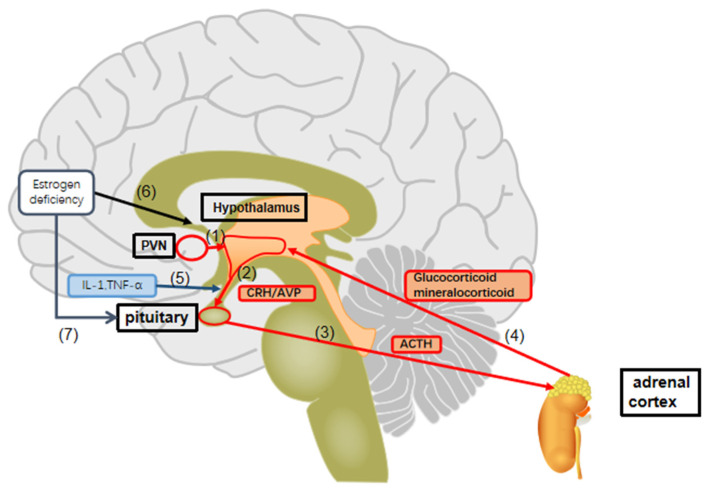
“…expression, plays a crucial role in negative feedback regulation Dysfunctional cortisol negative feedback, which can lead to hypercortisolism in both acute and chronic major depression, is believed to be responsible for HPA axis abnormalities in MDD (Figure 1) [83]. of the stress response [81,82].”
BackgroundOxidative Stress and the Central Nervous System
Salim, S. (2017) · The Journal of Pharmacology and Experimental Therapeutics · doi:10.1124/jpet.116.237503 · Cited by 1,247 · cited 1×
“Brain tissue is particularly sensitive to oxidative stress due to its high oxygen consumption and the presence of high levels of cellular lipids, which are rich in saturated fatty acids and susceptible to oxidation by ROS [127,128].”
BackgroundSimpson, D. S. A., & Oliver, P. L. (2020) · Antioxidants · doi:10.3390/antiox9080743 · Cited by 1,044 · cited 1×
“Studies have shown that TNF-α increases ROS levels in microglia [136,137], and mitochondrial dysfunction in depression leads to elevated ROS [123].”
BackgroundColucci-D’Amato, L., Speranza, L., & Volpicelli, F. (2020) · International Journal of Molecular Sciences · doi:10.3390/ijms21207777 · Cited by 991 · cited 1×
“This process involves the translation of all transcripts into the same pre-pro-BDNF protein in the endoplasmic reticulum, subsequent transport to the Golgi apparatus, cleavage to form pro-BDNF, and final cleavage to produce mature BDNF [59].”
BackgroundThe serotonin theory of depression: a systematic umbrella review of the evidence
Moncrieff, J., Cooper, R. E., Stockmann, T., Amendola, S., Hengartner, M. P., & Horowitz, M. A. (2023) · Molecular Psychiatry · doi:10.1038/s41380-022-01661-0 · Cited by 960 · cited 2×
“Although there seems to be a consensus among people that increasing monoamine levels can alleviate depressive symptoms, a more comprehensive understanding of the monoamine hypothesis and new drug targets targeting the central monoamine system is still under investigation [50–52].”
BackgroundKeller, J., Gomez, R., Williams, G., Lembke, A., Lazzeroni, L., Murphy, G. M., & Schatzberg, A. F. (2017) · Molecular Psychiatry · doi:10.1038/mp.2016.120 · Cited by 922 · cited 1×
“The hyperactivity of the HPA axis is closely associated with the pathophysiology of anxiety, depression, and cognitive functioning [76–78].”
BackgroundChanges in Proinflammatory Cytokine Activity after Menopause
Pfeilschifter, J., Köditz, R., Pfohl, M., & Schatz, H. (2002) · Endocrine Reviews · doi:10.1210/edrv.23.1.0456 · Cited by 914 · cited 1×
“Additionally, the decline in estrogen levels can lead to immune cell activation, and the resulting pro-inflammatory cytokine milieu, including IL-1, IL-6, and TNF-α [93,94].”
BackgroundFreeman, E. W., Sammel, M. D., Lin, H., & Nelson, D. B. (2006) · Archives of General Psychiatry · doi:10.1001/archpsyc.63.4.375 · Cited by 893 · cited 1×
“Research has shown that female patients in the menopausal transition and early post-menopausal years are more likely to experience depressive moods than premenopausal female patients [8,44].”
BackgroundRole of oxidative stress in depression
Bhatt, S., Nagappa, A. N., & Patil, C. R. (2020) · Drug Discovery Today · doi:10.1016/j.drudis.2020.05.001 · Cited by 821 · cited 1×
“Excessive ROS play a significant role in the pathogenesis of MDD [2,123,124], while acting as modulators of neuronal excitability under physiological conditions [125].”
BackgroundAdvances in targeting cyclic nucleotide phosphodiesterases
Maurice, D. H., Ke, H., Ahmad, F., Wang, Y., Chung, J., & Manganiello, V. C. (2014) · Nature Reviews Drug Discovery · doi:10.1038/nrd4228 · Cited by 776
de Novaes Soares, C., Almeida, O. P., Joffe, H., & Cohen, L. S. (2001) · Archives of General Psychiatry · doi:10.1001/archpsyc.58.6.529 · Cited by 691 · cited 1×
“Another study found that supplementing estrogen to perimenopausal depression patients can improve their physical and depressive symptoms [39].”
BackgroundHassamal, S. (2023) · Frontiers in Psychiatry · doi:10.3389/fpsyt.2023.1130989 · Cited by 578 · cited 1×
“Conversely, ROS can also promote the synthesis and release of inflammatory factors [138], which creates a vicious neuroinflammation–ROS cycle.”
BackgroundZhu, D., Chung, H.-F., Dobson, A. J., Pandeya, N., Giles, G. G., Bruinsma, F., Brunner, E. J., Kuh, D., Hardy, R., Avis, N. E., et al. (2019) · The Lancet Public Health · doi:10.1016/s2468-2667(19)30155-0 · Cited by 563 · cited 1×
“…incidence rate of depression in patients with cardiovascular disease is two to three times that of the general population [23], and depression is also a risk factor for the incidence rate and mortality of coronary heart disease or cardiovascular disease in patients with coronary heart disease [24].”
BackgroundArioz, B. I., Tastan, B., Tarakcioglu, E., Tufekci, K. U., Olcum, M., Ersoy, N., Bagriyanik, A., Genc, K., & Genc, S. (2019) · Frontiers in Immunology · doi:10.3389/fimmu.2019.01511 · Cited by 516 · cited 1×
“Several studies have reported that Nrf2 activators, such as rice protein, melatonin, and other natural compounds, can attenuate depressive-like behaviors via the Keap1-Nrf2-ARE pathway [144,145].”
BackgroundStahl, S. M. (2000) · The Journal of Clinical Psychiatry · doi:10.4088/jcp.v61n0103 · Cited by 489
Sarandol, A., Sarandol, E., Eker, S. S., Erdinc, S., Vatansever, E., & Kirli, S. (2007) · Human Psychopharmacology: Clinical and Experimental · doi:10.1002/hup.829 · Cited by 486 · cited 1×
“Brain tissue is particularly sensitive to oxidative stress due to its high oxygen consumption and the presence of high levels of cellular lipids, which are rich in saturated fatty acids and susceptible to oxidation by ROS [127,128].”
BackgroundWebster, J. C., Oakley, R. H., Jewell, C. M., & Cidlowski, J. A. (2001) · Proceedings of the National Academy of Sciences · doi:10.1073/pnas.121455098 · Cited by 482 · cited 1×
“This mechanism may lead to glucocorticoid resistance, disrupting HPA axis function and contributing to mood disorders [112,113].”
BackgroundRole of Chemokines in CNS Health and Pathology: A Focus on the CCL2/CCR2 and CXCL8/CXCR2 Networks
Semple, B. D., Kossmann, T., & Morganti-Kossmann, M. C. (2010) · Journal of Cerebral Blood Flow & Metabolism · doi:10.1038/jcbfm.2009.240 · Cited by 457 · cited 1×
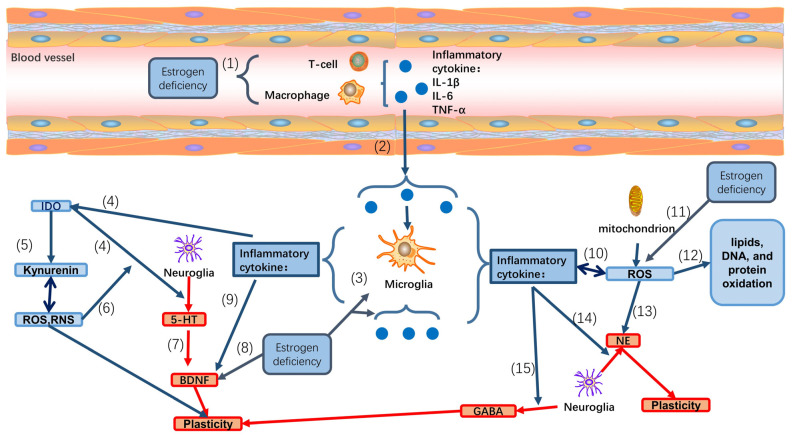
“Microglial Involvement: Microglia can produce CC-chemokine ligand 2 (CCL2) and CXC-chemokine ligand 1 (CXCL1), which can facilitate the entry of immune cells into the cerebrospinal fluid (CSF) (Figure 2) [96].”
BackgroundMcMurray, J. J. V., Packer, M., Desai, A. S., Gong, J., Lefkowitz, M. P., Rizkala, A. R., Rouleau, J., Shi, V. C., Solomon, S. D., Swedberg, K., et al. (2013) · European Journal of Heart Failure · doi:10.1093/eurjhf/hft052 · Cited by 457
Khan, D., & Ansar Ahmed, S. (2016) · Frontiers in Immunology · doi:10.3389/fimmu.2015.00635 · Cited by 454 · cited 1×
“Additionally, the decline in estrogen levels can lead to immune cell activation, and the resulting pro-inflammatory cytokine milieu, including IL-1, IL-6, and TNF-α [93,94].”
BackgroundMikulska, J., Juszczyk, G., Gawrońska-Grzywacz, M., & Herbet, M. (2021) · Brain Sciences · doi:10.3390/brainsci11101298 · Cited by 450
Immune mechanisms linked to depression via oxidative stress and neuroprogression
Bakunina, N., Pariante, C. M., & Zunszain, P. A. (2015) · Immunology · doi:10.1111/imm.12443 · Cited by 444 · cited 2×
“Several hypotheses have been proposed regarding the underlying mechanisms of depression, including the monoamine hypothesis, neuroinflammation and oxidative damage, HPA axis abnormalities, and the neurogenesis hypothesis [2–4].”
BackgroundRole of glucocorticoid negative feedback in the regulation of HPA axis pulsatility
Gjerstad, J. K., Lightman, S. L., & Spiga, F. (2018) · Stress · doi:10.1080/10253890.2018.1470238 · Cited by 437 · cited 1×
“ACTH is released into the circulatory system, stimulating the release of glucocorticoids and mineralocorticoids from the adrenal glands [79,80].”
BackgroundClimacteric and menopause in seven south-east Asian countries
Boulet, M. J., Oddens, B. J., Lehert, P., Vemer, H. M., & Visser, A. (1994) · Maturitas · doi:10.1016/0378-5122(94)90068-x · Cited by 382 · cited 1×
“…flushes, sweating, palpitations, dizziness, anxiety, irritability, headache, depression, and insomnia in all the countries, the proportion of women in East and Southeast Asian countries experiencing hot flushes and night sweating were generally lower than those observed in western countries [10].”
BackgroundAvital, A., Goshen, I., Kamsler, A., Segal, M., Iverfeldt, K., Richter‐Levin, G., & Yirmiya, R. (2003) · Hippocampus · doi:10.1002/hipo.10135 · Cited by 375
Raison, C. L., Borisov, A. S., Majer, M., Drake, D. F., Pagnoni, G., Woolwine, B. J., Vogt, G. J., Massung, B., & Miller, A. H. (2009) · Biological Psychiatry · doi:10.1016/j.biopsych.2008.08.010 · Cited by 367 · cited 2×
“The biological functions of these in-terleukins have been linked to many disease processes, including MDD [98,99].”
BackgroundLoss of TGF-β1 Leads to Increased Neuronal Cell Death and Microgliosis in Mouse Brain
Brionne, T. C., Tesseur, I., Masliah, E., & Wyss-Coray, T. (2003) · Neuron · doi:10.1016/s0896-6273(03)00766-9 · Cited by 367
Correia, A. S., Cardoso, A., & Vale, N. (2023) · Antioxidants · doi:10.3390/antiox12020470 · Cited by 340 · cited 2×
“Studies have shown that TNF-α increases ROS levels in microglia [136,137], and mitochondrial dysfunction in depression leads to elevated ROS [123].”
BackgroundHeme oxygenase-1 exacerbates early brain injury after intracerebral haemorrhage
Wang, J., & Dore, S. (2007) · Brain · doi:10.1093/brain/awm095 · Cited by 333 · cited 1×
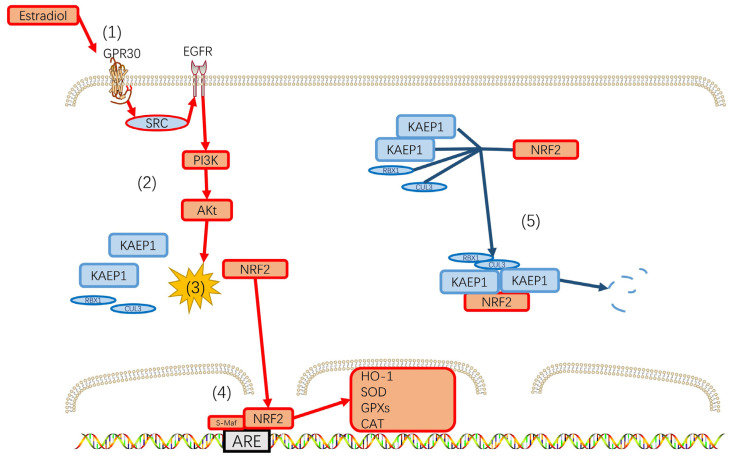
“To regulate the production of ROS, mitochondria produce several protective antioxidant molecules such as Heme oxygenase 1 (HO-1), glutathione peroxidases (Gpxs), catalase, and superoxide dismutase [139–141].”
BackgroundSun, Z., Zhang, S., Chan, J. Y., & Zhang, D. D. (2007) · Molecular and Cellular Biology · doi:10.1128/mcb.00630-07 · Cited by 332 · cited 1×
“…into the nucleus, and the heterodimerization of Nrf2 with small musculoaponeurotic fibrosarcoma (sMaf) proteins in antioxidant response elements (AREs), which are conserved gene sequences in the promoter regions of target genes, activates the transcription of these antioxidant enzymes [142,143].”
BackgroundScharfman, H. E., & MacLusky, N. J. (2006) · Frontiers in Neuroendocrinology · doi:10.1016/j.yfrne.2006.09.004 · Cited by 331 · cited 1×
“Further research has indicated that estrogen may increase BDNF expression and release through estrogen receptor β , mediating its regulatory role [63].”
BackgroundWichers, M. C., & Maes, M. (2004) · Journal of Psychiatry and Neuroscience · doi:10.1139/jpn.0402 · Cited by 285 · cited 2×
“Overexpression of IDO leads to the depletion of plasma concentrations of serotonin precursors, subsequently reducing serotonin synthesis in the central nervous system [108].”
BackgroundPatterson, S. L. (2015) · Neuropharmacology · doi:10.1016/j.neuropharm.2014.12.020 · Cited by 281 · cited 1×
“This supports the hypothesis that excessive or dysregulated IL-1 signaling may contribute to deficits in hippocampus-dependent memory processes [100,101].”
BackgroundGordon, J. L., Girdler, S. S., Meltzer-Brody, S. E., Stika, C. S., Thurston, R. C., Clark, C. T., Prairie, B. A., Moses-Kolko, E., Joffe, H., & Wisner, K. L. (2015) · American Journal of Psychiatry · doi:10.1176/appi.ajp.2014.14070918 · Cited by 274 · cited 1×
“Multiple hypothetical mechanisms are under investigation, including monoamin-ergic deficiency, reduction in neurotrophic factors, hypothalamic-pituitary-adrenal (HPA) axis dysfunction [45], oxidative stress [46,47], and low-grade chronic inflammation [48,49] during perimenopause.”
BackgroundStatins: Mechanisms of neuroprotection
van der Most, P. J., Dolga, A. M., Nijholt, I. M., Luiten, P. G. M., & Eisel, U. L. M. (2009) · Progress in Neurobiology · doi:10.1016/j.pneurobio.2009.02.002 · Cited by 268
Sex hormones modulate circulating antioxidant enzymes: Impact of estrogen therapy
Bellanti, F., Matteo, M., Rollo, T., De Rosario, F., Greco, P., Vendemiale, G., & Serviddio, G. (2013) · Redox Biology · doi:10.1016/j.redox.2013.05.003 · Cited by 263 · cited 2×
“…in the mRNA expression of both SOD and GPxs were observed in women who underwent total hysterectomy with bilateral salpingo-oophorectomy, while estrogen replacement therapy is able to prevent and counteract such modifications by acting as a regulator of key antioxidant gene expression [157].”
BackgroundSchmidt, P. J., Ben Dor, R., Martinez, P. E., Guerrieri, G. M., Harsh, V. L., Thompson, K., Koziol, D. E., Nieman, L. K., & Rubinow, D. R. (2015) · JAMA Psychiatry · doi:10.1001/jamapsychiatry.2015.0111 · Cited by 255 · cited 1×
“Clinical trials have shown that the blind cessation of hormone therapy in women with perimenopausal depression who have previously responded to hormone therapy can lead to the recurrence of depressive symptoms [38].”
BackgroundTong, L., Prieto, G. A., Kramár, E. A., Smith, E. D., Cribbs, D. H., Lynch, G., & Cotman, C. W. (2012) · The Journal of Neuroscience · doi:10.1523/jneurosci.1253-12.2012 · Cited by 254 · cited 1×
“Inhibiting p38 MAPK can block these neural plasticity-damaging effects of IL-1 β (Figure 2) [111].”
BackgroundMcCarthy, M., & Raval, A. P. (2020) · Journal of Neuroinflammation · doi:10.1186/s12974-020-01998-9 · Cited by 254 · cited 1×
“Two prominent features of perimenopause, bioenergetic deficits and chronic inflammation, have been identified as unifying factors that causally connect genetic risk factors for MDD and various neurodegenerative diseases [88–90].”
BackgroundMaki, P. M., Kornstein, S. G., Joffe, H., Bromberger, J. T., Freeman, E. W., Athappilly, G., Bobo, W. V., Rubin, L. H., Koleva, H. K., Cohen, L. S., et al. (2018) · Menopause · doi:10.1097/gme.0000000000001174 · Cited by 250 · cited 1×
“…classes: tricyclic antidepressants (e.g., Clomipramine, amitriptyline, doxepin), monoamine oxidase inhibitors (e.g., Phenylethylhydrazine, bromo-faromine, toloxadone, isozohydrazine), and selective serotonin reuptake inhibitors (e.g., fluoxetine, citalopram, escitalopram, sertraline) [18–20].”
Petrik, D., Lagace, D. C., & Eisch, A. J. (2012) · Neuropharmacology · doi:10.1016/j.neuropharm.2011.09.003 · Cited by 241 · cited 1×
“These results illustrated that neurogenesis plays a vital role in depression and can impact behavioral output and the efficacy of antidepressant therapy, which was also the simplest form of the neurogenesis hypothesis [119].”
BackgroundCastaño, A., Herrera, A. J., Cano, J., & Machado, A. (2002) · Journal of Neurochemistry · doi:10.1046/j.1471-4159.2002.00799.x · Cited by 238 · cited 1×
“Studies have shown that intranigral injection of LPS increased the concentrations of serotonin catabolite and 5-hydroxyindoleacetic acid (5-HIAA) in various brain areas, while significantly decreasing the levels of dopamine and its metabolites, such as dihydroxyphenylacetic acid [107].”
BackgroundZhang, H. (2002) · Neuropsychopharmacology · doi:10.1016/s0893-133x(02)00344-5 · Cited by 229 · cited 1×
“Animal research also reported that Pde4d-KO mice exhibited decreased immobility in tail suspension and forced swim tests, which suggested that PDE4D plays a role in the pathophysiology and pharmacotherapy of depression [154].”
BackgroundReversal of Oxidative Stress-Induced Anxiety by Inhibition of Phosphodiesterase-2 in Mice
Masood, A., Nadeem, A., Mustafa, S. J., & O’Donnell, J. M. (2008) · The Journal of Pharmacology and Experimental Therapeutics · doi:10.1124/jpet.108.137208 · Cited by 223 · cited 1×
“The NO/cGMP signaling pathway participates in depression-and anxiety-related behaviors by regulating oxidative stress, neuroinflammation, and cortisol levels, among other mechanisms [149,150].”
BackgroundInterleukin-1β impairs brain derived neurotrophic factor-induced signal transduction
Tong, L., Balazs, R., Soiampornkul, R., Thangnipon, W., & Cotman, C. W. (2008) · Neurobiology of Aging · doi:10.1016/j.neurobiolaging.2007.02.027 · Cited by 222 · cited 1×
“This IL-1 β -induced suppression of the BDNF neuroprotection process could be mitigated by inhibitors of ceramide production [110].”
BackgroundRegulation of BDNF-TrkB Signaling and Potential Therapeutic Strategies for Parkinson’s Disease
Jin, W. (2020) · Journal of Clinical Medicine · doi:10.3390/jcm9010257 · Cited by 195 · cited 1×
“Brain-derived neurotrophic factor (BDNF), a 119-amino acid secretory polypeptide, is widely distributed in various regions of the central nervous system, including the cortex, hippocampus, visual cortex, striatum, substantia nigra, retrorubral region, and ventral tegmental area [58].”
BackgroundDepression During and After the Perimenopause
Bromberger, J. T., & Epperson, C. N. (2018) · Obstetrics and Gynecology Clinics of North America · doi:10.1016/j.ogc.2018.07.007 · Cited by 188 · cited 2×
“Furthermore, the risk of depression appears to increase during dynamic hormonal flux periods such as the perimenopause stage [7], with rates of MDD and clinical elevations in depressive symptoms doubling to tripling when compared to premenopausal and late postmenopausal rates [8].”
BackgroundBeta-blockers and central nervous system side effects
McAinsh, J., & Cruickshank, J. M. (1990) · Pharmacology & Therapeutics · doi:10.1016/0163-7258(90)90092-g · Cited by 187 · cited 1×
“…to the quantity of β -blocker crossing the blood–brain barrier, since hydrophilic β -receptor blockers such as atenolol have a lower incidence of side effects, while lipophilic β -receptor blockers such as indole alcohol and propranolol typically have a higher incidence of side effects [31].”
BackgroundRole of Kynurenine Pathway in Oxidative Stress during Neurodegenerative Disorders
Mor, A., Tankiewicz-Kwedlo, A., Krupa, A., & Pawlak, D. (2021) · Cells · doi:10.3390/cells10071603 · Cited by 187 · cited 1×
“On the other hand, superoxide anion radicals (SAR) like O 2 − can act as a co-substrate of IDO, leading to the superinduction of the neurotoxic kynurenine pathway in the presence of excessive oxidative stress, significantly reducing the survivability of neuronal cells [108,131].”
BackgroundThe role of mTOR in depression and antidepressant responses
Abelaira, H. M., Réus, G. Z., Neotti, M. V., & Quevedo, J. (2014) · Life Sciences · doi:10.1016/j.lfs.2014.02.014 · Cited by 186 · cited 1×
“The activation of mTORC1 has several outcomes, including increased synaptic formation, enhanced neural plasticity, and rapid antidepressant effects [66,67].”
BackgroundNaert, G., IXART, G., Maurice, T., Tapia‐Arancibia, L., & Givalois, L. (2010) · Molecular and Cellular Neuroscience · doi:10.1016/j.mcn.2010.08.006 · Cited by 174 · cited 1×
“Previous studies have highlighted the involvement of neurotrophins like BDNF in hypothalamic-pituitary-adrenal (HPA) axis neuroendocrine regulation [71].”
BackgroundEffects of Estrogen Antagonists and Agonists on the ACTH Response to Restraint Stress in Female Rats
Young, E. (2001) · Neuropsychopharmacology · doi:10.1016/s0893-133x(01)00301-3 · Cited by 171
Hernández-Hernández, O. T., Martínez-Mota, L., Herrera‐Perez, J. J., & Jiménez-Rubio, G. (2018) · Current Neuropharmacology · doi:10.2174/1570159x16666180628165107 · Cited by 168
Dugan, L. L., Ali, S. S., Shekhtman, G., Roberts, A. J., Lucero, J., Quick, K. L., & Behrens, M. M. (2009) · PLoS ONE · doi:10.1371/journal.pone.0005518 · Cited by 165 · cited 1×
“This effect preserves cognitive performance in aging mice (Figure 2) [106].”
BackgroundBehaviour of some indicators of oxidative stress in postmenopausal and fertile women
Signorelli, S. S., Neri, S., Sciacchitano, S., Pino, L. D., Costa, M. P., Marchese, G., Celotta, G., Cassibba, N., Pennisi, G., & Caschetto, S. (2006) · Maturitas · doi:10.1016/j.maturitas.2005.03.001 · Cited by 159 · cited 2×
“…in postmenopausal than fertile women, while glutathione peroxidase levels were significantly higher in fertile women than in postmenopausal subjects, which indicated that the levels of oxidative stress in postmenopausal women increase while the synthesis of antioxidant enzymes decreases [156].”
BackgroundDe Vincenti, A. P., Ríos, A. S., Paratcha, G., & Ledda, F. (2019) · Frontiers in Cellular Neuroscience · doi:10.3389/fncel.2019.00135 · Cited by 157
Inflammation Subverts Hippocampal Synaptic Plasticity in Experimental Multiple Sclerosis
Nisticò, R., Mango, D., Mandolesi, G., Piccinin, S., Berretta, N., Pignatelli, M., Feligioni, M., Musella, A., Gentile, A., Mori, F., et al. (2013) · PLoS ONE · doi:10.1371/journal.pone.0054666 · Cited by 154 · cited 1×
“In the experimental autoimmune encephalomyelitis (EAE) mouse model, IL-1 β secreted by activated microglia was reported to suppress GABAergic inhibitory transmission, potentially leading to neuroplastic injury [105].”
BackgroundProinflammatory and anti-inflammatory cytokine changes related to menopause
Măluţan, A. M., Mihu, D., Costin, N., & Carmen, M. (2014) · Menopause Review/Przegląd Menopauzalny · doi:10.5114/pm.2014.43818 · Cited by 154 · cited 1×
“Research has shown that estradiol levels in peripheral serum have an inverse relationship with serum IL-8, TNF-α , as well as microglial and astrocytic reactivity in peri-menopausal women [92].”
BackgroundRoles of mTOR Signaling in Tissue Regeneration
Wei, X., Luo, L., & Chen, J. (2019) · Cells · doi:10.3390/cells8091075 · Cited by 134 · cited 1×
“Additionally, the mTOR signaling pathway regulates autophagy and promotes nerve regeneration [68], which regulates depression through the bidirectional control of autophagy and autophagic flux [69].”
BackgroundSavaskan, N. E., Ufer, C., Kühn, H., & Borchert, A. (2007) · bchm · doi:10.1515/bc.2007.126 · Cited by 123
Hormonal Agents for the Treatment of Depression Associated with the Menopause
Herson, M., & Kulkarni, J. (2022) · Drugs & Aging · doi:10.1007/s40266-022-00962-x · Cited by 123 · cited 3×
“Furthermore, menopausal depressive symptoms are highest during the early perimenopause period [17], and thus perimenopause presents a better opportunity for effective treatment of menopausal depression than the late menopausal period.”
BackgroundKasper, S., & Hamon, M. (2009) · The World Journal of Biological Psychiatry · doi:10.1080/15622970902717024 · Cited by 119 · cited 1×
“MAOIs and tricyclic antidepressants (TCAs) were found to alleviate depressive symptoms by increasing the concentration of these neurotransmitters [51].”
BackgroundDifferential effects of antidepressant drugs on mTOR signalling in rat hippocampal neurons
Park, S. W., Lee, J. G., Seo, M. K., Lee, C. H., Cho, H. Y., Lee, B. J., Seol, W., & Kim, Y. H. (2014) · The International Journal of Neuropsychopharmacology · doi:10.1017/s1461145714000534 · Cited by 111 · cited 1×
“These pathways subsequently affect the mammalian target of rapamycin complex-1 (mTORC1), a crucial growth regulator [64,65].”
BackgroundTetrahydrobiopterin: Beyond Its Traditional Role as a Cofactor
Eichwald, T., da Silva, L. D. B., Pires, A. S., Niero, L., Schnorrenberger, E., Filho, C. C., Espíndola, G., Huang, W., Guillemin, G. J., Abdenur, J. E., et al. (2023) · Antioxidants · doi:10.3390/antiox12051037 · Cited by 110 · cited 1×
“…can interact with nitric oxide (NO) to form perox-ynitrite, which impairs enzymatic function, tyrosine residues, and reduces the production of monoaminergic neurotransmitters and other aminergic compounds (e.g., Tetrahydro-biopterin (BH 4 )), which are necessary for monoamine synthesis [129,130].”
BackgroundIs There a Role of Autophagy in Depression and Antidepressant Action?
Gassen, N. C., & Rein, T. (2019) · Frontiers in Psychiatry · doi:10.3389/fpsyt.2019.00337 · Cited by 109 · cited 1×
“Additionally, the mTOR signaling pathway regulates autophagy and promotes nerve regeneration [68], which regulates depression through the bidirectional control of autophagy and autophagic flux [69].”
BackgroundGoncharova, N. D. (2013) · Frontiers in Endocrinology · doi:10.3389/fendo.2013.00026 · Cited by 103 · cited 1×
“ACTH is released into the circulatory system, stimulating the release of glucocorticoids and mineralocorticoids from the adrenal glands [79,80].”
BackgroundCognitive Problems in Perimenopause: A Review of Recent Evidence
Metcalf, C. A., Duffy, K. A., Page, C. E., & Novick, A. M. (2023) · Current Psychiatry Reports · doi:10.1007/s11920-023-01447-3 · Cited by 101 · cited 2×
“Furthermore, the risk of depression appears to increase during dynamic hormonal flux periods such as the perimenopause stage [7], with rates of MDD and clinical elevations in depressive symptoms doubling to tripling when compared to premenopausal and late postmenopausal rates [8].”
BackgroundMin, S. S., Quan, H. Y., Ma, J., Han, J., Jeon, B. H., & Seol, G. H. (2009) · Neuroscience Letters · doi:10.1016/j.neulet.2009.03.079 · Cited by 100 · cited 1×
“LTP is a critical substrate for hippocampus-dependent memory and is evoked by high-frequency and theta burst stimulation [104].”
Background17β-Estradiol Differentially Regulates Stress Circuitry Activity in Healthy and Depressed Women
Jacobs, E. G., Holsen, L. M., Lancaster, K., Makris, N., Whitfield-Gabrieli, S., Remington, A., Weiss, B. K., Buka, S. L., Klibanski, A., & Goldstein, J. M. (2014) · Neuropsychopharmacology · doi:10.1038/npp.2014.203 · Cited by 99
Grinberg, Y. Y., Dibbern, M. E., Levasseur, V. A., & Kraig, R. P. (2013) · Journal of Neurochemistry · doi:10.1111/jnc.12267 · Cited by 94 · cited 1×
“Inflammatory cytokines, such as TNF-α , can stimulate the production of ROS in mitochondria by inhibiting the electron transport chain and altering membrane permeability [134,135].”
BackgroundQuality of life among post-menopausal women due to oxidative stress boosted by dysthymia and anxiety
Sánchez-Rodríguez, M. A., Castrejón-Delgado, L., Zacarías-Flores, M., Arronte-Rosales, A., & Mendoza-Núñez, V. M. (2017) · BMC Women s Health · doi:10.1186/s12905-016-0358-7 · Cited by 92 · cited 1×
“Multiple hypothetical mechanisms are under investigation, including monoamin-ergic deficiency, reduction in neurotrophic factors, hypothalamic-pituitary-adrenal (HPA) axis dysfunction [45], oxidative stress [46,47], and low-grade chronic inflammation [48,49] during perimenopause.”
BackgroundZhe, D., Fang, H., & Yuxiu, S. (2008) · ACTA HISTOCHEMICA ET CYTOCHEMICA · doi:10.1267/ahc.08013 · Cited by 91 · cited 2×
“The hippocampus, one of the key regions with glucocorticoid receptor (GR) and mineralocorticoid receptor (MR) expression, plays a crucial role in negative feedback regulation of the stress response [81,82].”
BackgroundAtorvastatin prevents lipopolysaccharide-induced depressive-like behaviour in mice
Taniguti, E. H., Ferreira, Y. S., Stupp, I. J. V., Fraga-Junior, E. B., Doneda, D. L., Lopes, L., Rios-Santos, F., Lima, E., Buss, Z. S., Viola, G. G., et al. (2019) · Brain Research Bulletin · doi:10.1016/j.brainresbull.2019.01.018 · Cited by 90 · cited 1×
“In animal experiments, atorvastatin alleviated lipopolysaccharide-induced depressive status in mice by reducing TNF-α levels and oxidative stress while increasing BDNF levels in the hippocampus and prefrontal cortex [27].”
BackgroundInhibition of Norepinephrine Uptake in Patients With Major Depression Treated With Paroxetine
Gilmor, M. L., Owens, M. J., & Nemeroff, C. B. (2002) · American Journal of Psychiatry · doi:10.1176/appi.ajp.159.10.1702 · Cited by 87 · cited 1×
“In recent years, novel pharmacotherapeutic agents such as serotonin/norepinephrine reuptake inhibitors (SNRIs), glutamatergic agents (such as ketamine and d-cycloserine), and selective estrogen receptor modulators (SERM) for treating perimenopausal depression have also gradually been used [21,22].”
BackgroundAllshouse, A. A., Pavlovic, J. M., & Santoro, N. F. (2018) · Obstetrics and Gynecology Clinics of North America · doi:10.1016/j.ogc.2018.07.004 · Cited by 86 · cited 1×
“This period is characterized endocrinologically by persistently high gonadotropin levels, sustained irregular menstruation with periods of amenorrhea, and hypoestrogenism [42].”
BackgroundResponse to SSRIs and role of the hormonal therapy in post-menopausal depression
Zanardi, R., Rossini, D., Magri, L., Malaguti, A., Colombo, C., & Smeraldi, E. (2006) · European Neuropsychopharmacology · doi:10.1016/j.euroneuro.2006.11.001 · Cited by 85 · cited 1×
“Clinical studies have also indicated that estrogen facilitates the action of selective serotonin reuptake inhibitors (SSRIs), increasing the sensitivity of perimenopausal depression patients to SSRIs and improving treatment outcomes [85].”
BackgroundJiménez, M. T. B., Frenis, K., Hahad, O., Steven, S., Cohen, G., Cuadrado, A., Münzel, T. F., & Daiber, A. (2022) · Free Radical Biology and Medicine · doi:10.1016/j.freeradbiomed.2022.05.016 · Cited by 85
Marathe, N., Rangaswami, H., Zhuang, S., Boss, G. R., & Pilz, R. B. (2012) · Journal of Biological Chemistry · doi:10.1074/jbc.m111.294959 · Cited by 82
Parry, B. L. (2008) · American Journal of Psychiatry · doi:10.1176/appi.ajp.2007.07071152 · Cited by 81
Rekkas, P. V., Wilson, A. A., Lee, V. W. H., Yogalingam, P., Sacher, J., Rusjan, P., Houle, S., Stewart, D. E., Kolla, N. J., Kish, S., et al. (2014) · JAMA Psychiatry · doi:10.1001/jamapsychiatry.2014.250 · Cited by 80 · cited 1×
“…levels in women at the perimenopausal age than at the premenopausal age, suggesting a potential connection with changes in female gonadal hormones [56], which is in line with an earlier observation that associated gonadal and stress hormones with serotonin deficiency in women with depression [57].”
ResultSUMNER, B. E. H., & Fink, G. (1997) · Neuroscience Letters · doi:10.1016/s0304-3940(97)00651-4 · Cited by 79 · cited 1×
“It accomplishes this through the regulation of tryptophan hydroxylase type 2 gene expression and the reduction in monoamine oxidase-A (MAO-A) levels and enzyme activity [54,55].”
BackgroundInflammation: Bridging Age, Menopause and APOEε4 Genotype to Alzheimer’s Disease
Mishra, A., & Brinton, R. D. (2018) · Frontiers in Aging Neuroscience · doi:10.3389/fnagi.2018.00312 · Cited by 79
Gordon, J. L., Eisenlohr-Moul, T. A., Rubinow, D. R., Schrubbe, L., & Girdler, S. S. (2016) · Clinical Psychological Science · doi:10.1177/2167702616647924 · Cited by 75 · cited 1×
“Both estradiol and cortisol levels were also correlated with negative mood in women who had experienced depression in the past and those currently experiencing depressive symptoms [87].”
BackgroundTissue-specific effects of estrogen on monoamine oxidase A and B in the rat
Holschneider, D. P., Kumazawa, T., Chen, K., & Shih, J. C. (1998) · Life Sciences · doi:10.1016/s0024-3205(98)00255-0 · Cited by 74 · cited 1×
“It accomplishes this through the regulation of tryptophan hydroxylase type 2 gene expression and the reduction in monoamine oxidase-A (MAO-A) levels and enzyme activity [54,55].”
BackgroundSelective Estrogen Receptor Modulators: Tissue Actions and Potential for CNS Protection
Littleton‐Kearney, M. T., Ostrowski, N. L., Cox, D. A., Rossberg, M. I., & Hurn, P. D. (2002) · CNS Drug Reviews · doi:10.1111/j.1527-3458.2002.tb00230.x · Cited by 73
TGF-β/Smad Signalling in Neurogenesis: Implications for Neuropsychiatric Diseases
Hiew, L.-F., Poon, C.-H., You, H.-Z., & Lim, L.-W. (2021) · Cells · doi:10.3390/cells10061382 · Cited by 71 · cited 1×
“…growth via the TGF-β /TAK1 signal pathway; (3) TGF-β was involved in neuronal differentiation and axon growth through the TGF-β /MAPK signal pathway; (4) TGF-β 2 increased CREB phosphorylation in hippocampal cells, which mediated the long-term improvement of depressive behavior by TGF-β 2 [116].”
BackgroundHuang, W., Hsin, I., Chen, D., Chang, C., Kor, C., Chen, T., & Wu, H. (2017) · PLoS ONE · doi:10.1371/journal.pone.0184011 · Cited by 65
Lee, M. T., Peng, W.-H., Kan, H.-W., Wu, C.-C., Wang, D.-W., & Ho, Y.-C. (2022) · Biomedicines · doi:10.3390/biomedicines10051005 · Cited by 65 · cited 1×
“Pro-inflammatory cytokines, such as TNF-α and IL-1 β , can influence responses to glutamate, a neurotransmitter that can be converted into gamma-aminobutyric acid (GABA) by the enzyme glutamic acid decarboxylase (GAD) [102].”
BackgroundSelf-citationBerberine produces antidepressant-like effects in ovariectomized mice
Fan, J., Li, B., Ge, T., Zhang, Z., Lv, J., Zhao, J., Wang, P., Liu, W., Wang, X., Młyniec, K., et al. (2017) · Scientific Reports · doi:10.1038/s41598-017-01035-5 · Cited by 63 · cited 1×
“Preclinical evidence has shown that idecreased BDNF levels in the hippocampus and prefrontal cortex (PFC) is associated with bilateral ovariectomy, leading to effective depression due to estrogen deficiency in mice [61,62].”
BackgroundBeta-Blockers and Depression After Myocardial Infarction
van Melle, J. P., Verbeek, D. E. P., van den Berg, M. P., Ormel, J., van der Linde, M. R., & de Jonge, P. (2006) · Journal of the American College of Cardiology · doi:10.1016/j.jacc.2006.07.056 · Cited by 62
Dai, T.-T., Wang, B., Xiao, Z.-Y., You, Y., & Tian, S.-W. (2018) · Neuroscience · doi:10.1016/j.neuroscience.2018.08.018 · Cited by 61 · cited 1×
“Substances that upregulate BDNF were shown to mitigate the effects of chronic stress-induced depression by ameliorating the HPA axis and the hippocampal glucocorticoid receptor (GR) dysfunctions [72] as well as the 5-HT system [73].”
BackgroundWang, Y., Mishra, A., & Brinton, R. D. (2020) · F1000Research · doi:10.12688/f1000research.21599.1 · Cited by 61
Therapeutic targeting of microglia mediated oxidative stress after neurotrauma
Smith, A. N., Shaughness, M., Collier, S., Hopkins, D., & Byrnes, K. R. (2022) · Frontiers in Medicine · doi:10.3389/fmed.2022.1034692 · Cited by 60 · cited 1×
“Studies have shown that TNF-α increases ROS levels in microglia [136,137], and mitochondrial dysfunction in depression leads to elevated ROS [123].”
BackgroundFukumoto, K., Fogaça, M. V., Liu, R.-J., Duman, C. H., Li, X., Chaki, S., & Duman, R. S. (2020) · Neuropsychopharmacology · doi:10.1038/s41386-020-0705-0 · Cited by 59 · cited 1×
“The AMPA receptor-BDNF-mTOR signal pathway is suggested to be essential for enhancing synaptic function in the medial prefrontal cortex and contributes to the rapid antidepressant effect of ketamine [70].”
BackgroundВячеславовна, Г. А., Svirin, E. P., Pavlov, D., Cespuglio, R., Proshin, A. T., Schroeter, C. A., Lesch, K., & Strekalova, T. V. (2023) · International Journal of Molecular Sciences · doi:10.3390/ijms24020915 · Cited by 59
Xu, Y., Pan, J., Chen, L., Zhang, C., Sun, J., Li, J., Nguyen, L., Nair, N., Zhang, H., & O’Donnell, J. M. (2013) · The International Journal of Neuropsychopharmacology · doi:10.1017/s146114571200065x · Cited by 56 · cited 1×
“The NO/cGMP signaling pathway participates in depression-and anxiety-related behaviors by regulating oxidative stress, neuroinflammation, and cortisol levels, among other mechanisms [149,150].”
BackgroundCytokines and neuronal channels: A molecular basis for age-related decline of neuronal function?
Viviani, B., & Boraso, M. (2010) · Experimental Gerontology · doi:10.1016/j.exger.2010.09.008 · Cited by 51 · cited 1×
“This influence by pro-inflammatory cytokines occurs through complex effects on N-methyl-D-aspartate (NMDA) and α -amino-3-hydroxy-5-methyl-4-isoxazolepropionate (AMPA) receptor-associated function [103].”
BackgroundBone turnover across the menopause transition: The role of gonadal inhibins
Nicks, K. M., Fowler, T. W., Akel, N. S., Perrien, D. S., Suva, L. J., & Gaddy, D. (2010) · Annals of the New York Academy of Sciences · doi:10.1111/j.1749-6632.2009.05349.x · Cited by 50 · cited 1×
“With the loss of gonadal function in late perimenopausal women, a significant decrease in estrogen is accompanied by a decrease in the levels of TGF-β superfamily members, ultimately leading to reduced neurogenesis, decreased neural plasticity, and the occurrence of depression [122].”
BackgroundBuday, K., & Conrad, M. (2020) · Biological Chemistry · doi:10.1515/hsz-2020-0286 · Cited by 50 · cited 1×
“To regulate the production of ROS, mitochondria produce several protective antioxidant molecules such as Heme oxygenase 1 (HO-1), glutathione peroxidases (Gpxs), catalase, and superoxide dismutase [139–141].”
BackgroundHealthcare Utilization and Prevalence of Symptoms in Women with Menopause: A Real-World Analysis
Moser, S. S., Chodick, G., Bar-On, S., & Shalev, V. (2020) · International Journal of Women s Health · doi:10.2147/ijwh.s246113 · Cited by 49
Sex Differences in Responses to Antidepressant Augmentations in Treatment-Resistant Depression
Moderie, C., Núñez, N. A., Fielding, A., Comai, S., & Gobbi, G. (2022) · The International Journal of Neuropsychopharmacology · doi:10.1093/ijnp/pyac017 · Cited by 49 · cited 1×
“Major Depressive Disorder (MDD) is twice as prevalent in women of reproductive age compared to men [5].”
BackgroundIshizuka, Y., Kakiya, N., Witters, L. A., Oshiro, N., Shirao, T., Nawa, H., & Takei, N. (2013) · Journal of Neurochemistry · doi:10.1111/jnc.12362 · Cited by 47 · cited 1×
“These pathways subsequently affect the mammalian target of rapamycin complex-1 (mTORC1), a crucial growth regulator [64,65].”
BackgroundRajewska, J., & RYBAKOWSKI, J. K. (2003) · Progress in Neuro-Psychopharmacology and Biological Psychiatry · doi:10.1016/s0278-5846(03)00085-x · Cited by 47 · cited 1×
“…levels in women at the perimenopausal age than at the premenopausal age, suggesting a potential connection with changes in female gonadal hormones [56], which is in line with an earlier observation that associated gonadal and stress hormones with serotonin deficiency in women with depression [57].”
ResultKhan, I., Saeed, K. M., Jo, M. G., & Kim, M. O. (2021) · Antioxidants · doi:10.3390/antiox10060892 · Cited by 46
Interferon therapy and its association with depressive disorders – A review
Lai, J. Y., Ho, J. X., Kow, A. S. F., Liang, G., Tham, C. L., Ho, Y.-C., & Lee, M. T. (2023) · Frontiers in Immunology · doi:10.3389/fimmu.2023.1048592 · Cited by 46 · cited 1×
“Several hypotheses have been proposed regarding the underlying mechanisms of depression, including the monoamine hypothesis, neuroinflammation and oxidative damage, HPA axis abnormalities, and the neurogenesis hypothesis [2–4].”
BackgroundSelf-citationMenopausal symptoms: experience of Chinese women
Zhao, G., Wang, L., Yan, R., & Dennerstein, L. (2000) · Climacteric · doi:10.3109/13697130009167615 · Cited by 44
Samy, D. M., Mostafa, D. K., Saleh, S. R., Hassaan, P. S., Zeitoun, T. M., Ammar, G. A. G., & Elsokkary, N. H. (2022) · Molecular Neurobiology · doi:10.1007/s12035-022-03093-x · Cited by 44 · cited 1×
“Interestingly, a recent study showed that activation of the Nrf2/HO-1 pathway significantly alleviated depressive-like behaviors in a menopause-mimicking model in mice (Figure 3) [147].”
BackgroundNeuroendocrine pathogenesis of perimenopausal depression
Han, Y., Gu, S., Li, Y., Qian, X., Wang, F., & Huang, J. H. (2023) · Frontiers in Psychiatry · doi:10.3389/fpsyt.2023.1162501 · Cited by 44
Labad, J., Soria, V., Salvat-Pujol, N., Segalàs, C., Real, E., Urretavizcaya, M., de Arriba-Arnau, A., Ferrer, A., Crespo, J. M., Jiménez-Murcia, S., et al. (2018) · Psychoneuroendocrinology · doi:10.1016/j.psyneuen.2018.04.008 · Cited by 40 · cited 1×
“The hyperactivity of the HPA axis is closely associated with the pathophysiology of anxiety, depression, and cognitive functioning [76–78].”
BackgroundMa, W., Shen, D., Liu, J., Pan, J., Yu, L., Shi, W., Deng, L. H., Zhu, L., Yang, F., Liu, J., et al. (2015) · Journal of Cardiovascular Pharmacology · doi:10.1097/fjc.0000000000000323 · Cited by 37
Hippocampus-Anterior Hypothalamic Circuit Modulates Stress-Induced Endocrine and Behavioral Response
Bang, J. Y., Zhao, J., Rahman, M. F., St-Cyr, S., McGowan, P. O., & Kim, J. C. (2022) · Frontiers in Neural Circuits · doi:10.3389/fncir.2022.894722 · Cited by 37 · cited 2×
“The hippocampus, one of the key regions with glucocorticoid receptor (GR) and mineralocorticoid receptor (MR) expression, plays a crucial role in negative feedback regulation of the stress response [81,82].”
BackgroundControl of estradiol secretion in reproductive ageing
Welt, C. K., Jimenez, Y., Sluss, P. M., Smith, P. C., & Hall, J. E. (2006) · Human Reproduction · doi:10.1093/humrep/del136 · Cited by 36 · cited 1×
“This increase in FSH compensates for the decreased follicle count in older women and helps maintain stable estrogen levels through enhanced aromatase activity [41].”
BackgroundDo oral contraceptives act as mood stabilizers? Evidence of positive affect stabilization
Jarva, J. A., & Oinonen, K. A. (2007) · Archives of Women's Mental Health · doi:10.1007/s00737-007-0197-5 · Cited by 36 · cited 1×
“For example, it has been reported that contraceptive use can impact the degree of positive effect change in women’s daily experiences [84].”
BackgroundAngiotensin converting enzyme inhibitors and quality of life: the European trial.
Jf, H., Cj, B., & Ae, F. (1985) · PubMed · Cited by 36
Association Between MKP-1, BDNF, and Gonadal Hormones with Depression on Perimenopausal Women
Hui, L., Wang, Y., Zhou, F., Ma, X., Yan, R., Zhang, L., Wang, Q., & Yu, X. (2016) · Journal of Women s Health · doi:10.1089/jwh.2015.5214 · Cited by 36 · cited 1×
“Furthermore, the level of serum estradiol is significantly positively correlated with BDNF levels, indicating that a progressive reduction in estradiol in peripheral blood is associated with decreased BDNF serum quantity in perimenopausal women [75].”
BackgroundPerimenopausal depression - an under-recognised entity
Kulkarni, J. (2018) · Australian Prescriber · doi:10.18773/austprescr.2018.060 · Cited by 36 · cited 1×
“Considering the exponential growth in the elderly population worldwide, especially among women at the menopausal stage, the healthcare and financial burden of perimenopausal depression is substantial [14–16].”
BackgroundDong, Y., Wang, X., Zhou, Y., Zheng, Q., Chen, Z., Zhang, H., Sun, Z., Xu, G., & Hu, G. (2020) · Hormones and Behavior · doi:10.1016/j.yhbeh.2020.104741 · Cited by 35 · cited 1×
“…mice exhibiting depressive behaviors, elevated inflammatory cytokines (such as TNF-α and IL-1 β ), and HPA axis activation, but reduced transcription of c-fos and AVP indicate that inflammatory factors may disrupt the balance of the HPA axis by inhibiting the transcription of c-fos and AVP [114].”
BackgroundDoser, R. L., & Hoerndli, F. J. (2021) · Current Research in Neurobiology · doi:10.1016/j.crneur.2021.100012 · Cited by 35 · cited 2×
“Excessive ROS play a significant role in the pathogenesis of MDD [2,123,124], while acting as modulators of neuronal excitability under physiological conditions [125].”
BackgroundImpact of Menopause and the Menstrual Cycle on Oxidative Stress in Japanese Women
Ishikawa, A., Matsushita, H., Shimizu, S., Morita, N., Hanai, R., Sugiyama, S., Watanabe, K., & Wakatsuki, A. (2023) · Journal of Clinical Medicine · doi:10.3390/jcm12030829 · Cited by 35 · cited 1×
“…of reactive oxygen metabolites (d-ROMs), a marker of oxidative stress, and the biological antioxidant potential (BAP), an indicator of antioxidant protein levels, in women, it was found that oxidative stress was significantly higher in postmenopausal women than in premenopausal women [155].”
BackgroundAssaf, A. R., Bushmakin, A. G., Joyce, N. R., Louie, M. J., Flores, M. W., & Moffatt, M. (2017) · PubMed Central · Cited by 34
Guo, L., Ren, L., & Zhang, C. (2018) · Experimental and Therapeutic Medicine · doi:10.3892/etm.2018.5985 · Cited by 33 · cited 2×
“Clinical studies have demonstrated that C-reactive protein and TNF-α are positively correlated with self-rating depression scale scores, while BDNF levels are negatively correlated with these scores in women with perimenopausal syndrome [74].”
BackgroundGeng, X., Wu, H., Li, Z., Li, C., Chen, D., Zong, J., Liu, Z., Wei, S., & Peng, W. (2021) · Oxidative Medicine and Cellular Longevity · doi:10.1155/2021/1703981 · Cited by 33 · cited 1×
“Substances that upregulate BDNF were shown to mitigate the effects of chronic stress-induced depression by ameliorating the HPA axis and the hippocampal glucocorticoid receptor (GR) dysfunctions [72] as well as the 5-HT system [73].”
BackgroundZainal, N. H., & Newman, M. G. (2022) · Psychological Medicine · doi:10.1017/s003329172200232x · Cited by 32 · cited 1×
“Multiple hypothetical mechanisms are under investigation, including monoamin-ergic deficiency, reduction in neurotrophic factors, hypothalamic-pituitary-adrenal (HPA) axis dysfunction [45], oxidative stress [46,47], and low-grade chronic inflammation [48,49] during perimenopause.”
BackgroundBohm-Levine, N., Goldberg, A., Mariani, M. M., Frankfurt, M., & Thornton, J. E. (2019) · Hormones and Behavior · doi:10.1016/j.yhbeh.2019.104590 · Cited by 31
Chandankhede, M. S., Gupta, M. M., & Pakhmode, S. (2021) · Journal of Menopausal Medicine · doi:10.6118/jmm.20035 · Cited by 30 · cited 1×
“Multiple hypothetical mechanisms are under investigation, including monoamin-ergic deficiency, reduction in neurotrophic factors, hypothalamic-pituitary-adrenal (HPA) axis dysfunction [45], oxidative stress [46,47], and low-grade chronic inflammation [48,49] during perimenopause.”
BackgroundAntihypertensive Drug Use and the Risk of Depression: A Systematic Review and Network Meta-analysis
Li, Y., Fan, Y., Sun, Y., Alolga, R. N., Xiao, P., & Ma, G. (2021) · Frontiers in Pharmacology · doi:10.3389/fphar.2021.777987 · Cited by 30 · cited 1×
“Some cardiovascular drugs have antidepressant effects, while others may exacerbate depressive symptoms [25].”
BackgroundLiu, X., Lou, X., Cheng, X., & Meng, Y. (2017) · Drug Design Development and Therapy · doi:10.2147/dddt.s124497 · Cited by 29 · cited 1×
“In a clinical trial, it was found that metoprolol treatment can exacerbate depression and high fatigue symptoms in patients with chronic heart failure and clinical psychiatric disorders [29].”
BackgroundPharmacotherapeutic approaches to treating depression during the perimenopause
Garay, R. P., Charpeaud, T., Logan, S. J. S., Hannaert, P. A., Garay, R. G., Llorca, P., & Shorey, S. (2019) · Expert Opinion on Pharmacotherapy · doi:10.1080/14656566.2019.1645122 · Cited by 28 · cited 1×
“…classes: tricyclic antidepressants (e.g., Clomipramine, amitriptyline, doxepin), monoamine oxidase inhibitors (e.g., Phenylethylhydrazine, bromo-faromine, toloxadone, isozohydrazine), and selective serotonin reuptake inhibitors (e.g., fluoxetine, citalopram, escitalopram, sertraline) [18–20].”
Rice Protein Exerts Anti-Inflammatory Effect in Growing and Adult Rats via Suppressing NF-κB Pathway
Wang, Z., Liang, M., Li, H., Cai, L., & Yang, L. (2019) · International Journal of Molecular Sciences · doi:10.3390/ijms20246164 · Cited by 28
Improvement in depression with oestrogen treatment in women with schizophrenia
Lascurain, M. B., Palacín, A. C., Thomas, N., Breadon, C., Gavrilidis, E., Hudaib, A., Gurvich, C., & Kulkarni, J. (2019) · Archives of Women s Mental Health · doi:10.1007/s00737-019-00959-3 · Cited by 26 · cited 1×
“The neuroprotective effect of estrogen has been demonstrated in schizophrenia and neurodegenerative diseases like Alzheimer’s disease and Parkinson’s disease [17,37].”
BackgroundAngiotensin Converting Enzyme Inhibitors and Quality of Life
Breckenridge, A. M. (1991) · American Journal of Hypertension · doi:10.1093/ajh/4.1.79s · Cited by 24 · cited 1×
“Clinical trials showed that after taking captopril and propranolol for 6 months, white men with mild hypertension showed improvements in their cognitive function and social participation [33].”
BackgroundTetrahydrobiopterin regulates monoamine neurotransmitter sulfonation
Cook, I. T., Wang, T., & Leyh, T. S. (2017) · Proceedings of the National Academy of Sciences · doi:10.1073/pnas.1704500114 · Cited by 22 · cited 1×
“…can interact with nitric oxide (NO) to form perox-ynitrite, which impairs enzymatic function, tyrosine residues, and reduces the production of monoaminergic neurotransmitters and other aminergic compounds (e.g., Tetrahydro-biopterin (BH 4 )), which are necessary for monoamine synthesis [129,130].”
BackgroundSmad3 Deficiency Reduces Neurogenesis in Adult Mice
Wang, Y., & Symes, A. J. (2010) · Journal of Molecular Neuroscience · doi:10.1007/s12031-010-9329-x · Cited by 20 · cited 1×
“TGF-β affects the occurrence and development of perimenopausal depression through the following pathways: (1) TGF-β maintains the rate of cell division of neuronal precursors in the adult brain and hence the amount of neurogenesis through the classic TGF-β /Smad3 pathway [121].”
BackgroundDifferential effects of systemic interleukin-1β on gene expression in brainstem noradrenergic nuclei
Sirivelu, M. P., MohanKumar, P. S., & MohanKumar, S. M. J. (2011) · Life Sciences · doi:10.1016/j.lfs.2011.10.006 · Cited by 18 · cited 1×
“Increases in noradrenaline levels correlate with increased tyrosine hydroxylase activity in the brain and mRNA levels in the nucleus tractus solitarius region, which suggests a potential contribution to the reduction in noradrenaline levels in the hypothalamus (Figure 2) [109].”
BackgroundMetcalf, C. A., Johnson, R. L., Duffy, K. A., Freeman, E. W., Sammel, M. D., & Epperson, C. N. (2023) · Stress and Health · doi:10.1002/smi.3313 · Cited by 17 · cited 1×
“Multiple hypothetical mechanisms are under investigation, including monoamin-ergic deficiency, reduction in neurotrophic factors, hypothalamic-pituitary-adrenal (HPA) axis dysfunction [45], oxidative stress [46,47], and low-grade chronic inflammation [48,49] during perimenopause.”
BackgroundInsel, K. C., Moore, I. M., Vidrine, A. N., & Montgomery, D. W. (2011) · Biological Research For Nursing · doi:10.1177/1099800411406527 · Cited by 16 · cited 1×
“An apparent increase in the ratio of oxidants over antioxidants may lead to irreversible changes in the organism, resulting in tissue and cellular damage, which is common in various pathological states [125,126].”
BackgroundInteractions of Cytokines with the Hypothalamus-Pituitary Axis
Payne, L. C., & Krueger, J. M. (1992) · Journal of Immunotherapy · doi:10.1097/00002371-199210000-00005 · Cited by 14 · cited 2×
“This mechanism may lead to glucocorticoid resistance, disrupting HPA axis function and contributing to mood disorders [112,113].”
BackgroundStratton, R. C., Squires, P. E., & Green, A. K. (2010) · Journal of Biological Chemistry · doi:10.1074/jbc.m110.103630 · Cited by 14
Distinct pathological changes of osteochondral units in early OVX-OA involving TGF-β signaling
Yang, Z., Tan, Q., Zhao, Z., Niu, G., Li, S., Li, W., Song, C., & Leng, H. (2022) · Frontiers in Endocrinology · doi:10.3389/fendo.2022.1074176 · Cited by 14 · cited 1×
“The abnormalities of TGF-β and its downstream signaling pathways are closely related to the occurrence of many diseases such as tumors, cardiovascular diseases, osteoarthritis, and neurodegenerative diseases [115–117].”
BackgroundOptimizing Mental Health for Women: Recognizing and Treating Mood Disorders Throughout the Lifespan
Abel, K. M., & Freeman, M. P. (2023) · The Journal of Clinical Psychiatry · doi:10.4088/jcp.vtsmdd2136ahc · Cited by 14 · cited 1×
“These epidemiological data underscore the significant burden of mental illnesses and suicidality that women carry [13].”
BackgroundMalik, J., Shuaibu, A.-W., Shah, M., Rana, G., Kamal, A. A. M., & Naeem, H. (2021) · Journal of Community Hospital Internal Medicine Perspectives · doi:10.1080/20009666.2021.1942623 · Cited by 10 · cited 1×
“ARNI may reduce systemic inflammation and inhibit the RAAS and neprilysin pathway, which can potentially explain the alleviation of depressive symptoms [35].”
BackgroundRelationship of Urinary cGMP Excretion with Aging and Menopausal Status in a General Population
Cui, R., Iso, H., Yamagishi, K., Ohira, T., Tanigawa, T., Kitamura, A., Kiyama, M., Imano, H., Konishi, M., & Shimamoto, T. (2009) · Journal of Atherosclerosis and Thrombosis · doi:10.5551/jat.no083 · Cited by 8 · cited 1×
“A clinical trial found that postmenopausal women excreted significantly less urinary cGMP than premenopausal women [152]. cGMP can be hydrolyzed by enzymes of the PDE superfamily, which has been studied as a drug target for treating depression.”
BackgroundMakara‐Studzińska, M., Kryś-Noszczyk, K. M., Wdowiak, A., Kamińska, M., Bakalczuk, S., & Bakalczuk, G. (2014) · Menopause Review/Przegląd Menopauzalny · doi:10.5114/pm.2014.47987 · Cited by 6
Research works printed but not linked: 1
- Delgado P.L. Depression: The case for a monoamine deficiency J. Clin. Psychiatry 2000 61 7 11 10775018
Cited by
Lei, A. A., Phang, V. W. X., Lee, Y. Z., Kow, A. S. F., Tham, C. L., Ho, Y.-C., & Lee, M. T. (2025) · International Journal of Molecular Sciences · doi:10.3390/ijms26072940 · Cited by 207
“Increased levels of pro-inflammatory cytokines in the central nervous system, especially the hippocampus and striatum, are associated with depression [54].”
Self-citationPinzi, M., Fagiolini, A. M., Koukouna, D., Gualtieri, G., Rescalli, M. B., Pierini, C., Pardossi, S., Patrizio, B., & Cuomo, A. (2025) · Cells · doi:10.3390/cells14191558 · Cited by 54
Cui, Y., & Du, H. (2025) · BMC Medicine · doi:10.1186/s12916-025-04248-y · Cited by 20
Chen, J., Hua, S., Huang, L., Zhang, X., Yao, W., & Xue, Z. (2024) · Progress in Neuro-Psychopharmacology and Biological Psychiatry · doi:10.1016/j.pnpbp.2024.111140 · Cited by 15
Lyu, Q., Shi, L.-Q., Chen, H., Lu, M., Liang, X., Ma, X., Zhou, X., & Ren, L. (2024) · Life Sciences · doi:10.1016/j.lfs.2024.123235 · Cited by 15
Metadata
- Authors
- Liang, G., Kow, A. S. F., Yusof, R., Tham, C. L., Ho, Y.-C., & Lee, M. T.
- Affiliations
- UCSI University (MY)
- Universiti Putra Malaysia (MY)
- I-Shou University (TW)
- Corresponding author
- Ho, Yu-Cheng
- Lee, Ming Tatt
- Venue
- Biomedicines
- Publisher
- MDPI AG
- Published
- 2024-01-15
- Volume
- 12
- Issue
- 1
- Pages
- 184
- ISSN
- 2227-9059 (ISSN-L)
- PMC
- PMC10813042
- OpenAlex
- W4390880590
- Semantic Scholar
- 0ccf5223d13834e5097e0a57146f876e5a0cc914
- Cited by
- 68
- References
- 159
- Citations by year
- 2026: 25 · 2025: 35 · 2024: 8
- FWCI
- 3.97
- Type
- journal article
- Language
- en
- Open access
- gold
- doi.org
- Licence
- Locations
- Biomedicines (publishedVersion, cc-by)
- PubMed Central (publishedVersion, cc-by)
- PubMed (publishedVersion)
- Universiti Putra Malaysia Institutional Repository (Universiti Putra Malaysia) (acceptedVersion)
- DOAJ (DOAJ: Directory of Open Access Journals) (submittedVersion, cc-by-sa)
- Funders
- Fundamental Research Grant Scheme, Ministry of Higher Education, Malaysia (FRGS/1/2021/SKK06/UCSI/02/4, FRGS/1/2021/WAB13/UCSI/02/1, MOST 108–2320-B-214–011-MY3, MOST 111–2320-B-214-002-MY3, REIG-FPS-2023/043, REIG-FPS-2022/006)
- Ministry of Science and Technology, Taipei, Taiwan (FRGS/1/2021/SKK06/UCSI/02/4, FRGS/1/2021/WAB13/UCSI/02/1, MOST 108–2320-B-214–011-MY3, MOST 111–2320-B-214-002-MY3, REIG-FPS-2023/043, REIG-FPS-2022/006)
- UCSI University Research Excellence and Innovation Grant, Malaysia (FRGS/1/2021/SKK06/UCSI/02/4, FRGS/1/2021/WAB13/UCSI/02/1, MOST 108–2320-B-214–011-MY3, MOST 111–2320-B-214-002-MY3, REIG-FPS-2023/043, REIG-FPS-2022/006)
- Topics
- Health Sciences › Medicine › Endocrinology, Diabetes and Metabolism › Menopause: Health Impacts and Treatments
- Life Sciences › Biochemistry, Genetics and Molecular Biology › Endocrinology › Estrogen and related hormone effects
- Life Sciences › Neuroscience › Behavioral Neuroscience › Stress Responses and Cortisol
- Keywords
- perimenopausal depression, menopause, oxidative stress, neuroinflammation, estrogen, progesterone, hypogonadism, brain-derived neurotrophic factor, neurotransmitters, chronic inflammation, neuronal injury, therapeutic target
About these checks
Registry, retraction, Cites and statistics results are computed, not judged, with one exception: a printed reference that no index lists is read once by a model before it counts as a citation error. Claims are extracted by a model and kept only when their quote appears verbatim in the text; each cited source is then checked, with a model’s help, for whether it says what the claim relies on. Those verdicts can be wrong — read the claim’s quote and the cited source before relying on one.
Statistics and arithmetic are recomputed, not judged.
Confidence bands are shown only for fields calibrated on our annotated test set. None is calibrated yet, so no band is shown.
What counts as a claim ›How we measure confidence ›How we check this ›
Are you an author, or do you see a problem with this page? Request a review
Data sources
Bibliographic data: Semantic Scholar, OpenAlex, Crossref.
Contains information from the Semantic Scholar Academic Graph Datasets, made available under the ODC Attribution License (ODC-BY 1.0).
Semantic Scholar’s data is described in: Kinney, R., et al. (2023). The Semantic Scholar Open Data Platform. arXiv:2301.10140.
