

Challenging Cognitive Load Theory: The Role of Educational Neuroscience and Artificial Intelligence in Redefining Learning Efficacy
Open accessThe DOI matches its Crossref record; 256 of the 259 references it cites were found in a registry or an index, and 1 are not checked yet.
Abstract
Background/Objectives: This systematic review integrates Cognitive Load Theory (CLT), Educational Neuroscience (EdNeuro), Artificial Intelligence (AI), and Machine Learning (ML) to examine their combined impact on optimizing learning environments. It explores how AI-driven adaptive learning systems, informed by neurophysiological insights, enhance personalized education for K-12 students and adult learners. This study emphasizes the role of Electroencephalography (EEG), Functional Near-Infrared Spectroscopy (fNIRS), and other neurophysiological tools in assessing cognitive states and guiding AI-powered interventions to refine instructional strategies dynamically. Methods: This study reviews n = 103 papers related to the integration of principles of CLT with AI and ML in educational settings. It evaluates the progress made in neuroadaptive learning technologies, especially the real-time management of cognitive load, personalized feedback systems, and the multimodal applications of AI. Besides that, this research examines key hurdles such as data privacy, ethical concerns, algorithmic bias, and scalability issues while pinpointing best practices for robust and effective implementation. Results: The results show that AI and ML significantly improve Learning Efficacy due to managing cognitive load automatically, providing personalized instruction, and adapting learning pathways dynamically based on real-time neurophysiological data. Deep Learning models such as Convolutional Neural Networks (CNNs), Recurrent Neural Networks (RNNs), and Support Vector Machines (SVMs) improve classification accuracy, making AI-powered adaptive learning systems more efficient and scalable. Multimodal approaches enhance system robustness by mitigating signal variability and noise-related limitations by combining EEG with fMRI, Electrocardiography (ECG), and Galvanic Skin Response (GSR). Despite these advances, practical implementation challenges remain, including ethical considerations, data security risks, and accessibility disparities across learner demographics. Conclusions: AI and ML are epitomes of redefinition potentials that solid ethical frameworks, inclusive design, and scalable methodologies must inform. Future studies will be necessary for refining pre-processing techniques, expanding the variety of datasets, and advancing multimodal neuroadaptive learning for developing high-accuracy, affordable, and ethically responsible AI-driven educational systems. The future of AI-enhanced education should be inclusive, equitable, and effective across various learning populations that would surmount technological limitations and ethical dilemmas.
Overview
The claims and statistics of this paper haven’t been checked yet.
Free: it reads the open-access text and checks the first 5 claims that cite a source we can check. Create a free account to check every claim.
Integrity signals
Registry
Cites
Statistics
Figures
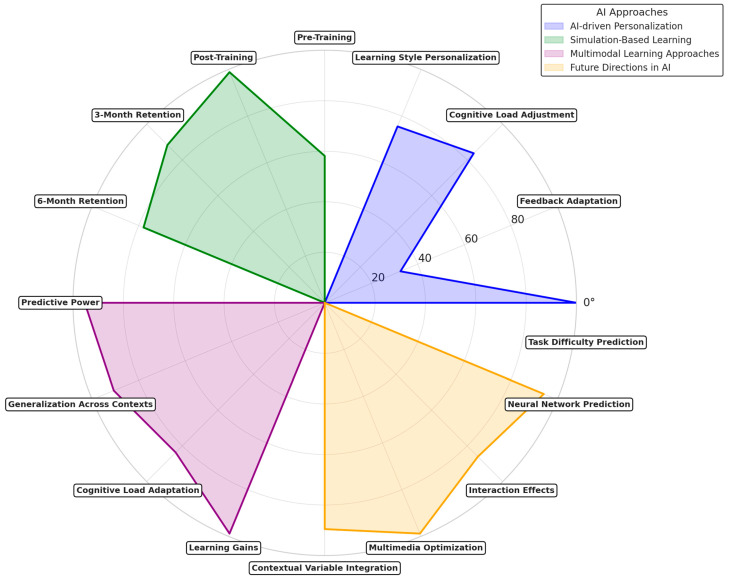
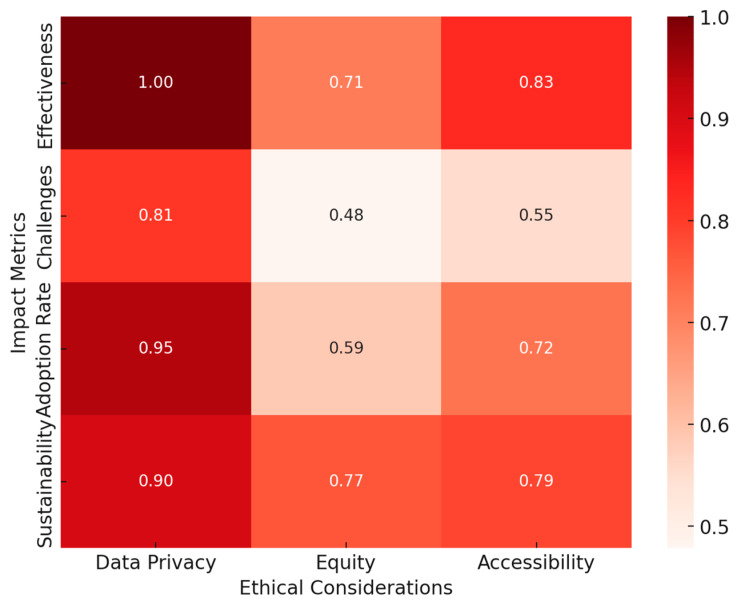
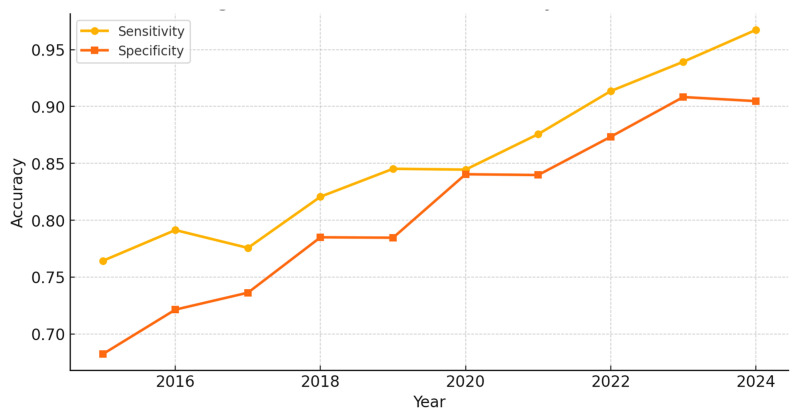
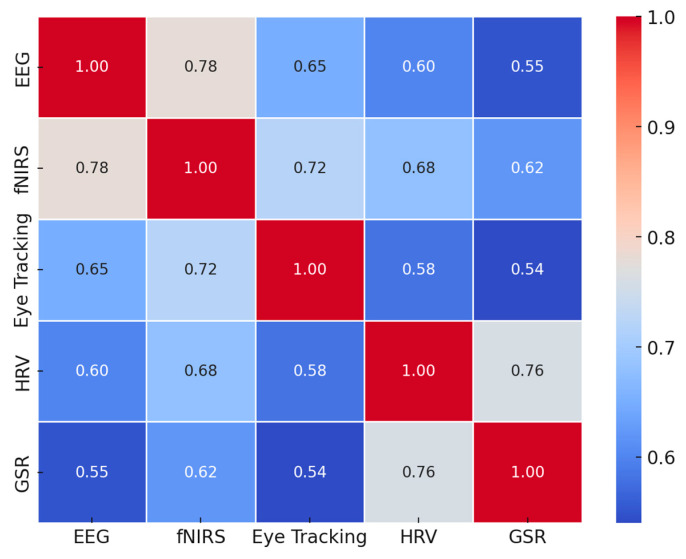
Verification
Claims the paper makes
The claims and statistics of this paper haven’t been checked yet.
Free: it reads the open-access text and checks the first 5 claims that cite a source we can check. Create a free account to check every claim.
Claims other papers make about this one
Each is checked against this paper’s own text: does it say what the citing paper says it does?
The cited source doesn’t support the claim as written.
In the citing paper
“In the language of Cognitive Load Theory, uncritical AI use minimizes the germane cognitive load -the productive mental effort required for deep learning-while often increasing the extraneous cognitive load -the unproductive effort spent navigating a tool's interface or correcting its flawed output (Gkintoni et al., 2025).”
From Paying the Cognitive Debt: An Experiential Learning Framework for Integrating AI in Social Work Education (2025) · cites this paper as Gkintoni et al., 2025
Checked by a reasoning model — may be wrong.
Experimental — accuracy not yet measuredThe cited source says what the claim attributes to it.
In the citing paper
“The educational form of cognitive debt, in contrast, is an opportunity cost accrued through the absence of a beneficial internal process-namely, the effortful thinking, deep processing, and schema-building that constitute genuine learning (Gkintoni et al., 2025; Sweller, 1988).”
From Paying the Cognitive Debt: An Experiential Learning Framework for Integrating AI in Social Work Education (2025) · cites this paper as Gkintoni et al., 2025
The cited source says what the claim attributes to it.
In the citing paper
“In CLT terms, this pattern is consistent with reduced extraneous effort (less syntax/search churn) while retaining or increasing germane processing (reasoning about structure and tests) (Debue & Van De Leemput, 2014; Gkintoni et al., 2025).”
From Tool, tutor, or crutch?: A grounded theory of cognitive scaffolding and offloading in AI-assisted programming education (2026) · cites this paper as Gkintoni et al., 2025
Self-check
Percentages, sums and reported differences re-computed from the paper’s own numbers.
The self-check needs the paper’s full text.
Citations
Cites
ChatGPT for Good? On Opportunities and Challenges of Large Language Models for Education
Kasneci, E., Seßler, K., Küchemann, S., Bannert, M., Dementieva, D., Fischer, F., Gasser, U., Groh, G., Günnemann, S., Hüllermeier, E., et al. (2023) · doi:10.35542/osf.io/5er8f · Cited by 7,552
ChatGPT for good? On opportunities and challenges of large language models for education
Kasneci, E., Sessler, K., Küchemann, S., Bannert, M., Dementieva, D., Fischer, F., Gasser, U., Groh, G., Günnemann, S., Hüllermeier, E., et al. (2023) · Learning and Individual Differences · doi:10.1016/j.lindif.2023.102274 · Cited by 7,326
Haddaway, N. R., Page, M. J., Pritchard, C. C., & McGuinness, L. A. (2022) · Campbell Systematic Reviews · doi:10.1002/cl2.1230 · Cited by 3,486
Implications for educational practice of the science of learning and development
Darling-Hammond, L., Flook, L., Cook-Harvey, C., Barron, B., & Osher, D. (2020) · Applied Developmental Science · doi:10.1080/10888691.2018.1537791 · Cited by 2,733
Makransky, G., & Petersen, G. B. (2021) · Educational Psychology Review · doi:10.1007/s10648-020-09586-2 · Cited by 1,438
State of the art and practice in AI in education
Holmes, W., & Tuomi, I. (2022) · European Journal of Education · doi:10.1111/ejed.12533 · Cited by 1,093
Grassini, S. (2023) · Education Sciences · doi:10.3390/educsci13070692 · Cited by 1,048
Revolutionizing education with AI: Exploring the transformative potential of ChatGPT
Adiguzel, T., Kaya, M. H., & Cansu, F. K. (2023) · Contemporary Educational Technology · doi:10.30935/cedtech/13152 · Cited by 975
Cognitive load theory and educational technology
Sweller, J. (2020) · Educational Technology Research and Development · doi:10.1007/s11423-019-09701-3 · Cited by 911
Szymkowiak, A., Melović, B., Dabić, M., Jeganathan, K., & Kundi, G. S. (2021) · Technology in Society · doi:10.1016/j.techsoc.2021.101565 · Cited by 893
Research works printed but not linked: 1
- Lovell O. Sherrington T. Sweller’s Cognitive Load Theory in Action John Catt Woodbridge, UK 2020 10.4324/9781003023715 · DOI
Cited by
Research on Educational Innovations
Ellis, A. K., Aker, L. B., & Wicks, D. (2014) · Routledge eBooks · doi:10.4324/9781003626282 · Cited by 156
Gkintoni, E., Vassilopoulos, S. P., & Νικολάου, Γ. (2025) · Medicina · doi:10.3390/medicina61030431 · Cited by 95
Self-citationHalkiopoulos, C., & Gkintoni, E. (2025) · Electronics · doi:10.3390/electronics14061110 · Cited by 90
Self-citationA Meta‐Analysis of the Impact of Generative Artificial Intelligence on Learning Outcomes
Ma, N., & Zhong, Z. (2025) · Journal of Computer Assisted Learning · doi:10.1111/jcal.70117 · Cited by 78
Gkintoni, E., Vassilopoulos, S. P., & Νικολάου, Γ. (2025) · Biomimetics · doi:10.3390/biomimetics10060397 · Cited by 66
Self-citationGkintoni, E., & Halkiopoulos, C. (2025) · Biomimetics · doi:10.3390/biomimetics10110730 · Cited by 57
Self-citationDigital Twin Cognition: AI-Biomarker Integration in Biomimetic Neuropsychology
Gkintoni, E., & Halkiopoulos, C. (2025) · Biomimetics · doi:10.3390/biomimetics10100640 · Cited by 54
Self-citationGkintoni, E., Vassilopoulos, S. P., Νικολάου, Γ., & Vantarakis, A. (2025) · Brain Sciences · doi:10.3390/brainsci15060582 · Cited by 43
Self-citationDong, Y. (2026) · Humanities and Social Sciences Communications · doi:10.1057/s41599-026-06903-y · Cited by 38
Hu, C., Li, F., Wang, S., Gao, Z., Pan, S. L., & Qing, M. (2025) · Cogent Education · doi:10.1080/2331186x.2025.2490425 · Cited by 31
“As AI continues to evolve, its capacity to enhance personalized learning will only increase, offering new possibilities for improving educational outcomes across a wide range of settings (Gkintoni et al., 2025).”
Gkintoni, E., Panagioti, M., Vassilopoulos, S. P., Νικολάου, Γ., Boutsinas, B., & Vantarakis, A. (2025) · Healthcare · doi:10.3390/healthcare13151776 · Cited by 37
Self-citationCui, Y. (2025) · Computers and Education: Artificial Intelligence · doi:10.1016/j.caeai.2025.100391 · Cited by 26
Extending Cognitive Load Theory: The CLAM Framework for Biometric, Adaptive, and Ethical Learning
Vasilaki, E., & Mavrogianni, A. (2025) · Psychology International · doi:10.3390/psycholint7020040 · Cited by 30
Han, J., Liu, G., & Xiang, S. (2025) · Humanities and Social Sciences Communications · doi:10.1057/s41599-025-05676-0 · Cited by 31
Gkintoni, E., Sortwell, A., Vassilopoulos, S. P., & Nikolaou, G. (2025) · Multimodal Technologies and Interaction · doi:10.3390/mti10010005 · Cited by 32
Self-citationBeyond Cognitive Load Theory: Why Learning Needs More than Memory Management
Sortwell, A., Gkintoni, E., Díaz-García, J., Ellerton, P., Ferraz, R., & Hine, G. (2026) · Brain Sciences · doi:10.3390/brainsci16010109 · Cited by 20
“…this tripartite distinction has been influential in instructional research and design, its empirical and theoretical robustness has been increasingly questioned, particularly in light of findings from neuroscience and cognitive science demonstrating the interdependence of cognitive processes [5].”
Self-citationLourenço, C., Rakaa, O. B., Bassiri, M., & Lotfi, S. (2025) · Physical Education Theory and Methodology · doi:10.17309/tmfv.2025.3.27 · Cited by 19
Applications of AI and VR in High-Risk Training Simulations: A Bibliometric Review
Fernández‐Arias, P., del Bosque, A., Λαμπρόπουλος, Γ., & Vergara, D. (2025) · Applied Sciences · doi:10.3390/app15105424 · Cited by 22
Watts, K. J. (2025) · Education Sciences · doi:10.3390/educsci15101304 · Cited by 18
Zhang, Z., Wang, C., & Shang, Y. (2025) · The Asia-Pacific Education Researcher · doi:10.1007/s40299-025-01031-8 · Cited by 25
Liu, D., Fan, G., & Pan, L. (2026) · International Journal of STEM Education · doi:10.1186/s40594-025-00592-w · Cited by 16
Zhang, P., Rai, J. S., Almugren, I., Pironti, M., & Derhy, A. (2026) · Journal of Knowledge Management · doi:10.1108/jkm-10-2025-1426 · Cited by 22
Dong, Q., He, J., Li, N., Wang, B., Lu, H., & Yang, Y. (2025) · Buildings · doi:10.3390/buildings15162864 · Cited by 16
Regli, A., Antonopoulou, H., Beligiannis, G. N., Asimakopoulos, G., & Halkiopoulos, C. (2026) · Sustainability · doi:10.3390/su18021108 · Cited by 14
Self-citationMelanou, C., & Beege, M. (2026) · Education Sciences · doi:10.3390/educsci16040651 · Cited by 12
Gkintoni, E., Magriplis, E., Vantaraki, F., Skoulidi, C., Anastassopoulos, P., Cornea, A., Inchaurraga, B., Santurtun, J., Mancha, A. D. L. C., Giorgakis, G., et al. (2025) · Behavioral Sciences · doi:10.3390/bs15070847 · Cited by 13
“Theoretical underpinnings that distinguish gamification and Digital Game-Based Learning (DGBL) are essential for effective application in both educational and health settings (del Cura-González et al., 2022; Gkintoni et al., 2025b; Gupta & Goyal, 2022).”
Self-citationWang, H., Mao, Y., Zhou, M., & Li, X. (2025) · Sustainability · doi:10.3390/su17209255 · Cited by 14
Putri, H. K., Risdianto, E., & Ramandani, A. A. (2025) · Digital Learning Social Science and Life-course Studies · doi:10.70211/disolife.v1i1.258 · Cited by 12
Canbeldek, M., Erol, A., Erol, M., & Budak, K. S. (2026) · International Journal of Human-Computer Interaction · doi:10.1080/10447318.2026.2619035 · Cited by 16
Metaverse Tourism: Opportunities, AI-Driven Marketing, and Ethical Challenges in Virtual Travel
Skandali, D. (2025) · Encyclopedia · doi:10.3390/encyclopedia5030135 · Cited by 12
“Bibliometric reviews highlight the emerging nexus between metaverse adoption, sustainability, and AI in tourism, suggesting that future research agendas should systematically map these intersections [60,61].”
Fluency Illusion: A Review on Influence of ChatGPT in Classroom Settings
Kumar, S., Mikayelyan, A., & Vorfolomeyeva, O. (2026) · Information · doi:10.3390/info17030299 · Cited by 11
Holtbrügge, D., Wicht, L., & Bernhard, T. (2025) · The International Journal of Management Education · doi:10.1016/j.ijme.2025.101258 · Cited by 16
Petropoulou, A., Antonopoulou, H., Vlachou, A. A., Gkintoni, E., & Halkiopoulos, C. (2025) · Children · doi:10.3390/children12121647 · Cited by 11
“Educational neuroscience methodologies examining cognitive efficiency and affective processing may elucidate relationships between academic factors and aggression, potentially identifying intervention targets [136].”
Self-citationDesigning adaptive feedback systems for managing cognitive load in augmented reality
Sun, J., & Liao, T. (2025) · Design Science · doi:10.1017/dsj.2025.10040 · Cited by 11
“Managing cognitive load is one of the fundamental considerations for designing interactive systems (Kosch et al. 2023; Gkintoni et al. 2025), particularly in immersive environments like augmented reality (AR), where the system complexity and information interference can increase users ’ cognitive…”
Khojasteh, L., Karimian, Z., Nasiri, E., Kafipour, R., & Farahmandi, A. Y. (2025) · BMC Medical Education · doi:10.1186/s12909-025-08288-z · Cited by 14
“Further reinforcing this approach, Gkintoni et al. [40] empirically demonstrated that AI tools optimized for CLT significantly improved learning outcomes—but only when students maintained active engagement with the material.”
Christopoulou, S., Antonopoulou, H., Zapantis, R., Gkintoni, E., & Halkiopoulos, C. (2026) · International Journal of Environmental Research and Public Health · doi:10.3390/ijerph23020190 · Cited by 13
“Understanding how teachers conserve and replenish resources remains essential for developing effective interventions [2,30–33].”
Self-citationLeapfrogging effect hypothesis: Generative AI as a permanent scaffold in higher education
Sidorkin, A. M. (2026) · Social Sciences & Humanities Open · doi:10.1016/j.ssaho.2026.102958 · Cited by 13
Ntavlourou, A., Antonopoulou, H., & Halkiopoulos, C. (2026) · Sustainability · doi:10.3390/su18031555 · Cited by 11
“Research has demonstrated that neurocognitive profiles of creativity significantly influence academic performance [192].”
Self-citationNtouka, E., Antonopoulou, H., ΡΕΚΚΑ, Ε., Gkintoni, E., & Halkiopoulos, C. (2026) · Societies · doi:10.3390/soc16020052 · Cited by 10
Self-citationTheodorakopoulos, L., Theodoropoulou, A., & Halkiopoulos, C. (2025) · Springer proceedings in business and economics · doi:10.1007/978-3-031-87019-4_35 · Cited by 21
Self-citationTheodorakopoulos, L., Theodoropoulou, A., & Bakalis, A. (2025) · Springer proceedings in business and economics · doi:10.1007/978-3-031-78471-2_17 · Cited by 11
Huang, T., Chen, K. Y., Huang, Y. M., & Chiang, Y. H. (2025) · Interactive Learning Environments · doi:10.1080/10494820.2025.2559918 · Cited by 16
“While recent studies show that AI can enhance learning by managing cognitive load (Gkintoni et al., 2025), a paradox emerges: the students who would benefit most from the cognitive support of systems like ChatGPT are the least likely to invest the mental energy required to adopt them.”
Qiang, J., & Liu, Y. (2025) · Discover Applied Sciences · doi:10.1007/s42452-025-08144-1 · Cited by 8
Almugren, I., Rai, J. S., Korayim, D., Mohanty, J., & Virmani, N. (2026) · Journal of Knowledge Management · doi:10.1108/jkm-07-2025-0957 · Cited by 9
Chen, M., Miao, Z., & Ahmad, N. (2026) · Acta Psychologica · doi:10.1016/j.actpsy.2026.106765 · Cited by 9
Γιαννούκου, Ι., & Kougia, A. (2025) · Springer proceedings in business and economics · doi:10.1007/978-3-031-78471-2_3 · Cited by 8
Gqoli, N., & Baidoo, J. (2025) · E-Journal of Humanities Arts and Social Sciences · doi:10.38159/ehass.202561031 · Cited by 9
“26 However, while proponents highlight the benefits of AI-enhanced adaptive learning, there are concerns regarding the potential drawbacks of over-reliance on such systems.”
Garmpis, A., Garmpis, S., Panagiotarou, A., Antonopoulou, H., & Halkiopoulos, C. (2026) · Societies · doi:10.3390/soc16010024 · Cited by 9
Self-citationGkintoni, E., Sortwell, A., & Vantarakis, A. (2026) · Brain Sciences · doi:10.3390/brainsci16010116 · Cited by 8
“The issue of mental fatigue and cognitive load management is one of the most demanding in swimming and has profound performance-and training-related consequences [95–97].”
Self-citationBeyond the Algorithm: A Critical Synthesis for Human-Centered AI in K-12 STEM Education
Lodhi, S. S., & Roehrig, G. (2026) · AI and Ethics · doi:10.1007/s43681-026-00994-8 · Cited by 8
Mau, B.-R., Wu, Y.-P., & Feng, H.-H. (2026) · System · doi:10.1016/j.system.2026.104033 · Cited by 7
Shen, S., Qi, W., Zeng, J., Li, S., Liu, X., Yaping, F., & Cao, S. (2026) · Nurse Education in Practice · doi:10.1016/j.nepr.2026.104799 · Cited by 7
Tsoukala, S., Kalliampakou, I., Theodoropoulou, A., & Γιαννούκου, Ι. (2025) · Springer proceedings in business and economics · doi:10.1007/978-3-031-78471-2_15 · Cited by 12
Task-based Teaching Method in English Teaching From the Perspective of Big Data
Zhang, D. (2025) · International Journal of Web-Based Learning and Teaching Technologies · doi:10.4018/ijwltt.381309 · Cited by 8
Exploring the impact of interactive digital tools on learning outcomes in higher education
Zhang, Y. (2025) · International Journal of Inclusive Education · doi:10.1080/13603116.2025.2540821 · Cited by 6
“John Sweller’s Cognitive Load Theory (CLT) investigates how the constraints of human cognitive processing influence learning, highlighting the necessity of managing working memory demands to enhance educational effectiveness (Gkintoni et al. 2025).”
Chen, Y., & Zare, S. (2025) · Journal of Research on Technology in Education · doi:10.1080/15391523.2025.2568516 · Cited by 10
A bibliometric analysis of artificial intelligence in medical education (2015–2025)
Cheng, W., Hu, Z., & Yu, H. (2025) · Medicine · doi:10.1097/md.0000000000045684 · Cited by 6
“[31] Schon reflective practice model is materialized by AI technology: natural language processing analyzes blind spots in doctor-patient communication, and motion capture systems label surgical operation deviations, generating reflective reports with evidence chains to facilitate students’…”
Atabekova, A., Atabekov, A. R., & Shoustikova, T. V. (2025) · Sustainability · doi:10.3390/su18010040 · Cited by 9
APPLICATION OF SELECTED MODELS OF MIND IN THEORIES OF PHYSICS EDUCATION
Demkanin, P., Červeňová, D., & Sands, D. (2025) · Journal of Baltic Science Education · doi:10.33225/jbse/25.24.1117 · Cited by 8
Wijaya, A., Hasibuan, S., Baihaqi, W. M., Darmawan, R., Primartha, R., & Supriyanto, C. (2025) · arXiv (Cornell University) · doi:10.48550/arxiv.2509.26083 · Cited by 8
“As educational frameworks continue to move towards more adaptive and individualized approaches, EEG has a pivotal role in determining the future of education (Gkintoni et al. 2025).”
Nouri, Z., Charmin, A., Kalbkhani, H., & Barghandan, S. (2026) · Scientific Reports · doi:10.1038/s41598-025-34783-w · Cited by 6
Sun, Y., & 吴银芳 (2026) · Frontiers in Psychology · doi:10.3389/fpsyg.2025.1613285 · Cited by 7
Maswadi, K., Gulzar, Y., Hakim, T. S., & Mir, M. S. (2026) · Sustainability · doi:10.3390/su18083738 · Cited by 6
Igoumenakis, G., & Γιαννούκου, Ι. (2025) · Springer proceedings in business and economics · doi:10.1007/978-3-031-78471-2_14 · Cited by 8
Integrating AI-Powered Personalization via Neurobiologically Informed DBT in Smart Wellness Resorts
Gkintoni, E., Telonis, G., Tsimakis, A., Halkiopoulos, C., & Boutsinas, B. (2025) · Springer proceedings in business and economics · doi:10.1007/978-3-031-78471-2_40 · Cited by 12
Self-citationGüngör, İ. C., & Öztürk, T. (2025) · Recep Tayyip Erdoğan Üniversitesi Sosyal Bilimler Dergisi · doi:10.34086/rteusbe.1660052 · Cited by 6
Shi, S., Cao, Y. B., Shi, Z. L., Li, J. W., & Zhang, R. (2025) · Interactive Learning Environments · doi:10.1080/10494820.2025.2542892 · Cited by 5
“The multi-agent environment’s enhanced ability to foster problem-solving may be attributable to its reduction of students’ cognitive load (Chen & Chang, 2024; Gkintoni et al., 2025).”
Abdelkefi, I., Jarraya, S., Masmoudi, L., Jallali, D., Mansour, N. B., & Jarraya, M. (2025) · Perceptual and Motor Skills · doi:10.1177/00315125251391881 · Cited by 5
“According to the cognitive load theory, it is essential to adjust session length and frequency to avoid mental overload that could hinder learning (Gkintoni et al., 2025).”
Mbasso, W. F., Harrison, A., Dagal, I., Jangir, P., & Smerat, A. (2025) · Production Engineering · doi:10.1007/s11740-025-01400-8 · Cited by 5
The Impact of Coursework Demand and Learning Engagement on Mental Fatigue in Online College Students
Inan, F. A., Sosi, E. T., Unal, D., Marzban, F., & Bayne, G. A. (2025) · International Journal of Environmental Research and Public Health · doi:10.3390/ijerph22121860 · Cited by 6
Gkintoni, E., & Nikolaou, G. (2025) · European Journal of Investigation in Health Psychology and Education · doi:10.3390/ejihpe16010002 · Cited by 5
Self-citationDeveloping an AI-Based LMS to Support Self-Regulated Learning in Secondary Mathematics Education
Arifin, A., Pujiastuti, H., Nindiasari, H., & Ediwarman, E. (2025) · AL-ISHLAH Jurnal Pendidikan · doi:10.35445/alishlah.v17i4.7686 · Cited by 5
Katsimpelis, A., Antonopoulou, H., Georgiadou, N., & Halkiopoulos, C. (2026) · Sustainability · doi:10.3390/su18031264 · Cited by 5
Self-citationTroubouni, E., Antonopoulou, H., Kourtidou, S., Gkintoni, E., & Halkiopoulos, C. (2026) · Psychiatry International · doi:10.3390/psychiatryint7010026 · Cited by 5
“Rather than that, it is an area that needs cognitive processing related to ever-changing conditions in this field [3–9].”
Self-citationChen, X., Jian-jun, L., & Ryoo, J. (2026) · Quality Assurance in Education · doi:10.1108/qae-02-2025-0040 · Cited by 5
Iqbal, M. A., Zahraini, Z., Ilmi, H., Mutasar, M., Naila, P., & Marra, E. (2026) · AMPLITUDO Journal of Science & Technology Innovation · doi:10.56566/amplitudo.v5i1.551 · Cited by 5
“A more integrative approach is needed one that combines technological innovation with behavioral and cognitive insight to create a holistic intervention system (Gkintoni et al., 2025).”
Neuropedagogy: from neurons to teaching and learning
Friedman, I. A., Grobgeld, E., & Teichman-Weinberg, A. (2026) · Frontiers in Education · doi:10.3389/feduc.2026.1774900 · Cited by 5
Salem, A. A. M. S. (2026) · Journal of Educational Computing Research · doi:10.1177/07356331261431156 · Cited by 6
“An over-reliance on AI-generated feedback may hinder students ’ autonomous critical evaluation and analytical skills, indicating that future research should investigate hybrid AI-human feedback models to enhance learner autonomy and analytical growth (Gkintoni et al., 2025).”
Analyzing consumer behavior during virtual reality product exploration in e-commerce
Alipour, P., Gallegos, E. E., & Sridhar, S. (2026) · Journal of Business Research · doi:10.1016/j.jbusres.2026.116196 · Cited by 6
Co-designing Digital Humans for Online Learning: A Framework for Human-AI Pedagogical Integration
Lei, X., Pang, C. C., Jiang, Y., Tong, X., & Hui, P. (2026) · Lecture notes in computer science · doi:10.1007/978-3-032-30784-2_34 · Cited by 5
Mahajan, P. T. (2025) · SSRN Electronic Journal · doi:10.2139/ssrn.5386814 · Cited by 5
Smart Adaptive Learning Systems in Education: Current State and Future Perspectives
Oubagine, R., Laaouina, L., Jeghal, A., & Tairi, H. (2025) · International Conference on Circuit, Systems and Communication (ICCSC) · doi:10.1109/iccsc66714.2025.11135254 · Cited by 4
“Poor use or non-use of AI tools occurs partly due to the lack of preparation exhibited by many educators to integrate them into pedagogy [10, 12] effectively.”
Impact of 3D simulation on cultural empathy education of nursing students: a quantitative study
Almutairi, A. A., Alodhialah, A. M., & Alahmedi, S. H. (2025) · BMC Nursing · doi:10.1186/s12912-025-03891-3 · Cited by 4
“Importantly, while all simulation is “risk-free,” immersive VR/3D contributes distinct affordances—embodiment, controlled exposure to sensitive cultural cues, and repeatable high-fidelity contexts—that are particularly germane to empathy formation [9].”
Ghozali, M. T., Rassyifa, A. J., Faradiba, F., Damanik, F. S., Sari, S., Satibi, S., & Fortwengel, G. (2025) · JURNAL ILMU KEFARMASIAN INDONESIA · doi:10.35814/jifi.v23i2.1693 · Cited by 6
“According to the TAM, attitudes toward usage are largely shaped by perceived ease of use, especially in settings with limited resources where digital literacy can vary greatly [26].”
Ursachi, T. M., & Dascălu, M.-I. (2025) · Electronics · doi:10.3390/electronics14244955 · Cited by 5
Saraguro, O. X. R., Gomez, A. E. F., Diaz, J. F. Q., & Erazo, G. E. V. (2025) · Ciencia Latina Revista Científica Multidisciplinar · doi:10.37811/cl_rcm.v9i5.21253 · Cited by 4
Xuan, B., Sun, D. B., Li, F., Cen, X., Wang, Y., Wang, D. G., Chen, D., Zhou, Z., Li, Z., Fekete, G., et al. (2026) · Journal of Sports Sciences · doi:10.1080/02640414.2026.2619335 · Cited by 5
“In recent years, the Cognitive-Motor Interference Theory has gained prominence in sports biomechanics research (Gkintoni et al., 2025; Leone et al., 2017; Mokhtarzadeh et al., 2021; Porter et al., 2020).”
Orozco, M. T. V., & Crosetti, B. L. D. B. (2026) · Education Sciences · doi:10.3390/educsci16010169 · Cited by 6
Adewale, O. A., Rane, N. L., Ogbonna, M. O., & Rane, J. (2026) · International Journal of Applied Resilience and Sustainability · doi:10.70593/deepsci.0202018 · Cited by 6
Artificial intelligence in doctoral training: Bridging gaps, easing burdens
Rodríguez, G. A., Chiappe, A., & Durand, J. C. (2026) · Social Sciences & Humanities Open · doi:10.1016/j.ssaho.2026.102744 · Cited by 5
Theoretical evolution of AI in medical education: models, frameworks, and future directions
Abdulrahman, K. A. B., & Hefny, M. (2026) · Frontiers in Education · doi:10.3389/feduc.2026.1796632 · Cited by 4
Artificial intelligence as a catalyst for sustainable urban transformation through the triple helix
Niti, Jain, H., & Singh, L. (2026) · Smart Construction and Sustainable Cities · doi:10.1007/s44268-026-00092-y · Cited by 4
Fu, F. (2026) · Frontiers in Psychology · doi:10.3389/fpsyg.2026.1857123 · Cited by 5
Rui, P., & Wei, W. (2025) · Acta Psychologica · doi:10.1016/j.actpsy.2025.105857 · Cited by 4
Zhai, J., Sudiarta, I. G. P., Santosa, M. H., & Astawa, I. W. P. (2025) · Future Technology · doi:10.55670/fpll.futech.4.4.17 · Cited by 5
Sharmin, S., Abrar, M. F., Lucero-Palacios, G., Raikwar, A., & Barmaki, R. (2026) · Delaware Journal of Public Health · doi:10.32481/djph.2026.03.08 · Cited by 4
Uma Maheshwari, G., Seerapu, V. N., Reddy, K. M. K., Jadhav, A. B., & Penubaka, K. K. R. (2025) · Journal of Neonatal Surgery · doi:10.52783/jns.v14.2939 · Cited by 3
“● Fairness Measures: Demographic parity and Equalized odds were calculated to estimate algorithmic bias across groups of people [13].”
The Role of Artificial Intelligence in Scaffolding Learning and Managing Cognitive Load
Nalkesen-Akin, Y., & Bora, B. Y. (2025) · Advances in computational intelligence and robotics book series · doi:10.4018/979-8-3373-7579-3.ch004 · Cited by 6
The dual edge of digital belonging: Community, connection, and the risk of isolation
Paul, A. (2025) · International Journal of Psychology Sciences · doi:10.33545/26648377.2025.v7.i1e.113 · Cited by 4
CLAd-Vr: Cognitive Load-Based Adaptive Training for Machining Tasks in Virtual Reality
Matam, B., Mann, A., Studer, K., Gabbianelli, C., Castelo, S., Liu, J., da Silva, C., & Turakhia, D. G. (2025) · IEEE International Symposium on Mixed and Augmented Reality Adjunct (ISMAR-Adjunct) · doi:10.1109/ismar-adjunct68609.2025.00086 · Cited by 5
Metadata
- Authors
- Gkintoni, E., Antonopoulou, H., Sortwell, A., & Halkiopoulos, C.
- Affiliations
- University of Patras (GR)
- University of Beira Interior (PT)
- Corresponding author
- Gkintoni, Evgenia
- Venue
- Brain Sciences
- Publisher
- MDPI AG
- Published
- 2025-02-15
- Volume
- 15
- Issue
- 2
- Pages
- 203
- ISSN
- 2076-3425 (ISSN-L)
- PMC
- PMC11852728
- OpenAlex
- W4407657137
- Semantic Scholar
- 3813deab1d3cdfe24fc0daeda81f0df5dda9f7bc
- Cited by
- 309
- References
- 251
- Citations by year
- 2026: 203 · 2025: 106
- FWCI
- 51.50
- Type
- journal article
- Language
- en
- Open access
- gold
- doi.org
- Licence
- Locations
- Brain Sciences (publishedVersion, cc-by)
- PubMed Central (publishedVersion, cc-by)
- PubMed (publishedVersion)
- DOAJ (DOAJ: Directory of Open Access Journals) (submittedVersion, cc-by-sa)
- Funders
- Research Council of the University of Patras, Greece
- Topics
- Life Sciences › Neuroscience › Cognitive Neuroscience › Neuroscience, Education and Cognitive Function
- Physical Sciences › Computer Science › Artificial Intelligence › Intelligent Tutoring Systems and Adaptive Learning
- Social Sciences › Education › Artificial Intelligence in Education
- Keywords
- cognitive load theory, neuroeducation, artificial intelligence in education, adaptive learning systems, personalized learning, EEG, functional near-infrared spectroscopy, personalized feedback, algorithmic bias, data privacy, K-12 education, adult learners, learning effectiveness
About these checks
Registry, retraction, Cites and statistics results are computed, not judged, with one exception: a printed reference that no index lists is read once by a model before it counts as a citation error. Claims are extracted by a model and kept only when their quote appears verbatim in the text; each cited source is then checked, with a model’s help, for whether it says what the claim relies on. Those verdicts can be wrong — read the claim’s quote and the cited source before relying on one.
Statistics and arithmetic are recomputed, not judged.
Confidence bands are shown only for fields calibrated on our annotated test set. None is calibrated yet, so no band is shown.
What counts as a claim ›How we measure confidence ›How we check this ›
Are you an author, or do you see a problem with this page? Request a review
Data sources
Bibliographic data: Semantic Scholar, OpenAlex, Crossref.
Contains information from the Semantic Scholar Academic Graph Datasets, made available under the ODC Attribution License (ODC-BY 1.0).
Semantic Scholar’s data is described in: Kinney, R., et al. (2023). The Semantic Scholar Open Data Platform. arXiv:2301.10140.
