

Machine-Learning-Based Disease Diagnosis: A Comprehensive Review
Open accessThe DOI matches its Crossref record; 135 of the 135 references it cites were found in a registry or an index.
Abstract
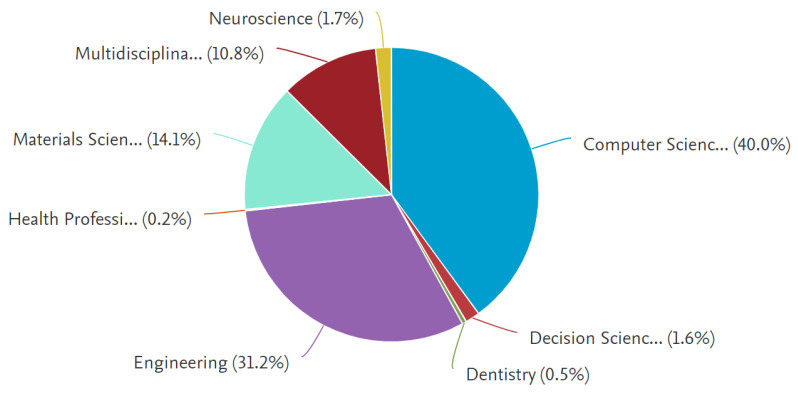
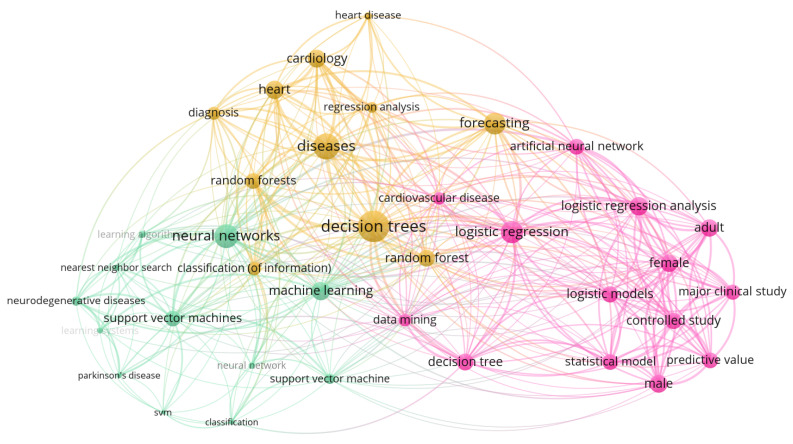
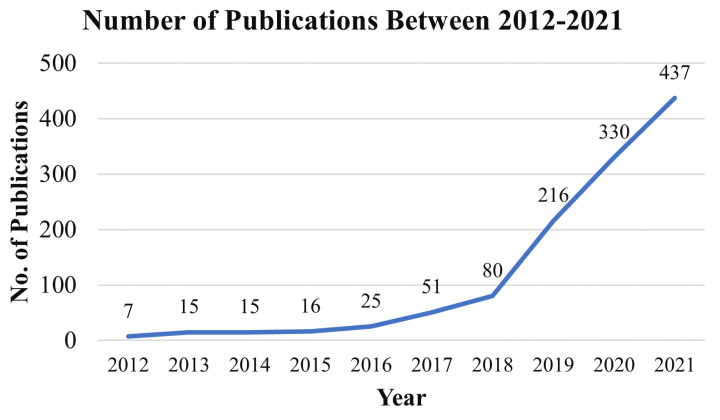
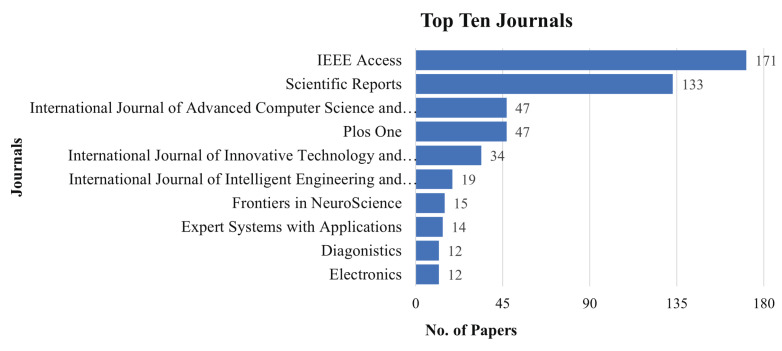
Globally, there is a substantial unmet need to diagnose various diseases effectively. The complexity of the different disease mechanisms and underlying symptoms of the patient population presents massive challenges in developing the early diagnosis tool and effective treatment. Machine learning (ML), an area of artificial intelligence (AI), enables researchers, physicians, and patients to solve some of these issues. Based on relevant research, this review explains how machine learning (ML) is being used to help in the early identification of numerous diseases. Initially, a bibliometric analysis of the publication is carried out using data from the Scopus and Web of Science (WOS) databases. The bibliometric study of 1216 publications was undertaken to determine the most prolific authors, nations, organizations, and most cited articles. The review then summarizes the most recent trends and approaches in machine-learning-based disease diagnosis (MLBDD), considering the following factors: algorithm, disease types, data type, application, and evaluation metrics. Finally, in this paper, we highlight key results and provides insight into future trends and opportunities in the MLBDD area.
Overview
The claims and statistics of this paper haven’t been checked yet.
Free: it reads the open-access text and checks the first 5 claims that cite a source we can check. Create a free account to check every claim.
Integrity signals
Registry
Cites
Statistics
Figures
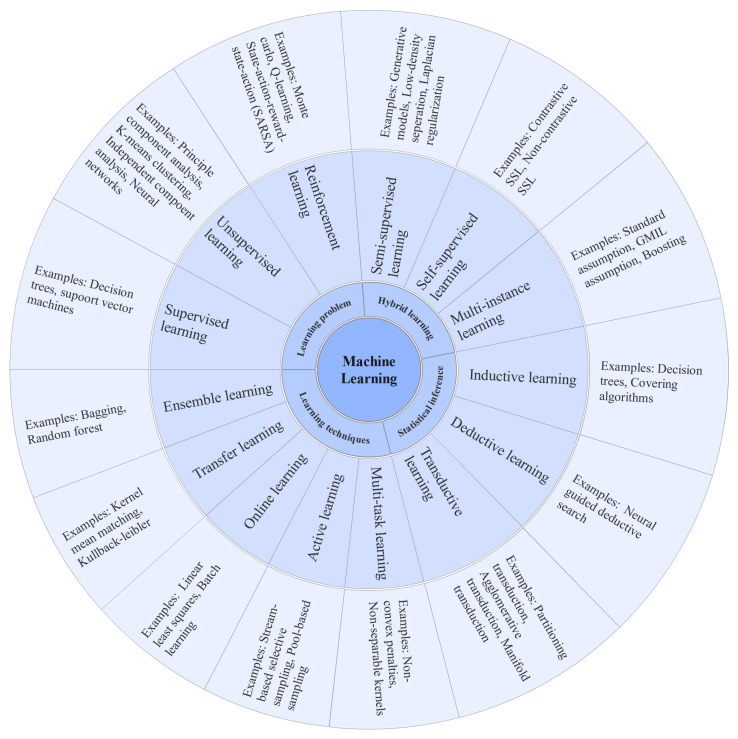
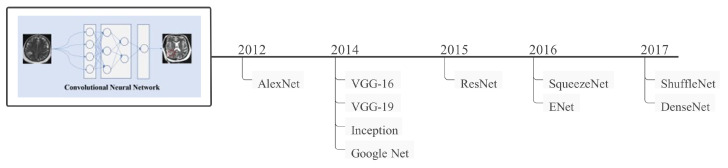
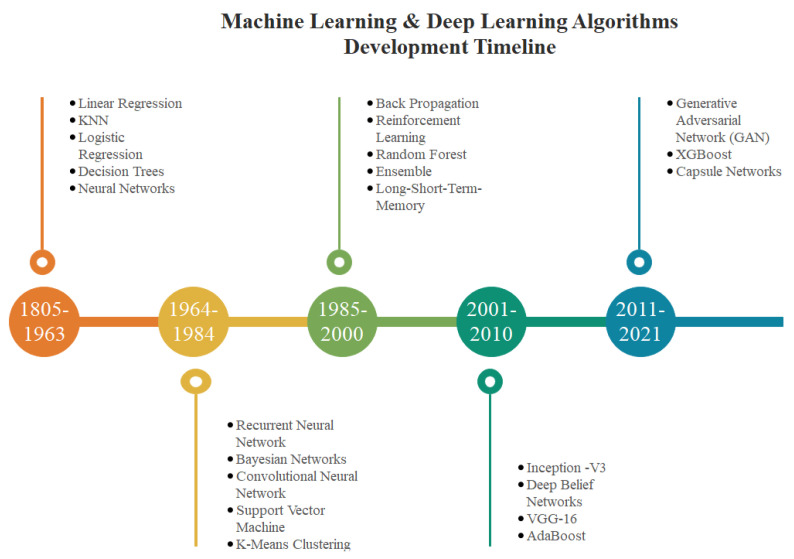
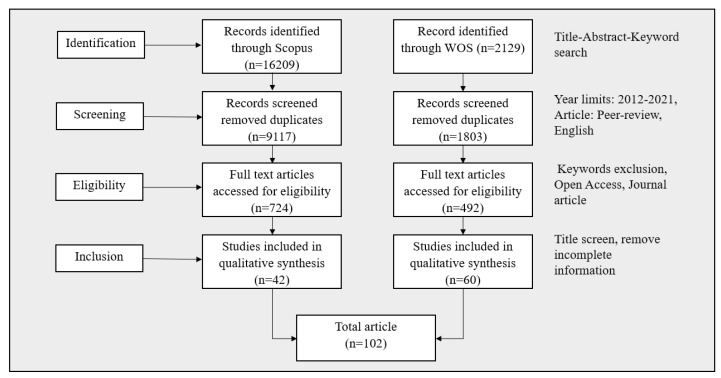
Verification
Claims the paper makes
The claims and statistics of this paper haven’t been checked yet.
Free: it reads the open-access text and checks the first 5 claims that cite a source we can check. Create a free account to check every claim.
Claims other papers make about this one
Each is checked against this paper’s own text: does it say what the citing paper says it does?
The source backs part of the claim, not all of it — or backs it for a different population, condition or comparison.
In the citing paper
“While the advancement of manual diagnosis through the Placenta Accreta Index (PAI) process does improve the accuracy of diagnosis, it does not improve upon the PAS diagnostic issues of manual time consumption, proper symptom identification, and other complexities introduced via human error [10]”
From Machine Learning in Maternity: Early Diagnosis of Placenta Accreta Spectrum (2026) · cites this paper as [10]
Experimental — accuracy not yet measured
Self-check
Percentages, sums and reported differences re-computed from the paper’s own numbers.
The self-check needs the paper’s full text.
Citations
Cites
1 retracted
Saw, M., Saxena, T. K., Kaithwas, S., Yadav, R., & Lal, N. (2020) · International Conference on Computer Communication and Informatics (ICCCI) · doi:10.1109/iccci48352.2020.9104210 · Cited by 73 · cited 1×
“[41, 134, 135, 42, 43, 44, 45] Heart disease Cleveland database https://archive.”
RetractedSome Studies in Machine Learning Using the Game of Checkers
Samuel, A. L. (1959) · IBM Journal of Research and Development · doi:10.1147/rd.33.0210 · Cited by 4,443 · cited 1×
“The core principle of ML is to learn from data in order to forecast or make decisions depending on the assigned task [9].”
BackgroundWang, L., Lin, Z. Q., & Wong, A. (2020) · Scientific Reports · doi:10.1038/s41598-020-76550-z · Cited by 3,113 · cited 1×
“However, the model’s network activity and region of interest were poorly explained [93] .”
BackgroundDiscriminatory Analysis. Nonparametric Discrimination: Consistency Properties
Fix, E., & Hodges, J. L. (1989) · International Statistical Review / Revue Internationale de Statistique · doi:10.2307/1403797 · Cited by 2,516 · cited 10×
“They demonstrated that by fine-tuning the settings, it is feasible to get 94.35% accuracy, whereas the default KNN achieved around 90% accuracy [61].”
MethodInfluentialApostolopoulos, I. D., & Mpesiana, T. A. (2020) · Physical and Engineering Sciences in Medicine · doi:10.1007/s13246-020-00865-4 · Cited by 2,338
Green supply chain management: A review and bibliometric analysis
Fahimnia, B., Sarkis, J., & Davarzani, H. (2015) · International Journal of Production Economics · doi:10.1016/j.ijpe.2015.01.003 · Cited by 2,131 · cited 1×
“Due to their high quality and peer review paper index, Scopus and WOS are prominent databases for article searching, as many academics and scholars utilized them for systematic review [25,26].”
BackgroundNarin, A., Kaya, C., & Pamuk, Z. (2021) · Pattern Analysis and Applications · doi:10.1007/s10044-021-00984-y · Cited by 2,054 · cited 2×
“Several studies investigated and advised screening COVID-19 patients utilizing chest X-ray images in parallel, with major contributions in [95, 96, 97].”
BackgroundMethodEffective Heart Disease Prediction Using Hybrid Machine Learning Techniques
Mohan, S., Thirumalai, C., & Srivastava, G. (2019) · IEEE Access · doi:10.1109/access.2019.2923707 · Cited by 1,951 · cited 1×
“(2019) [29] Effective Heart disease prediction Using hybrid Machine Learning techniques 214”
BackgroundLi, L., Qin, L., Xu, Z., Yin, Y., Wang, X., Kong, B., Bai, J., Lu, Y., Fang, Z., Song, Q., et al. (2020) · Radiology · doi:10.1148/radiol.2020200905 · Cited by 1,927 · cited 1×
“Li et al. (2020) suggested the COVNet model and obtain 96% accuracy utilizing a large dataset of 4356 chest CT images of Pneumonia patients, 1296 of which were verified COVID-19 cases [94].”
MethodLevey, A. S., & Coresh, J. (2012) · The Lancet · doi:10.1016/s0140-6736(11)60178-5 · Cited by 1,841 · cited 1×
“The recent advancement of ML and DL-based kidney disease diagnosis may provide a possibility for those countries that are unable to handle the kidney disease diagnostic related tests [49].”
Background
Research works printed but not linked: 8
- McPhee, S.J.; Papadakis, M.A.; Rabow, M.W. (Eds.) Current Medical Diagnosis & Treatment; McGraw-Hill Medical: New York, NY, USA, 2010.
- Brownlee, J. Machine learning mastery with Python. Mach. Learn. Mastery Pty Ltd. 2016, 527, 100-120.
- Goodfellow, I.; Bengio, Y.; Courville, A. Deep Learning; MIT Press: Cambridge, MA, USA, 2016.
- Qtea, H.; Awad, M. Using Hybrid Model of Particle Swarm Optimization and Multi-Layer Perceptron Neural Networks for Classification of Diabete. Int. J. Intell. Eng. Syst. 2021, 14, 11-22.
- Sriram, T.V.; Rao, M.V.; Narayana, G.S.; Kaladhar, D.; Vital, T.P.R. Intelligent Parkinson disease prediction using machine learning algorithms. Int. J. Eng. Innov. Technol. (IJEIT) 2013, 3, 1568-1572.
- Ghoshal, B., and Tucker, A. (2020). Estimating uncertainty and interpretability in deep learning for coronavirus (COVID-19) detection. arXiv.
- Vidushi, A.R.; Shrivastava, A.K. Diagnosis of Alzheimer disease using machine learning approaches. Int. J. Adv. Sci. Technol. 2019, 29, 7062-7073. 107.
- Gill, N.S.; Mittal, P. A computational hybrid model with two level classification using SVM and neural network for predicting the diabetes disease. J. Theor. Appl. Inf. Technol 2016, 87, 1-10. 137.
Cited by
Items 301–400 of 721
Optimizing Data Classification in Support Vector Machines Using Metaheuristic Algorithms
Awalin, Q. I., Agustin, I. H., Hadi, A. F., Dafik, D., & Sunder, R. (2024) · CAUCHY Jurnal Matematika Murni dan Aplikasi · doi:10.18860/ca.v9i2.29320 · Cited by 3
Tătaru, I., Moldovanu, S., Dragostin, O.-M., Chițescu, C. L., Zamfir, A.-S., Dragostin, I., Strat, L., & Zamfir, C. L. (2025) · Biomedicines · doi:10.3390/biomedicines13061494 · Cited by 3
Application of Artificial Intelligence in Stem Cells and Gene Therapy for Gynecological Cancers
Aziz, S. G., Aghazadeh, S., Malik, A., Javed, A., Shaheen, S., Naseem, L., Sohail, Y., Mohammadi, A. T., & Nisar, M. F. (2025) · Current Stem Cell Research & Therapy · doi:10.2174/011574888x374002250707044343 · Cited by 5
A machine learning-based approach to predict the outcome of binary droplet collision
Yu, W., & Chang, S. (2025) · Chemical Engineering Science · doi:10.1016/j.ces.2025.122349 · Cited by 5
Thirumoorthy, K., Britto, J. J. J., & Raj, R. R. V. (2025) · Applied Soft Computing · doi:10.1016/j.asoc.2025.113713 · Cited by 3
AI-driven chemotoxicity prediction in colorectal cancer: impact of race, SDOH, and biological aging
Han, C. J., Burd, C. E., Plascak, J. J., Tounkara, F., Rosko, A. E., Noonan, A. M., Tan, A., Ah, D. M. V., & Ning, X. (2025) · BMC Cancer · doi:10.1186/s12885-025-14831-4 · Cited by 3
“Lastly, existing models based on traditional regression approaches may fail to capture complex, non-linear interactions among predictor variables, potentially limiting predictive accuracy [17].”
Ayub, R., Afzal, M. F., & Ansarullah, S. I. (2025) · Journal of Disability Research · doi:10.57197/jdr-2025-0662 · Cited by 3
Intuyod, K., Kongsintaweesuk, S., Eiamchai, P., Luvira, V., Chaidee, A., Techasen, A., Pinlaor, P., Pairojkul, C., Blair, D., Umezawa, T., et al. (2025) · ACS Applied Nano Materials · doi:10.1021/acsanm.5c04536 · Cited by 3
Alshammeri, M., Ahmad, Z., Humayun, M., & Alamri, M. Z. (2025) · Diagnostics · doi:10.3390/diagnostics15243241 · Cited by 3
Sampson, A., James, A., & Tripathi, V. (2026) · Journal of Electrical Systems and Information Technology · doi:10.1186/s43067-025-00313-x · Cited by 4
“…systems can replicate the nuanced decision-making processes of radiologists by achieving accuracy rates around 83.34% while hybrid models combining k-means clustering and SVM have reached accuracies up to 97.38%, showcasing the potential of these techniques in handling complex datasets [4].”
InfluentialExploring the Future of AI in Clinical Collaboration: A Study on Tumor Board Case Preparation
Li, J., Hall, A. K., Zhong, R., Everett, S., Unell, A., Xu, H., Blondeel, M., Carlson, J. M., Claveau, K., Jose, T., et al. (2026) · CHI Conference on Human Factors in Computing Systems · doi:10.1145/3772318.3790448 · Cited by 4
“Early applications of machine learning in medicine largely explored the use of task-specific models trained for narrow purposes such as diagnosis [2, 34, 84], prediction [10, 110], medical imaging [27, 100, 114, 120, 124], treatment planning [101, 118, 121], and drug development [26, 86, 105].”
An Enhanced Hybrid Model for Liver Disease Detection Utilizing Deep Learning and Machine Learning
Lakshmi, K. S., James, D., & Varghese, J. (2024) · Revue d intelligence artificielle · doi:10.18280/ria.380226 · Cited by 3
“Clinical Decision Support Systems (CDSS) [1] is vital in assisting both physicians and patients by facilitating timely diagnoses and guiding them towards appropriate treatments to mitigate the impact of diseases.”
BackgroundCyrielle, N. N. T., Andigema, A. S., Mafo, L. D., & Ekwelle, E. (2024) · Asian Journal Of Medical Technology · doi:10.32896/ajmedtech.v4n1.22-33 · Cited by 3
“This demonstrates the ability of AI and ML algorithms to augment human expertise, resulting in improved diagnostic accuracy at the point of care [11, 12].”
BackgroundMansour, N., Khoury, F. M.-E., Zaatari, G. S., & Harb, M. (2024) · Springer eBooks · doi:10.1007/978-3-031-70779-7_15 · Cited by 3
Zhang, S., Duan, H., & Yan, J. J. (2024) · Frontiers in Medicine · doi:10.3389/fmed.2024.1462868 · Cited by 3
Ensemble and Non-Ensemble Machine Learning-Based Classification of Liver Cirrhosis Stages
Moumin, Z. M., Ecemiş, İ. N., & Karhan, M. (2024) · Türk doğa ve fen dergisi :/Türk doğa ve fen dergisi · doi:10.46810/tdfd.1553699 · Cited by 3
Firoz, N., Yadav, N., Beresteneva, O. G., & Vladimirovich, S. A. (2024) · IEEE International Conference on Bioinformatics and Bioengineering (BIBE) · doi:10.1109/bibe63649.2024.10820474 · Cited by 3
“NGS technologies enable comprehensive profiling of both non-coding RNAs and protein-coding genes simultaneously, enhancing expression-based classification algorithms for disease markers in cost effective manner[10-11].”
Thermal Image Classification of Autistic Children Using Res-Net Architecture
Ahmadiar, A., Melinda, M., Muthiah, Z., Zainal, Z., & Rizky, M. M. (2025) · Indonesian Journal of Electronics Electromedical Engineering and Medical Informatics · doi:10.35882/365fkd59 · Cited by 3
Implementation and Assessment of Machine Learning Methods for Multidisciplinary Aerospace Problems
Kilic, D., & Nikbay, M. (2025) · AIAA SciTech Forum · doi:10.2514/6.2025-0492 · Cited by 4
Predicting internal diseases in humans using machine learning: A systematic literature review
Hakim, R. R. A., & Prokopchuk, Y. (2025) · Journal of Advanced Health Informatics Research · doi:10.59247/jahir.v2i1.195 · Cited by 3
“Using machine learning, researchers, doctors, and patients can overcome several problems related to this complexity [9].”
Buren, E. W. V., Beavers, K. M., Cornelio, M. N., Stokes, A., Emery, M. A., Brandt, M. E., Demuth, J. P., Wang, L., & Mydlarz, L. D. (2025) · Discover Applied Sciences · doi:10.1007/s42452-025-07382-7 · Cited by 3
Chaudhari, D., & Kamboj, P. (2025) · Archives of Computational Methods in Engineering · doi:10.1007/s11831-025-10367-9 · Cited by 4
Parra, D., Gutiérrez-Gallego, A., Garnica, Ó., Velasco, J. M., Zekri-Nechar, K., Zamorano‐León, J. J., Heras, N. D. L., & Hidalgo, J. I. (2022) · Applied Sciences · doi:10.3390/app12168251 · Cited by 4
Sun, K., Hsieh, K.-L., & Lee, S.-Y. (2023) · Applied Sciences · doi:10.3390/app13020856 · Cited by 4
Predicting Acute Respiratory Failure Using Fuzzy Classifier
Khalaf, F., & Bhaskaran, S. S. (2023) · International Conference on IT Innovation and Knowledge Discovery (ITIKD) · doi:10.1109/itikd56332.2023.10099746 · Cited by 5
“Technology-based disease diagnosis is a growing field that aims to provide accurate, efficient, reliable early disease diagnosis and predictions to improve the healthcare system through providing the appropriate treatment to patients, thus increasing recovery rates and decrease mortality rates [3].”
BackgroundInfluentialAn interpretable diagnostic approach for lung cancer: Combining maximal clique and improved BERT
Chen, Z., Xiao, F., Wang, X., Hou, W., Huang, R., & Wang, J. (2023) · Expert Systems · doi:10.1111/exsy.13310 · Cited by 4
“Machine learning methods are widely used in disease diagnosis (Ahsan et al., 2022).”
MethodClassification of Corporate Tax Compliance in Indonesia Based on k-Nearest Neighbors Algorithm
Uddin, N., Dwianika, A., Sofia, I. P., & Tchamna, R. (2023) · IEEE World AI IoT Congress (AIIoT) · doi:10.1109/aiiot58121.2023.10174541 · Cited by 3
“However, research focusing on the utilization of machine learning to address tax-related issues is relatively limited compared to other domains, such as medicine [18] and stock prediction [19].”
BackgroundComputerized respiratory sound based diagnosis of pneumonia
Haider, N. S., & Behera, A. K. (2023) · Medical & Biological Engineering & Computing · doi:10.1007/s11517-023-02935-7 · Cited by 3
Unravelling the Enigma of Machine Learning Model Interpretability in Enhancing Disease Prediction
Tripathi, R. K. P., & Tiwari, S. (2023) · Advances in systems analysis, software engineering, and high performance computing book series · doi:10.4018/978-1-6684-8531-6.ch007 · Cited by 3
Feature aggregation-based multi-relational knowledge reasoning for COPD intelligent diagnosis
Yang, X., Zhang⋆, Y., Hu, F., Deng, Z., & Zhang, X. (2024) · Computers & Electrical Engineering · doi:10.1016/j.compeleceng.2023.109068 · Cited by 3
Armand, T. P. T., Bhattacharjee, S., Kim, H., Hussain, A., Ali, S., Choi, H., & Kim, H. (2024) · International Conference on Advanced Communications Technology (ICACT) · doi:10.23919/icact60172.2024.10471994 · Cited by 3
“Machine learning and artificial intelligence algorithms have been applied to detect and classify diseases using customized and pre-trained models [2].”
MethodDiagnosing hypertrophic cardiomyopathy using machine learning models on CMRs and EKGs of the heart
Kolluri, S., & Hathwar, S. (2024) · Journal of Emerging Investigators · doi:10.59720/23-209 · Cited by 3
A multifaceted approach to detect gender biases in Natural Language Generation
Consuegra‐Ayala, J. P., Martínez-Murillo, I., Lloret, E., Moreda, P., & Palomar, M. (2024) · Knowledge-Based Systems · doi:10.1016/j.knosys.2024.112367 · Cited by 5
Decoupling Feature Extraction and Classification Layers for Calibrated Neural NetworksPreprint
Jordahn, M., & Olmos, P. M. (2024) · arXiv (Cornell University) · doi:10.48550/arxiv.2405.01196 · Cited by 3
“Classification using machine learning is widely applied in many industries, ranging from application in medical di-agnostics (Shen et al., 2019; Ahsan et al., 2022) to being a crucial part of self-driving car systems (Chen & Huang, 2017; Gupta et al., 2021).”
MethodRahim, M. A., Arefin, M. N., Rahman, M., Hossain, M. A., & Moustafa, A. A. (2025) · arXiv · doi:10.48550/arxiv.2507.15915 · Cited by 3
Montalbo, F. J. P. (2024) · Multimedia Tools and Applications · doi:10.1007/s11042-024-20053-w · Cited by 4
“Also, in some studies, developing an automated system to perform such assessments can provide significant advantages to non-experts [8, 9].”
Rapid noninvasive lung cancer screening via discriminative wavenumbers in Raman spectroscopy
Hano, H., Suárez, B., Amigo, J. M., Lawrie, C. H., & Seifert, A. (2025) · Microchemical Journal · doi:10.1016/j.microc.2024.112496 · Cited by 2
Sharma, J., Thakur, P., Singh, K., & Gupta, N. (2024) · International Conference on Sustainable Communication Networks and Application (ICSCNA) · doi:10.1109/icscna63714.2024.10863961 · Cited by 2
“But, as we mentioned earlier in this paper and as supported by Zhang et al. [10], there is a dearth of studies exploring the transferability of such models across different samples.”
Trends in AI for Disease and Diagnostic Prediction: A Healthcare Perspective
Mishra, S. K., Chhetri, T., Balakrishnan, A., Roy, S., Gurung, K., Praba, J. J., & Georrge, J. J. (2025) · Information systems engineering and management · doi:10.1007/978-3-031-84404-1_5 · Cited by 2
Application of Artificial Intelligence in Tinnitus Diagnosis and Treatment: A Pilot Study
Wang, Y., Pan, K., Tyler, R. S., Lu, Z., Xiong, S., Xie, Y., & Pan, T. (2025) · IEEE Access · doi:10.1109/access.2025.3561315 · Cited by 2
An Explainable Machine Learning Approach for Early Prediction of Gestational Diabetes Mellitus (GDM)
Aatif, M., Islam, I. U., Iltaf, N., & Afzal, H. (2025) · Communications in computer and information science · doi:10.1007/978-3-031-89813-6_11 · Cited by 2
Zhang, K., & Chen, K. (2025) · Frontiers in Surgery · doi:10.3389/fsurg.2025.1596224 · Cited by 3
Enhancing Heart Disease Prediction through SMOTE-ENN Balancing and RFECV Feature Selection
Aulia, S. P., Rahmat, B., & Junaidi, A. (2025) · Journal of Artificial Intelligence and Engineering Applications (JAIEA) · doi:10.59934/jaiea.v4i3.1057 · Cited by 4
Predicting Fetal Growth with Curve Fitting and Machine Learning
Zhang, H., Hung, C.-S., Lin, C. R., Yu, H., Zheng, Y.-C., Yu, C.-H., Tsai, C., & Huang, T.-H. (2025) · Bioengineering · doi:10.3390/bioengineering12070730 · Cited by 2
“AI-based AI-based models have shown promising performance in generating reliable predictions using maternal and clinical variables [9–12].”
Artificial Intelligence and Deep Learning for Skin Image Analysis
Ohaya, C., Ogbaudu, E., Choi, R., & Ko, J. (2025) · Dermatologic Clinics · doi:10.1016/j.det.2025.05.004 · Cited by 3
Kamalesh, R., Thamarai, P., Shaji, A., Deivayanai, V. C., Saravanan, A., Vickram, A. S., Sundaram, T., & Chopra, H. (2025) · Current Pharmaceutical Design · doi:10.2174/0113816128388946250717182703 · Cited by 2
Norris, J. E., Berry‐Kravis, E., Harnett, M. D., Reines, S. A., Reese, M. A., Auger, E., Outterson, A. H., Furman, J., Gurney, M. E., & Ethridge, L. E. (2025) · Translational Psychiatry · doi:10.1038/s41398-025-03558-2 · Cited by 3
“Machine learning classi fi ers, most frequently used to identify and separate diagnostic groups via receiver operating curve (ROC) analyses [28], may also be utilized to identify and separate treatment conditions, and can serve as an important screening step for composite biomarker identi fi cation.”
Metabolomic profiling and machine learning-based biomarker identification for oligoasthenozoospermia
Li, J., Zhao, T., Ma, M., Kong, P., Fan, Y., Teng, X., & Guo, Y. (2025) · Metabolomics · doi:10.1007/s11306-025-02333-0 · Cited by 2
“More-over, ML approaches have been acknowledged for enhancing the accuracy of clinical diagnoses (Ahsan et al., 2022).”
Yun, S., Song, Y., Suh, C. H., Jung, W., Lee, S. H., Kim, S., Choi, K. S., Heo, H., Shim, W. H., Jo, S., et al. (2025) · Neuroradiology · doi:10.1007/s00234-025-03830-8 · Cited by 2
Cervical cancer classification from Pap smear cells using machine learning models
Dias, F. E., Braga, S. D., Xavier, A. C. G., da Paz, G. M., Veras, R. D. M. S., de Paiva, A. C., Silva, A. C., & Neto, O. P. D. S. (2025) · Academia oncology. · doi:10.20935/acadonco7966 · Cited by 2
Enhancing Predictive Accuracy in Medical Data Through Oversampling and Interpolation Techniques
Sagaceta-Mejía, A. R., González-Pérez, P. P., Fresán-Figueroa, J., & Sánchez-Gutiérrez, M. E. (2025) · Mathematics · doi:10.3390/math13244032 · Cited by 2
“The relevance of these techniques is especially pronounced in medical diagnostics, where datasets typically contain more negative (healthy) than positive (disease) cases [21–24].”
Novel TMS-derived metrics enable machine learning classification of major depressive disorder
Pereyra, S. L., Mazzotti, D. R., Oathes, D. J., & Goldschmied, J. (2026) · NPP—Digital Psychiatry and Neuroscience · doi:10.1038/s44277-025-00053-w · Cited by 2
Velazquez-Gonzalez, O. D., Alarcón-Paredes, A., & Yáñez-Márquéz, C. (2026) · Frontiers in Artificial Intelligence · doi:10.3389/frai.2025.1610856 · Cited by 2
Integrated artificial intelligence and omics for prediction and monitoring of pre‐eclampsia
Baiju, V., Subash, R., & Venkatesan, N. (2026) · International Journal of Gynecology & Obstetrics · doi:10.1002/ijgo.70820 · Cited by 2
“26 Beyond prediction, by integrating clinical, laboratory, and imaging data, AI may support the distinction of pre-eclampsia from other hypertensive or proteinuric conditions.”
InfluentialBölgen, Ç., Polat, S. Ö., Tunç, M., Yüksel, H. D., Öksüzler, M., Çoban, Ö., Yentar, Ö., Özşahin, E., & Göker, P. (2026) · PLoS ONE · doi:10.1371/journal.pone.0343691 · Cited by 2
“To measure the performance of the trained models (i.e., classifiers), the metrics Accuracy (Acc), F1-Score (F1-Score), Precision (P), and Recall (R), which are widely used [36,37] in the field of ML, were used.”
Multidimensional data analysis and classification using SMIAL
Knab, A., Handley, S., Xu, X., Mackevicius, M., Anwer, A. G., Campbell, J. M., Tian, Y., Goldys, E. M., & Bhargava, A. (2026) · Communications Biology · doi:10.1038/s42003-026-09630-x · Cited by 2
“The challenge of handling unbalanced datasets 40 is addressed by allowing upsampling or downsampling methods where signi fi cant differences occur between class observations.”
Recommender Diagnosis System with Fuzzy Logic in Cloud Environment
Aboghazalah, M. M., Elnemr, R., Elsayed, N., El‐Sayed, A., & Elkafrawy, P. (2022) · International Conference on Language Engineering (ESOLEC) · doi:10.1109/esolec54569.2022.10009214 · Cited by 2
“Several methods are available to automate the process of medical diagnosis [3].”
MethodMONITORING MONKEYPOX DISEASE USING AI AND ML
(2023) · International Research Journal of Modernization in Engineering Technology and Science · doi:10.56726/irjmets34109 · Cited by 2
Rohismadi, M. A. I., Raffei, A. F. M., Zulkifli, N. S. A., Ithnin, M. H., & Othman, S. F. (2023) · International Conference on Software Engineering and Computer Systems · doi:10.1109/icsecs58457.2023.10256291 · Cited by 2
“(cid:86)(cid:82)(cid:80)(cid:72)(cid:87)(cid:76)(cid:80)(cid:72)(cid:86)(cid:3)(cid:70)(cid:68)(cid:81)(cid:3)(cid:79)(cid:72)(cid:68)(cid:71)(cid:3)(cid:87)(cid:82)(cid:3)(cid:68)(cid:3)(cid:80)(cid:76)(cid:86)(cid:71)(cid:76)(cid:68)(cid:74)(cid:81)(cid:82)(cid:86)(cid:76)(cid:86)(cid:3)(cid:72)(cid:86)(cid:83)(cid:…”
Technologies and Innovations for Smart Health Care System in Society 5.0
Yadav, N., Bala, S., Thakur, L., Yadav, N., & Yadav, D. (2023) · Springer eBooks · doi:10.1007/978-981-99-6472-7_10 · Cited by 3
Pietan, L., Vaughn, H. R., Howe, J. R., Bellizzi, A. M., Smith, B. J., Darbro, B. W., Braun, T. A., & Casavant, T. L. (2023) · International Journal of Molecular Sciences · doi:10.3390/ijms242417401 · Cited by 2
“ML methods have found widespread application in healthcare research for predicting diagnoses, treatment options, and prognoses, yielding clinically implementable results and impacting patient care [18].”
MethodBanerjee, J., Chakraborty, D., Chakraborty, B., & Basu, A. (2024) · Multimedia Tools and Applications · doi:10.1007/s11042-023-17910-5 · Cited by 2
Raheem, A., Zhen, Y., Yu, H., Sabah, F., Ahmed, S., & Yaqub, M. (2023) · IEEE International Conference on Network Infrastructure and Digital Content (IC-NIDC) · doi:10.1109/ic-nidc59918.2023.10388495 · Cited by 3
“Machine learning techniques help researchers, physicians, and patients to diagnose the disease in the early stage [6].”
BackgroundInvariant Scattering Transform for Medical Imaging
Ahsan, M. M., Raman, S., & Siddique, Z. (2023) · Springer eBooks · doi:10.1007/978-3-031-47772-0_7 · Cited by 5
Self-citationAn Introduction to Machine Learning for Educational Researchers
DiStefano, C., Odero, G., & Starrett, A. (2024) · Springer eBooks · doi:10.1007/978-981-99-9379-6_2 · Cited by 2
A transformer-based approach to automate disease prediction from patient descriptions
Barman, N. R., Sharma, K., & Hazra, R. (2023) · IEEE Conference on Information and Communication Technology (CICT) · doi:10.1109/cict59886.2023.10455356 · Cited by 2
“Miotto et al. [4] provided a comprehensive review of deep learning applications, while Ahsan et al. [5] extensively reviewed machine-learning-based disease diagnosis.”
BackgroundClassification of Diabetic Data using Novel Optimized Deep Ensemble Learning
Mohapatra, S. K., Khilar, R., & Mohanty, M. N. (2024) · International Conference on Emerging Systems and Intelligent Computing (ESIC) · doi:10.1109/esic60604.2024.10481551 · Cited by 2
Junhai, Z., Fei, L., Jixiang, Z., Xie, H., Cheng, T., & Weiguo, D. (2024) · International Journal of Surgery · doi:10.1097/js9.0000000000001844 · Cited by 3
Mental Health Assessment Using EEG Sensor and Machine Learning
Singh, M., Vyas, C., & Mazumdaar, B. D. (2024) · Lecture notes in networks and systems · doi:10.1007/978-981-97-3817-5_13 · Cited by 2
A novel AI-based diagnostic model for pertussis pneumonia
Cai, Y., Hong, F., Yin, J., Ding, Y., Hu, Y., He, H., & Huang, J. (2024) · Medicine · doi:10.1097/md.0000000000039457 · Cited by 2
“[19,20] The results showed that the XGBoost model outperformed the SVM and KNN models.”
MethodAparna, M. (2024) · Lecture notes in electrical engineering · doi:10.1007/978-981-97-8043-3_153 · Cited by 2
Machine learning techniques for diagnosis of rare diseases from medical images
Mgbole, T. J., & Asiamah, M. O. (2024) · World Journal of Advanced Research and Reviews · doi:10.30574/wjarr.2024.24.1.3224 · Cited by 2
Shankar Ganesh, M., & Venkateswaramurthy, N. (2024) · Current Cancer Drug Targets · doi:10.2174/0115680096329098240920043326 · Cited by 2
Aouragh, A. A., Bahaj, M., & Toufik, F. (2024) · IAES International Journal of Artificial Intelligence · doi:10.11591/ijai.v14.i1.pp473-481 · Cited by 2
Avoiding Object Damage in Robotic Manipulation
Aduh, E., Wang, F., Randle, D., Wang, K., Shah, P., Mitash, C., & Nambi, M. (2024) · IEEE/RSJ International Conference on Intelligent Robots and Systems (IROS) · doi:10.1109/iros58592.2024.10801408 · Cited by 7
Pancreatic Cancer Detection Using Machine Learning and Image Processing
Sonnad, S., Sulaiman, R. B., Kareem, A., Shalini, S., Kishore, D., & Narayanan, J. (2025) · Wiley eBooks · doi:10.1002/9781394272464.ch15 · Cited by 3
Das, S., Roy, R. K., & Bezboruah, T. (2025) · Results in Chemistry · doi:10.1016/j.rechem.2025.102039 · Cited by 2
Pandarathodiyil, A. K., Hema Shree, K., Ramani, P., Sivapathasundharam, B., & Ramadoss, R. (2025) · Journal of Oral Biology and Craniofacial Research · doi:10.1016/j.jobcr.2025.01.012 · Cited by 2
“27 However, further validation of the model ’ s performance in larger and more diverse patient populations is crucial before widespread clinical implementation.”
Machine Learning in Medical Diagnosis and Treatment Planning
Sharma, M., Singh, D., Tripathi, A., Ramajayam, N., Rawat, P., & Malarvizhi, S. (2024) · International Conference on Advances in Computing, Communication and Networking (ICAC2N) · doi:10.1109/icac2n63387.2024.10894906 · Cited by 2
“M. M. Ahsan et al. (2022) review various machine learning-based disease diagnosis systems, covering applications in multiple medical fields.”
A Review of Machine Learning Algorithms in Diabetes Management
Gayaki, U., Daronde, S. B., Tale, A., & Barhate, A. (2025) · International Conference on Sentiment Analysis and Deep Learning (ICSADL) · doi:10.1109/icsadl65848.2025.10933462 · Cited by 3
“Ahsan et al. [7] underline the growing prominence of Machine Learning-Based Disease Diagnosis (MLBDD) across diseases, emphasising deep learning’s accuracy and adaptability despite challenges such as poor explainability, limited synthetic data use, and insufficient adoption of blockchain for secure…”
Detection of Voice Disorder Using Spectral and Statistical Audio Features and SVM-RBF
Sultana, S., & Hossain, A. B. M. A. (2024) · IEEE International Conference on Signal Processing, Information, Communication and Systems (SPICSCON) · doi:10.1109/spicscon64195.2024.10940255 · Cited by 2
“Machine learning has significantly advanced early disease detection by enabling the analysis of complex data patterns to identify the subtle indicators of disease onset [2].”
An Effective Way to Detect Cardiovascular Disease: A Comprehensive Review
Yadav, P. K., Singh, H., Singh, A., Upadhyay, N., & Verma, L. (2025) · International Conference on Disruptive Technologies (ICDT) · doi:10.1109/icdt63985.2025.10986631 · Cited by 2
Evaluating ChatGPT for Disease Prediction: A Comparative Study on Heart Disease and Diabetes
Alomari, E. A. (2025) · BioMedInformatics · doi:10.3390/biomedinformatics5030033 · Cited by 2
Saha, R., Manoharan, K., Samal, J., Choudhury, S. S., Katiyar, N., Gupta, E., & Bhattacharya, S. (2025) · Lab on a Chip · doi:10.1039/d5lc00033e · Cited by 2
Komkov, A. A., Mazaev, V. P., Ryazanova, S. V., Kobak, A. A., Bazaeva, E. V., Samochatov, D. N., Koshkina, E. V., Bushueva, E. V., & Drapkina, O. M. (2023) · CARDIOVASCULAR THERAPY AND PREVENTION · doi:10.15829/1728-8800-2022-3458 · Cited by 2
Fitriyani, N. L., Syafrudin, M., Ulyah, S. M., Alfian, G., Qolbiyani, S. L., Yang, C., Rhee, J., & Anshari, M. (2023) · Mathematics · doi:10.3390/math11102266 · Cited by 2
Kalta, S., & Banyal, Y. (2023) · International Conference on Pervasive Computing and Social Networking (ICPCSN) · doi:10.1109/icpcsn58827.2023.00111 · Cited by 3
Predictive Analysis of Endoscope Demand in Otolaryngology Outpatient Settings
Lanier, D., Roush, C., Young, G., & Masoud, S. (2024) · BioMedInformatics · doi:10.3390/biomedinformatics4010040 · Cited by 2
Special Issue “Machine Learning Methods for Biomedical Data Analysis”
Caiafa, C. F., Sun, Z., Tanaka, T., Martí-Puig, P., & Solé‐Casals, J. (2023) · Sensors · doi:10.3390/s23239377 · Cited by 2
“Diseases such as heart disease, kidney disease, breast cancer, diabetes, Parkinson’s disease, Alzheimer’s disease, COVID-19, etc., have been thoroughly investigated regarding diagnosis with machine learning methods in previous work [9].”
ResultMaphosa, V., & Mpofu, B. (2024) · SSRN Electronic Journal · doi:10.2139/ssrn.4842105 · Cited by 3
Let the Experts Speak: Improving Survival Prediction & Calibration via Mixture-of-Experts HeadsPreprint
Morrill, T., Puli, A., Megjhani, M., Park, S., & Zemel, R. S. (2025) · arXiv (Cornell University) · doi:10.48550/arxiv.2511.09567 · Cited by 4
“AI systems are being developed for medical imaging (Erickson et al., 2017), disease diagnosis (Ahsan et al., 2022), and many other clinical support settings.”
Disease Diagnosis with Cost-Sensitive Grouped Features Based on Deep Reinforcement Learning
Sataer, Y., Gao, Z., & Li, X. (2023) · International Joint Conference on Neural Networks (IJCNN) · doi:10.1109/ijcnn54540.2023.10191167 · Cited by 1
“Existing research about disease diagnosis mainly focuses on achieving a high accuracy without feature acquisition costs [36]–[39].”
BackgroundExploration of potential biomarkers and therapeutic targets for trauma-related acute kidney injury
Qi, P., Huang, M., Wu, W., Ren, X., Zhai, Y., Chen, Q., & Zhu, H.-Y. (2024) · Chinese Journal of Traumatology · doi:10.1016/j.cjtee.2024.01.002 · Cited by 1
“36 Furthermore, quantifying certain indicators can be dif fi cult, potentially leading to the omission of some AKI cases.”
BackgroundHybrid clinical decision support for cardiology: architectural foundations for integrations
Shakhgeldyan, K. J., Gribova, V. V., Geltser, B. I., Шалфеева, Е. А., & Potapenko, B. (2024) · International Conference on Image, Video Processing and Artificial Intelligence (IVPAI) · doi:10.1117/12.3023751 · Cited by 1
“These systems have shown significant potential in improving the accuracy of disease diagnosis and outcome prediction [20, 24 , 3].”
BackgroundEthical Design Framework for Artificial Intelligence Healthcare Technologies
Martínez-Villaseñor, L., & Ponce-Espinosa, H. (2024) · Studies in big data · doi:10.1007/978-3-031-54277-0_9 · Cited by 1
Analyzing the Impact of Oversampling on Classifier Performance for Cardiac Disease Classification
Wadhawan, S., Maini, R., & Singh, B. (2024) · Lecture notes in networks and systems · doi:10.1007/978-981-97-0700-3_54 · Cited by 1
Shastry, K. A. (2024) · Recent Advances in Computer Science and Communications · doi:10.2174/0126662558297036240527120451 · Cited by 1
Aghalari, M., & Bizaki, H. K. (2024) · Multimedia Tools and Applications · doi:10.1007/s11042-024-19703-w · Cited by 1
“Deep learning approaches have recently been widely used in medical tasks such as diagnosing diseases [14–16] and tumor localization [17, 18].”
Rule-Based DSL for Continuous Features and ML Models Selection in Multiple Sclerosis Research
Zhao, W., Wendt, K., Ziemssen, T., & Aßmann, U. (2024) · Applied Sciences · doi:10.3390/app14146193 · Cited by 2
Mandal, A. K., Sarma, P. K. D., & Dehuri, S. (2024) · Learning and analytics in intelligent systems · doi:10.1007/978-3-031-65392-6_15 · Cited by 1
Metadata
- Authors
- Ahsan, M. M., Luna, S. A., & Siddique, Z.
- Affiliations
- University of Oklahoma (US)
- Dhaka Medical College and Hospital (BD)
- Corresponding author
- Ahsan, Md Manjurul
- Venue
- Healthcare
- Publisher
- MDPI AG
- Published
- 2022-03-15
- Volume
- 10
- Issue
- 3
- Pages
- 541
- ISSN
- 2227-9032 (ISSN-L)
- PMC
- PMC8950225
- OpenAlex
- W4220862305
- Semantic Scholar
- 870da55ec826bcfeae42ca0f72e06be3660ebcea
- Cited by
- 603
- References
- 131
- Citations by year
- 2026: 102 · 2025: 203 · 2024: 182 · 2023: 91 · 2022: 24
- FWCI
- 18.24
- Type
- journal article
- Language
- en
- Open access
- gold
- doi.org
- Licence
- Locations
- Healthcare (publishedVersion, cc-by)
- PubMed Central (publishedVersion, cc-by)
- PubMed (publishedVersion)
- arXiv (Cornell University) (submittedVersion)
- arXiv (Cornell University) (cc-by)
- Topics
- Health Sciences › Health Professions › Health Information Management › Artificial Intelligence in Healthcare
- Health Sciences › Medicine › Health Informatics › Artificial Intelligence in Healthcare and Education
- Physical Sciences › Computer Science › Artificial Intelligence › AI in cancer detection
- Keywords
- machine learning, disease diagnosis, early diagnosis, artificial intelligence in healthcare, diagnostic algorithm, evaluation metrics, bibliometric analysis
About these checks
Registry, retraction, Cites and statistics results are computed, not judged, with one exception: a printed reference that no index lists is read once by a model before it counts as a citation error. Claims are extracted by a model and kept only when their quote appears verbatim in the text; each cited source is then checked, with a model’s help, for whether it says what the claim relies on. Those verdicts can be wrong — read the claim’s quote and the cited source before relying on one.
Statistics and arithmetic are recomputed, not judged.
Confidence bands are shown only for fields calibrated on our annotated test set. None is calibrated yet, so no band is shown.
What counts as a claim ›How we measure confidence ›How we check this ›
Are you an author, or do you see a problem with this page? Request a review
Data sources
Bibliographic data: Semantic Scholar, OpenAlex, Crossref.
Contains information from the Semantic Scholar Academic Graph Datasets, made available under the ODC Attribution License (ODC-BY 1.0).
Semantic Scholar’s data is described in: Kinney, R., et al. (2023). The Semantic Scholar Open Data Platform. arXiv:2301.10140.
