

Machine-Learning-Based Disease Diagnosis: A Comprehensive Review
Open accessThe DOI matches its Crossref record; 135 of the 135 references it cites were found in a registry or an index.
Abstract
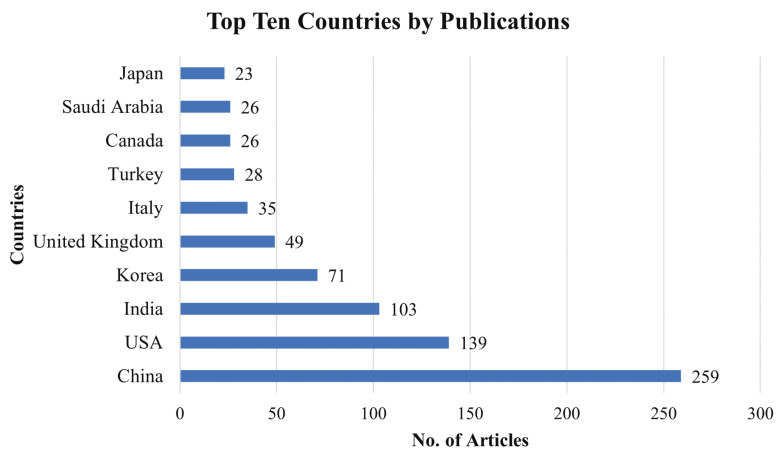
Globally, there is a substantial unmet need to diagnose various diseases effectively. The complexity of the different disease mechanisms and underlying symptoms of the patient population presents massive challenges in developing the early diagnosis tool and effective treatment. Machine learning (ML), an area of artificial intelligence (AI), enables researchers, physicians, and patients to solve some of these issues. Based on relevant research, this review explains how machine learning (ML) is being used to help in the early identification of numerous diseases. Initially, a bibliometric analysis of the publication is carried out using data from the Scopus and Web of Science (WOS) databases. The bibliometric study of 1216 publications was undertaken to determine the most prolific authors, nations, organizations, and most cited articles. The review then summarizes the most recent trends and approaches in machine-learning-based disease diagnosis (MLBDD), considering the following factors: algorithm, disease types, data type, application, and evaluation metrics. Finally, in this paper, we highlight key results and provides insight into future trends and opportunities in the MLBDD area.
Overview
The claims and statistics of this paper haven’t been checked yet.
Free: it reads the open-access text and checks the first 5 claims that cite a source we can check. Create a free account to check every claim.
Integrity signals
Registry
Cites
Statistics
Figures
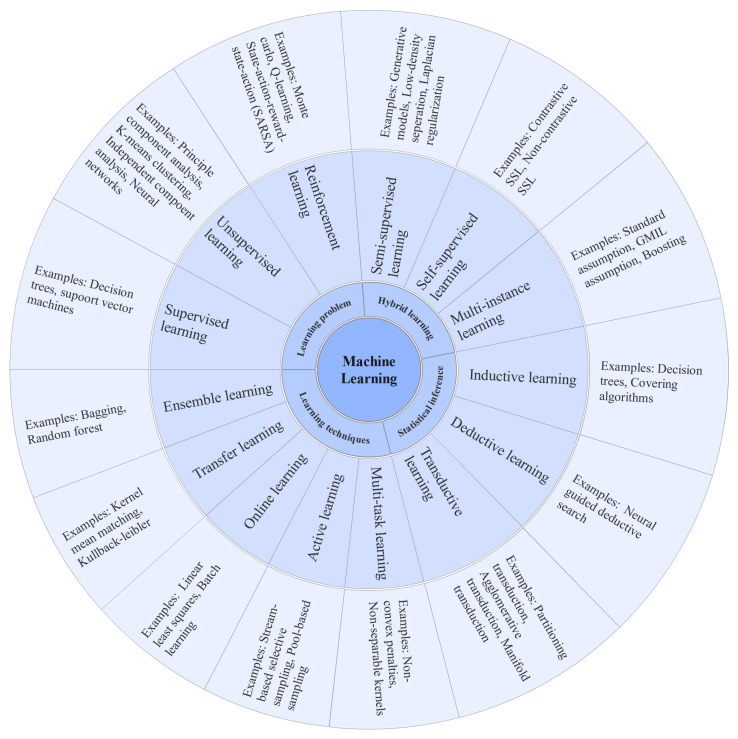
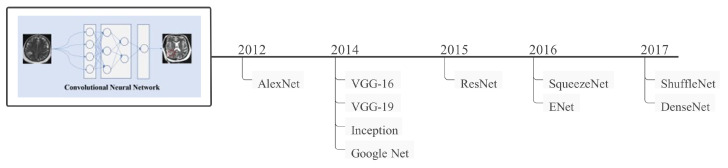
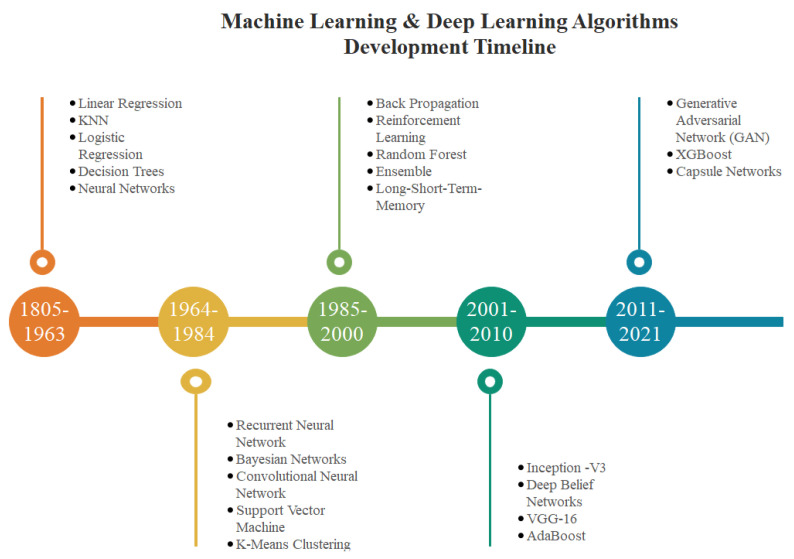
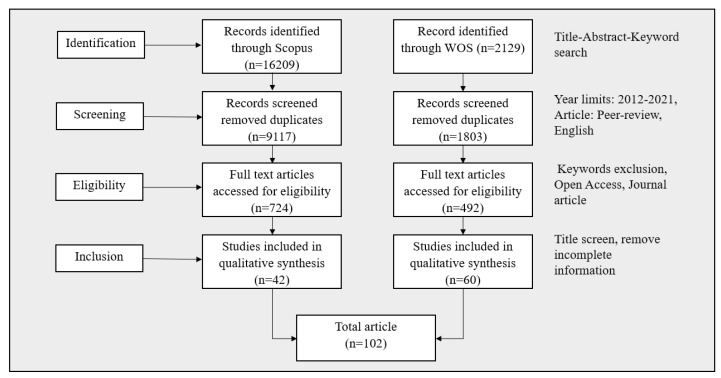
Verification
Claims the paper makes
The claims and statistics of this paper haven’t been checked yet.
Free: it reads the open-access text and checks the first 5 claims that cite a source we can check. Create a free account to check every claim.
Claims other papers make about this one
Each is checked against this paper’s own text: does it say what the citing paper says it does?
The source backs part of the claim, not all of it — or backs it for a different population, condition or comparison.
In the citing paper
“While the advancement of manual diagnosis through the Placenta Accreta Index (PAI) process does improve the accuracy of diagnosis, it does not improve upon the PAS diagnostic issues of manual time consumption, proper symptom identification, and other complexities introduced via human error [10]”
From Machine Learning in Maternity: Early Diagnosis of Placenta Accreta Spectrum (2026) · cites this paper as [10]
Experimental — accuracy not yet measured
Self-check
Percentages, sums and reported differences re-computed from the paper’s own numbers.
The self-check needs the paper’s full text.
Citations
Cites
1 retracted
Saw, M., Saxena, T. K., Kaithwas, S., Yadav, R., & Lal, N. (2020) · International Conference on Computer Communication and Informatics (ICCCI) · doi:10.1109/iccci48352.2020.9104210 · Cited by 73 · cited 1×
“[41, 134, 135, 42, 43, 44, 45] Heart disease Cleveland database https://archive.”
RetractedSome Studies in Machine Learning Using the Game of Checkers
Samuel, A. L. (1959) · IBM Journal of Research and Development · doi:10.1147/rd.33.0210 · Cited by 4,443 · cited 1×
“The core principle of ML is to learn from data in order to forecast or make decisions depending on the assigned task [9].”
BackgroundWang, L., Lin, Z. Q., & Wong, A. (2020) · Scientific Reports · doi:10.1038/s41598-020-76550-z · Cited by 3,113 · cited 1×
“However, the model’s network activity and region of interest were poorly explained [93] .”
BackgroundDiscriminatory Analysis. Nonparametric Discrimination: Consistency Properties
Fix, E., & Hodges, J. L. (1989) · International Statistical Review / Revue Internationale de Statistique · doi:10.2307/1403797 · Cited by 2,516 · cited 10×
“They demonstrated that by fine-tuning the settings, it is feasible to get 94.35% accuracy, whereas the default KNN achieved around 90% accuracy [61].”
MethodInfluentialApostolopoulos, I. D., & Mpesiana, T. A. (2020) · Physical and Engineering Sciences in Medicine · doi:10.1007/s13246-020-00865-4 · Cited by 2,338
Green supply chain management: A review and bibliometric analysis
Fahimnia, B., Sarkis, J., & Davarzani, H. (2015) · International Journal of Production Economics · doi:10.1016/j.ijpe.2015.01.003 · Cited by 2,131 · cited 1×
“Due to their high quality and peer review paper index, Scopus and WOS are prominent databases for article searching, as many academics and scholars utilized them for systematic review [25,26].”
BackgroundNarin, A., Kaya, C., & Pamuk, Z. (2021) · Pattern Analysis and Applications · doi:10.1007/s10044-021-00984-y · Cited by 2,054 · cited 2×
“Several studies investigated and advised screening COVID-19 patients utilizing chest X-ray images in parallel, with major contributions in [95, 96, 97].”
BackgroundMethodEffective Heart Disease Prediction Using Hybrid Machine Learning Techniques
Mohan, S., Thirumalai, C., & Srivastava, G. (2019) · IEEE Access · doi:10.1109/access.2019.2923707 · Cited by 1,951 · cited 1×
“(2019) [29] Effective Heart disease prediction Using hybrid Machine Learning techniques 214”
BackgroundLi, L., Qin, L., Xu, Z., Yin, Y., Wang, X., Kong, B., Bai, J., Lu, Y., Fang, Z., Song, Q., et al. (2020) · Radiology · doi:10.1148/radiol.2020200905 · Cited by 1,927 · cited 1×
“Li et al. (2020) suggested the COVNet model and obtain 96% accuracy utilizing a large dataset of 4356 chest CT images of Pneumonia patients, 1296 of which were verified COVID-19 cases [94].”
MethodLevey, A. S., & Coresh, J. (2012) · The Lancet · doi:10.1016/s0140-6736(11)60178-5 · Cited by 1,841 · cited 1×
“The recent advancement of ML and DL-based kidney disease diagnosis may provide a possibility for those countries that are unable to handle the kidney disease diagnostic related tests [49].”
Background
Research works printed but not linked: 8
- McPhee, S.J.; Papadakis, M.A.; Rabow, M.W. (Eds.) Current Medical Diagnosis & Treatment; McGraw-Hill Medical: New York, NY, USA, 2010.
- Brownlee, J. Machine learning mastery with Python. Mach. Learn. Mastery Pty Ltd. 2016, 527, 100-120.
- Goodfellow, I.; Bengio, Y.; Courville, A. Deep Learning; MIT Press: Cambridge, MA, USA, 2016.
- Qtea, H.; Awad, M. Using Hybrid Model of Particle Swarm Optimization and Multi-Layer Perceptron Neural Networks for Classification of Diabete. Int. J. Intell. Eng. Syst. 2021, 14, 11-22.
- Sriram, T.V.; Rao, M.V.; Narayana, G.S.; Kaladhar, D.; Vital, T.P.R. Intelligent Parkinson disease prediction using machine learning algorithms. Int. J. Eng. Innov. Technol. (IJEIT) 2013, 3, 1568-1572.
- Ghoshal, B., and Tucker, A. (2020). Estimating uncertainty and interpretability in deep learning for coronavirus (COVID-19) detection. arXiv.
- Vidushi, A.R.; Shrivastava, A.K. Diagnosis of Alzheimer disease using machine learning approaches. Int. J. Adv. Sci. Technol. 2019, 29, 7062-7073. 107.
- Gill, N.S.; Mittal, P. A computational hybrid model with two level classification using SVM and neural network for predicting the diabetes disease. J. Theor. Appl. Inf. Technol 2016, 87, 1-10. 137.
Cited by
Items 601–700 of 721
Multi-Language Disease Diagnosis Support System Enhancing Accessibility And Accuracy In Healthcare
Sathiyanathan, S., Devatharshini, R., Dhaniska, V., & Kowsika, K. (2025) · International Conference on Evolutionary Computing and Mobile Sustainable Networks (ICECMSN) · doi:10.1109/icecmsn68058.2025.11382901
“A review by Ahsan et al. (2022) also noted that algorithms such as Decision Trees [1], Random Forest [11] and Support Vector Machines have been very reliable in their predictions of diseases like diabetes, heart ailments, and liver ailments using structured data on symptoms.”
The future of hepatology: Leveraging PyCaret and streamlit for disease classification and prediction
Swain, K., Nayak, S. R., Mohapatra, S. K., & Palai, G. (2026) · Advances in computers · doi:10.1016/bs.adcom.2026.01.006
Anupama, P. P. C., & Asanka, P. P. G. D. (2025) · International Conference on Advances in Technology and Computing (ICATC) · doi:10.1109/icatc68823.2025.11407514
“In contrast, machine learning algorithms (especially deep neural networks) excel at extracting latent temporal features from large sequence datasets, offering a powerful strategy to analyze patient trajectories over time [1].”
Almeida, G. G., Belde, D., Guldimann, M., Engelberger, S., Euler, A., KNÖPFLI, F., Huch, R., Thali, M. J., & Niemann, T. (2026) · In Vivo · doi:10.21873/invivo.14266
Graph-Based Learning for Ophthalmic Image Analysis: Models, Methodologies, and Future Directions
Shi, H. (2026) · Frontiers in Science and Engineering · doi:10.54691/hc1fca15
González, C. F. M. (2022) · Repositorio Institucional FULL
Reda, M. A. A., Gharghan, S. K., & Mohammed, M. S. (2025) · International Conference on Advanced Technologies in Energy and Informatic (ICATEI) · doi:10.1109/icatei67676.2025.11405415
“AdaBoost can be utilized in classification and regression analysis [31], as illustrated in Fig.”
Does machine learning risk reinforcing societal prejudice in education?
Sujoldzic-Lambert, Z., & Lambert, S. (2025) · Forum for education studies. · doi:10.59400/fes2148
“Fast forward to now, they are being used to make risk-based decisions on individuals’ mortgage applications [4].”
Jardine, R. J., Hudson, J., Ibrahim, H., Haider, A., & Watson, A. J. M. (2026) · Research Square · doi:10.21203/rs.3.rs-8473245/v1
Machine learning tools in training of medical staff
OROZOVA, I., & Stoyanova, A. (2026) · Proceedings of the... International Conference on Virtual Learning · doi:10.58503/icvl-v21y202610
Multi-Task Anti-Causal Learning for Reconstructing Urban Events from Residents' ReportsPreprint
Zhou, L., Xu, S., Zhong, S., & Lin, S. (2026) · arXiv (Cornell University) · doi:10.48550/arxiv.2603.11546
“For example, medical diagnosis [2], image and speech classification [16], and urban event reconstruction [36] are included.”
A Hybrid Topological Data Analysis Neural Network Framework for Chronic Kidney Disease Prediction
Parreño, S. J. (2026) · International Conference on Knowledge and Smart Technology · doi:10.1109/kst67832.2026.11432397
“These patterns, often imperceptible to human analysts, can include subtle changes in kidney function over time or correlations between various risk factors and the progression of CKD [9], [10].”
The Miracle of AI in Healthcare
Silvia, C., & Kopczynski, K. (2026) · Engineering · doi:10.4236/eng.2026.183008
Enhanced prediction of chronic kidney disease onset through machine learning techniques
Parreño, S. J., & Anter, M. C. J. (2026) · Indonesian Journal of Electrical Engineering and Computer Science · doi:10.11591/ijeecs.v41.i3.pp966-976
“These patterns, often imperceptible to human analysts, can include subtle changes in kidney function over time or correlations between various risk factors and the progression of CKD [9], [10].”
A Framework for Sequence Classification in Medical Diagnostics Using Machine Learning
Anupama, P. P. C., & Asanka, P. P. G. D. (2026) · International Conference on Advanced Research in Computing (ICARC) · doi:10.1109/icarc68737.2026.11453532
“Comprehensive reviews demonstrate that modern diagnostic pipelines increasingly rely on automated sequence modeling, multimodal integration, and learned feature representations rather than hand engineered inputs [1], [2], [3].”
Privacy-Preserving Medical AI Via ADMM-Enhanced Federated Learning on Structured and Imaging Data
Manimaran, S., Arnita, N., Sai, K. T., Pranavi, R. S., & Dasari, R. (2026) · IEEE International Conference on Interdisciplinary Approaches in Technology and Management for Social Innovation (IATMSI) · doi:10.1109/iatmsi68868.2026.11465707
Othman, A. M. (2023) · theses.fr (ABES) · doi:10.70675/ce7c26bez949dz4a09z91d7z571028cbc172 · Cited by 1
Risk-sensitive machine learning for emergency medical resource optimization and other applications
Hêche, F. (2024) · theses.fr (ABES) · doi:10.70675/b0225573zdaf8z4fa3za41az88618908e60a
Singh, D., Ghosh, A., Pandey, B., & Pandey, J. K. (2026) · PharmaNutrition · doi:10.1016/j.phanu.2026.100494
Liew, A., & Agaian, S. С. (2026) · ACM Transactions on Computing for Healthcare · doi:10.1145/3797868
“Deep learning (DL) has demonstrated remarkable potential to enhance diagnostic workflows across multiple medical specialties by providing accurate diagnoses and identifying novel biomarkers from routine clinical imaging and pathology slides [82].”
Ubiquitous,Transparent,Security and Privacy: Challenges and Applications
Rawindaran, N., Wylde, V., & Patel, P. (2026) · International Conference on Artificial Intelligence, Computer, Data Sciences and Applications (ACDSA) · doi:10.1109/acdsa67686.2026.11468103
Thakre, M., & Mohod, S. W. (2026) · International Journal of Innovations in Engineering and Science · doi:10.46335/ijies.2026.11.4.2
Artificial intelligence and antiaging research
Arumugam, S., Muthuvel, R., Antony, B. S., Chandrasekaran, K., & Subbaraj, G. K. (2026) · Elsevier eBooks · doi:10.1016/b978-0-443-33159-6.00009-6
Prasad, S., Verma, P., Fazal, F., Raiyani, P. R., Priya, M. S., & Shah, T. (2026) · Cureus · doi:10.7759/cureus.107799
A Deep Hybrid Convolutional Network for Plant Disease Recognition
Dandapat, S., Das, K. P., & Dash, S. (2026) · International Conference on Emerging Systems and Intelligent Computing (ESIC) · doi:10.1109/esic68176.2026.11495674
“Traditional disease detection methods are based on expert observation, which is theoretical, tedious, and often not feasible in large-scale settings [3].”
Machine Learning for Differentiating Essential Tremor: A Scoping Review
Fletcher, D. R., Heintzelman, K. E., Ramasamy, S. B., Marks, A., Melott, J. C., Amara, A. W., & Memon, A. A. (2026) · Tremor and Other Hyperkinetic Movements · doi:10.5334/tohm.1182
“Machine learning (ML) offers a promising avenue for augmenting clinical diagnosis by supporting the pattern recognition that neurologists routinely apply in clinical practice [10, 11].”
Sargsyan, A. T. (2026) · The Russian Automobile and Highway Industry Journal · doi:10.26518/2071-7296-2026-23-2-306-315
Detection of referable diabetic retinopathy using machine learning on routine clinical data
Jeon, Y. J., Song, J. S., Borghare, S., Lee, Y., Choi, Y. W., Song, J., Lim, S.-A., & Woo, S. J. (2026) · Frontiers in Medicine · doi:10.3389/fmed.2026.1807809
Explainable Ensemble Learning and Hybrid Feature Selection for Robust Low Birth Weight Prediction
Inam, I. H., Islam, A., Masum, A. K. M., & Uddin, K. M. M. (2025) · IEEE International Conference on Biomedical Engineering, Computer and Information Technology for Health (BECITHCON) · doi:10.1109/becithcon69222.2025.11504281
“LBW accounts for 40–60% of neonatal deaths and remains a key focus in global health agendas [8], [9].”
Roy, R., Lenka, R. M., Jadhav, T. V., Phadtare, P. T., Saturwar, J., & Kulkarni, R. V. (2026) · African Journal of Science Technology Innovation and Development · doi:10.1080/20421338.2026.2651530
“Based on the paper by M. M. Ahsan, Luna, and Siddique (2022) and machine learning, the diagnosis and prediction of a disease was achieved using e-healthcare systems.”
Use of Artificial Intelligence for the Early Detection and Prediction of Alzheimer’s Disease
Khangsar, L. T., & Boileau, A. J. (2026) · Cureus · doi:10.7759/cureus.109138
“ML algorithms can be divided into several subgroups like support vector machines (SVM), random forest (RF), and Naive Bayes (NB) based on what type of data it is best suited for [13].”
Laan, B. L. H., Peute, L., & Srivastava, D. (2026) · Studies in health technology and informatics · doi:10.3233/shti260267 · Cited by 2
Brlek, P., Divanović, B., Bulić, L., Đambić, K., Mešin, M., Damjanović, I., Hrvatin, N., & Primorac, D. (2026) · Applied Sciences · doi:10.3390/app16115245
Building the next frontier: Artificial intelligence in 3D-printed medicines.
Kurien, R. A., Kannan, G., Thanawut, K., Suttiruengwong, S., & Sriamornsak, P. (2026) · PubMed Central · doi:10.12336/bmt.25.00043 · Cited by 6
Stan, O. P., Misaroş, M., & Miclea, L. C. (2026) · Biomimetics · doi:10.3390/biomimetics11060369
“A wide range of ML and DL algorithms has been investigated in medical applications, including models based on decision trees (C4.5), linear and logistic regression, the K-Nearest Neighbors (KNN) algorithm, Convolutional Neural Networks (CNN), and Deep Belief Networks (DBN) [10].”
SHAP-Based Explainable AI Model for Early Detection of Cardiovascular Disease
Imran, M. A. R., Hasan, T., Akter, N., Mia, M. S., & Tasnim, T. (2025) · IEEE International Women in Engineering (WIE) Conference on Electrical and Computer Engineering (WIECON-ECE) · doi:10.1109/wiecon-ece69386.2025.11526184
“However, traditional diagnostic processes are heavily based on conventional assessment of clinical and demographic risk factors, which may require considerable time, be inconsistent, and be prone to differences between evaluators [3].”
Evolution, hotspots, and prospects of AI-powered telehealth: A bibliometric study
Jin, B., Awang, H., & Mansor, N. S. (2026) · Journal of Applied Computer and Information Technology · doi:10.67131/jacoit.v1i1.5
“…data coverage, and analysis dimensions, but all have significant limitations, such as neglecting telehealth as an independent application scenario [9], being confined to single specialties [11], outdated data coverage [10], and narrow research scope [12], highlighting the necessity of this study.”
A Comparative Analysis Of Machine Learning Models For Sunburn Disease Detection In Hibiscus Foliage
Reddy, R. P. K., Chaithanya, J. S., & Sathvik, S. S. (2025) · International Journal of Advances in Signal and Image Sciences · doi:10.29284/d0a3n348
A GraphSAGE Approach to Hepatitis C Virus Detection from Biochemical Graph Representations
Eren, H. A., Gültekin, Ö., & Gülbandılar, E. (2026) · Bilecik Şeyh Edebali Üniversitesi Fen Bilimleri Dergisi · doi:10.35193/bseufbd.1760220
Singh, U., Kumar, V., & Pant, B. (2026) · Biomedical & Pharmacology Journal · doi:10.13005/bpj/3407
Ikhar, A. K., Nigam, M. K., & Kshirsagar, P. (2026) · International Journal of Drug Delivery Technology · doi:10.25258/ijddt.16.46s.73
Bachay, F. M., Alzaheiree, A. A., Hussein, H. A., Alsafi, A. N., & Abdulameer, M. H. (2026) · IAES International Journal of Artificial Intelligence · doi:10.11591/ijai.v15.i3.pp2595-2605
An Intelligent Approach for Stroke Prediction using Real Time Hybrid Ensemble Models
Koley, S., Das, S., Pal, P., Bhattacharya, A., Sarkar, P., Mitra, A., Samanta, R., Bhattacharjee, J., Debnath, S., & Dhara, J. (2025) · International Conference on Intelligent & Innovative Practices in Engineering & Management (IIPEM) · doi:10.1109/iipem65914.2025.11548339
“This suggests that tree-based techniques are useful for forecasting health outcomes [7].”
Rao, M. S. S., Suresh, C. V., Nageshwar, V., & Nagaraju, K. (2026) · Microsystem Technologies · doi:10.1007/s00542-026-06021-4
“Diagnosis is traditionally performed through laboratory tests and professionals, which is often subjective and laborious (Ahsan et al. 2022).”
Osteoporosis Disease Prediction Using Machine Learning Algorithms
Mathankumar, T., & Vijayarani, S. (2026) · Cureus Journal of Computer Science. · doi:10.7759/s44389-026-00118-7
Mareta, R., Satriawan, A., & Lee, H. (2026) · IEEE International Symposium on Circuits and Systems proceedings · doi:10.1109/iscas66217.2026.11562540
“Recent advances in technology—such as machine learning, virtual and augmented reality, and cloud computing—have transformed modern life, enabling tasks like regression [1], clustering [2], classification [3], and medical diagnosis [4].”
Prasetya, C. S., Sena, I. G. W., & Fernando, M. A. (2026) · Indonesian Journal of Information Systems · doi:10.24002/ijis.v8i2.13128
Ethical considerations and privacy in artificial intelligence-driven metaverse healthcare
Katepaka, S., Bej, A., Das, A., & Nandi, A. (2026) · Elsevier eBooks · doi:10.1016/b978-0-443-27692-7.00025-3
Hincapié, M., Arana, V. A., García-Alzate, R., Lozano-Arias, D., & Trilleras, J. E. (2026) · Sci · doi:10.3390/sci8070148
Adrales, L. F., & Ruiz, R. F. P. (2026) · International journal of research and scientific innovation · doi:10.51244/ijrsi.2026.1306000152
Chronic Postsurgical Pain: Identification and Management
Feldheim, T. V., & Tighe, P. (2026) · Springer eBooks · doi:10.1007/978-3-032-11484-6_20
AI-Driven Personalized Medical Recommendation Systems Using Machine Learning Techniques
Sharma, S., Kumar, S., Prakash, S., Meena, K. B., & Tyagi, V. (2026) · Advances in computational intelligence and robotics book series · doi:10.4018/979-8-3373-7082-8.ch010
Zero-shot classification of ECG signals using CLIP-based models
Jassal, N., Egorov, K., & Budennyy, S. (2026) · Scientific Reports · doi:10.1038/s41598-026-55806-0
Xiong, Y., Tang, Z., Liu, Y., Chen, L., Li, Y. C., Hu, J., & Yang, X. (2026) · Journal of Clinical Medicine · doi:10.3390/jcm15135277
“Clinical entities exhibit distinct pathophysiological characteristics and heterogeneous data distributions, and prior studies have confirmed that no single predictive model performs universally well across all disease spectra [33].”
Heroza, R. I. (2026) · Open Access at Essex (University of Essex) · doi:10.5526/err-00043533
A Bayesian Classifier Using Youden’s J Statistic for Medical Diagnosis
Fernando, I. (2026) · IFIP advances in information and communication technology · doi:10.1007/978-3-032-30612-8_22
Farahani, R. G., & Bastanfard, A. (2026) · arXiv (Cornell University) · doi:10.48550/arxiv.2607.10168
“Research on linguistic micro-features indicates that decline influences coherence and grammatical structures; however, these indicators may also vary based on language proficiency and recording context [18].”
Wang, B., Wang, Z., Liu, Y., & Ge, F. (2026) · Journal of Medical Internet Research · doi:10.2196/90209
“First, we addressed the core conceptual flaw of prior reviews by performing fully task-stratified meta-analyses, rather than pooling heterogeneous clinical tasks into a single analysis [55].”
Malaria Pre-screening Technology Using Artificial Intelligence (AI)Preprint
Ibeto, O. O., & Nwoye, E. O. (2026) · medRxiv · doi:10.64898/2026.07.15.26357432
Ogundokun, R. O., Owolawi, P. A., & Wyk, E. V. (2026) · Communications in computer and information science · doi:10.1007/978-3-032-22199-5_29
Can AI assist in reducing diagnostic error? A narrative review
Scott, I. A. (2026) · Diagnosis · doi:10.1515/dx-2026-0021
“Machine learning (ML)-based diagnostic algorithms emerged in the 2000s, as decision trees initially and then deep learning (DL) neural networks with larger training datasets and computational power [13].”
Predicting Medical Test Results Using Random Forest, XGBoost, and KNN: A Comparative Study
Dar, A. A., Basheeruddin, M., Qausain, S., Shriya, Manocha, R., & Padder, R. A. (2026) · IEEE International Conference on Intelligent Technologies for a Sustainable and Inclusive Future (ICITSIF) · doi:10.1109/icitsif69060.2026.11608455
Machine Learning Applications in Diabetes Management: A Comprehensive Review
More, K., Bawane, V., Shende, M., & Madireddy, L. (2026) · IEEE International Conference on Intelligent Technologies for a Sustainable and Inclusive Future (ICITSIF) · doi:10.1109/icitsif69060.2026.11609064
“[6] has highlighted the significance of disease diagnosis using machine learning techniques especially heart diseases, breast cancer, kidney diseases, diabetes, Alzheimer’s and Parkinson’s respectively.”
Appications of artificial intelligence in cardiovascular disorders
Chakrabarty, S., & Ghosh, S. (2026) · Elsevier eBooks · doi:10.1016/b978-0-443-43934-6.00011-0
Mada, V. W., & Damayanti, D. (2025) · Building of Informatics Technology and Science (BITS) · doi:10.47065/bits.v7i3.8591
Ali, M. A., Dornaika, F., Ali, H., Hamad, D., & Hoang, V. T. (2026) · Artificial Intelligence Review · doi:10.1007/s10462-026-11650-2
“The pervasive integration of machine learning (ML) across virtually every sector—from healthcare diagnostics (Sadr et al. 2025 ; Ahsan et al. 2022 ) and financial forecasting (Was - serbacher and Spindler 2022 ; Giantsidi and Tarantola 2025 ; Vancsura et al. 2025) to autonomous systems (Chen et al.…”
Liu, Q., Que, S., Xiong, N., Zeng, G., Gao, Q., & Tang, M. (2026) · PubMed Central · doi:10.11817/j.issn.1672-7347.2026.260099
“…需求 [12] 。血清学指标是患者入院后第一手资料,多种 常规血液学和宿主反应相关生物标志物在 STB 诊断 中具有潜在价值 [13] ,如何将这些分散的信号整合为稳 定、可解释、可推广的辅助鉴别工具,仍是当前临 床转化中的关键问题。 机器学习及现代临床鉴别诊断模型为多指标整 合提供了可行路径 [14] 。研究 [15] 表明,基于机器学习或 多变量建模的方法可用于结核与其他感染性疾病的 鉴别诊断。相较于依赖单一指标的判断,机器学习 辅助的特征筛选能够从多维数据中识别与结局最相 关的变量,而结合 Logistic 回归和列线图则能够在保 持模型可解释性的同时提升临床可用性 [16]…”
Addressing Dataset Imbalance with Modified Generative Adversarial Networks
Razaq, R., AlShemmary, E. N., & Lu, Z. (2026) · Iraqi Journal of Science · doi:10.24996/ijs.2026.67.7.32
“The class with a comparatively small number of samples is referred to as the minor class, while the class with the largest number of samples is known as the major class [4].”
Dong, Y., Ke, Y., Abdullah, H. R., Xing, Y., Teo, K. K. B., Huang, L., & Feng, M. (2026) · arXiv (Cornell University) · doi:10.48550/arxiv.2607.29090
“Machine learning (ML), a core component of artificial intelligence (AI), has been increasingly applied to healthcare tasks such as diagnosis [12], prognosis [13] and treatment decision support [14].”
Bhana, R., Verwey, C., Prag, K., & Magan, A. B. (2026) · BMC Medical Informatics and Decision Making · doi:10.1186/s12911-026-03730-8
“There are also multiple factors which can influence patient misdiagnosis, including a lack of noticeable symptoms to make a firm diagnosis, or the presence of a rare disease not being accounted for (unintentionally) [8].”
Gaslac, H. I. R. (2025) · Repositorio Institucional USAT (Universidad Católica Santo Toribio de Mogrovejo)
Bibliometric methods and applications in health sciences: a graphical review
Litvinova, O., Hladschik-Kermer, B., Yeung, A. W. K., Kletečka-Pulker, M., Gerger, G., Tzvetkov, N. T., Matin, F. B., Pieczynska, M. D., Rehan, I. F., Elnagar, A., et al. (2026) · Current Research in Biotechnology · doi:10.1016/j.crbiot.2026.100414
Arunima, K., & Bhavana, J. (2026) · International Conference on Emerging Trends in Information, Communication & Systems (ICETICS) · doi:10.1109/icetics69505.2026.11651162
“Early fusion is the fusion strategy of dealing with features at the input stage before model training in the bi-directional fusion, thus learning algorithms are better represented inter-feature fusion strategies, as compared to decision-level fusion strategies [12], [13].”
Srinivas, B. R., Jamalpur, B., & Ankam, R. R. (2026) · International Journal of Drug Delivery Technology · doi:10.25258/ijddt.16.76s.30
Chu, Y., Zhang, C., & Peng, J. (2026) · PubMed Central · doi:10.7499/j.issn.1008-8830.2511119
Wang, T., Jiang, Y., Zhang, J., Li, W., Xue, H., Hua, H., Wang, W., & Yang, K. (2026) · Infectious Diseases of Poverty · doi:10.1186/s40249-026-01485-y
“Machine learning (ML) offers a transformative approach to medical diagnostics by decoding complex, non-linear relationships within high-dimensional clinical data [25,26].”
Denami, F., Ammendolia, A., Alessandro de, S. I. R. E., Marotta, N., Benedetto, G. L., Parrotta, E. I., Cuda, G., Gasparini, G., & Mercurio, M. (2026) · Bioengineering · doi:10.3390/bioengineering13080942
“Overall, the literature demonstrates a clear predominance of CNN-based architectures for diagnostic and classification purposes, while traditional ML models remain particularly relevant in predictive modeling [51].”
Machine Learning-based Predictive Analytics for Early Detection of Chronic Diseases
Prakash, P. A., Mamtha, C., Manishathri, R., Jimshitha, V., Barani, S., & Mythily., B. (2026) · International Conference on Smart Systems and Inventive Technology (ICSSIT) · doi:10.1109/icssit69151.2026.11656654
“More sophisticated models on Alzheimer’s prediction employed embedded feature-selection techniques to denoise data and improve its predictive value for early diagnosis [4].”
Astuti, W., Kwan, J. A., Sitepu, E., Abrori, S. A., & Setiawan, F. (2026) · Sensors · doi:10.3390/s26175371
“…Glomerular Filtration Rate (eGFR), calculated via the Modification of Diet in Renal Disease (MDRD) equation [5]: Several equations have been proposed for eGFR estimation; the MDRD equation was selected here for its sex-specific applicability and established use in the source literature [30,31].”
Isha, D. S. N. S. A., Juhan, N., Zubairi, Y. Z., Azizan, N. B., Mun, H. C., Mamun, A. S. M. A., & Zhi, L. Q. (2026) · BAREKENG JURNAL ILMU MATEMATIKA DAN TERAPAN · doi:10.30598/barekengvol20iss4pp2865-2884
“Early detection is essential in diabetes research, and logistic regression (LR) has become one of the most widely applied approaches for risk stratification [26], [27].”
Predictive Analytics for Early Disease Detection Using Data Mining and Machine Learning
Jha, J., & Jain, D. (2026) · doi:10.62431/76897s05
Explainable AI for Conditional Stroke Probability Estimation: A Hybrid Bayesian Network Approach
Pranil, G. C., Singh, R., & Grewal, R. S. (2026) · Algorithms · doi:10.3390/a19090736
Two-Step Multifidelity Support Vector Regression in Aerospace Surrogate Modeling
Kilic, D., & Nikbay, M. (2026) · Journal of Aerospace Information Systems · doi:10.2514/1.i011754
A Multi-Input Neural Network for Early Detection of Neurological Disorders from Vocal and Sleep Data
Shak, M. S., Rahman, N., Mahmud, F., Das, A. C., Mridha, M. F., & Hossen, M. J. (2026) · Computers, materials & continua/Computers, materials & continua (Print) · doi:10.32604/cmc.2026.081102
“Recent advances in deep learning have accelerated the development of diagnostic models across various domains in healthcare [11].”
Dhivya, T., & Davamani, K. A. (2026) · International Conference on Inventive Systems and Control (ICISC) · doi:10.1109/icisc69558.2026.11681764
“…potential in clinical decision support used to diagnose autoimmune disease, where structured profiles of biomarkers, including inflammatory markers, titres of autoantibodies, complement levels, and demographic data can be used to classify diseases better than conventional clinical heuristics [3].”
Dhivya, T., & Davamani, K. A. (2026) · International Conference on Inventive Systems and Control (ICISC) · doi:10.1109/icisc69558.2026.11680999
“…learning to structured immunological biomarker data has emerged as an effective paradigm for automated disease classification, enabling detection of discriminative patterns in high-dimensional clinical feature spaces that cannot be identified through traditional rule-based diagnostic criteria [3].”
Larasati, P. S., Pratiwi, H., Susanto, I., Ferawati, K., Respatiwulan, & Handajani, S. S. (2026) · International Conference on Smart Data, Intelligence, and Analytics (ICoSDIA) · doi:10.1109/icosdia70683.2026.11690447
Yahya, M. B., Salehien, A. S., & Jahangir, S. (2026) · Global Management Sciences Review · doi:10.31703/gmsr.2026(xi-i).11
Etinosa, P. O., Waidi, Y. O., Osafo, S. A., Danyuo, Y., Eluu, S. C., & Ezeala, C. C. (2026) · Pharmaceuticals · doi:10.3390/ph19091498
Lee, J. H., Lee, K.-Y., KIM, S., Jeong, S., & Jung, D. J. (2026) · Heliyon · doi:10.1016/j.heliyon.2026.e45484
Yaikwawong, M., Kamdee, K., & Chuengsamarn, S. (2026) · PLoS ONE · doi:10.1371/journal.pone.0359283
Chettupalli, A. K., Pathak, P., Sharma, P., Jadi, R. K., & Thota, S. K. (2026) · Frontiers in Pharmacology · doi:10.3389/fphar.2026.1901153
“Several existing bioinformatic approaches require lengthy pre-processing, imputation of missing values, correction of batch effects and complex statistical modeling before any meaningful biological conclusion can be drawn (Ahsan et al., 2022).”
Vhaldino, T., Pauziah, A., Khoirin, Rudiansyah, Yuzzaki, D. S., & Syarif, A. (2026) · Journal Health Applied Science and Technology · doi:10.52523/jhast.v4i2.128
Jang, J., Park, S., Nam, S.-S., & Choi, D. (2026) · Applied Intelligence · doi:10.1007/s10489-026-07452-2
Klasifikasi Anemia pada Data Tidak Seimbang Menggunakan Random Forest, SMOTETomek, dan GridSearchCV
Haris, M. A., & Solikhun, S. (2026) · Bulletin of Computer Science Research
Raut, P., Babar, S. D., Patil, S., & Mahalle, P. (2024) · International Journal of Intelligent Systems and Applications in Engineering · Cited by 9
Livesey, M. (2023) · UWC Research Repository (University of the Western Cape)
Novel genomic biomarkers for pediatric and adult acute myeloid leukemia
(2023) · UWC Research Repository (University of the Western Cape)
Metadata
- Authors
- Ahsan, M. M., Luna, S. A., & Siddique, Z.
- Affiliations
- University of Oklahoma (US)
- Dhaka Medical College and Hospital (BD)
- Corresponding author
- Ahsan, Md Manjurul
- Venue
- Healthcare
- Publisher
- MDPI AG
- Published
- 2022-03-15
- Volume
- 10
- Issue
- 3
- Pages
- 541
- ISSN
- 2227-9032 (ISSN-L)
- PMC
- PMC8950225
- OpenAlex
- W4220862305
- Semantic Scholar
- 870da55ec826bcfeae42ca0f72e06be3660ebcea
- Cited by
- 603
- References
- 131
- Citations by year
- 2026: 102 · 2025: 203 · 2024: 182 · 2023: 91 · 2022: 24
- FWCI
- 18.24
- Type
- journal article
- Language
- en
- Open access
- gold
- doi.org
- Licence
- Locations
- Healthcare (publishedVersion, cc-by)
- PubMed Central (publishedVersion, cc-by)
- PubMed (publishedVersion)
- arXiv (Cornell University) (submittedVersion)
- arXiv (Cornell University) (cc-by)
- Topics
- Health Sciences › Health Professions › Health Information Management › Artificial Intelligence in Healthcare
- Health Sciences › Medicine › Health Informatics › Artificial Intelligence in Healthcare and Education
- Physical Sciences › Computer Science › Artificial Intelligence › AI in cancer detection
- Keywords
- machine learning, disease diagnosis, early diagnosis, artificial intelligence in healthcare, diagnostic algorithm, evaluation metrics, bibliometric analysis
About these checks
Registry, retraction, Cites and statistics results are computed, not judged, with one exception: a printed reference that no index lists is read once by a model before it counts as a citation error. Claims are extracted by a model and kept only when their quote appears verbatim in the text; each cited source is then checked, with a model’s help, for whether it says what the claim relies on. Those verdicts can be wrong — read the claim’s quote and the cited source before relying on one.
Statistics and arithmetic are recomputed, not judged.
Confidence bands are shown only for fields calibrated on our annotated test set. None is calibrated yet, so no band is shown.
What counts as a claim ›How we measure confidence ›How we check this ›
Are you an author, or do you see a problem with this page? Request a review
Data sources
Bibliographic data: Semantic Scholar, OpenAlex, Crossref.
Contains information from the Semantic Scholar Academic Graph Datasets, made available under the ODC Attribution License (ODC-BY 1.0).
Semantic Scholar’s data is described in: Kinney, R., et al. (2023). The Semantic Scholar Open Data Platform. arXiv:2301.10140.
