

Machine-Learning-Based Disease Diagnosis: A Comprehensive Review
Open accessThe DOI matches its Crossref record; 135 of the 135 references it cites were found in a registry or an index.
Abstract
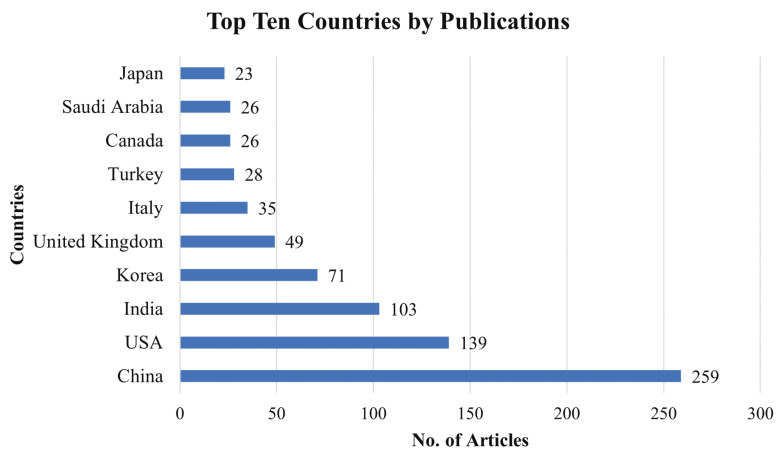
Globally, there is a substantial unmet need to diagnose various diseases effectively. The complexity of the different disease mechanisms and underlying symptoms of the patient population presents massive challenges in developing the early diagnosis tool and effective treatment. Machine learning (ML), an area of artificial intelligence (AI), enables researchers, physicians, and patients to solve some of these issues. Based on relevant research, this review explains how machine learning (ML) is being used to help in the early identification of numerous diseases. Initially, a bibliometric analysis of the publication is carried out using data from the Scopus and Web of Science (WOS) databases. The bibliometric study of 1216 publications was undertaken to determine the most prolific authors, nations, organizations, and most cited articles. The review then summarizes the most recent trends and approaches in machine-learning-based disease diagnosis (MLBDD), considering the following factors: algorithm, disease types, data type, application, and evaluation metrics. Finally, in this paper, we highlight key results and provides insight into future trends and opportunities in the MLBDD area.
Overview
The claims and statistics of this paper haven’t been checked yet.
Free: it reads the open-access text and checks the first 5 claims that cite a source we can check. Create a free account to check every claim.
Integrity signals
Registry
Cites
Statistics
Figures
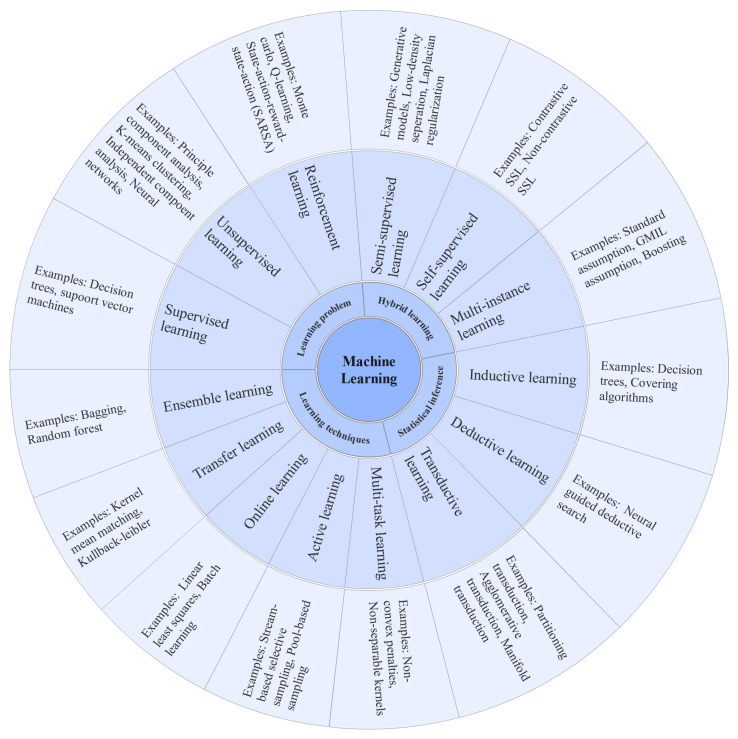
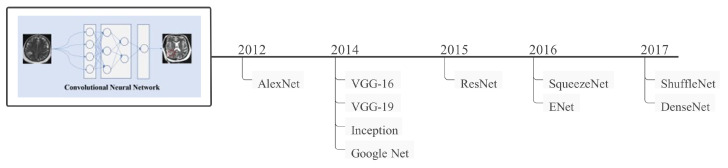
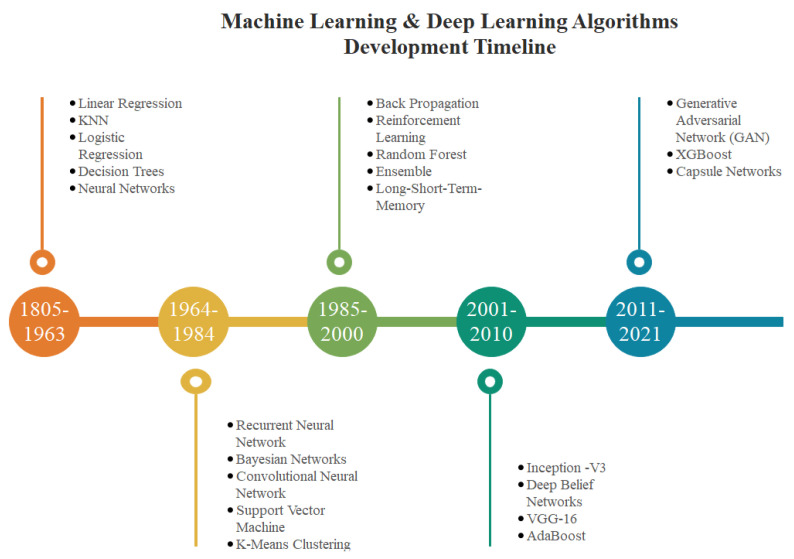
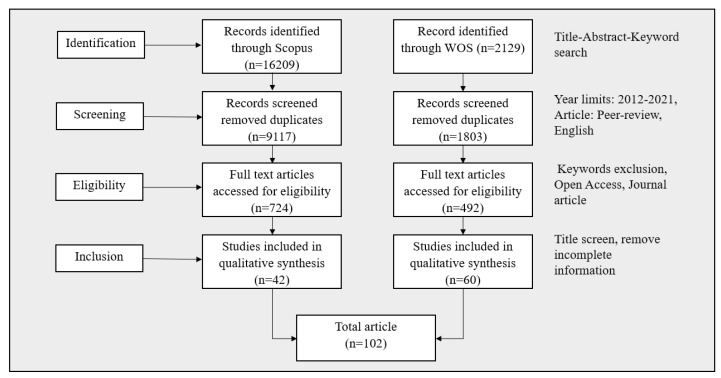
Verification
Claims the paper makes
The claims and statistics of this paper haven’t been checked yet.
Free: it reads the open-access text and checks the first 5 claims that cite a source we can check. Create a free account to check every claim.
Claims other papers make about this one
Each is checked against this paper’s own text: does it say what the citing paper says it does?
The source backs part of the claim, not all of it — or backs it for a different population, condition or comparison.
In the citing paper
“While the advancement of manual diagnosis through the Placenta Accreta Index (PAI) process does improve the accuracy of diagnosis, it does not improve upon the PAS diagnostic issues of manual time consumption, proper symptom identification, and other complexities introduced via human error [10]”
From Machine Learning in Maternity: Early Diagnosis of Placenta Accreta Spectrum (2026) · cites this paper as [10]
Experimental — accuracy not yet measured
Self-check
Percentages, sums and reported differences re-computed from the paper’s own numbers.
The self-check needs the paper’s full text.
Citations
Cites
1 retracted
Saw, M., Saxena, T. K., Kaithwas, S., Yadav, R., & Lal, N. (2020) · International Conference on Computer Communication and Informatics (ICCCI) · doi:10.1109/iccci48352.2020.9104210 · Cited by 73 · cited 1×
“[41, 134, 135, 42, 43, 44, 45] Heart disease Cleveland database https://archive.”
RetractedSome Studies in Machine Learning Using the Game of Checkers
Samuel, A. L. (1959) · IBM Journal of Research and Development · doi:10.1147/rd.33.0210 · Cited by 4,443 · cited 1×
“The core principle of ML is to learn from data in order to forecast or make decisions depending on the assigned task [9].”
BackgroundWang, L., Lin, Z. Q., & Wong, A. (2020) · Scientific Reports · doi:10.1038/s41598-020-76550-z · Cited by 3,113 · cited 1×
“However, the model’s network activity and region of interest were poorly explained [93] .”
BackgroundDiscriminatory Analysis. Nonparametric Discrimination: Consistency Properties
Fix, E., & Hodges, J. L. (1989) · International Statistical Review / Revue Internationale de Statistique · doi:10.2307/1403797 · Cited by 2,516 · cited 10×
“They demonstrated that by fine-tuning the settings, it is feasible to get 94.35% accuracy, whereas the default KNN achieved around 90% accuracy [61].”
MethodInfluentialApostolopoulos, I. D., & Mpesiana, T. A. (2020) · Physical and Engineering Sciences in Medicine · doi:10.1007/s13246-020-00865-4 · Cited by 2,338
Green supply chain management: A review and bibliometric analysis
Fahimnia, B., Sarkis, J., & Davarzani, H. (2015) · International Journal of Production Economics · doi:10.1016/j.ijpe.2015.01.003 · Cited by 2,131 · cited 1×
“Due to their high quality and peer review paper index, Scopus and WOS are prominent databases for article searching, as many academics and scholars utilized them for systematic review [25,26].”
BackgroundNarin, A., Kaya, C., & Pamuk, Z. (2021) · Pattern Analysis and Applications · doi:10.1007/s10044-021-00984-y · Cited by 2,054 · cited 2×
“Several studies investigated and advised screening COVID-19 patients utilizing chest X-ray images in parallel, with major contributions in [95, 96, 97].”
BackgroundMethodEffective Heart Disease Prediction Using Hybrid Machine Learning Techniques
Mohan, S., Thirumalai, C., & Srivastava, G. (2019) · IEEE Access · doi:10.1109/access.2019.2923707 · Cited by 1,951 · cited 1×
“(2019) [29] Effective Heart disease prediction Using hybrid Machine Learning techniques 214”
BackgroundLi, L., Qin, L., Xu, Z., Yin, Y., Wang, X., Kong, B., Bai, J., Lu, Y., Fang, Z., Song, Q., et al. (2020) · Radiology · doi:10.1148/radiol.2020200905 · Cited by 1,927 · cited 1×
“Li et al. (2020) suggested the COVNet model and obtain 96% accuracy utilizing a large dataset of 4356 chest CT images of Pneumonia patients, 1296 of which were verified COVID-19 cases [94].”
MethodLevey, A. S., & Coresh, J. (2012) · The Lancet · doi:10.1016/s0140-6736(11)60178-5 · Cited by 1,841 · cited 1×
“The recent advancement of ML and DL-based kidney disease diagnosis may provide a possibility for those countries that are unable to handle the kidney disease diagnostic related tests [49].”
Background
Research works printed but not linked: 8
- McPhee, S.J.; Papadakis, M.A.; Rabow, M.W. (Eds.) Current Medical Diagnosis & Treatment; McGraw-Hill Medical: New York, NY, USA, 2010.
- Brownlee, J. Machine learning mastery with Python. Mach. Learn. Mastery Pty Ltd. 2016, 527, 100-120.
- Goodfellow, I.; Bengio, Y.; Courville, A. Deep Learning; MIT Press: Cambridge, MA, USA, 2016.
- Qtea, H.; Awad, M. Using Hybrid Model of Particle Swarm Optimization and Multi-Layer Perceptron Neural Networks for Classification of Diabete. Int. J. Intell. Eng. Syst. 2021, 14, 11-22.
- Sriram, T.V.; Rao, M.V.; Narayana, G.S.; Kaladhar, D.; Vital, T.P.R. Intelligent Parkinson disease prediction using machine learning algorithms. Int. J. Eng. Innov. Technol. (IJEIT) 2013, 3, 1568-1572.
- Ghoshal, B., and Tucker, A. (2020). Estimating uncertainty and interpretability in deep learning for coronavirus (COVID-19) detection. arXiv.
- Vidushi, A.R.; Shrivastava, A.K. Diagnosis of Alzheimer disease using machine learning approaches. Int. J. Adv. Sci. Technol. 2019, 29, 7062-7073. 107.
- Gill, N.S.; Mittal, P. A computational hybrid model with two level classification using SVM and neural network for predicting the diabetes disease. J. Theor. Appl. Inf. Technol 2016, 87, 1-10. 137.
Cited by
Items 201–300 of 721
Khan, W. H., Khan, M. S., Khan, N., Ahmad, A., Siddiqui, Z. I., Singh, R. K., & Malik, M. Z. (2024) · Elsevier eBooks · doi:10.1016/b978-0-443-21870-5.00006-6 · Cited by 9
Machine Learning Model for Predicting Walking Ability in Lower Limb Amputees
Knežević, A., Arsenovic, J., Garipi, E., Platisa, N., Savic, A., Aleksandrić, T., Popović, D., Subic, L., Milenović, N., Simić-Panić, D., et al. (2024) · Journal of Clinical Medicine · doi:10.3390/jcm13226763 · Cited by 8
Tarasyuk, O., Gorbenko, A., Eberl, M., Topley, N., Zhang, J., Shafik, R., & Yakovlev, A. (2024) · Bioinformatics Advances · doi:10.1093/bioadv/vbaf140 · Cited by 9
“…artificial neural networks (ANNs) and random forests (RFs) have been successfully applied to biomedical datasets (Peiffer-Smadja et al. 2020, Ahsan et al. 2022), including those from our own work in patients with urinary tract infection (Gadalla et al. 2019), peritoneal dialysis…”
Optimizing Healthcare Throughput: The Role of Machine Learning and Data Analytics
Deorankar, P. S., Vaidya, V. V., Munot, N. M., Jain, K. S., & PATIL, A. R. (2024) · Springer eBooks · doi:10.1007/978-981-97-2596-0_11 · Cited by 8
Bhosale, R. D., & Yadav, D. M. (2023) · International Conference on Informatics (ICI) · doi:10.1109/ici60088.2023.10420853 · Cited by 9
“CNNs excel in extracting intricate features from medical images, enhancing the accuracy of disease diagnosis [5].”
BackgroundDeepika, R. M., & Pradeep Kumar, T. S. (2025) · Scientific Reports · doi:10.1038/s41598-025-98365-6 · Cited by 7
“The divide-and-conquer strategy is used by the decision tree (DT) algorithm 43,44 .”
A systematic review on the generative AI applications in human medical genetics
Changalidis, A. I., Barbitoff, Y. A., Nasykhova, Y. A., & Glotov, A. S. (2026) · Frontiers in Genetics · doi:10.3389/fgene.2025.1694070 · Cited by 9
“Recent reviews highlight the growing impact of ML approaches in biomedical fields, including applications in diagnosing rare diseases and improving clinical outcomes [1, 2].”
Fontaine, G., Lalla, O. D., Michie, S., Powell, B. J., Welch, V. A., Thomas, J., Chan, J., Rahimi, S. A., Légaré, F., Hastings, J., et al. (2025) · F1000Research · doi:10.12688/f1000research.171774.1 · Cited by 9
AI-Driven Genomic Biomarker Discovery for Precision Diagnosis and Personalized Treatment
Sikkander, A. R. M., Rodrigues, J. J. P. C., Meena, M., & Abuelmakarem, H. S. (2025) · World Journal of Applied Medical Sciences · doi:10.65336/wjams.2025.21203 · Cited by 7
The use of machine learning (ML) in sustainable systems-An Overview
Salama, R., Al-Turjman, F. M., Altrjman, C., & Bordoloi, D. (2023) · International Conference on Computational Intelligence, Communication Technology and Networking (CICTN) · doi:10.1109/cictn57981.2023.10141326 · Cited by 7
An explainable stacking-based approach for accelerating the prediction of antidiabetic peptides
Arshad, F., Ahmad, S., Amjad, A., & Kabir, M. (2024) · Analytical Biochemistry · doi:10.1016/j.ab.2024.115546 · Cited by 8
Thakur, K., Sandhu, N. K., Kumar, Y., & Thakkar, H. K. (2024) · International Journal of Systems Assurance Engineering and Management · doi:10.1007/s13198-024-02373-0 · Cited by 7
“They can be taught to use big data sets to figure out what the most important things are for classifying diseases (Ahsan et al. 2022).”
Coillie, S. V., Prevot, J., Sánchez‐Ramón, S., Lowe, D. M., Borg, M., Autran, B., Segundo, G. R. S., Pecoraro, A., Garcelon, N., Boersma, C., et al. (2024) · Frontiers in Immunology · doi:10.3389/fimmu.2024.1430678 · Cited by 8
“Machine learning algorithms, by which large datasets are iteratively used to extract information allowing the software to gradually improve its performance, can aid in the early detection of conditions by identifying patterns which are impossible for humans to discern (109).”
BackgroundMachine learning-guided synthesis of nanomaterials for breast cancer therapy
Zhou, K., Tian, B., Lu, J., Dong, B., & Han, X. (2024) · Scientific Reports · doi:10.1038/s41598-024-76924-7 · Cited by 7
Lv, J., Kim, B., Słowik, A., Parameshachari, B. D., Kumari, S., Chen, C., & Li, K. (2024) · Swarm and Evolutionary Computation · doi:10.1016/j.swevo.2024.101769 · Cited by 8
Fuzzy Logic-Driven Machine Learning Algorithms for Improved Early Disease Diagnosis
Arya, L., Lavudiya, N. S., Sateesh, G., Padmanaban, H., Srinivasulu, B. V., & Rastogi, R. (2024) · International Journal of Advanced Computer Science and Applications · doi:10.14569/ijacsa.2024.0151111 · Cited by 7
“For instance, fuzzy logic systems have been successfully applied in systems, especially for diagnosing diseases such as diabetes, cardiovascular conditions, and cancer [4, 5].”
Wang, X., Zhang, M., Li, C., Jia, C., Yu, X., & He, H. (2025) · Clinica Chimica Acta · doi:10.1016/j.cca.2025.120165 · Cited by 7
Kuppusamy, P. (2025) · Advances in computational intelligence and robotics book series · doi:10.4018/979-8-3373-0538-7.ch009 · Cited by 26
Lialiou, P., & Maglogiannis, I. G. (2025) · AI Sensors · doi:10.3390/aisens1010002 · Cited by 9
“According to the increasing manifestation of different kinds of diseases, machine learning algorithms exploit the emerging need for massive datasets to innovatively extract patient outcomes in terms of diagnosis and precision [95].”
Xiao, W., Chen, L.-Z., Chang, J., & Xiao, Y. (2025) · Drug Design Development and Therapy · doi:10.2147/dddt.s523769 · Cited by 7
“10 Despite the extensive use of ML for identifying non-peptide AChEIs, the discovery of anti-AChE peptides (AAPs) has primarily relied on molecular docking (MD), 21 molecular dynamics simulations, 22 and traditional web-lab experiments.”
Silva, C. D., & Kumarawadu, P. (2022) · International Wireless Communications and Mobile Computing Conference (IWCMC) · doi:10.1109/iwcmc55113.2022.9824214 · Cited by 8
Freiberg, J. C., Welikala, R. A., Andreasen, J. R., Owen, C. G., Rudnicka, A. R., Kolko, M., & Barman, S. A. (2023) · PLoS ONE · doi:10.1371/journal.pone.0290278 · Cited by 7
Mistry, J., Patil, S. C., Muniandi, B., Jiwani, N., & Logeshwaran, J. (2023) · IEEE Technology & Engineering Management Conference - Asia Pacific (TEMSCON-ASPAC) · doi:10.1109/temscon-aspac59527.2023.10531319 · Cited by 7
“Of particular note is the fact that, where the DMCVD is utilized, the rate of diagnosis and treatment of cardiovascular diseases has seen significant improvement [9].”
BackgroundMeena, D., Sharma, U., Mohanan, M. M., & Patel, G. M. (2024) · Multidisciplinary Science Journal · doi:10.31893/multiscience.2024ss0604 · Cited by 7
Bansal, A., Lohan, V. K., Khanna, M., & Agnihotri, S. (2025) · Communications in computer and information science · doi:10.1007/978-3-031-83793-7_30 · Cited by 7
Early Childhood Anemia in Ghana: Prevalence and Predictors Using Machine Learning Techniques
Siddiqa, M., Shah, G. H., BUTT, M., Kamal, A., & Opoku, S. T. (2025) · Children · doi:10.3390/children12070924 · Cited by 8
“Our findings align with numerous previous studies that have shown an educated mother is significantly less likely to have anemic children [25,33–35].”
He, H., Lu, D., Peng, S., Jiang, J. C., Fan, F., Sun, D. B., Sun, T., Xu, Z., Zhang, P., Peng, X., et al. (2025) · Frontiers in Neurology · doi:10.3389/fneur.2025.1505739 · Cited by 6
“Moreover, advancements in computing power and processing capabilities make ML a promising approach to addressing clinical challenges (37).”
Karim, K. T., Mohammed, D., & Baban, M. (2026) · Journal of Forensic Sciences · doi:10.1111/1556-4029.70282 · Cited by 6
“The use of predefined mathematical func - tions produces outcomes (classification or regression) that are often challenging for people to achieve [ 21].”
Empowering Lower Limb Disorder Identification through PoseNet and Artificial Intelligence
Siddiqui, H. U. R., Saleem, A. A., Raza, M. A., Villar, S. G., López, L. A. D., Díez, I. D. L. T., Rustam, F., & Dudley, S. (2023) · Diagnostics · doi:10.3390/diagnostics13182881 · Cited by 7
“These ML models are used in different real-time applications related to disease diagnosis [58], computer vision [59,60], agriculture [61], and education [62], among others.”
MethodHeart disease detection using ensemble and non-ensemble machine learning methods
Moumin, Z. M., Ecemiş, İ. N., & Karhan, M. (2024) · The European Physical Journal Special Topics · doi:10.1140/epjs/s11734-024-01413-x · Cited by 7
A Comparative Study on Multi-Fidelity Machine Learning Modeling for Aerospace Problems
Kilic, D., & Nikbay, M. (2025) · AIAA SciTech Forum · doi:10.2514/6.2025-0272 · Cited by 6
Zhang, H., & Shi, H. (2025) · Scientific Reports · doi:10.1038/s41598-025-85692-x · Cited by 6
Wong, H. P. N., So, W. Z., Fong, K. Y., Tiong, H. Y., Kulkarni, S., Castellani, D., Somani, B. K., & Gauhar, V. (2024) · Editor-in-Chief s Voice List of Authors is an Important Element in a Scientific Publication · doi:10.5173/ceju.2024.121 · Cited by 8
“Machine learning-based imaging algorithms have grown leaps and bounds in recent years, showing great po - tential in diagnosing initially hard to spot diagnoses [16].”
Sanaei, N., Zamani‐Ahmadmahmudi, M., & Nassiri, S. M. (2025) · Frontiers in Veterinary Science · doi:10.3389/fvets.2025.1555714 · Cited by 6
“…advances in machine learning (ML) and artificial intelligence (AI) have provided us with various valuable algorithms that are widely used to predict the clinical outcome of various diseases in human and animals using a combination of multiple variables rather than based on a single variable (12–17).”
Personalized Medicine in Treating Rare Genetic Disorders: A Review
Ansari, Z. J., Kareem, A. M., Aher, A. A., & Thitame, S. N. (2025) · Journal of Pharmacy And Bioallied Sciences · doi:10.4103/jpbs.jpbs_583_25 · Cited by 8
“[23] The global initiatives that make diverse genetic information available through biobanks facilitate faster discovery of new medical therapies.”
Revolutionizing Drug Discovery: A Systematic Review of AI and Machine Learning Application
Chowdhury, I. J., Hossan, M. S., Khan, M. Z., Mahboob, T. Z., Sutradhar, Y., Hossain, M. A., & Masum, M. (2025) · International Conference on Self Sustainable Artificial Intelligence Systems (ICSSAS) · doi:10.1109/icssas66150.2025.11081368 · Cited by 7
“By simulating and predicting drug interactions, toxicity, and efficacy by means of their integration with high-throughput screening technologies, ML models are especially useful in drug screening, hence lowering the demand for conventional animal testing [10].”
Utility of Machine Learning in the Management of Normal Pressure Hydrocephalus: A Systematic Review
Pahwa, B., Tayal, A., Shukla, A., Soni, U., Gupta, N., Bassey, E. E., & Sharma, M. (2023) · World Neurosurgery · doi:10.1016/j.wneu.2023.06.080 · Cited by 6
CFS‐MOES Ensemble Model on Metaheuristic Search‐Based Feature Selection
Bhutia, S., Patra, B., & Ray, M. (2024) · The Scientific World JOURNAL · doi:10.1155/2024/9382390 · Cited by 5
Chattha, M. A., Malik, M. I., Dengel, A. R., & Ahmed, S. (2024) · Expert Systems with Applications · doi:10.1016/j.eswa.2024.126148 · Cited by 5
Ahmed, H. S. (2025) · Indian Journal of Medical Ethics · doi:10.20529/ijme.2024.089 · Cited by 5
“Artificial intelligence (AI) has emerged as a transformative force in the field of medicine, particularly in the domain of radiology, where the interpretation of complex imaging data plays a pivotal role in disease detection and management [1, 2].”
Wu, Y. Q., Dong, D., Liu, Y., & Xie, X. (2025) · Nutrition & Metabolism · doi:10.1186/s12986-025-00917-0 · Cited by 5
“Advancements in machine learning (ML) techniques offer an opportunity to deepen our understanding of the complex relationships between clinical features and disease outcomes [10].”
Flexible MoS2-based wearable SERS sensor for noninvasive early diagnosis of glutaric acidemia
Liu, Q., Yu, W., Luo, R., Liu, A., Chen, Z., Xia, X., Xie, Y., & Huang, Y. (2025) · Analytica Chimica Acta · doi:10.1016/j.aca.2025.344776 · Cited by 5
Transition to Artificial Intelligence in Imaging and Laboratory Diagnostics in Rheumatology
Dimitrov, S., Bogdanova, S., Apostolova, Z., Kasapska, B., Kabakchieva, P., & Georgiev, T. (2025) · Applied Sciences · doi:10.3390/app152111666 · Cited by 5
Application of Bagging Ensemble Learning on Naïve Bayes Algorithm to Predict Coronary Heart Disease
Nugraha, I. G. A. S., Gunadi, I. G. A., & Dewi, L. J. E. (2025) · Jurnal Teknologi Informasi dan Pendidikan · doi:10.24036/jtip.v18i2.981 · Cited by 5
“This is in line with research [4], machine learning has emerged as a promising solution to improve the accuracy and efficiency of medical detection.”
Goh, H., Heo, T., Kim, J., Kim, Y., Lim, B., Woo, M. K., Choi, K. Y., Kim, C., & Kim, J. (2025) · Scientific Reports · doi:10.1038/s41598-025-32334-x · Cited by 5
“Six different ML algorithms (SVC, RF, LR, NB, GB, MLP) representative of diverse ML approaches including those that are often used in clinical models were chosen for evaluation 46,47 .”
Henge, S. K., Mehta, D., Chintala, S., Nandan, D., Suneetha, K., & Hinge, C. K. (2026) · Archives of Computational Methods in Engineering · doi:10.1007/s11831-026-10562-2 · Cited by 5
“Fairness and validity of quantum enhanced diagnostic systems in the future is predetermined by optimized ML classifiers of the screening based on symptoms [22 , 23 ], interpretable AI like LIME [24 ], surveys that reveal imbalanced data [ 25 , 26].”
Badiola-Zabala, G., López-Guede, J. M., Estévez, J., & Graña, M. (2024) · Electronics · doi:10.3390/electronics13061005 · Cited by 7
Functional Connectivity Biomarkers in Schizophrenia
Howell, A. M., & Anticevic, A. (2024) · Advances in neurobiology · doi:10.1007/978-3-031-69491-2_10 · Cited by 5
Machine Learning Based Neuromuscular Disease Detection and Classification Using EMG Signal
Emon, M. H. M., Akash, A. H., Bhuiyan, T. A., Sharin, T., Sakib, N., Faruk, T., & Islam, M. K. (2024) · IEEE International Women in Engineering (WIE) Conference on Electrical and Computer Engineering (WIECON-ECE) · doi:10.1109/wiecon-ece64149.2024.10914752 · Cited by 5
“Machine learning has impacted medical diagnosis by providing better medical data analysis, more reliable diagnostics, and early disease detection [6].”
HFSA: hybrid feature selection approach to improve medical diagnostic system
Rabie, A. H., Aldawsari, M. F., Saleh, A. I., Saraya, M. S., & Rashad, M. (2025) · PeerJ Computer Science · doi:10.7717/peerj-cs.2764 · Cited by 5
“Finally, the fi ltered data is passed to NB classi fi er in DL to give accurate diagnoses ( Mahesh et al., 2022 ; Kumar et al., 2023 ; Umapathy et al., 2023 ; Ahsan, Luna & Siddique, 2022 ; Nasir et al., 2024 ).”
Examining The Effect of Different Networks on Foreign Object Debris Detection
Duygu, K. A. Y. A. (2023) · Bitlis Eren Üniversitesi Fen Bilimleri Dergisi · doi:10.17798/bitlisfen.1217727 · Cited by 5
Analysis of Automated Healthcare Diagnosis Models Using Machine Learning
Nagar, P., Singh, H., Bhati, M., Singh, H. V., & Kumar, A. (2023) · IEEE IAS Global Conference on Emerging Technologies (GlobConET) · doi:10.1109/globconet56651.2023.10150001 · Cited by 5
Automatic Diagnosis of Medical Conditions Using Deep Learning With Symptom2Vec
Kim, M., & Joe, I. (2023) · IEEE Access · doi:10.1109/access.2023.3324376 · Cited by 5
“Furthermore, some data are too dense or missing specific classes in collected data sets, so researchers must obtain additional data from hospitals or clinics or use a GAN model to generate additional data [7].”
BackgroundMethodInfluentialProteomic and Metabolomic Analyses of the Blood Samples of Highly Trained Athletes
Malsagova, K. A., Kopylov, A. T., Pustovoyt, V. I., Balakin, E. I., Yurku, K. A., Stepanov, A. A., Kulikova, L. I., Rudnev, V. R., & Kaysheva, A. L. (2024) · Data · doi:10.3390/data9010015 · Cited by 5
“Machine learning approaches, such as logistic regression, support vector classifier, decision tree, multinomial naive Bayes, random forest, and multinomial regression, can be utilized in the second variant, depending on the study objectives [32–35].”
MethodArtificial Intelligence Techniques for Early Prediction of Neonatal Jaundice
Remya, K., Ramya, R., Sadim, M., Kalpana, B., & Amirthayogam, G. (2023) · International Conference on Computation, Automation and Knowledge Management (ICCAKM) · doi:10.1109/iccakm58659.2023.10449509 · Cited by 5
“These metrics show how well the models predict neonatal jaundice; the deep neural network shows the highest accuracy and F1-Score, indicating that it is the most effective model for early prediction[28].”
BackgroundA Study on Intelligent Optical Bone Densitometry
Meitei, T. G., Chang, W.-C., Cheong, P., Wang, Y.-M., & Sun, C.-W. (2024) · IEEE Journal of Translational Engineering in Health and Medicine · doi:10.1109/jtehm.2024.3368106 · Cited by 5
“The integration of ML in healthcare empowers medical practitioners to make informed decisions and enhance patient care [20].”
BackgroundAlmufareh, M. F. (2024) · IEEE Access · doi:10.1109/access.2024.3395988 · Cited by 5
“The following are some active research problems and issues [34], [43], [112], [113], [114], [115], [116], [117]: • Data Quality and Diversity: Limited availability to complete environmental and genetic information in high-quality, diverse datasets continues to be a major concern.”
BackgroundImproving Symptom‐Based Medical Diagnosis Using Ensemble Learning Approaches
Ferhi, L. A., Amar, M. B., Masmoudi, A., Choubani, F., & Bouallègue, R. (2025) · Systems Research and Behavioral Science · doi:10.1002/sres.3139 · Cited by 6
A Modified Iterative Algorithm for Numerical Investigation of HIV Infection Dynamics
Ghosh, I., Rashid, M. M., Mawa, S., Roy, R., Ahsan, M. M., Uddin, M. R., Gupta, K. D., & Ghosh, P. (2022) · Algorithms · doi:10.3390/a15050175 · Cited by 5
Self-citationAccurate Numerical Treatment on a Stochastic SIR Epidemic Model with Optimal Control Strategy
Ghosh, I., Rashid, M. M., Ghosh, P., Mawa, S., Roy, R., Ahsan, M. M., & Gupta, K. D. (2022) · Technologies · doi:10.3390/technologies10040082 · Cited by 5
Self-citationBioinformatics and Biostatistics in Precision Medicine
Cephe, A., Koçhan, N., Aksel, E. G., İpekten, F., Yerlitaş, S. İ., Zararsız, G. E., & Zararsız, G. (2023) · Springer eBooks · doi:10.1007/978-981-99-1529-3_8 · Cited by 6
Prediction of breast cancer using machine learning algorithms on different datasets
Yavuz, Ö. Ç., Calp, M. H., & Erkengel, H. C. (2023) · Ingenieria Solidaria · doi:10.16925/2357-6014.2023.01.08 · Cited by 6
Machine Learning for Biosensors
Anapanani, G. (2023) · The Research Repository @ WVU (West Virginia University) · doi:10.33915/etd.12118 · Cited by 10
Güleken, Z., Sarıbal, D., Mırsal, H., Cebulski, J., Ceylan, Z., & Depciuch, J. (2025) · Journal of Biophotonics · doi:10.1002/jbio.202400550 · Cited by 4
“The performance metrics and statistical analyses obtained from spectral data presented demonstrate the effectiveness of these approaches in identifying distinct biochemical signatures associated with AUD [65, 66] underscoring the potential of ML models in clinical diagnostics [67].”
Artificial intelligence for Brugada syndrome diagnosis and gene variants interpretation
Sahebnasagh, M., & Farjoo, M. H. (2025) · American Journal of Cardiovascular Disease · doi:10.62347/yqhq1079 · Cited by 4
Machine learning diagnosis of cognitive impairment and dementia in harmonized older adult cohorts
Mungas, D., Gavett, B. E., Rojas‐Saunero, L. P., Zhou, Y., Hayes‐Larson, E., Shaw, C. L., Farias, S. T., Widaman, K. F., Fletcher, E., Corrada, M. M., et al. (2025) · Alzheimer s & Dementia · doi:10.1002/alz.70508 · Cited by 5
DR-RetinaNet: A Deep Learning Approach for Early Screening of Diabetic Retinopathy
Yasmin, S., Hasan, M., Jahan, F., & Mridha, M. F. (2025) · Human-Centric Intelligent Systems · doi:10.1007/s44230-025-00114-5 · Cited by 4
Predict SARS-CoV-2 genome interactions based on RNA language models
Shen, W., Li, Y., Zhu, L., & Huang, T. (2025) · Biosafety and Health · doi:10.1016/j.bsheal.2025.09.006 · Cited by 4
“The strength of this approach resides in its ef fi ciency and accuracy, empowering researchers to rapidly identify potential therapeutic targets, thereby informing subsequent experimental validations [19].”
Klasifikasi Penyakit Gagal Jantung Mengunakan Metode Decision Tree
Fatah, Z., & Atreji, R. (2025) · Jurnal Ilmiah Sistem Informasi · doi:10.51903/ana03n66 · Cited by 5
Sherpa, P., Stancampiano, F. F., Stauffer, J. A., Ji, B., Shi, K. S. Y., & Bi, Y. (2025) · eGastroenterology · doi:10.1136/egastro-2025-100232 · Cited by 4
“104 Additionally, emerging models, such as the ‘2 mm Risk Classification Model’ for robotic pancreatodu-odenectomy, have provided detailed preoperative risk stratification based on pancreatic duct size and gland texture, improving patient selection for minimally invasive techniques.”
Kalita, B. K., Singh, K. A., & Kalita, M. (2026) · Indian Journal of Community Medicine · doi:10.4103/ijcm.ijcm_454_24 · Cited by 4
“[18] This 5-fold cross-validation protocol is repeated in 17 trials in the present study, and the output is based on the accuracy, precision, F1 score, recall, sensitivity, specificity, lag loss, and Matthews correlation coefficient, as represented in Table 1.”
Rosa, F. D. S., Dell’Acqua, P., Fazio, M. C., & Villari, M. (2026) · Knowledge-Based Systems · doi:10.1016/j.knosys.2026.115456 · Cited by 7
Kashkooli, F. M., Zhan, W., Bhandari, A., Yusufaly, T., Kolios, M. C., Rahmim, A., & Soltani, M. (2026) · Frontiers in Radiology · doi:10.3389/fradi.2026.1737577 · Cited by 4
“For medical imaging, especially, ML algorithms are increasingly utilized to efficiently process large volumes of medical imaging data, assisting clinicians in making accurate and rapid diagnostic decisions (71, 72).”
AI-powered speech analysis for early prediction of Parkinson's disease:
Chauhan, R., Sharma, U., & Singh, D. (2026) · Digital Health · doi:10.1177/20552076261432053 · Cited by 5
Artificial intelligence fosters forensic odontology-a narrative review
gaber, A. M., Wadan, A.-H. S., Ammar, N., Surya, V., Mehanny, S., Abuelhamad, M., & Chaurasia, A. (2026) · Egyptian Journal of Forensic Sciences · doi:10.1186/s41935-026-00536-7 · Cited by 4
Fitri, A., Afrianty, I., Budianita, E., & Gusti, S. K. (2025) · Bulletin of Informatics and Data Science · doi:10.61944/bids.v4i1.116 · Cited by 4
Kuhn, B. T., & Gupta, R. (2024) · Chronic Obstructive Pulmonary Diseases Journal of the COPD Foundation · doi:10.15326/jcopdf.2024.0509 · Cited by 7
Scalco, E., Gómez‐Flores, W., & Rizzo, G. (2024) · Applied Sciences · doi:10.3390/app14166923 · Cited by 6
Azam, M. T., Balaha, H. M., Hassan, A. E.-S., Alksas, A., Shehata, M., Elmorsy, A., Awad, B. I., Alghamdi, N. S., Ghazal, M. A., & El-Baz, A. S. (2024) · IEEE Access · doi:10.1109/access.2024.3456630 · Cited by 8
Yang, X., Xu, X., & Ying, J. (2024) · IEEE International Conference on Big Data and Artificial Intelligence (BDAI) · doi:10.1109/bdai62182.2024.10692826 · Cited by 5
“Studies indicate that machine learning and deep learning algorithms has shown remarkable performance in the analysis of neuroimaging data [20-21], such as structural MRI (sMRI), functional MRI (fMRI), EEG, PET, FDG-PET, et al. These imaging modalities provide detailed information about the…”
BackgroundSekar, P. K. C., & Veerabathiran, R. (2024) · Cardiology Discovery · doi:10.1097/cd9.0000000000000136 · Cited by 6
A Study on Cirrhosis Prediction Based on Machine Learning Techniques
Sabeeh, D., & Aljabery, M. A. (2024) · Journal of education for pure science. · doi:10.32792/jeps.v14i4.461 · Cited by 4
“The input layer, hidden layer, and output layer make up the three layers of a CNN architecture [19].”
Bidargaddi, N. P., Patrickson, B., Strobel, J., & Schubert, K. (2025) · Psychiatry Research · doi:10.1016/j.psychres.2024.116339 · Cited by 4
Sankari, M. S., & Kannammal, A. (2025) · Elsevier eBooks · doi:10.1016/b978-0-443-30080-6.00018-3 · Cited by 4
Durgaraju, S., Vel, D. V. T., & Madathala, H. (2025) · International Conference on Mobile Computing and Sustainable Informatics (ICMCSI) · doi:10.1109/icmcsi64620.2025.10883093 · Cited by 4
“Multi-modal approaches have shown particular promise in oncology, where integrating histopathology, genomic profiles, and clinical records enables more nuanced diagnostic and prognostic insights [29].”
Sivakumar, D., Kumari, A., K., D., Samiksha, S., & Hemachandran, M. (2025) · International Conference on Pervasive Computational Technologies (ICPCT) · doi:10.1109/icpct64145.2025.10940772 · Cited by 4
Kim, M. S., Choi, Y. W., Prakash, B. S., Lee, Y., Lim, S. K., & Woo, S. J. (2025) · Frontiers in Medicine · doi:10.3389/fmed.2025.1542860 · Cited by 5
“Additionally, AI-based fundus image analysis faces issues such as inconsistent image quality, poor pupil dilation, patient compliance, and suboptimal acquisition techniques, all of which require specialized equipment and trained personnel (17, 18).”
Turkish Adaptation of the AI Self-Efficacy Scale: A Psychometric Evaluation
Zeynep, A. C. A., Solmaz, U., & Koçak, O. (2025) · International Journal of Human-Computer Interaction · doi:10.1080/10447318.2025.2558027 · Cited by 5
Noviandy, T. R., & Idroes, R. (2025) · Malacca Pharmaceutics · doi:10.60084/mp.v3i2.339 · Cited by 4
Burns, G., Kauffman, C., Manion, M., Pai, R.-A. L., Milla, C. E., O’Connor, M. G., Shapiro, A. J., & Bjornson-Pennell, H. (2025) · Orphanet Journal of Rare Diseases · doi:10.1186/s13023-025-03966-z · Cited by 4
Prediction of Diabetic Neuropathy Using Machine Learning Techniques
Hyun, J. K. (2022) · Journal of Korean Diabetes · doi:10.4093/jkd.2022.23.4.238 · Cited by 5
Exploring Ayurvedic Medicine Recommenda-tion using Machine Learning Techniques
-, L. S. Y., -, A. J., -, U. G., & Cyril, C. P. D. (2024) · International Journal For Multidisciplinary Research · doi:10.36948/ijfmr.2024.v06i02.15921 · Cited by 4
Improving Brain Stroke Diagnosis with SHAP-Enhanced Predictive Models
Sreelakshmi, G., Arivarasan, S., Prasad, S. V. G. V. A., Saikumari, N., Kumari, K. V., & Vidya, A. (2024) · International Conference on Data Science and Network Security (ICDSNS) · doi:10.1109/icdsns62112.2024.10691233 · Cited by 4
“The review [8] examines the importance of machine learning in early disease diagnosis, examining 1216 publications and providing a concise overview of the prevailing trends and methodologies.”
BackgroundComparison Analysis of Machine Learning Algorithm Performance in Detecting Diabetes Disease
Saputri, D. S. C., Anggrawan, A., Hairani, H., Patty, E. N. S., Satria, C., & Rebecca, V. C. (2025) · International Conference on Cybernetics and Intelligent System (ICORIS) · doi:10.1109/icoris67789.2025.11296017 · Cited by 4
“Various factors cause these errors, such as unclear symptoms, rare diseases, and missed diagnoses [13].”
Segall, R. S., & Sankarasubbu, V. (2022) · International Journal of Artificial Intelligence and Machine Learning · doi:10.4018/ijaiml.313574 · Cited by 6
Sharma, R., Gulati, A., & Chopra, K. (2023) · Springer eBooks · doi:10.1007/978-981-99-6472-7_2 · Cited by 4
Artificial Intelligence in Health Care: Various Applications
Protrka, N., & Abazi, B. (2024) · International Convention on Information and Communication Technology, Electronics and Microelectronics · doi:10.1109/mipro60963.2024.10569971 · Cited by 5
“Predictive analytics in healthcare using AI involves the use of advanced algorithms and machine learning techniques to analyze large data sets and make predictions about future health outcomes, disease progression, response to treatment or assessment of patient risk [12].”
MethodPanagoulias, D. P., Tsoureli-Nikita, E., Virvou, M., & Tsihrintzis, G. A. (2024) · arXiv · doi:10.48550/arxiv.2403.14243 · Cited by 3
“Machine learning algorithms, for instance, are instrumental in identifying patterns and insights from large datasets, enabling the prediction of disease progression and response to treatments (Ahsan et al., 2022).”
Recent Trends in Machine and Deep Learning for Verbal and Non-verbal Emotion Detection
Chawla, M., Panda, S. N., Khullar, V., Kansal, I., & Kumar, R. (2024) · Recent Advances in Electrical & Electronic Engineering (Formerly Recent Patents on Electrical & Electronic Engineering) · doi:10.2174/0123520965303142240430101645 · Cited by 3
Prasad, K., Griffiths, A., Agrawal, K., McEwan, M., Macci, F., Ghisoni, M., Stopher, M., Napleton, M., Strickland, J., Keating, D., et al. (2024) · BioData Mining · doi:10.1186/s13040-024-00375-z · Cited by 4
“…predictions based on minimal training data, artificial Intelligence (AI) methods such as machine learning (ML) are being increasingly used to overcome time-consuming, intrusive, and costly data collection approaches in numerous fields, ranging from disease diagnosis to drug discovery [1, 7].”
Background
Metadata
- Authors
- Ahsan, M. M., Luna, S. A., & Siddique, Z.
- Affiliations
- University of Oklahoma (US)
- Dhaka Medical College and Hospital (BD)
- Corresponding author
- Ahsan, Md Manjurul
- Venue
- Healthcare
- Publisher
- MDPI AG
- Published
- 2022-03-15
- Volume
- 10
- Issue
- 3
- Pages
- 541
- ISSN
- 2227-9032 (ISSN-L)
- PMC
- PMC8950225
- OpenAlex
- W4220862305
- Semantic Scholar
- 870da55ec826bcfeae42ca0f72e06be3660ebcea
- Cited by
- 603
- References
- 131
- Citations by year
- 2026: 102 · 2025: 203 · 2024: 182 · 2023: 91 · 2022: 24
- FWCI
- 18.24
- Type
- journal article
- Language
- en
- Open access
- gold
- doi.org
- Licence
- Locations
- Healthcare (publishedVersion, cc-by)
- PubMed Central (publishedVersion, cc-by)
- PubMed (publishedVersion)
- arXiv (Cornell University) (submittedVersion)
- arXiv (Cornell University) (cc-by)
- Topics
- Health Sciences › Health Professions › Health Information Management › Artificial Intelligence in Healthcare
- Health Sciences › Medicine › Health Informatics › Artificial Intelligence in Healthcare and Education
- Physical Sciences › Computer Science › Artificial Intelligence › AI in cancer detection
- Keywords
- machine learning, disease diagnosis, early diagnosis, artificial intelligence in healthcare, diagnostic algorithm, evaluation metrics, bibliometric analysis
About these checks
Registry, retraction, Cites and statistics results are computed, not judged, with one exception: a printed reference that no index lists is read once by a model before it counts as a citation error. Claims are extracted by a model and kept only when their quote appears verbatim in the text; each cited source is then checked, with a model’s help, for whether it says what the claim relies on. Those verdicts can be wrong — read the claim’s quote and the cited source before relying on one.
Statistics and arithmetic are recomputed, not judged.
Confidence bands are shown only for fields calibrated on our annotated test set. None is calibrated yet, so no band is shown.
What counts as a claim ›How we measure confidence ›How we check this ›
Are you an author, or do you see a problem with this page? Request a review
Data sources
Bibliographic data: Semantic Scholar, OpenAlex, Crossref.
Contains information from the Semantic Scholar Academic Graph Datasets, made available under the ODC Attribution License (ODC-BY 1.0).
Semantic Scholar’s data is described in: Kinney, R., et al. (2023). The Semantic Scholar Open Data Platform. arXiv:2301.10140.
