

Machine-Learning-Based Disease Diagnosis: A Comprehensive Review
Open accessThe DOI matches its Crossref record; 135 of the 135 references it cites were found in a registry or an index.
Abstract
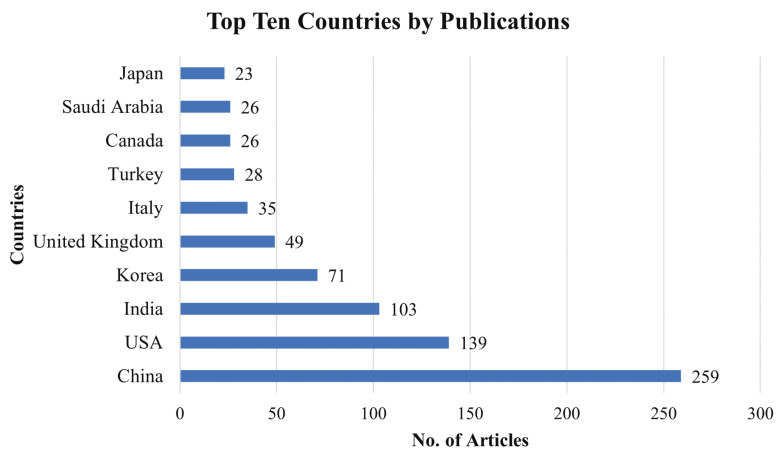
Globally, there is a substantial unmet need to diagnose various diseases effectively. The complexity of the different disease mechanisms and underlying symptoms of the patient population presents massive challenges in developing the early diagnosis tool and effective treatment. Machine learning (ML), an area of artificial intelligence (AI), enables researchers, physicians, and patients to solve some of these issues. Based on relevant research, this review explains how machine learning (ML) is being used to help in the early identification of numerous diseases. Initially, a bibliometric analysis of the publication is carried out using data from the Scopus and Web of Science (WOS) databases. The bibliometric study of 1216 publications was undertaken to determine the most prolific authors, nations, organizations, and most cited articles. The review then summarizes the most recent trends and approaches in machine-learning-based disease diagnosis (MLBDD), considering the following factors: algorithm, disease types, data type, application, and evaluation metrics. Finally, in this paper, we highlight key results and provides insight into future trends and opportunities in the MLBDD area.
Overview
The claims and statistics of this paper haven’t been checked yet.
Free: it reads the open-access text and checks the first 5 claims that cite a source we can check. Create a free account to check every claim.
Integrity signals
Registry
Cites
Statistics
Figures
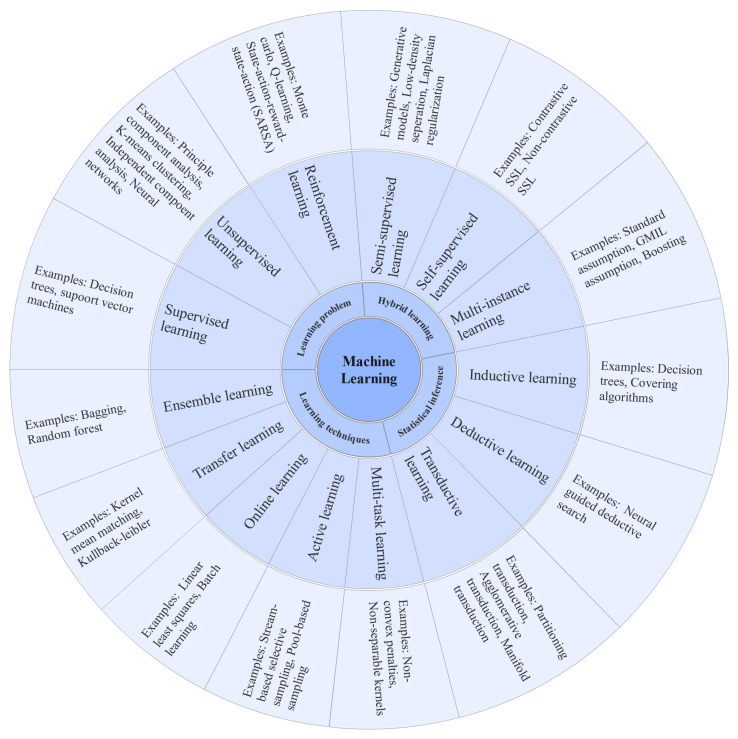
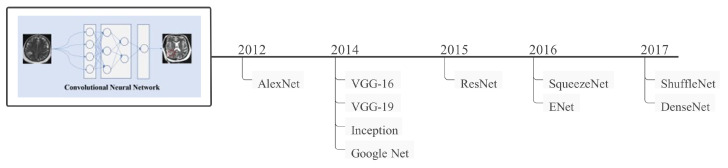
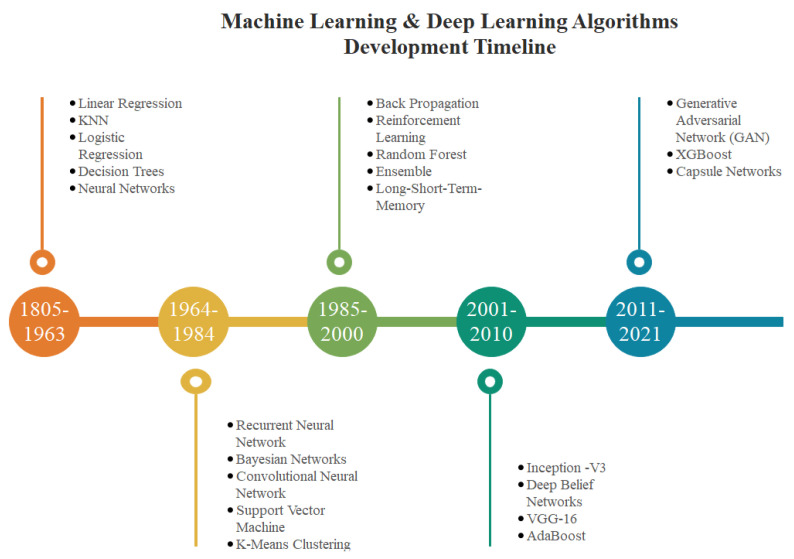
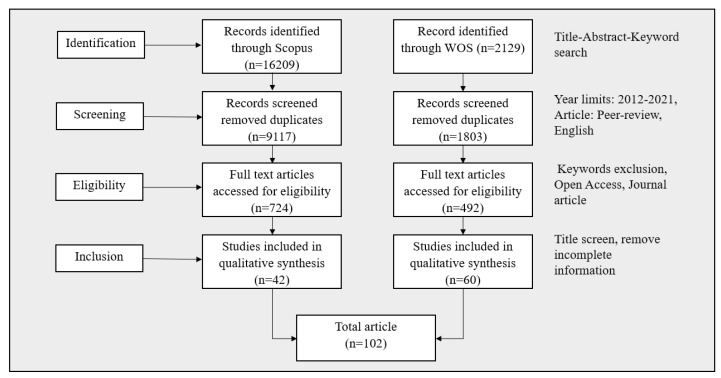
Verification
Claims the paper makes
The claims and statistics of this paper haven’t been checked yet.
Free: it reads the open-access text and checks the first 5 claims that cite a source we can check. Create a free account to check every claim.
Claims other papers make about this one
Each is checked against this paper’s own text: does it say what the citing paper says it does?
The source backs part of the claim, not all of it — or backs it for a different population, condition or comparison.
In the citing paper
“While the advancement of manual diagnosis through the Placenta Accreta Index (PAI) process does improve the accuracy of diagnosis, it does not improve upon the PAS diagnostic issues of manual time consumption, proper symptom identification, and other complexities introduced via human error [10]”
From Machine Learning in Maternity: Early Diagnosis of Placenta Accreta Spectrum (2026) · cites this paper as [10]
Experimental — accuracy not yet measured
Self-check
Percentages, sums and reported differences re-computed from the paper’s own numbers.
The self-check needs the paper’s full text.
Citations
Cites
1 retracted
Saw, M., Saxena, T. K., Kaithwas, S., Yadav, R., & Lal, N. (2020) · International Conference on Computer Communication and Informatics (ICCCI) · doi:10.1109/iccci48352.2020.9104210 · Cited by 73 · cited 1×
“[41, 134, 135, 42, 43, 44, 45] Heart disease Cleveland database https://archive.”
RetractedSome Studies in Machine Learning Using the Game of Checkers
Samuel, A. L. (1959) · IBM Journal of Research and Development · doi:10.1147/rd.33.0210 · Cited by 4,443 · cited 1×
“The core principle of ML is to learn from data in order to forecast or make decisions depending on the assigned task [9].”
BackgroundWang, L., Lin, Z. Q., & Wong, A. (2020) · Scientific Reports · doi:10.1038/s41598-020-76550-z · Cited by 3,113 · cited 1×
“However, the model’s network activity and region of interest were poorly explained [93] .”
BackgroundDiscriminatory Analysis. Nonparametric Discrimination: Consistency Properties
Fix, E., & Hodges, J. L. (1989) · International Statistical Review / Revue Internationale de Statistique · doi:10.2307/1403797 · Cited by 2,516 · cited 10×
“They demonstrated that by fine-tuning the settings, it is feasible to get 94.35% accuracy, whereas the default KNN achieved around 90% accuracy [61].”
MethodInfluentialApostolopoulos, I. D., & Mpesiana, T. A. (2020) · Physical and Engineering Sciences in Medicine · doi:10.1007/s13246-020-00865-4 · Cited by 2,338
Green supply chain management: A review and bibliometric analysis
Fahimnia, B., Sarkis, J., & Davarzani, H. (2015) · International Journal of Production Economics · doi:10.1016/j.ijpe.2015.01.003 · Cited by 2,131 · cited 1×
“Due to their high quality and peer review paper index, Scopus and WOS are prominent databases for article searching, as many academics and scholars utilized them for systematic review [25,26].”
BackgroundNarin, A., Kaya, C., & Pamuk, Z. (2021) · Pattern Analysis and Applications · doi:10.1007/s10044-021-00984-y · Cited by 2,054 · cited 2×
“Several studies investigated and advised screening COVID-19 patients utilizing chest X-ray images in parallel, with major contributions in [95, 96, 97].”
BackgroundMethodEffective Heart Disease Prediction Using Hybrid Machine Learning Techniques
Mohan, S., Thirumalai, C., & Srivastava, G. (2019) · IEEE Access · doi:10.1109/access.2019.2923707 · Cited by 1,951 · cited 1×
“(2019) [29] Effective Heart disease prediction Using hybrid Machine Learning techniques 214”
BackgroundLi, L., Qin, L., Xu, Z., Yin, Y., Wang, X., Kong, B., Bai, J., Lu, Y., Fang, Z., Song, Q., et al. (2020) · Radiology · doi:10.1148/radiol.2020200905 · Cited by 1,927 · cited 1×
“Li et al. (2020) suggested the COVNet model and obtain 96% accuracy utilizing a large dataset of 4356 chest CT images of Pneumonia patients, 1296 of which were verified COVID-19 cases [94].”
MethodLevey, A. S., & Coresh, J. (2012) · The Lancet · doi:10.1016/s0140-6736(11)60178-5 · Cited by 1,841 · cited 1×
“The recent advancement of ML and DL-based kidney disease diagnosis may provide a possibility for those countries that are unable to handle the kidney disease diagnostic related tests [49].”
Background
Research works printed but not linked: 8
- McPhee, S.J.; Papadakis, M.A.; Rabow, M.W. (Eds.) Current Medical Diagnosis & Treatment; McGraw-Hill Medical: New York, NY, USA, 2010.
- Brownlee, J. Machine learning mastery with Python. Mach. Learn. Mastery Pty Ltd. 2016, 527, 100-120.
- Goodfellow, I.; Bengio, Y.; Courville, A. Deep Learning; MIT Press: Cambridge, MA, USA, 2016.
- Qtea, H.; Awad, M. Using Hybrid Model of Particle Swarm Optimization and Multi-Layer Perceptron Neural Networks for Classification of Diabete. Int. J. Intell. Eng. Syst. 2021, 14, 11-22.
- Sriram, T.V.; Rao, M.V.; Narayana, G.S.; Kaladhar, D.; Vital, T.P.R. Intelligent Parkinson disease prediction using machine learning algorithms. Int. J. Eng. Innov. Technol. (IJEIT) 2013, 3, 1568-1572.
- Ghoshal, B., and Tucker, A. (2020). Estimating uncertainty and interpretability in deep learning for coronavirus (COVID-19) detection. arXiv.
- Vidushi, A.R.; Shrivastava, A.K. Diagnosis of Alzheimer disease using machine learning approaches. Int. J. Adv. Sci. Technol. 2019, 29, 7062-7073. 107.
- Gill, N.S.; Mittal, P. A computational hybrid model with two level classification using SVM and neural network for predicting the diabetes disease. J. Theor. Appl. Inf. Technol 2016, 87, 1-10. 137.
Cited by
Items 401–500 of 721
A Review of Heart Disease Classification Base on Machine Learning Algorithms
Hasan, M., & Abdulazeez, A. M. (2024) · Indonesian Journal of Computer Science · doi:10.33022/ijcs.v13i2.3923 · Cited by 1
“The logistic function is particularly valuable because it produces values between zero and one [4], [18], making it interpretable as a probability [4].”
BackgroundMethodInfluentialMurray, N. G., Szekely, B. J., Taylor, M. R., Quigley, K. G., McCarley, J. M., Constantino, N. L., Hashida, K., & Tamura, K. (2024) · Sports Health A Multidisciplinary Approach · doi:10.1177/19417381241264289 · Cited by 2
“1,2,33 Outliers in diagnostics may be a critical piece of information, 40 and it is important to consider all the data, especially in SRC, to make the most informed decisions.”
InfluentialZhou, M. (2024) · International Conference on Intelligent Computing in Data Sciences (ICDS) · doi:10.1109/icds62089.2024.10756474 · Cited by 1
“…W ORK Machine learning, including deep learning, is gaining increasing popularity in medical research across various domains, such as disease diagnosis and prediction [13][14], mortality prediction [15][16][17], and hospital and ICU length of stay prediction [18][19], among other applications.”
Epigenetics and methylation risk scores
Barnes, K. C. (2024) · Elsevier eBooks · doi:10.1016/b978-0-323-98808-7.00006-0 · Cited by 1
Application of Machine Learning in Dentistry
Ragimova, N., Abdullayev, V. H., Alyar, A. V., Mirzoyeva, A., & Mirzoyeva, E. (2024) · Health Leadership and Quality of Life · doi:10.56294/hl2024.443 · Cited by 1
Salih, R. M. H., & Mahmood, S. H. (2025) · Cihan University-Erbil Scientific Journal · doi:10.24086/cuesj.v9n1y2025.pp41-46 · Cited by 1
Brucellosis risk factors in dairy cattle: A machine learning approach to safeguarding human health
(2025) · Asian Journal of Agriculture and Biology · doi:10.35495/ajab.2025.017 · Cited by 1
Jiang, W.-H., Zhao, X., Jin, X., Wang, W.-J., & Chen, Z. Q. (2025) · Current Medical Science · doi:10.1007/s11596-025-00058-8 · Cited by 2
“ML models trained on input ‒ output patterns have demonstrated the ability to increase diagnostic accuracy and efficiency [66].”
Non-Invasive Detection of Anemia Using Deep Learning on Conjunctival Images
Kedar, D., Pandey, G., & Koolagudi, S. G. (2025) · International Conference on Artificial Intelligence and Data Engineering (AIDE) · doi:10.1109/aide64228.2025.10987403 · Cited by 1
“Ahsan et al. (2022) reviewed ML-based disease diagnosis, emphasizing its role in early detection across various medical fields [5].”
Akbar, S. A., Korejo, I. A., Laghari, G., Brohi, K., & Ghulam, A. (2025) · VAWKUM Transactions on Computer Sciences · doi:10.21015/vtcs.v13i1.2091 · Cited by 1
Bringing Cinco De Bio to the Cloud
Brandon, C., Mitwalli, D. S., Krumrey, M., & Teumert, S. (2025) · IEEE International Conference on Software Architecture Companion (ICSA-C) · doi:10.1109/icsa-c65153.2025.00055 · Cited by 1
“Whilst the rate of innovation in ML-based analysis algorithms within the health space is impressive and will lead to many advances in areas such as disease understanding [5], drug discovery [6], among others.”
Detection of Parkinson’s Disease Using Different Machine Learning Techniques: A Comparative Analysis
Mall, P., & Raina, D. (2025) · Springer eBooks · doi:10.1007/978-981-96-4241-0_8 · Cited by 1
Introduction to Machine Learning and Image Processing for Disease Detection
Kaushik, P. K., Manchanda, M., & Bisht, R. K. (2025) · Springer eBooks · doi:10.1007/978-981-96-4241-0_1 · Cited by 1
Heart Disease Diagnosis Using Machine Learning
Roccotelli, M., Ali, W. A., & Fanti, M. P. (2025) · Lecture notes in mechanical engineering · doi:10.1007/978-3-031-94223-5_1 · Cited by 1
Optimizing the Performance of Diabetes Risk Prediction Using Ensemble Learning Techniques
Salam, S., Hopkinson, G., Udomboso, C. G., & Folorunso, S. A. (2025) · Lecture notes in networks and systems · doi:10.1007/978-981-96-3942-7_16 · Cited by 1
Tashtoush, N., Zawiah, M., Sulaiman, S. A. S., AMRAN, F. A., Rahim, S. K., & Harun, S. N. (2025) · Supportive Care in Cancer · doi:10.1007/s00520-025-09800-3 · Cited by 1
Patient Sickness Predictive System Using Chatbot
Reddy, D. B. K., Dasari, V., Kumar, C. M., Mmihiraansh, Lankadasu, N. V. Y., Pesarlanka, D. B., Sharma, A. K., & Sharma, S. (2025) · Communications in computer and information science · doi:10.1007/978-3-032-00793-3_4 · Cited by 1
Vaishnavi, K. S. B., Jakaraddi, H. R., & Priyanka, G. N. (2025) · International Journal of Latest Technology in Engineering Management & Applied Science · doi:10.51583/ijltemas.2025.1408000081 · Cited by 1
Denetimde Makine Öğreniminin Kullanımına Yönelik Bibliyometrik Bir Analiz
Demet, E. V. E. R., & Çankal, A. (2025) · 3 SEKTÖR SOSYAL EKONOMİ DERGİSİ · doi:10.63556/tisej.2025.1465 · Cited by 1
Husien, I. M., Ahmed, M., Özbaltan, M., & Sarfraz, M. (2025) · Al-Iraqia Journal of Scientific Engineering Research · doi:10.58564/ijser.4.3.2025.322 · Cited by 1
“Convolutional neural networks are particularly well-suited for extracting local and global spatial properties from volumetric brain imaging data [30], whereas multilayer perceptron (MLPs) provide adaptability in modeling complicated clinical aspects [32].”
Çoban, Ö., & Kartal, A. (2025) · Arabian Journal for Science and Engineering · doi:10.1007/s13369-025-10803-9 · Cited by 1
Extracellular Trap-Related Genes as Potential Diagnostic Biomarkers for Endometriosis
Fang, Y., He, Y.-F., Wang, B.-B., He, J., Yang, D., Chen, G., & Zhou, S. (2025) · International Journal of Women s Health · doi:10.2147/ijwh.s556544 · Cited by 1
“ML technologies have shown superior performance in biomedical pattern recognition and data mining, 13,14 particularly when multiple algorithms are integrated to enhance predictive accuracy.”
Domingues, K. Z. A., Lazo, R. E. L., do Amaral, L. S., Cobre, A. D. F., Ferreira, L. M., & Pontarolo, R. (2025) · Analytical Science Advances · doi:10.1002/ansa.70056 · Cited by 1
“In recent years, significant advances in instrumentation, combined with the development of artificial intelligence (AI) and machine learning algorithms, have further enhanced the use of chemometrics in healthcare [ 25–28 ].”
Qi, P., Huang, M., & Zhu, H. (2025) · Scientific Reports · doi:10.1038/s41598-025-31663-1 · Cited by 1
A survey on mathematics behind AI models for disease prediction and diagnosis in healthcare
Mythatha, E., & Jenicka, S. (2025) · Network Modeling Analysis in Health Informatics and Bioinformatics · doi:10.1007/s13721-025-00671-6 · Cited by 1
“Human disease diagnosis and prediction are vital for early detection and treatment of diseases (Ahsan et al. 2022).”
Vakili, A., Jahanshiri, S., & Salimi-Badr, A. (2026) · PLoS ONE · doi:10.1371/journal.pone.0358241 · Cited by 2
Jagadeesh, Y., Rizvi, N., & Nair, M. K. (2026) · Oral · doi:10.3390/oral6010010 · Cited by 1
“While achieving genuine AI outcomes remains a distant goal, progress in mathematical modeling and computational capabilities has caused a surge in algorithm publications [6–8].”
Automated Classification of Blood Cell Cancers Using EfficientNetB3 Model
Iliyasu, U., Iliyasu, U., Dima, R. M., & Haruna, L. (2026) · FUOYE Journal of Engineering and Technology · doi:10.4314/fuoyejet.v10i2.15 · Cited by 1
AI-Driven Synthetic Data for Better Lung Cancer Prediction with TabDDPM and CTGAN
Tanwar, M., Srivastava, R., Sharma, K., Kashish, & Pratap, V. (2025) · International Conference on Applied Artificial Intelligence and Computing (ICAAIC) · doi:10.1109/icaaic64647.2025.11330602 · Cited by 1
“In recent years, ML has become indispensable in medical diagnostics due to its ability to process complex clinical data and generate accurate predictions of disease risk and patient outcomes [10].”
Prasad, N., Saxena, S., & Bhan, A. (2025) · International Conference on Applied Artificial Intelligence and Computing (ICAAIC) · doi:10.1109/icaaic64647.2025.11330209 · Cited by 1
“These models can process vast amount clinical and image data while also delivering accurate, consistent, and efficient diagnostic results without much human intervention, thus reducing human bias [5].”
Çoban, Ö., & Kartal, A. (2026) · Computers and electronics in medicine. · doi:10.69882/adba.cem.2026011 · Cited by 1
Benson, F. N., Odhiambo, R. A., Ngugi, A. K., Brink, W., Waljee, A. K., Moyer, C. A., Zhu, J., Agoi, F., & Abubakar, A. A. (2026) · Pediatric Research · doi:10.1038/s41390-026-04761-7 · Cited by 1
“Despite the growing use of ML in predicting health outcomes, 9 its application to predicting developmental outcomes at the population level remains largely unexplored in low-resource settings, particularly in SSA.”
Zhao, S., Hu, M., & Fang, S. (2026) · Scientific Reports · doi:10.1038/s41598-026-37095-9 · Cited by 1
MedPredict: A Prototype System for Integrated Machine Learning-Based Disease Prediction
Bakar, N. A. M. A., Hamidi, H. K., & Azmi, N. Z. (2025) · International Conference on Information and Communication Technology for the Muslim World (ICT4M) · doi:10.1109/ict4m68001.2025.11363546 · Cited by 1
“Similarly, [11] reviews ML and deep learning (DL) with models such as CNNs and SVMs are commonly applied, identifying their benefits in diagnosing diseases like diabetes and heart conditions, and at the same time acknowledging challenges such as data imbalance, interpretability, and ethical issues.”
Tsukamoto, K., Fujita, K., Nihey, F., Kuroiwa, T., Ibara, T., Yamamoto, A., Yamada, E., Waki, T., Sasaki, T., Hirai, T., et al. (2026) · European Spine Journal · doi:10.1007/s00586-026-09785-5 · Cited by 1
Artificial intelligence-enhanced diagnostics: deep learning in medical imaging
Kaur, H., & Singh, G. (2026) · Elsevier eBooks · doi:10.1016/b978-0-443-33082-7.00011-5 · Cited by 1
Wang, X., Lai, S., Wang, P., Li, Y., Zhong, Y., & Zhu, T. (2026) · BMC Psychiatry · doi:10.1186/s12888-026-07901-9 · Cited by 1
“Compared with traditional statistical approaches, ML algorithms excel in learning nonlinear and interaction effects from complex clinical data, thereby improving risk stratification [19, 20].”
Rajasekaran, K., Baby Joice., A., Selvaganapathy, D. M., Mahalakshmi., G., Samadhanapriya., A., & Nishavithri., N. (2025) · International Conference on Electronics and Computing, Communication Networking Automation Technologies (ICEC2NT) · doi:10.1109/icec2nt65402.2025.11380002 · Cited by 1
“Diagnostic processes are becoming more and more complex, generating huge datasets of medical imaging data leading to a higher demand for accurate and fast diagnoses in healthcare systems [1,2].”
Kumar, A., Sharma, H., Singh, T. P., Kumar, M., & Baiswar, A. (2025) · Global AI Summit - International Conference on Artificial Intelligence and Emerging Technology (AI Summit) · doi:10.1109/aisummit66170.2025.11411153 · Cited by 2
Fernando, I. (2025) · IIAI International Congress on Advanced Applied Informatics (IIAI-AAI) · doi:10.1109/iiai-aai-winter69777.2025.00053 · Cited by 1
“Machine learning algorithms are increasingly used in different areas of medical diagnostic reasoning with promising results, using data collected from actual clinical cases [1].”
Bias Mitigation in Machine Learning Models Trained on Structured Health Data: A Systematic Review
Ruback, L., Fortunato, R., Renso, C., Duarte, L. T., & Teles, A. S. (2026) · IEEE Access · doi:10.1109/access.2026.3676756 · Cited by 1
“Leveraging extensive clinical datasets, these models have demonstrated promising predictive performance [3], [4], highlighting their potential to aid clinical decision-making and improve patient outcomes.”
Identifying Undiagnosed COPD Using Machine Learning-Based Classification
Ekelund, S., Rosenskjold, J., Kronborg, T., & Hangaard, S. (2026) · Respiratory Care · doi:10.1177/19433654261429455 · Cited by 1
“15,16 This may assist health care professionals by providing a data-driven decision support for identifying individuals at risk of having COPD.”
Belde, D., Kapaj, A., Fabrikant, S. I., Reichenbacher, T., Frauenfelder, T., Nguyen‐Kim, T. D. L., Euler, A., Kettner, M., Thali, M. J., Huch, R., et al. (2026) · Investigative Radiology · doi:10.1097/rli.0000000000001289 · Cited by 1
SympCare: A Web-Driven Diagnostic Framework for CBC-Based Disease Prediction Using Machine Learning
Mahale, V. V., Wagh, S., Sable, R., Pardeshi, P., & Bhalerao, T. (2025) · International Conference on Advancement in Futuristic Technologies (ICAFT) · doi:10.1109/icaft66710.2025.11452972 · Cited by 1
“Challenges like limited multi-modal integration and interpretability were highlighted, guiding future robust system development[8].”
Nopour, R. (2026) · Health Science Reports · doi:10.1002/hsr2.72070 · Cited by 1
Aarthi, S. S., Yuwanati, M. B., & Yadalam, P. K. (2026) · Journal of Oral Biology and Craniofacial Research · doi:10.1016/j.jobcr.2026.101449 · Cited by 1
“19 Furthermore, it can offer solutions to overcome the inherent limitations of conventional histopathological methods for detecting breaches in the BM. 20 High-resolution digitized histology slides enable the application of AI, particularly deep learning – based convolutional neural network (CNN)s,…”
Chen, C., Soltanieh, S., Rajapaksa, S., Khalvati, F., & Yeh, E. A. (2026) · Frontiers in Neurology · doi:10.3389/fneur.2026.1791696 · Cited by 1
“Parallel to these developments, machine learning (ML) has gained traction in medical imaging, showing strong potential in disease detection (15–17), medical image analysis (18, 19), patient outcome prediction (20, 21), and personalized treatment planning (22, 23).”
Integrating Machine Learning and Deep Learning for Early Disease Detection Using Medical Images
Pahwa, K., Singh, R., & Saruchi (2025) · IEEE International Symposium on Smart Electronic Systems (iSES) · doi:10.1109/ises67504.2025.00065 · Cited by 1
“It becomes difficult to predict the disease efficiently from a weakly labelled image [13].”
AI for humanity: overcoming ethical and technical barriers in humanitarian aid
Omidiji, C., Ogbuju, E., Jimba, J., & Monday, A. M. (2026) · AI and Ethics · doi:10.1007/s43681-026-01158-4 · Cited by 1
Altufaili, A. A. S., & Shleej, D. M. (2026) · Scientific Reports · doi:10.1038/s41598-026-53138-7 · Cited by 1
Applying ensemble machine learning techniques to MRI scans to predict Alzheimer’s disease
Theocharidis, G., Bisdas, S., Pazarzis, J., Zervoudakis, S., Zheng, D., Angelidis, G., & Saravanos, A. (2026) · Scientific Reports · doi:10.1038/s41598-026-57402-8 · Cited by 2
Hou, M., & Stepanyan, I. V. (2026) · Программные системы и вычислительные методы · doi:10.7256/2454-0714.2026.2.79199 · Cited by 1
Nyengera, P., Takawira, H. T., & Mlambo, F. F. (2026) · Infectious Disease Reports · doi:10.3390/idr18040072 · Cited by 1
“ML-based models can be deployed with minimal additional costs, especially when integrated into mobile health platforms [60].”
Interpretable and Calibrated Classification of Clinical Data Using Supervised Feature Binarization
Garcia, A. A. M., de la Colina, A. N., Britton, G. B., & Huang, X. (2026) · Bioengineering · doi:10.3390/bioengineering13101152 · Cited by 1
“Artificial intelligence has demonstrated remarkable potential for improving diagnostic accuracy across a wide range of clinical applications [7–9].”
Zhou, Y., Yu, B., Chang, R., Ding, Y., Wang, Y., & Han, M. (2026) · Frontiers in Immunology · doi:10.3389/fimmu.2026.1792331 · Cited by 1
Review and Analysis of Disease Diagnostic Models Using AI and ML
Pandey, U., Shakya, T., Rajput, M., Singh, R., & Mangal, T. (2023) · Advances in medical technologies and clinical practice book series · doi:10.4018/978-1-6684-6957-6.ch003 · Cited by 2
Comparing Machine Learning and Deep Learning Approaches to Diagnose Epilepsy Disease
Salehzehi, S., Irankhah, E., & Sabet, M. (2023) · Lecture notes in electrical engineering · doi:10.1007/978-981-99-0248-4_44 · Cited by 1
Analysis of Disease Prevention System Using Machine Learning
Mishra, A., Singh, H., Dubey, S., Rawat, A., Singh, A. K., & Kumar, A. (2023) · IEEE IAS Global Conference on Emerging Technologies (GlobConET) · doi:10.1109/globconet56651.2023.10150146 · Cited by 1
Interactive Virtual Consultation and Disease Diagnosis Using Machine Learning Approach
Kanjalkar, J. P., Tekade, O., Thakare, P. P., Wankhade, A., Wankhade, P., & Kanjalkar, P. M. (2023) · Advances in computational intelligence and robotics book series · doi:10.4018/979-8-3693-1301-5.ch007 · Cited by 1
Zhakubayev, A., Andersen, T. L., Vesterby, A., Boel, L. W. T., Grant, K. A., Iwaniec, U. T., Turner, R. T., Baker, E. J., & Benton, M. L. (2023) · International Conference on Information System and Data Mining (ICISDM) · doi:10.1145/3603765.3603777 · Cited by 1
Exploring the Role of Machine Learning in Disease Diagnosis via Body Signals: An Extensive Review
Mathur, G., Singh, S., Gupta, S., Singh, P., Soni, B., & Mungi, J. (2024) · Soft Computing Research Society eBooks · doi:10.56155/978-81-955020-7-3-17 · Cited by 1
Multi-Model PPR Disease Prediction Using Machine Learning Algorithms
Myagila, K., Sabas, J., Mark, P. N., Omary, B., Peter, M., & Nyambo, D. G. (2023) · International Conference on the Advancements of Artificial Intelligence in African Context (AAIAC) · doi:10.1109/aaiac60008.2023.10465540 · Cited by 1
“Due to the complexity of symptoms, a need to effectively diagnose various diseases is still not met globally [1].”
BackgroundMachine Learning Predicts the Level of Disease Spread
Saputra, D., Wisky, I. A., & Defit, S. (2024) · Jurnal Penelitian Pendidikan IPA · doi:10.29303/jppipa.v10i4.7070 · Cited by 1
Disease Prediction Based on Symptoms and Drug Recommendation
Jindal, A., Kamboj, R., Pathak, S., Dubey, K., & Vajpayee, A. (2024) · International Conference on Reliability, Infocom Technologies and Optimization (Trends and Future Directions) (ICRITO) · doi:10.1109/icrito61523.2024.10522185 · Cited by 1
A Deep Learning-Based Model for Melanoma Detection in Both Dermoscopic and Digital Images
Roy, S. S., Kardan, R., & Neubert, J. J. (2024) · IEEE International Conference on Electro Information Technology · doi:10.1109/eit60633.2024.10609889 · Cited by 1
“In contemporary research endeavors, there has been a notable pursuit among many scholars to explore computer vision approaches for disease detection [12, 13].”
BackgroundDisease Prediction Using Machine Learning Methods
Zhuang, C., & Ramezani, R. (2024) · Journal of Student Research · doi:10.47611/jsrhs.v13i1.6368 · Cited by 1
Covıd-19 Tespiti ve Salgın Yönetiminde Makine Öğrenmesi: Kan Gazı Analizine Dayalı Bir Yaklaşım
AYATA, F. (2024) · Doğu Fen Bilimleri Dergisi · doi:10.57244/dfbd.1492816 · Cited by 1
COVIDTran: an automated COVID-19 diagnosis system via Context Transfer Transformer
Zhang, Z., Fang, B., Zhang, Z., & Jiang, M. (2024) · International Conference on Mathematics and Artificial Intelligence (ICMAI) · doi:10.1145/3670085.3670088 · Cited by 1
The Transformative Role of Large Language Models in Medicine
Banu, G. S., Joița, D., & Priescu, I. (2024) · World Congress on Medical Physics and Biomedical Engineering, September 7 - 12, 2009, Munich, Germany · doi:10.1007/978-3-031-62502-2_73 · Cited by 1
Fukuda, T. (2024) · WSEAS TRANSACTIONS ON BUSINESS AND ECONOMICS · doi:10.37394/23207.2024.21.162 · Cited by 1
Pairwise hemorrhage-brain region interaction-driven hemorrhagic stroke assessment in CT
Liang, W., Wu, H., Guo, H., Huang, Z., Liang, S., Zhang, J., Zhang, H., Ma, X., & Xu, Z. (2024) · Physics in Medicine and Biology · doi:10.1088/1361-6560/ad9ce3 · Cited by 1
“Recently, computer-aided diagnosis (CAD) systems have emerged as effective tools to aid clinicians in swift and accurate diagnoses (Fujita 2020, Manjurul Ahsan et al 2022, Zhang et al 2024).”
Robust Anomaly Detection of Adventitious Auscultation Signals using Bayesian Belief Tracking
Kala, A., & Elhilali, M. (2024) · Annual International Conference of the IEEE Engineering in Medicine and Biology Society (EMBC) · doi:10.1109/embc53108.2024.10782543 · Cited by 1
“With advances in machine learning, there is increasing interest in applying computer-aided analytics in a variety of healthcare applications [1], [2].”
Renal Cell Carcinoma Classification: Deep Learning with MLflow, DVC, and AWS CI/CD Deployment
Niveditha, J., Supreeth, S., & Patil, K. K. (2024) · International Conference on Electronics, Communication and Aerospace Technology (ICECA) · doi:10.1109/iceca63461.2024.10800992 · Cited by 1
“A novel deep learning framework for detecting RCC subtypes using multi-scale convolutional neural networks was presented by Zhang et al. [3] in 2021.”
Introduction to Intelligent Techniques in Healthcare
Kumar, C. J., & Singh, T. P. (2025) · Studies in computational intelligence · doi:10.1007/978-3-031-80813-5_1 · Cited by 1
Reepu, R., Kaur, G., & Sharma, S. (2025) · Advances in computational intelligence and robotics book series · doi:10.4018/979-8-3373-3476-9.ch018 · Cited by 1
Gastroesophageal Reflux Disease Early Detection using XGBoost Method Classifier
Wisesty, U. N., Delfina, H. A., & Kurniawan, I. (2025) · Jurnal Teknik Informatika (Jutif) · doi:10.52436/1.jutif.2025.6.2.4143 · Cited by 1
Artificial Intelligence in Biomarker Discovery and Disease Diagnosis-2
Shah, S. N. A., & Parveen, R. (2025) · Springer eBooks · doi:10.1007/978-981-96-8176-1_7 · Cited by 1
Turkestani, N. N. A. (2023) · Deep Blue (University of Michigan) · doi:10.7302/22306 · Cited by 1
Perez-Cuervo, A., Lacruz-Pleguezuelos, B., Coleto-Checa, D., Marcos-Zambrano, L. J., Pau, E. C. D. S., & Martín‐Segura, A. (2025) · medRxiv · doi:10.64898/2025.12.19.25342688 · Cited by 1
Loss functions for set-valued classification
Garcin, C. (2023) · theses.fr (ABES) · doi:10.70675/5732fdd2z0421z473ez9330z02946b0aafd1 · Cited by 1
Machine Learning in Maternity: Early Diagnosis of Placenta Accreta Spectrum
Waszczuk, D., Manikandan, V., Wong, B. L., Martin, F., Bhargava, N., Mondal, A., Loy, M., Strnad, D., Panchatcharam, M., Sadanala, G., et al. (2026) · Cureus · doi:10.7759/cureus.106592
“Accurate prenatal diagnosis of PAS remains a global challenge due to human error, limited specialist access, and variability in imaging interpretation, which can lead to delayed or inappropriate clinical interventions [10,11].”
Jia, Z., Hu, J.-Q., Hu, K., Wang, Q., & Zhang, N. (2021) · SSRN Electronic Journal · doi:10.2139/ssrn.3985872
Santosh, P. R., & Sekhar, M. C. (2022) · Scalable Computing Practice and Experience · doi:10.12694/scpe.v23i4.2019
Albuquerque, C., Henriques, R., & Castelli, M. (2023) · doi:10.2196/preprints.47462
MONITORING MONKEYPOX DISEASE USING AI AND ML
(2023) · International Research Journal of Modernization in Engineering Technology and Science · doi:10.56726/irjmets39007
Gupta, A., & Rathi, M. (2023) · International Conference on Contemporary Computing · doi:10.1145/3607947.3608036
Adami, E. C., & Pandit, A. (2023) · Journal of Emerging Investigators · doi:10.59720/23-054
“Machine learning (ML) is a tool that uses large datasets in order to learn and predict outcomes and can have powerful applications in healthcare and disease diagnosis (10).”
BackgroundMachine Learning-Powered Tool for Automated Healthcare Diagnosis
Nagar, P., Singh, H., Singh, H. V., Bhati, M., & Tyagi, V. (2023) · Communications in computer and information science · doi:10.1007/978-3-031-45121-8_2
A Novel COVID-19 Diagnosis Approach Utilizing a Comprehensive Set of Diagnostic Information (CSDI)
Zhunissova, U., Dzierżak, R., Omiotek, Z., & Lytvynenko, V. I. (2023) · Journal of Clinical Medicine · doi:10.3390/jcm12216912
“Machine learning can automatically support medical diagnosis as a helping tool for identifying and detecting the novel coronavirus [13–15].”
MethodSantoso, H., & Pratiwi, L. (2023) · INDONESIAN JOURNAL ON DATA SCIENCE · doi:10.30989/ijds.v1i2.1200
“Banyak teknologi yang bisa digunakan dalam teknik klasifikasi untuk mengelola data yang bisa membantu menentukan seseorang memiliki risiko Breast Cancer dan Heart Disease atau tidak, salah satu teknologi yang paling banyak digunakan digunakan adalah data mining [4]–[8].”
BackgroundPrognostic Model in the Diagnosis and Treatment of Isolated Fungal Sphenoiditis
Карпищенко, С. А., Григорьевна, А. И., Андреевна, С. О., Sharko, K., Kaplun, D., & Shpakovskaya, I. I. (2024) · Procedia Computer Science · doi:10.1016/j.procs.2023.12.200
An, M., Wang, C., Pan, W., Wang, X., Cai, Q., Zhao, Q., Yi, L., Sun, Y., Zhang, C., Zhang, X., et al. (2024) · Research Square · doi:10.21203/rs.3.rs-3905254/v1
Combatiendo la tuberculosis farmacorresistente desde la Inteligencia Artificial
Flores, D., Perea-Jacobo, R., Paredes-Gutiérrez, G., Guerrero-Chevannier, M. Á., & Muñiz‐Salazar, R. (2023) · TIES Revista de Tecnología e Innovación en Educación Superior · doi:10.22201/dgtic.26832968e.2023.8.4
“Sin embargo, a pesar de que la OMS ha recomendado el uso de tecnologías de IA, la mayoría de los Sistemas de Salud a nivel mundial, no cuentan con acceso fácil a ellas, debido a su alto costo y mantenimiento [15], [16].”
BackgroundPrecision Medicine: Insights From Case Studies and Cutting-Edge Technologies
Swathi, N. L., Chakrabarti, M. C., Muzzamil, M., Hamdar, H., Jaber, A., Chamoun, A., Amin, F. A., & Rathod, P. (2024) · Advances in medical diagnosis, treatment, and care (AMDTC) book series · doi:10.4018/979-8-3693-2105-8.ch017
AI Models for Chest Radiograph Analysis: Internal Clinical Trial vs. Gold Standards
Dhalla, M. P., Pal, M. S., & Saish, M. A. (2024) · International Journal of Medical Science and Clinical Research Studies · doi:10.47191/ijmscrs/v4-i03-24
Machine Learning for Affordable Diagnosis of SARS-COV-2 from Hematological and Biochemical TestsPreprint
da Silva, R. J., Júnior, C. R. D. S., Abreu, T., MINUSSI, C. R., & Lopes, M. L. M. (2024) · Preprints.org · doi:10.20944/preprints202404.0956.v1
Machine Learning Advancements in Healthcare Insurance: A Comprehensive Review and Future Directions
Parshuram, H. P., & Joshi, S. G. (2024) · International Journal of Advanced Research in Science Communication and Technology · doi:10.48175/ijarsct-17843
Hussain, S. A., Prasad, P. N. S. B. S. V., Khadke, S., Gupta, P., & Sanki, P. K. (2024) · Journal of Electronic Materials · doi:10.1007/s11664-024-11092-y
“4,5 The emphasis is on applying machine learning in health-care to enhance patient care and achieve better outcomes.”
HealthSquare: A Survey of Deep Learning Based Healthcare Platform
Bisht, G. S. (2024) · INTERANTIONAL JOURNAL OF SCIENTIFIC RESEARCH IN ENGINEERING AND MANAGEMENT · doi:10.55041/ijsrem34680
“In [12], The review covers a wide range of diseases, including Alzheimer's disease, mild cognitive impairment, heart disease, anemia, liver diseases, skin cancer, Parkinson's disease, breast cancer, diabetes, and COVID-19.”
Background
Metadata
- Authors
- Ahsan, M. M., Luna, S. A., & Siddique, Z.
- Affiliations
- University of Oklahoma (US)
- Dhaka Medical College and Hospital (BD)
- Corresponding author
- Ahsan, Md Manjurul
- Venue
- Healthcare
- Publisher
- MDPI AG
- Published
- 2022-03-15
- Volume
- 10
- Issue
- 3
- Pages
- 541
- ISSN
- 2227-9032 (ISSN-L)
- PMC
- PMC8950225
- OpenAlex
- W4220862305
- Semantic Scholar
- 870da55ec826bcfeae42ca0f72e06be3660ebcea
- Cited by
- 603
- References
- 131
- Citations by year
- 2026: 102 · 2025: 203 · 2024: 182 · 2023: 91 · 2022: 24
- FWCI
- 18.24
- Type
- journal article
- Language
- en
- Open access
- gold
- doi.org
- Licence
- Locations
- Healthcare (publishedVersion, cc-by)
- PubMed Central (publishedVersion, cc-by)
- PubMed (publishedVersion)
- arXiv (Cornell University) (submittedVersion)
- arXiv (Cornell University) (cc-by)
- Topics
- Health Sciences › Health Professions › Health Information Management › Artificial Intelligence in Healthcare
- Health Sciences › Medicine › Health Informatics › Artificial Intelligence in Healthcare and Education
- Physical Sciences › Computer Science › Artificial Intelligence › AI in cancer detection
- Keywords
- machine learning, disease diagnosis, early diagnosis, artificial intelligence in healthcare, diagnostic algorithm, evaluation metrics, bibliometric analysis
About these checks
Registry, retraction, Cites and statistics results are computed, not judged, with one exception: a printed reference that no index lists is read once by a model before it counts as a citation error. Claims are extracted by a model and kept only when their quote appears verbatim in the text; each cited source is then checked, with a model’s help, for whether it says what the claim relies on. Those verdicts can be wrong — read the claim’s quote and the cited source before relying on one.
Statistics and arithmetic are recomputed, not judged.
Confidence bands are shown only for fields calibrated on our annotated test set. None is calibrated yet, so no band is shown.
What counts as a claim ›How we measure confidence ›How we check this ›
Are you an author, or do you see a problem with this page? Request a review
Data sources
Bibliographic data: Semantic Scholar, OpenAlex, Crossref.
Contains information from the Semantic Scholar Academic Graph Datasets, made available under the ODC Attribution License (ODC-BY 1.0).
Semantic Scholar’s data is described in: Kinney, R., et al. (2023). The Semantic Scholar Open Data Platform. arXiv:2301.10140.
