

Online Health Information Seeking Behavior: A Systematic Review
Open accessThe DOI matches its Crossref record; 40 of the 40 references it cites were found in a registry or an index.
Abstract
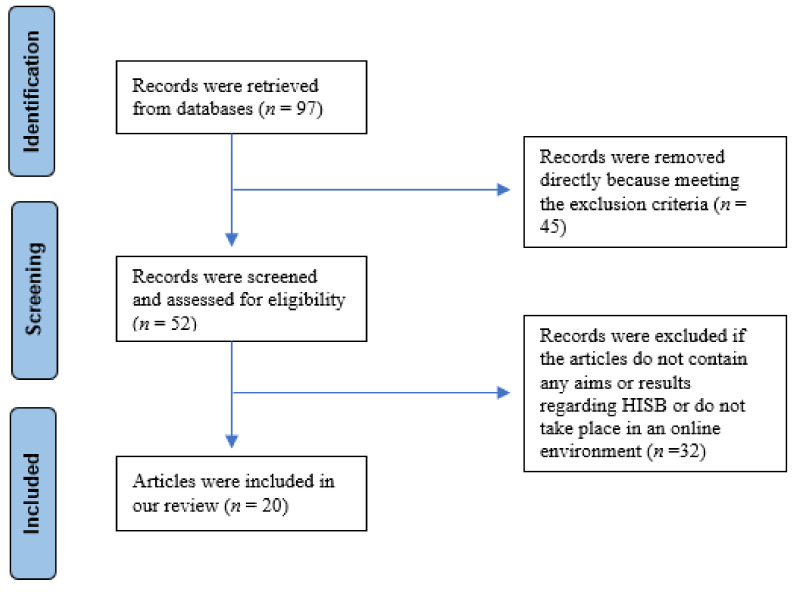
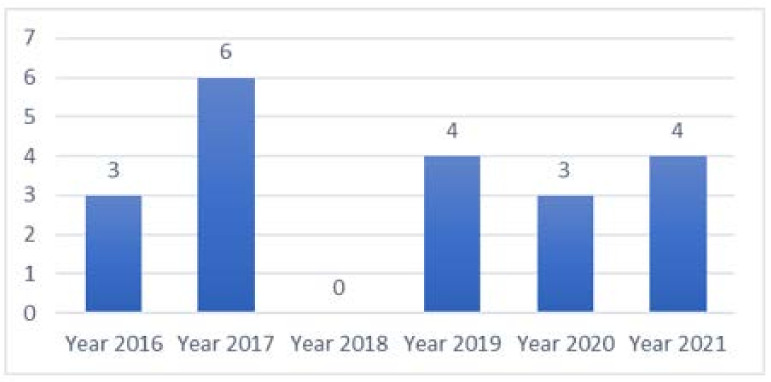
The last five years have seen a leap in the development of information technology and social media. Seeking health information online has become popular. It has been widely accepted that online health information seeking behavior has a positive impact on health information consumers. Due to its importance, online health information seeking behavior has been investigated from different aspects. However, there is lacking a systematic review that can integrate the findings of the most recent research work in online health information seeking, and provide guidance to governments, health organizations, and social media platforms on how to support and promote this seeking behavior, and improve the services of online health information access and provision. We therefore conduct this systematic review. The Google Scholar database was searched for existing research on online health information seeking behavior between 2016 and 2021 to obtain the most recent findings. Within the 97 papers searched, 20 met our inclusion criteria. Through a systematic review, this paper identifies general behavioral patterns, and influencing factors such as age, gender, income, employment status, literacy (or education) level, country of origin and places of residence, and caregiving role. Facilitators (i.e., the existence of online communities, the privacy feature, real-time interaction, and archived health information format), and barriers (i.e., low health literacy, limited accessibility and information retrieval skills, low reliable, deficient and elusive health information, platform censorship, and lack of misinformation checks) to online health information seeking behavior are also discovered.
Overview
The claims and statistics of this paper haven’t been checked yet.
Free: it reads the open-access text and checks the first 5 claims that cite a source we can check. Create a free account to check every claim.
Integrity signals
Registry
Cites
Statistics
Figures

Verification
Claims the paper makes
The claims and statistics of this paper haven’t been checked yet.
Free: it reads the open-access text and checks the first 5 claims that cite a source we can check. Create a free account to check every claim.
Claims other papers make about this one
Each is checked against this paper’s own text: does it say what the citing paper says it does?
The cited source says what the claim attributes to it.
In the citing paper
“This finding is consistent with current evidence demonstrating age-dependent differences in health information-seeking behavior [44].”
From Sociodemographic differences in dementia prevention knowledge in Germany: Implications for targeted health communication (2026) · cites this paper as [44]
Self-check
Percentages, sums and reported differences re-computed from the paper’s own numbers.
The self-check needs the paper’s full text.
Citations
Cites
Internet Health Information Seeking and the Patient-Physician Relationship: A Systematic Review
Tan, S. S.-L., & Goonawardene, N. (2017) · Journal of Medical Internet Research · doi:10.2196/jmir.5729 · Cited by 1,101
Health Information—Seeking Behavior
Lambert, S. D., & Loiselle, C. G. (2007) · Qualitative Health Research · doi:10.1177/1049732307305199 · Cited by 894 · cited 1×
“Seeking health information online allows health information consumers to obtain knowledge about their health issues, deal with health problems, and make health decisions, and have behavior change [11,12].”
BackgroundConsumer health information seeking in social media: a literature review
Zhao, Y., & Zhang, J. (2017) · Health Information & Libraries Journal · doi:10.1111/hir.12192 · Cited by 607 · cited 1×
“On the one hand, only involving papers published recently ensures that the findings integrated into our systematic review are up to date; on the other hand, it could avoid repetitive review work on online HISB [18,20].”
BackgroundPowell, J., Inglis, N., Ronnie, J., & Large, S. (2011) · Journal of Medical Internet Research · doi:10.2196/jmir.1600 · Cited by 493
Finney Rutten, L. J., Blake, K. D., Greenberg-Worisek, A. J., Allen, S. V., Moser, R. P., & Hesse, B. W. (2019) · Public Health Reports® · doi:10.1177/0033354919874074 · Cited by 426 · cited 1×
“A recent study indicated that in 2008, 61.2% of the population sought health information online first for their most recent search, while in 2017, the percentage had reached 74.4% [15].”
BackgroundInfluentialA Comprehensive Model of Cancer-Related Information Seeking Applied to Magazines
JOHNSON, J. D., & MEISCHKE, H. (1993) · Human Communication Research · doi:10.1111/j.1468-2958.1993.tb00305.x · Cited by 406 · cited 1×
“Four relevant models have been identified as follows: Comprehensive model of information seeking (CMIS) has been widely used to investigate factors determining individuals’ information seeking behavior [36–38].”
MethodOnline Health Information Seeking: A Review and Meta-Analysis
Wang, X., Shi, J., & Kong, H. (2021) · Health Communication · doi:10.1080/10410236.2020.1748829 · Cited by 370 · cited 1×
“For example, the percentages in mainland China, Philippines, Hong Kong, Indonesia and Vietnam are 79%, 80%, 85%, 85% and 86%, respectively [6,16].”
BackgroundWho Searches the Internet for Health Information?
Bundorf, M. K., Wagner, T. H., Singer, S. J., & Baker, L. C. (2006) · Health Services Research · doi:10.1111/j.1475-6773.2006.00510.x · Cited by 313
How, When and Why People Seek Health Information Online: Qualitative Study in Hong Kong
Chu, J. T., Wang, M. P., Shen, C., Viswanath, K., Lam, T. H., & Chan, S. S. C. (2017) · Interactive Journal of Medical Research · doi:10.2196/ijmr.7000 · Cited by 181 · cited 2×
“There has been a continuous increase in online health information seeking activities lately [6].”
BackgroundLongo, D. R. (2005) · Health Expectations · doi:10.1111/j.1369-7625.2005.00339.x · Cited by 180 · cited 1×
“Four relevant models have been identified as follows: Comprehensive model of information seeking (CMIS) has been widely used to investigate factors determining individuals’ information seeking behavior [36–38].”
Method
Research works printed but not linked: 1
- Wei X. Du Z. Zhang S. Analysis of barriers to health information seeking and utilizing in patients with diabetes Cross-Cult. Commun. 2016 12 48 51
Cited by
Users’ experience with health-related content on YouTube: an exploratory study
Mohamed, F., & Shoufan, A. (2024) · BMC Public Health · doi:10.1186/s12889-023-17585-5 · Cited by 176
“Previous research has explored the influence of various demographic factors on online health information-seeking behavior [49–51].”
Kirkpatrick, C. E., & Lawrie, L. L. (2024) · JMIR Infodemiology · doi:10.2196/54663 · Cited by 165
“…indicating their level of agreement (ranging from 1= strongly disagree to 7= strongly agree ) with 10 different statements (eg, “I like to get health information from TikTok because it can help me to maintain a healthy lifestyle”) adapted from prior research [24-26] (refer to the Results section).”
MethodPracticing Information Sensibility: How Gen Z Engages with Online Information
Hassoun, A., Beacock, I., Consolvo, S., Goldberg, B., Kelley, P. G., & Russell, D. M. (2023) · CHI Conference on Human Factors in Computing Systems · doi:10.1145/3544548.3581328 · Cited by 154
“, health information [50, 57]) rather than interpretations or arguments, beliefs, and opinions.”
BackgroundMoe‐Byrne, T., Evans, E., Benhebil, N., & Knapp, P. (2022) · Frontiers in Digital Health · doi:10.3389/fdgth.2022.1010779 · Cited by 120
Ferraris, G., Monzani, D., Coppini, V., Conti, L., Pizzoli, S. F. M., Grasso, R., & Pravettoni, G. (2023) · Digital Health · doi:10.1177/20552076231210663 · Cited by 96
“Finally, the PICOS tool was implemented to highlight the aim of the current review, although it was not feasible to include the comparison element due to the objective of this review 27 (see supplementary material 2).”
BackgroundMethodInfluentialExploring Online Health Information–Seeking Behavior Among Young Adults: Scoping Review
Stifjell, K., Sandanger, T. M., & Wien, C. N. (2025) · Journal of Medical Internet Research · doi:10.2196/70379 · Cited by 97
“This trend is mirrored globally, particularly in Asia, where online health engagement is even more prevalent [3,4].”
InfluentialCappellani, F., Card, K. R., Shields, C. L., Pulido, J. S., & Haller, J. A. (2024) · Eye · doi:10.1038/s41433-023-02906-0 · Cited by 85
“Seeking health information online is an increasing trend [8].”
BackgroundLiu, D., Yang, S., Cheng, C. Y., Cai, L., & Su, J. Y. (2024) · Journal of Medical Internet Research · doi:10.2196/54135 · Cited by 69
“…health information seeking (OHIS) has gained popularity due to its accessibility, wide information coverage, ease of use, affordability, and anonymity [3,4], especially in upper-middle-income countries such as China, where health care resources and in-person medical appointments are limited [5,6].”
König, L., Kuhlmey, A., & Suhr, R. (2024) · JMIR Public Health and Surveillance · doi:10.2196/48685 · Cited by 69
“First, people from around the world regularly use the internet to acquire health information [2,3].”
BackgroundNielsen, J. P. S., von Buchwald, C., & Grønhøj, C. (2023) · Acta Oto-Laryngologica · doi:10.1080/00016489.2023.2254809 · Cited by 51
“Impacting not only themselves but also their family and friends [1].”
BackgroundMaida, E., Moccia, M., Palladino, R., Borriello, G., Affinito, G., Clerico, M., Repice, A. M., Sapio, A. D., Iodice, R., Spiezia, A. L., et al. (2024) · Journal of Neurology · doi:10.1007/s00415-024-12328-x · Cited by 60
“Conversely, the Read-IT scores assess the different layers of a text, namely the structural, syntactic, and lexical plan, thereby rendering four distinct [33], and in general, towards online information seeking [34, 35].”
BackgroundResultBuawangpong, N., Sirikul, W., Anukhro, C., Seesen, M., La-up, A., & Siviroj, P. (2022) · International Journal of Environmental Research and Public Health · doi:10.3390/ijerph19106051 · Cited by 57
“Social media is increasingly a factor in daily life and has shown a positive effect on health [63,64].”
BackgroundSallam, M., Al-Mahzoum, K., Alshuaib, O., Alhajri, H., Alotaibi, F., Alkhurainej, D., Al-Balwah, M. Y., Barakat, M. M., & Egger, J. (2024) · BMC Infectious Diseases · doi:10.1186/s12879-024-09725-y · Cited by 57
Open AI meets open notes: surveillance capitalism, patient privacy and online record access
Blease, C. (2024) · Journal of Medical Ethics · doi:10.1136/jme-2023-109574 · Cited by 44
“Notably, it is now well established that consumers use the internet to seek health information 31 with an estimated 7% of Google searches health related.”
BackgroundHassona, Y. M., Alqaisi, D., Al-Haddad, A., Georgakopoulou, E. A., Malamos, D., Alrashdan, M. S., & Sawair, F. (2024) · Oral Surgery Oral Medicine Oral Pathology and Oral Radiology · doi:10.1016/j.oooo.2024.04.010 · Cited by 48
Tang, Y., Luo, C., & Su, Y. (2023) · Online Information Review · doi:10.1108/oir-04-2023-0157 · Cited by 47
Wardle, C., Urbani, S., & Wang, E. (2025) · Journal of Medical Internet Research · doi:10.2196/79961 · Cited by 43
“Two recent systematic reviews of online HISB [26,27] have demonstrated key influencing factors, including age, sex, income, employment status, literacy (or education) level, country of origin, place of residence, and caregiving role.”
Mishra, A., Begley, S. L., Chen, A., Rob, M., Pelcher, I., Ward, M., & Schulder, M. (2023) · Neurosurgery · doi:10.1227/neu.0000000000002598 · Cited by 41
“18 Today, we live in an internet age where for certain conditions, most patients use the internet for fi nding health information, 19,20 including over 60% of neurosurgical patients.”
BackgroundYang, F., Han, P., Wang, J., & Shahzad, F. (2025) · Frontiers in Public Health · doi:10.3389/fpubh.2025.1497025 · Cited by 40
Weeks, R., Sangha, P., Cooper, L., Sedoc, J., White, S., Gretz, S., Toledo, A., Lahav, D., Hartner, A.-M., Martin, N., et al. (2022) · JMIR Human Factors · doi:10.2196/40533 · Cited by 40
“The internet’s continual availability, breadth of coverage, interactivity, and anonymity has made it a preferred health information source [1]; however, it has also propagated the spread of scientifically inaccurate, false, or misleading health information [2-4].”
Zhang, X., Chen, B., Li, G., & Dong, Y. (2022) · Frontiers in Psychology · doi:10.3389/fpsyg.2022.1045914 · Cited by 39
Bonaccorsi, G., Gallinoro, V., Guida, A., Morittu, C., Ferro Allodola, V., Lastrucci, V., Zanobini, P., Okan, O., Dadaczynski, K., & Lorini, C. (2023) · International Journal of Environmental Research and Public Health · doi:10.3390/ijerph20032611 · Cited by 33
“People who lack adequate health literacy—and, specifically, digital health literacy (DHL)—could have problems finding appropriate information, as well as navigating the digital ocean of news generated by the infodemic [8].”
BackgroundAlqarni, A. S., Pasay-an, E. A., Saguban, R. B., Cabansag, D. I., Gonzales, F., Alkubati, S. A., Villareal, S. C., Lagura, G. A. L., Alshammari, S. A., Aljarboa, B. E., et al. (2023) · European Journal of Investigation in Health Psychology and Education · doi:10.3390/ejihpe13060080 · Cited by 35
“The health benefits of social media highlight the growing importance of this medium in people’s daily lives [66,67].”
BackgroundHealth Information Sourcing and Health Knowledge Quality: Repeated Cross-sectional Survey
Korshakova, E., Marsh, J. K., & Kleinberg, S. (2022) · JMIR Formative Research · doi:10.2196/39274 · Cited by 32
Jasem, Z. A., AlMeraj, Z., & Alhuwail, D. (2022) · BMC Medical Informatics and Decision Making · doi:10.1186/s12911-022-01868-9 · Cited by 32
“These patients use the internet to verify what information they are given, search for alternative treatments, and seek information related to cancer symptoms and treatment side effects [10, 11].”
BackgroundElkefi, S., & Matthews, A. K. (2024) · Journal of Cancer Education · doi:10.1007/s13187-024-02448-3 · Cited by 31
“Other authors suggested that this could be explained by these populations’ high health literacy levels [28].”
Wilhelm, E., Vivilaki, V. G., Calleja‐Agius, J., Petelos, E., Tzeli, M., Giaxi, P., Triantiafyllou, E., Asimaki, E., Alevizou, E., & Purnat, T. D. (2025) · Journal of Medical Internet Research · doi:10.2196/70108 · Cited by 31
“…environment can influence all aspects of the unique relationship between midwife and woman and can influence downstream effects of health-seeking behaviors and decision-making and how women navigate maternity care systems; in addition, it can positively or adversely affect health outcomes [14].”
Sociodemographic disparities in health literacy among American adults: A national survey study
Yu, Y., Altares, A., Leib, A. R., Bellows, L. L., Berry, C., Graham, D. J., & Mueller, M. P. (2025) · Preventive Medicine Reports · doi:10.1016/j.pmedr.2025.103179 · Cited by 31
“This is noteworthy as the way that health information is consumed has drastically changed with advancing technology (Jia et al., 2021).”
Darabı, F., Ziapour, A., & Ahmadinia, H. (2025) · BMC Medical Education · doi:10.1186/s12909-025-06774-y · Cited by 33
“Other studies showed [41, 57] that university students do not have the necessary skills to search for health information on the Internet, highlighting the importance of the need for better education in Internet searching and health information retrieval skills for students via the Internet [67].”
Assessing eHealth literacy among internet users in Lebanon: A cross-sectional study
Bardus, M., Keriabian, A., Elbejjani, M., & Al‐Hajj, S. (2022) · Digital Health · doi:10.1177/20552076221119336 · Cited by 30
Trapp, C., Schmidt-Hegemann, N., Keilholz, M., Brose, S. F., Marschner, S. N., Schönecker, S., Maier, S. H., Dehelean, D.-C., Rottler, M., Konnerth, D., et al. (2025) · Strahlentherapie und Onkologie · doi:10.1007/s00066-024-02342-3 · Cited by 29
“Given the significant implications of a prostate cancer diag-K nosis and the pivotal role of intricate technologies like radiotherapy, patients seek comprehensive and readily available information online [16].”
ChatGPT for parents' education about early childhood caries: A friend or foe?
Elkarmi, R., Abu‐Ghazaleh, S., Sonbol, H. N., Haha, O., Al-Haddad, A., & Hassona, Y. M. (2024) · International Journal of Paediatric Dentistry · doi:10.1111/ipd.13283 · Cited by 28
Lin, Y., Xu, X., Liu, Y., Alias, H., Hu, Z., & Wong, L. P. (2024) · Journal of Medical Internet Research · doi:10.2196/53497 · Cited by 28
Turuba, R., Cormier, W., Zimmerman, R., Ow, N., Zenone, M., Quintana, Y., Jenkins, E., Ben-David, S., Raimundo, A., Marcon, A. R., et al. (2024) · JMIR Infodemiology · doi:10.2196/53233 · Cited by 27
“Similarly, a systematic review exploring online health information-seeking behavior [42] identified a lack of mechanisms to verify misinformation, making it difficult for consumers to determine credibility.”
BackgroundeHealth Literacy and Trust in Health Information Sources
Alhewiti, A. (2025) · Healthcare · doi:10.3390/healthcare13060616 · Cited by 27
“As online health resources become increasingly accessible, a growing number of individuals are turning to digital platforms to obtain health information [1].”
Malhotra, K., & Kempegowda, P. (2023) · Journal of Medical Internet Research · doi:10.2196/49220 · Cited by 26
“As the internet continues to develop as the primary source of health-related information, YouTube has a significant potential to drive health-related conversations, with over 2 billion users monthly [15,16].”
Zuo, Q., Du, K., Li, A., Zhang, C., Guo, R., Chen, P., Du, W.-S., Zuo, Y.-L., & Li, S.-M. (2025) · Frontiers in Digital Health · doi:10.3389/fdgth.2025.1623247 · Cited by 26
“The proliferation of internet access has transformed health information-seeking behaviors, with online platforms increasingly serving as primary sources of medical knowledge (13–15).”
Impact of asthma in Europe: A comparison of web search data in 21 European countries
Wecker, H., Tizek, L., Ziehfreund, S., Kain, A., Traidl‐Hoffmann, C., Zimmermann, G., Scala, E., Elberling, J., Doll, A., Boffa, M. J., et al. (2023) · World Allergy Organization Journal · doi:10.1016/j.waojou.2023.100805 · Cited by 26
“However, it can be assumed that older people tend to use the Internet for health information less frequently than younger people.(45) Another limitation is that only data in the main language of each respective country were considered.”
BackgroundExploring how members of the public access and use health research and information: a scoping review
Heaton-Shrestha, C., Hanson, K., Quirke‐McFarlane, S., Delaney, N., Vandrevala, T., & Bearne, L. (2023) · BMC Public Health · doi:10.1186/s12889-023-16918-8 · Cited by 16
“The review found that, even as interest in the internet and social media as means to access or deliver HRI has increased (e.g. [146, 147]), ‘traditional’ sources of information such as mass media or printed material are still relevant.”
BackgroundAspect-Based Sentiment Analysis of Patient Feedback Using Large Language Models
Alkhnbashi, O. S., Nassr, R. M., & Hammoudeh, M. A. A. (2024) · Big Data and Cognitive Computing · doi:10.3390/bdcc8120167 · Cited by 25
Milton, A., Maestre, J. F., Roy, A., Umbach, R., & Chancellor, S. (2024) · CHI Conference on Human Factors in Computing Systems · doi:10.1145/3613904.3641894 · Cited by 25
Lee, C., Choi, Y., Kim, K., Lim, Y., Im, H., & Hong, S. J. (2023) · Archives of Psychiatric Nursing · doi:10.1016/j.apnu.2023.04.022 · Cited by 24
Haeger, C., Lech, S., Messer, M., & Gellert, P. R. (2023) · European Journal of Public Health · doi:10.1093/eurpub/ckad070 · Cited by 23
“That’s just Future Medicine” - a qualitative study on users’ experiences of symptom checker apps
Müller, R., Klemmt, M., Koch, R., Ehni, H., Henking, T., Langmann, E., Wiesing, U., & Ranisch, R. (2024) · BMC Medical Ethics · doi:10.1186/s12910-024-01011-5 · Cited by 23
“SCAs are part of the increasing global trend of online health information-seeking behavior [2].”
BackgroundAl-Ruzzieh, M. A., AL-Helih, Y. M., & Al-Soud, Z. (2024) · Digital Health · doi:10.1177/20552076241288380 · Cited by 23
Internet use for health information, health service utilization, and quality of care in the U.S.
Taya, D. A., & Chuang, Y. (2025) · BMC Health Services Research · doi:10.1186/s12913-025-12807-5 · Cited by 22
“Furthermore, it highlights that regular use of online health resources is associated with improved adherence to medical advice [3].”
Martina, S., Cannatà, D., Paduano, T., Schettino, V., Giordano, F., & Galdi, M. (2025) · Dentistry Journal · doi:10.3390/dj13080343 · Cited by 22
“Online Health Information Seeking Behavior (OHISB) identifies a general behavioral pattern of using the Internet as a primary tool to search for health information [1].”
The Role of Technology in Online Health Communities: A Study of Information-Seeking Behavior
Boyce, L., Harun, A., Prybutok, G. T., & Prybutok, V. R. (2024) · Healthcare · doi:10.3390/healthcare12030336 · Cited by 22
“Jia, Pang, and Liu [7] found that over a quarter of health information consumers search for information online multiple times daily.”
BackgroundWhat is the impact of artificial intelligence-based chatbots on infodemic management?
Morita, P. P., Lotto, M., Kaur, J., Chumachenko, D., Oetomo, A., Espiritu, K. D., & Hussain, I. Z. (2024) · Frontiers in Public Health · doi:10.3389/fpubh.2024.1310437 · Cited by 22
Improving Health Question Answering with Reliable and Time-Aware Evidence Retrieval
Vladika, J., & Matthes, F. (2024) · Findings of the Association for Computational Linguistics: NAACL · doi:10.18653/v1/2024.findings-naacl.295 · Cited by 22
Empowering patients: how accurate and readable are large language models in renal cancer education
Halawani, A., Almehmadi, S. G., Alhubaishy, B. A., Alnefaie, Z. A., & Hasan, M. N. (2024) · Frontiers in Oncology · doi:10.3389/fonc.2024.1457516 · Cited by 22
Crespo-González, C., Benrimoj, S. I., Frommer, M. S., & Dineen‐Griffin, S. (2024) · Digital Health · doi:10.1177/20552076241286815 · Cited by 22
Ashton, L., Adam, M., Whatnall, M. C., Rollo, M. E., Burrows, T. L., Hansen, V., & Collins, C. E. (2023) · International Journal of Behavioral Nutrition and Physical Activity · doi:10.1186/s12966-023-01511-4 · Cited by 21
“Searching online for health information has accelerated in line with advances in technology and social media uptake [1–3].”
BackgroundGülpınar, G., Uzun, M. B., Iqbal, A., Anderson, C., Syed, W., & Al‐Rawi, M. B. A. (2023) · BMC Complementary Medicine and Therapies · doi:10.1186/s12906-023-04285-1 · Cited by 21
“Considering the increasing trend of people using the internet for health-related information, including medicines, products, and CAMs [120–122], people tend to perceive unlicensed, non-professional SMIs as cred-ible as licensed healthcare professionals when seeking health-related information [123].”
BackgroundDağ, E., Demir, Y., KAYAR, Z., & Nal, M. (2025) · BMC Medical Education · doi:10.1186/s12909-025-06903-7 · Cited by 21
“Because such intensive use of the Internet provides free access to information, people seek health information online when dealing with a health-related situation, as with any subject [4, 5].”
Chan, F. H. F., Lin, X., Griva, K., Subramaniam, M., Ćelić, I., & Car, L. T. (2022) · BMC Psychiatry · doi:10.1186/s12888-022-04146-0 · Cited by 21
“The rise of smartphone and social media in recent years may further increased online health information seeking [79].”
BackgroundLee, S. Y., & Liu, W. (2025) · Telematics and Informatics · doi:10.1016/j.tele.2025.102308 · Cited by 22
Alam, Z., Abdullahi, A. S., Alnuaimi, S. N. S., Shaka, H. A. A., Alderei, S. S. S., Alhemeiri, A. A. A., Khorzom, H., Almaskari, H. J. M., Almaamari, K. A., Seiari, K. A., et al. (2025) · Frontiers in Digital Health · doi:10.3389/fdgth.2025.1574263 · Cited by 21
“Globally female gender has been found to be signi fi cantly associated with online information seeking, resulting in a positive in fl uence on their health (32).”
Maleki, N., Padmanabhan, B., & Dutta, K. (2023) · Journal of Medical Internet Research · doi:10.2196/44307 · Cited by 20
Online information search by people with Multiple Sclerosis: A systematic review
Berhanu, D., Rato, M. L., Canhoto, A. I., da Cunha, J. V., & Geraldes, R. (2023) · Multiple Sclerosis and Related Disorders · doi:10.1016/j.msard.2023.105032 · Cited by 21
Charania, N. A., Tonumaipe’a, D., Barbarich-Unasa, T. W., Iusitini, L., Davis, G., Pacheco, G. A., & Wilson, D. (2024) · Human Vaccines & Immunotherapeutics · doi:10.1080/21645515.2023.2301626 · Cited by 20
“53 Of interest to this study are barriers related to limited internet accessibility as Māori and Pacific peoples experience inequity from digital exclusion in NZ and abundant misinformation available online related to vaccines.”
Zhu, S. J., Hinman, R. S., Nelligan, R. K., Li, P., Silva, A. P. D., Harrison, J., Kimp, A. J., & Bennell, K. L. (2025) · JAMA Internal Medicine · doi:10.1001/jamainternmed.2025.5723 · Cited by 19
Lim, W. X., Lim, H. M., Lee, Y. K., Chuah, C. J. W., Abdullah, A. B., Ng, C. J., & Dunn, A. G. (2025) · Digital Health · doi:10.1177/20552076251334438 · Cited by 18
“37,38 The quality of online health information in our study exhibited variability, with 37.1% falling into the Poor or Very Poor categories, followed by 32.2% in the Fair category, and 30.8% in the Good or Excellent categories.”
InfluentialChatGPT: a reliable fertility decision-making tool?
Beilby, K. H., & Hammarberg, K. (2024) · Human Reproduction · doi:10.1093/humrep/dead272 · Cited by 18
“Most people use the internet as a source of health information (Jia et al. , 2021).”
BackgroundAYDEMİR, İ., & YAŞAR, M. E. (2023) · Bingöl Üniversitesi Sosyal Bilimler Enstitüsü Dergisi · doi:10.29029/busbed.1205026 · Cited by 18
ChatGPT on ECT: Can Large Language Models Support Psychoeducation?
Lundin, R. M., Berk, M., & Østergaard, S. D. (2023) · Journal of Ect · doi:10.1097/yct.0000000000000941 · Cited by 19
Bouclaous, C., Kamand, A. A., Daher, R., Alrazim, A., & Kaedbey, H. D. (2023) · Nordic Journal of Digital Literacy · doi:10.18261/njdl.18.1.6 · Cited by 17
Hack, S., Gvili, B., Tessler, I., Yogev, D., Wolfovitz, A., & Rozendorn, N. (2025) · Otology & Neurotology · doi:10.1097/mao.0000000000004686 · Cited by 17
Assessment of Online Patient Education Material About Dysphagia
Steiner, S. M., Slavych, B. K., & Zraick, R. I. (2022) · Dysphagia · doi:10.1007/s00455-022-10524-3 · Cited by 17
“[5] examined health information-seeking behavior of adults in the United States (US) and reported that 74% sought information online first for their most recent search, with similar results reported globally [6].”
ResultAburumman, R., Annan, K. A., Mrad, R., Brunaldi, V., Gala, K. S., & Dayyeh, B. K. A. (2024) · Obesity Surgery · doi:10.1007/s11695-024-07283-5 · Cited by 17
“Given its widespread use and the prevalent practice of seeking medical information online [6, 20], many have examined ChatGPT’s responses to common patient questions, including in the realm of gastrointestinal diseases.”
Yu, Y., Liang, Z., Zhou, Q., Tuersun, Y., Liu, S., Wang, C., Xie, Y., Wang, X., Wu, Z., & Qian, Y. (2025) · Journal of Medical Internet Research · doi:10.2196/63671 · Cited by 18
“Today, the internet is widely used due to its accessibility, broad information coverage, ease of use, affordability, and anonymity [2].”
Shachar, L. (2022) · Social Science & Medicine · doi:10.1016/j.socscimed.2022.115038 · Cited by 17
Wilding, S., O'Connor, D. B., Ferguson, E., Wetherall, K., Cleare, S., O’Carroll, R. E., Robb, K. A., & O’Connor, R. C. (2022) · Psychiatry Research · doi:10.1016/j.psychres.2022.114876 · Cited by 17
“Moreover, similar measures have been used to assess frequency of information seeking in relation to a range of different health behaviours (e.g. Neumark et al., 2013; Jia et al., 2021).”
Characteristics Assessment of Online YouTube Videos on Radiotherapy for Breast Cancer
Chai, B. S., & Ingledew, P. (2023) · Clinical Breast Cancer · doi:10.1016/j.clbc.2023.02.011 · Cited by 17
Assessment of Lung Cancer YouTube Videos for Patient Education
Chai, B. S., & Ingledew, P. (2023) · Journal of Cancer Education · doi:10.1007/s13187-023-02332-6 · Cited by 17
Lin, C., Latner, J. D., Rozzell‐Voss, K. N., Huang, P., Tsai, Y., Pakpour, A. H., & Weng, H. (2024) · Acta Psychologica · doi:10.1016/j.actpsy.2024.104203 · Cited by 16
Bai, S., Tan, Y., Zhao, J., Yu, D., Zhang, J., & Li, Q. (2024) · Heliyon · doi:10.1016/j.heliyon.2024.e28563 · Cited by 16
“However, patients often face information overload and variable quality when choosing a physician due to the overwhelming amount of information online health communities provide [5].”
InfluentialAlkan, Ö., KÜÇÜKOĞLU, U., & Ünver, Ş. (2024) · BMC Public Health · doi:10.1186/s12889-024-19546-y · Cited by 16
Zhou, Y., Xu, J., Wang, R., & Guan, X. (2025) · Scientific Reports · doi:10.1038/s41598-025-12726-9 · Cited by 16
“First, the Internet is frequently used by people worldwide to obtain health-related information 17,18 .”
Reinhardt, A., Matthes, J., Hodzic, S., Kaňková, J., Bojić, L., Maindal, H. T., Paraschiv, C., & Ryom, K. (2025) · Health Communication · doi:10.1080/10410236.2025.2601265 · Cited by 16
“Online health information (OHI) has become an essential resource for a wide range of users – from patients and their families to individuals proactively seeking to improve their health (Jia et al., 2021; Kim, 2016).”
Rouvinen, H., Turunen, H. E., Lindfors, P. L., Kinnunen, J. M., Rimpelä, A., Koivusilta, L. K., Kulmala, M., Dadaczynski, K., Okan, O., & Sormunen, M. (2023) · Health Promotion International · doi:10.1093/heapro/daad143 · Cited by 15
“OHIS can include obtaining knowledge for personal health promotion or about health issues or problems and information to support health decisions or behaviour changes on a daily basis (Wang et al. , 2020; Jia et al. , 2021).”
BackgroundZysset, A. E., Schwärzler, P., & Dratva, J. (2023) · International Journal of Environmental Research and Public Health · doi:10.3390/ijerph20196804 · Cited by 16
“publications imply that online health information seeking has increased and has become a very popular source [3,5].”
BackgroundInfluentialHow patients evaluate physicians in live Video: An empirical study from a dual process perspective
Xiao, L., Ju, C., & Shiau, W. (2023) · Journal of Business Research · doi:10.1016/j.jbusres.2023.114471 · Cited by 15
Holderried, T. A. W., Hecker, K., Reh, L., Kirschner, M., Walter, J., Brossart, P., & Holderried, M. (2023) · PLoS ONE · doi:10.1371/journal.pone.0280723 · Cited by 14
An examination of the quality of kidney stone information on YouTube and TikTok
Augustyn, Z., Richards, H. L., McGrath, A., Swanton, Y., & Hennessey, D. B. (2025) · Urolithiasis · doi:10.1007/s00240-025-01713-4 · Cited by 14
“Online websites and social media platforms (SoMe) are increasingly recognised as one of the most popular options for patients seeking information regarding their health conditions [1 ].”
Kodra, J. D., Saroyan, A., Darby, F., Sürücü, S., Fong, S., Gillinov, S. M., Girardi, K. G., Vasudevan, R. S., Ansah-Twum, J. K., Atadja, L., et al. (2025) · Arthroscopy Sports Medicine and Rehabilitation · doi:10.1016/j.asmr.2025.101210 · Cited by 14
Prevalence and predictors of medical information avoidance: a systematic review and meta-analysis
Offer, K., Oglanova, N., Oswald, L., & Hertwig, R. (2025) · Annals of Behavioral Medicine · doi:10.1093/abm/kaaf058 · Cited by 14
Murakami, K., Shinozaki, N., Okuhara, T., McCaffrey, T. A., & Livingstone, M. B. E. (2024) · JMIR Public Health and Surveillance · doi:10.2196/54805 · Cited by 15
“Studies have shown that being female and having a higher educational background are the strongest correlates of seeking health information from web-based sources [12,22,29,53,54].”
Tong, L. K., Li, Y. Y., Liu, Y. B., Zheng, M. R., Fu, G. L., & Au, M. L. (2024) · The EPMA Journal · doi:10.1007/s13167-024-00365-5 · Cited by 14
Clark, O., Reynolds, T. L., Ugwuabonyi, E. C., & Joshi, K. P. (2024) · ACM Workshop on Secure and Trustworthy Cyber-Physical Systems (SaT-CPS) · doi:10.1145/3643650.3658611 · Cited by 13
“While OHI offers potential benefits like improved health literacy and informed decision-making, it also poses risks for self-care practices like self-diagnosis and self-medication, which can have serious consequences [18]; [24].”
BackgroundThe Role of Family as a Source of Health Information Among College Students
Cohen, K. S., Fallik, D., & Cappola, A. R. (2025) · Journal of Community Health · doi:10.1007/s10900-025-01448-8 · Cited by 14
“…review of online health information-seeking behaviors between 2016 and 2021 found that a large majority of consumers of online health information considered the information important and impactful to their health decision making, health maintenance, and perspectives on health-related issues [6].”
Patients’ requests and physicians’ prescribing behavior. A systematic review
Rinaldi, A., Bullo, A., & Schulz, P. J. (2025) · Patient Education and Counseling · doi:10.1016/j.pec.2025.108747 · Cited by 13
Digital Literacy and Food Consumption Structure: Evidence from Rural China
Xiong, Y., Lin, Y., Zhang, S., Xing, T., & Wen, X. (2025) · Nutrients · doi:10.3390/nu17132207 · Cited by 13
“In practice, residents are increasingly leveraging the internet and other digital technologies to access health information [38].”
EQIP Quality Assessment of Refractive Surgery Resources on YouTube
Vought, R., Vought, V., Herzog, I., & Greenstein, S. A. (2023) · Seminars in Ophthalmology · doi:10.1080/08820538.2023.2209168 · Cited by 13
Readability and Quality of Online Information on Sickle Cell Retinopathy for Patients
Gbedemah, Z. E. E., Fuseini, M.-S. N., Fordjuor, S. K. E. J., Baisie-Nkrumah, E. J., Beecham, R.-M. E. M., & Amissah-Arthur, K. N. (2023) · American Journal of Ophthalmology · doi:10.1016/j.ajo.2023.10.023 · Cited by 13
Associations of online health information seeking with health behaviors of cancer survivors
Liu, Z., Liao, Y., Hwang, C., Rethorst, C. D., & Zhang, X. (2024) · Digital Health · doi:10.1177/20552076241238074 · Cited by 13
“…diagnoses, and treatments for various diseases, or simply seeking general information on weight loss, healthy diets, or wellness tips online 16 ) behavior expands people ’ s existing knowledge and change beliefs and attitudes about health behaviors, 17,18 thus promoting the adoption of…”
BackgroundLan, S.-H., Mahmoud, S., & Franson, K. L. (2024) · American Journal of Health Behavior · doi:10.5993/ajhb.48.2.25 · Cited by 12
Liu, Y., Jin, H., Yu, Z., & Tong, Y. (2024) · Journal of Medical Internet Research · doi:10.2196/57609 · Cited by 12
Ittefaq, M., Vu, H. T., Zain, A., Ramazan, T., & Kreps, G. L. (2024) · Human Vaccines & Immunotherapeutics · doi:10.1080/21645515.2024.2437921 · Cited by 12
“74 It is evident that there is no one-message-that-fits-all, even if the message is about a global pandemic that has affected everyone.”
Artificial intelligence in healthcare: rethinking doctor-patient relationship in megacities
Chen, Q. (2025) · Frontiers in Health Services · doi:10.3389/frhs.2025.1694139 · Cited by 14
Metadata
- Authors
- Jia, X., Pang, Y., & Liu, L. S.
- Affiliations
- Foshan University (CN)
- Central South University of Forestry and Technology (CN)
- Massey University (NZ)
- Corresponding author
- Pang, Yan
- Venue
- Healthcare
- Publisher
- MDPI AG
- Published
- 2021-12-16
- Volume
- 9
- Issue
- 12
- Pages
- 1740
- ISSN
- 2227-9032 (ISSN-L)
- PMC
- PMC8701665
- OpenAlex
- W4200535791
- Cited by
- 547
- References
- 40
- Citations by year
- 2026: 149 · 2025: 162 · 2024: 140 · 2023: 74 · 2022: 22
- FWCI
- 12.20
- Type
- journal article
- Language
- en
- Open access
- gold
- doi.org
- Licence
- Locations
- Healthcare (publishedVersion, cc-by)
- PubMed Central (publishedVersion, cc-by)
- PubMed (publishedVersion)
- DOAJ (DOAJ: Directory of Open Access Journals) (submittedVersion)
- Massey Research Online (Massey University) (submittedVersion, cc-by)
- Funders
- Hunan Key Laboratory of Intelligent Logistics Technology (2019TP1015)
- Topics
- Health Sciences › Health Professions › General Health Professions › Health Literacy and Information Accessibility
- Physical Sciences › Computer Science › Information Systems › Information Retrieval and Search Behavior
- Social Sciences › Health › Social Media in Health Education
- Keywords
- online health information seeking, health information behavior, social media, health literacy, online communities, health misinformation, information search skills, caregiver role, online health information quality
About these checks
Registry, retraction, Cites and statistics results are computed, not judged, with one exception: a printed reference that no index lists is read once by a model before it counts as a citation error. Claims are extracted by a model and kept only when their quote appears verbatim in the text; each cited source is then checked, with a model’s help, for whether it says what the claim relies on. Those verdicts can be wrong — read the claim’s quote and the cited source before relying on one.
Statistics and arithmetic are recomputed, not judged.
Confidence bands are shown only for fields calibrated on our annotated test set. None is calibrated yet, so no band is shown.
What counts as a claim ›How we measure confidence ›How we check this ›
Are you an author, or do you see a problem with this page? Request a review
Data sources
Bibliographic data: Semantic Scholar, OpenAlex, Crossref.
Contains information from the Semantic Scholar Academic Graph Datasets, made available under the ODC Attribution License (ODC-BY 1.0).
Semantic Scholar’s data is described in: Kinney, R., et al. (2023). The Semantic Scholar Open Data Platform. arXiv:2301.10140.
