

The Relationship between Mindful Attention Awareness, Perceived Stress and Subjective Wellbeing
Open accessThe DOI matches its Crossref record; 84 of the 84 references it cites were found in a registry or an index.
Abstract
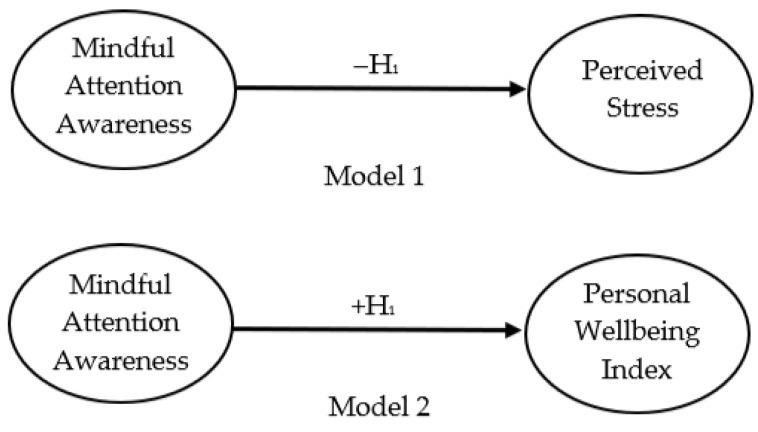
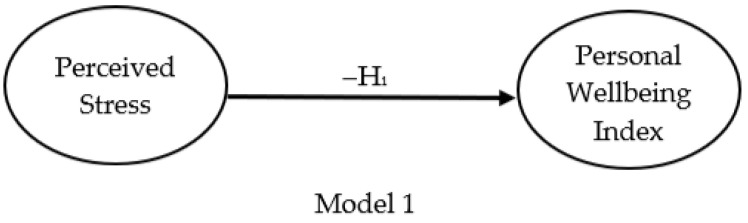
It has been suggested that mindfulness is a predictive factor in self-reported perceived stress. The present study aimed to investigate the link between mindful attention awareness, perceived stress and subjective wellbeing without the presence of a complementary intervention to promote mindfulness-based strategies. Methods: The online survey participants (N = 257) were university students enrolled in initial teacher training. Self-report measures included the Mindful Attention Awareness Scale (MAAS), Perceived Stress Scale (PSS) and Personal Wellbeing Index (PWI). Results: PWI was negatively correlated with PSS (r = −0.550, p = .001), MAAS was negatively correlated with PSS (r = −0.567, p = .001) and positively correlated with PWI (r = 0.336, p = .001). The mean score for PSS (M = 20.61, SD = 6.62) was above the reported norm (14.2). Conclusions: The findings suggest that higher levels of mindful attention awareness may be associated with lower levels of perceived stress and higher subjective wellbeing levels and lower levels of perceived stress may be associated with higher subjective wellbeing. The findings confirm that pre-service teachers are a demographic that experiences elevated levels of perceived stress regardless of the stage in initial teacher training programs.
Overview
The claims and statistics of this paper haven’t been checked yet.
Free: it reads the open-access text and checks the first 5 claims that cite a source we can check. Create a free account to check every claim.
Integrity signals
Registry
Cites
Statistics
Figures
Verification
Claims the paper makes
The claims and statistics of this paper haven’t been checked yet.
Free: it reads the open-access text and checks the first 5 claims that cite a source we can check. Create a free account to check every claim.
Self-check
Percentages, sums and reported differences re-computed from the paper’s own numbers.
The self-check needs the paper’s full text.
Citations
Cites
A Global Measure of Perceived Stress
Cohen, S., Kamarck, T., & Mermelstein, R. (1983) · Journal of Health and Social Behavior · doi:10.2307/2136404 · Cited by 32,807 · cited 2×
“When investigating the experiences of postgraduate (n = 151) and undergraduate (n = 159) PSTs, Geng and colleagues [5] reported postgraduate PSTs perceived stress (measured with the Perceived Stress Scale; [12] were significantly higher than undergraduate PSTs and that the two groups experienced different stressors.”
The satisfaction with life scale
Diener, E., Emmons, R. A., Larsen, R. J., & Griffin, S. (1985) · Journal of Personality Assessment · doi:10.1207/s15327752jpa4901_13 · Cited by 31,768 · cited 1×
“Subjective wellbeing refers to satisfaction with life and the presence of positive effect, also referred to as the hedonic approach [46].”
Cohen, L., Manion, L., & Morrison, K. (2007) · Routledge eBooks · doi:10.4324/9780203029053 · Cited by 20,105
Fredrickson, B. L. (2001) · American Psychologist · doi:10.1037//0003-066x.56.3.218 · Cited by 18,025
The benefits of being present: Mindfulness and its role in psychological well-being
Brown, K. W., & Ryan, R. M. (2003) · Journal of Personality and Social Psychology · doi:10.1037/0022-3514.84.4.822 · Cited by 13,448 · cited 6×
““Dispositional and state mindfulness predict self-regulated behavior and positive emotional states” [37] p.”
InfluentialUsing Self-Report Assessment Methods to Explore Facets of Mindfulness
Baer, R. A., Smith, G. T., Hopkins, J., Krietemeyer, J., & Toney, L. (2006) · Assessment · doi:10.1177/1073191105283504 · Cited by 7,511 · cited 1×
“Nonetheless, one of the most commonly used self-report measures is the Five Facets of Mindfulness Questionnaire (FFMQ; [34]) with five sub-scales that measure mindfulness as a stable trait.”
Mindfulness training as a clinical intervention: a conceptual and empirical review
Baer, R. A. (2003) · Clinical Psychology: Science and Practice · doi:10.1093/clipsy.bpg015 · Cited by 4,577 · cited 1×
“Mindfulness is the process of maintaining focus on present reality [23]; it is a way of paying attention [24].”
Mindfulness training as a clinical intervention: A conceptual and empirical review.
Baer, R. A. (2003) · Clinical Psychology: Science and Practice · doi:10.1093/clipsy/bpg015 · Cited by 4,576
Know thyself and become what you are: a eudaimonic approach to psychological well-being
Ryff, C. D., & Singer, B. H. (2008) · Journal of Happiness Studies · doi:10.1007/s10902-006-9019-0 · Cited by 3,149 · cited 1×
“A fundamental aspect of psychological wellbeing is forming positive social relationships [19,20].”
Appraisal, coping, health status, and psychological symptoms
Folkman, S., Lazarus, R. S., Gruen, R. J., & DeLongis, A. (1986) · Journal of Personality and Social Psychology · doi:10.1037/0022-3514.50.3.571 · Cited by 2,917 · cited 1×
“The ability to appraise or assess a potential stressor and re-appraise stressors relates to the transactional stress model [56].”
Positive Emotions Trigger Upward Spirals Toward Emotional Well-Being
Fredrickson, B. L., & Joiner, T. (2002) · Psychological Science · doi:10.1111/1467-9280.00431 · Cited by 2,655
Auerbach, R. P., Collaborators, W. W.-I., Mortier, P., Bruffaerts, R., Alonso, J., Benjet, C., Cuijpers, P., Demyttenaere, K., Ebert, D. D., Green, J. G., et al. (2018) · Journal of Abnormal Psychology · doi:10.1037/abn0000362 · Cited by 2,522 · cited 1×
“In a survey of university students (N = 13,984) by the World Health Organization [11] 35% of respondents screened positive for at least one lifetime mental health disorder and 31% screened positive for at least one 12-month mental health disorder (measured by the Diagnostic and Statistical Manual of Mental Disorders—D…”
Fredrickson, B. L., Cohn, M. A., Coffey, K. A., Pek, J., & Finkel, S. M. (2008) · Journal of Personality and Social Psychology · doi:10.1037/a0013262 · Cited by 2,365 · cited 3×
“, loving-kindness practice), and the reported findings have included increased mindful attention awareness (mindfulness as a state) (see [60]).”
Adverse childhood experiences, allostasis, allostatic load and age-related disease
Danese, A., & McEwen, B. S. (2012) · Physiology & Behavior · doi:10.1016/j.physbeh.2011.08.019 · Cited by 2,140 · cited 1×
“The hippocampus activates memories from previous experiences and can override the amygdala, whereas the prefrontal cortex uses meta-cognition and attention (volition) to override the amygdala [52].”
Carmody, J., & Baer, R. A. (2008) · Journal of Behavioral Medicine · doi:10.1007/s10865-007-9130-7 · Cited by 1,823 · cited 1×
“There is additional inconsistency across the scales due to the varying components or facets of mindfulness [33].”
Evans, J. R., & Mathur, A. (2005) · Internet Research · doi:10.1108/10662240510590360 · Cited by 1,653 · cited 1×
“Nonetheless, using an online platform to conduct a survey can provide efficient, timely access to the target audience [101].”
Feldman, G., Hayes, A., Kumar, S., Greeson, J., & Laurenceau, J.-P. (2007) · Journal of Psychopathology and Behavioral Assessment · doi:10.1007/s10862-006-9035-8 · Cited by 1,630 · cited 1×
“The Kentucky Inventory of Mindfulness Skills [36] is skills-based (neither trait nor state) and determines the use of mindfulness as a skill.”
Psychological well-being: evidence regarding its causes and consequences
Huppert, F. A. (2009) · Applied Psychology: Health and Well-Being · doi:10.1111/j.1758-0854.2009.01008.x · Cited by 1,583
Psychological distress in university students: A comparison with general population data
Stallman, H. M. (2010) · Australian Psychologist · doi:10.1080/00050067.2010.482109 · Cited by 1,372 · cited 3×
“9%) were significantly higher than the general population (29%, Australian data figures reported in [6]).”
Vago, D. R., & Silbersweig, D. A. (2012) · Frontiers in Human Neuroscience · doi:10.3389/fnhum.2012.00296 · Cited by 1,310 · cited 2×
“Both models focus on reducing suffering, improving wellbeing and increasing positive emotions [29].”
Psychological well-being: Meaning, measurement, and implications for psychotherapy research
Ryff, C. D., & Singer, B. (2010) · Psychotherapy and Psychosomatics · doi:10.1159/000289026 · Cited by 1,295 · cited 13×
“The influence of Perceived Stress on Subjective Wellbeing A regression analysis was completed to identify the relationship between perceived stress (PSS, independent variable) and subjective wellbeing (PWI, dependent variable).”
InfluentialThe Value of Positive Emotions
Fredrickson, B. (2003) · American Scientist · doi:10.1511/2003.4.330 · Cited by 1,006
The domains of life satisfaction: An attempt to order chaos
Cummins, R. A. (1996) · Social Indicators Research · doi:10.1007/bf00292050 · Cited by 962
Carlson, L. E., Speca, M., Patel, K. D., & Goodey, E. (2004) · Psychoneuroendocrinology · doi:10.1016/s0306-4530(03)00054-4 · Cited by 740
Mindfulness for Teachers: A Pilot Study to Assess Effects on Stress, Burnout, and Teaching Efficacy
Flook, L., Goldberg, S. B., Pinger, L., Bonus, K., & Davidson, R. J. (2013) · Mind, Brain, and Education · doi:10.1111/mbe.12026 · Cited by 682
Jennings, P. A., Brown, J. L., Frank, J. L., Doyle, S., Oh, Y., Davis, R., Rasheed, D., DeWeese, A., DeMauro, A. A., Cham, H., et al. (2017) · Journal of Educational Psychology · doi:10.1037/edu0000187 · Cited by 645
Health benefits: Meta-analytically determining the impact of well-being on objective health outcomes
Howell, R. T., Kern, M. L., & Lyubomirsky, S. (2007) · Health Psychology Review · doi:10.1080/17437190701492486 · Cited by 627 · cited 1×
“Research suggests that higher subjective wellbeing levels can shield against perceived stress [95].”
Stress and Health: Biological and Psychological Interactions
Lovallo, W. R. (2016) · Sage eBooks · doi:10.4135/9781071801390 · Cited by 589
Mindfulness, by any other name…: trials and tribulations of sati in western psychology and science
Grossman, P., & Van Dam, N. T. (2011) · Contemporary Buddhism · doi:10.1080/14639947.2011.564841 · Cited by 548
Measuring Well-Being: A Review of Instruments
Cooke, P. J., Melchert, T. P., & Connor, K. (2016) · The Counseling Psychologist · doi:10.1177/0011000016633507 · Cited by 468
Contemplative/emotion training reduces negative emotional behavior and promotes prosocial responses.
Kemeny, M. E., Foltz, C., Cavanagh, J. F., Cullen, M., Giese-Davis, J., Jennings, P., Rosenberg, E. L., Gillath, O., Shaver, P. R., Wallace, B. A., et al. (2012) · Emotion · doi:10.1037/a0026118 · Cited by 391 · cited 1×
“Attention Awareness was measured by the MAAS [37], which has been included in previous studies to examine the application of contemplative and emotion training for registered teachers [72] and integrating mindfulness training into teacher education programs [73,74].”
Baer, R. A., Lykins, E. L. B., & Peters, J. R. (2012) · The Journal of Positive Psychology · doi:10.1080/17439760.2012.674548 · Cited by 389 · cited 1×
“Mindfulness is also associated with improved psychological wellbeing [26].”
The Value of Positive Emotions
Fredrickson, B. (2003) · American Scientist · doi:10.1511/2003.26.330 · Cited by 337
Relationships between mindfulness, self-control, and psychological functioning
Bowlin, S. L., & Baer, R. A. (2012) · Personality and Individual Differences · doi:10.1016/j.paid.2011.10.050 · Cited by 333
Mindfulness-Based Stress Reduction (MBSR) for Primary School Teachers
Gold, E., Smith, A., Hopper, I., Herne, D., Tansey, G., & Hulland, C. (2010) · Journal of Child and Family Studies · doi:10.1007/s10826-009-9344-0 · Cited by 288
Building Early Career Teacher Resilience: The Role of Relationships
Le Cornu, R. (2013) · Australian Journal of Teacher Education · doi:10.14221/ajte.2013v38n4.4 · Cited by 268 · cited 1×
“Also, our ability to engage with social relationships is influenced by how we feel (subjective wellbeing) [21].”
The third wave of cognitive behavioural therapies
Kahl, K. G., Winter, L., & Schweiger, U. (2012) · Current Opinion in Psychiatry · doi:10.1097/yco.0b013e328358e531 · Cited by 265 · cited 1×
“Mindfulness-based approaches are increasing as complementary therapies for mental health concerns, for example, mindfulness-based cognitive behavioural therapy [67].”
BackgroundLomas, T., Medina, J. C., Ivtzan, I., Rupprecht, S., & Eiroa-Orosa, F. J. (2017) · Teaching and Teacher Education · doi:10.1016/j.tate.2016.10.008 · Cited by 258 · cited 1×
“Wellbeing is a concept that is multifaceted, dynamic and at times, contested [45].”
Wilson, J. M., Weiss, A., & Shook, N. J. (2020) · Personality and Individual Differences · doi:10.1016/j.paid.2019.109568 · Cited by 256 · cited 3×
“University students with experience practising mindfulness meditation and self-compassion have higher self-reported psychological wellbeing and lower perceived stress and depression [10].”
InfluentialMindfulness Training and Physical Health: Mechanisms and Outcomes
Creswell, J. D., Lindsay, E. K., Villalba, D. K., & Chin, B. (2019) · Psychosomatic Medicine · doi:10.1097/psy.0000000000000675 · Cited by 252 · cited 1×
“It has been suggested that mindfulness training can support and foster stress resilience pathways in the brain (see [59]).”
BackgroundResearch Methodology: Taming the Cyber Frontier: Techniques for Improving Online Surveys
Kaye, B. K., & Johnson, T. J. (1999) · Social Science Computer Review · doi:10.1177/089443939901700307 · Cited by 230 · cited 1×
“There are limitations surrounding the survey distribution method, for instance, unknown refusal rates (deleted emails) [100].”
Weekly self-efficacy and work stress during the teaching practicum: A mixed methods study
Klassen, R. M., & Durksen, T. L. (2014) · Learning and Instruction · doi:10.1016/j.learninstruc.2014.05.003 · Cited by 216 · cited 1×
“Changes in self-efficacy and stress experienced by PST have been linked to or influenced by the relationship formed with mentor teachers [17].”
Handbook of Mindfulness in Education: Integrating Theory and Research into Practice
(2016) · Mindfulness in Behavioral Health · doi:10.1007/978-1-4939-3506-2 · Cited by 208
Bornemann, B., & Singer, T. (2017) · Psychophysiology · doi:10.1111/psyp.12790 · Cited by 204 · cited 1×
“It has also been suggested that mindfulness training can increase interoception and proprioception (awareness of the body) measured by heartbeat perception accuracy (HBPa) which may support physical wellbeing (see [69]).”
Frank, J. L., Reibel, D., Broderick, P., Cantrell, T., & Metz, S. (2015) · Mindfulness · doi:10.1007/s12671-013-0246-2 · Cited by 197
Under Stress: The concerns and coping strategies of teacher education students
Murray-Harvey, R., T. Slee, P., Lawson, M. J., Silins, H., Banfield, G., & Russell, A. (2000) · European Journal of Teacher Education · doi:10.1080/713667267 · Cited by 190
van Reekum, C. M., Urry, H. L., Johnstone, T., Thurow, M. E., Frye, C. J., Jackson, C. A., Schaefer, H. S., Alexander, A. L., & Davidson, R. J. (2007) · Journal of Cognitive Neuroscience · doi:10.1162/jocn.2007.19.2.237 · Cited by 188 · cited 1×
“For example, decreased amygdala activation when evaluating negative information has been associated with higher subjective well-being levels [51].”
Gustems-Carnicer, J., & Calderón, C. (2013) · European Journal of Psychology of Education · doi:10.1007/s10212-012-0158-x · Cited by 186
Cummins, R. A., Mccabe, M. P., Romeo, Y., & Gullone, E. (1994) · Educational and Psychological Measurement · doi:10.1177/0013164494054002011 · Cited by 185
Poulin, P. A., Mackenzie, C. S., Soloway, G., & Karayolas, E. (2008) · International Journal of Health Promotion and Education · doi:10.1080/14635240.2008.10708132 · Cited by 172
Validation of the mindfulness in teaching scale
Frank, J. L., Jennings, P. A., & Greenberg, M. T. (2016) · Mindfulness · doi:10.1007/s12671-015-0461-0 · Cited by 169 · cited 1×
“The Mindfulness in Teaching Scale [35] operates under a two-factor model with intrapersonal and interpersonal dimensions.”
The scales of general well-being (SGWB)
Longo, Y., Coyne, I. J., & Joseph, S. (2017) · Personality and Individual Differences · doi:10.1016/j.paid.2017.01.005 · Cited by 142
Beshai, S., McAlpine, L., Weare, K., & Kuyken, W. (2016) · Mindfulness · doi:10.1007/s12671-015-0436-1 · Cited by 141
Mindfulness in Positive Psychology
(2016) · Routledge eBooks · doi:10.4324/9781315747217 · Cited by 137
Current Knowledge on the Nature, Prevalence, Sources and Potential Impact of Teacher Stress
Travers, C. (2017) · Aligning Perspectives on Health, Safety and Well-Being · doi:10.1007/978-3-319-53053-6_2 · Cited by 126
Skinner, E. A., & Beers, J. (2016) · Mindfulness in behavioral health · doi:10.1007/978-1-4939-3506-2_7 · Cited by 119 · cited 2×
“The ability to re-appraise and respond rather than react has been linked to mindfulness-based strategies (see [57]).”
Keyes, C. L. M. (2012) · Springer eBooks · doi:10.1007/978-94-007-5195-8 · Cited by 116
The Personal Wellbeing Index: Psychometric Equivalence for Adults and School Children
Tomyn, A. J., Fuller‐Tyszkiewicz, M., & Cummins, R. A. (2011) · Social Indicators Research · doi:10.1007/s11205-011-9964-9 · Cited by 107 · cited 1×
“, [76]) and reported the PWI measures the same construct for subjective wellbeing in both populations.”
Hue, M.-T., & Lau, N.-S. (2015) · Teacher Development · doi:10.1080/13664530.2015.1049748 · Cited by 99
Hwang, Y., Goldstein, H., Medvedev, O. N., Singh, N. N., Noh, J., & Hand, K. (2019) · Mindfulness · doi:10.1007/s12671-019-01147-1 · Cited by 96
Stopping Burnout Before it Starts: Prevention Measures at the Preservice Level
Greer, J. G., & Greer, B. (1992) · Teacher Education and Special Education The Journal of the Teacher Education Division of the Council for Exceptional Children · doi:10.1177/088840649201500303 · Cited by 68 · cited 1×
“PST wellbeing research indicates that teacher education training programs fail to provide adequate training on the identification and impact of stress and stress management techniques [90,96,97].”
Medlicott, E., Phillips, A., Crane, C., Hinze, V., Taylor, L., Tickell, A., Montero-Marin, J., & Kuyken, W. (2021) · International Journal of Environmental Research and Public Health · doi:10.3390/ijerph18116023 · Cited by 67 · cited 1×
“It has been suggested that universities need to provide support for students because mental health concerns can have a broad range of impacts on a student’s quality of life [2,3].”
Katz, D. A., Greenberg, M. T., Jennings, P. A., & Klein, L. C. (2015) · Teaching and Teacher Education · doi:10.1016/j.tate.2015.11.012 · Cited by 65 · cited 1×
“The PSS has been included as an evaluative measure in MBIs for teacher wellbeing [79,80], PST wellbeing [73,74,81] and PST stress [4,5,82].”
Is mindfulness training useful for pre-service teachers? An exploratory investigation
Kerr, S., Lucas, L. J., DiDomenico, G. E., Mishra, V., Stanton, B. J., Shivde, G., Pero, A. N., Runyen, M. E., & Terry, G. M. (2017) · Teaching Education · doi:10.1080/10476210.2017.1296831 · Cited by 58 · cited 1×
“The PSS has been included as an evaluative measure in MBIs for teacher wellbeing [79,80], PST wellbeing [73,74,81] and PST stress [4,5,82].”
Brief mindfulness session improves mood and increases salivary oxytocin in psychology students
Bellosta‐Batalla, M., del Carmen Blanco‐Gandía, M., Rodríguez‐Arias, M., Cebolla, A., Pérez‐Blasco, J., & Moya‐Albiol, L. (2020) · Stress and Health · doi:10.1002/smi.2942 · Cited by 55 · cited 2×
“Mindfulness-based meditation has been linked to increased salivary oxytocin levels in psychology university students (N = 68) [62].”
Mentor–mentee relationships as anchors for pre service teachers’ coping on professional placement
Wilson, A., & Huynh, M. (2019) · International Journal of Mentoring and Coaching in Education · doi:10.1108/ijmce-04-2019-0052 · Cited by 50
Individual Stress Management Coursework in Canadian Teacher Preparation Programs.
Harris, G. E. (2011) · DOAJ (DOAJ: Directory of Open Access Journals) · Cited by 48
Geng, G. H., Midford, R., & Buckworth, J. (2015) · Journal of Teacher Education for Sustainability · doi:10.1515/jtes-2015-0003 · Cited by 42 · cited 4×
“The negative correlation between the MAAS scores and PSS scores supports Kostanski’s [4] argument that an individual reporting a high MAAS score is more likely to report a lower PSS score.”
InfluentialEffects of Meditation on Stress Levels of Physical Therapist Students
Chambers, J., Phillips, B., Burr, M., & Xiao, D. (2016) · Journal of Physical Therapy Education · doi:10.1097/00001416-201630030-00007 · Cited by 37
Sagui‐Henson, S. J., Levens, S. M., & Blevins, C. L. (2018) · Stress and Health · doi:10.1002/smi.2797 · Cited by 35 · cited 1×
“Reappraisal has been identified as a mechanism that links mindfulness to health-enhancing behaviours [94].”
Promoting Stress Management and Wellbeing for Teachers, A Pilot Study
Hepburn, S., Carroll, A., & McCuaig, L. (2021) · Frontiers in Education · doi:10.3389/feduc.2021.744227 · Cited by 29 · cited 1×
“This study formed part of a larger Doctoral research project and further discussion of the stress levels of PSTs over the duration of the year are reported elsewhere [70,93].”
Self-citationThe Perceived Impact of Mindfulness Instruction on Pre-Service Elementary Teachers
BROWN, R. M. A. (2017) · Childhood Education · doi:10.1080/00094056.2017.1300492 · Cited by 28 · cited 2×
“The PSS has been included as an evaluative measure in MBIs for teacher wellbeing [79,80], PST wellbeing [73,74,81] and PST stress [4,5,82].”
Improving Teacher Education Programs
Harding, K., & Parsons, J. (2011) · The Australian journal of teacher education · doi:10.14221/ajte.2011v36n11.7 · Cited by 28 · cited 1×
“Regarding PST training programs, concerns have been raised surrounding inconsistencies between program structure, practicum experience and the level of support provided by supervising teachers and mentors [15].”
Professional Development Schools and Preservice Teacher Stress
Hopkins, W. S., Hoffman, S., & Moss, V. D. (1997) · Action in Teacher Education · doi:10.1080/01626620.1997.10463362 · Cited by 26
Grádaigh, S. Ó., Connolly, C., Mahon, B. M., Agnew, A., & Poole, W. (2021) · Irish Educational Studies · doi:10.1080/03323315.2021.1916561 · Cited by 24 · cited 1×
“The impact of the COVID-19 pandemic has presented additional challenges for PSTs [7,8].”
Mphahlele, R. S., & Jikpamu, B. T. (2021) · Journal of Interdisciplinary Studies in Education · Cited by 15
Correction: Psychological Well-Being and the Human Conserved Transcriptional Response to Adversity
Fredrickson, B. L., Grewen, K., Algoe, S. B., Firestine, A. M., Arevalo, J. M. G., Ma, J., & Cole, S. W. (2016) · PLoS ONE · doi:10.1371/journal.pone.0157116 · Cited by 14
Yoga and Mindfulness Based Cognitive Therapy
Pradhan, B. (2014) · Springer eBooks · doi:10.1007/978-3-319-09105-1 · Cited by 14 · cited 2×
“The cultivation of mindfulness is a cognitive process that increases insight, also referred to as insight meditation (Buddhist: Vipassana) [27] p. 164.”
BackgroundGeng, G. H., Midford, R., & Buckworth, J. (2016) · The Australian journal of teacher education · doi:10.14221/ajte.2016v41n9.6 · Cited by 14 · cited 2×
“The PSS has been included as an evaluative measure in MBIs for teacher wellbeing [79,80], PST wellbeing [73,74,81] and PST stress [4,5,82].”
Mindfulness: Enhancing physical and mental wellbeing
Hardy, S. (2015) · Practice Nursing · doi:10.12968/pnur.2015.26.9.450 · Cited by 12 · cited 1×
“It is suggested that mindfulness increases awareness of lifestyle factors and behaviours [68].”
Biological Pathways to Stress-Related Disease Vulnerability in Educators
Bellingrath, S., & Kudielka, B. M. (2017) · Aligning perspectives on health, safety and well-being · doi:10.1007/978-3-319-53053-6_4 · Cited by 12 · cited 1×
“Stress is known to manifest in two ways; first, it can alter an individual’s behaviour and decisions surrounding their health (for example, diet and lifestyle choices) and second, stress can trigger alterations in physiological systems thus increasing the risk of disease [53].”
An Investigation into Teacher Wellbeing During the Teacher Training Year
Turner, S., Zanker, N. P., & Braine, M. (2023) · Journal of design and technology education/Design and technology education · doi:10.24377/dteij.article1691 · Cited by 12
Positive Human Health, Positive Mental Health, Resilience and Their Psychosomatic Underpinnings
Ruini, C. (2017) · Springer eBooks · doi:10.1007/978-3-319-52112-1_2 · Cited by 3 · cited 2×
“For example, oxytocin is released in positive social interactions, decreasing the stress response [61].”
Listen to the Voice of Pre-service Teachers
Geng, G. H., Black, P., & Smith, P. (2016) · Springer eBooks · doi:10.1007/978-981-10-2571-6_1 · Cited by 3
Research works printed but not linked: 5
- Kostanski M. The role of mindfulness in reducing stress for pre-service students Proceedings of the Australian Association for Research in Education Conference, Fremantle Victoria, Australia 26 November–1 December 2007 1 9
- Grant-Smith D. de Zwaan L. Chapman R. Gillett-Swan J. ‘It’s the worst, but real experience is invaluable’: Pre-service teacher perspectives of the costs and benefits of professional experience Teacher Education In and For Uncertain Times Heck D. Ambrosetti A. Springer Singapore 2018 15 33
- Buckworth J. Issues in the teaching practicum The Challenge of Teaching through the Eyes of Pre-Service Teachers 1st ed. Geng G. Smith P. Black P. Springer Singapore 2017 9 17 · DOI
- Hanh T.N. The Miracle of Mindfulness|An Introduction to the Practice of Meditation Beacon Press Boston, MA, USA 1999
- Creswell J. Educational Research: Planning, Conducting and Evaluating Quantitative and Qualitative Research 4th ed. Pearson New International Pearson Harlow, Essex, UK 2014
Cited by
A Scope Review of the Teacher Well-being Research Between 1968 and 2021
Zhang, L., Chen, J., Li, X., & Zhan, Y. (2023) · The Asia-Pacific Education Researcher · doi:10.1007/s40299-023-00717-1 · Cited by 95
“…by Jin et al., 2021), school-level factors (e.g., distance education requirement by Casacchia et al., 2021), personal factors (e.g., mindfulness by Hepburn et al., 2021), and effects on teacher personal development (e.g., teacher presenteeism by Kidger et al., 2021), teaching process (e.g.,…”
Exploring Islamic Mindfulness: Cultural Practices and Their Impact on Public Health Outcomes
Aldbyani, A. (2024) · Mindfulness · doi:10.1007/s12671-024-02485-5 · Cited by 42
“They are advised to observe their inner and outer experiences with a gentle, inquisitive, and compassionate attitude, refraining from any immediate efforts to alter these encounters (Hepburn et al., 2021).”
Atta, M. H. R., El‐Ashry, A. M., & Mousa, M. A. E.-G. A. (2024) · Journal of research in nursing · doi:10.1177/17449871241252011 · Cited by 35
“This enhancement supports the notion that mindfulness interventions contribute positively to cognitive processes fundamental to emotional well-being (Hepburn et al., 2021).”
Self-disclosure, mindfulness, and their relationships with happiness and well-being
Aldahadha, B. (2023) · Middle East Current Psychiatry · doi:10.1186/s43045-023-00278-5 · Cited by 36
“Which is the best predictor of happiness and wellness, self-disclosure or mindfulness? The purpose and importance of the study Some studies have found that mindfulness can help with emotional and wellness disorders [46].”
BackgroundFleckney, P. (2023) · Landscape and Urban Planning · doi:10.1016/j.landurbplan.2023.104753 · Cited by 28
Metadata
- Authors
- Hepburn, S.-J., Carroll, A., & McCuaig, L.
- Affiliations
- The University of Queensland (AU)
- Corresponding author
- Hepburn, Stevie-Jae
- Venue
- International Journal of Environmental Research and Public Health
- Publisher
- MDPI AG
- Published
- 2021-11-23
- Volume
- 18
- Issue
- 23
- Pages
- 12290
- ISSN
- 1660-4601 (ISSN-L)
- PMC
- PMC8656828
- OpenAlex
- W3217658222
- Cited by
- 58
- References
- 84
- Citations by year
- 2026: 10 · 2025: 15 · 2024: 18 · 2023: 9 · 2022: 6
- FWCI
- 5.63
- Type
- journal article
- Language
- en
- Open access
- gold
- doi.org
- Licence
- Locations
- International Journal of Environmental Research and Public Health (publishedVersion, cc-by)
- PubMed Central (publishedVersion, cc-by)
- PubMed (publishedVersion)
- RePEc: Research Papers in Economics (submittedVersion)
- DOAJ (DOAJ: Directory of Open Access Journals) (submittedVersion, cc-by-sa)
- Funders
- Australian Government
- University of Queensland
- Topics
- Social Sciences › Psychology › Clinical Psychology › Mindfulness and Compassion Interventions
- Social Sciences › Psychology › Social Psychology › Psychological Well-being and Life Satisfaction
- Social Sciences › Psychology › Developmental and Educational Psychology › Student Stress and Coping
- Keywords
- mindful attention awareness, perceived stress, subjective well-being, mindfulness, pre-service teachers, initial teacher education, university students, Personal Wellbeing Index, Mindful Attention Awareness Scale
- MeSH terms
- Educational Personnel, Attention, Awareness, Humans, Surveys and Questionnaires, Stress, Psychological, Mindfulness
About these checks
Registry, retraction, Cites and statistics results are computed, not judged, with one exception: a printed reference that no index lists is read once by a model before it counts as a citation error. Claims are extracted by a model and kept only when their quote appears verbatim in the text; each cited source is then checked, with a model’s help, for whether it says what the claim relies on. Those verdicts can be wrong — read the claim’s quote and the cited source before relying on one.
Statistics and arithmetic are recomputed, not judged.
Confidence bands are shown only for fields calibrated on our annotated test set. None is calibrated yet, so no band is shown.
What counts as a claim ›How we measure confidence ›How we check this ›
Are you an author, or do you see a problem with this page? Request a review
Data sources
Bibliographic data: Semantic Scholar, OpenAlex, Crossref.
Contains information from the Semantic Scholar Academic Graph Datasets, made available under the ODC Attribution License (ODC-BY 1.0).
Semantic Scholar’s data is described in: Kinney, R., et al. (2023). The Semantic Scholar Open Data Platform. arXiv:2301.10140.
