

The DOI matches its Crossref record; 146 of the 149 references it cites were found in a registry or an index.
NADPH Oxidases and Mitochondria in Vascular Senescence
Open accessAbstract
Aging is the major risk factor in the development of cardiovascular diseases (CVDs), including hypertension, atherosclerosis, and myocardial infarction. Oxidative stress caused by overproduction of reactive oxygen species (ROS) and/or by reduced expression of antioxidant enzymes is a major contributor to the progression of vascular senescence, pathologic remodeling of the vascular wall, and disease. Both oxidative stress and inflammation promote the development of senescence, a process by which cells stop proliferating and become dysfunctional. This review focuses on the role of the mitochondria and the nicotinamide adenine dinucleotide phosphate (NADPH) oxidases Nox1 and Nox4 in vascular senescence, and their contribution to the development of atherosclerosis. Recent findings are reviewed, supporting a critical role of the mitochondrial regulator peroxisome proliferator-activated receptor gamma (PPARγ) coactivator-1α (PGC-1α), the inflammatory gene nuclear factor κB (NF-κB), zinc, the zinc transporters (ZnTs) ZnT3 and ZnT10, and angiotensin II (Ang II) in mitochondrial function, and their role in telomere stability, which provides new mechanistic insights into a previously proposed unified theory of aging.
Overview
The claims and statistics of this paper haven’t been checked yet.
Run the check — free, no account needed. It reads the open-access text and checks the sources it cites.
Integrity signals
Registry
Cites
Statistics
Figures
Verification
Claims the paper makes
The claims and statistics of this paper haven’t been checked yet.
Run the check — free, no account needed. It reads the open-access text and checks the sources it cites.
Claims other papers make about this one
Each is checked against this paper’s own text: does it say what the citing paper says it does?
In the citing paper
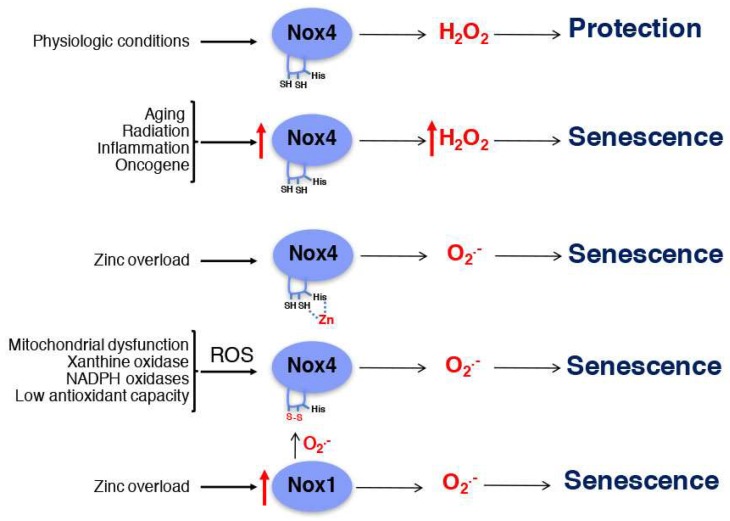
“On the other hand, Zn overload can contribute to augment cellular OS and senescence through different mechanisms not yet well-defined, but possibly related to organelles dysfunction [411,427,438].”
From The Role of Antioxidants in the Interplay between Oxidative Stress and Senescence (2022) · cites this paper as [438]
Self-check
Percentages, sums and reported differences re-computed from the paper’s own numbers.
The self-check needs the paper’s full text.
Citations
Cites
The senescence-associated secretory phenotype: the dark side of tumor suppression
Coppé, J.-P., Desprez, P.-Y., Krtolica, A., & Campisi, J. (2010) · Annual Review of Pathology: Mechanisms of Disease · doi:10.1146/annurev-pathol-121808-102144 · Cited by 5,206
Stress-dependent regulation of FOXO transcription factors by the SIRT1 deacetylase
Brunet, A., Sweeney, L. B., Sturgill, J. F., Chua, K. F., Greer, P. L., Lin, Y., Tran, H., Ross, S. E., Mostoslavsky, R., Cohen, H. Y., et al. (2004) · Science · doi:10.1126/science.1094637 · Cited by 3,239
NAD(P)H Oxidase: Role in Cardiovascular Biology and Disease
Griendling, K. K., Sorescu, D., & Ushio-Fukai, M. (2000) · Circulation Research · doi:10.1161/01.res.86.5.494 · Cited by 2,886
Cellular senescence in aging and age-related disease: from mechanisms to therapy
Childs, B. G., Durik, M., Baker, D. J., & van Deursen, J. M. (2015) · Nature Medicine · doi:10.1038/nm.4000 · Cited by 2,363
A complex secretory program orchestrated by the inflammasome controls paracrine senescence
Acosta, J. C., Banito, A., Wuestefeld, T., Georgilis, A., Janich, P., Morton, J. P., Athineos, D., Kang, T.-W., Lasitschka, F., Andrulis, M., et al. (2013) · Nature Cell Biology · doi:10.1038/ncb2784 · Cited by 2,278 · cited 1×
“In many cell types, the SASP is driven by IL1α [10] and by IL1β [13].”
BackgroundSt-Pierre, J., Drori, S., Uldry, M., Silvaggi, J. M., Rhee, J., Jäger, S., Handschin, C., Zheng, K., Lin, J., Yang, W., et al. (2006) · Cell · doi:10.1016/j.cell.2006.09.024 · Cited by 2,233
Cellular senescence and the senescent secretory phenotype: therapeutic opportunities
Tchkonia, T., Zhu, Y., van Deursen, J., Campisi, J., & Kirkland, J. L. (2013) · Journal of Clinical Investigation · doi:10.1172/jci64098 · Cited by 1,774
Increased dosage of a sir-2 gene extends lifespan in Caenorhabditis elegans
Tissenbaum, H. A., & Guarente, L. (2001) · Nature · doi:10.1038/35065638 · Cited by 1,603
Sir2 mediates longevity in the fly through a pathway related to calorie restriction
Rogina, B., & Helfand, S. L. (2004) · Proceedings of the National Academy of Sciences · doi:10.1073/pnas.0404184101 · Cited by 1,361
Telomere dysfunction induces metabolic and mitochondrial compromise
Sahin, E., Colla, S., Liesa, M., Moslehi, J., Müller, F. L., Guo, M., Cooper, M., Kotton, D., Fabian, A. J., Walkey, C., et al. (2011) · Nature · doi:10.1038/nature09787 · Cited by 1,319 · cited 1×
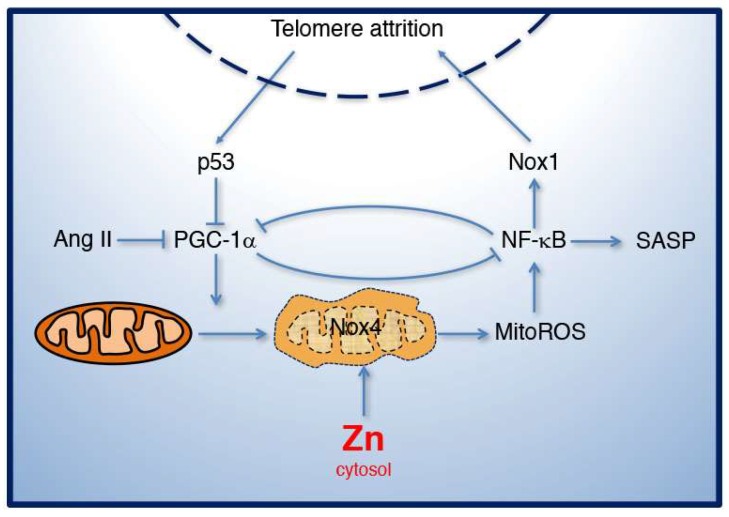
“demonstrated that telomere dysfunction causes mitochondrial dysfunction by p53-dependent downregulation of PGC-1α and PGC-1β, leading to mitochondrial dysfunction and increased ROS production [83].”
BackgroundMetabolic control of muscle mitochondrial function and fatty acid oxidation through SIRT1/PGC‐1α
Gerhart‐Hines, Z., Rodgers, J. T., Bare, O., Lerin, C., Kim, S., Mostoslavsky, R., Alt, F. W., Wu, Z., & Puigserver, P. (2007) · The EMBO Journal · doi:10.1038/sj.emboj.7601633 · Cited by 1,294
Senescent intimal foam cells are deleterious at all stages of atherosclerosis
Childs, B. G., Baker, D. J., Wijshake, T., Conover, C. A., Campisi, J., & van Deursen, J. M. (2016) · Science · doi:10.1126/science.aaf6659 · Cited by 1,195
Laberge, R.-M., Sun, Y., Orjalo, A. V., Patil, C. K., Freund, A., Zhou, L., Curran, S. C., Davalos, A. R., Wilson-Edell, K. A., Liu, S., et al. (2015) · Nature Cell Biology · doi:10.1038/ncb3195 · Cited by 1,160
Handschin, C., & Spiegelman, B. M. (2006) · Endocrine Reviews · doi:10.1210/er.2006-0037 · Cited by 1,090
Endothelial Cell Senescence in Human Atherosclerosis: Role of Telomere in Endothelial Dysfunction
Minamino, T., Miyauchi, H., Yoshida, T., Ishida, Y., Yoshida, H., & Komuro, I. (2002) · Circulation · doi:10.1161/01.cir.0000013836.85741.17 · Cited by 1,061
Chien, Y., Scuoppo, C., Wang, X., Fang, X., Balgley, B., Bolden, J. E., Premsrirut, P., Luo, W., Chicas, A., Lee, C. S., et al. (2011) · Genes & Development · doi:10.1101/gad.17276711 · Cited by 1,046
Freund, A., Patil, C. K., & Campisi, J. (2011) · The EMBO Journal · doi:10.1038/emboj.2011.69 · Cited by 1,039 · cited 3×
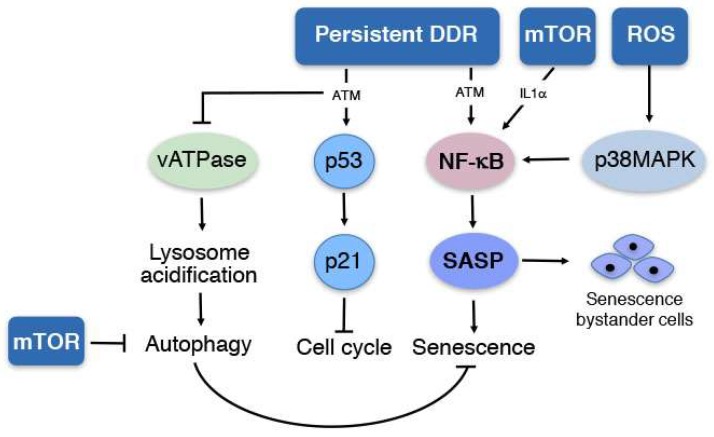
“Expression of these molecules is ediated, for the most part, by stress-induced activation of signaling pathways, including NF-κB and p38 mitogen activated kinase (p38MAPK) (Figure 1) [8,9].”
BackgroundFeedback between p21 and reactive oxygen production is necessary for cell senescence
Passos, J. F., Nelson, G., Wang, C., Richter, T., Simillion, C., Proctor, C. J., Miwa, S., Olijslagers, S., Hallinan, J., Wipat, A., et al. (2010) · Molecular Systems Biology · doi:10.1038/msb.2010.5 · Cited by 1,019 · cited 1×
“On the other hand, DDR-dependent activation of p21 induces senescence with delayed mitochondrial dysfunction and ROS production [82], suggesting that these events are a consequence of senescence.”
BackgroundGarcía‐Ruiz, C., Colell, A., Marı́, M., Morales, A., & Fernández-Checa, J. C. (1997) · Journal of Biological Chemistry · doi:10.1074/jbc.272.17.11369 · Cited by 808
Mitochondrial dysfunction accounts for the stochastic heterogeneity in telomere-dependent senescence
Passos, J. F., Saretzki, G., Ahmed, S., Nelson, G., Richter, T., Peters, H., Wappler, I., Birket, M. J., Harold, G., Schaeuble, K., et al. (2007) · PLoS Biology · doi:10.1371/journal.pbio.0050110 · Cited by 796 · cited 2×
“Replicative senescence is delayed by reduction of mitochondrial ROS by mild mitochondrial uncoupling [80].”
BackgroundBiochemistry, Physiology, and Pathophysiology of NADPH Oxidases in the Cardiovascular System
Lassegue, B. P., Martín, A. S., & Griendling, K. K. (2012) · Circulation Research · doi:10.1161/circresaha.111.243972 · Cited by 780
Angiotensin II revisited: new roles in inflammation, immunology and aging
Benigni, A., Cassis, P., & Remuzzi, G. (2010) · EMBO Molecular Medicine · doi:10.1002/emmm.201000080 · Cited by 757
A senescent cell bystander effect: senescence‐induced senescence
Nelson, G., Wordsworth, J., Wang, C., Jurk, D., Lawless, C., Martin‐Ruiz, C., & von Zglinicki, T. (2012) · Aging Cell · doi:10.1111/j.1474-9726.2012.00795.x · Cited by 755
Satoh, A., Brace, C. S., Rensing, N., Cliften, P. F., Wozniak, D. F., Herzog, E. D., Yamada, K. A., & Imai, S. (2013) · Cell Metabolism · doi:10.1016/j.cmet.2013.07.013 · Cited by 747
Sumimoto, H. (2008) · FEBS Journal · doi:10.1111/j.1742-4658.2008.06488.x · Cited by 740
Doughan, A. K., Harrison, D. G., & Dikalov, S. I. (2008) · Circulation Research · doi:10.1161/circresaha.107.162800 · Cited by 710
Age-related decline in chaperone-mediated autophagy
Cuervo, A. M., & Dice, J. F. (2000) · Journal of Biological Chemistry · doi:10.1074/jbc.m002102200 · Cited by 665
Orjalo, A. V., Bhaumik, D., Gengler, B. K., Scott, G. K., & Campisi, J. (2009) · Proceedings of the National Academy of Sciences · doi:10.1073/pnas.0905299106 · Cited by 654
Ushio‐Fukai, M., Alexander, R. W., Akers, M., & Griendling, K. K. (1998) · Journal of Biological Chemistry · doi:10.1074/jbc.273.24.15022 · Cited by 648
Arterial Aging: Is It an Immutable Cardiovascular Risk Factor?
Najjar, S. S., Scuteri, A., & Lakatta, E. G. (2005) · Hypertension · doi:10.1161/01.hyp.0000177474.06749.98 · Cited by 640
Senescent cells as a source of inflammatory factors for tumor progression
Davalos, A. R., Coppe, J.-P., Campisi, J., & Desprez, P.-Y. (2010) · Cancer and Metastasis Reviews · doi:10.1007/s10555-010-9220-9 · Cited by 636
Transcriptional regulation of the mouse metallothionein-I gene by heavy metals.
Durnam, D. M., & Palmiter, R. D. (1981) · Journal of Biological Chemistry · doi:10.1016/s0021-9258(19)69264-1 · Cited by 600
Distinct Subcellular Localizations of Nox1 and Nox4 in Vascular Smooth Muscle Cells
Hilenski, L. L., Clempus, R. E., Quinn, M. T., Lambeth, J. D., & Griendling, K. K. (2004) · Arteriosclerosis, Thrombosis, and Vascular Biology · doi:10.1161/01.atv.0000112024.13727.2c · Cited by 573
Ushio‐Fukai, M., Alexander, R. W., Akers, M., Yin, Q., Fujio, Y., Walsh, K., & Griendling, K. K. (1999) · Journal of Biological Chemistry · doi:10.1074/jbc.274.32.22699 · Cited by 558
PGC-1α regulates the mitochondrial antioxidant defense system in vascular endothelial cells
VALLE, I., ALVAREZBARRIENTOS, A., ARZA, E., LAMAS, S., & MONSALVE, M. (2005) · Cardiovascular Research · doi:10.1016/j.cardiores.2005.01.026 · Cited by 556
Hunyady, L., & Catt, K. J. (2006) · Molecular Endocrinology · doi:10.1210/me.2004-0536 · Cited by 541
The E-loop Is Involved in Hydrogen Peroxide Formation by the NADPH Oxidase Nox4
Takac, I., Schröder, K., Zhang, L., Lardy, B., Anilkumar, N. P., Lambeth, J. D., Shah, A. M., Morel, F., & Brandes, R. P. (2011) · Journal of Biological Chemistry · doi:10.1074/jbc.m110.192138 · Cited by 539
A Novel Superoxide-producing NAD(P)H Oxidase in Kidney
Shiose, A., Kuroda, J., Tsuruya, K., Hirai, M., Hirakata, H., Naito, S., Hattori, M., Sakaki, Y., & Sumimoto, H. (2001) · Journal of Biological Chemistry · doi:10.1074/jbc.m007597200 · Cited by 517
Ago, T., Kuroda, J., Pain, J., Fu, C., Li, H., & Sadoshima, J. (2010) · Circulation Research · doi:10.1161/circresaha.109.213116 · Cited by 506
Metal and Redox Modulation of Cysteine Protein Function
Giles, N. M., Watts, A. B., Giles, G. I., Fry, F. H., Littlechild, J. A., & Jacob, C. (2003) · Chemistry & Biology · doi:10.1016/s1074-5521(03)00174-1 · Cited by 491
Disruption of the Ang II type 1 receptor promotes longevity in mice
Benigni, A., Corna, D., Zoja, C., Sonzogni, A., Latini, R., Salio, M., Conti, S., Rottoli, D., Longaretti, L., Cassis, P., et al. (2009) · Journal of Clinical Investigation · doi:10.1172/jci36703 · Cited by 486
Subcellular localization of Nox4 and regulation in diabetes
Block, K. L., Gorin, Y. C., & Abboud, H. E. (2009) · Proceedings of the National Academy of Sciences · doi:10.1073/pnas.0906805106 · Cited by 484
Angiotensin II, NADPH Oxidase, and Redox Signaling in the Vasculature
Cat, A. N. D., Montezano, A. C. I., Burger, D. E., & Touyz, R. M. (2012) · Antioxidants and Redox Signaling · doi:10.1089/ars.2012.4641 · Cited by 484
Nox1 Is Involved in Angiotensin II–Mediated Hypertension: A Study in Nox1-Deficient Mice
Matsuno, K., Yamada, H., Iwata, K., Jin, D., Katsuyama, M., Matsuki, M., Takai, S., Yamanishi, K., Miyazaki, M., Matsubara, H., et al. (2005) · Circulation · doi:10.1161/circulationaha.105.573709 · Cited by 470
The molecular inflammatory process in aging
Chung, H. Y., Sung, B., Jung, K. J., Zou, Y., & Yu, B. P. (2006) · Antioxidants & Redox Signaling · doi:10.1089/ars.2006.8.572 · Cited by 437
Poldip2, a Novel Regulator of Nox4 and Cytoskeletal Integrity in Vascular Smooth Muscle Cells
Lyle, A. N., Deshpande, N. N., Taniyama, Y., Seidel-Rogol, B., Pounkova, L., Du, P., Papaharalambus, C., Lassègue, B., & Griendling, K. K. (2009) · Circulation Research · doi:10.1161/circresaha.109.193722 · Cited by 428
Sensi, S. L., Yin, H. Z., Carriedo, S. G., Rao, S. S., & Weiss, J. H. (1999) · Proceedings of the National Academy of Sciences · doi:10.1073/pnas.96.5.2414 · Cited by 408
Modulation of mitochondrial function by endogenous Zn 2+ pools
Sensi, S. L., Ton-That, D., Sullivan, P. G., Jonas, E. A., Gee, K. R., Kaczmarek, L. K., & Weiss, J. H. (2003) · Proceedings of the National Academy of Sciences · doi:10.1073/pnas.1031598100 · Cited by 406
Mechanism of Ca2+ Activation of the NADPH Oxidase 5 (NOX5)
Bánfi, B., Tirone, F., Durussel, I., Knisz, J., Moskwa, P., Molnár, G. Z., Krause, K.-H., & Cox, J. A. (2004) · Journal of Biological Chemistry · doi:10.1074/jbc.m310268200 · Cited by 389
NADPH Oxidase 1 Plays a Key Role in Diabetes Mellitus–Accelerated Atherosclerosis
Gray, S. P., Di Marco, E., Okabe, J., Szyndralewiez, C., Heitz, F., Montezano, A. C., de Haan, J. B., Koulis, C., El-Osta, A., Andrews, K. L., et al. (2013) · Circulation · doi:10.1161/circulationaha.112.132159 · Cited by 386
Weiss, D., Kools, J. J., & Taylor, W. R. (2001) · Circulation · doi:10.1161/01.cir.103.3.448 · Cited by 370
Nox4: A Hydrogen Peroxide-Generating Oxygen Sensor
Nisimoto, Y., Diebold, B. A., Cosentino‐Gomes, D., & Lambeth, J. D. (2014) · Biochemistry · doi:10.1021/bi500331y · Cited by 370
Vascular Smooth Muscle Cell Senescence Promotes Atherosclerosis and Features of Plaque Vulnerability
Wang, J., Uryga, A. K., Reinhold, J., Figg, N., Baker, L., Finigan, A., Gray, K., Kumar, S., Clarke, M., & Bennett, M. (2015) · Circulation · doi:10.1161/circulationaha.115.016457 · Cited by 349
Axis of ageing: telomeres, p53 and mitochondria
Sahin, E., & DePinho, R. A. (2012) · Nature Reviews Molecular Cell Biology · doi:10.1038/nrm3352 · Cited by 345
Coppé, J.-P., Patil, C. K., Rodier, F., Sun, Y., Muñoz, D. P., Goldstein, J., Nelson, P. S., Desprez, P.-Y., & Campisi, J. (2008) · PLoS Biology · doi:10.1371/journal.pbio.0060301 · Cited by 302 · cited 5×
“NF-κB is the major regulator of a large set of SASP components, including IL1α, IL6, and IL8 [7,10].”
BackgroundInfluentialKunieda, T., Minamino, T., Nishi, J.-I., Tateno, K., Oyama, T., Katsuno, T., Miyauchi, H., Orimo, M., Okada, S., Takamura, M., et al. (2006) · Circulation · doi:10.1161/circulationaha.106.626606 · Cited by 302
Weyemi, U., Lagente-Chevallier, O., Boufraqech, M., Prenois, F., Courtin, F., Caillou, B., Talbot, M., Dardalhon, M., Al Ghuzlan, A., Bidart, J.-M., et al. (2012) · Oncogene · doi:10.1038/onc.2011.327 · Cited by 285
Gardner, S. E., Humphry, M., Bennett, M. R., & Clarke, M. C. H. (2015) · Arteriosclerosis, Thrombosis, and Vascular Biology · doi:10.1161/atvbaha.115.305896 · Cited by 285
Ohkubo, N., Matsubara, H., Nozawa, Y., Mori, Y., Murasawa, S., Kijima, K., Maruyama, K., Masaki, H., Tsutumi, Y., Shibazaki, Y., et al. (1997) · Circulation · doi:10.1161/01.cir.96.11.3954 · Cited by 246
Angiotensin II and vascular inflammation.
Cheng, Z. J., Vapaatalo, H., & Mervaala, E. M. A. (2005) · PubMed · Cited by 236
Vendrov, A. E., Vendrov, K. C., Smith, A., Yuan, J., Sumida, A., Robidoux, J., Runge, M. S., & Madamanchi, N. R. (2015) · Antioxidants and Redox Signaling · doi:10.1089/ars.2014.6221 · Cited by 224
FoxO1 Mediates an Autofeedback Loop Regulating SIRT1 Expression
Xiong, S., Salazar, G., Patrushev, N. A., & Alexander, R. W. (2010) · Journal of Biological Chemistry · doi:10.1074/jbc.m110.163667 · Cited by 221
Self-citationMiller, F. J., Filali, M. S., Huss, G. J., Stanić, B., Chamseddine, A., Barna, T. J., & Lamb, F. S. (2007) · Circulation Research · doi:10.1161/circresaha.107.151076 · Cited by 215
Mitochondria-Derived Reactive Oxygen Species and Vascular MAP Kinases
Kimura, S., Zhang, G., Nishiyama, A., Shokoji, T., Yao, L., Fan, Y.-Y., Rahman, M., & Abe, Y. (2005) · Hypertension · doi:10.1161/01.hyp.0000157169.27818.ae · Cited by 210
Ruiz‐Ortega, M., & Egido, J. (1997) · Kidney International · doi:10.1038/ki.1997.480 · Cited by 209
Dineley, K. E., Richards, L. L., Votyakova, T. V., & Reynolds, I. J. (2005) · Mitochondrion · doi:10.1016/j.mito.2004.11.001 · Cited by 196
Álvarez-Guardia, D., Palomer, X., Coll, T., Davidson, M. M., Chan, T. O., Feldman, A. M., Laguna, J. C., & Vázquez‐Carrera, M. (2010) · Cardiovascular Research · doi:10.1093/cvr/cvq080 · Cited by 190
Gray, S. P., Di Marco, E., Kennedy, K., Chew, P., Okabe, J., El-Osta, A., Calkin, A. C., Biessen, E. A. L., Touyz, R. M., Cooper, M. E., et al. (2016) · Arteriosclerosis, Thrombosis, and Vascular Biology · doi:10.1161/atvbaha.115.307012 · Cited by 189
Eisele, P. S., Salatino, S., Sobek, J., Hottiger, M. O., & Handschin, C. (2013) · Journal of Biological Chemistry · doi:10.1074/jbc.m112.375253 · Cited by 187
Dynamic Changes in Regulatory T Cells Are Linked to Levels of Diet-Induced Hypercholesterolemia
Maganto-García, E., Tarrio, M. L., Grabie, N., Bu, D.-X., & Lichtman, A. H. (2011) · Circulation · doi:10.1161/circulationaha.110.006411 · Cited by 187
Chemical screening identifies ATM as a target for alleviating senescence
Kang, H. T., Park, J. T., Choi, K., Kim, Y., Choi, H. J. C., Jung, C. W., Lee, Y.-S., & Park, S. C. (2017) · Nature Chemical Biology · doi:10.1038/nchembio.2342 · Cited by 184
Resveratrol Induces Premature Senescence in Lung Cancer Cells via ROS-Mediated DNA Damage
Luo, H., Yang, A., Schulte, B. A., Wargovich, M. J., & Wang, G. Y. (2013) · PLoS ONE · doi:10.1371/journal.pone.0060065 · Cited by 181
Dikalova, A. E., Góngora, M. C., Harrison, D. G., Lambeth, J. D., Dikalov, S., & Griendling, K. K. (2010) · American Journal of Physiology-Heart and Circulatory Physiology · doi:10.1152/ajpheart.00242.2010 · Cited by 179
The NADPH oxidase Nox4 has anti-atherosclerotic functions
Schürmann, C., Rezende, F., Kruse, C., Yasar, Y., Löwe, O., Fork, C., van de Sluis, B., Bremer, R., Weißmann, N., Shah, A. M., et al. (2015) · European Heart Journal · doi:10.1093/eurheartj/ehv460 · Cited by 178
Tse, K. Y., Tse, H. Y., Sidney, J., Sette, A., & Ley, K. F. (2013) · International Immunology · doi:10.1093/intimm/dxt043 · Cited by 171
Wu, W., Wang, X., Zhang, W., Reed, W., Samet, J. M., Whang, Y. E., & Ghio, A. J. (2003) · Journal of Biological Chemistry · doi:10.1074/jbc.m303318200 · Cited by 166
Nakamura, S., & Yoshimori, T. (2018) · PubMed Central · doi:10.14348/molcells.2018.2333 · Cited by 163
Role for Nox1 NADPH oxidase in atherosclerosis
Sheehan, A. L., Carrell, S., Johnson, B., Stanić, B., Bánfi, B., & Miller, F. J. (2011) · Atherosclerosis · doi:10.1016/j.atherosclerosis.2011.02.028 · Cited by 148
NADPH oxidases: key modulators in aging and age-related cardiovascular diseases?
Sahoo, S., Meijles, D. N., & Pagano, P. J. (2016) · Clinical Science · doi:10.1042/cs20150087 · Cited by 147
Bosnyak, S., Welungoda, I., Hallberg, A., Alterman, M., Widdop, R. E., & Jones, E. (2010) · British Journal of Pharmacology · doi:10.1111/j.1476-5381.2009.00575.x · Cited by 140
Mitochondrial respiratory chain complex I is inactivated by NADPH oxidase Nox4
Kozieł, R., Pircher, H., Kratochwil, M., Lener, B., Hermann, M., Dencher, N. A., & Jansen‐Dürr, P. (2013) · Biochemical Journal · doi:10.1042/bj20121778 · Cited by 137
Kim, H., Park, K., Yoo, E.-K., Kim, Y.-H., Kim, Y.-N., Kim, H., Kim, H. T., Park, J., Lee, K.-U., Jang, W. G., et al. (2007) · Antioxidants and Redox Signaling · doi:10.1089/ars.2006.1456 · Cited by 137
Langbein, H., Brunssen, C., Hofmann, A., Cimalla, P., Brux, M., Bornstein, S. R., Deussen, A., Koch, E., & Morawietz, H. (2016) · European Heart Journal · doi:10.1093/eurheartj/ehv564 · Cited by 133
Kumar, S., Kang, D. W., Rezvan, A., & Jo, H. (2017) · Laboratory Investigation · doi:10.1038/labinvest.2017.47 · Cited by 118
ROS ‐generating oxidases N ox1 and N ox4 contribute to oncogenic R as‐induced premature senescence
Kodama, R., Kato, M., Furuta, S., Ueno, S., Zhang, Y., Matsuno, K., Yabe‐Nishimura, C., Tanaka, E., & Kamata, T. (2012) · Genes to Cells · doi:10.1111/gtc.12015 · Cited by 110
NADPH oxidase 4 regulates vascular inflammation in aging and atherosclerosis
Lozhkin, A. P., Vendrov, A. E., Pan, H., Wickline, S. A., Madamanchi, N. R., & Runge, M. S. (2016) · Journal of Molecular and Cellular Cardiology · doi:10.1016/j.yjmcc.2016.12.004 · Cited by 110
Treiber, N., Maity, P., Singh, K., Kohn, M., Keist, A. F., Ferchiu, F., Sante, L., Frese, S., Bloch, W., Kreppel, F., et al. (2011) · Aging Cell · doi:10.1111/j.1474-9726.2010.00658.x · Cited by 109
Cooperation between p21 and Akt is required for p53‐dependent cellular senescence
Kim, Y. Y., Jee, H. J., Um, J., Kim, Y. M., Bae, S. S., & Yun, J. (2017) · Aging Cell · doi:10.1111/acel.12639 · Cited by 105
Hardyman, J. E. J., Tyson, J. R., Jackson, K. A., Aldridge, C., Cockell, S., Wakeling, L. A., Valentine, R. A., & Ford, D. (2016) · Metallomics · doi:10.1039/c5mt00305a · Cited by 100
The NADPH oxidase Nox4 restricts the replicative lifespan of human endothelial cells
Lener, B., Kozieł, R., Pircher, H., Hütter, E., Greussing, R., Herndler‐Brandstetter, D., Hermann, M., Unterluggauer, H., & Jansen‐Dürr, P. (2009) · Biochemical Journal · doi:10.1042/bj20090666 · Cited by 97
Xiong, S., Patrushev, N. A., Forouzandeh, F., Hilenski, L. L., & Alexander, R. W. (2015) · Cell Reports · doi:10.1016/j.celrep.2015.07.047 · Cited by 97
Salazar, G., Huang, J., Feresin, R. G., Zhao, Y., & Griendling, K. K. (2017) · Free Radical Biology and Medicine · doi:10.1016/j.freeradbiomed.2017.03.032 · Cited by 94
Self-citationKatada, J., & Majima, M. (2002) · British Journal of Pharmacology · doi:10.1038/sj.bjp.0704731 · Cited by 93
Link of impaired metal ion homeostasis to mitochondrial dysfunction in neurons
Nam, E., Han, J., Suh, J., Yi, Y., & Lim, M. H. (2017) · Current Opinion in Chemical Biology · doi:10.1016/j.cbpa.2017.09.009 · Cited by 93
Role of the small GTPase Rac in p22 -dependent NADPH oxidases
Miyano, K., & Sumimoto, H. (2007) · Biochimie · doi:10.1016/j.biochi.2007.05.003 · Cited by 91
Patrushev, N. A., Seidel-Rogol, B. L., & Salazar, G. (2012) · PLoS ONE · doi:10.1371/journal.pone.0033211 · Cited by 90
Self-citationEndothelial NADPH oxidase 4 protects ApoE-/- mice from atherosclerotic lesions
Craige, S. M., Kant, S., Reif, M., Chen, K., Pei, Y., Angoff, R., Sugamura, K., Fitzgibbons, T., & Keaney, J. F. (2015) · Free Radical Biology and Medicine · doi:10.1016/j.freeradbiomed.2015.07.004 · Cited by 85
Modulation of FoxO signaling in human hepatoma cells by exposure to copper or zinc ions
Walter, P. L., Kampkötter, A., Eckers, A., Barthel, A., Schmoll, D., Sies, H., & Klotz, L. (2006) · Archives of Biochemistry and Biophysics · doi:10.1016/j.abb.2006.08.016 · Cited by 84
Xiong, S., Salazar, G., Martín, A. S., Ahmad, M., Patrushev, N. A., Hilenski, L. L., Nazarewicz, R. R., Ma, M., Ushio‐Fukai, M., & Alexander, R. W. (2009) · Journal of Biological Chemistry · doi:10.1074/jbc.m109.065235 · Cited by 84
Self-citationMedvedeva, Y. V., Ji, S., Yin, H. Z., & Weiss, J. H. (2016) · Journal of Neuroscience · doi:10.1523/jneurosci.3270-16.2016 · Cited by 83
Xiong, S., Salazar, G., Patrushev, N. A., Ma, M., Forouzandeh, F., Hilenski, L. L., & Alexander, R. W. (2013) · Arteriosclerosis Thrombosis and Vascular Biology · doi:10.1161/atvbaha.112.301019 · Cited by 80
Self-citationMicrovascular NADPH oxidase in health and disease
Li, Y., & Pagano, P. J. (2017) · Free Radical Biology and Medicine · doi:10.1016/j.freeradbiomed.2017.02.049 · Cited by 79
Age-Related Changes in Redox Signaling and VSMC Function
Li, M., & Fukagawa, N. K. (2009) · Antioxidants and Redox Signaling · doi:10.1089/ars.2009.2854 · Cited by 77
The role of NADPH oxidases in diabetic cardiomyopathy
Hansen, S. S., Aasum, E., & Hafstad, A. D. (2017) · Biochimica et Biophysica Acta (BBA) - Molecular Basis of Disease · doi:10.1016/j.bbadis.2017.07.025 · Cited by 77
NOX2-Induced Activation of Arginase and Diabetes-Induced Retinal Endothelial Cell Senescence
Rojas, M., Lemtalsi, T., Toque, H. A., Xu, Z., Fulton, D. J., Caldwell, R. W., & Caldwell, R. B. (2017) · Antioxidants · doi:10.3390/antiox6020043 · Cited by 73
Clausen, A., McClanahan, T., Ji, S., & Weiss, J. H. (2013) · PLoS ONE · doi:10.1371/journal.pone.0083347 · Cited by 70
Rac1 GTPase Regulates Cell Genomic Stability and Senescence
Debidda, M., Williams, D. A., & Zheng, Y. (2006) · Journal of Biological Chemistry · doi:10.1074/jbc.m604607200 · Cited by 69
Regulation of NOXO1 Activity through Reversible Interactions with p22phox and NOXA1
Dutta, S., & Rittinger, K. (2010) · PLoS ONE · doi:10.1371/journal.pone.0010478 · Cited by 69
The PGC-1 coactivators promote an anti-inflammatory environment in skeletal muscle in vivo
Eisele, P. S., Furrer, R., Beer, M., & Handschin, C. (2015) · Biochemical and Biophysical Research Communications · doi:10.1016/j.bbrc.2015.06.166 · Cited by 68
Di Marco, E., Gray, S. P., Kennedy, K., Szyndralewiez, C., Lyle, A. N., Lassègue, B., Griendling, K. K., Cooper, M. E., Schmidt, H. H. H. W., & Jandeleit-Dahm, K. A. M. (2016) · Free Radical Biology and Medicine · doi:10.1016/j.freeradbiomed.2016.07.013 · Cited by 67
Xu, S., Chamseddine, A. H., Carrell, S., & Miller, F. J. (2014) · Redox Biology · doi:10.1016/j.redox.2014.04.004 · Cited by 66
A reassessment of the telomere hypothesis of senescence
Reddel, R. R. (1999) · BioEssays · doi:10.1002/(sici)1521-1878(199812)20:12 · Cited by 65
Katsuyama, M., Fan, C., Arakawa, N., Nishinaka, T., Miyagishi, M., Taira, K., & Yabe‐Nishimura, C. (2005) · Biochemical Journal · doi:10.1042/bj20041180 · Cited by 62
Kelly, D. P. (2011) · Nature · doi:10.1038/nature09896 · Cited by 62
Nox4 regulates the eNOS uncoupling process in aging endothelial cells
Lee, H.-Y., Zeeshan, H. M. A., Kim, H., & Chae, H. (2017) · Free Radical Biology and Medicine · doi:10.1016/j.freeradbiomed.2017.09.010 · Cited by 61
Fan, L. M., Cahill‐Smith, S., Geng, L., Du, J., Brooks, G., & Li, J. (2017) · Free Radical Biology and Medicine · doi:10.1016/j.freeradbiomed.2017.05.008 · Cited by 61
Gianni, D., DerMardirossian, C. M., & Bokoch, G. (2010) · European Journal of Cell Biology · doi:10.1016/j.ejcb.2010.05.007 · Cited by 60
Wu, Y., Lu, H., Yang, H., Li, C., Sang, Q., Liu, X., Liu, Y., Wang, Y., & Sun, Z. S. (2016) · The Journal of Nutritional Biochemistry · doi:10.1016/j.jnutbio.2016.05.008 · Cited by 60
Cellular senescence: a double‐edged sword in the fight against cancer
Ohtani, N., Takahashi, A., Mann, D. J., & Hara, E. (2012) · Experimental Dermatology · doi:10.1111/j.1600-0625.2012.01493.x · Cited by 57 · cited 1×
“While senescence may protect against the initiation of tumorigenesis, due to lack of proliferation, the development of the SASP may promote proliferation of an established tumor [4,5].”
BackgroundTsai, I.-C., Pan, Z.-C., Cheng, H.-P., Liu, C.-H., Lin, B.-T., & Jiang, M. J. (2016) · Journal of Molecular and Cellular Cardiology · doi:10.1016/j.yjmcc.2016.07.001 · Cited by 56
Yu, K.-Y., Wang, Y., Wang, L., Jian, Y., Zhao, X., Chen, J., Murao, K., Zhu, W., Dong, L., Wang, G., et al. (2014) · Basic Research in Cardiology · doi:10.1007/s00395-014-0416-y · Cited by 56
Metal binding properties of zinc fingers with a naturally altered metal binding site
Kluska, K., Adamczyk, J., & Krężel, A. (2017) · Metallomics · doi:10.1039/c7mt00256d · Cited by 56
Feresin, R. G., Huang, J., Klarich, D. S., Zhao, Y., Pourafshar, S., Arjmandi, B. H., & Salazar, G. (2016) · Food & Function · doi:10.1039/c6fo00743k · Cited by 56
Self-citationDeshpande, S. S., Qi, B., Park, Y. C., & Irani, K. (2003) · Arteriosclerosis Thrombosis and Vascular Biology · doi:10.1161/01.atv.0000047869.13737.53 · Cited by 55
A Local Proinflammatory Signalling Loop Facilitates Adverse Age-Associated Arterial Remodeling
Wang, M., Spinetti, G., Monticone, R. E., Zhang, J., Wu, J. T., Jiang, L., Khazan, B., Telljohann, R. S., & Lakatta, E. G. (2011) · PLoS ONE · doi:10.1371/journal.pone.0016653 · Cited by 54
von Löhneysen, K., Noack, D., Hayes, P., Friedman, J. S., & Knaus, U. G. (2012) · Journal of Biological Chemistry · doi:10.1074/jbc.m111.332494 · Cited by 53
NOX4 downregulation leads to senescence of human vascular smooth muscle cells
Przybylska, D., Janiszewska, D., Goździk, A., Bielak-Żmijewska, A., Sunderland, P., Sikora, E., & Mosieniak, G. (2016) · Oncotarget · doi:10.18632/oncotarget.12079 · Cited by 52
Vacuolar ATPase in phago(lyso)some biology
Kissing, S., Säftig, P., & Haas, A. (2017) · International Journal of Medical Microbiology · doi:10.1016/j.ijmm.2017.08.007 · Cited by 48
Sakai, Y., Yamamori, T., Yoshikawa, Y., Bo, T., Suzuki, M., Yamamoto, K., Ago, T., & Inanami, O. (2017) · Free Radical Research · doi:10.1080/10715762.2017.1416112 · Cited by 47
Fukuda, D., Enomoto, S., Nagai, R., & Sata, M. (2009) · Biomedicine & Pharmacotherapy · doi:10.1016/j.biopha.2009.02.006 · Cited by 47
Angiotensin II stimulates superoxide production in the thick ascending limb by activating NOX4
Massey, K. J., Hong, N. J., & Garvin, J. L. (2012) · American Journal of Physiology-Cell Physiology · doi:10.1152/ajpcell.00457.2011 · Cited by 46
Mistry, Y., Poolman, T. M., Williams, B., & Herbert, K. E. (2013) · Redox Biology · doi:10.1016/j.redox.2013.08.004 · Cited by 46
Peluso, A. A., Bertelsen, J. B., Andersen, K., Mortensen, T. P., Hansen, P., Sumners, C., Bäder, M., Santos, R. A. S., & Steckelings, U. M. (2018) · Clinical Science · doi:10.1042/cs20171598 · Cited by 45
Eguchi, S., Iwasaki, H., Hirata, Y., Frank, G. D., Motley, E. D., Yamakawa, T., Numaguchi, K., & Inagami, T. (1999) · European Journal of Pharmacology · doi:10.1016/s0014-2999(99)00357-x · Cited by 44
Alternative Splicing of NOX4 in the Failing Human Heart
Varga, Z. V., Pipicz, M., Baán, J. A., Baranyai, T., Koncsos, G., Leszek, P., Kuśmierczyk, M., Sánchez-Cabo, F., García-Pavía, P., Brenner, G. J., et al. (2017) · Frontiers in Physiology · doi:10.3389/fphys.2017.00935 · Cited by 43
Golan, Y., Berman, B., & Assaraf, Y. G. (2015) · Journal of Biological Chemistry · doi:10.1074/jbc.m114.617332 · Cited by 43
Zhao, Y., Feresin, R. G., Falcón‐Pérez, J. M., & Salazar, G. (2016) · Traffic · doi:10.1111/tra.12371 · Cited by 43
Self-citationRole of NOX2 in mediating doxorubicin-induced senescence in human endothelial progenitor cells
FALCO, E. D., Carnevale, R., Pagano, F., Chimenti, I., Fianchini, L., Bordin, A., Siciliano, C., Monticolo, R., Equitani, F., Carrizzo, A., et al. (2016) · Mechanisms of Ageing and Development · doi:10.1016/j.mad.2016.05.004 · Cited by 40
Malavolta, M., Costarelli, L., Giacconi, R., Basso, A., Piacenza, F., Pierpaoli, E., Provinciali, M., Ogo, O. A., & Ford, D. (2017) · Experimental Gerontology · doi:10.1016/j.exger.2017.09.006 · Cited by 37
Sobey, C. G., Judkins, C. P., Rivera, J., Lewis, C. V., Diep, H., Lee, H. W., Kemp-Harper, B. K., Broughton, B. R. S., Selemidis, S., Gaspari, T. A., et al. (2015) · Free Radical Research · doi:10.3109/10715762.2014.992893 · Cited by 33
Li, P., Guo, X., Lei, P., Shoujun, S., Luo, S., & Cheng, X. (2014) · Molecular Biology Reports · doi:10.1007/s11033-014-3580-0 · Cited by 24
Slepchenko, K. G., Lu, Q., & Li, Y. V. (2016) · PubMed Central · Cited by 21
Noxa1 as a moderate activator of Nox2-based NADPH oxidase
Kawano, M., Miyamoto, K., Kaito, Y., Sumimoto, H., & TAMURA, M. N. (2012) · Archives of Biochemistry and Biophysics · doi:10.1016/j.abb.2011.12.025 · Cited by 19
Li, H., Liu, Q., Wang, N., & Xu, J. (2011) · Internal Medicine · doi:10.2169/internalmedicine.50.5250 · Cited by 17
[Rac1 accelerates endothelial cell senescence induced by hypoxia in vitro].
Han, Y., Yu, H. B., Yan, C., Kang, J., Meng, Z. M., Zhang, X.-L., Li, S., & Wang, S. W. (2006) · PubMed · Cited by 7
Vascular Smooth Muscle Cell Senescence Promotes Atherosclerosis and Features of Plaque Vulnerability
Wang, J., Uryga, A., & Rienhold, J. (2016) · Journal of Vascular Surgery · doi:10.1016/j.jvs.2016.04.015 · Cited by 4
Cited by
Sorted by citations
The Role of NADPH Oxidases and Oxidative Stress in Neurodegenerative Disorders
Tarafdar, A., & Pula, G. (2018) · International Journal of Molecular Sciences · doi:10.3390/ijms19123824 · Cited by 373
“Indeed, within the last decade several studies have directly linked NOX upregulation to neuronal death and cerebrovascular damage [3,36,131,142,144,145].”
BackgroundCross-Talk between NADPH Oxidase and Mitochondria: Role in ROS Signaling and Angiogenesis
Fukai, T., & Ushio‐Fukai, M. (2020) · Cells · doi:10.3390/cells9081849 · Cited by 313
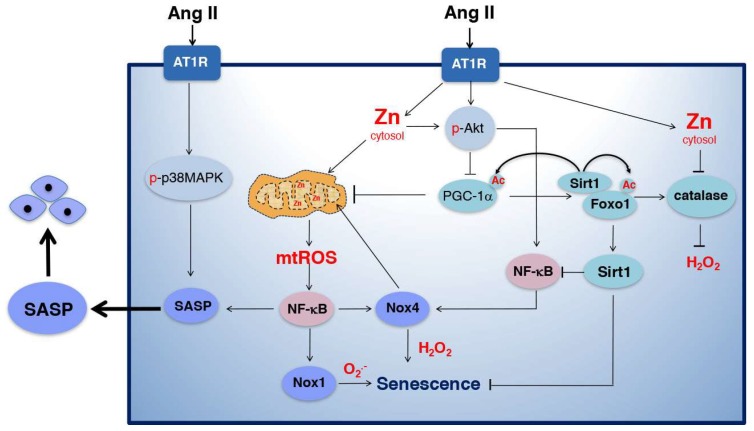
“In addition, Angiotensin II (Ang II)-induced Nox1 activation stimulates mitochondrial ROS, resulting in mitochondrial dysfunction and vascular senescence [108,109].”
BackgroundRoles of Oxidative Stress and Inflammation in Vascular Endothelial Dysfunction-Related Disease
Higashi, Y. (2022) · Antioxidants · doi:10.3390/antiox11101958 · Cited by 326
“Furthermore, other NADPH oxidase subunits, including p40phox, p47phox, p67phox and p22phox, have been found to be present in human resistance artery VSMCs [47].”
BackgroundProtective Role of Polyphenols against Vascular Inflammation, Aging and Cardiovascular Disease
Serino, A., & Salazar, G. (2018) · Nutrients · doi:10.3390/nu11010053 · Cited by 263
“We have also recently reviewed more specifically the contribution of Nox1 and Nox4 to vascular senescence [27].”
BackgroundSelf-citationSQSTM1/p62 and PPARGC1A/PGC-1alpha at the interface of autophagy and vascular senescence
Salazar, G., Cullen, A. E., Huang, J., Zhao, Y., Serino, A., Hilenski, L. L., Patrushev, N. A., Forouzandeh, F., & Hwang, H. S. (2019) · Autophagy · doi:10.1080/15548627.2019.1659612 · Cited by 186
“PPARGC1A is central to this regulatory network [64] by regulating mitochondrial function, the expression of antioxidant enzymes, and as shown here, autophagy.”
BackgroundSelf-citation
Metadata
- Authors
- Salazar, G.
- Affiliations
- Florida State University (US)
- Corresponding author
- Salazar, Gloria
- ORCID
- Salazar, Gloria
- Venue
- International Journal of Molecular Sciences
- Publisher
- MDPI AG
- Published
- 2018-04-29
- Volume
- 19
- Issue
- 5
- Pages
- 1327
- ISSN
- 1422-0067 (ISSN-L)
- PMC
- PMC5983750
- OpenAlex
- W2800217088
- Cited by
- 133
- References
- 149
- Citations by year
- 2026: 5 · 2025: 14 · 2024: 21 · 2023: 14 · 2022: 27 · 2021: 18 · 2020: 17 · 2019: 14 · 2018: 3
- FWCI
- 1.71
- Type
- journal article
- Language
- en
- Open access
- gold
- doi.org
- Licence
- Locations
- International Journal of Molecular Sciences (publishedVersion, cc-by)
- Europe PMC (PubMed Central) (publishedVersion, cc-by)
- PubMed Central (publishedVersion, cc-by)
- PubMed (publishedVersion)
- DOAJ (DOAJ: Directory of Open Access Journals) (submittedVersion, cc-by-sa)
- Funders
- American Heart Association (14GRNT20180028)
- Topics
- Health Sciences › Medicine › Physiology (medical) › Nitric Oxide and Endothelin Effects
- Life Sciences › Biochemistry, Genetics and Molecular Biology › Cell Biology › Telomeres, Telomerase, and Senescence
- Life Sciences › Biochemistry, Genetics and Molecular Biology › Molecular Biology › Mitochondrial Function and Pathology
- Keywords
- vascular aging, NADPH oxidase, NOX1, NOX4, mitochondria, oxidative stress, reactive oxygen species, atherosclerosis, PGC-1α, NF-κB, zinc transporters, ZnT3, zinc, angiotensin II, telomere stability, aging, cardiovascular disease, inflammation
- MeSH terms
- Animals, Blood Vessels, Humans, Mitochondria, Cellular Senescence, Oxidative Stress, NADPH Oxidases, Atherosclerosis
About these checks
Registry, retraction, Cites and statistics results are computed, not judged, with one exception: a printed reference that no index lists is read once by a model before it counts as a citation error. Claims are extracted by a model and kept only when their quote appears verbatim in the text; each cited source is then checked, with a model’s help, for whether it says what the claim relies on. Those verdicts can be wrong — read the claim’s quote and the cited source before relying on one.
Statistics and arithmetic are recomputed, not judged.
Confidence bands are shown only for fields calibrated on our annotated test set. None is calibrated yet, so no band is shown.
What counts as a claim ›How we measure confidence ›How we check this ›
Are you an author, or do you see a problem with this page? Request a review
