

The DOI matches its Crossref record; 151 of the 154 references it cites were found in a registry or an index.
Risk Factors and Emerging Therapies in Amyotrophic Lateral Sclerosis
Open accessAbstract
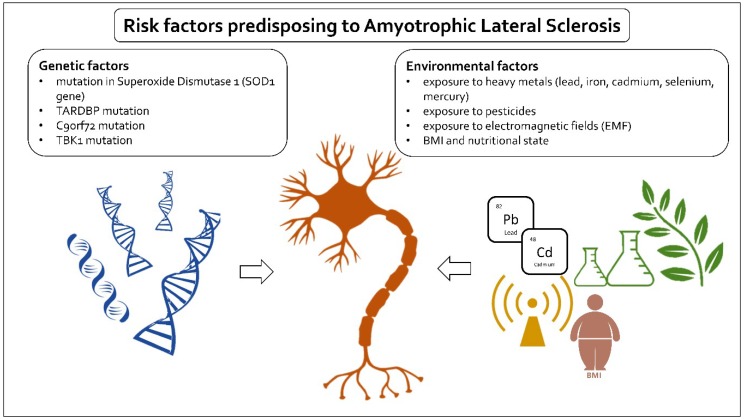
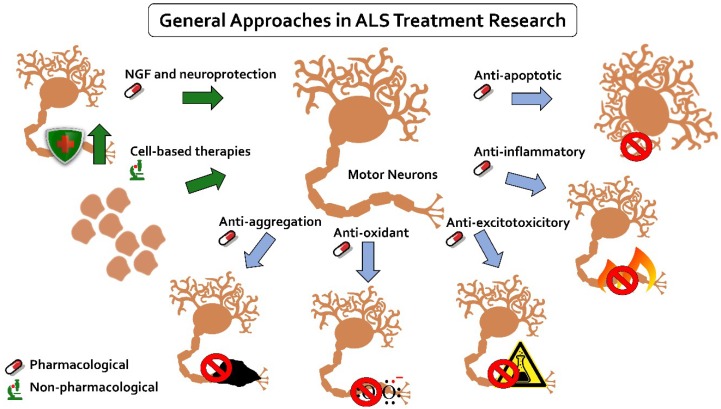
Amyotrophic lateral sclerosis (ALS) is a fatal progressive neurodegenerative disease characterized by a permanent degeneration of both upper and lower motor neurons. Many different genes and pathophysiological processes contribute to this disease, however its exact cause remains unclear. Therefore, it is necessary to understand this heterogeneity to find effective treatments. In this review, we focus on selected environmental and genetic risk factors predisposing to ALS and highlight emerging treatments in ALS therapy. Of numerous defective genes associated with ALS, we focus on four principal genes that have been identified as definite causes of ALS: the SOD1 gene, C9orf72, TDP-43, as well as the recently identified TBK1. We also provide up-to-date information on selected environmental factors that have historically been considered as key players in ALS development and pathogenesis. In parallel to our survey of known risk factors, we also discuss emerging ALS stem cell therapies and experimental medicines currently undergoing phase II and III clinical trials.
Overview
The claims and statistics of this paper haven’t been checked yet.
Run the check — free, no account needed. It reads the open-access text and checks the sources it cites.
Integrity signals
Registry
Cites
Statistics
Figures
Verification
Claims the paper makes
The claims and statistics of this paper haven’t been checked yet.
Run the check — free, no account needed. It reads the open-access text and checks the sources it cites.
Claims other papers make about this one
Each is checked against this paper’s own text: does it say what the citing paper says it does?
In the citing paper
“two recognized therapeutic agents have been classified as disease-modifying drugs, with riluzole being the most widely used (6). Despite its ability to slow the progression of ALS, its effectiveness is limited.”
From Modulation of the gut–brain axis via the gut microbiota: a new era in treatment of amyotrophic lateral sclerosis (2023) · cites this paper as [6]
Self-check
Percentages, sums and reported differences re-computed from the paper’s own numbers.
The self-check needs the paper’s full text.
Citations
Cites
McCord, J. M., & Fridovich, I. (1969) · Journal of Biological Chemistry · doi:10.1016/s0021-9258(18)63504-5 · Cited by 12,952
Polazzi, E., Mengoni, I., Caprini, M., Peña‐Altamira, E., Kurtys, E., & Monti, B. (2012) · Neurosignals · doi:10.1159/000337115 · Cited by 9,023
Rosen, D. R., Siddique, T., Patterson, D., Figlewicz, D. A., Sapp, P., Hentati, A., Donaldson, D., Goto, J., O'Regan, J. P., Deng, H.-X., et al. (1993) · Nature · doi:10.1038/362059a0 · Cited by 7,062
DeJesus-Hernandez, M., Mackenzie, I. R., Boeve, B. F., Boxer, A. L., Baker, M., Rutherford, N. J., Nicholson, A. M., Finch, N. A., Flynn, H., Adamson, J., et al. (2011) · Neuron · doi:10.1016/j.neuron.2011.09.011 · Cited by 4,936 · cited 1×
“In FTD, it has been detected in 25% of all patients with familial ALS, underlining the importance of the hypothesis that classical ALS and FTD represent the extremes of a single mutation spectrum [41].”
BackgroundA Hexanucleotide Repeat Expansion in C9ORF72 Is the Cause of Chromosome 9p21-Linked ALS-FTD
Renton, A. E., Majounie, E., Waite, A., Simón-Sánchez, J., Rollinson, S., Gibbs, J. R., Schymick, J. C., Laaksovirta, H., van Swieten, J. C., Myllykangas, L., et al. (2011) · Neuron · doi:10.1016/j.neuron.2011.09.010 · Cited by 4,409
Arai, T., Hasegawa, M., Akiyama, H., Ikeda, K., Nonaka, T., Mori, H., Mann, D., Tsuchiya, K., Yoshida, M., Hashizume, Y., et al. (2006) · Biochemical and Biophysical Research Communications · doi:10.1016/j.bbrc.2006.10.093 · Cited by 2,732
Mutations in the FUS/TLS Gene on Chromosome 16 Cause Familial Amyotrophic Lateral Sclerosis
Kwiatkowski, T. J., Bosco, D. A., LeClerc, A. L., Tamrazian, E., Vanderburg, C. R., Russ, C., Davis, A., Gilchrist, J. M., Kasarskis, E. J., Munsat, T. L., et al. (2009) · Science · doi:10.1126/science.1166066 · Cited by 2,624
Zelko, I. N., Mariani, T. J., & Folz, R. J. (2002) · Free Radical Biology and Medicine · doi:10.1016/s0891-5849(02)00905-x · Cited by 2,212
Toxic Metals and Oxidative Stress Part I: Mechanisms Involved in Me-tal induced Oxidative Damage
Nuran Ercal, B. S. P., Hande Gurer-Orhan, B. S. P., & Nukhet Aykin-Burns, B. S. P. (2001) · Current Topics in Medicinal Chemistry · doi:10.2174/1568026013394831 · Cited by 1,944
Rowland, L. P., & Shneider, N. A. (2001) · New England Journal of Medicine · doi:10.1056/nejm200105313442207 · Cited by 1,913
Mutations of optineurin in amyotrophic lateral sclerosis
Maruyama, H., Morino, H., Ito, H., Izumi, Y., Kato, H., Watanabe, Y., Kinoshita, Y., Kamada, M., Nodera, H., Suzuki, H., et al. (2010) · Nature · doi:10.1038/nature08971 · Cited by 1,265
Majounie, E., Renton, A. E., Mok, K., Dopper, E. G., Waite, A., Rollinson, S., Chiò, A., Restagno, G., Nicolaou, N., Simon-Sanchez, J., et al. (2012) · The Lancet Neurology · doi:10.1016/s1474-4422(12)70043-1 · Cited by 1,210
Mutations in UBQLN2 cause dominant X-linked juvenile and adult-onset ALS and ALS/dementia
Deng, H.-X., Chen, W., Hong, S.-T., Boycott, K. M., Gorrie, G. H., Siddique, N., Yang, Y., Fecto, F., Shi, Y., Zhai, H., et al. (2011) · Nature · doi:10.1038/nature10353 · Cited by 1,174
Wijesekera, L. C., & Leigh, P. N. (2009) · Orphanet Journal of Rare Diseases · doi:10.1186/1750-1172-4-3 · Cited by 1,130
Molecular biology of amyotrophic lateral sclerosis: insights from genetics
Pasinelli, P., & Brown, R. H. (2006) · Nature Reviews Neuroscience · doi:10.1038/nrn1971 · Cited by 1,107
Rosen, D. (1993) · Nature · doi:10.1038/364362c0 · Cited by 922
Thurston, T. L. M., Ryzhakov, G., Bloor, S., von Muhlinen, N., & Randow, F. (2009) · Nature Immunology · doi:10.1038/ni.1800 · Cited by 901
Oxidative Stress in Neurodegenerative Diseases
Niedzielska, E., Smaga, I., Gawlik, M., Moniczewski, A., Stankowicz, P., Pera, J., & Filip, M. (2016) · Molecular Neurobiology · doi:10.1007/s12035-015-9337-5 · Cited by 800
Haploinsufficiency of TBK1 causes familial ALS and fronto-temporal dementia
Freischmidt, A., Wieland, T., Richter, B., Ruf, W., Schaeffer, V., Müller, K., Marroquin, N., Nordin, F., Hübers, A., Weydt, P., et al. (2015) · Nature Neuroscience · doi:10.1038/nn.4000 · Cited by 786
A comprehensive review of amyotrophic lateral sclerosis
Zarei, S., Carr, K., Reiley, L. E., Diaz, K., Guerra, O., Altamirano, P., Pagani, W., Lodin, D., Orozco, G., & Chinea, A. R. (2015) · Surgical Neurology International · doi:10.4103/2152-7806.169561 · Cited by 775
Incidence of amyotrophic lateral sclerosis in Europe
Logroscino, G., Traynor, B. J., Hardiman, O., Chio, A., Mitchell, D., Swingler, R. J., Millul, A., Benn, E., Beghi, E., & EURALS, F. (2010) · Journal of Neurology, Neurosurgery & Psychiatry · doi:10.1136/jnnp.2009.183525 · Cited by 772
Molecular pathways of motor neuron injury in amyotrophic lateral sclerosis
Ferraiuolo, L., Kirby, J., Grierson, A. J., Sendtner, M., & Shaw, P. J. (2011) · Nature Reviews Neurology · doi:10.1038/nrneurol.2011.152 · Cited by 615
Mitchell, J. D., & Borasio, G. D. (2007) · The Lancet · doi:10.1016/s0140-6736(07)60944-1 · Cited by 606
Misfolded CuZnSOD and amyotrophic lateral sclerosis
Valentine, J. S., & Hart, P. J. (2003) · Proceedings of the National Academy of Sciences · doi:10.1073/pnas.0730423100 · Cited by 546
Genetic epidemiology of amyotrophic lateral sclerosis: a systematic review and meta-analysis
Zou, Z.-Y., Zhou, Z.-R., Che, C.-H., Liu, C.-Y., He, R.-L., & Huang, H.-P. (2017) · Journal of Neurology, Neurosurgery & Psychiatry · doi:10.1136/jnnp-2016-315018 · Cited by 540
Duque, S., Joussemet, B., Riviere, C., Marais, T., Dubreil, L., Douar, A.-M., Fyfe, J., Moullier, P., Colle, M.-A., & Barkats, M. (2009) · Molecular Therapy · doi:10.1038/mt.2009.71 · Cited by 511
Antisense oligonucleotide therapy for neurodegenerative disease
Smith, R. A. (2006) · Journal of Clinical Investigation · doi:10.1172/jci25424 · Cited by 506
Multiple roles of TDP-43 in gene expression, splicing regulation, and human disease
Buratti, E. (2007) · Frontiers in bioscience · doi:10.2741/2727 · Cited by 493
Riluzole and edaravone: A tale of two amyotrophic lateral sclerosis drugs
Jaiswal, M. K. (2018) · Medicinal Research Reviews · doi:10.1002/med.21528 · Cited by 474
Novel Mutations in TARDBP (TDP-43) in Patients with Familial Amyotrophic Lateral Sclerosis
Rutherford, N. J., Zhang, Y., Baker, M. C., Gass, J. M., Finch, N. A., Xu, Y., Stewart, H. G., Kelley, B. J., Kuntz, K., Crook, R., et al. (2008) · PLoS Genetics · doi:10.1371/journal.pgen.1000193 · Cited by 465
ALS clinical trials review: 20 years of failure. Are we any closer to registering a new treatment?
Petrov, D., Mansfield, C., Moussy, A., & Hermine, O. (2017) · Frontiers in Aging Neuroscience · doi:10.3389/fnagi.2017.00068 · Cited by 451
Lepore, A. C., Rauck, B., Dejea, C., Pardo, A. C., Rao, M. S., Rothstein, J. D., & Maragakis, N. J. (2008) · Nature Neuroscience · doi:10.1038/nn.2210 · Cited by 441
T lymphocytes potentiate endogenous neuroprotective inflammation in a mouse model of ALS
Chiu, I. M., Chen, A., Zheng, Y., Kosaras, B., Tsiftsoglou, S. A., Vartanian, T. K., Brown, R. H., & Carroll, M. C. (2008) · Proceedings of the National Academy of Sciences · doi:10.1073/pnas.0804610105 · Cited by 380
SOD1 mutations disrupt redox-sensitive Rac regulation of NADPH oxidase in a familial ALS model
Harraz, M. M., Marden, J. J., Zhou, W., Zhang, Y., Williams, A. J., Sharov, V. S., Nelson, K., Luo, M., Paulson, H. L., Schöneich, C., et al. (2008) · Journal of Clinical Investigation · doi:10.1172/jci34060 · Cited by 375
Amyotrophic lateral sclerosis associated with mutations in the CuZn superoxide dismutase gene
Andersen, P. M. (2006) · Current Neurology and Neuroscience Reports · doi:10.1007/s11910-996-0008-9 · Cited by 368
Rate of familial amyotrophic lateral sclerosis: a systematic review and meta-analysis
Byrne, S., Walsh, C., Lynch, C., Bede, P., Elamin, M., Kenna, K. P., McLaughlin, R. L., & Hardiman, O. M. (2010) · Journal of Neurology Neurosurgery & Psychiatry · doi:10.1136/jnnp.2010.224501 · Cited by 364
Afroz, T., Hock, E., Erñst, P., Foglieni, C., Jambeau, M., Gilhespy, L. A. B., Laferrière, F., Maniecka, Z., Plückthun, A., Mittl, P. R. E., et al. (2017) · Nature Communications · doi:10.1038/s41467-017-00062-0 · Cited by 358
Microglia in ALS: The Good, The Bad, and The Resting
Henkel, J. S., Beers, D. R., Zhao, W., & Appel, S. H. (2009) · Journal of Neuroimmune Pharmacology · doi:10.1007/s11481-009-9171-5 · Cited by 353
Clinico-pathological features in amyotrophic lateral sclerosis with expansions in C9ORF72
Cooper‐Knock, J., Hewitt, C., Highley, J. R., Brockington, A., Milano, A., Man, S., Martindale, J. E., Hartley, J. A., Walsh, T., Gelsthorpe, C., et al. (2012) · Brain · doi:10.1093/brain/awr365 · Cited by 342
Is SOD1 loss of function involved in amyotrophic lateral sclerosis?
Saccon, R. A., Bunton-Stasyshyn, R. K. A., Fisher, E., & Fratta, P. (2013) · Brain · doi:10.1093/brain/awt097 · Cited by 339
Amyotrophic Lateral Sclerosis: An Update for 2018
Oskarsson, B., Gendron, T. F., & Staff, N. P. (2018) · Mayo Clinic Proceedings · doi:10.1016/j.mayocp.2018.04.007 · Cited by 338
Clinical perspective on oxidative stress in sporadic amyotrophic lateral sclerosis
D’Amico, E., Factor-Litvak, P. R., Santella, R. M., & Mitsumoto, H. (2013) · Free Radical Biology and Medicine · doi:10.1016/j.freeradbiomed.2013.06.029 · Cited by 328
Pottier, C., Bieniek, K. F., Finch, N., van de Vorst, M., Baker, M., Perkersen, R., Brown, P., Ravenscroft, T., van Blitterswijk, M., Nicholson, A. M., et al. (2015) · Acta Neuropathologica · doi:10.1007/s00401-015-1436-x · Cited by 312
Cossetti, C., Iraci, N., Mercer, T. R., Leonardi, T., Alpi, E., Drago, D., Alfaro‐Cervelló, C., Saini, H. K., Davis, M. P. A., Schaeffer, J., et al. (2014) · Molecular Cell · doi:10.1016/j.molcel.2014.08.020 · Cited by 305
Kasarskis, E. J., Berryman, S., Vanderleest, J. G., Schneider, A., & McClain, C. J. (1996) · American Journal of Clinical Nutrition · doi:10.1093/ajcn/63.1.130 · Cited by 293
Paganoni, S., Deng, J., Jaffa, M., Cudkowicz, M., & Wills, A.-M. A. (2011) · Muscle & Nerve · doi:10.1002/mus.22114 · Cited by 293
Chromosome 9p21 in amyotrophic lateral sclerosis in Finland: a genome-wide association study
Laaksovirta, H., Peuralinna, T., Schymick, J. C., Scholz, S. W., Lai, S.-L., Myllykangas, L., Sulkava, R. O., Jansson, L., Hernandez, D. G., Gibbs, J. R., et al. (2010) · The Lancet Neurology · doi:10.1016/s1474-4422(10)70184-8 · Cited by 260
Fang, T., Al Khleifat, A., Meurgey, J.-H., Jones, A., Leigh, P. N., Bensimon, G., & Al-Chalabi, A. (2018) · The Lancet Neurology · doi:10.1016/s1474-4422(18)30054-1 · Cited by 259
Potential occupational risks for neurodegenerative diseases
Park, R. M., Schulte, P. A., Bowman, J. D., Walker, J. T., Bondy, S. C., Yost, M. G., Touchstone, J. A., & Dosemeci, M. (2005) · American Journal of Industrial Medicine · doi:10.1002/ajim.20178 · Cited by 256
Simkó, M., & Mattsson, M. (2004) · Journal of Cellular Biochemistry · doi:10.1002/jcb.20198 · Cited by 256
Crystal Structure and Mechanism of Activation of TANK-Binding Kinase 1
Larabi, A., Devos, J. M., Ng, S., Nanao, M., Round, A. R., Maniatis, T., & Panne, D. (2013) · Cell Reports · doi:10.1016/j.celrep.2013.01.034 · Cited by 253
Occupational Exposures and Amyotrophic Lateral Sclerosis. A Population-based Case-Control Study
McGuire, V. M., Longstreth, W. T., Jr., Nelson, L. M., Koepsell, T. D., Checkoway, H., Morgan, M. S., & van Belle, G. (1997) · American Journal of Epidemiology · doi:10.1093/oxfordjournals.aje.a009070 · Cited by 235
Wang, M.-D., Little, J., Gomes, J., Cashman, N. R., & Krewski, D. (2017) · NeuroToxicology · doi:10.1016/j.neuro.2016.06.015 · Cited by 233
Cudkowicz, M., van den Berg, L. H., Shefner, J. M., Mitsumoto, H., Mora, J. S., Ludolph, A. C., Hardiman, O. M., Bozik, M. E., Ingersoll, E. W., Archibald, D., et al. (2013) · The Lancet Neurology · doi:10.1016/s1474-4422(13)70221-7 · Cited by 232
Amyotrophic lateral sclerosis: mechanisms and therapeutics in the epigenomic era
Paez-Colasante, X., Figueroa‐Romero, C., Sakowski, S. A., Goutman, S. A., & Feldman, E. L. (2015) · Nature Reviews Neurology · doi:10.1038/nrneurol.2015.57 · Cited by 227
Tauroursodeoxycholic acid in the treatment of patients with amyotrophic lateral sclerosis
Elia, A. E., Lalli, S., Monsurrò, M. R., Sagnelli, A., Taiello, A. C., Reggiori, B., Bella, V. L., Tedeschi, G., & Albanese, A. (2015) · European Journal of Neurology · doi:10.1111/ene.12664 · Cited by 225
TBK1 Directly Engages Akt/PKB Survival Signaling to Support Oncogenic Transformation
Ou, Y.-H., Torres, M. J., Ram, R. R., Formstecher, É., Roland, C. L., Cheng, T., Brekken, R. A., Wurz, R. P., Tasker, A. S., Polverino, T., et al. (2011) · Molecular Cell · doi:10.1016/j.molcel.2011.01.019 · Cited by 224
Structure and Ubiquitination-Dependent Activation of TANK-Binding Kinase 1
Tu, D., Zhu, Z., Zhou, A. Y., Yun, C., Lee, K., Toms, A. V., Li, Y., Dunn, G. P., Chan, E. M., Thai, T. C., et al. (2013) · Cell Reports · doi:10.1016/j.celrep.2013.01.033 · Cited by 222
Evolution of CuZn superoxide dismutase and the Greek Key β‐barrel structural motif
Getzoff, E. D., Tainer, J. A., Stempien, M. M., Bell, G. I., & Hallewell, R. A. (1989) · Proteins Structure Function and Bioinformatics · doi:10.1002/prot.340050408 · Cited by 209
Armon, C. (2003) · Neuroepidemiology · doi:10.1159/000070562 · Cited by 209
Rivière, M., Meininger, V., Zeisser, P., & Munsat, T. L. (1998) · Archives of Neurology · doi:10.1001/archneur.55.4.526 · Cited by 198
Pathogenesis of amyotrophic lateral sclerosis
Morgan, S. L., & Orrell, R. W. (2016) · British Medical Bulletin · doi:10.1093/bmb/ldw026 · Cited by 189
A CASE-CONTROL STUDY OF AMYOTROPHIC LATERAL SCLEROSIS1
DEAPEN, D. M., & HENDERSON, B. E. (1986) · American Journal of Epidemiology · doi:10.1093/oxfordjournals.aje.a114308 · Cited by 187
Premorbid body mass index and risk of amyotrophic lateral sclerosis
O’Reilly, É. J., Wang, H., Weisskopf, M. G., Fitzgerald, K. C., Falcone, G. J., McCullough, M. L., Thun, M. J., Park, Y., Kolonel, L. N., & Ascherio, A. (2012) · Amyotrophic Lateral Sclerosis and Frontotemporal Degeneration · doi:10.3109/21678421.2012.735240 · Cited by 179
Gleason, C. E., Ordureau, A., Gourlay, R., Arthur, J. S. C., & Cohen, P. (2011) · Journal of Biological Chemistry · doi:10.1074/jbc.m111.267567 · Cited by 177
Dissociation of Human Copper-Zinc Superoxide Dismutase Dimers Using Chaotrope and Reductant
Doucette, P. A., Whitson, L. J., Cao, X., Schirf, V. R., Demeler, B., Valentine, J. S., Hansen, J. C., & Hart, P. J. (2004) · Journal of Biological Chemistry · doi:10.1074/jbc.m409744200 · Cited by 170
SOD1 in Amyotrophic Lateral Sclerosis: “Ambivalent” Behavior Connected to the Disease
Pansarasa, O., Bordoni, M., Diamanti, L., Sproviero, D., Gagliardi, S., & Cereda, C. (2018) · International Journal of Molecular Sciences · doi:10.3390/ijms19051345 · Cited by 170
Exposure to chemicals and metals and risk of amyotrophic lateral sclerosis: A systematic review
Sutedja, N. A., Veldink, J. H., Fischer, K., Kromhout, H., Heederik, D. J. J., Huisman, M. H. B., Wokke, J. H. J., & van den Berg, L. H. (2009) · Amyotrophic Lateral Sclerosis · doi:10.3109/17482960802455416 · Cited by 161
TBK1 Mediates Crosstalk Between the Innate Immune Response and Autophagy
Weidberg, H., & Elazar, Z. (2011) · Science Signaling · doi:10.1126/scisignal.2002355 · Cited by 157
Neurodegenerative Diseases in Welders and Other Workers Exposed to High Levels of Magnetic Fields
Håkansson, N., Gustavsson, P., Johansen, C., & Floderus, B. (2003) · Epidemiology · doi:10.1097/01.ede.0000078446.76859.c9 · Cited by 155
Potential Environmental Factors in Amyotrophic Lateral Sclerosis
Oskarsson, B., Horton, D. K., & Mitsumoto, H. (2015) · Neurologic Clinics · doi:10.1016/j.ncl.2015.07.009 · Cited by 153
An outcome study of riluzole in amyotrophic lateral sclerosis
Traynor, B. J., Alexander, M. D., Corr, B., Frost, E., & Hardiman, O. M. (2003) · Journal of Neurology · doi:10.1007/s00415-003-1026-z · Cited by 152
Antisense oligonucleotide therapeutics for inherited neurodegenerative diseases
Southwell, A. L., Skotte, N. H., Bennett, C. F., & Hayden, M. R. (2012) · Trends in Molecular Medicine · doi:10.1016/j.molmed.2012.09.001 · Cited by 140
Mitochondrial dysfunction in amyotrophic lateral sclerosis – a valid pharmacological target?
Muyderman, H., & Chen, T. H. (2013) · British Journal of Pharmacology · doi:10.1111/bph.12476 · Cited by 138
Thomsen, G. M., Gowing, G., Latter, J., Chen, M., Vit, J., Staggenborg, K., Avalos, P., Alkaslasi, M. R., Ferraiuolo, L., Likhite, S. B., et al. (2014) · Journal of Neuroscience · doi:10.1523/jneurosci.2037-14.2014 · Cited by 137
Riluzole, disease stage and survival in ALS
Dharmadasa, T., & Kiernan, M. C. (2018) · The Lancet Neurology · doi:10.1016/s1474-4422(18)30091-7 · Cited by 135
Advances in motor neurone disease
Bäumer, D., Talbot, K., & Turner, M. R. (2014) · Journal of the Royal Society of Medicine · doi:10.1177/0141076813511451 · Cited by 134
Frontotemporal Lobar Degeneration: Epidemiology, Pathology, Diagnosis and Management
Seltman, R. E., & Matthews, B. R. (2012) · CNS Drugs · doi:10.2165/11640070-000000000-00000 · Cited by 132
Mostafalou, S., & Abdollahi, M. R. (2018) · Toxicology · doi:10.1016/j.tox.2018.07.014 · Cited by 130
The potential of GPNMB as novel neuroprotective factor in amyotrophic lateral sclerosis
Tanaka, H., Shimazawa, M., Kimura, M., Takata, M., Tsuruma, K., Yamada, M., Takahashi, H., Hozumi, I., Niwa, J., Iguchi, Y., et al. (2012) · Scientific Reports · doi:10.1038/srep00573 · Cited by 129
Amyotrophic lateral sclerosis and environmental factors
Bozzoni, V. (2016) · Functional Neurology · doi:10.11138/fneur/2016.31.1.007 · Cited by 127
Association Between Blood Lead and the Risk of Amyotrophic Lateral Sclerosis
Fang, F., Kwee, L. C., Allen, K. D., Umbach, D. M., Ye, W., Watson, M., Keller, J., Oddone, E. Z., Sandler, D. P., Schmidt, S., et al. (2010) · American Journal of Epidemiology · doi:10.1093/aje/kwq063 · Cited by 121
Li, F., Xu, D., Wang, Y., Zhou, Z., Liu, J., Hu, S., Gong, Y., Yuan, J., & Pan, L. (2018) · Autophagy · doi:10.1080/15548627.2017.1391970 · Cited by 120
Lepore, A. C., O'Donnell, J., Kim, A. S., Williams, T. L., Tuteja, A., Rao, M. S., Kelley, L. L., Campanelli, J. T., & Maragakis, N. J. (2011) · PLoS ONE · doi:10.1371/journal.pone.0025968 · Cited by 118
Adipose Tissue Distribution Predicts Survival in Amyotrophic Lateral Sclerosis
Lindauer, E., Dupuis, L., Müller, H., Heiko Neumann, B., Ludolph, A. C., & Kassubek, J. (2013) · PLoS ONE · doi:10.1371/journal.pone.0067783 · Cited by 114
Körner, S., Hendricks, M., Kollewe, K., Zapf, A., Dengler, R., Silani, V., & Petri, S. (2013) · BMC Neurology · doi:10.1186/1471-2377-13-84 · Cited by 112
Disease-modifying and symptomatic treatment of amyotrophic lateral sclerosis
Dorst, J., Ludolph, A. C., & Huebers, A. (2017) · Therapeutic Advances in Neurological Disorders · doi:10.1177/1756285617734734 · Cited by 111
Tiwari, A., Xu, Z., & Hayward, L. J. (2005) · Journal of Biological Chemistry · doi:10.1074/jbc.m504039200 · Cited by 108
Oxidative Stress: a common denominator in the pathogenesis of amyotrophic lateral sclerosis
Simpson, E. P., Yen, A. A., & Appel, S. H. (2003) · Current Opinion in Rheumatology · doi:10.1097/00002281-200311000-00008 · Cited by 107
Edaravone for the treatment of amyotrophic lateral sclerosis
Yoshino, H. (2019) · Expert Review of Neurotherapeutics · doi:10.1080/14737175.2019.1581610 · Cited by 104
Cascella, R., Capitini, C., Fani, G., Dobson, C. M., Cecchi, C., & Chiti, F. (2016) · Journal of Biological Chemistry · doi:10.1074/jbc.m116.737726 · Cited by 101
Exposure to Electromagnetic Fields and Risk of Central Nervous System Disease in Utility Workers
Johansen, C. (2000) · Epidemiology · doi:10.1097/00001648-200009000-00009 · Cited by 100
Non‐neuronal Cells in ALS: Role of Glial, Immune cells and Blood‐CNS Barriers
Puentes, F., Malaspina, A., van Noort, J. M., & Amor, S. (2016) · Brain Pathology · doi:10.1111/bpa.12352 · Cited by 100
Randomized phase 2 trial of NP001, a novel immune regulator
Miller, R. G., Block, G. A., Katz, J., Barohn, R. J., Gopalakrishnan, V., Cudkowicz, M., Zhang, J. R., McGrath, M. S., Ludington, E. A., Appel, S. H., et al. (2015) · Neurology Neuroimmunology & Neuroinflammation · doi:10.1212/nxi.0000000000000100 · Cited by 97
Freischmidt, A., Müller, K., Ludolph, A. C., Weishaupt, J. H., & Andersen, P. M. (2016) · JAMA Neurology · doi:10.1001/jamaneurol.2016.3712 · Cited by 95
Paraoxonase gene polymorphisms and sporadic ALS
Słowik, A., Tomik, B., Wołkow, P. P., Partyka, D., Turaj, W., Malecki, M. T., Pera, J., Dziedzic, T., Szczudlik, A., & Figlewicz, D. A. (2006) · Neurology · doi:10.1212/01.wnl.0000219565.32247.11 · Cited by 93
Targeting RNA-Mediated Toxicity in C9orf72 ALS and/or FTD by RNAi-Based Gene Therapy
Martier, R., Liefhebber, J. M. P., García‐Osta, A., Miniarikova, J., Cuadrado‐Tejedor, M., Espelosin, M., Ursúa, S., Petry, H., van Deventer, S. J. H., Evers, M. M., et al. (2019) · Molecular Therapy — Nucleic Acids · doi:10.1016/j.omtn.2019.02.001 · Cited by 91
Korkmaz, O. T., Aytan, N., Carreras, I., Choi, J., Kowall, N. W., Jenkins, B. G., & Dedeoglu, A. (2014) · Neuroscience Letters · doi:10.1016/j.neulet.2014.02.058 · Cited by 90
Edaravone and its clinical development for amyotrophic lateral sclerosis
Takei, K., Watanabe, K., Yuki, S., Akimoto, M., Sakata, T., & Palumbo, J. (2017) · Amyotrophic Lateral Sclerosis and Frontotemporal Degeneration · doi:10.1080/21678421.2017.1353101 · Cited by 90
Edaravone: a new hope for deadly amyotrophic lateral sclerosis
Bhandari, R., Kuhad, A., & Kuhad, A. (2018) · Drugs of today · doi:10.1358/dot.2018.54.6.2828189 · Cited by 89
Current Challenges for the Advancement of Neural Stem Cell Biology and Transplantation Research
Reekmans, K., Praet, J., Daans, J., Reumers, V., Pauwels, P., der Linden, A. V., Berneman, Z. N., & Ponsaerts, P. (2011) · Stem Cell Reviews and Reports · doi:10.1007/s12015-011-9266-2 · Cited by 87
Amyotrophic lateral sclerosis: toxins and environment
Mitchell, J. (2000) · Amyotrophic Lateral Sclerosis and Other Motor Neuron Disorders · doi:10.1080/14660820050515061 · Cited by 87
Riluzole exerts transient modulating effects on cortical and axonal hyperexcitability in ALS
Geevasinga, N., Menon, P., Ng, K., van den Bos, M. A. J., Byth, K., Kiernan, M. C., & Vucic, S. (2016) · Amyotrophic Lateral Sclerosis and Frontotemporal Degeneration · doi:10.1080/21678421.2016.1188961 · Cited by 83
Paraoxonase gene mutations in amyotrophic lateral sclerosis
Ticozzi, N., LeClerc, A. L., Keagle, P. J., Glass, J. D., Wills, A.-M. A., van Blitterswijk, M., Bosco, D. A., Rodríguez‐Leyva, I., Gellera, C., Ratti, A., et al. (2010) · Annals of Neurology · doi:10.1002/ana.21993 · Cited by 80
Trojsi, F., Monsurrò, M. R., & Tedeschi, G. (2013) · International Journal of Molecular Sciences · doi:10.3390/ijms140815286 · Cited by 78
Kamel, F., Umbach, D. M., Lehman, T. A., Park, L. P., Munsat, T. L., Shefner, J. M., Sandler, D. P., Hu, H., & Taylor, J. A. (2003) · Environmental Health Perspectives · doi:10.1289/ehp.6109 · Cited by 77
Patel, B. P., Safdar, A., Raha, S., Tarnopolsky, M. A., & Hamadeh, M. J. (2010) · PLoS ONE · doi:10.1371/journal.pone.0009386 · Cited by 76
Oropharyngeal dysphagia in amyotrophic lateral sclerosis alters quality of life
Paris, G., Martinaud, O., Petit, A., Cuvelier, A., Hannequin, D., Roppenneck, P., & Vérin, É. (2012) · Journal of Oral Rehabilitation · doi:10.1111/joor.12019 · Cited by 76
Mitochondrial alterations in dorsal root ganglion cells in sporadic amyotrophic lateral sclerosis
Sasaki, S., Horie, Y., & Iwata, M. (2007) · Acta Neuropathologica · doi:10.1007/s00401-007-0299-1 · Cited by 75
Zhou, H., Chen, G., Chen, C., Yu, Y., & Xu, Z. (2012) · PLoS ONE · doi:10.1371/journal.pone.0048354 · Cited by 75
Wang, M., Gomes, J., Cashman, N. R., Little, J., & Krewski, D. R. (2014) · Journal of Occupational and Environmental Medicine · doi:10.1097/jom.0000000000000323 · Cited by 74
Genetic susceptibility to environmental toxicants in ALS
Morahan, J. M., Yu, B., Trent, R. J., & Pamphlett, R. (2007) · American Journal of Medical Genetics Part B Neuropsychiatric Genetics · doi:10.1002/ajmg.b.30543 · Cited by 73
Stem Cell Technology for the Study and Treatment of Motor Neuron Diseases
Lunn, J. S., Sakowski, S. A., Federici, T., Glass, J. D., Boulis, N. M., & Feldman, E. L. (2011) · Regenerative Medicine · doi:10.2217/rme.11.6 · Cited by 72
Hübers, A., Marroquin, N., Schmoll, B., Vielhaber, S., Just, M., Mayer, B., Högel, J., Dorst, J., Mertens, T., Just, W., et al. (2013) · Neurobiology of Aging · doi:10.1016/j.neurobiolaging.2013.11.034 · Cited by 69
Shvil, N., Banerjee, V., Zoltsman, G., Shani, T., Kahn, J., Abu‐Hamad, S., Papo, N., Engel, S., Bernhagen, J., & Israelson, A. (2018) · Cell Death and Disease · doi:10.1038/s41419-017-0130-4 · Cited by 69
Aggregated SOD1 causes selective death of cultured human motor neurons
Benkler, C., O’Neil, A., Slepian, S., Qian, F., Weinreb, P. H., & Rubin, L. L. (2018) · Scientific Reports · doi:10.1038/s41598-018-34759-z · Cited by 68
Neural stem cells: therapeutic potential for neurodegenerative diseases
Gincberg, G., Arien‐Zakay, H., Lazarovici, P., & Lelkes, P. I. (2012) · British Medical Bulletin · doi:10.1093/bmb/lds024 · Cited by 66
EAAT2 and the Molecular Signature of Amyotrophic Lateral Sclerosis
Rosenblum, L. T., & Trotti, D. (2017) · Advances in neurobiology · doi:10.1007/978-3-319-55769-4_6 · Cited by 66
Oxidative stress: the lowest common denominator of multiple diseases
Matschke, V., Theiß, C., & Matschke, J. (2018) · Neural Regeneration Research · doi:10.4103/1673-5374.244780 · Cited by 65
Fatigue and activity dependent changes in axonal excitability in amyotrophic lateral sclerosis
Vucic, S., Krishnan, A. V., & Kiernan, M. C. (2007) · Journal of Neurology Neurosurgery & Psychiatry · doi:10.1136/jnnp.2006.112078 · Cited by 63
Current and emerging treatments for amyotrophic lateral sclerosis
Zoccolella (2009) · Neuropsychiatric Disease and Treatment · doi:10.2147/ndt.s7788 · Cited by 62
Body mass index (BMI) as predictor of ALSFRS-R score decline in ALS patients
Reich‐Slotky, R., Andrews, J. A., Cheng, B., Buchsbaum, R., Levy, D., Kaufmann, P., & Thompson, J. L. P. (2013) · Amyotrophic Lateral Sclerosis and Frontotemporal Degeneration · doi:10.3109/21678421.2013.770028 · Cited by 62
Li, C., & Sung, F. (2003) · American Journal of Industrial Medicine · doi:10.1002/ajim.10148 · Cited by 59
Amlie‐Wolf, A., Ryvkin, P., Tong, R., Dragomir, I. C., Suh, E. R., Xu, Y., Deerlin, V. M. V., Gregory, B. D., Kwong, L. K., Trojanowski, J. Q., et al. (2015) · PLoS ONE · doi:10.1371/journal.pone.0141836 · Cited by 57
Prospective Study of Occupation and Amyotrophic Lateral Sclerosis Mortality
Weisskopf, M. G., McCullough, M. L., Morozova, N., Calle, E. E., Thun, M. J., & Ascherio, A. (2005) · American Journal of Epidemiology · doi:10.1093/aje/kwi343 · Cited by 55
Bozik, M. E., Mitsumoto, H., Brooks, B. R., Rudnicki, S. A., Moore, D. H., Zhang, B., Ludolph, A., Cudkowicz, M., van den Berg, L. H., Mather, J. L., et al. (2014) · Amyotrophic Lateral Sclerosis and Frontotemporal Degeneration · doi:10.3109/21678421.2014.943672 · Cited by 53
Edens, B. M., Miller, N., & Ma, Y. C. (2016) · Frontiers in Cellular Neuroscience · doi:10.3389/fncel.2016.00044 · Cited by 52
FUS-regulated RNA metabolism and DNA damage repair
Zhou, Y., Liu, S., Öztürk, A., & Hicks, G. G. (2014) · Rare Diseases · doi:10.4161/rdis.29515 · Cited by 50
Martínez-Sámano, J., Torres-Durán, P. V., Juárez-Oropeza, M. A., & Verdugo‐Díaz, L. (2012) · Archives of Medical Research · doi:10.1016/j.arcmed.2012.04.003 · Cited by 49
Thomsen, G. M., Alkaslasi, M. R., Vit, J., Lawless, G., Godoy, M. I., Gowing, G., Shelest, O., & Svendsen, C. N. (2017) · Gene Therapy · doi:10.1038/gt.2017.9 · Cited by 46
“ALS reversals”: demographics, disease characteristics, treatments, and co-morbidities
Harrison, D. S., Mehta, P., van Es, M. A., Stommel, E. W., Drory, V. E., Nefussy, B., van den Berg, L. H., Crayle, J. I., Bedlack, R., & the Pooled Resource Open-Access ALS Clinical Trials Consortium (2018) · Amyotrophic Lateral Sclerosis and Frontotemporal Degeneration · doi:10.1080/21678421.2018.1457059 · Cited by 46
Lauria, G., Bella, E. D., Antonini, G., Borghero, G., Capasso, M., Caponnetto, C., Chiò, A., Corbo, M., Eleopra, R., Fazio, R., et al. (2015) · Journal of Neurology Neurosurgery & Psychiatry · doi:10.1136/jnnp-2014-308996 · Cited by 41
Riluzole therapy for motor neurone disease: An early Australian experience (1996–2002)
Zoing, M. C., Burke, D. J., Pamphlett, R., & Kiernan, M. C. (2006) · Journal of Clinical Neuroscience · doi:10.1016/j.jocn.2004.04.011 · Cited by 40
Mazzini, L., Vescovi, A. L., Cantello, R. M., Gelati, M., & Vercelli, A. (2015) · Expert Opinion on Biological Therapy · doi:10.1517/14712598.2016.1116516 · Cited by 39
GPNMB ameliorates mutant TDP‐43‐induced motor neuron cell death
Nagahara, Y., Shimazawa, M., Ohuchi, K., Itô, J., Takahashi, H., Tsuruma, K., Kakita, A., & Hara, H. (2016) · Journal of Neuroscience Research · doi:10.1002/jnr.23999 · Cited by 39
Cui, R., Tuo, M., Li, P., & Zhou, C. (2018) · Neurological Sciences · doi:10.1007/s10072-018-3246-0 · Cited by 38
Genetics of Amyotrophic Lateral Sclerosis
Siddique, N., & Siddique, T. (2008) · Physical Medicine and Rehabilitation Clinics of North America · doi:10.1016/j.pmr.2008.05.001 · Cited by 35
Maximizing the Survival of Amyotrophic Lateral Sclerosis Patients: Current Perspectives
Khairoalsindi, O. A., & Abuzinadah, A. R. (2018) · Neurology Research International · doi:10.1155/2018/6534150 · Cited by 35
Hanspal, M. A., Dobson, C. M., Yerbury, J. J., & Kumita, J. R. (2017) · Biochimica et Biophysica Acta (BBA) - Molecular Basis of Disease · doi:10.1016/j.bbadis.2017.07.007 · Cited by 30
Oxidative Stress as “Mother” of Many Human Diseases at Strong Clinical Impact
Cacciapuoti, F. (2016) · Journal of Cardiovascular Medicine and Cardiology · doi:10.17352/2455-2976.000020 · Cited by 28
A Meta-Analysis on the Relationship of the PON Genes and Alzheimer Disease
Nie, Y., Luo, D., Yang, M., Wang, Y., Li, X., Gao, L., Liu, Y., & Liu, H. (2017) · Journal of Geriatric Psychiatry and Neurology · doi:10.1177/0891988717731825 · Cited by 27
The molecular pathogenesis of superoxide dismutase 1-linked ALS is promoted by low oxygen tension
Keskin, I., Forsgren, E., Lehmann, M., Andersen, P. M., Brännström, T., Lange, D. J., Synofzik, M., Nordström, U., Zetterström, P., Marklund, S. L., et al. (2019) · Acta Neuropathologica · doi:10.1007/s00401-019-01986-1 · Cited by 27
Progress towards therapy in motor neuron disease
Kiernan, M. C. (2018) · Nature Reviews Neurology · doi:10.1038/nrneurol.2017.186 · Cited by 25
Capturing VCP: Another Molecular Piece in the ALS Jigsaw Puzzle
Shaw, C. E. (2010) · Neuron · doi:10.1016/j.neuron.2010.11.040 · Cited by 24
Dexpramipexole Is Ineffective in Two Models of ALS Related Neurodegeneration
Vieira, F. G., LaDow, E., Moreno, A. J., Kidd, J. D., Levine, B. A., Thompson, K., Gill, A., Finkbeiner, S. M., & Perrin, S. (2014) · PLoS ONE · doi:10.1371/journal.pone.0091608 · Cited by 24
Human glial progenitor engraftment and gene expression is independent of the ALS environment
Haidet-Phillips, A. M., Doreswamy, A., Gross, S. K., Tang, X., Campanelli, J. T., & Maragakis, N. J. (2014) · Experimental Neurology · doi:10.1016/j.expneurol.2014.12.011 · Cited by 24
Early post-marketing experience with edaravone in an unselected group of patients with ALS
Abraham, A., Nefussy, B., Fainmesser, Y., Ebrahimi, Y., Karni, A., & Drory, V. E. (2019) · Amyotrophic Lateral Sclerosis and Frontotemporal Degeneration · doi:10.1080/21678421.2019.1572191 · Cited by 24
Amyotrophic Lateral Sclerosis - Cell Based Therapy and Novel Therapeutic Development
Kim, C., Lee, H. C., & Sung, J. (2014) · Experimental Neurobiology · doi:10.5607/en.2014.23.3.207 · Cited by 20
Regulation of FMO and PON Detoxication Systems in ALS Human Tissues
Gagliardi, S., Abel, K. J., Bianchi, M., Milani, P., Bernuzzi, S., Corato, M. D., Ceroni, M., Cashman, J. R., & Cereda, C. (2012) · Neurotoxicity Research · doi:10.1007/s12640-012-9356-1 · Cited by 19
The C9orf72 hexanucleotide repeat expansion in FTD and ALS
Bigio, E. H. (2012) · Nature Reviews Neurology · doi:10.1038/nrneurol.2012.58 · Cited by 15
Advances in the Research of Astrocyte Function in Neural Regeneration
Srikanth, M., Yao, L., & Asmatulu, R. (2018) · Springer eBooks · doi:10.1007/978-3-030-02104-7_1 · Cited by 2
Research works printed but not linked: 1
- Parry, 2016, Ursodeoxycholic Acid May Slow the Progression of Amyotrophic Lateral Sclerosis, Ann. Neurodegener. Dis., 1, 1013
Cited by
Sorted by citations
Excitatory Amino Acid Transporters in Physiology and Disorders of the Central Nervous System
Malik, A. R., & Willnow, T. E. (2019) · International Journal of Molecular Sciences · doi:10.3390/ijms20225671 · Cited by 170
Tripathi, M. K., Kartawy, M., & Amal, H. (2020) · Redox Biology · doi:10.1016/j.redox.2020.101567 · Cited by 163
Peng, B., Yang, Q., B Joshi, R., Liu, Y., Akbar, M., Song, B.-J., Zhou, S., & Wang, X. (2020) · International Journal of Molecular Sciences · doi:10.3390/ijms21072316 · Cited by 156
Role of Edaravone as a Treatment Option for Patients with Amyotrophic Lateral Sclerosis
Cho, H., & Shukla, S. (2020) · Pharmaceuticals · doi:10.3390/ph14010029 · Cited by 124
Abati, E., Bresolin, N., Comi, G. P., & Corti, S. P. (2020) · Expert Opinion on Therapeutic Targets · doi:10.1080/14728222.2020.1738390 · Cited by 107
Metadata
- Authors
- Nowicka, N., Juranek, J., Juranek, J. K., & Wojtkiewicz, J.
- Affiliations
- University of Warmia and Mazury in Olsztyn (PL)
- Institute of Psychology (PL)
- Corresponding author
- Nowicka, Natalia
- Wojtkiewicz, Joanna
- Venue
- International Journal of Molecular Sciences
- Publisher
- MDPI AG
- Published
- 2019-05-28
- Volume
- 20
- Issue
- 11
- Pages
- 2616
- ISSN
- 1422-0067 (ISSN-L)
- PMC
- PMC6600314
- OpenAlex
- W2947955929
- Cited by
- 106
- References
- 154
- Citations by year
- 2026: 11 · 2025: 10 · 2024: 11 · 2023: 22 · 2022: 17 · 2021: 12 · 2020: 20 · 2019: 3
- FWCI
- 1.74
- Type
- journal article
- Language
- en
- Open access
- gold
- dx.doi.org
- Licence
- Locations
- International Journal of Molecular Sciences (publishedVersion, cc-by)
- PubMed Central (publishedVersion, cc-by)
- PubMed (publishedVersion)
- DOAJ (DOAJ: Directory of Open Access Journals) (submittedVersion)
- Funders
- Narodowym Centrum Nauki (OPUS/2017/25/B/NZ4/00435)
- Topics
- Health Sciences › Medicine › Clinical Neurology › Amyotrophic Lateral Sclerosis Research
- Life Sciences › Neuroscience › Cellular and Molecular Neuroscience › Alzheimer's disease research and treatments
- Life Sciences › Neuroscience › Cellular and Molecular Neuroscience › Hereditary Neurological Disorders
- Keywords
- amyotrophic lateral sclerosis, risk factors, genetic risk factors, environmental risk factors, SOD1, C9orf72, TDP-43, TBK1, motor neuron degeneration, stem cell therapy, experimental treatment, clinical trials
- MeSH terms
- Superoxide Dismutase-1, C9orf72 Protein, Amyotrophic Lateral Sclerosis, Animals, DNA-Binding Proteins, Humans, Genetic Therapy, Genetic Predisposition to Disease, Molecular Targeted Therapy
About these checks
Registry, retraction, Cites and statistics results are computed, not judged, with one exception: a printed reference that no index lists is read once by a model before it counts as a citation error. Claims are extracted by a model and kept only when their quote appears verbatim in the text; each cited source is then checked, with a model’s help, for whether it says what the claim relies on. Those verdicts can be wrong — read the claim’s quote and the cited source before relying on one.
Statistics and arithmetic are recomputed, not judged.
Confidence bands are shown only for fields calibrated on our annotated test set. None is calibrated yet, so no band is shown.
What counts as a claim ›How we measure confidence ›How we check this ›
Are you an author, or do you see a problem with this page? Request a review
