

Practical Use of Immortalized Cells in Medicine: Current Advances and Future Perspectives
Open accessThe DOI matches its Crossref record; 124 of the 129 references it cites were found in a registry or an index, and 4 are not checked yet.
Abstract
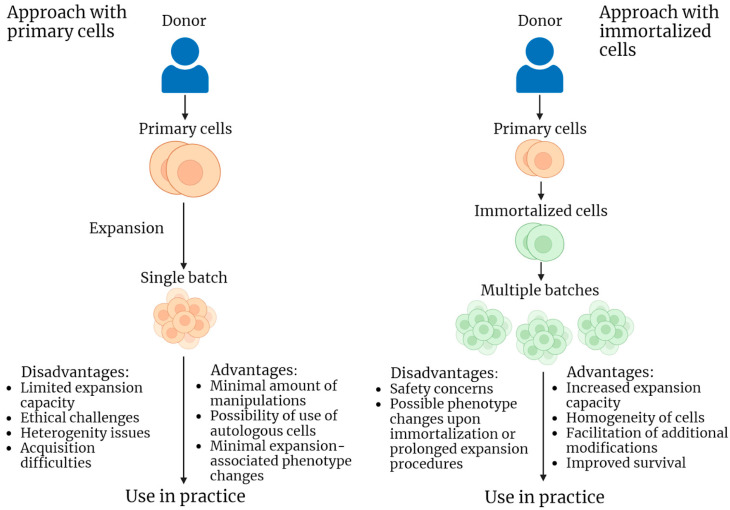
In modern science, immortalized cells are not only a convenient tool in fundamental research, but they are also increasingly used in practical medicine. This happens due to their advantages compared to the primary cells, such as the possibility to produce larger amounts of cells and to use them for longer periods of time, the convenience of genetic modification, the absence of donor-to-donor variability when comparing the results of different experiments, etc. On the other hand, immortalization comes with drawbacks: possibilities of malignant transformation and/or major phenotype change due to genetic modification itself or upon long-term cultivation appear. At first glance, such issues are huge hurdles in the way of immortalized cells translation into medicine. However, there are certain ways to overcome such barriers that we describe in this review. We determined four major areas of usage of immortalized cells for practical medicinal purposes, and each has its own means to negate the drawbacks associated with immortalization. Moreover, here we describe specific fields of application of immortalized cells in which these problems are of much lesser concern, for example, in some cases where the possibility of malignant growth is not there at all. In general, we can conclude that immortalized cells have their niches in certain areas of practical medicine where they can successfully compete with other therapeutic approaches, and more preclinical and clinical trials with them should be expected.
Overview
The claims and statistics of this paper haven’t been checked yet.
Free: it reads the open-access text and checks the first 5 claims that cite a source we can check. Create a free account to check every claim.
Integrity signals
Registry
Cites
Statistics
Figures
Verification
Claims the paper makes
The claims and statistics of this paper haven’t been checked yet.
Free: it reads the open-access text and checks the first 5 claims that cite a source we can check. Create a free account to check every claim.
Claims other papers make about this one
Each is checked against this paper’s own text: does it say what the citing paper says it does?
The source backs part of the claim, not all of it — or backs it for a different population, condition or comparison.
In the citing paper
“Despite these limitations, immortalized cell lines can still offer practical experimental advantages over primary cells in selected studies of specific drug classes and target pathways, particularly when reproducible, scalable, and high-throughputcompatible models are required (Eglen et al. 2008;Voloshin et al. 2023).”
From Primary cell cultures versus immortalized cell lines: critical comparative insights into biological fidelity and translational applications (2026) · cites this paper as Voloshin et al. 2023
Experimental — accuracy not yet measured
Self-check
Percentages, sums and reported differences re-computed from the paper’s own numbers.
The self-check needs the paper’s full text.
Citations
Cites
1 retracted
Knight, R. J., Emma Board-Davies, Brown, H. L., Clayton, A., Davis, T., Karatas, B., Burston, J. J., Tabi, Z., Falcón‐Pérez, J. M., Paisey, S. J., et al. (2022) · Stem Cells Translational Medicine · doi:10.1093/stcltm/szac037 · Cited by 25 · cited 1×
“The extracellular vesicles from these immortalized cells have also demonstrated a positive effect on scar-free wound healing in a mouse model [96].”
BackgroundRetractedExtension of Life-Span by Introduction of Telomerase into Normal Human Cells
Bodnar, A. G., Ouellette, M., Frolkis, M., Holt, S. E., Chiu, C.-P., Morin, G. B., Harley, C. B., Shay, J. W., Lichtsteiner, S., & Wright, W. E. (1998) · Science · doi:10.1126/science.279.5349.349 · Cited by 4,975
Tight control of gene expression in mammalian cells by tetracycline-responsive promoters.
Gossen, M., & Bujard, H. (1992) · Proceedings of the National Academy of Sciences · doi:10.1073/pnas.89.12.5547 · Cited by 4,943
Dang, C. V. (2012) · Cell · doi:10.1016/j.cell.2012.03.003 · Cited by 3,390 · cited 2×
“In almost all cell models, immortalization is achieved by increasing the activity of proteins with proven oncogenic properties: hTERT [26], Myc family proteins [27], viral proteins E6 and E7 of the human papillomavirus [28], and SV40 virus antigens [29].”
BackgroundTranscriptional Activation by Tetracyclines in Mammalian Cells
Gossen, M., Freundlieb, S., Bender, G., Müller, G., Hillen, W., & Bujard, H. (1995) · Science · doi:10.1126/science.7792603 · Cited by 2,488
Site-specific DNA recombination in mammalian cells by the Cre recombinase of bacteriophage P1.
Sauer, B., & Henderson, N. (1988) · Proceedings of the National Academy of Sciences · doi:10.1073/pnas.85.14.5166 · Cited by 1,213
Transcriptional regulation and transformation by Myc proteins
Adhikary, S., & Eilers, M. (2005) · Nature Reviews Molecular Cell Biology · doi:10.1038/nrm1703 · Cited by 1,131
Simonsen, J. L., Rosada, C., Serakinci, N., Justesen, J., Stenderup, K., Rattan, S. I. S., Jensen, T. G., & Kassem, M. (2002) · Nature Biotechnology · doi:10.1038/nbt0602-592 · Cited by 805
Littlewood, T. D., Hancock, D. C., Danielian, P. S., Parker, M. G., & Evan, G. I. (1995) · Nucleic Acids Research · doi:10.1093/nar/23.10.1686 · Cited by 781
Hayflick, his limit, and cellular ageing
Shay, J. W., & Wright, W. E. (2000) · Nature Reviews Molecular Cell Biology · doi:10.1038/35036093 · Cited by 764 · cited 1×
“When the telomeres are fully shortened, any further proliferation is impossible [8,9].”
BackgroundChallenges and advances in clinical applications of mesenchymal stromal cells
Zhou, T., Yuan, Z., Weng, J., Pei, D., Du, X., He, C., & Lai, P. (2021) · Journal of Hematology & Oncology · doi:10.1186/s13045-021-01037-x · Cited by 712 · cited 2×
“The heterogeneity of cells limits the comparison of the results of experiments and clinical trials not only in different institutions but even within the same laboratory [6].”
BackgroundShattering barriers toward clinically meaningful MSC therapies
Levy, O., Kuai, R., Siren, E. M. J., Bhere, D., Milton, Y., Nissar, N., De Biasio, M., Heinelt, M., Reeve, B., Abdi, R., et al. (2020) · Science Advances · doi:10.1126/sciadv.aba6884 · Cited by 694
The HPV E6/E7 Oncogenes: Key Factors for Viral Carcinogenesis and Therapeutic Targets
Hoppe-Seyler, K., Bossler, F., Braun, J. A., Herrmann, A. L., & Hoppe-Seyler, F. (2018) · Trends in Microbiology · doi:10.1016/j.tim.2017.07.007 · Cited by 457 · cited 2×
“In almost all cell models, immortalization is achieved by increasing the activity of proteins with proven oncogenic properties: hTERT [26], Myc family proteins [27], viral proteins E6 and E7 of the human papillomavirus [28], and SV40 virus antigens [29].”
BackgroundFunction of simian virus 40 gene A in transforming infection
Tegtmeyer, P. (1975) · Journal of Virology · doi:10.1128/jvi.15.3.613-618.1975 · Cited by 431
Kurita, R., Suda, N., Sudo, K., Miharada, K., Hiroyama, T., Miyoshi, H., Tani, K., & Nakamura, Y. (2013) · PLoS ONE · doi:10.1371/journal.pone.0059890 · Cited by 418 · cited 1×
“Although the efficiency of differentiation of these cells into non-nuclear erythrocytes was low and only one line (HUDEP-2) expressed 2-alpha-2-beta hemoglobin (while others expressed fetal forms of hemoglobin), this is the first study in which immortalized erythroid progenitors able to differentiate into cells compar…”
Kalladka, D., Sinden, J., Pollock, K., Haig, C., McLean, J., Smith, W., McConnachie, A., Santosh, C., Bath, P. M., Dunn, L., et al. (2016) · The Lancet · doi:10.1016/s0140-6736(16)30513-x · Cited by 416 · cited 4×
“Research has advanced the most in the field of the regenerative properties of immortalized cells; the results of several clinical studies with immortalized cells, including phase II, have been published [37,38,41,60,132].”
BackgroundInfluentialMesenchymal Stem Cells Current Clinical Applications: A Systematic Review
Rodríguez-Fuentes, D. E., Fernández-Garza, L. E., Samia-Meza, J. A., Barrera-Barrera, S. A., Caplan, A. I., & Barrera-Saldaña, H. A. (2021) · Archives of Medical Research · doi:10.1016/j.arcmed.2020.08.006 · Cited by 376 · cited 1×
“To date, more than 1000 clinical trials with primary MSCs have been conducted, and several drugs based on them are available on the market [6,63].”
BackgroundAl-Nbaheen, M., vishnubalaji, R., Ali, D., Bouslimi, A., Al-Jassir, F., Megges, M., Prigione, A., Adjaye, J., Kassem, M., & Aldahmash, A. (2013) · Stem Cell Reviews and Reports · doi:10.1007/s12015-012-9365-8 · Cited by 361
Prevention of acute liver failure in rats with reversibly immortalized human hepatocytes
Kobayashi, N., Fujiwara, T., Westerman, K. A., Inoue, Y., Sakaguchi, M., Noguchi, H., Miyazaki, M., Cai, J., Tanaka, N., Fox, I. J., et al. (2000) · Science · doi:10.1126/science.287.5456.1258 · Cited by 331
The biological properties of E6 and E7 oncoproteins from human papillomaviruses
Ghittoni, R., Accardi, R., Hasan, U., Gheit, T., Sylla, B., & Tommasino, M. (2010) · Virus Genes · doi:10.1007/s11262-009-0412-8 · Cited by 322
Clinical applications of mesenchymal stem cells
Kim, N., & Cho, S.-G. (2013) · The Korean Journal of Internal Medicine · doi:10.3904/kjim.2013.28.4.387 · Cited by 314
In Vitro Cell Transformation with Chemical Carcinogens
BERWALD, Y., & SACHS, L. (1963) · Nature · doi:10.1038/2001182a0 · Cited by 302 · cited 1×
“The first experiments on artificial immortalization of cells were conducted in the 1960s—using polyomaviruses [10] and chemical carcinogens [11], immortalized cell lines of rats and hamsters were obtained.”
BackgroundPollock, K., Stroemer, P., Patel, S., Stevanato, L., Hope, A., Miljan, E., Dong, Z., Hodges, H., Price, J., & Sinden, J. D. (2006) · Experimental Neurology · doi:10.1016/j.expneurol.2005.12.011 · Cited by 277 · cited 3×
“The authors also studied the oncogenicity of cells: in vitro and in animals, CTX0E03 cells demonstrated no oncogenic potential in contrast to irreversibly immortalized cells [36].”
BackgroundCellular and epigenetic drivers of stem cell ageing
Ermolaeva, M., Neri, F., Ori, A., & Rudolph, K. L. (2018) · Nature Reviews Molecular Cell Biology · doi:10.1038/s41580-018-0020-3 · Cited by 272 · cited 1×
“One of them is cellular aging, a process in which, after a certain number of divisions, the properties of cells change, which limits the cultivation of cells from a single donor in large quantities and their widespread and long-term use [3].”
BackgroundClonal heterogeneity in differentiation potential of immortalized human mesenchymal stem cells
Okamoto, T., Aoyama, T., Nakayama, T., Nakamata, T., Hosaka, T., Nishijo, K., Nakamura, T., Kiyono, T., & Toguchida, J. (2002) · Biochemical and Biophysical Research Communications · doi:10.1016/s0006-291x(02)00661-7 · Cited by 267 · cited 2×
“Several studies have demonstrated that the process of introducing a genetic construct with the gene of an immortalizing agent and subsequent cell selection (if any is performed) can significantly negatively change the properties of the cell population [30,32,33,131].”
BackgroundHonma, T., Honmou, O., Iihoshi, S., Harada, K., Houkin, K., Hamada, H., & Kocsis, J. D. (2006) · Experimental Neurology · doi:10.1016/j.expneurol.2005.05.004 · Cited by 230
Radiation sensitivity of human and murine peripheral blood lymphocytes, stem and progenitor cells
Heylmann, D., Rödel, F., Kindler, T., & Kaina, B. (2014) · Biochimica et Biophysica Acta (BBA) - Reviews on Cancer · doi:10.1016/j.bbcan.2014.04.009 · Cited by 227 · cited 1×
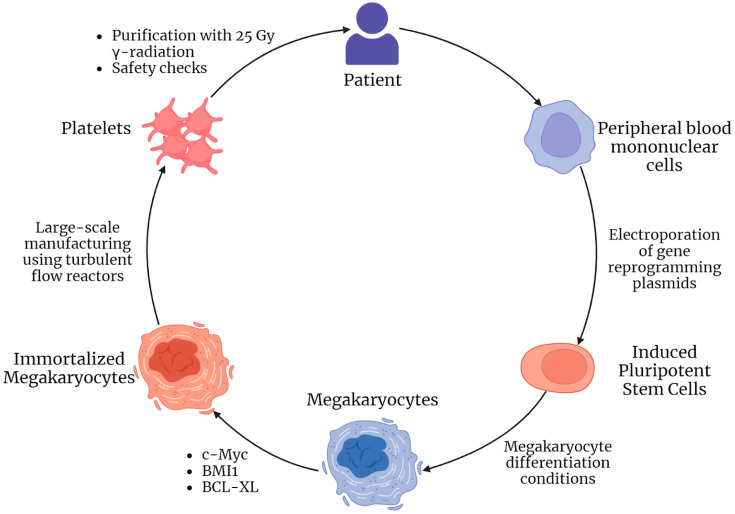
“First, they demonstrated the effectiveness of radiation exposure to reduce the oncogenic potential of the final cellular product; this method may also be relevant for other applications of immortalized cells, for example, an immortalized erythroid progenitor—it is known that mature erythrocytes are also resistant to r…”
BackgroundImmortality of cell lines: challenges and advantages of establishment
Irfan Maqsood, M., Matin, M. M., Bahrami, A. R., & Ghasroldasht, M. M. (2013) · Cell Biology International · doi:10.1002/cbin.10137 · Cited by 217 · cited 1×
“[25]: immortalization can lead to changes in the phenotype of individual cells and the properties of the entire population, for example, the cells can acquire a malignant tumor phenotype, which imposes serious restrictions on the use of such cells for the purpose of medical practice.”
BackgroundWilmer, M. J., Saleem, M. A., Masereeuw, R., Ni, L., van der Velden, T. J., Russel, F. G., Mathieson, P. W., Monnens, L. A., van den Heuvel, L. P., & Levtchenko, E. N. (2010) · Cell and Tissue Research · doi:10.1007/s00441-009-0882-y · Cited by 214 · cited 1×
“, a line of ciPTEC proximal tubular cells reversibly immortalized using temperature-induced SV40 and hTERT [103] was evaluated for possible use in a bioartificial kidney (while dialysis machines only compensate for the”
MethodTrakarnsanga, K., Griffiths, R. E., Wilson, M. C., Blair, A., Satchwell, T. J., Meinders, M., Cogan, N., Kupzig, S., Kurita, R., Nakamura, Y., et al. (2017) · Nature Communications · doi:10.1038/ncomms14750 · Cited by 204 · cited 2×
“The authors demonstrated that after differentiation, up to 30% of cells do not have a nucleus, and they also synthesize exclusively 2-alpha-2beta hemoglobin, which distinguishes them favorably from all previously described cell lines [56].”
BackgroundKim, S.-K., Kim, S. U., Park, I. H., Bang, J. H., Aboody, K. S., Wang, K.-C., Cho, B.-K., Kim, M., Menon, L. G., Black, P. M., et al. (2006) · Clinical Cancer Research · doi:10.1158/1078-0432.ccr-05-2508 · Cited by 203
Zieske, J. D., Mason, V. S., Wasson, M. E., Meunier, S. F., Nolte, C. J. M., Fukai, N., Olsen, B. R., & Parenteau, N. L. (1994) · Experimental Cell Research · doi:10.1006/excr.1994.1300 · Cited by 196
Papillomavirus E6 and E7 proteins and their cellular targets
Wise-Draper, T. (2008) · Frontiers in Bioscience · doi:10.2741/2739 · Cited by 185
Portnow, J., Synold, T. W., Badie, B., Tirughana, R., Lacey, S. F., D'Apuzzo, M., Metz, M. Z., Najbauer, J., Bedell, V., Vo, T., et al. (2017) · Clinical Cancer Research · doi:10.1158/1078-0432.ccr-16-1518 · Cited by 162 · cited 5×
“CD line, the cells converted the drug, which shows low efficacy in the chosen model; at the same time, the safety of intracranial administration of low doses of cells was demonstrated in the same trials [78]).”
BackgroundInfluentialMuir, K. W., Bulters, D., Willmot, M., Sprigg, N., Dixit, A., Ward, N., Tyrrell, P., Majid, A., Dunn, L., Bath, P., et al. (2020) · Journal of Neurology, Neurosurgery & Psychiatry · doi:10.1136/jnnp-2019-322515 · Cited by 161 · cited 3×
“In phase IIa, a positive effect on motor functions was confirmed, though not in all patients, but only in the group that maintained residual motor functions before the start of therapy [38].”
BackgroundLee, H. J., Lim, I. J., Lee, M. C., & Kim, S. U. (2010) · Journal of Neuroscience Research · doi:10.1002/jnr.22474 · Cited by 156 · cited 1×
“Recently, preclinical studies in mice have demonstrated the effectiveness of this line for the treatment of hemorrhagic stroke [51], Huntington’s disease [52], and in a model of spinal cord injury [53].”
BackgroundDrug delivery with living cells
Fliervoet, L. A. L., & Mastrobattista, E. (2016) · Advanced Drug Delivery Reviews · doi:10.1016/j.addr.2016.04.021 · Cited by 156 · cited 3×
“Various primary lines and modified MSCs and HSCs have been used for a long time as deliverers for the therapy of oncological diseases due to their homing abilities [71].”
BackgroundInfluentialReijnders, C. M. A., van Lier, A., Roffel, S., Kramer, D., Scheper, R. J., & Gibbs, S. (2015) · Tissue Engineering Part A · doi:10.1089/ten.tea.2015.0139 · Cited by 147
Wolbank, S., Stadler, G., Peterbauer, A., Gillich, A., Karbiener, M., Streubel, B., Wieser, M., Katinger, H. W. D., van Griensven, M., Redl, H. R., et al. (2009) · Tissue Engineering Part A · doi:10.1089/ten.tea.2008.0205 · Cited by 142 · cited 1×
“Immortalization is a multistage process in which cells go through various selection options after being transfected with the necessary genetic material [24].”
BackgroundZhang, B., Lai, R. C., Sim, W. K., Choo, A. B. H., Lane, E. B., & Lim, S. K. (2021) · International Journal of Molecular Sciences · doi:10.3390/ijms22020720 · Cited by 142 · cited 1×
“shows a positive effect of topically applied exosomes derived from E1-MYC-immortalized human MSCs in a mouse imiquimod-induced psoriasis model [99].”
BackgroundSV40: Cell transformation and tumorigenesis
Pipas, J. M. (2009) · Virology · doi:10.1016/j.virol.2008.11.024 · Cited by 140
Bioengineered kidney tubules efficiently excrete uremic toxins
Jansen, J., Fedecostante, M., Wilmer, M. J., Peters, J. G., Kreuser, U. M., van den Broek, P. H., Mensink, R. A., Boltje, T. J., Stamatialis, D., Wetzels, J. F., et al. (2016) · Scientific Reports · doi:10.1038/srep26715 · Cited by 139
Human neural stem cell transplantation improves cognition in a murine model of Alzheimer’s disease
McGinley, L. M., Kashlan, O. N., Bruno, E. S., Chen, K. S., Hayes, J. M., Kashlan, S. R., Raykin, J., Johe, K., Murphy, G. G., & Feldman, E. L. (2018) · Scientific Reports · doi:10.1038/s41598-018-33017-6 · Cited by 133
Telomeres and telomerase: biological and clinical importance
Dahse, R., Fiedler, W., & Ernst, G. (1997) · Clinical Chemistry · doi:10.1093/clinchem/43.5.708 · Cited by 121 · cited 1×
“When the telomeres are fully shortened, any further proliferation is impossible [8,9].”
BackgroundHuman neural stem cells: electrophysiological properties of voltage-gated ion channels
Cho, T., Bae, J. H., Choi, H. B., Kim, S. S., McLarnon, J. G., Suh-Kim, H., Kim, S. U., & Min, C. K. (2002) · Neuroreport · doi:10.1097/00001756-200208070-00020 · Cited by 115 · cited 2×
“F3 line (described in the previous section, [50]), modified for the expression of cytosine deaminase (HB1.”
BackgroundPotential Clinical Applications of Stem Cells in Regenerative Medicine
Suman, S., Domingues, A., Ratajczak, J., & Ratajczak, M. Z. (2019) · Advances in experimental medicine and biology · doi:10.1007/978-3-030-31206-0_1 · Cited by 115 · cited 1×
“Many cell cultures are actively studied and used for regenerative purposes in various diseases [35].”
BackgroundThe bioartificial kidney: current status and future promise
Humes, H. D., Buffington, D. A., Westover, A. J., Roy, S., & Fissell, W. H. (2013) · Pediatric Nephrology · doi:10.1007/s00467-013-2467-y · Cited by 107 · cited 1×
“filtration function of the kidney, the bioartificial kidney has the potential to compensate for the homeostatic, regulatory, metabolic, and endocrine functions of the kidneys [104]).”
BackgroundIn Vitro Transformation of Normal Cells by Polyoma Virus
Sachs, L., & Medina, D. (1961) · Nature · doi:10.1038/189457a0 · Cited by 106 · cited 1×
“The first experiments on artificial immortalization of cells were conducted in the 1960s—using polyomaviruses [10] and chemical carcinogens [11], immortalized cell lines of rats and hamsters were obtained.”
BackgroundSugimoto, N., Kanda, J., Nakamura, S., Kitano, T., Hishizawa, M., Kondo, T., Shimizu, S., Shigemasa, A., Hirai, H., Arai, Y., et al. (2022) · Blood · doi:10.1182/blood.2022017296 · Cited by 105 · cited 2×
“The authors investigated the safety and efficacy of administering various doses of iPSC-PLT (after irradiation): administration of all doses was safe (observation period: 1 year) but showed zero efficacy in the CCI parameter (Corrected Count Increment) after 1 and 24 h, which is used to evaluate the effectiveness of p…”
BackgroundMethodTsai, C.-C., Chen, C.-L., Liu, H.-C., Lee, Y.-T., Wang, H.-W., Hou, L.-T., & Hung, S.-C. (2010) · Journal of Biomedical Science · doi:10.1186/1423-0127-17-64 · Cited by 101
Hirose, S.-I., Takayama, N., Nakamura, S., Nagasawa, K., Ochi, K., Hirata, S., Yamazaki, S., Yamaguchi, T., Otsu, M., Sano, S., et al. (2013) · Stem Cell Reports · doi:10.1016/j.stemcr.2013.10.010 · Cited by 97 · cited 1×
“Also, no lines expressing 2-alpha-2-beta hemoglobin were produced [55].”
BackgroundStem cell secretome as a new booster for regenerative medicine
Xia, J., Minamino, S., Kuwabara, K., & Arai, S. (2019) · BioScience Trends · doi:10.5582/bst.2019.01226 · Cited by 91 · cited 1×
“The regeneration effect is achieved through high concentrations of angiogenic factors, growth factors, various cytokines and chemokines, as well as exosomes [87,88].”
BackgroundBioartificial Organ Manufacturing Technologies
Wang, X. (2019) · Cell Transplantation · doi:10.1177/0963689718809918 · Cited by 82 · cited 1×
“Although the field of obtaining and producing bioartificial organs is still developing [102], some authors have evaluated the possibility of using immortalized cells for this purpose.”
BackgroundBasalova, N., Sagaradze, G., Arbatskiy, M., Evtushenko, E., Kulebyakin, K., Grigorieva, O., Akopyan, Z., Kalinina, N., & Efimenko, A. (2020) · Cells · doi:10.3390/cells9051272 · Cited by 78
Self-citationSinden, J. D., Hicks, C., Stroemer, P., Vishnubhatla, I., & Corteling, R. (2017) · Stem Cells and Development · doi:10.1089/scd.2017.0009 · Cited by 78 · cited 1×
“Despite some issues with the methodology of clinical trials (small sample size, wide range of time elapsed since stroke, lack of female patients in phase I [44,45]), many preclinical [42,43,46] and clinical studies demonstrate that the CTX0E03 cell line is a promising therapeutic tool with a significant neuroregenerat…”
MethodMcGinley, L. M., Sims, E., Lunn, J. S., Kashlan, O. N., Chen, K. S., Bruno, E. S., Pacut, C. M., Hazel, T., Johe, K., Sakowski, S. A., et al. (2016) · Stem Cells Translational Medicine · doi:10.5966/sctm.2015-0103 · Cited by 76
Chromosomal instability-induced senescence potentiates cell non-autonomous tumourigenic effects
He, Q., Au, B., Kulkarni, M., Shen, Y., Lim, K. J., Maimaiti, J., Wong, C. K., Luijten, M. N. H., Chong, H. C., Lim, E. H., et al. (2018) · Oncogenesis · doi:10.1038/s41389-018-0072-4 · Cited by 68 · cited 2×
“chromosomal and epigenetic changes accumulate in cells [31], and such changes affect the properties of cells, including predetermining possible malignant transformation [34].”
BackgroundTsuruga, Y., Kiyono, T., Matsushita, M., Takahashi, T., Kasai, H., & Todo, S. (2008) · Cell Transplantation · doi:10.3727/096368908786991542 · Cited by 66
van Genderen, A. M., Jansen, K., Kristen, M., van Duijn, J., Li, Y., Schuurmans, C. C. L., Malda, J., Vermonden, T., Jansen, J., Masereeuw, R., et al. (2021) · Frontiers in Bioengineering and Biotechnology · doi:10.3389/fbioe.2020.617364 · Cited by 63
Kraśkiewicz, H., Paprocka, M., Bielawska‐Pohl, A., Krawczenko, A., Panek, K., Kaczyńska, J., Szyposzyńska, A., Psurski, M., Kuropka, P., & Klimczak, A. (2020) · Stem Cell Research & Therapy · doi:10.1186/s13287-020-1558-5 · Cited by 61
Labusek, N., Mouloud, Y., Köster, C., Diesterbeck, E., Tertel, T., Wiek, C., Hanenberg, H., Horn, P. A., Felderhoff‐Müser, U., Bendix, I., et al. (2023) · Inflammation and Regeneration · doi:10.1186/s41232-023-00274-6 · Cited by 60 · cited 1×
“, exosomes derived from immortalized MSCs are shown to have similar neuroprotective capacity as exosomes from primary MSCs in a mouse model of neonatal hypoxic-ischemic brain injury [98].”
BackgroundTakeuchi, M., Takeuchi, K., Kohara, A., Satoh, M., Shioda, S., Ozawa, Y., Ohtani, A., Morita, K., Hirano, T., Terai, M., et al. (2007) · In Vitro Cellular & Developmental Biology - Animal · doi:10.1007/s11626-007-9021-9 · Cited by 54
Berghella, L., Angelis, L. D., Coletta, M., Berarducci, B., Sonnino, C., Salvatori, G., Anthonissen, C., Cooper, R. N., Butler-Browne, G. S., Mouly, V., et al. (1999) · Human Gene Therapy · doi:10.1089/10430349950017617 · Cited by 53
Nguyen, T. H., Mai, G., Villiger, P., Oberholzer, J., Salmon, P., Morel, P., Bühler, L., & Trono, D. (2005) · Journal of Hepatology · doi:10.1016/j.jhep.2005.05.036 · Cited by 53
SV40 early region oncoproteins and human cell transformation.
Chen, W., & Hahn, W. C. (2003) · PubMed · doi:10.14670/hh-18.541 · Cited by 52 · cited 2×
“In almost all cell models, immortalization is achieved by increasing the activity of proteins with proven oncogenic properties: hTERT [26], Myc family proteins [27], viral proteins E6 and E7 of the human papillomavirus [28], and SV40 virus antigens [29].”
BackgroundImmortalization and malignant transformation of Eukaryotic cells
Stepanenko, A. A., & Kavsan, V. M. (2012) · Cytology and Genetics · doi:10.3103/s0095452712020041 · Cited by 51 · cited 1×
“Immortalized cell lines are cell lines in which the Hayflick limit has been overcome with the help of genetic modifications, and as a result, a theoretically infinite number of divisions is possible [7].”
BackgroundSugimoto, N., Nakamura, S., Shimizu, S., Shigemasa, A., Kanda, J., Matsuyama, N., Tanaka, M., Hayashi, T., Fuchizaki, A., Nogawa, M., et al. (2022) · Blood Advances · doi:10.1182/bloodadvances.2022008512 · Cited by 51 · cited 2×
“The introduction of platelets derived from the imMKCL cell line (iPSC-PLT) promoted hemostasis in vivo in the rabbit [59].”
BackgroundAge of PISCES: stem-cell clinical trials in stroke
Borlongan, C. V. (2016) · The Lancet · doi:10.1016/s0140-6736(16)31259-4 · Cited by 49 · cited 2×
“However, despite the safety demonstrated in the original study [36] and in clinical studies [37,38], there are still concerns about the possibility of a change in the phenotype and malignant transformation of cells in the long term [45].”
BackgroundMethodYi, B.-R., Hwang, K.-A., Aboody, K. S., Jeung, E., Kim, S. U., & Choi, K. (2013) · Stem Cell Research · doi:10.1016/j.scr.2013.09.010 · Cited by 49 · cited 1×
“This cell line and its various modifications aimed at increasing the expression of certain proteins demonstrated an antitumor effect on hepatocarcinoma cells in vitro [74], in animal models of breast cancer [75], melanoma [76], and choriocarcinoma [77].”
BackgroundExtracorporeal Bioartificial Liver for Treating Acute Liver Diseases
Kumar, A., Tripathi, A., & Jain, S. (2011) · The Journal of ExtraCorporeal Technology · doi:10.1051/ject/201143195 · Cited by 48
Mobilization and Harvesting of Peripheral Blood Stem Cells
Moog, R. (2006) · Current Stem Cell Research & Therapy · doi:10.2174/157488806776956869 · Cited by 48 · cited 1×
“The main source of cells for the needs of regenerative medicine is donor tissue; using standardized protocols, the required amounts of various kinds of cells are extracted from donor material and cultivated [1,2].”
BackgroundLi, J., Li, L.-J., Cao, H.-C., Sheng, G.-P., Yu, H.-Y., Xu, W., & Sheng, J.-F. (2005) · ASAIO Journal · doi:10.1097/01.mat.0000161045.16805.8b · Cited by 47
Lee, W., Zhang, T., Lau, C., Wang, C. C., Chan, K., & Li, G. (2013) · Cytotherapy · doi:10.1016/j.jcyt.2013.06.010 · Cited by 47 · cited 1×
“The authors note the absence of tumors that developed from the injected cells during the observation period; however, they do not completely exclude the possibility of malignant transformation of the obtained cells at late passages during cell cultivation in vitro [72].”
BackgroundBone Repair by Transplantation of hTERT-Immortalized Human Mesenchymal Stem Cells in Mice
Nakahara, H., Misawa, H., Hayashi, T., Kondo, E., Yuasa, T., Kubota, Y., Seita, M., Kawamoto, H., Hassan, W. A. R. A., Hassan, R. A. R. A., et al. (2009) · Transplantation · doi:10.1097/tp.0b013e3181ae5ba2 · Cited by 45 · cited 2×
“The authors also note the complete absence of tumors for 6 months at the sites of cell transplantation; however, they do not reject the possibility of a change in the phenotype to a malignant one during long-term cultivation [67].”
BackgroundTotsugawa, T., Chen, Y., Rivas‐Carrillo, J. D., Soto–Gutiérrez, A., Navarro–Álvarez, N., Noguchi, H., Okitsu, T., Westerman, K. A., Kohara, M., Reth, M. G., et al. (2007) · Journal of Hepatology · doi:10.1016/j.jhep.2007.02.019 · Cited by 43
Fabrication of Kidney Proximal Tubule Grafts Using Biofunctionalized Electrospun Polymer Scaffolds
Jansen, K., Castilho, M. D., Aarts, S., Kaminski, M. M., Lienkamp, S. S., Pichler, R., Malda, J., Vermonden, T., Jansen, J., & Masereeuw, R. (2018) · Macromolecular Bioscience · doi:10.1002/mabi.201800412 · Cited by 43
Kedong, S., Fan, X., Tianqing, L., Macedo, H., LiLi, J., Fang, M.-Y., Shi, F., Ma, X., & Zhanfeng, C. (2010) · Journal of Materials Science Materials in Medicine · doi:10.1007/s10856-010-4167-5 · Cited by 41 · cited 1×
“The main source of cells for the needs of regenerative medicine is donor tissue; using standardized protocols, the required amounts of various kinds of cells are extracted from donor material and cultivated [1,2].”
BackgroundLiu, J., Pan, J., Naik, S., Santangini, H. A., Trenkler, D. M., Thompson, N., Rifai, A., Chowdhury, J. R., & Jauregui, H. O. (1999) · Cell Transplantation · doi:10.1177/096368979900800301 · Cited by 40
Insights into cell‐free therapeutic approach: Role of stem cell “soup‐ernatant”
Raik, S., Kumar, A., & Bhattacharyya, S. (2017) · Biotechnology and Applied Biochemistry · doi:10.1002/bab.1561 · Cited by 39 · cited 2×
“The regeneration effect is achieved through high concentrations of angiogenic factors, growth factors, various cytokines and chemokines, as well as exosomes [87,88].”
BackgroundCorneal Epithelial–Stromal Fibroblast Constructs to Study Cell–Cell Communication in Vitro
McKay, T. B., Karamichos, D., Hutcheon, A. E. K., Guo, X. Q., & Zieske, J. D. (2019) · Bioengineering · doi:10.3390/bioengineering6040110 · Cited by 38
Li, W.-J., Zhu, X.-J., Yuan, T.-J., Wang, Z.-Y., Bian, Z.-Q., Jing, H.-S., Shi, X., Chen, C.-Y., Fu, G.-B., Huang, W.-J., et al. (2020) · Science Translational Medicine · doi:10.1126/scitranslmed.aba5146 · Cited by 37
Lai, R. C., Tan, T. T., Sim, W. K., Zhang, B., & Lim, S. K. (2023) · Cytotherapy · doi:10.1016/j.jcyt.2023.03.015 · Cited by 37 · cited 1×
“Recent work by the same group of authors describing the research roadmap of MSC exosomes mentions that exosomes from these cells are currently used in a phase I clinical trial regarding the topical application safety of MSC exosome ointment [100,101].”
BackgroundChiu, C.-H., Chang, T.-H., Chang, S.-S., Chang, G.-J., Chen, A. C.-Y., Cheng, C.-Y., Chen, S.-C., Fu, J.-F., Wen, C.-J., & Chan, Y.-S. (2020) · The American Journal of Sports Medicine · doi:10.1177/0363546520905853 · Cited by 36 · cited 1×
“demonstrated a positive role for MSCs from mouse bone marrow immortalized by retrovirus-mediated insertional mutagenesis (the exact method of immortalization was not specified by the authors) in the regeneration of muscle tissue in mice [70].”
BackgroundYoon, Y., Kim, H. S., Jeon, I., Noh, J.-E., Park, H. J., Lee, S., Park, I.-H., Stevanato, L., Hicks, C., Corteling, R., et al. (2020) · Stem Cells · doi:10.1002/stem.3191 · Cited by 34 · cited 2×
“Despite some issues with the methodology of clinical trials (small sample size, wide range of time elapsed since stroke, lack of female patients in phase I [44,45]), many preclinical [42,43,46] and clinical studies demonstrate that the CTX0E03 cell line is a promising therapeutic tool with a significant neuroregenerat…”
MethodChandran, N. S., Bhupendrabhai, M. N., Tan, T. T., Zhang, B., Lim, S. K., Choo, A. B. H., & Lai, R. C. (2025) · Cytotherapy · doi:10.1016/j.jcyt.2025.01.007 · Cited by 34
SUPPRESSION OF ANTIGEN-SPECIFIC LYMPHOCYTE ACTIVATION IN MODELED MICROGRAVITY
COOPER, D., Pride, M. W., Brown, E. L., Risin, D., & Pellis, N. R. (2001) · In Vitro Cellular & Developmental Biology - Animal · doi:10.1290/1071-2690(2001)037<0063:soasla>2.0.co;2 · Cited by 33
Advances in cell sources of hepatocytes for bioartificial liver
Pan, X., & Li, L. (2012) · Hepatobiliary & pancreatic diseases international · doi:10.1016/s1499-3872(12)60230-6 · Cited by 33
Cell choice for bioartificial livers
Kobayashi, N., Okitsu, T., & Tanaka, N. (2003) · The Keio Journal of Medicine · doi:10.2302/kjm.52.151 · Cited by 33
Rayner, M., Day, A. G. E., Bhangra, K. S., Sinden, J. D., & Phillips, J. B. (2021) · Acta Biomaterialia · doi:10.1016/j.actbio.2021.08.030 · Cited by 33 · cited 1×
“Despite some issues with the methodology of clinical trials (small sample size, wide range of time elapsed since stroke, lack of female patients in phase I [44,45]), many preclinical [42,43,46] and clinical studies demonstrate that the CTX0E03 cell line is a promising therapeutic tool with a significant neuroregenerat…”
MethodKim, J.-H., Choi, S.-C., Park, C., Park, J. H., Choi, J.-H., Joo, H. J., Hong, S. J., & Lim, D. (2016) · PLoS ONE · doi:10.1371/journal.pone.0147853 · Cited by 31 · cited 1×
“The authors also addressed a possible change in the properties of the population at late passages: no differences were demonstrated in the proliferative and differentiation potential of cells after 100 population doublings [68].”
BackgroundKim, H. S., Jeon, I., Noh, J., Lee, H., Hong, K. S., Lee, N., Pei, Z., & Song, J. (2020) · Experimental Neurobiology · doi:10.5607/en20011 · Cited by 29 · cited 1×
“Recently, preclinical studies in mice have demonstrated the effectiveness of this line for the treatment of hemorrhagic stroke [51], Huntington’s disease [52], and in a model of spinal cord injury [53].”
BackgroundChang, D.-J., Cho, H.-Y., Hwang, S., Lee, N., Choi, C., Lee, H., Hong, K. S., Oh, S.-H., Kim, H. S., Shin, D. A., et al. (2021) · International Journal of Molecular Sciences · doi:10.3390/ijms22136970 · Cited by 29 · cited 1×
“Recently, preclinical studies in mice have demonstrated the effectiveness of this line for the treatment of hemorrhagic stroke [51], Huntington’s disease [52], and in a model of spinal cord injury [53].”
BackgroundKatsur, M., He, Z., Vinokur, V., Corteling, R. L., Yellon, D. M., & Davidson, S. M. (2021) · Journal of Cellular and Molecular Medicine · doi:10.1111/jcmm.16515 · Cited by 28 · cited 1×
“The authors also demonstrated in vitro using the HL-1 cardiomyocyte line that the protective effect of these exosomes is associated with the activation of the gp130/JAK signaling pathway [97].”
BackgroundKulebyakin, K. Y., Tyurin‐Kuzmin, P. A., Efimenko, A. Y., Сергеевич, В. Н., Kartoshkin, A., Karagyaur, M. N., Grigorieva, O., Novoseletskaya, E. S., Sysoeva, V., Макаревич, П. И., et al. (2021) · Frontiers in Cell and Developmental Biology · doi:10.3389/fcell.2021.662078 · Cited by 28 · cited 2×
“Our laboratory obtained data confirming the results of the Okamoto and Takeuchi groups: a common commercially available hTERT-immortalized culture of ASC52Telo MSCs, with preserved osteogenic and chondrogenic potential, demonstrated a significantly reduced adipogenic differentiation potential compared to the primary c…”
BackgroundResultSelf-citationXu, Y., Tian, X., An, K., Yang, H., & Tian, Y. (2008) · European Journal of Pain · doi:10.1016/j.ejpain.2007.08.005 · Cited by 27 · cited 1×
“These cells also showed efficacy in vivo in a similar rat model of sciatic nerve injury when injected into the subarachnoid space of the lumbar spinal cord, and the analgesic effect was significantly increased when doxycycline, an activator of preproenkephalin expression in these cells, was added to the drinking water…”
BackgroundJeda, A. S., Badrzadeh, F., Esghaei, M., & Abdoli, A. (2021) · Cancer Treatment and Research Communications · doi:10.1016/j.ctarc.2021.100323 · Cited by 27 · cited 2×
“In almost all cell models, immortalization is achieved by increasing the activity of proteins with proven oncogenic properties: hTERT [26], Myc family proteins [27], viral proteins E6 and E7 of the human papillomavirus [28], and SV40 virus antigens [29].”
BackgroundKobayashi, N., Miyazaki, M., Fukaya, K., Inoue, Y., Sakaguchi, M., Noguchi, H., Matsumura, T., Watanabe, T., Totsugawa, T., Tanaka, N., et al. (2000) · Cell Transplantation · doi:10.1177/096368970000900524 · Cited by 26
Heterogeneity of MSC: Origin, Molecular Identities, and Functionality
Liu, X., Rui, T., Zhang, S., & Ding, Z. (2019) · Stem Cells International · doi:10.1155/2019/9281520 · Cited by 26
An, K., Xu, Y., Yang, H., Shu, H., Xiang, H., & Tian, Y. (2010) · European Journal of Pain · doi:10.1016/j.ejpain.2009.10.015 · Cited by 25 · cited 1×
“In particular, a line of rat astrocytes, IAST/GAL, irreversibly immortalized with the SV40 T-antigen and modified to express galanin, a neuropeptide with pronounced antinociceptive properties, was obtained [80,81]; it showed efficacy in the treatment of pain in vivo in a rat model of sciatic nerve injury when implante…”
BackgroundSafety evaluation of conditionally immortalized cells for renal replacement therapy
Mihajlovic, M., Hariri, S., Westphal, K. G. C., Janssen, M. J., Oost, M. J., Bongiovanni, L., van den Heuvel, L. P., de Bruin, A., Hilbrands, L. B., & Masereeuw, R. (2019) · Oncotarget · doi:10.18632/oncotarget.27152 · Cited by 25 · cited 3×
“For example, in the production of an immortalized erythroid progenitor and platelet precursor, in which the final product is nuclear-free under ideal conditions when using filtration systems or other purification methods [54–57,59,60]; or using immortalized cells as producers of a conditioned medium with therapeutic p…”
BackgroundMethodSiska, E. K., Weisman, I., Romano, J., Ivics, Z., Izsvák, Z., Barkai, U., Petrakis, S., & Koliakos, G. (2017) · PLoS ONE · doi:10.1371/journal.pone.0185498 · Cited by 25
Mihajlovic, M., van den Heuvel, L. P., Hoenderop, J. G. J., Jansen, J., Wilmer, M. J. G., Westheim, A. J. F., Allebes, W. A., Stamatialis, D. F., Hilbrands, L. B., & Masereeuw, R. (2017) · Scientific Reports · doi:10.1038/s41598-017-07582-1 · Cited by 25
Chen, Y., Li, J., Liu, X., Zhao, W., Wang, Y., & Wang, X. (2010) · Transplantation Proceedings · doi:10.1016/j.transproceed.2010.01.061 · Cited by 23
IMMORTALIZATION OF HUMAN HEPATOCYTES BY TEMPERATURE-SENSITIVE SV40 LARGE-T ANTIGEN
Smalley, M. J., Leiper, K. A., Tootle, R., McCloskey, P., O'Hare, M. J., & Hodgson, H. J. F. (2001) · In Vitro Cellular & Developmental Biology - Animal · doi:10.1290/1071-2690(2001)037<0166:iohhbt>2.0.co;2 · Cited by 23
Human neural stem cell transplantation into the corpus callosum of Alzheimer's mice
McGinley, L. M., Kashlan, O. N., Chen, K. S., Bruno, E. S., Hayes, J. M., Backus, C., Feldman, S., Kashlan, B. N., Johe, K. K., & Feldman, E. L. (2017) · Annals of Clinical and Translational Neurology · doi:10.1002/acn3.443 · Cited by 22
Yi, B.-R., Hwang, K.-A., Kang, N.-H., Kim, S. U., Jeung, E.-B., Kim, H.-C., & Choi, K. (2012) · Cancer Gene Therapy · doi:10.1038/cgt.2012.45 · Cited by 20 · cited 1×
“This cell line and its various modifications aimed at increasing the expression of certain proteins demonstrated an antitumor effect on hepatocarcinoma cells in vitro [74], in animal models of breast cancer [75], melanoma [76], and choriocarcinoma [77].”
BackgroundPaprocka, M., Kraśkiewicz, H., Bielawska‐Pohl, A., Krawczenko, A., Masłowski, L., Czyżewska, A., Witkiewicz, W., Duś, D., & Czarnecka, A. (2021) · International Journal of Molecular Sciences · doi:10.3390/ijms222111439 · Cited by 20 · cited 1×
“In a recent 2021 study, the same group of authors demonstrated that HATMSC line cells secrete more pro-regenerative factors than primary MSCs, and the regenerative efficiency of the supernatant of these cells in vitro was also demonstrated once more [94].”
BackgroundClinical Applications of Cell Encapsulation Technology
Santos‐Vizcaíno, E., Orive, G., Pedraz, J. L., & Hernández, R. M. (2020) · Methods in molecular biology · doi:10.1007/978-1-0716-0215-7_32 · Cited by 19 · cited 1×
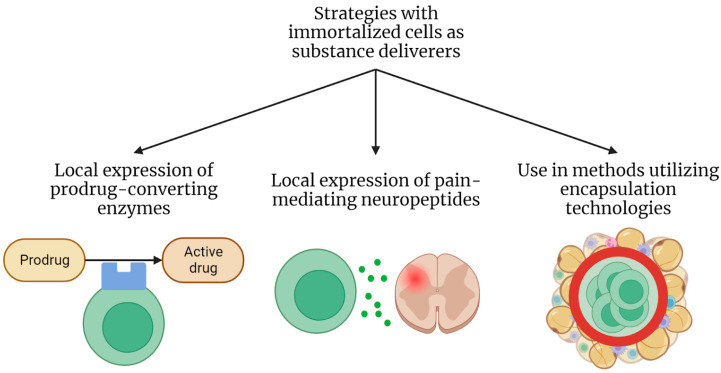
“This approach is currently being actively developed for the treatment of diabetes mellitus (encapsulated cells that produce insulin), the intraocular delivery of various substances, the treatment of neurodegenerative diseases (introduction of encapsulated cells producing various neuroactive peptides), and other condit…”
BackgroundZhu, G., Jeon, S. H., Lee, K. W., Cho, H. J., Ha, U., Hong, S., Lee, J. Y., Kwon, E. B., Kim, H.-J., Lee, S. M., et al. (2020) · Cell Transplantation · doi:10.1177/0963689720902466 · Cited by 19 · cited 2×
“An obvious solution to this problem is a direct comparison of the properties of the primary culture and immortalized cells in an experiment; often such a comparison is carried out at the stage of obtaining an immortalized cell line; however, in some studies dedicated to their potential application in practical medicin…”
BackgroundGuo, L., Zhu, Z., Gao, C., Chen, K., Lu, S., Yan, H., Liu, W., Wang, M., Ding, Y., Huang, L., et al. (2022) · Frontiers in Bioengineering and Biotechnology · doi:10.3389/fbioe.2022.940634 · Cited by 17
Jeong, H. S., Park, C., Kim, J.-H., Joo, H. J., Choi, S., Choi, J.-H., Lim, I.-R., Park, J. H., Hong, S. J., & Lim, D. (2020) · Molecular Medicine · doi:10.1186/s10020-019-0128-8 · Cited by 17 · cited 2×
“An obvious solution to this problem is a direct comparison of the properties of the primary culture and immortalized cells in an experiment; often such a comparison is carried out at the stage of obtaining an immortalized cell line; however, in some studies dedicated to their potential application in practical medicin…”
BackgroundRecent advances in conditional cell immortalization technology
Wall, I. B., Toledo, G. S., & Jat, P. (2016) · Cell and Gene Therapy Insights · doi:10.18609/cgti.2016.044 · Cited by 17 · cited 1×
“Methods of reversible immortalization include activation of the immortalization factor by adding growth factors or small molecules, using the Cre/LoxP system, and changing temperature (see Table 1) [12].”
MethodPark, C., Choi, S., Kim, J.-H., Choi, J.-H., Joo, H. J., Hong, S. J., & Lim, D. (2016) · International Journal of Molecular Sciences · doi:10.3390/ijms17060800 · Cited by 17 · cited 2×
“An obvious solution to this problem is a direct comparison of the properties of the primary culture and immortalized cells in an experiment; often such a comparison is carried out at the stage of obtaining an immortalized cell line; however, in some studies dedicated to their potential application in practical medicin…”
BackgroundTyurin‐Kuzmin, P. A., Chechekhin, V. I., Ivanova, A. M., Dyikanov, D. T., Sysoeva, V., Kalinina, N., & Va, T. (2018) · International Journal of Molecular Sciences · doi:10.3390/ijms19123712 · Cited by 15 · cited 2×
“Another study performed in our laboratory demonstrated a significant impairment of norepinephrine sensitivity in the same cell line [33].”
BackgroundSelf-citationStrenzke, M., Alberton, P., Aszódi, A., Docheva, D., Haas, E. M., Kammerlander, C., Böcker, W., & Saller, M. M. (2020) · International Journal of Molecular Sciences · doi:10.3390/ijms21061965 · Cited by 15 · cited 1×
“showed a positive role for the secretome of the MSC line SC1GFP/SCX that was hTERT-immortalized and modified to express the transcription factor Scleraxis (thus mimicking the phenotype of tendon progenitor cells) in the regeneration of muscle tissue in vitro [91].”
BackgroundA bioartificial kidney device with polarized secretion of immune modulators
Chevtchik, N. V., Mihajlovic, M., Fedecostante, M., Bolhuis‐Versteeg, L. A. M., Toraño, J. S., Masereeuw, R., & Stamatialis, D. F. (2018) · Journal of Tissue Engineering and Regenerative Medicine · doi:10.1002/term.2694 · Cited by 15 · cited 1×
“In another study, the authors made a detailed evaluation of the oncogenic and metastatic potential of these cells and concluded that ciPTEC line cells do not possess any oncogenic potential and are safe for future use in bioartificial structures [106,107].”
BackgroundLathuiliere, A., Vernet, R., Charrier, E., Urwyler, M., Von Rohr, O., Belkouch, M.-C., Saingier, V., Bouvarel, T., Guillarme, D., Engel, A., et al. (2022) · Molecular Therapy - Methods & Clinical Development · doi:10.1016/j.omtm.2022.07.017 · Cited by 14 · cited 1×
“The authors state that they plan to conduct a stage I clinical trial with a GM-CSF-producing variant of these cells for tumor therapy [86].”
BackgroundIacomi, D. M., Rosca, A., Ţuţuianu, R., Neagu, T. P., Prună, V., Simionescu, M., & Titorencu, I. D. (2022) · International Journal of Molecular Sciences · doi:10.3390/ijms23168925 · Cited by 14 · cited 1×
“keratinocyte proliferation, as shown in an in vitro 2D model, and on skin regeneration in general, which was also demonstrated in a 3D model in vitro [95].”
BackgroundHeo, J., Hwang, K., Kim, S. U., & Choi, K. (2018) · Cancer Research and Treatment · doi:10.4143/crt.2018.364 · Cited by 12 · cited 1×
“This cell line and its various modifications aimed at increasing the expression of certain proteins demonstrated an antitumor effect on hepatocarcinoma cells in vitro [74], in animal models of breast cancer [75], melanoma [76], and choriocarcinoma [77].”
BackgroundLi, J., Liu, W., & Yao, W. (2019) · Journal of Alzheimer s Disease · doi:10.3233/jad-190279 · Cited by 12 · cited 1×
“: the hTERT-immortalized human MSC line demonstrated higher efficacy in treating ischemic brain damage in rats after intravenous injection into a peripheral vein compared to the allogeneic primary culture of human MSCs [66].”
BackgroundAn, K., Liu, H., Xiao-long, Z., Deng, D. Y. B., Zhang, J.-J., & Liu, Z. (2017) · Stem Cells International · doi:10.1155/2017/6082684 · Cited by 10 · cited 1×
“For this line, the work devoted to its production also describes the conformity of the properties of the obtained cells (before modification with the Tet-on/GAL system) to the primary culture, as well as the absence of oncogenic potential, which was evaluated in vivo for 4 months after injection into soft tissues in m…”
BackgroundAudouard, E., Michel, F., Pierroz, V., Kim, T., Rousselot, L., Gillet-Legrand, B., Dufayet‐Chaffaud, G., Buchmann, P., Florea, M., Khel, A., et al. (2022) · Journal of Controlled Release · doi:10.1016/j.jconrel.2022.11.008 · Cited by 9
Soboleva, S., Kurita, R., Kajitani, N., Åkerstrand, H., & Miharada, K. (2021) · Human Cell · doi:10.1007/s13577-021-00652-7 · Cited by 8 · cited 1×
“The cells of the resulting line turned out to be heterogeneous in the type of hemoglobin they express, in the rate of differentiation, and in the fragility of differentiated cells [57].”
BackgroundKim, G.-S., Heo, J., Kim, S. U., & Choi, K. (2017) · Translational Oncology · doi:10.1016/j.tranon.2017.11.003 · Cited by 7 · cited 1×
“This cell line and its various modifications aimed at increasing the expression of certain proteins demonstrated an antitumor effect on hepatocarcinoma cells in vitro [74], in animal models of breast cancer [75], melanoma [76], and choriocarcinoma [77].”
BackgroundAn, K., Cui, Y., Zhong, X., Li, K., Zhang, J., Liu, H., & Wen, Z. (2022) · Cell Transplantation · doi:10.1177/09636897221103861 · Cited by 5 · cited 1×
“The authors also note that MSCs are easier to obtain in comparison with astrocytes [83].”
ResultPuangmalai, N., Somani, A., Thangnipon, W., Ballard, C. G., & Broadstock, M. (2015) · EXCLI journal · doi:10.17179/excli2015-560 · Cited by 4
Immortalized rat astrocyte strain genetically modified by rat preprogalanin gene
Ke, A., Yuke, T., Yang, H., Feng, G., & Peng, W. (2005) · Current Medical Science · doi:10.1007/bf02873561 · Cited by 4
Kim, S., Jo, K., Park, J., Shin, A., Kurita, R., Nakamura, Y., Kweon, S., & Baek, E. J. (2023) · Transfusion · doi:10.1111/trf.17394 · Cited by 3 · cited 1×
“Their experimental findings suggest that these methods do not eliminate oncogenic material, indicating a need for further advancements in this area to ensure the safety of immortalized blood precursor products [58].”
BackgroundPuangmalai, N., Thangnipon, W., Somani, A., Ballard, C. G., & Broadstock, M. (2016) · Alzheimer s & Dementia · doi:10.1016/j.jalz.2016.06.1795 · cited 2×
“The CTX0E03 cell line demonstrated similar or better survival rates compared to primary cultured rat neuronal stem cells, making them potential candidates for cell therapy in Alzheimer’s disease [42].”
MethodResult
Cited by
Macrophage variants in laboratory research: most are well done, but some are RAW
Herb, M., Schatz, V., Hadrian, K., Hos, D., Holoborodko, B., Jantsch, J., & Brigo, N. (2024) · Frontiers in Cellular and Infection Microbiology · doi:10.3389/fcimb.2024.1457323 · Cited by 75
“(II) The cells can be cultivated in almost limitless quantities, (III) they can be stored frozen for a long time, and (IV) they are easily replaced if lost due to e. g. contamination (Kaur and Dufour, 2012; Voloshin et al., 2023; Weiskirchen et al., 2023).”
Exosome Source Matters: A Comprehensive Review from the Perspective of Diverse Cellular Origins
Chen, Y., Qi, W., Wang, Z., & Niu, F. (2025) · Pharmaceutics · doi:10.3390/pharmaceutics17020147 · Cited by 61
“Though more scalable, immortalized BMSC lines may differ phenotypically and functionally from their primary counterparts, raising concerns about their translational relevance [66].”
Yamaguchi, N., Horio, E., Sonoda, J., Yamagishi, M., Miyakawa, S., Murakami, F., Hasegawa, H., Katahira, Y., Mizoguchi, I., Fujii, Y., et al. (2024) · International Journal of Molecular Sciences · doi:10.3390/ijms252413562 · Cited by 54
Precision exosome engineering for enhanced wound healing and scar revision
Liu, C., Chen, C., Cheng, K., Gao, A. S., Li, Q., Atala, A., & Zhang, Y. (2025) · Journal of Translational Medicine · doi:10.1186/s12967-025-06578-0 · Cited by 38
“[76] To date, no study has completely illustrated the mutations or altered properties.”
Évora, A., Garcia, G., Rubi, A., Vitis, E. D., Matos, A. T., Vaz, A. R., Gervaso, F., Gigli, G., Polini, A., & Brites, D. M. T. O. (2025) · Frontiers in Pharmacology · doi:10.3389/fphar.2025.1474012 · Cited by 35
Metadata
- Authors
- Voloshin, N., Tyurin-Kuzmin, P., Karagyaur, M., Akopyan, Z., & Kulebyakin, K.
- Affiliations
- Faculty of Medicine, Lomonosov Moscow State University, 119991 Moscow, Russia
- Lomonosov Moscow State University (RU)
- Corresponding author
- Kulebyakin, Konstantin
- Venue
- International Journal of Molecular Sciences
- Publisher
- MDPI AG
- Published
- 2023-08-12
- Volume
- 24
- Issue
- 16
- Pages
- 12716
- ISSN
- 1422-0067 (ISSN-L)
- PMC
- PMC10454025
- OpenAlex
- W4385805909
- Cited by
- 77
- References
- 126
- Citations by year
- 2026: 33 · 2025: 30 · 2024: 14
- FWCI
- 2.03
- Type
- journal article
- Language
- en
- Open access
- gold
- doi.org
- Licence
- Locations
- International Journal of Molecular Sciences (publishedVersion, cc-by)
- PubMed Central (publishedVersion, cc-by)
- PubMed (publishedVersion)
- Funders
- Russian Science Foundation (19-75-30007)
- Topics
- Life Sciences › Biochemistry, Genetics and Molecular Biology › Molecular Biology › Viral Infectious Diseases and Gene Expression in Insects
- Life Sciences › Biochemistry, Genetics and Molecular Biology › Cell Biology › Telomeres, Telomerase, and Senescence
- Life Sciences › Biochemistry, Genetics and Molecular Biology › Molecular Biology › Pluripotent Stem Cells Research
- Keywords
- immortalized cells, cell therapy, malignant transformation, genetic modification, primary cells, clinical translation
- MeSH terms
- Gene Editing, Cell Line, Humans, Medicine, Phenotype, Tissue Donors
About these checks
Registry, retraction, Cites and statistics results are computed, not judged, with one exception: a printed reference that no index lists is read once by a model before it counts as a citation error. Claims are extracted by a model and kept only when their quote appears verbatim in the text; each cited source is then checked, with a model’s help, for whether it says what the claim relies on. Those verdicts can be wrong — read the claim’s quote and the cited source before relying on one.
Statistics and arithmetic are recomputed, not judged.
Confidence bands are shown only for fields calibrated on our annotated test set. None is calibrated yet, so no band is shown.
What counts as a claim ›How we measure confidence ›How we check this ›
Are you an author, or do you see a problem with this page? Request a review
Data sources
Bibliographic data: Semantic Scholar, OpenAlex, Crossref.
Contains information from the Semantic Scholar Academic Graph Datasets, made available under the ODC Attribution License (ODC-BY 1.0).
Semantic Scholar’s data is described in: Kinney, R., et al. (2023). The Semantic Scholar Open Data Platform. arXiv:2301.10140.
