

The DOI matches its Crossref record; 175 of the 176 references it cites were found in a registry or an index, and 1 are not checked yet.
Candida albicans—The Virulence Factors and Clinical Manifestations of Infection
Open accessAbstract
Candida albicans is a common commensal fungus that colonizes the oropharyngeal cavity, gastrointestinal and vaginal tract, and healthy individuals’ skin. In 50% of the population, C. albicans is part of the normal flora of the microbiota. The various clinical manifestations of Candida species range from localized, superficial mucocutaneous disorders to invasive diseases that involve multiple organ systems and are life-threatening. From systemic and local to hereditary and environmental, diverse factors lead to disturbances in Candida’s normal homeostasis, resulting in a transition from normal flora to pathogenic and opportunistic infections. The transition in the pathophysiology of the onset and progression of infection is also influenced by Candida’s virulence traits that lead to the development of candidiasis. Oral candidiasis has a wide range of clinical manifestations, divided into primary and secondary candidiasis. The main supply of C. albicans in the body is located in the gastrointestinal tract, and the development of infections occurs due to dysbiosis of the residential microbiota, immune dysfunction, and damage to the muco-intestinal barrier. The presence of C. albicans in the blood is associated with candidemia–invasive Candida infections. The commensal relationship exists as long as there is a balance between the host immune system and the virulence factors of C. albicans. This paper presents the virulence traits of Candida albicans and clinical manifestations of specific candidiasis.
Overview
The claims and statistics of this paper haven’t been checked yet.
Run the check — free, no account needed. It reads the open-access text and checks the sources it cites.
Integrity signals
Registry
Cites
Statistics
Figures
Verification
Claims the paper makes
The claims and statistics of this paper haven’t been checked yet.
Run the check — free, no account needed. It reads the open-access text and checks the sources it cites.
Claims other papers make about this one
Each is checked against this paper’s own text: does it say what the citing paper says it does?
The source backs part of the claim, not all of it — or backs it for a different population, condition or comparison.
In the citing paper
“The infection advance of C. albicans to the host is determined by the joint action of growth ability and virulence factors [56], but not all factors play an equally important role in the pathogenic process.”
From The F 1 F o -ATP synthase α subunit of Candida albicans induces inflammatory responses by controlling amino acid catabolism (2023) · cites this paper as [56]
Experimental — accuracy not yet measured
Self-check
Percentages, sums and reported differences re-computed from the paper’s own numbers.
The self-check needs the paper’s full text.
Citations
Cites
Changes of Intestinal Functions in Liver Cirrhosis
Fukui, H., & Wiest, R. (2016) · Inflammatory Intestinal Diseases · doi:10.1159/000444436 · Cited by 6,820
Pappas, P. G., Kauffman, C. A., Andes, D. R., Clancy, C. J., Marr, K. A., Ostrosky-Zeichner, L., Reboli, A. C., Schuster, M. G., Vazquez, J. A., Walsh, T. J., et al. (2016) · Clinical Infectious Diseases · doi:10.1093/cid/civ933 · Cited by 4,200
Gut microbiota in health and disease
Sekirov, I., Russell, S. L., Antunes, L. C. M., & Finlay, B. B. (2010) · Physiological Reviews · doi:10.1152/physrev.00045.2009 · Cited by 4,182
Patterson, T. F., Thompson, G. R., Denning, D. W., Fishman, J. A., Hadley, S., Herbrecht, R., Kontoyiannis, D. P., Marr, K. A., Morrison, V. A., Nguyen, M. H., et al. (2016) · Clinical Infectious Diseases · doi:10.1093/cid/ciw326 · Cited by 2,926
The Long-Term Stability of the Human Gut Microbiota
Faith, J. J., Guruge, J. L., Charbonneau, M., Subramanian, S., Seedorf, H., Goodman, A. L., Clemente, J. C., Knight, R., Heath, A. C., Leibel, R. L., et al. (2013) · Science · doi:10.1126/science.1237439 · Cited by 2,058
Candida albicans pathogenicity mechanisms
Mayer, F. L., Wilson, D., & Hube, B. (2013) · Virulence · doi:10.4161/viru.22913 · Cited by 1,848 · cited 1×
“The transition from yeast to the hyphal form is a transition into a pathogenic form [22,23].”
BackgroundPappas, P. G., Lionakis, M. S., Arendrup, M. C., Ostrosky-Zeichner, L., & Kullberg, B. J. (2018) · Nature Reviews Disease Primers · doi:10.1038/nrdp.2018.26 · Cited by 1,636
Biofilm Matrixome: Extracellular Components in Structured Microbial Communities
Karygianni, L., Ren, Z. F., Koo, H., & Thurnheer, T. (2020) · Trends in Microbiology · doi:10.1016/j.tim.2020.03.016 · Cited by 1,563 · cited 1×
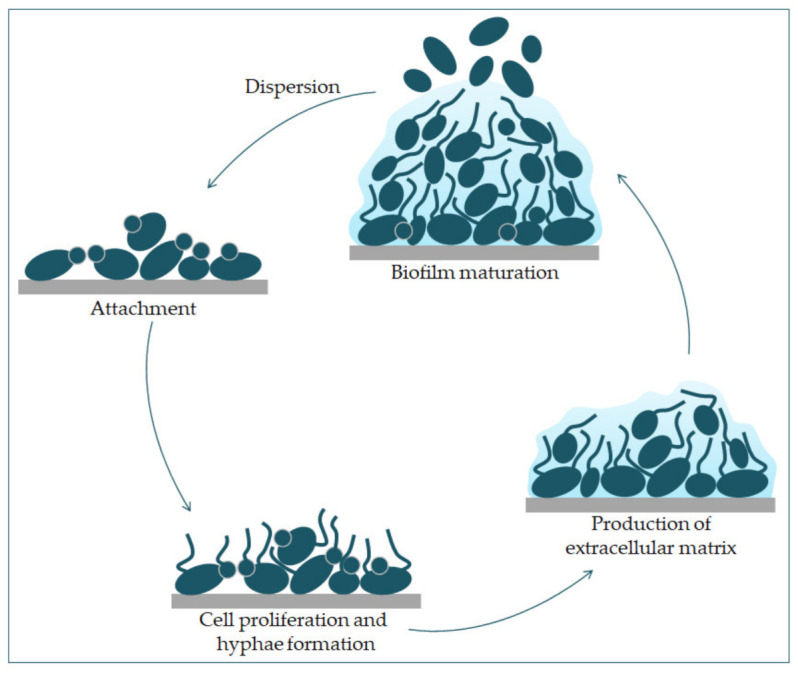
“An essential part of the extracellular matrix are β-1,3-glucans, which significantly contribute to the biofilm’s resistance to antifungal drugs because they prevent contact with target cells [36].”
BackgroundCandida albicans Secreted Aspartyl Proteinases in Virulence and Pathogenesis
Naglik, J. R., Challacombe, S. J., & Hube, B. (2003) · Microbiology and Molecular Biology Reviews · doi:10.1128/mmbr.67.3.400-428.2003 · Cited by 1,179
Impaired TH17 cell differentiation in subjects with autosomal dominant hyper-IgE syndrome
Milner, J. D., Brenchley, J. M., Laurence, A., Freeman, A. F., Hill, B. J., Elias, K. M., Kanno, Y., Spalding, C., Elloumi, H. Z., Paulson, M. L., et al. (2008) · Nature · doi:10.1038/nature06764 · Cited by 1,157 · cited 1×
“, IL-23, IL-21, IL-6) in the differentiation of IL-17 producing T helper cells [116].”
Background
Research works printed but not linked: 3
- Wibawa, 2016, The role of virulence factors in Candida albicans pathogenicity, J. Med. Sci., 48, 58
- Bolognia, J., Schaffer, J., and Cerroni, L. (2018). Dermatology, Elsevier. [4th ed.].
- Fenichel, G.M. (2007). Infectious Diseases. Neonatal Neurology, Elsevier Inc.
Cited by
Sorted by citations
Items 701–791 of 791
Sharma, R. P., Raut, S. D., Kadam, A. S., & Mane, R. S. (2026) · Radiation Physics and Chemistry · doi:10.1016/j.radphyschem.2026.113906
Shamoon, N. M., Arinda, B. N., Sandhu, S., Gunasekaran, D., Oviedo, N. J., & Nobile, C. J. (2026) · Journal of Visualized Experiments · doi:10.3791/70500
ROS-Mediated Apoptosis-Like Death Induced by Genistein in Candida albicans
Kwun, M. S., & Lee, D. G. (2026) · Current Microbiology · doi:10.1007/s00284-026-04920-3
“Among these, Candida albicans remains a clinically significant opportunistic yeast capable of causing infections that range from superficial mucosal diseases to severe systemic candi - diasis, particularly in immunocompromised individuals [ 5].”
Fungi and colorectal cancer: from dysregulation to clinical translation
Wu, Y., Han, S., Jing, Z., & Min, F. (2026) · Gut Pathogens · doi:10.1186/s13099-026-00835-3
“…as exemplified by Candida albicans-secreted candidalysin which induces DNA damage and chromosomal instability in intestinal epithelial cells [19]; (2) immunomodulatory disruption mediated through fungal cell wall components (e.g., β-glucan) that activate Dectin-1/CARD9 signaling via pattern…”
Saha, A., Maity, R., Dhara, G., Brandao, P., Pattanayak, S., Maity, T., Sarkar, K., & Samanta, B. C. (2026) · Dalton Transactions · doi:10.1039/d6dt00455e
R, P. K., Vaikundamoorthy, R., Rajendran, R., Vignesh, K., & Kadalmani, B. (2026) · Thalassas An International Journal of Marine Sciences · doi:10.1007/s41208-026-01116-1
“Candida infections in humans, or candidiasis, are fungal infections caused by various Candida species, with this, Candida albicans being the most common (Talapko et al. 2021 ).”
Interaction of Pathogenic Fungi with Host Cells: Molecular and Cellular Approaches
Zafar, S., Ashraf, M. A., Khan, I. M., Arshad, M. F., Shahzad, A., Ahmad, K. S., Akram, M. S., Zafar, M. N., Ahmad, M., & Rasheed, R. (2026) · Fungal biology · doi:10.1007/978-981-95-8601-1_5
Delgado, R. Z. R., Pastorino, A. C., & Franco, J. B. (2026) · Oral Surgery Oral Medicine Oral Pathology and Oral Radiology · doi:10.1016/j.oooo.2026.05.008
Er:YAG laser in oral medicine: mechanisms, efficacy, and future perspectives
Li, S., An, J., Li, Y., & Zhang, C. L. (2026) · Oral Science and Homeostatic Medicine · doi:10.26599/oshm.2026.9610053
Mendoza, S. R., Noval, C. R. D. L., Ferreira, M. D. S., Honorato, L., Bonilla, J. J. A., Ramos, L. F. C., Domont, G. B., Peralta, J. M., Nimrichter, L., & Guimaraes, A. J. (2026) · Microbiology Spectrum · doi:10.1128/spectrum.03645-25
“Calcium, for instance, regulates hyphal thigmotropism and biofilm formation, both of which are critical for tissue invasion, dissemination, and persistence within the host (6, 66).”
STUDY OF THE ANTIBACTERIAL AND ANTIFUNGAL ACTIVITY OF THE GALEGA OFFICINALIS L. HERB
Bakun, A. S. (2024) · Vestnik of Vitebsk State Medical University · doi:10.22263/2312-4156.2024.3.56
Montes-García, G. A., Pacheco-Rosas, D. O., & Feregrino, R. R. (2026) · Cureus · doi:10.7759/cureus.108978
Babar, S., Rasul, A., Shah, S., Saadullah, M., Fakhar-e-alam, M., Amjad, I., Fatima, A., Hanif, M., Iman, S., Abbas, G., et al. (2026) · Arabian Journal of Chemistry · doi:10.25259/ajc_1248_2025
Palacios, Y. B., López, E. J. G., Santamarina, S. C., Alvarez, M. G., López, M., Cuello, E. A., Hernández, C. C., Sarotti, A. M., Durantini, E. N., & Heredia, D. A. (2026) · Photochemical & Photobiological Sciences · doi:10.1007/s43630-026-00921-0
Identification and Screening of Pathogenic Microbes in Oral Smokers
Mawli, R. E., Putri, D. A., Anggraini, D. A., Arimbi, N. D., Sofiah, & Susanti, E. (2026) · Journal of Health Sciences and Medical Development · doi:10.56741/hesmed.v4i03.1666
Overview of Risk Factors and Diagnosis of Invasive Candidiasis
Sisu, V. D., & Băicuș, A. (2026) · Journal of Fungi · doi:10.3390/jof12060383
“Radiological signs such as bronchopneumonia, opacities, abscesses, and cavitary lesions are also nonspecific, with nodules being the most common finding on CT scans [40,41].”
Ferrassi, H., El-Ghandouri, Y., Elouafy, Y., & Bourais, I. (2026) · Discover Food · doi:10.1007/s44187-026-01045-1
“It is usually harmless, but when the balance of healthy bacteria is disrupted, it can overgrow and cause infections known as candidiasis [146].”
Benzaid, C., DJENDI, M. L., Touaibia, S., Klaiaia, L. R., Kihal, A., Tichati, L., Soussa, A., & Rouabhia, M. (2026) · Frontiers in Fungal Biology · doi:10.3389/ffunb.2026.1868001
Rahman, M., Rehman, S. U., Jawhar, Z. H., Dayan, F., Fatima, A., Khan, M., Nasir, J. A., Rehman, Z., & Sarawi, W. S. (2026) · Journal of Molecular Structure · doi:10.1016/j.molstruc.2026.146813
Aldabayan, Y. S., El‐Lateef, H. M. A., Khalaf, M. M., & Abdou, A. (2026) · Bioinorganic Chemistry and Applications · doi:10.1155/bca/8879576
Duan, X., Tan, D., Deng, Q., Hou, X., Liu, L. L., Zhai, K., & Li, X. (2026) · Expert Review of Anti-infective Therapy · doi:10.1080/14787210.2026.2694112
“C. albicans is an opportunistic commensal fungus that widely colonizes the mucosal surfaces of the oral cavity, vagina, and intestinal tract as part of the normal human microbiota, and is also one of the leading pathogens causing invasive fungal infections worldwide [22].”
A review on antifungal activities of benzoxazoles against Candida Albicans and SAR studies
Swaroop, T. R., Suresh, R. N., Basappa, B., & Rangappa, K. S. (2026) · Discover Chemistry. · doi:10.1007/s44371-026-00837-9
“It usually infects skin, vaginal and gastrointestinal tract and oropharyngeal cavity [6].”
Cyclic Mechanical Deformation of Denture PMMA Regulates Fungal Biofilm Virulence
Montoya, C., Chang, R. Y.-S., Dikin, D. A., Sousanieh, M., Xiang, Z., Liu, Y., Puri, S., & Orrego, S. (2026) · ACS Omega · doi:10.1021/acsomega.6c00878
Amara, I. E. A., Jwely, J. M., Qaed, H. M., Alfourti, A. S. O., & Alryani, M. A. (2026) · International Journal of Biomedical and Clinical Analysis · doi:10.61797/ijbca.v6i1.739
Pawlicki, B., Biernasiuk, A., Baj, T., Suśniak, K., & Malm, A. (2026) · Current Issues in Pharmacy and Medical Sciences · doi:10.12923/cipms-2026-0013
Al-Nihmi, F. M. A., & Alserkal, E. A. A. (2026) · BMC Complementary Medicine and Therapies · doi:10.1186/s12906-026-05460-w
“Invasive aspergillosis represents a leading cause of infectious mortality in hematological patients [3], whereas C. albicans remains a predominant etiological agent of candidiasis, ranging from mucosal colonization to life-threatening candidemia [4].”
Salve, S., Shende, H., Desai, N., Doh, J., Qureshi, N., Borkar, M. R., Mhapankar, R., Sharbidre, A. A., Kumbhar, V., Khairnar, B., et al. (2026) · Microbial Pathogenesis · doi:10.1016/j.micpath.2026.108676
Abdel-Aty, H. F., Abdo, A. M., & Hamed, R. M. R. (2026) · Scientific Reports · doi:10.1038/s41598-026-59895-9
Giammarino, A., Lambona, C., Raucci, A., Simonetti, G., Macrì, S., Iuzzolino, A., Trisciuoglio, D., Valente, S., Giusiano, G., Angiolella, L., et al. (2026) · MicrobiologyOpen · doi:10.1002/mbo3.70188
Safhura, T. S., Marpongahtun, & Siregar, A. H. (2026) · Journal of King Saud University - Science · doi:10.25259/jksus_2066_2025
Ozanique, P. R., Avesani, J. G. G., & Regasini, L. O. (2026) · Springer eBooks · doi:10.1007/978-3-642-36202-6_246-1
From Oral Candidiasis to Candidemia: A Review of Superficial to Invasive Progression
Jerez, J. R., Ambrosio, M. V., Fernandes, M. E. O., & Mima, E. G. D. O. (2026) · MicrobiologyOpen · doi:10.1002/mbo3.70353 · Cited by 1
“…on the classification of secondary candidiasis, since some authors describe lesions associated with Candida , such as angular cheilitis and median rhomboid glossitis, as primary candidiasis (L. P. Samaranayake et al. 2009) or as secondary forms (Lewis and Williams 2017; Talapko et al. 2021).”
InfluentialSynergistic Antifungal Activity of Organoselenium Compounds with Black Seed Oil and Thymoquinone
Haider, F., Patel, H., Pacuła‐Miszewska, A. J., Obieziurska‐Fabisiak, M., Ścianowski, J., Patel, K. R., & Billack, B. (2026) · Microbiology Research · doi:10.3390/microbiolres17070135
“C. albicans contributes to infection through adhesion, hyphal morphogenesis, biofilm formation, and secretion of hydrolytic enzymes, all of which enhance colonization and tissue invasion [2,3].”
Urinary Tract Infections: Etiology and Emerging Therapeutic Approaches
Kayser, R. F., Kamsan, D., & Loewy, Z. G. (2026) · Antibiotics · doi:10.3390/antibiotics15070686
“It is also an opportunistic fungus that causes candidiasis in different tissues, including the oral cavity, genitourinary tract, ears, bones, eyes, wounds, and blood [17,18].”
Effect of Titanium Dioxide Nanoparticle-Reinforced Silicone Elastomers on Candida albicans Adhesion
Sanohkan, S., Kemavongse, K., & Rokaya, D. (2026) · European Journal of Dentistry · doi:10.1055/s-0046-1824746
“6,7 If the prosthesis has plaque adhesion and the tissue surfaces that come into contact with it are not well cleansed and maintained, C. albicans will be more virulent.”
Torres, M. R., Hicke, F. J., Escudero, A., Sanz-Álvarez, V., de Boer, L., Zaat, S. A. J., Díez, P., Martínez‐Bisbal, M. C., Martínez‐Máñez, R., Marcos, M. D., et al. (2026) · ACS Applied Materials & Interfaces · doi:10.1021/acsami.6c06984
Oral Candida colonization and virulence in children with orofacial clefts: a cross-sectional study
Alazhary, N. N., Omran, E. A. H., Youssef, N. E. S., Abdelfattah, A. H., & Atteya, A. M. A. (2026) · BMC Oral Health · doi:10.1186/s12903-026-09253-y
“It is part of the body’s normal flora and is found on most mucocutaneous surfaces such as the mouth, gastrointestinal tract, eyes, ears, and nose with Candida albicans ( C. albicans ) being the most common species [6].”
Amin, B. H., Elsharkawy, A. A., Galhom, R. A., Rady, M. H., Aboraya, D. M., Mekky, A. E., Helal, E. E.-H., Abdelsamed, H. A., Yosri, M., & Amer, A. E. (2026) · Immunopharmacology and Immunotoxicology · doi:10.1080/08923973.2026.2705916
“Candida albicans is the most common opportunistic fungal pathogen responsible for cutaneous and wound infections [1,2]. its propensity to colonize injured tissue, impede epithelial regeneration, and maintain chronic inflammatory responses severely slows wound closure and jeopardizes healing…”
Lewtak, K., Fiołka, M. J., Czaplewska, P., Ścibek-Rejmontowska, W., Tkacz, O., Wójcik-Mieszawska, S., Wydrych, J., Buchwald, T., Dryglewska, M., & Kaźmierski, W. (2026) · Scientific Reports · doi:10.1038/s41598-026-63147-1
“These infections are endogenous, originating from the patient’s own microflora or acquired in the hospital, and the risk of infection increases with antibiotic therapy and invasive procedures 11 .”
Fahim, M. S. Z., Moulick, S. P., Mimi, S. S., Dey, S. S., Rafi, M. O. S., Chhanda, S. A., Adhikari, D., Hasan, M. M., Aziz, S., & Muslim, T. (2026) · Next research. · doi:10.1016/j.nexres.2026.102216
Ahmed, A., Khidir, E. B. A., Wedatalla, T., Abdelmageed, A. E. M., & Ahmed, H. G. (2026) · American Journal of Laboratory Medicine · doi:10.11648/j.ajlm.20261102.12
Detection of Virulence Genes and ABC Genotypes in Candida Albicans Isolates from Candidemia Patients
Pural, B., Özel-Yıldız, S., & Genç, G. E. (2026) · Postępy Mikrobiologii - Advancements of Microbiology · doi:10.2478/am-2026-0008
“Candida species isolated from blood have been found to be more virulent and to possess a greater number of virulence factors, likely due to their ability to adhere to catheters and secrete extracellular enzymes that facilitate tissue invasion (Talapko et al. 2021; Makled et al. 2024).”
Nagaraju, C., Chaluvaraju, P. B., Ramu, R., N., L. T., B, V. G. K., Kumar, D. C. V., Swamy, S. N., & Priya, B. S. (2026) · Polycyclic aromatic compounds · doi:10.1080/10406638.2026.2706648
“In addition, virulence [10] and persistence are enhanced by hydrolytic enzymes [11], including phospholipases and aspartyl proteinases [12], as well as quorum-sensing mechanisms.”
Osama, D., Alsedawy, M., Hussein, M. S., Hassan, M. A., Elrefaey, S. M., & Tawfick, M. M. (2026) · Antonie van Leeuwenhoek · doi:10.1007/s10482-026-02393-9
“The functional assignment of specific morphologies to distinct pathogenic roles, filamentous cells for tissue invasion and yeast cells for biofilm formation and bloodstream dissemination (Talapko et al. 2021; Deng et al 2024), derives largely from in vitro observations and murine infection models.”
Mazumder, S., Bhattacharya, D., Maity, S., Dutta, T., & Chatterjee, S. (2026) · Progress in molecular biology and translational science · doi:10.1016/bs.pmbts.2026.07.009
Erviana, R., Salsabila, S., Isna, A. T., Febriansyah, R., Damarwati, V. L., Krisridwany, A., & Harimurti, S. (2026) · Journal Of Tropical Pharmacy And Chemistry · doi:10.30872/jtpc.v10i2.413
Kumar, S., Singh, Y., Sharma, G., Singh, A., Shukla, S. K., Kanojiya, S., & Banerjee, D. (2026) · Pharmacological Research - Natural Products · doi:10.1016/j.prenap.2026.100835
Palm, P. J., Chirombo, R. R., Chiramba, C. K., Serem, J. C., Taute, H., van der Walt, M., Gaspar, A. R. M., & Bester, M. J. (2026) · Journal of Peptide Science · doi:10.1002/psc.70117
Prasad, D. S., Mishra, S. K., Subba, A., Rai, G. P., Alam, S. A., & Georrge, J. J. (2026) · Naunyn-Schmiedeberg s Archives of Pharmacology · doi:10.1007/s00210-026-05781-0
Mereu, S., Merola, E., Pes, G. M., & Dore, M. P. (2026) · Journal of Fungi · doi:10.3390/jof12080566
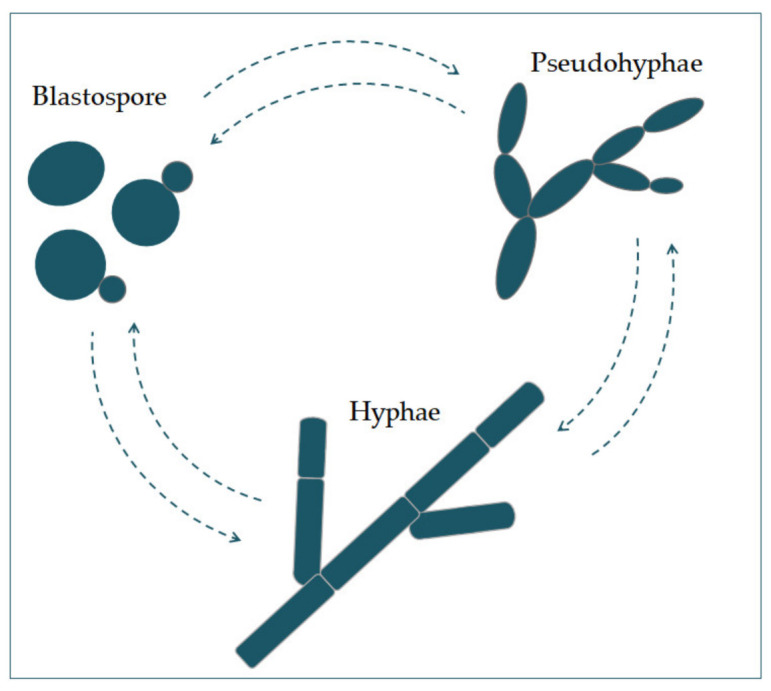
“Candida albicans can alternate among blastospores, pseudohyphae, true hyphae, and stress-associated forms, with different biological implications [23,24] (Table 1).”
Marinaș, I. C., Nicolescu, A. F., Matarneh, C. M. A., Vrabie, R., Shova, S. G., Silion, M., Gaboreanu, D. M., Stan, M., Chifiriuc, M. C., & Pinteală, M. (2026) · RSC Advances · doi:10.1039/d6ra05763b
“26 Given the polymicrobial nature of wound infections, combined topical therapy is essential for their e ff ective management.”
Fattahi, S., Dizaj, S. M., Yekani, M., Bahramian, M., Bahramian, A., & Memar, M. Y. (2026) · Journal of Oral Pathology and Medicine · doi:10.1111/jop.70174
de Aquino, D. L. S., & Barbosa, J. P. (2026) · Revista Brasileira de Ciências Biomédicas · doi:10.46675/rbcbm.v7i1.122
FunVFPred: Predicting fungal virulence factors using a unified representation learning model
Kaur, E., & Acharya, V. (2026) · iScience · doi:10.1016/j.isci.2026.117217
“12 The virulence factors (VFs) that determine the ability of pathogens to cause candidiasis have a significant impact on the onset and persistence of infection.”
Albayati, S. H., Khalaf, H. Y., Akinola, O. M., Hammed, W. F., Al‐Janabi, A. S., Abdullah, A. H., Aifa, S., & Noomi, B. S. (2026) · Journal of Pharmaceutical Innovation · doi:10.1007/s12247-026-10891-6
“C. albicans is commonly present on several human surfaces, such as the skin, throat, or vagina mucosa, and is characterized as a diploid polymorphic fungus, Candidia-sis [1].”
Voronov, I., Shbeta, M., & Fridman, M. (2026) · ACS Infectious Diseases · doi:10.1021/acsinfecdis.6c00671
Ruiz, D., Robinson, V., Doucoure, M., Cheema, A. R., Cabal, C. R., Salam, A. S. A., Younes, R. A., Song, W., Ibrahim, S. A., Ariyo, O., et al. (2026) · Cureus · doi:10.7759/cureus.114891 · Cited by 1
“Metagenomic, metabolomic, transcriptomic, and other multi-omics approaches may provide a more comprehensive understanding of host-microbiome interactions [12,99].”
Razali, N. A., Jamain, Z., Mahmud, F., & Borhan, D. N. D. (2026) · Bioorganic Chemistry · doi:10.1016/j.bioorg.2026.110421
Barros, A. L., de Aguiar, F. L. L., Neves, A. M., FERNANDES, R. I. S., da Rocha, M. N., Marinho, E. S., Marinho, M. M., Rodrigues, T. H. S., & Fontenelle, R. O. D. S. (2026) · Anais da Academia Brasileira de Ciências · doi:10.1590/0001-3765202620250698
Panorama general de la candidiasis vulvovaginal
Paz, I., Cárdenas, J. E. G., Esparza-Coronado, D., Guerrero-Esquivel, K., Camacho, L. E. M., Adame, E. S., & Reyna‐Beltrán, E. (2026) · High Rate Consulting eBooks · doi:10.38202/saludygenero12
Bueno, M. O., Cervini, R., Ferraz, V. C., Ramos, A. T., Locatelli, C., Centa, A., Dal-Pont, G. C., & Assolini, J. P. (2026) · Current Microbiology · doi:10.1007/s00284-026-05109-4
“…the dynamic interplay between the infectious agent and the host immune response, phenotypic alterations in the yeast, including biofilm formation, mechanisms of antifungal drug resistance, yeast-to-hypha morphological transition, as well as infection sites with greater nutrient availability [26].”
Jánosi, K. M., Cerghizan, D., Mureșan, I. É., Albu, A. I., Dobreci, L.-C., Hănțoiu, L. G., Kovács, A., KHAJOTIA, S. S., & Ciurea, C. N. (2026) · Journal of Functional Biomaterials · doi:10.3390/jfb17090431
“C. albicans is metabolically flexible and capable of adapting to both normoxic and hypoxic environments, while environmental cues can also influence its yeast-to-hypha transition and biofilm phenotype [58,59].”
Precision nanomedicine for pulmonary diseases: from molecular targeting to clinical translation
Deng, Z., Gao, W., Do, J., Aragam, S., Dawd, O., Belthur, M., Shi, D., Kalin, T. V., & Kalinichenko, V. V. (2026) · Signal Transduction and Targeted Therapy · doi:10.1038/s41392-026-02982-0
“273 Fungal adhesins such as Scf1 are structurally distinct from bacterial adhesins but functionally analogous.”
Epidemiology, Diagnostics and Therapy of Vulvovaginal Fungal Infections
Frej−Mądrzak, M., Jama−Kmiecik, A., Górzyńska, A., Wahdan, N., & Nawrot, U. (2026) · Pathogens · doi:10.3390/pathogens15090914 · Cited by 1
“People with severe immune deficiencies (e.g., long-term neutropenia) are particularly susceptible to severe Candida infections, which may take the form of fungaemia, hepatosplenic abscesses, myocarditis, central nervous system inflammation, arthritis, or, less frequently, lung infections [2].”
Antifungal ternary mixture targeting fungal viability and virulence: In vitro and in vivo evaluation
Cordisco, E., Vranych, C. V., Mendoza, D. D., Svetaz, L. A., & Sortino, M. A. (2026) · Phytomedicine · doi:10.1016/j.phymed.2026.158755
Lineage-specific adaptation and resistance in Candida albicans
Fernandes, M. Z., Maldonado, E., Martinez‐de‐Oliveira, J., Rolo, J., & Palmeira-de-Oliveira, A. (2026) · Fungal Genetics and Biology · doi:10.1016/j.fgb.2026.104116
In vitro evaluation of novel consensus-sequence-generated Brevinin-2 antimicrobial peptides
McDowell, C. M., Carder, J. D., Brozik, J. A., Horton, J., & Call, D. R. (2026) · Applied and Environmental Microbiology · doi:10.1128/aem.01553-26
“For example, this work did not address the activity of the peptides against Clostridioides difficile or Candida albicans , two organisms of extreme concern due to their propensity for nosocomial infections (42, 43).”
Shukla, J., & Dubey, A. K. (2026) · The Journal of Antibiotics · doi:10.1038/s41429-026-00958-4
“C. albicans remains a dominant fungal pathogen responsible for a wide range of infections from super fi cial mucosal infections to life-threatening systemic candidiasis [1, 2].”
Huq, M. A., & Rahman, M. M. (2026) · BioNanoScience · doi:10.1007/s12668-026-02858-1
“In immunocompromised individuals, it can lead to invasive systemic infections, presenting with fever and chills, and may progress to organ failure and death if left untreated [57, 59].”
Ghodrati, M., Sharifzadeh, A., Fasaei, B. N., Malakootikhah, J., Mirabi, S., & Koli, A. M. (2026) · BioNanoScience · doi:10.1007/s12668-026-02877-y
Resistant Candida spp. in Healthy Individuals: Mapping a Surveillance Blind Spot
Alves, A. M. C. V., de Lima, L. F., Cruz, G. S., Leite, A. C. R. D. M., de Brito, É. H. S., Azevedo, N. F., & Rodrigues, C. F. (2026) · Microbiology Research · doi:10.3390/microbiolres17090184
“This, of course, suggests that biofilm formation represents a key colonization strategy which grants persistence on mucosal surfaces that immunocompetent hosts tolerate without disease [33,34].”
InfluentialIron acquisition mechanisms of human skin-associated fungi
Jeon, J., Shin, J., & Jung, W. H. (2026) · FEMS Yeast Research · doi:10.1093/femsyr/foag045
“Although the skin is not usually considered the primary reservoir of commensal C. albicans , as the gut or mucosal surfaces are, it can clearly colonize and infect cutaneous sites under favorable conditions (Talapko et al. 2021 , Lopes and Lionakis 2022 , Song et al. 2024 ).”
Salih, M., & Yawoz, M. (2026) · Medical Mycology · doi:10.1093/mmy/myag104
Sriram, N., Sadiq, S. P., Vilwanathan, R., Sivaraman, T., Govindhapriya, M., Trivedi, R. K., & Sureshan, M. (2026) · Journal of Molecular Modeling · doi:10.1007/s00894-026-06962-7
Teixeira, K. S. S., de Mello, J. C. P., Nakamura, C. V., Ueda‐Nakamura, T., & Filho, B. P. D. (2026) · Natural Product Research · doi:10.1080/14786419.2026.2731632
Stack-Couture, S., Towriss, N., Skulska, I., Kalabina, A., Genereaux, J. L., Dumeaux, V., Shapiro, R. S., & Lajoie, P. (2026) · bioRxiv (Cold Spring Harbor Laboratory) · doi:10.64898/2026.09.24.753484
“C. albicans is the most common cause of invasive candidiasis, and its ability to switch between yeast and filamentous forms is crucial for invading host tissues, evading the immune system, and forming biofilms (Pappas et al., 2018; Shapiro et al., 2011; Soriano et al., 2023; Talapko et al., 2021) .”
Dawre, R., Malak, N. I., Raut, S. S., Mantri, R. S., & Parvez, S. (2026) · International Journal of Research in Medical Sciences · doi:10.18203/2320-6012.ijrms20263493
Ortiz‐Prado, E., Vásconez-González, J., Cuenca, K. A., Núñez-Loor, F., Acosta-Muñoz, M. C., Mesias, D. A., Villarreal-Burbano, K. B., Arias-Intriago, M., & Izquierdo‐Condoy, J. S. (2026) · Tropical Medicine and Infectious Disease · doi:10.3390/tropicalmed11100279
“…[98] Candida The morphological transition from blastospores to hyphae, adhesins (Als3 and Hwp1), biofilm formation, hydrolytic enzymes, and thigmotropism [99] Cryptococcus neoformans Adaptation to the host environment, phenotypic variations, and degradative enzymes such as proteases and lipases.”
Fraga, A. S., Lage, A. C. P., Kemmerich, K. K., Bartachini, J. C. F. J., Ribeiro, F. D. C., Garcia, M. T., Junqueira, J. C., & do Carmo, P. H. F. (2026) · ACS Omega · doi:10.1021/acsomega.6c04006
Investigation of naturally derived compounds with antibiofilm activity against Candida albicans
Guimarães, C. D. R. E., de Freitas, H. F., de Souza, T. A., Abreu, L. S., Tavares, J. F., & Barros, T. F. (2026) · Natural Product Research · doi:10.1080/14786419.2026.2738216
Ferroptosis Regulates the Biofilm Formation and Antifungal Drug Resistance of Candida albicans
Shen, J., Bian, M., & Miao, H. (2026) · International Dental Journal · doi:10.1016/j.identj.2026.111209
Course of invasive candidiasis in full-term newborns. Clinical cases
Семеко, О. Р., Sarkisyan, H. A., Zhirkova, Y. V., Muscherova, D. M., Сергеевна, З. К., Mitina, Y. Y., Kuksova, O. N., & Валентинович, Ш. П. (2026) · CHILDREN INFECTIONS · doi:10.22627/2072-8107-2026-25-3-67-72
Hamarsha, A. M., Atatra, M., Watted, N., Irekeola, A. A., Sulaiman, M. M., & Hasbullah, N. (2026) · International Journal of Molecular Sciences · doi:10.3390/ijms27209031
“Their principal biological failure mode is microbial colonisation, and Candida albicans is the organism most consistently recovered from prosthetic surfaces [3,4].”
Wang, G., Zhang, N., Peng, Y., Wen, X., Chen, X., Mei, Z., Gao, S., Min, C., Min, X., & Huang, J. (2026) · mSystems · doi:10.1128/msystems.00837-26
Attenuation of neutrophil driven inflammation and fungal growth by pilocarpine hydrochloridePreprint
Fingerhut, L., Burté, F., Ghobrial, J. M. W., Vermeren, S., Rossi, A. G., & Mills, B. (2026) · Research Square · doi:10.21203/rs.3.rs-10766704/v1
Chrysin-loaded PCL nanocapsule spray as a topical strategy against cutaneous candidiasis
da Silva, M. L., Domingos, E. L., Zein, A. K. E., Pontarolo, R., Sari, M. H. M., Reolon, J. B., & Ferreira, L. M. (2026) · Frontiers in Pharmacology · doi:10.3389/fphar.2026.1975087
“…which causes membrane disruption and triggers an inflammatory response; and biofilm formation on both biotic and abiotic surfaces, which provides high resistance to antifungal agents and shields the fungus from immune defenses (Shahabudin et al., 2024; Talapko et al., 2021; Tong and Tang, 2017).”
Khodashenas, S., Aboualigalehdari, E., Safdarian, M., Rezaei‐Matehkolaei, A., Didehdar, M., & Fatahinia, M. (2026) · Jundishapur Journal of Microbiology · doi:10.5812/jjm-168836
Dabiri, S., Qiao, J., Zafarbalanezhad, S., & Khorashad, A. S. (2026) · International Journal of Infection · doi:10.5812/iji-174674
“Despite advances in hospital care and the treatment of infectious diseases, the incidence of Candida infections involving mucosal sites, including the gastrointestinal and respiratory tracts and the vaginal mucosa, has increased substantially (3, 4).”
Headaches-associated CNS and systemic infections
Vongvaivanich, K., Thanprasertsuk, S., Rattanawong, W., Anukoolwittaya, P., & Roque, J. C. V. (2026) · Elsevier eBooks · doi:10.1016/b978-0-323-95313-9.00026-5
Risueño, I., Amigo-Morán, L., de Aranda-Izuzquiza, G., Gago-López, N., Quílez, C., Valencia, L., & Velasco, D. (2026) · Elsevier eBooks · doi:10.1016/b978-0-443-16110-0.00029-7
Metadata
- Authors
- Talapko, J., Juzbašić, M., Matijević, T., Pustijanac, E., Bekić, S., Kotris, I., & Škrlec, I.
- Affiliations
- University of Osijek (HR)
- Klinički bolnički centar Osijek (HR)
- Juraj Dobrila University of Pula (HR)
- Department of Internal Medicine, General County Hospital Vukovar, HR-3200 Vukovar, Croatia
- Corresponding author
- Škrlec, Ivana
- Venue
- Journal of Fungi
- Publisher
- MDPI AG
- Published
- 2021-01-22
- Volume
- 7
- Issue
- 2
- Pages
- 79
- ISSN
- 2309-608X (ISSN-L)
- PMC
- PMC7912069
- OpenAlex
- W3124481512
- Cited by
- 794
- References
- 175
- Citations by year
- 2026: 149 · 2025: 231 · 2024: 187 · 2023: 121 · 2022: 89 · 2021: 15
- FWCI
- 12.05
- Type
- journal article
- Language
- en
- Open access
- gold
- doi.org
- Licence
- Locations
- Journal of Fungi (publishedVersion, cc-by)
- PubMed Central (publishedVersion, cc-by)
- PubMed (publishedVersion)
- DOAJ (DOAJ: Directory of Open Access Journals) (submittedVersion, cc-by-sa)
- Topics
- Health Sciences › Medicine › Infectious Diseases › Antifungal resistance and susceptibility
- Health Sciences › Medicine › Infectious Diseases › Fungal Infections and Studies
- Life Sciences › Biochemistry, Genetics and Molecular Biology › Molecular Biology › Fungal and yeast genetics research
- Keywords
- Candida albicans, virulence factors, candidiasis, oral candidiasis, invasive candidiasis, candidemia, commensalism, dysbiosis, mucosal barrier, host immune response, opportunistic fungal infection, clinical features
About these checks
Registry, retraction, Cites and statistics results are computed, not judged, with one exception: a printed reference that no index lists is read once by a model before it counts as a citation error. Claims are extracted by a model and kept only when their quote appears verbatim in the text; each cited source is then checked, with a model’s help, for whether it says what the claim relies on. Those verdicts can be wrong — read the claim’s quote and the cited source before relying on one.
Statistics and arithmetic are recomputed, not judged.
Confidence bands are shown only for fields calibrated on our annotated test set. None is calibrated yet, so no band is shown.
What counts as a claim ›How we measure confidence ›How we check this ›
Are you an author, or do you see a problem with this page? Request a review
