

The DOI matches its Crossref record; 176 of the 177 references it cites were found in a registry or an index.
Bioactive Compounds from Macroalgae in the New Millennium: Implications for Neurodegenerative Diseases
Open accessAbstract
Marine environment has proven to be a rich source of structurally diverse and complex compounds exhibiting numerous interesting biological effects. Macroalgae are currently being explored as novel and sustainable sources of bioactive compounds for both pharmaceutical and nutraceutical applications. Given the increasing prevalence of different forms of dementia, researchers have been focusing their attention on the discovery and development of new compounds from macroalgae for potential application in neuroprotection. Neuroprotection involves multiple and complex mechanisms, which are deeply related. Therefore, compounds exerting neuroprotective effects through different pathways could present viable approaches in the management of neurodegenerative diseases, such as Alzheimer's and Parkinson's. In fact, several studies had already provided promising insights into the neuroprotective effects of a series of compounds isolated from different macroalgae species. This review will focus on compounds from macroalgae that exhibit neuroprotective effects and their potential application to treat and/or prevent neurodegenerative diseases.
Overview
The claims and statistics of this paper haven’t been checked yet.
Run the check — free, no account needed. It reads the open-access text and checks the sources it cites.
Integrity signals
Registry
Cites
Statistics
Figures
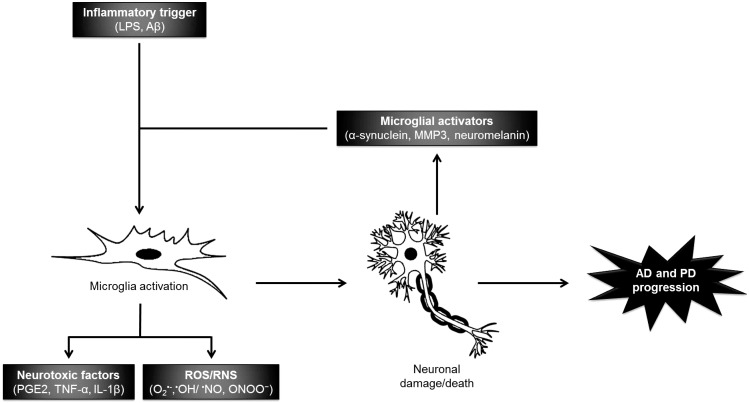
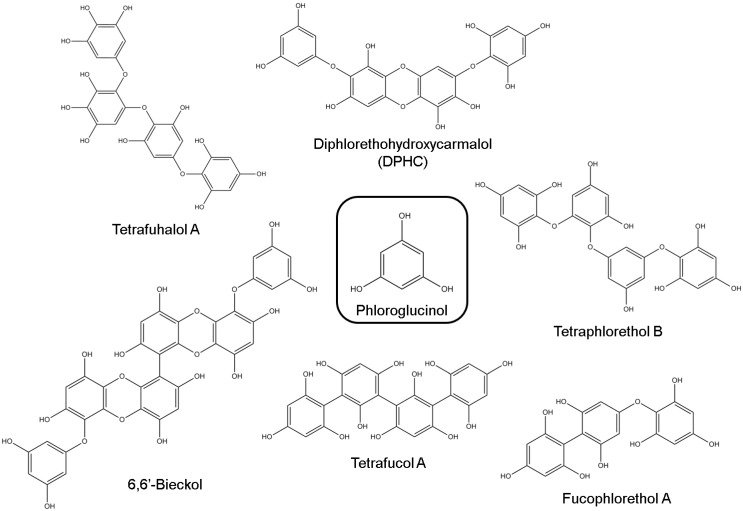
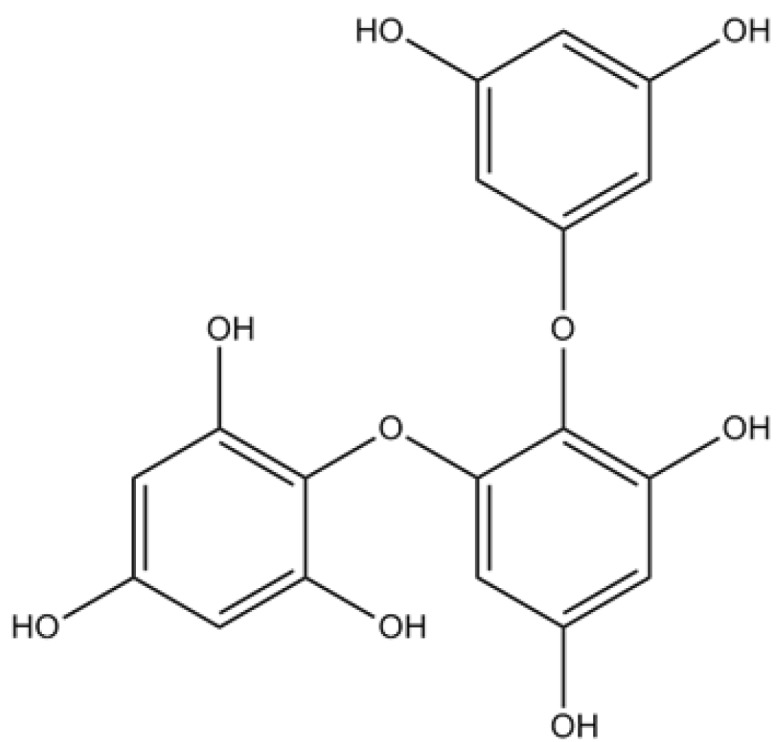
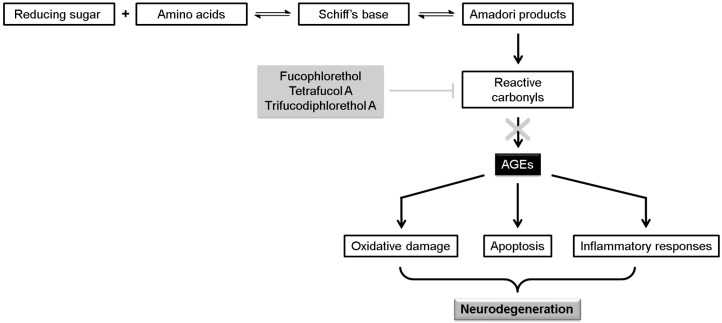
Verification
Claims the paper makes
The claims and statistics of this paper haven’t been checked yet.
Run the check — free, no account needed. It reads the open-access text and checks the sources it cites.
Claims other papers make about this one
Each is checked against this paper’s own text: does it say what the citing paper says it does?
In the citing paper
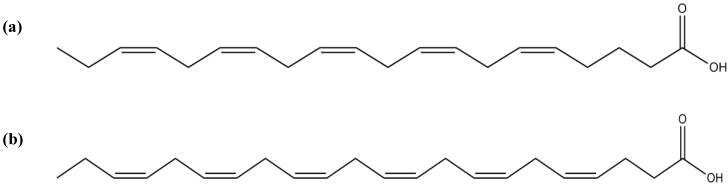
“Since polyunsaturated fatty acids (Figure 5) show biological properties, like cardiovascular protection, antiproliferative, and anti-inflammatory activity, their presence in macroalgae makes them very important for human health [6].”
From Overview on the Application of Modern Methods for the Extraction of Bioactive Compounds from Marine Macroalgae (2018) · cites this paper as [6]
In the citing paper
“Due to the presence of biocompounds in macroalgae, they possess a wide range of bioactivities, such as anti-aging, antioxidant, antimicrobial, antiproliferative, anti-inflammatory, antidiabetic, and neuroprotective activity [5,6,7].”
From Overview on the Application of Modern Methods for the Extraction of Bioactive Compounds from Marine Macroalgae (2018) · cites this paper as [6]
Self-check
Percentages, sums and reported differences re-computed from the paper’s own numbers.
The self-check needs the paper’s full text.
Citations
Cites
2 retracted
Rao, J. S., Ertley, R. N., Lee, H.-J., DeMar, J. C., Arnold, J. T., Rapoport, S. I., & Bazinet, R. P. (2006) · Molecular Psychiatry · doi:10.1038/sj.mp.4001888 · Cited by 291
RetractedChu, J., & Praticò, D. (2011) · American Journal Of Pathology · doi:10.1016/j.ajpath.2010.12.032 · Cited by 81
RetractedGlutamate neurotoxicity and diseases of the nervous system
Choi, D. W. (1988) · Neuron · doi:10.1016/0896-6273(88)90162-6 · Cited by 8,188
Uttara, B., Singh, A., Zamboni, P., & Mahajan, R. (2009) · Current Neuropharmacology · doi:10.2174/157015909787602823 · Cited by 3,378
2013 Alzheimer's disease facts and figures
Thies, W. H., & Bleiler, L. (2013) · Alzheimer s & Dementia · doi:10.1016/j.jalz.2013.02.003 · Cited by 3,372
n−3 Polyunsaturated fatty acids, inflammation, and inflammatory diseases
Calder, P. C. (2006) · The American Journal of Clinical Nutrition · doi:10.1093/ajcn/83.6.1505s · Cited by 2,525
Bioactive compounds in seaweed: functional food applications and legislation
Holdt, S. L., & Kraan, S. (2011) · Journal of Applied Phycology · doi:10.1007/s10811-010-9632-5 · Cited by 2,135
Ambati, R., Phang, S. M., Ravi, S., & Ravishankar, G. A. (2014) · Marine Drugs · doi:10.3390/md12010128 · Cited by 2,026
Melnick, V. L., & Dubler, N. N. (1985) · Contemporary Issues in Biomedicine, Ethics, and Society · doi:10.1007/978-1-4612-5174-3 · Cited by 1,986
Non-motor symptoms of Parkinson's disease: dopaminergic pathophysiology and treatment
Chaudhuri, К. R., & Schapira, A. H. V. (2009) · The Lancet Neurology · doi:10.1016/s1474-4422(09)70068-7 · Cited by 1,818
Research works printed but not linked: 4
- Kim, S.-K. (2012). Marine Pharmacognosy: Trends and Applications, Taylor & Francis.
- Ramawat, K.G., and Mérillon, J.-M. (2013). Natural Products: Phytochemistry, Botany and Metabolism of Alkaloids, Phenolics and Terpenes, Springer Berlin Heidelberg. · DOI
- Ramawat, K.G., and Mérillon, J.-M. (2013). Natural Products: Phytochemistry, Botany and Metabolism of Alkaloids, Phenolics and Terpenes, Springer (Berlin Heidelberg). · DOI
- Zhang, L., and Demain, A. (2005). Natural Products: Phytochemistry, Botany and Metabolism of Alkaloids, Phenolics and Terpenes, Humana Press.
Cited by
Sorted by citations
Antimicrobial Action of Compounds from Marine Seaweed
Pérez, M. J., Falqué, E., & Domı́nguez, H. (2016) · Marine Drugs · doi:10.3390/md14030052 · Cited by 663
Seaweeds as a Functional Ingredient for a Healthy Diet
Peñalver, R., Lorenzo, J. M., Ros, G., Amarowicz, R., Pateiro, M., & Nieto, G. (2020) · Marine Drugs · doi:10.3390/md18060301 · Cited by 541
Macroalgae—A Sustainable Source of Chemical Compounds with Biological Activities
BIRIȘ-DORHOI, E. S., MICHIU, D., Pop, C. R., Rotar, A. M., Tofană, M., Pop, O. L., Socaci, S., & Fărcaș, A. C. (2020) · Nutrients · doi:10.3390/nu12103085 · Cited by 319
Novel Bioactive Compounds From Marine Sources as a Tool for Functional Food Development
Ghosh, S., Sarkar, T., Pati, S., Kari, Z. A., Edinur, H. A., & Chakraborty, R. (2022) · Frontiers in Marine Science · doi:10.3389/fmars.2022.832957 · Cited by 287
Seaweeds as nutraceuticals for health and nutrition
Shannon, E., & Abu‐Ghannam, N. (2019) · Phycologia · doi:10.1080/00318884.2019.1640533 · Cited by 288
Kazir, M., Abuhassira, Y., Robin, A., Nahor, O., Luo, J., Israel, A., Golberg, A., & Livney, Y. D. (2019) · Food Hydrocolloids · doi:10.1016/j.foodhyd.2018.07.047 · Cited by 269
The Evolution Road of Seaweed Aquaculture: Cultivation Technologies and the Industry 4.0
García‐Poza, S., Leandro, A., Cotas, C., Cotas, J., Marques, J. C., Pereira, L., & Gonçalves, A. M. M. (2020) · International Journal of Environmental Research and Public Health · doi:10.3390/ijerph17186528 · Cited by 265
Marine Algae-Derived Bioactive Compounds: A New Wave of Nanodrugs?
Menaa, F., Wijesinghe, U., Thiripuranathar, G., Althobaiti, N. A., Albalawi, A. E., Khan, B. A., & Menaa, B. (2021) · Marine Drugs · doi:10.3390/md19090484 · Cited by 254
Sudhakar, M. P., Kumar, B., Mathimani, T., & Arunkumar, K. (2019) · Journal of Cleaner Production · doi:10.1016/j.jclepro.2019.04.287 · Cited by 239
Cikoš, A.-M., Jokić, S., Šubarić, D., & Jerković, I. (2018) · Marine Drugs · doi:10.3390/md16100348 · Cited by 225
Ecosystem Services Provided by Seaweeds
Cotas, J., Gomes, L., Pacheco, D., & Pereira, L. (2023) · Hydrobiology · doi:10.3390/hydrobiology2010006 · Cited by 176
An Overview to the Health Benefits of Seaweeds Consumption
Lomartire, S., Marques, J. C., & Gonçalves, A. M. M. (2021) · Marine Drugs · doi:10.3390/md19060341 · Cited by 169
Hannan, M. A., Dash, R., Haque, M. N., Mohibbullah, M., Sohag, A. A. M., Rahman, M. A., Uddin, M. J., Alam, M., & Moon, I. S. (2020) · Marine Drugs · doi:10.3390/md18070347 · Cited by 157
Pradhan, B., Patra, S., Nayak, R., Behera, C., Dash, S. R., Nayak, S., Sahu, B. B., Bhutia, S. K., & Jena, M. (2020) · International Journal of Biological Macromolecules · doi:10.1016/j.ijbiomac.2020.09.019 · Cited by 143
Begum, R., Saurav, H., Mamun-Or-Rashid, A. N. M., Rafiquzzaman, S. M., Ashraf, G. M., Albadrani, G. M., Sayed, A. A., Peluso, I., Abdel‐Daim, M. M., & Uddin, M. S. (2021) · Oxidative Medicine and Cellular Longevity · doi:10.1155/2021/9974890 · Cited by 127
Ganesan, P., Ko, H.-M., Kim, I., & Choi, D. (2015) · International Journal of Nanomedicine · doi:10.2147/ijn.s93918 · Cited by 119
Prasedya, E. S., Frediansyah, A., Martyasari, N. W. R., Ilhami, B. K., Abidin, A. S., Padmi, H., Fahrurrozi, Juanssilfero, A. B., Widyastuti, S., & Sunarwidhi, A. L. (2021) · Scientific Reports · doi:10.1038/s41598-021-95769-y · Cited by 118
Seaweed Secondary Metabolites In Vitro and In Vivo Anticancer Activity
Rocha, D. H. A., Seca, A. M. L., & Pinto, D. C. G. A. (2018) · Marine Drugs · doi:10.3390/md16110410 · Cited by 115
Phlorotannins: Towards New Pharmacological Interventions for Diabetes Mellitus Type 2
Lopes, G., Andrade, P. B., & Valentão, P. (2016) · Molecules · doi:10.3390/molecules22010056 · Cited by 100
Self-citationSeaweed bioactives potential as nutraceuticals and functional ingredients: A review
Matos, J., Cardoso, C. L., Serralheiro, M. L., Bandarra, N. M., & Afonso, C. M. (2024) · Journal of Food Composition and Analysis · doi:10.1016/j.jfca.2024.106453 · Cited by 103
Abdelhamid, A., Jouini, M., Amor, H. B. H., Mzoughi, Z., Dridi, M., Said, R. B., & Bouraoui, A. (2018) · Marine Biotechnology · doi:10.1007/s10126-017-9787-z · Cited by 93
Mmola, M., Roes‐Hill, M. L., Durrell, K. A., Bolton, J. J., Sibuyi, N. R. S., Meyer, M., Beukes, D. R., & Antunes, E. M. (2016) · Molecules · doi:10.3390/molecules21121633 · Cited by 90
Antibacterial efficacy of a fucoidan fraction (Fu-F2) extracted from Sargassum polycystum
Palanisamy, S., Vinosha, M., Rajasekar, P., Anjali, R., Sathiyaraj, G., Marudhupandi, T., Selvam, S., Prabhu, N. M., & You, S. (2018) · International Journal of Biological Macromolecules · doi:10.1016/j.ijbiomac.2018.12.070 · Cited by 89
Consumption of seaweeds and the human brain
Cornish, M. L., Critchley, A. T., & Mouritsen, O. G. (2017) · Journal of Applied Phycology · doi:10.1007/s10811-016-1049-3 · Cited by 84
Oliyaei, N., Moosavi‐Nasab, M., Tanideh, N., & Iraji, A. (2022) · Brain Research Bulletin · doi:10.1016/j.brainresbull.2022.11.018 · Cited by 79
The mechanism of neuroprotective action of natural compounds
Wąsik, A., & Antkiewicz‐Michaluk, L. (2017) · Pharmacological Reports · doi:10.1016/j.pharep.2017.03.018 · Cited by 79
Heffernan, N., Smyth, T. J., FitzGerald, R. J., Vila-Soler, A., Mendiola, J., Ibáñez, E., & Brunton, N. P. (2016) · Innovative Food Science & Emerging Technologies · doi:10.1016/j.ifset.2016.06.004 · Cited by 76
Marine Biocompounds for Neuroprotection—A Review
Bălașa, A. F., Chircov, C., & Grumezescu, A. M. (2020) · Marine Drugs · doi:10.3390/md18060290 · Cited by 77
Intranasal delivery of stem cells as therapy for central nervous system disease
Lǐ, Y., Feng, L., Zhang, G., & Ma, C. (2015) · Experimental and Molecular Pathology · doi:10.1016/j.yexmp.2015.01.016 · Cited by 75
Shobier, A. H., Ghani, S. A. A., & Barakat, K. M. (2016) · The Egyptian Journal of Aquatic Research · doi:10.1016/j.ejar.2016.07.003 · Cited by 72
Liu, J., BANSKOTA, A. H., Critchley, A. T., Hafting, J. T., & Prithiviraj, B. (2015) · Marine Drugs · doi:10.3390/md13042250 · Cited by 66
Sita, G., Hrelia, P., Tarozzi, A., & Morroni, F. (2016) · International Journal of Molecular Sciences · doi:10.3390/ijms17091454 · Cited by 63
Neuroprotective activities of natural products from marine macroalgae during 1999–2015
Alghazwi, M., Kan, Y. Q., Zhang, W., Gai, W. P., Garson, M. J., & Smid, S. (2016) · Journal of Applied Phycology · doi:10.1007/s10811-016-0908-2 · Cited by 58
Barbosa, M., Lopes, G., Andrade, P. B., & Valentão, P. (2019) · Trends in Food Science & Technology · doi:10.1016/j.tifs.2019.02.037 · Cited by 58
Self-citationTRPM2 in the Brain: Role in Health and Disease
Sita, G., Hrelia, P., Graziosi, A., Ravegnini, G., & Morroni, F. (2018) · Cells · doi:10.3390/cells7070082 · Cited by 57
Martins, B., Vieira, M., Delerue-Matos, C. M., Grosso, C., & Soares, C. M. D. (2022) · Marine Drugs · doi:10.3390/md20060362 · Cited by 58
Silva, A., Cassani, L., Grosso, C., Garcia‐Oliveira, P., Morais, S. L., Echave, J., Carpena, M., Xiao, J., Barroso, M. F., Simal‐Gándara, J., et al. (2022) · Critical Reviews in Food Science and Nutrition · doi:10.1080/10408398.2022.2115004 · Cited by 58
Venkatesan, J., Keekan, K. K., Anil, S., Bhatnagar, I., & Kim, S. (2018) · Elsevier eBooks · doi:10.1016/b978-0-08-100596-5.22360-3 · Cited by 52
Antioxidants from microalgae and their potential impact on human well-being
Pereira, L., Cotas, J., & Valado, A. (2024) · Exploration of Drug Science · doi:10.37349/eds.2024.00048 · Cited by 48
Algal bioactive compounds: A review on their characteristics and medicinal properties
Bouafir, Y., Bouhenna, M. M., Nebbak, A., Belfarhi, L., Aouzal, B., Boufahja, F., Bendıf, H., & Bruno, M. (2025) · Fitoterapia · doi:10.1016/j.fitote.2025.106591 · Cited by 48
Pei, Y., Cai, S., Ryu, B., Zhou, C., Hong, P., & Qian, Z. (2022) · Journal of Functional Foods · doi:10.1016/j.jff.2022.105061 · Cited by 46
Recent Advances in Multi-target Anti-Alzheimer Disease Compounds (2013 Up to the Present)
Wang, N., Qiu, P., Cui, W., Yan, X., Zhang, B., & He, S. (2018) · Current Medicinal Chemistry · doi:10.2174/0929867326666181203124102 · Cited by 45
El-Kassas, H. Y., & Okbah, M. A. E.-A. (2017) · Journal of Genetic Engineering and Biotechnology · doi:10.1016/j.jgeb.2017.01.002 · Cited by 41
Marine macroalgae and their associated microbiomes as a source of antimicrobial chemical diversity
Busetti, A., Maggs, C. A., & Gilmore, B. (2017) · European Journal of Phycology · doi:10.1080/09670262.2017.1376709 · Cited by 44
Agar Extraction By-Products from Gelidium sesquipedale as a Source of Glycerol-Galactosides
Lebbar, S., Fanuel, M., Gall, S. L., Falourd, X., Ropartz, D., Bressollier, P., Gloaguen, V., & Faugeron-Girard, C. (2018) · Molecules · doi:10.3390/molecules23123364 · Cited by 41
Large-scale bioprospecting of cyanobacteria, micro- and macroalgae from the Aegean Sea
Montalvão, S. I. G. H. M., Demirel, Z., Devi, P., Lombardi, V., Hongisto, V., Perälä, M., Hattara, J., İmamoğlu, E., Tilvi, S., Turan, G., et al. (2016) · New Biotechnology · doi:10.1016/j.nbt.2016.02.002 · Cited by 40
Jiang, C., Ge, Y.-X., Cheng, Z., Song, J.-L., Wang, Y., Zhu, K., & Zhang, H. (2019) · Journal of Computer-Aided Molecular Design · doi:10.1007/s10822-019-00202-2 · Cited by 37
Nunes, N., Rosa, G. P., Ferraz, S., Barreto, M. D. C., & de Carvalho, M. Â. A. P. (2019) · Journal of Applied Phycology · doi:10.1007/s10811-019-01884-9 · Cited by 38
Marine-derived protein kinase inhibitors for neuroinflammatory diseases
Ning, C., Wang, H., Gao, R., Chang, Y., Hu, F., Meng, X., & Huang, S. (2018) · BioMedical Engineering OnLine · doi:10.1186/s12938-018-0477-5 · Cited by 36
Baek, S. Y., Li, F. Y., Kim, D. H., Kim, S. J., & Kim, M. R. (2020) · Antioxidants · doi:10.3390/antiox9070620 · Cited by 36
Barbosa, M., Valentão, P., & Andrade, P. B. (2020) · Marine Drugs · doi:10.3390/md18120654 · Cited by 36
Self-citationRagunath, C., & Ramasubramanian, V. (2024) · Algal Research · doi:10.1016/j.algal.2024.103442 · Cited by 36
Cajnko, M. M., Novak, U., & Likozar, B. (2019) · Journal of Applied Phycology · doi:10.1007/s10811-019-01901-x · Cited by 35
Bueno, M., Vitali, C., Sánchez-Martínez, J. D., Mendiola, J. A., Cifuentes, A., Ibáñez, E., & Herrero, M. (2020) · ACS Sustainable Chemistry & Engineering · doi:10.1021/acssuschemeng.0c03991 · Cited by 35
Gite, S., Ross, R. P., Kirke, D. A., Guihéneuf, F., Aussant, J., Stengel, D. B., Dinan, T. G., Cryan, J. F., & Stanton, C. (2018) · Nutritional Neuroscience · doi:10.1080/1028415x.2017.1418728 · Cited by 35
In silico evaluation of bioactive peptides from the green algae Caulerpa
Ağırbaşlı, Z., & Çavaş, L. (2017) · Journal of Applied Phycology · doi:10.1007/s10811-016-1045-7 · Cited by 29
Chauton, M. S., Forbord, S., Mäkinen, S., Sarno, A., Slizyte, R., Mozuraityte, R., Standal, I. B., & Skjermo, J. (2021) · Physiologia Plantarum · doi:10.1111/ppl.13391 · Cited by 28
Luna, V. M. A., Herrero, M., Domínguez‐Rodríguez, G., Ibáñez, E., & Montero, L. (2024) · Innovative Food Science & Emerging Technologies · doi:10.1016/j.ifset.2024.103697 · Cited by 28
Marine Organisms as Alkaloid Biosynthesizers of Potential Anti-Alzheimer Agents
Lima, E., & Medeiros, J. (2022) · Marine Drugs · doi:10.3390/md20010075 · Cited by 30
Castro-Silva, E. S., Bello, M., Rodríguez, M. H., Correa‐Basurto, J., Murillo-Álvarez, J. I., Rosales‐Hernández, M. C., & Muñoz‐Ochoa, M. (2018) · Journal of Biomolecular Structure and Dynamics · doi:10.1080/07391102.2018.1505551 · Cited by 28
Almeida, T., Ramos, A. A., Ferreira, J. S. P. D. M., Azqueta, A., & Rocha, E. (2019) · Mini-Reviews in Medicinal Chemistry · doi:10.2174/1389557519666190311095655 · Cited by 28
Jy, L., Wong, C.-Y., Koh, R. Y., Lim, C. L., Kok, Y.-Y., & Chye, S. M. (2024) · The Yale Journal of Biology and Medicine · doi:10.59249/jnkb9714 · Cited by 26
Cheng, Z., Song, J.-L., Zhu, K., Zhang, J., Jiang, C., & Zhang, H. (2018) · Marine Drugs · doi:10.3390/md16090293 · Cited by 26
Shahid, A., Khan, K.-U.-R., Rao, H., Aati, H. Y., Sherif, A. E., Khan, D. A., Basit, A., Umair, M., Mueed, A., Esatbeyoglu, T., et al. (2022) · Applied Sciences · doi:10.3390/app13010584 · Cited by 25
Fernandes, F., Barbosa, M., Pereira, D. M., Sousa‐Pinto, I., Valentão, P., Azevedo, I. C., & Andrade, P. B. (2018) · Food and Chemical Toxicology · doi:10.1016/j.fct.2018.04.033 · Cited by 25
Self-citationLiang, Z., Liu, Z., Sun, X., Tao, M., Xiao, X., Yu, G., & Wang, X. (2019) · Frontiers in Aging Neuroscience · doi:10.3389/fnagi.2018.00429 · Cited by 25
Olasehinde, T. A., Olaniran, A. O., & Okoh, A. I. (2019) · Metabolic Brain Disease · doi:10.1007/s11011-019-00469-2 · Cited by 27
Antioxidant activity of Ulva lactuca L. from different coastal locations of Lombok Island, Indonesia
Prasedya, E. S., Martyasari, N. W. R., Apriani, R., Mayshara, S., Fanani, R. A., & Sunarpi, H. (2019) · AIP conference proceedings · doi:10.1063/1.5141281 · Cited by 24
Kılıç, M., Orhan, İ. E., Eren, G., Okudan, E. Ş., Estep, A. S., Bencel, J. J., & Tabanca, N. (2021) · South African Journal of Botany · doi:10.1016/j.sajb.2021.06.038 · Cited by 23
Khairinisa, M. A., Latarissa, I. R., Athaya, N. S., Charlie, V., Musyaffa, H. A., Prasedya, E. S., & Puspitasari, I. M. (2023) · Brain Sciences · doi:10.3390/brainsci13121686 · Cited by 22
Yow, Y., Goh, T.-K., Nyiew, K.-Y., Lim, L. W., Phang, S., Lim, S., Ratnayeke, S., & Wong, K.-H. (2021) · Cells · doi:10.3390/cells10092194 · Cited by 22
Rasowo, J., Nyonje, B., Olendi, R., Orina, P., & Odongo, S. (2024) · Frontiers in Marine Science · doi:10.3389/fmars.2024.1239862 · Cited by 20
Chen, J., Zhou, Z., Li, P., Ye, S., Li, W., Li, M., Zhu, L., & Ding, Y. (2023) · Foods · doi:10.3390/foods12163000 · Cited by 19
Uji Stabilitas Fisik Sediaan Masker Gel dari Ekstrak Alga Merah (Poryphyra sp)
Numberi, A. M. (2020) · Majalah Farmasetika · doi:10.24198/mfarmasetika.v5i1.24066 · Cited by 19
Förlin, L., Asker, N., Töpel, M., Österlund, T., Kristiansson, E., Parkkonen, J., Haglund, P. S., Faxneld, S., & Sturve, J. (2019) · Frontiers in Marine Science · doi:10.3389/fmars.2019.00316 · Cited by 18
Chu, R., Ma, J., Zhou, C., Liu, D., Wang, G., Ruan, R. R., Lu, Y., Yan, X., & Cheng, P. (2022) · Bioprocess and Biosystems Engineering · doi:10.1007/s00449-021-02681-w · Cited by 18
Dayuti, S. (2018) · IOP Conference Series Earth and Environmental Science · doi:10.1088/1755-1315/137/1/012074 · Cited by 18
Safitri, I., Warsidah, W., Sofiana, M. S. J., Kushadiwijayanto, A. A., & Sumarni, T. N. (2021) · BERKALA SAINSTEK · doi:10.19184/bst.v9i3.27199 · Cited by 17
Yang, S., Chen, M., Ryu, B., Chen, J., Xiao, Z., Hong, P., Sun, S., Wang, D., Qian, Z., & Zhou, C. (2020) · Molecules · doi:10.3390/molecules25051024 · Cited by 16
Muthu, S., Altemimi, A. B., Lakshmikanthan, M., Krishnan, K., ALKaisy, Q. H., Awlqadr, F. H., & Hesarinejad, M. A. (2025) · Food Hydrocolloids for Health · doi:10.1016/j.fhfh.2025.100209 · Cited by 15
Role of macroalgal blue carbon ecosystems in climate change mitigation
Chandrani, S., Dey, D., Vaishnavi, G., Gunaseelan, S., Ashokkumar, B., Bharathi, K. S. U., Chew, K. W., & Varalakshmi, P. (2024) · The Science of The Total Environment · doi:10.1016/j.scitotenv.2024.177751 · Cited by 17
Algae as Source of Pharmaceuticals
Dmytryk, A., Tuhy, Ł., & Chojnacka, K. (2017) · Springer eBooks · doi:10.1007/978-981-10-1950-0_11 · Cited by 15
Castro-Silva, E. S., Bello, M., Rosales‐Hernández, M. C., Correa‐Basurto, J., Rodríguez, M. H., Villalobos-Acosta, D. M. Á., Méndez‐Méndez, J. V., Estrada-Pérez, A. R., Murillo-Álvarez, J. I., & Muñoz‐Ochoa, M. (2020) · Journal of Biomolecular Structure and Dynamics · doi:10.1080/07391102.2020.1729863 · Cited by 15
Seaweeds’ neuroprotective potential set in vitro on a human cellular stress model
Silva, J., Alves, C., Pintéus, S., Mendes, S., & Pedrosa, R. (2020) · Molecular and Cellular Biochemistry · doi:10.1007/s11010-020-03824-5 · Cited by 15
Chiboub, O., Sifaoui, I., Abderrabba, M., Mejri, M., Fernández, J. J., Díaz‐Marrero, A. R., Lorenzo‐Morales, J., & Piñero, J. E. (2021) · Parasites & Vectors · doi:10.1186/s13071-021-04693-7 · Cited by 15
Antifouling Properties of Bacteria Associated with Marine Oyster Crassostrea Sp.
Viju, N., Punitha, S. M. J., & Satheesh, S. (2018) · Thalassas An International Journal of Marine Sciences · doi:10.1007/s41208-018-0095-9 · Cited by 14
Stiger‐Pouvreau, V., & Guérard, F. (2018) · Blue Biotechnology · doi:10.1002/9783527801718.ch22 · Cited by 14
Golmakani, M.-T., Alavi, S. N., Sarvestani, F. S., Shaabani, S., & Ibáñez, E. (2025) · Food Chemistry X · doi:10.1016/j.fochx.2025.103242 · Cited by 13
Wichmann, H., Brinkhoff, T., Simon, M., & Richter‐Landsberg, C. (2016) · Marine Drugs · doi:10.3390/md14050089 · Cited by 13
Alzheimer’s Disease and Toxins Produced by Marine Dinoflagellates: An Issue to Explore
Botelho, M. J., Milinović, J., Bandarra, N. M., & Vale, C. (2022) · Marine Drugs · doi:10.3390/md20040253 · Cited by 16
BChE inhibitors from marine organisms – A review
Alves, L. K. L., Filho, V. C., de Souza, R. L. R., & Alle, L. F. (2022) · Chemico-Biological Interactions · doi:10.1016/j.cbi.2022.110136 · Cited by 13
The Animal Kingdom, Agriculture⋯ and Seaweeds
Cornish, M. L., Monagail, M. M., & Critchley, A. T. (2020) · Journal of Marine Science and Engineering · doi:10.3390/jmse8080574 · Cited by 13
Taleb, M. F. A., & Alzidan, K. (2024) · International Journal of Biological Macromolecules · doi:10.1016/j.ijbiomac.2024.135021 · Cited by 12
Ubiquitous Phlorotannins Prospects and Perspectives
Creis, E., Gall, E. A., & Potin, P. (2018) · Blue Biotechnology · doi:10.1002/9783527801718.ch3 · Cited by 12
He, B., Hu, T., & Wu, H. (2023) · Food Bioscience · doi:10.1016/j.fbio.2023.102949 · Cited by 11
Palaniveloo, K., Ong, K. H., Satriawan, H., Razak, S. A., Suciati, S., Hung, H., Hirayama, S., Rizman‐Idid, M., Tan, J. K., Yong, Y. S., et al. (2023) · 3 Biotech · doi:10.1007/s13205-023-03725-6 · Cited by 11
Algal Metabolites and Phyco-Medicine
Vidhyanandan, L. M., Kumar, S. M., & Sukumaran, S. T. (2020) · Springer eBooks · doi:10.1007/978-981-15-5136-9_13 · Cited by 11
Role of Algal Derived Compounds in Pharmaceuticals and Cosmetics
Mourelle, M. L., Gómez, C. P., & Legido, J. L. (2021) · Wiley eBooks · doi:10.1002/9781119542650.ch19 · Cited by 11
Girão, M., Alexandrino, D. A. M., Cao, W., Costa, I., Jia, Z., & Carvalho, M. F. (2024) · Environmental Microbiology · doi:10.1111/1462-2920.16620 · Cited by 10
Marine Algae and Their Potential Application as Antimicrobial Agents
Charway, G. N. A., Yenumula, P., & Kim, Y. (2018) · Journal of Food Hygiene and Safety · doi:10.13103/jfhs.2018.33.3.151 · Cited by 11
Metadata
- Authors
- Barbosa, M., Valentão, P., & Andrade, P.
- Affiliations
- Universidade do Porto (PT)
- REQUIMTE/Laboratory of Pharmacognosy, Department of Chemistry, Faculty of Pharmacy, University of Porto, Rua de Jorge Viterbo Ferreira n° 228, 4050-313 Porto, Portugal
- Corresponding author
- Andrade, Paula
- Venue
- Marine Drugs
- Publisher
- MDPI AG
- Published
- 2014-09-25
- Volume
- 12
- Issue
- 9
- Pages
- 4934-4972
- ISSN
- 1660-3397 (ISSN-L)
- PMC
- PMC4178484
- OpenAlex
- W1975237170
- Cited by
- 181
- References
- 177
- Citations by year
- 2026: 15 · 2025: 10 · 2024: 23 · 2023: 14 · 2022: 19 · 2021: 15 · 2020: 21 · 2019: 19 · 2018: 23 · 2017: 6 · 2016: 11 · 2015: 4 · 2014: 1
- FWCI
- 1.11
- Type
- journal article
- Language
- en
- Open access
- gold
- doi.org
- Licence
- Locations
- Marine Drugs (publishedVersion, cc-by)
- Europe PMC (PubMed Central) (publishedVersion, cc-by)
- PubMed Central (publishedVersion, cc-by)
- PubMed (publishedVersion)
- DOAJ (DOAJ: Directory of Open Access Journals) (submittedVersion, cc-by-sa)
- Funders
- European Commission (Pest-C/EQB/LA0006/2013)
- Fundação para a Ciência e a Tecnologia (COMPETE, C/EQB/LA0006/2013, PEst-C/EQB/LA0006/2013, SFRH/BD/95861/2013)
- Topics
- Life Sciences › Agricultural and Biological Sciences › Aquatic Science › Seaweed-derived Bioactive Compounds
- Health Sciences › Medicine › Complementary and alternative medicine › Medicinal Plants and Neuroprotection
- Life Sciences › Neuroscience › Cellular and Molecular Neuroscience › Alzheimer's disease research and treatments
- Keywords
- seaweed, bioactive compounds, neuroprotection, neurodegenerative diseases, Alzheimer's disease, Parkinson's disease, marine natural products, nutraceuticals, pharmaceuticals, dementia
- MeSH terms
- Animals, Antioxidants, Humans, Seaweed, Water Microbiology, Neuroprotective Agents, Neurodegenerative Diseases
About these checks
Registry, retraction, Cites and statistics results are computed, not judged, with one exception: a printed reference that no index lists is read once by a model before it counts as a citation error. Claims are extracted by a model and kept only when their quote appears verbatim in the text; each cited source is then checked, with a model’s help, for whether it says what the claim relies on. Those verdicts can be wrong — read the claim’s quote and the cited source before relying on one.
Statistics and arithmetic are recomputed, not judged.
Confidence bands are shown only for fields calibrated on our annotated test set. None is calibrated yet, so no band is shown.
What counts as a claim ›How we measure confidence ›How we check this ›
Are you an author, or do you see a problem with this page? Request a review
