

Polyphenols: Extraction Methods, Antioxidative Action, Bioavailability and Anticarcinogenic Effects
Open accessThe DOI matches its Crossref record; 133 of the 134 references it cites were found in a registry or an index.
Abstract
Being secondary plant metabolites, polyphenols represent a large and diverse group of substances abundantly present in a majority of fruits, herbs and vegetables. The current contribution is focused on their bioavailability, antioxidative and anticarcinogenic properties. An overview of extraction methods is also given, with supercritical fluid extraction highlighted as a promising eco-friendly alternative providing exceptional separation and protection from degradation of unstable polyphenols. The protective role of polyphenols against reactive oxygen and nitrogen species, UV light, plant pathogens, parasites and predators results in several beneficial biological activities giving rise to prophylaxis or possibly even to a cure for several prevailing human diseases, especially various cancer types. Omnipresence, specificity of the response and the absence of or low toxicity are crucial advantages of polyphenols as anticancer agents. The main problem represents their low bioavailability and rapid metabolism. One of the promising solutions lies in nanoformulation of polyphenols that prevents their degradation and thus enables significantly higher concentrations to reach the target cells. Another, more practiced, solution is the use of mixtures of various polyphenols that bring synergistic effects, resulting in lowering of the required therapeutic dose and in multitargeted action. The combination of polyphenols with existing drugs and therapies also shows promising results and significantly reduces their toxicity.
Overview
The claims and statistics of this paper haven’t been checked yet.
Free: it reads the open-access text and checks the first 5 claims that cite a source we can check. Create a free account to check every claim.
Integrity signals
Registry
Cites
Statistics
Figures
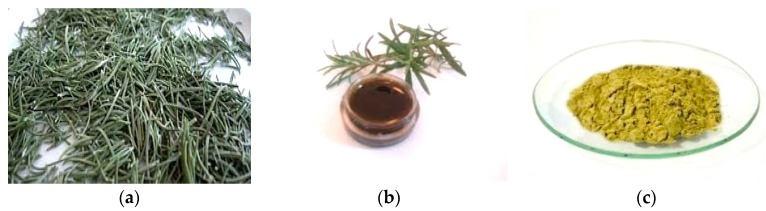
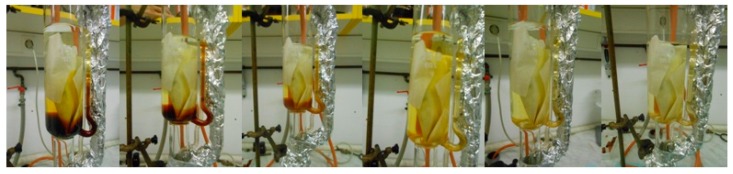

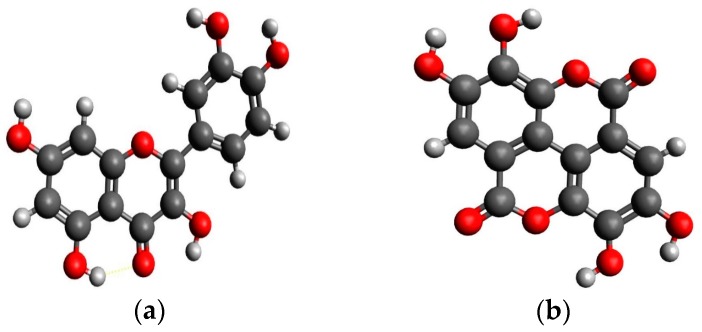
Verification
Claims the paper makes
The claims and statistics of this paper haven’t been checked yet.
Free: it reads the open-access text and checks the first 5 claims that cite a source we can check. Create a free account to check every claim.
Self-check
Percentages, sums and reported differences re-computed from the paper’s own numbers.
The self-check needs the paper’s full text.
Citations
Cites
Use of a Free Radical Method to Evaluate Antioxidant Activity
Brand-Williams, W., Cuvelier, M. E., & Berset, C. (1995) · LWT - Food Science and Technology · doi:10.1016/s0023-6438(95)80008-5 · Cited by 25,994
Singleton, V. L., Orthofer, R., & Lamuela-Raventós, R. M. (1999) · Methods in Enzymology · doi:10.1016/s0076-6879(99)99017-1 · Cited by 19,125 · cited 1×
“Classical methods, such as Folin-Ciocalteu and aluminum chloride complexation, are used to measure overall “total” phenolic and flavonoid contents after extraction [61].”
MethodPolyphenols: Food sources and bioavailability
Manach, C., Scalbert, A., Morand, C., Rémésy, C., & Jiménez, L. (2004) · The American Journal of Clinical Nutrition · doi:10.1093/ajcn/79.5.727 · Cited by 8,175 · cited 8×
“Dietary polyphenols are predominantly present in glycosylated forms with one or more sugar residue conjugated to a hydroxyl group or the aromatic ring (flavanols are one notable exception) [20,21].”
BackgroundInfluentialPlant Phenolics: Extraction, Analysis and Their Antioxidant and Anticancer Properties
Dai, J., & Mumper, R. J. (2010) · Molecules · doi:10.3390/molecules15107313 · Cited by 4,506 · cited 9×
“The conventional maceration technique, microwave and ultrasonic extraction in combination with alcohol solvent were the most efficient extraction techniques [8].”
BackgroundMethodInfluentialBioavailability and bioefficacy of polyphenols in humans. I. Review of 97 bioavailability studies
Manach, C., Williamson, G., Morand, C., Scalbert, A., & Rémésy, C. (2005) · The American Journal of Clinical Nutrition · doi:10.1093/ajcn/81.1.230s · Cited by 4,219 · cited 10×
“However, their daily intake has been estimated to only 20–35 mg [22].”
BackgroundInfluentialPolyphenols: Chemistry, dietary sources, metabolism, and nutritional significance
Bravo, L. (2009) · Nutrition Reviews · doi:10.1111/j.1753-4887.1998.tb01670.x · Cited by 4,030 · cited 10×
“Evident from their name, these tannins can be easily hydrolyzed by acid, alkali, hot water or by enzymatic action, which yield polyhydric alcohol and phenyl carboxylic acid [67].”
BackgroundInfluentialDietary polyphenols and the prevention of diseases
Scalbert, A., Manach, C., Morand, C., Rémésy, C., & Jiménez, L. (2005) · Critical Reviews in Food Science and Nutrition · doi:10.1080/1040869059096 · Cited by 2,999 · cited 6×
“The latter feature provides astringency to tannin-rich foods [67,73,118,119].”
BackgroundInfluentialCancer chemoprevention with dietary phytochemicals
Surh, Y.-J. (2003) · Nature reviews. Cancer · doi:10.1038/nrc1189 · Cited by 2,955 · cited 6×
“Studies have shown that correct dietary habits, including consumption of plenty and various fruits, legumes and grains can prevent 10%–70% of cancer deaths [1].”
BackgroundInfluentialThe biochemistry and medical significance of the flavonoids
Havsteen, B. H. (2002) · Pharmacology & Therapeutics · doi:10.1016/s0163-7258(02)00298-x · Cited by 2,672 · cited 1×
“Among several flavonoids contained in grapefruit juice, naringenin qualitatively and quantitatively represents the principal component [98].”
BackgroundBioactive compounds in foods: their role in the prevention of cardiovascular disease and cancer
Kris-Etherton, P. M., Hecker, K. D., Bonanome, A., Coval, S. M., Binkoski, A. E., Hilpert, K. F., Griel, A. E., & Etherton, T. D. (2002) · The American Journal of Medicine · doi:10.1016/s0002-9343(01)00995-0 · Cited by 2,546 · cited 10×
“Phytoestrogens with the phenolic ring can act as estrogen agonists or at higher concentrations even as estrogen antagonists [10,70,88].”
BackgroundInfluential
Research works printed but not linked: 6
- Bertucco, 2000, High Pressure technology: Fundamentals and application, Industrial Chemistry Library, Volume 9, 383
- Knez Hrnčič, M., Škerget, M., and Knez, Ž. (2014, January 23–27). Argon as a potential solvent to substitute conventional supercritical fluids. Proceedings of the 21st International Congress of Chemical and Process Engineering (CHISA 2014) and 17th Conference on Process Integration, Modelling and Optimisation for Energy Saving and Pollution Reduction (PRES 2014), Prague, Czech Republic.
- Bertucco, 2000, High Pressure technology: Fundamentals and application, Industrial Chemistry Library, Volume 9, 537
- Fernandez, 1997, A formulation for the static permittivity of water and steam at temperatures features from 238 K to 873 K at pressures up to 1200 MPa, Including derivatives and Debye-Hückel coefficients, J. Phys. Chem., 26, 1126
- Ankeev, V., and Fan, M. (2014). Supercritical Fluid Technology for Energy and Environmental Applications, Elsevier.
- Knez, Ž. (1993, January 9–15). Kinetics of soxhlet-type and supercritical extraction of natural products: A mathematical model. Solvent Extraction in the Process Industries, Proceedings of the ISEC ‘93—Solvent Extraction in the Process Industries, London, UK.
Cited by
Items 501–600 of 1,000
Understanding microwave-assisted extraction of phenolic compounds from diverse food waste feedstocks
Gupta, Y., Barrett, B., & Vlachos, D. G. (2024) · Chemical Engineering and Processing - Process Intensification · doi:10.1016/j.cep.2024.109870 · Cited by 18
Pędziwiatr, D., Cano‐Lamadrid, M., & Wojdyło, A. (2024) · Antioxidants · doi:10.3390/antiox13091108 · Cited by 26
“They also modulate biological activity and have anti-inflammatory and cardiovascular protection effects [30,31].”
BackgroundVatankhah, E., Hamedi, S., & Ramezani, O. (2019) · Polymer Testing · doi:10.1016/j.polymertesting.2019.106180 · Cited by 16
Zheleva‐Dimitrova, D., Sinan, K. I., Etienne, O. K., Zengin, G., Gevrenova, R., Mahomoodally, M. F., Lobine, D., & Mollica, A. (2020) · Process Biochemistry · doi:10.1016/j.procbio.2020.06.002 · Cited by 20
Ballard, C. R., dos Santos, E. F., Dubois, M.-J., Pilon, G., Cazarin, C. B. B., Maróstica, M. R., & Marette, A. (2020) · Food & Function · doi:10.1039/d0fo01912g · Cited by 19
Şeker, M. E., Ay, E., Karaçelik, A. A., HÜSEYİNOĞLU, R., & Efe, D. (2020) · TURKISH JOURNAL OF CHEMISTRY · doi:10.3906/kim-2005-38 · Cited by 16
“It should be noted that the compounds detected by the chromatographic method and the antimicrobial capacity assessment belong only to the methanol extract, taking into account that the components to be dissolved will change as the solvent changes [20].”
Yıldız, M., & Şahiner, N. (2021) · Water Air & Soil Pollution · doi:10.1007/s11270-021-05116-0 · Cited by 16
“TA was studied due to its widespread applications as it has natural antioxidant, antibacterial, and anticancer properties (Funde, 2015; Ghasemzadeh et al., 2015; Mojzer et al., 2016; Widsten et al., 2014; Zhu et al., 2016).”
BackgroundBao, T., Zhang, M., Zhou, Y., & Chen, W. (2021) · Journal of Zhejiang University SCIENCE B · doi:10.1631/jzus.b2000754 · Cited by 17
Marijan, M., Mitar, A., Jakupović, L., Kardum, J. P., & Končić, M. Z. (2022) · Molecules · doi:10.3390/molecules27020529 · Cited by 17
Zhao, D., Yu, P., Han, B., & Qiao, F. (2022) · Molecules · doi:10.3390/molecules27185873 · Cited by 16
“Phenolic acids are plant secondary metabolites that are important in the human diet owing to their biological activities and health benefits [34,35].”
BackgroundCharacterization, antioxidant, and antimicrobial activity of melanin extracted from nigerseed hulls
Kumar, B. T. S., Rao, B. V. S., Swathi, S., Vanajakshi, V., Hebbar, U. H., & Singh, S. A. (2024) · Food Bioscience · doi:10.1016/j.fbio.2024.104929 · Cited by 18
Sen, K., & Mondal, S. (2025) · Inorganic Chemistry Communications · doi:10.1016/j.inoche.2025.114682 · Cited by 20
Skała, E., Toma, M. M., Kowalczyk, T., Śliwiński, T., & Sitarek, P. (2018) · Cytotechnology · doi:10.1007/s10616-018-0251-3 · Cited by 16
Polyphenols: Types, sources and therapeutic applications
Rudra, A., Arvind, I., & Mehra, R. (2021) · International Journal of Home Science · doi:10.22271/23957476.2021.v7.i3a.1182 · Cited by 15
“, 2016; Singh, Kaushik, & Gosewade, 2018) [9, 13].”
BackgroundWu, L., Sun, M., Chen, X., Si, D., & Si, J. (2022) · Phytopathology · doi:10.1094/phyto-05-22-0178-r · Cited by 15
Alemán, R. S., Marcía, J., Duque-Soto, C. M., Lozano‐Sánchez, J., Fernández, I. M., Ruano, J. A., Hoskin, R. T., & Moncada, M. L. (2023) · Plants · doi:10.3390/plants12132533 · Cited by 18
Natural Products in Renal-Associated Drug Discovery
Wruck, W., Genfi, A. K. A., & Adjaye, J. (2023) · Antioxidants · doi:10.3390/antiox12081599 · Cited by 20
Vlasova, I., Krüsselmann, P., Kostenko, Y., Obrębski, M., Granica, S., Vahjen, W., Zentek, J., Równicki, M., & Piwowarski, J. P. (2025) · Scientific Reports · doi:10.1038/s41598-024-84925-9 · Cited by 16
“This aimed to prevent degradation or undesirable oxidation of phenolic compounds, hence a decrease in phenolic yields and quality of plant material 33 .”
Castro, L. M. G., Alexandre, E. M. C., Pintado, M., & Saraiva, J. A. (2019) · International Journal of Food Science & Technology · doi:10.1111/ijfs.14075 · Cited by 15
Khursheed, R., Singh, S. K., Wadhwa, S., Gulati, M., Kapoor, B., Awasthi, A., Ramanunny, A. K., Kumar, R., Pottoo, F. H., Kumar, V., et al. (2020) · Expert Opinion on Drug Delivery · doi:10.1080/17425247.2021.1846517 · Cited by 15
“The polyphenols are the plant phytoconstituents having potential for the treatment of DN [13,14].”
BackgroundTong, Z., Gul, H., Awais, M., Saddick, S., Khan, F. S., Gulfraz, M., Afzal, U., Nazir, K., Malik, M. Y., Khan, S. U., et al. (2021) · Scientific Reports · doi:10.1038/s41598-021-92638-6 · Cited by 19
Jasicka-Misiak, І., Shanaida, M., Hudz, N., & Wieczorek, P. P. (2021) · Foods · doi:10.3390/foods10123063 · Cited by 17
“It should be mentioned also that polyphenols are quite hydrophilic substances according to their phenolic nature [15].”
BackgroundFerreira, M. R. A., Daniele-Silva, A., de Almeida, L. F., dos Santos, E. C. F., Machado, J. C. B., de Oliveira, A. M., Fernandes‐Pedrosa, M. D. F., Paiva, P. M. G., Napoleão, T. H., & Soares, L. A. L. (2022) · Journal of Ethnopharmacology · doi:10.1016/j.jep.2022.115668 · Cited by 15
The Drosophila Model: Exploring Novel Therapeutic Compounds against Neurodegenerative Diseases
Cha, S. J., Do, H., Choi, H., Lee, M., & Kim, K. (2019) · Antioxidants · doi:10.3390/antiox8120623 · Cited by 18
Kim, D., Kim, M. J., Shin, Y., Jung, S. K., & Kim, Y. (2020) · Applied Sciences · doi:10.3390/app10072519 · Cited by 15
Justyńska, W., Grabarczyk, M., Smolińska, E., Szychowska, A., Glabinski, A. R., & Szpakowski, P. (2025) · Nutrients · doi:10.3390/nu17132202 · Cited by 19
“As of now, more than 8000 unique polyphenols have been identified, with more being documented continuously [3,4].”
Lan, Y., Chen, Q., Gou, T., Sun, K., Zhang, J., Sun, D. S., & Duan, S. (2020) · Water · doi:10.3390/w12113256 · Cited by 14
“Phenolic acids are widely distributed allelopathic chemicals in higher plants [84,85]; however, the inhibitory potential of phenolic acids on the growth of P.”
BackgroundAntoniewicz, J., Kochman, J., Jakubczyk, K., & Janda, K. (2021) · Molecules · doi:10.3390/molecules26247616 · Cited by 17
Beneficial health effects of polyphenols metabolized by fermentation
Kilua, A., Nagata, R., Han, K., & Fukushima, M. (2022) · Food Science and Biotechnology · doi:10.1007/s10068-022-01112-0 · Cited by 17
“As mentioned previously, more than 90% of polyphenols ended up in the large intestine intact in the form of glycosides and become a substrate for colonic microbiota (Kawabata et al., 2019; Mojzer et al., 2016).”
BackgroundCuong, D. M., Kim, H. Y., Ediriweera, M. K., & Cho, S. K. (2022) · Journal of Food Quality · doi:10.1155/2022/8040456 · Cited by 16
Lešnik, S., Jukič, M., & Bren, U. (2023) · Foods · doi:10.3390/foods12020408 · Cited by 14
Self-citationDetailed review on phytosomal formulation attenuating new pharmacological therapies
Dwivedi, J., Sachan, P., Wal, P., Dwivedi, S., Sharma, M. C., & Rao, S. P. (2023) · Oriental Pharmacy and Experimental Medicine · doi:10.1007/s13596-023-00712-3 · Cited by 20
“The second problem is that poly-phenols' primary components, flavonoid molecules, are poorly soluble in lipids (Brglez Mojzer et al. 2016).”
Protective Effect of Urtica dioica Extract against Oxidative Stress in Human Skin Fibroblasts
Skalska-Kamińska, A., Wójciak, W., Żuk, M., Paduch, R., & Wójciak, M. (2023) · Life · doi:10.3390/life13112182 · Cited by 16
“These results suggest that U. dioica leaf extract can be considered a highly valuable cosmetic additive.”
Kalompatsios, D., Palaiogiannis, D., & Makris, D. P. (2024) · Horticulturae · doi:10.3390/horticulturae10030208 · Cited by 16
Yuan, Y., Zhang, Y., Wang, Z., & Yan, H. (2024) · Green Chemistry · doi:10.1039/d4gc00626g · Cited by 14
Puzović, A., & Mikulič-Petkovšek, M. (2024) · Foods · doi:10.3390/foods13203255 · Cited by 19
“Thermomaceration and enzymatic maceration are usually carried out at a temperature of 50 ◦ C, but the long maceration time is a disadvantage of these traditional methods, which reduces the content of extracted phenolics [78].”
BackgroundAsbaghi, O., Eslampour, E., Reiner, Ž., Badehnoosh, B., Kolahdooz, F., Moradi, S., Dizaji, S. H., & Asemi, Z. (2020) · Clinical Nutrition ESPEN · doi:10.1016/j.clnesp.2020.03.015 · Cited by 14
Sadowska, B., Rywaniak, J., Cichocka, A., Cichocka, K., Żuchowski, J., Wójcik-Bojek, U., Więckowska-Szakiel, M., & Różalska, B. (2020) · Molecules · doi:10.3390/molecules25092238 · Cited by 15
Ikeuchi-Takahashi, Y., Murata, S., Murata, W., Kobayashi, A., Ishihara, C., & Onishi, H. (2020) · AAPS PharmSciTech · doi:10.1208/s12249-020-01670-8 · Cited by 14
Saccà, S. C., Vernazza, S., Iorio, E. L., Tirendi, S., Bassi, A. M., Gandolfi, S., & Izzotti, A. (2020) · Progress in brain research · doi:10.1016/bs.pbr.2020.06.003 · Cited by 17
Tutino, V., Gigante, I., Milella, R. A., Nunzio, V. D., Flamini, R., Rosso, M. D., Scavo, M. P., Depalo, N., Fanizza, E., Caruso, M. G., et al. (2020) · Molecules · doi:10.3390/molecules25153352 · Cited by 14
“The anticancer effects of polyphenols are closely related to their chemical structure and concentration, as well as to the type of cancer [1,2].”
BackgroundCan Polyphenols in Eye Drops Be Useful for Trabecular Protection from Oxidative Damage?
Saccà, S. C., Izzotti, A., Vernazza, S., Tirendi, S., Scarfì, S., Gandolfi, S., & Bassi, A. M. (2020) · Journal of Clinical Medicine · doi:10.3390/jcm9113584 · Cited by 15
Ocular Delivery of Polyphenols: Meeting the Unmet Needs
Krstić, L., González-García, M. J., & Diebold, Y. (2021) · Molecules · doi:10.3390/molecules26020370 · Cited by 15
“However, the main obstacle for their broader use in therapeutics is related to their low bioavailability, which forces the use of higher concentrations [87].”
BackgroundMarchelak, A., Kołodziejczyk-Czepas, J., Wasielewska, P., Nowak, P., & Olszewska, M. A. (2021) · Antioxidants · doi:10.3390/antiox10040581 · Cited by 16
de Souza, G. M., Gervasoni, L. F., Rosa, R. D. S., Iacia, M. V. M. D. S., Nai, G. A., Pereira, V. C., & Winkelströter, L. K. (2022) · International Journal of Urology · doi:10.1111/iju.14958 · Cited by 14
Natural products and their mechanisms in potential photoprotection of the skin
Pizano-Andrade, J. C., Vargas‐Guerrero, B., Gurrola‐Díaz, C. M., Radillo, J. J. V., & Ruíz-López, M. A. (2022) · Journal of Biosciences · doi:10.1007/s12038-022-00314-2 · Cited by 20
Barrales-Heredia, S. M., Grimaldo-Juárez, O., Súarez-Hernández, Á. M., González-Vega, R. I., Diaz-Ramirez, J. N., García-López, A. M., Soto-Ortiz, R., González-Mendoza, D., Iturralde‐García, R. D., Dórame‐Miranda, R. F., et al. (2023) · Horticulturae · doi:10.3390/horticulturae9030344 · Cited by 14
Antimicrobial Activity of Essential Oils
Ribeiro, M., & Simões, M. V. (2018) · Springer eBooks · doi:10.1007/978-3-319-72473-7_28-1 · Cited by 14
Medbouhi, A., Tintaru, A., Beaufay, C., Naubron, J., Djabou, N., Costa, J., Quetin‐Leclercq, J., & Muselli, A. (2018) · Molecules · doi:10.3390/molecules23123250 · Cited by 14
“This has already been observed, for example, with the polyphenolic compounds [47].”
BackgroundNMR methodology for a rational selection of ionic liquids: extracting polyphenols
Barrulas, R. V., Paiva, T. G., & Corvo, M. C. (2019) · Separation and Purification Technology · doi:10.1016/j.seppur.2019.03.077 · Cited by 14
Shelepova, O. V., Vinogradova, Y. K., Vergun, O. M., Grygorieva, O., & Brindza, J. (2020) · Potravinarstvo Slovak Journal of Food Sciences · doi:10.5219/1378 · Cited by 14
“Several in vitro and in vivo studies revealed that the presence of polyphenolic compounds in plant extracts could be related to important biological properties, such as antioxidant, immunomodulatory, antimicrobial, anticancer, prebiotic-like, vasodilating activities (Brglez Mojzer et al., 2016).”
BackgroundKim, J., Assefa, A. D., Song, J., Mani, V., Park, S., Lee, S.-K., Lee, K., Kim, D.-G., & Hahn, B.-S. (2020) · Metabolites · doi:10.3390/metabo10110440 · Cited by 14
Chatzimitakos, T., Athanasiadis, V., Makrygiannis, I., Kalompatsios, D., Bozinou, E., & Lalas, S. I. (2024) · AgriEngineering · doi:10.3390/agriengineering6020075 · Cited by 13
“As such, using an improved stirring procedure with water can be a promising procedure to extract compounds [25].”
El‐Gendi, H., Albrahim, J. S., Alenezi, H., El‐Fakharany, E. M., El‐Maradny, Y. A., & Saleh, A. K. (2025) · International Journal of Biological Macromolecules · doi:10.1016/j.ijbiomac.2025.141958 · Cited by 14
Parí, S. M., Saldaña, E., Rios-Mera, J. D., Angulo, M. F. Q., & Huamán-Castilla, N. L. (2025) · Compounds · doi:10.3390/compounds5030029 · Cited by 18
“Several studies have developed methods for extracting polyphenols from different plant matrices, such as peels, seeds, and roots [32,69,70].”
Introduction and Classification of Natural Polyphenols
Ahmad, A., Ahmad, V., Zamzami, M. A., Chaudhary, H., Baothman, O. A. S., Hosawi, S. B. I., Kashif, M., Akhtar, S., & Khan, M. J. (2021) · Springer eBooks · doi:10.1007/978-981-16-4935-6_1 · Cited by 23
Nabil-Adam, A., Elnosary, M. E., Ashour, M. L., Moneam, N. M. A. E., & Shreadah, M. A. (2023) · IntechOpen eBooks · doi:10.5772/intechopen.108637 · Cited by 17
Qin, W., Yu, Z., Li, Z. Y., Liu, H., Li, W., Zhao, J., Ren, Y., & Ma, L. (2023) · Microorganisms · doi:10.3390/microorganisms11051254 · Cited by 14
“Moreover, a large amount of evidence clearly reveals that combinations of several active substances have greater advantages than individual substances [19], and clinical results have shown that the combination of Coptis chinensis and gallnut has a stronger antibacterial effect than either substance alone [20].”
BackgroundSabry, H. A., & Zahra, M. M. (2023) · Journal of Chemical Neuroanatomy · doi:10.1016/j.jchemneu.2023.102385 · Cited by 16
Roy, P., & Graceffa, V. (2024) · Food Bioscience · doi:10.1016/j.fbio.2024.105389 · Cited by 14
Li, H., Nunekpeku, X., Adade, S. Y. S., Wei, S., Kwadzokpui, B. A., Ahlivia, E. B., & Chen, Q. (2025) · TrAC Trends in Analytical Chemistry · doi:10.1016/j.trac.2025.118215 · Cited by 17
PHYTOCHEMICAL EVALUATION AND CYTOTOXICITY ASSAY OF LYTHRI HERBA EXTRACTS
Iancu, I. M. (2021) · FARMACIA · doi:10.31925/farmacia.2021.1.7 · Cited by 13
Cardiovascular Remodeling Post-Ischemia: Herbs, Diet, and Drug Interventions
Olabiyi, A. A., & Brás, L. E. D. C. (2023) · Biomedicines · doi:10.3390/biomedicines11061697 · Cited by 15
Juhņeviča-Radenkova, K., Krasnova, I., Segliņa, D., Kaufmane, E., Gravite, I., Валдовска, А., & Radenkovs, V. (2024) · Horticulturae · doi:10.3390/horticulturae10030205 · Cited by 13
Middha, S. K., Usha, T., Pradhan, S., Goyal, A. K., Dhivya, S., Kumar, H. P., Singh, M., Joshi, N., Basistha, B. C., Murthy, K. S., et al. (2017) · Pharmacognosy Magazine · doi:10.4103/pm.pm_82_17 · Cited by 13
Artichoke extracts in cancer therapy: do the extraction conditions affect the anticancer activity?
Sokkar, H. H., Dena, A. S. A., Mahana, N. A., & Badr, A. M. (2020) · Future Journal of Pharmaceutical Sciences · doi:10.1186/s43094-020-00088-0 · Cited by 14
Farombi, E. O., Akinmoladun, A. C., & Owumi, S. E. (2018) · Elsevier eBooks · doi:10.1016/b978-0-08-100596-5.21757-5 · Cited by 18
Roy, M., Kashyap, P., Dash, K. K., Shams, R., Raj, G. V. S. B., Mukarram, S. A., & Kovács, B. (2025) · Food Chemistry Advances · doi:10.1016/j.focha.2025.101153 · Cited by 12
Kolašinac, S. M., Pećinar, I. M., Danojević, D., Aćić, S., & Stevanović, Z. D. (2021) · Journal of Raman Spectroscopy · doi:10.1002/jrs.6197 · Cited by 12
Crescente, G., Cascone, G., Petruzziello, A., Bouymajane, A., Volpe, M. G., Russo, G. L., & Moccia, S. (2023) · Foods · doi:10.3390/foods12142678 · Cited by 18
Szmechtyk, T., & Małecka, M. (2024) · Materials · doi:10.3390/ma17092123 · Cited by 15
“Other less popular solvents are 1,4-dioxan, acetone, dimethylformamide, diethyl ether, ethyl acetate, chloroform, hexane, benzene, isopropanol and acetonitrile [37,39].”
BackgroundΑντωνιάδου, Μ., Rozos, G., Vaou, N., Zaralis, K., Ersanli, Ç., Alexopoulos, A., Dadamogia, A., Varzakas, T. H., Tzora, A., & Voidarou, C. C. (2024) · Biomolecules · doi:10.3390/biom14060619 · Cited by 18
Optimized Extraction of Polyphenols from Kiwifruit Peels and Their Biological Activities
Shkeir, B., Darra, N. E., Azakir, B., Khazaal, S., Sokhn, E. S., Koubaa, M., Maroun, R. G., Louka, N., & Debs, E. (2024) · BioTech · doi:10.3390/biotech13040054 · Cited by 12
“…phenolic compounds include Soxhlet extraction [23], ultrasound-assisted extraction [24,25], microwave-assisted extraction [25], and infrared-assisted extraction [26–28], with the usage of various solvents including acetone, ethanol, methanol, and acetonitrile, or by mixing them with water [29,30].”
Essential Roles of Natural Products and Gaseous Mediators on Neuronal Cell Death or Survival
Mikami, Y., Kakizawa, S., & Yamazawa, T. (2016) · International Journal of Molecular Sciences · doi:10.3390/ijms17101652 · Cited by 12
“Natural polyphenols are the largest group of phytochemicals, and have antioxidant, cardioprotective, anticancer, anti-aging, and anti-inflammatory properties [22,23].”
BackgroundBao, N., Rashed, M. M. A., Jiang, B., Zhai, K., & Luo, Z. (2021) · ACS Omega · doi:10.1021/acsomega.1c04190 · Cited by 12
Jongkon, N., Seaho, B., Tayana, N., Prateeptongkum, S., Duangdee, N., & Jaiyong, P. (2022) · Molecules · doi:10.3390/molecules27072346 · Cited by 12
“Phenolic compounds are a major group of secondary plant metabolites and exhibit strong antioxidative, anticarcinogenic and anticyclooxigenase properties [23].”
BackgroundPujari, G. R., Subramanian, V., & Rao, S. R. (2022) · Pharmaceutical Sciences Asia · doi:10.29090/psa.2022.04.22.061 · Cited by 12
Zhou, Q., Peng, Y., Chen, F., & Dai, J. (2023) · African Health Sciences · doi:10.4314/ahs.v23i1.65 · Cited by 14
Liu, S., Xiao, S., Wang, B., Cai, Y., Xie, R., Wang, X., & Wang, J. (2024) · International Journal of Biological Macromolecules · doi:10.1016/j.ijbiomac.2024.130509 · Cited by 12
Bioactive Films from Willow Bark Extract and Nanocellulose Double Network Hydrogels
Lohtander, T., Grande, R., Österberg, M., Laaksonen, P. H., & Arola, S. (2021) · Frontiers in Chemical Engineering · doi:10.3389/fceng.2021.708170 · Cited by 13
Regulation of platelet function by natural bioactive compounds
Fernandez-Rojas, M., Rodríguez, L., Trostchansky, A., & Eduardo Fuentes, Q. (2022) · Food Bioscience · doi:10.1016/j.fbio.2022.101742 · Cited by 13
Bhajan, S. K., Bishwas, A. K., Dutta, B., Bala, A., Aktary, N., Park, S., Rahman, M., Choi, M. S., Choi, J., Akter, S., et al. (2026) · International Journal of Molecular Sciences · doi:10.3390/ijms27031356 · Cited by 14
“They are considered the largest group of bioactive phytochemicals and the most extensively distributed across the plant kingdom [27].”
Antibacterial Activity of Plant Polyphenols
Satchanska, G. (2022) · IntechOpen eBooks · doi:10.5772/intechopen.101664 · Cited by 14
El‐Nawasany, L. I., Al-Jahani, G. M., Kadoum, L. A., Aboali, G. A., Naiem, M., Sundookh, A., & Amin, H. E. (2023) · Journal of Food Measurement & Characterization · doi:10.1007/s11694-023-02043-y · Cited by 11
Teixeira, J. C., Ribeiro, A. C., Simões, R., Alegria, M. J., Mateus, N. F. D. C. B., de Freitas, V. A. P., Pérez-Gregório, R., & Soares, S. (2023) · Plants · doi:10.3390/plants12193397 · Cited by 11
Recent Progress on Green New Phase Extraction and Preparation of Polyphenols in Edible Oil
Liang, F., Li, X., Zhang, Y., Wu, Y. C., Bai, K., Romero, A., Soleimani, A., Wang, W., & Yi, S. (2023) · Molecules · doi:10.3390/molecules28248150 · Cited by 14
“And polyphenolic compounds have a variety of pharmacological applications, including antibacterial and anti-inflammatory [5], antioxidant, diabetes prevention, cardioprotective and tumor-growth-inhibiting properties [6].”
BackgroundBegum, S. N., Ray, A. S., Hazra, S., De, S., & Rahaman, C. H. (2024) · Kuwait Journal of Science · doi:10.1016/j.kjs.2024.100230 · Cited by 12
Anti-Inflammatory and Anti-Arthritis Activity of Quercetin: A Comprehensive Review
Chaudhary, S., Sharma, S., Fuloria, S., & Sharma, P. K. (2024) · Current Rheumatology Reviews · doi:10.2174/0115733971280645240415101912 · Cited by 12
Mohamed, R. S., Fouda, K. A., Salama, A., & Akl, E. M. (2024) · Phytomedicine Plus · doi:10.1016/j.phyplu.2024.100588 · Cited by 11
Luo, X. B., Jiang, J.-H., Liu, S., Gao, J.-Y., & Zhou, L. (2024) · Food Chemistry · doi:10.1016/j.foodchem.2024.140372 · Cited by 13
Beigh, S. (2024) · Indian Journal of Pharmaceutical Education and Research · doi:10.5530/ijper.58.3s.76 · Cited by 12
Carlucci, V., Ponticelli, M., Russo, D., Labanca, F., Costantino, V., Esposito, G., & Milella, L. (2024) · Plants · doi:10.3390/plants13162310 · Cited by 11
“Hence, additional extract purification steps are demanded, with a consequent loss of time and an increase in the final total production costs [16].”
BackgroundEuterpe oleracea Mart. Bioactive Molecules: Promising Agents to Modulate the NLRP3 Inflammasome
Davidson, C. B., Sabbagh, D. E. S. E., Machado, A. K., Pappis, L., Sagrillo, M. R., Somacal, S., Emanuelli, T., Schultz, J. V., da Rocha, J. A. P., dos Santos, A. F., et al. (2024) · Biology · doi:10.3390/biology13090729 · Cited by 18
“Figure S3: Bioactive molecules’ concentration–response curve—safety profile evaluation.”
Tošović, J., Kolenc, Z., Hostnik, G., & Bren, U. (2024) · Food Chemistry · doi:10.1016/j.foodchem.2024.141377 · Cited by 12
Self-citationDilkalal, A., Annapurna, A. S., & Umesh, T. G. (2024) · Scientific Reports · doi:10.1038/s41598-024-79996-7 · Cited by 14
“Polyphenol-rich foods can prevent up to 70% of cancer deaths 66 , and a wide group of polyphenols across the plants act synergistically with chemotherapeutic drugs when used as combination therapies in vitro by increasing cell cycle arrest and triggering apoptosis 67 .”
The interplay of exercise and green tea: a new road in cancer therapy
Liu, B., Tian, H., & Momeni, M. R. (2025) · Cancer Cell International · doi:10.1186/s12935-024-03632-7 · Cited by 13
Caterino, S., Caniola, I. M., Pignitter, M., Zoleo, A., Crestini, C., Sánchez‐Cortés, S., Sterflinger, K., & Cappa, F. (2025) · Inorganic Chemistry · doi:10.1021/acs.inorgchem.4c04232 · Cited by 13
Developing and improving enzyme-driven technologies to synthesise emerging prebiotics
Losada‐Garcia, N., Simović, M., Ćorović, M., Milivojević, A., Nikačević, N. M., Mateo, C., Bezbradica, D. I., & Palomo, J. M. (2025) · Green Chemistry · doi:10.1039/d5gc01723h · Cited by 16
Herbal Beverages as a Source of Antioxidant Phenolics
Pyrzyńska, K., & Sentkowska, A. (2019) · Elsevier eBooks · doi:10.1016/b978-0-12-816689-5.00005-5 · Cited by 23
Goh, M. P. Y., Kamaluddin, A. F., Tan, T. J. L., Yasin, H. M., Taha, H., Jama, A., & Ahmad, N. (2021) · Saudi Journal of Biological Sciences · doi:10.1016/j.sjbs.2021.08.097 · Cited by 13
Metadata
- Authors
- Brglez Mojzer, E., Knez Hrnčič, M., Škerget, M., Knez, Ž., & Bren, U.
- Affiliations
- Laboratory of Physical Chemistry and Chemical Thermodynamics, Faculty of Chemistry and Chemical Engineering, University of Maribor, Smetanova ulica 17, SI-2000 Maribor, Slovenia
- Laboratory of Separation Processes and Product Design, Faculty of Chemistry and Chemical Engineering, University of Maribor, Smetanova ulica 17, SI-2000 Maribor, Slovenia
- University of Maribor (SI)
- Corresponding author
- Knez, Željko
- Bren, Urban
- Venue
- Molecules
- Publisher
- MDPI AG
- Published
- 2016-07-11
- Volume
- 21
- Issue
- 7
- Pages
- 901
- ISSN
- 1420-3049 (ISSN-L)
- PMC
- PMC6273793
- OpenAlex
- W2464356132
- Cited by
- 1,096
- References
- 134
- Citations by year
- 2026: 86 · 2025: 111 · 2024: 134 · 2023: 149 · 2022: 150 · 2021: 139 · 2020: 137 · 2019: 92 · 2018: 50 · 2017: 43 · 2016: 3
- FWCI
- 5.84
- Type
- journal article
- Language
- en
- Open access
- gold
- doi.org
- Licence
- Locations
- Molecules (publishedVersion, cc-by)
- Europe PMC (PubMed Central) (publishedVersion, cc-by)
- PubMed Central (publishedVersion, cc-by)
- PubMed (publishedVersion)
- University of Maribor digital library (University of Maribor) (publishedVersion, cc-by)
- DOAJ (DOAJ: Directory of Open Access Journals) (submittedVersion)
- Funders
- Javna Agencija za Raziskovalno Dejavnost RS (J1-5448, J2-6750, P2-0046, J1-6736)
- Topics
- Health Sciences › Medicine › Biochemistry (medical) › Phytochemicals and Antioxidant Activities
- Physical Sciences › Chemistry › Organic Chemistry › Free Radicals and Antioxidants
- Health Sciences › Nursing › Nutrition and Dietetics › Pomegranate: compositions and health benefits
- Keywords
- polyphenols, polyphenol extraction, supercritical fluid extraction, bioavailability, antioxidant activity, anticarcinogenic activity, reactive oxygen species, reactive nitrogen species, nanoformulations, synergistic effect, cancer prevention, combination therapy, plant secondary metabolites
- MeSH terms
- Animals, Antioxidants, Biological Availability, Humans, Plant Extracts, Anticarcinogenic Agents, Liquid-Liquid Extraction, Polyphenols
About these checks
Registry, retraction, Cites and statistics results are computed, not judged, with one exception: a printed reference that no index lists is read once by a model before it counts as a citation error. Claims are extracted by a model and kept only when their quote appears verbatim in the text; each cited source is then checked, with a model’s help, for whether it says what the claim relies on. Those verdicts can be wrong — read the claim’s quote and the cited source before relying on one.
Statistics and arithmetic are recomputed, not judged.
Confidence bands are shown only for fields calibrated on our annotated test set. None is calibrated yet, so no band is shown.
What counts as a claim ›How we measure confidence ›How we check this ›
Are you an author, or do you see a problem with this page? Request a review
Data sources
Bibliographic data: Semantic Scholar, OpenAlex, Crossref.
Contains information from the Semantic Scholar Academic Graph Datasets, made available under the ODC Attribution License (ODC-BY 1.0).
Semantic Scholar’s data is described in: Kinney, R., et al. (2023). The Semantic Scholar Open Data Platform. arXiv:2301.10140.
