

Vitamin A Update: Forms, Sources, Kinetics, Detection, Function, Deficiency, Therapeutic Use and Toxicity
Open accessThe DOI matches its Crossref record; 368 of the 389 references it cites were found in a registry or an index; 75 of the 234 sources its claims cite were checked for support.
Abstract
Vitamin A is a group of vital micronutrients widely present in the human diet. Animal-based products are a rich source of the retinyl ester form of the vitamin, while vegetables and fruits contain carotenoids, most of which are provitamin A. Vitamin A plays a key role in the correct functioning of multiple physiological functions. The human organism can metabolize natural forms of vitamin A and provitamin A into biologically active forms (retinol, retinal, retinoic acid), which interact with multiple molecular targets, including nuclear receptors, opsin in the retina.
Overview
CoChat Summary
## TL;DR
This is a narrative review of vitamin A covering its chemical forms, dietary sources, absorption and transport, biological functions, deficiency, therapeutic uses, detection methods, and toxicity. It emphasizes that vitamin A is essential but can be harmful in excess, and that analytical methods must be carefully chosen because endogenous retinoids are present at very low levels.
## Key findings
- Vitamin A comes from animal foods as preformed retinol/retinyl esters and from plants as provitamin A carotenoids; only a few carotenoids are important dietary sources, especially β-carotene, α-carotene, and β-cryptoxanthin.
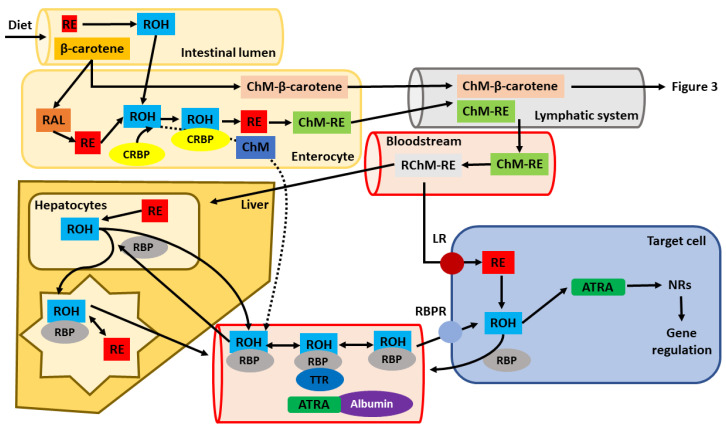
- In the body, retinol is transported mainly by retinol-binding protein (RBP) and transthyretin (TTR); vitamin A is stored largely as retinyl esters in the liver and adipose tissue, and deficiency may take months to appear after intake stops.
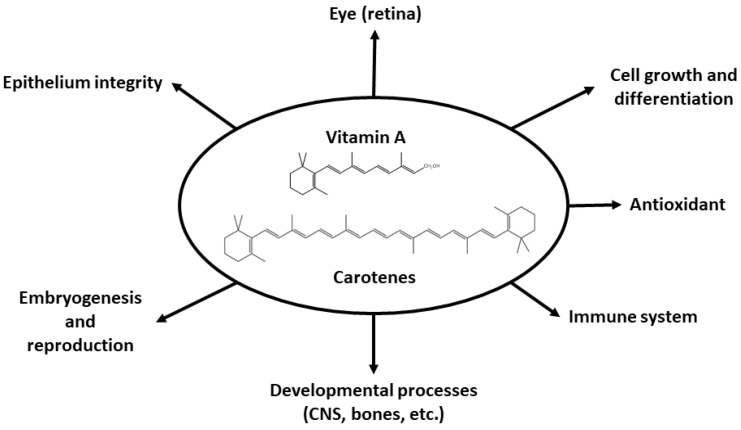
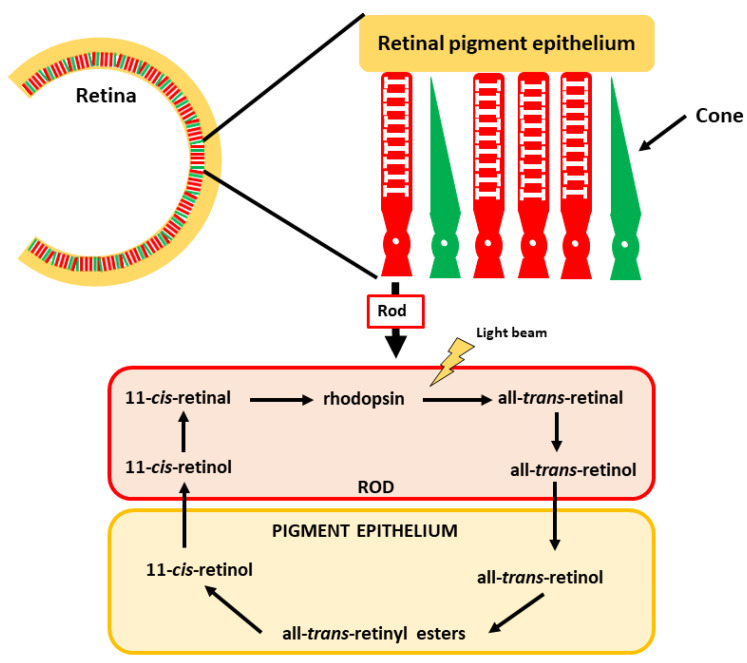
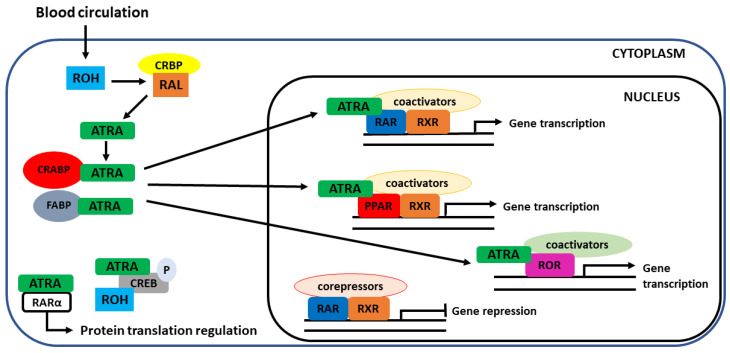
- The review states that vitamin A is involved in vision, gene regulation through nuclear receptors, immune function, epithelial integrity, embryogenesis, bone homeostasis, and other processes; it also notes that ATRA is the major active form of vitamin A.
- Deficiency is linked to night blindness, xerophthalmia, impaired immunity, infections, anemia, developmental problems, and blindness; the paper states that about one-third of the world’s infant population suffers from hypovitaminosis A, around 15% of pregnant women in developing countries are deficient, and vitamin A deficiency causes more than 650,000 child deaths per year in developing countries.
## Methods
- Narrative review article synthesizing previously published literature on vitamin A across sources, pharmacokinetics, function, deficiency, therapy, toxicity, and detection.
- The review draws on reported analytical and biological studies and summarizes findings from dietary, clinical, preclinical, and methodological papers; no original sample was collected.
- For detection methods, it compares instrumental approaches such as (U)HPLC with UV-Vis/DAD, FLD, ECD, MS/MS, SFC, GC-MS, and immunoassays, focusing on sensitivity, specificity, and suitability for endogenous retinoids.
## Limitations
- Not stated in the paper.
- Evident from the text: this is a review, so it does not present original experimental data or a new systematic synthesis with explicit search strategy, inclusion criteria, or risk-of-bias assessment.
- Evident from the text: many conclusions are based on heterogeneous prior studies, and the paper itself notes contradictory findings in areas such as cancer-related effects of retinoids and β-carotene.
Model-written summary. Check it against the paper before relying on it.
Integrity signals
Registry
Cites
Statistics
Figures
Verification
Claims the paper makes
46 Valid · 10 Not valid · 49 Not checked · 36 Own results and interpretations
The cited sources support only part of this claim — read each source’s verdict below.
In the paper
“The vitamin can be provided in the diet either via products of an animal origin in the form of vitamin A (retinol and its close derivatives) or as provitamin A (carotenoids) from vegetables [1].”
§ Vitamin A Update: Forms, Sources, Kinetics, Detection, Function, Deficiency, Therapeutic Use and Toxicity > 1. Introduction and Forms of Vitamin A
What the sources say
- Partly supportedcites [1] D’Ambrosio D.N. Clugston R.D. Blaner W.S. Vitamin A metabolism: An update Nutrients 2011 3 63 103 10.3390/nu3010063 21350678 PMC3042718 sourceExperimental — accuracy not yet measured
Section 2.1 (page not specified) says dietary retinoids arrive either as preformed retinol and retinyl ester or as proretinoid carotenoids. The passages support the two dietary forms but do not specify animal products as the source of the former or vegetables as the source of the latter. (LLM, conf=0.84)
plain- Asserted: passes — The authors put it forward as true.
- Checkable: passes — It can be checked against evidence.
- Load-bearing: unclear — It is unclear whether the paper’s conclusions depend on it.
- Based: passes — The paper gives a reason why it holds.
- Partly supported
Every source the paper cites for this claim was checked and supports it.
In the paper
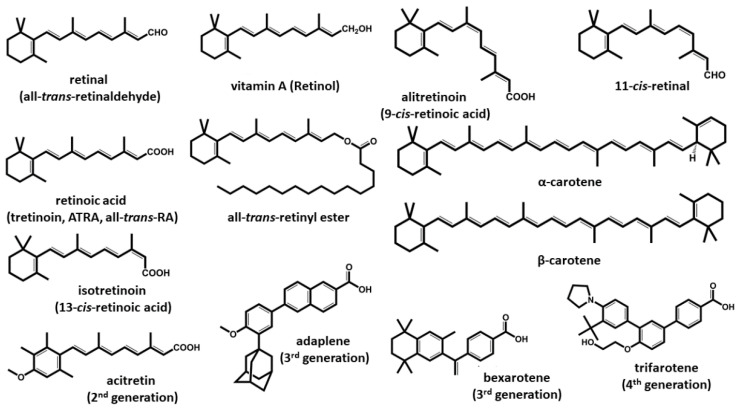
“Although the term vitamin A is mostly associated with retinol, and retinol is, in fact, the predominant form of retinoids in the human body, the main biologically active molecules are the oxidized derivates 11-cis-retinal and all-trans-retinoid acid (ATRA) [1,2].”
§ Vitamin A Update: Forms, Sources, Kinetics, Detection, Function, Deficiency, Therapeutic Use and Toxicity > 1. Introduction and Forms of Vitamin A
What the sources say
- Supportedcites [1] D’Ambrosio D.N. Clugston R.D. Blaner W.S. Vitamin A metabolism: An update Nutrients 2011 3 63 103 10.3390/nu3010063 21350678 PMC3042718 source
Section 5.3 describes 11-cis-retinoid as required for vision, while Section 2.2 reports that retinoic acid acts through its receptors to regulate gene expression. The paper’s retinoid-binding-protein table identifies both 11-cis-retinal and all-trans-retinoic acid. Together, these passages support the sentence’s characterization of them as major biologically active vitamin A derivatives (page numbers unavailable in our copy). (LLM, conf=0.85)
- Supportedcites [2] Kam R.K. Deng Y. Chen Y. Zhao H. Retinoic acid synthesis and functions in early embryonic development Cell. Biosci. 2012 2 11 10.1186/2045-3701-2-11 22439772 PMC3325842 source
Section 2, “Metabolism of vitamin A and the production of all-trans retinoic acid,” identifies atRA and 11-cis retinal as the key mediators of vitamin A function. Section 2.1 describes the formation of 11-cis retinal by oxidation of 11-cis retinol; section 2.2 describes oxidation in the pathway to atRA. (LLM, conf=0.95)
plain- Asserted: passes — The authors put it forward as true.
- Checkable: passes — It can be checked against evidence.
- Load-bearing: unclear — It is unclear whether the paper’s conclusions depend on it.
- Based: passes — The paper gives a reason why it holds.
- Supported
The cited sources support only part of this claim — read each source’s verdict below.
In the paper
“The values found in individual studies vary considerably, but the highest vitamin A content in the liver is usually reported in pigs [56,57,58,59,60].”
§ Vitamin A Update: Forms, Sources, Kinetics, Detection, Function, Deficiency, Therapeutic Use and Toxicity > 2. Sources of Vitamin A
What the sources say
- Not checked — no full text of the sourcecites [56] Majchrzak D. Fabian E. Elmadfa I. Vitamin A content (retinol and retinyl esters) in livers of different animals Food Chem. 2006 98 704 710 10.1016/j.foodchem.2005.06.035 source
- Not checked — no full text of the sourcecites [57] Álvarez R. Meléndez-Martínez A.J. Vicario I.M. Alcalde M.J. Carotenoid and Vitamin A Contents in Biological Fluids and Tissues of Animals as an Effect of the Diet: A Review Food Rev. Int. 2015 31 319 340 10.1080/87559129.2015.1015139 source
- Not checked — no full text of the sourcecites [58] Ollilainen V. Heinonen M. Linkola E. Varo P. Koivistoinen P. Carotenoids and retinoids in finnish foods: Meat and meat products J. Food Compos. Anal. 1988 1 178 188 10.1016/0889-1575(88)90022-1 2592640 source
- Could not verifycites [59] Darwish W.S. Ikenaka Y. Morshdy A.E. Eldesoky K.I. Nakayama S. Mizukawa H. Ishizuka M. β-carotene and retinol contents in the meat of herbivorous ungulates with a special reference to their public health importance J. Vet. Med. Sci. 2016 78 351 354 10.1292/jvms.15-0287 26498400 PMC4785134 sourceExperimental — accuracy not yet measured
The retinol-results passage (indexed under Abstract; page unavailable) compares rats, sheep and other ungulates, but not pigs. A search for pig, pork, swine and porcine found no passage assessing whether pig liver usually has the highest vitamin A content. (LLM, conf=0.78)
- Partly supportedcites [60] Schweigert F. Buchholz I. Schuhmacher A. Effect of dietary β-carotene on the accumulation of β-carotene and vitamin A in plasma and tissues of gilts Reprod. Nutr. Dev. Reprod. Nutr. Dev. 2001 41 47 55 10.1051/rnd:2001111 11368244 sourceExperimental — accuracy not yet measured
Section 3.2 reports vitamin A concentrations in gilt livers and says they were higher than in the other tissues examined. It does not compare liver concentrations across species, so it cannot establish that pigs usually have the highest liver vitamin A content. (LLM, conf=0.79)
hedged- Asserted: passes — The authors put it forward as true.
- Checkable: passes — It can be checked against evidence.
- Load-bearing: unclear — It is unclear whether the paper’s conclusions depend on it.
- Based: passes — The paper gives a reason why it holds.
The cited sources support only part of this claim — read each source’s verdict below.
In the paper
“Drugs such as estrogens and oral contraceptives have been reported to elevate plasma concentrations of RBP, thereby elevating retinoid blood levels [111].”
§ Vitamin A Update: Forms, Sources, Kinetics, Detection, Function, Deficiency, Therapeutic Use and Toxicity > 3. Vitamin A Pharmacokinetics > 3.2. Other Factors Influencing Vitamin A Pharmacokinetics
What the sources say
- Partly supportedcites [111] Jung U.S. Jeong K.J. Kang J.K. Yi K. Shin J.H. Seo H.S. Kim T. Kim S.H. Hur J.Y. Effects of estrogen receptor alpha and beta on the expression of visfatin and retinol-binding protein 4 in 3T3-L1 adipocytes Int. J. Mol. Med. 2013 32 723 728 10.3892/ijmm.2013.1440 23857051 sourceExperimental — accuracy not yet measured
The Discussion (page not available) reports that estradiol increased RBP4 secretion in cultured 3T3-L1 adipocytes and describes a correlation between plasma RBP and estradiol levels. It does not report that estrogens or oral contraceptives elevate plasma RBP, or that either raises retinoid blood levels; its proposed effect on retinoic acid metabolism is qualified as an expectation. (LLM, conf=0.86)
hedgedstates a cause- Asserted: passes — The authors put it forward as true.
- Checkable: passes — It can be checked against evidence.
- Load-bearing: unclear — It is unclear whether the paper’s conclusions depend on it.
- Based: passes — The paper gives a reason why it holds.
- Partly supported
The cited sources support only part of this claim — read each source’s verdict below.
In the paper
“Although the placenta has been believed to protect the fetus against high-vitamin A intake from pregnant women being over-supplemented with vitamin A, several studies have reported that high vitamin A intake by the mother can lead to teratogenic effects in the developing fetus [117,118,119].”
§ Vitamin A Update: Forms, Sources, Kinetics, Detection, Function, Deficiency, Therapeutic Use and Toxicity > 3. Vitamin A Pharmacokinetics > 3.3. Pharmacokinetics of Vitamin A during Pregnancy
What the sources say
- Supportedcites [117] Bastos Maia S. Rolland Souza A. Costa Caminha M. Lins Da Silva S. Callou Cruz R. Carvalho Dos Santos C. Batista Filho M. Vitamin A and Pregnancy: A Narrative Review Nutrients 2019 11 681 10.3390/nu11030681 PMC6470929 30909386 source
Section 4 reports that high maternal intake of preformed vitamin A during pregnancy may pose a teratogenic risk and describes malformations in children whose mothers consumed high doses. The review distinguishes preformed vitamin A from beta-carotene; it does not suggest that high beta-carotene intake has the same effect. (LLM, conf=0.94)
- Supportedcites [118] Rothman K.J. Moore L.L. Singer M.R. Nguyen U.S. Mannino S. Milunsky A. Teratogenicity of high vitamin A intake N. Engl. J. Med. 1995 333 1369 1373 10.1056/NEJM199511233332101 7477116 source
The Abstract reports a higher prevalence of birth defects among babies whose mothers consumed high amounts of preformed vitamin A and concludes that high intake appears teratogenic. The Discussion likewise describes a potential teratogenic effect, particularly with intake during early pregnancy; it distinguishes preformed vitamin A from beta carotene. (LLM, conf=0.94)
- Not matchedcites [119] Hunt J.R. Teratogenicity of high vitamin A intake N. Engl. J. Med. 1996 334 1197 10.1056/NEJM199605023341814 8602195
We searched by its title and found no matching paper.
plainstates a cause- Asserted: passes — The authors put it forward as true.
- Checkable: passes — It can be checked against evidence.
- Load-bearing: passes — The paper’s conclusions depend on it.
- Based: passes — The paper gives a reason why it holds.
- Supported
68 more claims · 25 with their cited sources checked
Create a free account to see all 141 claims and every source verdict.
- It may state two separate claims as one. 52
- Probably not a substantial claim. 23
Claims other papers make about this one
Each is checked against this paper’s own text: does it say what the citing paper says it does?
The source backs part of the claim, not all of it — or backs it for a different population, condition or comparison.
In the citing paper
“Excessive and prolonged beta-carotene consumption causes yellow-orange discolouration of skin thick areas, such as palms and soles, however this is a benign, reversible condition [1,19].”
From The Role of Vitamin A in Retinal Diseases (2022) · cites this paper as [1]
Experimental — accuracy not yet measuredThe source backs part of the claim, not all of it — or backs it for a different population, condition or comparison.
In the citing paper
“In adults, stores of vitamin A in the body can last around 1 to 2 years while in children stores last much shorter and signs of deficiency develop more rapidly [1].”
From The Role of Vitamin A in Retinal Diseases (2022) · cites this paper as [1]
Experimental — accuracy not yet measuredThe source backs part of the claim, not all of it — or backs it for a different population, condition or comparison.
In the citing paper
“It is crucial for reproduction, growth and development of the embryo, normal brain function, immune system functioning, skeletal development, growth of hair and nails, and epithelial cell RNA synthesis including the conjunctiva and cornea.”
From The Role of Vitamin A in Retinal Diseases (2022) · cites this paper as [1]
Experimental — accuracy not yet measuredThe cited source says what the claim attributes to it.
In the citing paper
“One of the most important vitamin A functions is its involvement in visual phototransduction, where it serves as the crucial part of photopigment, the first molecule in the process of transforming photons of light into electrical signals.”
From The Role of Vitamin A in Retinal Diseases (2022) · cites this paper as [1]
The cited source says what the claim attributes to it.
In the citing paper
“It is essential for several physiological processes.”
From The Role of Vitamin A in Retinal Diseases (2022) · cites this paper as [1]
8 more claims about this paper
Create a free account to see every claim other papers make about this one.
Self-check
Percentages, sums and reported differences re-computed from the paper’s own numbers.
Each contradiction between two passages listed here was confirmed by an independent check.
Rated major: it would touch a result — a value a result rests on, reported and recomputed p-values on opposite sides of the significance level, two passages that conflict with no sign which is right, or a cited work retracted before this paper was published.
In the paper
§ Vitamin A Update: Forms, Sources, Kinetics, Detection, Function, Deficiency, Therapeutic Use and Toxicity > 7. Therapeutic Use of Vitamin A
“Whereas most retinoids are usually available in oral preparations, acitretin is indicated for topical use.”
§ Vitamin A Update: Forms, Sources, Kinetics, Detection, Function, Deficiency, Therapeutic Use and Toxicity > 3. Vitamin A Pharmacokinetics > 3.1. Absorption, Distribution, Metabolism and Elimination
“Etretinate and acitretin, which are second-generation retinoids, are also used in oral form in therapy.”
Citations
Cites
Trumbo (2001) · doi:10.1016/s0002-8223(01)00078-5 · Cited by 4,852
Effects of a combination of beta carotene and vitamin A on lung cancer and cardiovascular disease
Omenn, G. S., Goodman, G. E., Thornquist, M. D., Balmes, J., Cullen, M. R., Glass, A., Keogh, J. P., Meyskens, F. L., Valanis, B., Williams, J. H., et al. (1996) · New England Journal of Medicine · doi:10.1056/nejm199605023341802 · Cited by 3,638
A human retinoic acid receptor which belongs to the family of nuclear receptors
Petkovich, M., Brand, N. J., Krust, A., & Chambon, P. (1987) · Nature · doi:10.1038/330444a0 · Cited by 2,214
Serum retinol binding protein 4 contributes to insulin resistance in obesity and type 2 diabetes
Yang, Q., Graham, T. E., Mody, N., Preitner, F., Peroni, O. D., Zabolotny, J. M., Kotani, K., Quadro, L., & Kahn, B. B. (2005) · Nature · doi:10.1038/nature03711 · Cited by 2,086
The epidemiology of global micronutrient deficiencies
Bailey, R. L., West Jr., K. P., & Black, R. E. (2015) · Annals of Nutrition and Metabolism · doi:10.1159/000371618 · Cited by 2,035
Induction of differentiation of the human promyelocytic leukemia cell line (HL-60) by retinoic acid
Breitman, T. R., Selonick, S. E., & Collins, S. J. (1980) · Proceedings of the National Academy of Sciences · doi:10.1073/pnas.77.5.2936 · Cited by 1,966
Identification of a receptor for the morphogen retinoic acid
Giguere, V., Ong, E. S., Segui, P., & Evans, R. M. (1987) · Nature · doi:10.1038/330624a0 · Cited by 1,965
Lammer, E. J., Chen, D. T., Hoar, R. M., Agnish, N. D., Benke, P. J., Braun, J. T., Curry, C. J., Fernhoff, P. M., Grix, A. W., Lott, I. T., et al. (1985) · New England Journal of Medicine · doi:10.1056/nejm198510033131401 · Cited by 1,942
9-cis retinoic acid is a high affinity ligand for the retinoid X receptor
Heyman, R. A., Mangelsdorf, D. J., Dyck, J. A., Stein, R. B., Eichele, G., Evans, R. M., & Thaller, C. (1992) · Cell · doi:10.1016/0092-8674(92)90479-v · Cited by 1,780
TISSUE CHANGES FOLLOWING DEPRIVATION OF FAT-SOLUBLE A VITAMIN
Wolbach, S. B., & Howe, P. R. (1925) · Journal of Experimental Medicine · doi:10.1084/jem.42.6.753 · Cited by 1,647
Research works printed but not linked: 2
- Seroczynska A. Korzeniewska A. Sztangret-Wisniewska J. Niemirowicz-Szczytt K. Marek G. Relationship between carotenoids content and flower or fruit flesh colour of winter squash (Cucurbita maxima Duch.) Folia Hortic. 2006 18 51 61
- Fedele V. Rubino R. Salvatore C. Manzi P. Marconi S. Pizzoferrato L. Seasonal variation in retinol concentration of goat milk associated with grazing compared to indoor feeding S. Afr. J. Anim. Sci. 2004 34 148 150
Cited by
Items 101–200 of 416
Role of Scavenger Receptor B1 (SR-B1) in Improving Food Benefits for Human Health
Valacchi, G., & Pecorelli, A. (2025) · Annual Review of Food Science and Technology · doi:10.1146/annurev-food-111523-121935 · Cited by 13
Oesophageal adenocarcinoma, obesity, and cancer: the role of nutrition in prevention and management
Reytor-González, C., Simancas‐Racines, D., Jiménez-Flores, E., Campuzano-Donoso, M., Am, C., Coppola, L., Marchetti, M., Zambrano-Villacres, R., & Sarno, G. (2025) · Food and Agricultural Immunology · doi:10.1080/09540105.2025.2510951 · Cited by 14
“Nutrient imbalances must be screened before the procedure, as patients undergoing BS frequently present vitamin and Vitamin A* Fish, dairy products, meat, fruits, vegetables (Berger et al., 2024; Carazo et al., 2021).”
Liquid chromatography-tandem mass spectrometry in fat-soluble vitamin deficiency
Ma, Y., Yu, S., Mu, D., Cheng, J. H., Qiu, L., & Cheng, X. (2023) · Clinica Chimica Acta · doi:10.1016/j.cca.2023.117469 · Cited by 13
Yang, B., Huang, S., Li, S., Feng, Z., Zhao, G., & Ma, Q. (2022) · Frontiers in Veterinary Science · doi:10.3389/fvets.2022.895831 · Cited by 15
Jia, W., & Bi, Y. (2023) · Pediatric Discovery · doi:10.1002/pdi3.29 · Cited by 13
Bates, C. A., Vincent, M., Buerger, A. N., Santamaria, A. B., Maier, A., & Jack, M. M. (2024) · Food and Chemical Toxicology · doi:10.1016/j.fct.2024.115104 · Cited by 15
Arcaro, A., Lepore, A., Cetrangolo, G. P., Paventi, G., Ames, P. R. J., & Gentile, F. (2025) · International Journal of Molecular Sciences · doi:10.3390/ijms26167787 · Cited by 14
Histopathological evaluation of a retinoic acid eluting stent in a rabbit iliac artery model
Σαμαρά, Ι., Katsouras, C. S., Semertzioglou, A., Vratimos, A., Moula, A. I., Dimitriou, C. A., Theofanis, M., Papadimitropoulou, T., Bouratzis, V., Karanasiou, G. S., et al. (2022) · Scientific Reports · doi:10.1038/s41598-022-16025-5 · Cited by 10
Dhillon, V. S., Deo, P., & Fenech, M. F. (2022) · Cancers · doi:10.3390/cancers15010077 · Cited by 13
“Plasma retinol levels may indicate dietary intake of retinol [69].”
BackgroundA Miniaturized Sample Preparation Method for the Determination of Vitamins A and E in Food Products
Słowik‐Borowiec, M., Głąb, N., Stach, S., & Szpyrka, E. (2023) · Molecules · doi:10.3390/molecules28083449 · Cited by 11
“When choosing a test technique, important requirements should be taken into account, and, in particular, the type of product tested and the type of vitamin and its concentration in the sample [15,24].”
BackgroundInfluentialEvolution, mechanism and limits of dietary restriction induced health benefits & longevity
Becker, F. R., Behrends, M., & Rudolph, K. L. (2023) · Redox Biology · doi:10.1016/j.redox.2023.102725 · Cited by 12
“Vitamin A for example is highly abundant in the standard animal chow but also in the human western diet [23,31].”
BackgroundThe Role of Vitamins in Mitigating the Effects of Various Stress Factors in Pigs Breeding
Smołucha, G., Steg, A., & Oczkowicz, M. (2024) · Animals · doi:10.3390/ani14081218 · Cited by 12
“Hypervitaminosis may present with skeletal abnormalities, vomiting, distorted vision, hypercalcemia, and thickened skin [63,77].”
BackgroundFunctional phytochemicals in tomatoes: biosynthesis, gene regulation, and human health implications
ElShamey, E. A. Z., Zeng, Y., Ding, Y., & Yang, J. (2025) · Frontiers in Plant Science · doi:10.3389/fpls.2025.1662388 · Cited by 15
Ferreira, C. M., Silva, M. T., de Oliveira, J. M., Höfelmann, D. A., Alves, D. F. D. S., da Silva, W. W. G., & Galvão, T. F. (2022) · British Journal Of Nutrition · doi:10.1017/s0007114522001714 · Cited by 9
“Micronutrient deficiency has a negative impact on different aspects of human health, but major effects are observed during childbearing years in women and childhood(2).”
BackgroundAdvancing towards practice: A novel LC-MS/MS method for detecting retinol in dried blood spots
Wang, H., Xiao, X., He, X., & Wang, S.-T. (2024) · Talanta · doi:10.1016/j.talanta.2024.126491 · Cited by 11
Association between dietary retinol intake and rheumatoid arthritis based on NHANES database
Ni, Y., Cao, Y., Qiu, Y., & Li, Y. (2024) · BMC Public Health · doi:10.1186/s12889-024-19620-5 · Cited by 10
Bello, A. S., Huda, S., Alsafran, M. H. S. A., et al. (2024) · Journal of Agriculture and Food Research · doi:10.1016/j.jafr.2024.101527 · Cited by 9
Schmieder, H., Leischner, C., Piotrowsky, A., Marongiu, L., Venturelli, S., & Burkard, M. (2025) · Immunity & Ageing · doi:10.1186/s12979-025-00501-3 · Cited by 16
“…the carotenoids like β-carotene) or be converted into retinal and subsequently oxidized into ATRA, hence biologically active versions of vitamin A (only onethird), or reduced to retinol depending on administered amount, storage levels and the amount of concomitantly consumed dietary fat [73, 81].”
InfluentialSteensel, M. A. M. V. (2025) · Annals of Human Genetics · doi:10.1111/ahg.70014 · Cited by 14
“The skin may be particularly sensitive to the lack of RBP4 because it requires high levels of retinol for its normal functioning (Carazo et al. 2021).”
The role and impact of abnormal vitamin levels in autism spectrum disorders
Cui, J., Zhai, Z., Wang, S., Song, X., Qiu, T., Yu, L., Zhai, Q., & Zhang, H. (2024) · Food & Function · doi:10.1039/d3fo03735e · Cited by 12
Asgari, F., Nikzamir, A., Baghaei, K., Salami, S., Masotti, A., & Rostami‐Nejad, M. (2024) · Inflammation · doi:10.1007/s10753-024-02004-7 · Cited by 9
“These cells effectively suppress inflammation and contribute to mucosal immunity through modulating T cell activation and regulating cell trafficking [16].”
Thapa, R., Addo, E. K., Ruit, S., & Bernstein, P. S. (2023) · Journal of Nutrition · doi:10.1016/j.tjnut.2023.02.005 · Cited by 9
Yocgo, R. E. E., Hitimana, I., Hakizimana, M., et al. (2023) · Scientific Reports · doi:10.1038/s41598-023-46936-w · Cited by 8
Mudadirwa, D., Ndhlela, T., Olakojo, S. A., & Gonhi, T. (2023) · CABI Reviews · doi:10.1079/cabireviews.2023.0041 · Cited by 8
Building Synthetic Yeast Factories to Produce Fat-soluble Antioxidants
Zhao, Y., Yao, Z., Desai, V., Chen, D., & Shao, Z. (2024) · Current Opinion in Biotechnology · doi:10.1016/j.copbio.2024.103129 · Cited by 8
Association of circulating vitamin levels with thyroid diseases: a Mendelian randomization study
Zhang, W., Liu, E., & Que, H. (2024) · Frontiers in Endocrinology · doi:10.3389/fendo.2024.1360851 · Cited by 8
“Vitamin A is able to regulate thyroid homeostasis alone or interact with other micronutrients, especially with iodine (29).”
BackgroundNutrition Essentials: Building a Foundation for Optimal Health Through Diet
Minocha, N., & Singh, A. (2024) · Advances in medical diagnosis, treatment, and care (AMDTC) book series · doi:10.4018/979-8-3693-8267-7.ch004 · Cited by 10
D’Angelo, A., Lixi, F., Vitiello, L., Gagliardi, V., Pellegrino, A., & Giannaccare, G. (2025) · BioMed Research International · doi:10.1155/bmri/6654976 · Cited by 11
“…vitamin, and its active derivative of vitamin A, 11-cis-retinal, is a critical component of rhodopsin, which contributes to light perception, while isomers such as all-trans-retinol and 11-cis-retinol are essential nutrients for retinal photoreceptors, which are vital for visual function [154].”
Vitamin A and Its Related Diseases
Rao, S., Li, T., Li, X., Hou, L., & Sun, W. (2025) · Food Science & Nutrition · doi:10.1002/fsn3.70630 · Cited by 19
“In terms of skin and mucous membranes, local medication can cause erythema and desquamation, while systemic exposure can lead to dry skin and shedding of mucous membranes (Carazo et al. 2021).”
InfluentialNutrigenomics of fat-soluble vitamins and micronutrients in hepatocyte lipotoxicity and MASLD
Migni, A., Bartolini, D., Ceccarini, M. R., Galli, C., Cavaliere, G., Garetto, S., Lucci, J., & Galli, F. (2026) · Progress in Lipid Research · doi:10.1016/j.plipres.2026.101380 · Cited by 10
Signaling pathways driving ocular malignancies and their targeting by bioactive phytochemicals
Croley, C. R., Pumarol, J., Delgadillo, B. E., Cook, A. C., Day, F., Kaceli, T., Ward, C. C., Husain, I., Husain, A., Banerjee, S., et al. (2023) · Pharmacology & Therapeutics · doi:10.1016/j.pharmthera.2023.108479 · Cited by 9
Szabó, É., Csölle, I., Felsö, R., de Gaudry, D. K., Nyakundi, P. N., Ibrahim, K., Metzendorf, M., Ferenci, T., & Lohner, S. (2023) · Nutrients · doi:10.3390/nu15245135 · Cited by 12
“Vitamin A has diverse functions: it is essential for vision, for embryo development and growth and for maintaining the immune system [3].”
BackgroundVitamin A deficiency in the MENA region: a 30-year analysis (1990–2019)
Safiri, S., Mousavi, S. E., Nejadghaderi, S. A., Asghari, K. M., Karamzad, N., Sullman, M. J. M., Kolahi, A., & Abdollahi, M. (2024) · Frontiers in Nutrition · doi:10.3389/fnut.2024.1413617 · Cited by 9
Cancalon, M., Villeneuve, P., Barouh, N., Baréa, B., Durand, E., Bourlieu‐Lacanal, C., & Hémery, Y. (2024) · LWT · doi:10.1016/j.lwt.2024.116830 · Cited by 8
Impact of Pregnancy and Vitamin A Supplementation on CYP2D6 Activity
Amaeze, O. U., Czuba, L. C., Yadav, A. S., Fay, E., LaFrance, J., Shum, S., Moreni, S. L., Mao, J., Huang, W., Isoherranen, N., et al. (2022) · The Journal of Clinical Pharmacology · doi:10.1002/jcph.2169 · Cited by 11
Exploring the Effects of Vitamin D and Vitamin A Levels on the Response to COVID-19 Vaccine
Kofahi, H. M., Badran, B. R., Nimer, R. M., Atoom, A. M., & Hersh, S. M. A. (2023) · Vaccines · doi:10.3390/vaccines11091509 · Cited by 8
“Thus, a vitamin A deficiency was found to be a main cause of night blindness [24].”
BackgroundLi, P., Xu, J., Guo, Y., Ma, X., Wang, X., Liu, L., Liu, Y., Ren, X., Li, J., Wang, Y., et al. (2025) · npj Science of Food · doi:10.1038/s41538-025-00402-1 · Cited by 9
“Besides, retinol was also reported to participate in the pathophysiological processes of cardiovascular disease, diabetes, cancer and obesity 6 .”
Toxic Effects of Excess Vitamins A, B6, and Folic Acid on the Nervous System
Sun, Y., Yu, X., Teng, Y., & Sun, Y. (2025) · Behavioural Neurology · doi:10.1155/bn/7888243 · Cited by 11
“…foods, such as animal liver, cod liver oil, cream, whole milk, poultry, and eggs, whereas pro – vitamin A carotenoids are mainly found in plant foods, especially orange and red vegetables, and fruits, such as carrots, sweet potatoes with red hearts, chili peppers, mangoes, and persimmons [9].”
InfluentialZeng, T., Fei, S. O. N. G., Yang, Z., Yan, X., Jiang, L., Li, D., & Huang, Z. (2026) · Foods · doi:10.3390/foods15010156 · Cited by 9
“However, Vitamin A is mainly in the form of preformed Vitamin A (retinol) and provitamin A (carotenoid) [20].”
Applicability of Nanoemulsions for the Incorporation of Bioactive Compounds in Cosmetics: A Review
de Souza, A. C., Sípoli, C. C., Aranha, A. C. R., Samulewski, R. B., da Silva, G. N., Defendi, R. O., Gomes, M. C. S., & Suzuki, R. M. (2026) · ACS Omega · doi:10.1021/acsomega.5c08224 · Cited by 16
Recent Developments in Antioxidants from Natural Sources
Fuertes, P. O., & Corral, M. F. (2023) · Biochemistry · doi:10.5772/intechopen.104365 · Cited by 8
A narrative review on dietary components and patterns and age-related macular degeneration
Koçyiğit, E., Gövez, N. E., Arslan, S., & Ağagündüz, D. (2024) · Nutrition Research Reviews · doi:10.1017/s0954422424000015 · Cited by 11
Kamaris, G., Dalavitsou, A., & Markopoulou, C. K. (2024) · Separations · doi:10.3390/separations11020043 · Cited by 7
“The main actions of vitamin A (retinol) are related to vision, cell growth, antioxidant capacity, immune improvement, and epithelial reproduction and integrity [4].”
BackgroundMethodChen, Y.-C., & Hung, M. (2024) · Frontiers in Nutrition · doi:10.3389/fnut.2024.1417489 · Cited by 7
Li, M., Cheng, W., Li, S., Wang, J., Chen, Y.-R., Liang, L., & Yang, G. F. (2025) · Frontiers in Pediatrics · doi:10.3389/fped.2024.1343870 · Cited by 7
The importance of vitamin a in the nutrition
Koprivica, M., & Bjelanović, J. (2021) · Medicinski casopis · doi:10.5937/mckg55-31633 · Cited by 8
“In food of animal origin vitamin A is present in pork liver, fish, dairy products, eggs (4).”
BackgroundInfluentialA Bloody Feast—Nutritional Regulation of Hematopoiesis
Ussishkin, N., & Nachmani, D. (2023) · Experimental Hematology · doi:10.1016/j.exphem.2023.08.004 · Cited by 8
Rezaeian, M., Monfared-Parizi, S., Mousavi-Shirazi-Fard, Z., Sayadi, A. R., Khodadadi, H., & Ghaseminasab-Parizi, M. (2025) · Scientific Reports · doi:10.1038/s41598-025-00780-2 · Cited by 9
“…level of antioxidants in critical illness plasma is reduced 16 Vitamin A boosts the immune system by aiding immune cell growth and differentiation and acting as an antioxidant 17–19 since zinc regulates immune function, its deficiency leads to more respiratory infections, prolonging hospital stays.”
The Role of Nutraceuticals in Age-Related Ocular Diseases
Starvaggi, J., Chio, C. D., Luca, F. D., Previti, S., Zappalà, M., & Ettari, R. (2025) · Molecules · doi:10.3390/molecules30173592 · Cited by 7
“With the intervention of retinal isomerase, the double bond is isomerized from cis to trans, resulting in 11-cis-retinal, which then binds with opsin to form rhodopsin [131] (Figure 5).”
Escobar, C., Figueroa, T., González, L., Ruíz, I., Aguayo, C. R., Toledo, J. R., Garrido, Á. R. R., Larenas‐Muñoz, F., & Fernández, K. F. (2026) · ACS Applied Polymer Materials · doi:10.1021/acsapm.5c03608 · Cited by 8
Vitamin A and its influence on tumour extracellular matrix
Xie, G., Cao, S., Wang, G., Zhang, X., Zhang, Y., Wu, H., Shen, S., Le, J., Li, K., & Huang, Z. (2025) · Discover Oncology · doi:10.1007/s12672-025-01751-9 · Cited by 7
“Retinoic acid syndrome is also a manifestation of the toxicity of vitamin A derivatives [76–79] (Fig.”
Scoping review of micronutrient imbalances, clinical manifestations, and interventions
English, K. J., Uwibambe, C., Daniels, P., & Dzukey, E. (2025) · World Journal of Methodology · doi:10.5662/wjm.v15.i4.107664 · Cited by 7
Prabhu, P. A. J., Kortner, T. M., Wischhusen, P., Hamre, K., Krogdahl, Å., Skjærven, K. H., Løkka, G., Berge, G. M., Espe, M., & Sissener, N. H. (2025) · Reviews in Aquaculture · doi:10.1111/raq.70087 · Cited by 7
Retinoid Treatment for Oral Leukoplakia: Current Evidence and Future Development
Hu, Y., Wang, Y., Li, Y., Zeng, X. Y., Li, J., Zhou, Y. J., & Chen, Q. (2024) · Journal of Clinical Pharmacy and Therapeutics · doi:10.1155/2024/6616979 · Cited by 7
Zumaraga, M. P., Desmarchelier, C., Gleize, B., Nowicki, M., Ould‐Ali, D., Landrier, J., & Borel, P. (2024) · Journal of Nutrition · doi:10.1016/j.tjnut.2024.10.035 · Cited by 6
Enhanced cytotoxicity of exo- and endogenous compounds by hitchhiking lipid-based nanocarriers
Zöller, K., Lindner, S., To, D., Postina, A., & Bernkop‐Schnürch, A. (2025) · Journal of Drug Delivery Science and Technology · doi:10.1016/j.jddst.2025.106628 · Cited by 5
The impact of wheat bran on vitamin A bioaccessibility in lipid-containing systems
Wayenbergh, E. V., Verkempinck, S. H. E., Courtin, C. M., & Grauwet, T. (2025) · Food Chemistry · doi:10.1016/j.foodchem.2025.145082 · Cited by 5
Du, Q., Zhang, Y., Guo, X., Cai, M., Li, Y., & Xu, M. (2025) · Antioxidants · doi:10.3390/antiox14121390 · Cited by 7
“Retinol (vitamin A), ascorbate (vitamin C), and riboflavin (vitamin B 2 ) metabolism constitute a vitamin-dependent antioxidant system that scavenges ROS directly or regenerates reduced cofactors such as FAD, FMN, and GSH [34–36].”
The role of 25-OH vitamin D in Alzheimer’s disease through Mendelian randomization and MRI
Fu, L., Vollkommer, T., Fuest, S., Gosau, M., Feng, H., Yan, M., Smeets, R., Burg, S., & Friedrich, R. E. (2024) · QJM · doi:10.1093/qjmed/hcae166 · Cited by 7
Cutaneous Signs of Nutritional Deficiencies
Park, S. E., Williams, M., Crew, A. B., & Hsiao, J. L. (2024) · Current Geriatrics Reports · doi:10.1007/s13670-024-00425-8 · Cited by 5
“A balanced diet often provides sufficient levels of vitamin A for physiological needs, but if not available, vitamin supplementation is necessary [25].”
InfluentialVitamins and Their Impact on Human Health
Tiwari, N. K., Mehrotra, N., Tripathi, P., & Sharma, S. (2024) · Springer eBooks · doi:10.1007/978-981-97-4723-8_6 · Cited by 9
da Silva, L. R., Normando, P., Schincaglia, R. M., de Castro, I. R. R., Andrade, P. G., Berti, T. L., Lacerda, E. M. D. A., Alves‐Santos, N. H., Carneiro, L. B. V., & Kac, G. (2025) · Current Developments in Nutrition · doi:10.1016/j.cdnut.2025.104567 · Cited by 8
The interictal transcriptomic map of migraine without aura
Petschner, P., Kumar, S., Nguyen, A., Török, D., Gál, Z., Baksa, D., Gecse, K., Kökönyei, G., Mamitsuka, H., & Juhász, G. (2025) · The Journal of Headache and Pain · doi:10.1186/s10194-025-02033-z · Cited by 7
“Vitamin A pathway genes were manually selected from [28] and [29], based on protein names mentioned in the texts, human gene names retrieved using GeneCards [30], and corresponding SNPs extracted like for LEGs (Supplementary material 4).”
Long, X., Gao, Q., Huang, X., Xue, Y., Ding, L., Li, J., Hou, H., Wang, J., & Dong, P. (2022) · Journal of Food Composition and Analysis · doi:10.1016/j.jfca.2022.105039 · Cited by 6
Petrova, S. Y., Albanova, V. I., Nozdrin, K. V., & Guzev, K. S. (2023) · Vestnik dermatologii i venerologii · doi:10.25208/vdv1375 · Cited by 9
Stability of Carotenoids in Sweet Corn: Part 2. Effects of Blanching, Freezing, and Canning
Whent, M., Huang, J., Childs, H., Slavin, M., Harrison, D. J., Novotny, J. A., Yu, L. L., Pehrsson, P. R., & Wu, X. (2023) · ACS Food Science & Technology · doi:10.1021/acsfoodscitech.3c00273 · Cited by 4
Association Between Vitamin a Intake and Depression Among Patients with Heart Failure
Wang, L., Wang, X., Su, H., & Xu, J. (2024) · ESC Heart Failure · doi:10.1002/ehf2.14935 · Cited by 5
“14 The function of modulating T-cell responses, cytokine production, and immune cell migration have been reported in vitamin A. 14 By modulating immune responses, vitamin A may help maintain a balanced immune system and reduce the occurrence of depression in patients with HF.”
InfluentialThe multifaceted roles of retinoids in eye development, vision, and retinal degenerative diseases
Engfer, Z. J., & Palczewski, K. (2024) · Current topics in developmental biology/Current Topics in Developmental Biology · doi:10.1016/bs.ctdb.2024.10.003 · Cited by 8
Stepanov, A. A., Usharova, S. A., Malsagova, K. A., Moshetova, L. K., Turkina, K. I., Kopylov, A. T., & Kaysheva, A. L. (2022) · International Journal of Molecular Sciences · doi:10.3390/ijms232314653 · Cited by 5
“Vitamin A can efficiently neutralize thiol-radicals and stabilize peroxide radicals, being an important factor that prevents and reduces the risk of oxidative stress and inflammation [55,56].”
BackgroundKrašovec, T., Kobal, N., Habjan, M. Š., Volk, M., Hawlina, M., & Fakin, A. (2023) · International Journal of Molecular Sciences · doi:10.3390/ijms24010780 · Cited by 5
Carotenoids in Potato Tubers: A Bright Yellow Future Ahead
Sturaro, M. (2025) · Plants · doi:10.3390/plants14020272 · Cited by 6
“About 500,000 children suffer annually from early blindness due to vitamin A deficiency [14].”
Anchan, B., Kamath, S. U., Rao, G. M., Kamath, S. U., Pai, A. R., Kulkarni, S. D., De, S., & Patil, A. (2025) · Discover Nano · doi:10.1186/s11671-025-04265-z · Cited by 5
Li, S., Luo, Y., Chen, W., Huang, C. R., Chen, Y., & Hong, X.-Y. (2025) · Clinica Chimica Acta · doi:10.1016/j.cca.2025.120615 · Cited by 5
Borel, P., Le, H. D., & Sabatier, M. (2026) · Progress in Lipid Research · doi:10.1016/j.plipres.2026.101382 · Cited by 4
Therapeutic Effects of Vitamins and Nutritional Supplements on Sinusitis: A Narrative Review
Poudineh, M., Nikzad, F., Parvin, S., Ghaheri, M., Sabbaghi, S., Kazemi, E., Ghodrati, M. M., Mohammadyari, F., Saeedpour, S., Mohammadpour, S., et al. (2024) · Nutrition and Metabolic Insights · doi:10.1177/11786388241263680 · Cited by 5
“Vitamin A, also known as retinol, is a fat-soluble vitamin found in various foods such as meat, 13 fish, 14 and vegetables (provita-min A in form of certain carotenoids).”
BackgroundDiagnostic Approach Common Cases of Vitamins Toxicity in Children
Shasho, R., & Shasho, M. (2022) · Scholars Journal of Applied Medical Sciences · doi:10.36347/sjams.2022.v10i01.001 · Cited by 6
“In infants younger than 6 months, 1,000 IU/day may be considered unsafe.”
BackgroundInfluentialHuang, J., Zhang, X., Hong, Z., Lin, X., Chen, F., Lan, J. Q., Zhang, Z., & Deng, H. (2023) · British Journal Of Nutrition · doi:10.1017/s0007114523001265 · Cited by 5
“Vitamin A also plays a vital role in helping cells and tissues to grow and develop (51) .”
BackgroundRetinoic Acid Induced Cell Signaling as a Counter Against Disease
Franco, J. H., & Pan, Z. K. (2023) · Journal of Cellular Signaling · doi:10.33696/signaling.4.106 · Cited by 4
Life cycle assessment of open field sea fennel production in central Italy
Duca, D., Boakye‐Yiadom, K. A., Ilari, A., Aquilanti, L., & Pedretti, E. F. (2024) · Cleaner Environmental Systems · doi:10.1016/j.cesys.2024.100198 · Cited by 4
Immunological Insights Into Nutritional Deficiency Disorders
Azraida, H., Swathi, N. L., & Ali, A. (2024) · Advances in medical diagnosis, treatment, and care (AMDTC) book series · doi:10.4018/979-8-3693-2947-4.ch004 · Cited by 8
Recovery of ammonia assimilating microbiome after Cr (VI) shock by bio-accelerators
Jiao, T., Zhao, C., Zhang, M., Han, F., Han, Y., Zhang, S., & Zhou, W. (2024) · Journal of Environmental Management · doi:10.1016/j.jenvman.2024.123020 · Cited by 4
Radhakrishnan, R., Leung, M., Lor, A., More, S. S., & Lobo, G. P. (2025) · The FASEB Journal · doi:10.1096/fj.202403090r · Cited by 6
Labarrade, F., Garcia, I., & Imbert, I. (2025) · International Journal of Cosmetic Science · doi:10.1111/ics.13062 · Cited by 4
Hou, Z.-X., Li, W., Pi, R., Wang, H.-W.-X., Dai, M.-N., Ouyang, Y., & Li, S. (2025) · Current Medical Science · doi:10.1007/s11596-025-00038-y · Cited by 6
“Vitamin A is derived from retinoic acid in foods of animal origin or from a series of enzymatic reactions of carotenoids and carotenoids in plant foods [10].”
Li, T., Cui, X., Li, X., Yang, J., Wang, H., Yang, J., & Jin, Z. (2025) · Journal of Inflammation Research · doi:10.2147/jir.s522566 · Cited by 4
Multimodal Imaging Study of Patients With Vitamin A Deficiency Retinopathy
Pichi, F., Aljneibi, S., Neri, P., Rishi, P., Cicinelli, M. V., Introini, U., Sharma, S. K., Munk, M. R., Pasadhika, S., González‐López, J. J., et al. (2023) · Ophthalmic surgery, lasers & imaging retina · doi:10.3928/23258160-20230513-01 · Cited by 5
Qing, S., & Guo, J. (2024) · PLoS ONE · doi:10.1371/journal.pone.0297552 · Cited by 5
“Humans are unable to synthesize VA but can obtain it from both animal food (e.g., milk, liver, cheese, butter, and egg) and plant-based pro-vitamin A carotenoids [5,6].”
BackgroundVitamins in Gynecologic Malignancies
Wierzbowska, N., Olszowski, T., Chlubek, D., Kozłowski, M., & Cymbaluk‐Płoska, A. (2024) · Nutrients · doi:10.3390/nu16091392 · Cited by 7
The Pathogenic Role of Foam Cells in Atherogenesis: Do They Represent Novel Therapeutic Targets?
Lisco, G., Giagulli, V. A., Pergola, G. D., Guastamacchia, E., Jirillo, E., & Triggiani, V. (2022) · Endocrine Metabolic & Immune Disorders - Drug Targets · doi:10.2174/1871530322666220107114313 · Cited by 4
The therapeutic potential of vitamins A, C, and D in pancreatic cancer
Piotrowsky, A., Burkard, M., Schmieder, H., Venturelli, S., Renner, O., & Marongiu, L. (2024) · Heliyon · doi:10.1016/j.heliyon.2024.e41598 · Cited by 4
“Since ATRA is the major biologically active form of vitamin A [178], there is an urgent need for further clinical studies investigating the efficacy of this vitamin A form in pancreatic cancer to confirm the promising preclinical studies.”
Viral-Based Gene Editing System for Nutritional Improvement of Fructan Content in Lettuce
Livneh, Y., Agmon, D., Leor‐Librach, E., & Vainstein, A. (2025) · International Journal of Molecular Sciences · doi:10.3390/ijms26062594 · Cited by 3
“However, it is generally less nutritionally rich than other leafy greens, particularly in fibre content [19–22].”
Focus on eye health: analysis of the potential application of carotenoids from goji berries sources
Duan, H., Liu, G., Liu, J., Li, Y., Bao, S., Song, W. D., & Yan, W. (2025) · Journal of Future Foods · doi:10.1016/j.jfutfo.2025.04.004 · Cited by 4
Vitamins and Iron-Deficiency Gestational Anemia – A Review
Yadav, D. V., Mitra, T., Punniyamoorthy, D., Murugesan, A., Raveendran, S. K., & Janardhanan, R. (2025) · Journal of Dietary Supplements · doi:10.1080/19390211.2025.2555013 · Cited by 4
“Vitamin A Vitamin A is a lipid-soluble micronutrient commonly known as retinol and is integral to diverse physiological processes in the human body, playing a vital role in controlling several aspects of iron balance in the human body (Noh et al. 2019; Carazo et al. 2021a).”
Pickering emulsion stabilized by biocomposite nanoparticles as a protective system for β-carotene
Góngora-Chi, G. J., Quihui‐Cota, L., López-Franco, Y. L., López‐Mata, M. A., Martinez-Robinson, K. G., Tortoledo‐Ortiz, O., & Lizardi‐Mendoza, J. (2025) · Sustainable Food Technology · doi:10.1039/d5fb00348b · Cited by 3
Noninvasive detection of Vitamin Deficiency using Machine Learning
Stella, K., Ravi, V., Chinnathampy, M. S., Keerthi, R., Swathi, B., & Deepika, A. (2025) · International Conference on Circuit, Power and Computing Technologies · doi:10.1109/iccpct65132.2025.11176552 · Cited by 3
Turrubiates‐Hernández, F. J., García‐Arellano, S., Herrera-Jiménez, L. E., González-Estévez, G., Márquez‐Sandoval, F., Padilla-Bórquez, D. L., Ceja-Gálvez, H. R., Vega‐Magaña, N., Nicoletti, F., Muñoz-Ríos, G., et al. (2024) · Journal of Clinical Medicine · doi:10.3390/jcm13061538 · Cited by 3
“Vitamin A is a fat-soluble compound acquired through the ingestion of foods abundant in retinol, retinol esters, or carotenoids [11].”
BackgroundInfluentialLi, M., Cai, W., Li, R., Zhao, W., Zhang, J., Rong, X., Zhang, T., Yang, Y., Li, B., & Guo, X. (2025) · BMC Genomics · doi:10.1186/s12864-025-11898-y · Cited by 4
“Although nanoparticle encapsulation improves stability, intestinal conditions may still diminish its bioavailability [39].”
Rodrigues, C. Z., Correia, T. C., Neves, P. A. R., Malta, M. B., Cardoso, M. A., Lourenço, B. H., & MINA-Brazil Study Group (2022) · European Journal of Clinical Nutrition · doi:10.1038/s41430-022-01102-9 · Cited by 3
“At the nuclear level, retinoid X receptor can heterodimerise with vitamin D receptor into a complex that controls the expression of several genes involved in the inhibition of proinflammatory transcription factors and synthesis of inflammatory molecules [46].”
BackgroundΣαμαρά, Ι., Moulas, A. N., Karanasiou, G. S., Papadimitropoulou, T., Fotiadis, D. I., Michalis, L. K., & Katsouras, C. S. (2023) · Hellenic Journal of Cardiology · doi:10.1016/j.hjc.2023.08.003 · Cited by 4
Che, X., Hong, X., Gross, S. M., Pearson, C., Bartell, T. R., Wang, X., & Wang, G. (2024) · Journal of Nutrition · doi:10.1016/j.tjnut.2024.01.022 · Cited by 5
Metadata
- Authors
- Carazo, A., Macáková, K., Matoušová, K., Krčmová, L. K., Protti, M., & Mladěnka, P.
- Affiliations
- Charles University (CZ)
- University Hospital Hradec Králové (CZ)
- University of Bologna (IT)
- Corresponding author
- Carazo, Alejandro
- ORCID
- Venue
- Nutrients
- Publisher
- MDPI AG
- Published
- 2021-05-18
- Volume
- 13
- Issue
- 5
- Pages
- 1703
- ISSN
- 2072-6643 (ISSN-L)
- PMC
- PMC8157347
- OpenAlex
- W3160109639
- Cited by
- 461
- References
- 389
- Citations by year
- 2026: 75 · 2025: 152 · 2024: 120 · 2023: 68 · 2022: 39 · 2021: 7
- FWCI
- 5.96
- Type
- journal article
- Language
- en
- Open access
- gold
- doi.org
- Licence
- Locations
- Nutrients (publishedVersion, cc-by)
- PubMed Central (publishedVersion, cc-by)
- PubMed (publishedVersion)
- Archivio istituzionale della ricerca (Alma Mater Studiorum Università di Bologna) (submittedVersion, cc-by)
- DOAJ (DOAJ: Directory of Open Access Journals) (submittedVersion, cc-by-sa)
- Funders
- ERASMUS+ project strategic partnership (2020-1-CZ01-KA203-078218)
- EFSA-CDN project co-funded by the ERDF (CZ.02.1.01/0.0/0.0/16_019/0000841)
- Topics
- Life Sciences › Biochemistry, Genetics and Molecular Biology › Molecular Biology › Retinoids in leukemia and cellular processes
- Health Sciences › Medicine › Biochemistry (medical) › Antioxidant Activity and Oxidative Stress
- Health Sciences › Medicine › Public Health, Environmental and Occupational Health › Nutrition and Health Studies
- Keywords
- vitamin A, retinol, retinal, retinoic acid, provitamin A, carotenoids, retinyl esters, vitamin A metabolism, vitamin A deficiency, vitamin A toxicity, vitamin A supplementation, nuclear receptors, opsin
- MeSH terms
- Humans, Nutritional Physiological Phenomena, Vitamin A, Vitamin A Deficiency
About these checks
Registry, retraction, Cites and statistics results are computed, not judged, with one exception: a printed reference that no index lists is read once by a model before it counts as a citation error. Claims are extracted by a model and kept only when their quote appears verbatim in the text; each cited source is then checked, with a model’s help, for whether it says what the claim relies on. Those verdicts can be wrong — read the claim’s quote and the cited source before relying on one.
The claim verdicts this report counts are experimental: their accuracy is not yet measured.
A language model drew the claims from the paper on 2026-10-01, under version 3 of the claim definition (model deepseek-v4.1-flash, prompt extract-v3).
A second model labelled each claim on 2026-10-01 (model jev-1.13-20260917, definition revision gold-guideline-v0.2).
Cited sources are checked with a language model’s help (gpt-6-sol).
Statistics and arithmetic are recomputed, not judged.
Confidence bands are shown only for fields calibrated on our annotated test set. None is calibrated yet, so no band is shown.
What counts as a claim ›How we measure confidence ›How we check this ›
Are you an author, or do you see a problem with this page? Request a review
Data sources
Bibliographic data: Semantic Scholar, OpenAlex, Crossref.
Contains information from the Semantic Scholar Academic Graph Datasets, made available under the ODC Attribution License (ODC-BY 1.0).
Semantic Scholar’s data is described in: Kinney, R., et al. (2023). The Semantic Scholar Open Data Platform. arXiv:2301.10140.
