

The Effects of a Ketogenic Diet on Exercise Metabolism and Physical Performance in Off-Road Cyclists
Open accessThe DOI matches its Crossref record; 42 of the 44 references it cites were found in a registry or an index.
Abstract
The main objective of this research was to determine the effects of a long-term ketogenic diet, rich in polyunsaturated fatty acids, on aerobic performance and exercise metabolism in off-road cyclists. Additionally, the effects of this diet on body mass and body composition were evaluated, as well as those that occurred in the lipid and lipoprotein profiles due to the dietary intervention. The research material included eight male subjects, aged 28.3 ± 3.9 years, with at least five years of training experience that competed in off-road cycling. Each cyclist performed a continuous exercise protocol on a cycloergometer with varied intensity, after a mixed and ketogenic diet in a crossover design. The ketogenic diet stimulated favorable changes in body mass and body composition, as well as in the lipid and lipoprotein profiles. Important findings of the present study include a significant increase in the relative values of maximal oxygen uptake (VO2max) and oxygen uptake at lactate threshold (VO2 LT) after the ketogenic diet, which can be explained by reductions in body mass and fat mass and/or the greater oxygen uptake necessary to obtain the same energy yield as on a mixed diet, due to increased fat oxidation or by enhanced sympathetic activation. The max work load and the work load at lactate threshold were significantly higher after the mixed diet. The values of the respiratory exchange ratio (RER) were significantly lower at rest and during particular stages of the exercise protocol following the ketogenic diet. The heart rate (HR) and oxygen uptake were significantly higher at rest and during the first three stages of exercise after the ketogenic diet, while the reverse was true during the last stage of the exercise protocol conducted with maximal intensity. Creatine kinase (CK) and lactate dehydrogenase (LDH) activity were significantly lower at rest and during particular stages of the 105-min exercise protocol following the low carbohydrate ketogenic diet. The alterations in insulin and cortisol concentrations due to the dietary intervention confirm the concept that the glucostatic mechanism controls the hormonal and metabolic responses to exercise.
Overview
The claims and statistics of this paper haven’t been checked yet.
Free: it reads the open-access text and checks the first 5 claims that cite a source we can check. Create a free account to check every claim.
Integrity signals
Registry
Cites
Statistics
Figures
Verification
Claims the paper makes
The claims and statistics of this paper haven’t been checked yet.
Free: it reads the open-access text and checks the first 5 claims that cite a source we can check. Create a free account to check every claim.
Claims other papers make about this one
Each is checked against this paper’s own text: does it say what the citing paper says it does?
The source backs part of the claim, not all of it — or backs it for a different population, condition or comparison.
In the citing paper
“Current research asserts that high fat diets favorably enhance FAox at both rest and during exercise [3, 74].”
From Understanding the factors that effect maximal fat oxidation. (2018) · cites this paper as [74]
Experimental — accuracy not yet measured
Self-check
Percentages, sums and reported differences re-computed from the paper’s own numbers.
The self-check needs the paper’s full text.
Citations
Cites
Variability of Aerobic Performance in the Laboratory and Its Physiologic Correlates
Kuipers, H., Verstappen, F., Keizer, H., Geurten, P., & van Kranenburg, G. (1985) · International Journal of Sports Medicine · doi:10.1055/s-2008-1025839 · Cited by 884 · cited 1×
“If a subject terminated the test before completing the given workload, then the maximum workload was calculated from the formula WRmax = WRk + (t/T × WRp) [28], where WRk is the previous workload, t the exercise duration with the workload until premature failure, T the duration of each workload and WRp the amount of w…”
MethodVeech, R. L. (2004) · Prostaglandins, Leukotrienes and Essential Fatty Acids · doi:10.1016/j.plefa.2003.09.007 · Cited by 755 · cited 2×
“Research suggests that mild ketosis may offer therapeutic potential in diseases related to substrate insufficiency or insulin resistance, those resulting from free radical damage and hypoxia [10,11].”
BackgroundNoakes, T. D. (2000) · Scandinavian Journal of Medicine & Science in Sports · doi:10.1034/j.1600-0838.2000.010003123.x · Cited by 521
Phinney, S. D., Bistrian, B. R., Evans, W. J., Gervino, E., & Blackburn, G. L. (1983) · Metabolism · doi:10.1016/0026-0495(83)90106-3 · Cited by 422 · cited 2×
“Numerous studies examining the benefits of these dietary procedures with athletes of different sport disciplines and different sports level have given conflicting results [4,13,14,16,22–24].”
BackgroundResultCarbohydrate Restriction has a More Favorable Impact on the Metabolic Syndrome than a Low Fat Diet
Volek, J. S., Phinney, S. D., Forsythe, C. E., Quann, E. E., Wood, R. J., Puglisi, M. J., Kraemer, W. J., Bibus, D. M., Fernandez, M. L., & Feinman, R. D. (2009) · Lipids · doi:10.1007/s11745-008-3274-2 · Cited by 397 · cited 1×
“Some of the more recent studies on nutrition and exercise metabolism have attempted to examine scientific evidence for the hypothesis that endurance training undertaken with low carbohydrate availability promotes greater adaptive changes compared to high carbohydrate availability [1–3].”
BackgroundA New Approach for the Determination of Ventilatory and Lactate Thresholds
Cheng, B., Kuipers, H., Snyder, A., Keizer, H., Jeukendrup, A., & Hesselink, M. (1992) · International Journal of Sports Medicine · doi:10.1055/s-2007-1021309 · Cited by 371
Brinkworth, G. D., Noakes, M., Buckley, J. D., Keogh, J. B., & Clifton, P. M. (2009) · The American Journal of Clinical Nutrition · doi:10.3945/ajcn.2008.27326 · Cited by 284 · cited 1×
“On the other hand, there are some data indicating that blood ketones are related to fatigue and perceived effort during exercise [12].”
BackgroundBody composition and hormonal responses to a carbohydrate-restricted diet
Volek, J. S., Sharman, M. J., Love, D. M., Avery, N. G., G[oacute]mez, A. L., Scheett, T. P., & Kraemer, W. J. (2002) · Metabolism · doi:10.1053/meta.2002.32037 · Cited by 250 · cited 1×
“Important findings of the present study include a significant improvement in relative values of VO2max and LT VO2 after the ketogenic diet, which can be explained by reductions in body mass and fat mass and or greater oxygen uptake necessary to obtain the same energy yield as on a mixed diet due to increased fat oxida…”
BackgroundCartwright, I. J., Pockley, A. G., Galloway, J. H., Greaves, M., & Preston, F. E. (1985) · Atherosclerosis · doi:10.1016/0021-9150(85)90106-6 · Cited by 247 · cited 1×
“The proportions of saturated and unsaturated fatty acids and especially the amount of omega-3 and omega-6 fatty acids were reported in detail, because of the potential effect on vasodilation, muscle damage and muscle inflammation, erythrocyte deformability, blood viscosity and oxidative stress [31,32].”
BackgroundClinical Aspects of the Ketogenic Diet
Hartman, A. L., & Vining, E. P. G. (2007) · Epilepsia · doi:10.1111/j.1528-1167.2007.00914.x · Cited by 246
Research works printed but not linked: 2
- Cox C. Brown R. Mann J. The effects of high carbohydrate versus high fat dietary advice on plasma lipids, lipoproteins, apolipoproteins, and performance in endurance trained cyclists Nutr. Metab. Cardiovasc. Dis. 1996 6 227 233
- Hopkins W.G. Linear models and effect magnitudes for research, clinical and practical applications Sports Sci. 2010 14 49 57
Cited by
International society of sports nutrition position stand: diets and body composition
Aragon, A. A., Schoenfeld, B. J., Wildman, R., Kleiner, S., VanDusseldorp, T., Taylor, L., Earnest, C. P., Arciero, P. J., Wilborn, C., Kalman, D. S., et al. (2017) · Journal of the International Society of Sports Nutrition · doi:10.1186/s12970-017-0174-y · Cited by 301
“These results provide a mechanistic explanation for the impairment in high-intensity work output as a result of high-fat, CHO-restricted diets [62, 65, 67].”
ResultUnderstanding the factors that effect maximal fat oxidation.
Purdom, T., Kravitz, L., Dokladny, K., & Mermier, C. (2018) · Journal of the International Society of Sports Nutrition · doi:10.1186/s12970-018-0207-1 · Cited by 247
“Current research asserts that high fat diets favorably enhance FAox at both rest and during exercise [3, 74].”
BackgroundGormsen, L. C., Svart, M., Thomsen, H. H., Søndergaard, E., Vendelbo, M. H., Christensen, N., Tolbod, L. P., Harms, H. J., Nielsen, R., Wiggers, H., et al. (2017) · Journal of the American Heart Association · doi:10.1161/jaha.116.005066 · Cited by 234
Re-Examining High-Fat Diets for Sports Performance: Did We Call the ‘Nail in the Coffin’ Too Soon?
Burke, L. M. (2015) · Sports Medicine · doi:10.1007/s40279-015-0393-9 · Cited by 201
“Yet, to the knowledge of this author, only two new investigations of LCHF diets in athletes have appeared in the peerreviewed literature since 2006 [49, 50].”
BackgroundDąbek, A., Wojtala, M., Pirola, L., & Balcerczyk, A. (2020) · Nutrients · doi:10.3390/nu12030788 · Cited by 172
“The maximum workload and the workload at lactate threshold were significantly higher after KD compared to mixed diet [70].”
BackgroundHeydenreich, J., Kayser, B., Schutz, Y., & Melzer, K. (2017) · Sports Medicine - Open · doi:10.1186/s40798-017-0076-1 · Cited by 177
McSwiney, F. T., Wardrop, B., Hyde, P. N., Lafountain, R. A., Volek, J. S., & Doyle, L. (2018) · Metabolism · doi:10.1016/j.metabol.2017.10.010 · Cited by 172
“reported a decreased ability to perform at higher intensities [11], and decreased exercise economy [12].”
InfluentialKetogenic low-CHO, high-fat diet: The future of elite endurance sport?
Burke, L. M. (2021) · The Journal of Physiology · doi:10.1113/jp278928 · Cited by 133
“For the sake of completeness of this literature review, Table 2 recognises several studies of K-LCHF diet and endurance performance which involve flaws in implementation (ketosis was not achieved; Zajac et al. 2014) or scientific control (lack of a control group: Zinn et al.”
MethodWebster, C. C., Noakes, T. D., Chacko, S. K., Swart, J., Kohn, T. A., & Smith, J. A. H. (2016) · The Journal of Physiology · doi:10.1113/jp271934 · Cited by 115
“5 g min−1 during prolonged endurance exercise in the fasted state (Lambert et al. 1994; Zajac et al. 2014).”
BackgroundInfluentialKetogenic diets, physical activity and body composition: a review
Ashtary-Larky, D., Bagheri, R., Bavi, H., Baker, J. S., Moro, T., Mancin, L., & Paoli, A. (2022) · British Journal of Nutrition · doi:10.1017/s0007114521002609 · Cited by 100
“by the rate of ATP production from FFA(341).”
BackgroundInfluentialKetone bodies and exercise performance: The next magic bullet or merely hype?
Pinckaers, P. J. M., Churchward-Venne, T. A., Bailey, D., & van Loon, L. J. C. (2017) · Sports Medicine · doi:10.1007/s40279-016-0577-y · Cited by 113
Kephart, W., Pledge, C., Roberson, P., Mumford, P., Romero, M., Mobley, C., Martin, J., Young, K., Lowery, R., Wilson, J., et al. (2018) · Sports · doi:10.3390/sports6010001 · Cited by 107
“Moreover, others have reported that aerobic-based athletes experience increases in fat oxidation during running [23], improvements in O2 uptake at lactate threshold after longer-term KD [24], and even improvements in sprint performance [25].”
BackgroundBurén, J., Ericsson, M., Damasceno, N., & Sjödin, A. (2021) · Nutrients · doi:10.3390/nu13030814 · Cited by 104
“This is in contrast to reports of normal weight, healthy, non ‐ energy restricted men where a LCHF diet induces a decrease in TG [36–38].”
InfluentialUrbain, P., Strom, L., Morawski, L., Wehrle, A., Deibert, P., & Bertz, H. (2017) · Nutrition & Metabolism · doi:10.1186/s12986-017-0175-5 · Cited by 100
“According to recently published pilot studies, KDs appear to be safe and feasible in cancer patients [5, 6].”
BackgroundResultInfluentialApplications of Medium-Chain Triglycerides in Foods
Watanabe, S., & Tsujino, S. (2022) · Frontiers in Nutrition · doi:10.3389/fnut.2022.802805 · Cited by 118
“reported that continuous ingestion of a high-fat diet increased the lactate threshold and maximal oxygen uptake (VO2max) and enhanced lipid metabolism during exercise (114).”
BackgroundThe Ketogenic Diet and Sport: A Possible Marriage?
Paoli, A., Bianco, A., & Grimaldi, K. A. (2015) · Exercise and Sport Sciences Reviews · doi:10.1249/jes.0000000000000050 · Cited by 97
Zinn, C., Wood, M., Williden, M., Chatterton, S., & Maunder, E. (2017) · Journal of the International Society of Sports Nutrition · doi:10.1186/s12970-017-0180-0 · Cited by 82
“’s eight offroad cyclists [6], who all showed performance increases.”
BackgroundPerissiou, M., Borkoles, E., Kobayashi, K., & Polman, R. (2020) · Nutrients · doi:10.3390/nu12020482 · Cited by 81
“Previous studies in athletes reported similar results, showing that low-carbohydrate diet does not compromise aerobic capacity [27,28].”
ResultKetogenic Diets and Exercise Performance
Harvey, K. L., Holcomb, L. E., & Kolwicz, S. C. (2019) · Nutrients · doi:10.3390/nu11102296 · Cited by 103
Effect of a four-week ketogenic diet on exercise metabolism in CrossFit-trained athletes
Durkalec-Michalski, K., Nowaczyk, P. M., & Siedzik, K. (2019) · Journal of the International Society of Sports Nutrition · doi:10.1186/s12970-019-0284-9 · Cited by 74
Ketogenic Diet, Physical Activity, and Hypertension—A Narrative Review
Raimondo, D. D., Buscemi, S., Musiari, G., Rizzo, G., Pirera, E., Corleo, D., Pinto, A. V., & Tuttolomondo, A. (2021) · Nutrients · doi:10.3390/nu13082567 · Cited by 90
“Although the available evidence to date is extremely mixed, partially due to the heterogeneity across studies and/or variability in athletes’ individual characteristics, and because of the small sample size of the population studied, VLCKDs seem to be ineffective at producing significant variations in exercise perform…”
BackgroundLow-Carbohydrate-High-Fat Diet: Can it Help Exercise Performance?
Chang, C.-K., Borer, K., & Lin, P.-J. (2017) · Journal of Human Kinetics · doi:10.1515/hukin-2017-0025 · Cited by 69
“Zajac et al. (2014) reported that maximal power output was significantly decreased after consuming a LCHF diet for 4 weeks in well-trained off-road cyclists.”
BackgroundInfluentialPaoli, A., Mancin, L., Caprio, M., Monti, E., Narici, M. V., Cenci, L., Piccini, F., Pincella, M., Grigoletto, D., & Marcolin, G. (2021) · Journal of the International Society of Sports Nutrition · doi:10.1186/s12970-021-00459-9 · Cited by 75
Bartmann, C., Raman, S. R. J., Flöter, J., Schulze, A., Bahlke, K., Willingstorfer, J., Strunz, M., Wöckel, A., Klement, R. J., Kapp, M., et al. (2018) · Cancer & Metabolism · doi:10.1186/s40170-018-0180-9 · Cited by 72
Freedland, S. J., Allen, J., Jarman, A. K., Oyekunle, T. O., Armstrong, A. J., Moul, J. W., Sandler, H. M., Posadas, E. M., Levin, D., Wiggins, E. K., et al. (2020) · Clinical Cancer Research · doi:10.1158/1078-0432.ccr-19-3873 · Cited by 63
“This effort was reflected in the only slight and nonsignificant increase in saturated fat in the LCD arm relative to controls and was lower than seen in other LCD studies (44).”
ResultCao, J., Lei, S., Wang, X., & Cheng, S. (2021) · Nutrients · doi:10.3390/nu13082896 · Cited by 44
“A relatively long period on the LCHF diet did not affect performance in endurance exercise and resistance training [27,28].”
BackgroundExercise and Regulation of Lipid Metabolism
Noland, R. C. (2015) · Progress in molecular biology and translational science · doi:10.1016/bs.pmbts.2015.06.017 · Cited by 69
Urbain, P., & Bertz, H. (2016) · Nutrition & Metabolism · doi:10.1186/s12986-016-0136-4 · Cited by 67
“A few others did collect 24-h urine [19, 20], while others only measured blood ketones [21, 22] or did not even test for ketosis [6].”
Devrim-Lanpir, A., Hill, L., & Knechtle, B. (2021) · Nutrients · doi:10.3390/nu13020491 · Cited by 57
“Researchers evaluated multiple performance-related factors such as TT performance [14, 19,23,25,29,33–36,38,39,41–43,45,46,48–50], TTE performance [18,20,21,26,31,37,51], lactate concentration during exercise [33,34,36,39], and post-exercise muscle damage [28] to determine the effects of HFD on sports performance.”
BackgroundMethodInfluentialThe impact of keto-adaptation on exercise performance and the role of metabolic-regulating cytokines
Sherrier, M., & Li, H. (2019) · The American Journal of Clinical Nutrition · doi:10.1093/ajcn/nqz145 · Cited by 56
“Some of the studies even showed favorable results after consuming a KD (48, 49).”
ResultHojka, V., Šťastný, P., Rehak, T., Gołaś, A., Mostowik, A., Zawart, M., & Musálek, M. (2016) · Journal of Human Kinetics · doi:10.1515/hukin-2015-0199 · Cited by 72
“Other studies have confirmed that within the agility structure, there is a CODS independent factor (Marković et al., 2007; Salaj and Markovic, 2011; Zajac et al., 2014).”
Effects of Ad libitum Low-Carbohydrate High-Fat Dieting in Middle-Age Male Runners
HEATHERLY, A. J., KILLEN, L. G., SMITH, A. F., WALDMAN, H. S., SELTMANN, C. L., HOLLINGSWORTH, A., & O’NEAL, E. K. (2018) · Medicine & Science in Sports & Exercise · doi:10.1249/mss.0000000000001477 · Cited by 53
Ma, S., & Suzuki, K. (2019) · Sports · doi:10.3390/sports7020040 · Cited by 58
“activities, both at rest and after a 105-min cycling exercise [50].”
BackgroundInfluentialBoushey, C. J., Ard, J. D., Bazzano, L., Heymsfield, S. B., Mayer‐Davis, E. J., Sabaté, J., Snetselaar, L., Horn, L. V., Schneeman, B. O., English, L., et al. (2020) · doi:10.52570/nesr.dgac2020.sr0101 · Cited by 65
Hohos, N. M., Cho, K. J., Swindle, D. C., & Skaznik-Wikiel, M. E. (2017) · Molecular and Cellular Endocrinology · doi:10.1016/j.mce.2017.10.016 · Cited by 55
An 8-Week Ketogenic Low Carbohydrate, High Fat Diet Enhanced Exhaustive Exercise Capacity in Mice
Ma, S., Huang, Q., Yada, K., Liu, C., & Suzuki, K. (2018) · Nutrients · doi:10.3390/nu10060673 · Cited by 54
“In 2014, Zajac and colleagues reported that KD increased VO2 max and improved lactate threshold in off-road cyclists [24].”
BackgroundThe effect of 1,3-butanediol and carbohydrate supplementation on running performance
Scott, B. E., Laursen, P. B., James, L. J., Boxer, B., Chandler, Z., Lam, E., Gascoyne, T., Messenger, J., & Mears, S. A. (2019) · Journal of Science and Medicine in Sport · doi:10.1016/j.jsams.2018.11.027 · Cited by 50
Xie, Y., Gu, Y., Li, Z., He, B., & Zhang, L. (2024) · Nutrients · doi:10.3390/nu16173007 · Cited by 62
Wroble, K. A., Trott, M. N., Schweitzer, G. G., Rahman, R. S., Kelly, P. V., & Weiss, E. P. (2019) · The Journal of Sports Medicine and Physical Fitness · doi:10.23736/s0022-4707.18.08318-4 · Cited by 41
Vidić, V., Ilić, V., Toskić, L., Janković, N., & Ugarković, D. (2021) · Clinical Nutrition · doi:10.1016/j.clnu.2021.02.028 · Cited by 41
Durkalec-Michalski, K., Nowaczyk, P. M., Główka, N., Ziobrowska, A., & Podgórski, T. (2021) · Nutrients · doi:10.3390/nu13030864 · Cited by 43
“There was also no effect of consuming a KD on CK or LDH activities at rest and during exercise [43,59].”
BackgroundMethodInfluentialEffects of a 4-Week Very Low-Carbohydrate Diet on High-Intensity Interval Training Responses.
Cipryan, L., Plews, D. J., Ferretti, A., Maffetone, P. B., & Laursen, P. B. (2018) · Europe PMC (PubMed Central) · Cited by 51
Paleolithic Diet—Effect on the Health Status and Performance of Athletes?
Frączek, B., Pięta, A., Burda, A., Mazur-Kurach, P., & Tyrała, F. (2021) · Nutrients · doi:10.3390/nu13031019 · Cited by 48
Short-Term Ketogenic Diet Improves Abdominal Obesity in Overweight/Obese Chinese Young Females
Kong, Z., Sun, S., Shi, Q., Zhang, H., Tong, T. K., & Nie, J. (2020) · Frontiers in Physiology · doi:10.3389/fphys.2020.00856 · Cited by 41
“After adaption, the aerobic and anaerobic exercise capacity of athletes seems to be unaffected by KD (Zajac et al., 2014; Fiorenzo et al., 2020).”
BackgroundMichalczyk, M. M., Chycki, J., Zajac, A., Maszczyk, A., Zydek, G., & Langfort, J. (2019) · Nutrients · doi:10.3390/nu11040778 · Cited by 39
“[12] reported a significant increase in VO2max and improved lactate threshold in off-road cyclists after a HFD as a result of favorable changes in body mass and body composition.”
BackgroundSelf-citationErgogenic Properties of Ketogenic Diets in Normal-Weight Individuals: A Systematic Review
Kang, J., Ratamess, N. A., Faigenbaum, A. D., & Bush, J. A. (2020) · Journal of the American College of Nutrition · doi:10.1080/07315724.2020.1725686 · Cited by 37
Low-carbohydrate diets and men's cortisol and testosterone: Systematic review and meta-analysis
Whittaker, J., & Harris, M. D. (2022) · Nutrition and Health · doi:10.1177/02601060221083079 · Cited by 42
“Also, a recent narrative review has suggested macronutrients may affect the anabolic response to exercise (Zamir et al., 2021), which indicates post-exercise T may be subject to dietary influence.”
BackgroundAmini, M. R., Aminianfar, A., Naghshi, S., Larijani, B., & Esmaillzadeh, A. (2022) · Critical Reviews in Food Science and Nutrition · doi:10.1080/10408398.2020.1867957 · Cited by 37
“Low carbohydrate diet untitled KD (McAuley et al., 2006); and (c) Studies that did not report outcome measures at study baseline and end of intervention (Davis et al. 2009; Iqbal et al. 2010; McClernon et al. 2007; Vazquez and Kazi 1994; Yancy et al. 2009; Zajac et al. 2014) were also excluded.”
BackgroundComplex I is bypassed during high intensity exercise
Nilsson, A., Björnson, E., Flockhart, M., Larsen, F. J., & Nielsen, J. (2019) · Nature Communications · doi:10.1038/s41467-019-12934-8 · Cited by 44
Dostal, T., Plews, D. J., Hofmann, P., Laursen, P. B., & Cipryan, L. (2019) · Frontiers in Physiology · doi:10.3389/fphys.2019.00912 · Cited by 35
Suzuki, K. (2021) · Nutrients · doi:10.3390/nu13124299 · Cited by 37
“As a result, a steady supply of glycogen to the muscles supplied by dietary carbohydrates can play an essential role in the regeneration and repair of these muscle fibers [34].”
BackgroundPhysical fitness and performance of polish ice-hockey players competing at different sports levels
Roczniok, R., Stanula, A., Gabrys, T. T., Szmatlan-Gabrys, U. B., Gołaś, A., & Šťastný, P. (2016) · Journal of Human Kinetics · doi:10.1515/hukin-2015-0165 · Cited by 41
“The researchers have found that the aerobic system may be of prime importance for recovery (Czuba et al., 2009; Thoden, 1991; Zając et al., 2010, 2014).”
Evolution of the use of sports supplements
Alonso, M. R., & Fernández‐Garcia, B. (2020) · PharmaNutrition · doi:10.1016/j.phanu.2020.100239 · Cited by 43
Sjödin, A., Hellström, F., Sehlstedt, E., Svensson, M., & Burén, J. (2020) · Nutrients · doi:10.3390/nu12040955 · Cited by 35
“On the other hand, adaption to ketogenic LCHF diets also increases the capacity to utilize fat as a fuel substrate during exercise [13].”
BackgroundMcAllister, M. J., Gonzalez, D. E., & Waldman, H. S. (2021) · Journal of Occupational and Environmental Medicine · doi:10.1097/jom.0000000000002169 · Cited by 37
Escobar, K. A., VanDusseldorp, T. A., & Kerksick, C. M. (2016) · British Journal of Nutrition · doi:10.1017/s0007114516003949 · Cited by 29
Huang, T., Linden, M. A., Fuller, S. E., Goldsmith, F., Simon, J., Batdorf, H. M., Scott, M. C., Essajee, N. M., Brown, J. M., & Noland, R. C. (2021) · American Journal of Physiology-Endocrinology and Metabolism · doi:10.1152/ajpendo.00410.2020 · Cited by 39
Garner, S., Davies, E., Barkus, E., & Kraeuter, A.-K. (2024) · Nutrition · doi:10.1016/j.nut.2024.112420 · Cited by 39
Michalczyk, M., Zajac, A., Mikolajec, K., Zydek, G., & Langfort, J. (2018) · Journal of Human Kinetics · doi:10.2478/hukin-2018-0102 · Cited by 28
“Till now athletes most often experiment with the low fat diets (LFD), low carbohydrate diets (LCD), and high protein diets (HPD) (Creighton et al., 2018; Greene et al., 2018; McSwiney et al., 2018; Paoli et al., 2013; Zajac et al., 2014).”
BackgroundResultInfluentialSelf-citationKackley, M. L., Short, J. A., Hyde, P. N., LaFountain, R. A., Buga, A., Miller, V. J., Dickerson, R. M., Sapper, T. N., Barnhart, E. C., Krishnan, D. K., et al. (2020) · Journal of the American College of Nutrition · doi:10.1080/07315724.2020.1752846 · Cited by 33
Furini, C., Spaggiari, G., Simoni, M., Greco, C., & Santi, D. (2022) · Endocrine · doi:10.1007/s12020-022-03195-5 · Cited by 32
“combination of KD and exercise, focusing on cyclists [21],”
BackgroundChanges of thyroid hormonal status in patients receiving ketogenic diet due to intractable epilepsy
Köse, E., Güzel, O., Demir, K., & Arslan, N. (2017) · Journal of Pediatric Endocrinology and Metabolism · doi:10.1515/jpem-2016-0281 · Cited by 31
Prins, P., Noakes, T. D., Buga, A., Gerhart, H. D., Cobb, B. M., D’Agostino, D. P., Volek, J. S., Buxton, J. D., Heckman, K., Plank, E. N., et al. (2025) · American Journal of Physiology-Cell Physiology · doi:10.1152/ajpcell.00583.2024 · Cited by 33
Nutrition, Eating Disorders, and Behavior in Athletes
Neglia, A. (2021) · Psychiatric Clinics of North America · doi:10.1016/j.psc.2021.04.009 · Cited by 34
The Application of Metabolomic Profiling to the Effects of Physical Activity
Daskalaki, E., Easton, C., & Watson, D. G. (2015) · Current Metabolomics · doi:10.2174/2213235x03666150211000831 · Cited by 30
“0 mol of ATP min [73].”
Re-Evaluating the Oxidative Phenotype: Can Endurance Exercise Save the Western World?
Kolodziej, F., & O’Halloran, K. D. (2021) · Antioxidants · doi:10.3390/antiox10040609 · Cited by 29
Effects of Ketone Bodies on Endurance Exercise
Sansone, M., Sansone, A., Borrione, P., Romanelli, F., Luigi, L. D., & Sgrò, P. (2018) · Current Sports Medicine Reports · doi:10.1249/jsr.0000000000000542 · Cited by 33
Effects of an Exogenous Ketone Supplement on Five‐Kilometer Running Performance
Prins, P., Koutnik, A. P., D’Agostino, D. P., Rogers, C. Q., Seibert, J. F., Breckenridge, J. A., Jackson, D. S., Ryan, E. J., Buxton, J. D., & Ault, D. L. (2020) · Journal of Human Kinetics · doi:10.2478/hukin-2019-0114 · Cited by 29
“However, this is dissimilar to the augmented (Volek et al., 2016) and neutral effects (Zajac et al., 2014) reported on exercise lactate production with VLCKD. Exogenous ketoneinduced attenuated lactate production was initially proposed as a glucose sparring mechanism which allowed for glucose to be…”
BackgroundResultInfluentialPłoszczyca, K., Jazic, D., Piotrowicz, Z., Chalimoniuk, M., Langfort, J., & Czuba, M. (2020) · BMC Sports Science Medicine and Rehabilitation · doi:10.1186/s13102-020-00219-3 · Cited by 33
“the blood during exercise show great interindividual variation and depend on the sports performance [53, 54], diet, and supplementation [13, 55, 56], and may be modified by environmental conditions [15, 16] and psychological fac-”
BackgroundSelf-citationReliability and diagnostic performance of a new blood ketone and glucose meter in humans
Moore, A. R., Holland, A. M., Ansley, J., Boone, E. D. H., & Schulte, M. K. O. (2021) · Journal of the International Society of Sports Nutrition · doi:10.1186/s12970-020-00404-2 · Cited by 28
Paoli, A., & Campa, F. (2024) · Current Obesity Reports · doi:10.1007/s13679-024-00573-0 · Cited by 26
International society of sports nutrition position stand: ketogenic diets
Leaf, A., Rothschild, J. A., Sharpe, T. M., Sims, S. T., Macias, C. J., Futch, G. G., Roberts, M. D., Stout, J. R., Ormsbee, M. J., Aragon, A. A., et al. (2024) · Journal of the International Society of Sports Nutrition · doi:10.1080/15502783.2024.2368167 · Cited by 23
“…were excluded from our analysis because they were performed in adolescents [48], failed to achieve a state of ketosis in the ketogenic diet group [49,50], reported similar blood ketone concentrations between the ketogenic diet and control diet groups [51,52], exceeded the carbohydrate threshold…”
BackgroundMethodInfluentialContext is key: exogenous ketosis and athletic performance
Dearlove, D., Harrison, O. K., & Clarke, K. (2019) · Current Opinion in Physiology · doi:10.1016/j.cophys.2019.04.010 · Cited by 26
Lee, H. S., & Lee, J. (2021) · International Journal of Environmental Research and Public Health · doi:10.3390/ijerph18062912 · Cited by 20
“Zajac, (2014), Australia [18] Randomized cross over trails: exercise + low carbohydrate diet (n = 8, 25.”
BackgroundThe Impact of Different Nutritional Approaches on Body Composition in People Living with Obesity
Galasso, M., Verde, L., Barrea, L., Savastano, S., Colao, A., Frühbeck, G., & Muscogiuri, G. (2025) · Current Obesity Reports · doi:10.1007/s13679-025-00636-w · Cited by 23
Very low‐calorie ketogenic diet rapidly augments testosterone levels in non‐diabetic obese subjects
Cignarelli, A., Santi, D., Genchi, V. A., Conte, E., Giordano, F., Di Leo, S., Natalicchio, A., Laviola, L., Giorgino, F., & Perrini, S. (2023) · Andrology · doi:10.1111/andr.13357 · Cited by 19
Muscle PGC-1α is required for long-term systemic and local adaptations to a ketogenic diet in mice
Schnyder, S., Svensson, K., Cardel, B., & Handschin, C. (2017) · American Journal of Physiology-Endocrinology and Metabolism · doi:10.1152/ajpendo.00361.2016 · Cited by 23
Dietary Fat and Sports Performance
Puglisi, M. (2019) · Nutrition and Enhanced Sports Performance · doi:10.1016/b978-0-12-813922-6.00047-3 · Cited by 10
Effects of a low-carbohydrate ketogenic diet on health parameters in resistance-trained women
Vargas-Molina, S., Carbone, L., Romance, R., Petro, J. L., Schoenfeld, B. J., Kreider, R. B., Bonilla, D. A., & Benítez‐Porres, J. (2021) · European Journal of Applied Physiology · doi:10.1007/s00421-021-04707-3 · Cited by 19
“2017), variables related to athletic performance (Egan and D’Agostino 2016; Zajac et al. 2014; Phinney 2004), and markers of cardiovascular and metabolic health (Kosinski and Jornayvaz 2017; Francois et al.”
BackgroundAdvances in the treatment of functional male hypogonadism
Corona, G., Rastrelli, G., Sparano, C., Vignozzi, L., Sforza, A., & Maggi, M. (2023) · Expert Review of Endocrinology & Metabolism · doi:10.1080/17446651.2023.2296022 · Cited by 20
Wilk, M., Michalczyk, M. M., Gołaś, A., Krzysztofik, M., Maszczyk, A., & Zając, A. (2018) · Biology of Sport · doi:10.5114/biolsport.2018.75754 · Cited by 20
Self-citationApplication of nutrient essentiality criteria to dietary carbohydrates
Tondt, J., Yancy, W. S., & Westman, E. C. (2020) · Nutrition Research Reviews · doi:10.1017/s0954422420000050 · Cited by 20
Buga, A., Welton, G. L., Scott, K., Atwell, A. D., Haley, S., Esbenshade, N., Abraham, J., Buxton, J. D., Ault, D. L., Raabe, A., et al. (2022) · Nutrients · doi:10.3390/nu14061135 · Cited by 19
“Studies that previously tested LCHF responses in athletes reported variable results, with some documenting a decrease in circulating lipids [13], whereas others reported neutral [14,15] or an increasing trend [16,17] across all lipid parameters.”
BackgroundResultBrooks, E., Lamothe, G., Nagpal, T. S., Imbeault, P., Adamo, K. B., Kara, J., & Doucet, É. (2022) · International Journal of Sport Nutrition and Exercise Metabolism · doi:10.1123/ijsnem.2021-0280 · Cited by 23
“Initially, research in this field concentrated on endogenous KB production by implementing the ketogenic diet and subsequently assessing exercise performance (Harvey et al., 2019; Shaw, Merien, Braakhuis, Maunder, & Dulson, 2019; Zajac et al., 2014; Zinn et al., 2017).”
BackgroundMetabolic adaptations to endurance training and nutrition strategies influencing performance
Earnest, C. P., Rothschild, J. A., Harnish, C., & Naderi, A. (2018) · Research in Sports Medicine · doi:10.1080/15438627.2018.1544134 · Cited by 19
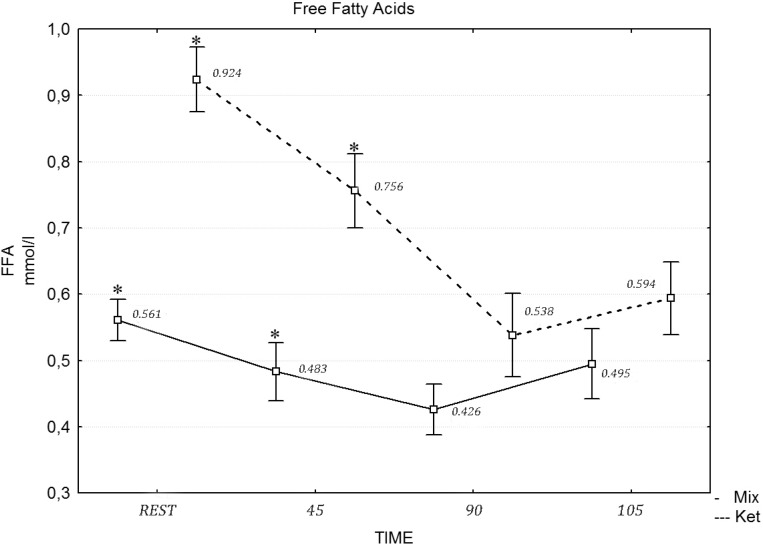
“reliance during extended, low(-er) intensity exercise and is associated with increases in plasma FFA at rest and exercise (Volek, Noakes, & Phinney, 2015; Zajac et al., 2014).”
BackgroundInfluentialKetogenic Diet: from the Historical Records to Use in Elite Athletes
Kaspar, M. B., Austin, K. E., Huecker, M. R., & Sarav, M. (2019) · Current Nutrition Reports · doi:10.1007/s13668-019-00294-0 · Cited by 19
Ma, S., Yang, J., Tominaga, T., Liu, C., & Suzuki, K. (2021) · Nutrients · doi:10.3390/nu13020611 · Cited by 20
“LCKD or nutritional ketosis had no detrimental effect on power or strength in sports, such as artistic gymnastics and tactical athletes [31,32], other works suggested a detrimental effect, as observed in off-road cycling [33].”
BackgroundZdzieblik, D., Friesenborg, H., Gollhofer, A., & König, D. (2022) · Frontiers in Nutrition · doi:10.3389/fnut.2022.802374 · Cited by 17
Waldman, H. S., Smith, J. W., Lamberth, J., Fountain, B. J., & McAllister, M. J. (2019) · The Journal of Strength and Conditioning Research · doi:10.1519/jsc.0000000000003354 · Cited by 21
“This is consistent with other recent studies which placed healthy, nonelite but trained subjects on CRD for 3 and 4 weeks (26,54).”
BackgroundResultWaldman, H. S., Smith, J. W., Lamberth, J., Fountain, B. J., Bloomer, R. J., Butawan, M. B., & McAllister, M. J. (2020) · The Journal of Strength and Conditioning Research · doi:10.1519/jsc.0000000000003749 · Cited by 17
Pérez‐Montilla, J. J., Cuevas-Cervera, M., Gonzalez-Muñoz, A., Ríos, M. D. C. G., & Ledesma, S. N. (2022) · International Journal of Environmental Research and Public Health · doi:10.3390/ijerph19074240 · Cited by 21
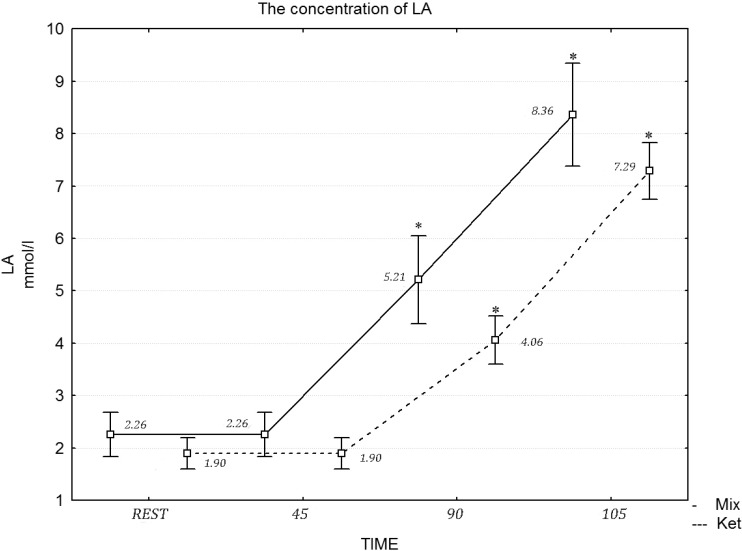
“Cyclists have presented a decrease in the performance of high-intensity exercises, evidenced by a low concentration of lactate after using a KD strategy [48].”
BackgroundMethodResultInfluentialMikołajec, K., Maszczyk, A., Chalimoniuk, M., Langfort, J., Gołaś, A., & Zając, A. (2017) · Isokinetics and Exercise Science · doi:10.3233/ies-160648 · Cited by 15
“Because 5HT and NA are both well-documented neuromodula-tors of locomotion in a variety of species [52–54] the present results suggest that in well trained athletes 5HT predominantly takes part in modulation of locomotor activity.”
Self-citationWang, Y., Zhou, K., Wang, V., Bao, D., & Zhou, J. (2022) · International Journal of Environmental Research and Public Health · doi:10.3390/ijerph191811542 · Cited by 18
High-protein diets and testosterone
Whittaker, J. (2022) · Nutrition and Health · doi:10.1177/02601060221132922 · Cited by 19
“Two studies using low-carbohydrate diets with < 3.4 g/kg/day protein, found no decrease in postexercise TT, but one found a non-significant decrease in during-exercise TT (Durkalec-Michalski et al., 2021; Zajac et al., 2014); altogether suggesting that protein > Table 1.”
BackgroundInfluentialMoitzi, A. M., & König, D. (2023) · Nutrients · doi:10.3390/nu15133028 · Cited by 20
Kripp, A. M., Feichter, A., & König, D. (2024) · Frontiers in Nutrition · doi:10.3389/fnut.2024.1473747 · Cited by 15
“However, research on athletic populations indicates that the results may not be directly applicable to recreationally active subjects (25, 26, 28, 31, 32).”
BackgroundResultInfluentialO'Neal, E. K., SMITH, A. F., Heatherly, A. J., Killen, L. G., Waldman, H. S., Hollingsworth, A., & Koh, Y. (2019) · International journal of exercise science · doi:10.70252/vmvw2171 · Cited by 17
“However, less attention has been given to physically active, non-elite populations (12,29).”
BackgroundResultInfluentialPohl, A., Schünemann, F., Schaaf, K., Yang, W., Heck, H., Heine, O., Jacko, D., & Gehlert, S. (2024) · Physiological Reports · doi:10.14814/phy2.70020 · Cited by 18
“It has been shown that LDH activity was lower at rest and during particular stages of an incremental exercise protocol after 4 weeks of a low-carb diet in cyclists (Zajac et al., 2014).”
BackgroundMcSwiney, F. T., & Doyle, L. (2019) · Sports · doi:10.3390/sports7090201 · Cited by 15
“However, metabolic adaptations such as decreased reliance on carbohydrates [3,5,23,31], and improvements in power to weight ratio [3,7] have made a LCKD a desirable approach for some endurance athletes.”
BackgroundVargas-Molina, S., García-Sillero, M., Bonilla, D. A., Petro, J. L., García-Romero, J., & Benítez‐Porres, J. (2024) · Journal of the International Society of Sports Nutrition · doi:10.1080/15502783.2024.2306308 · Cited by 12
“The KDs have been assessed in various sports athletic contexts, showing no negative effects on performance, particularly in long-distance athletes [2], and sometimes even improving VO 2max [3].”
Background
Metadata
- Authors
- Zajac, A., Poprzecki, S., Maszczyk, A., Czuba, M., Michalczyk, M., & Zydek, G.
- Affiliations
- Department of Sports Training—Academy of Physical Education im. J. Kukuczki in Katowice, Mikolowska 72a, 40-065 Katowice, Poland
- Department of Biochemistry—Academy of Physical Education im. J. Kukuczki in Katowice, Mikolowska 72a, 40-065 Katowice, Poland
- Akademii Wychowania Fizycznego im. Jerzego Kukuczki w Katowicach (PL)
- Corresponding author
- Maszczyk, Adam
- Venue
- Nutrients
- Publisher
- MDPI AG
- Published
- 2014-06-27
- Volume
- 6
- Issue
- 7
- Pages
- 2493-2508
- ISSN
- 2072-6643 (ISSN-L)
- PMC
- PMC4113752
- OpenAlex
- W2041805176
- Cited by
- 184
- References
- 44
- Citations by year
- 2026: 3 · 2025: 10 · 2024: 18 · 2023: 10 · 2022: 14 · 2021: 26 · 2020: 23 · 2019: 23 · 2018: 22 · 2017: 17 · 2016: 11 · 2015: 6 · 2014: 1
- FWCI
- 7.76
- Type
- journal article
- Language
- en
- Open access
- gold
- doi.org
- Licence
- Locations
- Nutrients (publishedVersion, cc-by)
- PubMed Central (publishedVersion, cc-by)
- PubMed (publishedVersion)
- DOAJ (DOAJ: Directory of Open Access Journals) (submittedVersion, cc-by-sa)
- Topics
- Health Sciences › Medicine › Physiology (medical) › Diet and metabolism studies
- Health Sciences › Nursing › Nutrition and Dietetics › Muscle metabolism and nutrition
- Health Sciences › Medicine › Physiology (medical) › Cardiovascular and exercise physiology
- Keywords
- ketogenic diet, off-road cycling, exercise metabolism, aerobic performance, VO2max, lactate threshold, body composition, lipid profile, respiratory exchange ratio, heart rate, creatine kinase, lactate dehydrogenase, insulin, cortisol, fat oxidation, polyunsaturated fatty acids, low-carbohydrate diet
- MeSH terms
- Adult, Bicycling, Body Composition, Cholesterol, Creatine Kinase, Dietary Carbohydrates, Dietary Fats, Dietary Proteins, Fatty Acids, Unsaturated, Heart Rate, Humans, Insulin, L-Lactate Dehydrogenase, Male, Oxygen Consumption, Triglycerides, Exercise, Body Mass Index, Electric Impedance, Cross-Over Studies, Diet, Carbohydrate-Restricted, Diet, Ketogenic, Young Adult
About these checks
Registry, retraction, Cites and statistics results are computed, not judged, with one exception: a printed reference that no index lists is read once by a model before it counts as a citation error. Claims are extracted by a model and kept only when their quote appears verbatim in the text; each cited source is then checked, with a model’s help, for whether it says what the claim relies on. Those verdicts can be wrong — read the claim’s quote and the cited source before relying on one.
Statistics and arithmetic are recomputed, not judged.
Confidence bands are shown only for fields calibrated on our annotated test set. None is calibrated yet, so no band is shown.
What counts as a claim ›How we measure confidence ›How we check this ›
Are you an author, or do you see a problem with this page? Request a review
Data sources
Bibliographic data: Semantic Scholar, OpenAlex, Crossref.
Contains information from the Semantic Scholar Academic Graph Datasets, made available under the ODC Attribution License (ODC-BY 1.0).
Semantic Scholar’s data is described in: Kinney, R., et al. (2023). The Semantic Scholar Open Data Platform. arXiv:2301.10140.
