

Candida albicans Interactions with Mucosal Surfaces during Health and Disease
Open accessThe DOI matches its Crossref record; 200 of the 202 references it cites were found in a registry or an index.
Abstract
Flexible adaptation to the host environment is a critical trait that underpins the success of numerous microbes. The polymorphic fungus Candida albicans has evolved to persist in the numerous challenging niches of the human body. The interaction of C. albicans with a mucosal surface is an essential prerequisite for fungal colonisation and epitomises the complex interface between microbe and host. C. albicans exhibits numerous adaptations to a healthy host that permit commensal colonisation of mucosal surfaces without provoking an overt immune response that may lead to clearance. Conversely, fungal adaptation to impaired immune fitness at mucosal surfaces enables pathogenic infiltration into underlying tissues, often with devastating consequences. This review will summarise our current understanding of the complex interactions that occur between C. albicans and the mucosal surfaces of the human body.
Overview
The claims and statistics of this paper haven’t been checked yet.
Free: it reads the open-access text and checks the first 5 claims that cite a source we can check. Create a free account to check every claim.
Integrity signals
Registry
Cites
Statistics
Figures
Verification
Claims the paper makes
The claims and statistics of this paper haven’t been checked yet.
Free: it reads the open-access text and checks the first 5 claims that cite a source we can check. Create a free account to check every claim.
Claims other papers make about this one
Each is checked against this paper’s own text: does it say what the citing paper says it does?
The cited source says what the claim attributes to it.
In the citing paper
“These include a number of proteins from the Als family, particularly Als3, as well as hyphal wall protein 1 (Hwp1) [2, 195–198].”
From Mechanisms of fungal dissemination (2021) · cites this paper as [195]
The cited source says what the claim attributes to it.
In the citing paper
“C. albicans invasins include Als3 and the heat shock protein Ssa1 [195, 199, 200].”
From Mechanisms of fungal dissemination (2021) · cites this paper as [195]
In the citing paper
“In addition, yeast β-glucan is also recognized by the nonclassical pattern recognition receptor EphA2 [195].”
From Mechanisms of fungal dissemination (2021) · cites this paper as [195]
In the citing paper
“In the case of yeast, adherence is due to passive forces such as hydrophobic and/or electrostatic interactions as well as agglutinin-like sequence (Als) 5 [2, 195].”
From Mechanisms of fungal dissemination (2021) · cites this paper as [195]
Self-check
Percentages, sums and reported differences re-computed from the paper’s own numbers.
The self-check needs the paper’s full text.
Citations
Cites
Ozinsky, A., Underhill, D. M., Fontenot, J. D., Hajjar, A. M., Smith, K. D., Wilson, C. B., Schroeder, L., & Aderem, A. (2000) · Proceedings of the National Academy of Sciences · doi:10.1073/pnas.250476497 · Cited by 2,085
Pappas, P. G., Lionakis, M. S., Arendrup, M. C., Ostrosky-Zeichner, L., & Kullberg, B. J. (2018) · Nature Reviews Disease Primers · doi:10.1038/nrdp.2018.26 · Cited by 1,636 · cited 1×
“The cells that comprise mucosal barriers express pattern recognition receptors (PRRs) that recognise pathogen-associated molecular patterns (PAMPs) such as fungal cell wall components present on yeast and hyphal cells [79].”
BackgroundBrown, G. D., & Gordon, S. (2001) · Nature · doi:10.1038/35092620 · Cited by 1,579 · cited 1×
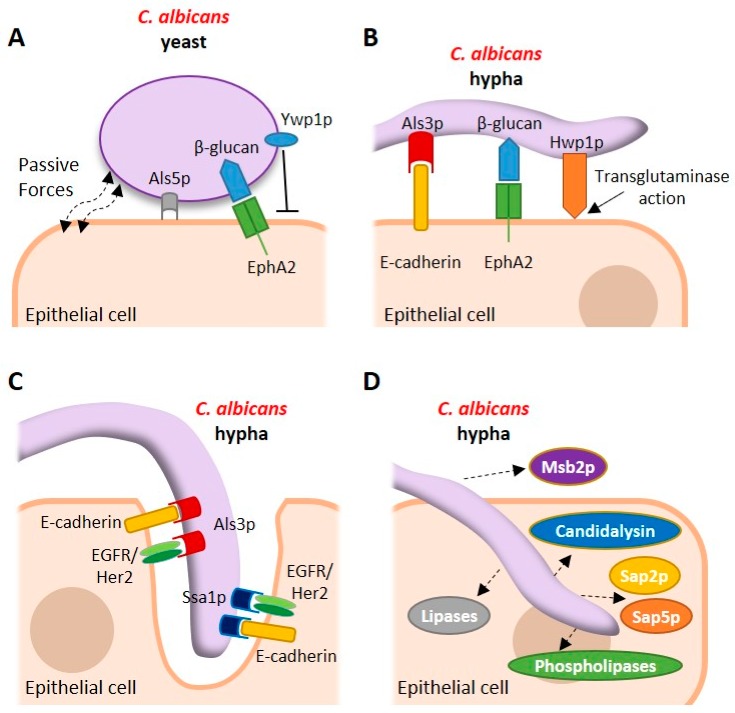
“Aryl hydrocarbon receptor IFN-γ and L-kynurenine [68] Dectin-1 β-glucan [90] EGFR/Her2 Als3p/Ssa1p [28,29] EphA2 β-glucan [93]”
Virulence factors of Candida albicans
Calderone, R. A., & Fonzi, W. A. (2001) · Trends in Microbiology · doi:10.1016/s0966-842x(01)02094-7 · Cited by 1,331 · cited 1×
“albicans to a mucosal surface is an essential requirement for persistence in the host, whether it be as a commensal or a pathogen [3,4].”
BackgroundCandida albicans Secreted Aspartyl Proteinases in Virulence and Pathogenesis
Naglik, J. R., Challacombe, S. J., & Hube, B. (2003) · Microbiology and Molecular Biology Reviews · doi:10.1128/mmbr.67.3.400-428.2003 · Cited by 1,179 · cited 3×
“Sap1–8p are secreted into the extracellular milieu, while Sap9p and Sap10p remain anchored on the cell membrane [141].”
BackgroundSelf-citationDectin-1 is required for β-glucan recognition and control of fungal infection
Taylor, P. R., Tsoni, S. V., Willment, J. A., Dennehy, K. M., Rosas, M., Findon, H., Haynes, K., Steele, C., Botto, M., Gordon, S., et al. (2007) · Nature Immunology · doi:10.1038/ni1408 · Cited by 1,161
Chronic Mucocutaneous Candidiasis in Humans with Inborn Errors of Interleukin-17 Immunity
Puel, A., Cypowyj, S., Bustamante, J., Wright, J. F., Liu, L., Lim, H. K., Migaud, M., Israel, L., Chrabieh, M., Audry, M., et al. (2011) · Science · doi:10.1126/science.1200439 · Cited by 1,056
Conti, H. R., Shen, F., Nayyar, N., Stocum, E., Sun, J. N., Lindemann, M. J., Ho, A. W., Hai, J. H., Yu, J. J., Jung, J. W., et al. (2009) · Journal of Experimental Medicine · doi:10.1084/jem.20081463 · Cited by 1,024 · cited 4×
“These isoforms trigger the release of the neutrophil activating chemokine G-CSF and β-defensin-1 and -3 from epithelial cells in oral tissue and the release of histatins from the salivary glands during OPC [112,133].”
BackgroundInfluentialCandidalysin is a fungal peptide toxin critical for mucosal infection
Moyes, D. L., Wilson, D., Richardson, J. P., Mogavero, S., Tang, S. X., Wernecke, J., Höfs, S., Gratacap, R. L., Robbins, J., Runglall, M., et al. (2016) · Nature · doi:10.1038/nature17625 · Cited by 942
Self-citationBacterial Iron Sources: From Siderophores to Hemophores
Wandersman, C., & Delepelaire, P. (2004) · Annual Review of Microbiology · doi:10.1146/annurev.micro.58.030603.123811 · Cited by 930
Candida albicans morphogenesis and host defence: discriminating invasion from colonization
Gow, N. A. R., van de Veerdonk, F. L., Brown, A. J. P., & Netea, M. G. (2012) · Nature Reviews Microbiology · doi:10.1038/nrmicro2711 · Cited by 888 · cited 1×
“TLRs comprise an extracellular domain rich in leucine repeats required for recognition of microbial structures, and a cytoplasmic Toll/IL-1 receptor (TIR) domain that is responsible for intracellular signalling [80,83,84].”
BackgroundLiu, L., Okada, S., Kong, X.-F., Kreins, A. Y., Cypowyj, S., Abhyankar, A., Toubiana, J., Itan, Y., Audry, M., Nitschke, P., et al. (2011) · Journal of Experimental Medicine · doi:10.1084/jem.20110958 · Cited by 797
Netea, M. G. (2006) · Journal of Clinical Investigation · doi:10.1172/jci27114 · Cited by 753
Human dectin-1 deficiency and mucocutaneous fungal infections
Ferwerda, B., Ferwerda, G., Plantinga, T. S., Willment, J. A., van Spriel, A. B., Venselaar, H., Elbers, C. C., Johnson, M. D., Cambi, A., Huysamen, C., et al. (2009) · New England Journal of Medicine · doi:10.1056/nejmoa0901053 · Cited by 752 · cited 2×
“In contrast, a nonsense mutation in dectin-1 (Y238STOP) is associated with recurrent vulvovaginal candidiasis (RVVC) [95] suggesting a protective role for dectin-1 in the vaginal response to C.”
BackgroundCandida albicans biofilms: development, regulation, and molecular mechanisms
Gulati, M., & Nobile, C. J. (2016) · Microbes and Infection · doi:10.1016/j.micinf.2016.01.002 · Cited by 738
MAPK phosphatases — regulating the immune response
Liu, Y., Shepherd, E. G., & Nelin, L. D. (2007) · Nature Reviews Immunology · doi:10.1038/nri2035 · Cited by 679
Immune defence against Candida fungal infections
Netea, M. G., Joosten, L. A. B., van der Meer, J. W. M., Kullberg, B.-J., & van de Veerdonk, F. L. (2015) · Nature Reviews Immunology · doi:10.1038/nri3897 · Cited by 642
Als3 Is a Candida albicans Invasin That Binds to Cadherins and Induces Endocytosis by Host Cells
Phan, Q. T., Myers, C. L., Fu, Y., Sheppard, D. C., Yeaman, M. R., Welch, W. H., Ibrahim, A. S., Edwards, J. E., & Filler, S. G. (2007) · PLoS Biology · doi:10.1371/journal.pbio.0050064 · Cited by 641 · cited 2×
“Aryl hydrocarbon receptor IFN-γ and L-kynurenine [68] Dectin-1 β-glucan [90] EGFR/Her2 Als3p/Ssa1p [28,29] EphA2 β-glucan [93]”
BackgroundThe emerging world of the fungal microbiome
Huffnagle, G. B., & Noverr, M. C. (2013) · Trends in Microbiology · doi:10.1016/j.tim.2013.04.002 · Cited by 567
Fungi in the healthy human gastrointestinal tract
Hallen-Adams, H. E., & Suhr, M. J. (2017) · Virulence · doi:10.1080/21505594.2016.1247140 · Cited by 526
Bellocchio, S., Montagnoli, C., Bozza, S., Gaziano, R., Rossi, G., Mambula, S. S., Vecchi, A., Mantovani, A., Levitz, S. M., & Romani, L. (2004) · The Journal of Immunology · doi:10.4049/jimmunol.172.5.3059 · Cited by 515 · cited 1×
“TLRs comprise an extracellular domain rich in leucine repeats required for recognition of microbial structures, and a cytoplasmic Toll/IL-1 receptor (TIR) domain that is responsible for intracellular signalling [80,83,84].”
BackgroundHuman Anti-fungal Th17 Immunity and Pathology Rely on Cross-Reactivity against Candida albicans
Bacher, P., Hohnstein, T., Beerbaum, E., Röcker, M., Blango, M. G., Kaufmann, S., Röhmel, J., Eschenhagen, P., Grehn, C., Seidel, K., et al. (2019) · Cell · doi:10.1016/j.cell.2019.01.041 · Cited by 473
Revisiting the source of candidemia: skin or gut?
Nucci, M., & Anaissie, E. (2001) · Clinical Infectious Diseases · doi:10.1086/323759 · Cited by 424
Gladiator, A., Wangler, N., Trautwein-Weidner, K., & LeibundGut-Landmann, S. (2013) · The Journal of Immunology · doi:10.4049/jimmunol.1202924 · Cited by 382
Moyes, D. L., Runglall, M., Murciano, C., Shen, C., Nayar, D., Thavaraj, S., Kohli, A., Islam, A., Mora-Montes, H., Challacombe, S. J., et al. (2010) · Cell Host & Microbe · doi:10.1016/j.chom.2010.08.002 · Cited by 372
Self-citationHoyer, L. L., Green, C. B., Oh, S.-H., & Zhao, X. (2008) · Medical Mycology · doi:10.1080/13693780701435317 · Cited by 356
Evidence implicating phospholipase as a virulence factor of Candida albicans
Ibrahim, A. S., Mirbod, F., Filler, S. G., Banno, Y., Cole, G. T., Kitajima, Y., Edwards, J. E., Nozawa, Y., & Ghannoum, M. A. (1995) · Infection and Immunity · doi:10.1128/iai.63.5.1993-1998.1995 · Cited by 351
Cellular interactions of Candida albicans with human oral epithelial cells and enterocytes
Dalle, F., Wächtler, B., L'Ollivier, C., Holland, G., Bannert, N., Wilson, D., Labruère, C., Bonnin, A., & Hube, B. (2010) · Cellular Microbiology · doi:10.1111/j.1462-5822.2009.01394.x · Cited by 347
Biofilm Matrix Regulation by Candida albicans Zap1
Nobile, C. J., Nett, J. E., Hernday, A. D., Homann, O. R., Deneault, J.-S., Nantel, A., Andes, D. R., Johnson, A. D., & Mitchell, A. P. (2009) · PLoS Biology · doi:10.1371/journal.pbio.1000133 · Cited by 337 · cited 2×
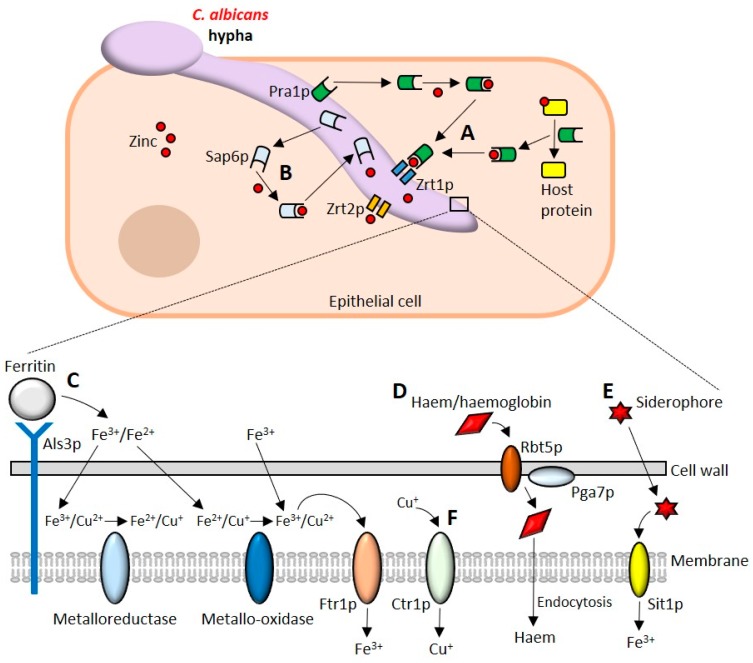
“Zinc homeostasis in C. albicans is regulated by the transcriptional activator Zap1p which controls the expression of several genes including the zinc transporters ZRT1-3 and the vacuolar zinc importer ZRC1 [165,166].”
BackgroundA High-Affinity Iron Permease Essential for Candida albicans Virulence
Ramanan, N., & Wang, Y. (2000) · Science · doi:10.1126/science.288.5468.1062 · Cited by 336 · cited 2×
“albicans possesses four iron permeases—the plasma membrane associated Ftr1p and Ftr2p and the vacuolar associated Fth1p and Fth2p [170,183]—and five genes encoding iron ferroxidases, all of which are multicopper oxidases [183–186].”
BackgroundAlmeida, R. S., Brunke, S., Albrecht, A., Thewes, S., Laue, M., Edwards, J. E., Filler, S. G., & Hube, B. (2008) · PLoS Pathogens · doi:10.1371/journal.ppat.1000217 · Cited by 330 · cited 1×
“Although a receptor for transferrin has not yet been identified, Als3p exhibits ferritin binding activity in addition to its role as an adhesin and invasin [47].”
BackgroundLiu, J. Z., Jellbauer, S., Poe, A. J., Ton, V., Pesciaroli, M., Kehl-Fie, T. E., Restrepo, N. A., Hosking, M. P., Edwards, R. A., Battistoni, A., et al. (2012) · Cell Host & Microbe · doi:10.1016/j.chom.2012.01.017 · Cited by 328 · cited 1×
“Although the gastrointestinal tract receives a steady supply of dietary iron, micronutrients such as zinc are subject to diet-independent changes in availability, for instance, by neutrophil mediated calprotectin-dependent sequestration during gastrointestinal inflammation [163].”
BackgroundChen, C., Pande, K., French, S. D., Tuch, B. B., & Noble, S. M. (2011) · Cell Host & Microbe · doi:10.1016/j.chom.2011.07.005 · Cited by 314 · cited 2×
“Together, these factors confer resistance to iron depletion in the systemic compartment while enabling the fungus to avoid iron toxicity during commensal colonisation of the gastrointestinal tract [190].”
BackgroundPande, K., Chen, C., & Noble, S. M. (2013) · Nature Genetics · doi:10.1038/ng.2710 · Cited by 306 · cited 1×
“albicans through the murine gastrointestinal tract induces a white-opaque regulator (Wor1p)-dependent switch to the gastrointestinal induced transition (GUT) phenotype that promotes commensalism [63], while C.”
BackgroundFunctional and Structural Diversity in the Als Protein Family of Candida albicans
Sheppard, D. C., Yeaman, M. R., Welch, W. H., Phan, Q. T., Fu, Y., Ibrahim, A. S., Filler, S. G., Zhang, M., Waring, A. J., & Edwards, J. E. (2004) · Journal of Biological Chemistry · doi:10.1074/jbc.m401929200 · Cited by 300
A Biochemical Guide to Yeast Adhesins: Glycoproteins for Social and Antisocial Occasions
Dranginis, A. M., Rauceo, J. M., Coronado, J. E., & Lipke, P. N. (2007) · Microbiology and Molecular Biology Reviews · doi:10.1128/mmbr.00037-06 · Cited by 292
Pattern recognition: recent insights from Dectin-1
Reid, D. M., Gow, N. A., & Brown, G. D. (2009) · Current Opinion in Immunology · doi:10.1016/j.coi.2009.01.003 · Cited by 289
Candida Species Exhibit Differential In Vitro Hemolytic Activities
Luo, G., Samaranayake, L. P., & Yau, J. Y. Y. (2001) · Journal of Clinical Microbiology · doi:10.1128/jcm.39.8.2971-2974.2001 · Cited by 282
Albrecht, A., Felk, A., Pichova, I., Naglik, J. R., Schaller, M., de Groot, P., MacCallum, D., Odds, F. C., Schäfer, W., Klis, F., et al. (2006) · Journal of Biological Chemistry · doi:10.1074/jbc.m509297200 · Cited by 270 · cited 1×
“while Sap9p and Sap10p remain anchored on the cell membrane [141].”
BackgroundSelf-citationFoxman, B., Muraglia, R., Dietz, J.-P., Sobel, J. D., & Wagner, J. (2013) · Journal of Lower Genital Tract Disease · doi:10.1097/lgt.0b013e318273e8cf · Cited by 261 · cited 4×
“Approximately 75% of females will experience an episode of vulvovaginal candidiasis (VVC) in their lifetime [107], while approximately 9% will suffer from recurrent VVC [108].”
BackgroundInfluentialProduction of a Hemolytic Factor by Candida albicans
Manns, J. M., Mosser, D. M., & Buckley, H. R. (1994) · Infection and Immunity · doi:10.1128/iai.62.11.5154-5156.1994 · Cited by 258
Fidel, P. L., Barousse, M., Espinosa, T., Ficarra, M., Sturtevant, J., Martin, D. H., Quayle, A. J., & Dunlap, K. (2004) · Infection and Immunity · doi:10.1128/iai.72.5.2939-2946.2004 · Cited by 257
Oral-resident natural Th17 cells and γδ T cells control opportunistic Candida albicans infections
Conti, H. R., Peterson, A. C., Brane, L., Huppler, A. R., Hernández-Santos, N., Whibley, N., Garg, A. V., Simpson-Abelson, M. R., Gibson, G. A., Mamo, A. J., et al. (2014) · Journal of Experimental Medicine · doi:10.1084/jem.20130877 · Cited by 254
Zhao, X., Oh, S.-H., Cheng, G., Green, C. B., Nuessen, J. A., Yeater, K., Leng, R. P., Brown, A. J. P., & Hoyer, L. L. (2004) · Microbiology · doi:10.1099/mic.0.26943-0 · Cited by 254 · cited 10×
“Induced endocytosis can be instigated by the binding of host E-cadherin or EGFR/Her2 complexes to the fungal invasins Ssa1p or Als3p.”
ResultInfluentialNaglik, J. R., Moyes, D., Makwana, J., Kanzaria, P., Tsichlaki, E., Weindl, G., Tappuni, A. R., Rodgers, C. A., Woodman, A. J., Challacombe, S. J., et al. (2008) · Microbiology · doi:10.1099/mic.0.2008/022293-0 · Cited by 253 · cited 1×
“albicans reduced levels of epithelial damage [145], studies with Sap deletion mutant strains did not recapitulate this effect [146].”
BackgroundSelf-citationExperimental evolution of a fungal pathogen into a gut symbiont
Tso, G. H. W., Reales-Calderon, J. A., Tan, A. S. M., Sem, X., Le, G. T. T., Tan, T. G., Lai, G. C., Srinivasan, K. G., Yurieva, M., Liao, W., et al. (2018) · Science · doi:10.1126/science.aat0537 · Cited by 248
Candida albicans Scavenges Host Zinc via Pra1 during Endothelial Invasion
Citiulo, F., Jacobsen, I. D., Miramón, P., Schild, L., Brunke, S., Zipfel, P., Brock, M., Hube, B., & Wilson, D. (2012) · PLoS Pathogens · doi:10.1371/journal.ppat.1002777 · Cited by 242 · cited 3×
“Cellular import of zinc is mediated by Zrt1p/Zrt2p while Zrc1p functions during storage of zinc in vesicle-like “zincosomes” [168].”
BackgroundLeidich, S. D., Ibrahim, A. S., Fu, Y., Koul, A., Jessup, C., Vitullo, J., Fonzi, W., Mirbod, F., Nakashima, S., Nozawa, Y., et al. (1998) · Journal of Biological Chemistry · doi:10.1074/jbc.273.40.26078 · Cited by 241 · cited 1×
“Notably, secretion of phospholipase B1 (Plb1p) contributes to epithelial penetrance and gastrointestinal translocation [149,150], while a C.”
BackgroundWitchley, J. N., Penumetcha, P., Abon, N. V., Woolford, C. A., Mitchell, A. P., & Noble, S. M. (2019) · Cell Host & Microbe · doi:10.1016/j.chom.2019.02.008 · Cited by 240
Commensal Candida albicans Positively Calibrates Systemic Th17 Immunological Responses
Shao, T.-Y., Ang, W. X. G., Jiang, T. T., Huang, F. S., Andersen, H., Kinder, J. M., Pham, G., Burg, A. R., Ruff, B., Gonzalez, T., et al. (2019) · Cell Host & Microbe · doi:10.1016/j.chom.2019.02.004 · Cited by 237
Weissman, Z., & Kornitzer, D. (2004) · Molecular Microbiology · doi:10.1111/j.1365-2958.2004.04199.x · Cited by 231
Heymann, P., Gerads, M., Schaller, M., Dromer, F., Winkelmann, G., & Ernst, J. F. (2002) · Infection and Immunity · doi:10.1128/iai.70.9.5246-5255.2002 · Cited by 226 · cited 2×
“Such behaviour is termed ‘iron parasitism’ and is well documented in numerous microbes [172,188,189].”
BackgroundSilva-Dias, A., Miranda, I. M., Branco, J., Monteiro-Soares, M., Pina-Vaz, C., & Rodrigues, A. G. (2015) · Frontiers in Microbiology · doi:10.3389/fmicb.2015.00205 · Cited by 222
Verma, A. H., Richardson, J. P., Zhou, C., Coleman, B. M., Moyes, D. L., Ho, J., Huppler, A. R., Ramani, K., McGeachy, M. J., Mufazalov, I. A., et al. (2017) · Science Immunology · doi:10.1126/sciimmunol.aam8834 · Cited by 218
Self-citationHuman epithelial cells establish direct antifungal defense through TLR4-mediated signaling
Weindl, G., Naglik, J. R., Kaesler, S., Biedermann, T., Hube, B., Korting, H. C., & Schaller, M. (2007) · Journal of Clinical Investigation · doi:10.1172/jci28115 · Cited by 217
Self-citationHoyer, L. L., & Cota, E. (2016) · Frontiers in Microbiology · doi:10.3389/fmicb.2016.00280 · Cited by 213
Hube, B., Stehr, F., Bossenz, M., Mazur, A., Kretschmar, M., & Schäfer, W. (2000) · Archives of Microbiology · doi:10.1007/s002030000218 · Cited by 212 · cited 2×
“C. albicans encodes ten lipases designated Lip1p [152] and Lip2-10p [153], which are differentially expressed during mucosal colonisation and infection [154].”
BackgroundCandida albicans-Induced Epithelial Damage Mediates Translocation through Intestinal Barriers
Allert, S., Förster, T. M., Svensson, C.-M., Richardson, J. P., Pawlik, T., Hebecker, B., Rudolphi, S., Juraschitz, M., Schaller, M., Blagojevic, M., et al. (2018) · mBio · doi:10.1128/mbio.00915-18 · Cited by 208 · cited 1×
“albicans is transcellular rather than paracellular (occurring through epithelial cells as opposed to between them), a process that is facilitated by the peptide toxin candidalysin [73].”
BackgroundSelf-citationA Comparison of Phospholipase Activity, Cellular Adherence and Pathogenicity of Yeasts
BARRETT-BEE, K., HAYES, Y., WILSON, R. G., & RYLEY, J. F. (1985) · Microbiology · doi:10.1099/00221287-131-5-1217 · Cited by 202
Villar, C. C., Kashleva, H., Nobile, C. J., Mitchell, A. P., & Dongari-Bagtzoglou, A. (2007) · Infection and Immunity · doi:10.1128/iai.00054-07 · Cited by 200
Vulvovaginal Candida albicans infections: pathogenesis, immunity and vaccine prospects
Cassone, A. (2015) · BJOG: An International Journal of Obstetrics & Gynaecology · doi:10.1111/1471-0528.12994 · Cited by 196
Pathogenic Pore-Forming Proteins: Function and Host Response
Bischofberger, M., Iacovache, I., & Gisou van der Goot, F. (2012) · Cell Host & Microbe · doi:10.1016/j.chom.2012.08.005 · Cited by 195
Richardson, J. P., Willems, H. M. E., Moyes, D. L., Shoaie, S., Barker, K. S., Tan, S. L., Palmer, G. E., Hube, B., Naglik, J. R., & Peters, B. M. (2018) · Infection and Immunity · doi:10.1128/iai.00645-17 · Cited by 195
Self-citationKirkpatrick, C. H., Green, I., Rich, R. R., & Schade, A. L. (1971) · Journal of Infectious Diseases · doi:10.1093/infdis/124.6.539 · Cited by 194
Force-induced formation and propagation of adhesion nanodomains in living fungal cells
Alsteens, D., Garcia, M. C., Lipke, P. N., & Dufrêne, Y. F. (2010) · Proceedings of the National Academy of Sciences · doi:10.1073/pnas.1013893107 · Cited by 189
Gaur, N. K., & Klotz, S. A. (1997) · Infection and Immunity · doi:10.1128/iai.65.12.5289-5294.1997 · Cited by 182
EFG1 is a major regulator of cell wall dynamics in Candida albicans as revealed by DNA microarrays
Sohn, K., Urban, C., Brunner, H., & Rupp, S. (2003) · Molecular Microbiology · doi:10.1046/j.1365-2958.2003.03300.x · Cited by 181
Zhu, W., Phan, Q. T., Boontheung, P., Solis, N. V., Loo, J. A., & Filler, S. G. (2012) · Proceedings of the National Academy of Sciences · doi:10.1073/pnas.1117676109 · Cited by 180 · cited 5×
“These isoforms trigger the release of the neutrophil activating chemokine G-CSF and β-defensin-1 and -3 from epithelial cells in oral tissue and the release of histatins from the salivary glands during OPC [112,133].”
BackgroundInfluentialCandida albicans-epithelial interactions and pathogenicity mechanisms: scratching the surface
Moyes, D. L., Richardson, J. P., & Naglik, J. R. (2015) · Virulence · doi:10.1080/21505594.2015.1012981 · Cited by 179
Self-citationConti, H. R., Bruno, V. M., Childs, E. E., Daugherty, S., Hunter, J. P., Mengesha, B. G., Saevig, D. L., Hendricks, M. R., Coleman, B. M., Brane, L., et al. (2016) · Cell Host & Microbe · doi:10.1016/j.chom.2016.10.001 · Cited by 177 · cited 4×
“These isoforms trigger the release of the neutrophil activating chemokine G-CSF and β-defensin-1 and -3 from epithelial cells in oral tissue and the release of histatins from the salivary glands during OPC [112,133].”
BackgroundInfluentialSelf-citationTsai, P.-W., Yang, C.-Y., Chang, H.-T., & Lan, C.-Y. (2011) · PLoS ONE · doi:10.1371/journal.pone.0017755 · Cited by 175 · cited 2×
“albicans to epithelial cells by interacting with fungal cell wall components such as mannan, chitin and glucan [122].”
BackgroundHazen, K. C. (1989) · Infection and Immunity · doi:10.1128/iai.57.7.1894-1900.1989 · Cited by 172
Cell biology of Candida albicans–host interactions
da Silva Dantas, A., Lee, K. K., Raziunaite, I., Schaefer, K., Wagener, J., Yadav, B., & Gow, N. A. (2016) · Current Opinion in Microbiology · doi:10.1016/j.mib.2016.08.006 · Cited by 169
Candida albicans Ssa1/2p Is the Cell Envelope Binding Protein for Human Salivary Histatin 5
Li, X. S., Reddy, M. S., Baev, D., & Edgerton, M. (2003) · Journal of Biological Chemistry · doi:10.1074/jbc.m300680200 · Cited by 167
Evidence for mannose-mediated adherence of Candida albicans to human buccal cells in vitro
Sandin, R. L., Rogers, A. L., Patterson, R. J., & Beneke, E. S. (1982) · Infection and Immunity · doi:10.1128/iai.35.1.79-85.1982 · Cited by 167
EphA2 is an epithelial cell pattern recognition receptor for fungal β-glucans
Swidergall, M., Solis, N. V., Lionakis, M. S., & Filler, S. G. (2017) · Nature Microbiology · doi:10.1038/s41564-017-0059-5 · Cited by 167 · cited 5×
“Aryl hydrocarbon receptor IFN-γ and L-kynurenine [68] Dectin-1 β-glucan [90] EGFR/Her2 Als3p/Ssa1p [28,29] EphA2 β-glucan [93]”
BackgroundInfluentialCandida albicans–epithelial interactions and induction of mucosal innate immunity
Naglik, J. R., König, A., Hube, B., & Gaffen, S. L. (2017) · Current Opinion in Microbiology · doi:10.1016/j.mib.2017.10.030 · Cited by 163
Self-citationFeng, Z., Jiang, B., Chandra, J., Ghannoum, M., Nelson, S., & Weinberg, A. (2005) · Journal of Dental Research · doi:10.1177/154405910508400509 · Cited by 162
Evidence for degradation of gastrointestinal mucin by Candida albicans secretory aspartyl proteinase
Colina, A. R., Aumont, F., Deslauriers, N., Belhumeur, P., & de Repentigny, L. (1996) · Infection and Immunity · doi:10.1128/iai.64.11.4514-4519.1996 · Cited by 161
Interaction of Candida Species with the Skin
Kühbacher, A., Burger-Kentischer, A., & Rupp, S. (2017) · Microorganisms · doi:10.3390/microorganisms5020032 · Cited by 161
Bougnoux, M.-E., Diogo, D., François, N., Sendid, B., Veirmeire, S., Colombel, J. F., Bouchier, C., Van Kruiningen, H., d'Enfert, C., & Poulain, D. (2006) · Journal of Clinical Microbiology · doi:10.1128/jcm.44.5.1810-1820.2006 · Cited by 159
Pérez, J. C., Kumamoto, C. A., & Johnson, A. D. (2013) · PLoS Biology · doi:10.1371/journal.pbio.1001510 · Cited by 156 · cited 1×
“3625, play a significant role in colonisation [58].”
BackgroundZhao, X., Oh, S.-H., Yeater, K. M., & Hoyer, L. L. (2005) · Microbiology · doi:10.1099/mic.0.27763-0 · Cited by 155
The high copper tolerance of Candida albicans is mediated by a P-type ATPase
Weissman, Z., Berdicevsky, I., Cavari, B.-Z., & Kornitzer, D. (2000) · Proceedings of the National Academy of Sciences · doi:10.1073/pnas.97.7.3520 · Cited by 152
Interactions of Candida albicans with host epithelial surfaces
Williams, D. W., Jordan, R. P. C., Wei, X.-Q., Alves, C. T., Wise, M. P., Wilson, M. J., & Lewis, M. A. O. (2013) · Journal of Oral Microbiology · doi:10.3402/jom.v5i0.22434 · Cited by 149
Candida Vaginitis: When Opportunism Knocks, the Host Responds
Peters, B. M., Yano, J., Noverr, M. C., & Fidel, P. L. (2014) · PLoS Pathogens · doi:10.1371/journal.ppat.1003965 · Cited by 146
Reductive iron uptake by Candida albicans: role of copper, iron and the TUP1 regulator
Knight, S. A. B., Lesuisse, E., Stearman, R., Klausner, R. D., & Dancis, A. (2002) · Microbiology · doi:10.1099/00221287-148-1-29 · Cited by 145
Iron Acquisition from Transferrin by Candida albicans Depends on the Reductive Pathway
Knight, S. A. B., Vilaire, G., Lesuisse, E., & Dancis, A. (2005) · Infection and Immunity · doi:10.1128/iai.73.9.5482-5492.2005 · Cited by 145 · cited 4×
“albicans uses a reductive uptake system to acquire iron from ferritin, transferrin [181] and ferric ions.”
BackgroundInfluentialMeiller, T. F., Hube, B., Schild, L., Shirtliff, M. E., Scheper, M. A., Winkler, R., Ton, A., & Jabra-Rizk, M. A. (2009) · PLoS ONE · doi:10.1371/journal.pone.0005039 · Cited by 140
Digestive tract mycobiota: a source of infection
Gouba, N., & Drancourt, M. (2015) · Médecine et Maladies Infectieuses · doi:10.1016/j.medmal.2015.01.007 · Cited by 138
Candida albicans internalization by host cells is mediated by a clathrin-dependent mechanism
Moreno-Ruiz, E., Galán-Díez, M., Zhu, W., Fernández-Ruiz, E., d'Enfert, C., Filler, S. G., Cossart, P., & Veiga, E. (2009) · Cellular Microbiology · doi:10.1111/j.1462-5822.2009.01319.x · Cited by 133 · cited 1×
“The mechanism is clathrin-dependent and requires actin cytoskeleton remodelling [66].”
BackgroundIn vitro binding of Candida albicans yeast cells to human fibronectin
Skerl, K. G., Calderone, R. A., Segal, E., Sreevalsan, T., & Scheld, W. M. (1984) · Canadian Journal of Microbiology · doi:10.1139/m84-033 · Cited by 133
The fungicidal effect of human lactoferrin on Candida albicans and Candida krusei
Nikawa, H., Samaranayake, L. P., Tenovuo, J. O., Pang, K. M., & Hamada, T. (1993) · Archives of Oral Biology · doi:10.1016/0003-9969(93)90167-k · Cited by 131
A Fibronectin Receptor on Candida albicans Mediates Adherence of the Fungus to Extracellular Matrix
Klotz, S. A., & Smith, R. L. (1991) · Journal of Infectious Diseases · doi:10.1093/infdis/163.3.604 · Cited by 130
Immune Interactions with Pathogenic and Commensal Fungi: A Two-Way Street
Underhill, D. M., & Pearlman, E. (2015) · Immunity · doi:10.1016/j.immuni.2015.10.023 · Cited by 130
Candida albicans Als Adhesins Have Conserved Amyloid-Forming Sequences
Otoo, H. N., Lee, K. G., Qiu, W., & Lipke, P. N. (2008) · Eukaryotic Cell · doi:10.1128/ec.00309-07 · Cited by 129
Xie, J., Tao, L., Nobile, C. J., Tong, Y., Guan, G., Sun, Y., Cao, C., Hernday, A. D., Johnson, A. D., Zhang, L., et al. (2013) · PLoS Biology · doi:10.1371/journal.pbio.1001525 · Cited by 128
Role of a Candida albicans P1-Type ATPase in Resistance to Copper and Silver Ion Toxicity
Riggle, P. J., & Kumamoto, C. A. (2000) · Journal of Bacteriology · doi:10.1128/jb.182.17.4899-4905.2000 · Cited by 128
Lermann, U., & Morschhäuser, J. (2008) · Microbiology · doi:10.1099/mic.0.2008/022525-0 · Cited by 127
Candida albicans Yeast and Hyphae are Discriminated by MAPK Signaling in Vaginal Epithelial Cells
Moyes, D. L., Murciano, C., Runglall, M., Islam, A., Thavaraj, S., & Naglik, J. R. (2011) · PLoS ONE · doi:10.1371/journal.pone.0026580 · Cited by 127
Self-citationAn endocytic mechanism for haemoglobin‐iron acquisition in Candida albicans
Weissman, Z., Shemer, R., Conibear, E., & Kornitzer, D. (2008) · Molecular Microbiology · doi:10.1111/j.1365-2958.2008.06277.x · Cited by 127 · cited 1×
“A coordinated haem “acquisition relay” between Rbt5p and Pga7p facilitates the transport of haem from the extracellular environment into vacuoles of the endocytic pathway [179,180], where it can be further processed for use.”
BackgroundMurciano, C., Moyes, D. L., Runglall, M., Tobouti, P., Islam, A., Hoyer, L. L., & Naglik, J. R. (2012) · PLoS ONE · doi:10.1371/journal.pone.0033362 · Cited by 126
Self-citationYeast wall protein 1 of Candida albicans
Granger, B. L., Flenniken, M. L., Davis, D. A., Mitchell, A. P., & Cutler, J. E. (2005) · Microbiology · doi:10.1099/mic.0.27663-0 · Cited by 126 · cited 1×
“Deletion studies demonstrate that yeast cells lacking YWP1 are more adhesive [36,37], suggesting a role for Ywp1p in the dispersal of yeast, which may facilitate dissemination [37].”
Backgroundde Repentigny, L., Aumont, F., Bernard, K., & Belhumeur, P. (2000) · Infection and Immunity · doi:10.1128/iai.68.6.3172-3179.2000 · Cited by 124
Pierce, J. V., & Kumamoto, C. A. (2012) · mBio · doi:10.1128/mbio.00117-12 · Cited by 124
Adhesion of Candida Species to Epithelial Surfaces
Douglas, L. J. (1987) · CRC Critical Reviews in Microbiology · doi:10.3109/10408418709104446 · Cited by 124
Yano, J., Lilly, E., Barousse, M., & Fidel, P. L. (2010) · Infection and Immunity · doi:10.1128/iai.00388-10 · Cited by 122
Kuznets, G., Vigonsky, E., Weissman, Z., Lalli, D., Gildor, T., Kauffman, S. J., Turano, P., Becker, J., Lewinson, O., & Kornitzer, D. (2014) · PLoS Pathogens · doi:10.1371/journal.ppat.1004407 · Cited by 118 · cited 1×
“A coordinated haem “acquisition relay” between Rbt5p and Pga7p facilitates the transport of haem from the extracellular environment into vacuoles of the endocytic pathway [179,180], where it can be further processed for use.”
BackgroundCandida and its dual lifestyle as a commensal and a pathogen
Cauchie, M., Desmet, S., & Lagrou, K. (2017) · Research in Microbiology · doi:10.1016/j.resmic.2017.02.005 · Cited by 118
Threonine-Rich Repeats Increase Fibronectin Binding in the Candidaalbicans Adhesin Als5p
Rauceo, J. M., De Armond, R., Otoo, H., Kahn, P. C., Klotz, S. A., Gaur, N. K., & Lipke, P. N. (2006) · Eukaryotic Cell · doi:10.1128/ec.00120-06 · Cited by 115 · cited 1×
“A conserved tandem repeat region within Als5p facilitates adhesion to numerous epithelial ligands and promotes yeast-to-yeast cell aggregation [21,22].”
BackgroundOropharyngeal Candidiasis: Fungal Invasion and Epithelial Cell Responses
Swidergall, M., & Filler, S. G. (2017) · PLOS Pathogens · doi:10.1371/journal.ppat.1006056 · Cited by 112
Eck, R., Hundt, S., Härtl, A., Roemer, E., & Künkel, W. (1999) · Microbiology · doi:10.1099/00221287-145-9-2415 · Cited by 109
Characterization of a haemolytic factor from Candida albicans
Watanabe, T., Takano, M., Murakami, M., Tanaka, H., Matsuhisa, A., Nakao, N., Mikami, T., Suzuki, M., & Matsumoto, T. (1999) · Microbiology · doi:10.1099/13500872-145-3-689 · Cited by 108
Moyes, D. L., Shen, C., Murciano, C., Runglall, M., Richardson, J. P., Arno, M., Aldecoa-Otalora, E., & Naglik, J. R. (2014) · The Journal of Infectious Diseases · doi:10.1093/infdis/jit824 · Cited by 106
Self-citationExpression analysis of the lipase gene family during experimental infections and in patient samples
STEHR, F., FELK, A., GACSER, A., KRETSCHMAR, M., MAHNS, B., NEUBER, K., HUBE, B., & SCHAFER, W. (2004) · FEMS Yeast Research · doi:10.1016/s1567-1356(03)00205-8 · Cited by 105 · cited 2×
“Expression of LIP1-10 is detectable in a reconstituted human oral epithelium infection model after 48 h [155] while analysis of C.”
BackgroundNovel Mechanism behind the Immunopathogenesis of Vulvovaginal Candidiasis: “Neutrophil Anergy”
Yano, J., Peters, B. M., Noverr, M. C., & Fidel, P. L. (2018) · Infection and Immunity · doi:10.1128/iai.00684-17 · Cited by 105
Strengthening relationships: amyloids create adhesion nanodomains in yeasts
Lipke, P. N., Garcia, M. C., Alsteens, D., Ramsook, C. B., Klotz, S. A., & Dufrêne, Y. F. (2012) · Trends in Microbiology · doi:10.1016/j.tim.2011.10.002 · Cited by 104 · cited 1×
“albicans fungal cell wall, facilitating continued fungal adhesion to the host by increasing the likelihood of epithelial cell ligands rebinding to nearby adhesins should detachment occur [24,25].”
BackgroundProcessing of Candida albicans Ece1p Is Critical for Candidalysin Maturation and Fungal Virulence
Richardson, J. P., Mogavero, S., Moyes, D. L., Blagojevic, M., Krüger, T., Verma, A. H., Coleman, B. M., De La Cruz Diaz, J., Schulz, D., Ponde, N. O., et al. (2018) · mBio · doi:10.1128/mbio.02178-17 · Cited by 104
Self-citationReintroduction of the PLB1 gene into Candida albicans restores virulence in vivo
Mukherjee, P. K., Seshan, K. R., Leidich, S. D., Chandra, J., Cole, G. T., & Ghannoum, M. A. (2001) · Microbiology · doi:10.1099/00221287-147-9-2585 · Cited by 98
IL-36 and IL-1/IL-17 Drive Immunity to Oral Candidiasis via Parallel Mechanisms
Verma, A. H., Zafar, H., Ponde, N. O., Hepworth, O. W., Sihra, D., Aggor, F. E. Y., Ainscough, J. S., Ho, J., Richardson, J. P., Coleman, B. M., et al. (2018) · The Journal of Immunology · doi:10.4049/jimmunol.1800515 · Cited by 98
Self-citationAdhesins of Yeasts: Protein Structure and Interactions
Willaert, R. G. (2018) · Journal of Fungi · doi:10.3390/jof4040119 · Cited by 98
Hu, C.-J., Bai, C., Zheng, X.-D., Wang, Y.-M., & Wang, Y. (2002) · Journal of Biological Chemistry · doi:10.1074/jbc.m204545200 · Cited by 97 · cited 1×
“Such behaviour is termed ‘iron parasitism’ and is well documented in numerous microbes [172,188,189].”
BackgroundNew signaling pathways govern the host response to C. albicans infection in various niches
Liu, Y., Shetty, A. C., Schwartz, J. A. J., Bradford, L. L., Xu, W., Phan, Q. T., Kumari, P., Mahurkar, A., Mitchell, A. P., Ravel, J., et al. (2015) · Genome Research · doi:10.5281/zenodo.13524844 · Cited by 97
Fu, Y., Ibrahim, A. S., Fonzi, W., Zhou, X., Ramos, C. F., & Ghannoum, M. A. (1997) · Microbiology · doi:10.1099/00221287-143-2-331 · Cited by 96
Prieto, D., Román, E., Correia, I., & Pla, J. (2014) · PLoS ONE · doi:10.1371/journal.pone.0087128 · Cited by 96
Hazen, K. C., Lay, J. G., Hazen, B. W., Fu, R. C., & Murthy, S. (1990) · Infection and Immunity · doi:10.1128/iai.58.11.3469-3476.1990 · Cited by 94
β-Defensin 1 Plays a Role in Acute Mucosal Defense against Candida albicans
Tomalka, J., Azodi, E., Narra, H. P., Patel, K., O’Neill, S., Cardwell, C., Hall, B. A., Wilson, J. M., & Hise, A. G. (2015) · The Journal of Immunology · doi:10.4049/jimmunol.1203239 · Cited by 94
Mass spectrometric analysis of the secretome of Candida albicans
Sorgo, A. G., Heilmann, C. J., Dekker, H. L., Brul, S., de Koster, C. G., & Klis, F. M. (2010) · Yeast · doi:10.1002/yea.1775 · Cited by 93
Mechanisms of Candida albicans Trafficking to the Brain
Liu, Y., Mittal, R., Solis, N. V., Prasadarao, N. V., & Filler, S. G. (2011) · PLoS Pathogens · doi:10.1371/journal.ppat.1002305 · Cited by 93
Cheng, G., Wozniak, K., Wallig, M. A., Fidel, P. L., Trupin, S. R., & Hoyer, L. L. (2005) · Infection and Immunity · doi:10.1128/iai.73.3.1656-1663.2005 · Cited by 92
Lin, J., Oh, S.-H., Jones, R., Garnett, J. A., Salgado, P. S., Rusnakova, S., Matthews, S. J., Hoyer, L. L., & Cota, E. (2014) · Journal of Biological Chemistry · doi:10.1074/jbc.m114.547877 · Cited by 91
Rosentul, D. C., Delsing, C. E., Jaeger, M., Plantinga, T. S., Oosting, M., Costantini, I., Venselaar, H., Joosten, L. A. B., van der Meer, J. W. M., Dupont, B., et al. (2014) · Frontiers in Microbiology · doi:10.3389/fmicb.2014.00483 · Cited by 91
Vylkova, S., Li, X. S., Berner, J. C., & Edgerton, M. (2006) · Antimicrobial Agents and Chemotherapy · doi:10.1128/aac.50.1.324-331.2006 · Cited by 89
Hemizygosity Enables a Mutational Transition Governing Fungal Virulence and Commensalism
Liang, S.-H., Anderson, M. Z., Hirakawa, M. P., Wang, J. M., Frazer, C., Alaalm, L. M., Thomson, G. J., Ene, I. V., & Bennett, R. J. (2019) · Cell Host & Microbe · doi:10.1016/j.chom.2019.01.005 · Cited by 89
Weissman, Z., Shemer, R., & Kornitzer, D. (2002) · Molecular Microbiology · doi:10.1046/j.1365-2958.2002.02976.x · Cited by 88 · cited 2×
“The importance of copper in the process of high affinity iron transport is highlighted by gene deletion analysis of the copper-transporting P-type ATPase Ccc2p [187].”
BackgroundAlvarez, F. J., Douglas, L. M., Rosebrock, A., & Konopka, J. B. (2008) · Molecular Biology of the Cell · doi:10.1091/mbc.e08-05-0479 · Cited by 88
Sohnle, P. G., Hahn, B. L., & Santhanagopalan, V. (1996) · Journal of Infectious Diseases · doi:10.1093/infdis/174.6.1369 · Cited by 87
Salgado, P. S., Yan, R., Taylor, J. D., Burchell, L., Jones, R., Hoyer, L. L., Matthews, S. J., Simpson, P. J., & Cota, E. (2011) · Proceedings of the National Academy of Sciences · doi:10.1073/pnas.1103496108 · Cited by 84
Structural basis of haem-iron acquisition by fungal pathogens
Nasser, L., Weissman, Z., Pinsky, M., Amartely, H., Dvir, H., & Kornitzer, D. (2016) · Nature Microbiology · doi:10.1038/nmicrobiol.2016.156 · Cited by 84
Staab, J. F., Bahn, Y.-S., Tai, C.-H., Cook, P. F., & Sundstrom, P. (2004) · Journal of Biological Chemistry · doi:10.1074/jbc.m406005200 · Cited by 83
The Effect of Dietary Carbohydrates on the In-vitro Adhesion of Candida Albicans to Epithelial Cells
Samaranayake, L. P., & Macfarlane, T. W. (1982) · Journal of Medical Microbiology · doi:10.1099/00222615-15-4-511 · Cited by 83
Degenerate Peptide Recognition by Candida albicans Adhesins Als5p and Als1p
Klotz, S. A., Gaur, N. K., Lake, D. F., Chan, V., Rauceo, J., & Lipke, P. N. (2004) · Infection and Immunity · doi:10.1128/iai.72.4.2029-2034.2004 · Cited by 83
Jang, W. S., Bajwa, J. S., Sun, J. N., & Edgerton, M. (2010) · Molecular Microbiology · doi:10.1111/j.1365-2958.2010.07210.x · Cited by 83
Gaur, N. K., Klotz, S. A., & Henderson, R. L. (1999) · Infection and Immunity · doi:10.1128/iai.67.11.6040-6047.1999 · Cited by 83
Yano, J., Noverr, M. C., & Fidel, P. L. (2017) · mBio · doi:10.1128/mbio.00211-17 · Cited by 83
Beta‐defensins: what are they REALLY doing in the oral cavity?
Diamond, G., & Ryan, L. K. (2011) · Oral Diseases · doi:10.1111/j.1601-0825.2011.01799.x · Cited by 82
A role for complement receptor-like molecules in iron acquisition by Candida albicans
Moors, M. A., Stull, T. L., Blank, K. J., Buckley, H. R., & Mosser, D. M. (1992) · The Journal of experimental medicine · doi:10.1084/jem.175.6.1643 · Cited by 80
Epithelial Cells and Innate Antifungal Defense
Weindl, G., Wagener, J., & Schaller, M. (2010) · Journal of Dental Research · doi:10.1177/0022034510368784 · Cited by 79
Trace elements and electrolytes in human resting mixed saliva after exercise.
Chicharro, J. L., Serrano, V., Ureña, R., Gutierrez, A. M., Carvajal, A., Hernando, P. F., & Lucía, A. (1999) · British Journal of Sports Medicine · doi:10.1136/bjsm.33.3.204 · Cited by 78
Kim, M. J., Kil, M., Jung, J., & Kim, J. (2008) · PubMed · Cited by 76
Douglas, L. M., Wang, H. X., Keppler-Ross, S., Dean, N., & Konopka, J. B. (2012) · mBio · doi:10.1128/mbio.00254-11 · Cited by 75
Beyond the wall:Candida albicans secret(e)s to survive
Sorgo, A. G., Heilmann, C. J., Brul, S., de Koster, C. G., & Klis, F. M. (2013) · FEMS Microbiology Letters · doi:10.1111/1574-6968.12049 · Cited by 74
Contribution of Candida albicans ALS1 to the Pathogenesis of Experimental Oropharyngeal Candidiasis
Kamai, Y., Kubota, M., Kamai, Y., Hosokawa, T., Fukuoka, T., & Filler, S. G. (2002) · Infection and Immunity · doi:10.1128/iai.70.9.5256-5258.2002 · Cited by 74
Candida innate immunity at the mucosa
Richardson, J. P., Moyes, D. L., Ho, J., & Naglik, J. R. (2019) · Seminars in Cell & Developmental Biology · doi:10.1016/j.semcdb.2018.02.026 · Cited by 71
Self-citationYano, J., Palmer, G. E., Eberle, K. E., Peters, B. M., Vogl, T., McKenzie, A. N., & Fidel, P. L. (2014) · Infection and Immunity · doi:10.1128/iai.00861-13 · Cited by 69
Hammacott, J. E., Williams, P. H., & Cashmore, A. M. (2000) · Microbiology · doi:10.1099/00221287-146-4-869 · Cited by 69 · cited 3×
“To utilise the iron found in transferrin, the membrane-associated ferric reductases Cfl1p and Fre10p reduce Fe3+ to Fe2+ [181,182], which is transported into the cell via a complex comprising an iron permease and a multicopper oxidase [183].”
BackgroundThe Aryl Hydrocarbon Receptor Governs Epithelial Cell Invasion during Oropharyngeal Candidiasis
Solis, N. V., Swidergall, M., Bruno, V. M., Gaffen, S. L., & Filler, S. G. (2017) · mBio · doi:10.1128/mbio.00025-17 · Cited by 69
Global Cell Surface Conformational Shift Mediated by a Candida albicans Adhesin
Rauceo, J. M., Gaur, N. K., Lee, K.-G., Edwards, J. E., Klotz, S. A., & Lipke, P. N. (2004) · Infection and Immunity · doi:10.1128/iai.72.9.4948-4955.2004 · Cited by 68
Biphasic zinc compartmentalisation in a human fungal pathogen
Crawford, A. C., Lehtovirta-Morley, L. E., Alamir, O., Niemiec, M. J., Alawfi, B., Alsarraf, M., Skrahina, V., Costa, A. C. B. P., Anderson, A., Yellagunda, S., et al. (2018) · PLOS Pathogens · doi:10.1371/journal.ppat.1007013 · Cited by 68
The Candida albicans CTR1 gene encodes a functional copper transporter
Marvin, M. E., Williams, P. H., & Cashmore, A. M. (2003) · Microbiology · doi:10.1099/mic.0.26172-0 · Cited by 66
Zinc Limitation Induces a Hyper-Adherent Goliath Phenotype in Candida albicans
Malavia, D., Lehtovirta-Morley, L. E., Alamir, O., Weiß, E., Gow, N. A. R., Hube, B., & Wilson, D. (2017) · Frontiers in Microbiology · doi:10.3389/fmicb.2017.02238 · Cited by 66 · cited 1×
“albicans yeast cells become enlarged and exhibit hyper-adherence to polystyrene [167].”
BackgroundAmyloid-Like β-Aggregates as Force-Sensitive Switches in Fungal Biofilms and Infections
Lipke, P. N., Klotz, S. A., Dufrene, Y. F., Jackson, D. N., & Garcia-Sherman, M. C. (2018) · Microbiology and Molecular Biology Reviews · doi:10.1128/mmbr.00035-17 · Cited by 62
Effects of smoking on trace metal levels in saliva
Kim, Y., Kim, Y., & Kho, H. (2010) · Oral Diseases · doi:10.1111/j.1601-0825.2010.01698.x · Cited by 60
Zhao, X., Oh, S.-H., & Hoyer, L. L. (2007) · Medical Mycology · doi:10.1080/13693780701377162 · Cited by 60
Li, R., Kumar, R., Tati, S., Puri, S., & Edgerton, M. (2013) · Antimicrobial Agents and Chemotherapy · doi:10.1128/aac.02295-12 · Cited by 60
Marvin, M. E., Mason, R. P., & Cashmore, A. M. (2004) · Microbiology · doi:10.1099/mic.0.27004-0 · Cited by 60
Candida albicans Mucin Msb2 Is a Broad-Range Protectant against Antimicrobial Peptides
Swidergall, M., Ernst, A. M., & Ernst, J. F. (2013) · Antimicrobial Agents and Chemotherapy · doi:10.1128/aac.00862-13 · Cited by 57
In vivo induction of neutrophil chemotaxis by secretory aspartyl proteinases of Candida albicans
Gabrielli, E., Sabbatini, S., Roselletti, E., Kasper, L., Perito, S., Hube, B., Cassone, A., Vecchiarelli, A., & Pericolini, E. (2016) · Virulence · doi:10.1080/21505594.2016.1184385 · Cited by 57
Lesuisse, E., Knight, S. A. B., Camadro, J., & Dancis, A. (2002) · Yeast · doi:10.1002/yea.840 · Cited by 56
Schofield, D. A., Westwater, C., Warner, T., & Balish, E. (2005) · FEMS Microbiology Letters · doi:10.1016/j.femsle.2005.02.015 · Cited by 55
Sawaki, K., Mizukawa, N., Yamaai, T., Fukunaga, J., & Sugahara, T. (2002) · Oral Diseases · doi:10.1034/j.1601-0825.2002.1o770.x · Cited by 55
Goyer, M., Loiselet, A., Bon, F., L’Ollivier, C., Laue, M., Holland, G., Bonnin, A., & Dalle, F. (2016) · PLOS ONE · doi:10.1371/journal.pone.0149159 · Cited by 54
Ziegler, L., Terzulli, A., Gaur, R., McCarthy, R., & Kosman, D. J. (2011) · Molecular Microbiology · doi:10.1111/j.1365-2958.2011.07704.x · Cited by 53
Identification of salivary basic proline-rich proteins as receptors for Candida albicans adhesion
O'Sullivan, J. M., Cannon, R. D., Sullivan, P. A., & Jenkinson, H. F. (1997) · Microbiology · doi:10.1099/00221287-143-2-341 · Cited by 51
Plasma membrane architecture protects Candida albicans from killing by copper
Douglas, L. M., & Konopka, J. B. (2019) · PLOS Genetics · doi:10.1371/journal.pgen.1007911 · Cited by 50
Mamouei, Z., Zeng, G., Wang, Y., & Wang, Y. (2017) · Molecular Microbiology · doi:10.1111/mmi.13864 · Cited by 49
Insight into the Antiadhesive Effect of Yeast Wall Protein 1 of Candida albicans
Granger, B. L. (2012) · Eukaryotic Cell · doi:10.1128/ec.00026-12 · Cited by 48 · cited 1×
“Deletion studies demonstrate that yeast cells lacking YWP1 are more adhesive [36,37], suggesting a role for Ywp1p in the dispersal of yeast, which may facilitate dissemination [37].”
BackgroundCandida albicansPLD1 activity is required for full virulence
Dolan, J. W., Bell, A., Hube, B., Schaller, M., WARNER, T. F. C. S., & Balish, E. (2004) · Medical Mycology · doi:10.1080/13693780410001657162 · Cited by 47
Candida albicans SUR7 contributes to secretion, biofilm formation, and macrophage killing
Bernardo, S. M., & Lee, S. A. (2010) · BMC Microbiology · doi:10.1186/1471-2180-10-133 · Cited by 46
Wang, H. X., Douglas, L. M., Aimanianda, V., Latgé, J.-P., & Konopka, J. B. (2011) · Eukaryotic Cell · doi:10.1128/ec.00167-10 · Cited by 46
Gaur, N. K., Smith, R. L., & Klotz, S. A. (2002) · Cell Communication & Adhesion · doi:10.1080/15419060212187 · Cited by 45
Cota, E., & Hoyer, L. L. (2015) · Future Microbiology · doi:10.2217/fmb.15.79 · Cited by 45
Hydrophobic properties of the cell surface of Candida albicans: a role in aggregation
Hobden, C., Cp, T., Jones, L., & O’Shea, P. (1995) · Microbiology · doi:10.1099/13500872-141-8-1875 · Cited by 44
Albac, S., Schmitz, A., Lopez-Alayon, C., d'Enfert, C., Sautour, M., Ducreux, A., Labruère-Chazal, C., Laue, M., Holland, G., Bonnin, A., et al. (2016) · Cellular Microbiology · doi:10.1111/cmi.12495 · Cited by 42
Estimation of the Serum and the Salivary Trace Elements in OSMF Patients
Kode, M., & Karjodkar, F. R. (2013) · JOURNAL OF CLINICAL AND DIAGNOSTIC RESEARCH · doi:10.7860/jcdr/2013/5207.3023 · Cited by 38
Chairatana, P., Chiang, I.-L., & Nolan, E. M. (2017) · Biochemistry · doi:10.1021/acs.biochem.6b01111 · Cited by 38
Hoyer, L. L., Oh, S.-H., Jones, R., & Cota, E. (2014) · Frontiers in Microbiology · doi:10.3389/fmicb.2014.00564 · Cited by 36
Laforce‐Nesbitt, S. S., Sullivan, M. A., Hoyer, L. L., & Bliss, J. M. (2008) · FEMS Immunology & Medical Microbiology · doi:10.1111/j.1574-695x.2008.00465.x · Cited by 35
Gaur, N. K., & Klotz, S. A. (2004) · Microbiology · doi:10.1099/mic.0.26738-0 · Cited by 34
Distinct stages during colonization of the mouse gastrointestinal tract by Candida albicans
Prieto, D., & Plá, J. (2015) · Frontiers in Microbiology · doi:10.3389/fmicb.2015.00792 · Cited by 32
Hua, X., Yuan, X., Tang, X., Li, Z., Pflugfelder, S. C., & Li, D. (2014) · Ophthalmic Research · doi:10.1159/000357977 · Cited by 31
Kumar, R., Breindel, C., Saraswat, D., Cullen, P. J., & Edgerton, M. (2017) · Scientific Reports · doi:10.1038/s41598-017-03082-4 · Cited by 31
Jones, D. S., Schep, L. J., & Shepherd, M. G. (1995) · Pharmaceutical Research · doi:10.1023/a:1016231620470 · Cited by 30
Candida albicans adherence to a human oesophageal cell line
Enache, E., Eskandari, T., Borja, L., Wadsworth, E., Hoxter, B., & Calderone, R. (1996) · Microbiology · doi:10.1099/13500872-142-10-2741 · Cited by 28
Recognition of Candida albicans by gingival fibroblasts: The role of TLR2, TLR4/CD14, and MyD88
Pinheiro, C. R., Coelho, A. L., de Oliveira, C. E., Gasparoto, T. H., Garlet, G. P., Silva, J. S., Santos, C. F., Cavassani, K. A., Hogaboam, C. M., & Campanelli, A. P. (2017) · Cytokine · doi:10.1016/j.cyto.2017.10.013 · Cited by 28
Álvarez, F. J., Douglas, L. M., & Konopka, J. B. (2009) · Communicative & Integrative Biology · doi:10.4161/cib.7478 · Cited by 27
Neutrophils Do Not Express IL-17A in the Context of Acute Oropharyngeal Candidiasis
Huppler, A., Verma, A., Conti, H., & Gaffen, S. (2015) · Pathogens · doi:10.3390/pathogens4030559 · Cited by 26
Trace elements in human parotid saliva
Olmez, I., Gulovali, M. C., Gordon, G. E., & Henkin, R. I. (1988) · Biological Trace Element Research · doi:10.1007/bf02795462 · Cited by 26
Atre, A. N., Surve, S. V., Shouche, Y. S., Joseph, J., Patole, M. S., & Deopurkar, R. L. (2008) · FEMS Immunology & Medical Microbiology · doi:10.1111/j.1574-695x.2008.00504.x · Cited by 22
Does Candida albicans Als5p Amyloid Play a Role in Commensalism in Caenorhabditis elegans?
Bois, M., Singh, S., Samlalsingh, A., Lipke, P. N., & Garcia, M. C. (2013) · Eukaryotic Cell · doi:10.1128/ec.00020-13 · Cited by 13
Cited by
d'Enfert, C., Kaune, A.-K., Alaban, L.-R., Chakraborty, S., Cole, N., Delavy, M., Kosmala, D., Marsaux, B., Fróis-Martins, R., Morelli, M., et al. (2021) · FEMS Microbiology Reviews · doi:10.1093/femsre/fuaa060 · Cited by 347
Lass-Flörl, C., Kanj, S. S., Govender, N. P., Thompson, G. R., Ostrosky- Zeichner, L., & Govrins, M. A. (2024) · Nature Reviews Disease Primers · doi:10.1038/s41572-024-00503-3 · Cited by 298
Oral microbiome: a review of its impact on oral and systemic health
Rajasekaran, J. J., Krishnamurthy, H. K., Bosco, J., Jayaraman, V., Krishna, K., Wang, T., & Bei, K. (2024) · Microorganisms · doi:10.3390/microorganisms12091797 · Cited by 272
Oral Cavity and Candida albicans: Colonisation to the Development of Infection
Patel, M. (2022) · Pathogens · doi:10.3390/pathogens11030335 · Cited by 170
Mechanisms of fungal dissemination
Strickland, A. B., & Shi, M. (2021) · Cellular and Molecular Life Sciences · doi:10.1007/s00018-020-03736-z · Cited by 127
Metadata
- Authors
- Nikou, S.-A., Kichik, N., Brown, R., Ponde, N., Ho, J., Naglik, J., & Richardson, J.
- Affiliations
- The Francis Crick Institute (GB)
- King's College London (GB)
- Corresponding author
- Richardson, Jonathan
- ORCID
- Venue
- Pathogens
- Publisher
- MDPI AG
- Published
- 2019-04-22
- Volume
- 8
- Issue
- 2
- Pages
- 53
- ISSN
- 2076-0817 (ISSN-L)
- PMC
- PMC6631630
- OpenAlex
- W2936696147
- Cited by
- 103
- References
- 202
- Citations by year
- 2026: 9 · 2025: 16 · 2024: 20 · 2023: 14 · 2022: 16 · 2021: 12 · 2020: 14 · 2019: 1
- FWCI
- 1.51
- Type
- journal article
- Language
- en
- Open access
- gold
- dx.doi.org
- Licence
- Locations
- Pathogens (publishedVersion, cc-by)
- PubMed Central (publishedVersion, cc-by)
- PubMed (publishedVersion)
- Research Portal (King's College London) (publishedVersion, cc-by)
- DOAJ (DOAJ: Directory of Open Access Journals) (submittedVersion, cc-by-sa)
- Figshare (submittedVersion, cc-by)
- Funders
- Biotechnology & Biological Sciences Research Council (BB/N014677/1)
- National Institutes of Health (R37-DE022550)
- King’s Health Partners Challenge Fund (R170501)
- The Rosetrees Trust (M680)
- The NIH Research at Guys and St. Thomas’s NHS Foundation Trust and the King’s College London Biomedical Research Centre (IS-BRC-1215-20006)
- Topics
- Health Sciences › Medicine › Infectious Diseases › Antifungal resistance and susceptibility
- Life Sciences › Biochemistry, Genetics and Molecular Biology › Molecular Biology › Fungal and yeast genetics research
- Health Sciences › Medicine › Infectious Diseases › Fungal Infections and Studies
- Keywords
- Candida albicans, mucosal surfaces, host-microbe interactions, fungal colonization, commensalism, fungal pathogenicity, immune evasion, mucosal immunity, fungal adaptation
About these checks
Registry, retraction, Cites and statistics results are computed, not judged, with one exception: a printed reference that no index lists is read once by a model before it counts as a citation error. Claims are extracted by a model and kept only when their quote appears verbatim in the text; each cited source is then checked, with a model’s help, for whether it says what the claim relies on. Those verdicts can be wrong — read the claim’s quote and the cited source before relying on one.
Statistics and arithmetic are recomputed, not judged.
Confidence bands are shown only for fields calibrated on our annotated test set. None is calibrated yet, so no band is shown.
What counts as a claim ›How we measure confidence ›How we check this ›
Are you an author, or do you see a problem with this page? Request a review
Data sources
Bibliographic data: Semantic Scholar, OpenAlex, Crossref.
Contains information from the Semantic Scholar Academic Graph Datasets, made available under the ODC Attribution License (ODC-BY 1.0).
Semantic Scholar’s data is described in: Kinney, R., et al. (2023). The Semantic Scholar Open Data Platform. arXiv:2301.10140.
