

Brain Computer Interfaces, a Review
Open accessThe DOI matches its Crossref record; 322 of the 325 references it cites were found in a registry or an index.
Abstract
A brain-computer interface (BCI) is a hardware and software communications system that permits cerebral activity alone to control computers or external devices. The immediate goal of BCI research is to provide communications capabilities to severely disabled people who are totally paralyzed or ‘locked in’ by neurological neuromuscular disorders, such as amyotrophic lateral sclerosis, brain stem stroke, or spinal cord injury. Here, we review the state-of-the-art of BCIs, looking at the different steps that form a standard BCI: signal acquisition, preprocessing or signal enhancement, feature extraction, classification and the control interface. We discuss their advantages, drawbacks, and latest advances, and we survey the numerous technologies reported in the scientific literature to design each step of a BCI. First, the review examines the neuroimaging modalities used in the signal acquisition step, each of which monitors a different functional brain activity such as electrical, magnetic or metabolic activity. Second, the review discusses different electrophysiological control signals that determine user intentions, which can be detected in brain activity. Third, the review includes some techniques used in the signal enhancement step to deal with the artifacts in the control signals and improve the performance. Fourth, the review studies some mathematic algorithms used in the feature extraction and classification steps which translate the information in the control signals into commands that operate a computer or other device. Finally, the review provides an overview of various BCI applications that control a range of devices.
Overview
The claims and statistics of this paper haven’t been checked yet.
Free: it reads the open-access text and checks the first 5 claims that cite a source we can check. Create a free account to check every claim.
Integrity signals
Registry
Cites
Statistics
Figures
Verification
Claims the paper makes
The claims and statistics of this paper haven’t been checked yet.
Free: it reads the open-access text and checks the first 5 claims that cite a source we can check. Create a free account to check every claim.
Claims other papers make about this one
Each is checked against this paper’s own text: does it say what the citing paper says it does?
The source backs part of the claim, not all of it — or backs it for a different population, condition or comparison.
In the citing paper
“Noninvasive EEG based BCI could potentially serve the needs of a large population10.”
From Noninvasive Electroencephalogram Based Control of a Robotic Arm for Reach and Grasp Tasks (2016) · cites this paper as [10]
Experimental — accuracy not yet measuredThe cited source says what the claim attributes to it.
In the citing paper
“this response can be used as a neural signal in EEG-based brain-computer interfaces (BCIs), enabling direct communication between the brain and surroundings without the involvement of peripheral nerves or muscles (Nicolas-Alonso and Gomez-Gil, 2012).”
From A Lightweight Multi-Scale Convolutional Neural Network for P300 Decoding: Analysis of Training Strategies and Uncovering of Network Decision (2021) · cites this paper as Nicolas-Alonso and Gomez-Gil, 2012
The check wasn’t confident either way, so it gives no verdict — never disputed.
In the citing paper
“Among others, external influences such as stress, emotion, and work impact these metrics and can be used to infer those [162].”
From A Survey on Measuring Cognitive Workload in Human-Computer Interaction (2023) · cites this paper as [162]
Experimental — accuracy not yet measured
Self-check
Percentages, sums and reported differences re-computed from the paper’s own numbers.
The self-check needs the paper’s full text.
Citations
Cites
Items 201–322 of 322
Bu, N., Okamoto, M., & Tsuji, T. (2009) · IEEE Transactions on Robotics · doi:10.1109/tro.2009.2019782 · Cited by 159 · cited 1×
“EMG computer interface [201], human-computer interface (HCI) [202], EMG-based human-computer interface [203], EMG-Based Human-Machine Interface [204], EMG-based human-robot interface [205], muscle-computer interface (MuCI) [206], man-machine interface (MMI) [207], and biocontroller interface [208] are different”
BackgroundImproved Myoelectric Prosthesis Control Using Targeted Reinnervation Surgery: A Case Series
Miller, L. A., Stubblefield, K. A., Lipschutz, R. D., Lock, B. A., & Kuiken, T. A. (2008) · IEEE Transactions on Neural Systems and Rehabilitation Engineering · doi:10.1109/tnsre.2007.911817 · Cited by 157 · cited 1×
“Currently the latter devices tend to be easier to use and offer better benefit/cost ratios [258,259].”
BackgroundBrain–machine interface via real-time fMRI: Preliminary study on thought-controlled robotic arm
Lee, J.-H., Ryu, J., Jolesz, F. A., Cho, Z.-H., & Yoo, S.-S. (2009) · Neuroscience Letters · doi:10.1016/j.neulet.2008.11.024 · Cited by 156 · cited 1×
“In BCI systems, fMRI is typically used to measure the Blood Oxygen Level Dependent (BOLD) during neuronal activation [85].”
MethodDarvas, F., Scherer, R., Ojemann, J. G., Rao, R. P., Miller, K. J., & Sorensen, L. B. (2010) · NeuroImage · doi:10.1016/j.neuroimage.2009.08.041 · Cited by 156 · cited 1×
“Nevertheless, this range is attracting growing attention in BCI research because, compared to traditional beta and alpha signals, gamma activity may increase the information transfer rate and offer higher spatial specifity [44,45].”
BackgroundPower, S. D., Kushki, A., & Chau, T. (2011) · Journal of Neural Engineering · doi:10.1088/1741-2560/8/6/066004 · Cited by 151 · cited 1×
“transfer rate of about 4 bits/min but it would be increased in the future [98].”
BackgroundA Novel Dry Active Electrode for EEG Recording
Fonseca, C., Cunha, J. P. S., Martins, R. E., Ferreira, V. M., de Sa, J. P. M., Barbosa, M. A., & Martins da Silva, A. (2007) · IEEE Transactions on Biomedical Engineering · doi:10.1109/tbme.2006.884649 · Cited by 151 · cited 2×
“impedances [21,22], or ‘dry’ passive electrodes, which have no active circuits, but are linked to EEG recording systems with ultra-high input impedance [23].”
BackgroundM�ller, M., Bosch, J., Elbert, T., Kreiter, A., Sosa, M., Sosa, P., & Rockstroh, B. (1996) · Experimental Brain Research · doi:10.1007/bf00227182 · Cited by 148 · cited 1×
“Also, several studies have provided evidence for the role of gamma activity in the perception of both visual and auditory stimuli [37,40–42].”
BackgroundBrands on the Brain: Neuro‐Images of Advertising
Ambler, T., Ioannides, A. A., & Rose, S. (2000) · London Business School Review · doi:10.1111/1467-8616.00144 · Cited by 148
Salience and choice: Neural correlates of shopping decisions
Ambler, T., Braeutigam, S., Stins, J. F., Rose, S. P. R., & Swithenby, S. (2004) · Psychology and Marketing · doi:10.1002/mar.20004 · Cited by 148 · cited 1×
“To date, few neuromarketing studies have been conducted, although some evidence has been found to suggest that neuroimaging could have a role in several areas of marketing [315–318].”
BackgroundMcFarland, D. J., & Wolpaw, J. R. (2005) · IEEE Transactions on Neural Systems and Rehabilitation Engineering · doi:10.1109/tnsre.2005.848627 · Cited by 148 · cited 2×
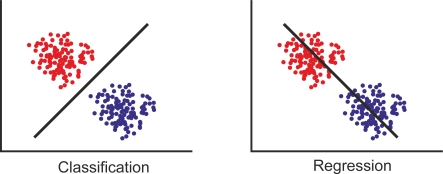
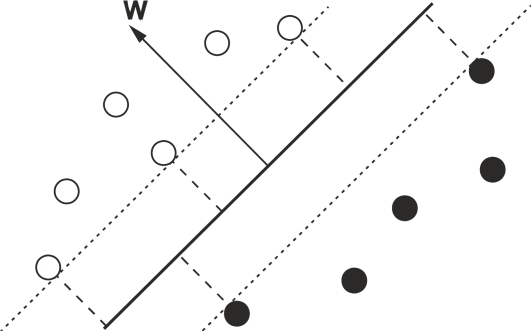
“Classification and regression approaches to BCI control of two-targets (adapted from [210]).”
BackgroundImprovement of EEG Signal Acquisition: An Electrical Aspect for State of the Art of Front End
Uşaklı, A. B. (2010) · Computational Intelligence and Neuroscience · doi:10.1155/2010/630649 · Cited by 146 · cited 3×
“The impedance depends on several factors such as the interface layer, electrode surface area, and temperature [20].”
BackgroundInfluentialMotor cortical activity during drawing movements: population representation during sinusoid tracing
Schwartz, A. B. (1993) · Journal of Neurophysiology · doi:10.1152/jn.1993.70.1.28 · Cited by 144
Brain-computer communication and slow cortical potentials
Hinterberger, T., Schmidt, S., Neumann, N., Mellinger, J., Blankertz, B., Curio, G., & Birbaumer, N. (2004) · IEEE Transactions on Biomedical Engineering · doi:10.1109/tbme.2004.827067 · Cited by 143 · cited 17×
“Also, the Daubechies wavelet, a very well-known mother wavelet, has been used for the classification of SCPs [182].”
BackgroundMethodInfluentialFundamentals of low-noise analog circuit design
Leach, W. M. (1994) · Proceedings of the IEEE · doi:10.1109/5.326411 · Cited by 142 · cited 1×
“External sources such power-lines may generate background noise and thermal, shot, flicker, and burst noises are generated by internal sources [24].”
BackgroundThe contingent negative variation and the late positive wave of the average evoked potential
Donchin, E., & Smith, D. B. D. (1970) · Electroencephalography and Clinical Neurophysiology · doi:10.1016/0013-4694(70)90124-0 · Cited by 141 · cited 1×
“These endogenic P300 responses are elicited about 300 ms after attending to an oddball stimulus among several frequent stimuli [123,124].”
BackgroundContext-Based Filtering for Assisted Brain-Actuated Wheelchair Driving
Vanacker, G., Millán, J. D. R., Lew, E., Ferrez, P. W., Moles, F. G., Philips, J., Van Brussel, H., & Nuttin, M. (2007) · Computational Intelligence and Neuroscience · doi:10.1155/2007/25130 · Cited by 134
Computer control using human intracortical local field potentials
Kennedy, P. R., Kirby, M. T., Moore, M. M., King, B., & Mallory, A. (2004) · IEEE Transactions on Neural Systems and Rehabilitation Engineering · doi:10.1109/tnsre.2004.834629 · Cited by 134 · cited 1×
“[82] employed cortical control signals to design a BCI that allowed users to control cursor movement and flexion of a cyber-digit finger on a virtual hand.”
MethodApplication of Covariate Shift Adaptation Techniques in Brain–Computer Interfaces
Li, Y., Kambara, H., Koike, Y., & Sugiyama, M. (2010) · IEEE Transactions on Biomedical Engineering · doi:10.1109/tbme.2009.2039997 · Cited by 134 · cited 1×
“Some unsupervised methods rely on techniques for co-adaptive learning of user and machine [218,219] or covariate shift adaptation [220].”
MethodA polynomial fitting and k-NN based approach for improving classification of motor imagery BCI data
Kayıkçıoğlu, T., & Aydemir, Ö. (2010) · Pattern Recognition Letters · doi:10.1016/j.patrec.2010.04.009 · Cited by 133
An independent brain–computer interface using covert non-spatial visual selective attention
Zhang, D., Maye, A., Gao, X., Hong, B., Engel, A. K., & Gao, S. (2010) · Journal of Neural Engineering · doi:10.1088/1741-2560/7/1/016010 · Cited by 127
Differential Activation in Somatosensory Cortex for Different Discrimination Tasks
Braun, C., Schweizer, R., Elbert, T., Birbaumer, N., & Taub, E. (2000) · The Journal of Neuroscience · doi:10.1523/jneurosci.20-01-00446.2000 · Cited by 126 · cited 1×
“MEG provides a much larger and more localized SMR response, which means that even a digit finger may be controlled [284].”
BackgroundUnsupervised Brain Computer Interface Based on Intersubject Information and Online Adaptation
Lu, S., Guan, C., & Zhang, H. (2009) · IEEE Transactions on Neural Systems and Rehabilitation Engineering · doi:10.1109/tnsre.2009.2015197 · Cited by 122 · cited 1×
“Some unsupervised methods rely on techniques for co-adaptive learning of user and machine [218,219] or covariate shift adaptation [220].”
MethodImproved signal processing approaches in an offline simulation of a hybrid brain–computer interface
Brunner, C., Allison, B. Z., Krusienski, D. J., Kaiser, V., Müller-Putz, G., Pfurtscheller, G., & Neuper, C. (2010) · Journal of Neuroscience Methods · doi:10.1016/j.jneumeth.2010.02.002 · Cited by 122 · cited 1×
“[173] also used it for SSVEP feature extraction.”
MethodTime–Frequency Analysis of Single-Sweep Event-Related Potentials by Means of Fast Wavelet Transform
Demıralp, T., Yordanova, J., Kolev, V., Ademoğlu, A., Devrim, M., & Samar, V. J. (1999) · Brain and Language · doi:10.1006/brln.1998.2028 · Cited by 121 · cited 1×
“The wavelets are suitable for transient signal analysis, in which the spectral properties of the signal vary over time [176].”
BackgroundKennan, R. P., Horovitz, S. G., Maki, A., Yamashita, Y., Koizumi, H., & Gore, J. C. (2002) · NeuroImage · doi:10.1006/nimg.2002.1060 · Cited by 120 · cited 2×
“Nevertheless, NIRS offers low cost, high portability, and an acceptable temporal resolution in the order of 100 milliseconds [93].”
BackgroundA new brain-computer interface design using fuzzy ARTMAP
Palaniappan, R., Paramesran, R., Nishida, S., & Saiwaki, N. (2002) · IEEE Transactions on Neural Systems and Rehabilitation Engineering · doi:10.1109/tnsre.2002.802854 · Cited by 120 · cited 1×
“Besides MLP, different types of ANN architecture have been used in the design of BCI systems such as Probabilistic Neural Networks (PNN) [253, 254], Fuzzy ARTMAP Neural Networks [255], Finite Impulse Response Neural Networks (FIRNN) [251] or Probability estimating Guarded Neural Classifiers (PeGNC) [256].”
MethodApplications of cortical signals to neuroprosthetic control: a critical review
Lauer, R. T., Peckham, P. H., Kilgore, K. L., & Heetderks, W. J. (2000) · IEEE Transactions on Rehabilitation Engineering · doi:10.1109/86.847817 · Cited by 120 · cited 1×
“Nevertheless, periodic recalibrations of electrode sensitivity may be necessary [73].”
BackgroundThe Clinical Neurophysiology Primer
(2007) · Humana Press eBooks · doi:10.1007/978-1-59745-271-7 · Cited by 118
Georgopoulos, A. P., Karageorgiou, E., Leuthold, A. C., Lewis, S. M., Lynch, J. K., Alonso, A. A., Aslam, Z., Carpenter, A. F., Georgopoulos, A., Hemmy, L. S., et al. (2007) · Journal of Neural Engineering · doi:10.1088/1741-2560/4/4/001 · Cited by 118 · cited 1×
“On the other hand, brain signal recordings can be used in an assessment of brain functions to evaluate their status in health and disease [314].”
BackgroundNeural Internet: Web Surfing with Brain Potentials for the Completely Paralyzed
Karim, A. A., Hinterberger, T., Richter, J., Mellinger, J., Neumann, N., Flor, H., Kübler, A., & Birbaumer, N. (2006) · Neurorehabilitation and Neural Repair · doi:10.1177/1545968306290661 · Cited by 117 · cited 11×
“Also, the Daubechies wavelet, a very well-known mother wavelet, has been used for the classification of SCPs [182].”
BackgroundInfluentialOn P300 measurement stability: habituation, intra-trial block variation, and ultradian rhythms
Ravden, D., & Polich, J. M. (1999) · Biological Psychology · doi:10.1016/s0301-0511(99)00015-0 · Cited by 115 · cited 1×
“However, the performance may be reduced because the user gets used to the infrequent stimulus and consequently P300 amplitude is decreased [126].”
BackgroundHuman Brain Electrophysiology: Evoked Potentials and Evoked Magnetic Fields in Science and Medicine
Galloway, N. R. (1990) · British Journal of Ophthalmology · doi:10.1136/bjo.74.4.255-a · Cited by 115
Brain Computer Interface Design Using Band Powers Extracted During Mental Tasks
Palaniappan, R. (2005) · Conference Proceedings. 2nd International IEEE EMBS Conference on Neural Engineering, 2005. · doi:10.1109/cne.2005.1419622 · Cited by 115 · cited 1×
“In the field of BCIs, MLP have been applied to classify two [249], three [200], and five [250] different tasks, and to design synchronous [251] and asynchronous [215] BCIs.”
MethodMartens, S. M. M., Hill, N. J., Farquhar, J., & Schölkopf, B. (2009) · Journal of Neural Engineering · doi:10.1088/1741-2560/6/2/026003 · Cited by 114 · cited 2×
“Further, overlap and refractory effects are generally the main error source in these kinds of BCIs [136].”
BackgroundHazrati, M. K., & Erfanian, A. (2010) · Medical Engineering & Physics · doi:10.1016/j.medengphy.2010.04.016 · Cited by 114 · cited 1×
“Besides MLP, different types of ANN architecture have been used in the design of BCI systems such as Probabilistic Neural Networks (PNN) [253, 254], Fuzzy ARTMAP Neural Networks [255], Finite Impulse Response Neural Networks (FIRNN) [251] or Probability estimating Guarded Neural Classifiers (PeGNC) [256].”
MethodMagnetoencephalographic signals predict movement trajectory in space
Georgopoulos, A. P., Langheim, F. J. P., Leuthold, A. C., & Merkle, A. N. (2005) · Experimental Brain Research · doi:10.1007/s00221-005-0028-8 · Cited by 114 · cited 1×
“Although further studies have followed [53–57], MEG-based BCIs, as compared to EEG-based BCIs, are still at an early stage.”
ResultA region-based P300 speller for brain-computer interface
Fazel-Rezai, R., & Abhari, K. (2009) · Canadian Journal of Electrical and Computer Engineering · doi:10.1109/cjece.2009.5443854 · Cited by 111 · cited 2×
“The Farwell-Donchin speller provides a relatively high rate and accuracy, but its precision can be improved by reducing perceptual errors in the Farwell-Donchin paradigm [270].”
BackgroundSteady-state visual evoked potentials reveal frontally-mediated working memory activity in humans
Perlstein, W. M., Cole, M., Larson, M. J., Kelly, K. G., Seignourel, P. J., & Keil, A. (2003) · Neuroscience Letters · doi:10.1016/s0304-3940(03)00226-x · Cited by 110 · cited 1×
“SSVEPs are less susceptible than TVEPs to artifacts produced by blinks and eye movements [108] and to electromyographic noise contamination [109].”
BackgroundFarina, D., do Nascimento, O. F., Lucas, M.-F., & Doncarli, C. (2007) · Journal of Neuroscience Methods · doi:10.1016/j.jneumeth.2007.01.011 · Cited by 109 · cited 1×
“[178] showed a pattern recognition approach for the classification of single trial movement-related cortical potentials, where the feature space is built from coefficients of a discrete wavelet transformation.”
BackgroundImproving Transfer Rates in Brain Computer Interfacing: A Case Study
Meinicke, P., Kaper, M., Hoppe, F., Heumann, M., & Ritter, H. J. (2002) · PUB – Publications at Bielefeld University (Bielefeld University) · Cited by 109
Townsend, G., Graimann, B., & Pfurtscheller, G. (2006) · IEEE Transactions on Biomedical Engineering · doi:10.1109/tbme.2006.870237 · Cited by 108 · cited 2×
“In BCI research, SFFS has been used to reduce the dimensionality of the feature space to an appropriate size for the available training data [194–196].”
MethodEEG-based control of a hand grasp neuroprosthesis
Lauer, R. T., Peckham, P. H., & Kilgore, K. L. (1999) · NeuroReport · doi:10.1097/00001756-199906030-00026 · Cited by 106
Steering a Tractor by Means of an EMG-Based Human-Machine Interface
Gil, J., San-Jose-Gonzalez, I., Nicolas-Alonso, L. F., & Alonso-Garcia, S. (2011) · Sensors · doi:10.3390/s110707110 · Cited by 106 · cited 2×
“EMG computer interface [201], human-computer interface (HCI) [202], EMG-based human-computer interface [203], EMG-Based Human-Machine Interface [204], EMG-based human-robot interface [205], muscle-computer interface (MuCI) [206], man-machine interface (MMI) [207], and biocontroller interface [208] are different terms…”
BackgroundSelf-citationUsing ICA for removal of ocular artifacts in EEG recorded from blind subjects
Flexer, A., Bauer, H., Pripfl, J., & Dorffner, G. (2005) · Neural Networks · doi:10.1016/j.neunet.2005.03.012 · Cited by 105 · cited 1×
“ICA has traditionally been used as a preprocessing tool before the feature extraction step, in order to remove ocular artifacts in BCI systems [164–166].”
MethodNessi: An EEG-Controlled Web Browser for Severely Paralyzed Patients
Bensch, M., Karim, A. A., Mellinger, J., Hinterberger, T., Tangermann, M., Bogdan, M., Rosenstiel, W., & Birbaumer, N. (2007) · Computational Intelligence and Neuroscience · doi:10.1155/2007/71863 · Cited by 100 · cited 1×
“A more advanced prototype, called “Nessi”, overcomes these shortcomings thanks to a better user interface [276].”
BackgroundPredictors of successful self control during brain-computer communication
Neumann, N. (2003) · Journal of Neurology, Neurosurgery & Psychiatry · doi:10.1136/jnnp.74.8.1117 · Cited by 100 · cited 1×
“Furthermore, initial SCP modulation skills have an effect on future performance following training [119].”
BackgroundMargalit, E., Weiland, J. D., Clatterbuck, R. E., Fujii, G. Y., Maia, M., Tameesh, M., Torres, G. F., D’Anna, S. A., Desai, S., Piyathaisere, D. V., et al. (2003) · Journal of Neuroscience Methods · doi:10.1016/s0165-0270(02)00345-x · Cited by 96 · cited 1×
“Early studies involving animals evaluated the long-term stability of the signals from the brain that ECoG could acquire [59–62].”
BackgroundGaze independent brain–computer speller with covert visual search tasks
Liu, Y., Zhou, Z., & Hu, D. (2010) · Clinical Neurophysiology · doi:10.1016/j.clinph.2010.10.049 · Cited by 96 · cited 1×
“Eye-gaze control constraints in some LIS patients are an important issue, because they are obliged to use BCIs that does not depend on eye-gaze control [262,263].”
BackgroundLoeb, G. E., Walker, A. E., Uematsu, S., & Konigsmark, B. W. (1977) · Journal of Biomedical Materials Research · doi:10.1002/jbm.820110206 · Cited by 95 · cited 1×
“Early studies involving animals evaluated the long-term stability of the signals from the brain that ECoG could acquire [59–62].”
BackgroundBrain–computer interface signal processing at the Wadsworth Center: mu and sensorimotor beta rhythms
McFarland, D. J., Krusienski, D. J., & Wolpaw, J. R. (2006) · Progress in brain research · doi:10.1016/s0079-6123(06)59026-0 · Cited by 94 · cited 1×
“In other words, offline simulation and cross-validation can be valuable methods to develop and test new algorithms, but only online analysis can yield solid evidence of BCI system performance [137,212,213].”
MethodTaga, G., Homae, F., & Watanabe, H. (2007) · NeuroImage · doi:10.1016/j.neuroimage.2007.07.050 · Cited by 94 · cited 1×
“The spatial resolution of NIRS is quite low, in the order of 1 cm [92].”
BackgroundKrusienski, D. J., McFarland, D. J., & Wolpaw, J. R. (2006) · Conference proceedings · doi:10.1109/iembs.2006.259822 · Cited by 93 · cited 1×
“AR spectral estimation is preferred to Fourier Transform, because of its superior resolution for short time segments [170].”
MethodAutomatic Removal of Eye-Movement and Blink Artifacts from EEG Signals
Gao, J. F., Yang, Y., Lin, P., Wang, P., & Zheng, C. X. (2009) · Brain Topography · doi:10.1007/s10548-009-0131-4 · Cited by 92
Support vector EEG classification in the Fourier and time-frequency correlation domains
Garcia, G. N., Ebrahimi, T., & Vesin, J.-M. (2004) · First International IEEE EMBS Conference on Neural Engineering, 2003. Conference Proceedings. · doi:10.1109/cne.2003.1196897 · Cited by 92 · cited 1×
“SVM has been used to classify feature vectors for binary [239,240] and multiclass problems [228,230].”
MethodA $\mu $-Rhythm Matched Filter for Continuous Control of a Brain-Computer Interface
Krusienski, D. J., Schalk, G., McFarland, D. J., & Wolpaw, J. R. (2007) · IEEE Transactions on Biomedical Engineering · doi:10.1109/tbme.2006.886661 · Cited by 92 · cited 6×
“characteristics [151,173]”
BackgroundMethodInfluentialEEG and MEG brain-computer interface for tetraplegic patients
Kauhanen, L., Nykopp, T., Lehtonen, J., Jylanki, P., Heikkonen, J., Rantanen, P., Alaranta, H., & Sams, M. (2006) · IEEE Transactions on Neural Systems and Rehabilitation Engineering · doi:10.1109/tnsre.2006.875546 · Cited by 92 · cited 1×
“Although further studies have followed [53–57], MEG-based BCIs, as compared to EEG-based BCIs, are still at an early stage.”
ResultVisual P300-based BCI to steer a wheelchair: A Bayesian approach
Pires, G., Castelo‐Branco, M., & Nunes, U. (2008) · doi:10.1109/iembs.2008.4649238 · Cited by 91 · cited 1×
“Nevertheless, they have been used for classifying motor imagery [247] or visual P300 evoked potentials [248].”
MethodTissue response to potential neuroprosthetic materials implanted subdurally
Yuen, T. G. H., Agnew, W. F., & Bullara, L. A. (1987) · Biomaterials · doi:10.1016/0142-9612(87)90103-7 · Cited by 91 · cited 1×
“Early studies involving animals evaluated the long-term stability of the signals from the brain that ECoG could acquire [59–62].”
BackgroundBraz, G. P., Russold, M., & Davis, G. M. (2009) · Neuromodulation Technology at the Neural Interface · doi:10.1111/j.1525-1403.2009.00213.x · Cited by 88 · cited 1×
“Electrical currents generate artificial action potential by depolarizing intact peripheral motor nerves that innervate the targeted muscle and cause a muscle contraction (see [277] for a review).”
BackgroundGray, M. A., Kemp, A. H., Silberstein, R. B., & Nathan, P. J. (2003) · NeuroImage · doi:10.1016/s1053-8119(03)00401-4 · Cited by 86 · cited 1×
“SSVEPs are less susceptible than TVEPs to artifacts produced by blinks and eye movements [108] and to electromyographic noise contamination [109].”
BackgroundDynamic spectral analysis of event-related EEG data
Florian, G., & Pfurtscheller, G. (1995) · Electroencephalography and Clinical Neurophysiology · doi:10.1016/0013-4694(95)00198-8 · Cited by 86 · cited 1×
“Nevertheless, AR performs poorly when the signal is not stationary [171].”
BackgroundIdentification of Electrocorticogram Patterns as the Basis for a Direct Brain Interface
Levine, S. P., Huggins, J. E., BeMent, S. L., Kushwaha, R. K., Schuh, L. A., Passaro, E. A., Rohde, M. M., & Ross, D. A. (1999) · Journal of Clinical Neurophysiology · doi:10.1097/00004691-199909000-00005 · Cited by 85 · cited 1×
“[68] designed a BCI which classified motor actions on the basis of the identification of the event-related potentials (ERP) using ECoG.”
MethodSilvoni, S. (2009) · Frontiers in Neuroscience · doi:10.3389/neuro.20.001.2009 · Cited by 83 · cited 1×
“P300-based BCIs have been proven sufficiently suitable for ALS patients in the early and middle stages of the disease [268].”
BackgroundJackson, A., Mavoori, J., & Fetz, E. E. (2007) · Journal of Neurophysiology · doi:10.1152/jn.00710.2006 · Cited by 82 · cited 1×
“The most recent studies with monkeys investigated the control of prosthetic devices for direct real-time interaction with the physical environment [78–81].”
BackgroundIversen, I. H., Ghanayim, N., Kübler, A., Neumann, N., Birbaumer, N., & Kaiser, J. (2008) · Clinical Neurophysiology · doi:10.1016/j.clinph.2008.07.001 · Cited by 81 · cited 1×
“Self-regulation of SCPs has been tested extensively with patients suffering from ALS [120–122].”
BackgroundWavelet Common Spatial Pattern in asynchronous offline brain computer interfaces
Mousavi, E. A., Maller, J. J., Fitzgerald, P. B., & Lithgow, B. J. (2010) · Biomedical Signal Processing and Control · doi:10.1016/j.bspc.2010.08.003 · Cited by 75 · cited 2×
“For these reasons, several methods improving the original CSP method have been proposed to increase the performance: Wavelet Common Spatial Pattern (WCSP) [185], Common Spatio-Spectral Pattern (CSSP) [186], and Common Sparse Spectral Spatial Pattern (CSSSP) [187].”
BackgroundMethodDecoding and Cortical Source Localization for Intended Movement Direction With MEG
Wang, W., Sudre, G. P., Xu, Y., Kass, R. E., Collinger, J. L., Degenhart, A. D., Bagic, A. I., & Weber, D. J. (2010) · Journal of Neurophysiology · doi:10.1152/jn.00239.2010 · Cited by 71 · cited 1×
“MEG has also been successfully used to localize active regions inside the brain [51].”
MethodControlling a wheelchair using a BCI with low information transfer rate
Rebsamen, B., Burdet, E., Guan, C., Teo, C. L., Zeng, Q., Ang, M. H., & Laugier, C. (2007) · International Conference on Rehabilitation Robotics · doi:10.1109/icorr.2007.4428546 · Cited by 66 · cited 1×
“[290] designed a simplified wheelchair control by constraining the movements to guidepaths defined by the patient or a helper.”
BackgroundDevelopment and Quantitative Performance Evaluation of a Noninvasive EMG Computer Interface
Choi, C., Micera, S., Carpaneto, J., & Kim, J. (2008) · IEEE Transactions on Biomedical Engineering · doi:10.1109/tbme.2008.2005950 · Cited by 65 · cited 1×
“EMG computer interface [201], human-computer interface (HCI) [202], EMG-based human-computer interface [203], EMG-Based Human-Machine Interface [204], EMG-based human-robot interface [205], muscle-computer interface (MuCI) [206], man-machine interface (MMI) [207], and biocontroller interface [208] are different”
BackgroundA brain computer interface with online feedback based on magnetoencephalography
Lal, T. N., Birbaumer, N., Schölkopf, B., Schröder, M., Hill, N. J., Preissl, H., Hinterberger, T., Mellinger, J., Bogdan, M., Rosenstiel, W., et al. (2005) · Proceedings of the 22nd international conference on Machine learning - ICML '05 · doi:10.1145/1102351.1102410 · Cited by 65 · cited 1×
“[52] presented the first online MEG-based BCI.”
Self-regulation of slow cortical potentials in psychiatric patients: Schizophrenia
Schneider, F. W., Rockstroh, B. S., Heimann, H., Lutzenberger, W., Mattes, R., Elbert, T. R., Birbaumer, N., & Bartels, M. (1992) · Applied Psychophysiology and Biofeedback · doi:10.1007/bf01000051 · Cited by 64 · cited 1×
“Neurofeedback provided by a BCI system may improve cognitive performance [302,303], speech skills [304], affection [305], and pain management [306], and has been used in the treatment of mental disorders, such as epilepsy [307,308], attention deficit [309], schizophrenia [310], depression [311], alcohol dependence [31…”
BackgroundCarpaneto, J., Umiltà, M. A., Fogassi, L., Murata, A., Gallese, V., Micera, S., & Raos, V. (2011) · Neuroscience · doi:10.1016/j.neuroscience.2011.04.062 · Cited by 64 · cited 1×
“The most recent studies with monkeys investigated the control of prosthetic devices for direct real-time interaction with the physical environment [78–81].”
BackgroundImplantable brain computer interface: Challenges to neurotechnology translation
Konrad, P. E., & Shanks, T. (2009) · Neurobiology of Disease · doi:10.1016/j.nbd.2009.12.007 · Cited by 61 · cited 2×
“However, the latest studies in neuroprostheses control appear to indicate that invasive modalities have inherent advantages in neuroprosthesis control applications [4].”
BackgroundVirtual keyboard BCI using Eye blinks in EEG
Chambayil, B., Singla, R. K., & Jha, R. (2010) · IEEE International Conference on Wireless and Mobile Computing, Networking and Communications (WiMob) · doi:10.1109/wimob.2010.5645025 · Cited by 60 · cited 3×
“The correct spelling rate of each speller was one character per minute using blinks [266] and 2.”
MethodOperation of a P300-based brain–computer interface by individuals with cervical spinal cord injury
Ikegami, S., Takano, K., Saeki, N., & Kansaku, K. (2010) · Clinical Neurophysiology · doi:10.1016/j.clinph.2010.08.021 · Cited by 59 · cited 1×
“Performance decreases when matrices with smaller symbols are used [132], and it is enhanced when a green and blue chromatic flicker matrix is used, rather than a gray and black one [133,134].”
BackgroundRegional brain activation with advertising images.
Cook, I. A., Warren, C., Pajot, S. K., Schairer, D. O., & Leuchter, A. F. (2011) · Journal of Neuroscience Psychology and Economics · doi:10.1037/a0024809 · Cited by 57
Analyzing EEG signals using the probability estimating guarded neural classifier
Felzer, T., & Freisieben, B. (2003) · IEEE Transactions on Neural Systems and Rehabilitation Engineering · doi:10.1109/tnsre.2003.819785 · Cited by 55 · cited 1×
“Besides MLP, different types of ANN architecture have been used in the design of BCI systems such as Probabilistic Neural Networks (PNN) [253, 254], Fuzzy ARTMAP Neural Networks [255], Finite Impulse Response Neural Networks (FIRNN) [251] or Probability estimating Guarded Neural Classifiers (PeGNC) [256].”
MethodImproving Mental Task Classification by Adding High Frequency Band Information
Zhang, L., He, W., He, C., & Wang, P. (2008) · Journal of Medical Systems · doi:10.1007/s10916-008-9215-z · Cited by 54 · cited 1×
“less commonly used in EEG-based BCI systems, because artifacts such as electromyography (EMG) or electrooculography (EOG) are likely to affect them [43].”
Intrasulcal Electrocorticography in Macaque Monkeys with Minimally Invasive Neurosurgical Protocols
Matsuo, T., Kawasaki, K., Osada, T., Sawahata, H., Suzuki, T., Shibata, M., Miyakawa, N., Nakahara, K., Iijima, A., Sato, N., et al. (2011) · Frontiers in Systems Neuroscience · doi:10.3389/fnsys.2011.00034 · Cited by 54 · cited 1×
“These studies have also developed minimally invasive protocols to implant the ECoG probes [64].”
BackgroundA Dictionary-Driven P300 Speller With a Modified Interface
Ahi, S. T., Kambara, H., & Koike, Y. (2010) · IEEE Transactions on Neural Systems and Rehabilitation Engineering · doi:10.1109/tnsre.2010.2049373 · Cited by 54 · cited 1×
“[271] also recently improved the Farwell-Donchin P300 speller by introducing a dictionary to decrease the number of misclassifications in the spelling.”
MethodVecchiato, G., Fallani, F. D. V., Astolfi, L., Toppi, J., Cincotti, F., Mattia, D., Salinari, S., & Babiloni, F. (2010) · Journal of Neuroscience Methods · doi:10.1016/j.jneumeth.2010.07.009 · Cited by 53 · cited 1×
“To date, few neuromarketing studies have been conducted, although some evidence has been found to suggest that neuroimaging could have a role in several areas of marketing [315–318].”
BackgroundSingle trial independent component analysis for P300 BCI system
Li, K., Sankar, R. T., Arbel, Y., & Donchin, E. (2009) · Annual International Conference of the IEEE Engineering in Medicine and Biology Society (EMBC) · doi:10.1109/iembs.2009.5333745 · Cited by 53 · cited 1×
“Furthermore, it is possible to remove the noise term n(t) from Equation (4), by assuming that the observed data is noiseless or that the noise is too weak for consideration [160,161].”
BackgroundEffects of Stimulus Type and of Error-Correcting Code Design on BCI Speller Performance
Hill, J., Farquhar, J. D. R., Martens, S., Bießmann, F., & Schölkopf, B. (2008) · Cited by 52
Brain computer interface using flash onset and offset visual evoked potentials
Lee, P., Hsieh, J., Wu, C.-H., Shyu, K., & Wu, Y. (2008) · Clinical Neurophysiology · doi:10.1016/j.clinph.2007.11.013 · Cited by 48 · cited 1×
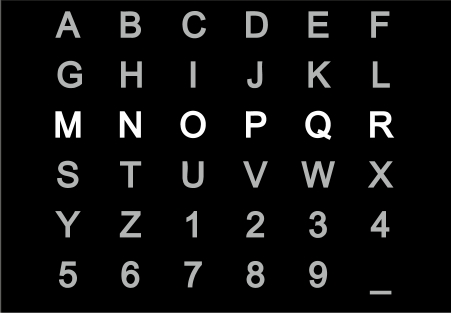
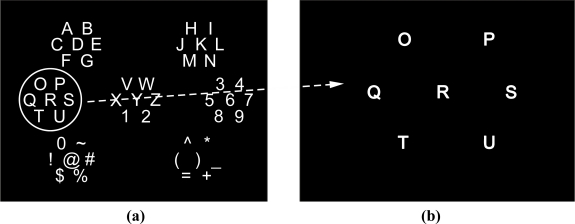
“The user can move their gaze to the flashing digits or letters, in order to communicate with the computer [111].”
BackgroundReal-time functional magnetic imaging—brain–computer interface and virtual reality
Renaud, P., Joyal, C. C., Stoléru, S., Goyette, M., Weiskopf, N., & Birbaumer, N. (2011) · Progress in brain research · doi:10.1016/b978-0-444-53355-5.00014-2 · Cited by 47 · cited 1×
“Neurofeedback provided by a BCI system may improve cognitive performance [302,303], speech skills [304], affection [305], and pain management [306], and has been used in the treatment of mental disorders, such as epilepsy [307,308], attention deficit [309], schizophrenia [310], depression [311], alcohol dependence [31…”
BackgroundEvaluation of Electrode Array Material for Neural Prostheses
Bullara, L. A., Agnew, W. F., Yuen, T. G. H., Jacques, S., & Pudenz, R. H. (1979) · Neurosurgery · doi:10.1227/00006123-197912000-00006 · Cited by 45 · cited 1×
“Early studies involving animals evaluated the long-term stability of the signals from the brain that ECoG could acquire [59–62].”
BackgroundBoye, A. T., Kristiansen, U. Q., Billinger, M., Nascimento, O. F. D., & Farina, D. (2008) · Biomedical Signal Processing and Control · doi:10.1016/j.bspc.2008.05.001 · Cited by 45 · cited 2×
“artifacts are uncorrelated with the EEG signal [155,157,158]”
BackgroundMethodSelf-initiation of EEG-based communication in paralyzed patients
Kaiser, J., Perelmouter, J., Iversen, I. H., Neumann, N., Ghanayim, N., Hinterberger, T., Kübler, A., Kotchoubey, B., & Birbaumer, N. (2001) · Clinical Neurophysiology · doi:10.1016/s1388-2457(01)00470-9 · Cited by 45 · cited 1×
“Although most thought-translation devices show continuous feedback, it is possible to train SCP self-modulation in the absence of continuous feedback [118].”
BackgroundKhalid, M. B., Rao, N. I., Haque, I. R. I., Munir, S., & Tahir, F. (2009) · International Conference on Computer, Control and Communication · doi:10.1109/ic4.2009.4909189 · Cited by 44 · cited 1×
“A BCI is an artificial intelligence system that can recognize a certain set of patterns in brain signals following five consecutive stages: signal acquisition, preprocessing or signal enhancement, feature extraction, classification, and the control interface [1].”
MethodInfluentialSelf-regulation of slow cortical potentials in psychiatric patients: Depression
Schneider, F. W., Heimann, H., Mattes, R., Lutzenberger, W., & Birbaumer, N. (1992) · Applied Psychophysiology and Biofeedback · doi:10.1007/bf01000403 · Cited by 43 · cited 1×
“Neurofeedback provided by a BCI system may improve cognitive performance [302,303], speech skills [304], affection [305], and pain management [306], and has been used in the treatment of mental disorders, such as epilepsy [307,308], attention deficit [309], schizophrenia [310], depression [311], alcohol dependence [31…”
BackgroundA genetic algorithm for automatic feature extraction in P300 detection
Seno, B. D., Matteucci, M., & Mainardi, L. T. (2008) · International Joint Conference on Neural Networks (IJCNN) · doi:10.1109/ijcnn.2008.4634243 · Cited by 43 · cited 2×
“Features selection GA − High resource consumption − Possible premature convergence [188,189]”
BackgroundMethodA Brain Computer Interface Based on Neural Network with Efficient Pre-Processing
Nakayama, K., & 稲垣, 清. (2006) · International Symposium on Intelligent Signal Processing and Communication Systems (ISPACS) · doi:10.1109/ispacs.2006.364745 · Cited by 41 · cited 1×
“In the field of BCIs, MLP have been applied to classify two [249], three [200], and five [250] different tasks, and to design synchronous [251] and asynchronous [215] BCIs.”
MethodThe Operant Conditioning of Central Nervous System Electrical Activity
Black, A. H. (1972) · The Psychology of learning and motivation/The psychology of learning and motivation · doi:10.1016/s0079-7421(08)60384-9 · Cited by 38 · cited 1×
“Their amplitude increases when the eyes close and the body relaxes and they attenuate when the eyes open and mental effort is made [32].”
BackgroundClustering Linear Discriminant Analysis for MEG-Based Brain Computer Interfaces
Zhang, J., Sudre, G. P., Li, X., Wang, W., Weber, D. J., & Bagic, A. I. (2011) · IEEE Transactions on Neural Systems and Rehabilitation Engineering · doi:10.1109/tnsre.2011.2116125 · Cited by 38 · cited 1×
“Although further studies have followed [53–57], MEG-based BCIs, as compared to EEG-based BCIs, are still at an early stage.”
ResultFatourechi, M., Birch, G. E., & Ward, R. K. (2007) · Journal of NeuroEngineering and Rehabilitation · doi:10.1186/1743-0003-4-11 · Cited by 37
Asynchronous BCI Control of a Robot Simulator with Supervised Online Training
Tsui, C. S. L., & Gan, J. Q. (2007) · Springer eBooks · doi:10.1007/978-3-540-77226-2_14 · Cited by 36
EEG classification using generative independent component analysis
Chiappa, S., & Barber, D. (2006) · Neurocomputing · doi:10.1016/j.neucom.2005.12.028 · Cited by 36 · cited 1×
“ICA can be modified to classify EEG signals by fitting the generative ICA model to each task and employing Bayes’ rule to create the classifier [168].”
MethodCoyle, D., McGinnity, T. M., & Prasad, G. (2010) · Biomedical Signal Processing and Control · doi:10.1016/j.bspc.2010.03.004 · Cited by 34 · cited 1×
“Moreover, MLP has been used for preprocessing EEG signals before the feature extraction step rather than the classification step, in order to improve the separability of EEG features [252].”
MethodTransmission Latencies in a Telemetry-Linked Brain-Machine Interface
Bossetti, C. A., Carmena, J. M., Nicolelis, M. A. L., & Wolf, P. D. (2004) · IEEE Transactions on Biomedical Engineering · doi:10.1109/tbme.2004.827090 · Cited by 33 · cited 1×
“Wireless transmission of neuronal signals has already been tested in animals [17].”
BackgroundImproved GMM with parameter initialization for unsupervised adaptation of Brain–Computer interface
Liu, G., Huang, G., Meng, J., Zhang, D., & Zhu, X. (2009) · International Journal for Numerical Methods in Biomedical Engineering · doi:10.1002/cnm.1362 · Cited by 31 · cited 1×
“[246] made GMM adaptive to significant changes in the statistical distribution of the data during long-term use.”
BackgroundSelf-regulation of slow cortical potentials in psychiatric patients: Alcohol dependency
Schneider, F. W., Elbert, T. R., Heimann, H., Welker, A., Stetter, F., Mattes, R., Birbaumer, N., & Mann, K. F. (1993) · Applied Psychophysiology and Biofeedback · doi:10.1007/bf00999511 · Cited by 30 · cited 1×
“Neurofeedback provided by a BCI system may improve cognitive performance [302,303], speech skills [304], affection [305], and pain management [306], and has been used in the treatment of mental disorders, such as epilepsy [307,308], attention deficit [309], schizophrenia [310], depression [311], alcohol dependence [31…”
BackgroundMan-Machine Interface System for Neuromuscular Training and Evaluation Based on EMG and MMG Signals
de la Rosa, R., Alonso, A., Carrera, A., Barroso, R. J. D., & Fernández, P. (2010) · Sensors · doi:10.3390/s101211100 · Cited by 29
Feature selection on movement imagery discrimination and attention detection
Dias, N. S., Kamrunnahar, M., Mendes, P. M., Schiff, S. J., & Correia, J. H. (2010) · Medical & Biological Engineering & Computing · doi:10.1007/s11517-010-0578-1 · Cited by 28 · cited 1×
“SFS has been used with success in the field of BCIs [191,192].”
MethodDirect brain communication: neuroelectric and metabolic approaches at T�bingen
Kleber, B., & Birbaumer, N. (2005) · Cognitive Processing · doi:10.1007/s10339-004-0045-8 · Cited by 26 · cited 2×
“self-regulation of brain rhythms and potentials without external stimuli [150].”
BackgroundMethodJiang, W., Xu, G., Wang, L., & Zhang, H. (2010) · International Conference on Biomedical Engineering and Informatics (BMEI) · doi:10.1109/bmei.2010.5639885 · Cited by 25 · cited 2×
“[172] applied MVAAR for the classification of motor imagery, showing that MVAAR is a valuable adaptive method for feature extraction.”
MethodUnderstanding intention of movement from electroencephalograms
Lakany, H., & Conway, B. A. (2007) · Expert Systems · doi:10.1111/j.1468-0394.2007.00435.x · Cited by 25 · cited 1×
“SFS has been used with success in the field of BCIs [191,192].”
MethodUnsupervised adaptive GMM for BCI
Hasan, B. A. S., & Gan, J. Q. (2009) · International IEEE/EMBS Conference on Neural Engineering · doi:10.1109/ner.2009.5109291 · Cited by 22 · cited 2×
“In BCI research, SFFS has been used to reduce the dimensionality of the feature space to an appropriate size for the available training data [194–196].”
MethodCiaccio, E. J., Dunn, S. M., & Akay, M. (1993) · IEEE Engineering in Medicine and Biology Magazine · doi:10.1109/51.248173 · Cited by 21 · cited 6×
“SFS has been used with success in the field of BCIs [191,192].”
BackgroundInfluentialInformation transfer rate in fMRI experiments measured using mutual information theory
Ward, B. D., & Mazaheri, Y. (2007) · Journal of Neuroscience Methods · doi:10.1016/j.jneumeth.2007.06.027 · Cited by 20 · cited 1×
“20 bits/min [90].”
Hu, X., Tong, R. K., Li, R., Chen, M., Xue, J. J., Ho, S. K., & Chen, P. N. (2011) · International Conference on Rehabilitation Robotics · doi:10.1109/icorr.2011.5975424 · Cited by 18 · cited 1×
“[280] developed a combined FES-robot system which was continuously driven by the user’s residual electromyography on the affected side for wrist joint training after a stroke, in order to involve the user’s own neuromuscular effort during the training.”
MethodDesign and application of brain-computer interface web browser based on VEP
Yin, J., Jiang, D., & Hu, J. (2009) · International Conference on Future BioMedical Information Engineering · doi:10.1109/fbie.2009.5405788 · Cited by 16 · cited 2×
“[103] developed a browser based on VEPs.”
BackgroundWavelet and Hilbert transform-based Brain Computer Interface
Ghanbari, A. A., Kousarrizi, M. R. N., Teshnehlab, M., & Shoorehdeli, M. A. (2009) · International Conference on Advances in Computational Tools for Engineering Applications · doi:10.1109/actea.2009.5227850 · Cited by 14 · cited 1×
“WT is particularly suitable when signals are not stationary, because it provides a flexible way of representing the time-frequency of a signal [174].”
BackgroundSabra, N. I., & Wahed, M. A. (2011) · National Radio Science Conference · doi:10.1109/nrsc.2011.5873644 · Cited by 14 · cited 1×
“Although further studies have followed [53–57], MEG-based BCIs, as compared to EEG-based BCIs, are still at an early stage.”
ResultBasic Electronics in Clinical Neurophysiology
Sinclair, C. M., Gasper, M. C., & Blum, A. S. (2007) · Humana Press eBooks · doi:10.1007/978-1-59745-271-7_1 · Cited by 13
Comparative analysis of signal processing in brain computer interface
Yang, R., Gray, D. A., Ng, B. W. ‐., & He, M. (2009) · IEEE Conference on Industrial Electronics and Applications (ICIEA) · doi:10.1109/iciea.2009.5138215 · Cited by 13 · cited 3×
“Two ways are feasible to estimate the Gaussian prototypes mixture [245].”
BackgroundElectrode Position Optimization for Facial EMG Measurements for Human-computer Interface
Hannula, M., Narra, N., Hyttinen, J., & Nöjd, N. (2008) · Methods of Information in Medicine · doi:10.3414/me9109 · Cited by 11 · cited 2×
“EMG computer interface [201], human-computer interface (HCI) [202], EMG-based human-computer interface [203], EMG-Based Human-Machine Interface [204], EMG-based human-robot interface [205], muscle-computer interface (MuCI) [206], man-machine interface (MMI) [207], and biocontroller interface [208] are different terms…”
BackgroundA novel EMG-based human-computer interface for persons with disability
Moon, I., Lee, M., & Mun, M.-S. (2004) · doi:10.1109/icmech.2004.1364493 · Cited by 11
Real-time classification of activated brain areas for fMRI-based human-brain-interfaces
Mönch, T., Hollmann, M., Grzeschik, R., Mueller, C., Lützkendorf, R., Baecke, S., Luchtmann, M., Wagegg, D., & Bernarding, J. (2008) · Proceedings of SPIE, the International Society for Optical Engineering/Proceedings of SPIE · doi:10.1117/12.769848 · Cited by 7
Zhang, X., Chen, X. '., Lantz, V., Yang, J., & Wang, K. (2009) · Annual International Conference of the IEEE Engineering in Medicine and Biology Society (EMBC) · doi:10.1109/iembs.2009.5333323 · Cited by 7 · cited 1×
“EMG computer interface [201], human-computer interface (HCI) [202], EMG-based human-computer interface [203], EMG-Based Human-Machine Interface [204], EMG-based human-robot interface [205], muscle-computer interface (MuCI) [206], man-machine interface (MMI) [207], and biocontroller interface [208] are different”
BackgroundElectrode position optimization for facial EMG measurements for human-computer interface
Nöjd, N., Hannula, M., & Hyttinen, J. (2008) · International Conference on Pervasive Computing Technologies for Healthcare · doi:10.1109/pcthealth.2008.4571102 · Cited by 6
Comparison Of FFT And AR Techniques For Scalp EEG Analysis
Ghafar, R., Hussain, A., Samad, S. A., & Tahir, N. M. (2008) · World Congress on Medical Physics and Biomedical Engineering, September 7 - 12, 2009, Munich, Germany · doi:10.1007/978-3-540-69139-6_43 · Cited by 5 · cited 1×
“FFT performs very poorly with short data segments [153].”
BackgroundA multimedia system for augmented sensory assessment and treatment of motor disabilities
Eckhouse, R. H., & Maulucci, R. A. (1997) · Telematics and Informatics · doi:10.1016/s0736-5853(96)00019-6 · Cited by 4 · cited 1×
“human-computer interface (HCI) [202], EMG-based human-computer interface [203], EMG-Based Human-Machine Interface [204], EMG-based human-robot interface [205], muscle-computer interface (MuCI) [206], man-machine interface (MMI) [207], and biocontroller interface [208] are different terms used to name communication int…”
Background
Research works printed but not linked: 3
- Steven, L., and Giulio, T. (2009). The Neurology of Consciousness, Academic Press.
- Mellinger, 2007, An MEG-based brain-computer interface (BCI), Neuroimage, 36, 581, 10.1016/j.neuroimage.2007.03.019 · DOI · Paper page
- Tangermann, M., Krauledat, M., Grzeska, K., Sagebaum, M., Blankertz, B., Vidaurre, C., and Müller, K. (2008). Playing Pinball with non-invasive BCI. Proc. NIPS, 1641–1648.
Cited by
EEGNet: a compact convolutional neural network for EEG-based brain-computer interfaces
Lawhern, V. J., Solon, A. J., Waytowich, N. R., Gordon, S. M., Hung, C. P., & Lance, B. J. (2018) · Journal of Neural Engineering · doi:10.1088/1741-2552/aace8c · Cited by 5,115
“processing stages [3]: a data collection stage, where neural data is recorded; a signal processing stage, where the recorded data is preprocessed and cleaned; a feature extraction stage, where meaningful information is extracted from the neural data; a classification stage, where a decision is interpreted from the dat…”
BackgroundEEGNet: A Compact Convolutional Network for EEG-based Brain-Computer Interfaces
Lawhern, V. J., Solon, A. J., Waytowich, N. R., Gordon, S. M., Hung, C. P., & Lance, B. J. (2016) · arXiv · doi:10.48550/arxiv.1611.08024 · Cited by 5,105
“processing stages [3]: a data collection stage, where neural data is recorded; a signal processing stage, where the recorded data is preprocessed and cleaned; a feature extraction stage, where meaningful information is extracted from the neural data; a classification stage, where a decision is interpreted from the dat…”
BackgroundThe grand challenges of Science Robotics
Yang, G.-Z., Bellingham, J., Dupont, P. E., Fischer, P., Floridi, L., Full, R., Jacobstein, N., Kumar, V., McNutt, M., Merrifield, R., et al. (2018) · Science Robotics · doi:10.1126/scirobotics.aar7650 · Cited by 1,177
“Beyond their clinical use, BCIs also have emerging applications in neuroer-gonomics, communication and control, education and self-regulation, as well as games and entertainment ( 72 ).”
BackgroundfNIRS-based brain-computer interfaces: a review
Naseer, N., & Hong, K.-S. (2015) · Frontiers in Human Neuroscience · doi:10.3389/fnhum.2015.00003 · Cited by 988
“For more details on genetic algorithms, please see Pernkopf and O’Leary (2001) and Nicolas-Alonso and Gomez-Gil (2012).”
MethodA comprehensive review of EEG-based brain–computer interface paradigms
Abiri, R., Borhani, S., Sellers, E. W., Jiang, Y., & Zhao, X. (2019) · Journal of Neural Engineering · doi:10.1088/1741-2552/aaf12e · Cited by 946
Metadata
- Authors
- Nicolas-Alonso, L. F., & Gomez-Gil, J.
- Affiliations
- Universidad de Valladolid (ES)
- Department of Signal Theory, Communications and Telematics Engineering, University of Valladolid, Valladolid 47011, Spain
- Corresponding author
- Nicolas-Alonso, Luis Fernando
- Venue
- Sensors
- Publisher
- MDPI AG
- Published
- 2012-01-31
- Volume
- 12
- Issue
- 2
- Pages
- 1211-1279
- ISSN
- 1424-8220 (ISSN-L)
- PMC
- PMC3304110
- OpenAlex
- W2128909182
- Cited by
- 2,143
- References
- 325
- Citations by year
- 2026: 137 · 2025: 186 · 2024: 178 · 2023: 181 · 2022: 201 · 2021: 220 · 2020: 185 · 2019: 185 · 2018: 177 · 2017: 134 · 2016: 118 · 2015: 91 · 2014: 78 · 2013: 48 · 2012: 20
- FWCI
- 5.81
- Type
- journal article
- Language
- en
- Open access
- gold
- doi.org
- Licence
- Locations
- Sensors (publishedVersion, cc-by)
- PubMed Central (publishedVersion, cc-by)
- PubMed (publishedVersion)
- Hispana (publishedVersion, cc-by)
- DOAJ (DOAJ: Directory of Open Access Journals) (submittedVersion, cc-by-sa)
- University of Valladolid Documentary Repository (University of Valladolid) (submittedVersion, cc-by)
- Topics
- Life Sciences › Neuroscience › Cognitive Neuroscience › EEG and Brain-Computer Interfaces
- Physical Sciences › Computer Science › Human-Computer Interaction › Gaze Tracking and Assistive Technology
- Physical Sciences › Engineering › Biomedical Engineering › Muscle activation and electromyography studies
- Keywords
- brain-computer interface, neuroimaging, electrophysiological signals, signal preprocessing, artifact removal, feature extraction, brain signal classification, paralysis, locked-in syndrome, amyotrophic lateral sclerosis, spinal cord injury, brain-computer interface applications
- MeSH terms
- Algorithms, Brain, Electroencephalography, Humans, Man-Machine Systems, Pattern Recognition, Automated, Signal Processing, Computer-Assisted, Transducers, User-Computer Interface
About these checks
Registry, retraction, Cites and statistics results are computed, not judged, with one exception: a printed reference that no index lists is read once by a model before it counts as a citation error. Claims are extracted by a model and kept only when their quote appears verbatim in the text; each cited source is then checked, with a model’s help, for whether it says what the claim relies on. Those verdicts can be wrong — read the claim’s quote and the cited source before relying on one.
Statistics and arithmetic are recomputed, not judged.
Confidence bands are shown only for fields calibrated on our annotated test set. None is calibrated yet, so no band is shown.
What counts as a claim ›How we measure confidence ›How we check this ›
Are you an author, or do you see a problem with this page? Request a review
Data sources
Bibliographic data: Semantic Scholar, OpenAlex, Crossref.
Contains information from the Semantic Scholar Academic Graph Datasets, made available under the ODC Attribution License (ODC-BY 1.0).
Semantic Scholar’s data is described in: Kinney, R., et al. (2023). The Semantic Scholar Open Data Platform. arXiv:2301.10140.
