

Brain Computer Interfaces, a Review
Open accessThe DOI matches its Crossref record; 322 of the 325 references it cites were found in a registry or an index.
Abstract
A brain-computer interface (BCI) is a hardware and software communications system that permits cerebral activity alone to control computers or external devices. The immediate goal of BCI research is to provide communications capabilities to severely disabled people who are totally paralyzed or ‘locked in’ by neurological neuromuscular disorders, such as amyotrophic lateral sclerosis, brain stem stroke, or spinal cord injury. Here, we review the state-of-the-art of BCIs, looking at the different steps that form a standard BCI: signal acquisition, preprocessing or signal enhancement, feature extraction, classification and the control interface. We discuss their advantages, drawbacks, and latest advances, and we survey the numerous technologies reported in the scientific literature to design each step of a BCI. First, the review examines the neuroimaging modalities used in the signal acquisition step, each of which monitors a different functional brain activity such as electrical, magnetic or metabolic activity. Second, the review discusses different electrophysiological control signals that determine user intentions, which can be detected in brain activity. Third, the review includes some techniques used in the signal enhancement step to deal with the artifacts in the control signals and improve the performance. Fourth, the review studies some mathematic algorithms used in the feature extraction and classification steps which translate the information in the control signals into commands that operate a computer or other device. Finally, the review provides an overview of various BCI applications that control a range of devices.
Overview
The claims and statistics of this paper haven’t been checked yet.
Free: it reads the open-access text and checks the first 5 claims that cite a source we can check. Create a free account to check every claim.
Integrity signals
Registry
Cites
Statistics
Figures
Verification
Claims the paper makes
The claims and statistics of this paper haven’t been checked yet.
Free: it reads the open-access text and checks the first 5 claims that cite a source we can check. Create a free account to check every claim.
Claims other papers make about this one
Each is checked against this paper’s own text: does it say what the citing paper says it does?
The source backs part of the claim, not all of it — or backs it for a different population, condition or comparison.
In the citing paper
“Noninvasive EEG based BCI could potentially serve the needs of a large population10.”
From Noninvasive Electroencephalogram Based Control of a Robotic Arm for Reach and Grasp Tasks (2016) · cites this paper as [10]
Experimental — accuracy not yet measuredThe cited source says what the claim attributes to it.
In the citing paper
“this response can be used as a neural signal in EEG-based brain-computer interfaces (BCIs), enabling direct communication between the brain and surroundings without the involvement of peripheral nerves or muscles (Nicolas-Alonso and Gomez-Gil, 2012).”
From A Lightweight Multi-Scale Convolutional Neural Network for P300 Decoding: Analysis of Training Strategies and Uncovering of Network Decision (2021) · cites this paper as Nicolas-Alonso and Gomez-Gil, 2012
The check wasn’t confident either way, so it gives no verdict — never disputed.
In the citing paper
“Among others, external influences such as stress, emotion, and work impact these metrics and can be used to infer those [162].”
From A Survey on Measuring Cognitive Workload in Human-Computer Interaction (2023) · cites this paper as [162]
Experimental — accuracy not yet measured
Self-check
Percentages, sums and reported differences re-computed from the paper’s own numbers.
The self-check needs the paper’s full text.
Citations
Cites
A Tutorial on Support Vector Machines for Pattern Recognition
Burges, C. J. C. (1998) · Data Mining and Knowledge Discovery · doi:10.1023/a:1009715923555 · Cited by 16,429 · cited 1×
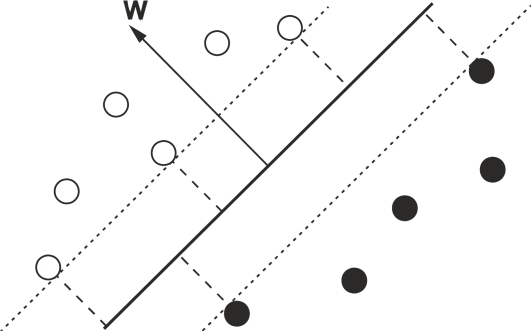
“However, in contrast to LDA, SVM selects the hyperplanes that maximize the margins, that is, the distance between the nearest training samples and the hyperplanes [236].”
MethodAn Information-Maximization Approach to Blind Separation and Blind Deconvolution
Bell, A. J., & Sejnowski, T. J. (1995) · Neural Computation · doi:10.1162/neco.1995.7.6.1129 · Cited by 8,986 · cited 1×
“Finally, s(t) and A are obtained from x(t) by means of certain algorithms, such as Infomax [162] or further modification of the Infomax [163].”
MethodBrain–computer interfaces for communication and control
Wolpaw, J. R., Birbaumer, N., McFarland, D. J., Pfurtscheller, G., & Vaughan, T. M. (2002) · Clinical Neurophysiology · doi:10.1016/s1388-2457(02)00057-3 · Cited by 7,927 · cited 2×
“Furthermore, BCI systems require real-time signal processing, and up until recently the requisite technology either did not exist or was extremely expensive [2].”
BackgroundEvent-related EEG/MEG synchronization and desynchronization: basic principles
Pfurtscheller, G., & Lopes da Silva, F. H. (1999) · Clinical Neurophysiology · doi:10.1016/s1388-2457(99)00141-8 · Cited by 7,328 · cited 1×
“Both rhythms are associated in such a way that some beta rhythms are harmonic mu rhythms, although some beta rhythms may also be independent [139].”
BackgroundStatistical pattern recognition: a review
Jain, A. K., Duin, P. W., & Mao, J. (2000) · IEEE Transactions on Pattern Analysis and Machine Intelligence · doi:10.1109/34.824819 · Cited by 6,767 · cited 1×
“training data needed to offer good results increases exponentially with the dimensionality of the feature vector [223].”
BackgroundThe ten-twenty electrode system of the international federation
Jasper, H. H. (1958) · Electroencephalography and Clinical Neurophysiology · Cited by 6,567
Neurophysiological investigation of the basis of the fMRI signal
Logothetis, N. K., Pauls, J., Augath, M., Trinath, T., & Oeltermann, A. (2001) · Nature · doi:10.1038/35084005 · Cited by 6,551 · cited 1×
“a correspondence between both does exist [86].”
Frequency Dependence of Signal Power and Spatial Reach of the Local Field Potential
Leski, S., Lindén, H., Tetzlaff, T., Pettersen, K. H., & Einevoll, G. T. (2013) · PubMed · doi:10.18154/rwth-conv-084442 · Cited by 3,639
Neuronal ensemble control of prosthetic devices by a human with tetraplegia
Hochberg, L. R., Serruya, M. D., Friehs, G. M., Mukand, J. A., Saleh, M., Caplan, A. H., Branner, A., Chen, D., Penn, R. D., & Donoghue, J. P. (2006) · Nature · doi:10.1038/nature04970 · Cited by 3,295 · cited 1×
“[287] implanted BrainGate sensors in the primary motor cortex of a tetraplegic patient to control a cursor.”
BackgroundFarwell, L. A., & Donchin, E. (1988) · Electroencephalography and Clinical Neurophysiology · doi:10.1016/0013-4694(88)90149-6 · Cited by 3,228 · cited 5×
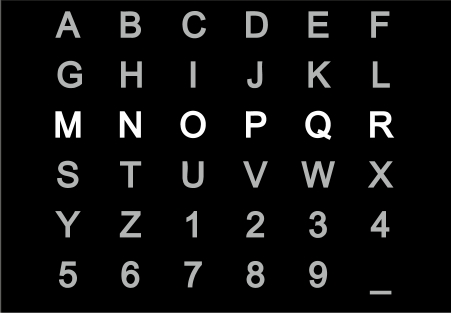
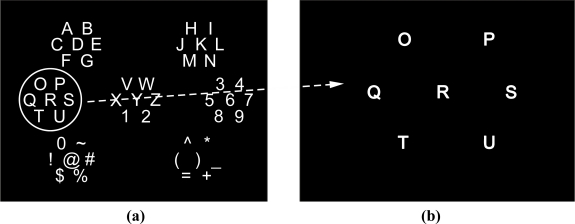
“A typical application of a BCI based on visual P300 evoked potentials comprises a matrix of letters, numbers, or other symbols or commands [123,127,128].”
BackgroundInfluentialNeuronal Population Coding of Movement Direction
Georgopoulos, A. P., Schwartz, A. B., & Kettner, R. E. (1986) · Science · doi:10.1126/science.3749885 · Cited by 3,161 · cited 1×
“Multielectrode arrays have been used to record neural activity from the motor cortex in monkeys or rats during learned movements [74–76].”
MethodSpectrum analysis—A modern perspective
Kay, S. M., & Marple, S. L. (1981) · Proceedings of the IEEE · doi:10.1109/proc.1981.12184 · Cited by 3,146 · cited 1×
“There are several methods that compute the filter coefficients such as the Yule-Walker, Burg, covariance, and forward-backward algorithms [169].”
MethodFloating search methods in feature selection
Pudil, P., Novovičová, J., & Kittler, J. (1994) · Pattern Recognition Letters · doi:10.1016/0167-8655(94)90127-9 · Cited by 3,098
A review of classification algorithms for EEG-based brain–computer interfaces
Lotte, F., Congedo, M., Lécuyer, A., Lamarche, F., & Arnaldi, B. (2007) · Journal of Neural Engineering · doi:10.1088/1741-2560/4/2/r01 · Cited by 2,665 · cited 1×
“Either regression or classification algorithms can be used to achieve this goal, but using classification algorithms is currently the most popular approach [209].”
MethodOptimal spatial filtering of single trial EEG during imagined hand movement
Ramoser, H., Muller-Gerking, J., & Pfurtscheller, G. (2000) · IEEE Transactions on Rehabilitation Engineering · doi:10.1109/86.895946 · Cited by 2,457 · cited 1×
“It aims to make the subsequent classification much more effective, by designing a spatial filter that transforms the input data into output data with an optimal variance for the subsequent discrimination [183].”
BackgroundKlem, G. H., Lüders, H. O., Jasper, H. H., & Elger, C. E. (1999) · PubMed · Cited by 2,361
Brain-computer interface technology: a review of the first international meeting
Wolpaw, J. R., Birbaumer, N., Heetderks, W. J., McFarland, D. J., Peckham, P. H., Schalk, G., Donchin, E., Quatrano, L. A., Robinson, C. J., & Vaughan, T. M. (2000) · IEEE Transactions on Rehabilitation Engineering · doi:10.1109/tre.2000.847807 · Cited by 2,324 · cited 2×
“Before describing the practical usage of BCI applications, it is worth considering the distinction between BCIs and their applications [8].”
BackgroundCover, T. M. (1965) · IEEE Transactions on Electronic Computers · doi:10.1109/pgec.1965.264137 · Cited by 2,044
Motor imagery and direct brain-computer communication
Pfurtscheller, G., & Neuper, C. (2001) · Proceedings of the IEEE · doi:10.1109/5.939829 · Cited by 1,990 · cited 7×
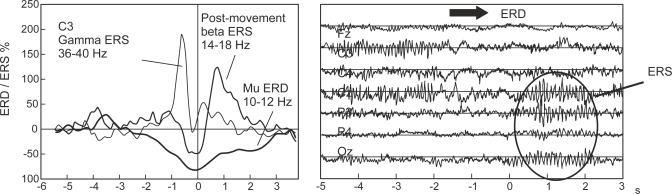
“Sensorimotor rhythms can endure two kinds of amplitude modulations known as event-related desynchronization (ERD) and event-related synchronization (ERS) that are generated sensory stimulation, motor behavior, and mental imagery [36].”
BackgroundMethodInfluentialLee, T.-W., Girolami, M., & Sejnowski, T. J. (1999) · Neural Computation · doi:10.1162/089976699300016719 · Cited by 1,967 · cited 1×
“Finally, s(t) and A are obtained from x(t) by means of certain algorithms, such as Infomax [162] or further modification of the Infomax [163].”
MethodResponse of brain tissue to chronically implanted neural electrodes
Polikov, V. S., Tresco, P. A., & Reichert, W. M. (2005) · Journal of Neuroscience Methods · doi:10.1016/j.jneumeth.2005.08.015 · Cited by 1,896 · cited 1×
“However, signal quality may be affected by the reaction of cerebral tissue to the implanted recording microelectrode [71] and by changes in the sensitivity of the microelectrode, which may be progressively damaged over the”
BackgroundBrain–machine interfaces: past, present and future
Lebedev, M. A., & Nicolelis, M. A. L. (2006) · Trends in Neurosciences · doi:10.1016/j.tins.2006.07.004 · Cited by 1,875 · cited 1×
“Most researchers agree that movement restoration through prostheses with multiples degrees of freedom can only be achieved through invasive approaches [15].”
BackgroundBaillet, S., Mosher, J. C., & Leahy, R. M. (2001) · IEEE Signal Processing Magazine · doi:10.1109/79.962275 · Cited by 1,692 · cited 1×
“Conservation of electric charges means that the primary currents are enclosed by extracellular current flows, which are known as secondary currents [10].”
BackgroundCortical control of a prosthetic arm for self-feeding
Velliste, M., Perel, S., Spalding, M. C., Whitford, A. S., & Schwartz, A. B. (2008) · Nature · doi:10.1038/nature06996 · Cited by 1,591 · cited 1×
“The most recent studies with monkeys investigated the control of prosthetic devices for direct real-time interaction with the physical environment [78–81].”
BackgroundMu rhythm (de)synchronization and EEG single-trial classification of different motor imagery tasks
Pfurtscheller, G., Brunner, C., Schlögl, A., & Lopes da Silva, F. H. (2006) · NeuroImage · doi:10.1016/j.neuroimage.2005.12.003 · Cited by 1,587 · cited 1×
“In contrast to alpha rhythms, mu rhythms are strongly connected to motor activities and, in some cases, appear to correlate with beta rhythms [31,35].”
BackgroundA spelling device for the paralysed
Birbaumer, N., Ghanayim, N., Hinterberger, T., Iversen, I., Kotchoubey, B., Kübler, A., Perelmouter, J., Taub, E., & Flor, H. (1999) · Nature · doi:10.1038/18581 · Cited by 1,577 · cited 1×
“[265] developed a spelling device with an on-screen display, which used a cursor to select letters of the alphabet.”
MethodDirect Cortical Control of 3D Neuroprosthetic Devices
Taylor, D. M., Tillery, S. I. H., & Schwartz, A. B. (2002) · Science · doi:10.1126/science.1070291 · Cited by 1,540 · cited 1×
“In that regard, Taylor and Schwartz [77] experimented with rhesus macaques, which made real and virtual arm movements in a computer.”
BackgroundReal-time prediction of hand trajectory by ensembles of cortical neurons in primates
Wessberg, J., Stambaugh, C. R., Kralik, J. D., Beck, P. D., Laubach, M., Chapin, J. K., Kim, J., Biggs, S. J., Srinivasan, M. A., & Nicolelis, M. A. L. (2000) · Nature · doi:10.1038/35042582 · Cited by 1,487 · cited 1×
“Multielectrode arrays have been used to record neural activity from the motor cortex in monkeys or rats during learned movements [74–76].”
Method(2002) · Cited by 1,481
The Distance-Weighted k-Nearest-Neighbor Rule
Dudani, S. A. (1976) · IEEE Transactions on Systems, Man, and Cybernetics · doi:10.1109/tsmc.1976.5408784 · Cited by 1,471 · cited 1×
“The function defined by Equation (19) [226] meets this requirement:”
BackgroundInstant neural control of a movement signal
Serruya, M. D., Hatsopoulos, N. G., Paninski, L., Fellows, M. R., & Donoghue, J. P. (2002) · Nature · doi:10.1038/416141a · Cited by 1,409
Jung, T.-P., Makeig, S., Westerfield, M., Townsend, J., Courchesne, E., & Sejnowski, T. J. (2000) · Clinical Neurophysiology · doi:10.1016/s1388-2457(00)00386-2 · Cited by 1,322 · cited 1×
“ICA has traditionally been used as a preprocessing tool before the feature extraction step, in order to remove ocular artifacts in BCI systems [164–166].”
MethodHuman Brain Electrophysiology: Evoked Potentials and Evoked Magnetic Fields in Science and Medicine
Regan, D. M. (1989) · Medical Entomology and Zoology · Cited by 1,300
A brain–computer interface using electrocorticographic signals in humans
Leuthardt, E. C., Schalk, G., Wolpaw, J. R., Ojemann, J. G., & Moran, D. W. (2004) · Journal of Neural Engineering · doi:10.1088/1741-2560/1/2/001 · Cited by 1,188 · cited 1×
“[69] showed for the first time that an ECoG-based BCI could provide information to control a one-dimensional cursor, as this information is more precise and more quickly acquired than by EEG-based BCIs.”
BackgroundBrain–computer interfaces in neurological rehabilitation
Daly, J. J., & Wolpaw, J. R. (2008) · The Lancet Neurology · doi:10.1016/s1474-4422(08)70223-0 · Cited by 1,149 · cited 2×
“In other words, offline simulation and cross-validation can be valuable methods to develop and test new algorithms, but only online analysis can yield solid evidence of BCI system performance [137,212,213].”
BackgroundMethodMental imagery in the motor context
Jeannerod, M. (1995) · Neuropsychologia · doi:10.1016/0028-3932(95)00073-c · Cited by 1,146 · cited 2×
“Similar modulation patterns in the motor rhythms are produced as a result of mental rehearsal of a motor act without any overt motor output [140].”
BackgroundSingle-trial analysis and classification of ERP components — A tutorial
Blankertz, B., Lemm, S., Treder, M., Haufe, S., & Müller, K.-R. (2011) · NeuroImage · doi:10.1016/j.neuroimage.2010.06.048 · Cited by 1,138 · cited 3×
“For example, w may be calculated as [233]: μ μ (21)”
BackgroundInfluentialVillringer, A., Planck, J., Hock, C., Schleinkofer, L., & Dirnagl, U. (1993) · Neuroscience Letters · doi:10.1016/0304-3940(93)90181-j · Cited by 1,119 · cited 1×
“Some studies have already demonstrated the feasibility of mental task detection through NIRS-derived optical responses [93,99,100].”
BackgroundSlow potentials of the cerebral cortex and behavior.
Birbaumer, N., Elbert, T., Canavan, A. G., & Rockstroh, B. (1990) · Physiological Reviews · doi:10.1152/physrev.1990.70.1.1 · Cited by 1,099 · cited 2×
“SCPs belong to the part of the EEG signals below 1 Hz [116].”
BackgroundNeuromarketing: the hope and hype of neuroimaging in business
Ariely, D., & Berns, G. S. (2010) · Nature Reviews Neuroscience · doi:10.1038/nrn2795 · Cited by 1,060 · cited 2×
“In addition, neuromarketing may be a source of more accurate information on the underlying preferences of the users, rather than data from standard market research studies [319].”
BackgroundCrone, N. (1998) · Brain · doi:10.1093/brain/121.12.2301 · Cited by 1,044 · cited 1×
“In humans, ECoG has been used for the analysis of alpha and beta waves [65] or gamma waves [66,67] produced during voluntary motor action.”
MethodThe functional significance of mu rhythms: Translating “seeing” and “hearing” into “doing”
Pineda, J. A. (2005) · Brain Research Reviews · doi:10.1016/j.brainresrev.2005.04.005 · Cited by 1,016
A k-nearest neighbor classification rule based on Dempster-Shafer theory
Denoeux, T. (1995) · IEEE Transactions on Systems, Man, and Cybernetics · doi:10.1109/21.376493 · Cited by 1,013 · cited 1×
“If a decision involving several neighbors is made, then it is less likely that an error will occur, because the probability of several simultaneous erroneous datum is much lower [225].”
BackgroundCrone, N. (1998) · Brain · doi:10.1093/brain/121.12.2271 · Cited by 942 · cited 1×
“In humans, ECoG has been used for the analysis of alpha and beta waves [65] or gamma waves [66,67] produced during voluntary motor action.”
MethodThe BCI competition III: validating alternative approaches to actual BCI problems
Blankertz, B., Muller, K.-R., Krusienski, D. J., Schalk, G., Wolpaw, J. R., Schlogl, A., Pfurtscheller, G., Millan, J. R., Schroder, M., & Birbaumer, N. (2006) · IEEE Transactions on Neural Systems and Rehabilitation Engineering · doi:10.1109/tnsre.2006.875642 · Cited by 927
EEG-based discrimination between imagination of right and left hand movement
Pfurtscheller, G., Neuper, C., Flotzinger, D., & Pregenzer, M. (1997) · Electroencephalography and Clinical Neurophysiology · doi:10.1016/s0013-4694(97)00080-1 · Cited by 904 · cited 2×
“The amplitude of the sensorimotor rhythms varies when cerebral activity is related to any motor task although actual movement is not required to modulate the amplitude of sensorimotor rhythms [140,141].”
BackgroundNon-invasive neuroimaging using near-infrared light
Strangman, G., Boas, D. A., & Sutton, J. P. (2002) · Biological Psychiatry · doi:10.1016/s0006-3223(02)01550-0 · Cited by 903 · cited 1×
“Solutions have been introduced that are based on helmets, thermoplastic molded to the contours of each subject’s head, spring-loaded fibers attached to semi-rigid plastic forms, and fibers embedded in neoprene rubber forms [95].”
MethodControl over brain activation and pain learned by using real-time functional MRI
deCharms, R. C., Maeda, F., Glover, G. H., Ludlow, D., Pauly, J. M., Soneji, D., Gabrieli, J. D. E., & Mackey, S. C. (2005) · Proceedings of the National Academy of Sciences · doi:10.1073/pnas.0505210102 · Cited by 876 · cited 1×
“Neurofeedback provided by a BCI system may improve cognitive performance [302,303], speech skills [304], affection [305], and pain management [306], and has been used in the treatment of mental disorders, such as epilepsy [307,308], attention deficit [309], schizophrenia [310], depression [311], alcohol dependence [31…”
BackgroundAftanas, L. I., & Golocheikine, S. A. (2001) · Neuroscience Letters · doi:10.1016/s0304-3940(01)02094-8 · Cited by 865 · cited 1×
“Theta band has been associated with meditative concentration [26,27] and a wide range of cognitive processes such as mental calculation [28], maze task demands [29], or conscious awareness [30].”
BackgroundAn efficient P300-based brain–computer interface for disabled subjects
Hoffmann, U., Vesin, J.-M., Ebrahimi, T., & Diserens, K. (2008) · Journal of Neuroscience Methods · doi:10.1016/j.jneumeth.2007.03.005 · Cited by 859 · cited 5×
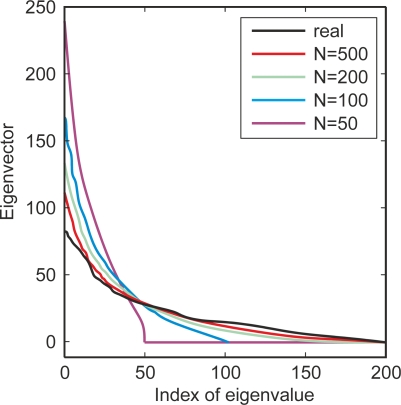
“BLDA solves the small sample size problem by introducing a statistical method known as regularization.”
BackgroundMethodResultInfluentialA k-Nearest Neighbor Classification Rule Based on Dempster-Shafer Theory
Denœux, T. (2008) · Studies in Fuzziness and Soft Computing · doi:10.1007/978-3-540-44792-4_29 · Cited by 830
Cui, X., Bray, S., & Reiss, A. L. (2010) · NeuroImage · doi:10.1016/j.neuroimage.2009.11.050 · Cited by 807
Removal of ocular artifact from the EEG: a review
Croft, R. J., & Barry, R. J. (2000) · Neurophysiologie Clinique/Clinical Neurophysiology · doi:10.1016/s0987-7053(00)00055-1 · Cited by 756 · cited 1×
“EOG artifacts mostly affect the frontal area, because they are approximately attenuated according to the square of the distance [198].”
BackgroundNoninvasive Brain-Actuated Control of a Mobile Robot by Human EEG
del R. Millan, J., Renkens, F., Mourino, J., & Gerstner, W. (2004) · IEEE Transactions on Biomedical Engineering · doi:10.1109/tbme.2004.827086 · Cited by 740 · cited 1×
“Some pilot experiments concerned with locomotion illustrate the feasibility of using EEG signals for continuous control of a mobile robot in an indoor environment with several rooms, corridors, and doorways [215,289].”
BackgroundSpectral Changes in Cortical Surface Potentials during Motor Movement
Miller, K. J., Leuthardt, E. C., Schalk, G., Rao, R. P. N., Anderson, N. R., Moran, D. W., Miller, J. W., & Ojemann, J. G. (2007) · The Journal of Neuroscience · doi:10.1523/jneurosci.3886-06.2007 · Cited by 738 · cited 1×
“Nevertheless, this range is attracting growing attention in BCI research because, compared to traditional beta and alpha signals, gamma activity may increase the information transfer rate and offer higher spatial specifity [44,45].”
BackgroundComparison of linear, nonlinear, and feature selection methods for EEG signal classification
Garrett, D., Peterson, D. A., Anderson, C. W., & Thaut, M. H. (2003) · IEEE Transactions on Neural Systems and Rehabilitation Engineering · doi:10.1109/tnsre.2003.814441 · Cited by 735 · cited 4×
“SVM has been used to classify feature vectors for binary [239,240] and multiclass problems [228,230].”
MethodInfluentialEEG-alpha rhythms and memory processes
Klimesch, W. (1997) · International Journal of Psychophysiology · doi:10.1016/s0167-8760(97)00773-3 · Cited by 732 · cited 1×
“These rhythms primarily reflect visual processing in the occipital brain region and may also be related to the memory brain function [33].”
BackgroundNeuper, C., Scherer, R., Reiner, M., & Pfurtscheller, G. (2005) · Cognitive Brain Research · doi:10.1016/j.cogbrainres.2005.08.014 · Cited by 721 · cited 1×
“User training should emphasize kinesthetic experiences instead of visual representations of actions [143].”
BackgroundBrain-computer interfaces based on the steady-state visual-evoked response
Middendorf, M., McMillan, G., Calhoun, G., & Jones, K. S. (2000) · IEEE Transactions on Rehabilitation Engineering · doi:10.1109/86.847819 · Cited by 685
Neurophysiological predictor of SMR-based BCI performance
Blankertz, B., Sannelli, C., Halder, S., Hammer, E. M., Kübler, A., Müller, K.-R., Curio, G., & Dickhaus, T. (2010) · NeuroImage · doi:10.1016/j.neuroimage.2010.03.022 · Cited by 674 · cited 1×
“Sensorimotor rhythms have been used to control BCIs, because people can learn to generate these modulations voluntarily in the sensorimotor rhythms [36,142].”
MethodGalán, F., Nuttin, M., Lew, E., Ferrez, P. W., Vanacker, G., Philips, J., & Millán, J. D. R. (2008) · Clinical Neurophysiology · doi:10.1016/j.clinph.2008.06.001 · Cited by 660 · cited 1×
“Adaptation to non-stationary signals is particularly necessary in asynchronous and non-invasive BCIs [215,216].”
BackgroundA Survey of Stimulation Methods Used in SSVEP-Based BCIs
Zhu, D., Bieger, J., Garcia Molina, G., & Aarts, R. M. (2010) · Computational Intelligence and Neuroscience · doi:10.1155/2010/702357 · Cited by 654 · cited 1×
“If the stimulus is a pattern, the SSVEP occurs at the reversal rate and at their harmonics [106].”
BackgroundSpatio-spectral filters for improving the classification of single trial EEG
Lemm, S., Blankertz, B., Curio, G., & Muller, K.-R. (2005) · IEEE Transactions on Biomedical Engineering · doi:10.1109/tbme.2005.851521 · Cited by 643 · cited 1×
“For these reasons, several methods improving the original CSP method have been proposed to increase the performance: Wavelet Common Spatial Pattern (WCSP) [185], Common Spatio-Spectral Pattern (CSSP) [186], and Common Sparse Spectral Spatial Pattern (CSSSP) [187].”
MethodMaynard, E. M., Nordhausen, C. T., & Normann, R. A. (1997) · Electroencephalography and Clinical Neurophysiology · doi:10.1016/s0013-4694(96)95176-0 · Cited by 640 · cited 1×
“With regard to the application of intracortical neuron recording in BCI systems, microelectrode arrays such as the Utah Intracortical Electrode Array (UIEA) have been reported as a suitable means of providing simultaneous and proportional control of a large number of external devices [72].”
BackgroundExtraction of ocular artefacts from EEG using independent component analysis
Vigário, R. N. (1997) · Electroencephalography and Clinical Neurophysiology · doi:10.1016/s0013-4694(97)00042-8 · Cited by 639 · cited 2×
“However, this assumption is not always feasible given that some artifacts involuntary heart beats, eye and bodily twitches- are not easily avoidable during data recording, especially in cases of strong neurological disorders [199].”
BackgroundEMG and EOG artifacts in brain computer interface systems: A survey
Fatourechi, M., Bashashati, A., Ward, R. K., & Birch, G. E. (2007) · Clinical Neurophysiology · doi:10.1016/j.clinph.2006.10.019 · Cited by 638 · cited 16×
“Finally, PCA computes the feature vector v from the data in matrix A, by projecting the test data q onto the new subspace, such that: (2) where, ∑ represents the mean vector of training samples pi.”
BackgroundMethodInfluentialA BCI-based environmental controller for the motion-disabled
Gao, X., Xu, D., Cheng, M., & Gao, S. (2003) · IEEE Transactions on Neural Systems and Rehabilitation Engineering · doi:10.1109/tnsre.2003.814449 · Cited by 637 · cited 1×
“frequency of visual stimulation is below 6 Hz, while SSVEPs occur in reaction to stimuli of a higher frequency [101,104].”
BackgroundIntroduction to machine learning for brain imaging
Lemm, S., Blankertz, B., Dickhaus, T., & Müller, K.-R. (2011) · NeuroImage · doi:10.1016/j.neuroimage.2010.11.004 · Cited by 630 · cited 3×
“Bias and variance of the estimated error of the algorithms, and their overfitting are the main source of difficulties [224].”
BackgroundInfluentialPfurtscheller, G. (2010) · Frontiers in Neuroscience · doi:10.3389/fnpro.2010.00003 · Cited by 625
A practical VEP-based brain-computer interface
Wang, Y., Wang, R., Gao, X., Hong, B., & Gao, S. (2006) · IEEE Transactions on Neural Systems and Rehabilitation Engineering · doi:10.1109/tnsre.2006.875576 · Cited by 617
Think to Move: a Neuromagnetic Brain-Computer Interface (BCI) System for Chronic Stroke
Buch, E., Weber, C., Cohen, L. G., Braun, C., Dimyan, M. A., Ard, T., Mellinger, J., Caria, A., Soekadar, S., Fourkas, A., et al. (2008) · Stroke · doi:10.1161/strokeaha.107.505313 · Cited by 600 · cited 1×
“[283] developed a BCI system that used MEG activity evoked by patient intent to move a completely paralyzed hand, in order to control grasping motions of a mechanical orthosis attached to the affected hand.”
MethodSitaram, R., Zhang, H., Guan, C., Thulasidas, M., Hoshi, Y., Ishikawa, A., Shimizu, K., & Birbaumer, N. (2007) · NeuroImage · doi:10.1016/j.neuroimage.2006.11.005 · Cited by 590 · cited 1×
“Some studies have already demonstrated the feasibility of mental task detection through NIRS-derived optical responses [93,99,100].”
BackgroundControl of an Electrical Prosthesis With an SSVEP-Based BCI
Muller-Putz, G. R., & Pfurtscheller, G. (2008) · IEEE Transactions on Biomedical Engineering · doi:10.1109/tbme.2007.897815 · Cited by 589 · cited 1×
“[13] presented a novel neuroprosthetic device for the restoration of the grasp function for people spinal cord injuries.”
BackgroundDirect control of a computer from the human central nervous system
Kennedy, P. R., Bakay, R. A. E., Moore, M. M., Adams, K., & Goldwaithe, J. (2000) · IEEE Transactions on Rehabilitation Engineering · doi:10.1109/86.847815 · Cited by 573 · cited 1×
“First, tissue acceptance of the microelectrode has to be addressed, for which reason proposals exist for electrodes with neurotropic mediums that promote neuronal growth to improve biocompatibility [16].”
BackgroundTownsend, G., LaPallo, B. K., Boulay, C. B., Krusienski, D. J., Frye, G. E., Hauser, C. K., Schwartz, N. E., Vaughan, T. M., Wolpaw, J. R., & Sellers, E. W. (2010) · Clinical Neurophysiology · doi:10.1016/j.clinph.2010.01.030 · Cited by 570 · cited 3×
“In other words, offline simulation and cross-validation can be valuable methods to develop and test new algorithms, but only online analysis can yield solid evidence of BCI system performance [137,212,213].”
BackgroundMethodCastellanos, N. P., & Makarov, V. A. (2006) · Journal of Neuroscience Methods · doi:10.1016/j.jneumeth.2006.05.033 · Cited by 569 · cited 1×
“term n(t) from Equation (4), by assuming that the observed data is noiseless or that the noise is too weak for consideration [160,161].”
BackgroundBrain-computer communication: Unlocking the locked in.
Kübler, A., Kotchoubey, B., Kaiser, J., Wolpaw, J. R., & Birbaumer, N. (2001) · Psychological Bulletin · doi:10.1037//0033-2909.127.3.358 · Cited by 553 · cited 3×
“Like delta waves, a large amount of theta activity in awake adults is related to neurological disease [25].”
BackgroundInfluentialFunctional Segregation of Movement-Related Rhythmic Activity in the Human Brain
Salmelin, R., Hámáaláinen, M., Kajola, M., & Hari, R. (1995) · NeuroImage · doi:10.1006/nimg.1995.1031 · Cited by 552 · cited 1×
“The advantage of MEG is that magnetic fields are less distorted by the skull and scalp than electric fields [48].”
BackgroundPfurtscheller, G., Müller, G. R., Pfurtscheller, J., Gerner, H. J., & Rupp, R. (2003) · Neuroscience Letters · doi:10.1016/s0304-3940(03)00947-9 · Cited by 548 · cited 1×
“[279] developed an application where a tetraplegic patient, suffering from a traumatic spinal cord injury, was able to control paralyzed hands to grasp a cylinder.”
BackgroundxDAWN Algorithm to Enhance Evoked Potentials: Application to Brain–Computer Interface
Rivet, B., Souloumiac, A., Attina, V., & Gibert, G. (2009) · IEEE Transactions on Biomedical Engineering · doi:10.1109/tbme.2009.2012869 · Cited by 537 · cited 2×
“ensure that the number of repetitions remain unaffected [130,131].”
BackgroundBetke, M., Gips, J., & Fleming, P. (2002) · IEEE Transactions on Neural Systems and Rehabilitation Engineering · doi:10.1109/tnsre.2002.1021581 · Cited by 530 · cited 1×
“Currently the latter devices tend to be easier to use and offer better benefit/cost ratios [258,259].”
BackgroundDecoding two-dimensional movement trajectories using electrocorticographic signals in humans
Schalk, G., Kubánek, J., Miller, K. J., Anderson, N. R., Leuthardt, E. C., Ojemann, J. G., Limbrick, D., Moran, D., Gerhardt, L. A., & Wolpaw, J. R. (2007) · Journal of Neural Engineering · doi:10.1088/1741-2560/4/3/012 · Cited by 527 · cited 1×
“[70] presented a more advanced ECoG-based BCI which allowed the user to control a two-dimensional cursor.”
MethodBCI competition III: Dataset II—Ensemble of SVMs for BCI P300 speller
Rakotomamonjy, A., & Guigue, V. (2008) · IEEE Transactions on Biomedical Engineering · doi:10.1109/tbme.2008.915728 · Cited by 512 · cited 2×
“ensure that the number of repetitions remain unaffected [130,131].”
BackgroundMethodIturrate, I., Antelis, J. M., Kubler, A., & Minguez, J. (2009) · IEEE Transactions on Robotics · doi:10.1109/tro.2009.2020347 · Cited by 512 · cited 1×
“[292] overcame this shortcoming by making the system create a dynamic reconstruction of the surrounding scenario.”
BackgroundBrain–computer interface using a simplified functional near-infrared spectroscopy system
Coyle, S. M., Ward, T. E., & Markham, C. M. (2007) · Journal of Neural Engineering · doi:10.1088/1741-2560/4/3/007 · Cited by 505 · cited 4×
“Head motions or hair obstruction can worsen performance and signal quality [91].”
BackgroundInfluentialBCI Competition 2003—Data Set IIb: Support Vector Machines for the P300 Speller Paradigm
Kaper, M., Meinicke, P., Grossekathoefer, U., Lingner, T., & Ritter, H. (2004) · IEEE Transactions on Biomedical Engineering · doi:10.1109/tbme.2004.826698 · Cited by 496 · cited 1×
“The Gaussian SVM has been applied in BCIs to classify P300 evoked potentials [241–243].”
MethodLee, K.-H., Williams, L. M., Breakspear, M., & Gordon, E. (2003) · Brain Research Reviews · doi:10.1016/s0165-0173(02)00220-5 · Cited by 479 · cited 1×
“in the brain activity of a healthy adult is related to certain motor functions or perceptions, among others [37].”
BackgroundEEG-based neuroprosthesis control: A step towards clinical practice
Müller-Putz, G. R., Scherer, R., Pfurtscheller, G., & Rupp, R. (2005) · Neuroscience Letters · doi:10.1016/j.neulet.2005.03.021 · Cited by 477 · cited 1×
“further evidence that BCI is a feasible option for the control of a neuroprostheses [282].”
BackgroundBrain oscillations control hand orthosis in a tetraplegic
Pfurtscheller, G., Guger, C., Müller, G., Krausz, G., & Neuper, C. (2000) · Neuroscience Letters · doi:10.1016/s0304-3940(00)01471-3 · Cited by 472 · cited 1×
“[281] demonstrated that a tetraplegic patient, whose residual upper-limb muscle activity was restricted to the left biceps, due to an upper spinal cord injury, could effectively control a hand orthosis using changes in Rolandic oscillations, which were produced by motor imagery.”
BackgroundClassifying Single Trial EEG: Towards Brain Computer Interfacing
Blankertz, B., Curio, G., & Müller, K.-R. (2002) · Advances in Neural Information Processing Systems 14 · doi:10.7551/mitpress/1120.003.0025 · Cited by 467
An MEG-based brain–computer interface (BCI)
Mellinger, J., Schalk, G., Braun, C., Preissl, H., Rosenstiel, W., Birbaumer, N., & Kübler, A. (2007) · NeuroImage · doi:10.1016/j.neuroimage.2007.03.019 · Cited by 445 · cited 1×
“MEG provides signals with higher spatiotemporal resolution than EEG, which reduces the training time needed to control a BCI and speeds up reliable communications [50].”
BackgroundKübler, A., & Birbaumer, N. (2008) · Clinical Neurophysiology · doi:10.1016/j.clinph.2008.06.019 · Cited by 441 · cited 1×
“[257] reported a strong correlation between physical impairment and BCI performance.”
BackgroundBrain-computer interface research at the Wadsworth Center
Wolpaw, J. R., McFarland, D. J., & Vaughan, T. M. (2000) · IEEE Transactions on Rehabilitation Engineering · doi:10.1109/86.847823 · Cited by 440 · cited 1×
“Well-known BCI systems such as Wadsworth [146], Berlin [147], or Graz [148] BCIs employ sensorimotor rhythms as control signals.”
MethodTowards adaptive classification for BCI
Shenoy, P., Krauledat, M., Blankertz, B., Rao, R. P. N., & Müller, K.-R. (2006) · Journal of Neural Engineering · doi:10.1088/1741-2560/3/1/r02 · Cited by 438 · cited 1×
“[214] described two main sources of non-stationarity.”
Neuper, C., Scherer, R., Wriessnegger, S., & Pfurtscheller, G. (2009) · Clinical Neurophysiology · doi:10.1016/j.clinph.2008.11.015 · Cited by 424 · cited 2×
“In BCI research, SFFS has been used to reduce the dimensionality of the feature space to an appropriate size for the available training data [194–196].”
MethodBrain-Computer Interfaces Based on Visual Evoked Potentials
Wang, Y., Gao, X., Hong, B., Jia, C., & Gao, S. (2008) · IEEE Engineering in Medicine and Biology Magazine · doi:10.1109/memb.2008.923958 · Cited by 423
Hanslmayr, S., Sauseng, P., Doppelmayr, M., Schabus, M., & Klimesch, W. (2005) · Applied Psychophysiology and Biofeedback · doi:10.1007/s10484-005-2169-8 · Cited by 421 · cited 1×
“Neurofeedback provided by a BCI system may improve cognitive performance [302,303], speech skills [304], affection [305], and pain management [306], and has been used in the treatment of mental disorders, such as epilepsy [307,308], attention deficit [309], schizophrenia [310], depression [311], alcohol dependence [31…”
BackgroundSteady-State VEP-Based Brain-Computer Interface Control in an Immersive 3D Gaming Environment
Lalor, E. C., Kelly, S. P., Finucane, C., Burke, R., Smith, R., Reilly, R. B., & McDarby, G. (2005) · EURASIP Journal on Advances in Signal Processing · doi:10.1155/asp.2005.3156 · Cited by 421
Weiskopf, N., Mathiak, K., Bock, S. W., Scharnowski, F., Veit, R., Grodd, W., Goebel, R., & Birbaumer, N. (2004) · IEEE Transactions on Biomedical Engineering · doi:10.1109/tbme.2004.827063 · Cited by 420 · cited 2×
“Additionally, the hemodynamic response introduces a physiological delay from 3 to 6 seconds [84].”
BackgroundCharacterization of four-class motor imagery EEG data for the BCI-competition 2005
Schlögl, A., Lee, F., Bischof, H., & Pfurtscheller, G. (2005) · Journal of Neural Engineering · doi:10.1088/1741-2560/2/4/l02 · Cited by 414
Cortical Correlate of the Piper Rhythm in Humans
Brown, P., Salenius, S., Rothwell, J. C., & Hari, R. (1998) · Journal of Neurophysiology · doi:10.1152/jn.1998.80.6.2911 · Cited by 405 · cited 1×
“Some experiments have revealed a relationship in normal humans between motor activities and gamma waves during maximal muscle contraction [38].”
BackgroundAn auditory brain–computer interface (BCI)
Nijboer, F., Furdea, A., Gunst, I., Mellinger, J., McFarland, D. J., Birbaumer, N., & Kübler, A. (2008) · Journal of Neuroscience Methods · doi:10.1016/j.jneumeth.2007.02.009 · Cited by 405 · cited 1×
“Motor imagery training is traditionally based on visual or auditory feedback [144].”
BackgroundA Brain Controlled Wheelchair to Navigate in Familiar Environments
Rebsamen, B., Guan, C., Zhang, H., Wang, C., Teo, C., Ang, M. H., & Burdet, E. (2010) · IEEE Transactions on Neural Systems and Rehabilitation Engineering · doi:10.1109/tnsre.2010.2049862 · Cited by 405
Blind source separation of more sources than mixtures using overcomplete representations
Lee, T.-W., Lewicki, M. S., Girolami, M., & Sejnowski, T. J. (1999) · IEEE Signal Processing Letters · doi:10.1109/97.752062 · Cited by 405 · cited 1×
“The number of sources is usually assumed to be less than or equal to the number of channels although more generalized ICA methods are possible [159].”
BackgroundSignal quality of simultaneously recorded invasive and non-invasive EEG
Ball, T., Kern, M., Mutschler, I., Aertsen, A., & Schulze-Bonhage, A. (2009) · NeuroImage · doi:10.1016/j.neuroimage.2009.02.028 · Cited by 403 · cited 1×
“Compared to EEG, ECoG provides higher temporal and spatial resolution as well as higher amplitudes and a lower vulnerability to artifacts such as blinks and eye movement [58].”
BackgroundA brain-computer interface for long-term independent home use
Sellers, E. W., Vaughan, T. M., & Wolpaw, J. R. (2010) · Amyotrophic Lateral Sclerosis · doi:10.3109/17482961003777470 · Cited by 400
The World According to Wavelets: The Story of a Mathematical Technique in the Making, Second Edition
Hubbard, B. B. (1998) · A K Peters/CRC Press eBooks · doi:10.1201/9781439864555 · Cited by 396
Visual evoked potentials standard (2004)
Odom, J. V., Bach, M., Barber, C., Brigell, M., Marmor, M. F., Tormene, A. P., Holder, G. E., & Vaegan (2004) · Documenta Ophthalmologica · doi:10.1023/b:doop.0000036790.67234.22 · Cited by 394
Combined Optimization of Spatial and Temporal Filters for Improving Brain-Computer Interfacing
Dornhege, G., Blankertz, B., Krauledat, M., Losch, F., Curio, G., & Muller, K.-R. (2006) · IEEE Transactions on Biomedical Engineering · doi:10.1109/tbme.2006.883649 · Cited by 394 · cited 1×
“For these reasons, several methods improving the original CSP method have been proposed to increase the performance: Wavelet Common Spatial Pattern (WCSP) [185], Common Spatio-Spectral Pattern (CSSP) [186], and Common Sparse Spectral Spatial Pattern (CSSSP) [187].”
MethodBrain-Computer Interfaces: Applying our Minds to Human-Computer Interaction
(2010) · Human-Computer Interaction Series · doi:10.1007/978-1-84996-272-8 · Cited by 393
Multiclass Common Spatial Patterns and Information Theoretic Feature Extraction
Grosse-Wentrup, M., & Buss, M. (2008) · IEEE Transactions on Biomedical Engineering · doi:10.1109/tbme.2008.921154 · Cited by 389 · cited 1×
“Nevertheless, some extensions for multiclass BCIs have also been proposed [184].”
BackgroundApplications of real-time fMRI
Christopher deCharms, R. (2008) · Nature Reviews Neuroscience · doi:10.1038/nrn2414 · Cited by 370
Error-Related EEG Potentials Generated During Simulated Brain–Computer Interaction
Ferrez, P. W., & del R. Millan, J. (2008) · IEEE Transactions on Biomedical Engineering · doi:10.1109/tbme.2007.908083 · Cited by 369 · cited 1×
“These potentials are used as learning signals to prevent that error from being repeated in the future [221].”
BackgroundEEG feature extraction based on wavelet packet decomposition for brain computer interface
Ting, W., Guo-zheng, Y., Bang-hua, Y., & Hong, S. (2008) · Measurement · doi:10.1016/j.measurement.2007.07.007 · Cited by 366 · cited 1×
“Besides MLP, different types of ANN architecture have been used in the design of BCI systems such as Probabilistic Neural Networks (PNN) [253, 254], Fuzzy ARTMAP Neural Networks [255], Finite Impulse Response Neural Networks (FIRNN) [251] or Probability estimating Guarded Neural Classifiers (PeGNC) [256].”
Method(C)overt attention and visual speller design in an ERP-based brain-computer interface
Treder, M. S., & Blankertz, B. (2010) · Behavioral and Brain Functions · doi:10.1186/1744-9081-6-28 · Cited by 362 · cited 1×
“A spelling rate of 10 words per minute can be obtained with unimpaired eye movement, by means of an eyetracker [260].”
BackgroundElectroencephalogram-based control of an electric wheelchair
Tanaka, K., Matsunaga, K., & Wang, H. O. (2005) · IEEE Transactions on Robotics · doi:10.1109/tro.2004.842350 · Cited by 361 · cited 2×
“A typical application of a BCI based on visual P300 evoked potentials comprises a matrix of letters, numbers, or other symbols or commands [123,127,128].”
BackgroundMethodOn the suitability of near-infrared (NIR) systems for next-generation brain–computer interfaces
Coyle, S., Ward, T., Markham, C., & McDarby, G. (2004) · Physiological Measurement · doi:10.1088/0967-3334/25/4/003 · Cited by 361 · cited 1×
“Although NIRS is relatively new measurement modality, NIRS promises to be a potent neuroimaging modality for future applicability to BCIs [91,97].”
BackgroundLinear and nonlinear methods for brain-computer interfaces
Muller, K.-R., Anderson, C. W., & Birch, G. E. (2003) · IEEE Transactions on Neural Systems and Rehabilitation Engineering · doi:10.1109/tnsre.2003.814484 · Cited by 360 · cited 1×
“Nevertheless, it can lead to completely erroneous classifications in the presence of outliers or strong noise [232].”
BackgroundVisual Evoked Potentials Standard
(2006) · Principles and Practice of Clinical Electrophysiology of Vision · doi:10.7551/mitpress/5557.003.0033 · Cited by 358 · cited 4×
“Pattern onset/offset TVEPs have three main peaks: C1 (positive, 75 ms), C2 (negative, 125 ms), and C3 (positive, 150 ms) [105].”
BackgroundInfluentialThe Berlin Brain–Computer Interface: Non-Medical Uses of BCI Technology
Blankertz, B., Tangermann, M., Vidaurre, C., Fazli, S., Sannelli, C., Haufe, S., Maeder, C., Ramsey, L., Sturm, I., Curio, G., et al. (2010) · Frontiers in Neuroscience · doi:10.3389/fnins.2010.00198 · Cited by 357 · cited 1×
“Broader applicability of BCIs requires greater ease of use, which in turn means reducing time spent on preparation, training and calibration [7].”
BackgroundWavelet Analysis of Neuroelectric Waveforms: A Conceptual Tutorial
Samar, V. J., Bopardikar, A., Rao, R., & Swartz, K. (1999) · Brain and Language · doi:10.1006/brln.1998.2024 · Cited by 355 · cited 2×
“Continuous wavelet transform (CWT) is defined as the convolution of the signal with the wavelet function , [175]: , , (10) , is the wavelet coefficient that corresponds to the frequency associated with the scale s and the time τ of the wavelet function , , and the symbol ‘*’ expresses the complex conjugation.”
BackgroundBrain–computer interfaces as new brain output pathways
Wolpaw, J. R. (2007) · The Journal of Physiology · doi:10.1113/jphysiol.2006.125948 · Cited by 348 · cited 2×
“Contrary to established opinion, Wolpaw [3] suggested that performance in multidimensional control may be independent of the recording method.”
BackgroundBostanov, V. (2004) · IEEE Transactions on Biomedical Engineering · doi:10.1109/tbme.2004.826702 · Cited by 346 · cited 4×
“The Mexican Hat wavelet is well localized in the time domain and is employed for the localization of ERP components in time [179].”
BackgroundMethodInfluentialLong-term asynchronous decoding of arm motion using electrocorticographic signals in monkey
Chao (2010) · Frontiers in Neuroengineering · doi:10.3389/fneng.2010.00003 · Cited by 341 · cited 1×
“More recent experiments with monkeys have shown that ECoG can perform at a high level for months without any drift in accuracy or recalibration [63].”
BackgroundAn Asynchronously Controlled EEG-Based Virtual Keyboard: Improvement of the Spelling Rate
Scherer, R., Muller, G. R., Neuper, C., Graimann, B., & Pfurtscheller, G. (2004) · IEEE Transactions on Biomedical Engineering · doi:10.1109/tbme.2004.827062 · Cited by 340 · cited 1×
“LDA provides relatively acceptable accuracy and has been used successfully in numerous BCI systems, such as P300 speller [179], multiclass [230], or synchronous [231] BCIs.”
MethodThe Berlin brain-computer Interface: accurate performance from first-session in BCI-naive subjects
Blankertz, B., Losch, F., Krauledat, M., Dornhege, G., Curio, G., & Muller, K.-R. (2008) · IEEE Transactions on Biomedical Engineering · doi:10.1109/tbme.2008.923152 · Cited by 338 · cited 1×
“Well-known BCI systems such as Wadsworth [146], Berlin [147], or Graz [148] BCIs employ sensorimotor rhythms as control signals.”
MethodAngelakis, E., Stathopoulou, S., Frymiare, J. L., Green, D. L., Lubar, J. F., & Kounios, J. (2007) · The Clinical Neuropsychologist · doi:10.1080/13854040600744839 · Cited by 333 · cited 1×
“Neurofeedback provided by a BCI system may improve cognitive performance [302,303], speech skills [304], affection [305], and pain management [306], and has been used in the treatment of mental disorders, such as epilepsy [307,308], attention deficit [309], schizophrenia [310], depression [311], alcohol dependence [31…”
BackgroundA general framework for brain-computer interface design
Mason, S. G., & Birch, G. E. (2003) · IEEE Transactions on Neural Systems and Rehabilitation Engineering · doi:10.1109/tnsre.2003.810426 · Cited by 331 · cited 1×
“[9], for example, proposed a new functional model for BCI systems and taxonomy design.”
MethodSchwartz, A. B., & Moran, D. W. (1999) · Journal of Neurophysiology · doi:10.1152/jn.1999.82.5.2705 · Cited by 328 · cited 1×
“Multielectrode arrays have been used to record neural activity from the motor cortex in monkeys or rats during learned movements [74–76].”
MethodTowards an independent brain–computer interface using steady state visual evoked potentials
Allison, B. Z., McFarland, D. J., Schalk, G., Zheng, S. D., Jackson, M. M., & Wolpaw, J. R. (2008) · Clinical Neurophysiology · doi:10.1016/j.clinph.2007.09.121 · Cited by 327 · cited 1×
“independent SSVEP-based BCIs that are controlled by the attention of the user have been introduced to overcome this drawback [112,113].”
BackgroundWallstrom, G. L., Kass, R. E., Miller, A., Cohn, J. F., & Fox, N. A. (2004) · International Journal of Psychophysiology · doi:10.1016/j.ijpsycho.2004.03.007 · Cited by 326
An auditory oddball (P300) spelling system for brain‐computer interfaces
Furdea, A., Halder, S., Krusienski, D. J., Bross, D., Nijboer, F., Birbaumer, N., & Kübler, A. (2009) · Psychophysiology · doi:10.1111/j.1469-8986.2008.00783.x · Cited by 326 · cited 1×
“Although most of the applications based on P300 evoked potentials employ visual stimuli, auditory stimuli have been used for people with visual impairment [129].”
BackgroundFoundation and Practice of Neurofeedback for the Treatment of Epilepsy
Sterman, M. B., & Egner, T. (2006) · Applied Psychophysiology and Biofeedback · doi:10.1007/s10484-006-9002-x · Cited by 323 · cited 1×
“Neurofeedback provided by a BCI system may improve cognitive performance [302,303], speech skills [304], affection [305], and pain management [306], and has been used in the treatment of mental disorders, such as epilepsy [307,308], attention deficit [309], schizophrenia [310], depression [311], alcohol dependence [31…”
BackgroundNon-invasive brain–computer interface system: Towards its application as assistive technology
Cincotti, F., Mattia, D., Aloise, F., Bufalari, S., Schalk, G., Oriolo, G., Cherubini, A., Marciani, M. G., & Babiloni, F. (2008) · Brain Research Bulletin · doi:10.1016/j.brainresbull.2008.01.007 · Cited by 323 · cited 1×
“[14] presented a pilot study dealing with the integration of BCI technology into the domestic environment.”
BackgroundLearned regulation of spatially localized brain activation using real-time fMRI
deCharms, R. C., Christoff, K., Glover, G. H., Pauly, J. M., Whitfield, S., & Gabrieli, J. D. E. (2004) · NeuroImage · doi:10.1016/j.neuroimage.2003.08.041 · Cited by 319
Strehl, U., Leins, U., Goth, G., Klinger, C., Hinterberger, T., & Birbaumer, N. (2006) · Pediatrics · doi:10.1542/peds.2005-2478 · Cited by 315 · cited 1×
“Neurofeedback provided by a BCI system may improve cognitive performance [302,303], speech skills [304], affection [305], and pain management [306], and has been used in the treatment of mental disorders, such as epilepsy [307,308], attention deficit [309], schizophrenia [310], depression [311], alcohol dependence [31…”
BackgroundSome aspects of electroencephalographic studies in Yogis
Anand, B. K., Chhina, G. S., & Singh, B. (1961) · Electroencephalography and Clinical Neurophysiology · doi:10.1016/0013-4694(61)90015-3 · Cited by 313 · cited 1×
“Theta band has been associated with meditative concentration [26,27] and a wide range of cognitive processes such as mental calculation [28], maze task demands [29], or conscious awareness [30].”
BackgroundKübler, A., Furdea, A., Halder, S., Hammer, E. M., Nijboer, F., & Kotchoubey, B. (2009) · Annals of the New York Academy of Sciences · doi:10.1111/j.1749-6632.2008.04122.x · Cited by 303 · cited 1×
“make P300 spellers suitable for this group of patients [129,272–274].”
BackgroundTime Domain Parameters as a feature for EEG-based Brain–Computer Interfaces
Vidaurre, C., Krämer, N., Blankertz, B., & Schlögl, A. (2009) · Neural Networks · doi:10.1016/j.neunet.2009.07.020 · Cited by 302
Biofeedback for robotic gait rehabilitation
Lünenburger, L., Colombo, G., & Riener, R. (2007) · Journal of NeuroEngineering and Rehabilitation · doi:10.1186/1743-0003-4-1 · Cited by 297
Kübler, A., Kotchoubey, B., Hinterberger, T., Ghanayim, N., Perelmouter, J., Schauer, M., Fritsch, C., Taub, E., & Birbaumer, N. (1999) · Experimental Brain Research · doi:10.1007/s002210050617 · Cited by 297 · cited 1×
“Self-regulation of SCPs has been tested extensively with patients suffering from ALS [120–122].”
BackgroundA brain-controlled switch for asynchronous control applications
Mason, S. G., & Birch, G. E. (2000) · IEEE Transactions on Biomedical Engineering · doi:10.1109/10.871402 · Cited by 293 · cited 7×
“Continuous wavelet transform (CWT) is defined as the convolution of the signal with the wavelet function , [175]: , , (10), is the wavelet coefficient that corresponds to the frequency associated with the scale s and the time τ of the wavelet function , , and the symbol ‘*’ expresses the complex conjugation.”
BackgroundMethodInfluentialAsynchronous BCI and local neural classifiers: an overview of the adaptive brain interface project
Millan, J. R., & Mourino, J. (2003) · IEEE Transactions on Neural Systems and Rehabilitation Engineering · doi:10.1109/tnsre.2003.814435 · Cited by 292 · cited 6×
“In the field of BCIs, MLP have been applied to classify two [249], three [200], and five [250] different tasks, and to design synchronous [251] and asynchronous [215] BCIs.”
BackgroundMethodInfluentialDoes the ‘P300’ speller depend on eye gaze?
Brunner, P., Joshi, S., Briskin, S., Wolpaw, J. R., Bischof, H., & Schalk, G. (2010) · Journal of Neural Engineering · doi:10.1088/1741-2560/7/5/056013 · Cited by 291 · cited 2×
“Nevertheless, the performance of a P300-based BCI is substantially improved when subjects gaze at the desired item [138].”
BackgroundGraz-BCI: state of the art and clinical applications
Pfurtscheller, G., Neuper, C., Muller, G. R., Obermaier, B., Krausz, G., Schlogl, A., Scherer, R., Graimann, B., Keinrath, C., Skliris, D., et al. (2003) · IEEE Transactions on Neural Systems and Rehabilitation Engineering · doi:10.1109/tnsre.2003.814454 · Cited by 286 · cited 3×
“Obermaier et al. [267] also designed a letter spelling based on standard Graz-BCI which also included a virtual keyboard.”
MethodProcessing of affective pictures modulates right-hemispheric gamma band EEG activity
Müller, M. M., Keil, A., Gruber, T., & Elbert, T. (1999) · Clinical Neurophysiology · doi:10.1016/s1388-2457(99)00151-0 · Cited by 284 · cited 1×
“Also, several studies have provided evidence for the role of gamma activity in the perception of both visual and auditory stimuli [37,40–42].”
BackgroundDefining Neuromarketing: Practices and Professional Challenges
Fisher, C. E., Chin, L., & Klitzman, R. (2010) · Harvard Review of Psychiatry · doi:10.3109/10673229.2010.496623 · Cited by 273 · cited 1×
“The field has raised some ethical issues concerning this technology, in as much as it may be able to manipulate the brain and consumer behavior [324].”
BackgroundDecoding Complete Reach and Grasp Actions from Local Primary Motor Cortex Populations
Vargas-Irwin, C. E., Shakhnarovich, G., Yadollahpour, P., Mislow, J. M. K., Black, M. J., & Donoghue, J. P. (2010) · Journal of Neuroscience · doi:10.1523/jneurosci.5443-09.2010 · Cited by 268 · cited 1×
“The most recent studies with monkeys investigated the control of prosthetic devices for direct real-time interaction with the physical environment [78–81].”
BackgroundTheta synchronization during episodic retrieval: neural correlates of conscious awareness
Klimesch, W., Doppelmayr, M., Yonelinas, A., Kroll, N. E. A., Lazzara, M., Röhm, D., & Gruber, W. (2001) · Cognitive Brain Research · doi:10.1016/s0926-6410(01)00024-6 · Cited by 266 · cited 1×
“Theta band has been associated with meditative concentration [26,27] and a wide range of cognitive processes such as mental calculation [28], maze task demands [29], or conscious awareness [30].”
BackgroundFinding Stationary Subspaces in Multivariate Time Series
von Bünau, P., Meinecke, F. C., Király, F. C., & Müller, K.-R. (2009) · Physical Review Letters · doi:10.1103/physrevlett.103.214101 · Cited by 264 · cited 1×
“Also, a novel technique called stationary subspace analysis (SSA) has recently been introduced to deal with the non-stationarity of EEG signals [154].”
MethodRobust classification of EEG signal for brain-computer interface
Thulasidas, M., Guan, C., & Wu, J. (2006) · IEEE Transactions on Neural Systems and Rehabilitation Engineering · doi:10.1109/tnsre.2005.862695 · Cited by 261 · cited 1×
“Nevertheless, SVM is speedy enough for real-time BCIs [243,244].”
BackgroundRota, G., Sitaram, R., Veit, R., Erb, M., Weiskopf, N., Dogil, G., & Birbaumer, N. (2009) · Human Brain Mapping · doi:10.1002/hbm.20621 · Cited by 261 · cited 1×
“Neurofeedback provided by a BCI system may improve cognitive performance [302,303], speech skills [304], affection [305], and pain management [306], and has been used in the treatment of mental disorders, such as epilepsy [307,308], attention deficit [309], schizophrenia [310], depression [311], alcohol dependence [31…”
BackgroundVEP-based brain-computer interfaces: time, frequency, and code modulations [Research Frontier
Bin, G., Gao, X., Wang, Y., Hong, B., & Gao, S. (2009) · IEEE Computational Intelligence Magazine · doi:10.1109/mci.2009.934562 · Cited by 256
Real-time functional magnetic resonance imaging: methods and applications
Weiskopf, N., Sitaram, R., Josephs, O., Veit, R., Scharnowski, F., Goebel, R., Birbaumer, N., Deichmann, R., & Mathiak, K. (2007) · Magnetic Resonance Imaging · doi:10.1016/j.mri.2007.02.007 · Cited by 253
Neurofeedback-based motor imagery training for brain–computer interface (BCI)
Hwang, H.-J., Kwon, K., & Im, C.-H. (2009) · Journal of Neuroscience Methods · doi:10.1016/j.jneumeth.2009.01.015 · Cited by 251 · cited 2×
“This kind of training has been widely used although usually its effectiveness was not very high [145].”
BackgroundDistinct Patterns of Brain Oscillations Underlie Two Basic Parameters of Human Maze Learning
Caplan, J. B., Madsen, J. R., Raghavachari, S., & Kahana, M. J. (2001) · Journal of Neurophysiology · doi:10.1152/jn.2001.86.1.368 · Cited by 246 · cited 1×
“Theta band has been associated with meditative concentration [26,27] and a wide range of cognitive processes such as mental calculation [28], maze task demands [29], or conscious awareness [30].”
BackgroundUsing time-dependent neural networks for EEG classification
Haselsteiner, E., & Pfurtscheller, G. (2000) · IEEE Transactions on Rehabilitation Engineering · doi:10.1109/86.895948 · Cited by 240 · cited 2×
“Besides MLP, different types of ANN architecture have been used in the design of BCI systems such as Probabilistic Neural Networks (PNN) [253, 254], Fuzzy ARTMAP Neural Networks [255], Finite Impulse Response Neural Networks (FIRNN) [251] or Probability estimating Guarded Neural Classifiers (PeGNC) [256].”
MethodThe world according to wavelets: the story of a mathematical technique in the making
(1998) · Choice Reviews Online · doi:10.5860/choice.36-1616 · Cited by 235
Li, Y., Guan, C., Li, H., & Chin, Z. (2008) · Pattern Recognition Letters · doi:10.1016/j.patrec.2008.01.030 · Cited by 228 · cited 1×
“Semi-supervised learning has been suggested to reduce training time and to update the classifier in the online session on a continuous basis [217].”
BackgroundLins, O. G., Picton, T. W., Berg, P., & Scherg, M. (1993) · Brain Topography · doi:10.1007/bf01234128 · Cited by 225 · cited 2×
“artifacts are uncorrelated with the EEG signal [155,157,158]”
BackgroundMethodFernández, T., Harmony, T., Rodríguez, M., Bernal, J., Silva, J., Reyes, A., & Marosi, E. (1995) · Electroencephalography and Clinical Neurophysiology · doi:10.1016/0013-4694(94)00262-j · Cited by 222 · cited 1×
“Theta band has been associated with meditative concentration [26,27] and a wide range of cognitive processes such as mental calculation [28], maze task demands [29], or conscious awareness [30].”
BackgroundBroetz, D., Braun, C., Weber, C., Soekadar, S. R., Caria, A., & Birbaumer, N. (2010) · Neurorehabilitation and Neural Repair · doi:10.1177/1545968310368683 · Cited by 220 · cited 1×
“[285] proposed a combination of MEG and EEG-based BCIs.”
BackgroundOn the need for on-line learning in brain-computer interfaces
Millan, J. R. (2005) · 2004 IEEE International Joint Conference on Neural Networks (IEEE Cat. No.04CH37541) · doi:10.1109/ijcnn.2004.1381116 · Cited by 209 · cited 1×
“training will take place in a changing environment [222].”
BackgroundLemm, S., Schafer, C., & Curio, G. (2004) · IEEE Transactions on Biomedical Engineering · doi:10.1109/tbme.2004.827076 · Cited by 208 · cited 2×
“− Not very popular in the BCI systems [245–248]”
BackgroundMethodMachine-learning-based coadaptive calibration for brain-computer interfaces
Vidaurre, C., Sannelli, C., Müller, K.-R., & Blankertz, B. (2011) · Neural Computation · doi:10.1162/neco_a_00089 · Cited by 207 · cited 1×
“Some unsupervised methods rely on techniques for co-adaptive learning of user and machine [218,219] or covariate shift adaptation [220].”
MethodA review on directional information in neural signals for brain-machine interfaces
Waldert, S., Pistohl, T., Braun, C., Ball, T., Aertsen, A., & Mehring, C. (2009) · Journal of Physiology-Paris · doi:10.1016/j.jphysparis.2009.08.007 · Cited by 207 · cited 3×
“magnetic fields that are measurable outside of the head [47].”
BackgroundInfluentialKrepki, R., Blankertz, B., Curio, G., & Müller, K.-R. (2007) · Multimedia Tools and Applications · doi:10.1007/s11042-006-0094-3 · Cited by 205
BCI meeting 2005-workshop on BCI signal processing: feature extraction and translation
McFarland, D. J., Anderson, C. W., Muller, K.-R., Schlogl, A., & Krusienski, D. J. (2006) · IEEE Transactions on Neural Systems and Rehabilitation Engineering · doi:10.1109/tnsre.2006.875637 · Cited by 204 · cited 1×
“PCA does not always guarantee a good classification since the best discriminating components may not figure among the largest principal components [156].”
BackgroundReal-time support vector classification and feedback of multiple emotional brain states
Sitaram, R., Lee, S., Ruiz, S., Rana, M., Veit, R., & Birbaumer, N. (2011) · NeuroImage · doi:10.1016/j.neuroimage.2010.08.007 · Cited by 202 · cited 1×
“Neurofeedback provided by a BCI system may improve cognitive performance [302,303], speech skills [304], affection [305], and pain management [306], and has been used in the treatment of mental disorders, such as epilepsy [307,308], attention deficit [309], schizophrenia [310], depression [311], alcohol dependence [31…”
BackgroundReal-world applications for brain-computer interface technology
Moore, M. M. (2003) · IEEE Transactions on Neural Systems and Rehabilitation Engineering · doi:10.1109/tnsre.2003.814433 · Cited by 200 · cited 1×
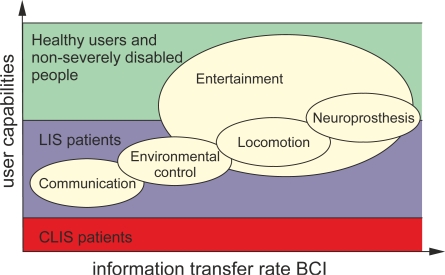
“Despite the most recent significant advances in BCI technology, there are still many challenges to employing BCI control for real-world tasks [264]: (i) the information transfer rate provided by BCIs is too low for u s e r c a p a b ili ti e s”
BackgroundVisual modifications on the P300 speller BCI paradigm
Salvaris, M., & Sepulveda, F. (2009) · Journal of Neural Engineering · doi:10.1088/1741-2560/6/4/046011 · Cited by 197 · cited 1×
“Performance decreases when matrices with smaller symbols are used [132], and it is enhanced when a green and blue chromatic flicker matrix is used, rather than a gray and black one [133,134].”
BackgroundThe thought-translation device (TTD): neurobehavioral mechanisms and clinical outcome
Birbaumer, N., Hinterberger, T., Kubler, A., & Neumann, N. (2003) · IEEE Transactions on Neural Systems and Rehabilitation Engineering · doi:10.1109/tnsre.2003.814439 · Cited by 196 · cited 1×
“Self-regulation of SCPs has been tested extensively with patients suffering from ALS [120–122].”
BackgroundStimulator selection in SSVEP-based BCI
Wu, Z., Lai, Y., Xia, Y., Wu, D., & Yao, D. (2008) · Medical Engineering & Physics · doi:10.1016/j.medengphy.2008.01.004 · Cited by 192 · cited 1×
“The stimulation decision can be made on the basis of the number of choices that the BCI offers [115].”
BackgroundPrediction of human voluntary movement before it occurs
Bai, O., Rathi, V., Lin, P., Huang, D., Battapady, H., Fei, D.-Y., Schneider, L., Houdayer, E., Chen, X., & Hallett, M. (2011) · Clinical Neurophysiology · doi:10.1016/j.clinph.2010.07.010 · Cited by 192 · cited 1×
“The latest advances in the field of BCIs based on sensorimotor rhythms have shown that it is possible to predict human voluntary movements before they occur based on the modulations in sensorimotor rhythms [149].”
Background"Virtual keyboard" controlled by spontaneous EEG activity
Obermaier, B., Muller, G. R., & Pfurtscheller, G. (2003) · IEEE Transactions on Neural Systems and Rehabilitation Engineering · doi:10.1109/tnsre.2003.816866 · Cited by 192
A local neural classifier for the recognition of EEG patterns associated to mental tasks
del R Millan, J., Mourino, J., Franze, M., Cincotti, F., Varsta, M., Heikkonen, J., & Babiloni, F. (2002) · IEEE Transactions on Neural Networks · doi:10.1109/tnn.2002.1000132 · Cited by 187
Brain–machine interface via real-time fMRI: Preliminary study on thought-controlled robotic arm
Lee, J., Ryu, J., Jolesz, F. A., Cho, Z., & Yoo, S. (2008) · Neuroscience Letters · doi:10.1016/j.neulet.2008.11.024 · Cited by 186 · cited 1×
“In BCI systems, fMRI is typically used to measure the Blood Oxygen Level Dependent (BOLD) during neuronal activation [85].”
MethodVisual stimulation alters local 40-Hz responses in humans: an EEG-study
Lutzenberger, W., Pulvermüller, F., Elbert, T., & Birbaumer, N. (1995) · Neuroscience Letters · doi:10.1016/0304-3940(94)11109-v · Cited by 185 · cited 1×
“Also, several studies have provided evidence for the role of gamma activity in the perception of both visual and auditory stimuli [37,40–42].”
BackgroundThe influence of performance feedback on goal-setting and mental effort regulation
Venables, L., & Fairclough, S. H. (2009) · Motivation and Emotion · doi:10.1007/s11031-008-9116-y · Cited by 184 · cited 1×
“Increasing mental effort causes a suppression of alpha activity, particularly from the frontal areas [34].”
BackgroundGaze-independent brain–computer interfaces based on covert attention and feature attention
Treder, M. S., Schmidt, N. M., & Blankertz, B. (2011) · Journal of Neural Engineering · doi:10.1088/1741-2560/8/6/066003 · Cited by 182 · cited 1×
“Eye-gaze control constraints in some LIS patients are an important issue, because they are obliged to use BCIs that does not depend on eye-gaze control [262,263].”
BackgroundAn auditory oddball brain–computer interface for binary choices
Halder, S., Rea, M., Andreoni, R., Nijboer, F., Hammer, E. M., Kleih, S. C., Birbaumer, N., & Kübler, A. (2010) · Clinical Neurophysiology · doi:10.1016/j.clinph.2009.11.087 · Cited by 181 · cited 1×
“make P300 spellers suitable for this group of patients [129,272–274].”
BackgroundMugler, E. M., Ruf, C. A., Halder, S., Bensch, M., & Kubler, A. (2010) · IEEE Transactions on Neural Systems and Rehabilitation Engineering · doi:10.1109/tnsre.2010.2068059 · Cited by 181 · cited 2×
“[128] built an Internet browser with P300 control where the options are all presented as icons in an 8x8 matrix.”
BackgroundMethodImproved Myoelectric Prosthesis Control Using Targeted Reinnervation Surgery: A Case Series
Miller, L. A., Stubblefield, K. A., Lipschutz, R. D., Lock, B. A., & Kuiken, T. (2008) · IEEE Transactions on Neural Systems and Rehabilitation Engineering · doi:10.1109/tnsre.2007.911817 · Cited by 177 · cited 1×
“Currently the latter devices tend to be easier to use and offer better benefit/cost ratios [258,259].”
BackgroundA dry electrode for EEG recording
Taheri, B. A., Knight, R. T., & Smith, R. L. (1994) · Electroencephalography and Clinical Neurophysiology · doi:10.1016/0013-4694(94)90053-1 · Cited by 176 · cited 1×
“impedances [21,22], or ‘dry’ passive electrodes, which have no active circuits, but are linked to EEG recording systems with ultra-high input impedance [23].”
BackgroundThe MindGame: A P300-based brain–computer interface game
Finke, A., Lenhardt, A., & Ritter, H. (2009) · Neural Networks · doi:10.1016/j.neunet.2009.07.003 · Cited by 175
Asynchronous P300-Based Brain--Computer Interfaces: A Computational Approach With Statistical Models
Zhang, H., Guan, C., & Wang, C. (2008) · IEEE Transactions on Biomedical Engineering · doi:10.1109/tbme.2008.919128 · Cited by 175
Chronic stroke recovery after combined BCI training and physiotherapy: A case report
Caria, A., Weber, C., Brötz, D., Ramos, A., Ticini, L. F., Gharabaghi, A., Braun, C., & Birbaumer, N. (2011) · Psychophysiology · doi:10.1111/j.1469-8986.2010.01117.x · Cited by 175 · cited 1×
“[286] reaffirmed the success of a combination of BCI training and physiotherapy.”
BackgroundMotion Artifact Cancellation in NIR Spectroscopy Using Wiener Filtering
Izzetoglu, M., Devaraj, A., Bunce, S., & Onaral, B. (2005) · IEEE Transactions on Biomedical Engineering · doi:10.1109/tbme.2005.845243 · Cited by 173 · cited 1×
“These classes of algorithms usually fail to remove abrupt spike-like noise produced by head motion [94].”
BackgroundDarvas, F., Scherer, R., Ojemann, J. G., Rao, R. P. N., Miller, K. J., & Sorensen, L. B. (2009) · NeuroImage · doi:10.1016/j.neuroimage.2009.08.041 · Cited by 173 · cited 1×
“Nevertheless, this range is attracting growing attention in BCI research because, compared to traditional beta and alpha signals, gamma activity may increase the information transfer rate and offer higher spatial specifity [44,45].”
BackgroundTakano, K., Komatsu, T., Hata, N., Nakajima, Y., & Kansaku, K. (2009) · Clinical Neurophysiology · doi:10.1016/j.clinph.2009.06.002 · Cited by 172 · cited 1×
“Performance decreases when matrices with smaller symbols are used [132], and it is enhanced when a green and blue chromatic flicker matrix is used, rather than a gray and black one [133,134].”
BackgroundEffects of task difficulty on evoked gamma activity and ERPs in a visual discrimination task
Senkowski, D., & Herrmann, C. S. (2002) · Clinical Neurophysiology · doi:10.1016/s1388-2457(02)00266-3 · Cited by 170 · cited 2×
“The Morlet wavelet is well localized in the frequency domain and has been used for the analysis of gamma activity [180].”
MethodP300, stimulus intensity, modality, and probability
Polich, J. M., Ellerson, P. C., & Cohen, J. (1996) · International Journal of Psychophysiology · doi:10.1016/0167-8760(96)00028-1 · Cited by 168 · cited 1×
“Some studies have proven that the less probable the stimulus, the larger the amplitude of the response peak [125].”
BackgroundMcFarland, D. J., & Wolpaw, J. R. (2005) · IEEE Transactions on Neural Systems and Rehabilitation Engineering · doi:10.1109/tnsre.2005.848627 · Cited by 167 · cited 2×
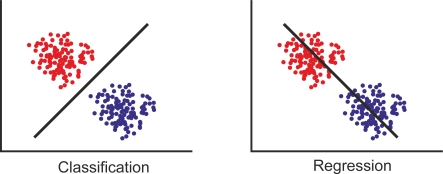
“Classification and regression approaches to BCI control of two-targets (adapted from [210]).”
BackgroundToward a high-throughput auditory P300-based brain–computer interface
Klobassa, D. S., Vaughan, T. M., Brunner, P., Schwartz, N. E., Wolpaw, J. R., Neuper, C., & Sellers, E. W. (2009) · Clinical Neurophysiology · doi:10.1016/j.clinph.2009.04.019 · Cited by 165 · cited 1×
“make P300 spellers suitable for this group of patients [129,272–274].”
BackgroundA new EEG recording system for passive dry electrodes
Gargiulo, G., Calvo, R. A., Bifulco, P., Cesarelli, M., Jin, C., Mohamed, A., & van Schaik, A. (2010) · Clinical Neurophysiology · doi:10.1016/j.clinph.2009.12.025 · Cited by 165 · cited 1×
“impedances [21,22], or ‘dry’ passive electrodes, which have no active circuits, but are linked to EEG recording systems with ultra-high input impedance [23].”
BackgroundCombining Spatial Filters for the Classification of Single-Trial EEG in a Finger Movement Task
Liao, X., Yao, D., Wu, D., & Li, C. (2007) · IEEE Transactions on Biomedical Engineering · doi:10.1109/tbme.2006.889206 · Cited by 165 · cited 1×
“The basis of SVM is to map data into a high dimensional space and find a separating hyperplane with the maximal margin [237] according to Cover’s theorem on the separability of patterns [238].”
Hinterberger, T., Kübler, A., Kaiser, J., Neumann, N., & Birbaumer, N. (2003) · Clinical Neurophysiology · doi:10.1016/s1388-2457(02)00411-x · Cited by 164 · cited 17×
“Also, the Daubechies wavelet, a very well-known mother wavelet, has been used for the classification of SCPs [182].”
BackgroundMethodInfluentialBorisoff, J. F., Mason, S. G., Bashashati, A., & Birch, G. E. (2004) · IEEE Transactions on Biomedical Engineering · doi:10.1109/tbme.2004.827078 · Cited by 163 · cited 1×
“k-NNC is not very common in BCI research, because this classifier is very sensitive to the dimensionality of the feature vector [227].”
BackgroundForce level modulates human cortical oscillatory activities
Mima, T., Simpkins, N., Oluwatimilehin, T., & Hallett, M. (1999) · Neuroscience Letters · doi:10.1016/s0304-3940(99)00734-x · Cited by 162 · cited 1×
“cortical oscillatory activity and force [39].”
Adaptive Shared Control of a Brain-Actuated Simulated Wheelchair
Philips, J., del R. Millan, J., Vanacker, G., Lew, E., Galan, F., Ferrez, P. W., Van Brussel, H., & Nuttin, M. (2007) · 2007 IEEE 10th International Conference on Rehabilitation Robotics · doi:10.1109/icorr.2007.4428457 · Cited by 162 · cited 1×
“Three levels of assistance may be possible in the shared control: collision avoidance, obstacle avoidance and orientation recovery, which are only activated as required by the user [293].”
Background
Research works printed but not linked: 3
- Steven, L., and Giulio, T. (2009). The Neurology of Consciousness, Academic Press.
- Mellinger, 2007, An MEG-based brain-computer interface (BCI), Neuroimage, 36, 581, 10.1016/j.neuroimage.2007.03.019 · DOI · Paper page
- Tangermann, M., Krauledat, M., Grzeska, K., Sagebaum, M., Blankertz, B., Vidaurre, C., and Müller, K. (2008). Playing Pinball with non-invasive BCI. Proc. NIPS, 1641–1648.
Cited by
EEGNet: a compact convolutional neural network for EEG-based brain-computer interfaces
Lawhern, V. J., Solon, A. J., Waytowich, N. R., Gordon, S. M., Hung, C. P., & Lance, B. J. (2018) · Journal of Neural Engineering · doi:10.1088/1741-2552/aace8c · Cited by 5,115
“processing stages [3]: a data collection stage, where neural data is recorded; a signal processing stage, where the recorded data is preprocessed and cleaned; a feature extraction stage, where meaningful information is extracted from the neural data; a classification stage, where a decision is interpreted from the dat…”
BackgroundEEGNet: A Compact Convolutional Network for EEG-based Brain-Computer Interfaces
Lawhern, V. J., Solon, A. J., Waytowich, N. R., Gordon, S. M., Hung, C. P., & Lance, B. J. (2016) · arXiv · doi:10.48550/arxiv.1611.08024 · Cited by 5,105
“processing stages [3]: a data collection stage, where neural data is recorded; a signal processing stage, where the recorded data is preprocessed and cleaned; a feature extraction stage, where meaningful information is extracted from the neural data; a classification stage, where a decision is interpreted from the dat…”
BackgroundThe grand challenges of Science Robotics
Yang, G.-Z., Bellingham, J., Dupont, P. E., Fischer, P., Floridi, L., Full, R., Jacobstein, N., Kumar, V., McNutt, M., Merrifield, R., et al. (2018) · Science Robotics · doi:10.1126/scirobotics.aar7650 · Cited by 1,177
“Beyond their clinical use, BCIs also have emerging applications in neuroer-gonomics, communication and control, education and self-regulation, as well as games and entertainment ( 72 ).”
BackgroundfNIRS-based brain-computer interfaces: a review
Naseer, N., & Hong, K.-S. (2015) · Frontiers in Human Neuroscience · doi:10.3389/fnhum.2015.00003 · Cited by 988
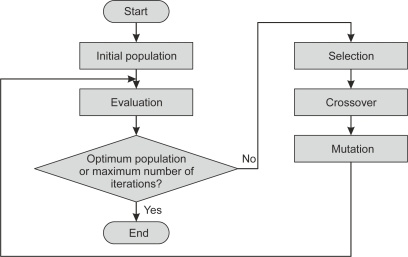
“For more details on genetic algorithms, please see Pernkopf and O’Leary (2001) and Nicolas-Alonso and Gomez-Gil (2012).”
MethodA comprehensive review of EEG-based brain–computer interface paradigms
Abiri, R., Borhani, S., Sellers, E. W., Jiang, Y., & Zhao, X. (2019) · Journal of Neural Engineering · doi:10.1088/1741-2552/aaf12e · Cited by 946
Metadata
- Authors
- Nicolas-Alonso, L. F., & Gomez-Gil, J.
- Affiliations
- Universidad de Valladolid (ES)
- Department of Signal Theory, Communications and Telematics Engineering, University of Valladolid, Valladolid 47011, Spain
- Corresponding author
- Nicolas-Alonso, Luis Fernando
- Venue
- Sensors
- Publisher
- MDPI AG
- Published
- 2012-01-31
- Volume
- 12
- Issue
- 2
- Pages
- 1211-1279
- ISSN
- 1424-8220 (ISSN-L)
- PMC
- PMC3304110
- OpenAlex
- W2128909182
- Cited by
- 2,143
- References
- 325
- Citations by year
- 2026: 137 · 2025: 186 · 2024: 178 · 2023: 181 · 2022: 201 · 2021: 220 · 2020: 185 · 2019: 185 · 2018: 177 · 2017: 134 · 2016: 118 · 2015: 91 · 2014: 78 · 2013: 48 · 2012: 20
- FWCI
- 5.81
- Type
- journal article
- Language
- en
- Open access
- gold
- doi.org
- Licence
- Locations
- Sensors (publishedVersion, cc-by)
- PubMed Central (publishedVersion, cc-by)
- PubMed (publishedVersion)
- Hispana (publishedVersion, cc-by)
- DOAJ (DOAJ: Directory of Open Access Journals) (submittedVersion, cc-by-sa)
- University of Valladolid Documentary Repository (University of Valladolid) (submittedVersion, cc-by)
- Topics
- Life Sciences › Neuroscience › Cognitive Neuroscience › EEG and Brain-Computer Interfaces
- Physical Sciences › Computer Science › Human-Computer Interaction › Gaze Tracking and Assistive Technology
- Physical Sciences › Engineering › Biomedical Engineering › Muscle activation and electromyography studies
- Keywords
- brain-computer interface, neuroimaging, electrophysiological signals, signal preprocessing, artifact removal, feature extraction, brain signal classification, paralysis, locked-in syndrome, amyotrophic lateral sclerosis, spinal cord injury, brain-computer interface applications
- MeSH terms
- Algorithms, Brain, Electroencephalography, Humans, Man-Machine Systems, Pattern Recognition, Automated, Signal Processing, Computer-Assisted, Transducers, User-Computer Interface
About these checks
Registry, retraction, Cites and statistics results are computed, not judged, with one exception: a printed reference that no index lists is read once by a model before it counts as a citation error. Claims are extracted by a model and kept only when their quote appears verbatim in the text; each cited source is then checked, with a model’s help, for whether it says what the claim relies on. Those verdicts can be wrong — read the claim’s quote and the cited source before relying on one.
Statistics and arithmetic are recomputed, not judged.
Confidence bands are shown only for fields calibrated on our annotated test set. None is calibrated yet, so no band is shown.
What counts as a claim ›How we measure confidence ›How we check this ›
Are you an author, or do you see a problem with this page? Request a review
Data sources
Bibliographic data: Semantic Scholar, OpenAlex, Crossref.
Contains information from the Semantic Scholar Academic Graph Datasets, made available under the ODC Attribution License (ODC-BY 1.0).
Semantic Scholar’s data is described in: Kinney, R., et al. (2023). The Semantic Scholar Open Data Platform. arXiv:2301.10140.
