

Visualization of Retroviral Gag-Genomic RNA Cellular Interactions Leading to Genome Encapsidation and Viral Assembly: An Overview
Open accessThe DOI matches its Crossref record; 178 of the 179 references it cites were found in a registry or an index.
Abstract
Retroviruses must selectively recognize their unspliced RNA genome (gRNA) among abundant cellular and spliced viral RNAs to assemble into newly formed viral particles. Retroviral gRNA packaging is governed by Gag precursors that also orchestrate all the aspects of viral assembly. Retroviral life cycles, and especially the HIV-1 one, have been previously extensively analyzed by several methods, most of them based on molecular biology and biochemistry approaches. Despite these efforts, the spatio-temporal mechanisms leading to gRNA packaging and viral assembly are only partially understood. Nevertheless, in these last decades, progress in novel bioimaging microscopic approaches (as FFS, FRAP, TIRF, and wide-field microscopy) have allowed for the tracking of retroviral Gag and gRNA in living cells, thus providing important insights at high spatial and temporal resolution of the events regulating the late phases of the retroviral life cycle. Here, the implementation of these recent bioimaging tools based on highly performing strategies to label fluorescent macromolecules is described. This report also summarizes recent gains in the current understanding of the mechanisms employed by retroviral Gag polyproteins to regulate molecular mechanisms enabling gRNA packaging and the formation of retroviral particles, highlighting variations and similarities among the different retroviruses.
Overview
The claims and statistics of this paper haven’t been checked yet.
Free: it reads the open-access text and checks the first 5 claims that cite a source we can check. Create a free account to check every claim.
Integrity signals
Registry
Cites
Statistics
Figures
Verification
Claims the paper makes
The claims and statistics of this paper haven’t been checked yet.
Free: it reads the open-access text and checks the first 5 claims that cite a source we can check. Create a free account to check every claim.
Claims other papers make about this one
Each is checked against this paper’s own text: does it say what the citing paper says it does?
The source backs part of the claim, not all of it — or backs it for a different population, condition or comparison.
In the citing paper
“p6 domain contains PTAP and YPXL protein interaction motifs, which recruit the host endosomal sorting complex required for transport (ESCRT) to facilitate the budding of immature virions from the host cell (17).”
From Research progress on HIV-1 structural proteins and antiviral therapies (2026) · cites this paper as [17]
Experimental — accuracy not yet measured
Self-check
Percentages, sums and reported differences re-computed from the paper’s own numbers.
The self-check needs the paper’s full text.
Citations
Cites
Imaging Intracellular Fluorescent Proteins at Nanometer Resolution
Betzig, E., Patterson, G. H., Sougrat, R., Lindwasser, O. W., Olenych, S., Bonifacino, J. S., Davidson, M. W., Lippincott-Schwartz, J., & Hess, H. F. (2006) · Science · doi:10.1126/science.1127344 · Cited by 8,772
Sub-diffraction-limit imaging by stochastic optical reconstruction microscopy (STORM)
Rust, M. J., Bates, M., & Zhuang, X. (2006) · Nature Methods · doi:10.1038/nmeth929 · Cited by 8,078
Hell, S. W., & Wichmann, J. (1994) · Optics Letters · doi:10.1364/ol.19.000780 · Cited by 6,065
A guide to choosing fluorescent proteins
Shaner, N. C., Steinbach, P. A., & Tsien, R. Y. (2005) · Nature Methods · doi:10.1038/nmeth819 · Cited by 2,840 · cited 2×
“These photoactivatable derivatives were thus particularly suitable for pulse-chase analyses (reviewed in [72,73], and see Section 8).”
MethodSpecific Covalent Labeling of Recombinant Protein Molecules Inside Live Cells
Griffin, B. A., Adams, S. R., & Tsien, R. Y. (1998) · Science · doi:10.1126/science.281.5374.269 · Cited by 1,549 · cited 2×
“In this case, Gag labelling was achieved by adding a linear tetraCys motif (TC-tag), where XX is usually ProGly [74].”
BackgroundMethodHIV-1 assembly, release and maturation
Freed, E. O. (2015) · Nature Reviews Microbiology · doi:10.1038/nrmicro3490 · Cited by 654 · cited 2×
“Retroviral Gag precursors are composed of independentlyfolded multifunctional domains that enable interactions with other Gag proteins, and with viral and cellular proteins, membrane lipids, DNA and RNA (NA) (reviewed in [29]).”
BackgroundStructure of the carboxyl-terminal dimerization domain of the HIV-1 capsid protein
Gamble, T. R., Yoo, S., Vajdos, F. F., von Schwedler, U. K., Worthylake, D. K., Wang, H., McCutcheon, J. P., Sundquist, W. I., & Hill, C. P. (1997) · Science · doi:10.1126/science.278.5339.849 · Cited by 598
Structural basis for targeting HIV-1 Gag proteins to the plasma membrane for virus assembly
Saad, J. S., Miller, J., Tai, J., Kim, A., Ghanam, R. H., & Summers, M. F. (2006) · Proceedings of the National Academy of Sciences · doi:10.1073/pnas.0602818103 · Cited by 545 · cited 1×
“The HBR-PI(4,5)P2 interaction acts as a trigger of the myristyl switch [38] and modulates Gag chaperone activity [39].”
BackgroundThe stoichiometry of Gag protein in HIV-1
Briggs, J. A. G., Simon, M. N., Gross, I., Kräusslich, H.-G., Fuller, S. D., Vogt, V. M., & Johnson, M. C. (2004) · Nature Structural & Molecular Biology · doi:10.1038/nsmb785 · Cited by 539 · cited 2×
“Accordingly, in HIV-1 two residues within the dimerization interface in the CA-CTD were identified as crucial for Gag-Gag interactions (W184 and M185) [28,29].”
BackgroundMoving messages: the intracellular localization of mRNAs
St Johnston, D. (2005) · Nature Reviews Molecular Cell Biology · doi:10.1038/nrm1643 · Cited by 536
Functional Surfaces of the Human Immunodeficiency Virus Type 1 Capsid Protein
von Schwedler, U. K., Stray, K. M., Garrus, J. E., & Sundquist, W. I. (2003) · Journal of Virology · doi:10.1128/jvi.77.9.5439-5450.2003 · Cited by 421
Skripkin, E., Paillart, J. C., Marquet, R., Ehresmann, B., & Ehresmann, C. (1994) · Proceedings of the National Academy of Sciences · doi:10.1073/pnas.91.11.4945 · Cited by 401
Rein, A., Henderson, L. E., & Levin, J. G. (1998) · Trends in Biochemical Sciences · doi:10.1016/s0968-0004(98)01256-0 · Cited by 394
Lever, A., Gottlinger, H., Haseltine, W., & Sodroski, J. (1989) · Journal of Virology · doi:10.1128/jvi.63.9.4085-4087.1989 · Cited by 375 · cited 1×
“HIV-1 Psi is constituted of four RNA stem-loops, SL1 to SL4 [97,98], and the HIV-1 dimer is thought to be initiated via the kissing-loop interactions involving conserved palindromic sequences located in the SL1 apical loop [99–104].”
BackgroundLevin, J. G., Guo, J., Rouzina, & Musier‐Forsyth, K. (2005) · Progress in Nucleic Acid Research and Molecular Biology · doi:10.1016/s0079-6603(05)80006-6 · Cited by 367
Plasma Membrane Is the Site of Productive HIV-1 Particle Assembly
Jouvenet, N., Neil, S. J. D., Bess, C., Johnson, M. C., Virgen, C. A., Simon, S. M., & Bieniasz, P. D. (2006) · PLoS Biology · doi:10.1371/journal.pbio.0040435 · Cited by 357 · cited 1×
“Similarly, immunofluorescence approaches or subcellular fractionation coupled to pulse-chase labelling showed that HIV-1 Gag is targeted to the PM early after its expression, and inhibitors that abolish late endosome motility did not impair the particle release [9].”
MethodHow retroviruses select their genomes
D'Souza, V., & Summers, M. F. (2005) · Nature Reviews Microbiology · doi:10.1038/nrmicro1210 · Cited by 339
Wiegers, K., Rutter, G., Kottler, H., Tessmer, U., Hohenberg, H., & Kräusslich, H.-G. (1998) · Journal of Virology · doi:10.1128/jvi.72.4.2846-2854.1998 · Cited by 336 · cited 1×
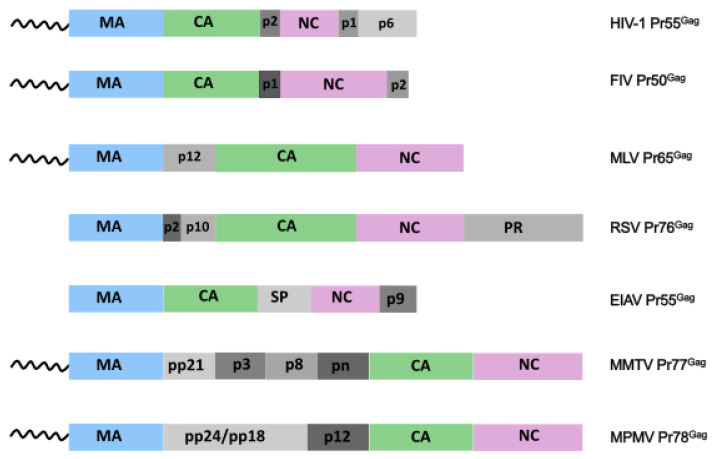
“Additional retroviral domains exhibit a structural role in viral assembly or in Gag multimerization, as, for instance, the p10 domain in RSV Gag [45], or the segment p2, located between NC and CA in HIV-1 Gag [61,62] as mutations in this domain modulate packaging of spliced viral RNAs [63,64].”
BackgroundImaging the biogenesis of individual HIV-1 virions in live cells
Jouvenet, N., Bieniasz, P. D., & Simon, S. M. (2008) · Nature · doi:10.1038/nature06998 · Cited by 330 · cited 16×
“However, TIRF is also sensitive to the axial position of the fluorescent molecules, and fluctuations of the fluorescence intensity due to movement of the PM could cause difficulties in the measure of the assembly complexes.”
BackgroundMethodResultInfluentialEntropic switch regulates myristate exposure in the HIV-1 matrix protein
Tang, C., Loeliger, E., Luncsford, P., Kinde, I., Beckett, D., & Summers, M. F. (2004) · Proceedings of the National Academy of Sciences · doi:10.1073/pnas.0305665101 · Cited by 320 · cited 1×
“The myristate exposure was also found to be coupled with Gag multimerization, as the myristyl group is sequestered in the monomer [33].”
BackgroundClever, J., Sassetti, C., & Parslow, T. G. (1995) · Journal of Virology · doi:10.1128/jvi.69.4.2101-2109.1995 · Cited by 307
Quantitative four-dimensional tracking of cytoplasmic and nuclear HIV-1 complexes
Arhel, N., Genovesio, A., Kim, K.-A., Miko, S., Perret, E., Olivo-Marin, J.-C., Shorte, S., & Charneau, P. (2006) · Nature Methods · doi:10.1038/nmeth928 · Cited by 304
Nuclear mRNA export: insights from virology
Cullen, B. R. (2003) · Trends in Biochemical Sciences · doi:10.1016/s0968-0004(03)00142-7 · Cited by 300
Accola, M. A., Strack, B., & Göttlinger, H. G. (2000) · Journal of Virology · doi:10.1128/jvi.74.12.5395-5402.2000 · Cited by 288
HIV-1 Buds Predominantly at the Plasma Membrane of Primary Human Macrophages
Welsch, S., Keppler, O. T., Habermann, A., Allespach, I., Krijnse-Locker, J., & Kräusslich, H.-G. (2007) · PLoS Pathogens · doi:10.1371/journal.ppat.0030036 · Cited by 276
Ono, A., & Freed, E. O. (2004) · Journal of Virology · doi:10.1128/jvi.78.3.1552-1563.2004 · Cited by 276
Imaging the interaction of HIV-1 genomes and Gag during assembly of individual viral particles
Jouvenet, N., Simon, S. M., & Bieniasz, P. D. (2009) · Proceedings of the National Academy of Sciences · doi:10.1073/pnas.0907364106 · Cited by 274 · cited 16×
“However, TIRF is also sensitive to the axial position of the fluorescent molecules, and fluctuations of the fluorescence intensity due to movement of the PM could cause difficulties in the measure of the assembly complexes.”
BackgroundMethodResultInfluentialA loop-loop "kissing" complex is the essential part of the dimer linkage of genomic HIV-1 RNA.
Paillart, J. C., Skripkin, E., Ehresmann, B., Ehresmann, C., & Marquet, R. (1996) · Proceedings of the National Academy of Sciences · doi:10.1073/pnas.93.11.5572 · Cited by 272
Hurley, J. H., Boura, E., Carlson, L.-A., & Różycki, B. (2010) · Cell · doi:10.1016/j.cell.2010.11.030 · Cited by 271
Chukkapalli, V., Hogue, I. B., Boyko, V., Hu, W.-S., & Ono, A. (2008) · Journal of Virology · doi:10.1128/jvi.01614-07 · Cited by 268 · cited 1×
“This last one enables electrostatic interactions with negatively charged PM-specific acidic phospholipids, such as the phosphatidylinositol-(4,5)-bisphosphate [PI(4,5)P(2)] [36,37].”
BackgroundNMR Detection of Structures in the HIV-1 5′-Leader RNA That Regulate Genome Packaging
Lu, K., Heng, X., Garyu, L., Monti, S., Garcia, E. L., Kharytonchyk, S., Dorjsuren, B., Kulandaivel, G., Jones, S., Hiremath, A., et al. (2011) · Science · doi:10.1126/science.1210460 · Cited by 260 · cited 1×
“These findings interestingly supported the idea that dimerization and NC binding are regulated by a common RNA structural switch [111].”
BackgroundParent, L. J., Bennett, R. P., Craven, R. C., Nelle, T. D., Krishna, N. K., Bowzard, J. B., Wilson, C. B., Puffer, B. A., Montelaro, R. C., & Wills, J. W. (1995) · Journal of Virology · doi:10.1128/jvi.69.9.5455-5460.1995 · Cited by 258 · cited 1×
“The non-canonical p8 domain in Murine Mammalian Tumor Virus (MMTV) Gag (Pr77Gag) and the p2 domain in FIV Gag (Pr50Gag) play a role in Gag-mediated assembly and particle production [56,57], while the p9 domain in Equine Infectious Anemia Virus (EIAV) Gag (Pr55Gag), the p2 domain in RSV Gag (Pr76Gag), the p6 domain in…”
BackgroundGlobal changes in the RNA binding specificity of HIV-1 Gag regulate virion genesis
Kutluay, S. B., Zang, T., Blanco-Melo, D., Powell, C., Jannain, D., Errando, M., & Bieniasz, P. D. (2014) · Cell · doi:10.1016/j.cell.2014.09.057 · Cited by 257 · cited 3×
“In an apparent contrast, several other studies observed that gRNA reaches the PM in association with low-order multimers of Gag precursor [11,25,26].”
BackgroundResultHIV Gag mimics the Tsg101-recruiting activity of the human Hrs protein
Pornillos, O., Higginson, D. S., Stray, K. M., Fisher, R. D., Garrus, J. E., Payne, M., He, G.-P., Wang, H. E., Morham, S. G., & Sundquist, W. I. (2003) · The Journal of Cell Biology · doi:10.1083/jcb.200302138 · Cited by 257 · cited 1×
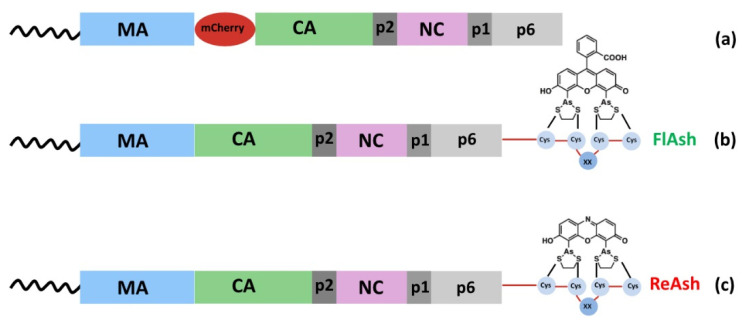
“Notably, this approach was compatible with the assembly and the maturation of viral particles, even if, in absence of helper unlabeled HIV-1 Gag, viral infectivity was reduced [68], Gag-GFP displayed aberrant localization [16], and virus-like particles exhibited abnormal densities in electron microscopy examinations […”
ResultFluorescent proteins for live cell imaging: Opportunities, limitations, and challenges
Wiedenmann, J., Oswald, F., & Nienhaus, G. U. (2009) · IUBMB Life · doi:10.1002/iub.256 · Cited by 250 · cited 2×
“These photoactivatable derivatives were thus particularly suitable for pulse-chase analyses (reviewed in [72,73], and see Section 8).”
MethodHübner, W., Chen, P., Portillo, A. D., Liu, Y., Gordon, R. E., & Chen, B. K. (2007) · Journal of Virology · doi:10.1128/jvi.01088-07 · Cited by 244 · cited 2×
“Therefore, the less perturbative site for FPs was found to be between the MA and CA domains, and FP was flanked by two functional protease cleavage sites to allow Gag processing into native-sized polypeptides [16,68].”
BackgroundResultEnnifar, E., Walter, P., Ehresmann, B., Ehresmann, C., & Dumas, P. (2001) · Nature Structural Biology · doi:10.1038/nsb727 · Cited by 236
Rhee, S. S., & Hunter, E. (1987) · Journal of Virology · doi:10.1128/jvi.61.4.1045-1053.1987 · Cited by 233
Carlson, L.-A., Briggs, J. A. G., Glass, B., Riches, J. D., Simon, M. N., Johnson, M. C., Müller, B., Grünewald, K., & Kräusslich, H.-G. (2008) · Cell Host & Microbe · doi:10.1016/j.chom.2008.10.013 · Cited by 230 · cited 1×
“Conversely, the achievement of the encapsidation of up to 2400 molecules of Gag [24] around a gRNA dimer to form a viral particle is thought to rely on Gag-gRNA non-specific interactions [25–27].”
BackgroundChukkapalli, V., Oh, S. J., & Ono, A. (2010) · Proceedings of the National Academy of Sciences · doi:10.1073/pnas.0908661107 · Cited by 229 · cited 1×
“These HBR-NA interactions interfere with the interactions between MA and acidic lipids, and reduce the myristate exposure to prevent premature association of Gag with cellular membranes, thus temporally regulating Gag localization in the cell [41].”
BackgroundDifferential membrane binding of the human immunodeficiency virus type 1 matrix protein
Zhou, W., & Resh, M. D. (1996) · Journal of Virology · doi:10.1128/jvi.70.12.8540-8548.1996 · Cited by 226 · cited 1×
“Zhou and Resh proposed that specific Gag binding to the PM is regulated by a mechanism named “myristyl switch [31], and several other groups analyzed the molecular mechanisms promoting the exposure of the myristyl group for its insertion into the PM [32–35].”
BackgroundChen, J., Nikolaitchik, O., Singh, J., Wright, A., Bencsics, C. E., Coffin, J. M., Ni, N., Lockett, S., Pathak, V. K., & Hu, W.-S. (2009) · Proceedings of the National Academy of Sciences · doi:10.1073/pnas.0906822106 · Cited by 224
Functional domains of the capsid protein of human immunodeficiency virus type 1
Dorfman, T., Bukovsky, A., Ohagen, A., Höglund, S., & Göttlinger, H. G. (1994) · Journal of Virology · doi:10.1128/jvi.68.12.8180-8187.1994 · Cited by 222
Role of the DIS hairpin in replication of human immunodeficiency virus type 1
Berkhout, B., & van Wamel, J. L. (1996) · Journal of Virology · doi:10.1128/jvi.70.10.6723-6732.1996 · Cited by 219
Dynamics of HIV-1 Assembly and Release
Ivanchenko, S., Godinez, W. J., Lampe, M., Kräusslich, H.-G., Eils, R., Rohr, K., Bräuchle, C., Müller, B., & Lamb, D. C. (2009) · PLoS Pathogens · doi:10.1371/journal.ppat.1000652 · Cited by 219 · cited 14×
“that showed that the release occurred with an average delay of about 25 min after the completion of the Gag assembly [13].”
BackgroundMethodResultInfluentialMüller, B., Daecke, J., Fackler, O. T., Dittmar, M. T., Zentgraf, H., & Kräusslich, H.-G. (2004) · Journal of Virology · doi:10.1128/jvi.78.19.10803-10813.2004 · Cited by 215 · cited 2×
“Therefore, the less perturbative site for FPs was found to be between the MA and CA domains, and FP was flanked by two functional protease cleavage sites to allow Gag processing into native-sized polypeptides [16,68].”
BackgroundResultAnalysis of the Initiating Events in HIV-1 Particle Assembly and Genome Packaging
Kutluay, S. B., & Bieniasz, P. D. (2010) · PLoS Pathogens · doi:10.1371/journal.ppat.1001200 · Cited by 206 · cited 11×
“Quantitative-FRET microscopy analysis at PM showed that the disruption of the HIV-1 CA-CTD strongly reduced Gag multimerization, while mutations in NC displayed less-severe defects, thus conferring to these two domains an order of importance in Gag oligomerization [78].”
BackgroundMethodResultInfluentialHost factors involved in retroviral budding and release
Martin-Serrano, J., & Neil, S. J. D. (2011) · Nature Reviews Microbiology · doi:10.1038/nrmicro2596 · Cited by 197
Paillart, J. C., Berthoux, L., Ottmann, M., Darlix, J. L., Marquet, R., Ehresmann, B., & Ehresmann, C. (1996) · Journal of Virology · doi:10.1128/jvi.70.12.8348-8354.1996 · Cited by 194
In vivo modification of retroviral gag gene-encoded polyproteins by myristic acid
Schultz, A. M., & Oroszlan, S. (1983) · Journal of Virology · doi:10.1128/jvi.46.2.355-361.1983 · Cited by 168
Laughrea, M., Jetté, L., Mak, J., Kleiman, L., Liang, C., & Wainberg, M. A. (1997) · Journal of Virology · doi:10.1128/jvi.71.5.3397-3406.1997 · Cited by 162
Mouland, A. J., Mercier, J., Luo, M., Bernier, L., DesGroseillers, L., & Cohen, E. A. (2000) · Journal of Virology · doi:10.1128/jvi.74.12.5441-5451.2000 · Cited by 162
Retroviral Genomic RNAs Are Transported to the Plasma Membrane by Endosomal Vesicles
Basyuk, E., Galli, T., Mougel, M., Blanchard, J.-M., Sitbon, M., & Bertrand, E. (2003) · Developmental Cell · doi:10.1016/s1534-5807(03)00188-6 · Cited by 159
Blot, V., Perugi, F., Gay, B., Prévost, M.-C., Briant, L., Tangy, F., Abriel, H., Staub, O., Dokhélar, M.-C., & Pique, C. (2004) · Journal of Cell Science · doi:10.1242/jcs.01095 · Cited by 154
Muriaux, D., Fossé, P., & Paoletti, J. (1996) · Biochemistry · doi:10.1021/bi952822s · Cited by 152 · cited 1×
“In vitro analysis indicated that the HIV-1 kissing-loop dimer can be refolded into a more stable duplex form [106], and this refolding process is thought to occur through a cruciform intermediate [107], and to be chaperoned by the viral NC protein [108–110].”
BackgroundYasuda, J., & Hunter, E. (1998) · Journal of Virology · doi:10.1128/jvi.72.5.4095-4103.1998 · Cited by 151 · cited 1×
“The non-canonical p8 domain in Murine Mammalian Tumor Virus (MMTV) Gag (Pr77Gag) and the p2 domain in FIV Gag (Pr50Gag) play a role in Gag-mediated assembly and particle production [56,57], while the p9 domain in Equine Infectious Anemia Virus (EIAV) Gag (Pr55Gag), the p2 domain in RSV Gag (Pr76Gag), the p6 domain in…”
BackgroundPaillart, J.-C., & Göttlinger, H. G. (1999) · Journal of Virology · doi:10.1128/jvi.73.4.2604-2612.1999 · Cited by 151
A novel nuclear export activity in HIV-1 matrix protein required for viral replication
Dupont, S. A., Sharova, N. P., DeHoratius, C., Virbasius, C.-M. A., Zhu, X., Bukrinskaya, A. G., Stevenson, M., & Green, M. R. (1999) · Nature · doi:10.1038/45272 · Cited by 149
Nuclear localization of foamy virus Gag precursor protein
Schliephake, A. W., & Rethwilm, A. (1994) · Journal of Virology · doi:10.1128/jvi.68.8.4946-4954.1994 · Cited by 147
Properties and functions of the nucleocapsid protein in virus assembly
Muriaux, D., & Darlix, J.-L. (2010) · RNA Biology · doi:10.4161/rna.7.6.14065 · Cited by 135
Visualization of retrovirus budding with correlated light and electron microscopy
Larson, D. R., Johnson, M. C., Webb, W. W., & Vogt, V. M. (2005) · Proceedings of the National Academy of Sciences · doi:10.1073/pnas.0504812102 · Cited by 133 · cited 3×
“However, retroviruses developed multiple ways to assemble, and thus many membrane platforms give rise to multiple consecutive budding events of RSV differently from the mostly unique sites observed for MLV and HIV-1 [70,161].”
BackgroundResultNermut, M. V., & Fassati, A. (2003) · Journal of Virology · doi:10.1128/jvi.77.15.8196-8206.2003 · Cited by 130 · cited 3×
“In the past, in addition to subcellular fractionation, and immunofluorescence, electron microscopy (EM) showed that HIV-1 assembly takes place at the PM [76] (Table 1).”
BackgroundMolecular determinants that regulate plasma membrane association of HIV-1 Gag
Chukkapalli, V., & Ono, A. (2011) · Journal of Molecular Biology · doi:10.1016/j.jmb.2011.04.015 · Cited by 129 · cited 2×
“This last one enables electrostatic interactions with negatively charged PM-specific acidic phospholipids, such as the phosphatidylinositol-(4,5)-bisphosphate [PI(4,5)P(2)] [36,37].”
BackgroundRudner, L., Nydegger, S., Coren, L. V., Nagashima, K., Thali, M., & Ott, D. E. (2005) · Journal of Virology · doi:10.1128/jvi.79.7.4055-4065.2005 · Cited by 127 · cited 4×
“In cell imaging assays, sp cific Gag binding to membrane-permeable biarsenical compounds named FlAsH and ReAsH (als corresponding to a Förster Resonance E ergy Transf r, FRET, co ple) were also used to observe HIV-1 Gag dynamics in HeLa and Jurk t T c lls [20] (Figure 2b,c).”
MethodInfluentialChatel-Chaix, L., Clément, J.-F., Martel, C., Bériault, V., Gatignol, A., DesGroseillers, L., & Mouland, A. J. (2004) · Molecular and Cellular Biology · doi:10.1128/mcb.24.7.2637-2648.2004 · Cited by 125
Specific recognition of the HIV-1 genomic RNA by the Gag precursor
Abd El-Wahab, E. W., Smyth, R. P., Mailler, E., Bernacchi, S., Vivet-Boudou, V., Hijnen, M., Jossinet, F., Mak, J., Paillart, J.-C., & Marquet, R. (2014) · Nature Communications · doi:10.1038/ncomms5304 · Cited by 123
Self-citationPoole, E., Strappe, P., Mok, H., Hicks, R., & Lever, A. M. L. (2005) · Traffic · doi:10.1111/j.1600-0854.2005.00312.x · Cited by 117
Houzet, L., Paillart, J. C., Smagulova, F., Maurel, S., Morichaud, Z., Marquet, R., & Mougel, M. (2007) · Nucleic Acids Research · doi:10.1093/nar/gkm153 · Cited by 115 · cited 2×
“HIV-1 viral spliced RNAs were found to compete with gRNA for packaging, even though they are packaged into viral particles to a lesser extent [90].”
BackgroundKaye, J. F., & Lever, A. M. L. (1998) · Journal of Virology · doi:10.1128/jvi.72.7.5877-5885.1998 · Cited by 113 · cited 1×
“Interestingly, CA and p2 domains were found to be involved in gRNA packaging [83,84], and thus, in turn, HIV-1 Gag multimerization might play a role in the interaction with gRNA in the cytoplasm [25] or at the PM [85].”
BackgroundSandefur, S., Smith, R. M., Varthakavi, V., & Spearman, P. (2000) · Journal of Virology · doi:10.1128/jvi.74.16.7238-7249.2000 · Cited by 113
The Life-Cycle of the HIV-1 Gag–RNA Complex
Mailler, E., Bernacchi, S., Marquet, R., Paillart, J.-C., Vivet-Boudou, V., & Smyth, R. (2016) · Viruses · doi:10.3390/v8090248 · Cited by 113
Self-citationSaffarian, S., & Kirchhausen, T. (2008) · Biophysical Journal · doi:10.1529/biophysj.107.117234 · Cited by 111
Larson, D. R., Ma, Y. M., Vogt, V. M., & Webb, W. W. (2003) · The Journal of Cell Biology · doi:10.1083/jcb.200303200 · Cited by 109 · cited 1×
“6 μm2/s) [17], and the diffusion of EYFP-tagged HTLV-1 Gag (D =∼1–3μm2/s) [86] were found to be similar.”
BackgroundThe Role of Cellular Factors in Promoting HIV Budding
Weiss, E. R., & Göttlinger, H. G. (2011) · Journal of Molecular Biology · doi:10.1016/j.jmb.2011.04.055 · Cited by 109
Live-cell observation of cytosolic HIV-1 assembly onset reveals RNA-interacting Gag oligomers
Hendrix, J., Baumgärtel, V., Schrimpf, W., Ivanchenko, S., Digman, M. A., Gratton, E., Kräusslich, H.-G., Müller, B., & Lamb, D. C. (2015) · Journal of Cell Biology · doi:10.1083/jcb.201504006 · Cited by 108 · cited 5×
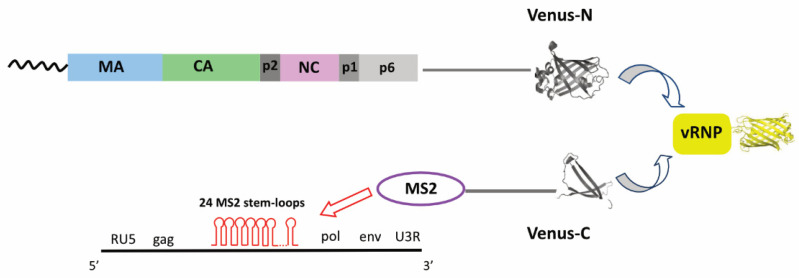
“Recently, fluorescent RNA labelling techniques have been largely used to monitor HIV-1 RNA in the living cell [12,14,15,23,114].”
BackgroundMethodInfluentialNuclear entry and CRM1-dependent nuclear export of the Rous sarcoma virus Gag polyprotein
Scheifele, L. Z., Garbitt, R. A., Rhoads, J. D., & Parent, L. J. (2002) · Proceedings of the National Academy of Sciences · doi:10.1073/pnas.062652199 · Cited by 107
Nucleic Acid-Independent Retrovirus Assembly Can Be Driven by Dimerization
Johnson, M. C., Scobie, H. M., Ma, Y. M., & Vogt, V. M. (2002) · Journal of Virology · doi:10.1128/jvi.76.22.11177-11185.2002 · Cited by 106 · cited 2×
“RSV Gag nuclear shuttling was extensively studied (for a review see [143]), and several studies demonstrated that GaggRNA interactions promote RSV Gag multimerization [50,80,136,137,144].”
BackgroundMoore, M. D., Nikolaitchik, O. A., Chen, J., Hammarskjöld, M.-L., Rekosh, D., & Hu, W.-S. (2009) · PLoS Pathogens · doi:10.1371/journal.ppat.1000627 · Cited by 105
Tounekti, N., Mougel, M., Roy, C., Marquet, R., Darlix, J., Paoletti, J., Ehresmann, B., & Ehresmann, C. (1992) · Journal of Molecular Biology · doi:10.1016/0022-2836(92)90726-z · Cited by 101
Diverse interactions of retroviral Gag proteins with RNAs
Rein, A., Datta, S. A. K., Jones, C. P., & Musier-Forsyth, K. (2011) · Trends in Biochemical Sciences · doi:10.1016/j.tibs.2011.04.001 · Cited by 98 · cited 1×
“In turn, this extended linear conformation is thought to promote Gag oligomerization [2,3].”
BackgroundMatrix domain modulates HIV-1 Gag's nucleic acid chaperone activity via inositol phosphate binding
Jones, C. P., Datta, S. A. K., Rein, A., Rouzina, I., & Musier-Forsyth, K. (2011) · Journal of Virology · doi:10.1128/jvi.01809-10 · Cited by 94 · cited 1×
“The HBR-PI(4,5)P2 interaction acts as a trigger of the myristyl switch [38] and modulates Gag chaperone activity [39].”
BackgroundCharacterization of Rous Sarcoma Virus Gag Particles Assembled In Vitro
Yu, F., Joshi, S. M., Ma, Y. M., Kingston, R. L., Simon, M. N., & Vogt, V. M. (2001) · Journal of Virology · doi:10.1128/jvi.75.6.2753-2764.2001 · Cited by 93
HIV-1 RNA genome dimerizes on the plasma membrane in the presence of Gag protein
Chen, J., Rahman, S. A., Nikolaitchik, O. A., Grunwald, D., Sardo, L., Burdick, R. C., Plisov, S., Liang, E., Tai, S., Pathak, V. K., et al. (2016) · Proceedings of the National Academy of Sciences · doi:10.1073/pnas.1518572113 · Cited by 93 · cited 5×
“This idea is also in agreement with several previous observations reporting HIV-1 Gag/NC chaperone activity on gRNA dimerization (reviewed in [128–130]), and the notion that gRNA dimers are preformed prior to encapsidation [12,23,121,131,132].”
BackgroundMethodResultInfluentialRist, M. J., & Marino, J. P. (2002) · Biochemistry · doi:10.1021/bi0267240 · Cited by 92
Complex interactions of HIV-1 nucleocapsid protein with oligonucleotides
Fisher, R. J. (2006) · Nucleic Acids Research · doi:10.1093/nar/gkj442 · Cited by 87 · cited 1×
“In the HIV-1 context, NC actively contributes to Gag multimerization [51], and unpairing the interactions between NC and gRNA was observed to induce aberrant DNA-containing viruses [52,53].”
BackgroundRetroviral RNA Dimerization: From Structure to Functions
Dubois, N., Marquet, R., Paillart, J.-C., & Bernacchi, S. (2018) · Frontiers in Microbiology · doi:10.3389/fmicb.2018.00527 · Cited by 85 · cited 1×
“Other genomic regions such as the Trans-Activation Response element (TAR), the Primer Binding Site (PBS) and the unique sequence in the 5′ site (U5) in the 5′ UTR or sequences within the ORF of Gag were observed to contribute to gRNA dimerization even though they do not participate directly to intermolecular base-pair…”
BackgroundSelf-citationOn the Selective Packaging of Genomic RNA by HIV-1
Comas-Garcia, M., Davis, S., & Rein, A. (2016) · Viruses · doi:10.3390/v8090246 · Cited by 80
Hogue, I. B., Hoppe, A., & Ono, A. (2009) · Journal of Virology · doi:10.1128/jvi.02545-08 · Cited by 78 · cited 2×
“Quantitative-FRET microscopy analysis at PM showed that the disruption of the HIV-1 CA-CTD strongly reduced Gag multimerization, while mutations in NC displayed less-severe defects, thus conferring to these two domains an order of importance in Gag oligomerization [78].”
Virus assembly and plasma membrane domains: Which came first?
Kerviel, A., Thomas, A., Chaloin, L., Favard, C., & Muriaux, D. M. (2012) · Virus Research · doi:10.1016/j.virusres.2012.08.014 · Cited by 75
Lee, Y.-M., & Yu, X.-F. (1998) · Virology · doi:10.1006/viro.1998.9064 · Cited by 75 · cited 2×
“Biochemical assays and electron microscopy studies previously indicated the presence of HIV-1 Gag cytoplasmic oligomers [75,76], even though the characterization of their stoichiometry had been rather controversial.”
BackgroundRecent Advances in Super-Resolution Fluorescence Imaging and Its Applications in Biology
Han, R. Q., Li, Z., Fan, Y., & Jiang, Y. (2013) · Journal of genetics and genomics/Journal of Genetics and Genomics · doi:10.1016/j.jgg.2013.11.003 · Cited by 74
Ma, Y. M., & Vogt, V. M. (2002) · Journal of Virology · doi:10.1128/jvi.76.11.5452-5462.2002 · Cited by 74 · cited 3×
“RSV Gag nuclear shuttling was extensively studied (for a review see [143]), and several studies demonstrated that GaggRNA interactions promote RSV Gag multimerization [50,80,136,137,144].”
BackgroundResultEnnifar, E., Carpentier, P., Ferrer, J.-L., Walter, P., & Dumas, P. (2002) · Acta Crystallographica Section D Biological Crystallography · doi:10.1107/s0907444902009526 · Cited by 74
Live-Cell Coimaging of the Genomic RNAs and Gag Proteins of Two Lentiviruses
Kemler, I., Meehan, A., & Poeschla, E. M. (2010) · Journal of Virology · doi:10.1128/jvi.00363-10 · Cited by 70 · cited 6×
“Recently, fluorescent RNA labelling techniques have been largely used to monitor HIV-1 RNA in the living cell [12,14,15,23,114].”
BackgroundMethodResultInfluentialMa, Y. M., & Vogt, V. M. (2004) · Journal of Virology · doi:10.1128/jvi.78.1.52-60.2004 · Cited by 70
Garbitt-Hirst, R., Kenney, S. P., & Parent, L. J. (2009) · Journal of Virology · doi:10.1128/jvi.00101-09 · Cited by 69
Gudleski, N., Flanagan, J. M., Ryan, E. P., Bewley, M. C., & Parent, L. J. (2010) · Proceedings of the National Academy of Sciences · doi:10.1073/pnas.1000304107 · Cited by 67
Cytoplasmic HIV-1 RNA is mainly transported by diffusion in the presence or absence of Gag protein
Chen, J., Grunwald, D., Sardo, L., Galli, A., Plisov, S., Nikolaitchik, O. A., Chen, D., Lockett, S., Larson, D. R., Pathak, V. K., et al. (2014) · Proceedings of the National Academy of Sciences · doi:10.1073/pnas.1413169111 · Cited by 66 · cited 15×
“Therefore, the duration of HIV-1 RNA retention at the PM depends on Gag expression, indicating that at the assembly sites gRNA is associated to Gag.”
MethodInfluentialMutational interference mapping experiment (MIME) for studying RNA structure and function
Smyth, R. P., Despons, L., Huili, G., Bernacchi, S., Hijnen, M., Mak, J., Jossinet, F., Weixi, L., Paillart, J.-C., von Kleist, M., et al. (2015) · Nature Methods · doi:10.1038/nmeth.3490 · Cited by 65 · cited 3×
“The driving force for the encapsidation of gRNA mainly resides in Gag-gRNA interactions, and the specific selection of retroviral gRNA from a cytoplasmic pool of RNAs is regulated by specific RNA conformations which are supposed to expose the RNA high affinity binding sites to the NC domain within the Gag protein [27,…”
BackgroundSelf-citationMultiple, Switchable Protein:RNA Interactions Regulate Human Immunodeficiency Virus Type 1 Assembly
Bieniasz, P., & Telesnitsky, A. (2018) · Annual Review of Virology · doi:10.1146/annurev-virology-092917-043448 · Cited by 64 · cited 1×
“However, it is also possible that tRNA binding and myristate exposure are reciprocally regulated [42].”
BackgroundPocock, G. M., Becker, J. T., Swanson, C. M., Ahlquist, P., & Sherer, N. M. (2016) · PLoS Pathogens · doi:10.1371/journal.ppat.1005565 · Cited by 63
Raster Image Correlation Spectroscopy and Number and Brightness Analysis
Digman, M. A., Stakic, M., & Gratton, E. (2012) · Methods in enzymology on CD-ROM/Methods in enzymology · doi:10.1016/b978-0-12-388422-0.00006-6 · Cited by 62
Nucleocapsid mutations turn HIV-1 into a DNA-containing virus
Houzet, L., Morichaud, Z., Didierlaurent, L., Muriaux, D., Darlix, J.-L., & Mougel, M. (2008) · Nucleic Acids Research · doi:10.1093/nar/gkn069 · Cited by 62
Mougel, M., & Barklis, E. (1997) · Journal of Virology · doi:10.1128/jvi.71.10.8061-8065.1997 · Cited by 61
Schur, F. K. M., Dick, R. A., Hagen, W. J. H., Vogt, V. M., & Briggs, J. A. G. (2015) · Journal of Virology · doi:10.1128/jvi.01502-15 · Cited by 61 · cited 12×
“RSV Gag nuclear shuttling was extensively studied (for a review see [143]), and several studies demonstrated that Gag-gRNA interactions promote RSV Gag multimerization [50,80,136,137,144].”
BackgroundInfluentialNucleic acid chaperone activity of retroviral Gag proteins
Rein, A. (2010) · RNA Biology · doi:10.4161/rna.7.6.13685 · Cited by 61
HIV-1 Pr55Gagbinds genomic and spliced RNAs with different affinity and stoichiometry
Bernacchi, S., Abd El-Wahab, E. W., Dubois, N., Hijnen, M., Smyth, R. P., Mak, J., Marquet, R., & Paillart, J.-C. (2017) · RNA Biology · doi:10.1080/15476286.2016.1256533 · Cited by 61 · cited 2×
“The driving force for the encapsidation of gRNA mainly resides in Gag-gRNA interactions, and the specific selection of retroviral gRNA from a cytoplasmic pool of RNAs is regulated by specific RNA conformations which are supposed to expose the RNA high affinity binding sites to the NC domain within the Gag protein [27,…”
BackgroundSelf-citationDetermination of thermodynamic parameters for HIV DIS type loop-loop kissing complexes
Weixlbaumer, A. (2004) · Nucleic Acids Research · doi:10.1093/nar/gkh841 · Cited by 60
CryoET structures of immature HIV Gag reveal six-helix bundle
Mendonça, L., Sun, D., Ning, J., Liu, J., Kotecha, A., Olek, M., Frosio, T., Fu, X., Himes, B. A., Kleinpeter, A. B., et al. (2021) · Communications Biology · doi:10.1038/s42003-021-01999-1 · Cited by 59 · cited 1×
“Additional retroviral domains exhibit a structural role in viral assembly or in Gag multimerization, as, for instance, the p10 domain in RSV Gag [45], or the segment p2, located between NC and CA in HIV-1 Gag [61,62] as mutations in this domain modulate packaging of spliced viral RNAs [63,64].”
BackgroundButterfield-Gerson, K. L., Scheifele, L. Z., Ryan, E. P., Hopper, A. K., & Parent, L. J. (2006) · Journal of Virology · doi:10.1128/jvi.80.4.1798-1806.2006 · Cited by 57
APOBEC3G encapsidation into HIV-1 virions: which RNA is it?
Strebel, K., & Khan, M. A. (2008) · Retrovirology · doi:10.1186/1742-4690-5-55 · Cited by 55
Mechanism of Hairpin-Duplex Conversion for the HIV-1 Dimerization Initiation Site
Bernacchi, S., Ennifar, E., Tóth, K., Walter, P., Langowski, J., & Dumas, P. (2005) · Journal of Biological Chemistry · doi:10.1074/jbc.m503230200 · Cited by 53 · cited 1×
“In vitro analysis indicated that the HIV-1 kissing-loop dimer can be refolded into a more stable duplex form [106], and this refolding process is thought to occur through a cruciform intermediate [107], and to be chaperoned by the viral NC protein [108–110].”
BackgroundSelf-citationCell biology of retroviral RNA packaging
Jouvenet, N., Lainé, S., Pessel-Vivares, L., & Mougel, M. (2011) · RNA Biology · doi:10.4161/rna.8.4.16030 · Cited by 52
Mapping the Encapsidation Determinants of Feline Immunodeficiency Virus
Kemler, I., Barraza, R., & Poeschla, E. M. (2002) · Journal of Virology · doi:10.1128/jvi.76.23.11889-11903.2002 · Cited by 52
The thermodynamics of Pr55Gag-RNA interaction regulate the assembly of HIV
Tanwar, H. S., Khoo, K. K., Garvey, M., Waddington, L., Leis, A., Hijnen, M., Velkov, T., Dumsday, G. J., McKinstry, W. J., & Mak, J. (2017) · PLOS Pathogens · doi:10.1371/journal.ppat.1006221 · Cited by 51 · cited 2×
“was also observed to affect Gag binding to short oligoribonucleotides [66], and to regulate Gag binding specificity to gRNA fragments [67].”
BackgroundMunro, J. B., Nath, A., Färber, M., Datta, S. A. K., Rein, A., Rhoades, E., & Mothes, W. (2014) · Journal of Virology · doi:10.1128/jvi.03353-13 · Cited by 51 · cited 2×
“At the assembly sites where Gag multimerization becomes more extensive, Gag was found Viruses 2022, 14, 324 3 of 20 to adopt an extended linear conformation which is required to form the Gag lattice and which is promoted by inositol hexakisphosphate (IP6) [43,44].”
BackgroundImaging HIV-1 RNA dimerization in cells by multicolor super-resolution and fluctuation microscopies
Ferrer, M., Clerté, C., Chamontin, C., Basyuk, E., Lainé, S., Hottin, J., Bertrand, E., Margeat, E., & Mougel, M. (2016) · Nucleic Acids Research · doi:10.1093/nar/gkw511 · Cited by 50 · cited 7×
“This idea is also in agreement with several previous observations reporting HIV-1 Gag/NC chaperone activity on gRNA dimerization (reviewed in [128–130]), and the notion that gRNA dimers are preformed prior to encapsidation [12,23,121,131,132].”
BackgroundMethodResultInfluentialSubcellular Localization of HIV-1 gag-pol mRNAs Regulates Sites of Virion Assembly
Becker, J. T., & Sherer, N. M. (2017) · Journal of Virology · doi:10.1128/jvi.02315-16 · Cited by 50
Analysis of Human Immunodeficiency Virus Type 1 Gag Dimerization-Induced Assembly
Alfadhli, A., Dhenub, T. C., Still, A., & Barklis, E. (2005) · Journal of Virology · doi:10.1128/jvi.79.23.14498-14506.2005 · Cited by 49
Detailed Mapping of the Nuclear Export Signal in the Rous Sarcoma Virus Gag Protein
Scheifele, L. Z., Ryan, E. P., & Parent, L. J. (2005) · Journal of Virology · doi:10.1128/jvi.79.14.8732-8741.2005 · Cited by 49
A subset of Pr65gag is nucleus associated in murine leukemia virus-infected cells
Nash, M. A., Meyer, M. K., Decker, G. L., & Arlinghaus, R. B. (1993) · Journal of Virology · doi:10.1128/jvi.67.3.1350-1356.1993 · Cited by 48
Fogarty, K., Chen, Y., Grigsby, I. F., Macdonald, P. J., Smith, E. M., Johnson, J. L., Rawson, J. M. O., Mansky, L. M., & Mueller, J. D. (2011) · Biophysical Journal · doi:10.1016/j.bpj.2011.02.008 · Cited by 48 · cited 2×
“Conversely, advanced FFS methods showed that an HIV-1 Gag protein defective in membrane binding (Gag G2A) displays in the cytosol similar RNA biding properties and a similar oligomeric state compared to the native form of Gag [14,21,86].”
BackgroundBeyer, A. R., Bann, D. V., Rice, B., Pultz, I. S., Kane, M., Goff, S. P., Golovkina, T. V., & Parent, L. J. (2013) · Journal of Virology · doi:10.1128/jvi.02463-12 · Cited by 48
Reconstitution of selective HIV-1 RNA packaging in vitro by membrane-bound Gag assemblies
Carlson, L.-A., Bai, Y., Keane, S. C., Doudna, J. A., & Hurley, J. H. (2016) · eLife · doi:10.7554/elife.14663 · Cited by 48 · cited 3×
“, using artificial membranes, observed by confocal microscopy that the formation of the Gag lattice and the packaging gRNA into new virus particles are linked processes [85].”
BackgroundMethodOlson, E. D., & Musier-Forsyth, K. (2019) · Seminars in Cell & Developmental Biology · doi:10.1016/j.semcdb.2018.03.015 · Cited by 48 · cited 7×
“Quantitative-FRET microscopy analysis at PM showed that the disruption of the HIV-1 CA-CTD strongly reduced Gag multimerization, while mutations in NC displayed less-severe defects, thus conferring to these two domains an order of importance in Gag oligomerization [78].”
BackgroundInfluentialAn additional dimer linkage structure in moloney murine leukemia virus RNA 1 1Edited by D. E. Draper
Oroudjev, E., Kang, P. C. E., & Kohlstaedt, L. A. (1999) · Journal of Molecular Biology · doi:10.1006/jmbi.1999.2984 · Cited by 47
How HIV-1 Gag Manipulates Its Host Cell Proteins: A Focus on Interactors of the Nucleocapsid Domain
Klingler, J., Anton, H., Réal, É., Zeiger, M., Moog, C., Mély, Y., & Boutant, E. (2020) · Viruses · doi:10.3390/v12080888 · Cited by 47
Didierlaurent, L., Houzet, L., Morichaud, Z., Darlix, J., & Mougel, M. (2008) · Nucleic Acids Research · doi:10.1093/nar/gkn474 · Cited by 46 · cited 1×
“In the HIV-1 context, NC actively contributes to Gag multimerization [51], and unpairing the interactions between NC and gRNA was observed to induce aberrant DNA-containing viruses [52,53].”
BackgroundVisualizing the translation and packaging of HIV-1 full-length RNA
Chen, J., Liu, Y., Wu, B., Nikolaitchik, O. A., Mohan, P. R., Chen, J., Pathak, V. K., & Hu, W.-S. (2020) · Proceedings of the National Academy of Sciences · doi:10.1073/pnas.1917590117 · Cited by 46
Bipartite Signal for Genomic RNA Dimerization in Moloney Murine Leukemia Virus
Ly, H., & Parslow, T. G. (2002) · Journal of Virology · doi:10.1128/jvi.76.7.3135-3144.2002 · Cited by 45
Dubois, N., Khoo, K. K., Ghossein, S., Seissler, T., Wolff, P., McKinstry, W. J., Mak, J., Paillart, J.-C., Marquet, R., & Bernacchi, S. (2018) · RNA Biology · doi:10.1080/15476286.2018.1481696 · Cited by 44 · cited 2×
“was also observed to affect Gag binding to short oligoribonucleotides [66], and to regulate Gag binding specificity to gRNA fragments [67].”
BackgroundSelf-citationIntrinsic conformational dynamics of the HIV-1 genomic RNA 5′UTR
Brigham, B., Kitzrow, J. P., Reyes, J. C., Musier‐Forsyth, K., & Munro, J. B. (2019) · Proceedings of the National Academy of Sciences · doi:10.1073/pnas.1902271116 · Cited by 44
Mobility of Human Immunodeficiency Virus Type 1 Pr55 Gag in Living Cells
Gomez, C. Y., & Hope, T. J. (2006) · Journal of Virology · doi:10.1128/jvi.02159-05 · Cited by 43 · cited 3×
“In addition, epifluorescence microscopy combined with FRAP (fluorescence recovery after photobleaching) displayed the presence of highly mobile cytoplasmic HIV-1 Gag, likely corresponding to monomers or low-order multimers [26,77].”
MethodDynamics of HIV-1 RNA Near the Plasma Membrane during Virus Assembly
Sardo, L., Hatch, S. C., Chen, J., Nikolaitchik, O., Burdick, R. C., Chen, D., Westlake, C. J., Lockett, S., Pathak, V. K., & Hu, W.-S. (2015) · Journal of Virology · doi:10.1128/jvi.01146-15 · Cited by 43 · cited 4×
“On the other hand, both the teams of Mougel and Hu observed that the frequency of dimers is enriched near the PM, and the enrichment would last ∼30 min [11,13,15].”
BackgroundMethodInfluentialSmagulova, F. O., Maurel, S., Morichaud, Z., Devaux, C. A., Mougel, M., & Houzet, L. (2005) · Journal of Molecular Biology · doi:10.1016/j.jmb.2005.10.021 · Cited by 42
Conserved determinants of lentiviral genome dimerization
Tran, T., Liu, Y., Marchant, J., Monti, S., Seu, M., Zaki, J., Yang, A. L., Bohn, J., Ramakrishnan, V., Singh, R., et al. (2015) · Retrovirology · doi:10.1186/s12977-015-0209-x · Cited by 42 · cited 1×
“This same U5:AUG interaction was found to also promote gRNA dimerization of HIV-2 and of two divergent strains of Simian Immunodeficiency Virus (SIV) [112].”
BackgroundRussell, R. S., Roldan, A., Detorio, M., Hu, J., Wainberg, M. A., & Liang, C. (2003) · Journal of Virology · doi:10.1128/jvi.77.24.12986-12995.2003 · Cited by 41 · cited 1×
“Additional retroviral domains exhibit a structural role in viral assembly or in Gag multimerization, as, for instance, the p10 domain in RSV Gag [45], or the segment p2, located between NC and CA in HIV-1 Gag [61,62] as mutations in this domain modulate packaging of spliced viral RNAs [63,64].”
BackgroundRizvi, T. A., Schmidt, R. D., & Lew, K. A. (1997) · Virology · doi:10.1006/viro.1997.8728 · Cited by 40 · cited 4×
“The non-canonical p8 domain in Murine Mammalian Tumor Virus (MMTV) Gag (Pr77Gag) and the p2 domain in FIV Gag (Pr50Gag) play a role in Gag-mediated assembly and particle production [56,57], while the p9 domain in Equine Infectious Anemia Virus (EIAV) Gag (Pr55Gag), the p2 domain in RSV Gag (Pr76Gag), the p6 domain in…”
BackgroundInfluentialInhibition of HIV-1 Gag–membrane interactions by specific RNAs
Todd, G. C., Duchon, A., Inlora, J., Olson, E. D., Musier-Forsyth, K., & Ono, A. (2017) · RNA · doi:10.1261/rna.058453.116 · Cited by 39 · cited 1×
“Interestingly, the NC domain seems to facilitate the loading of specific tRNAs onto MA [40].”
BackgroundBasyuk, E. I., Boulon, S., Pedersen, F. S., Bertrand, É., & Rasmussen, S. V. (2005) · Journal of Molecular Biology · doi:10.1016/j.jmb.2005.09.071 · Cited by 38
Sun, M., Grigsby, I. F., Gorelick, R. J., Mansky, L. M., & Musier‐Forsyth, K. (2013) · Journal of Virology · doi:10.1128/jvi.02151-13 · Cited by 37 · cited 1×
“Therefore, in deltaretrovirus, MA assists NC in genome encapsidation [54], and conversely, the non-myristoylated Gag of the alpharetrovirus RSV makes use of both NC and MA domains to increase the electrostatic interactions with acidic lipids at the PM [55].”
BackgroundImportance of viral late domains in budding and release of enveloped RNA viruses
Welker, L., Paillart, J.-C., & Bernacchi, S. (2021) · Viruses · doi:10.3390/v13081559 · Cited by 36 · cited 1×
“The non-canonical p8 domain in Murine Mammalian Tumor Virus (MMTV) Gag (Pr77Gag) and the p2 domain in FIV Gag (Pr50Gag) play a role in Gag-mediated assembly and particle production [56,57], while the p9 domain in Equine Infectious Anemia Virus (EIAV) Gag (Pr55Gag), the p2 domain in RSV Gag (Pr76Gag), the p6 domain in…”
BackgroundSelf-citationKaddis Maldonado, R., & Parent, L. (2016) · Viruses · doi:10.3390/v8090257 · Cited by 36
HIV RNA packaging and lentivirus-based vectors
Lever, A. M. L. (2000) · Advances in pharmacology · doi:10.1016/s1054-3589(00)48002-6 · Cited by 35
Directly Monitoring Individual Retrovirus Budding Events Using Atomic Force Microscopy
Gladnikoff, M., & Rousso, I. Y. (2007) · Biophysical Journal · doi:10.1529/biophysj.107.114579 · Cited by 35
Intermolecular Interactions between Retroviral Gag Proteins in the Nucleus
Kenney, S. P., Lochmann, T. L., Schmid, C. L., & Parent, L. J. (2008) · Journal of Virology · doi:10.1128/jvi.02049-07 · Cited by 35
New insights into the nuclear localization of retroviral gag proteins
Parent, L. J. (2011) · Nucleus · doi:10.4161/nucl.2.2.15018 · Cited by 34
Intracellular assembly and budding of the Murine Leukemia Virus in infected cells
Houzet, L., Gay, B., Morichaud, Z., Briant, L., & Mougel, M. (2006) · Retrovirology · doi:10.1186/1742-4690-3-12 · Cited by 33
Roldán, A., Russell, R. S., Marchand, B., Götte, M., Liang, C., & Wainberg, M. A. (2004) · Journal of Biological Chemistry · doi:10.1074/jbc.m405632200 · Cited by 33
Quantitative Live-Cell Imaging of Human Immunodeficiency Virus (HIV-1) Assembly
Baumgärtel, V., Müller, B., & Lamb, D. C. (2012) · Viruses · doi:10.3390/v4050777 · Cited by 31
Identification of Pauses during Formation of HIV-1 Virus Like Particles
Ku, P.-I., Miller, A., Ballew, J., Sandrin, V., Adler, F. R., & Saffarian, S. (2013) · Biophysical Journal · doi:10.1016/j.bpj.2013.09.047 · Cited by 31
Super-Resolution Fluorescence Microscopy for Single Cell Imaging
Feng, H., Wang, X., Xu, Z., Zhang, X., & Gao, Y. (2018) · Advances in experimental medicine and biology · doi:10.1007/978-981-13-0502-3_6 · Cited by 31
In vitro dimerization of human immunodeficiency virus type 1 (HIV-1) spliced RNAs
Sinck, L., Richer, D., Howard, J., Alexander, M., Purcell, D. F. J., Marquet, R., & Paillart, J.-C. (2007) · RNA · doi:10.1261/rna.678307 · Cited by 30
Visualizing Association of the Retroviral Gag Protein with Unspliced Viral RNA in the Nucleus
Maldonado, R. J. K., Rice, B., Chen, E. C., Tuffy, K. M., Chiari, E. F., Fahrbach, K. M., Hope, T. J., & Parent, L. J. (2020) · mBio · doi:10.1128/mbio.00524-20 · Cited by 30
Photoconvertible Fluorescent Proteins and the Role of Dynamics in Protein Evolution
Wachter, R. M. (2017) · International Journal of Molecular Sciences · doi:10.3390/ijms18081792 · Cited by 29 · cited 1×
“Within the fusion proteins pool, photoconvertible fluorescent proteins constitute a large group of proteins that, when they undergo a light-dependent irreversible chemical conversion, generate an irreversible structural change with the consequence of switching their emission color from green to red (reviewed in [71]).”
BackgroundWanaguru, M., Barry, D. J., Benton, D. J., O’Reilly, N. J., & Bishop, K. N. (2018) · PLOS Pathogens · doi:10.1371/journal.ppat.1007117 · Cited by 27 · cited 1×
“Finally Gag domains can also exhibit regulatory functions as the p12 domain in MLV Gag (Pr65Gag) that, in its mature form, tethers the pre-integration complex (PIC) to host chromatin for integration [65], the PR domain in RSV Gag that displays an enzymatic protease activity, the p8 domain in MMTV Gag which is mono-ubi…”
BackgroundHIV-1 Gag Forms Ribonucleoprotein Complexes with Unspliced Viral RNA at Transcription Sites
Tuffy, K. M., Maldonado, R. J. K., Chang, J., Rosenfeld, P., Cochrane, A., & Parent, L. J. (2020) · Viruses · doi:10.3390/v12111281 · Cited by 27
Jaballah, S. A., Aktar, S. J., Ali, J., Phillip, P. S., AlDhaheri, N. S., Jabeen, A., & Rizvi, T. A. (2010) · Journal of Molecular Biology · doi:10.1016/j.jmb.2010.06.043 · Cited by 24
Obr, M., Ricana, C. L., Nikulin, N., Feathers, J.-P. R., Klanschnig, M., Thader, A., Johnson, M. C., Vogt, V. M., Schur, F. K. M., & Dick, R. A. (2021) · Nature Communications · doi:10.1038/s41467-021-23506-0 · Cited by 23 · cited 2×
“At the assembly sites where Gag multimerization becomes more extensive, Gag was found Viruses 2022, 14, 324 3 of 20 to adopt an extended linear conformation which is required to form the Gag lattice and which is promoted by inositol hexakisphosphate (IP6) [43,44].”
BackgroundImaging of Single mRNAs in the Cytoplasm of Living Cells
Fusco, D. N., Bertrand, É., & Singer, R. H. (2007) · Progress in molecular and subcellular biology · doi:10.1007/978-3-540-74266-1_7 · Cited by 23
Murine leukemia virus RNA dimerization is coupled to transcription and splicing processes
Maurel, S., & Mougel, M. (2010) · Retrovirology · doi:10.1186/1742-4690-7-64 · Cited by 22
Zinc Fingers in HIV-1 Gag Precursor Are Not Equivalent for gRNA Recruitment at the Plasma Membrane
Boutant, E., Bonzi, J., Anton, H., Nasim, M. B., Cathagne, R., Réal, É., Dujardin, D., Carl, P., Didier, P., Paillart, J., et al. (2020) · Biophysical Journal · doi:10.1016/j.bpj.2020.05.035 · Cited by 22 · cited 10×
“This method, together with FFS methods, such as Raster Image Correlation Spectroscopy (RICS) [21], which detects temporal signal fluctuations of the molecules diffusing within a raster scanned image [153], provided information on the intracellular mobility of HIV-1 Gag-gRNA complexes and their accumulation at the PM […”
BackgroundMethodResultSelf-citationHydrodynamic and Membrane Binding Properties of Purified Rous Sarcoma Virus Gag Protein
Dick, R. A., Datta, S. A. K., Nanda, H., Fang, X., Wen, Y., Barros, M., Wang, Y., Rein, A. R., & Vogt, V. M. (2015) · Journal of Virology · doi:10.1128/jvi.01628-15 · Cited by 20 · cited 1×
“Therefore, in deltaretrovirus, MA assists NC in genome encapsidation [54], and conversely, the non-myristoylated Gag of the alpharetrovirus RSV makes use of both NC and MA domains to increase the electrostatic interactions with acidic lipids at the PM [55].”
BackgroundMaurel, S., Houzet, L., Garcia, E. L., Telesnitsky, A., & Mougel, M. (2007) · RNA · doi:10.1261/rna.713807 · Cited by 20
Recruitment of 7SL RNA to assembling HIV‐1 virus‐like particles
Itano, M. S., Arnion, H., Wolin, S. L., & Simon, S. M. (2017) · Traffic · doi:10.1111/tra.12536 · Cited by 19
Bussienne, C., Marquet, R., Paillart, J.-C., & Bernacchi, S. (2021) · International Journal of Molecular Sciences · doi:10.3390/ijms22062871 · Cited by 18 · cited 2×
“Finally Gag domains can also exhibit regulatory functions as the p12 domain in MLV Gag (Pr65Gag) that, in its mature form, tethers the pre-integration complex (PIC) to host chromatin for integration [65], the PR domain in RSV Gag that displays an enzymatic protease activity, the p8 domain in MMTV Gag which is mono-ubi…”
BackgroundSelf-citationRoy, B. B., Russell, R. S., Turner, D., & Liang, C. (2005) · Virology · doi:10.1016/j.virol.2005.09.011 · Cited by 17 · cited 1×
“Additional retroviral domains exhibit a structural role in viral assembly or in Gag multimerization, as, for instance, the p10 domain in RSV Gag [45], or the segment p2, located between NC and CA in HIV-1 Gag [61,62] as mutations in this domain modulate packaging of spliced viral RNAs [63,64].”
BackgroundCerfoglio, J. C. A., González, S. A., & Affranchino, J. L. (2014) · Journal of General Virology · doi:10.1099/vir.0.065151-0 · Cited by 16 · cited 1×
“The non-canonical p8 domain in Murine Mammalian Tumor Virus (MMTV) Gag (Pr77Gag) and the p2 domain in FIV Gag (Pr50Gag) play a role in Gag-mediated assembly and particle production [56,57], while the p9 domain in Equine Infectious Anemia Virus (EIAV) Gag (Pr55Gag), the p2 domain in RSV Gag (Pr76Gag), the p6 domain in…”
BackgroundChameettachal, A., Vivet-Boudou, V., Pitchai, F. N. N., Pillai, V. N., Ali, L. M., Krishnan, A., Bernacchi, S., Mustafa, F., Marquet, R., & Rizvi, T. A. (2021) · Nucleic Acids Research · doi:10.1093/nar/gkab223 · Cited by 15 · cited 1×
“Interestingly, a similar feature was recently observed by the group of Rizvi who showed that MMTV PBS actively participate to gRNA packaging [105].”
ResultSelf-citationLiu, S., Maldonado, R. J. K., Rye-McCurdy, T., Binkley, C., Bah, A., Chen, E. C., Rice, B. L., Parent, L. J., & Musier‐Forsyth, K. (2020) · Viruses · doi:10.3390/v12050568 · Cited by 12
Guo, X., Roy, B. B., Hu, J., Roldan, A., Wainberg, M. A., & Liang, C. (2005) · Virology · doi:10.1016/j.virol.2005.08.031 · Cited by 11 · cited 1×
“Interestingly, CA and p2 domains were found to be involved in gRNA packaging [83,84], and thus, in turn, HIV-1 Gag multimerization might play a role in the interaction with gRNA in the cytoplasm [25] or at the PM [85].”
BackgroundChen, E. C., Maldonado, R. J. K., & Parent, L. J. (2021) · Viruses · doi:10.3390/v13050903 · Cited by 10
Hernandez, F. P., & Sandri-Goldin, R. M. (2011) · Methods · doi:10.1016/j.ymeth.2011.07.003 · Cited by 9
Ali, L. M., Pitchai, F. N. N., Vivet-Boudou, V., Chameettachal, A., Jabeen, A., Pillai, V. N., Mustafa, F., Marquet, R., & Rizvi, T. A. (2020) · Frontiers in Microbiology · doi:10.3389/fmicb.2020.595410 · Cited by 9
Zábranský, A., Hoboth, P., Hadravová, R., Štokrová, J., Sakalian, M., & Pichová, I. (2010) · Journal of Virology · doi:10.1128/jvi.00652-10 · Cited by 8 · cited 1×
“The non-canonical p8 domain in Murine Mammalian Tumor Virus (MMTV) Gag (Pr77Gag) and the p2 domain in FIV Gag (Pr50Gag) play a role in Gag-mediated assembly and particle production [56,57], while the p9 domain in Equine Infectious Anemia Virus (EIAV) Gag (Pr55Gag), the p2 domain in RSV Gag (Pr76Gag), the p6 domain in…”
BackgroundPillai, V. N., Ali, L. M., Prabhu, S. G., Krishnan, A., Chameettachal, A., Pitchai, F. N. N., Mustafa, F., & Rizvi, T. A. (2021) · Journal of Molecular Biology · doi:10.1016/j.jmb.2021.167293 · Cited by 8
Kalloush, R. M., Vivet‐Boudou, V., Ali, L. M., Pillai, V. N., Mustafa, F., Marquet, R., & Rizvi, T. A. (2019) · RNA Biology · doi:10.1080/15476286.2019.1572424 · Cited by 7 · cited 1×
“As such, the team of Rizvi showed via SHAPE analysis that highly structured stem-loops in MPMV Psi are held together by this conserved long-range interaction between U5 and gag complementary sequences [113].”
MethodMcDonald, D. J. (2006) · Nature Methods · doi:10.1038/nmeth1006-782 · Cited by 5
Cited by
Marie, V., & Gordon, M. L. (2022) · International Journal of Molecular Sciences · doi:10.3390/ijms23147569 · Cited by 29
“The ψ segment comprises four stem loops (SL1–SL4) that are connected by short linkers [95].”
BackgroundMolecular Engineering of Virus Tropism
He, B., Wilson, B., Chen, S., Sharma, K., Scappini, E., Cook, M., Petrovich, R. M., & Martin, N. P. (2024) · International Journal of Molecular Sciences · doi:10.3390/ijms252011094 · Cited by 25
“Upon infecting a host-cell, their RNA genome is reverse-transcribed into DNA, which is then randomly integrated into the host genome for stable expression [101].”
BackgroundSun, B., Kim, H., Mello, C. C., & Priess, J. R. (2023) · PLoS Genetics · doi:10.1371/journal.pgen.1010804 · Cited by 10
Haddadzadegan, S., Mehdizdeh, N., Wang, X., Wong, T. T. L., & Miserez, A. (2026) · Journal of Controlled Release · doi:10.1016/j.jconrel.2026.114841 · Cited by 5
GABARAP proteins regulate the packaging of HIV-1 genomic RNA into virions
Palaric, M., Versapuech, M., Judith, D., Aubé, C., Leduc, M., Dutrieux, J., Gautier, E., Paillart, J., Gallois‐Montbrun, S., & Berlioz‐Torrent, C. (2025) · EMBO Reports · doi:10.1038/s44319-025-00607-1 · Cited by 4
“…packaging of the HIV-1 genome during virion assembly is facilitated by interactions between the dimeric 5 ’ -end gRNA and the NC domain of a limited number of assembling viral Gag polyproteins (Abd El-Wahab et al, 2014; Bernacchi, 2022; Gorelick et al, 1993; Sumner and Ono, 2024; Wu et al, 2013).”
Metadata
- Authors
- Bernacchi, S.
- Affiliations
- Centre National de la Recherche Scientifique (FR)
- Corresponding author
- Bernacchi, Serena
- ORCID
- Bernacchi, Serena
- Venue
- Viruses
- Publisher
- MDPI AG
- Published
- 2022-02-05
- Volume
- 14
- Issue
- 2
- Pages
- 324
- ISSN
- 1999-4915 (ISSN-L)
- PMC
- PMC8876502
- OpenAlex
- W4210286579
- Semantic Scholar
- 01da8ac91e08a9ba8d8ec68392e7bcfd20e607e6
- Cited by
- 8
- References
- 179
- Citations by year
- 2026: 3 · 2025: 2 · 2024: 1 · 2023: 1 · 2022: 1
- FWCI
- 0.13
- Type
- journal article
- Language
- en
- Open access
- gold
- doi.org
- Licence
- Locations
- Viruses (publishedVersion, cc-by)
- PubMed Central (publishedVersion, cc-by)
- PubMed (publishedVersion)
- HAL (submittedVersion, other-oa)
- DOAJ (DOAJ: Directory of Open Access Journals) (submittedVersion, cc-by-sa)
- Funders
- Agence Nationale de Recherches sur le Sida et les Hépatites Virales (CdI Appel à Projets : 2020-1)
- IdEx UNISTRA Attractivité 2020 (2020-202)
- Topics
- Life Sciences › Immunology and Microbiology › Virology › HIV Research and Treatment
- Life Sciences › Immunology and Microbiology › Immunology › T-cell and Retrovirus Studies
- Life Sciences › Biochemistry, Genetics and Molecular Biology › Genetics › Virus-based gene therapy research
- Keywords
- retroviruses, HIV-1, Gag protein, genomic RNA packaging, viral assembly, genome encapsidation, live-cell imaging, fluorescence lifetime imaging, FRAP, fluorescence fluctuation spectroscopy, retroviral life cycle, spatiotemporal control
- MeSH terms
- Animals, Capsid, Humans, Retroviridae, Retroviridae Infections, Virion, Gene Products, gag, Genome, Viral, Virus Assembly
About these checks
Registry, retraction, Cites and statistics results are computed, not judged, with one exception: a printed reference that no index lists is read once by a model before it counts as a citation error. Claims are extracted by a model and kept only when their quote appears verbatim in the text; each cited source is then checked, with a model’s help, for whether it says what the claim relies on. Those verdicts can be wrong — read the claim’s quote and the cited source before relying on one.
Statistics and arithmetic are recomputed, not judged.
Confidence bands are shown only for fields calibrated on our annotated test set. None is calibrated yet, so no band is shown.
What counts as a claim ›How we measure confidence ›How we check this ›
Are you an author, or do you see a problem with this page? Request a review
Data sources
Bibliographic data: Semantic Scholar, OpenAlex, Crossref.
Contains information from the Semantic Scholar Academic Graph Datasets, made available under the ODC Attribution License (ODC-BY 1.0).
Semantic Scholar’s data is described in: Kinney, R., et al. (2023). The Semantic Scholar Open Data Platform. arXiv:2301.10140.
