

The DOI matches its Crossref record; 270 of the 272 references it cites were found in a registry or an index.
Vaccination into the Dermal Compartment: Techniques, Challenges, and Prospects
Open accessAbstract
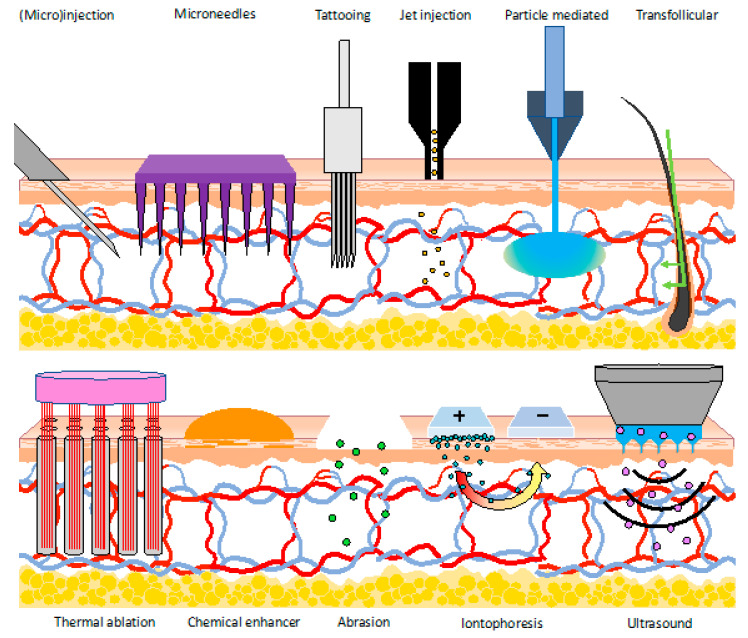
In 2019, an ‘influenza pandemic’ and ‘vaccine hesitancy’ were listed as two of the top 10 challenges to global health by the WHO. The skin is a unique vaccination site, due to its immune-rich milieu, which is evolutionarily primed to respond to challenge, and its ability to induce both humoral and cellular immunity. Vaccination into this dermal compartment offers a way of addressing both of the challenges presented by the WHO, as well as opening up avenues for novel vaccine formulation and dose-sparing strategies to enter the clinic. This review will provide an overview of the diverse range of vaccination techniques available to target the dermal compartment, as well as their current state, challenges, and prospects, and touch upon the formulations that have been developed to maximally benefit from these new techniques. These include needle and syringe techniques, microneedles, DNA tattooing, jet and ballistic delivery, and skin permeabilization techniques, including thermal ablation, chemical enhancers, ablation, electroporation, iontophoresis, and sonophoresis.
Overview
The claims and statistics of this paper haven’t been checked yet.
Run the check — free, no account needed. It reads the open-access text and checks the sources it cites.
Integrity signals
Registry
Cites
Statistics
Figures
Verification
Claims the paper makes
The claims and statistics of this paper haven’t been checked yet.
Run the check — free, no account needed. It reads the open-access text and checks the sources it cites.
Claims other papers make about this one
Each is checked against this paper’s own text: does it say what the citing paper says it does?
The cited source says what the claim attributes to it.
In the citing paper
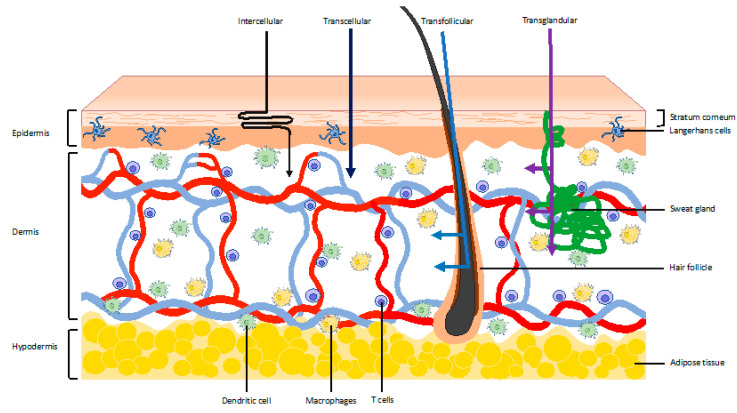
“The dermis has a rich network of dendritic cells, macrophages and T cells40.”
From An Omicron-specific, self-amplifying mRNA booster vaccine for COVID-19: a phase 2/3 randomized trial (2024) · cites this paper as [40]
Self-check
Percentages, sums and reported differences re-computed from the paper’s own numbers.
The self-check needs the paper’s full text.
Citations
Cites
Prausnitz, M. R., & Langer, R. (2008) · Nature Biotechnology · doi:10.1038/nbt.1504 · Cited by 3,691
An mRNA Vaccine against SARS-CoV-2 — Preliminary Report
Jackson, L. A., Anderson, E. J., Rouphael, N. G., Roberts, P. C., Makhene, M., Coler, R. N., McCullough, M. P., Chappell, J. D., Denison, M. R., Stevens, L. J., et al. (2020) · New England Journal of Medicine · doi:10.1056/nejmoa2022483 · Cited by 3,237
Lee, H., Choi, T. K., Lee, Y. B., Cho, H. R., Ghaffari, R., Wang, L., Choi, H. J., Chung, T. D., Lu, N., Hyeon, T., et al. (2016) · Nature Nanotechnology · doi:10.1038/nnano.2016.38 · Cited by 1,802
Williams, A. C., & Barry, B. W. (2003) · Advanced Drug Delivery Reviews · doi:10.1016/j.addr.2003.10.025 · Cited by 1,746
Microneedles for transdermal drug delivery
Prausnitz, M. R. (2003) · Advanced Drug Delivery Reviews · doi:10.1016/j.addr.2003.10.023 · Cited by 1,518
Microfabricated Microneedles: A Novel Approach to Transdermal Drug Delivery
Henry, S., McAllister, D. V., Allen, M. G., & Prausnitz, M. R. (1998) · Journal of Pharmaceutical Sciences · doi:10.1021/js980042+ · Cited by 1,365
Microneedles: A smart approach and increasing potential for transdermal drug delivery system
Waghule, T., Singhvi, G., Dubey, S. K., Pandey, M. M., Gupta, G., Singh, M., & Dua, K. (2018) · Biomedicine & Pharmacotherapy · doi:10.1016/j.biopha.2018.10.078 · Cited by 1,277
DNA vaccines: protective immunizations by parenteral, mucosal, and gene-gun inoculations.
Fynan, E. F., Webster, R. G., FULLER, D. H., Haynes, J. R., Santoro, J. C., & Robinson, H. L. (1993) · Proceedings of the National Academy of Sciences · doi:10.1073/pnas.90.24.11478 · Cited by 1,116
DNA vaccines: ready for prime time?
Kutzler, M. A., & Weiner, D. B. (2008) · Nature Reviews Genetics · doi:10.1038/nrg2432 · Cited by 1,077
Prüss‐Üstün, A., Rapiti, E., & Hutin, Y. J. (2005) · American Journal of Industrial Medicine · doi:10.1002/ajim.20230 · Cited by 916
The human microbiome: Our second genome
Grice, E. A., & Segre, J. A. (2012) · Annual Review of Genomics and Human Genetics · doi:10.1146/annurev-genom-090711-163814 · Cited by 759
Hydrogel‐Forming Microneedle Arrays for Enhanced Transdermal Drug Delivery
Donnelly, R. F., Singh, T. R. R., Garland, M. J., Migalska, K., Majithiya, R. J., McCrudden, C. M., Kole, P. L., Mahmood, T. M. T., McCarthy, H. O., & Woolfson, A. D. (2012) · Advanced Functional Materials · doi:10.1002/adfm.201200864 · Cited by 735
Williams, A. C., & Barry, B. W. (2012) · Advanced Drug Delivery Reviews · doi:10.1016/j.addr.2012.09.032 · Cited by 719
Pollard, H., Rémy, J.-S., Loussouarn, G., Demolombe, S., Behr, J., & Escande, D. (1998) · Journal of Biological Chemistry · doi:10.1074/jbc.273.13.7507 · Cited by 711
Microneedle-based drug delivery systems: Microfabrication, drug delivery, and safety
Donnelly, R. F., Singh, T. R. R., & Woolfson, A. D. (2010) · Drug Delivery · doi:10.3109/10717541003667798 · Cited by 709
The immunological anatomy of the skin
Kabashima, K., Honda, T., Ginhoux, F., & Egawa, G. (2019) · Nature Reviews Immunology · doi:10.1038/s41577-018-0084-5 · Cited by 650
Plotkin, S. (2014) · Proceedings of the National Academy of Sciences · doi:10.1073/pnas.1400472111 · Cited by 642
The fear of needles: a systematic review and meta-analysis
McLenon, J., & Rogers, M. A. M. (2019) · Journal of Advanced Nursing · doi:10.1111/jan.13818 · Cited by 623
Immunogenicity of a DNA vaccine candidate for COVID-19
Smith, T. R. F., Patel, A., Ramos, S., Elwood, D., Zhu, X., Yan, J., Gary, E. N., Walker, S. N., Schultheis, K., Purwar, M., et al. (2020) · Nature Communications · doi:10.1038/s41467-020-16505-0 · Cited by 601
Transdermal patches: history, development and pharmacology
Pastore, M. N., Kalia, Y. N., Horstmann, M., & Roberts, M. S. (2015) · British Journal of Pharmacology · doi:10.1111/bph.13059 · Cited by 587
Overcoming the Stratum Corneum: The Modulation of Skin Penetration
Trommer, H., & Neubert, R. H. H. (2006) · Skin Pharmacology and Physiology · doi:10.1159/000091978 · Cited by 574
The dynamic anatomy and patterning of skin
Wong, R., Geyer, S. H., Weninger, W. J., Guimberteau, J.-C., & Wong, J. K. F. (2015) · Experimental Dermatology · doi:10.1111/exd.12832 · Cited by 546
Permeation enhancer strategies in transdermal drug delivery
Marwah, H., Garg, T., Goyal, A. K., & Rath, G. (2014) · Drug Delivery · doi:10.3109/10717544.2014.935532 · Cited by 545
Skin electroporation for transdermal and topical delivery
Denet, A.-R., Vanbever, R., & Préat, V. (2004) · Advanced Drug Delivery Reviews · doi:10.1016/j.addr.2003.10.027 · Cited by 532
Sonoporation from Jetting Cavitation Bubbles
Ohl, C., Arora, M., Ikink, R., de Jong, N., Versluis, M., Delius, M., & Lohse, D. (2006) · Biophysical Journal · doi:10.1529/biophysj.105.075366 · Cited by 499
Mechanism of Percutaneous Absorption
Scheuplein, R. J. (1967) · Journal of Investigative Dermatology · doi:10.1038/jid.1967.11 · Cited by 493
External antigen uptake by Langerhans cells with reorganization of epidermal tight junction barriers
Kubo, A., Nagao, K., Yokouchi, M., Sasaki, H., & Amagai, M. (2009) · Journal of Experimental Medicine · doi:10.1084/jem.20091527 · Cited by 491
Microneedles for intradermal and transdermal drug delivery
Tuan-Mahmood, T.-M., McCrudden, M., Torrisi, B. M., McAlister, E., Garland, M. J., Singh, T. R. R., & Donnelly, R. F. (2013) · European Journal of Pharmaceutical Sciences · doi:10.1016/j.ejps.2013.05.005 · Cited by 471
Engineering Microneedle Patches for Vaccination and Drug Delivery to Skin
Prausnitz, M. R. (2017) · Annual Review of Chemical and Biomolecular Engineering · doi:10.1146/annurev-chembioeng-060816-101514 · Cited by 451
Rouphael, N. G., Paine, M., Mosley, R., Henry, S., McAllister, D. V., Kalluri, H., Pewin, W., Frew, P. M., Yu, T., Thornburg, N. J., et al. (2017) · The Lancet · doi:10.1016/s0140-6736(17)30575-5 · Cited by 442
Dose Sparing with Intradermal Injection of Influenza Vaccine
Kenney, R. T., Frech, S. A., Muenz, L. R., Villar, C. P., & Glenn, G. M. (2004) · New England Journal of Medicine · doi:10.1056/nejmoa043540 · Cited by 422
Kim, E., Erdös, G., Huang, S., Kenniston, T. W., Balmert, S. C., Carey, C. D., Raj, V. S., Epperly, M. W., Klimstra, W. B., Haagmans, B. L., et al. (2020) · EBioMedicine · doi:10.1016/j.ebiom.2020.102743 · Cited by 405
Vogt, A., Combadière, B., Hadam, S., Stieler, K. M., Lademann, J. M., Schaefer, H. E., Autran, B., Sterry, W., & Blume‐Peytavi, U. (2006) · Journal of Investigative Dermatology · doi:10.1038/sj.jid.5700226 · Cited by 399
Mikszta, J. A., Alarcon, J. B., Brittingham, J. M., Sutter, D. E., Pettis, R. J., & Harvey, N. G. (2002) · Nature Medicine · doi:10.1038/nm0402-415 · Cited by 398
Influenza Vaccines for the Future
Lambert, L. C., & Fauci, A. S. (2010) · New England Journal of Medicine · doi:10.1056/nejmra1002842 · Cited by 393
Current status and future prospects of needle-free liquid jet injectors
Mitragotri, S. (2006) · Nature Reviews Drug Discovery · doi:10.1038/nrd2076 · Cited by 383
Recent advances of microneedles for biomedical applications: drug delivery and beyond
Yang, J. G., Liu, X., Fu, Y., & Song, Y. (2019) · Acta Pharmaceutica Sinica B · doi:10.1016/j.apsb.2019.03.007 · Cited by 381
Matriano, J. A., Cormier, M., Johnson, J., Young, W. A., Buttery, M., Nyam, K., & Daddona, P. E. (2002) · Pharmaceutical Research · doi:10.1023/a:1013607400040 · Cited by 374
Dissecting the formation, structure and barrier function of the stratum corneum
Matsui, T., & Amagai, M. (2015) · International Immunology · doi:10.1093/intimm/dxv013 · Cited by 368
Roy, M. J., Wu, M. S., Barr, L. J., Fuller, J. T., Tussey, L., Speller, S., Culp, J., Burkholder, J. K., Swain, W. F., Dixon, R. M., et al. (2000) · Vaccine · doi:10.1016/s0264-410x(00)00302-9 · Cited by 360
The influence of skin microorganisms on cutaneous immunity
Belkaid, Y., & Tamoutounour, S. (2016) · Nature reviews. Immunology · doi:10.1038/nri.2016.48 · Cited by 342
Ultrasound-enhanced polymer degradation and release of incorporated substances.
Kost, J., Leong, K. W., & Langer, R. (1989) · Proceedings of the National Academy of Sciences · doi:10.1073/pnas.86.20.7663 · Cited by 337
Egawa, M., Hirao, T., & Takahashi, M. (2007) · Acta Dermato Venereologica · doi:10.2340/00015555-0183 · Cited by 336
Langerhans cells require signals from both tumour necrosis factor‐α and interleukin‐1β for migration
Cumberbatch, M., Dearman, R. J., & Kimber, I. (1997) · Immunology · doi:10.1046/j.1365-2567.1997.00360.x · Cited by 335
Iontophoresis: electrorepulsion and electroosmosis
Guy, R. H., Kalia, Y. N., Delgado-Charro, M. B., Merino, V., López‐Castellano, A., & Marro, D. (2000) · Journal of Controlled Release · doi:10.1016/s0168-3659(99)00132-7 · Cited by 320
Modjarrad, K., Roberts, C. C., Mills, K. T., Castellano, A. R., Paolino, K. M., Muthumani, K., Reuschel, E. L., Robb, M. L., Racine, T., Oh, M., et al. (2019) · The Lancet Infectious Diseases · doi:10.1016/s1473-3099(19)30266-x · Cited by 308
Intradermal vaccine delivery: Will new delivery systems transform vaccine administration?
Lambert, P. H., & Laurent, P. E. (2008) · Vaccine · doi:10.1016/j.vaccine.2008.03.095 · Cited by 303
Biodegradable Gelatin Methacryloyl Microneedles for Transdermal Drug Delivery
Luo, Z., Sun, W., Fang, J., Lee, K., Li, S., Gu, Z., Dokmeci, M. R., & Khademhosseini, A. (2018) · Advanced Healthcare Materials · doi:10.1002/adhm.201801054 · Cited by 297
Transdermal penetration enhancers: Applications, limitations, and potential
Finnin, B. C., & Morgan, T. M. (1999) · Journal of Pharmaceutical Sciences · doi:10.1021/js990154g · Cited by 289
Microneedle patches: Usability and acceptability for self-vaccination against influenza
Norman, J. J., Arya, J. M., McClain, M. A., Frew, P. M., Meltzer, M. I., & Prausnitz, M. R. (2014) · Vaccine · doi:10.1016/j.vaccine.2014.01.076 · Cited by 283
Kennedy, A., Basket, M. M., & Sheedy, K. (2011) · PEDIATRICS · doi:10.1542/peds.2010-1722n · Cited by 280
Differential dependence on target site tissue for gene gun and intramuscular DNA immunizations
Torres, C. A. T., Iwasaki, A., Barber, B. H., & Robinson, H. L. (1997) · The Journal of Immunology · doi:10.4049/jimmunol.158.10.4529 · Cited by 274
Ultrasound-Propelled Nanocups for Drug Delivery
Kwan, J. J., Myers, R. S., Coviello, C. M., Graham, S., Shah, A. R., Stride, E., Carlisle, R. C., & Coussios, C. C. (2015) · Small · doi:10.1002/smll.201501322 · Cited by 251
Self-citationLaurent, A., Mistretta, F., Bottigioli, D., Dahel, K., Goujon, C., Nicolas, J. F., Hennino, A., & Laurent, P. E. (2007) · Vaccine · doi:10.1016/j.vaccine.2007.05.046 · Cited by 235
Matejuk, A. (2017) · Archivum Immunologiae et Therapiae Experimentalis · doi:10.1007/s00005-017-0477-3 · Cited by 233
Vaccines for Seasonal and Pandemic Influenza
Nichol, K. L., & Treanor, J. J. (2006) · The Journal of Infectious Diseases · doi:10.1086/507544 · Cited by 229
Safety and immunogenicity of adenovirus-vectored nasal and epicutaneous influenza vaccines in humans
Kampen, K. R. V., Shi, Z., Gao, P., Zhang, J., Foster, K. W., Chen, D., Marks, D. H., Elmets, C. A., & Tang, D.-C. C. (2004) · Vaccine · doi:10.1016/j.vaccine.2004.07.043 · Cited by 220
Smallpox Vaccine: The Good, the Bad, and the Ugly
Belongia, E. A., & Naleway, A. L. (2003) · Clinical Medicine & Research · doi:10.3121/cmr.1.2.87 · Cited by 219
Iontophoresis and electroporation: comparisons and contrasts
Banga, A. K., Bose, S., & Ghosh, T. K. (1999) · International Journal of Pharmaceutics · doi:10.1016/s0378-5173(98)00360-3 · Cited by 218
A brief history of vaccines and vaccination
Lombard, M., Pastoret, P.-P., & MOULIN, A. M. (2007) · Scientific and Technical Review (World Organisation for Animal Health) · doi:10.20506/rst.26.1.1724 · Cited by 212
Wolff, J. A., Dowty, M. E., Jiao, S., Repetto, G., Berg, R. K., Ludtke, J. J., Williams, P., & Slautterback, D. B. (1992) · Journal of Cell Science · doi:10.1242/jcs.103.4.1249 · Cited by 204
Enhancing humoral immunity via sustained-release implantable microneedle patch vaccination
Boopathy, A. V., Mandal, A., Kulp, D. W., Menis, S., Bennett, N. R., Watkins, H. C., Wang, W., Martin, J. T., Thai, N., He, Y., et al. (2019) · Proceedings of the National Academy of Sciences · doi:10.1073/pnas.1902179116 · Cited by 200
Intradermal delivery of vaccines: potential benefits and current challenges
Hickling, J., Jones, K. F., Friede, M., Zehrung, D., Chen, D., & Kristensen, D. D. (2011) · Bulletin of the World Health Organization · doi:10.2471/blt.10.079426 · Cited by 195
Successful application of large microneedle patches by human volunteers
Ripolin, A., Quinn, J., Larrañeta, E., Vicente-Perez, E. M., Barry, J. G., & Donnelly, R. F. (2017) · International Journal of Pharmaceutics · doi:10.1016/j.ijpharm.2017.02.011 · Cited by 193
Trimble, C. L., Lin, C., Hung, C., Pai, S. I., Juang, J., He, L., Gillison, M. L., Pardoll, D. M., Wu, L. S. F., & Wu, T. ‐. (2003) · Vaccine · doi:10.1016/s0264-410x(03)00275-5 · Cited by 192
Immunization via hair follicles by topical application of naked DNA to normal skin
Fan, H., Lin, Q., Morrissey, G., & Khavari, P. A. (1999) · Nature Biotechnology · doi:10.1038/12856 · Cited by 182
A rapid and potent DNA vaccination strategy defined by in vivo monitoring of antigen expression
Bins, A. D., Jorritsma, A., Wolkers, M. C., Hung, C., Wu, T. ‐., Schumacher, T. N., & Haanen, J. B. A. G. (2005) · Nature Medicine · doi:10.1038/nm1264 · Cited by 178
Engineering DNA vaccines against infectious diseases
Lee, J., Kumar, S. A., Jhan, Y., & Bishop, C. J. (2018) · Acta Biomaterialia · doi:10.1016/j.actbio.2018.08.033 · Cited by 177
Niu, L., Chu, L. Y., Burton, S. A., Hansen, K. J., & Panyam, J. (2018) · Journal of Controlled Release · doi:10.1016/j.jconrel.2018.12.026 · Cited by 177
A practical guide to the development of microneedle systems – In clinical trials or on the market
Lee, K. J., Jeong, S. S., Roh, D. H., Kim, D. Y., Choi, H., & Lee, E. H. (2019) · International Journal of Pharmaceutics · doi:10.1016/j.ijpharm.2019.118778 · Cited by 174
Fernando, G. J. P., Chen, X., Prow, T. W., Crichton, M. L., Fairmaid, E. J., Roberts, M. S., Frazer, I. H., Brown, L. E., & Kendall, M. A. F. (2010) · PLoS ONE · doi:10.1371/journal.pone.0010266 · Cited by 173
Epidermal DNA vaccine for influenza is immunogenic in humans
Drape, R. J., Macklin, M. D., Barr, L. J., Jones, S. W., Haynes, J. R., & Dean, H. J. (2005) · Vaccine · doi:10.1016/j.vaccine.2005.08.012 · Cited by 173
Recent advances in ultrasound-based transdermal drug delivery
Seah, B. C., & Teo, B. M. (2018) · International Journal of Nanomedicine · doi:10.2147/ijn.s174759 · Cited by 172
Fractional Doses of Inactivated Poliovirus Vaccine in Oman
Mohammed, A. J., Al-Awaidy, S., Bawikar, S., Kurup, P. J., Elamir, E., Shaban, M. A., Sharif, S. M., van der Avoort, H. G. A. M., Pallansch, M. A., Malankar, P., et al. (2010) · New England Journal of Medicine · doi:10.1056/nejmoa0909383 · Cited by 170
Hirao, L. A., Wu, L., Khan, A. S., Satishchandran, A., Draghia, R., & Weiner, D. B. (2007) · Vaccine · doi:10.1016/j.vaccine.2007.10.041 · Cited by 168
Evaluation of a prototype dengue-1 DNA vaccine in a Phase 1 clinical trial
Beckett, C. G., Tjaden, J. A., Burgess, T. H., Danko, J., Tamminga, C. L., Simmons, M., Wu, S.-J. L., Sun, P., Kochel, T. J., Raviprakash, K. S., et al. (2010) · Vaccine · doi:10.1016/j.vaccine.2010.11.050 · Cited by 160
The Impact of the Microbiome on Immunity to Vaccination in Humans
de Jong, S. E., Olin, A., & Pulendran, B. (2020) · Cell Host & Microbe · doi:10.1016/j.chom.2020.06.014 · Cited by 160
Delivery Systems for Intradermal Vaccination
Kim, Y. C., Jarrahian, C., Zehrung, D., Mitragotri, S., & Prausnitz, M. R. (2011) · Current topics in microbiology and immunology · doi:10.1007/82_2011_123 · Cited by 157
Microneedle arrays for the transcutaneous immunization of diphtheria and influenza in BALB/c mice
Ding, Z., Verbaan, F. J., Bivas‐Benita, M., Bungener, L. B., Huckriede, A. L. W., van den Berg, D., Kersten, G. F. A., & Bouwstra, J. A. (2009) · Journal of Controlled Release · doi:10.1016/j.jconrel.2009.01.025 · Cited by 155
Cutaneous vaccination using microneedles coated with hepatitis C DNA vaccine
Gill, H. S., Söderholm, J., Prausnitz, M. R., & Sällberg, M. (2010) · Gene Therapy · doi:10.1038/gt.2010.22 · Cited by 152
The Skin-Resident Immune Network
Tay, S. S., Roediger, B., Tong, P. L., Tikoo, S., & Weninger, W. (2014) · Current Dermatology Reports · doi:10.1007/s13671-013-0063-9 · Cited by 147
Rottinghaus, S. T., Poland, G. A., Jacobson, R. M., Barr, L. J., & Roy, M. J. (2003) · Vaccine · doi:10.1016/s0264-410x(03)00447-x · Cited by 147
Dissolving undercut microneedle arrays for multicomponent cutaneous vaccination
Balmert, S. C., Carey, C. D., Falo, G. D., Sethi, S. K., Erdös, G., Korkmaz, E., & Falo, L. D. (2019) · Journal of Controlled Release · doi:10.1016/j.jconrel.2019.11.023 · Cited by 146
Resik, S., Tejeda, A., Lago, P. M., Dı́az, M., Carmenates, A., Sarmiento, L., Alemañy, N., Galindo, B., Burton, A. H., Friede, M., et al. (2010) · The Journal of Infectious Diseases · doi:10.1086/651611 · Cited by 145
Mahé, B., Vogt, A., Liard, C., Duffy, D., Abadie, V., Bonduelle, O., Boissonnas, A., Sterry, W., Verrier, B., Blume‐Peytavi, U., et al. (2008) · Journal of Investigative Dermatology · doi:10.1038/jid.2008.356 · Cited by 140
Roos, A., Moreno, S., Leder, C., Pavlenko, M., KING, A. D., & Pisa, P. (2005) · Molecular Therapy · doi:10.1016/j.ymthe.2005.08.005 · Cited by 140
Jones, S. W., Evans, K., McElwaine-Johnn, H., Sharpe, M. E., OXFORD, J. S., Lambkin‐Williams, R., Mant, T., Nolan, A., Zambon, M. C. F. A., Ellis, J., et al. (2009) · Vaccine · doi:10.1016/j.vaccine.2009.02.061 · Cited by 140
A Three-Dimensional Atlas of Human Dermal Leukocytes, Lymphatics, and Blood Vessels
Wang, X., McGovern, N. N., Gunawan, M., Richardson, C. D., Windebank, M., Siah, T. W., Lim, H. Y., Fink, K., Li, J. L. Y., Ng, L. G., et al. (2013) · Journal of Investigative Dermatology · doi:10.1038/jid.2013.481 · Cited by 140
Low-frequency ultrasound as a transcutaneous immunization adjuvant
Tezel, A., Paliwal, S., Shen, Z., & Mitragotri, S. (2005) · Vaccine · doi:10.1016/j.vaccine.2005.02.027 · Cited by 139
Priming after a Fractional Dose of Inactivated Poliovirus Vaccine
Resik, S., Tejeda, A., Sutter, R. W., Dı́az, M., Sarmiento, L., Alemañy, N., Garcia, G., Fonseca, M. C., Hung, L. H., Kahn, A.-L., et al. (2013) · New England Journal of Medicine · doi:10.1056/nejmoa1202541 · Cited by 139
Low-Frequency Sonophoresis: A Noninvasive Method of Drug Delivery and Diagnostics
Mitragotri, S., & Kost, J. (2000) · Biotechnology Progress · doi:10.1021/bp000024+ · Cited by 137
Best, S. R., Peng, S., Juang, C., Hung, C., Hannaman, D., Saunders, J. R., Wu, T. ‐., & Pai, S. I. (2009) · Vaccine · doi:10.1016/j.vaccine.2009.07.005 · Cited by 134
Fernando, G. J. P., Hickling, J., Flores, C. M. J., Griffin, P., Anderson, C. D., Skinner, S. R., Davies, C., Witham, K. L., Pryor, M. J., Bodle, J., et al. (2018) · Vaccine · doi:10.1016/j.vaccine.2018.05.053 · Cited by 130
Azone®: A New Non-Toxic Enhancer of Cu'Taneous Penetration
Stoughton, R. R., & McClure, W. O. (1983) · Drug Development and Industrial Pharmacy · doi:10.3109/03639048309044701 · Cited by 129
Ouchi, T., Kubo, A., Yokouchi, M., Adachi, T., Kobayashi, T., Kitashima, D. Y., Fujii, H., Clausen, B. E., Koyasu, S., Amagai, M., et al. (2011) · The Journal of Experimental Medicine · doi:10.1084/jem.20111718 · Cited by 129
In VivoGene Transfer to Skin and Wound by Microseeding
Eriksson, E., Yao, F., Svensjö, T., Winkler, T., Sláma, J., Macklin, M. D., Andree, C., McGregor, M. W., Hinshaw, V. S., & Swain, W. F. (1998) · Journal of Surgical Research · doi:10.1006/jsre.1998.5325 · Cited by 125
Wang, S., Zhang, C., Zhang, L., Li, J., Huang, Z., & Lu, S. (2008) · Vaccine · doi:10.1016/j.vaccine.2008.02.033 · Cited by 122
Mannocci, A., Carli, G. D., Bari, V. D., Saulle, R., Unim, B., Nicolotti, N., Carbonari, L., Puro, V., & Torre, G. L. (2016) · Infection Control and Hospital Epidemiology · doi:10.1017/ice.2016.48 · Cited by 121
Parent psychology and the decision to delay childhood vaccination.
Callaghan, T., Motta, M. P., Sylvester, S. M., Trujillo, K. L., & Blackburn, C. C. (2019) · Social Science & Medicine (1967) · doi:10.1016/j.socscimed.2019.112407 · Cited by 119
Haq, A., & Michniak‐Kohn, B. B. (2018) · Drug Delivery · doi:10.1080/10717544.2018.1523256 · Cited by 116
Southwell, D., & Barry, B. W. (1983) · Journal of Investigative Dermatology · doi:10.1111/1523-1747.ep12535090 · Cited by 113
Yoshida, A., Nagata, T., Uchijima, M., Higashi, T., & Koide, Y. (2000) · Vaccine · doi:10.1016/s0264-410x(99)00432-6 · Cited by 113
Sonoporation: Gene transfer using ultrasound
Tomizawa, M. (2013) · World Journal of Methodology · doi:10.5662/wjm.v3.i4.39 · Cited by 112
Intradermal vaccination using the novel microneedle device MicronJet600: Past, present, and future
Levin, Y., Kochba, E., Hung, I. F., & Kenney, R. T. (2015) · Human Vaccines & Immunotherapeutics · doi:10.1080/21645515.2015.1010871 · Cited by 110
Facilitation of transcutaneous drug delivery and vaccine immunization by a safe laser technology
Chen, X., Shah, D., Kositratna, G., Manstein, D., Anderson, R. R., & Wu, M. X. (2012) · Journal of Controlled Release · doi:10.1016/j.jconrel.2012.01.002 · Cited by 107
Combadière, B., Vogt, A., Mahé, B., Costagliola, D. G., Hadam, S., Bonduelle, O., Sterry, W., Staszewski, S., Schaefer, H. E., van der Werf, S., et al. (2010) · PLoS ONE · doi:10.1371/journal.pone.0010818 · Cited by 107
Anand, A., Zaman, K., Estívariz, C. F., Yunus, M., Gary, H. E., Weldon, W. C., Bari, T. I. A., Oberste, M. S., Wassilak, S. G. F., Luby, S. P., et al. (2015) · Vaccine · doi:10.1016/j.vaccine.2015.09.039 · Cited by 106
Vogt, A., Mahé, B., Costagliola, D. G., Bonduelle, O., Hadam, S., Schaefer, G., Schaefer, H. E., Katlama, C., Sterry, W., Autran, B., et al. (2008) · The Journal of Immunology · doi:10.4049/jimmunol.180.3.1482 · Cited by 103
Alternative vaccine delivery methods
Weniger, B. G., & Papania, M. J. (2013) · Elsevier eBooks · doi:10.1016/b978-1-4557-0090-5.00063-x · Cited by 98
Cole, G., Ali, A., McErlean, E. M., Mulholland, E. J., Short, A., McCrudden, C. M., McCaffrey, J., Robson, T., Kett, V. L., Coulter, J. A., et al. (2019) · Acta Biomaterialia · doi:10.1016/j.actbio.2019.07.003 · Cited by 98
Grunwald, T., & Ulbert, S. (2015) · Clinical and Experimental Vaccine Research · doi:10.7774/cevr.2015.4.1.1 · Cited by 93
Mittal, A., Raber, A. S., Schaefer, U. F., Weissmann, S. F., Ebensen, T., Schulze, K., Guzmán, C. A., Lehr, C., & Hansen, S. (2013) · Vaccine · doi:10.1016/j.vaccine.2012.12.048 · Cited by 91
Bay, C., Lerche, C. M., Ferrick, B., Philipsen, P. A., Togsverd‐Bo, K., & Hædersdal, M. (2017) · JAMA Dermatology · doi:10.1001/jamadermatol.2016.5268 · Cited by 91
Katz, N. P., Shapiro, D. E., Herrmann, T. E., Kost, J., & Custer, L. (2004) · Anesthesia & Analgesia · doi:10.1213/01.ane.0000099716.02783.c4 · Cited by 90
Anti-cancer vaccination by transdermal delivery of antigen peptide-loaded nanogels via iontophoresis
Toyoda, M., Hama, S., Ikeda, Y., Nagasaki, Y., & Kogure, K. (2015) · International Journal of Pharmaceutics · doi:10.1016/j.ijpharm.2015.02.024 · Cited by 89
Transcutaneous vaccination via laser microporation
Weiss, R., Hessenberger, M., Kitzmueller, S., Bach, D., Weinberger, E. E., Krautgartner, W. D., Hauser‐Kronberger, C., MALISSEN, B., Boehler, C., Kalia, Y. N., et al. (2012) · Journal of Controlled Release · doi:10.1016/j.jconrel.2012.06.031 · Cited by 89
McAllister, L., Anderson, J., Werth, K., Cho, I., Copeland, K. A. F., Cam, N. L., Plant, D. P., Mendelman, P. M., & Cobb, D. K. (2014) · The Lancet · doi:10.1016/s0140-6736(14)60524-9 · Cited by 89
High frequency ultrasound to assess skin thickness in healthy adults
Van Mulder, T. J. S., de Koeijer, M., Theeten, H., Willems, D., Van Damme, P., Demolder, M., De Meyer, G., Beyers, K. C. L., & Vankerckhoven, V. (2017) · Vaccine · doi:10.1016/j.vaccine.2016.07.039 · Cited by 89
Graham, B. S., Enama, M. E., Nason, M., Gordon, I. J., Peel, S. A., Ledgerwood, J. E., Plummer, S. A., Mascola, J. R., Bailer, R. T., Roederer, M., et al. (2013) · PLoS ONE · doi:10.1371/journal.pone.0059340 · Cited by 85
Cashman, K. A., Wilkinson, E. R., Shaia, C., Facemire, P. R., Bell, T. M., Bearss, J. J., Shamblin, J. D., Wollen-Roberts, S. E., Broderick, K. E., Sardesai, N. Y., et al. (2017) · Human Vaccines & Immunotherapeutics · doi:10.1080/21645515.2017.1356500 · Cited by 84
Selective removal of stratum corneum by microdermabrasion to increase skin permeability
Gill, H. S., Andrews, S. N., Sakthivel, S. K., Fedanov, A., Williams, I. R., Garber, D. A., Priddy, F. H., Yellin, S. A., Feinberg, M. B., Staprans, S. I., et al. (2009) · European Journal of Pharmaceutical Sciences · doi:10.1016/j.ejps.2009.06.004 · Cited by 83
Arnou, R., Eavis, P., Pardo, J. R. D. J., Ambrozaitis, A., Kazek, M.-P., & Weber, F. (2010) · Human Vaccines · doi:10.4161/hv.6.4.10961 · Cited by 83
Weiland, O., Ahlén, G., Diepolder, H. M., Jung, M., Levander, S., Fons, M. P., Mathiesen, I., Sardesai, N. Y., Vahlne, A. G., Frelin, L., et al. (2013) · Molecular Therapy · doi:10.1038/mt.2013.119 · Cited by 79
NY-ESO-1 DNA Vaccine Induces T-Cell Responses That Are Suppressed by Regulatory T Cells
Gnjatic, S., Altorki, N. K., Tang, D. N., Tu, S., Kundra, V., Ritter, G., Old, L. J., Logothetis, C. J., & Sharma, P. (2009) · Clinical Cancer Research · doi:10.1158/1078-0432.ccr-08-2632 · Cited by 79
Transdermal delivery of vaccines – Recent progress and critical issues
Ita, K. B. (2016) · Biomedicine & Pharmacotherapy · doi:10.1016/j.biopha.2016.08.026 · Cited by 78
Hydrodynamic gene delivery in human skin using a hollow microneedle device
Dul, M., Stefanidou, M., Porta, P. A., Serve, J., O’Mahony, C., MALISSEN, B., Henri, S., Levin, Y., Kochba, E., Wong, F. S., et al. (2017) · Journal of Controlled Release · doi:10.1016/j.jconrel.2017.02.028 · Cited by 78
Chen, Y., Lai, K.-Y., Chiu, Y.-H., Wu, Y., Shiau, A., & Chen, M. (2019) · Acta Biomaterialia · doi:10.1016/j.actbio.2019.07.048 · Cited by 78
Hung, I. F., Levin, Y., To, K. K., Chan, K., Zhang, J., Li, P., Li, C., Xu, T., Wong, T.-Y., & Yuen, K. (2012) · Vaccine · doi:10.1016/j.vaccine.2012.08.014 · Cited by 77
THE ANTIBODY RESPONSE OF HUMAN SUBJECTS VACCINATED WITH THE VIRUS OF HUMAN INFLUENZA
Francis, T., & Magill, T. P. (1937) · The Journal of Experimental Medicine · doi:10.1084/jem.65.2.251 · Cited by 77
Pokorná, D., Rubio, I., & Müller, M. (2008) · Genetic Vaccines and Therapy · doi:10.1186/1479-0556-6-4 · Cited by 77
Loudon, P. T., Yager, E. J., Lynch, D. T., Narendran, A., Stagnar, C., Franchini, A. M., Fuller, J. T., White, P., Nyuandi, J., Wiley, C. A., et al. (2010) · PLoS ONE · doi:10.1371/journal.pone.0011021 · Cited by 76
Patel, A. R., Walters, J. N., Reuschel, E. L., Schultheis, K., Parzych, E. M., Gary, E. N., Maricic, I., Purwar, M., Eblimit, Z., Walker, S. N., et al. (2021) · Cell Reports Medicine · doi:10.1016/j.xcrm.2021.100420 · Cited by 76
Noninvasive Transdermal Vaccination Using Hyaluronan Nanocarriers and Laser Adjuvant
Kim, K. S., Kim, H., Park, Y., Kong, W. H., Lee, S. W., Kwok, S. J. J., Hahn, S. K., & Yun, S. H. (2016) · Advanced Functional Materials · doi:10.1002/adfm.201504879 · Cited by 73
Programmed, systemic drug delivery by the transdermal route
Shaw, J. E., & Urquhart, J. (1979) · Trends in Pharmacological Sciences · doi:10.1016/0165-6147(79)90073-7 · Cited by 72
Boudreau, E. F., Josleyn, M. D., Ullman, D., Fisher, D., Dalrymple, L., Sellers-Myers, K., Loudon, P. T., Rusnak, J. M., Rivard, R. G., Schmaljohn, C. S., et al. (2012) · Vaccine · doi:10.1016/j.vaccine.2012.01.024 · Cited by 72
Fukuta, T., Oshima, Y., Michiue, K., Tanaka, D., & Kogure, K. (2020) · Journal of Controlled Release · doi:10.1016/j.jconrel.2020.04.044 · Cited by 72
A Novel Laser Vaccine Adjuvant Increases the Motility of Antigen Presenting Cells
Chen, X., Kim, P., Farinelli, B., Doukas, A. G., Yun, S. H., Gelfand, J. A., Anderson, R. R., & Wu, M. X. (2010) · PLoS ONE · doi:10.1371/journal.pone.0013776 · Cited by 71
Hannaman, D., Dupuy, L. C., Ellefsen, B., & Schmaljohn, C. S. (2016) · Vaccine · doi:10.1016/j.vaccine.2016.04.077 · Cited by 70
Lodmell, D. L., Ray, N. B., & Ewalt, L. C. (1998) · Vaccine · doi:10.1016/s0264-410x(97)88325-9 · Cited by 69
Pre-clinical evaluation of a quadrivalent HCV VLP vaccine in pigs following microneedle delivery
Christiansen, D., Earnest-Silveira, L., Grubor‐Bauk, B., Wijesundara, D. K., Boo, I., Ramsland, P. A., Vincan, E., Drummer, H. E., Gowans, E. J., & Torresi, J. (2019) · Scientific Reports · doi:10.1038/s41598-019-45461-z · Cited by 69
Venuganti, V. V. K., Manju, S., Dwivedi, C., Kaushik, R. S., & Perumal, O. (2014) · Nanoscale · doi:10.1039/c4nr05241b · Cited by 67
Use of Oncept melanoma vaccine in 69 canine oral malignant melanomas in the UK
Verganti, S., Berlato, D., Blackwood, L., Amores‐Fuster, I., Polton, G. A., Elders, R., Doyle, R., Taylor, A., & Murphy, S. (2017) · Journal of Small Animal Practice · doi:10.1111/jsap.12613 · Cited by 66
Ultrasound-guided therapeutic modulation of hepatocellular carcinoma using complementary microRNAs
Chowdhury, S. M., Wang, T.-Y., Bachawal, S. V., Devulapally, R., Choe, J. W., Abou‐Elkacem, L., Khuri-Yakub, B. T., Wang, D. S., Tian, L., Paulmurugan, R., et al. (2016) · Journal of Controlled Release · doi:10.1016/j.jconrel.2016.08.005 · Cited by 65
Leone, M., Priester, M. I., Romeijn, S. G., Nejadnik, M. R., Mönkäre, J., O’Mahony, C., Jiskoot, W., Kersten, G. F. A., & Bouwstra, J. A. (2018) · European Journal of Pharmaceutics and Biopharmaceutics · doi:10.1016/j.ejpb.2018.11.013 · Cited by 65
Courtenay, A. J., Rodgers, A. M., McCrudden, M., McCarthy, H. O., & Donnelly, R. F. (2018) · Molecular Pharmaceutics · doi:10.1021/acs.molpharmaceut.8b00895 · Cited by 65
JENNERIAN PROPHYLAXIS BY MEANS OF INTRADERMAL INJECTIONS OF CULTURE VACCINE VIRUS
Rivers, T. M., & Ward, S. M. (1935) · The Journal of Experimental Medicine · doi:10.1084/jem.62.4.549 · Cited by 64
Recent progress in transdermal sonophoresis
Ita, K. B. (2015) · Pharmaceutical Development and Technology · doi:10.3109/10837450.2015.1116566 · Cited by 63
Poirier, D. S., Renaud, F., Dewar, V., Strodiot, L., Wauters, F., Janimak, J., Shimada, T., Nomura, T., Kabata, K., Kuruma, K., et al. (2017) · Biomaterials · doi:10.1016/j.biomaterials.2017.08.038 · Cited by 63
Okayasu, H., Sein, C., Chang Blanc, D., Gonzalez, A. R., Zehrung, D., Jarrahian, C., Macklin, G., & Sutter, R. W. (2017) · The Journal of Infectious Diseases · doi:10.1093/infdis/jix038 · Cited by 62
STAR particles for enhanced topical drug and vaccine delivery
Tadros, A. R., Romanyuk, A. V., Miller, I. C., Santiago, A., Noel, R. K., O’Farrell, L., Kwong, G. A., & Prausnitz, M. R. (2020) · Nature Medicine · doi:10.1038/s41591-020-0787-6 · Cited by 62
Patel, A. R., Walters, J. N., Reuschel, E., Schultheis, K., Parzych, E. M., Gary, E., Maričić, I., Purwar, M., Eblimit, Z., Walker, S. N., et al. (2020) · bioRxiv · doi:10.1101/2020.07.28.225649 · Cited by 62
Icardi, G., Orsi, A., Ceravolo, A., & Ansaldi, F. (2012) · Human Vaccines & Immunotherapeutics · doi:10.4161/hv.8.1.18419 · Cited by 61
Optimization of intradermal vaccination by DNA tattooing in human skin
van den Berg, J. H., Nuijen, B., Beijnen, J. H., Vincent, A. D., van Tinteren, H., Kluge, J., Woerdeman, L. A. E., Hennink, W. E., Storm, G., Schumacher, T. N., et al. (2008) · Human Gene Therapy · doi:10.1089/hgt.2008.073 · Cited by 61
Bhatnagar, S., Kwan, J. J., Shah, A. R., Coussios, C. C., & Carlisle, R. C. (2016) · Journal of Controlled Release · doi:10.1016/j.jconrel.2016.07.016 · Cited by 61
Self-citationWallace, M. S., Evans, B., Woods, S., Mogg, R., Zhang, L., Finnefrock, A. C., Rabussay, D., Fons, M. P., Mallee, J. J., Mehrotra, D. V., et al. (2009) · Molecular Therapy · doi:10.1038/mt.2009.27 · Cited by 59
Intanza®: a new intradermal vaccine for seasonal influenza
Atmar, R. L., Patel, S. M., & Keitel, W. A. (2010) · Expert Review of Vaccines · doi:10.1586/erv.10.134 · Cited by 59
Anand, A., Molodecky, N. A., Pallansch, M. A., & Sutter, R. W. (2017) · Vaccine · doi:10.1016/j.vaccine.2017.03.008 · Cited by 59
Lang, J., Hoa, D. Q., Gioi, N. V., Tho, L. T., Vien, N. C., Rouyrre, N., & Forrat, R. (1999) · Transactions of the Royal Society of Tropical Medicine and Hygiene · doi:10.1016/s0035-9203(99)90309-7 · Cited by 58
Matsuo, K., Ishii, Y., Quan, Y., Kamiyama, F., Mukai, Y., Yoshioka, Y., Okada, N., & Nakagawa, S. (2010) · Journal of Controlled Release · doi:10.1016/j.jconrel.2010.05.012 · Cited by 58
Dolter, K. E., Evans, C. F., Ellefsen, B., Song, J., Boente-Carrera, M., Vittorino, R., Rosenberg, T., Hannaman, D., & Vasan, S. (2010) · Vaccine · doi:10.1016/j.vaccine.2010.11.011 · Cited by 58
Engineering thermoresponsive polyether-based nanogels for temperature dependent skin penetration
Asadian‐Birjand, M., Bergueiro, J., Rancan, F., Cuggino, J. C., Mutihac, R., Achazi, K., Dernedde, J., Blume‐Peytavi, U., Vogt, A., & Calderón, M. (2015) · Polymer Chemistry · doi:10.1039/c5py00924c · Cited by 57
Effective transcutaneous immunization using a combination of iontophoresis and nanoparticles
Bernardi, D. S., Bitencourt, C. S., da Silveira, D. S. C., da Cruz, E. L. C. M., Pereira-da-Silva, M. A., Faccioli, L. H., & Lopez, R. F. V. (2016) · Nanomedicine Nanotechnology Biology and Medicine · doi:10.1016/j.nano.2016.07.001 · Cited by 57
Jacobson, M. A., Sinclair, E., Bredt, B. M., Agrillo, L., Black, D., Epling, C. L., Carvidi, A. B., Ho, T. N., Bains, R., Girling, V., et al. (2006) · Vaccine · doi:10.1016/j.vaccine.2006.04.017 · Cited by 54
INTRADERMAL VACCINATIONS WITH B C G VIRUS
Wallgren, A. (1928) · JAMA · doi:10.1001/jama.1928.02700240030008 · Cited by 54
Donadei, A., Kraan, H., Ophorst, O. J. A. E., Flynn, O., O’Mahony, C., Soema, P. C., & Moore, A. (2019) · Journal of Controlled Release · doi:10.1016/j.jconrel.2019.08.039 · Cited by 54
Verstrepen, B. E., Bins, A. D., Rollier, C. S., Mooij, P., Koopman, G., Sheppard, N. C., Sattentau, Q. J., Wagner, R., Wolf, H. J., Schumacher, T. N., et al. (2008) · Vaccine · doi:10.1016/j.vaccine.2008.03.091 · Cited by 53
Toxic hygroscopic contact reaction to N‐methyl‐2‐pyrrolidone
Jungbauer, F., Coenraads, P. J., & Kardaun, S. H. (2001) · Contact Dermatitis · doi:10.1034/j.1600-0536.2001.450514.x · Cited by 53
Current engineering and clinical aspects of needle-free injectors: A review
Mohizin, A., & Kim, J. K. (2018) · Journal of Mechanical Science and Technology · doi:10.1007/s12206-018-1121-9 · Cited by 53
Martinon, F., Kaldma, K., Sikut, R., Čulina, S., Romain, G., Tuomela, M., Adojaan, M., Männik, A., Toots, U., Kivisild, T., et al. (2009) · Human Gene Therapy · doi:10.1089/hum.2009.044 · Cited by 51
Noninvasive and efficient transdermal delivery of CpG-oligodeoxynucleotide for cancer immunotherapy
Kigasawa, K., Kajimoto, K., Nakamura, T., Hama, S., Kanamura, K., Harashima, H., & Kogure, K. (2011) · Journal of Controlled Release · doi:10.1016/j.jconrel.2011.01.018 · Cited by 51
Effect of Iontophoresis on Topical Delivery of Doxorubicin-Loaded Solid Lipid Nanoparticles
Taveira, S. F., de Santana, D. C. A. S., Araújo, L. M. P. D. C., Marquele‐Oliveira, F., Nomizo, A., & Lopez, R. F. V. (2014) · Journal of Biomedical Nanotechnology · doi:10.1166/jbn.2014.1834 · Cited by 50
Optimization of Intradermal Vaccination by DNA Tattooing in Human Skin
van den Berg, J. H., Nuijen, B., Beijnen, J. H., Vincent, A. D., van Tinteren, H., Kluge, J., Woerdeman, L. A. E., Hennink, W. E., Storm, G., Schumacher, T. N., et al. (2009) · Human Gene Therapy · doi:10.1089/hum.2008.073 · Cited by 50
Vaccines: All Things Considered
Rosenthal, K. S., & Zimmerman, D. H. (2006) · Clinical and Vaccine Immunology · doi:10.1128/cvi.00152-06 · Cited by 49
Thomas, E., Menon, J. U., Owen, J., Skaripa-Koukelli, I., Wallington, S., Gray, M. D., Mannaris, C., Kersemans, V., Allen, P. D., Kinchesh, P., et al. (2019) · Theranostics · doi:10.7150/thno.34669 · Cited by 49
Self-citationHarris, M., Joy, R., Larsen, G., Valyi, M., Walker, E., Frick, L., Palmatier, R. M., Wring, S. A., & Montaner, J. S. G. (2006) · AIDS · doi:10.1097/01.aids.0000216372.53819.db · Cited by 48
Bernelin‐Cottet, C., Urien, C., McCaffrey, J., Collins, D., Donadei, A., McDaid, D., Jakob, V., Barnier-Quer, C., Collin, N., Bouguyon, E., et al. (2019) · Journal of Controlled Release · doi:10.1016/j.jconrel.2019.06.041 · Cited by 47
Mittal, A., Schulze, K., Ebensen, T., Weissmann, S. F., Hansen, S., Lehr, C. M., & Guzmán, C. A. (2014) · Nanomedicine Nanotechnology Biology and Medicine · doi:10.1016/j.nano.2014.08.009 · Cited by 46
Mulholland, W. J., Arbuthnott, E. A. H., Bellhouse, B. J., Cornhill, J. F., Austyn, J. M., Kendall, M. A. F., Cui, Z., & Tirlapur, U. K. (2006) · Journal of Investigative Dermatology · doi:10.1038/sj.jid.5700290 · Cited by 46
Fluzone® intra-dermal (Intanza®/Istivac® Intra-dermal): An updated overview
Bragazzi, N. L., Orsi, A., Ansaldi, F., Gasparini, R., & Icardi, G. (2016) · Human Vaccines & Immunotherapeutics · doi:10.1080/21645515.2016.1187343 · Cited by 46
Levin, Y., Kochba, E., Shukarev, G., Rusch, S., Herrera‐Taracena, G., & Damme, P. V. (2016) · Vaccine · doi:10.1016/j.vaccine.2016.09.008 · Cited by 46
Effective transcutaneous immunization by antigen-loaded flexible liposome in vivo
Gao, J.-Q., Li, Peng, Chen, & Nakagawa (2011) · International Journal of Nanomedicine · doi:10.2147/ijn.s26152 · Cited by 45
Charge-mediated topical delivery of plasmid DNA with cationic lipid nanoparticles to the skin
Jin, S., & Kim, C. (2014) · Colloids and Surfaces B Biointerfaces · doi:10.1016/j.colsurfb.2014.01.053 · Cited by 44
Sarno, M., Blase, E., GALINDO, N., Ramírez, R., SCHIRMER, C. L., & TRUJILLO-JUAREZ, D. F. (2000) · The Pediatric Infectious Disease Journal · doi:10.1097/00006454-200009000-00006 · Cited by 44
Chang, C., Sun, J., Hayashi, H., Suzuki, A., Sakaguchi, Y., Miyazaki, H., Nishikawa, T., Nakagami, H., Yamashita, K., & Kaneda, Y. (2019) · AAPS PharmSciTech · doi:10.1208/s12249-019-1564-z · Cited by 42
Microneedle-Iontophoresis Combinations for Enhanced Transdermal Drug Delivery
Donnelly, R. F., Garland, M. J., & Alkilani, A. Z. (2014) · Methods in molecular biology · doi:10.1007/978-1-4939-0363-4_7 · Cited by 41
Preanesthetic Medication of Children with Midazolam Using the Biojector Jet Injector
Greenberg, R. S., Maxwell, L. G., ZAHURAK, M. L., & Yaster, M. (1995) · Anesthesiology · doi:10.1097/00000542-199508000-00005 · Cited by 41
Inverse micellar sugar glass (IMSG) nanoparticles for transfollicular vaccination
Mittal, A., Schulze, K., Ebensen, T., Weissmann, S. F., Hansen, S., Guzmán, C. A., & Lehr, C. (2015) · Journal of Controlled Release · doi:10.1016/j.jconrel.2015.03.017 · Cited by 41
Schepens, B., Vos, P. J., Saelens, X., & van der Maaden, K. (2019) · European Journal of Pharmaceutics and Biopharmaceutics · doi:10.1016/j.ejpb.2019.02.002 · Cited by 41
Clinical study of transcutaneous vaccination using a hydrogel patch for tetanus and diphtheria
Hirobe, S., Matsuo, K., Quan, Y., Kamiyama, F., Morito, H., Asada, H., Takaya, Y., Mukai, Y., Okada, N., & Nakagawa, S. (2012) · Vaccine · doi:10.1016/j.vaccine.2011.12.130 · Cited by 39
HER2/neu DNA vaccination by intradermal gene delivery in a mouse tumor model
Nguyen-Hoai, T., Kobelt, D., Höhn, O., Vu, D. M., Schlag, P. M., Dörken, B., Norley, S., Lipp, M., Walther, W., Pezzutto, A., et al. (2012) · OncoImmunology · doi:10.4161/onci.22563 · Cited by 39
Keener, S. A., Wrbitzky, R., & Bader, M. (2006) · International Archives of Occupational and Environmental Health · doi:10.1007/s00420-006-0138-z · Cited by 39
Dermal exposure to aqueous solutions of N-methyl pyrrolidone
Akrill, P., Cocker, J., & Dixon, S. T. (2002) · Toxicology Letters · doi:10.1016/s0378-4274(02)00175-3 · Cited by 38
Snider, C. J., Zaman, K., Estívariz, C. F., Yunus, M., Weldon, W. C., Wannemuehler, K. A., Oberste, M. S., Pallansch, M. A., Wassilak, S. G. F., Bari, T. I. A., et al. (2019) · The Lancet · doi:10.1016/s0140-6736(19)30503-3 · Cited by 37
Optimization of microdermabrasion for controlled removal of stratum corneum
Andrews, S. N., Zarnitsyn, V. G., Bondy, B. J., & Prausnitz, M. R. (2011) · International Journal of Pharmaceutics · doi:10.1016/j.ijpharm.2011.01.034 · Cited by 36
Immunogenicity of a protective intradermal DNA vaccine against lassa virus in cynomolgus macaques
Jiang, J., Banglore, P., Cashman, K. A., Schmaljohn, C. S., Schultheis, K., Pugh, H. M., Nguyen, J., Humeau, L. M. P. F., Broderick, K. E., & Ramos, S. J. (2019) · Human Vaccines & Immunotherapeutics · doi:10.1080/21645515.2019.1616499 · Cited by 35
Inactivated Poliovirus Vaccine Supply Shortage: Is There Light at the End of the Tunnel?
Sutter, R. W., & Cochi, S. L. (2018) · The Journal of Infectious Diseases · doi:10.1093/infdis/jiy739 · Cited by 34
DNA Vaccines and Intradermal Vaccination by DNA Tattooing
Oosterhuis, K., van den Berg, J. H., Schumacher, T. N., & Haanen, J. B. A. G. (2010) · Current topics in microbiology and immunology · doi:10.1007/82_2010_117 · Cited by 33
Safety and Tolerability of the Easy Vax™ Clinical Epidermal Electroporation System in Healthy Adults
El‐Kamary, S. S., Billington, M., Deitz, S. B., Colby, E., Rhinehart, H. L., Wu, Y., Blackwelder, W. C., Edelman, R., Lee, A., & KING, A. D. (2011) · Molecular Therapy · doi:10.1038/mt.2011.235 · Cited by 33
Ansaldi, F., de Florentiis, D., Durando, P., & Icardi, G. (2011) · Expert Review of Vaccines · doi:10.1586/erv.11.154 · Cited by 33
Needlestick injuries and infectious patients in a major academic medical centre from 2003 to 2010.
Frijstein, G., Hortensius, J., & Hl, Z. (2011) · PubMed · Cited by 31
Research works printed but not linked: 6
- World Health Organization, and Program for Appropriate Technology in Health (PATH) (2009). Intradermal Delivery of Vaccines—A Review of the Literature and the Potential for Development for Use in Low and Middle Income Countries, Program for Appropriate Technology in Health (PATH).
- Tuft, 1931, Active immunization against typhoid fever, with particular reference to an intradermal method, J. Lab. Clin. Med., 16, 552
- Garg, 2012, An evolutionary approachs in development of needle free injection technologies, Int. J. Pharm. Pharm. Sci., 4, 590
- Palermo, 2018, Evaluation of a needle-free vaccine delivery device for vaccinating rats with rift valley fever vaccine candidates, Int. J. Vet. Sci., 7, 140
- Lademann, 2019, Importance of the follicular penetration path for drug delivery by means of nanocarriers, Dermatologist, 70, 185
- Smith, T.R.F., Ramos, S., Yang, M., Gary, E.N., Schultheis, K., Walker, S.N., Doan, A., and Vasquez, M. (2020). Rapid development of a synthetic DNA vaccine for COVID-19. Nat. Res. · DOI
Cited by
Sorted by citations
Jet injectors: Perspectives for small volume delivery with lasers
Schoppink, J. J., & Rivas, D. F. (2022) · Advanced Drug Delivery Reviews · doi:10.1016/j.addr.2021.114109 · Cited by 105
Iontophoresis-driven microneedle patch for the active transdermal delivery of vaccine macromolecules
Zheng, Y., Ye, R., Gong, X., Yang, J., Liu, B., Xu, Y., Nie, G., Xie, X., & Jiang, L. (2023) · Microsystems & Nanoengineering · doi:10.1038/s41378-023-00515-1 · Cited by 81
Byrne, J. D., Huang, H., McRae, J. C., Babaee, S., Soltani, A., Becker, S., & Traverso, G. (2021) · Advanced Drug Delivery Reviews · doi:10.1016/j.addr.2021.113926 · Cited by 79
The right Timing, right combination, right sequence, and right delivery for Cancer immunotherapy
Kwon, M., Jung, H., Nam, G., & Kim, I.-S. (2021) · Journal of Controlled Release · doi:10.1016/j.jconrel.2021.01.009 · Cited by 77
Straight to the point: targeted mRNA-delivery to immune cells for improved vaccine design
Clemente, B., Denis, M., Silveira, C. P., Schiavetti, F., Brazzoli, M., & Stranges, D. (2023) · Frontiers in Immunology · doi:10.3389/fimmu.2023.1294929 · Cited by 71
Metadata
- Authors
- Hettinga, J., & Carlisle, R.
- Affiliations
- University of Oxford (GB)
- Corresponding author
- Carlisle, Robert
- Venue
- Vaccines
- Publisher
- MDPI AG
- Published
- 2020-09-16
- Volume
- 8
- Issue
- 3
- Pages
- 534
- ISSN
- 2076-393X (ISSN-L)
- PMC
- PMC7564253
- OpenAlex
- W3085198834
- Cited by
- 72
- References
- 272
- Citations by year
- 2026: 10 · 2025: 12 · 2024: 8 · 2023: 20 · 2022: 12 · 2021: 9 · 2020: 1
- FWCI
- 0.91
- Type
- journal article
- Language
- en
- Open access
- gold
- doi.org
- Licence
- Locations
- Vaccines (publishedVersion, cc-by)
- PubMed Central (publishedVersion, cc-by)
- PubMed (publishedVersion)
- DOAJ (DOAJ: Directory of Open Access Journals) (submittedVersion, cc-by-sa)
- Funders
- Engineering and Physical Sciences Research Council (EP/L016494/1)
- EPSRC Centre for Doctoral Training in Medical Imaging (EP/L024012/1)
- Topics
- Life Sciences › Pharmacology, Toxicology and Pharmaceutics › Pharmaceutical Science › Advancements in Transdermal Drug Delivery
- Health Sciences › Medicine › Emergency Medicine › Intramuscular injections and effects
- Life Sciences › Immunology and Microbiology › Virology › Poxvirus research and outbreaks
- Keywords
- microneedles, electroporation, iontophoresis, sonophoresis, thermal ablation, vaccine formulation, humoral and cellular immunity, pandemic influenza, vaccine hesitancy
About these checks
Registry, retraction, Cites and statistics results are computed, not judged, with one exception: a printed reference that no index lists is read once by a model before it counts as a citation error. Claims are extracted by a model and kept only when their quote appears verbatim in the text; each cited source is then checked, with a model’s help, for whether it says what the claim relies on. Those verdicts can be wrong — read the claim’s quote and the cited source before relying on one.
Statistics and arithmetic are recomputed, not judged.
Confidence bands are shown only for fields calibrated on our annotated test set. None is calibrated yet, so no band is shown.
What counts as a claim ›How we measure confidence ›How we check this ›
Are you an author, or do you see a problem with this page? Request a review
