

The DOI matches its Crossref record; 57 of the 58 references it cites were found in a registry or an index.
Aging of Skeletal Muscle Fibers
Open accessAbstract
Aging has become an important topic for scientific research because life expectancy and the number of men and women in older age groups have increased dramatically in the last century. This is true in most countries of the world including the Republic of Korea and the United States. From a rehabilitation perspective, the most important associated issue is a progressive decline in functional capacity and independence. Sarcopenia is partly responsible for this decline. Many changes underlying the loss of muscle mass and force-generating capacity of skeletal muscle can be understood at the cellular and molecular levels. Muscle size and architecture are both altered with advanced adult age. Further, changes in myofibers include impairments in several physiological domains including muscle fiber activation, excitation-contraction coupling, actin-myosin cross-bridge interaction, energy production, and repair and regeneration. A thorough understanding of these alterations can lead to the design of improved preventative and rehabilitative interventions, such as personalized exercise training programs.
Overview
The claims and statistics of this paper haven’t been checked yet.
Run the check — free, no account needed. It reads the open-access text and checks the sources it cites.
Integrity signals
Registry
Cites
Statistics
Figures
Verification
Claims the paper makes
The claims and statistics of this paper haven’t been checked yet.
Run the check — free, no account needed. It reads the open-access text and checks the sources it cites.
Claims other papers make about this one
Each is checked against this paper’s own text: does it say what the citing paper says it does?
In the citing paper
“These changes are also accompanied by a diminished regenerative capacity of the muscle due to a loss in the number and activity of satellite cells in type II “fast” fibers [14,16,17].”
From Potential Roles of n-3 PUFAs during Skeletal Muscle Growth and Regeneration (2018) · cites this paper as [17]
Self-check
Percentages, sums and reported differences re-computed from the paper’s own numbers.
The self-check needs the paper’s full text.
Citations
Cites
Sarcopenia: European consensus on definition and diagnosis
Cruz-Jentoft, A. J., Baeyens, J. P., Bauer, J. M., Boirie, Y., Cederholm, T., Landi, F., Martin, F. C., Michel, J.-P., Rolland, Y., Schneider, S. M., et al. (2010) · Age and Ageing · doi:10.1093/ageing/afq034 · Cited by 11,601 · cited 1×
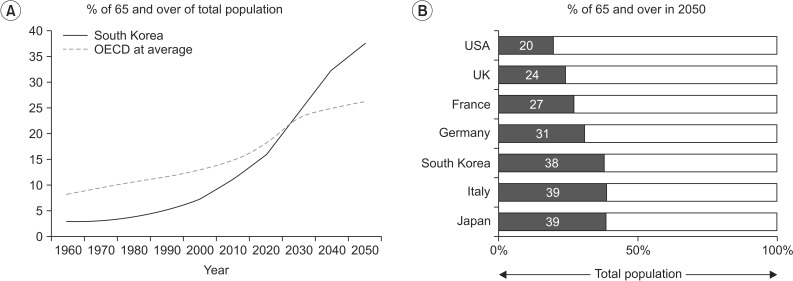
“More recently, the European Working Group on Sarcopenia in Older People has expanded the definition and suggested criteria for diagnosis [12] including the presence of muscle weakness (for example handgrip strength), a lower muscle mass (determined by bioelec1960 40”
BackgroundSkeletal muscle mass and distribution in 468 men and women aged 18–88 yr
Janssen, I., Heymsfield, S. B., Wang, Z., & Ross, R. (2000) · Journal of Applied Physiology · doi:10.1152/jappl.2000.89.1.81 · Cited by 3,087 · cited 1×
“In contrast, type I muscle fiber size is largely unaffected [22,28,29].”
BackgroundStudenski, S. A., Peters, K. W., Alley, D. E., Cawthon, P. M., McLean, R. R., Harris, T. B., Ferrucci, L., Guralnik, J. M., Fragala, M. S., Kenny, A. M., et al. (2014) · The Journals of Gerontology: Series A · doi:10.1093/gerona/glu010 · Cited by 2,545 · cited 2×
“The FNIH Sarcopenia Project Group [13] recently recommended normative values for muscle strength and lean body mass as follows: 1) grip strength in men <26 kg and in women <16 kg, or alternate grip strength adjusted for BMI <1.0 for men and <0.56 for women; and 2) appendicular lean body mass in men <19.75 kg and <15.0…”
MethodInfluentialSarcopenia: origins and clinical relevance
Rosenberg, I. H. (1997) · The Journal of Nutrition · doi:10.1093/jn/127.5.990s · Cited by 2,399 · cited 1×
“The term sarcopenia was used for the first time by Rosenberg [10,11] to refer to the loss of lean body mass with aging.”
MethodSatellite Cells and the Muscle Stem Cell Niche
Yin, H., Price, F., & Rudnicki, M. A. (2013) · Physiological Reviews · doi:10.1152/physrev.00043.2011 · Cited by 2,166 · cited 1×
“Pax7-expressing adult stem cells are normally quiescent, but when stimulated by damage or stress, they become activated and enter the cell cycle to either form new muscle fibers or self-renew and replenish the satellite cell pool, that will be used in the future [19-21].”
BackgroundLongitudinal study of muscle strength, quality, and adipose tissue infiltration
Delmonico, M. J., Harris, T. B., Visser, M., Park, S. W., Conroy, M. B., Velasquez-Mieyer, P., Boudreau, R., Manini, T. M., Nevitt, M., Newman, A. B., et al. (2009) · The American Journal of Clinical Nutrition · doi:10.3945/ajcn.2009.28047 · Cited by 1,446 · cited 1×
“However, a direct relationship between increased intermuscular fat and age-related muscle weakness has not been established [51].”
BackgroundAging of skeletal muscle: a 12-yr longitudinal study
Frontera, W. R., Hughes, V. A., Fielding, R. A., Fiatarone, M. A., Evans, W. J., & Roubenoff, R. (2000) · Journal of Applied Physiology · doi:10.1152/jappl.2000.88.4.1321 · Cited by 1,443 · cited 3×
“The loss of muscle mass and strength in older people is of greater magnitude in longitudinal compared to cross-sectional studies [15].”
BackgroundResultHuman aging, muscle mass, and fiber type composition.
Evans, W. J., & Lexell, J. (1995) · The Journals of Gerontology Series A: Biological Sciences and Medical Sciences · doi:10.1093/gerona/50a.special_issue.11 · Cited by 1,308 · cited 1×
“The decline in muscle mass, most prominent in the lower limbs, is accompanied by a 30% to 40% decrease in muscle fiber number between the second and eight decade [25].”
BackgroundRosenberg, I. H. (1989) · American Journal of Clinical Nutrition · doi:10.1093/ajcn/50.5.1231 · Cited by 1,234
Attenuation of skeletal muscle and strength in the elderly: the Health ABC Study
Goodpaster, B. H., Carlson, C. L., Visser, M., Kelley, D. E., Scherzinger, A., Harris, T. B., Stamm, E., & Newman, A. B. (2001) · Journal of Applied Physiology · doi:10.1152/jappl.2001.90.6.2157 · Cited by 1,226
Research works printed but not linked: 2
- Lexell, 1995, J Gerontol A Biol Sci Med Sci, 50 Spec No, 11
- Delbono, 2000, J Nutr Health Aging, 4, 162
Cited by
Sorted by citations
Items 201–300 of 307
Vendramini, I. C., Papcke, C., Neto, P. S. D. V., dos Santos, C. F., Pinho, R. A., & Scheeren, E. M. (2023) · Journal of Medical and Biological Engineering · doi:10.1007/s40846-023-00808-w · Cited by 3
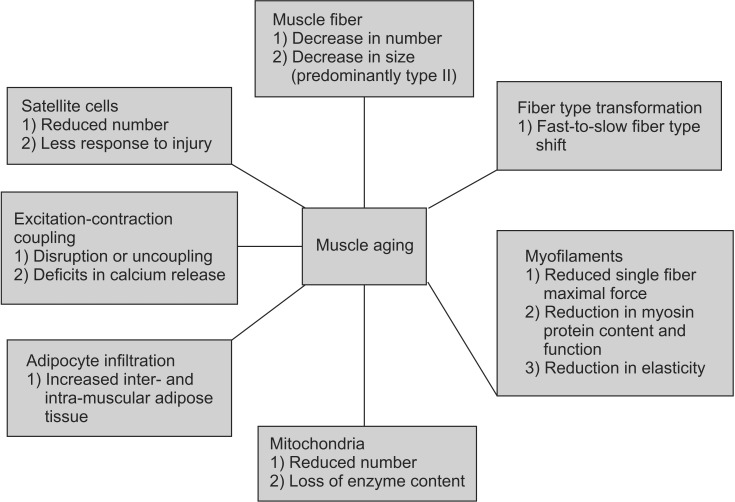
“With aging, the reduction in muscle mass occurs through a decrease in the number of muscle fibers (type I and II) and a decrease in their diameter, with type II fibers being the most affected (10 to 40%) [9, 10].”
BackgroundAge-Related Homeostatic Plasticity at Rodent Neuromuscular Junctions
Li, Y., Badawi, Y., & Meriney, S. D. (2024) · Cells · doi:10.3390/cells13201684 · Cited by 3
“It has been reported that type I fibers are prone to inactivity and denervation while type II fibers are susceptible to aging, cancer, chronic heart diseases, and diabetes [89,90].”
BackgroundReversing Decline in Aging Muscles: Expected Trends, Impacts and Remedies
Halma, M. T. J., Marik, P. E., Varón, J., & Tuszyński, J. A. (2025) · Journal of Functional Morphology and Kinesiology · doi:10.3390/jfmk10010029 · Cited by 3
Pathak, P., Panday, S. B., Jung, B.-K., & Ahn, J. (2021) · Aging · doi:10.18632/aging.202461 · Cited by 3
“found that aging results in the reduction of the size and number of type-2 fibers without significant changes in the type-1 fibers [12].”
BackgroundZampieri, S., Sandri, M., Cheatwood, J. L., Balaraman, R. P., Anderson, L. B., Cobb, B. A., Latour, C. D., Hockerman, G. H., Kern, H., Sartori, R., et al. (2021) · Diagnostics · doi:10.3390/diagnostics11101879 · Cited by 3
“Membrane proteins were extracted from human skeletal muscles [35], and the protein content of each homogenate was measured using a DC Protein Assay Kit (Bio-Rad; Hercules, CA, USA).”
BackgroundMethoddos Santos‐Orlandi, A. A., Ceolim, M. F., Pavarini, S. C. I., de Oliveira-Rossignolo, S. C., Pergola-Marconato, A. M., & Neri, A. L. (2016) · Texto & Contexto - Enfermagem · doi:10.1590/0104-07072016001200014 · Cited by 3
The Changing Landscape of Vocal Needs in the Aging Baby Boomer
Hapner, E. R. (2017) · Perspectives of the ASHA Special Interest Groups · doi:10.1044/persp2.sig15.24 · Cited by 3
Body Composition in Older Adults
Martín, M. A. C., Silleras, B. D. M., & del Río, P. R. (2018) · Elsevier eBooks · doi:10.1016/b978-0-12-811353-0.00006-3 · Cited by 3
Anthropometric Prediction Equations for Estimating Muscle Mass of Elderly Women
Handayani, M. D. N., Sadewa, A. H., Farmawati, A., & Rochmah, W. (2018) · Jurnal Kesehatan Masyarakat · doi:10.15294/kemas.v14i2.14073 · Cited by 5
Architecture of muscle tissue and its adaptation to pathological conditions
Fırat, T. (2020) · Elsevier eBooks · doi:10.1016/b978-0-12-812162-7.00008-4 · Cited by 4
Trapuzzano, A., Chizmar, S., Wilda, L., & Dawson, N. T. (2020) · OBM Geriatrics · doi:10.21926/obm.geriatr.2003134 · Cited by 3
Isaacs, A. W., Myburgh, K. H., & Macaluso, F. (2022) · Healthcare · doi:10.3390/healthcare10071217 · Cited by 3
“Ageing is associated with a fast-to-slow-fibretype transition accompanied by a loss of maximum strength, muscle mass and functional deterioration [42].”
BackgroundA Constitutive Model to Characterize In Vivo Human Palmar Tissue
Shojaeizadeh, M., Spartacus, V., & Sparrey, C. J. (2022) · Journal of Biomechanical Engineering · doi:10.1115/1.4055562 · Cited by 2
der Stede, T. V., Moreno‐Justicia, R., de Casteele, F. V., Lievens, E., de Loock, A. V., Vandecauter, J., Merseburger, P., den Eynden, J. V., Haver, D. V., Staes, A., et al. (2025) · bioRxiv (Cold Spring Harbor Laboratory) · doi:10.1101/2025.09.17.676778 · Cited by 3
Virto, N., Dequin, D. M., Río, X., Zorrilla, A. M., & García-Zapirain, B. (2024) · PLoS ONE · doi:10.1371/journal.pone.0316174 · Cited by 4
der Stede, T. V., Moreno‐Justicia, R., de Casteele, F. V., Lievens, E., de Loock, A. V., Vandecauter, J., Merseburger, P., den Eynden, J. V., Haver, D. V., Staes, A., et al. (2026) · The Journal of Physiology · doi:10.1113/jp290082 · Cited by 5
“4 A ), in line with traditional fibre typing methods (Dowling et al., 2023; Miljkovic et al., 2015; Nilwik et al., 2013).”
Dilesh, N. R., Khatri, D., Shrivastava, R., & Kushwaha, S. (2026) · Cell Biochemistry and Function · doi:10.1002/cbf.70194 · Cited by 2
Klotho Null Mutation Involvement in Adenosine A2B Receptor–Related Skeletal Muscle Degeneration
Pai, H., Wu, P.-Y., Chen, D.-M., Chen, Z., Yang, Y., Chang, H., & Lin, D. P. (2023) · American Journal Of Pathology · doi:10.1016/j.ajpath.2023.03.007 · Cited by 3
Age and dietary restriction modulate mitochondrial quality in quadriceps femoris muscle of male mice
Zhang, T.-R., Chiang, C.-H., Hsu, T.-C., Wang, C.-Y., & Chen, C. (2024) · Biogerontology · doi:10.1007/s10522-023-10086-3 · Cited by 2
“Sarcopenia increases years with disability and unhealthy ageing (Miljkovic et al. 2015).”
Hwang, E. S., Noh, Y., Jeong, H. Y., Lee, J. J., Ahn, B. M., Lee, J., & Jang, Y. J. (2024) · Food Chemistry · doi:10.1016/j.foodchem.2024.141369 · Cited by 2
Which Outcomes Should We be Using in Critical Care Nutrition Trials?
Watson, N., Nazeer, S., & Puthucheary, Z. (2024) · Critical Care Clinics · doi:10.1016/j.ccc.2024.09.005 · Cited by 2
Jiang, B., Chen, B., Xu, J., Luo, J., & Yao, M. (2024) · Journal of Cosmetic Dermatology · doi:10.1111/jocd.16749 · Cited by 2
“Facial aging is the result of the interaction of facial skeletal muscles, ligaments, adipose tissue, and skin changes, where skeletal muscle remodeling plays an important role [8].”
Kekuatan genggam tangan, skor Child Pugh, dan massa otot pada pasien dengan sirosis hati
Hardigaloeh, A. T., Gani, R. A., Hasan, I., & Sulaiman, A. S. (2018) · Jurnal Gizi Klinik Indonesia · doi:10.22146/ijcn.34302 · Cited by 2
Semadhi, M. P., Barliana, M. I., Muliaty, D., & Wijaya, A. (2019) · The Indonesian Biomedical Journal · doi:10.18585/inabj.v11i3.619 · Cited by 2
Overexpression of HSP70 attenuates sarcopenia by suppressing the expression of miR‐133b
Nascimento, T. L., Mestril, R., & Miyabara, E. H. (2020) · JCSM Rapid Communications · doi:10.1002/rco2.12 · Cited by 2
“The increase in human lifespan over the past decades without improvements in health span contributes to a higher incidence of sarcopenia, consequently increasing healthcare costs and morbidity and decreasing the quality of life.(1,8) Therefore, new strategies to delay or attenuate the effects of sarcopenia are essenti…”
BackgroundEffect of the ACTN-3 gene polymorphism on functional fitness and executive function of elderly
Henrique, J. S., Braga, P. L. G., de Almeida, S. S., Petraconi, N., Benfato, I. D., Arida, R. M., de Oliveira, C. A. M., & da Silva, S. G. (2022) · Frontiers in Aging Neuroscience · doi:10.3389/fnagi.2022.943934 · Cited by 2
“This is because good muscle condition prevents sarcopenia and ensures better functional fitness—an individual’s ability to perform activities of daily living (ADLs) safely and independently without the early onset of fatigue (Miljkovic et al., 2015; Erickson et al., 2019).”
BackgroundTallis, J. A., James, R. S., Eyre, E. L. J., Shelley, S. P., Hill, C., Renshaw, D. W., & Hurst, J. (2024) · Experimental Physiology · doi:10.1113/ep091832 · Cited by 1
Accurate SARC-F Score in Patients with Liver Disease
Matsui, M., Asai, A., Ushiro, K., Onishi, S., Nishikawa, T., Yokohama, K., Ohama, H., Tsuchimoto, Y., Kim, S. K., & Nishikawa, H. (2023) · Diagnostics · doi:10.3390/diagnostics13111959 · Cited by 1
Calf Circumference Cutoff Point for Sarcopenia Screening in Community-Dwelling Older Brazilians
Oliveira, T. D. C., Fernandes, S. G. G., Gonçalves, R. S. D. S. A., Sales, W. B., de Andrade, L. E. L., Vieira, E. R., & Maciel, Á. C. C. (2024) · Physical & Occupational Therapy In Geriatrics · doi:10.1080/02703181.2024.2388552 · Cited by 1
Tai, H., Morishita, A., Tadokoro, T., Oura, K., Yano, R., Nakahara, M., FUJITA, K., Mimura, S., Tani, J., Tatsuta, M., et al. (2026) · Nutrients · doi:10.3390/nu18030494 · Cited by 1
Lan, L., Liu, C., & Wu, W. (2026) · Experimental Gerontology · doi:10.1016/j.exger.2026.113085 · Cited by 2
Cheng, X., Jiang, C., Jin, J., Jin, Q., Liu, W., Wei, W., & Wang, X. (2026) · Food Bioscience · doi:10.1016/j.fbio.2026.109267 · Cited by 1
Der Effekt von Wachstumshormon auf die menschlichen Alterungsprozesse. Teil 1
Klentze, M. (2018) · Journal für Gynäkologische Endokrinologie/Österreich · doi:10.1007/s41974-018-0058-4 · Cited by 1
Musculoskeletal Health and Healthy Ageing
Brennan-Olsen, S. L., Hayes, A., & Duque, G. (2019) · Springer eBooks · doi:10.1007/978-3-030-06200-2_6 · Cited by 1
Effects of Exercise and Aging in the Masters-Level Athlete
Berezanskaya, J., & Best, T. M. (2023) · Springer eBooks · doi:10.1007/978-3-031-26600-3_9 · Cited by 1
Histological study of seventeen organs from dugong (Dugong dugon)
Kaewmong, P., Jongjit, P., Boonkasemsanti, A., Kittiwattanawong, K., Kongtueng, P., Matchimakul, P., Tangphokhanon, W., Pirintr, P., Khonmee, J., Buddhasiri, S., et al. (2023) · PeerJ · doi:10.7717/peerj.15859 · Cited by 1
Park, J., Symons, T. B., Kwon, E. H., Chung, E., & Lee, S. (2024) · Muscles · doi:10.3390/muscles3030020 · Cited by 1
Wattel, E., Groen, W. G., Visser, D., van der Wouden, J. C., Meiland, F. J. M., Hertogh, C. M. P. M., & Gerrits, K. H. L. (2025) · Disability and Rehabilitation · doi:10.1080/09638288.2025.2506823 · Cited by 1
“aging is associated with an increase in morbidity and a decline in endurance and muscle strength (from here, defined as physical fitness), and frail older adults are vulnerable to developing disabilities and increased dependency [1–3].”
Campos, D. P., Carbonell-Hernández, L., & Gimeno, E. M. C. (2017) · Dialnet (Universidad de la Rioja) · Cited by 1
Coppola, S., & Vastola, R. (2020) · Spring Conferences of Sports Science · doi:10.14198/jhse.2020.15.proc3.19 · Cited by 1
Coutinho, S. K. S. F., Silva, R. A. C., Rêgo, S. R. D. A., Teles, R. H. G., Dutra, Y. M., Neto, J. C. R. M., Jhonatas, A., Silva, B. K., & Filgueiras, M. D. C. (2016) · International Archives of Medicine · doi:10.3823/1898
“This condition affects between 4% and 27% of the elderly population, varying according to country and gender [17, 18].”
BackgroundSex Hormone Influenced Differences in Skeletal Muscle Responses to Aging and Exercise
Brown, M., & Tiidus, P. M. (2016) · Elsevier eBooks · doi:10.1016/b978-0-12-802388-4.00010-0
The Role of Community Physical Therapy in the Functional Independence and Quality of Life
Coutinho, S. K. S. F., Coutinho, S. F., Carvalho, R. A., Rêgo, R. D. A., Teles, R. H. G., Teles, G., Dutra, Y. M., Rapozo, C., Neto, M., Jhonatas, A., et al. (2016)
Esercizio fisico, nutrizione e ormoni: il contrasto alla sarcopenia dell’anziano
Romanelli, F., Sansone, M., Lenzi, A., & Luigi, L. D. (2016) · L Endocrinologo · doi:10.1007/s40619-016-0210-1
“Tale plasticità adattiva è un aspetto fondamentale, se si considera che il declino nel numero e nelle dimensioni delle fibre muscolari sembra essere diretta conseguenza anche della riduzione funzionale dei neuroni spinali motori [5].”
BackgroundAge-related differences in muscle membrane polarisation as assessed by velocity recovery cycles
Lee, J. H., Boland‐Freitas, R., & Ng, K. (2017) · Journal of Neurology Neurosurgery & Psychiatry · doi:10.1136/jnnp-2017-316074.65
Nascimento, T. L. (2018) · Digital Library of Theses and Dissertations (Universidade de São Paulo) · doi:10.11606/t.42.2018.tde-08082018-084036
Chronic Obstructive Pulmonary Disease and Protein Consumption: What is the Connection
Zanella, P. B. (2019) · International Journal of Food Science Nutrition and Dietetics · doi:10.19070/2326-3350-1900072
“In this population there is a physiological tendency for this to occur even without the disease [20-22].”
BackgroundHill, C. (2018) · Coventry University Open Collections (Coventry university)
Възрастови промени в скелетните мускули
Овчаров, В. (2019) · Social Medicine · doi:10.14748/sm.v0i3/4.5990
The role of forkhead box A2 in skeletal muscle
Phua, W. W. T. (2019) · doi:10.32657/10220/49672
Fernandes, J. F. T. (2018) · ChesterRep (University of Chester) · doi:10.13140/rg.2.2.10737.43362
Impaired Muscle Performance in Older Adults
Marcus, R. L., Reidy, P. T., & LaStayo, P. C. (2019) · Elsevier eBooks · doi:10.1016/b978-0-323-60912-8.00016-6
Д-р Лиляна Йорданова Бурилкова (20.04.1925 г. - 19.02.2019 г.)
Цонов, П. (2019) · Social Medicine · doi:10.14748/sm.v0i3/4.5991
Reigle, S. (2020) · doi:10.23860/thesis-reigle-sydney-2020
“In order to fully understand physical function and its determinants in middle-aged adults, muscle mass, muscular strength, and muscle quality should all be assessed, as all have been found to be independently associated with physical functional ability (13,49,66,68) and each have been separately associated with advers…”
BackgroundInfluentialLynx1 modulates the activity of nAChRs to slow NMJ and muscle fiber degeneration during agingPreprint
Doss, S. V., Barbat‐Artigas, S., Myers, T. D., Pradhan, B. S., Prószyński, T. J., Robitaille, R., & Valdez, G. (2020) · bioRxiv (Cold Spring Harbor Laboratory) · doi:10.1101/2020.05.29.123851
Age-related biochemical and histological changes in the soleus muscle of male mice
Hammad, A. R., Elbaradie, K., Bakr, S. M., & Alm-Eldeen, A. A. (2020) · Delta Journal of Science · doi:10.21608/djs.2020.139233
“The decrease of motor activity is related to the weakness and the atrophy of the muscle (Miljkovic et al., 2015).”
BackgroundChanges in Cellular Crosstalk between Skeletal Muscle Myoblasts and Bone Osteoblasts with AgingPreprint
Doering, J. A., Britt, C. E., Sawicki, G. S., & Cole, J. H. (2021) · bioRxiv (Cold Spring Harbor Laboratory) · doi:10.1101/2021.04.26.441458
Crocco, P., Iannone, F., Dato, S., Rose, G., & Passarino, G. (2021) · Elsevier eBooks · doi:10.1016/c2019-0-04856-x
Shirkhani, Y., Peeri, M., Azarbayjani, M. A., & Matinhomaee, H. (2021) · Complementary Medicine Journal · doi:10.32598/cmja.10.4.1046.1
“he aging cell has certain characteristics, the most important of which are increased cell size, distinct morphology, extensive changes in gene expression, and shortened telomere length [1].”
BackgroundPerformance in Strength Tests are Related to the History of Falls in the Elderly Women
Noronha, Á. S. N., Barbalho, M., & Coswig, V. S. (2021) · Ageing International · doi:10.1007/s12126-021-09447-5
Dwipa, L., Hidayat, S., Permadi, S. E., Susandi, E., Rakhimullah, A. B., & Pratiwi, Y. S. (2021) · Open Access Macedonian Journal of Medical Sciences · doi:10.3889/oamjms.2021.6624
“On the other hand, type 1 or slow-twitch type muscle fibers have lipid oxidation properties that for long duration type activity utilizing fatty acid (lipid) as its source of energy which could be reflected based on the level of HDL [12], [13].”
BackgroundSleep and Musculoskeletal System
Souza, H. D. S., Kravchychyn, A. C. P., & Giampá, S. Q. D. C. (2021) · Springer eBooks · doi:10.1007/978-3-030-85074-6_34
Miedany, Y. M. E. (2022) · Springer eBooks · doi:10.1007/978-3-030-87950-1_2
The ERG1 Potassium Channel is More Abundant in Skeletal Muscle from Cachectic than Healthy HumansPreprint
Zampieri, S., Sandri, M., Cheatwood, J. L., Balaraman, R. P., Anderson, L. B., Cobb, B. A., Latour, C. D., Hockerman, G. H., Kern, H., Sartori, R., et al. (2020) · doi:10.21203/rs.3.rs-17510/v1
Der Effekt von Wachstumshormon auf die menschlichen Alterungsprozesse. Teil 1
Klentze, M. (2018) · Journal für Gynäkologische Endokrinologie/Schweiz · doi:10.1007/s41975-018-0055-z
Different components of frailty in the aging subjects—The role of sarcopenia
Crocco, P., Dato, S., Iannone, F., Passarino, G., & Rose, G. (2021) · Elsevier eBooks · doi:10.1016/b978-0-12-822569-1.00011-1
Carbonell-Hernández, L., Ballester-Ferrer, J. A., Cervelló, E., & Pastor, D. (2020) · Știința și arta mișcării · doi:10.4316/sam.2020.0107
“This impairment on physical fitness leads to common mobility limitations in elderly, and frequent dependent states [3].”
BackgroundInfluentialAlves, N. M. D. C. (2022) · Digital Library of Theses and Dissertations (Universidade de São Paulo) · doi:10.11606/t.17.2022.tde-12072022-145247
Moving towards better care for hospitalized older adults
Scheerman, K. (2022) · doi:10.5463/thesis.62
Melatonin ve Çinkonun Egzersize Katkıları
Kaya, O. (2023) · Akademisyen Kitabevi eBooks · doi:10.37609/akya.2575
Neto, J. C. F. (2022) · REVISTA LATINO-AMERICANA DE PSICOLOGIA CORPORAL · doi:10.14295/rlapc.v9i13.141
The role of mitochondria in the pathogenesis of sarcopenia: a concise review
Greggi, C., & Tarantino, U. (2023) · International Journal of Bone Fragility · doi:10.57582/ijbf.230302.050
“It is also notable that loss of mitochondrial function can be partially reversed by exercise [25] .”
BackgroundBeyer, L. (2024) · Manuelle Medizin · doi:10.1007/s00337-024-01037-1
Frailty in Older People with Diabetes Mellitus
Sinclair, A. J., & Abdelhafiz, A. H. (2024) · Springer eBooks · doi:10.1007/978-3-031-57361-3_42
Veterinary Aspects of the Aged Equine Athlete
Beard, L. A. (2024) · Elsevier eBooks · doi:10.1016/b978-0-7020-8370-9.00059-x
Exercise is medicine: how should medicine embrace exercise as a key therapeutic tool?
Lim, J. (2024) · Journal of Korean Medical Association · doi:10.5124/jkma.2024.67.9.552
OHTAKE, M., TAKAHASHI, M., MIURA, M., IWAMI, T., Kobayashi, Y., Hatakeyama, K., Kasukawa, Y., & Miyakoshi, N. (2025) · Journal of Biomechanical Science and Engineering · doi:10.1299/jbse.25-00038
Ishii, K., Hashimoto, R., Umeda, C., Hosoyama, T., & Watanabe, K. (2025) · PLoS ONE · doi:10.1371/journal.pone.0326968
Determining the Effects of the Otago Exercise Program on Muscle Endurance and Power
Powell, T., Long, K. R., Jones, M., & Migliarese, S. J. (2025) · Topics in Geriatric Rehabilitation · doi:10.1097/tgr.0000000000000486
Age-Related Changes in Muscle Coupling: Focus on Sarcopenic Elderly
González-Lorente, G., Terriza, L. F., Junquera-Godoy, I., Martinez-de-Juan, J. L., Gomis-Tena, J., & Prats-Boluda, G. (2025) · Annual International Conference of the IEEE Engineering in Medicine and Biology Society (EMBC) · doi:10.1109/embc58623.2025.11254321
“The decrease in the quantity and function of muscle fibres, particularly type II fibres, along with the loss of motor units, impacts muscle strength and power [1].”
Bizjak, D. A., Zügel, M., Schümann, U., Tully, M. A., Dallmeier, D., Denkinger, M., & Steinacker, J. M. (2021) · Figshare · doi:10.6084/m9.figshare.17210449
Bizjak, D. A., Zügel, M., Schümann, U., Tully, M. A., Dallmeier, D., Denkinger, M., & Steinacker, J. M. (2021) · Figshare · doi:10.6084/m9.figshare.17210446
Yokoyama, S., Kido, T., Yoneda, M., Springer, D., Awasthi, P. P., Chari, R., Patterson, A. D., & Kimura, S. (2025) · Cellular and Molecular Life Sciences · doi:10.1007/s00018-025-06045-5 · Cited by 1
Metabolic phenotypes of frailty and the course of type 2 diabetes mellitus
Александровна, Б. Л., Bulgakova, S. V., Kurmaev, D. P., Treneva, E. V., Косарева, О. В., Merzlova, P. Y., Sharonova, L. A., Dolgikh, Y. A., Pervyshin, N. A., Сергеевич, Б. А., et al. (2025) · Экспериментальная и клиническая гастроэнтерология · doi:10.31146/1682-8658-ecg-235-3-236-244 · Cited by 1
Excess Post-Exercise Oxygen Consumption in Master Swimmers: Age and Performance Effects
Trindade, C. D. Z., Schneider, C. D., Zacca, R., Monteiro, S. B., Fernandes, R. J., & Castro, F. A. D. S. (2026) · Physiologia · doi:10.3390/physiologia6020024
“Healthy ageing is characterized by a decrease in the size and number of muscle fibres, predominantly type II fibres, which are primarily responsible for anaerobic glycolytic energy production during exercise [13].”
Evaluation of muscle aging using high density surface electromyography
Imrani, L. (2021) · theses.fr (ABES) · doi:10.70675/84b22176z946ez4ca9zb88bz68cc53374e66
Tamashiro, H., Ishikawa, K., & Nakada, K. (2026) · Scientific Reports · doi:10.1038/s41598-026-48532-0
“For example, in age-related muscle atrophy (sarcopenia), Type II fibers are particularly susceptible, leading to a loss of fast-twitch fibers and a relative increase in slow-twitch fibers (a fast-to-slow fiber-type transition) 4–6 .”
Puchalska, M., & Witkowska‐Piłaszewicz, O. (2026) · Equine Veterinary Journal · doi:10.1002/evj.70189
The Gut–Muscle Axis in Sarcopenia: From Parallel Aging to a Self‐Perpetuating Vicious Cycle
Nagamine, T. (2026) · Geriatrics and gerontology international/Geriatrics & gerontology international · doi:10.1111/ggi.70538
Kolaylı, T., Eyüboğlu, F., Ocak, Ş., Demir, S., & Yıldırım, S. A. (2026) · Healthcare · doi:10.3390/healthcare14111477
“In the literature, sarcopenia is typically characterized by the selective atrophy of Type II fibers, which are responsible for high power and explosive force production [38,39].”
Ooi, T. C., Rivan, N. F. M., Shahar, S., Ibrahim, A., & Singh, D. K. A. (2026) · Clinical Interventions in Aging · doi:10.2147/cia.s594695
Alalwan, T. A., Zanni, E., Allehdan, S., Perna, S., Rondanelli, M., & Mazzola, G. (2026) · Experimental Gerontology · doi:10.1016/j.exger.2026.113217
Chen, K.-T., Chao, C.-L., Hsieh, M.-T., Hsieh, T.-J., Lin, C., Chiang, P.-H., Hu, W.-L., Tsai, C., Lu, I.-C., & Hung, Y. (2026) · Medicine · doi:10.1097/md.0000000000049571
“[25,29] However, tissue-level structural correlates of constitution characteristics remain insufficiently explored.”
Metadata
- Authors
- Miljkovic, N., Lim, J.-Y., Miljkovic, I., & Frontera, W. R.
- Affiliations
- Vanderbilt University (US)
- Seoul National University (KR)
- University of Pittsburgh (US)
- University of Puerto Rico, Medical Sciences Campus (PR)
- Corresponding author
- Frontera, Walter R.
- Venue
- Annals of Rehabilitation Medicine
- Published
- 2015
- Volume
- 39
- Issue
- 2
- Pages
- 155
- ISSN
- 2234-0645 (ISSN-L)
- 2234-0653
- PMC
- PMC4414960
- OpenAlex
- W2049942632
- Cited by
- 309
- References
- 58
- Citations by year
- 2026: 21 · 2025: 20 · 2024: 32 · 2023: 30 · 2022: 24 · 2021: 42 · 2020: 44 · 2019: 28 · 2018: 30 · 2017: 14 · 2016: 23 · 2015: 1
- FWCI
- 2.20
- Type
- journal article
- Language
- en
- Open access
- gold
- doi.org
- Licence
- Locations
- Annals of Rehabilitation Medicine (publishedVersion, cc-by-nc)
- Europe PMC (PubMed Central) (publishedVersion, cc-by-nc)
- PubMed Central (publishedVersion, cc-by-nc)
- PubMed (publishedVersion)
- Topics
- Life Sciences › Biochemistry, Genetics and Molecular Biology › Molecular Biology › Muscle Physiology and Disorders
- Health Sciences › Medicine › Physiology (medical) › Nutrition and Health in Aging
- Health Sciences › Nursing › Nutrition and Dietetics › Muscle metabolism and nutrition
- Keywords
- skeletal muscle aging, sarcopenia, muscle fiber atrophy, muscle fiber activation, excitation-contraction coupling, actin-myosin cross-bridges, muscle energy metabolism, muscle regeneration, muscle architecture, functional capacity decline, exercise training intervention
About these checks
Registry, retraction, Cites and statistics results are computed, not judged, with one exception: a printed reference that no index lists is read once by a model before it counts as a citation error. Claims are extracted by a model and kept only when their quote appears verbatim in the text; each cited source is then checked, with a model’s help, for whether it says what the claim relies on. Those verdicts can be wrong — read the claim’s quote and the cited source before relying on one.
Statistics and arithmetic are recomputed, not judged.
Confidence bands are shown only for fields calibrated on our annotated test set. None is calibrated yet, so no band is shown.
What counts as a claim ›How we measure confidence ›How we check this ›
Are you an author, or do you see a problem with this page? Request a review
