

The DOI matches its Crossref record; 16 of the 16 references it cites were found in a registry or an index.
Control of TSC2-Rheb signaling axis by arginine regulates mTORC1 activity
Abstract
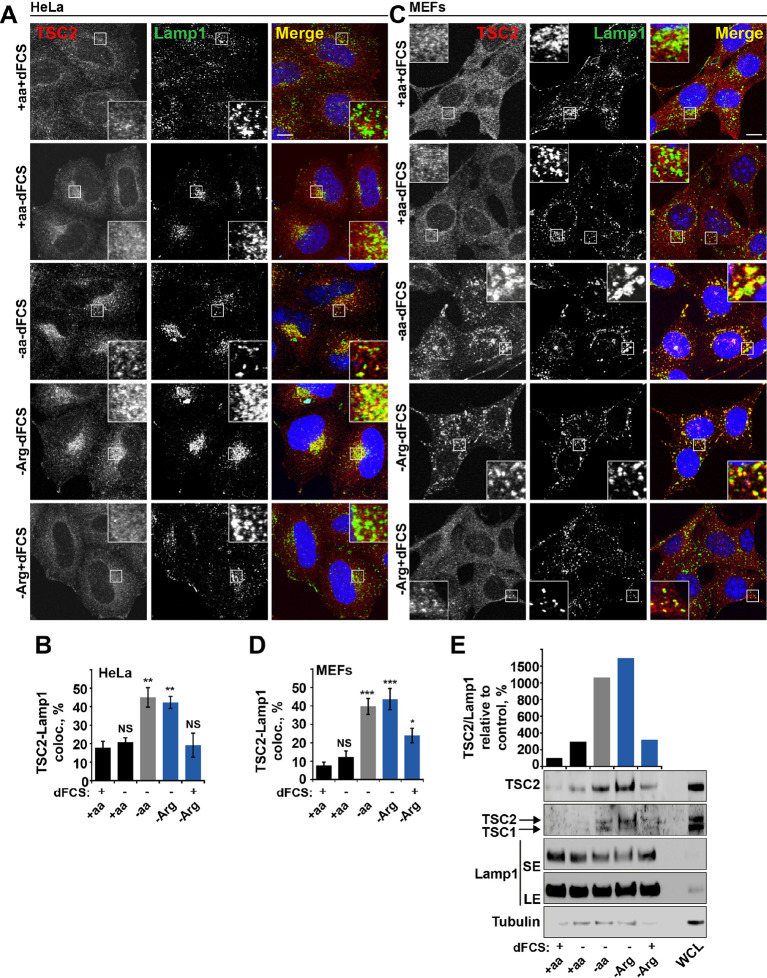
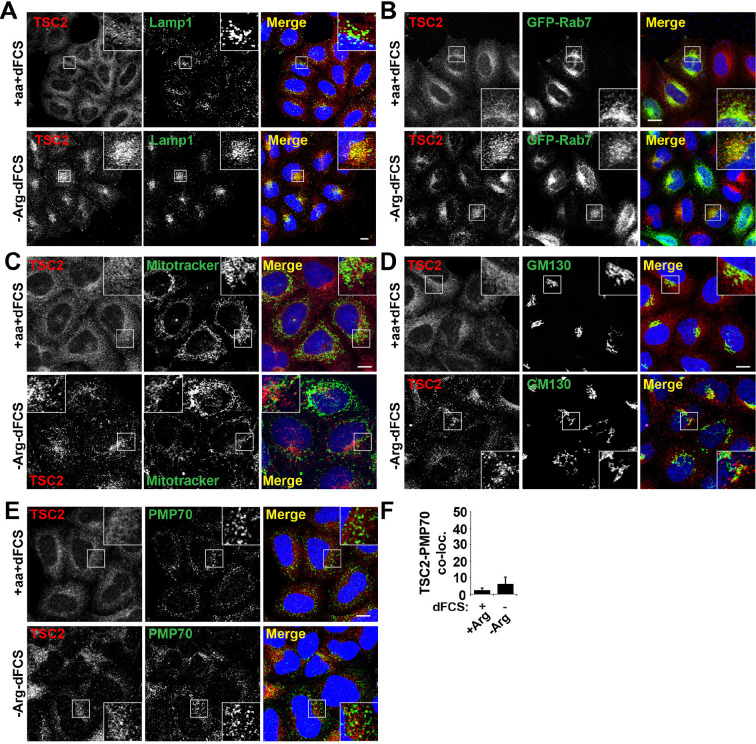
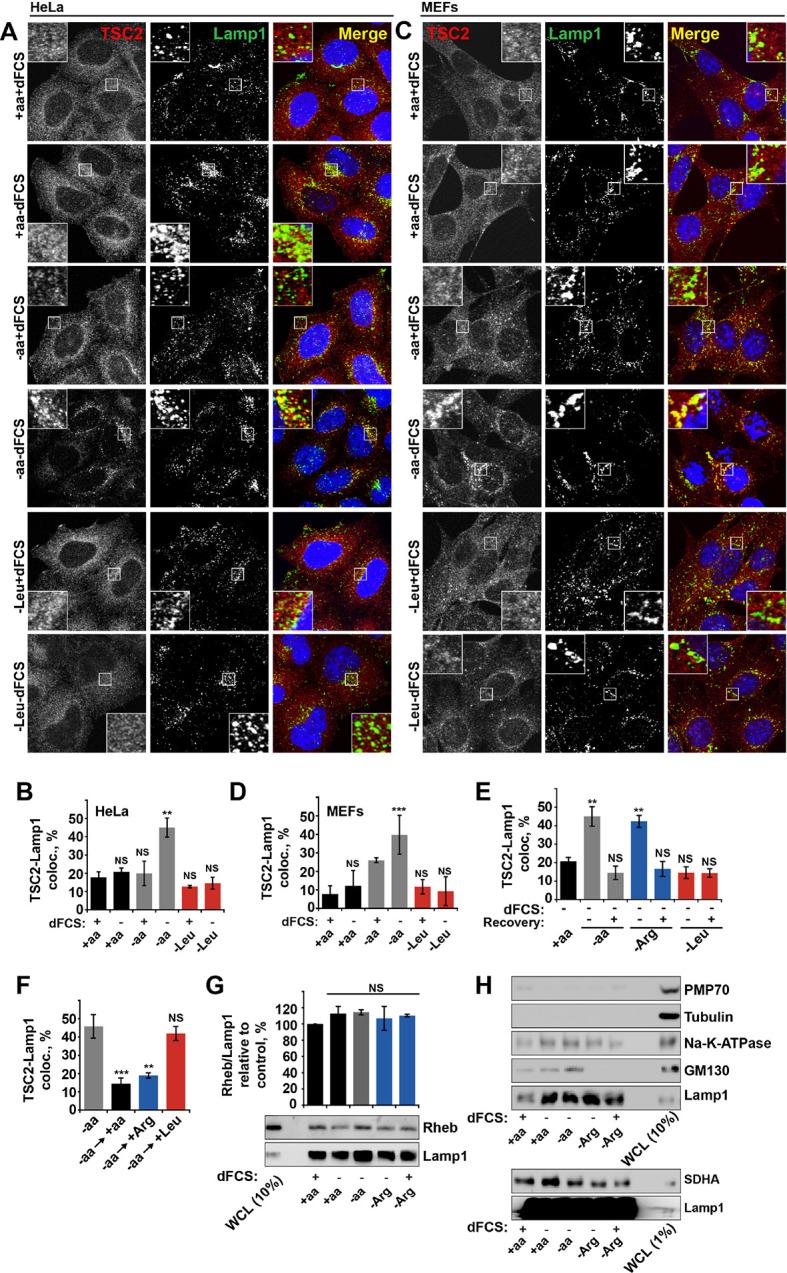
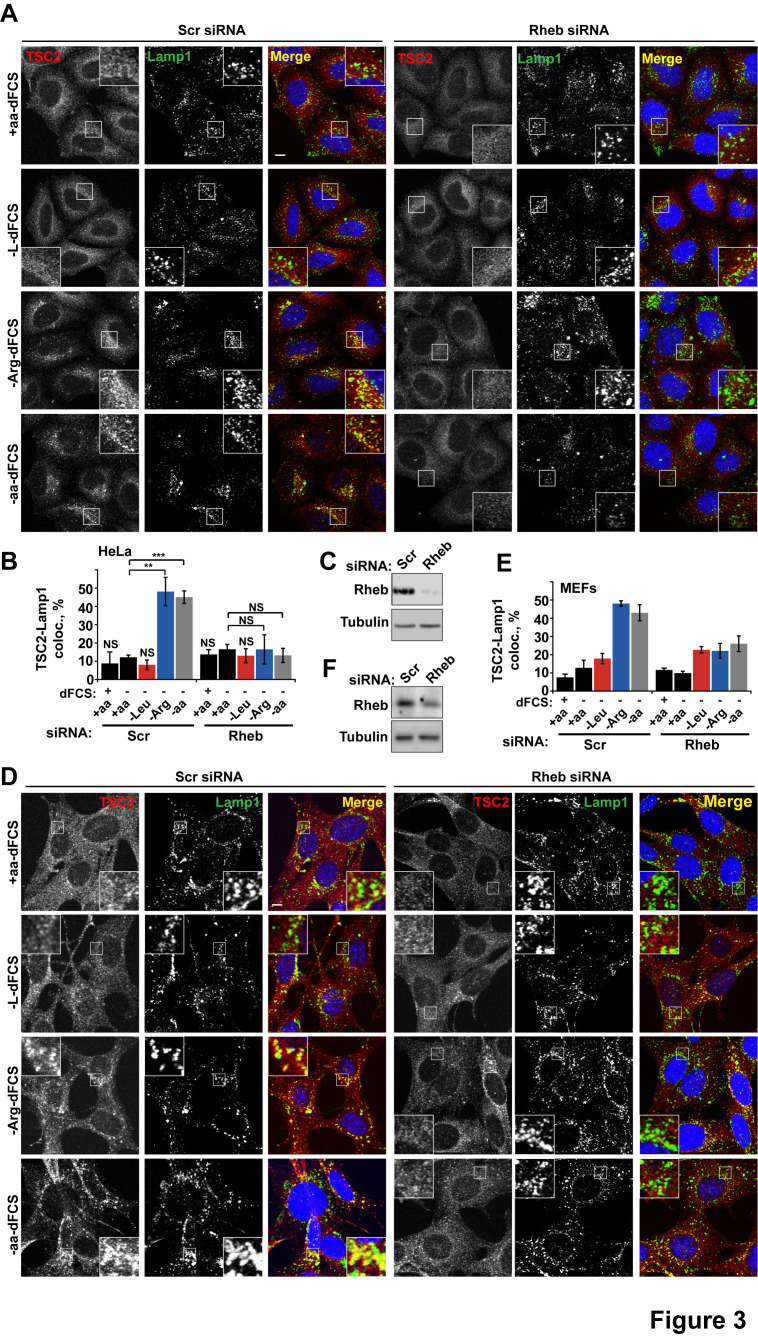
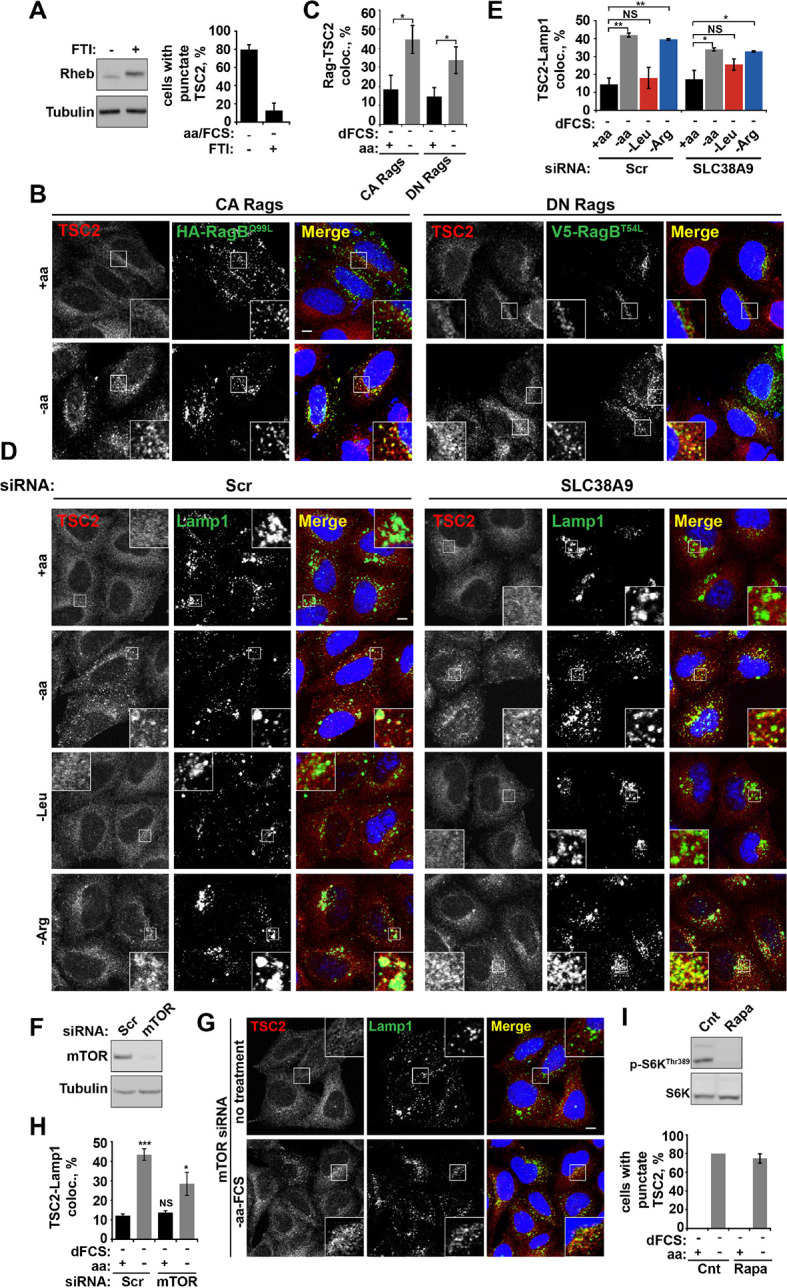
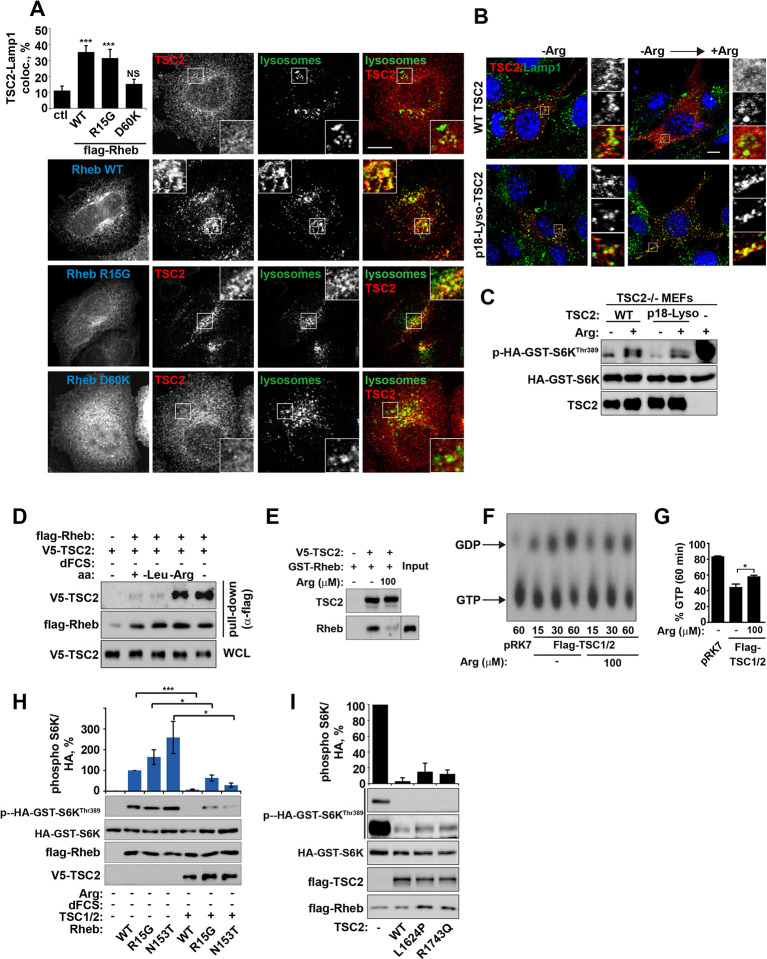
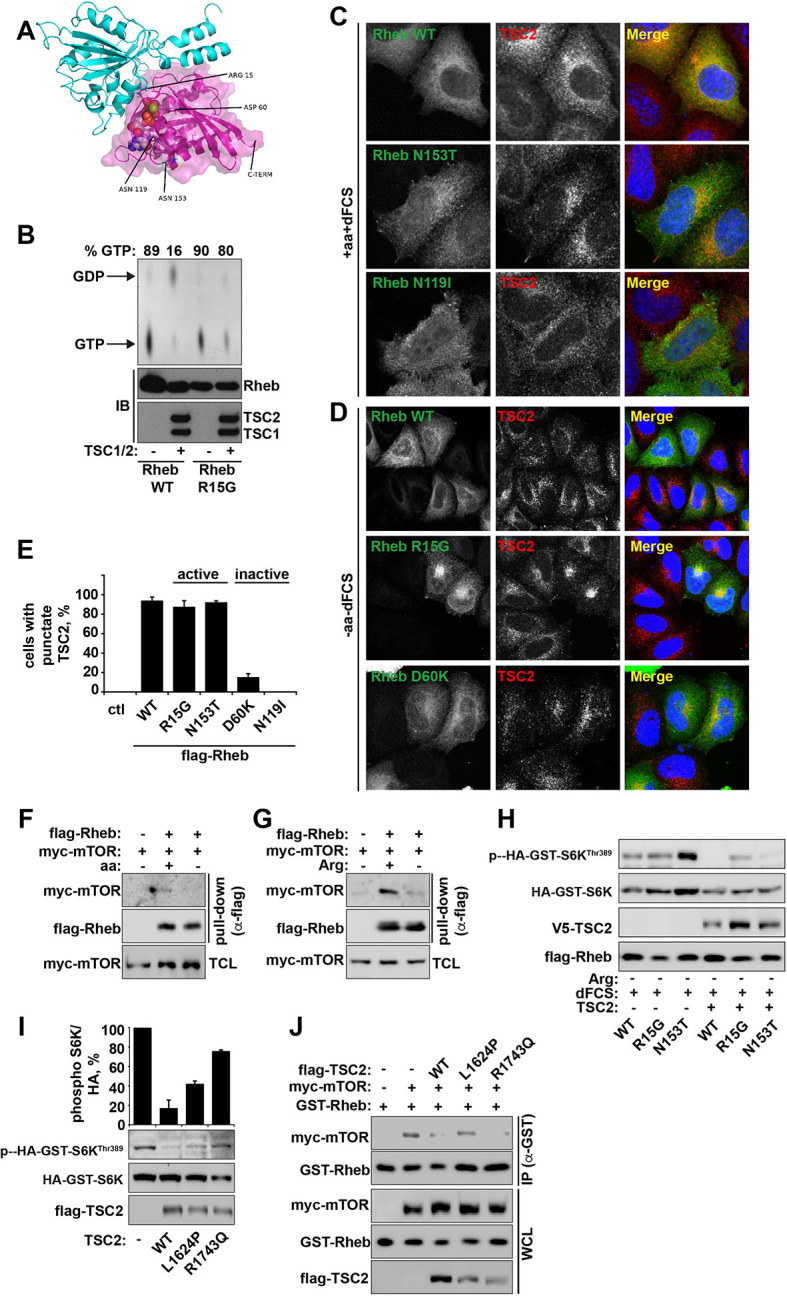
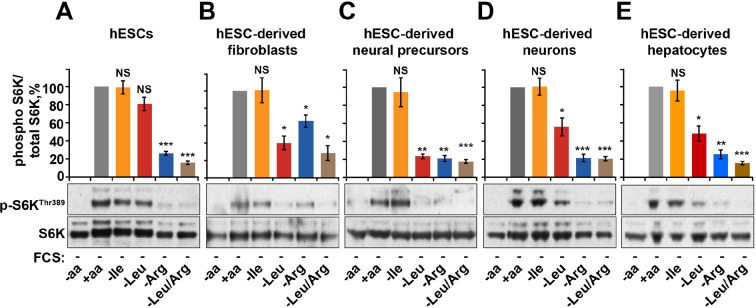
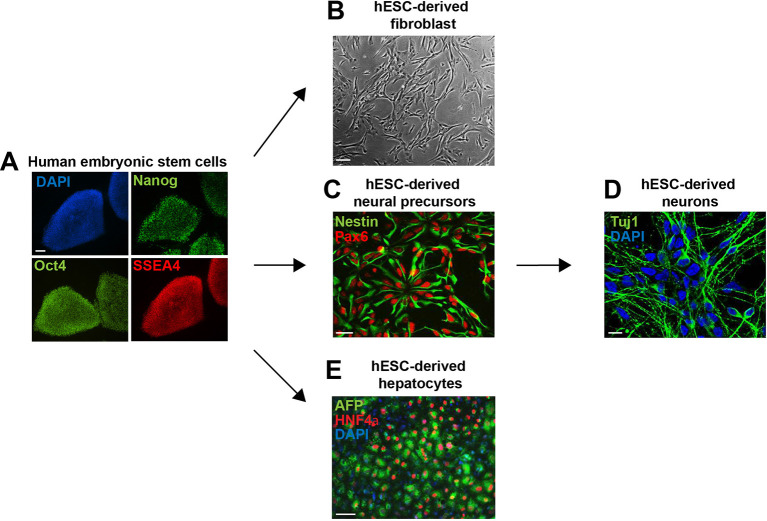
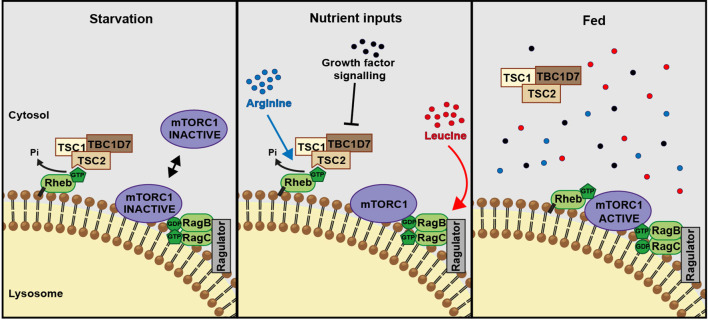
The mammalian target of rapamycin complex 1 (mTORC1) is the key signaling hub that regulates cellular protein homeostasis, growth, and proliferation in health and disease. As a prerequisite for activation of mTORC1 by hormones and mitogens, there first has to be an available pool of intracellular amino acids. Arginine, an amino acid essential during mammalian embryogenesis and early development is one of the key activators of mTORC1. Herein, we demonstrate that arginine acts independently of its metabolism to allow maximal activation of mTORC1 by growth factors via a mechanism that does not involve regulation of mTORC1 localization to lysosomes. Instead, arginine specifically suppresses lysosomal localization of the TSC complex and interaction with its target small GTPase protein, Rheb. By interfering with TSC-Rheb complex, arginine relieves allosteric inhibition of Rheb by TSC. Arginine cooperates with growth factor signaling which further promotes dissociation of TSC2 from lysosomes and activation of mTORC1. Arginine is the main amino acid sensed by the mTORC1 pathway in several cell types including human embryonic stem cells (hESCs). Dependence on arginine is maintained once hESCs are differentiated to fibroblasts, neurons, and hepatocytes, highlighting the fundamental importance of arginine-sensing to mTORC1 signaling. Together, our data provide evidence that different growth promoting cues cooperate to a greater extent than previously recognized to achieve tight spatial and temporal regulation of mTORC1 signaling.
Overview
The claims and statistics of this paper haven’t been checked yet.
Run the check — free, no account needed. It reads the open-access text and checks the sources it cites.
Integrity signals
Registry
Cites
Statistics
Figures
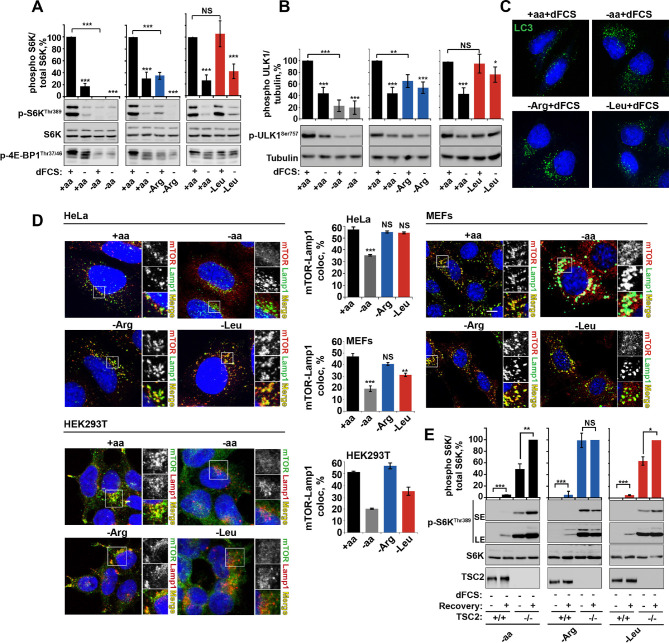
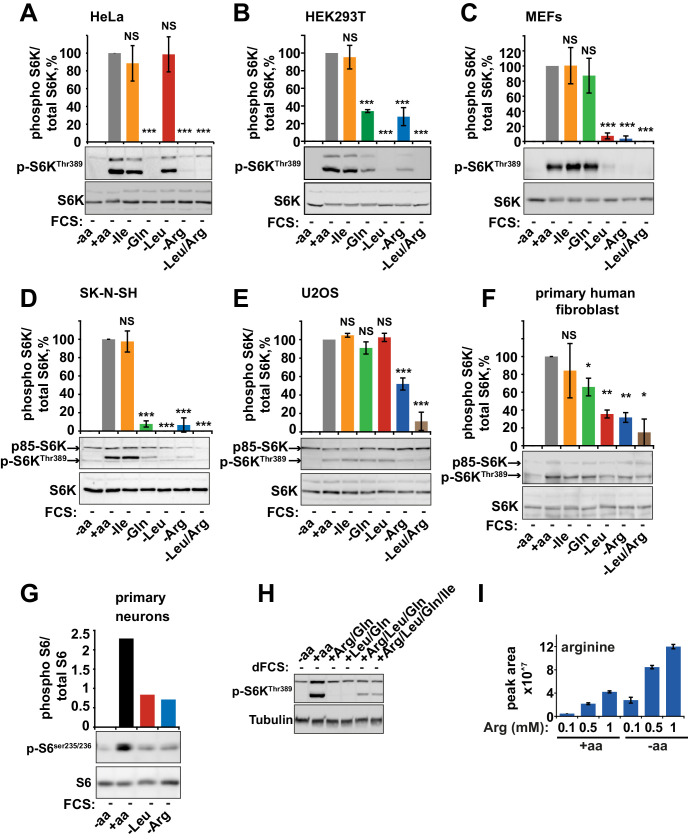
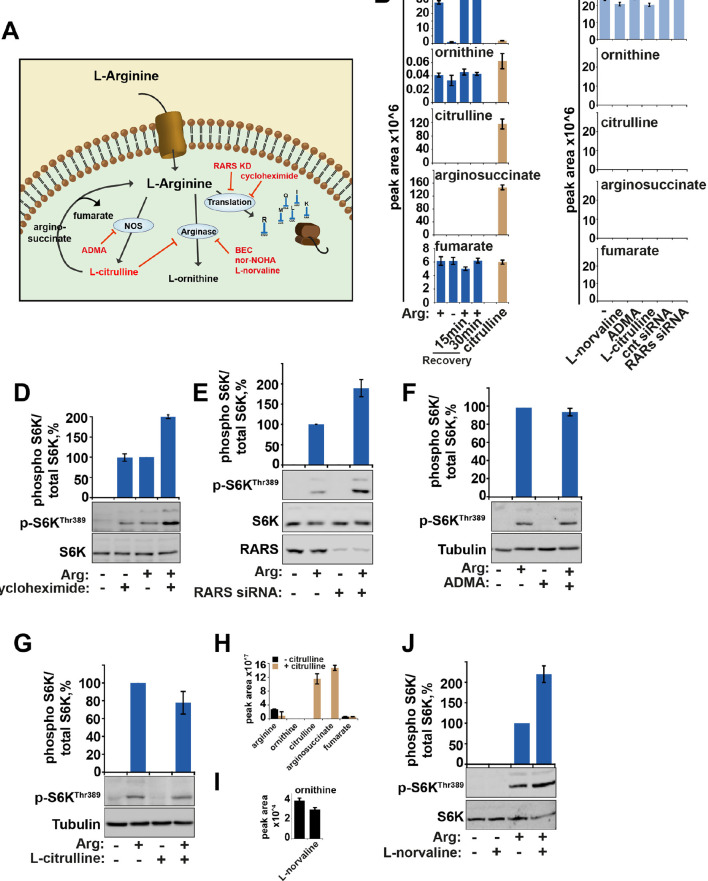
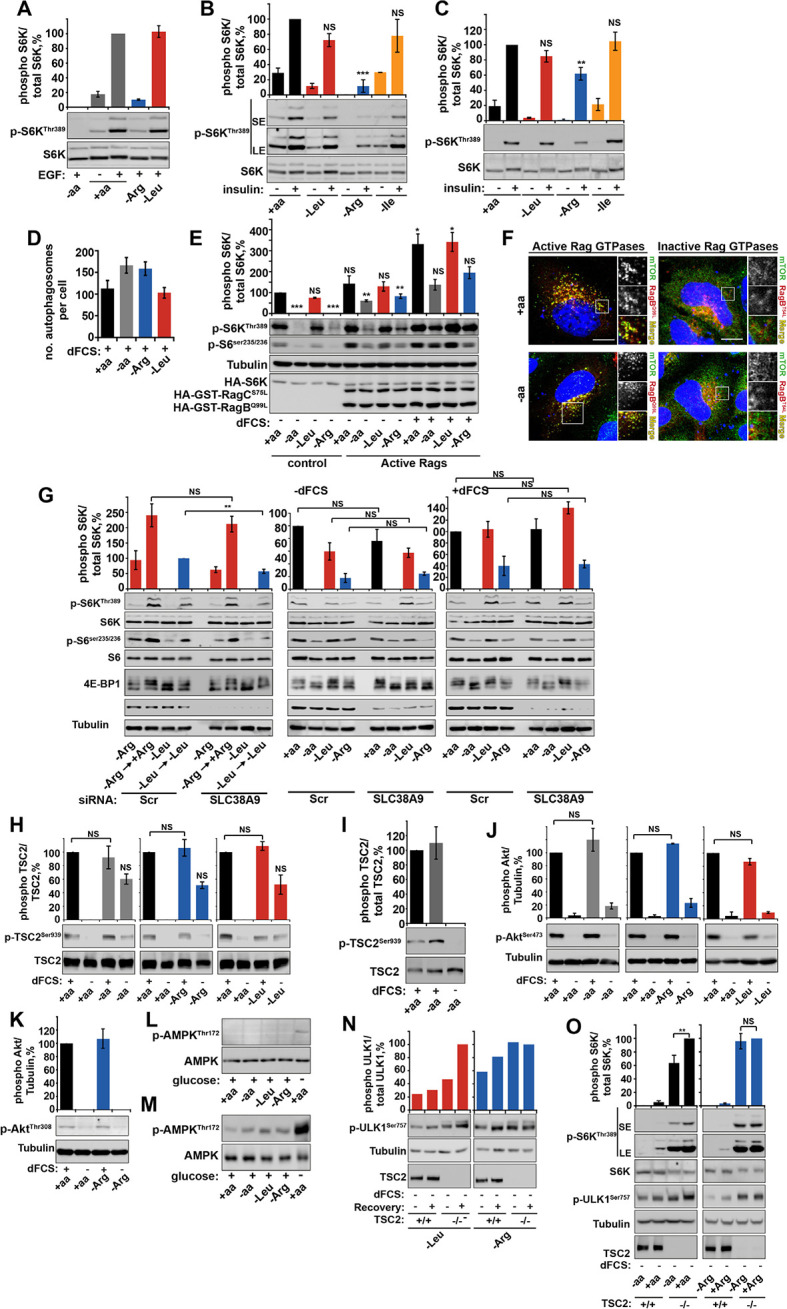
Verification
Claims the paper makes
The claims and statistics of this paper haven’t been checked yet.
Run the check — free, no account needed. It reads the open-access text and checks the sources it cites.
Claims other papers make about this one
Each is checked against this paper’s own text: does it say what the citing paper says it does?
The cited source says what the claim attributes to it.
In the citing paper
“The localization of TSC has also been reported to be sensitive to amino acids, including arginine, although the mechanism by which this takes place is unclear 181.”
From Targeting the biology of aging with mTOR inhibitors (2023) · cites this paper as [181]
Self-check
Percentages, sums and reported differences re-computed from the paper’s own numbers.
The self-check needs the paper’s full text.
Citations
Cites
Highly efficient neural conversion of human ES and iPS cells by dual inhibition of SMAD signaling
Chambers, S. M., Fasano, C. A., Papapetrou, E. P., Tomishima, M., Sadelain, M., & Studer, L. (2009) · Nature Biotechnology · doi:10.1038/nbt.1529 · Cited by 3,620
Sancak, Y., Bar-Peled, L., Zoncu, R., Markhard, A. L., Nada, S., & Sabatini, D. M. (2010) · Cell · doi:10.1016/j.cell.2010.02.024 · Cited by 2,464 · cited 4×
“Both are considered to be resident on the cytoplasmic surface of the lysosome, a site that has in recent years come to the very forefront of mTORC1 signal integration ( Sancak et al., 2010 ; Buerger et al., 2006 ).”
InfluentialRheb GTPase is a direct target of TSC2 GAP activity and regulates mTOR signaling
Inoki, K., Li, Y., Xu, T., & Guan, K.-L. (2003) · Genes & Development · doi:10.1101/gad.1110003 · Cited by 1,911
Regulation of TORC1 by Rag GTPases in nutrient response
Kim, E., Goraksha-Hicks, P., Li, L., Neufeld, T. P., & Guan, K.-L. (2008) · Nature Cell Biology · doi:10.1038/ncb1753 · Cited by 1,349
The TSC1–TSC2 complex: a molecular switchboard controlling cell growth
Huang, J., & Manning, B. D. (2008) · Biochemical Journal · doi:10.1042/bj20080281 · Cited by 1,237
PRAS40 is an insulin-regulated inhibitor of the mTORC1 protein kinase
Sancak, Y., Thoreen, C. C., Peterson, T. R., Lindquist, R. A., Kang, S. A., Spooner, E., Carr, S. A., & Sabatini, D. M. (2007) · Molecular Cell · doi:10.1016/j.molcel.2007.03.003 · Cited by 1,236
Bar-Peled, L., Chantranupong, L., Cherniack, A. D., Chen, W. W., Ottina, K. A., Grabiner, B. C., Spear, E. D., Carter, S. L., Meyerson, M., & Sabatini, D. M. (2013) · Science · doi:10.1126/science.1232044 · Cited by 1,080 · cited 1×
“…factor (GEF) to activate the Rag GTPases and works in opposition to the GTPase-activating protein (GAP) complex, GATOR1 ( Bar-Peled et al., 2012 ; Bar-Peled et al., 2013 ; Panchaud et al., 2013 ) to ensure the tight control of Rag GTPases and therefore mTORC1 activity. mTORC1 localization to the…”
Ragulator Is a GEF for the Rag GTPases that Signal Amino Acid Levels to mTORC1
Bar-Peled, L., Schweitzer, L. D., Zoncu, R., & Sabatini, D. M. (2012) · Cell · doi:10.1016/j.cell.2012.07.032 · Cited by 918 · cited 1×
“…nucleotide exchange factor (GEF) to activate the Rag GTPases and works in opposition to the GTPase-activating protein (GAP) complex, GATOR1 ( Bar-Peled et al., 2012 ; Bar-Peled et al., 2013 ; Panchaud et al., 2013 ) to ensure the tight control of Rag GTPases and therefore mTORC1 activity.…”
Differential regulation of mTORC1 by leucine and glutamine
Jewell, J. L., Kim, Y. C., Russell, R. C., Yu, F.-X., Park, H. W., Plouffe, S. W., Tagliabracci, V. S., & Guan, K.-L. (2015) · Science · doi:10.1126/science.1259472 · Cited by 757
SLC38A9 is a component of the lysosomal amino acid sensing machinery that controls mTORC1
Rebsamen, M., Pochini, L., Stasyk, T., de Araújo, M. E. G., Galluccio, M., Kandasamy, R. K., Snijder, B., Fauster, A., Rudashevskaya, E. L., Bruckner, M., et al. (2015) · Nature · doi:10.1038/nature14107 · Cited by 673
Castro, A. F., Rebhun, J. F., Clark, G. J., & Quilliam, L. A. (2003) · Journal of Biological Chemistry · doi:10.1074/jbc.c300226200 · Cited by 381
Amino Acid-Dependent mTORC1 Regulation by the Lysosomal Membrane Protein SLC38A9
Jung, J., Genau, H. M., & Behrends, C. (2015) · Molecular and Cellular Biology · doi:10.1128/mcb.00125-15 · Cited by 266
Zhang, J., Kim, J., Alexander, A., Cai, S., Tripathi, D. N., Dere, R., Tee, A. R., Tait-Mulder, J., Di Nardo, A., Han, J. M., et al. (2013) · Nature Cell Biology · doi:10.1038/ncb2822 · Cited by 258
Self-citationIdentification of Guanine Nucleotide Exchange Factors (GEFs) for the Rap1 GTPase
Rebhun, J. F., Castro, A. F., & Quilliam, L. A. (2000) · Journal of Biological Chemistry · doi:10.1074/jbc.m005327200 · Cited by 164
The Rap–RapGAP complex: GTP hydrolysis without catalytic glutamine and arginine residues
Scrima, A., Thomas, C., Deaconescu, D., & Wittinghofer, A. (2008) · The EMBO Journal · doi:10.1038/emboj.2008.30 · Cited by 127
The TSC1-TSC2 complex consists of multiple TSC1 and TSC2 subunits
Hoogeveen-Westerveld, M., van Unen, L., van den Ouweland, A., Halley, D., Hoogeveen, A., & Nellist, M. (2012) · BMC Biochemistry · doi:10.1186/1471-2091-13-18 · Cited by 24
Research works printed but not linked: 53
- Arnold, 2006, The SWISS-MODEL workspace: a web-based environment for protein structure homology modelling, Bioinformatics, 22, 195, 10.1093/bioinformatics/bti770 · DOI
- Avruch, 2009, Activation of mTORC1 in two steps: rheb-GTP activation of catalytic function and increased binding of substrates to raptor1, Biochemical Society Transactions, 37, 223, 10.1042/BST0370223 · DOI
- Bairoch, 2005, The universal protein resource (uniProt), Nucleic Acids Research, 33, D154, 10.1093/nar/gki070 · DOI · Paper page
- Ban, 2004, Arginine and leucine regulate p70 S6 kinase and 4E-BP1 in intestinal epithelial cells, International Journal of Molecular Medicine, 13, 537, 10.3892/ijmm.13.4.537 · DOI
- Buerger, 2006, Localization of rheb to the endomembrane is critical for its signaling function, Biochemical and Biophysical Research Communications, 344, 869, 10.1016/j.bbrc.2006.03.220 · DOI
- Cai, 2006, Activity of TSC2 is inhibited by AKT-mediated phosphorylation and membrane partitioning, The Journal of Cell Biology, 173, 279, 10.1083/jcb.200507119 · DOI · Paper page
- Carroll, 2015, Amino acids and autophagy: cross-talk and co-operation to control cellular homeostasis, Amino Acids, 47, 10.1007/s00726-014-1775-2 · DOI
- Corradetti, 2004, Regulation of the TSC pathway by LKB1: evidence of a molecular link between tuberous sclerosis complex and peutz-jeghers syndrome, Genes & Development, 18, 1533, 10.1101/gad.1199104 · DOI
- Demetriades, 2014, Regulation of TORC1 in response to amino acid starvation via lysosomal recruitment of TSC2, Cell, 156, 786, 10.1016/j.cell.2014.01.024 · DOI
- Dibble, 2012, TBC1D7 is a third subunit of the TSC1-TSC2 complex upstream of mTORC1, Molecular Cell, 47, 535, 10.1016/j.molcel.2012.06.009 · DOI · Paper page
- Dunlop, 2011, Determining the pathogenicity of patient-derived TSC2 mutations by functional characterization and clinical evidence, European Journal of Human Genetics, 19, 789, 10.1038/ejhg.2011.38 · DOI
- Durán, 2012, Glutaminolysis activates rag-mTORC1 signaling, Molecular Cell, 47, 349, 10.1016/j.molcel.2012.05.043 · DOI
- El-Bassossy, 2013, Arginase inhibition alleviates hypertension in the metabolic syndrome, British Journal of Pharmacology, 169, 693, 10.1111/bph.12144 · DOI
- Garami, 2003, Insulin activation of rheb, a mediator of mTOR/S6K/4E-BP signaling, is inhibited by TSC1 and 2, Molecular Cell, 11, 1457, 10.1016/S1097-2765(03)00220-X · DOI · Paper page
- Han, 2012, Leucyl-tRNA synthetase is an intracellular leucine sensor for the mTORC1-signaling pathway, Cell, 149, 410, 10.1016/j.cell.2012.02.044 · DOI · Paper page
- Hara, 1998, Amino acid sufficiency and mTOR regulate p70 S6 kinase and eIF-4E BP1 through a common effector mechanism, Journal of Biological Chemistry, 273, 14484, 10.1074/jbc.273.23.14484 · DOI
- Hentges, 2001, FRAP/mTOR is required for proliferation and patterning during embryonic development in the mouse, PNAS, 98, 13796, 10.1073/pnas.241184198 · DOI
- Hunter, 1945, The inhibition of arginase by amino acids, Journal Biological Chemistry, 157, 427, 10.1016/S0021-9258(18)51079-6 · DOI
- Inoki, 2003, TSC2 mediates cellular energy response to control cell growth and survival, Cell, 115, 577, 10.1016/S0092-8674(03)00929-2 · DOI · Paper page
- Jacobs, 2013, Eccentric contractions increase the phosphorylation of tuberous sclerosis complex-2 (tSC2) and alter the targeting of TSC2 and the mechanistic target of rapamycin to the lysosome, The Journal of Physiology, 591, 4611, 10.1113/jphysiol.2013.256339 · DOI · Paper page
- Kiefer, 2009, The SWISS-MODEL repository and associated resources, Nucleic Acids Research, 37, D387, 10.1093/nar/gkn750 · DOI
- Korolchuk, 2011, Lysosomal positioning coordinates cellular nutrient responses, Nature Cell Biology, 13, 453, 10.1038/ncb2204 · DOI · Paper page
- Krissinel, 2004, Secondary-structure matching (sSM), a new tool for fast protein structure alignment in three dimensions, Acta Crystallographica Section D Biological Crystallography, 60, 2256, 10.1107/S0907444904026460 · DOI
- Labuschagne, 2014, Serine, but not glycine, supports one-carbon metabolism and proliferation of cancer cells, Cell Reports, 7, 1248, 10.1016/j.celrep.2014.04.045 · DOI · Paper page
- Land, 2007, Hypoxia-inducible factor 1 is regulated by the mammalian target of rapamycin (mTOR) via an mTOR signaling motif, Journal of Biological Chemistry, 282, 20534, 10.1074/jbc.M611782200 · DOI
- Laplante, 2012, MTOR signaling in growth control and disease, Cell, 149, 274, 10.1016/j.cell.2012.03.017 · DOI · Paper page
- Lengner, 2010, Derivation of pre-x inactivation human embryonic stem cells under physiological oxygen concentrations, Cell, 141, 872, 10.1016/j.cell.2010.04.010 · DOI
- Li, 2004, Biochemical and functional characterizations of small GTPase rheb and TSC2 GAP activity, Molecular and Cellular Biology, 24, 7965, 10.1128/MCB.24.18.7965-7975.2004 · DOI
- Long, 2005, Rheb binds and regulates the mTOR kinase, Current Biology, 15, 702, 10.1016/j.cub.2005.02.053 · DOI · Paper page
- Long, 2005, Rheb binding to mammalian target of rapamycin (mTOR) is regulated by amino acid sufficiency, Journal of Biological Chemistry, 280, 23433, 10.1074/jbc.C500169200 · DOI
- Maddocks, 2013, Serine starvation induces stress and p53-dependent metabolic remodelling in cancer cells, Nature, 493, 542, 10.1038/nature11743 · DOI · Paper page
- Manning, 2004, Balancing akt with S6K: implications for both metabolic diseases and tumorigenesis, The Journal of Cell Biology, 167, 399, 10.1083/jcb.200408161 · DOI
- Marchetto, 2010, A model for neural development and treatment of rett syndrome using human induced pluripotent stem cells, Cell, 143, 527, 10.1016/j.cell.2010.10.016 · DOI · Paper page
- Marshall, 2009, Characterization of the intrinsic and TSC2-GAP-regulated GTPase activity of rheb by real-time NMR, Science Signaling, 2, ra3, 10.1126/scisignal.2000029 · DOI
- Menon, 2014, Spatial control of the TSC complex integrates insulin and nutrient regulation of mTORC1 at the lysosome, Cell, 156, 771, 10.1016/j.cell.2013.11.049 · DOI · Paper page
- Nicklin, 2009, Bidirectional transport of amino acids regulates mTOR and autophagy, Cell, 136, 521, 10.1016/j.cell.2008.11.044 · DOI · Paper page
- Panchaud, 2013, Amino acid deprivation inhibits TORC1 through a GTPase-activating protein complex for the rag family GTPase Gtr1, Science Signaling, 6, ra42, 10.1126/scisignal.2004112 · DOI · Paper page
- Sancak, 2008, The rag GTPases bind raptor and mediate amino acid signaling to mTORC1, Science, 320, 1496, 10.1126/science.1157535 · DOI · Paper page
- Seaman, 2004, Cargo-selective endosomal sorting for retrieval to the golgi requires retromer, The Journal of Cell Biology, 165, 111, 10.1083/jcb.200312034 · DOI · Paper page
- Si-Tayeb, 2010, Highly efficient generation of human hepatocyte-like cells from induced pluripotent stem cells, Hepatology, 51, 297, 10.1002/hep.23354 · DOI · Paper page
- Smith, 2005, The tuberous sclerosis protein TSC2 is not required for the regulation of the mammalian target of rapamycin by amino acids and certain cellular stresses, Journal of Biological Chemistry, 280, 18717, 10.1074/jbc.M414499200 · DOI
- Soldner, 2009, Parkinson's disease patient-derived induced pluripotent stem cells free of viral reprogramming factors, Cell, 136, 964, 10.1016/j.cell.2009.02.013 · DOI
- Sun, 2008, Phospholipase D1 is an effector of rheb in the mTOR pathway, PNAS, 105, 8286, 10.1073/pnas.0712268105 · DOI
- Tee, 2003, Tuberous sclerosis complex gene products, tuberin and hamartin, control mTOR signaling by acting as a GTPase-activating protein complex toward rheb, Current Biology, 13, 1259, 10.1016/S0960-9822(03)00506-2 · DOI · Paper page
- Urano, 2005, Identification of novel single amino acid changes that result in hyperactivation of the unique GTPase, rheb, in fission yeast, Molecular Microbiology, 58, 1074, 10.1111/j.1365-2958.2005.04877.x · DOI
- Urano, 2007, Point mutations in TOR confer rheb-independent growth in fission yeast and nutrient-independent mammalian TOR signaling in mammalian cells, PNAS, 104, 3514, 10.1073/pnas.0608510104 · DOI
- Van Der Spoel, 2005, GROMACS: fast, flexible, and free, Journal of Computational Chemistry, 26, 1701, 10.1002/jcc.20291 · DOI
- Wang, 2015, Lysosomal amino acid transporter SLC38A9 signals arginine sufficiency to mTORC1, Science, 347, 188, 10.1126/science.1257132 · DOI
- Wu, 2009, Arginine metabolism and nutrition in growth, health and disease, Amino Acids, 37, 153, 10.1007/s00726-008-0210-y · DOI · Paper page
- Wu, 2013, Impacts of arginine nutrition on embryonic and fetal development in mammals, Amino Acids, 45, 241, 10.1007/s00726-013-1515-z · DOI
- Xu, 2004, Immortalized fibroblast-like cells derived from human embryonic stem cells support undifferentiated cell growth, Stem Cells, 22, 972, 10.1634/stemcells.22-6-972 · DOI
- Yu, 2005, Structural basis for the unique biological function of small GTPase RHEB, Journal of Biological Chemistry, 280, 17093, 10.1074/jbc.M501253200 · DOI
- Zhang, 2003, Rheb is a direct target of the tuberous sclerosis tumour suppressor proteins, Nature Cell Biology, 5, 578, 10.1038/ncb999 · DOI
Cited by
Sorted by citations
mTOR as Regulator of Lifespan, Aging, and Cellular Senescence: A Mini-Review
Weichhart, T. (2018) · Gerontology · doi:10.1159/000484629 · Cited by 596
Targeting the biology of aging with mTOR inhibitors
Mannick, J. B., & Lamming, D. W. (2023) · Nature Aging · doi:10.1038/s43587-023-00416-y · Cited by 372
Amino acid-dependent control of mTORC1 signaling: a variety of regulatory modes
Takahara, T., Amemiya, Y., Sugiyama, R., Maki, M., & Shibata, H. (2020) · Journal of Biomedical Science · doi:10.1186/s12929-020-00679-2 · Cited by 300
Macropinocytosis, mTORC1 and cellular growth control
Yoshida, S., Pacitto, R., Inoki, K., & Swanson, J. (2018) · Cellular and Molecular Life Sciences · doi:10.1007/s00018-017-2710-y · Cited by 114
Hao, F., Kondo, K., Itoh, T., Ikari, S., Nada, S., Okada, M., & Noda, T. (2018) · Journal of Cell Science · doi:10.1242/jcs.208017 · Cited by 91
Metadata
- Authors
- Carroll, B., Maetzel, D., Maddocks, O. D., Otten, G., Ratcliff, M., Smith, G. R., Dunlop, E. A., Passos, J. F., Davies, O. R., Jaenisch, R., Tee, A. R., Sarkar, S., & Korolchuk, V. I.
- Affiliations
- Institute for Cell and Molecular Biosciences, Newcastle University
- Whitehead Institute for Biomedical Research, Massachusetts Institute of Technology
- The Beatson Institute for Cancer Research
- Institute of Cancer and Genetics, Cardiff University
- Institute of Cancer and Genomic Sciences, Institute of Biomedical Research, College of Medical and Dental Sciences, University of Birmingham
- ORCID
- Dunlop, Elaine A
- Venue
- eLife
- Publisher
- eLife Sciences Publications, Ltd
- Published
- 2016-01-07
- Volume
- 5
- ISSN
- 2050-084X
- PMC
- PMC4764560
- Cited by
- 183
- References
- 16
- Language
- en
- Update notices
- Licence
- Funders
- Biotechnology and Biological Sciences Research Council
- Medical Research Council
- British Skin Foundation
- National Institute for Health Research
About these checks
Registry, retraction, Cites and statistics results are computed, not judged, with one exception: a printed reference that no index lists is read once by a model before it counts as a citation error. Claims are extracted by a model and kept only when their quote appears verbatim in the text; each cited source is then checked, with a model’s help, for whether it says what the claim relies on. Those verdicts can be wrong — read the claim’s quote and the cited source before relying on one.
Statistics and arithmetic are recomputed, not judged.
Confidence bands are shown only for fields calibrated on our annotated test set. None is calibrated yet, so no band is shown.
What counts as a claim ›How we measure confidence ›How we check this ›
Are you an author, or do you see a problem with this page? Request a review
