

Role of CFTR in epithelial physiology
Open accessThe DOI matches its Crossref record; 231 of the 232 references it cites were found in a registry or an index.
Abstract
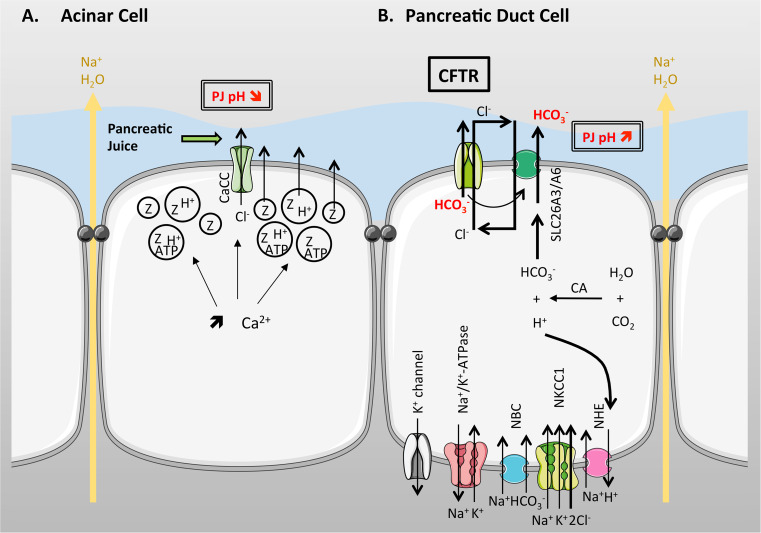
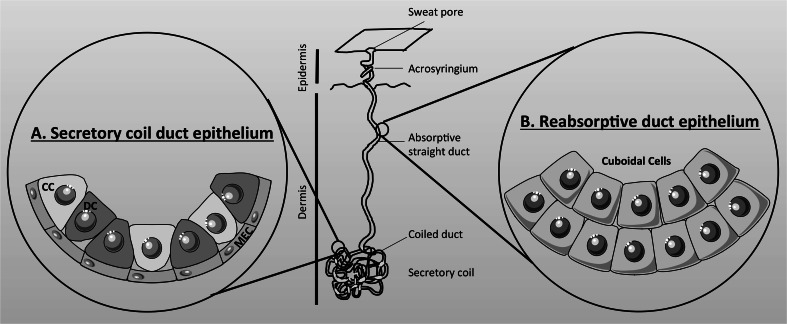
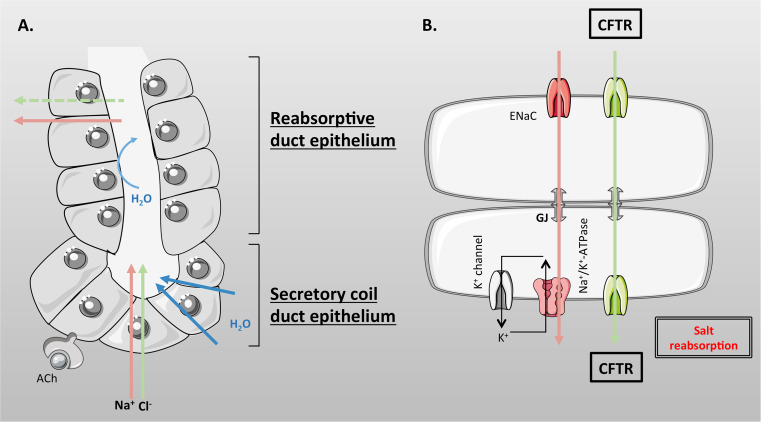
Salt and fluid absorption and secretion are two processes that are fundamental to epithelial function and whole body fluid homeostasis, and as such are tightly regulated in epithelial tissues. The CFTR anion channel plays a major role in regulating both secretion and absorption in a diverse range of epithelial tissues, including the airways, the GI and reproductive tracts, sweat and salivary glands. It is not surprising then that defects in CFTR function are linked to disease, including life-threatening secretory diarrhoeas, such as cholera, as well as the inherited disease, cystic fibrosis (CF), one of the most common life-limiting genetic diseases in Caucasian populations. More recently, CFTR dysfunction has also been implicated in the pathogenesis of acute pancreatitis, chronic obstructive pulmonary disease (COPD), and the hyper-responsiveness in asthma, underscoring its fundamental role in whole body health and disease. CFTR regulates many mechanisms in epithelial physiology, such as maintaining epithelial surface hydration and regulating luminal pH. Indeed, recent studies have identified luminal pH as an important arbiter of epithelial barrier function and innate defence, particularly in the airways and GI tract. In this chapter, we will illustrate the different operational roles of CFTR in epithelial function by describing its characteristics in three different tissues: the airways, the pancreas, and the sweat gland.
Overview
The claims and statistics of this paper haven’t been checked yet.
Free: it reads the open-access text and checks the first 5 claims that cite a source we can check. Create a free account to check every claim.
Integrity signals
Registry
Cites
Statistics
Figures
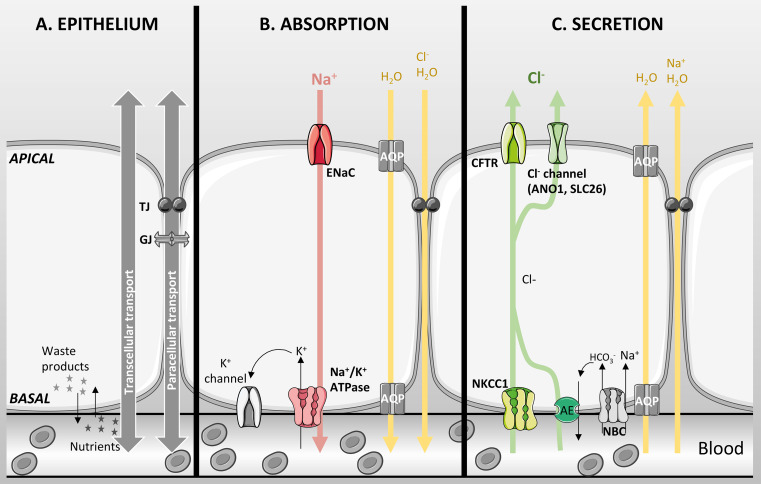
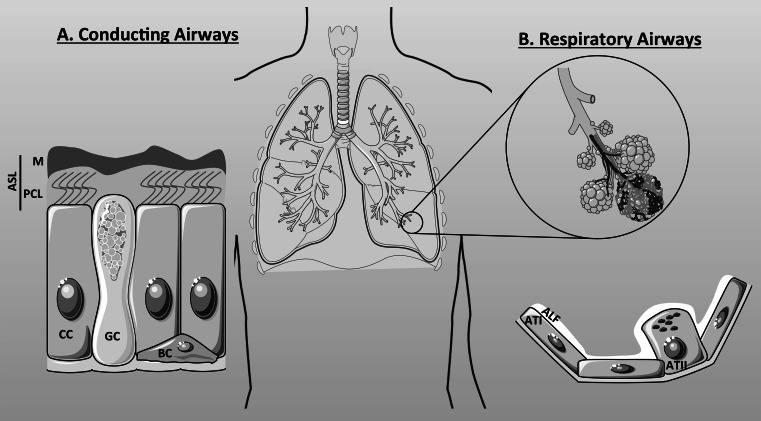
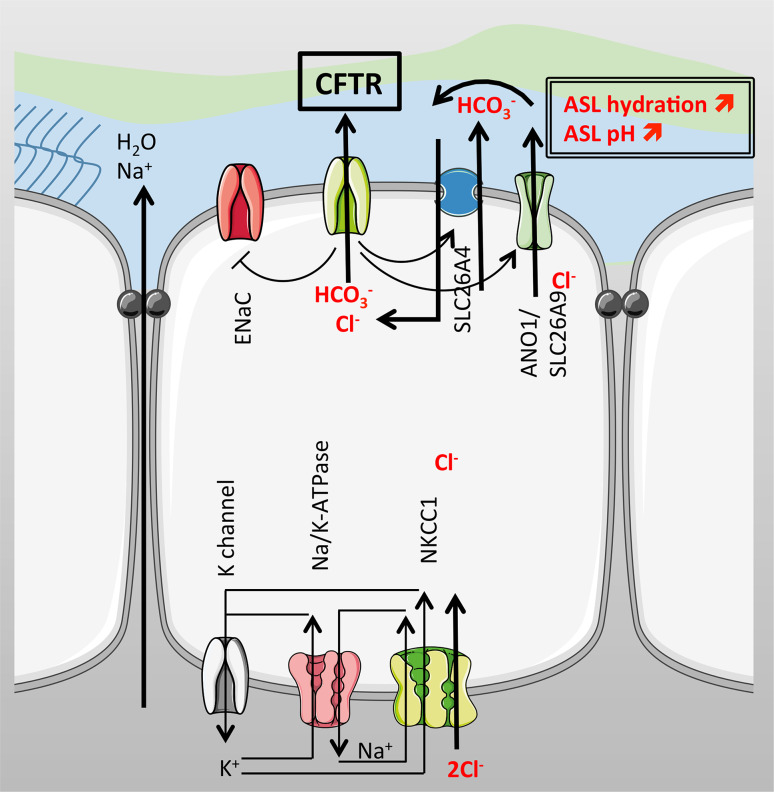
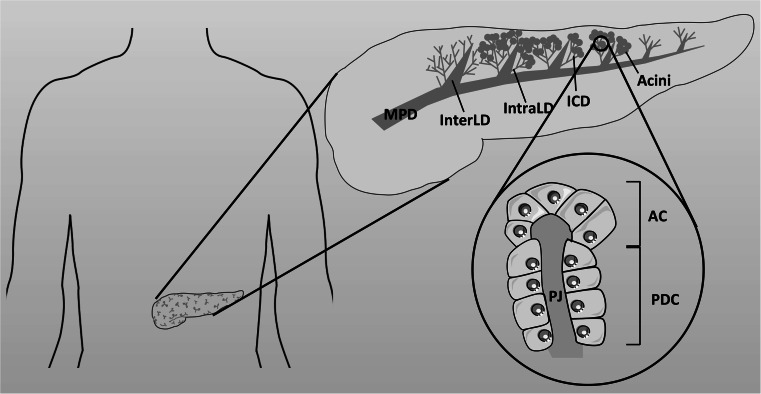
Verification
Claims the paper makes
The claims and statistics of this paper haven’t been checked yet.
Free: it reads the open-access text and checks the first 5 claims that cite a source we can check. Create a free account to check every claim.
Claims other papers make about this one
Each is checked against this paper’s own text: does it say what the citing paper says it does?
The cited source says what the claim attributes to it.
In the citing paper
“CFTR are also expressed on the apical membrane of clear cells and play a role in chloride secretion in response to beta-adrenergic stimulation”
From Physiological mechanisms determining eccrine sweat composition (2020) · cites this paper as Saint-Criq and Gray 2017
Self-check
Percentages, sums and reported differences re-computed from the paper’s own numbers.
The self-check needs the paper’s full text.
Citations
Cites
Meijer, L., Nelson, D. J., Riazanski, V., Gabdoulkhakova, A. G., Hery-Arnaud, G., Le Berre, R., Loaëc, N., Oumata, N., Galons, H., Nowak, E., et al. (2016) · Journal of Innate Immunity · doi:10.1159/000444256 · Cited by 4,992
Claudins and the Modulation of Tight Junction Permeability
Günzel, D., & Yu, A. S. L. (2013) · Physiological Reviews · doi:10.1152/physrev.00019.2012 · Cited by 1,456 · cited 1×
“junctions [5].”
Gibson, L. E., & Cooke, R. E. (1959) · Pediatrics · doi:10.1542/peds.23.3.545 · Cited by 1,434 · cited 1×
“diagnostic purposes [220, 221].”
TMEM16A confers receptor-activated calcium-dependent chloride conductance
Yang, Y. D., Cho, H., Koo, J. Y., Tak, M. H., Cho, Y., Shim, W.-S., Park, S. P., Lee, J., Lee, B., Kim, B.-M., et al. (2008) · Nature · doi:10.1038/nature07313 · Cited by 1,283 · cited 1×
“In a study from 2011, soon after the identification of the CaCC as being encoded by TMEM16A (also called Anoctamin 1, ANO1) [58–60], Ousingsawat et al.”
BackgroundTMEM16A, A Membrane Protein Associated with Calcium-Dependent Chloride Channel Activity
Caputo, A., Caci, E., Ferrera, L., Pedemonte, N., Barsanti, C., Sondo, E., Pfeffer, U., Ravazzolo, R., Zegarra-Moran, O., & Galietta, L. J. V. (2008) · Science · doi:10.1126/science.1163518 · Cited by 1,263 · cited 1×
“In a study from 2011, soon after the identification of the CaCC as being encoded by TMEM16A (also called Anoctamin 1, ANO1) [58–60], Ousingsawat et al.”
BackgroundExpression Cloning of TMEM16A as a Calcium-Activated Chloride Channel Subunit
Schroeder, B. C., Cheng, T., Jan, Y. N., & Jan, L. Y. (2008) · Cell · doi:10.1016/j.cell.2008.09.003 · Cited by 1,148 · cited 1×
“In a study from 2011, soon after the identification of the CaCC as being encoded by TMEM16A (also called Anoctamin 1, ANO1) [58–60], Ousingsawat et al.”
BackgroundMucus clearance as a primary innate defense mechanism for mammalian airways
Knowles, M. R., & Boucher, R. C. (2002) · Journal of Clinical Investigation · doi:10.1172/jci0215217 · Cited by 1,054 · cited 1×
“Studies using thin film cultured human bronchial epithelial cells (HBEs) have shown that both Na absorption and Cl secretion regulate ASL height and composition [28, 29].”
BackgroundEpidemiology of constipation in children and adults: A systematic review
Mugie, S. M., Benninga, M. A., & Di Lorenzo, C. (2011) · Best Practice & Research Clinical Gastroenterology · doi:10.1016/j.bpg.2010.12.010 · Cited by 941
Increased airway epithelial Na+ absorption produces cystic fibrosis-like lung disease in mice
Mall, M., Grubb, B. R., Harkema, J. R., O'Neal, W. K., & Boucher, R. C. (2004) · Nature Medicine · doi:10.1038/nm1028 · Cited by 911 · cited 1×
“Later work from a b-ENaC overexpressing mouse [40] provided further support, since these transgenic mice exhibited a lung phenotype characteristic of human CF airways.”
BackgroundKim, B. J., Nam, J. H., Kim, K. H., Joo, M., Ha, T. S., Weon, K. Y., Choi, S., Jun, J. Y., Park, E. J., Wie, J., et al. (2014) · Cellular Physiology and Biochemistry · doi:10.1159/000366306 · Cited by 886
Cited by
Items 101–200 of 445
Molecular dynamics studies reveal structural and functional features of the SARS‐CoV‐2 spike protein
Pipitò, L., Rujan, R., Reynolds, C. A., & Deganutti, G. (2022) · BioEssays · doi:10.1002/bies.202200060 · Cited by 22
Honrubia, J. M., Gutierrez-Alvarez, F. J., Sanz‐Bravo, A., González-Miranda, E., Muñoz‐Santos, D., Castaño-Rodríguez, C., Wang, L., Villarejo-Torres, M., Ripoll-Gómez, J., Esteban, A., et al. (2023) · mBio · doi:10.1128/mbio.03136-22 · Cited by 24
“CFTR dysfunction in alveolar epithelial cells impairs alveolar fluid absorption by reducing Cl- permeability across the alveolar epithelium (23).”
BackgroundWhat the future holds: cystic fibrosis and aging
Blankenship, S., Landis, A. R., Williams, E. H., Lever, J. E. P., Garcia, B. A., Solomon, G. M., & Krick, S. (2024) · Frontiers in Medicine · doi:10.3389/fmed.2023.1340388 · Cited by 27
Fiedorczuk, K., Iordanov, I., Mihályi, C., Szöllősi, A., Csanády, L., & Chen, J. (2024) · Proceedings of the National Academy of Sciences · doi:10.1073/pnas.2409049121 · Cited by 28
“An example of a protein activated by PKA is the cystic fibrosis transmembrane con ductance regulator (CFTR), an epithelial anion channel crucial for salt–water balance of the lung, intestine, pancreas, and sweat duct ( 16 ).”
Kuek, L. E., McMahon, D. B., Ma, R. Z., Miller, Z. A., Jolivert, J. F., Adappa, N. D., Palmer, J. N., & Lee, R. J. (2022) · Pharmaceuticals · doi:10.3390/ph15040452 · Cited by 24
“MCC is compromised in cystic fibrosis (CF) [4] and other “muco-obstructive” lung diseases [5].”
BackgroundHuman epiblast lumenogenesis: From a cell aggregate to a lumenal cyst
Carleton, A. E., Duncan, M. C., & Taniguchi, K. (2022) · Seminars in Cell and Developmental Biology · doi:10.1016/j.semcdb.2022.05.009 · Cited by 22
Tan, M., Reyes‐Ortega, F., & Schneider‐Futschik, E. K. (2020) · Magnetochemistry · doi:10.3390/magnetochemistry6020025 · Cited by 25
“CFTR is a transmembrane protein that is expressed at high levels on apical membrane epithelial cells and regulates the transport of ions such as sodiu , chloride and bicarbonate [4].”
BackgroundKelly, J., Al-Rammahi, M. A., Daly, K., Flanagan, P. K., Urs, A. N., Cohen, M. C., Stefano, G. D., Bijvelds, M. J. C., Sheppard, D. N., de Jonge, H. R., et al. (2022) · Scientific Reports · doi:10.1038/s41598-022-10328-3 · Cited by 24
Regulation of epithelial ion transport in exocrine glands by store-operated Ca2+ entry
Concepcion, A. R., & Feske, S. (2016) · Cell Calcium · doi:10.1016/j.ceca.2016.12.004 · Cited by 24
Organ‐On‐A‐Chip Devices: Technology Progress and Challenges
Obeid, P. J., Yammine, P., El‐Nakat, H., Kassab, R., Tannous, T., Nasr, Z., Maarawi, T., Dahdah, N., Safadi, A. E., Mansour, A., et al. (2024) · ChemBioChem · doi:10.1002/cbic.202400580 · Cited by 39
Saint‐Criq, V., Guequén, A., Philp, A. R., Villanueva, S., Apablaza, T., Fernández‐Moncada, I., Mansilla, A., Delpiano, L., Ruminot, I., Carrasco, C., et al. (2022) · eLife · doi:10.7554/elife.75871 · Cited by 21
Self-citationMistargeting of a truncated Na-K-2Cl cotransporter in epithelial cells
Koumangoye, R. B., Omer, S., & Delpire, E. J. (2018) · American Journal of Physiology-Cell Physiology · doi:10.1152/ajpcell.00130.2018 · Cited by 23
“Cl enters the epithelial cell at the basolateral (serosal) membrane through the Na-K-2Cl cotransporter, NKCC1 (16), and exits the cell through apical (luminal or mucosal) Cl channels, such as the cystic fibrosis transmembrane regulator or CFTR (14, 41).”
BackgroundYéfimova, M., Bourmeyster, N., Becq, F., Burel, A., Lavault, M.-T., Jouve, G., Veau, S., Pimentel, C., Jégou, B., & Ravel, C. (2018) · Morphologie · doi:10.1016/j.morpho.2018.11.001 · Cited by 21
Saini, A. K., Saini, R., & Singh, S. (2020) · Molecular Medicine · doi:10.1186/s10020-020-00246-3 · Cited by 23
Willis, J. R., Saus, E., Iraola‐Guzmán, S., Cabello-Yeves, E., Księżopolska, E., Cozzuto, L., Bejarano, L. A., Andreu, N., Alloza-Trabado, M., Blanco, A., et al. (2021) · Journal of Oral Microbiology · doi:10.1080/20002297.2021.1897328 · Cited by 20
“transports ions across the apical membrane of epithelial cells throughout the body [3].”
BackgroundLiu, J., Berg, A. P., Wang, Y., Jantarajit, W., Sutcliffe, K. J., Stevens, E. B., Cao, L., Pregel, M. J., & Sheppard, D. N. (2022) · British Journal of Pharmacology · doi:10.1111/bph.15709 · Cited by 20
“Widely expressed in epithelial tissues, CFTR plays a pivotal role in fluid and electrolyte movements, regulating the quantity and composition of epithelial secretions (Saint-Criq & Gray, 2017).”
BackgroundImpact of CFTR Modulators on the Impaired Function of Phagocytes in Cystic Fibrosis Lung Disease
Meoli, A., Eickmeier, O., Pisi, G., Fainardi, V., Zielen, S., & Esposito, S. (2022) · International Journal of Molecular Sciences · doi:10.3390/ijms232012421 · Cited by 23
“The reduced ASL pH impairs respiratory host defense creating an unfavorable environment for the function of many antimicrobial factors such as SPLUNC1, which is also an antimicrobial protein with the capability to regulate other antimicrobial peptides (AMPs) [1,16].”
BackgroundInfluentialZeng, Z., Linsdell, P., & Pomès, R. (2023) · Cellular and Molecular Life Sciences · doi:10.1007/s00018-022-04621-7 · Cited by 21
Inflammation as a Regulator of the Airway Surface Liquid pH in Cystic Fibrosis
Rehman, T., & Welsh, M. J. (2023) · Cells · doi:10.3390/cells12081104 · Cited by 22
Gut epithelial electrical cues drive differential localization of enterobacteria
Sun, Y., Ferreira, F., Reid, B., Zhu, K., Ma, L., Young, B. M., Hagan, C. E., Tsolis, R. M., Mogilner, A., & Zhao, M. (2024) · Nature Microbiology · doi:10.1038/s41564-024-01778-8 · Cited by 21
“CFTR acts as an anion channel 22,34 that is involved in the osmotic balance of the mucus via the efflux of Cl − anions from the epithelia in many systems, including the intestines 35 .”
Epigenetic Modification of CFTR in Head and Neck Cancer
Shin, Y., Kim, M., Won, J., Kim, J. C., Oh, S. B., Lee, J.-H., & Park, K. (2020) · Journal of Clinical Medicine · doi:10.3390/jcm9030734 · Cited by 20
“CFTR is an indispensable ion channel for epithelial function and was recently discovered to participate in tumor progression or suppression depending on the type of tumor [35,36].”
BackgroundHepatobiliary acid-base homeostasis: Insights from analogous secretory epithelia
Trampert, D. C., van de Graaf, S. F. J., Jongejan, A., Elferink, R. P. J. O., & Beuers, U. H. (2020) · Journal of Hepatology · doi:10.1016/j.jhep.2020.10.010 · Cited by 22
Education: The Numbers Game and the Construction of White Racial Victimhood
Gillborn, D. A. (2009) · IOE EPrints · Cited by 28
Esomeprazole Increases Airway Surface Liquid pH in Primary Cystic Fibrosis Epithelial Cells
Delpiano, L., Thomas, J. J., Yates, A. R., Rice, S. J., Gray, M. A., & Saint‐Criq, V. (2018) · Frontiers in Pharmacology · doi:10.3389/fphar.2018.01462 · Cited by 18
“It is due to mutations in the Cystic Fibrosis Transmembrane conductance Regulator (CFTR) gene encoding an anion channel, transporting primarily Cl and HCO−3 in epithelial tissues (Saint-Criq and Gray, 2017).”
BackgroundSelf-citationInorganic ions in the skin: Allies or enemies?
Tarnowska, M., Briançon, S., de Azevedo, J. R., Chevalier, Y., & Bolzinger, M. (2020) · International Journal of Pharmaceutics · doi:10.1016/j.ijpharm.2020.119991 · Cited by 21
Nik, B. D., Karoii, D. H., Favaedi, R., Ramazanali, F., Jahangiri, M., Movaghar, B., & Shahhoseini, M. (2024) · Scientific Reports · doi:10.1038/s41598-024-70778-9 · Cited by 21
Novel Insight Into the Role of CFTR in Lacrimal Gland Duct Function in Mice
Berczeli, O., Vizvári, E., Katona, M., Török, D. G., Szalay, L., Rárosi, F., Németh, I., Rakonczay, Z., Hegyi, P. J., Ding, C., et al. (2018) · Investigative Ophthalmology & Visual Science · doi:10.1167/iovs.17-22533 · Cited by 20
“Cystic fibrosis can cause wide range of morphologic alterations in the secretory epithelia, including lung, mucosa of the trachea, salivary glands or the pancreas.(7,10,11,26) Normal ion and water secretion is required to produce thin, freeflowing mucus.”
BackgroundMa, Z., Yuan, D., Cheng, X., Tuo, B., Liu, X., & Li, T. (2019) · American Journal of Physiology-Regulatory, Integrative and Comparative Physiology · doi:10.1152/ajpregu.00202.2019 · Cited by 19
Correctors modify the bicarbonate permeability of F508del-CFTR
Fiore, M., Picco, C., & Morán, Ó. (2020) · Scientific Reports · doi:10.1038/s41598-020-65287-4 · Cited by 22
Park, J. K., Shrivastava, A., Zhang, C., Pollok, B. A., Finkbeiner, W. E., Gibb, E. R., Ly, N. P., & Illek, B. (2020) · Frontiers in Pediatrics · doi:10.3389/fped.2020.00536 · Cited by 19
“The official standards for sweat chloride diagnostics from the CF Foundation are: (1) Unlikely CF: ≤29mM, (2) Intermediate: 30 mM ≤ x ≤ 59 mM, (3) Likely CF: ≥ 60 mM (30).”
BackgroundMethodElborn, J. S., Flume, P. A., VanDevanter, D. R., & Procaccianti, C. (2021) · Future Microbiology · doi:10.2217/fmb-2021-0150 · Cited by 24
“The tenacious mucus renders the airways more susceptible to opportunistic microbial growth [2], which can become persistent and difficult to eradicate.”
BackgroundGál, E., Dolenšek, J., Stožer, A., Czakó, L., Èbert, A., & Venglovecz, V. (2021) · Frontiers in Endocrinology · doi:10.3389/fendo.2021.715043 · Cited by 28
The revolution of personalized pharmacotherapies for cystic fibrosis: what does the future hold?
Oliver, K. E., Carlon, M. S., Pedemonte, N., & Lopes‐Pacheco, M. (2023) · Expert Opinion on Pharmacotherapy · doi:10.1080/14656566.2023.2230129 · Cited by 22
“and recurrent infections, resulting in tissue injury and remodeling and, ultimately, in respiratory failure [6,7].”
BackgroundJain, A., Kim, B. R., Yu, W., Moninger, T. O., Karp, P. H., Wagner, B. A., & Welsh, M. J. (2024) · Proceedings of the National Academy of Sciences · doi:10.1073/pnas.2318771121 · Cited by 25
Lumacaftor-rescued F508del-CFTR has a modified bicarbonate permeability
Ferrera, L., Baroni, D., & Morán, Ó. (2019) · Journal of Cystic Fibrosis · doi:10.1016/j.jcf.2019.01.012 · Cited by 18
Qiu, F., Habgood, M. D., & Schneider‐Futschik, E. K. (2020) · ACS Pharmacology & Translational Science · doi:10.1021/acsptsci.0c00098 · Cited by 18
Molecular Dynamics and Theratyping in Airway and Gut Organoids Reveal R352Q-CFTR Conductance Defect
Wong, S. L., Awatade, N. T., Astore, M. A., Allan, K. M., Carnell, M. J., Šlapetová, I., Chen, P., Setiadi, J., Pandzic, E., Fawcett, L. K., et al. (2022) · American Journal of Respiratory Cell and Molecular Biology · doi:10.1165/rcmb.2021-0337oc · Cited by 15
“Chloride ions diffuse through the CFTR channel pore, causing a charge imbalance that is corrected by the flux of sodium ions through sodium channels (2).”
BackgroundRole of innate immunity and systemic inflammation in cystic fibrosis disease progression
Purushothaman, A. K., & Nelson, E. J. R. (2023) · Heliyon · doi:10.1016/j.heliyon.2023.e17553 · Cited by 22
“On one hand, CFTR maintains the pH of pancreatic juice by facilitating HCO−3 secretion from SLC26A3 of luminal cells while on the other hand, it maintains the nature of mucus by facilitating aquaporin-mediated hydration and limiting ENaC-mediated Na absorption [95,99].”
BackgroundCao, L., Wu, Y., Gong, Y., & Zhou, Q. (2024) · European Journal of Medicinal Chemistry · doi:10.1016/j.ejmech.2023.116120 · Cited by 20
Imrei, M., Németh, D. I., Szakács, Z., Hegyi, P., Kiss, S., Alizadeh, H., Dembrovszky, F., Pázmány, P., Bajor, J., & Párniczky, A. (2021) · Journal of Personalized Medicine · doi:10.3390/jpm11090859 · Cited by 19
New drugs in cystic fibrosis: what has changed in the last decade?
Roda, J., Silva, C., Silva, I. A. L., Maia, C., Almeida, S., Ferreira, R., & Oliveira, G. (2022) · Therapeutic Advances in Chronic Disease · doi:10.1177/20406223221098136 · Cited by 19
Ritivoiu, M. E., Drăgoi, C. M., Matei, D. B., Stan, I. V., Nicolae, A. C., Craiu, M., Dumitrescu, I.-B., & Ciolpan, A. A. (2023) · Pharmaceutics · doi:10.3390/pharmaceutics15010162 · Cited by 19
Fajac, I., & Burgel, P. (2023) · La Presse Médicale · doi:10.1016/j.lpm.2023.104169 · Cited by 18
Geertsma, E. R., & Oliver, D. (2023) · Handbook of experimental pharmacology · doi:10.1007/164_2023_698 · Cited by 19
Amoakon, J.-P., Lee, J., Liyanage, P. S., Arora, K., Karlstaedt, A., Mylavarapu, G., Amin, R. S., & Naren, A. P. (2024) · iScience · doi:10.1016/j.isci.2024.110703 · Cited by 16
Baroni, D. (2025) · Current Issues in Molecular Biology · doi:10.3390/cimb47020119 · Cited by 20
Brindani, N., Gianotti, A., Giovani, S., Giacomina, F., Fruscia, P. D., Sorana, F., Bertozzi, S. M., Ottonello, G., Goldoni, L., Penna, I., et al. (2020) · Journal of Medicinal Chemistry · doi:10.1021/acs.jmedchem.0c01050 · Cited by 17
Anglès, F., Wang, C., & Balch, W. E. (2022) · Communications Biology · doi:10.1038/s42003-022-03302-2 · Cited by 19
Nguyen, J., Huff, R. D., Cao, Q., Tiessen, N., Carlsten, C., & Hirota, J. A. (2021) · Toxicology in Vitro · doi:10.1016/j.tiv.2021.105253 · Cited by 22
Lin, J., Gettings, S. M., Talbi, K., Schreiber, R., Taggart, M. J., Preller, M., Kunzelmann, K., Althaus, M., & Gray, M. A. (2022) · Pflügers Archiv - European Journal of Physiology · doi:10.1007/s00424-022-02758-9 · Cited by 15
“CFTR and ENaC play essential roles in ion and fluid transport in numerous epithelial tissues, dysfunction of which leads to diseases such as cystic fibrosis (CF), secretory diarrhoea and kidney disease [1].”
BackgroundSelf-citationCFTR modulates aquaporin-mediated glycerol permeability in mouse Sertoli cells
Ribeiro, J. C., Bernardino, R. L., Carrageta, D. F., Soveral, G., Calamita, G., Alves, M. G., & Oliveira, P. F. (2022) · Cellular and Molecular Life Sciences · doi:10.1007/s00018-022-04619-1 · Cited by 18
“CFTR, however, may act as an HCO3/Cl exchanger, which generates an osmotic driving force for water movement that occurs either paracellularly or through AQPs [45].”
BackgroundVarga, Á., Madácsy, T., Görög, M., Kiss, A. K., Susánszki, P., Szabó, V., Jójárt, B., Dudás, K., Farkas, G., Szederkényi, E., et al. (2023) · Cellular and Molecular Life Sciences · doi:10.1007/s00018-023-04836-2 · Cited by 16
Discovery and Development of CFTR Modulators for the Treatment of Cystic Fibrosis
Wang, X., Tse, C., & Singh, A. K. (2025) · Journal of Medicinal Chemistry · doi:10.1021/acs.jmedchem.4c02547 · Cited by 18
Felix, C. M., Lee, S., Levin, M. H., & Verkman, A. S. (2017) · Investigative Ophthalmology & Visual Science · doi:10.1167/iovs.17-22525 · Cited by 15
“The substantial and sustained CFTR activation at the ocular surface produced by CFTRact-K267, without tachyphylaxis, is consistent with the known biology of CFTR as studied extensively in the airways and intestine.(10,32,33) An alternative pro-secretory strategy for dry eye is pharmacological activation of calcium-act…”
ResultNielsen, M. M. K., Aryal, E., Safari, E., Mojsoska, B., Jenssen, H., & Prabhala, B. K. (2021) · Proteomes · doi:10.3390/proteomes9020023 · Cited by 20
“+, Cl−, occurs through Na+–K+-ATPase, K+ and Cl- channels on the basolateral and apical membrane [10].”
BackgroundHuang, E. N., Quach, H., Lee, J. A., Dierolf, J. G., Moraes, T. J., & Wong, A. P. (2021) · Frontiers in Cell and Developmental Biology · doi:10.3389/fcell.2021.742891 · Cited by 21
Anticipated pharmacological role of Aviptadil on COVID-19
Mukherjee, T., Behl, T., Sharma, S., Sehgal, A., Singh, S., Sharma, N., Mathew, B., Kaur, J., Kaur, R., Das, M., et al. (2021) · Environmental Science and Pollution Research · doi:10.1007/s11356-021-17824-5 · Cited by 14
Potential systemic effects of acquired CFTR dysfunction in COPD
Miravitlles, M., Criner, G. J., Mall, M. A., Rowe, S. M., Vogelmeier, C. F., Hederer, B., Schoenberger, M., & Altman, P. (2023) · Respiratory Medicine · doi:10.1016/j.rmed.2023.107499 · Cited by 18
Development of a polarized pancreatic ductular cell epithelium for physiological studies
O’Malley, Y., Rotti, P. G., Thornell, I. M., Calderón, O. G. V., Febres‐Aldana, C. A., Durham, K., Yao, J., Li, X., Zhu, Z., Norris, A. W., et al. (2018) · Journal of Applied Physiology · doi:10.1152/japplphysiol.00043.2018 · Cited by 15
“Pancreatic ductal lumen chloride and HCO3 concentrations are influenced by the dynamic interactions of CFTR and apical anion exchangers that can be studied through robust in vitro models (48).”
BackgroundShute, J. K. (2021) · Minerva Medica · doi:10.23736/s0026-4806.21.07381-x · Cited by 19
Gopallawa, I., Kuek, L. E., Adappa, N. D., Palmer, J. N., & Lee, R. J. (2021) · Respiratory Research · doi:10.1186/s12931-021-01865-y · Cited by 15
“Loss of epithelial integrity is seen in lung diseases [22], including CRS [23] and CF [24].”
BackgroundMattoscio, D., Baeza, L. A., Bai, H., Colangelo, T., Castagnozzi, S., Marzotto, M., Cufaro, M. C., Lotti, V., Yuan, Y. S., Mucci, M., et al. (2025) · FEBS Journal · doi:10.1111/febs.70050 · Cited by 14
“The CFTR protein directly regulates the flux of chloride and bicarbonate ions across the cell membrane and, indirectly, the transport of sodium by acting on the epithelial sodium channel [2].”
Bicarbonate transport of airway surface epithelia in luminally perfused mice bronchioles
Liu, L., Yamamoto, A., Yamaguchi, M., Taniguchi, I., Nomura, N., Nakakuki, M., Kozawa, Y., Fukuyasu, T., Higuchi, M., Niwa, E., et al. (2022) · The Journal of Physiological Sciences · doi:10.1186/s12576-022-00828-2 · Cited by 12
Lung Transplantation in a New Era in the Field of Cystic Fibrosis
Huang, W., Smith, A., Korotun, M., Iacono, A. T., & Wang, J. (2023) · Life · doi:10.3390/life13071600 · Cited by 21
Lung clearance index in subjects with cystic fibrosis in Italy
Lombardi, E., Gambazza, S., Pradal, U., & Braggion, C. (2019) · The Italian Journal of Pediatrics/Italian journal of pediatrics · doi:10.1186/s13052-019-0647-5 · Cited by 16
Saint‐Criq, V., Haq, I. J., Gardner, A. I., Garnett, J. P., Ward, C., Brodlie, M., & Gray, M. A. (2019) · Journal of Visualized Experiments · doi:10.3791/59815 · Cited by 15
Self-citationPan, D., Liu, G., Li, B., Jiang, J., Chen, W., Li, W., Zhang, L., Hu, Y., Xie, S., & Yang, H. (2021) · Pflügers Archiv - European Journal of Physiology · doi:10.1007/s00424-020-02498-8 · Cited by 16
The role of CDX2 in renal tubular lesions during diabetic kidney disease
Liu, H., Yan, R., Liang, L., Zhang, H., Xiang, J., Liu, L., Zhang, X., Mao, Y., Wei, P., Xiao, Y., et al. (2021) · Aging · doi:10.18632/aging.202537 · Cited by 14
“Cystic fibrosis transmembrane conductance regulator (CFTR), a Cl-channel protein induced by cAMP, is broadly found in epithelial cells of various tissues [13].”
Functional interplay between CFTR and pendrin: physiological and pathophysiological relevance
Tamma, G., & Dossena, S. (2022) · Frontiers in Bioscience-Landmark · doi:10.31083/j.fbl2702075 · Cited by 17
“…expression and function is also reviewed; for information concerning the structure, expression, and function of CFTR in different organs as well as clinical aspects of cystic fibrosis (CF; OMIM #219700) we refer to recent excellent reviews [28–30] and other publications of this same Special Issue.”
BackgroundPotential Targets in Constipation Research: A Review
Ravichandiran, V., Arumugam, S., Bisht, P., Dagar, N., & Kumar, N. (2022) · Current Drug Targets · doi:10.2174/1389450124666221209123541 · Cited by 16
Additive Potentiation of R334W-CFTR Function by Novel Small Molecules
Bacalhau, M., Ferreira, F. C., Silva, I. A. L., Buarque, C. D., Amaral, M. D., & Lopes‐Pacheco, M. (2023) · Journal of Personalized Medicine · doi:10.3390/jpm13010102 · Cited by 16
Sharma, S., & Hanukoglu, I. (2019) · Journal of Molecular Histology · doi:10.1007/s10735-019-09813-3 · Cited by 16
Current Understanding of Human Metaproteome Association and Modulation
Ezzeldin, S., El-Wazir, A., Enany, S., Muhammad, A., Johar, D., Osama, A., Ahmed, E., Shikshaky, H., & Magdeldin, S. (2019) · Journal of Proteome Research · doi:10.1021/acs.jproteome.9b00301 · Cited by 16
Yuan, D., Ma, Z., Tuo, B., Li, T., & Liu, X. (2020) · Evidence-based Complementary and Alternative Medicine · doi:10.1155/2020/2869138 · Cited by 20
“Among human ABC proteins, CFTR is considered unique because it has no active transport function but rather acts as a phosphorylation-regulated ATP-gated anion channel [42]; it has a physiological role in transporting salt and water in epithelial cells [43] andmainly mediates the passive transport of Cl and HCO3 [44–46…”
BackgroundSchneider‐Futschik, E. K., Zhu, Y., Li, D., Habgood, M. D., Nguyen, B. N., Pankonien, I., Amaral, M. D., Downie, L. E., & Chinnery, H. R. (2024) · Progress in Retinal and Eye Research · doi:10.1016/j.preteyeres.2024.101299 · Cited by 14
Chatterjee, P., Moss, C. T., Omar, S., Dhillon, E., Borges, C. H., Tang, A. C., Stevens, D. A., & Hsu, J. L. (2024) · Journal of Fungi · doi:10.3390/jof10090656 · Cited by 20
ARL13B controls male reproductive tract physiology through primary and Motile Cilia
Augière, C., Campolina-Silva, G. H., Vijayakumaran, A., Medagedara, O., Lavoie‐Ouellet, C., Beauparlant, C. J., Droit, A., Barrachina, F., Ottino, K., Battistone, M. A., et al. (2024) · Communications Biology · doi:10.1038/s42003-024-07030-7 · Cited by 15
Differential regulation of ion channels function by proteolysis
Wang, L., & Yule, D. I. (2018) · Biochimica et Biophysica Acta (BBA) - Molecular Cell Research · doi:10.1016/j.bbamcr.2018.07.004 · Cited by 15
“are implicated in several serious diseases [27], it is conceivable that calpain mediated CFTR turnover may have fundamental biological significance.”
BackgroundTherapeutic peptides for the treatment of cystic fibrosis: Challenges and perspectives
Sala, V., Cnudde, S., Murabito, A., Massarotti, A., Hirsch, E., & Ghigo, A. (2021) · European Journal of Medicinal Chemistry · doi:10.1016/j.ejmech.2021.113191 · Cited by 14
Wei, T., Sui, H., Su, Y., Cheng, W., Liu, Y., He, Z., Ji, Q., & Xu, C.-L. (2020) · Molecular Medicine Reports · doi:10.3892/mmr.2020.11607 · Cited by 16
“Due to its important regulatory functions, CFTR is ubiquitous throughout the body and is expressed in epithelial cells in the kidney, pancreas, airway, intestine (4), sweat glands and the male reproductive tract, where it serves a fundamental role in the transepithelial fluid (10).”
BackgroundSposito, F., McNamara, P. S., & Hedrich, C. M. (2020) · Frontiers in Pediatrics · doi:10.3389/fped.2020.585275 · Cited by 13
“They suggest that CFTR channel mutations alter cell pH and charge in epithelial cells and neutrophils (that also express CFTR) (36, 37).”
BackgroundCFTR High Expresser Cells in cystic fibrosis and intestinal diseases
dos Reis, D. C., Dastoor, P. K., Santos, A. K., Sumigray, K., & Ameen, N. A. (2023) · Heliyon · doi:10.1016/j.heliyon.2023.e14568 · Cited by 17
CFTR regulation of aquaporin-mediated water transport
Carrageta, D. F., Bernardino, R. L., Alves, M. G., & Oliveira, P. F. (2020) · Vitamins and hormones · doi:10.1016/bs.vh.2019.08.004 · Cited by 13
Llinares, J., Cantereau, A., Froux, L., & Becq, F. (2020) · PLoS ONE · doi:10.1371/journal.pone.0233439 · Cited by 13
“Epithelial water transport is osmotically driven by ionic fluxes and mainly occurs through two pathways: the transcellular pathway through aquaporins and the paracellular pathway (between the cells) [16].”
BackgroundWang, W., Fu, L., Liu, Z., Wen, H., Rab, A., Hong, J. S., Kirk, K. L., & Rowe, S. M. (2020) · American Journal of Physiology-Lung Cellular and Molecular Physiology · doi:10.1152/ajplung.00262.2019 · Cited by 14
Ludovico, A., Morán, Ó., & Baroni, D. (2022) · International Journal of Molecular Sciences · doi:10.3390/ijms231911396 · Cited by 15
“CFTR gating is regulated by the binding of ATP to its intracellular binding domains and cAMP-dependent phosphorylation is mandatory for channel activity [2,3].”
BackgroundSharma, S., Kumaran, G. K., & Hanukoglu, I. (2020) · Molecular Reproduction and Development · doi:10.1002/mrd.23317 · Cited by 12
“CFTR is a cAMP activated anion channel that secretes mainly Cl¯ ions, and to a lesser extent, HCO3¯ (Csanády, Vergani, & Gadsby, 2019; Saint‐Criq & Gray, 2017).”
BackgroundGermline genetic variants with implications for disease risk and therapeutic outcomes
Pasternak, A. L., Ward, K. M., Luzum, J. A., Ellingrod, V. L., & Hertz, D. L. (2017) · Physiological Genomics · doi:10.1152/physiolgenomics.00035.2017 · Cited by 12
Air pollution and diseases: signaling, G protein-coupled and Toll like receptors
Cattani‐Cavalieri, I., Ostrom, K. F., Margolis, J., Ostrom, R. S., & Schmidt, M. (2025) · Pharmacology & Therapeutics · doi:10.1016/j.pharmthera.2025.108920 · Cited by 18
Exploring human pancreatic organoid modelling through single-cell RNA sequencing analysis
Cherubini, A., Rusconi, F., Piras, R., Wächtershäuser, K. N., Dossena, M., Barilani, M., Mei, C., Hof, L., Sordi, V., Pampaloni, F., et al. (2024) · Communications Biology · doi:10.1038/s42003-024-07193-3 · Cited by 18
El cigarrillo electrónico: un problema de salud pública emergente
Accinelli, R. A., Lam, J., & Tafur, K. B. (2020) · Revista Peruana de Medicina Experimental y Salud Pública · doi:10.17843/rpmesp.2020.371.4780 · Cited by 16
“Este mal funcionamiento del CFTR se ha asociado con asma y EPOC (48).”
BackgroundInfluentialXie, Z., Guo, Y., Ren, M., Yang, J., Wang, S.-F., Xu, T., Chen, L., & Liu, Y. (2018) · Frontiers in Physiology · doi:10.3389/fphys.2018.00012 · Cited by 11
“The epithelial Na+ channel ENaC, which plays an important role in fluid reabsorption by epithelium (for review, see Saint-Criq and Gray, 2017), is expressed at the apical membrane of endometrial epithelium (Chan et al., 2002; Enuka et al., 2012; Chinigarzadeh et al., 2015b).”
BackgroundPerrotta, N., Fiorito, L. A., Casini, G., Gentile, R., Vescovo, R., Piciocchi, A., Lobello, R., Cappelli, C., Poscia, R., & Cimino, G. (2025) · Pharmacology Research & Perspectives · doi:10.1002/prp2.70083 · Cited by 11
A Concise Review of Organoid Tissue Engineering: Regenerative Applications and Precision Medicine
Makesh, K. Y., Navaneethan, A., Ajay, M., Munuswamy‐Ramanujam, G., Chinnasamy, A., Gnanasampanthapandian, D., & Palaniyandi, K. (2025) · Organoids · doi:10.3390/organoids4030016 · Cited by 13
Ionocyte CFTR Coordinates Chloride Absorption and Secretion to Balance Airway Fluid
Yuan, F., Hajibabazade, J., Yi, Y., Thompson, A. E., Fu, L., Zhang, Y., Wang, Z., Tang, Y., Gasser, G. N., Hao, M., et al. (2025) · American Journal of Respiratory and Critical Care Medicine · doi:10.1164/rccm.202505-1242oc · Cited by 15
Rácz, R., Nagy, Á., Rakonczay, Z., Dunavári, E. K., Gerber, G., & Varga, G. (2018) · Current Pharmaceutical Design · doi:10.2174/1381612824666180515125654 · Cited by 11
Karaica, D., Breljak, D., Lončar, J., Lovrić, M., Micek, V., Vrhovac, I., Brzica, H., Herak-Kramberger, C. M., Dupor, J. I., Ljubojević, M., et al. (2018) · Archives of Industrial Hygiene and Toxicology · doi:10.2478/aiht-2018-69-3157 · Cited by 9
Deciphering the role of protein kinase CK2 in the maturation/stability of F508del-CFTR
D’Amore, C., Borgo, C., Bosello-Travain, V., Vilardell, J., Salizzato, V., Pinna, L. A., Venerando, A., & Salvi, M. (2019) · Biochimica et Biophysica Acta (BBA) - Molecular Basis of Disease · doi:10.1016/j.bbadis.2019.165611 · Cited by 10
Modulation of cAMP metabolism for CFTR potentiation in human airway epithelial cells
Nguyen, J., Bianca, M., Huff, R. D., Tiessen, N., Inman, M. D., & Hirota, J. A. (2021) · Scientific Reports · doi:10.1038/s41598-020-79555-w · Cited by 16
“CFTR is localized at the apical membrane of epithelial cells that line primary conducting airways and submucosal glands and contributes to the regulation of airway surface lining (ASL) fluid volume and composition([5]).”
BackgroundSurface Hydration Protects Cystic Fibrosis Airways from Infection by Restoring Junctional Networks
Simonin, J., Lüscher, A., Losa, D., Badaoui, M., van Delden, C., Köhler, T., & Chanson, M. (2022) · Cells · doi:10.3390/cells11091587 · Cited by 10
“Optimal mucociliary clearance depends on the volume and composition of the airway surface liquid (ASL), and hence on the continuous regulation of airway surface hydration [3,4].”
Background
Metadata
- Authors
- Saint-Criq, V., & Gray, M. A.
- Affiliations
- Newcastle University (GB)
- Corresponding author
- Gray, Michael A.
- ORCID
- Gray, Michael A.
- Venue
- Cellular and Molecular Life Sciences
- Published
- 2016-10-06
- Volume
- 74
- Issue
- 1
- Pages
- 93-115
- ISSN
- 1420-682X (ISSN-L)
- 1420-9071
- PMC
- PMC5209439
- OpenAlex
- W2528194947
- Semantic Scholar
- ea463e9b4fdaa9bd5df690f6e4dc12719748b5cb
- Cited by
- 433
- References
- 232
- Citations by year
- 2026: 35 · 2025: 54 · 2024: 53 · 2023: 45 · 2022: 54 · 2021: 57 · 2020: 61 · 2019: 29 · 2018: 32 · 2017: 10 · 2016: 1
- FWCI
- 4.16
- Type
- journal article
- Language
- en
- Open access
- hybrid
- doi.org
- Locations
- Cellular and Molecular Life Sciences (publishedVersion, cc-by)
- Europe PMC (PubMed Central) (publishedVersion, cc-by)
- PubMed Central (publishedVersion, cc-by)
- PubMed (publishedVersion)
- HAL (submittedVersion, other-oa)
- Newcastle University ePrints (Newcastle Univesity) (cc-by)
- Funders
- Cystic Fibrosis Trust (SRC 003)
- Topics
- Health Sciences › Medicine › Pulmonary and Respiratory Medicine › Cystic Fibrosis Research Advances
- Life Sciences › Biochemistry, Genetics and Molecular Biology › Molecular Biology › Ion Transport and Channel Regulation
- Life Sciences › Biochemistry, Genetics and Molecular Biology › Molecular Biology › Ion channel regulation and function
- Keywords
- CFTR, cystic fibrosis, epithelial physiology, anion channels, secretion, fluid homeostasis, luminal pH, epithelial barrier function, respiratory tract, pancreas, sweat glands, secretory diarrhea, acute pancreatitis, chronic obstructive pulmonary disease
- MeSH terms
- Animals, Bicarbonates, Chlorides, Cystic Fibrosis, Epithelium, Humans, Immunity, Innate, Lung, Pancreas, Sweat Glands, Cystic Fibrosis Transmembrane Conductance Regulator
About these checks
Registry, retraction, Cites and statistics results are computed, not judged, with one exception: a printed reference that no index lists is read once by a model before it counts as a citation error. Claims are extracted by a model and kept only when their quote appears verbatim in the text; each cited source is then checked, with a model’s help, for whether it says what the claim relies on. Those verdicts can be wrong — read the claim’s quote and the cited source before relying on one.
Statistics and arithmetic are recomputed, not judged.
Confidence bands are shown only for fields calibrated on our annotated test set. None is calibrated yet, so no band is shown.
What counts as a claim ›How we measure confidence ›How we check this ›
Are you an author, or do you see a problem with this page? Request a review
Data sources
Bibliographic data: Semantic Scholar, OpenAlex, Crossref.
Contains information from the Semantic Scholar Academic Graph Datasets, made available under the ODC Attribution License (ODC-BY 1.0).
Semantic Scholar’s data is described in: Kinney, R., et al. (2023). The Semantic Scholar Open Data Platform. arXiv:2301.10140.
