

Role of CFTR in epithelial physiology
Open accessThe DOI matches its Crossref record; 231 of the 232 references it cites were found in a registry or an index.
Abstract
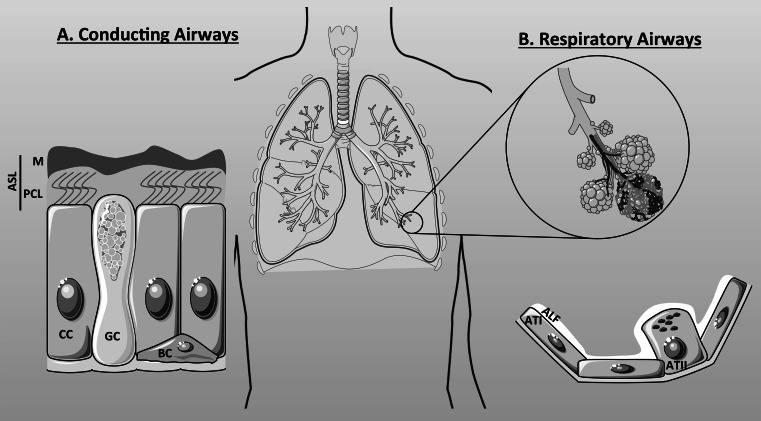
Salt and fluid absorption and secretion are two processes that are fundamental to epithelial function and whole body fluid homeostasis, and as such are tightly regulated in epithelial tissues. The CFTR anion channel plays a major role in regulating both secretion and absorption in a diverse range of epithelial tissues, including the airways, the GI and reproductive tracts, sweat and salivary glands. It is not surprising then that defects in CFTR function are linked to disease, including life-threatening secretory diarrhoeas, such as cholera, as well as the inherited disease, cystic fibrosis (CF), one of the most common life-limiting genetic diseases in Caucasian populations. More recently, CFTR dysfunction has also been implicated in the pathogenesis of acute pancreatitis, chronic obstructive pulmonary disease (COPD), and the hyper-responsiveness in asthma, underscoring its fundamental role in whole body health and disease. CFTR regulates many mechanisms in epithelial physiology, such as maintaining epithelial surface hydration and regulating luminal pH. Indeed, recent studies have identified luminal pH as an important arbiter of epithelial barrier function and innate defence, particularly in the airways and GI tract. In this chapter, we will illustrate the different operational roles of CFTR in epithelial function by describing its characteristics in three different tissues: the airways, the pancreas, and the sweat gland.
Overview
The claims and statistics of this paper haven’t been checked yet.
Free: it reads the open-access text and checks the first 5 claims that cite a source we can check. Create a free account to check every claim.
Integrity signals
Registry
Cites
Statistics
Figures
Verification
Claims the paper makes
The claims and statistics of this paper haven’t been checked yet.
Free: it reads the open-access text and checks the first 5 claims that cite a source we can check. Create a free account to check every claim.
Claims other papers make about this one
Each is checked against this paper’s own text: does it say what the citing paper says it does?
The cited source says what the claim attributes to it.
In the citing paper
“CFTR are also expressed on the apical membrane of clear cells and play a role in chloride secretion in response to beta-adrenergic stimulation”
From Physiological mechanisms determining eccrine sweat composition (2020) · cites this paper as Saint-Criq and Gray 2017
Self-check
Percentages, sums and reported differences re-computed from the paper’s own numbers.
The self-check needs the paper’s full text.
Citations
Cites
Meijer, L., Nelson, D. J., Riazanski, V., Gabdoulkhakova, A. G., Hery-Arnaud, G., Le Berre, R., Loaëc, N., Oumata, N., Galons, H., Nowak, E., et al. (2016) · Journal of Innate Immunity · doi:10.1159/000444256 · Cited by 4,992
Claudins and the Modulation of Tight Junction Permeability
Günzel, D., & Yu, A. S. L. (2013) · Physiological Reviews · doi:10.1152/physrev.00019.2012 · Cited by 1,456 · cited 1×
“junctions [5].”
Gibson, L. E., & Cooke, R. E. (1959) · Pediatrics · doi:10.1542/peds.23.3.545 · Cited by 1,434 · cited 1×
“diagnostic purposes [220, 221].”
TMEM16A confers receptor-activated calcium-dependent chloride conductance
Yang, Y. D., Cho, H., Koo, J. Y., Tak, M. H., Cho, Y., Shim, W.-S., Park, S. P., Lee, J., Lee, B., Kim, B.-M., et al. (2008) · Nature · doi:10.1038/nature07313 · Cited by 1,283 · cited 1×
“In a study from 2011, soon after the identification of the CaCC as being encoded by TMEM16A (also called Anoctamin 1, ANO1) [58–60], Ousingsawat et al.”
BackgroundTMEM16A, A Membrane Protein Associated with Calcium-Dependent Chloride Channel Activity
Caputo, A., Caci, E., Ferrera, L., Pedemonte, N., Barsanti, C., Sondo, E., Pfeffer, U., Ravazzolo, R., Zegarra-Moran, O., & Galietta, L. J. V. (2008) · Science · doi:10.1126/science.1163518 · Cited by 1,263 · cited 1×
“In a study from 2011, soon after the identification of the CaCC as being encoded by TMEM16A (also called Anoctamin 1, ANO1) [58–60], Ousingsawat et al.”
BackgroundExpression Cloning of TMEM16A as a Calcium-Activated Chloride Channel Subunit
Schroeder, B. C., Cheng, T., Jan, Y. N., & Jan, L. Y. (2008) · Cell · doi:10.1016/j.cell.2008.09.003 · Cited by 1,148 · cited 1×
“In a study from 2011, soon after the identification of the CaCC as being encoded by TMEM16A (also called Anoctamin 1, ANO1) [58–60], Ousingsawat et al.”
BackgroundMucus clearance as a primary innate defense mechanism for mammalian airways
Knowles, M. R., & Boucher, R. C. (2002) · Journal of Clinical Investigation · doi:10.1172/jci0215217 · Cited by 1,054 · cited 1×
“Studies using thin film cultured human bronchial epithelial cells (HBEs) have shown that both Na absorption and Cl secretion regulate ASL height and composition [28, 29].”
BackgroundEpidemiology of constipation in children and adults: A systematic review
Mugie, S. M., Benninga, M. A., & Di Lorenzo, C. (2011) · Best Practice & Research Clinical Gastroenterology · doi:10.1016/j.bpg.2010.12.010 · Cited by 941
Increased airway epithelial Na+ absorption produces cystic fibrosis-like lung disease in mice
Mall, M., Grubb, B. R., Harkema, J. R., O'Neal, W. K., & Boucher, R. C. (2004) · Nature Medicine · doi:10.1038/nm1028 · Cited by 911 · cited 1×
“Later work from a b-ENaC overexpressing mouse [40] provided further support, since these transgenic mice exhibited a lung phenotype characteristic of human CF airways.”
BackgroundKim, B. J., Nam, J. H., Kim, K. H., Joo, M., Ha, T. S., Weon, K. Y., Choi, S., Jun, J. Y., Park, E. J., Wie, J., et al. (2014) · Cellular Physiology and Biochemistry · doi:10.1159/000366306 · Cited by 886
Cited by
Pseudomonas aeruginosa: An Audacious Pathogen with an Adaptable Arsenal of Virulence Factors
Jurado-Martín, I., Sainz-Mejías, M., & McClean, S. (2021) · International Journal of Molecular Sciences · doi:10.3390/ijms22063128 · Cited by 698
“demonstrated that although the antimicrobial composition of the ASL was similar in CF and non-CF pigs, the CF pigs’ airways showed reduced efficiency in bacterial killing, suggesting that the observed acidic environment may contribute the lack of activity of antimicrobial molecules [224,225].”
BackgroundCFTR Modulators: The Changing Face of Cystic Fibrosis in the Era of Precision Medicine
Lopes-Pacheco, M. (2020) · Frontiers in Pharmacology · doi:10.3389/fphar.2019.01662 · Cited by 535
“Furthermore, CFTR modulates the activity of other ion channels, such as the epithelial sodium channel (ENaC) (Saint-Criq and Gray, 2017; Moore and Tarran, 2018).”
BackgroundProtein kinase CK2: a potential therapeutic target for diverse human diseases
Borgo, C., D’Amore, C., Sarno, S., Salvi, M., & Ruzzene, M. (2021) · Signal Transduction and Targeted Therapy · doi:10.1038/s41392-021-00567-7 · Cited by 362
Physiological mechanisms determining eccrine sweat composition
Baker, L. B., & Wolfe, A. S. (2020) · European Journal of Applied Physiology · doi:10.1007/s00421-020-04323-7 · Cited by 367
Grasemann, H., & Ratjen, F. (2023) · New England Journal of Medicine · doi:10.1056/nejmra2216474 · Cited by 334
mRNA-based therapeutics: looking beyond COVID-19 vaccines
Parhiz, H., Atochina-Vasserman, E. N., & Weissman, D. (2024) · The Lancet · doi:10.1016/s0140-6736(23)02444-3 · Cited by 279
Structure, Gating, and Regulation of the CFTR Anion Channel
Csanády, L., Vergani, P., & Gadsby, D. C. (2019) · Physiological Reviews · doi:10.1152/physrev.00007.2018 · Cited by 262
Marinko, J. T., Huang, H., Penn, W. D., Capra, J. A., Schlebach, J. P., & Sanders, C. R. (2019) · Chemical Reviews · doi:10.1021/acs.chemrev.8b00532 · Cited by 252
Cao, X., Coyle, J. P., Xiong, R., Wang, Y., Heflich, R. H., Ren, B., Gwinn, W. M., Hayden, P. J., & Rojanasakul, L. W. (2020) · In Vitro Cellular & Developmental Biology - Animal · doi:10.1007/s11626-020-00517-7 · Cited by 177
Patient-derived pancreas-on-a-chip to model cystic fibrosis-related disorders
Shik Mun, K., Arora, K., Huang, Y., Yang, F., Yarlagadda, S., Ramananda, Y., Abu-El-Haija, M., Palermo, J. J., Appakalai, B. N., Nathan, J. D., et al. (2019) · Nature Communications · doi:10.1038/s41467-019-11178-w · Cited by 125
CFTR Protein: Not Just a Chloride Channel?
Hanssens, L. S., Duchateau, J., & Casimir, G. J. (2021) · Cells · doi:10.3390/cells10112844 · Cited by 176
“While endogenous ROS are important for the antimicrobial host defense, their increase, as observed in CF due to inflammatory cells (in particular neutrophils) and bacteria in the airways, can lead to cell death and tissue damage defined as oxidative stress [12].”
BackgroundInfluentialPathogenicity and virulence of Aspergillus fumigatus
Earle, K., Valero, C., Conn, D. P., Vere, G., Cook, P. C., Bromley, M., Bowyer, P., & Gago, S. (2023) · Virulence · doi:10.1080/21505594.2023.2172264 · Cited by 132
“CFTR primarily functions as a cyclic adenosine monophosphate (cAMP)-regulated chloride-ion channel, playing an important role in regulating osmolarity at the epithelial surface [310].”
BackgroundBacalhau, M., Camargo, M., Magalhães‐Ghiotto, G. A. V., Drumond, S., Castelletti, C. H. M., & Lopes‐Pacheco, M. (2023) · Pharmaceuticals · doi:10.3390/ph16030410 · Cited by 125
“Under normal physiological conditions, CFTR functions as a cAMP-mediated chloride/bicarbonate channel expressed at the apical plasma membrane of several epithelial tissues, where it plays a critical role in electrolyte and fluid balance, thus controlling the composition and quantity of epithelial secretions [7].”
BackgroundSmall-molecule ion channels increase host defences in cystic fibrosis airway epithelia
Muraglia, K. A., Chorghade, R. S., Kim, B. R., Tang, X. X., Shah, V. S., Grillo, A. S., Daniels, P. N., Cioffi, A. G., Karp, P. H., Zhu, L., et al. (2019) · Nature · doi:10.1038/s41586-019-1018-5 · Cited by 123
The therapeutic importance of acid-base balance
Quade, B. N., Parker, M. D., & Occhipinti, R. (2021) · Biochemical Pharmacology · doi:10.1016/j.bcp.2020.114278 · Cited by 77
“the mechanisms that drive fluid secretion in our bodies [154] (Fig.”
Cellular Compartmentalization, Glutathione Transport and Its Relevance in Some Pathologies
Vázquez-Meza, H., Vilchis-Landeros, M. M., Vázquez-Carrada, M., Uribe-Ramírez, D., & Matuz-Mares, D. (2023) · Antioxidants · doi:10.3390/antiox12040834 · Cited by 94
Gondalia, R., Baldassari, A., Holliday, K. M., Justice, A. E., Méndez-Giráldez, R., Stewart, J. D., Liao, D., Yanosky, J. D., Brennan, K. J. M., Engel, S. M., et al. (2019) · Environment International · doi:10.1016/j.envint.2019.03.071 · Cited by 91
“The CFTR-encoded ABC transporter controls fluid secretion and absorption in epithelial tissues (Saint-Criq and Gray, 2017).”
BackgroundCFTR gene variants, epidemiology and molecular pathology
Bareil, C., & Bergougnoux, A. (2020) · Archives de Pédiatrie · doi:10.1016/s0929-693x(20)30044-0 · Cited by 97
Gong, J., Wang, F., Xiao, B., Panjwani, N., Fan, L., Keenan, K., Avolio, J., Esmaeili, M., Zhang, L., He, G., et al. (2019) · PLoS Genetics · doi:10.1371/journal.pgen.1008007 · Cited by 86
Dysregulated signalling pathways in innate immune cells with cystic fibrosis mutations
Reyna, S. J. L., Holbrook, J. A., Jarosz-Griffiths, H., Peckham, D. G., & McDermott, M. (2020) · Cellular and Molecular Life Sciences · doi:10.1007/s00018-020-03540-9 · Cited by 81
Cytokine Storm and Mucus Hypersecretion in COVID-19: Review of Mechanisms
Khan, M. A., Khan, Z. A., Charles, M. R., Pratap, P. D., Naeem, A., Siddiqui, Z., Naqvi, N., & Srivastava, S. (2021) · Journal of Inflammation Research · doi:10.2147/jir.s271292 · Cited by 77
What's unique about acute pancreatitis in children: risk factors, diagnosis and management
Husain, S. Z., & Srinath, A. I. (2017) · Nature Reviews Gastroenterology & Hepatology · doi:10.1038/nrgastro.2017.13 · Cited by 72
Bioelectric stimulation controls tissue shape and size
Shim, G., Breinyn, I. B., Martínez-Calvo, A., Rao, S., & Cohen, D. J. (2024) · Nature Communications · doi:10.1038/s41467-024-47079-w · Cited by 77
Liu, Q. Y., Abu‐El‐Haija, M. A., Husain, S. Z., Barth, B. A., Bellin, M. D., Fishman, D. S., Freedman, S. D., Gariepy, C. E., Giefer, M. J., Gonska, T. Y., et al. (2019) · Journal of Pediatric Gastroenterology and Nutrition · doi:10.1097/mpg.0000000000002405 · Cited by 73
Seidler, U. E., & Nikolovska, K. (2019) · Comprehensive physiology · doi:10.1002/cphy.c180027 · Cited by 74
Influence of the lung microbiome on antibiotic susceptibility of cystic fibrosis pathogens
Vandeplassche, E., Tavernier, S., Coenye, T., & Crabbé, A. (2019) · European Respiratory Review · doi:10.1183/16000617.0041-2019 · Cited by 70
Recent advances in developing therapeutics for cystic fibrosis
Strug, L. J., Stephenson, A. L., Panjwani, N., & Harris, A. (2018) · Human Molecular Genetics · doi:10.1093/hmg/ddy188 · Cited by 59
Lee, D., & Hong, J. H. (2020) · International Journal of Molecular Sciences · doi:10.3390/ijms21010339 · Cited by 62
“The HCO3−-dependent channels and transporters include cystic fibrosis transmembrane conductance regulator channel (CFTR) [2,3], NBC [4,5], Cl−/HCO3− exchangers (CBE) [6,7], and Ca2+-activated Cl− channel TMEM16A (also known as Anoctamin-1) [8,9].”
BackgroundReece, E., Bettio, P. H. D. A., & Renwick, J. (2021) · Antibiotics · doi:10.3390/antibiotics10070827 · Cited by 58
“Lack of functional CFTR protein results in defective secretion of Cl− with enhanced Na+ absorption and mucus secretion [4].”
BackgroundVairo, D., Bruzzese, L., Marlinge, M., Fuster, L., Adjriou, N., Kipson, N., Brunet, P., Cautela, J., Jammes, Y., Mottola, G., et al. (2017) · Scientific Reports · doi:10.1038/s41598-017-12211-y · Cited by 54
Saint-Criq, V., Delpiano, L., Casement, J., Onuora, J. C., Lin, J., & Gray, M. A. (2020) · Cells · doi:10.3390/cells9092137 · Cited by 52
“It is caused by mutations of a single gene, CFTR, which is a chloride and bicarbonate channel that, in the airways, tightly regulates airway surface liquid (ASL) volume and composition [42].”
BackgroundSelf-citationGuerra, L., Castori, M., Didona, B., Castiglia, D., & Zambruno, G. (2018) · Journal of the European Academy of Dermatology and Venereology · doi:10.1111/jdv.14834 · Cited by 59
Michaels, W. E., Bridges, R. J., & Hastings, M. L. (2020) · Nucleic Acids Research · doi:10.1093/nar/gkaa490 · Cited by 61
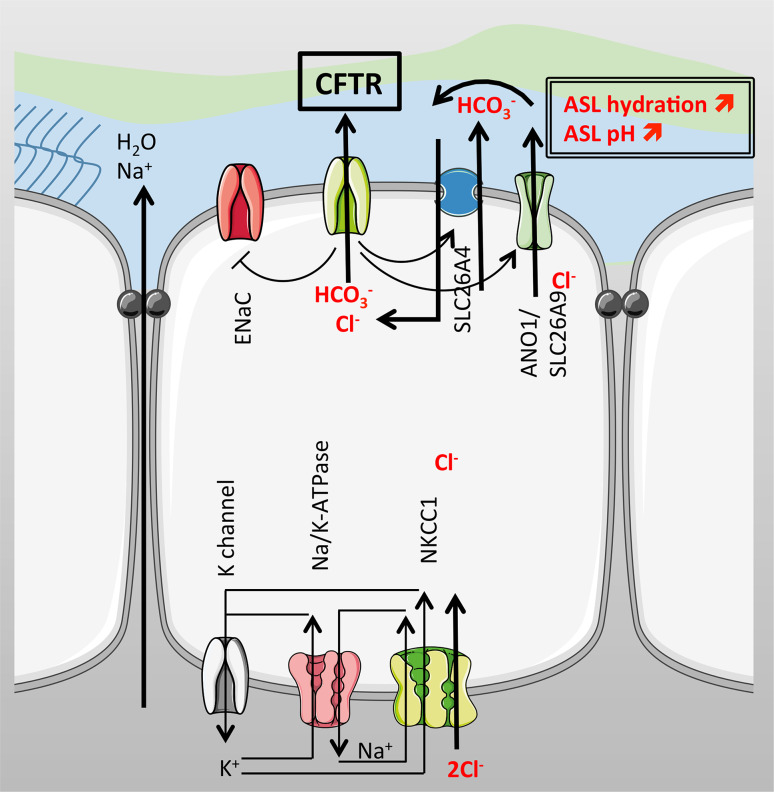
“In airway cells, chloride entry into the cell through the basolateral membrane co-transporter NKCC1 is coupled to secretion across the apical membrane via CFTR to sustain ion and fluid transport (Figure 2A) (2,54,55).”
SARS-CoV-2 (COVID-19) and cystic fibrosis
Stanton, B. A., Hampton, T. H., & Ashare, A. (2020) · American Journal of Physiology-Lung Cellular and Molecular Physiology · doi:10.1152/ajplung.00225.2020 · Cited by 56
Zheng, S., Tang, B. Z., & Wang, W. (2023) · Journal of Hazardous Materials · doi:10.1016/j.jhazmat.2023.133181 · Cited by 56
Current state of CFTR modulators for treatment of Cystic Fibrosis
Despotes, K. A., & Donaldson, S. H. (2022) · Current Opinion in Pharmacology · doi:10.1016/j.coph.2022.102239 · Cited by 58
Mall, M. A., Criner, G. J., Miravitlles, M., Rowe, S. M., Vogelmeier, C. F., Rowlands, D. J., Schoenberger, M., & Altman, P. (2022) · European Respiratory Journal · doi:10.1183/13993003.01307-2022 · Cited by 55
Anti-Pseudomonas aeruginosa Vaccines and Therapies: An Assessment of Clinical Trials
Elmassry, M. M., Colmer‐Hamood, J. A., Kopel, J. J., Francisco, M. J. S., & Hamood, A. N. (2023) · Microorganisms · doi:10.3390/microorganisms11040916 · Cited by 53
How close are we to definitively identifying the respiratory health effects of e-cigarettes?
Ratajczak, A., Feleszko, W., Smith, D. M., & Goniewicz, M. L. (2018) · Expert Review of Respiratory Medicine · doi:10.1080/17476348.2018.1483724 · Cited by 60
“CFTR dysfunction in humans has been associated with the development of COPD and asthma hyperresponsiveness [58].”
BackgroundAssays of CFTR Function In Vitro, Ex Vivo and In Vivo
Ramalho, A. S., Boon, M., Proesmans, M., Vermeulen, F. L., Carlon, M. S., & Boeck, K. D. (2022) · International Journal of Molecular Sciences · doi:10.3390/ijms23031437 · Cited by 52
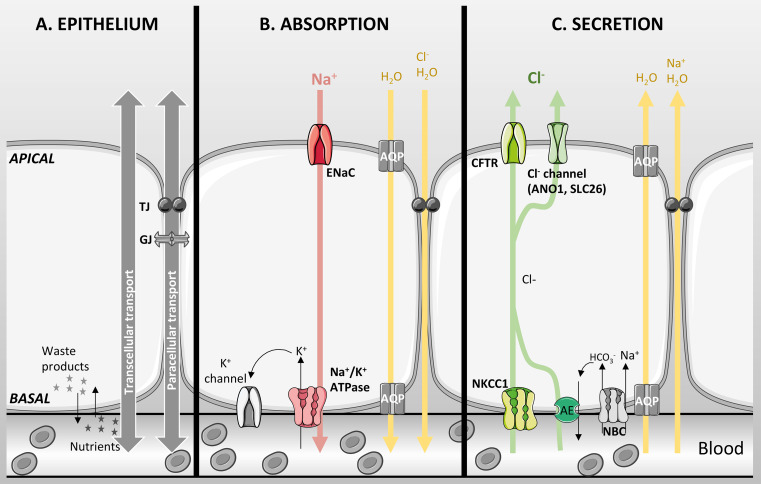
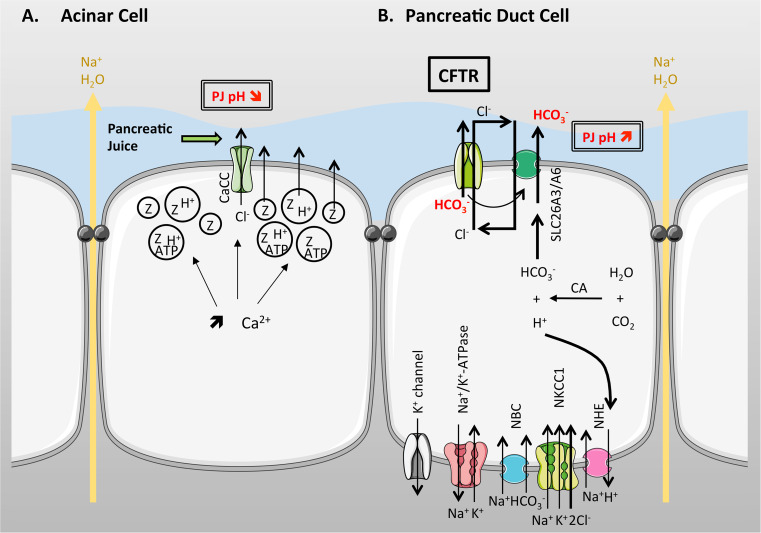
“Diagram representation of ion transport in epithelial cells based on [19], for details, see text.”
BackgroundCystic Fibrosis: Overview of the Current Development Trends and Innovative Therapeutic Strategies
Almughem, F. A., Aldossary, A. M., Tawfik, E. A., Alomary, M. N., Alharbi, W. S., Alshahrani, M. Y., & Alshehri, A. A. (2020) · Pharmaceutics · doi:10.3390/pharmaceutics12070616 · Cited by 59
Patel, S. D., Bono, T. R., Rowe, S. M., & Solomon, G. M. (2020) · European Respiratory Review · doi:10.1183/16000617.0068-2019 · Cited by 52
Effects of Pseudomonas aeruginosa on CFTR chloride secretion and the host immune response
Stanton, B. A. (2017) · American Journal of Physiology-Cell Physiology · doi:10.1152/ajpcell.00373.2016 · Cited by 48
“The HCO3 that enters the cell is secreted across the apical membrane by CFTR and SLC26A4 (pendrin), a Cl /HCO3 exchanger (34, 69).”
BackgroundInfluentialShute, J. K., Puxeddu, E., & Calzetta, L. (2018) · Current Opinion in Pharmacology · doi:10.1016/j.coph.2018.01.006 · Cited by 44
Pharmacological Modulation of Ion Channels for the Treatment of Cystic Fibrosis
Pinto, M. C., Silva, I. A. L., Figueira, M. F., Amaral, M. D., & Lopes‐Pacheco, M. (2021) · Journal of Experimental Pharmacology · doi:10.2147/jep.s255377 · Cited by 49
Small-molecule drugs for cystic fibrosis: Where are we now?
Laselva, O., Guerra, L., Castellani, S., Favia, M., Gioia, S. D., & Conese, M. (2021) · Pulmonary Pharmacology & Therapeutics · doi:10.1016/j.pupt.2021.102098 · Cited by 44
New insight into lacrimal gland function: Role of the duct epithelium in tear secretion
Tóth‐Molnár, E., & Ding, C. (2020) · The Ocular Surface · doi:10.1016/j.jtos.2020.07.002 · Cited by 44
Hur, D. B., Kapach, G., Wani, N. A., Kiper, E., Ashkenazi, M., Smollan, G., Keller, N., Efrati, O., & Shai, Y. (2022) · Journal of Medicinal Chemistry · doi:10.1021/acs.jmedchem.2c00270 · Cited by 46
Aquaporins Involvement in Pancreas Physiology and in Pancreatic Diseases
Arsenijevic, T., Perret, J., Laethem, J. V., & Delporte, C. (2019) · International Journal of Molecular Sciences · doi:10.3390/ijms20205052 · Cited by 52
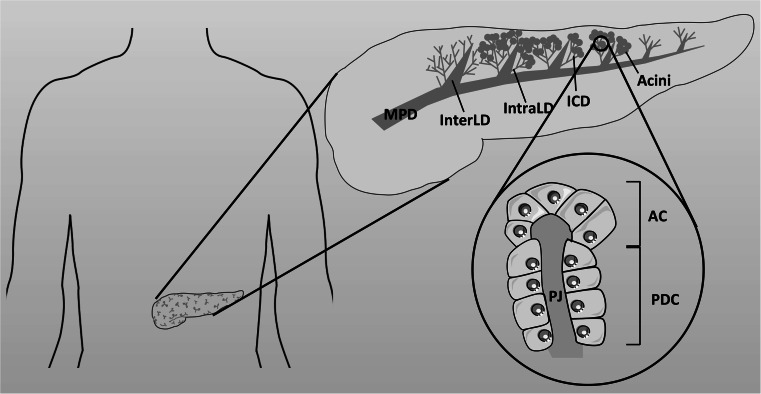
“CFTR is normally expressed in pancreatic ductal cells and contributes to pancreatic juice secretion [108].”
BackgroundWhat biologists want from their chloride reporters – a conversation between chemists and biologists
Zajac, M. A., Chakraborty, K., Saha, S., Mahadevan, V., Infield, D. T., Accardi, A., Qiu, Z., & Krishnan, Y. (2020) · Journal of Cell Science · doi:10.1242/jcs.240390 · Cited by 42
“When this process is dysfunctional, the fluid layer lining the conducting airways cannot remove inhaled pathogens and debris, leading to cystic fibrosis (CF) (Frizzell and Hanrahan, 2012; Saint-Criq and Gray, 2017).”
BackgroundInfluentialWebster, M. J., & Tarran, R. (2018) · Current topics in membranes · doi:10.1016/bs.ctm.2018.08.004 · Cited by 47
Spectrum of mutations of cystic fibrosis in the 22 Arab countries: A systematic review
Al‐Sadeq, D. W., Abunada, T., Dalloul, R. S. D., Fahad, S. M., Taleb, S., Aljassim, K., Hamed, F. A. A., & Zayed, H. (2018) · Respirology · doi:10.1111/resp.13437 · Cited by 40
Aquaporins and male (in)fertility: Expression and role throughout the male reproductive tract
Carrageta, D. F., Bernardino, R. L., Soveral, G., Calamita, G., Alves, M. G., & Oliveira, P. F. (2019) · Archives of Biochemistry and Biophysics · doi:10.1016/j.abb.2019.108222 · Cited by 45
In vitro Methods for the Development and Analysis of Human Primary Airway Epithelia
Gianotti, A., Delpiano, L., & Caci, E. (2018) · Frontiers in Pharmacology · doi:10.3389/fphar.2018.01176 · Cited by 38
“CFTR is a chloride channel expressed at the apical surface of secretory epithelia where it plays an important role in salt and fluid homeostasis (Saint-Criq and Gray, 2017).”
BackgroundPharmacological approaches for targeting cystic fibrosis nonsense mutations
Sharma, J., Keeling, K. M., & Rowe, S. M. (2020) · European Journal of Medicinal Chemistry · doi:10.1016/j.ejmech.2020.112436 · Cited by 45
“This gene encodes a cAMP-regulated anion channel that mediates Cl− and HCO3 ion transport in the epithelia of airways, pancreatic ducts, and other tissues (4, 5).”
BackgroundCheng, J., Fang, L., Li, Y., Wang, S., Li, Y., Yan, Y., Jia, Q., Wu, Z., Wang, Z., Han, X., et al. (2020) · Experimental & Molecular Medicine · doi:10.1038/s12276-020-00491-w · Cited by 43
Sex differences in airway disease: estrogen and airway surface liquid dynamics
Harvey, B. J., & McElvaney, N. G. (2024) · Biology of Sex Differences · doi:10.1186/s13293-024-00633-z · Cited by 44
“CFTR is essential for proper hydration of the airways and is key for generating an efficient mucociliary clearance [71].”
BackgroundVaping-Associated Lung Injury: A Review
O’Callaghan, M., Boyle, N., Fabre, A., Keane, M. P., & McCarthy, C. (2022) · Medicina · doi:10.3390/medicina58030412 · Cited by 67
Medical and Nonmedical Applications of Synthetic Transmembrane Anion Transporters
Rathnaweera, U. M. C., Chowdhury, S. M., Salam, R., & Busschaert, N. (2025) · Chemical Reviews · doi:10.1021/acs.chemrev.5c00129 · Cited by 44
Cystic fibrosis and primary ciliary dyskinesia: Similarities and differences
Pereira, R., Barbosa, T., Cardoso, A. L., Sá, R., & Sousa, M. (2023) · Respiratory Medicine · doi:10.1016/j.rmed.2023.107169 · Cited by 41
The role of mechanosensitive ion channels in the gastrointestinal tract
Yang, H., Hou, C., Xiao, W., & Qiu, Y. (2022) · Frontiers in Physiology · doi:10.3389/fphys.2022.904203 · Cited by 42
“CFTR is a key determinant of ion and water homeostasis (Saint-Criq and Gray, 2017).”
BackgroundCarnovale, V., Scialò, F., Gelzo, M., Iacotucci, P., Amato, F., Zarrilli, F., Celardo, A., Castaldo, G., & Corso, G. (2022) · Journal of Clinical Medicine · doi:10.3390/jcm11236900 · Cited by 39
Linsdell, P. (2018) · Channels · doi:10.1080/19336950.2018.1502585 · Cited by 34
“The physiological role of CFTR in epithelial cell salt and water transport [7], the mechanisms and consequences of CFTR dysfunction in CF [8], and pharmacological approaches targeted to CFTR in order to treat CF [9] have been reviewed recently and will not be discussed in this article.”
BackgroundBose, S. J., Bijvelds, M. J. C., Wang, Y., Liu, J., Cai, Z., Bot, A. G. M., de Jonge, H. R., & Sheppard, D. N. (2019) · American Journal of Physiology-Lung Cellular and Molecular Physiology · doi:10.1152/ajplung.00034.2019 · Cited by 35
“Located in the apical membrane of epithelia-lining ducts and tubes, it plays a key role in the regulation of transepithelial fluid and electrolyte movement (6, 68).”
BackgroundCystic fibrosis transmembrane conductance regulator—emerging regulator of cancer
Zhang, J., Wang, Y., Jiang, X., & Chan, H. C. (2018) · Cellular and Molecular Life Sciences · doi:10.1007/s00018-018-2755-6 · Cited by 40
“While subsequent studies revealed that CFTR HCO3 permeability was dynamically regulated by intracellular Cl− concentration-sensitive WNK1-SPAK/ OSR1 kinase pathway [114], this model is still unable to account for the ability of the ducts to secrete HCO3 at high concentrations in many species, including humans [115].”
Gianotti, A., Capurro, V., Delpiano, L., Mielczarek, M., García‐Valverde, M., Carreira‐Barral, I., Ludovico, A., Fiore, M., Baroni, D., Morán, Ó., et al. (2020) · International Journal of Molecular Sciences · doi:10.3390/ijms21041488 · Cited by 37
“fibrosis transmembrane conductance regulator (CFTR) protein, and the sodium absorption mediated by the epithelial sodium channel (ENaC) [4].”
BackgroundEmbryonic macrophages support endocrine commitment during human pancreatic differentiation
Migliorini, A., Ge, S., Atkins, M. H., Oakie, A., Sambathkumar, R., Kent, G., Huang, H., Sing, A., Chua, C., Gehring, A. J., et al. (2024) · Cell stem cell · doi:10.1016/j.stem.2024.09.011 · Cited by 39
Fruit extracts to control pathogenic Escherichia coli: A sweet solution
Dubreuil, J. D. (2020) · Heliyon · doi:10.1016/j.heliyon.2020.e03410 · Cited by 39
“A synergistic activity of pomegranate with antibiotics against pathogens resistant to antibiotics was also observed [51, 55, 56].”
BackgroundMeoli, A., Fainardi, V., Deolmi, M., Chiopris, G., Marinelli, F., Caminiti, C., Esposito, S., & Pisi, G. (2021) · Pharmaceuticals · doi:10.3390/ph14090928 · Cited by 40
“In neonates, intestinal obstruction may cause meconium ileus, while in adults, it may result in rec rrent episodes of distal intestinal obstructive yndrome (DIOS) [2].”
BackgroundInfluentialOne Size Does Not Fit All: The Past, Present and Future of Cystic Fibrosis Causal Therapies
Ensinck, M. M., & Carlon, M. S. (2022) · Cells · doi:10.3390/cells11121868 · Cited by 35
“In the pancreas, the absence of CFTR-dependent fluid secretion leads to the destruction of the exocrine pancreatic glands at birth for 85% of PwCF [6].”
BackgroundAn outlined review for the role of Nedd4-1 and Nedd4-2 in lung disorders
He, H., Huang, C., Chen, Z., Huang, H., Wang, X., & Chen, J. (2020) · Biomedicine & Pharmacotherapy · doi:10.1016/j.biopha.2020.109983 · Cited by 32
The Multifaceted Roles of MicroRNAs in Cystic Fibrosis
Palma, F. D. E. D., Raia, V., Kroemer, G., & Maiuri, M. C. (2020) · Diagnostics · doi:10.3390/diagnostics10121102 · Cited by 30
“Moreover, the involvement of CFTR in the modulation of other ion channels, such as the epithelial sodium channel (ENaC), has been also described, not without controversy [26].”
BackgroundTargeting PDZ domains as potential treatment for viral infections, neurodegeneration and cancer
Nardella, C., Visconti, L., Malagrinò, F., Pagano, L., Bufano, M., Nalli, M., Coluccia, A., Regina, G. L., Silvestri, R., Gianni, S., et al. (2021) · Biology Direct · doi:10.1186/s13062-021-00303-9 · Cited by 33
Noël, S., Servel, N., Hatton, A., Golec, A., Rodrat, M., Ng, D. R. S., Li, H., Pranke, I. M., Hinzpeter, A., Edelman, A., et al. (2021) · The Journal of Physiology · doi:10.1113/jp282143 · Cited by 32
“…regulator (CFTR) (Riordan et al. 1989; Ratjen et al. 2015), an ATP-gated anion channel, which plays a central role in fluid and electrolyte movement across epithelia throughout the body and host defence in the respiratory airways (Stoltz et al. 2015; Saint-Criq & Gray, 2017; Hwang et al. 2018).”
BackgroundIncreased susceptibility of cystic fibrosis airway epithelial cells to ferroptosis
Maniam, P., Essilfie, A., Kalimutho, M., Ling, D., Frazer, D. M., Phipps, S., Anderson, G. J., & Reid, D. W. (2021) · Biological Research · doi:10.1186/s40659-021-00361-3 · Cited by 31
“Mutations in CFTR lead to abnormal chloride ion transport in mucus and sweat producing cells, mainly affecting epithelial cells of the respiratory and gastrointestinal tracts [2].”
BackgroundMkulo, E. M., Iddrisu, L., Yohana, M. A., Zheng, A., Zhong, J., Jin, M., Danso, F., Wang, L., Zhang, H., Tang, B., et al. (2025) · Frontiers in Marine Science · doi:10.3389/fmars.2025.1559871 · Cited by 43
Koeppen, K., Barnaby, R., Jackson, A. A., Gerber, S. A., Hogan, D. A., & Stanton, B. A. (2019) · PLoS ONE · doi:10.1371/journal.pone.0211290 · Cited by 29
An Intriguing Involvement of Mitochondria in Cystic Fibrosis
Favia, M., Lidia de, B. A. R. I., Bobba, A., & Atlante, A. (2019) · Journal of Clinical Medicine · doi:10.3390/jcm8111890 · Cited by 32
Novel therapeutic approaches for the management of cystic fibrosis
Jaques, R., Shakeel, A., & Hoyle, C. (2020) · Multidisciplinary Respiratory Medicine · doi:10.4081/mrm.2020.690 · Cited by 72
“This is thought to be due to the abolition of ENaC regulation by the CFTR channel, when CFTR is mutated and dysfunctional, as seen in CF [24].”
BackgroundCarey, R. M., Palmer, J. N., Adappa, N. D., & Lee, R. J. (2023) · Frontiers in Immunology · doi:10.3389/fimmu.2023.1096242 · Cited by 29
“Cystic fibrosis (CF) is a common lethal recessive genetic disease characterized in part by reduced airway surface liquid volume, overly thick airway surface mucus, and impaired mucociliary clearance (1, 2).”
BackgroundCossu, C., Fiore, M., Baroni, D., Capurro, V., Caci, E., García‐Valverde, M., Quesada, R., & Morán, Ó. (2018) · Frontiers in Pharmacology · doi:10.3389/fphar.2018.00852 · Cited by 28
Pulmonary Ionocytes Regulate Airway Surface Liquid pH in Primary Human Bronchial Epithelial Cells
Luan, X., Henao–Romero, N., Campanucci, V. A., Le, Y., Mustofa, J., Tam, J. S., & Ianowski, J. P. (2024) · American Journal of Respiratory and Critical Care Medicine · doi:10.1164/rccm.202309-1565oc · Cited by 37
Khalaf, M., Scott‐Ward, T. S., Causer, A. J., SAYNOR, Z. L., Shepherd, A. I., Górecki, D. C., Lewis, A., Laight, D. W., & Shute, J. K. (2020) · Frontiers in Physiology · doi:10.3389/fphys.2020.00879 · Cited by 30
“…of the cystic fibrosis transmembrane conductance regulator (CFTR) protein, an anion channel conducting mainly chloride and bicarbonate ions in airway epithelial cells (SaintCriq and Gray, 2017), leads to dehydration of airway secretions with failure of mucociliary clearance and mucus plugging.”
BackgroundTurner, M. J., Dauletbaev, N., Lands, L. C., & Hanrahan, J. W. (2020) · Journal of Pharmacology and Experimental Therapeutics · doi:10.1124/jpet.120.000080 · Cited by 30
Cystic fibrosis: Physiopathology and the latest pharmacological treatments
Fonseca, C., Bicker, J., Alves, G., Falcão, A. C., & Fortuna, A. C. (2020) · Pharmacological Research · doi:10.1016/j.phrs.2020.105267 · Cited by 34
The promise of human organoids in the digestive system
Funata, M., Nio, Y., Erion, D. M., Thompson, W. L., & Takebe, T. (2020) · Cell Death and Differentiation · doi:10.1038/s41418-020-00661-3 · Cited by 30
Germain, A., Levine, S. M., & Hanson, M. R. (2021) · Proteomes · doi:10.3390/proteomes9010006 · Cited by 30
“As summarized by Saint-Criq and Gray [48], CFTR plays a fundamental role in regulating secretion and absorption throughout the body, including airways, the gastrointestinal and reproductive tracts, sweat and salivary glands.”
BackgroundInfluentialPathophysiological role of ion channels and transporters in gastrointestinal mucosal diseases
Deng, Z., Zhao, Y., Ma, Z., Zhang, M., Wang, H., Yi, Z., Tuo, B., Li, T., & Liu, X. (2021) · Cellular and Molecular Life Sciences · doi:10.1007/s00018-021-04011-5 · Cited by 32
“CFTR mediates the passive transport of Cl/HCO3 [74]; it is expressed in the apical cell membrane of epithelial cells that secrete chloride [75] and participates in regulating the secretion and absorption of various epithelial tissues [76].”
BackgroundTherapeutic applications of curcumin nanomedicine formulations in cystic fibrosis
Quispe, C., Herrera-Bravo, J., Khan, K., Javed, Z., Semwal, P., Painuli, S., Kamiloglu, S., Martorell, M., Calina, D., & Sharifi-Rad, J. (2022) · Progress in Biomaterials · doi:10.1007/s40204-022-00198-3 · Cited by 26
“As a result of mutations on CFTR protein, the secretion of chloride ions is impaired and sodium ions are hyper-absorbed across epithelia, leading to hypersecretion of thick and sticky mucus (Saint-Criq and Gray 2017; Cristallini et al. 2019).”
BackgroundMilczewska, J., Syunyaeva, Z., Żabińska-Jaroń, A., Sands, D., & Thee, S. A. (2024) · European Respiratory Review · doi:10.1183/16000617.0068-2024 · Cited by 31
Youf, R., Nasir, A., Müller, M., Thétiot, F., Haute, T., Ghanem, R., Jonas, U., Schönherr, H., Lemercier, G., Montier, T., et al. (2022) · Pharmaceutics · doi:10.3390/pharmaceutics14081664 · Cited by 30
“However, for NaCl concentrations in the range of that typically found in CF airways [56], the UV-vis spectrum of each compound was similar to that in water (Figure 3).”
BackgroundLidia de, B. A. R. I., Favia, M., Bobba, A., Lassandro, R., Guerra, L., & Atlante, A. (2018) · Journal of Bioenergetics and Biomembranes · doi:10.1007/s10863-018-9748-x · Cited by 26
Current landscape of cystic fibrosis gene therapy
Plasschaert, L. W., MacDonald, K. D., & Moffit, J. S. (2024) · Frontiers in Pharmacology · doi:10.3389/fphar.2024.1476331 · Cited by 37
Pawlaczyk−Kamieńska, T., Borysewicz‐Lewicka, M., & Batura‐Gabryel, H. (2019) · Microorganisms · doi:10.3390/microorganisms7120692 · Cited by 29
Zhou, T., Kundu, D., Robles-Linares, J., Meadows, V., Sato, K., Baiocchi, L., Ekser, B., Glaser, S., Alpini, G., Francis, H., et al. (2021) · Cells · doi:10.3390/cells10082072 · Cited by 23
“, composing the so-called bicarbonate umbrella) [8].”
Cyclic nucleotide phosphodiesterase inhibitors as therapeutic interventions for cystic fibrosis
Turner, M. J., Abbott-Banner, K., Thomas, D. Y., & Hanrahan, J. W. (2021) · Pharmacology & Therapeutics · doi:10.1016/j.pharmthera.2021.107826 · Cited by 24
Heterogeneous expression of CFTR in insulin-secreting β-cells of the normal human islet
Fulvio, M. D., Bogdani, M., Velasco, M., McMillen, T. S., Ridaura, C., Kelly, L., Almutairi, M. M., Kursan, S., Sajib, A. A., Hiriart, M., et al. (2020) · PLoS ONE · doi:10.1371/journal.pone.0242749 · Cited by 29
Elkhalifa, D. H., Rayan, M., Negmeldin, A. T., Elhissi, A. M. A., & Khalil, A. A. (2021) · Biomedicine & Pharmacotherapy · doi:10.1016/j.biopha.2021.112385 · Cited by 24
“In another study, synthetically modified CFTR mRNA was packaged into LNPs and tested for its potential in treating cystic fibrosis in patient-derived bronchial epithelial cells in vitro [86].”
InfluentialMucosal Immunity in Cystic Fibrosis
Bojanowski, C. M., Lu, S., & Kolls, J. K. (2021) · The Journal of Immunology · doi:10.4049/jimmunol.2100424 · Cited by 27
Migliorisi, G., Collura, M., Ficili, F., Pensabene, T., Bongiorno, D., Collura, A., Bernardo, F. D., & Stefani, S. (2022) · Pharmaceuticals · doi:10.3390/ph15050606 · Cited by 24
“Any decrease in or absence of CFTR activity leads to multifaceted clinical manifestations [3].”
Background
Metadata
- Authors
- Saint-Criq, V., & Gray, M. A.
- Affiliations
- Newcastle University (GB)
- Corresponding author
- Gray, Michael A.
- ORCID
- Gray, Michael A.
- Venue
- Cellular and Molecular Life Sciences
- Published
- 2016-10-06
- Volume
- 74
- Issue
- 1
- Pages
- 93-115
- ISSN
- 1420-682X (ISSN-L)
- 1420-9071
- PMC
- PMC5209439
- OpenAlex
- W2528194947
- Semantic Scholar
- ea463e9b4fdaa9bd5df690f6e4dc12719748b5cb
- Cited by
- 433
- References
- 232
- Citations by year
- 2026: 35 · 2025: 54 · 2024: 53 · 2023: 45 · 2022: 54 · 2021: 57 · 2020: 61 · 2019: 29 · 2018: 32 · 2017: 10 · 2016: 1
- FWCI
- 4.16
- Type
- journal article
- Language
- en
- Open access
- hybrid
- doi.org
- Locations
- Cellular and Molecular Life Sciences (publishedVersion, cc-by)
- Europe PMC (PubMed Central) (publishedVersion, cc-by)
- PubMed Central (publishedVersion, cc-by)
- PubMed (publishedVersion)
- HAL (submittedVersion, other-oa)
- Newcastle University ePrints (Newcastle Univesity) (cc-by)
- Funders
- Cystic Fibrosis Trust (SRC 003)
- Topics
- Health Sciences › Medicine › Pulmonary and Respiratory Medicine › Cystic Fibrosis Research Advances
- Life Sciences › Biochemistry, Genetics and Molecular Biology › Molecular Biology › Ion Transport and Channel Regulation
- Life Sciences › Biochemistry, Genetics and Molecular Biology › Molecular Biology › Ion channel regulation and function
- Keywords
- CFTR, cystic fibrosis, epithelial physiology, anion channels, secretion, fluid homeostasis, luminal pH, epithelial barrier function, respiratory tract, pancreas, sweat glands, secretory diarrhea, acute pancreatitis, chronic obstructive pulmonary disease
- MeSH terms
- Animals, Bicarbonates, Chlorides, Cystic Fibrosis, Epithelium, Humans, Immunity, Innate, Lung, Pancreas, Sweat Glands, Cystic Fibrosis Transmembrane Conductance Regulator
About these checks
Registry, retraction, Cites and statistics results are computed, not judged, with one exception: a printed reference that no index lists is read once by a model before it counts as a citation error. Claims are extracted by a model and kept only when their quote appears verbatim in the text; each cited source is then checked, with a model’s help, for whether it says what the claim relies on. Those verdicts can be wrong — read the claim’s quote and the cited source before relying on one.
Statistics and arithmetic are recomputed, not judged.
Confidence bands are shown only for fields calibrated on our annotated test set. None is calibrated yet, so no band is shown.
What counts as a claim ›How we measure confidence ›How we check this ›
Are you an author, or do you see a problem with this page? Request a review
Data sources
Bibliographic data: Semantic Scholar, OpenAlex, Crossref.
Contains information from the Semantic Scholar Academic Graph Datasets, made available under the ODC Attribution License (ODC-BY 1.0).
Semantic Scholar’s data is described in: Kinney, R., et al. (2023). The Semantic Scholar Open Data Platform. arXiv:2301.10140.
