

The DOI matches its Crossref record; 12 of the 12 references it cites were found in a registry or an index.
Stem Cell-Derived Exosomal MicroRNAs as Novel Potential Approach for Multiple Sclerosis Treatment
Abstract
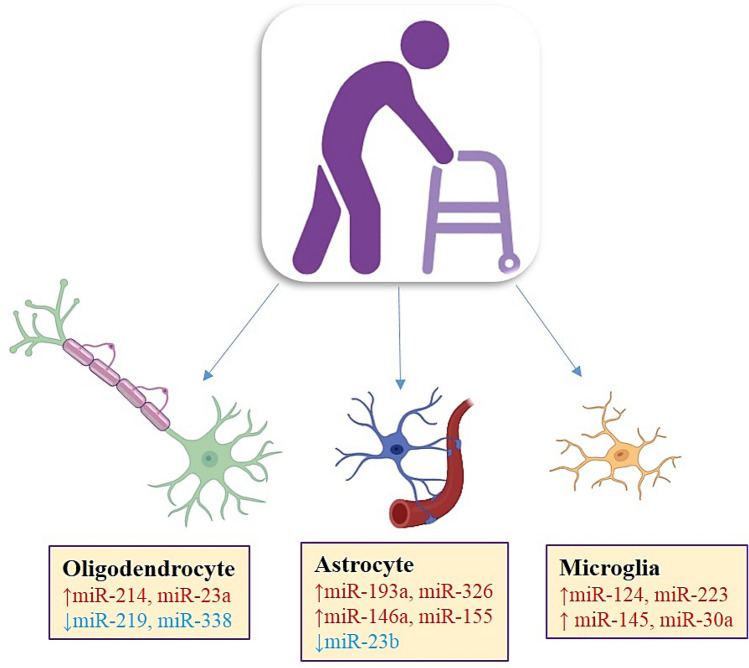
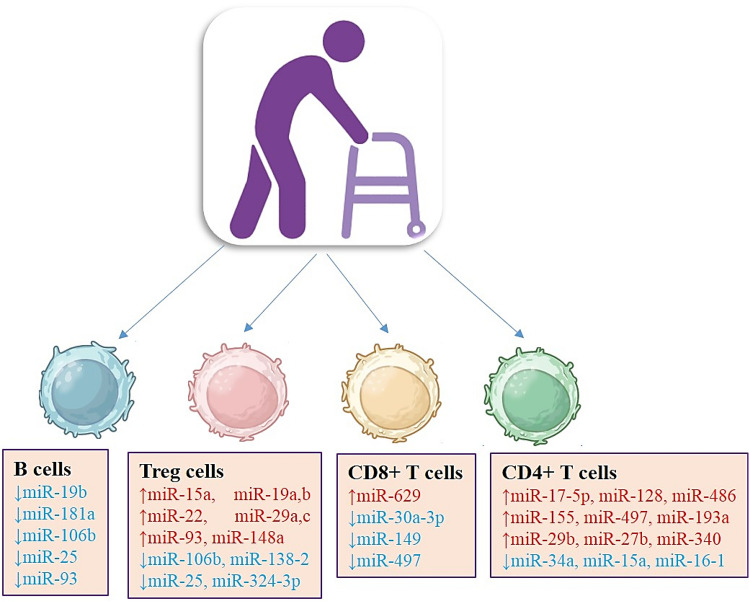
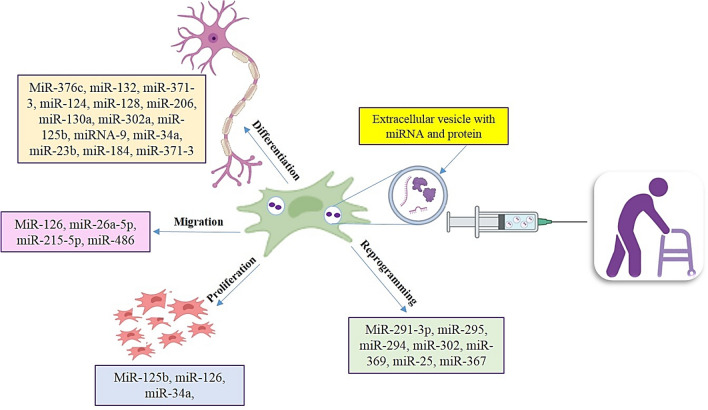
Multiple Sclerosis (MS) is an autoimmune disease of the central nervous system (CNS) characterized by inflammation and demyelination of CNS neurons. Up to now, there are many therapeutic strategies for MS but they are only being able to reduce progression of diseases and have not got any effect on repair and remyelination. Stem cell therapy is an appropriate method for regeneration but has limitations and problems. So recently, researches were used of exosomes that facilitate intercellular communication and transfer cell-to-cell biological information. MicroRNAs (miRNAs) are a class of short non-coding RNAs that we can used to their dysregulation in order to diseases diagnosis. The miRNAs of microvesicles obtained stem cells may change the fate of transplanted cells based on received signals of injured regions. The miRNAs existing in MSCs may be displayed the cell type and their biological activities. Current studies show also that the miRNAs create communication between stem cells and tissue-injured cells. In the present review, firstly we discuss the role of miRNAs dysregulation in MS patients and miRNAs expression by stem cells. Finally, in this study was confirmed the relationship of microRNAs involved in MS and miRNAs expressed by stem cells and interaction between them in order to find appropriate treatment methods in future for limit to disability progression. Graphical Abstract The effect of miRNAs in transplanted MSC derived exosomes for MS patient treatment. The role of different miRNAs on proliferation, reprogramming, migration and differentiation have been shown.
Overview
The claims and statistics of this paper haven’t been checked yet.
Run the check — free, no account needed. It reads the open-access text and checks the sources it cites.
Integrity signals
Registry
Cites
Statistics
Figures
Verification
Claims the paper makes
The claims and statistics of this paper haven’t been checked yet.
Run the check — free, no account needed. It reads the open-access text and checks the sources it cites.
Claims other papers make about this one
Each is checked against this paper’s own text: does it say what the citing paper says it does?
In the citing paper
“MiRNAs, as a class of non-coding RNAs (21–25 nucleotides), play essential roles in the post-transcriptional regulation of gene expression by targeting mRNAs based on sequence complementarity (Gebert and MacRae 2019; Tahmasebi et al. 2024).”
From MiR-124 and MiR-155 as Therapeutic Targets in Microglia-Mediated Inflammation in Multiple Sclerosis (2025) · cites this paper as Tahmasebi et al. 2024
Self-check
Percentages, sums and reported differences re-computed from the paper’s own numbers.
The self-check needs the paper’s full text.
Citations
Cites
Regulation of miRNA expression during neural cell specification
Smirnova, L., Gräfe, A., Seiler, A., Schumacher, S., Nitsch, R., & Wulczyn, F. G. (2005) · European Journal of Neuroscience · doi:10.1111/j.1460-9568.2005.03978.x · Cited by 707
Diagnosis of multiple sclerosis: progress and challenges
Brownlee, W. J., Hardy, T. A., Fazekas, F., & Miller, D. H. (2017) · The Lancet · doi:10.1016/s0140-6736(16)30959-x · Cited by 701
Progressive multiple sclerosis: from pathophysiology to therapeutic strategies
Faissner, S., Plemel, J. R., Gold, R., & Yong, V. W. (2019) · Nature Reviews Drug Discovery · doi:10.1038/s41573-019-0035-2 · Cited by 459
Prada, I., Gabrielli, M., Turola, E., Iorio, A., D’Arrigo, G., Parolisi, R., De Luca, M., Pacifici, M., Bastoni, M., Lombardi, M., et al. (2018) · Acta Neuropathologica · doi:10.1007/s00401-017-1803-x · Cited by 312
Silencing MicroRNA-155 Ameliorates Experimental Autoimmune Encephalomyelitis
Murugaiyan, G., Beynon, V., Mittal, A., Joller, N., & Weiner, H. L. (2011) · The Journal of Immunology · doi:10.4049/jimmunol.1003952 · Cited by 289
Jovičić, A., Roshan, R., Moisoi, N., Pradervand, S., Moser, R., Pillai, B., & Luthi-Carter, R. (2013) · The Journal of Neuroscience · doi:10.1523/jneurosci.0600-12.2013 · Cited by 251
Ge, X., Guo, M., Hu, T., Li, W., Huang, S., Yin, Z., Li, Y., Chen, F., Zhu, L., Kang, C., et al. (2020) · Molecular Therapy · doi:10.1016/j.ymthe.2019.11.017 · Cited by 242
miR‐155 as a multiple sclerosis–relevant regulator of myeloid cell polarization
Moore, C. S., Rao, V. T. S., Durafourt, B. A., Bedell, B. J., Ludwin, S. K., Bar‐Or, A., & Antel, J. P. (2013) · Annals of Neurology · doi:10.1002/ana.23967 · Cited by 219
Adlakha, Y. K., & Saini, N. (2014) · Molecular Cancer · doi:10.1186/1476-4598-13-33 · Cited by 213
Reijerkerk, A., Lopez-Ramirez, M. A., van het Hof, B., Drexhage, J. A. R., Kamphuis, W. W., Kooij, G., Vos, J. B., van der Pouw Kraan, T. C. T. M., van Zonneveld, A. J., Horrevoets, A. J., et al. (2013) · The Journal of Neuroscience · doi:10.1523/jneurosci.3965-12.2013 · Cited by 138
Research works printed but not linked: 122
- Abolghasemi M, Poursaei E, Bornehdeli S, Shanehbandi D, Asadi M, Sadeghzadeh M, Sadeh RN (2021) Exploration of potential circulating micro-RNA as biomarker for Alzheimer’s disease. Meta Gene 30:100968 · DOI
- Abolghasemi M, Ali Ashrafi S, Asadi M, Shanehbandi D, Sadigh Etehad S, Poursaei E, Shaafi S (2023) MicroRNAs expression in peripheral blood mononuclear cells of patients with multiple sclerosis propose. Mol Biol Rep 50(1):167–172 · DOI
- Agostini M, Tucci P, Steinert JR, Shalom-Feuerstein R, Rouleau M, Aberdam D, Concepcion CP (2011) microRNA-34a regulates neurite outgrowth, spinal morphology, and function. Proc Natl Acad Sci 108(52):21099–21104 · DOI
- Amoruso A, Blonda M, Gironi M, Grasso R, Di Francescantonio V, Scaroni F, Avolio C (2020) Immune and central nervous system-related miRNAs expression profiling in monocytes of multiple sclerosis patients. Sci Rep 10(1):6125 · DOI · Paper page
- Aquino J, Bolontrade M, Garcia M, Podhajcer O, Mazzolini G (2010) Mesenchymal stem cells as therapeutic tools and gene carriers in liver fibrosis and hepatocellular carcinoma. Gene Ther 17(6):692–708 · DOI
- Aranda P, Agirre X, Ballestar E, Andreu EJ, Roman-Gomez J, Prieto I, Esteller M (2009) Epigenetic signatures associated with different levels of differentiation potential in human stem cells. PLoS ONE 4(11):e7809 · DOI
- Arora S, Rana R, Chhabra A, Jaiswal A, Rani V (2013) miRNA–transcription factor interactions: a combinatorial regulation of gene expression. Mol Genet Genomics 288:77–87 · DOI
- Baecher-Allan C, Kaskow BJ, Weiner HL (2018) Multiple sclerosis: mechanisms and immunotherapy. Neuron 97(4):742–768 · DOI · Paper page
- Barati S, Tahmasebi F, Faghihi F (2020) Effects of mesenchymal stem cells transplantation on multiple sclerosis patients. Neuropeptides 84:102095 · DOI
- Barwari T, Joshi A, Mayr M (2016) MicroRNAs in cardiovascular disease. J Am Coll Cardiol 68(23):2577–2584 · DOI
- Baulina N, Kulakova O, Kiselev I, Osmak G, Popova E, Boyko A, Favorova O (2018) Immune-related miRNA expression patterns in peripheral blood mononuclear cells differ in multiple sclerosis relapse and remission. J Neuroimmunol 317:67–76 · DOI
- Blonda M, Amoruso A, Grasso R, Di Francescantonio V, Avolio C (2017) Multiple sclerosis treatments affect monocyte-derived microvesicle production. Front Neurol 8:422 · DOI
- Boissart C, Nissan X, Giraud-Triboult K, Peschanski M, Benchoua A (2012) miR-125 potentiates early neural specification of human embryonic stem cells. Development 139(7):1247–1257 · DOI
- Buhagiar A, Borg J, Ayers D (2020) Overview of current microRNA biomarker signatures as potential diagnostic tools for leukaemic conditions. Non-Coding RNA Res 5(1):22–26 · DOI
- Camussi G, Deregibus MC, Bruno S, Cantaluppi V, Biancone L (2010) Exosomes/microvesicles as a mechanism of cell-to-cell communication. Kidney Int 78(9):838–848 · DOI
- Caplan A (2009) Why are MSCs therapeutic? New data: new insight. J Pathol: J Pathol Soc Great Britain Ireland 217(2):318–324 · DOI
- Carthew RW, Sontheimer EJ (2009) Origins and mechanisms of miRNAs and siRNAs. Cell 136(4):642–655 · DOI
- Ceolotto G, Giannella A, Albiero M, Kuppusamy M, Radu C, Simioni P, Iori E (2017) miR-30c-5p regulates macrophage-mediated inflammation and pro-atherosclerosis pathways. Cardiovasc Res 113(13):1627–1638 · DOI
- Chavakis E, Dimmeler S (2011) Homing of progenitor cells to ischemic tissues. Antioxid Redox Signal 15(4):967–980 · DOI
- Chen C-Z, Li L, Lodish HF, Bartel DP (2004) MicroRNAs modulate hematopoietic lineage differentiation. Science 303(5654):83–86 · DOI · Paper page
- Chen TS, Lai RC, Lee MM, Choo ABH, Lee CN, Lim SK (2010) Mesenchymal stem cell secretes microparticles enriched in pre-microRNAs. Nucleic Acids Res 38(1):215–224 · DOI
- Cheng L-C, Pastrana E, Tavazoie M, Doetsch F (2009) miR-124 regulates adult neurogenesis in the subventricular zone stem cell niche. Nat Neurosci 12(4):399–408 · DOI · Paper page
- Choi YJ, Lin C-P, Ho JJ, He X, Okada N, Bu P, Chen C (2011) miR-34 miRNAs provide a barrier for somatic cell reprogramming. Nat Cell Biol 13(11):1353–1360 · DOI
- Collino F, Deregibus MC, Bruno S, Sterpone L, Aghemo G, Viltono L, Camussi G (2010) Microvesicles derived from adult human bone marrow and tissue specific mesenchymal stem cells shuttle selected pattern of miRNAs. PLoS ONE 5(7):e11803 · DOI · Paper page
- Crop M, Baan C, Weimar W, Hoogduijn M (2009) Potential of mesenchymal stem cells as immune therapy in solid-organ transplantation. Transpl Int 22(4):365–376 · DOI
- Dai J, Su Y, Zhong S, Cong L, Liu B, Yang J, Jiang Y (2020) Exosomes: key players in cancer and potential therapeutic strategy. Signal Trans Target Ther 5(1):145 · DOI · Paper page
- De Santis G, Ferracin M, Biondani A, Caniatti L, Tola MR, Castellazzi M, Fainardi E (2010) Altered miRNA expression in T regulatory cells in course of multiple sclerosis. J Neuroimmunol 226(1–2):165–171 · DOI
- Dominici M, Le Blanc K, Mueller I, Slaper-Cortenbach I, Marini F, Krause D, Horwitz E (2006) Minimal criteria for defining multipotent mesenchymal stromal cells. the international society for cellular therapy position statement. Cytotherapy 8:315–317 · DOI · Paper page
- Duan Y, Luo Q, Wang Y, Ma Y, Chen F, Zhu X, Shi J (2020) Adipose mesenchymal stem cell-derived extracellular vesicles containing microRNA-26a-5p target TLR4 and protect against diabetic nephropathy. J Biol Chem 295(37):12868–12884 · DOI
- Ehya F, Tehrani HA, Garshasbi M, Nabavi SM (2017) Identification of miR-24 and miR-137 as novel candidate multiple sclerosis miRNA biomarkers using multi-staged data analysis protocol. Mol Biol Res Commun 6(3):127
- Essandoh K, Li Y, Huo J, Fan G-C (2016) MiRNA-mediated macrophage polarization and its potential role in the regulation of inflammatory response. Shock (augusta, Ga) 46(2):122 · DOI
- Fayyad-Kazan H, Hamade E, Rouas R, Najar M, Fayyad-Kazan M, El Zein N, Al-Akoum C (2014) Downregulation of microRNA-24 and-181 parallels the upregulation of IFN-γ secreted by activated human CD4 lymphocytes. Hum Immunol 75(7):677–685 · DOI
- Fenoglio C, Ridolfi E, Cantoni C, De Riz M, Bonsi R, Serpente M, Alvarez E (2013) Decreased circulating miRNA levels in patients with primary progressive multiple sclerosis. Mult Scler J 19(14):1938–1942 · DOI
- Gallo S, Gili M, Lombardo G, Rossetti A, Rosso A, Dentelli P, Camussi G (2016) Stem cell-derived, microRNA-carrying extracellular vesicles: a novel approach to interfering with mesangial cell collagen production in a hyperglycaemic setting. PLoS ONE 11(9):e0162417 · DOI
- Gandhi R, Healy B, Gholipour T, Egorova S, Musallam A, Hussain MS, Khoury S (2013) Circulating microRNAs as biomarkers for disease staging in multiple sclerosis. Ann Neurol 73(6):729–740 · DOI
- Gangaraju VK, Lin H (2009) MicroRNAs: key regulators of stem cells. Nat Rev Mol Cell Biol 10(2):116–125 · DOI
- Gaudet AD, Fonken LK, Watkins LR, Nelson RJ, Popovich PG (2018) MicroRNAs: roles in regulating neuroinflammation. Neuroscientist 24(3):221–245 · DOI · Paper page
- Ghadiri N, Emamnia N, Ganjalikhani-Hakemi M, Ghaedi K, Etemadifar M, Salehi M, Nasr-Esfahani MH (2018) Analysis of the expression of mir-34a, mir-199a, mir-30c and mir-19a in peripheral blood CD4+ T lymphocytes of relapsing-remitting multiple sclerosis patients. Gene 659:109–117 · DOI
- Giacalone G, Clarelli F, Osiceanu A, Guaschino C, Brambilla P, Sorosina M, Rodegher M (2015) Analysis of genes, pathways and networks involved in disease severity and age at onset in primary-progressive multiple sclerosis. Mult Scler J 21(11):1431–1442 · DOI
- Greco SJ, Rameshwar P (2007) MicroRNAs regulate synthesis of the neurotransmitter substance P in human mesenchymal stem cell-derived neuronal cells. Proc Natl Acad Sci 104(39):15484–15489 · DOI
- Greco SJ, Liu K, Rameshwar P (2007) Functional similarities among genes regulated by OCT4 in human mesenchymal and embryonic stem cells. Stem Cells 25(12):3143–3154 · DOI
- Guerau-de-Arellano M, Smith KM, Godlewski J, Liu Y, Winger R, Lawler SE, Lovett-Racke AE (2011) Micro-RNA dysregulation in multiple sclerosis favours pro-inflammatory T-cell-mediated autoimmunity. Brain 134(12):3578–3589 · DOI · Paper page
- Han X, Fan Z (2021) MicroRNAs regulation in osteogenic differentiation of mesenchymal stem cells. Front Dent Med. https://doi.org/10.3389/fdmed.2021.747068 · DOI
- Haney MJ, Klyachko NL, Zhao Y, Gupta R, Plotnikova EG, He Z, Kabanov AV (2015) Exosomes as drug delivery vehicles for Parkinson’s disease therapy. J Control Release 207:18–30 · DOI · Paper page
- Hao Y, Miao J, Liu W, Cai K, Huang X, Peng L (2021) Mesenchymal stem cell-derived exosomes carry microRNA-125a to protect against diabetic nephropathy by targeting histone deacetylase 1 and downregulating endothelin-1. Diabet Metabol Syndr Obes: Target Ther 14:1405–1418 · DOI
- Hecker M, Thamilarasan M, Koczan D, Schröder I, Flechtner K, Freiesleben S, Zettl UK (2013) MicroRNA expression changes during interferon-beta treatment in the peripheral blood of multiple sclerosis patients. Int J Mol Sci 14(8):16087–16110 · DOI
- Heinrich E-M, Dimmeler S (2012) MicroRNAs and stem cells: control of pluripotency, reprogramming, and lineage commitment. Circ Res 110(7):1014–1022 · DOI
- Hemmer B, Kerschensteiner M, Korn T (2015) Role of the innate and adaptive immune responses in the course of multiple sclerosis. Lancet Neurol 14(4):406–419 · DOI
- Hergenreider E, Heydt S, Tréguer K, Boettger T, Horrevoets AJ, Zeiher AM, Mayr M (2012) Atheroprotective communication between endothelial cells and smooth muscle cells through miRNAs. Nat Cell Biol 14(3):249–256 · DOI
- Hsia L-T, Ashley N, Ouaret D, Wang LM, Wilding J, Bodmer WF (2016) Myofibroblasts are distinguished from activated skin fibroblasts by the expression of AOC3 and other associated markers. Proc Natl Acad Sci 113(15):E2162–E2171 · DOI
- Hu R, Li H, Liu W, Yang L, Tan Y-F, Luo X-H (2010) Targeting miRNAs in osteoblast differentiation and bone formation. Expert Opin Ther Targets 14(10):1109–1120 · DOI
- Huang F, Zhu X, Hu X-Q, Fang Z-F, Tang L, Lu X-L, Zhou S-H (2013) Mesenchymal stem cells modified with miR-126 release angiogenic factors and activate notch ligand delta-like-4, enhancing ischemic angiogenesis and cell survival. Int J Mol Med 31(2):484–492 · DOI
- Humphreys BD, Valerius MT, Kobayashi A, Mugford JW, Soeung S, Duffield JS, Bonventre JV (2008) Intrinsic epithelial cells repair the kidney after injury. Cell Stem Cell 2(3):284–291 · DOI · Paper page
- Ieda M, Fu J-D, Delgado-Olguin P, Vedantham V, Hayashi Y, Bruneau BG, Srivastava D (2010) Direct reprogramming of fibroblasts into functional cardiomyocytes by defined factors. Cell 142(3):375–386 · DOI · Paper page
- Jagot F, Davoust N (2016) Is it worth considering circulating microRNAs in multiple sclerosis? Front Immunol 7:129 · DOI · Paper page
- Jakob P, Landmesser U (2012) Role of microRNAs in stem/progenitor cells and cardiovascular repair. Cardiovasc Res 93(4):614–622 · DOI
- Jernås M, Malmeström C, Axelsson M, Nookaew I, Wadenvik H, Lycke J, Olsson B (2013) MicroRNA regulate immune pathways in T-cells in multiple sclerosis (MS). BMC Immunol 14(1):1–11 · DOI
- Jiang Y, Jahagirdar BN, Reinhardt RL, Schwartz RE, Keene CD, Ortiz-Gonzalez XR, Blackstad M (2002) Pluripotency of mesenchymal stem cells derived from adult marrow. Nature 418(6893):41–49 · DOI
- Jin J, Shi Y, Gong J, Zhao L, Li Y, He Q, Huang H (2019) Exosome secreted from adipose-derived stem cells attenuates diabetic nephropathy by promoting autophagy flux and inhibiting apoptosis in podocyte. Stem Cell Res Ther 10:1–15 · DOI
- Judson RL, Babiarz JE, Venere M, Blelloch R (2009) Embryonic stem cell–specific microRNAs promote induced pluripotency. Nat Biotechnol 27(5):459–461 · DOI
- Junker A, Krumbholz M, Eisele S, Mohan H, Augstein F, Bittner R, Meinl E (2009) MicroRNA profiling of multiple sclerosis lesions identifies modulators of the regulatory protein CD47. Brain 132(12):3342–3352 · DOI · Paper page
- Kacperska MJ, Jastrzebski K, Tomasik B, Walenczak J, Konarska-Krol M, Glabinski A (2015) Selected extracellular microRNA as potential biomarkers of multiple sclerosis activity—preliminary study. J Mol Neurosci 56:154–163 · DOI
- Kim H, Lee G, Ganat Y, Papapetrou EP, Lipchina I, Socci ND, Studer L (2011) miR-371-3 expression predicts neural differentiation propensity in human pluripotent stem cells. Cell Stem Cell 8(6):695–706 · DOI
- Kimura K, Hohjoh H, Fukuoka M, Sato W, Oki S, Tomi C, Yamamura T (2018) Circulating exosomes suppress the induction of regulatory T cells via let-7i in multiple sclerosis. Nat Commun 9(1):17 · DOI
- Lakshmipathy U, Hart RP (2008) Concise review: microRNA expression in multipotent mesenchymal stromal cells. Stem Cells 26(2):356–363 · DOI
- Leri A, Kajstura J, Anversa P (2011) Role of cardiac stem cells in cardiac pathophysiology: a paradigm shift in human myocardial biology. Circ Res 109(8):941–961 · DOI
- Li Z, Yang CS, Nakashima K, Rana TM (2011) Small RNA-mediated regulation of iPS cell generation. EMBO J 30(5):823–834 · DOI
- Liang X, Zhang L, Wang S, Han Q, Zhao RC (2016) Exosomes secreted by mesenchymal stem cells promote endothelial cell angiogenesis by transferring miR-125a. J Cell Sci 129(11):2182–2189 · DOI
- Lindberg RL, Hoffmann F, Mehling M, Kuhle J, Kappos L (2010) Altered expression of miR-17-5p in CD4+ lymphocytes of relapsing–remitting multiple sclerosis patients. Eur J Immunol 40(3):888–898 · DOI
- Liu C, Teng Z-Q, Santistevan NJ, Szulwach KE, Guo W, Jin P, Zhao X (2010) Epigenetic regulation of miR-184 by MBD1 governs neural stem cell proliferation and differentiation. Cell Stem Cell 6(5):433–444 · DOI
- Liu J, Wang L, Su Z, Wu W, Cai X, Li D, Pan G (2014) A reciprocal antagonism between miR-376c and TGF-β signaling regulates neural differentiation of human pluripotent stem cells. FASEB J 28(11):4642–4656 · DOI
- Ma X, Zhou J, Zhong Y, Jiang L, Mu P, Li Y, Nagarkatti P (2014) Expression, regulation and function of microRNAs in multiple sclerosis. Int J Med Sci 11(8):810 · DOI
- Mao R, Shen J, Hu X (2020) BMSCs-derived exosomal microRNA-let-7a plays a protective role in diabetic nephropathy via inhibition of USP22 expression. Life Sci 268:118937–118937 · DOI
- Meoli EM, Oh U, Grant CW, Jacobson S (2011) TGF-β signaling is altered in the peripheral blood of subjects with multiple sclerosis. J Neuroimmunol 230(1–2):164–168 · DOI
- Mizuno Y, Yagi K, Tokuzawa Y, Kanesaki-Yatsuka Y, Suda T, Katagiri T, Amemiya T (2008) miR-125b inhibits osteoblastic differentiation by down-regulation of cell proliferation. Biochem Biophys Res Commun 368(2):267–272 · DOI
- Mohammed EM (2020) Environmental influencers, microRNA, and multiple sclerosis. J Cent Nerv Sys Dis 12:1179573519894955 · DOI
- O’Rourke JR, Georges SA, Seay HR, Tapscott SJ, McManus MT, Goldhamer DJ, Harfe BD (2007) Essential role for Dicer during skeletal muscle development. Dev Biol 311(2):359–368 · DOI
- Pauley KM, Cha S, Chan EK (2009) MicroRNA in autoimmunity and autoimmune diseases. J Autoimmun 32(3–4):189–194 · DOI
- Peng L, Chen Y, Shi S, Wen H (2022) Stem cell-derived and circulating exosomal microRNAs as new potential tools for diabetic nephropathy management. Stem Cell Res Ther 13(1):25 · DOI
- Peter ME (2009) Let-7 and miR-200 microRNAs: guardians against pluripotency and cancer progression. Cell Cycle 8(6):843–852 · DOI
- Phinney DG, Prockop DJ (2007) Concise review: mesenchymal stem/multipotent stromal cells: the state of transdifferentiation and modes of tissue repair—current views. Stem Cells 25(11):2896–2902 · DOI
- Pöllinger B (2012) IL-17 producing T cells in mouse models of multiple sclerosis and rheumatoid arthritis. J Mol Med 90:613–624 · DOI
- Ponomarev ED, Veremeyko T, Weiner HL (2013) MicroRNAs are universal regulators of differentiation, activation, and polarization of microglia and macrophages in normal and diseased CNS. Glia 61(1):91–103 · DOI · Paper page
- Raposo G, Stoorvogel W (2013) Extracellular vesicles: exosomes, microvesicles, and friends. J Cell Biol 200(4):373–383 · DOI · Paper page
- Rosa A, Brivanlou AH (2011) A regulatory circuitry comprised of miR-302 and the transcription factors OCT4 and NR2F2 regulates human embryonic stem cell differentiation. EMBO J 30(2):237–248 · DOI · Paper page
- Rustad KC, Gurtner GC (2012) Mesenchymal stem cells home to sites of injury and inflammation. Adv Wound Care 1(4):147–152 · DOI
- Schratt GM, Tuebing F, Nigh EA, Kane CG, Sabatini ME, Kiebler M, Greenberg ME (2006) A brain-specific microRNA regulates dendritic spine development. Nature 439(7074):283–289 · DOI · Paper page
- Shah A, Meese E, Blin N (2010) Profiling of regulatory microRNA transcriptomes in various biological processes: a review. J Appl Genet 51:501–507 · DOI
- Siegel SR, Mackenzie J, Chaplin G, Jablonski NG, Griffiths L (2012) Circulating microRNAs involved in multiple sclerosis. Mol Biol Rep 39:6219–6225 · DOI
- Sievers C, Meira M, Hoffmann F, Fontoura P, Kappos L, Lindberg RL (2012) Altered microRNA expression in B lymphocytes in multiple sclerosis: towards a better understanding of treatment effects. Clin Immunol 144(1):70–79 · DOI
- Smalheiser NR (2007) Exosomal transfer of proteins and RNAs at synapses in the nervous system. Biol Direct 2(1):1–15 · DOI
- Smith KM, Guerau-de-Arellano M, Costinean S, Williams JL, Bottoni A, Mavrikis Cox G, Lovett-Racke AE (2012) miR-29ab1 deficiency identifies a negative feedback loop controlling Th1 bias that is dysregulated in multiple sclerosis. J Immunol 189(4):1567–1576 · DOI
- Søndergaard HB, Hesse D, Krakauer M, Sørensen PS, Sellebjerg F (2013) Differential microRNA expression in blood in multiple sclerosis. Mult Scler J 19(14):1849–1857 · DOI
- Sospedra, M., & Martin, R. (2016). Immunology of multiple sclerosis. Paper presented at the Seminars in neurology. · DOI
- Stampanoni Bassi M, Iezzi E, Buttari F, Gilio L, Simonelli I, Carbone F, Furlan R (2020) Obesity worsens central inflammation and disability in multiple sclerosis. Mult Scler J 26(10):1237–1246 · DOI
- Subramanyam D, Lamouille S, Judson RL, Liu JY, Bucay N, Derynck R, Blelloch R (2011) Multiple targets of miR-302 and miR-372 promote reprogramming of human fibroblasts to induced pluripotent stem cells. Nat Biotechnol 29(5):443–448 · DOI
- Sun J, Zhao F, Zhang W, Lv J, Lv J, Yin A (2018) BMSC s and miR-124a ameliorated diabetic nephropathy via inhibiting notch signalling pathway. J Cell Mol Med 22(10):4840–4855 · DOI
- Suzuki Y, Kim HW, Ashraf M, Haider HK (2010) Diazoxide potentiates mesenchymal stem cell survival via NF-κB-dependent miR-146a expression by targeting Fas. Am J Physiol-Heart Circ Physiol 299(4):H1077–H1082 · DOI
- Tahmasebi F, Barati S (2023) The role of microglial depletion approaches in pathological condition of CNS. Cell Mol Neurobiol. https://doi.org/10.1007/s10571-023-01326-8 · DOI
- Takahashi K, Yamanaka S (2006) Induction of pluripotent stem cells from mouse embryonic and adult fibroblast cultures by defined factors. Cell 126(4):663–676 · DOI · Paper page
- Tarassishin L, Loudig O, Bauman A, Shafit-Zagardo B, Suh HS, Lee SC (2011) Interferon regulatory factor 3 inhibits astrocyte inflammatory gene expression through suppression of the proinflammatory miR-155 and miR-155. Glia 59(12):1911–1922 · DOI
- Tata PR, Tata NR, Kühl M, Sirbu IO (2011) Identification of a novel epigenetic regulatory region within the pluripotency associated microRNA cluster. EEmiRC Nucleic Acids Res 39(9):3574–3581 · DOI
- Tay YM-S, Tam W-L, Ang Y-S, Gaughwin PM, Yang H, Wang W, Perera RJ (2008) MicroRNA-134 modulates the differentiation of mouse embryonic stem cells, where it causes post-transcriptional attenuation of Nanog and LRH1. Stem Cells 26(1):17–29 · DOI
- Tsai MS, Hwang SM, Chen KD, Lee YS, Hsu LW, Chang YJ, Chao AS (2007) Functional network analysis of the transcriptomes of mesenchymal stem cells derived from amniotic fluid, amniotic membrane, cord blood, and bone marrow. Stem Cells 25(10):2511–2523 · DOI
- Viñas JL, Spence M, Gutsol A, Knoll W, Burger D, Zimpelmann J, Burns KD (2018) Receptor-ligand interaction mediates targeting of endothelial colony forming cell-derived exosomes to the kidney after ischemic injury. Sci Rep 8(1):16320 · DOI
- Viswanathan SR, Daley GQ, Gregory RI (2008) Selective blockade of microRNA processing by Lin28. Science 320(5872):97–100 · DOI
- Wang J, Park JW, Drissi H, Wang X, Xu R-H (2014) Epigenetic regulation of miR-302 by JMJD1C inhibits neural differentiation of human embryonic stem cells. J Biol Chem 289(4):2384–2395 · DOI
- Wang B, Yao K, Huuskes BM, Shen H-H, Zhuang J, Godson C, Ricardo SD (2016a) Mesenchymal stem cells deliver exogenous microRNA-let7c via exosomes to attenuate renal fibrosis. Mol Ther 24(7):1290–1301 · DOI
- Wang H, Ye Y, Zhu Z, Mo L, Lin C, Wang Q, Lu G (2016b) MiR-124 regulates apoptosis and autophagy process in MPTP model of Parkinson’s disease by targeting to B im. Brain Pathol 26(2):167–176 · DOI · Paper page
- Waschbisch A, Atiya M, Linker RA, Potapov S, Schwab S, Derfuss T (2011) Glatiramer acetate treatment normalizes deregulated microRNA expression in relapsing remitting multiple sclerosis. PLoS ONE 6(9):e24604 · DOI
- Wei W, Ao Q, Wang X, Cao Y, Liu Y, Zheng SG, Tian X (2021) Mesenchymal stem cell-derived exosomes: a promising biological tool in nanomedicine. Front Pharmacol 11:590470 · DOI
- Xu N, Papagiannakopoulos T, Pan G, Thomson JA, Kosik KS (2009) MicroRNA-145 regulates OCT4, SOX2, and KLF4 and represses pluripotency in human embryonic stem cells. Cell 137(4):647–658 · DOI
- Xu Q, Seeger FH, Castillo J, Iekushi K, Boon RA, Farcas R, Zeiher AM (2012) Micro-RNA-34a contributes to the impaired function of bone marrow-derived mononuclear cells from patients with cardiovascular disease. J Am Coll Cardiol 59(23):2107–2117 · DOI
- Xu Z, Dong D, Chen X, Huang H, Wen S (2015) MicroRNA-381 negatively regulates TLR4 signaling in A549 cells in response to LPS stimulation. BioMed Res Int. https://doi.org/10.1155/2015/849475 · DOI
- Yaldizli Ö, Putzki N (2009) Natalizumab in the treatment of multiple sclerosis. Ther Adv Neurol Disord 2(2):115–128 · DOI
- Yang D, Li T, Wang Y, Tang Y, Cui H, Tang Y, Le W (2012) miR-132 regulates the differentiation of dopamine neurons by directly targeting Nurr1 expression. J Cell Sci 125(7):1673–1682
- Yang D, Wang W-Z, Zhang X-M, Yue H, Li B, Lin L, Fu J (2014) MicroRNA expression aberration in Chinese patients with relapsing remitting multiple sclerosis. J Mol Neurosci 52:131–137 · DOI
- Yoo AS, Staahl BT, Chen L, Crabtree GR (2009) MicroRNA-mediated switching of chromatin-remodelling complexes in neural development. Nature 460(7255):642–646 · DOI · Paper page
- Zhang J, Cheng Y, Cui W, Li M, Li B, Guo L (2014) MicroRNA-155 modulates Th1 and Th17 cell differentiation and is associated with multiple sclerosis and experimental autoimmune encephalomyelitis. J Neuroimmunol 266(1–2):56–63 · DOI
- Zhao C, Sun G, Li S, Shi Y (2009) A feedback regulatory loop involving microRNA-9 and nuclear receptor TLX in neural stem cell fate determination. Nat Struct Mol Biol 16(4):365–371 · DOI · Paper page
- Zhao T, Sun F, Liu J, Ding T, She J, Mao F, Yan Y (2019) Emerging role of mesenchymal stem cell-derived exosomes in regenerative medicine. Curr Stem Cell Res Ther 14(6):482–494 · DOI
- Zhu S, Pan W, Song X, Liu Y, Shao X, Tang Y, Liu W (2012) The microRNA miR-23b suppresses IL-17-associated autoimmune inflammation by targeting TAB2, TAB3 and IKK-α. Nat Med 18(7):1077–1086 · DOI · Paper page
Cited by
Sorted by citations
MiR-124 and MiR-155 as Therapeutic Targets in Microglia-Mediated Inflammation in Multiple Sclerosis
Asl, E. R., Hosseini, S. E., Tahmasebi, F., Bolandi, N., & Barati, S. (2025) · Cellular and Molecular Neurobiology · doi:10.1007/s10571-025-01578-6 · Cited by 19
Self-citation
Metadata
- Authors
- Tahmasebi, F., Asl, E. R., Vahidinia, Z., & Barati, S.
- Venue
- Cellular and Molecular Neurobiology
- Published
- 2024-05-07
- Volume
- 44
- Issue
- 1
- ISSN
- 0272-4340
- 1573-6830
- PMC
- PMC11076329
- Cited by
- 6
- References
- 12
- Language
- en
- Funders
- saveh university of medical sciences
About these checks
Registry, retraction, Cites and statistics results are computed, not judged, with one exception: a printed reference that no index lists is read once by a model before it counts as a citation error. Claims are extracted by a model and kept only when their quote appears verbatim in the text; each cited source is then checked, with a model’s help, for whether it says what the claim relies on. Those verdicts can be wrong — read the claim’s quote and the cited source before relying on one.
Statistics and arithmetic are recomputed, not judged.
Confidence bands are shown only for fields calibrated on our annotated test set. None is calibrated yet, so no band is shown.
What counts as a claim ›How we measure confidence ›How we check this ›
Are you an author, or do you see a problem with this page? Request a review
