

The Use of Cronbach’s Alpha When Developing and Reporting Research Instruments in Science Education
Open accessThe DOI matches its Crossref record; 37 of the 37 references it cites were found in a registry or an index.
Abstract
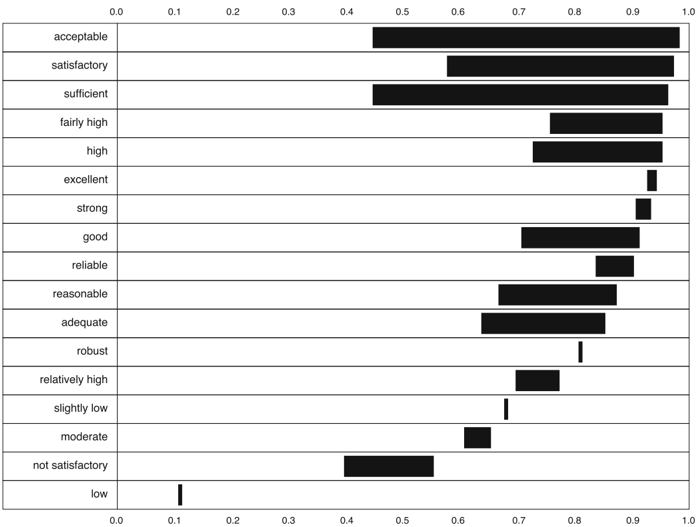
Cronbach’s alpha is a statistic commonly quoted by authors to demonstrate that tests and scales that have been constructed or adopted for research projects are fit for purpose. Cronbach’s alpha is regularly adopted in studies in science education: it was referred to in 69 different papers published in 4 leading science education journals in a single year (2015)—usually as a measure of reliability. This article explores how this statistic is used in reporting science education research and what it represents. Authors often cite alpha values with little commentary to explain why they feel this statistic is relevant and seldom interpret the result for readers beyond citing an arbitrary threshold for an acceptable value. Those authors who do offer readers qualitative descriptors interpreting alpha values adopt a diverse and seemingly arbitrary terminology. More seriously, illustrative examples from the science education literature demonstrate that alpha may be acceptable even when there are recognised problems with the scales concerned. Alpha is also sometimes inappropriately used to claim an instrument is unidimensional. It is argued that a high value of alpha offers limited evidence of the reliability of a research instrument, and that indeed a very high value may actually be undesirable when developing a test of scientific knowledge or understanding. Guidance is offered to authors reporting, and readers evaluating, studies that present Cronbach’s alpha statistic as evidence of instrument quality.
Overview
The claims and statistics of this paper haven’t been checked yet.
Free: it reads the open-access text and checks the first 5 claims that cite a source we can check. Create a free account to check every claim.
Integrity signals
Registry
Cites
Statistics
Figures
Verification
Claims the paper makes
The claims and statistics of this paper haven’t been checked yet.
Free: it reads the open-access text and checks the first 5 claims that cite a source we can check. Create a free account to check every claim.
Claims other papers make about this one
Each is checked against this paper’s own text: does it say what the citing paper says it does?
The cited source doesn’t support the claim as written.
In the citing paper
“Specifically, all studies using the AAQ and one third of studies using the AAQ-II reported internal consistency below recommended cutoffs (i.e., Cronbach’s alpha > .80; Taber, 2018), with alphas as low as .57 and .51 respectively.”
From Psychological flexibility in older adulthood: a scoping review. (2023) · cites this paper as Taber, 2018
Checked by a reasoning model — may be wrong.
Experimental — accuracy not yet measuredThe cited source doesn’t support the claim as written.
In the citing paper
“The internal consistency in our data was moderate ( α = 0.59) on the basis of Taber et al.'s (2018) criteria.”
From Enhancing School Students' Self-Regulated Learning through Generative AI Support: A Randomized Controlled Trial (2026) · cites this paper as Taber et al.'s (2018)
Checked by a reasoning model — may be wrong.
Experimental — accuracy not yet measuredThe cited source doesn’t support the claim as written.
In the citing paper
“The internal consistency in our data was acceptable ( α = 0.70) on the basis of Taber et al.'s (2018) criteria.”
From Enhancing School Students' Self-Regulated Learning through Generative AI Support: A Randomized Controlled Trial (2026) · cites this paper as Taber et al.'s (2018)
Checked by a reasoning model — may be wrong.
Experimental — accuracy not yet measuredThe source backs part of the claim, not all of it — or backs it for a different population, condition or comparison.
In the citing paper
“No study reported good internal consistency for the AAQ, as indicated by Cronbach α > .80 (Taber, 2018).”
From Psychological flexibility in older adulthood: a scoping review. (2023) · cites this paper as Taber, 2018
Experimental — accuracy not yet measuredThe source backs part of the claim, not all of it — or backs it for a different population, condition or comparison.
In the citing paper
“These findings suggest a number of conceptual and statistical issues (see Taber, 2018; Tavakol & Dennick, 2011), including the possibility that the AAQ and AAQ-II do not measure a common factor among older adults or that, given the broad range of alpha scores (i.e., .51-.94), these measures do not perform consistently in older adult samples.”
From Psychological flexibility in older adulthood: a scoping review. (2023) · cites this paper as Taber, 2018
Experimental — accuracy not yet measured
15 more claims about this paper
Create a free account to see every claim other papers make about this one.
Self-check
Percentages, sums and reported differences re-computed from the paper’s own numbers.
The self-check needs the paper’s full text.
Citations
Cites
Coefficient Alpha and the Internal Structure of Tests
Cronbach, L. J. (1951) · Psychometrika · doi:10.1007/bf02310555 · Cited by 43,931 · cited 13×
“Sijtsma (2009) develops an argument explored in Cronbach’s (1951) seminal paper that alpha does not offer an accurate value for reliability as understood by psychometricians (but rather a lower bound, although Cronbach himself had argued in his 1951 paper that alpha was often a suitable proxy) and suggests that intern…”
BackgroundMethodInfluentialWhat is coefficient alpha? An examination of theory and applications
Cortina, J. M. (1993) · Journal of Applied Psychology · doi:10.1037/0021-9010.78.1.98 · Cited by 8,810 · cited 5×
“Cronbach ’ s alpha has been described as ‘ one of the most important and pervasive statistics in research involving test construction and use ’ (Cortina, 1993, p. 98) to the extent that its use in research with multiple-item measurements is considered routine (Schmitt, 1996, p. 350).”
BackgroundInfluentialOn the use, the misuse, and the very limited usefulness of Cronbach’s alpha
Sijtsma, K. (2009) · Psychometrika · doi:10.1007/s11336-008-9101-0 · Cited by 2,814 · cited 2×
“Sijtsma (2009) has more recently made the point more bluntly: “ both very low and very high alpha values can go either with unidimensionality or multidimensionality of the data ” (p.119).”
BackgroundUses and abuses of coefficient alpha
Schmitt, N. (1996) · Psychological Assessment · doi:10.1037/1040-3590.8.4.350 · Cited by 2,588 · cited 4×
“(Cortina, 1993; Schmitt, 1996), it is generally possible to increase alpha to 0.”
BackgroundInfluentialGlobal Patterns in Students’ Views of Science and Interest in Science
van Griethuijsen, R. A. L. F., van Eijck, M. W., Haste, H., den Brok, P. J., Skinner, N. C., Mansour, N., Savran Gencer, A., & BouJaoude, S. (2015) · Research in Science Education · doi:10.1007/s11165-014-9438-6 · Cited by 852 · cited 3×
“Griethuijsen et al. (2014) reported a cross-national study looking at student interests in science where “ several of the values calculated for Cronbach ’ s alpha are below the acceptable values of 0.7 or 0.6 ” (p.588).”
BackgroundInfluentialThe development of a questionnaire to measure students' motivation towards science learning
Tuan *, H., Chin, C., & Shieh, S. (2005) · International Journal of Science Education · doi:10.1080/0950069042000323737 · Cited by 625 · cited 2×
“Tuan and colleagues (Tuan, Chin, & Shieh, 2005) report a study “ to develop a questionnaire that measures students ’ motivation toward science learning ” (p.639).”
BackgroundDevelopment and Validation of Instruments to Measure Learning of Expert‐Like Thinking
Adams, W. K., & Wieman, C. E. (2011) · International Journal of Science Education · doi:10.1080/09500693.2010.512369 · Cited by 451 · cited 1×
“Given that some authors choose to report cross-scale results, readers should be aware that the Cronbach alpha statistic is most valuable in relation to single-construct scales and less informative when reported for instruments measuring several constructs at once (Adams & Wieman, 2010).”
BackgroundArslan, H. O., Cigdemoglu, C., & Moseley, C. (2012) · International Journal of Science Education · doi:10.1080/09500693.2012.680618 · Cited by 304
Developing attitude to science scales for use with children of ages from five to eleven years
Pell, T., & Jarvis, T. (2001) · International Journal of Science Education · doi:10.1080/09500690010016111 · Cited by 284 · cited 2×
“…for measuring affect in science education is “ Developing attitude to science scales for use with children of ages from five to eleven years ” (Pell & Jarvis, 2001) which “ reports on the development stages of three attitudes to science and school scales for use with children aged from 5 to…”
BackgroundMeasuring attitudes to science: Unidimensionality and internal consistency revisited
Gardner, P. L. (1995) · Research in Science Education · doi:10.1007/bf02357402 · Cited by 175 · cited 2×
“It seems that despite Gardner ’ s (1995) warning in this journal that researchers should not conflate internal consistency and unidimensionality and consider a high value of alpha as suggesting that the items in an instrument were all measuring the same thing, reports are still being published in…”
Background
Research works printed but not linked: 1
- 21. National Research Council Committee on Scientific Principles for Educational Research. (2002). Scientific Research in Education. Washington DC: National Academies Press.
Cited by
Items 401–500 of 1,037
Empirical investigation of energy management practices in cement industries of Bangladesh
Hossain, S. R., Ahmed, I., Azad, F. S., & Hasan, A. S. M. M. (2020) · Energy · doi:10.1016/j.energy.2020.118741 · Cited by 48
Mobile Money as a Sustainable Alternative for SMEs in Less Developed Financial Markets
Tengeh, R. K., & Talom, F. S. G. (2020) · Journal of Open Innovation Technology Market and Complexity · doi:10.3390/joitmc6040163 · Cited by 74
“Taber [70] (2018) and Perry, Charlotte, Isabella, and Bob [71] affirm that an alpha coefficient from 0.”
BackgroundQuevedo, J. M. D., Uchiyama, Y., & Kohsaka, R. (2021) · Regional Studies in Marine Science · doi:10.1016/j.rsma.2021.101820 · Cited by 56
Petchamé, J., Iriondo, I., Villegas, E., Riu, D., & Fonseca, D. (2021) · Sustainability · doi:10.3390/su13126625 · Cited by 53
Assessing collaborative problem-solving skills among elementary school students
Rojas, M., Nussbaum, M., Chiuminatto, P., Guerrero, O., Greiff, S., Krieger, F., & van der Westhuizen, L. (2021) · Computers & Education · doi:10.1016/j.compedu.2021.104313 · Cited by 66
Flow Experience and Situational Interest in Game-Based Learning: Cousins or Identical Twins
Kiili, K. J. M., Lindstedt, A., Koskinen, A., Halme, H., Ninaus, M., & McMullen, J. A. (2021) · International Journal of Serious Games · doi:10.17083/ijsg.v8i3.462 · Cited by 65
Yang, G., & D’Arcy, C. (2021) · Journal of Affective Disorders · doi:10.1016/j.jad.2021.10.055 · Cited by 52
Exploring the factors influencing the effectiveness of online learning: A study on college students
Kedia, P., & Mishra, L. (2023) · Social Sciences & Humanities Open · doi:10.1016/j.ssaho.2023.100559 · Cited by 41
“Reliability analysis To check the normality of the data and the interior constancy of the data, a reliability test was assessed (Taber, 2018) which represents the construct of Instructor-Student Interaction, Interaction with Peers, Social Media use, Family Support, Technical Support, Students’ Engagement, and Students…”
Mastour, H., Yousefi, R., & Niroumand, S. (2025) · Scientific Reports · doi:10.1038/s41598-025-90742-5 · Cited by 41
Beckmann, S. K., Hiete, M., Schneider, M., & Beck, C. (2021) · Humanities and Social Sciences Communications · doi:10.1057/s41599-021-00907-6 · Cited by 48
“…that a high Cronbach ’ s alpha does not necessarily indicate homogeneity or unidimensionality (cf. Gardner, 1995; Tan, 2009) and that Cronbach ’ s alpha “ cannot be seen as a measure of a scale or instrument per se but only of its application to a particular sample of respondents ” (Taber, 2018).”
InfluentialEl-Masri, M., Al‐Yafi, K., & Kamal, M. M. (2022) · Information Systems Frontiers · doi:10.1007/s10796-022-10256-7 · Cited by 52
“In terms of scale reliability, Cronbach’s Alpha values for each extracted factor were calculated and they were all above 0.7, except for utilisa - tion that scored 0.65 that is still within the acceptable range (Taber, 2018 ).”
MethodInfluentialZhang, M., Nazir, M. S., Farooqi, R., & Ishfaq, M. (2022) · Frontiers in Psychology · doi:10.3389/fpsyg.2022.828956 · Cited by 81
“The minimum permissible value for Cronbach’s alpha is 0.70 (Taber, 2018), and if the outcome value approaches below the accepted value, internal consistency is low.”
BackgroundInfluentialLai, J. W. M., Nobile, J. J. D., Bower, M., & Breyer, Y. (2022) · Education and Information Technologies · doi:10.1007/s10639-022-10986-w · Cited by 69
“Cronbach’s Alpha is a generally agreed statistical measurement used for determining the internal reliability of the instrument (Taber, 2018).”
MethodHow A/E/C professionals accept BIM technologies in China: a technology acceptance model perspective
Zhao, Y., Sun, Y., Zhou, Q., Cui, C., & Liu, Y. (2022) · Engineering Construction & Architectural Management · doi:10.1108/ecam-04-2022-0308 · Cited by 52
Akram, R., Thaheem, M. J., Khan, S., Nasir, A. R., & Maqsoom, A. (2022) · Sustainability · doi:10.3390/su141912905 · Cited by 41
Obradović, S., Stojanović, V., Tešin, A., Šećerov, I., Pantelić, M., & Dolinaj, D. (2022) · Sustainability · doi:10.3390/su15010547 · Cited by 63
Influence of workplace flexibility on employee engagement among young generation
Lee, S. H., Chong, C. W., & Ojo, A. O. (2024) · Cogent Business & Management · doi:10.1080/23311975.2024.2309705 · Cited by 105
“…was measured using the nine-statement version of “Utrecht Work engagement scale” (gerards et al. (2018). the data are reliable as all the cronbach’s alpha value of the variables are above 0.7. hence, the data can be considered as an acceptable, sufficient, and satisfactory level (taber, 2018).”
InfluentialWeng, X., Xia, Q., Ahmad, Z., & Chiu, T. K. F. (2024) · Computers and Education Artificial Intelligence · doi:10.1016/j.caeai.2024.100315 · Cited by 82
Development and validation of the Artificial Intelligence Literacy Scale for Teachers (AILST)
Ning, Y., Zhang, W., Yao, D., Fang, B., Xu, B., & Wijaya, T. T. (2025) · Education and Information Technologies · doi:10.1007/s10639-025-13347-5 · Cited by 80
“Cronbach’s α coefficient was used to assess the internal consistency of the scale (Taber, 2018).”
Reliability and Validity of the Modified 7-Day Lee Chronic Graft-versus-Host Disease Symptom Scale
Teh, C., Onstad, L., & Lee, S. J. (2019) · Transplantation and Cellular Therapy · doi:10.1016/j.bbmt.2019.11.020 · Cited by 48
Syahril, S., Nabawi, R. A., & Safitri, D. (2021) · Journal of Technology and Science Education · doi:10.3926/jotse.1153 · Cited by 98
“Cornbach’s alpha has been used a lot in studies in science education to see whether the questionnaire is reliable (Taber, 2018).”
MethodÇavuş, N., Mohammed, Y. B., & Yakubu, M. N. (2021) · Sustainability · doi:10.3390/su13116206 · Cited by 56
“…were analyzed using descriptive statistics, while in the second stage, the researchers assessed the questionnaire constructs using two directories of composite reliability (CR) and Cronbach’s alpha (CA), where 0.80 is considered good, 0.70 accepted, 0.60 questionable and 0.50 poor [55].”
MethodInfluentialVenture creation patterns in academic entrepreneurship: the role of founder motivations
Hossinger, S. M., Block, J., Chen, X., & Werner, A. (2021) · The Journal of Technology Transfer · doi:10.1007/s10961-021-09904-y · Cited by 49
“700 threshold for financing and commercialization activities, the overall results indicated an acceptable degree of instrument reliability for the purpose of our study (Miranda et al., 2017; Nunnally, 1978; Taber, 2018).”
ResultInfluentialNong, P., & Ji, M. (2025) · Journal of the American Medical Informatics Association · doi:10.1093/jamia/ocaf031 · Cited by 40
“20 The mean of these three items was used to create a binary measure of expectations of AI, set to 1 for high expectations (composite score mean > 2, range 1-4) and 0 for low expectations (composite score mean ≤ 2).”
Blasch, J., Boogen, N., Daminato, C., & Filippini, M. (2020) · Economics of Energy and Environmental Policy · doi:10.5547/2160-5890.10.2.jbla · Cited by 62
The Grievance Dictionary: Understanding threatening language use
van der Vegt, I. W. J., Mozes, M., Kleinberg, B., & Gill, P. (2021) · UCL Discovery (University College London) · Cited by 40
Karaca-Dinç, P., Oktay, S., & Batıgün, A. D. (2021) · BMC Psychiatry · doi:10.1186/s12888-021-03532-4 · Cited by 59
“When there are reliability values close to 1, it requires careful use of the scale in the future [83].”
BackgroundInjeni, G. I., Mangena, M., Mathuva, D. M., & Mudida, R. (2021) · Journal of financial reporting & accounting · doi:10.1108/jfra-10-2020-0305 · Cited by 54
Ali, M., Khan, S. M., Puah, C., Mubarik, M. S., & Ashfaq, M. (2022) · International Journal of Ethics and Systems · doi:10.1108/ijoes-10-2021-0183 · Cited by 66
Daniel, E., & Bergen, P. V. (2023) · Teachers and Teaching · doi:10.1080/13540602.2023.2179615 · Cited by 63
Encouraging adoption of green manure technology to produce clean rice product
Valizadeh, N., Jalilian, S., Hallaj, Z., Bayat, S. E., Hayati, D., Bazrafkan, K., Kianmehr, N., & Akbari, M. (2023) · Scientific Reports · doi:10.1038/s41598-023-35964-1 · Cited by 47
Barz, N., Benick, M., Dörrenbächer‐Ulrich, L., & Perels, F. (2024) · Discover Education · doi:10.1007/s44217-024-00195-7 · Cited by 116
“…the high reliabilities for the scales SRL (metacognition) and behavioral intention indicate high correlations between the items of each scale and are as often considered excellent reliability [106, 107], but could also be an indicator for measurement problems, such as redundant items [108].”
Faudzi, M. A., Cob, Z. C., Ghazali, M., Omar, R., & Sharudin, S. A. (2024) · Heliyon · doi:10.1016/j.heliyon.2024.e37494 · Cited by 89
“All of the values are acceptable and sufficient as they are above 0.45 [74].”
BackgroundMethodInfluentialAlhussein, G., Ziogas, I., Saleem, S., & Hadjileontiadis, L. J. (2025) · Artificial Intelligence Review · doi:10.1007/s10462-025-11197-8 · Cited by 65
“Cronbach’s α measures the reliability of a testing instrument, in terms of equivalence of outcomes stemming from different sets of test items (Taber 2018).”
Influence of Outdoor Living Environment on Elders’ Quality of Life in Old Residential Communities
Yu, S., Liu, Y., Cui, C., & Xia, B. (2019) · Sustainability · doi:10.3390/su11236638 · Cited by 44
“Reliability analysis was conducted to assess internal consistency by determining Cronbach’s alpha coefficient [62].”
MethodLoving, leaving, living: Evacuation site place attachment predicts natural hazard coping behavior
Ariccio, S., Petruccelli, I., Cancellieri, U. G., Quintana, C., Villagra, P., & Bonaiuto, M. (2020) · Journal of Environmental Psychology · doi:10.1016/j.jenvp.2020.101431 · Cited by 48
“Moreover, although there is no consensus on Cronbach's ’ α thresholds and their interpretation (Taber, 2017; Field, 2017), the α values of the presented place attachment measures are lower than those reported for the same scales employed in previous studies (e.g., De Dominicis et al., 2015; Fornara…”
ResultOnline dating applications and risk of youth victimization: A lifestyle exposure perspective
Kaakinen, M., Koivula, A., Savolainen, I., Sirola, A., Mikkola, M., Zych, I., Paek, H., & Oksanen, A. (2021) · Aggressive Behavior · doi:10.1002/ab.21968 · Cited by 63
“66, which can be considered acceptable (Taber, 2018).”
The Frontal Assessment Battery 20 years later: normative data for a shortened version (FAB15)
Ilardi, C. R., Chieffi, S., Scuotto, C., Gamboz, N., Galeone, F., Sannino, M., Garofalo, E., Marra, M. L., Ronga, B., & Iavarone, A. (2021) · Neurological Sciences · doi:10.1007/s10072-021-05544-0 · Cited by 39
Benitez‐Altuna, F., Trienekens, J. H., Materia, V. C., & Bijman, J. (2021) · Agricultural Systems · doi:10.1016/j.agsy.2021.103283 · Cited by 57
Soeharto, S., & Csapó, B. (2021) · Heliyon · doi:10.1016/j.heliyon.2021.e08352 · Cited by 29
“Both the item and person reliability are acceptable in this study at 1.00 and 0.8, respectively (Fisher, 2007), and the item internal consistency using Cronbach's alpha value for all items is 0.88 (Taber, 2018).”
MethodInfluentialPattanawit, P., & Charoensukmongkol, P. (2021) · Management Research Review · doi:10.1108/mrr-06-2021-0482 · Cited by 44
Li, S., & Akram, H. (2023) · Porta Linguarum Revista Interuniversitaria de Didáctica de las Lenguas Extranjeras · doi:10.30827/portalin.vi2023c.29654 · Cited by 126
“Reliability was ascertained through Cron-bach's alpha scale, and all variables achieved a level exceeding 80%, indicating satisfactory consistency (see Table 3) in line with Taber's (2018) guidelines.”
MethodAlhaimer, R. S. (2024) · Journal of Science and Technology Policy Management · doi:10.1108/jstpm-11-2023-0212 · Cited by 41
Hou, T.-Y., Tseng, Y.-C., & Yuan, C. W. (2024) · International Journal of Information Management · doi:10.1016/j.ijinfomgt.2024.102775 · Cited by 60
Chen, C.-T., Chen, S.-C., Khan, A., Lim, M. K., & Tseng, M. (2024) · Industrial management & data systems · doi:10.1108/imds-10-2023-0778 · Cited by 35
Lachner, A., & Neuburg, C. (2018) · Instructional Science · doi:10.1007/s11251-018-9470-4 · Cited by 49
“Given that we administered a limited amount of knowledge items within a broad range of tested knowledge on solar cells, the obtained alpha value can be regarded as satisfactory (Taber 2017).”
BackgroundA Comprehensive Review of Instruments Measuring Attitudes Toward Science
Toma, R. B., & Lederman, N. G. (2020) · Research in Science Education · doi:10.1007/s11165-020-09967-1 · Cited by 51
“High levels of internal consistency reliability only reflect that items on a subscale are intercorrelated (Taber 2018); however, without evidence that attitudinal scores remain stable over time, the extent to which educational interventions produced the desired outcome is likely to be unknown.”
BackgroundAl-Qatawneh, S. S., Alsalhi, N. R., Eltahir, M. E., & Siddig, O. A. (2021) · Heliyon · doi:10.1016/j.heliyon.2021.e07004 · Cited by 39
“Table 5 shows the Cronbach's Alpha reliability coefficients for each of the questionnaire items, in addition to the total Cronbach's Alpha reliability coefficient (0.832), signifying a good level of reliability (Taber, 2018).”
BackgroundMethodInfluentialYan, L., Xu, S., & Liu, J. (2021) · Journal of Pacific Rim Psychology · doi:10.1177/18344909211010240 · Cited by 59
“The internal consistency reliability of CTA-CES measured by Cronbach’s alpha was 0.76, indicating satisfactory reliability (Taber, 2018).”
MethodInfluentialBolatov, A., Seisembekov, T. Z., Askarova, A. Z., & Pavalkis, D. (2021) · Human Vaccines & Immunotherapeutics · doi:10.1080/21645515.2021.1982280 · Cited by 44
“7.(22) Criterion validity was assessed using the ROC analysis with cutoff points for the area under the curve (AUC) varying between 0.”
MethodMiller, A. P., Mugamba, S., Bulamba, R., Kyasanku, E., Nkale, J. M., Nalugoda, F. K., Nakigozi, G. F., Kigozi, G., Nalwoga, G. K., Kagaayi, J., et al. (2022) · PLoS ONE · doi:10.1371/journal.pone.0263827 · Cited by 47
Lee, E. (2021) · Journal of Retailing and Consumer Services · doi:10.1016/j.jretconser.2021.102872 · Cited by 43
Ganjipour, H., & Edrisi, A. (2022) · Transportation Letters · doi:10.1080/19427867.2022.2035130 · Cited by 41
Wu, G., Yang, J., & Hu, Q. (2022) · Frontiers in Psychology · doi:10.3389/fpsyg.2022.928735 · Cited by 38
“Some researchers agreed (Tavakol and Dennick, 2011; Bonett and Wright, 2015; Taber, 2018) that a value of α > 0.7 is generally acceptable for most research while other researchers (Cho and Kim, 2015; Heo et al., 2015) argued that more stringent cut-offs (e.g., α > 0.8) should be considered.”
BackgroundInfluentialTaking corrective action when exposed to fake news: The role of fake news literacy
Huber, B., Borah, P., & de Zúñiga, H. G. (2022) · Journal of Media Literacy Education · doi:10.23860/jmle-2022-14-2-1 · Cited by 50
“70 can be deemed acceptable, since it is a newly developed scale which is highly useful and can be further improved in future studies (Taber, 2018).”
BackgroundLe, T.-T.-Y., Chen, J., & Nguyen, N. B. (2022) · International Journal of Human-Computer Interaction · doi:10.1080/10447318.2022.2131251 · Cited by 43
“These results indicated satisfactory discriminant validity, which fell into the acceptable range of 0.6 – 0.7 (van Griethuijsen et al., 2015; Taber, 2018).”
ResultInfluentialDevelopment and Validation of a Critical Thinking Assessment-Scale Short Form
Payan‐Carreira, R., Sacau, A., Rebelo, H., Sebastião, L., & Pnevmatikos, D. (2022) · Education Sciences · doi:10.3390/educsci12120938 · Cited by 85
“A limitation of this study might be that a self-report instrument is proposed to test students’ CrT skills, with all the inherent biases that might encompass such questionnaires [31,51].”
BackgroundMethodInfluentialUsing artificial intelligence to create biology multiple choice questions for higher education
Nasution, N. E. A. (2023) · Agricultural and Environmental Education · doi:10.29333/agrenvedu/13071 · Cited by 38
“Arulogun et al. (2020), George and Mallery (2003), Morgan et al. (2004), Rii et al. (2020), Taber (2018), and Wongpakaran and Wongpakaran (2012) emphasized the same point, that a Cronbach ’ s alpha above 0.6 can be recognized as a reliable instrument.”
BackgroundInfluentialKURAL, S., & Özbek, O. (2023) · Sport Business and Management An International Journal · doi:10.1108/sbm-08-2022-0069 · Cited by 65
Shakya, S., Shrestha, S., Shrestha, R. K., Giri, U., & Shrestha, S. (2020) · BMC Health Services Research · doi:10.1186/s12913-020-05543-5 · Cited by 42
“80 or higher indicates good reliability [28].”
ResultAmović, G., Maksimović, R. M., & Bunčić, S. (2020) · Sustainability · doi:10.3390/su12177121 · Cited by 38
“739), according to Cronbach’s alpha, is within the acceptable range [69], which leads to the conclusion that the survey is a relevant and reliable research instrument for measuring the attitudes and opinions of respondents.”
BackgroundDevkota, H. R., Sijali, T. R., Bogati, R., Clarke, A., Adhikary, P., & Karkee, R. (2021) · Frontiers in Public Health · doi:10.3389/fpubh.2020.589372 · Cited by 41
“71, respectively, indicating acceptable internal consistency (13).”
Halkos, G., Leonti, A., & Sardianou, E. (2021) · Economic Analysis and Policy · doi:10.1016/j.eap.2021.04.005 · Cited by 52
An approach to eco-innovation in wine production from a consumer's perspective
Rabadán, A., & Cañete, R. B. (2021) · Journal of Cleaner Production · doi:10.1016/j.jclepro.2021.127479 · Cited by 42
Javid, M. A., Ali, N., Abdullah, M., Campisi, T., & Shah, S. A. H. (2021) · Journal of Advanced Transportation · doi:10.1155/2021/7189411 · Cited by 48
Factors impacting the implementation process of automated construction progress monitoring
Qureshi, A. H., Alaloul, W. S., Wing, W. K., Saad, S., Ammad, S., & Musarat, M. A. (2022) · Ain Shams Engineering Journal · doi:10.1016/j.asej.2022.101808 · Cited by 43
Baghla, S., & Gupta, G. (2022) · Microprocessors and Microsystems · doi:10.1016/j.micpro.2022.104680 · Cited by 49
Promoting metacognition in an allied health anatomy course
Cale, A. S., Hoffman, L. A., & McNulty, M. A. (2023) · Anatomical Sciences Education · doi:10.1002/ase.2218 · Cited by 35
FIRST High-School Students and FIRST Graduates: STEM Exposure and Career Choices
Rocker Yoel, S., & Dori, Y. J. (2022) · IEEE Transactions on Education · doi:10.1109/te.2021.3104268 · Cited by 36
“815, which is robust [56].”
Herrera, D., Matos, L., Gargurevich, R., Lira, B., & Valenzuela, R. (2021) · Frontiers in Psychology · doi:10.3389/fpsyg.2021.623312 · Cited by 46
“Although 0.58 is a low coefficient, low alpha levels (0.50 or higher) have been justified for research purposes (Nunnally, 1967, 1978 cited in Lance et al., 2006), as interpreting alpha requires taking into consideration the number of items that comprise the scale (Taber, 2018).”
BackgroundInfluentialHsieh, Y., Hwa, H., Shen, A. C., Wei, H.-S., Feng, J., & Huang, C. (2021) · International Journal of Environmental Research and Public Health · doi:10.3390/ijerph18126253 · Cited by 43
Kirby, C. K., & Zwickle, A. (2021) · Journal of Environmental Studies and Sciences · doi:10.1007/s13412-021-00717-x · Cited by 37
“7, this cutoff is arbitrary and the lower value here can partially be explained by the scale including only five items and by the variety of sustainability behaviors chosen (Taber 2018).”
BackgroundInfluentialUğraş, G. A., Kanat, C., Yaman, Z., Yılmaz, M., & Türkmenoğlu, Ö. (2022) · Journal of PeriAnesthesia Nursing · doi:10.1016/j.jopan.2022.07.005 · Cited by 49
OKOYE, K. O., Nganji, J. T., Escamilla, J., Fung, J. M., & Hosseini, S. (2022) · Global Transitions · doi:10.1016/j.glt.2022.10.001 · Cited by 58
Kim, S., Cho, S., Kim, J. Y., & Kim, D. J. (2023) · Sustainability · doi:10.3390/su15032049 · Cited by 61
Wahid, M. H., Sethi, M. R., Shaheen, N., Javed, K., Qazi, I. A., Osama, M., Ilah, A., & Firdos, T. (2023) · PLoS ONE · doi:10.1371/journal.pone.0290839 · Cited by 59
“The internal consistency of the scales was measured through Cronbach’s Alpha reliability and a value equal to or greater than 0.70 was considered satisfactory [20].”
InfluentialThe Mediating Effect of AI Trust on AI Self-Efficacy and Attitude Toward AI of College Students
Obenza, B. N., Baguio, J. S. I. E., Bardago, K. M. W., Granado, L. B., Loreco, K. C. A., Matugas, L. P., Talaboc, D. J., Zayas, R. K. D. D., Caballo, J. H. S., & Caangay, R. B. R. (2023) · International Journal of Metaverse · doi:10.54536/ijm.v2i1.2286 · Cited by 36
“According to Taber (2018), Cronbach’s alpha values equal to or beyond 0.7 signify satisfactory levels of reliability.”
BackgroundInfluentialAdopting quality management practices in the industry 4.0 era: an investigation into the challenges
Fadilasari, D. P., Ghatak, R. R., Garza‐Reyes, J. A., Joshi, R., & Kandasamy, J. (2024) · Total Quality Management & Business Excellence · doi:10.1080/14783363.2024.2354840 · Cited by 82
“Notably, the attained sample size is comparable to, and even exceeds, those observed in other studies that have employed EFA (Maskey et al., 2018).”
BackgroundResultInfluentialJiang, Y., Xie, L., & Cao, X. (2025) · Higher Education Quarterly · doi:10.1111/hequ.70054 · Cited by 37
Elnadi, M., Gheith, M. H., Troise, C., Abdallah, Y. O., & Abdelaziz, M. A. A. (2025) · Sustainable Development · doi:10.1002/sd.70191 · Cited by 60
Pennings, J. S., Devin, C. J., Khan, I., Bydon, M., Asher, A. L., & Archer, K. R. (2019) · Quality of Life Research · doi:10.1007/s11136-019-02223-8 · Cited by 38
Allen, C., Telford, R. M., Telford, R. D., & OLIVE, L. S. (2019) · Psychology of sport and exercise · doi:10.1016/j.psychsport.2019.101572 · Cited by 50
Otwinowska, A., Foryś‐Nogala, M., Kobosko, W., & Szewczyk, J. (2020) · Language Learning · doi:10.1111/lang.12390 · Cited by 61
Mérida‐López, S., Extremera, N., & Sánchez‐Álvarez, N. (2020) · International Journal of Environmental Research and Public Health · doi:10.3390/ijerph17072170 · Cited by 48
“To determine the internal consistency of the instruments, we estimated the Cronbach’s α coefficient [70], Guttman’s λ [71], and McDonald’s ω [72].”
MethodThe role of dark personality traits in intimate partner violence: a multi-study investigation
Plouffe, R. A., Wilson, C. A., & Saklofske, D. H. (2020) · Current Psychology · doi:10.1007/s12144-020-00871-5 · Cited by 52
Awareness of Antibiotic Use and Resistance in Jordanian Community
Abdel‐Qader, D. H., Albassam, A., Ismael, N. S., El-Shara, A. A., Shehri, A., Almutairi, F., Al-Harbi, D. M., Zahrani, M. M. A., Chen, L., Mazrouei, N. A., et al. (2020) · Journal of Primary Care & Community Health · doi:10.1177/2150132720961255 · Cited by 48
Skordoulis, M., Liagkis, M. K., Sidiropoulos, G., & Drosos, D. (2020) · International Journal of Research in Education and Science · doi:10.46328/ijres.v6i4.1224 · Cited by 57
“(Taber, 2018).”
Sazmand, A., Alipoor, G., Zafari, S., Zolhavarieh, S. M., Alanazi, A. D., & Sargison, N. D. (2020) · Frontiers in Veterinary Science · doi:10.3389/fvets.2020.584323 · Cited by 37
“According to a wide range of different qualitative descriptors which was used to interpret the Chronbach’s alpha values (15), the values were reasonable for knowledge, satisfactory for practices and acceptable for attitudes.”
Byrd, T. F., Kim, J. S., Yeh, C., Lee, J. J., & O’Leary, K. J. (2021) · Journal of Biomedical Informatics · doi:10.1016/j.jbi.2021.103749 · Cited by 44
Otache, I., & Inekwe, E.-O. I. (2021) · Journal of Applied Research in Higher Education · doi:10.1108/jarhe-10-2020-0360 · Cited by 57
Farouk, A. M., Rahman, R. A., & Romali, N. S. (2021) · Journal of Engineering Design and Technology · doi:10.1108/jedt-03-2021-0174 · Cited by 37
Cheam, W.-Y., Lau, L., & Wei, C. Y. (2021) · Clean Energy · doi:10.1093/ce/zkab021 · Cited by 51
Psychometric properties of leadership scales for health professionals: a systematic review
Carlson, M. A., Morris, S., Day, F. L., Dadich, A., Ryan, A., Fradgley, E. A., & Paul, C. L. (2021) · Implementation Science · doi:10.1186/s13012-021-01141-z · Cited by 44
Wicker, P. V., & Thormann, T. F. (2021) · Sport Management Review · doi:10.1080/14413523.2021.1991688 · Cited by 47
Huy, N. T., Chico, R. M., Huan, V. T., Shaikhkhalil, H. W., Uyen, V. N. T., Qarawi, A. T. A., Alhady, S. T. M., Vuong, N. L., Trường, L. V., Luu, M. N., et al. (2021) · PLoS ONE · doi:10.1371/journal.pone.0258348 · Cited by 46
Mascheroni, G., Cino, D., Mikuška, J., & Šmahel, D. (2022) · New Media & Society · doi:10.1177/14614448211063184 · Cited by 62
Tools for early screening of autism spectrum disorders in primary health care – a scoping review
Sobieski, M., Sobieska, A., Sekułowicz, M., & Bujnowska–Fedak, M. M. (2022) · BMC Family Practice · doi:10.1186/s12875-022-01645-7 · Cited by 60
Thumronglaohapun, S., Maneeton, B., Maneeton, N., Limpiti, S., Manojai, N., Chaijaruwanich, J., Kummaraka, U., Kardkasem, R., Muangmool, T., Kawilapat, S., et al. (2022) · PLoS ONE · doi:10.1371/journal.pone.0267702 · Cited by 57
“70 indicates that the item has acceptable reliability [53].”
BackgroundRezaeipandari, H., Mohammadpoorasl, A., Morowatisharifabad, M. A., & Shaghaghi, A. (2022) · BMC Psychiatry · doi:10.1186/s12888-022-04138-0 · Cited by 48
“9 were considered to be in acceptable range [29, 30].”
BackgroundUnderstanding customers' adoption of express delivery service for last-mile delivery in the UK
Zhong, S., Lomas, C., & Worth, T. (2021) · International Journal of Logistics Research and Applications · doi:10.1080/13675567.2021.1914563 · Cited by 53
“Saha, Zhuang, and Li (2020) used UTAUT2 to reveal the determinants of customers’ willingness to pay more for delivery and intention to repurchase online, while Xiang and Wu (2018) used UTAUT to discover the factors particularly influencing students’ willingness to use campus express delivery services.”
Background
Metadata
- Authors
- Taber, K. S.
- Affiliations
- University of Cambridge (GB)
- Corresponding author
- Taber, Keith S.
- ORCID
- Taber, Keith S.
- Venue
- Research in Science Education
- Published
- 2017-06-07
- Volume
- 48
- Issue
- 6
- Pages
- 1273-1296
- ISSN
- 0157-244X (ISSN-L)
- 1573-1898
- OpenAlex
- W2623703952
- Semantic Scholar
- ccc38dd46fc6ed6d2c6c6e8b1613d6f74a0f7df1
- Cited by
- 10,679
- References
- 37
- Citations by year
- 2026: 1432 · 2025: 1887 · 2024: 1845 · 2023: 1708 · 2022: 1532 · 2021: 1330 · 2020: 682 · 2019: 199 · 2018: 53 · 2017: 6
- FWCI
- 227.70
- Type
- journal article
- Language
- en
- Open access
- hybrid
- doi.org
- Licence
- cc-by
- creativecommons.org/licenses/by/4.0 (tdm)
- Locations
- Research in Science Education (publishedVersion, cc-by)
- Apollo (University of Cambridge) (submittedVersion, cc-by)
- Apollo (cc-by)
- Funders
- University of Cambridge
- Topics
- Social Sciences › Decision Sciences › Management Science and Operations Research › Psychometric Methodologies and Testing
- Social Sciences › Education › Science Education and Pedagogy
- Health Sciences › Nursing › Research and Theory › Health Education and Validation
- Keywords
- Cronbach's alpha, research instrument development, reliability statistics, scale development, reporting quality, unidimensionality, science education research
About these checks
Registry, retraction, Cites and statistics results are computed, not judged, with one exception: a printed reference that no index lists is read once by a model before it counts as a citation error. Claims are extracted by a model and kept only when their quote appears verbatim in the text; each cited source is then checked, with a model’s help, for whether it says what the claim relies on. Those verdicts can be wrong — read the claim’s quote and the cited source before relying on one.
Statistics and arithmetic are recomputed, not judged.
Confidence bands are shown only for fields calibrated on our annotated test set. None is calibrated yet, so no band is shown.
What counts as a claim ›How we measure confidence ›How we check this ›
Are you an author, or do you see a problem with this page? Request a review
Data sources
Bibliographic data: Semantic Scholar, OpenAlex, Crossref.
Contains information from the Semantic Scholar Academic Graph Datasets, made available under the ODC Attribution License (ODC-BY 1.0).
Semantic Scholar’s data is described in: Kinney, R., et al. (2023). The Semantic Scholar Open Data Platform. arXiv:2301.10140.
