

International Exercise Recommendations in Older Adults (ICFSR): Expert Consensus Guidelines
Open accessThe DOI matches its Crossref record; 291 of the 294 references it cites were found in a registry or an index.
Abstract
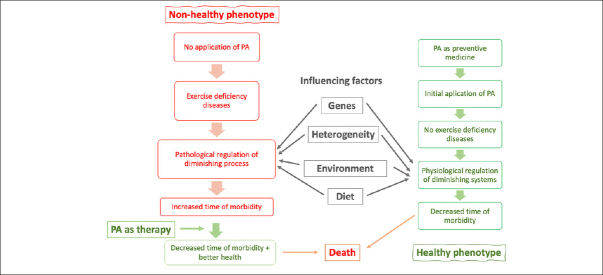
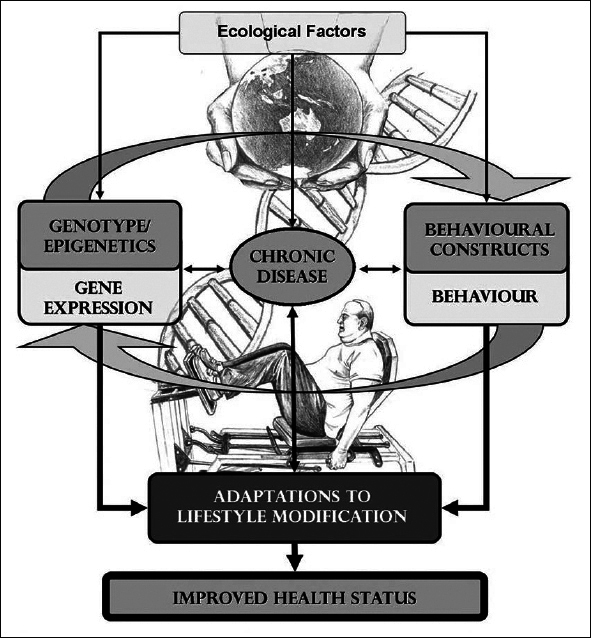
The human ageing process is universal, ubiquitous and inevitable. Every physiological function is being continuously diminished. There is a range between two distinct phenotypes of ageing, shaped by patterns of living - experiences and behaviours, and in particular by the presence or absence of physical activity (PA) and structured exercise (i.e., a sedentary lifestyle). Ageing and a sedentary lifestyle are associated with declines in muscle function and cardiorespiratory fitness, resulting in an impaired capacity to perform daily activities and maintain independent functioning. However, in the presence of adequate exercise/PA these changes in muscular and aerobic capacity with age are substantially attenuated. Additionally, both structured exercise and overall PA play important roles as preventive strategies for many chronic diseases, including cardiovascular disease, stroke, diabetes, osteoporosis, and obesity; improvement of mobility, mental health, and quality of life; and reduction in mortality, among other benefits. Notably, exercise intervention programmes improve the hallmarks of frailty (low body mass, strength, mobility, PA level, energy) and cognition, thus optimising functional capacity during ageing. In these pathological conditions exercise is used as a therapeutic agent and follows the precepts of identifying the cause of a disease and then using an agent in an evidence-based dose to eliminate or moderate the disease. Prescription of PA/structured exercise should therefore be based on the intended outcome (e.g., primary prevention, improvement in fitness or functional status or disease treatment), and individualised, adjusted and controlled like any other medical treatment. In addition, in line with other therapeutic agents, exercise shows a dose-response effect and can be individualised using different modalities, volumes and/or intensities as appropriate to the health state or medical condition. Importantly, exercise therapy is often directed at several physiological systems simultaneously, rather than targeted to a single outcome as is generally the case with pharmacological approaches to disease management. There are diseases for which exercise is an alternative to pharmacological treatment (such as depression), thus contributing to the goal of deprescribing of potentially inappropriate medications (PIMS). There are other conditions where no effective drug therapy is currently available (such as sarcopenia or dementia), where it may serve a primary role in prevention and treatment. Therefore, this consensus statement provides an evidence-based rationale for using exercise and PA for health promotion and disease prevention and treatment in older adults. Exercise prescription is discussed in terms of the specific modalities and doses that have been studied in randomised controlled trials for their effectiveness in attenuating physiological changes of ageing, disease prevention, and/or improvement of older adults with chronic disease and disability. Recommendations are proposed to bridge gaps in the current literature and to optimise the use of exercise/PA both as a preventative medicine and as a therapeutic agent.
Overview
The claims and statistics of this paper haven’t been checked yet.
Free: it reads the open-access text and checks the first 5 claims that cite a source we can check. Create a free account to check every claim.
Integrity signals
Registry
Cites
Statistics
Figures
Verification
Claims the paper makes
The claims and statistics of this paper haven’t been checked yet.
Free: it reads the open-access text and checks the first 5 claims that cite a source we can check. Create a free account to check every claim.
Claims other papers make about this one
Each is checked against this paper’s own text: does it say what the citing paper says it does?
The source backs part of the claim, not all of it — or backs it for a different population, condition or comparison.
In the citing paper
“Muscle power declines significantly with age, leading to an increased risk of physical impairment, falls, disability, and mortality [8,15].”
From Global consensus on optimal exercise recommendations for enhancing healthy longevity in older adults (ICFSR) (2025) · cites this paper as [15]
Experimental — accuracy not yet measuredThe source backs part of the claim, not all of it — or backs it for a different population, condition or comparison.
In the citing paper
“Although evidence indicates benefits for individuals ranging from robust to frail, including hospitalized older persons, power training remains underused in clinical practice [8,15,203].”
From Global consensus on optimal exercise recommendations for enhancing healthy longevity in older adults (ICFSR) (2025) · cites this paper as [15]
Experimental — accuracy not yet measuredThe source backs part of the claim, not all of it — or backs it for a different population, condition or comparison.
In the citing paper
“Aging-associated physiological changes, such as the loss of type II fast-twitch fibers and deficits in neural recruitment, can diminish power output in ways that traditional slow-velocity strength training does not address, such as the early onset of muscle force and the maximal rate of force development [15].”
From Global consensus on optimal exercise recommendations for enhancing healthy longevity in older adults (ICFSR) (2025) · cites this paper as [15]
Experimental — accuracy not yet measuredThe source backs part of the claim, not all of it — or backs it for a different population, condition or comparison.
In the citing paper
“It is also recommended that older adults participate in multicomponent exercise training, emphasizing functional balance and moderate-to-high intensity PRT at least three times per week to prevent falls [15].”
From Global consensus on optimal exercise recommendations for enhancing healthy longevity in older adults (ICFSR) (2025) · cites this paper as [15]
Experimental — accuracy not yet measuredThe source backs part of the claim, not all of it — or backs it for a different population, condition or comparison.
In the citing paper
“This cautious approach seems to stem from an unfounded fear of exercise-related injuries or the perceived risks of more vigorous activities for older adults, whereas, in reality, sedentariness is the lethal condition [15].”
From Global consensus on optimal exercise recommendations for enhancing healthy longevity in older adults (ICFSR) (2025) · cites this paper as [15]
Experimental — accuracy not yet measured
14 more claims about this paper
Create a free account to see every claim other papers make about this one.
Self-check
Percentages, sums and reported differences re-computed from the paper’s own numbers.
The self-check needs the paper’s full text.
Citations
Cites
Sarcopenia: revised European consensus on definition and diagnosis
Cruz-Jentoft, A. J., Bahat, G., Bauer, J., Boirie, Y., Bruyère, O., Cederholm, T., Cooper, C., Landi, F., Rolland, Y., Sayer, A. A., et al. (2019) · Age and Ageing · doi:10.1093/ageing/afy169 · Cited by 13,818 · cited 2×
“Sarcopenia (the loss of muscle mass, strength, and function with ageing) requires high-intensity resistance training for optimal adaptation, demonstrating the clear need to consider both modality and intensity when addressing this pervasive disease (29).”
Self-citationWorld Health Organization 2020 guidelines on physical activity and sedentary behaviour
Bull, F. C., Al-Ansari, S. S., Biddle, S., Borodulin, K., Buman, M. P., Cardon, G., Carty, C., Chaput, J.-P., Chastin, S., Chou, R., et al. (2020) · British Journal of Sports Medicine · doi:10.1136/bjsports-2020-102955 · Cited by 11,657
Tuomilehto, J., Lindström, J., Eriksson, J. G., Valle, T. T., Hämäläinen, H., Ilanne-Parikka, P., Keinänen-Kiukaanniemi, S., Laakso, M., Louheranta, A., Rastas, M., et al. (2001) · New England Journal of Medicine · doi:10.1056/nejm200105033441801 · Cited by 10,873 · cited 2×
“Based on findings from the Finnish Diabetes Study (171) and the Diabetes Prevention Program(DPP), among others (190, 191), diabetes is clearly preventable in high-risk obese adults with impaired glucose tolerance through diet and exercise intervention (192).”
The Physical Activity Guidelines for Americans
Piercy, K. L., Troiano, R. P., Ballard, R. M., Carlson, S. A., Fulton, J. E., Galuska, D. A., George, S. M., & Olson, R. D. (2018) · JAMA · doi:10.1001/jama.2018.14854 · Cited by 9,755
Garber, C. E., Blissmer, B., Deschenes, M. R., Franklin, B. A., Lamonte, M. J., Lee, I.-M., Nieman, D. C., & Swain, D. P. (2011) · Medicine & Science in Sports & Exercise · doi:10.1249/mss.0b013e318213fefb · Cited by 9,319 · cited 2×
“Exercise specialists can then use weights equivalent to 50, 60, 70, and then 80% of the 1 RM over the first four training days (i.e., 1 to 2 weeks).”
(1985) · Europe PMC (PubMed Central) · Cited by 9,143
Forouzanfar, M. H., Afshin, A., Alexander, L. T., Anderson, H. R., Bhutta, Z. A., Biryukov, S., Brauer, M., Burnett, R., Cercy, K., Charlson, F. J., et al. (2016) · The Lancet · doi:10.1016/s0140-6736(16)31679-8 · Cited by 7,698
Exercise and Physical Activity for Older Adults
Chodzko-Zajko, W. J., Proctor, D. N., Fiatarone Singh, M. A., Minson, C. T., Nigg, C. R., Salem, G. J., & Skinner, J. S. (2009) · Medicine & Science in Sports & Exercise · doi:10.1249/mss.0b013e3181a0c95c · Cited by 5,153
Self-citationStanaway, J. D., Afshin, A., Gakidou, E., Lim, S. S., Abate, D., Abate, K. H., Abbafati, C., Abbasi, N., Abbastabar, H., Abd-Allah, F., et al. (2018) · The Lancet · doi:10.1016/s0140-6736(18)32225-6 · Cited by 4,943 · cited 1×
“Estimates from 2017 indicate that not meeting PA recommendations is responsible for approximately 1.3 million deaths (17 deaths per 100,000 inhabitants) in individuals aged 25 years and over globally each year (41).”
Influential
Research works printed but not linked: 2
- World Health Organization. WHO guidelines on physical activity and sedentary behaviour. 2020. doi. 33369898
- Freiberger E Long-term effects of three multicomponent exercise interventions on physical performance and fall-related psychological outcomes in community-dwelling older adults: a randomized controlled trial J Am Geriatr Soc 60 3 2012 437 446 PubMed PMID: 22324753 10.1111/j.1532-5415.2011.03859.x 22324753 · DOI · Paper page
Cited by
Items 901–1,000 of 1,001
Physical activity and endogenous pain modulation in older people: a scoping review
Verbelen, D., Korogod, N., & Opsommer, E. (2026) · JBI Evidence Synthesis · doi:10.11124/jbies-24-00447 · Cited by 1
Tuerdi, S., Yang, H., He, L., Yan, R., Cui, Y., Wang, X., Dong, S., Yang, J., Zhang, K., Li, F., et al. (2026) · JMIR Research Protocols · doi:10.2196/81284 · Cited by 1
“Preventing noncommunicable diseases and promoting healthy aging by addressing these issues are top priorities for organizations such as the World Health Organization [4-6].”
The Effect of Physical Activity on Oxidative Stress in Inhibiting Systemic Aging
Dianroosti, T., & Dewi, N. N. A. (2026) · Journal Of Social Research · doi:10.55324/josr.v5i2.2995 · Cited by 1
“…assessment protocols, individual exercise program design algorithms, and outcome evaluation frameworks is critical to ensure the consistent implementation of high-quality exercise interventions that have been proven effective in preventing aging-related oxidative damage (Izquierdo et al., 2021).”
Ramos-Hernández, R., Busto, N. B., Miguel, Á., Martínez‐Ferrán, M., Santamaría-Peláez, M., Saiz‐Rodríguez, M., & Mielgo‐Ayuso, J. (2026) · Aging Clinical and Experimental Research · doi:10.1007/s40520-025-03312-0 · Cited by 1
“Moreover, our findings align with current consensus guidelines emphasizing the integration of nutritional support and progressive exercise for the prevention of frailty and maintenance of functional independence in aging [56, 60 ].”
Adaptações cardiovasculares ao treinamento físico: bases fisiológicas e evidências em saúde e doença
de Oliveira, G. S., Peres, G. B., & de Oliveira, G. P. (2026) · Brazilian Journal of Health Review · doi:10.34119/bjhrv9n1-074 · Cited by 1
Quality of life analysis in community pharmacy using deep learning and explainability methods
Reyes-Medina, M. J., Carrera-González, M. P., Cantón-Habas, V., & Ávila-Jiménez, J. L. (2026) · JAMIA Open · doi:10.1093/jamiaopen/ooag012 · Cited by 1
“65 According to the scientific literature, interventions aimed at treating pain, 66 loss of movement, 67 and anxiety or depression, 68 will have the greatest tangible impact on improving perceived health.”
Román, P. Á. L., Pérez, A. D. L. C., MONTILLA, J. A. P., Sánchez, J. S., Zurita, M. L., & Linares, J. C. C. (2026) · Epidemiologia · doi:10.3390/epidemiologia7010024 · Cited by 1
“Walking or brisk walking is the main example of moderate-intensity activity recommended by public health guidelines [29,30] and can reduce rates of chronic disease and ameliorate rising health-care costs [31].”
Dent, E., Hurst, C., Via, J. D., Fyfe, J. J., Jansons, P., Hayes, E. J., Skinner, G., Sim, M., Aubertin‐Leheudre, M., Britting, S., et al. (2026) · JMIR Aging · doi:10.2196/75791 · Cited by 1
“While multimodal exercise is recommended for improving physical function [8], older adults report that lack of access to interventions, facilities, and relevant health care professionals are barriers to participation [9].”
Self-citationHernandez-Martinez, J., Vásquez-Carrasco, E., Cid-Calfucura, I., Rodríguez‐Rodríguez, F., Villafaina, S., Herrera-Valenzuela, T., Branco, B. H. M., & Valdés-Badilla, P. A. (2026) · Experimental Gerontology · doi:10.1016/j.exger.2026.113064 · Cited by 1
Alkhamis, B. A., Reddy, R. S., Alshahrani, M. S., Salim, Z. A. A., Alyazedi, F. M., Elshiwi, A. M. F., Koura, G. M., Sangadala, D. R., Mukherjee, D., Adal, S. Y. A., et al. (2026) · PLoS ONE · doi:10.1371/journal.pone.0341335 · Cited by 1
“The study by Izquierdo et al. [32] found that older adults and those with comorbid conditions often experience slower recovery and greater physical limitations, which aligns with the current study’s findings of negative associations between age, comorbidities, and recovery [32].”
Huang, T., Wang, Y., Huang, H., Xu, S., Chen, N., Zhu, M., & Tang, X. (2026) · BMC Geriatrics · doi:10.1186/s12877-026-07210-6 · Cited by 1
“According to international exercise guidelines for older adults, individuals should engage in at least 150 min of moderate-intensity aerobic activity per week, supplemented with strength and balance training [25].”
Correlation Between Oral Health and General Medical Condition in Geriatric Patients.
Strobel, N. S., Kiramira, D., Hardt, R., Deschner, J., Mildenberger, P. C., & Mohr, M. (2026) · PubMed Central · doi:10.3290/j.ohpd.c_2487 · Cited by 1
“13 If continuous check-ups are not carried out, pathologies cannot be recognized and treated at an early stage.”
Prediction Model for Frailty in Middle-Aged and Older Adults with Cardiovascular Disease
Yang, X., Zhou, H., Huang, C. L., Yuan, M., Du, X., & Zhang, C. (2026) · Vascular Health and Risk Management · doi:10.2147/vhrm.s581066 · Cited by 1
“43,44 Therefore, routine assessment of ADL in patients with CVD could assist healthcare professionals in early identification and stratification of frailty risk, supporting the implementation of effective strategies to reduce frailty and its related adverse outcomes.”
A new framework about exercise, functionality and health: Brain Functional Training
Monteiro, M. R. P., Fortes, L. D. S., Santo, M. D., & Silva‐Grigoletto, M. E. D. (2026) · Acta Psychologica · doi:10.1016/j.actpsy.2026.106685 · Cited by 1
Schneider, A., Leite, L. B., Teixeira, J. E., Forte, P. M., Barbosa, T. M., & Monteiro, A. M. (2026) · Women · doi:10.3390/women6020024 · Cited by 1
Impact of hospitalizations on physical function among older adults: A 13-year longitudinal study
Ramos-Munell, J., Corral-Pernía, J. A., Gallardo‐Gómez, D., del Pozo-Cruz, J., Cruz, B. D. P., Alfonso‐Rosa, R. M., Reguera-Rodríguez, M., Ceballos-Sánchez, J. L., Chacón-Borrego, F., Galan‐Lopez, P., et al. (2026) · Maturitas · doi:10.1016/j.maturitas.2026.108933 · Cited by 1
Association between dentition status and frailty: Findings from NHANES 2011-2018
Komiyama, T., Gallagher, J. E., Sabbah, W., Patel, R., & Hattori, Y. (2026) · Journal of Prosthodontic Research · doi:10.2186/jpr.jpr_d_25_00119 · Cited by 1
Feasibility of social media health education plus exercise in older adults with possible sarcopenia
Shi, Y., Stanmore, E., McGarrigle, L., Wang, X. H., Gu, C., Ye, Y., & Todd, C. J. (2026) · International Journal of Nursing Studies · doi:10.1016/j.ijnurstu.2026.105467 · Cited by 2
Sebastião, É., Sandroff, B. M., & Motl, R. W. (2026) · Translational Journal of the American College of Sports Medicine · doi:10.1249/tjx.0000000000000351 · Cited by 1
Su, S. C., Chen, Z., Xu, T., Wu, H., Ma, X., Peng, Z., Lin, M., Xu, X., Huang, R., Zhong, C. C., et al. (2026) · BMC Cardiovascular Disorders · doi:10.1186/s12872-026-05803-y · Cited by 1
Gallardo‐Gómez, D., Álvarez‐Barbosa, F., Rosa, R. M. A., Ramos-Munell, J., Saco‐Ledo, G., CHASTIN, S. F. M., Lucia, A., del Pozo-Cruz, J., & Cruz, B. D. P. (2026) · Journal of the American Medical Directors Association · doi:10.1016/j.jamda.2026.106182 · Cited by 1
Choe, Y. H., Cho, E., Choi, Y., Park, D.-H., Kang, J.-H., & Kwak, H. (2026) · Scientific Reports · doi:10.1038/s41598-026-48294-9 · Cited by 1
Madden, A. M., Soepnel, L. M., Africa, C., Rhoda, J. L., Morar, Z., Lambert, E. V., Gutterman, S., Millard, F., Bolnick, H. J., Davies, J. C., et al. (2026) · BMC Geriatrics · doi:10.1186/s12877-026-07541-4 · Cited by 1
Maniscalco, R., Recchioni, R., Caccese, S., Pellegrini, V., Grotta, R. L., Giuliani, A., Pimpini, L., Caraceni, D., Cattadori, G., Passantino, A., et al. (2026) · Progress in Cardiovascular Diseases · doi:10.1016/j.pcad.2026.05.001 · Cited by 1
Berbery, E., Painelli, V. D. S., Aizava, P. V. S., Marques, M. G. D. S., Noronha, E. D., Marques, D. C. D. S., Oishi, K., Hernández-Martínez, J., Valdés-Badilla, P. A., & Branco, B. H. M. (2026) · Australian Journal on Ageing · doi:10.1111/ajag.70176 · Cited by 2
Artificial intelligence-empowered multi-scale data integration for precision exercise biomedicine
Li, J., Song, H., Ge, Z., & Luo, S. (2026) · Translational Exercise Biomedicine · doi:10.1515/teb-2026-0009 · Cited by 1
“International recommendations for older adults provide a framework within which AI-derived insights could be integrated, provided that models are validated, interpretable, and clinically actionable [94, 95].”
Young, J., & Mock, A. J. (2026) · American Journal of Lifestyle Medicine · doi:10.1177/15598276261454617 · Cited by 1
Kang, N., Zhang, C., Mei, D., Huang, Q., & Wang, D. (2026) · Frontiers in Public Health · doi:10.3389/fpubh.2026.1877023 · Cited by 1
Singh, A., Patel, S., Gould, J., Yaffe, N. M., Li, G., & Gendreau, J. L. (2026) · Neurochirurgie · doi:10.1016/j.neuchi.2026.101843 · Cited by 1
Prokopidis, K., Exmann, C. J., Morwani‐Mangnani, J., Lochlainn, M. N., Hoogendijk, E. O., & Veronese, N. (2026) · Journal of the American Medical Directors Association · doi:10.1016/j.jamda.2026.106312 · Cited by 1
Fayolle, E., Ollier, É., Hupin, D., & Baudot, A. (2026) · BMC Geriatrics · doi:10.1186/s12877-026-07969-8 · Cited by 1
“The most common modalities were resistance ( n = 139), aerobic ( n = 100), and balance training ( n = 90), consistent with international recommendations promoting multicomponent exercise to maintain strength, gait and balance [25].”
Exercise for Reversing Prefrailty to Robustness in Older Adults: A Systematic Review
Xu, M., Gao, Y., Jin, X., Jin, S., Zhang, H., & Du, S. (2026) · Journal of the American Medical Directors Association · doi:10.1016/j.jamda.2026.106296 · Cited by 1
Multidimensional and Multidisciplinary Management of Heart Failure Patients with Frailty
Vitale, C., Fragasso, G., Uchmanowicz, I., Sciacqua, A., Díez‐Villanueva, P., Sze, S., Denfeld, Q. E., Anker, M. S., Marqués‐Sulé, E., Strömberg, A., et al. (2026) · Cardiac failure review · doi:10.15420/cfr.2025.48 · Cited by 1
“84”
Marcos-Pérez, D., Cruces‐Salguero, S., Saeteros, M., Molina, R. G., Córcoles, R. A., Alonso‐Bouzón, C., Vergara, I., Sanabria, S. J., Rodríguez‐Mañas, L., Abizanda, P., et al. (2026) · Journal of Cachexia Sarcopenia and Muscle · doi:10.1002/jcsm.70362 · Cited by 1
Bakare, J. O., Raj, M., Tassitano, R. M., & Sebastião, É. (2026) · American Journal of Lifestyle Medicine · doi:10.1177/15598276261479608 · Cited by 1
Papp, G., Arany, A. C., Diós, Á., Gyetvai, Á., Nagy, A., Csiki, Z., & Balogh, L. (2026) · Medical Sciences · doi:10.3390/medsci14050538 · Cited by 1
“Previous studies suggest that multimodal exercise programs combining aerobic, resistance, balance, and flexibility training may be particularly effective in improving muscle function and physical performance in older adults and individuals with sarcopenia [18,19].”
Neto, C. B. D. S., de Oliveira, A. C., Prestes, Y. A., Batista, P. B., de Leon, E. B., & Campos, H. L. M. (2026) · Journal of Human Growth and Development · doi:10.36311/jhgd.v36.19001 · Cited by 1
“In 2, 5-7 The COVID-19 pandemic substantially disrupted healthy aging strategies by imposing prolonged social distancing measures that disproportionately affected older adults.”
Jiang, T., Wang, X., 姚旭通, Xia, J., & Liang, J. (2026) · Metabolism · doi:10.1016/j.metabol.2026.156787 · Cited by 1
Unlocking Longevity: Physical Educator as Gatekeepers for Senior Citizens' Wellness:
Stephen A. Fadare, J. E. P., Pepania, J. E. J. E., Talib, S. A. L., Adlawan, H. A., & Fadare, M. C. (2024) · Library Progress (International) · Cited by 1
Nikhade*, V. P. N. (2025) · South Eastern European Journal of Public Health · Cited by 1
Hakim, R. M. M. A., Nurjaya, D. R., & Ajid, O. N. (2025) · ACTIVE Journal of Physical Education Sport Health and Recreation · doi:10.15294/active.v14i2.28440 · Cited by 1
Sánchez‐Sánchez, J. L., Valenzuela, P. L., Izquierdo, M., Liu-Ambrose, T. Y. L., Vellas, B. J., Rolland, Y., & Barreto, P. D. S. (2026) · The Lancet Healthy Longevity · doi:10.1016/j.lanhl.2026.100914 · Cited by 1
Self-citationMapping Genetics and Epigenetics to Explore the Pathways beyond the Correlated Ageing Phenotype
Ghanemi, A., Yoshioka, M., & St‐Amand, J. (2022) · Genes · doi:10.3390/genes13112169 · Cited by 1
Hartantri, W., Andriana, R. A. M., Andriati, Satyawati, R., Mikami, Y., & Melaniani, S. (2023) · Biomolecular and Health Science Journal · doi:10.4103/bhsj.bhsj_12_23 · Cited by 1
Boccardi, V., Vetta, F., Cipriani, L., Fabbo, A., Cella, A., Ceci, M., Azzini, M., Bauco, C., Benati, G., Castagna, A., et al. (2024) · Geriatric Care · doi:10.4081/gc.2024.12702 · Cited by 1
“29 By conducting pre-liminary cardiovascular screenings, healthcare providers can identify underlying risk factors and tailor exercise prescriptions to maximize the positive effects of physical activity while minimizing potential risks, thereby promoting safe and effective participation in exercise…”
BackgroundEffects of altitude and exercise intensity on cardiac function in rats
Zhu, M., Li, X., Liu, B., Guo, J., Xiao, Y., Liu, Z., Duan, M., & Liu, Y. (2024) · Experimental Physiology · doi:10.1113/ep092037 · Cited by 1
Impact of physical fitness and lifelong education on mild cognitive impairment in older adults
Kang, S.-J., & Lee, J. (2024) · Physical Activity and Nutrition · doi:10.20463/pan.2024.0035 · Cited by 1
“…physical activity and/or exercise has been shown to improve frailty and cognitive function; thus, both overall physical activity and structured exercise can play important roles as pre - ventive strategies for many health problems 5 , including reduced cognitive functioning 6,7 and dementia 5 .”
Yue, Y., Shen, H., Li, H., Zhang, Y., Zhao, Y., Zhang, R., & Xue, X. (2025) · Frontiers in Public Health · doi:10.3389/fpubh.2025.1608511 · Cited by 1
“…deconditioned individuals, progression to resistance training is important for optimal muscle health as recommended by recent consensus guidelines (41); (2) Maintain regular work and rest and ensure 7– 9 h of quality sleep every night; (3) Pay attention to a balanced diet and appropriately…”
Ahmad, A. B., Gbonjubola, Y. T., & Adamu, R. I. (2025) · Adesh University Journal of Medical Sciences & Research · doi:10.25259/aujmsr_34_2025 · Cited by 1
Energy Cost of Water Running in Shallow and Deep Water
Tiberi, M. (2021) · Acta Scientific Orthopaedics · doi:10.31080/asor.2021.04.0363 · Cited by 1
Correlates of Physical Activity Older Adults Attending to Senior Citizens’ Clubs
Sas-Nowosielski, K., & Szopa-Wiśnios, S. (2022) · The New Educational Review · doi:10.15804/tner.22.67.1.06 · Cited by 1
Gouveia, É. R., de Gouveia, B. R. F. O., Marques, A., Marconcin, P., & Ihle, A. (2023) · IntechOpen eBooks · doi:10.5772/intechopen.108188 · Cited by 1
Santos, V. R. D. S., Damasceno, A. W. C., da Silva, M. J. G., Cabral, D. F., & de Oliveira, A. C. A. (2023) · REVISTA CIÊNCIAS EM SAÚDE · doi:10.21876/rcshci.v13i1.1358 · Cited by 2
Análise do equilíbrio postural em praticantes de crossfit e pessoas sedentárias
da Silva, A. F. M., de Oliveira, E., Antunes, F. D., Paixão, A. F. V., do Nascimento, A. P., Casonatto, J., & Aguiar, A. F. (2023) · Brazilian Journal of Development · doi:10.34117/bjdv9n6-87 · Cited by 1
Planetary Health und vaskuläre Gesundheit: Wie die Gefäßchirurgie zur Klimagesundheit beitragen kann
Härtl, J., & Schulz, C. (2023) · Gefässchirurgie · doi:10.1007/s00772-023-01022-3 · Cited by 1
“Eine Förderung der körperlich aktiven Mobilität hat positive Effekte auf das Gefäßsystem und den Stoffwechsel [7] und reduziert die Luftverschmutzung.”
BackgroundLin, P., Tongdecharoen, W., & Tasnaina, N. (2023) · International Journal of Sociologies and Anthropologies Science Reviews · doi:10.60027/ijsasr.2023.3729 · Cited by 1
The practice of water aerobics with the elderly: Physical and psychological aspects
Martins, V., Lima, G. D. S. O., da Silva, L. P., da Silva, A. G., Bastos, A. D., Coêlho, P. G. D., Noleto, D. C. D. S., Borges, D. B. D. S., do Nascimento, M. A., & Lourenço, B. D. S. (2023) · Seven Editora eBooks · doi:10.56238/innovhealthknow-048 · Cited by 1
Perracini, M. R., Lima, C. A., Santy‐Tomlinson, J., & Sherrington, C. (2023) · Perspectives in nursing management and care for older adults · doi:10.1007/978-3-031-33484-9_4 · Cited by 1
Promoting Health Nutrition: Strategies for Reducing Malnutrition and Improving Overall Health
Rufati, A., & Awalia, R. (2023) · Jurnal Perilaku Kesehatan Terpadu · doi:10.61963/jpkt.v2i1.39 · Cited by 1
“In order to attain balanced and healthy nutrition, it is crucial to treat both ends of the malnutrition continuum (Izquierdo et al., 2021).”
BackgroundTherapie der physischen Frailty
Werner, C., Fleiner, T., Eidam, A., Buchner, T., & Wirth, R. (2023) · DMW - Deutsche Medizinische Wochenschrift · doi:10.1055/a-2033-5001 · Cited by 1
“Unter der Leitidee „ Exercise is Medicine “ etabliert es sich zunehmend in der Gesundheitsversor-gung älterer Menschen [3].”
BackgroundBaumann, M., Hill, C., Camic, C. L., Chomentowski, P. J., Siqueira, V. A. A. A., Petruzzello, S. J., & Sebastião, É. (2024) · Journal of Aging and Physical Activity · doi:10.1123/japa.2023-0071 · Cited by 1
Kim, N., Lee, J., & Kang, M. (2024) · 한국여성체육학회지 · doi:10.16915/jkapesgw.2024.3.38.1.89 · Cited by 1
Li, M., Kor, P. P. K., Zhang, Z., & Liu, J. Y. W. (2024) · PLoS ONE · doi:10.1371/journal.pone.0302235 · Cited by 1
da Costa, L. F. G. R., Jeraldo, V. D. L. S., López, J. A. H., Chaves, C. G. A., Gois, C. M., Hora, F. G. T., Dantas, K. B. A., Cardoso, L. C., & Dantas, E. H. M. (2024) · Cuerpo Cultura y Movimiento · doi:10.15332/2422474x.9896 · Cited by 1
“Therefore, the exercise program and other forms of physical activity act as preventive strategies for the effects of sarcopenia and many chronic diseases, including various comorbidities, acting on mobility, mental health and quality of life, reducing mortality (Izquierdo et al, 2021).”
BackgroundSandi, D., Purwanto, B., & Sulistiawati, S. (2024) · Salud Ciencia y Tecnología · doi:10.56294/saludcyt20241143 · Cited by 1
Scheidt, I. V., & Bento, P. C. B. (2024) · Retos · doi:10.47197/retos.v59.108300 · Cited by 1
“In this sense, it can be expected that an increase in time in moderate or vigorous PA is necessary to promote improvement in functionality in the older population (Izquierdo et al., 2021).”
BackgroundInvestigação da sarcopenia em idosos em município de grande porte de Santa Catarina, Brasil
Soares, A. V., Mello, B., Korn, R., & Sagawa, Y. (2024) · Saúde e meio ambiente revista interdisciplinar · doi:10.24302/sma.v13.5326 · Cited by 1
Zhang, L., Zhang, B., Yuan, W., Hu, J., Yuan, J., & Wang, X. (2024) · Journal of Pain Research · doi:10.2147/jpr.s484798 · Cited by 1
“14,15 Meeting two guideline activities was associated with a lower risk of all-cause mortality in adults compared with meeting only one guideline activity.”
BackgroundAmin, U., Adnan, Q. U. A., Ahmad, T., & Farooqui, S. I. (2024) · Journal of College of Physicians And Surgeons Pakistan · doi:10.29271/jcpsp.2024.11.1613 · Cited by 1
Cruz, D. F., Freire, Y. A., Rosa-Souza, F. J., Cabral, L. L. P., Silva, R. M., Câmara, M., Waters, D. L., Browne, R. A. V., & Costa, E. C. (2024) · Journal of Aging and Physical Activity · doi:10.1123/japa.2023-0384 · Cited by 1
Self-citationRobin, L., Borel, B., Mandigout, S., de Serres-Lafontaine, A., & Batcho, C. S. (2024) · Journal of Aging and Physical Activity · doi:10.1123/japa.2024-0062 · Cited by 1
Keskіn, T., Ergan, M., Ünüvar, B. S., & Başkurt, Z. (2024) · Ankara Üniversitesi Beden Eğitimi ve Spor Yüksekokulu SPORMETRE Beden Eğitimi ve Spor Bilimleri Dergisi · doi:10.33689/spormetre.1472811 · Cited by 1
The Impact of Resistance Training on Mental Health: Neuropsychological and Behavioral Functioning
Hattabi, S., Fadhlaoui, H., Hammami, N., Forte, P. M., Sortwell, A., & Branquinho, L. (2024) · IntechOpen eBooks · doi:10.5772/intechopen.1008261 · Cited by 1
Liao, Y. (2024) · American Journal of Health Behavior · doi:10.5993/ajhb.48.6.1 · Cited by 1
Genetic and epigenetic mechanisms of aging
Novaković, I. V., Filipović, T., Maksimović, N., & Nikolić, D. (2024) · Medicinski podmladak · doi:10.5937/mp75-51298 · Cited by 1
Tang, M. (2025) · Applied Mathematics and Nonlinear Sciences · doi:10.2478/amns-2025-0541 · Cited by 1
Ahmadpour, M. (2025) · KMAN Counseling and Psychology Nexus · doi:10.61838/kman.hp.psynexus.3.2 · Cited by 1
Wattel, E., Groen, W. G., Visser, D., van der Wouden, J. C., Meiland, F. J. M., Hertogh, C. M. P. M., & Gerrits, K. H. L. (2025) · Disability and Rehabilitation · doi:10.1080/09638288.2025.2506823 · Cited by 1
“…physical fitness training provided within this field. several international guidelines provide exercise recommendations for healthy older adults [13–15]. these guidelines include recommendations for the key aspects of training, the so-called Fitt characteristics. they cover the frequency (number…”
Iskandar, R., Hariyanto, A., Setijono, H., & Turi, M. (2025) · Edelweiss Applied Science and Technology · doi:10.55214/25768484.v9i6.7827 · Cited by 1
“Latihan Plyometric is a technique used to increase explosive power [10].”
Is walking enough to promote health benefits in older adults? A systematic review
Pérez, A. D. L. C., da Conceição, F. A., MONTILLA, J. A. P., Linares, J. C. C., & Román, P. Á. L. (2025) · Educational Gerontology · doi:10.1080/03601277.2025.2515559 · Cited by 1
O NÍVEL DE ATIVIDADE FÍSICA INFLUENCIA NA CAPACIDADE FUNCIONAL DE IDOSOS ATIVOS?
Helena, D. P. S., Gonçalves, A. K., & Martins, V. F. (2023) · Estudos Interdisciplinares sobre o Envelhecimento · doi:10.22456/2316-2171.132048 · Cited by 1
Frailty to Sustainable Vitality: An Overview of BCAA and Exercise for the Well-Being of Older Adults
Caldo‐Silva, A., Campos, F., Furtado, G. E., Ferreira, B. M. P., Rocha, S. V., & Teixeira, A. M. (2025) · Lecture notes in bioengineering · doi:10.1007/978-3-031-77282-5_32 · Cited by 1
Correlation Between Physical Activity and Musculoskeletal Disorders Among the Elderly
Nadiyah, S. F., Wardhani, R. R., & Rosida, L. (2025) · Jurnal Keterapian Fisik · doi:10.37341/jkf.v10i1.367 · Cited by 1
“Aging and a sedentary lifestyle are associated with decreased muscle function and cardiorespiratory fitness, impairing the capacity to perform daily activities and maintain independent functioning (Izquierdo et al., 2021).”
Role of Physical Activity in Reducing the Risk of Multimorbidity Among the Elderly
Mirametova, N. (2025) · Clinical Journal for Medicine Health and Pharmacy · doi:10.66892/cjmhp/v3i1/3.1.05 · Cited by 1
Pérez-Parra, J. E., Morera-Salazar, D. A., & Serna-Salazar, A. M. (2024) · Cuestiones de Fisioterapia · Cited by 1
Journal of Nutrition, Health & Aging: Summary of Recent Work and Future Directions
Barreto, P. D. S., Ruiz, J. G., & Merchant, R. A. (2022) · The journal of nutrition health & aging · doi:10.1007/s12603-022-1725-8 · Cited by 1
Self-citationFatores relacionados à sarcopenia em pessoas vivendo com o vírus da imunodeficiência humana
Quaresma, M. V. L. D. S. (2022) · Digital Library of Theses and Dissertations (Universidade de São Paulo) · doi:10.11606/t.6.2022.tde-13092022-130746 · Cited by 1
Duque, G. (2022) · Archives of Gerontology and Geriatrics · doi:10.1016/j.archger.2022.104914 · Cited by 1
Self-citationPrintes, C. B. (2024) · PAJAR - Pan-American Journal of Aging Research · doi:10.15448/2357-9641.2024.1.46777 · Cited by 1
Zhang, X., Yang, D., Chen, S., Wang, L., Li, X., Luo, J., Wang, Z., Meng, M., Li, X., Jiang, H., et al. (2025) · SSRN Electronic Journal · doi:10.2139/ssrn.5194340 · Cited by 1
Resistance (exercise) is far from futile: The unheralded benefits of weight training
Phillips, S. M. (2024) · The Conversation · doi:10.64628/aam.x6pnmt64e · Cited by 1
Gao, M., Liu, Y., Lv, R., Chen, H., Liu, S., Dai, X., & Zhang, Y. (2025) · Research Square · doi:10.21203/rs.3.rs-8072834/v1 · Cited by 1
Fernandes, N. A. M. (2024) · Portuguese National Funding Agency for Science, Research and Technology (RCAAP Project by FCT) · Cited by 1
Awareness of Alzheimer's disease and Dementia among young adults: A Systematic Literature Review
Rankin, S. (2024) · University Of Wales Trinity Saint David Research Repository (University of Wales Trinity Saint David) · Cited by 1
Фітнес програми як засоби оздоровчо-рекреаційної рухової активності жінок першого зрілого віку
Крутько, І. А. (2025) · Borys Grinchenko Kyiv University Institutional repository (Borys Grinchenko Kyiv University) · Cited by 1
EFECTOS DEL ENTRENAMIENTO MULTICOMPONENTE “ELDERFIT” EN PERSONAS MAYORES CON SARCOPENIA
Taipe, J. F. E., Vicente‐Rodríguez, G., & Fernández, A. M. (2023) · Zaguan (Universidad de Zaragoza) · Cited by 1
Swales, B. (2024) · Stirling Online Research Repository (University of Stirling) · Cited by 1
Bedoya Romero, Y. Y. (2024) · El Servicio de Difusión de la Creación Intelectual (National University of La Plata) · Cited by 1
Idosos e a importância do treinamento de força : uma revisão integrativa
Costa, A. A. S. (2025) · Lume (Universidade Federal do Rio Grande do Sul) · Cited by 1
Ma, X., Sun, G., Liu, C., Yan, X., Liang, W., & Ma, Z. (2026) · Frontiers in Nutrition · doi:10.3389/fnut.2026.1859967
“Evidence from frail older adults and expert exercise recommendations supports multicomponent training when the goal includes gait, balance, fall-risk reduction and activities of daily living rather than strength alone (36, 37).”
Metadata
- Authors
- Izquierdo, M., Merchant, R. A., Morley, J. E., Anker, S. D., Aprahamian, I., Arai, H., Aubertin-Leheudre, M., Bernabei, R., Cadore, E. L., Cesari, M., Chen, L.-K., de Souto Barreto, P., Duque, G., Ferrucci, L., Fielding, R. A., García-Hermoso, A., Gutiérrez-Robledo, L. M., Harridge, S. D. R., Kirk, B., Kritchevsky, S., Landi, F., Lazarus, N., Martin, F. C., Marzetti, E., Pahor, M., Ramírez-Vélez, R., Rodriguez-Mañas, L., Rolland, Y., Ruiz, J. G., Theou, O., Villareal, D. T., Waters, D. L., Won, C. W., Woo, J., Vellas, B., & Singh, M. F.
- Affiliations
- National University of Singapore (SG)
- Saint Louis University (US)
- Berlin-Brandenburger Centrum für Regenerative Therapien (DE)
- Faculdade de Medicina de Jundiaí (BR)
- National Center for Geriatrics and Gerontology (JP)
- Università Cattolica del Sacro Cuore (IT)
- Universidade Federal do Rio Grande do Sul (BR)
- University of Milan (IT)
- National Yang Ming Chiao Tung University (TW)
- The University of Melbourne (AU)
- National Institute on Aging (US)
- Tufts University (US)
- King's College London (GB)
- Wake Forest University (US)
- University of Florida Health (US)
- Université Toulouse III - Paul Sabatier (FR)
- University of Miami (US)
- Dalhousie University (CA)
- Baylor College of Medicine (US)
- University of Otago (NZ)
- Kyung Hee University (KR)
- Chinese University of Hong Kong (HK)
- Centre Hospitalier Universitaire de Toulouse (FR)
- The University of Sydney (AU)
- ORCID
- Merchant, R.A.
- Morley, J.E.
- Anker, S.D.
- Aprahamian, I.
- Arai, H.
- Bernabei, R.
- Cadore, E.L.
- Cesari, M.
- Chen, L.-K.
- Duque, G.
- Ferrucci, L.
- Fielding, R.A.
- Harridge, S.D.R.
- Kirk, B.
- Kritchevsky, S.
- Landi, F.
- Lazarus, N.
- Martin, F.C.
- Marzetti, E.
- Rolland, Y.
- Ruiz, J.G.
- Theou, O.
- Villareal, D.T.
- Waters, D.L.
- Won, C. Won
- Woo, J.
- Vellas, B.
- Singh, M. Fiatarone
- Venue
- The Journal of nutrition, health and aging
- Publisher
- Elsevier BV
- Published
- 2021-07
- Volume
- 25
- Issue
- 7
- Pages
- 824-853
- ISSN
- 1279-7707 (ISSN-L)
- PMC
- PMC12369211
- OpenAlex
- W3191864380
- Cited by
- 1,247
- References
- 294
- Citations by year
- 2026: 228 · 2025: 323 · 2024: 314 · 2023: 209 · 2022: 159 · 2021: 14
- FWCI
- 109.50
- Type
- journal article
- Language
- en
- Open access
- hybrid
- doi.org
- Licence
- cc-by
- www.elsevier.com/tdm/userlicense/1.0/ (tdm)
- www.elsevier.com/legal/tdmrep-license (tdm)
- creativecommons.org/licenses/by/4.0/ (vor, 29 d)
- Locations
- The journal of nutrition health & aging (publishedVersion, cc-by)
- PubMed Central (publishedVersion, cc-by)
- PubMed (publishedVersion)
- Academica-e (Universidad Pública de Navarra) (submittedVersion, cc-by)
- HAL (submittedVersion, cc-by)
- Minerva Access (University of Melbourne) (submittedVersion, cc-by)
- Research Portal (King's College London) (submittedVersion, other-oa)
- Funders
- Centro de Investigación Biomédica en Red Fragilidad y Envejecimiento Saludable
- National Institutes of Health
- Instituto de Salud Carlos III (CP18/0150)
- National Institute on Aging
- Topics
- Health Sciences › Medicine › Public Health, Environmental and Occupational Health › Physical Activity and Health
- Health Sciences › Medicine › Physiology (medical) › Cardiovascular and exercise physiology
- Health Sciences › Medicine › Geriatrics and Gerontology › Frailty in Older Adults
- Keywords
- older adults, physical activity, exercise modalities, exercise dose-response, sedentary lifestyle, frailty, sarcopenia, dementia, chronic disease prevention, functional capacity, exercise therapy, deprescribing, medication overuse, quality of life, mobility (physical function), cardiorespiratory fitness, muscle function, quality-adjusted life years, cost-effectiveness, health promotion
- MeSH terms
- Frailty, Aged, Aging, Exercise Therapy, Health Promotion, Humans, Phenotype, Quality of Life, Exercise, Sedentary Behavior
About these checks
Registry, retraction, Cites and statistics results are computed, not judged, with one exception: a printed reference that no index lists is read once by a model before it counts as a citation error. Claims are extracted by a model and kept only when their quote appears verbatim in the text; each cited source is then checked, with a model’s help, for whether it says what the claim relies on. Those verdicts can be wrong — read the claim’s quote and the cited source before relying on one.
Statistics and arithmetic are recomputed, not judged.
Confidence bands are shown only for fields calibrated on our annotated test set. None is calibrated yet, so no band is shown.
What counts as a claim ›How we measure confidence ›How we check this ›
Are you an author, or do you see a problem with this page? Request a review
Data sources
Bibliographic data: Semantic Scholar, OpenAlex, Crossref.
Contains information from the Semantic Scholar Academic Graph Datasets, made available under the ODC Attribution License (ODC-BY 1.0).
Semantic Scholar’s data is described in: Kinney, R., et al. (2023). The Semantic Scholar Open Data Platform. arXiv:2301.10140.
